In the vast, ever-evolving landscape of music, some artists leave an undeniable mark, shaping genres and influencing countless successors, yet their full story, or the profound depth of their legacy, isn’t always immediately apparent. Sometimes, the currents of fame can be fickle, sidelining pioneers while others bask in their reflected glory, or a tragic turn of events redefines how we perceive their contributions forever. It’s a fascinating paradox: the timeless quality of their art versus the often belated recognition of its true significance.
Indeed, the annals of music history are rife with tales of genius that, for various reasons, didn’t receive the widespread recognition they deserved in their prime, or whose influence only truly blossomed years, even decades, after their initial spark. These are the narratives that Mental Floss loves to unearth – the surprising facts, the obscure details, and the often-overlooked architects of sound who, despite their profound impact, often existed just ‘beyond the spotlight’ of mainstream adoration, waiting for their stories to be fully told.
This article embarks on a journey to explore a selection of such remarkable musicians. We’ll delve into their unique contributions, the challenges they faced, and how their music, sometimes through unforeseen circumstances or the passage of time, found a renewed or deeper appreciation. From the unsung heroes of rock and soul to the architects of genre-defining sounds, prepare to uncover how the legacies of these artists truly deepened and transcended their own time.
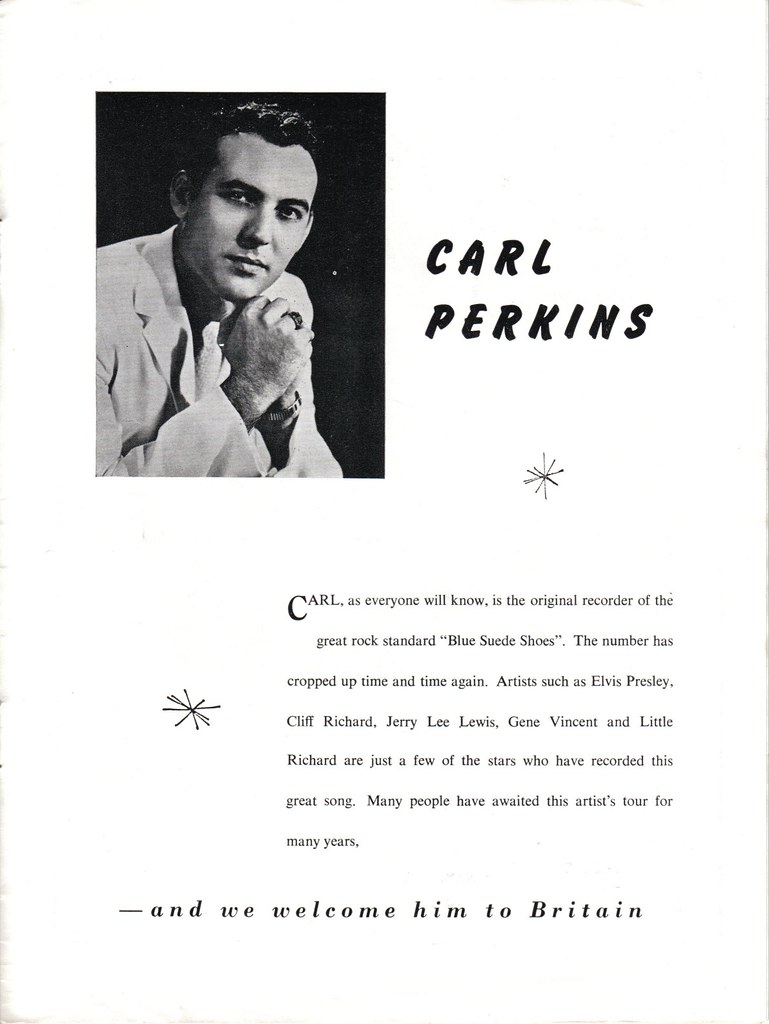
1. Carl Perkins: The Rockabilly Pioneer Whose Glory Was Undervalued
Carl Perkins stands as an undeniable titan in the foundational blueprint of rock & roll, yet his name, for “many people,” doesn’t carry the same household recognition as some of his contemporaries. Tom Petty, a musician who certainly knew a thing or two about enduring rock, declared that “Carl Perkins’ songs will outlive us all.” This isn’t hyperbole; it’s a testament to a unique guitar style that effortlessly blended country picking with the raw energy of rock, creating a sound that was both innovative and instantly infectious. His impact was so profound that if you wanted to play Fifties rock & roll, Petty noted, “you can either play like Chuck Berry, or you can play like Carl Perkins.”
Despite this immense foundational importance, Perkins seemed to be perpetually dogged by “hard luck.” His iconic track, “Blue Suede Shoes,” was undeniably “breaking really big” and on the cusp of catapulting him into superstardom. However, a “terrible car crash on the way to The Ed Sullivan Show” tragically sidelined him at the most crucial moment. As fate would have it, “Elvis ended up covering the song and took a lot of the glory there,” a twist of circumstance that undoubtedly reshaped the trajectory of Perkins’ own mainstream recognition. It’s a poignant illustration of how an artist’s personal journey can diverge from the monumental success of their creations.
Yet, the true measure of his influence lies not just in the hits, but in the reverence he commanded from his peers. The Beatles, arguably the biggest band in history, didn’t just cover five of Carl’s songs on record; “George Harrison told me that the Beatles would study the B sides of Carl’s records to learn everything they could from him.” This deep dive into his lesser-known works by the Fab Four highlights how truly pioneering and formative his techniques were, revealing a depth of influence that transcended mere chart success. He was, as Petty eloquently put it, “the real deal — a true rockabilly cat.”
Perkins’ story is one of an organic talent, honed from his youth “picking cotton” and learning the blues from an “older black field hand.” His father’s admonition, “Play that thing right, boy, or don’t play it at all,” speaks volumes about his raw, unfiltered talent, which he took “to the honky-tonks — the real honky-tonks where people would be drinking out of a jug.” This authenticity, combined with a humble, self-effacing personality (“He was not the kind of guy to blow his own horn”), meant that while his music was popular, his personal legend and the full scope of his genius often remained a cherished secret among musicians and ardent fans, a legacy that perhaps only gained its true, widely acknowledged appreciation long after his most active years.

2. **Ronnie Van Zant (Lynyrd Skynyrd): A Legacy Tragically Cut Short, Deepening Posthumous Reverence**
In the early 1970s, as progressive rock giants dominated the airwaves, Al Kooper, a seasoned producer, found himself searching for a “great three-chord band.” His quest led him to a “very dangerous club on Peachtree Street called Funocchio’s,” where he discovered Lynyrd Skynyrd. What he heard was a band brimming with “another great original song from them” each night, confirming he had indeed found the raw, authentic sound he craved. At the heart of this Southern rock powerhouse was Ronnie Van Zant, the group’s charismatic frontman and lyricist, whose vision was intrinsically linked to their meteoric rise.
Lynyrd Skynyrd wasn’t just another band; they were a force of nature, driven by an almost unparalleled “work ethic.” They relentlessly honed their material in a “shack on the swamp in their native Jacksonville, Florida,” transforming “original material into polished, shining steel.” Their unique dynamic, with “three guitar players,” was masterfully controlled by an innate understanding of “restraint,” making them, in Kooper’s estimation, “the finest arrangers” he’d ever encountered. Their sound, exemplified by hits like “Sweet Home Alabama,” belied their youth, sounding like the work of “seasoned studio musicians twice their age.”
Ronnie Van Zant was, unequivocally, the “heart and soul” of Lynyrd Skynyrd. His lyrics, much like those of “Woody Guthrie and Merle Haggard before him,” possessed an uncanny ability to “cut to the chase.” More than just a songwriter, Van Zant was the disciplinarian, running “that band with an iron hand,” ensuring a “internal discipline” rarely seen. Their guitar solos, for instance, were meticulously “composed,” not improvised, reflecting Van Zant’s dream that “they would sound exactly the same every time they took the stage.” This commitment to precision, combined with an unyielding fearlessness that saw them “open for the Who” and even “get encores” on their very first national tour, propelled them beyond the “Southern-rock tag” to become “one of the greatest rock & roll bands in history.”
However, their incredible trajectory was tragically cut short in a “terrible 1977 plane crash.” This catastrophic event claimed Ronnie Van Zant’s life, and with him, “the forward progress of the band ended.” While the surviving members miraculously “reassembled” with Ronnie’s kid brother Johnny at the helm, and could “duplicate the majesty of past live shows,” it was clear that “the heart and soul of the band was gone forever.” Van Zant’s untimely death meant that while his music was already wildly popular, his legacy took on a new, almost mythical quality, forever enshrining him as a legend whose full potential and continued evolution were tragically silenced, leaving fans and future generations to ponder what more could have been, deepening the reverence for his existing, indelible contributions.
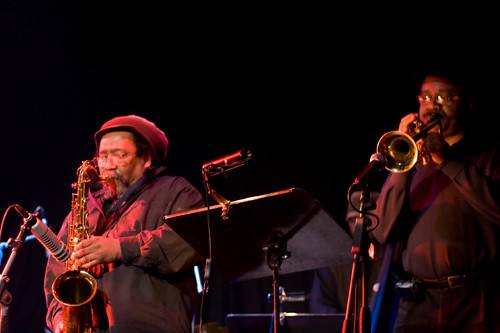
3. Curtis Mayfield: The Soulful Prophet Whose Message Echoes Louder Over Time
Curtis Mayfield was a voice that, for many, defined the late Fifties and early Sixties, a beacon on the AM radio dial where “the rhythms, the grooves and the beautiful sounds of African-American soul were playing.” Initially heard as a backing vocalist in The Impressions, he quickly stepped into the spotlight, crafting and delivering hits that showcased his distinctive style. Boz Scaggs recalled the moment Mayfield truly came into focus with “He Will Break Your Heart,” featuring his “strumming electric guitar to a saucy tango beat,” an influence that could be heard “echoing in Ben E. King’s ‘Spanish Harlem’.” He then took center stage, singing lead on “Gypsy Woman,” an “exotic brew of castanets and dark minor chords,” solidifying his position as a singular talent.
Mayfield’s guitar accent, after the lyric “She danced around and round to a guitar melody,” resonated for years, influencing countless musicians, including the monumental Jimi Hendrix, who clearly showed his influence in “Little Wing.” Yet, it was his voice that truly elevated him, burning “with the abandon of the blues singer and an almost feminine longing, at once powerful and deeply personal.” This unique vocal quality forged an intense connection, particularly with women, who responded “overwhelmingly to his profoundly respectful and sensitive approach.” When he sang “The Wonder of You,” his “vulnerability and passion got in real close. They knew he knew.” This emotional honesty imbued his music with a timeless resonance.
Beyond the romantic and soulful, Mayfield evolved into a powerful “voice of activism.” He courageously began “calling out diseases of urban America and challenging people to see what was going on,” a plea that would later be championed by Marvin Gaye. The sheer breadth of his artistry and his potent social commentary culminated in the “soundtrack to Superfly,” a work that still hits listeners “in waves: driving rhythms with brass and strings countered by down-in-the-alley funk.” This masterful fusion of social consciousness and compelling musicality ensured his work remained profoundly relevant, its message continuing to unfold and gain deeper appreciation as societal issues persisted.
Mayfield remained a “dynamic performer right up until he was disabled in an accident onstage in New York in 1990.” Though his active performing career was cut short, his influence and the enduring power of his socially aware music continued to inspire and educate. His personal demeanor, described by Scaggs as “funny, gracious to all, had a beautiful smile and a genuine way about him — a gentle and humble man at heart,” only added to the reverence for his artistic integrity. His music, already popular, gained an even richer, deeper significance as generations continued to grapple with the issues he so powerfully articulated, cementing his legacy as a prophet whose messages echoed louder over time.
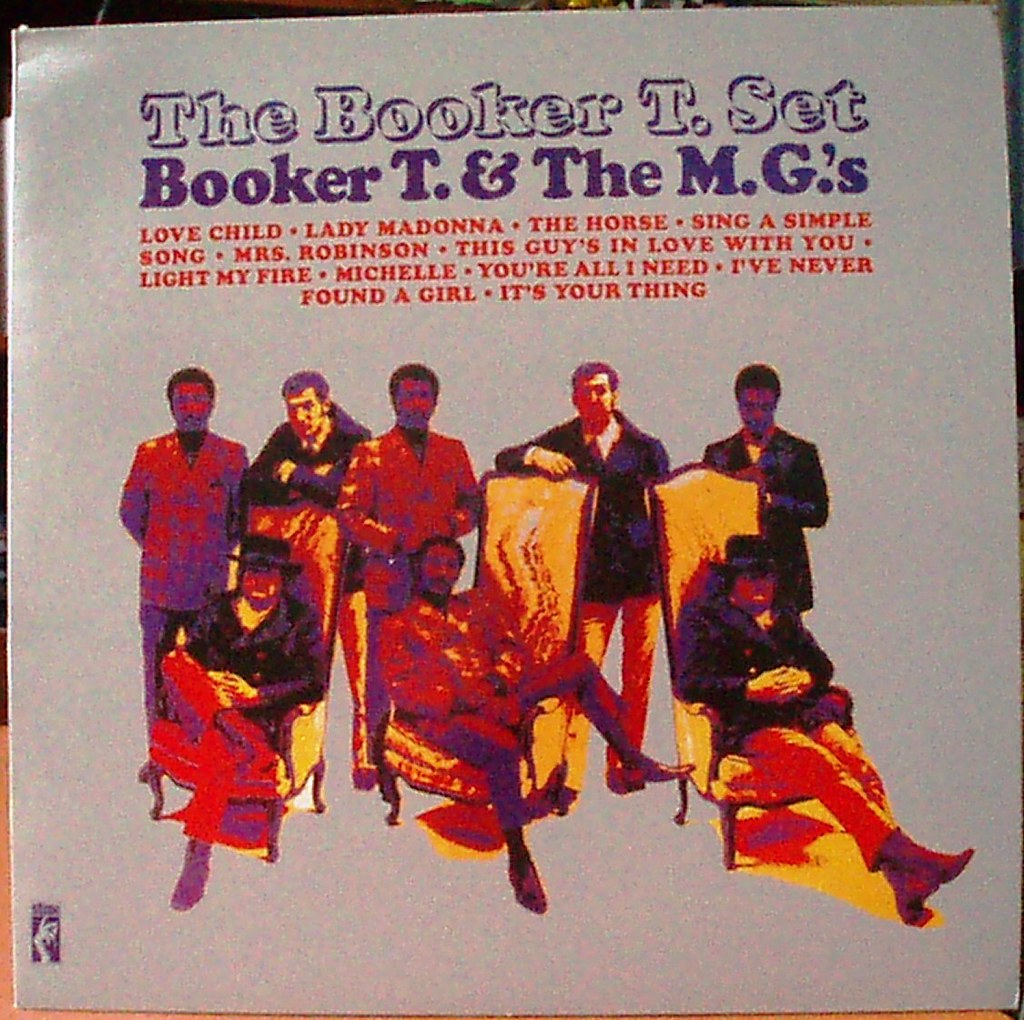
4. Booker T. and the MGs: The Unseen Hands Behind the Grooves, Whose Influence Only Grew
While some bands grab headlines with flamboyant frontmen or epic solos, others quietly lay the groundwork for entire musical movements. Booker T. and the MGs were precisely this kind of group, the very definition of understated genius. They were the legendary “house band at Stax/Volt,” creating the iconic “Southern funk flavor” that stood in gritty contrast to Motown’s polished Northern sound. Their instrumental prowess, best showcased in their own hit “Green Onions,” made a name for themselves, but their true ubiquity and profound impact extended far beyond their singles.
The MGs were a band ahead of their time in more ways than one. They were an “integrated band — half white, half black,” a rarity in a Memphis that still operated behind a “cotton curtain” of segregation in the Sixties. This familial unity within the band was a powerful “sign of things to come.” More remarkably, their “real adaptive ability” was unparalleled. Whether it was Otis Redding’s raw emotion, Sam and Dave’s electrifying energy, or Albert King’s searing blues, “it was always Booker T. and the MGs playing,” providing the indispensable rhythmic and harmonic foundation for a galaxy of stars.
Their role as the backbone of the Stax/Volt sound meant they were, in many respects, “unsung heroes” in their own time, their individual brilliance sometimes overshadowed by the vocalists they supported. Isaac Hayes, who learned “everything about record production from those guys” during his first sessions at Stax, perfectly captured their essence. The MGs’ influence, however, has proven to be incredibly pervasive and enduring, resonating throughout the entire industry today — “especially since hip-hop guys sample so much of what they did back then.” This posthumous, or at least belated, recognition of their foundational grooves highlights how their sound continues to shape contemporary music, long after its initial creation.
The individual talents within the MGs were also exceptional. “Steve Cropper and Donald ‘Duck’ Dunn were the rock & rollers,” but they deftly covered “the country thing… as well as the blues.” Cropper, unlike many guitarists who “like to go crazy,” “picked his spots, and when he spoke, it was profound.” Dunn, a “great bass player, and very funny,” contributed a rhythmic bedrock that was as solid as it was soulful. The collective genius of Booker T. Jones, Steve Cropper, Donald ‘Duck’ Dunn, and Al Jackson Jr. laid down grooves that became the very language of soul and R&B, ensuring that their profound, though often anonymous, contributions would be discovered and celebrated anew by each succeeding generation, solidifying a legacy that continues to grow in appreciation.
Continuing our journey through musical history, this section highlights four more iconic acts whose innovative approaches and distinctive artistry left an indelible mark. We will explore how these visionaries, through their groundbreaking styles and deeply personal expressions, created sounds that anticipated future trends and cemented their places as timeless figures, with their full impact often unfolding in the decades that followed their rise to prominence.
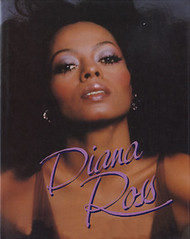
5. Diana Ross and the Supremes: Disposable Pop to Undeniable Masterpieces
For nearly three decades, Antonio “L.A.” Reid, a titan in the music industry, admitted that all he’d been doing was “trying to discover another Diana Ross.” That’s a powerful testament to the singular impact of a star who was, in his words, “gorgeous and skinny” during the Twiggy era and possessed “that big, beautiful hair.” Beyond her undeniable glamour – those “furs, diamonds and early bling-bling” – it was the aura of stardom that radiated from her mannerisms and look, defining an entire era of pop and R&B.
Yet, the music of The Supremes, the quintessential embodiment of the Motown sound, was once viewed through a surprising lens. Songs that are now considered timeless classics – “Where Did Our Love Go,” “Baby Love,” “Come See About Me,” “Stop! In the Name of Love,” “I Hear A Symphony” – were, “at the time, people thought those songs were disposable.” It’s a striking thought, considering we now recognize them as “true masterpieces,” vibrant and alive with an energy that has only intensified over the years.
Behind Diana Ross’s captivating presence were the unsung heroes who meticulously crafted this sound. Holland, Dozier and Holland were simply “amazing songwriters, just pure melody men.” But the true magic often lay with the Motown house band, the Funk Brothers, who could “take those great songs and give them sound.” Every single one of their hits boasted a “distinctive, memorable intro,” each a hook in itself, demonstrating an unparalleled mastery of musical arrangement. And, of course, the contributions of Mary Wilson and Florence Ballard, two “other wonderful singers,” were integral to the group’s harmonious allure.
Diana Ross’s voice, distinct and unmistakable, was the final, electrifying element. It had such “presence, terrific tone, and was so identifiable,” instantly giving listeners “chill bumps.” While she might not have possessed the gospel power of an Aretha Franklin, she was a true “stylist,” conveying an authenticity that made you “always believe her.” Whether captivating with romance or “begging” with vulnerability, as in “Where did our love go?”, her emotional honesty resonated deeply. Her enduring influence is clear, having “set the road map for the success of Janet Jackson, Madonna – anybody who could sing but wasn’t a real crooner,” proving her voice could still thrive on contemporary radio today.
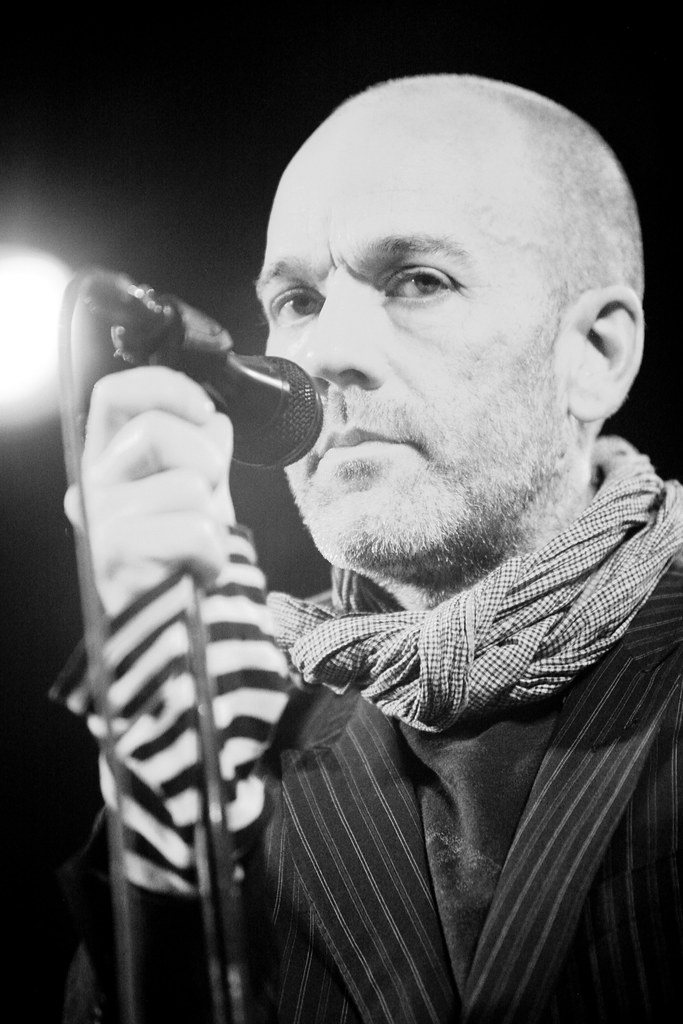
6. R.E.M.: The Indie Darlings Whose Deeper Layers Unfolded Over Time
For many, discovering R.E.M. felt like unearthing a secret treasure, a band operating just beneath the mainstream radar, yet brimming with undeniable genius. Colin Meloy recounts his initial encounter in 1986 with their song “Superman,” a track so “meticulously crafted bubblegum” and so “simple and honest and funny” that it instantly rendered his existing cassette collection obsolete. This was a band that, for a young fan in Helena, Montana, represented a rare taste, a connection to something profoundly unique.
Yet, this clandestine adoration was destined for a seismic shift. By the time their album *Lifes Rich Pageant* became a staple on “yellow Sony Sports boomboxes,” R.E.M. was undeniably “a going concern.” The following year, *Document*, with its MTV video, propelled them further into the public consciousness. Meloy vividly recalls the internal struggle of being a dedicated, early fan when “Green came around, and suddenly this band was on a major label, playing arenas, and every human in America with two ears and access to radio was being demanded to ‘Stand.'”
For ardent fans, the true depth of R.E.M.’s artistry lay beyond the radio singles. Albums like *Murmur*, *Reckoning*, and even *Dead Letter Office*, a collection of “beer-soaked goofs and discarded B sides,” provided a much-needed “insulation against the cruel, Queensrÿche-and-Garth-Brooks-listening world.” Michael Stipe’s lyrics, however “inscrutable,” possessed an uncanny ability to “always give language to this weird, agonizing metamorphosis” taking place in a young mind. This intimate connection to their deeper catalogue ensured their influence continued to grow and deepen, far beyond the initial, broader brushstrokes of their chart success.
Indeed, R.E.M.’s music became a subtle signal, a badge of belonging for those who delved beneath the surface. Meloy’s poignant memory of seeing a girl wearing a *Fables of the Reconstruction* T-shirt – a moment of recognition akin to a “wayward fugitive, stumbling through the door of some Provençal cafe” and finding fellow members of “the resistance” – beautifully illustrates this. It highlights how the band’s deeper, more nuanced expressions created a profound sense of community and understanding, solidifying a legacy that continues to resonate with new layers of meaning for generations of listeners who connect with their art on a deeply personal level.

7. Nine Inch Nails: Industrial Rock’s Unconventional Genius, Still Shattering Sounds Decades On
When the landscape of rock called for innovators, Michael Trent Reznor emerged as an unlikely, yet profoundly impactful, contender. David Bowie, an artist synonymous with reinvention, notes that the “gods of nasty sounds” might not have envisioned “a small lad with a tuba” and a knack for sax and piano to lead the charge. But Reznor, with his early mastery of recording-studio engineering, was precisely the visionary industrial rock needed. His debut album, *Pretty Hate Machine*, was melodically oriented and, buoyed by an extensive three-year tour, became the genre’s “first real mainstream breakthrough, selling over a million copies.”
Reznor’s genius lay in his fearless experimentalism, a trait David Bowie praises by stating that, in making *The Downward Spiral*, Reznor “unpacked his synth and threw away the manual.” He deliberately “encouraged the computer to misconstrue input,” compelling it to unleash sounds that were “bloated, misshapen shards” – sonic attacks that “pierced and lacerated the listener.” This wasn’t just noise; it was a deliberate, artistic dismantling of conventional sound, pushing boundaries that few dared to approach.
Bowie declares that, as a companion piece to Baudelaire’s *Flowers of Evil* and second only to the Velvet Underground, there has “never been better soul-lashing in rock.” The music of Nine Inch Nails is described as containing “a beauty that attracts and repels in equal measure,” a profound reflection of Nietzsche’s “God is dead” set to a “nightclubbing beat.” This potent blend of philosophical weight and raw, visceral sound ensures its lasting power.
Its continued impact is vividly encapsulated in Bowie’s surreal dream of Lou Reed, Warren Peace, and himself being chased by “infernal screaming lavender, blue and black snakes” after hearing a Trent Reznor remix of *Metal Machine Music*. Even two decades after its release, *The Downward Spiral* “still sounds incredible today,” a testament to its groundbreaking nature and its ability to continually captivate and challenge. Trent Reznor’s work redefined industrial rock, and its profound, complex layers continue to be explored and appreciated, cementing its place as a timeless, genre-defining force.

8. Talking Heads: The Art-Rock Visionaries Whose Reflections Still Resonate
Talking Heads emerged as a refreshing counterpoint to the rigid structures of early hardcore punk, immediately capturing the attention of listeners like Dave Sitek. He recalls telling his punk friends, “Yo, check this out! This four-chord thing we’re doing? We’re missing out on something!” The band’s unique blend of ambient music, “strong lyrics and incredibly inventive percussion and bass parts” on albums like *Remain in Light* and *Fear of Music* was a revelation, making them feel like a discovery that transcended conventional genre limitations.
Their musicality was a masterclass in layered complexity. Sitek describes how a Talking Heads bass line could send a song in one direction, the drums in another, and David Byrne’s lyrics in yet a “completely different” one. “And then the guitars come in, and then the ambience comes in — it’s like several songs all blending into one.” This unique, multi-directional approach showcased their willingness to “make it their own,” viewing even their producer, Brian Eno, as “another instrument” in their innovative sonic experiments.
David Byrne’s lyrical prowess was equally profound, speaking to the deeper truths of modern existence. Growing up in a planned community with a “facade that everything around us is solid and real and going to be here forever,” Sitek found that Byrne’s lyrics “spoke to the artifice of the American landscape.” He was an artist who fearlessly revealed the “back alleys” of the American Dream, reflecting the lived experience of his time with an honesty that continues to be relevant today. “What they’re addressing still applies.”
From the grit of modern living found in *Remain in Light* and *Fear of Music* to the “bare-bones essentials” of their more direct songs, Talking Heads crafted an oeuvre that resonated across the emotional and spiritual spectrum. Songs like “This Must Be the Place” are described as “simple, but when you look at all the elements and how they’re put together… Genius, maybe?” This question encapsulates their lasting impact: a band whose intricate yet accessible artistry continues to be celebrated, revealing new depths of meaning and influence with each passing generation, firmly establishing them as timeless pioneers whose vision truly unfolded over decades.
As we close the curtain on these eight incredible artists, it’s clear that the true measure of musical genius isn’t always found in immediate fame or conventional success. Sometimes, it’s in the quiet resilience of a rockabilly riff, the tragically silenced roar of a Southern rock legend, the echoing prophecy of a soulful voice, or the foundational grooves that underpin an entire genre. It’s in the pop songs once dismissed as disposable, now revealed as masterpieces, the indie anthems whose deeper meanings unfurl over years, the shattering industrial sounds that redefine what music can be, and the art-rock visions that continue to reflect our world with uncanny precision. These musicians remind us that the most profound legacies are often those that take time to fully appreciate, blossoming into timeless treasures whose impact only grows with each passing beat.