“Weird” – the very word conjures images of the unusual, the unexpected, the things that make you raise an eyebrow and ponder, “What were they thinking?” As a senior media editor, I’ve seen countless trends come and go, but few eras spark as much curiosity and nostalgic fascination as the 1960s. This was a decade that didn’t just push boundaries; it shattered them, especially when it came to cars. Forget about today’s sleek, standardized designs; 60 years ago, vehicles were vibrant canvases of innovation, personality, and sometimes, outright delightful peculiarity.
The automotive industry in the 1960s was a playground of bold engineering and revolutionary designs. Cars weren’t merely modes of transport; they were extensions of one’s identity, brimming with character and a sense of freedom that feels almost alien in our modern world. From futuristic visions to features that catered to very different societal norms, the vehicles of this era were a testament to out-of-the-box thinking, where uniqueness was celebrated and ingenuity was king.
Many of these features, driven by daring concepts and a desire for individuality, are simply unmatched in today’s automotive landscape. They vanished due to evolving tastes, strict safety regulations, or simply because they were a unique product of their time. So, buckle up, fellow enthusiasts, as we take a delightful journey back to the swinging sixties to explore seven of the most mind-boggling and delightfully ‘weird’ car features that people absolutely loved, but which have since become glorious relics of a bygone era.
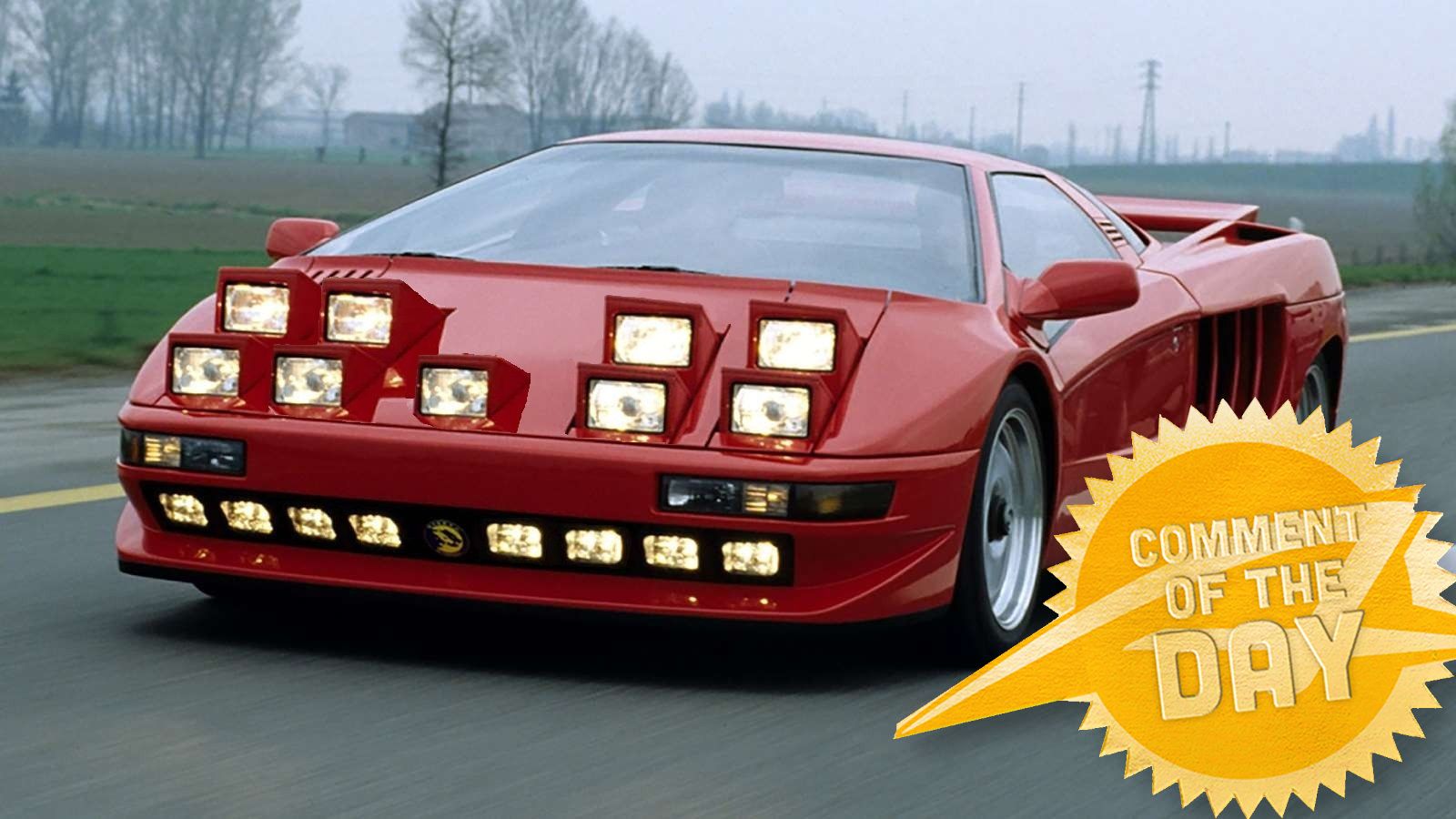
1. **Pop-Up Headlights**In the swinging sixties, cars often winked at the world with their mesmerizing pop-up headlights. These concealed gems weren’t just a quirky aesthetic choice; they added a distinct touch of mystery and allure to a vehicle’s front profile. Imagine the drama and flair as these lights would emerge from their hidden compartments, transforming the car’s face with a simple flick of a switch – a far cry from the fixed, often uninspired, lighting systems we see today.
More than just a stylistic flourish, pop-up headlights also embodied the rebellious spirit of the era, making every drive feel a bit more adventurous and exclusive. They weren’t solely about looks either; these ingenious designs actually reduced aerodynamic drag when hidden, giving sports cars of the time a subtle yet impactful edge in performance. It was a clever blend of form and function that truly set these vehicles apart.
Sadly, this playful charm and aerodynamic advantage are now a fading memory. Modern cars may boast advanced LED matrices and intricate lighting signatures, but they can never quite replicate the sheer theatricality of these hidden lights. Strict safety regulations regarding pedestrian impact protection have largely consigned pop-up headlights to the annals of automotive history, leaving us to admire their unique genius only in classic car shows and vintage photographs.
Read more about: From Gadget-Filled Spymobiles to Time-Traveling Legends: 13 Classic Cars That Drove Hollywood History
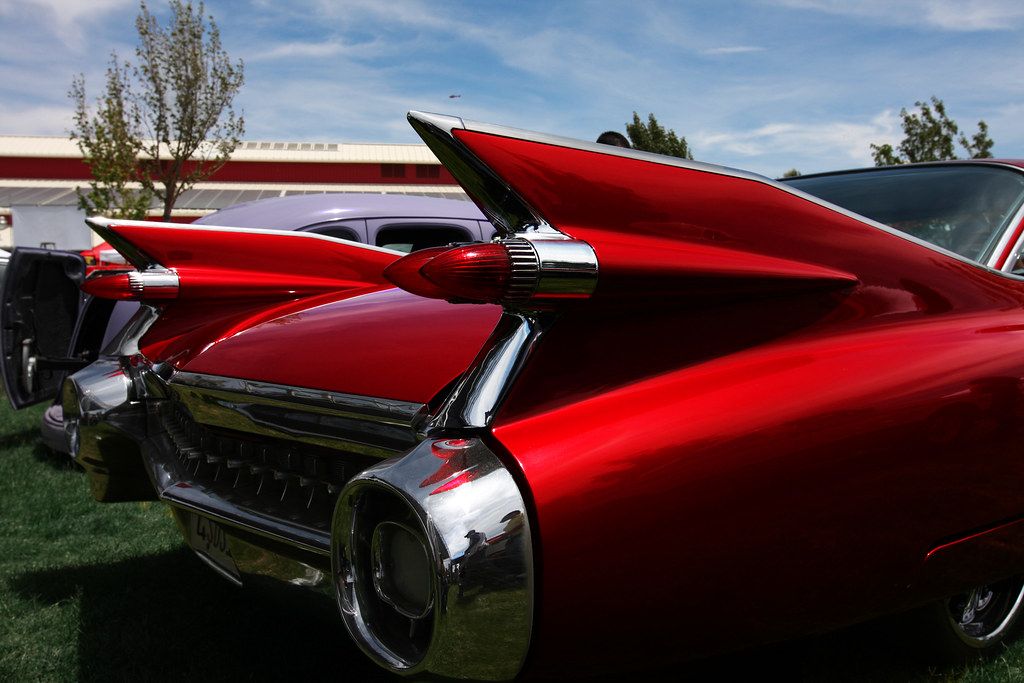
2. **Tailfins**Remember a time when cars soared down the highway looking like they were ready for liftoff? That’s the enduring image of 1960s vehicles, many adorned with impressive tailfins that rose like wings on a jet. These dramatic fin-tastic tails weren’t merely for show; they were deeply inspired by the exhilarating space race and symbolized humanity’s boundless progress and innovation, pushing the boundaries of automotive design.
Drivers behind the wheel of these finned beauties often felt a sense of empowerment, like pilots navigating the open highways with an unparalleled flair. These design elements offered a unique identity, ensuring that every car made a distinct statement and stood out in a crowd. While tailfins in the 60s were somewhat more subdued than their flamboyant 1950s predecessors, they still remained a powerful symbol of forward-thinking design.
Today’s vehicles are meticulously engineered for aerodynamics and fuel efficiency, often resulting in uniform, streamlined lines. But they simply cannot compete with the sheer artistic expression and whimsical designs that tailfins brought to the road. This celebration of individuality, a signature of the era, is rarely seen in the often-homogenized world of modern car aesthetics, making tailfins a truly memorable and ‘weird’ testament to a different design philosophy.
Read more about: The 19 Greatest American Cars That Defined an Era

3. **Unique Horn Sounds**Cast your mind back to an era where the symphony of the city wasn’t just engine roars and tire hums, but a delightful cacophony of distinctive horn sounds. In the 1960s, a car’s horn wasn’t just a utilitarian warning device; it possessed a genuine personality, allowing each vehicle to announce itself with its own unique audible signature. From playful to commanding, these horns were truly a car’s voice on the road, adding an undeniable layer of character and a hint of fun to every drive.
Modern cars, unfortunately, have largely lost this charming identity. Their horns are now standardized, producing a uniform, often generic, beep or blare that serves its purpose but lacks any individual flair. Back then, honking your horn was more than just a signal; it was a statement, an expression of the car’s – and perhaps even the driver’s – individuality, much like its unique exterior design.
The diverse range of horn sounds from the 60s brought life to the streets, transforming what is now a simple, functional alert into an audible emblem of creativity and personal touch. It’s a subtle yet significant detail that highlights how much emphasis was placed on making every aspect of a vehicle, even its warning signal, a little bit special and, yes, a little bit ‘weird’ from our modern, homogenous perspective.
Read more about: Revving Up Your Portfolio: 15 Classic Cars That Could Drive Exponential Returns

4. **Bench Seats**In an age where genuine camaraderie on the road was highly valued, bench seats emerged as the quintessential solution for automotive interiors. Forget the isolating confines of today’s bucket seats; these wide, expansive seating arrangements warmly invited cozy companionship and fostered a sense of togetherness. Couples could easily slide close, and spontaneous road trips instantly transformed into more social, inclusive events, where everyone felt connected.
While modern cars prioritize individual personal space and ergonomic perfection, they often inadvertently miss the profound joy of shared journeys and the simple, unpretentious comfort of being close to fellow passengers. Bench seats offered unparalleled flexibility and comfort, effortlessly accommodating more passengers than typical modern configurations, proving that the journey itself was just as important, if not more so, than merely reaching the destination.
The inherent elegance and welcoming ambiance of bench seating remain unmatched in contemporary automotive design. Their near-complete absence in today’s vehicles represents a quiet loss of a design philosophy that celebrated togetherness, comfort, and a relaxed, inclusive approach to travel. It’s a ‘weird’ omission when you consider the sheer communal joy they once provided.
Read more about: 10 Super Reliable Cars You Can Still Snag Under $10K in 2025
5. **Ashtrays in Every Door**Delving into the cultural norms of the 1960s immediately reveals a stark contrast to our health-conscious present. When smoking was a far more common and accepted habit, the ubiquity of ashtrays in every door of a vehicle was a standard, almost expected, feature. This meticulous attention to detail catered directly to a different lifestyle, one where smoking and driving often went hand in hand, reflecting a period when convenience was defined by accommodating personal habits.
While modern cars rightly prioritize health and air quality, they consequently lack the unique charm and personalized touch that such specific features once offered. These numerous ashtrays were much more than mere functional receptacles; they were a direct reflection of the era’s prevalent culture, a tangible link to the daily lives of drivers and passengers alike.
Their thoughtful presence in not just one, but every door, added a distinctive dash of character and undeniable practicality for the time. It serves as a truly quirky and ‘weird’ detail from the 60s, highlighting how drastically societal attitudes and consumer demands have shifted, leaving such personalized, habit-driven features firmly in the past.
Read more about: Kris Kristofferson’s Enduring Journey: A Deep Dive into the Life and Legacy of a Rugged Star
6. **Glove Box Mini Bars**Imagine cruising down the highway in the 1960s, and with a simple flick of your wrist, revealing a compact, in-car drinking experience right from your glove compartment. This wasn’t a universal feature, but an exclusive offering among high-end luxury cars, where the concept of mobile indulgence knew few bounds. The glove box mini bar was designed to deliver an unparalleled level of convenience and sophistication directly to discerning passengers, transforming a routine drive into an opulent affair.
These miniature bars were symbols of ultimate luxury, a testament to an era where car manufacturers were experimenting with every conceivable way to differentiate their premium offerings. Vehicles like the prestigious 1957 Cadillac Eldorado Brougham are notable for having included such an extravagant feature, complete with vanity accessories in its glove compartment, turning it into far more than just storage for registration papers.
The sheer concept of having a fully stocked mini bar built into a vehicle’s glove box seems wonderfully ‘weird’ and almost fantastical from a contemporary viewpoint. It vividly illustrates a bygone era of lavish automotive opulence, a niche feature that, while no longer commonplace due to evolving laws and societal expectations, speaks volumes about the no-holds-barred approach to luxury and innovation of its time.
Read more about: Unpacking the Wallet Drain: The 12 Most Expensive SUVs to Maintain in Today’s Market for Savvy Long-Term Planners
7. **Onboard Record Players**Before the advent of digital streaming or even ubiquitous cassette players, the idea of enjoying your favorite tunes on vinyl while on the open road was nothing short of revolutionary. Enter the onboard record player, a truly groundbreaking innovation that granted drivers the extraordinary liberty to spin actual vinyl records during their journeys. Systems like the Highway Hi-Fi, which mounted under the dashboard, were designed to bring continuous music to the automotive experience.
These ingenious devices faced a unique challenge: keeping a needle firmly planted in the groove of a spinning record while a car navigated bumps and turns. To overcome this, they incorporated sophisticated shock-absorbing mechanisms, a testament to the era’s dedication to providing cutting-edge in-car entertainment. It was a tactile and deeply immersive way to enjoy music, connecting drivers to their favorite artists in a very personal way.
Despite their futuristic appeal and the sheer novelty they offered, onboard record players soon lost favor. They were notoriously prone to malfunctions – imagine your favorite track skipping uncontrollably on every pothole! – and were often quite expensive to boot. Yet, their existence is a ‘weird’ and wonderful reminder of a time when carmakers went to extraordinary lengths to fulfill the dream of mobile entertainment, showcasing a pioneering spirit that was truly ahead of its time.
Ready for more mind-boggling blasts from the past? The 1960s were truly a playground for designers and engineers who weren’t afraid to get a little wacky, all in the name of making cars more personal, more exciting, and a whole lot more *fun*. We’ve already zipped through seven fantastic features, but trust me, the sixties had even more peculiar tricks up their sleeves that would make today’s minimalist dashboards blush.
Let’s peel back another layer of automotive history and discover eight more genius innovations that made driving in the 60s an utterly unforgettable experience. Prepare to wonder why these brilliant, albeit sometimes odd, ideas aren’t still rolling off the production lines today!
Read more about: The Vanishing Act: 12 Car Features Automakers Are Quietly Removing and What Every Buyer Needs to Know Before Signing
8. **Manual Windows**Before power windows became the norm, there was a beautiful simplicity to manual window cranks. Imagine the satisfying ritual of hand-cranking your window up or down, a direct, tactile connection to your vehicle. It felt like part of the driving experience itself, a moment of engagement modern buttons can’t quite replicate.
This straightforward approach had a genuine charm. Manual windows were wonderfully reliable; they never failed during a power outage, and you didn’t have to worry about costly electronic repairs. These simple cranks were dependable companions, built to last through any weather.
While today’s vehicles prioritize ultimate convenience with a push of a button, there’s something undeniably appealing about that old-school control. It was a testament to practicality wrapped in pure nostalgia, reminding drivers of a time when interaction with your car was a bit more hands-on.
Back then, manually rolling down windows was absolutely “the jam.” Though it required a bit of effort and time compared to our instant gratification buttons, it grounded you in the driving experience, making every journey feel more involved and personal. Sometimes, simplicity truly is genius.
Read more about: Unlocking the Mystery: Why Your Car Key Fob Replacement Can Cost Hundreds of Dollars

9. **Floor-Mounted High Beam Switch**Here’s a real head-scratcher for anyone who’s only driven modern cars: the floor-mounted dimmer switch. Tucked away on the driver’s floor, this clever button let you toggle your high beams with a tap of your foot, meaning your hands never had to leave the steering wheel. Talk about effortless multitasking!
This setup was incredibly intuitive and efficient, especially when navigating winding country roads where every second counted. There was a unique and satisfying click as your foot engaged the switch, a sensation modern, steering-wheel-mounted controls just can’t quite replicate.
While today’s high-tech automobiles boast incredible lighting innovations, the simple elegance of footwork sometimes outshines complex gadgetry. This floor-mounted switch was a small, yet brilliantly engineered detail that transformed night driving into a much smoother, less distracting affair.
It was a piece of practical genius at its finest, remaining a staple for five decades before manufacturers transitioned control to the steering column. It reminds us that sometimes, the best solutions are the ones right under our feet.
Read more about: Mind Blown: 15 Old School Car Features Kids Today Would Seriously Never Get (And Why We Kinda Miss Them!)
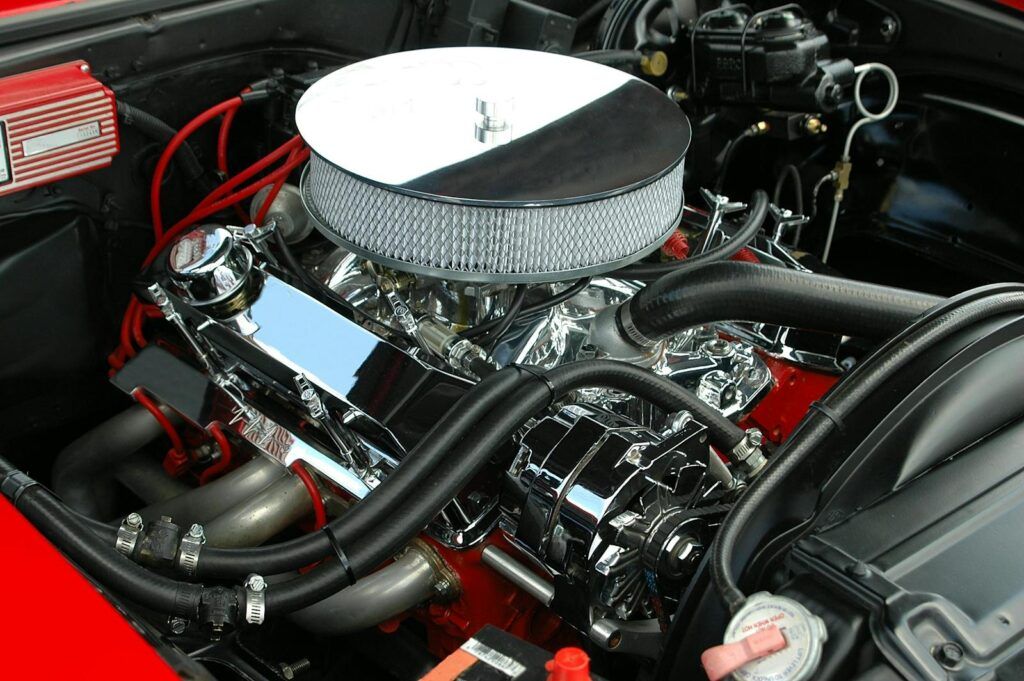
10. **Chrome Detailing**Get ready to sparkle, because the 1960s car scene absolutely shimmered with chrome. This wasn’t just a design choice; it was pure artistry in metal, lavishing vehicles with an elegance and class that made them gleam like stars on the open road. Modern cars might lean towards understated plastic, but chrome brought an unmatched, dazzling luster.
Beyond its stunning appearance, chrome was a remarkably durable material, offering protection against wear and tear. It was, quite literally, the jewelry of automobiles, reflecting an era defined by bold style and undeniable sophistication. Every gleaming bumper and trim piece spoke volumes.
The tactile pleasure of running your hand over polished chrome is a sensory experience largely missing from today’s automotive designs. While efficiency and lightweight materials now reign supreme, the beauty and luxurious feel of chrome detailing remain a deeply nostalgic touch that modern plastics simply can’t replicate.
Carmakers used chrome extensively on everything from bumpers and window trims to intricate badges and grilles. Its distinct reflective quality not only gave cars a truly luxurious look but also symbolized the era’s boundless optimism and forward-thinking approach to design.
Read more about: Revving Up Your Portfolio: 15 Classic Cars That Could Drive Exponential Returns
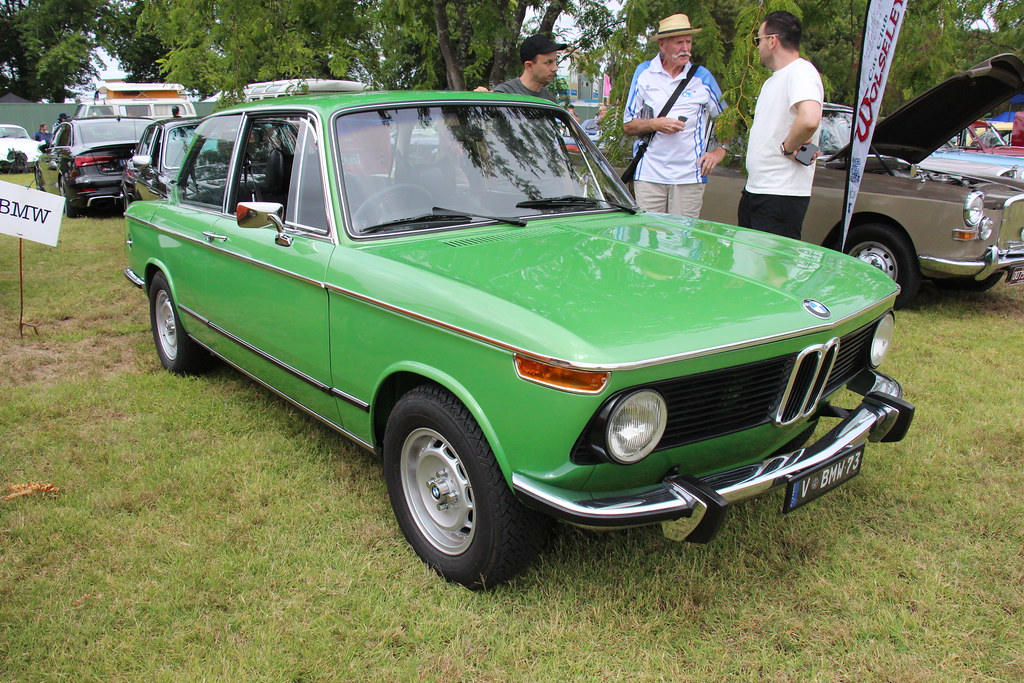
11. **Wing Vent Windows**Let’s hear it for the unsung heroes of in-car ventilation: the beloved wing vent windows! These small, triangular panes, found just ahead of the main side windows, were revolutionary. You could angle them precisely, allowing a gentle, refreshing stream of fresh air to whisper into the cabin without the full-on gale force of a main window completely down.
They were perfect for gentle cruises, providing whispering breezes that made every journey feel effortlessly comfortable. Before ubiquitous air conditioning, wing windows offered a natural, eco-friendly solution for managing airflow and keeping things cool.
With a simple, satisfying twist, drivers could personalize their comfort, directing a subtle stream of air exactly where it was needed. While today’s powerful AC systems handle climate control with advanced precision, they often lack the personalized, intuitive touch of adjusting airflow with a cleverly designed wing vent.
These ingenious windows were a standard feature in the 1960s, designed to offer superb ventilation while effectively reducing wind noise. Their ability to direct airflow directly into the car, precisely as desired, made them elegantly genius in their sheer simplicity.
Read more about: Beyond the Shadows: Unearthing the Obscure Sci-Fi and Fantasy Novels Destined to Be the Next Big Action Franchise

12. **Push-Button Transmission**Prepare for a journey to the future, 1960s style! The push-button transmission was a futuristic marvel, letting drivers switch gears with just a simple press of a button. It was a space-age solution in a largely mechanical world, offering a tantalizing glimpse into what automotive control could become.
This wasn’t just about convenience; it was a whole new tactile experience, sparking excitement and embodying the spirit of innovation. The push-button transmission perfectly captured the daring essence of the 60s, an era when cars were envisioned as much more than mere transport—they were tangible pieces of a grand technological dream.
It represented a novel approach, a fascinating departure from traditional gear levers. While its futuristic appeal and convenience were undeniable, unfortunately, these pioneering systems were often prone to malfunctions and were eventually discontinued as technology evolved.
Today’s advanced shift levers and paddle shifters are incredibly sophisticated, but they can’t match the sheer novelty and “wow” factor of those original push-button controls. It’s a wonderful example of how the 60s dared to dream big, even if some dreams were a little glitchy!
Read more about: The 9 Most Fuel-Efficient SUVs in the Market Right Now: What Agencies and Mileage Logs Reveal for Budget Commuters
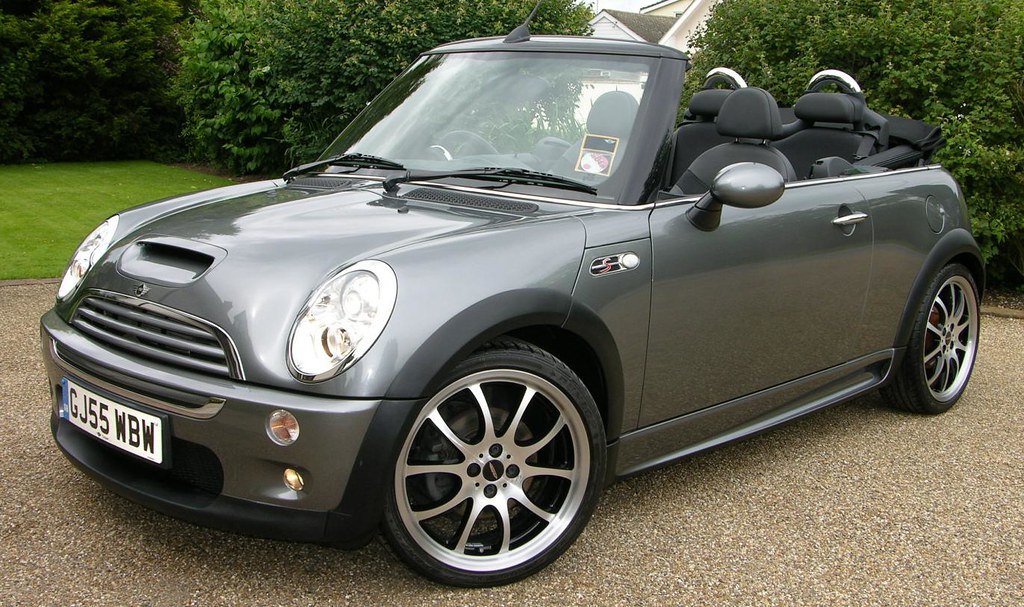
13. **Hood Ornaments**Stepping back into the 60s, you couldn’t miss the distinct personality radiating from the front of many vehicles, often thanks to magnificent hood ornaments. While they might symbolize wealth even today, back then, they served a dual purpose: not only adding undeniable elegance but also cleverly concealing the radiator caps beneath. Talk about making a grand entrance!
These miniature sculptures were more than just decorative trinkets; they bestowed a unique identity upon each vehicle. They helped differentiate models and brands, making a powerful statement about the car’s pedigree and the driver’s discerning taste, turning every ride into a stylish affair.
Sadly, modern cars have largely phased out these distinctive adornments, favoring streamlined, minimalist designs. While this shift reflects evolving aesthetic preferences and pedestrian safety, it undeniably leaves a void where once a proud, distinctive touch of automotive artistry resided.
It’s genuinely ‘weird’ to think of a time when such an opulent, seemingly non-essential feature could be so central to a car’s appeal. Hood ornaments were a beautiful, tangible expression of character, adding a unique flourish that truly made a vehicle stand out in the bustling automotive landscape of the sixties.
Read more about: Unearthing Automotive Gold: These Rare Classic Car Parts Command Fortunes in the Collector’s Market

14. **T-Tops And Targa Tops**Who doesn’t love a bit of open-air exhilaration without the full commitment of a convertible? Enter the iconic T-Tops and Targa Tops, trademarks of 1960s car design that offered a brilliant semi-convertible body style. Porsche famously introduced the Targa top in 1966 with its distinct removable roof panel and integrated roll bar, quickly followed by T-Tops in 1968 with their twin removable panels.
These innovative designs masterfully combined the best of both worlds: the thrilling, wind-in-your-hair experience of a convertible with the added security and structural integrity of a hardtop. It was a clever piece of engineering that truly revolutionized how drivers could enjoy their rides.
The sheer joy of being able to easily remove sections of your roof for an instant dose of sunshine and open road freedom was unmatched. These unique designs quickly became incredibly popular, transforming routine drives into mini-adventures and making every journey feel just a little more special.
T-Tops and Targa Tops offered unparalleled flexibility and a distinct stylistic flair. They catered perfectly to drivers who craved both the invigorating sensation of open-air motoring and the practical assurance of a more secure roof, showcasing the era’s brilliant adaptability in design.
Car Model Information: 2003 Porsche 911 Targa
Name: Porsche 911
Caption: The 1 millionth 911 produced on display at Volkswagen Group Forum, Berlin
Designer: Ferdinand Alexander Porsche
Manufacturer: Porsche
Production: September 1964 – present
Assembly: Stuttgart,Baden-Württemberg
Class: Sports car
BodyStyle: unbulleted list
Related: unbulleted list
Layout: Rear-engine design,rear-wheel drive
Predecessor: Porsche 356
Categories: 1970s cars, 1980s cars, 1990s cars, 2+2 coupés, 2000s cars
Summary: The Porsche 911 model series (pronounced Nine Eleven or in German: Neunelf) is a family of German two-door, high performance rear-engine sports cars, introduced in September 1964 by Porsche AG of Stuttgart, Germany, and now in its eighth generation. All 911s have a rear-mounted flat-six engine, and usually 2+2 seating, except for special 2-seater variants. Originally, 911s had air-cooled engines, and torsion bar suspension, but the 911 has been continuously enhanced, and evolved across generations. Though the 911 core concept has remained largely unchanged, water-cooled engines were introduced with the 996 series in 1998, and front and rear suspension have been replaced by Porsche-specific MacPherson suspension up front, and independent multi-link rear suspension.
The 911 has been raced extensively by private and factory teams, in a variety of classes. It is among the most successful competition cars. In the mid-1970s, the naturally aspirated 911 Carrera RSR won world championship races including Targa Florio and the 24 Hours of Daytona. The 911-derived 935 turbo also won the 24 Hours of Le Mans in 1979. Porsche won the World Championship for Makes in 1976, 1977, 1978, and 1979 with 911-derived models.
In a 1999 poll to determine the Car of the Century, the 911 ranked fifth — one of two in the top five that had remained continuously in production (the original Beetle remained in production until 2003). The one millionth example was manufactured in May 2017 and is in the company’s permanent collection.
Get more information about: Porsche 911
Buying a high-performing used car >>>
Brand: Porsche Model: Targa
Price: $46,950 Mileage: 42,530 mi.
Read more about: Rev Up Your Memory Lane! 15 Iconic ’70s Cars That Shaped a Decade of Wild Rides – Did You Own Any of These Legends?

15. **Swivel Seats**Alright, prepare for a feature that truly screams “convenience meets quirky luxury” from the 60s: swivel seats! Imagine opening your car door, and instead of awkwardly sliding in, your seat gracefully rotates to face you, making entry and exit an absolute breeze. It was a thoughtful touch designed for ultimate passenger comfort and a dash of flair.
These ingenious seats were especially instrumental in larger vehicles, where maneuvering into and out of the front seats could sometimes be challenging. Swivel seats made the entire cabin feel more inviting and versatile, turning the car into a truly adaptable space for both driver and passengers.
The novelty of simply being able to twist your seat around added an undeniable element of fun and sophistication to the car’s interior. It was a design choice that profoundly reflected a different era of passenger comfort, emphasizing interactive, social experiences within the vehicle.
From a modern perspective, this is a truly ‘weird’ and wonderfully indulgent innovation that completely prioritized social interaction and ease of access. It stands in stark contrast to today’s more fixed, purely functional seating, highlighting a bygone era where even getting into your car was a bit of an event!
***
Read more about: Unpacking Excellence: The Definitive Guide to 2025’s Most Coveted Luxury SUVs and Their Unrivaled Safety Innovations
And there you have it, a wild ride through the wonderful, wacky, and sometimes utterly ingenious world of 1960s car features! It’s clear that 60 years ago, vehicles weren’t just about getting from here to there; they were about personality, daring innovation, and a whole lot of charm. While some of these features faded into history, they remind us that the spirit of automotive creativity once knew no bounds. Who knows what “weird” and wonderful innovations we’ll be looking back at in another six decades? One thing’s for sure: the drive will always be interesting!