The world holds countless stories of places left behind, whispers of lives once lived, fortunes once held, and communities that thrived before fading into memory. From vast, silent landscapes where entire villages succumbed to time and circumstance, to opulent estates where luxury cars gather dust, the phenomenon of abandonment offers a unique window into history, human resilience, and the relentless march of change. These forgotten places, whether a cluster of cabins along a remote river or a sprawling mansion hidden behind overgrown gates, evoke a profound sense of curiosity and melancholy, prompting us to ponder the narratives that led to their ultimate stillness.
Nowhere is this phenomenon more vividly illustrated than in the rugged, expansive terrain of Alaska, a state brimming with tales of pioneers, prospectors, and indigenous communities. The sheer scale of its wilderness often masks the numerous settlements that once dotted its maps, vibrant hubs of activity that, for various compelling reasons, eventually surrendered to the elements or the shifts in human endeavor. These ghost towns are not merely vacant structures; they are monuments to the intricate dance between human aspiration and the powerful forces of nature and societal evolution.
This exploration will delve deep into the heart of Alaska’s abandoned settlements, uncovering the multifaceted factors that led to their desertion. We will journey through historical records and geographical insights to understand why so many communities, from bustling trading centers to quiet family villages, ultimately became silent places. Prepare to uncover the surprising reasons behind Alaska’s disproportionate share of ghost towns, from economic shifts and educational imperatives to devastating epidemics and even government-mandated relocations.
1. The Initial Encounters with Silent Alaskan Townsites
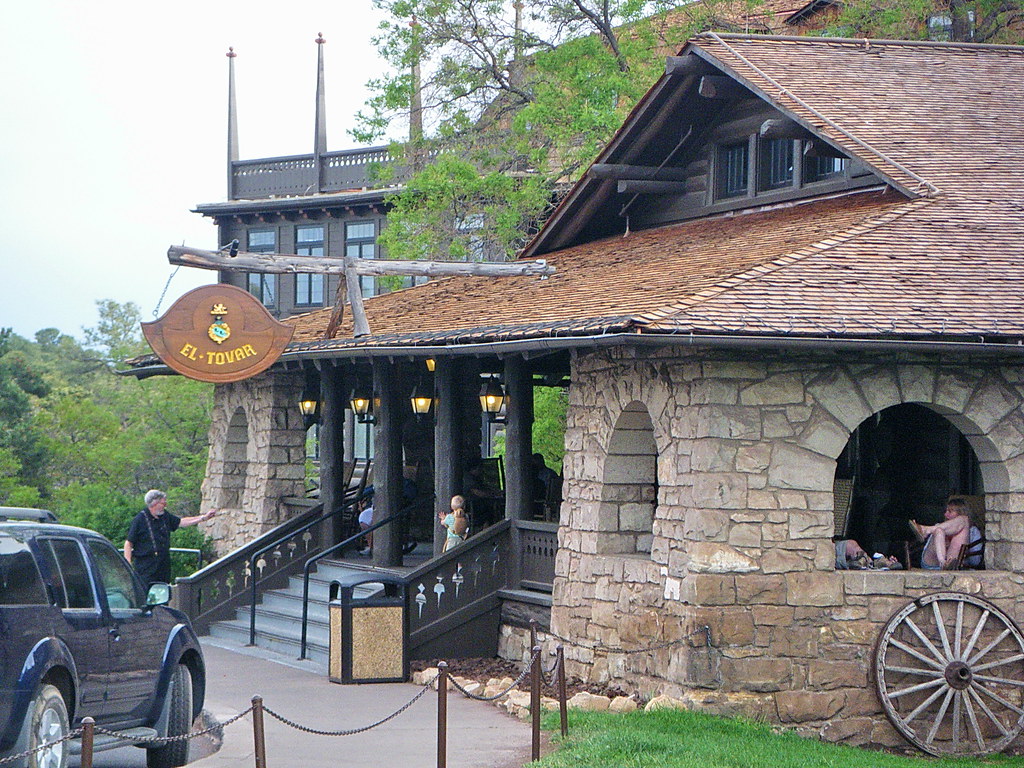
Our journey into Alaska’s past often begins with incidental discoveries, moments that pique curiosity and hint at a richer, forgotten history. A recent river trip down the Porcupine River, for instance, offered one such glimpse into the state’s abandoned tapestry. Friends Garrett Jones and the author “nosed into a few townsites” spotted on a map—Old Camp, Canyon Village, and Shuman House. These weren’t bustling hubs but rather “silent places with no people,” each bearing a “unique regional touch: Decorative stamped-metal ceiling panels tacked up as outhouse walls.” This seemingly minor detail speaks volumes, hinting at resourcefulness and a distinct aesthetic adapted from what was available, transforming a functional necessity into a small piece of art.
These specific sites, though uninhabited, were far from featureless. They stood as tangible remnants of former habitation, evocative of lives once lived and daily routines now long past. The very act of discovering “Old Camp, Canyon Village and Shuman House” as “silent places” underscores a recurring theme across Alaska: the ephemeral nature of human settlements in such a challenging environment. It’s a reminder that even well-established communities can, over time, become mere points on a map, waiting to be rediscovered by an observant eye.
The experience of encountering these specific townsites, devoid of human presence yet rich in subtle details like the outhouse panels, ignited a broader inquiry. The 200-mile journey down the Porcupine’s length revealed “no current villages, just the remains of a dozen former ones.” This observation catalyzed a deeper question: “Do we have more than our share of ghost towns?” This initial spark of wonder serves as the perfect entry point into understanding the broader phenomenon of Alaskan abandonment, setting the stage for a more comprehensive historical and sociological investigation.
2. The Sheer Number and Historical Documentation of Alaska’s Ghost Towns
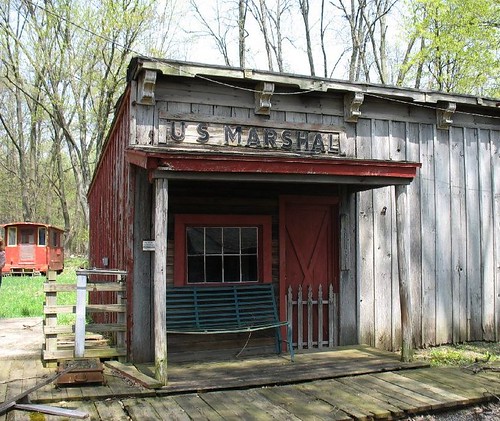
The question posed by the river trip — whether Alaska has “more than our share of ghost towns” — finds a compelling answer in academic research. Beth Mikow, through her master’s thesis for UAF in 2010, meticulously cataloged “at least 100 abandoned settlements in Alaska.” This figure, derived from her comprehensive study of “how the state changed since it became part of America,” provides a quantifiable measure of the extensive history of abandonment across the vast territory. Mikow, now a subsistence specialist for the Alaska Department of Fish and Game, offers an authoritative perspective on this intriguing demographic shift.
Mikow’s research methodology was thorough, beginning with the foundational work of Ivan Petrof, a “Russian-born special agent of the United States 10th census for Alaska in 1880.” While Petrof’s survey didn’t encompass the entire state and some of his “counted settlements seemed to be seasonal camps,” his efforts provided an essential historical baseline. She further broadened her scope by consulting “Donald Orth’s Dictionary of Alaska Place Names” and various “other local works,” including the “journals of priests in Alaska missions like Pilgrim Springs.” This multi-source approach highlights the dedication required to piece together the fragmented history of Alaska’s disappearing communities.
Despite the rigor of her research, “one hundred is probably a conservative count of former Alaska settlements.” The sheer scale of Alaska, combined with its challenging geography and sparse population, suggests that many more might exist, hidden from formal documentation. The likelihood of hitting “White Eye (an empty village site in Yukon Flats)” as opposed to “Wales (an occupied village on the Seward Peninsula)” when throwing a dart at a USGS map vividly illustrates the pervasive nature of these deserted places. This underscores that abandonment is not an anomaly but a significant feature of the Alaskan historical landscape.

3. The Transformative Impact of the Cash Economy
One of the primary catalysts for the abandonment and subsequent relocation of Alaskan settlements, particularly in the period Mikow examined “about 1880 until the present,” was the introduction of a cash economy. The arrival of “whalers, miners and trappers” fundamentally altered the existing subsistence-based lifestyles of the Natives. This influx of external economic activity created new opportunities and pressures, drawing people from traditional, often more dispersed, living arrangements towards nascent trading centers.
These new “trading centers became more permanent settlements that pulled people from other places.” The promise of wages, goods, and a different way of life acted as a powerful magnet. As individuals and families migrated towards these emerging hubs, their original villages, once vital centers of community and culture, began to depopulate. This economic shift wasn’t merely about convenience; it represented a profound reorientation of society, where the pursuit of cash-based livelihoods superseded long-held subsistence practices, leading to a geographical redistribution of the population.
The establishment of a cash economy, while bringing certain advancements, also initiated a chain reaction that destabilized older settlements. The shift towards more centralized trading posts meant that smaller, more remote villages lost their critical mass of residents. This concentration of population in areas of economic opportunity directly contributed to the decline and eventual abandonment of countless other places, illustrating how external economic forces can drastically reshape human geography in a relatively short period.
Read more about: Is the American Road Trip Endangered? New Toll Hikes and Congestion Pricing Spark Outrage and Uncertainty

4. The Critical Role of Educational Opportunities in Community Survival
Beyond economic shifts, the availability, or rather the lack thereof, of educational facilities played a significant and often heartbreaking role in the abandonment of Alaskan villages. As families increasingly prioritized their children’s futures, the presence of a school became a pivotal factor in deciding where to reside. Consequently, “villages also tended to empty as families moved where the schools were.” This pattern highlights a universal human desire for upward mobility and the recognition that education is a cornerstone for future generations.
The closure of a school, often “due to a lack of students,” served as a death knell for many communities. When a school ceased operation, “the people often left with it.” This wasn’t merely a preference but frequently a stark necessity, as Beth Mikow poignantly articulated: “You’re not forced to move, but what choice do you have if you need to send your children to school?” This question encapsulates the difficult decisions faced by Alaskan families, weighing their attachment to ancestral lands against the pragmatic needs of their children’s education and future prospects.
The ripple effect of school closures extended beyond the immediate educational void. The loss of a school often signified a broader decline in community infrastructure and services, further diminishing a village’s viability. Families relocating for educational opportunities meant a reduction in the remaining workforce, a decline in community participation, and ultimately, a diminishing social fabric. This illustrates how a single, seemingly administrative decision—to close a school—could trigger a cascade of departures, leading to the complete abandonment of a once-thriving settlement.
Read more about: Beyond the Ticket: Unmasking the High-Profit Item That Keeps Movie Theaters Thriving with 1000% Markups.

5. The Devastating Sweep of Epidemics Across Alaskan Villages
Alaska’s remote and often isolated communities were particularly vulnerable to the rapid and devastating spread of epidemics, which tragically emptied places with shocking speed. The “1918 flu that raced though the Seward Peninsula” stands out as a stark example of such a calamity. The flu, which swept through the region, left an indelible mark on the landscape of human habitation, wiping out entire populations in a matter of days or weeks.
The impact was immediate and catastrophic. In the village of York, “west of Wales, died due to the flu,” indicating a complete eradication of its inhabitants. Another poignant example is Brevig Mission, where “in just one week, 72 of 80 people died.” While Brevig Mission remarkably “is still a village” today, the sheer scale of the loss in such a short period underscores the fragility of life in these isolated communities when confronted by highly contagious diseases with little medical recourse.
The aftermath of such epidemics also had long-lasting consequences, reshaping the social structure of the surviving communities and even leading to further abandonment. “Many orphans moved to missions like the one at Pilgrim Springs,” seeking care and refuge. However, even these missions, created in response to tragedy, were not immune to the passage of time. Pilgrim Springs itself “became abandoned after those orphans grew up,” its purpose fulfilled, its transient population having moved on, leaving another site to the growing list of Alaska’s ghost towns.

6. Instances of Forced Relocation by the U.S. Government
Beyond the natural and economic pressures, some Alaskan villages met their end or faced profound disruption due to direct intervention by U.S. government officials. These “forced the move of villagers several times,” reflecting national priorities that often superseded local community interests. The consequences of such relocations were not merely inconvenient; they were life-altering, often severing deep-rooted connections to land and tradition.
A notable period of forced relocation occurred “During World War II.” People from “Attu and eight other villages were relocated to internment camps.” The tragedy of this displacement was compounded by the fact that they “never got a chance to resettle after the war.” Their homes were effectively lost to them, and their communities dissolved, becoming yet another entry in the ledger of abandoned places. This speaks to a darker chapter where geopolitical conflicts directly impacted the lives and homes of Alaskan Natives, leading to irreversible loss.
Another compelling case study, extensively explored in Mikow’s thesis, involved the residents of Kaktovik. This “small community on Barter Island moved three times within a one-mile area in response to the U.S. military wanting the area for a base and an airstrip.” While perhaps not as absolute as the WWII internment, these repeated displacements within a short geographical span highlight the constant pressure faced by communities situated in areas deemed strategically important. Each forced move, regardless of distance, represents a disruption, a loss of established infrastructure, and a testament to the powerful hand of government policy in shaping settlement patterns.
Read more about: The Unyielding Bond: Why American Pet Ownership Soars Amidst Rising Costs

7. The Relentless Power of Natural Disasters in Erasing Communities
The raw, untamed nature of Alaska, while breathtaking, also holds the power to utterly transform or erase human settlements. “A few settlements lost all their people because of the forces of nature,” demonstrating that even the most resilient communities can be overwhelmed by geological or climatic events. These natural disasters serve as a potent reminder of humanity’s relative insignificance against the planet’s vast and powerful processes.
One of the most dramatic examples is the village of Katmai, which “was no more after the eruption that created the Valley of 10,000 Smokes buried the village in ash in 1912.” The sheer scale of this volcanic event, which reshaped an entire landscape, left the village literally entombed, a stark monument to nature’s destructive capability. Similarly, the powerful “1964 earthquake destroyed the village of Chenega,” although in this instance, the community showed remarkable resilience, later being “resettled in a different spot as Chenega Bay,” a testament to human determination to reclaim a place, even if altered.
Flooding has also been a persistent threat, leading to repeated cycles of displacement and abandonment. “The villages of Mumtrak and Old Minto experienced so many floods that residents moved to Goodnews Bay and Minto, respectively.” This pattern of relocation due to environmental pressures continues to this day. Villagers of “Newtok are moving to a higher, dryer site 12 miles away,” establishing a new community called “Mertarvik.” Newtok, along with “maybe a few other villages threatened by encroaching ocean and rivers,” stands as a contemporary example that these “forces of nature” continue to add to “the long list of Alaska places that once were,” underscoring the ongoing challenges of living in a dynamic and powerful environment.
The preceding examination of Alaska’s ghost towns, shaped by vast natural forces and significant societal shifts, offers a compelling backdrop to another facet of abandonment found across the American landscape: the deserted abodes of immense personal wealth. These places, often opulent mansions, stand as stark monuments not to communal resilience against the elements, but to individual fortunes and the often-unforeseen circumstances that can lead to their dramatic and sudden desertion. Urban explorers, venturing into these silent domains, frequently uncover astonishing scenes of luxury left behind, including entire collections of exotic automobiles and personal effects, providing a haunting glimpse into lives abruptly interrupted or simply, inexplicably, relinquished.
The narratives embedded within these forgotten mansions are often more personal, more immediate, and yet equally enigmatic as those of Alaskan settlements. They speak to the transient nature of material accumulation and the profound mysteries that can surround private tragedies or sudden reversals of fortune. Unlike the slow decline of a village due to economic downturns or environmental pressures, these estates often appear as if their inhabitants simply vanished, leaving behind a tableau of their former lives, frozen in time and gathering dust.
This section will delve into the eerie discoveries within these forgotten millionaire mansions, meticulously detailing the remarkable luxury vehicles, deeply personal belongings, and the unresolved mysteries that invariably shroud their desertion. From the silent garages filled with high-performance machines to rooms brimming with designer apparel and precious heirlooms, these sites offer a unique, if melancholic, window into the ephemeral aspects of grandeur and the lasting echoes of lives once lived at the pinnacle of material success.
Read more about: 14 Mind-Blowing 70s Moments That Would Ignite Today’s Scrutiny (And Probably Get ‘Cancelled’)
8. The Allure of the Abandoned Millionaire’s Estate
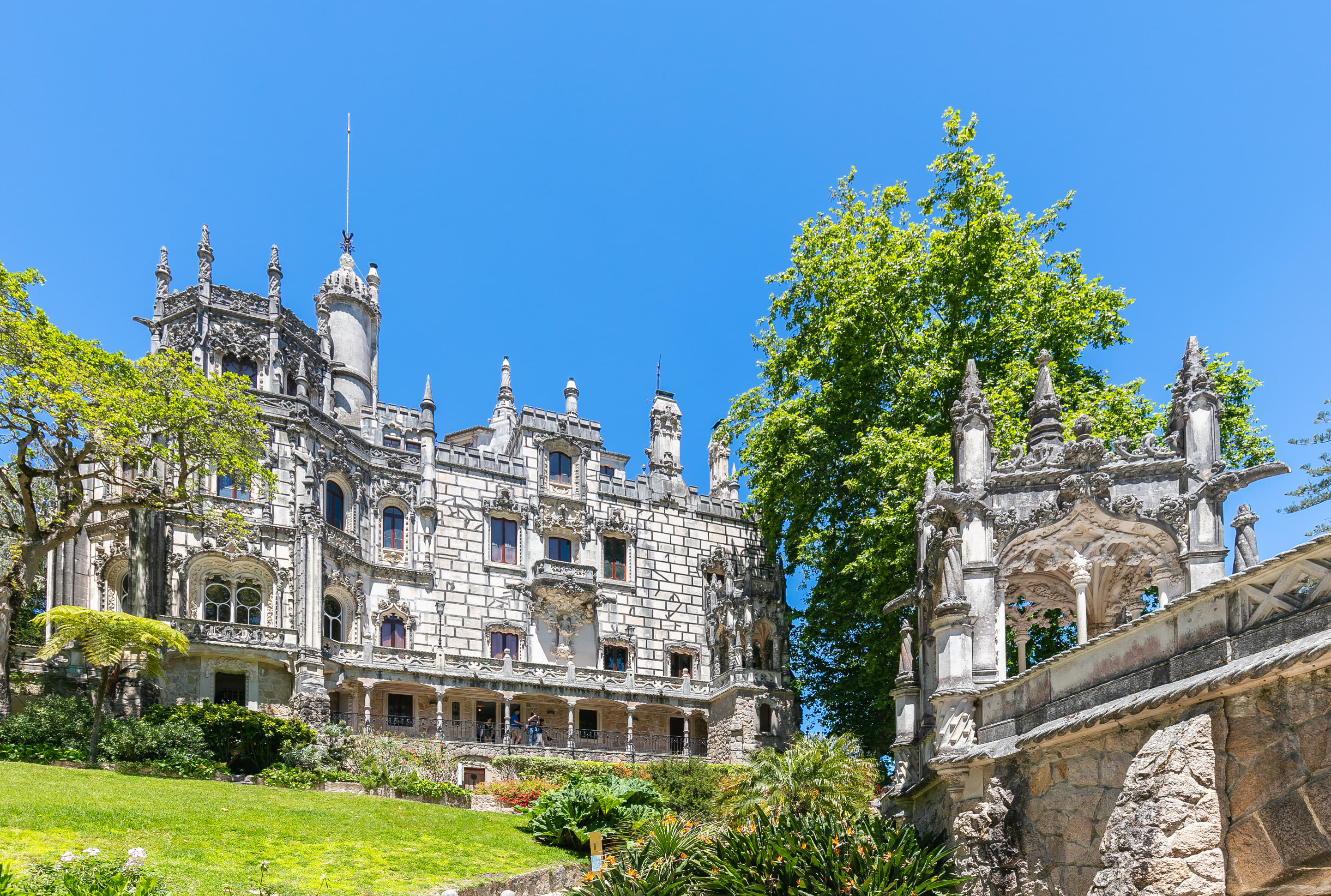
There is a singular fascination that accompanies the exploration of abandoned places, especially when those places were once epitomes of wealth and luxury. Stepping across the threshold of a mansion that was once vibrant with life and opulence, now silent and forgotten, evokes a profound sense of awe. It feels as though the very walls still echo the grandeur of its past, preserving a static snapshot of a prosperity that has long since vanished.
This inherent intrigue stems from the dramatic contrast between past splendor and present decay. The towering ceilings, the remnants of ornate chandeliers, and the sweeping staircases often remain, testaments to an extravagant design. Yet, an overwhelming stillness pervades the air, creating a haunting atmosphere that suggests the house is patiently awaiting the return of owners who will never arrive, their absence a palpable presence.
Such sites often evoke a profound sense of temporal suspension, where the remnants of a bygone existence invite contemplation on the narratives embedded within their silent walls. The visible traces of someone’s life, abruptly left behind, compel observers to ponder the unspoken stories and the precipitous events that led to such an abrupt and comprehensive desertion. Each untouched object, from a forgotten photograph to a dust-laden piece of furniture, serves as a poignant artifact of an untold history.
Read more about: Beyond the Auction Block: Unearthing 14 Surprisingly Affordable Classic Cars for Enthusiasts Today

9. A Silent Witness: The Mansion of the Late Millionaire
One such compelling site, tucked away in a small American town, has garnered attention for its remarkably preserved state of abandonment. This particular mansion has stood empty since the early 2000s, its stillness coinciding with the passing of its original owner. The property’s undisturbed nature since that time suggests a swift and complete cessation of its former life, leaving behind an almost perfectly preserved tableau.
The extensive grounds and the mansion itself appeared to have been largely untouched for nearly two decades, still replete with the previous owner’s myriad belongings. This undisturbed state offers an extraordinarily rare glimpse into the intimate world of a millionaire, where personal effects and cherished possessions remain precisely where they were left, waiting for an occupancy that never resumed. The lack of disturbance amplifies the mystery surrounding its desertion.
Among the most striking discoveries within this sprawling estate was an impressive collection of luxury cars. These vehicles, once symbols of prestige and performance, now sit idle within the garages, collecting dust. This collection underscores the owner’s affluent lifestyle and passions, transforming the mansion into not merely an abandoned home but also a silent museum of personal taste and considerable wealth.
The ultimate fate of this particular mansion and its remarkable contents remains unclear. The poignant sight of such property and its luxury vehicles succumbing to the inexorable march of disrepair often elicits a sense of melancholy. It inspires a quiet hope that, one day, a benefactor might step forward to provide the necessary care and attention, restoring both the once-stunning mansion and its forgotten treasures to their former glory.
10. **The Fading Glamour of a Supercar Collection: Porsches, Alfa Romeo, and the Iconic Lotus Esprit**
The discovery within the detached garage of the late millionaire’s mansion was particularly notable for its array of luxury automobiles. Among the impressive lineup, an urban explorer identified a Porsche 911, an Alfa Romeo, a couple of Volvos, a Nissan Stanza, and a Honda CB750. These vehicles, each a testament to a life of affluence and discernment, present a vivid picture of the previous owner’s automotive tastes, now preserved in a state of static grandeur.
Central to this remarkable collection was the presence of a Lotus Esprit Turbo, a vehicle that commands recognition far beyond mere transportation. The Esprit, launched in 1976, became an instant icon due to its eye-catching, wedge-shaped ‘folded paper’ design. Its inclusion in the collection highlights the owner’s appreciation for sophisticated engineering and distinctive aesthetics, aligning with the broader narrative of abandoned luxury.
The Lotus Esprit’s historical significance extends into the realm of popular culture, cementing its status as a cinematic legend. A Series 1 Lotus Esprit famously made an appearance in the 1977 James Bond film, *The Spy Who Loved Me*, showcasing its futuristic design to a global audience. Following this, two Turbo Esprits were utilized in the 1981 Bond installment, *For Your Eyes Only*, further enhancing the nameplate’s glamorous association and cultural imprint.
This celebrated nameplate enjoyed an impressive production run for Lotus, although manufacturing ceased in 2004. Over its decades-long tenure, only 10,675 units were produced, rendering each vehicle a rare piece of automotive history. To encounter one of these distinctive cars abandoned and forgotten within a millionaire’s mansion is particularly heartbreaking, symbolizing a profound loss not just of personal property but of a piece of design and engineering heritage.
Car Model Information: 2003 Lotus Esprit Base
Name: Lotus Esprit
Caption: 1999 Lotus Esprit V8
Manufacturer: Lotus Cars
Production: 1976–2004,10,675 produced
Assembly: Hethel,Norfolk,England
Class: Sports car
BodyStyle: coupé
Layout: Longitudinal engine,Rear mid-engine, rear-wheel-drive layout
Sp: uk
Predecessor: Lotus Europa
Successor: Lotus Europa S
Categories: 1980s cars, 1990s cars, 2000s cars, 24 Hours of Le Mans race cars, All Wikipedia articles written in British English
Summary: The Lotus Esprit is a sports car built by Lotus Cars from 1976 to 2004 at their Hethel, England factory. It has a rear mid-engine, rear-wheel-drive layout. Together with the Lotus Elise / Exige, it is one of Lotus’ most long-lived models.
The Esprit was among the first of the (near) straight-lined, hard-edge creased, and sometimes wedge-shaped, polygonal “folded paper” designs of the prolific, and highly successful Italian industrial and automotive designer Giorgetto Giugiaro. The Esprit’s backbone chassis was later adapted to carry the body of the DeLorean car, another low-bodied, Giugiaro-drawn, sharp-creased, wedge-shaped sportscar design. In 1978, the first updates led to the series 2 and 2.2 L (134 cu in) engined Esprit S2.2, made until the 1982–1988 Series 3 and Turbo Esprit models, that used a 1980 Giugiaro designed aerodynamic and aesthetic restyling package.
The Lotus Esprit however, lived on through the 1990s, and into the 2000s. It received its first significant restyling by designer Peter Stevens, who also did styling on the McLaren F1. Stevens gave the Esprit overall softer lines and shapes, but the car did not get a new series number – it is instead often just called the ‘Stevens Esprit’, or by its project number, the X180, made from 1988 to 1994.
In 1994, an official Series 4 Esprit, drawn by designer Julian Thomson, had a further rounded shape, especially the bumper sections and lower body of the car. Styling-wise, this became the most long-lived Esprit (1994–2004), only receiving its last changes, by Russell Carr in 2002.
Over the years, the performance of the Esprit’s 4-cylinder engine was increased from around 150 PS (148 hp; 110 kW) and just under 200 N⋅m (148 lb⋅ft) of torque, to double those power figures, mainly through greater inlet and exhaust flow, and strong turbo-charging. And from 1996, a new 3.5 L (214 cu in) V8 twin-turbo engine was added, offering 355 PS (350 hp; 261 kW). Contrary to a long list of low-volume British (sports) cars, with the 3.5 l Rover V8 engine, the Esprit received a Lotus in-house designed V8. Top speed rose from some 214 km/h (133 mph) in 1976, to over 280 km/h (174 mph) for the V8, twenty years later.
After a 28-year production run, the Esprit was one of the last cars made with pop-up headlights, together with the 5th generation Chevrolet Corvette.
Get more information about: Lotus Esprit
Buying a high-performing used car >>>
Brand: Lotus Model: Esprit
Price: $71,000 Mileage: 28,000 mi.

11. Everyday Luxuries Frozen in Time: Personal Belongings Left Behind
Beyond the dazzling array of vehicles, the mansion revealed a treasure trove of personal belongings that paint a more intimate portrait of its former occupant’s life. The urban explorer noted the presence of stacks of valuables, including designer clothes, antique furnishings, and luxury watches. These items, once integral to daily life and personal expression, now lay untouched, silent indicators of a past rich in comfort and style.
The sheer volume and nature of these left-behind items suggest an abrupt departure, one made with little apparent regard for the significant personal and monetary value of the possessions. This raises fundamental questions about the circumstances of the desertion. How does a life so seemingly replete with luxury and carefully curated possessions become so utterly abandoned? The question of “what happened” resonates through the silent halls, inviting myriad theories from financial collapse to sudden, insurmountable personal tragedy.
Such a scene serves as a powerful reminder of the inherent fragility of success, even for those who appear to have achieved extraordinary wealth. Stories abound of individuals who amass vast fortunes only to lose everything in an instant. This mansion, with its preserved relics of an opulent life, embodies this vulnerability, freezing a moment in time where the past is visibly present, yet irrevocably distant, offering a poignant glimpse into a life that was once vibrantly lived but is now merely a memory.

12. The Tragic Tale of an Oklahoma Surgeon’s Dream Home
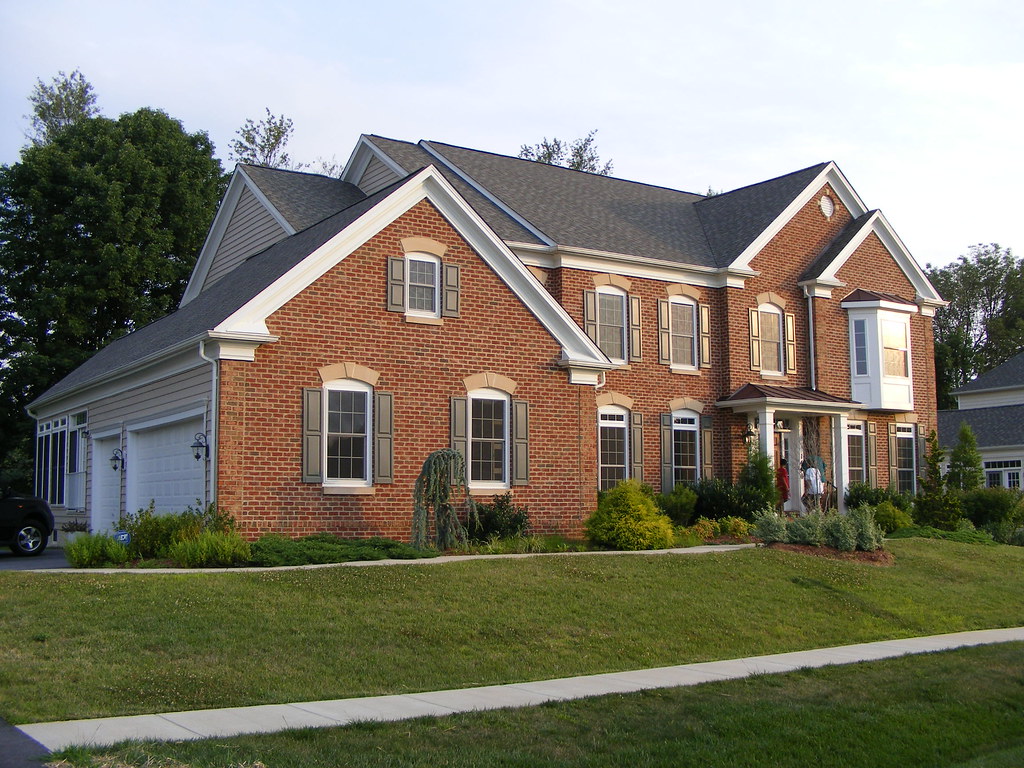
Another remarkable instance of profound abandonment involves a sprawling 30,000-square-foot mansion located somewhere in the United States, meticulously documented by urban explorer Big Bankz. This colossal residence, comprising 10 bedrooms and 11 bathrooms, was initially estimated to be worth an astonishing $10.5 million. Constructed in 2006, it was intended as the dream home for a highly successful surgeon, his wife, and their four children, symbolizing the pinnacle of their achievements.
The surgeon, a reportedly thriving professional, had built a considerable empire, owning several medical practices that extended into nearby states. His life epitomized the American dream of success and expansion, providing a luxurious environment for his family. The sheer scale and opulence of the home reflected a life carefully built, designed to provide comfort, prestige, and a lasting legacy for his family.
However, this idyllic existence was tragically cut short. The family had only resided in their magnificent home for a couple of years before disaster struck. The surgeon, who was also a licensed pilot, embarked on a flight one day with his 15-year-old son. In a catastrophic turn of events, their single-engine plane crashed into a mountain, resulting in the untimely deaths of both father and son. This unforeseen tragedy irrevocably altered the family’s trajectory.
The ripple effect of this disaster was swift and devastating. The surgeon, despite his immense wealth, had reportedly failed to secure adequate finances, life insurance, or the necessary paperwork to safeguard the property for his family’s future. In the wake of their unimaginable loss, his wife was allegedly forced to sell the family home and relocate with her three remaining children, marking the first poignant abandonment of this extraordinary estate.
13. A Second Abandonment: The Foreign Owner’s Mysterious Departure and Left-Behind Life
The mansion’s narrative of desertion did not conclude with the surgeon’s family. According to Big Bankz’s findings, the property was subsequently acquired by a foreign owner who resided there until 2015. This second ownership period, however, also came to an abrupt and mysterious end, adding another layer of intrigue to the mansion’s history of abandonment. The new owner, for reasons unknown, decided to move back to their native country.
Crucially, this departure was characterized by an astonishing degree of finality and disregard for personal possessions. The individual left virtually everything behind—furniture, dishes, an entire wardrobe of clothes, and even vehicles. This comprehensive abandonment suggests a hasty or perhaps indifferent exit, with no apparent intention of returning to reclaim the vast array of belongings that defined their life within the luxurious estate.
Compounding the mystery, the foreign owner ceased paying taxes on the property and never reappeared. For the past seven years, this immense mansion, a monument to both American success and international wealth, has stood abandoned, a silent testament to a life entirely vacated. Its location within a sprawling gated community only heightens the paradox, as a symbol of aspiration and privacy now sits openly decaying amidst active, prosperous residences.

14. Beyond the Mansions: Other Glimpses of Forgotten Wealth and Unique Collections
While the millionaire mansions detailed above represent some of the most dramatic examples of abandoned luxury, the phenomenon is broader and more varied. The discovery of abandoned car collections, though rare, is not an isolated occurrence. These finds continue to captivate the public imagination, serving as potent symbols of wealth’s impermanence and the surprising ways in which valuable assets can simply be left to the ravages of time and neglect.
Earlier this year, the explorations of a U.S. YouTuber brought to light another instance: an abandoned mansion where three classic cars, individually worth thousands, were found gathering dust. Such discoveries often underscore that the financial value of these forgotten items is significant, yet they remain untouched, their potential for restoration or resale ignored, deepening the mystery of their owners’ absence.
Another compelling case highlighted a discovery in Oklahoma, where an urban explorer encountered a house that once belonged to a pilot. This particular property yielded an even more extensive collection, including eleven cars and, remarkably, two abandoned airplanes. Such unique combinations of forgotten assets, reflecting specialized interests and considerable investment, further illustrate the diverse narratives behind these deserted domains of opulence. These instances, whether involving a few classic vehicles or an entire fleet alongside aircraft, consistently challenge conventional notions of property and personal attachment, leaving a lasting impression on those who witness their silent decay.
From the silent, weathered townsites of Alaska, abandoned due to the relentless forces of nature and profound socio-economic shifts, to the opulent, dust-laden mansions scattered across America, where fortunes and legacies are left to decay, the narratives of abandonment are remarkably diverse yet universally poignant. Whether a community facing insurmountable environmental challenges or an individual’s grand estate succumbing to tragedy or unexplained departure, these places serve as powerful reminders of the transient nature of human endeavor and the profound mysteries that can envelop both collective and individual histories. They stand as enduring testaments to lives once lived, fortunes once held, and the enduring human fascination with what is left behind, inviting continuous contemplation on the stories that time, and silence, can tell.