.jpg "Remember the 70s? Let’s See How Many of These Iconic Films From Hollywood’s Wildest Decade You Caught on the Big Screen!")
Oh, the 1970s! What a glorious, mind-bending, and utterly unforgettable time to be a moviegoer. Rolling Stone rightfully calls it “the greatest decade of American filmmaking,” and honestly, who are we to argue? This was the era that flung open the gates for “midnight movies, modern blockbusters, Blaxploitation epics, neo-noirs and the cream of the New Hollywood crop.” The “Film Brats” were running wild, painting canvases with “some new beautiful, bleak vision of American life on a weekly basis.” It was a truly wild ride, where boxers, biking teens, baseball kids, and even broken-down hockey players taught us that sometimes, the underdogs actually win, whether or not they officially take home the trophy.
But beyond the underdogs, the 70s also taught us a thing or two about being scared – whether it was of sharks, masked slashers, or those pea-soup-spitting youngsters (though, in fairness to Regan MacNeil, “the devil made her do it”). There’s a genuine reason why this particular decade is “idolized, fetishisized and consistently namechecked by several generations of cinephiles.” It’s the sheer, jaw-dropping “abundance of great movies” that poured out of that 10-year span, primarily from American filmmakers, but with some international gems shining just as brightly.
So, prepare to take a stroll down cinematic memory lane, because we’re about to dive deep into a curated collection of films that defined this incredible epoch. Looking back at this “second golden age of Hollywood,” it’s genuinely “mind-boggling to think so many of what we now consider the high points of a still young-ish art form came from this small pocket of time.” We could have gone for 200, even 300 titles, but hey, “it’s a deadline thing.” What we have here are some of the absolute greatest movies to emerge from that “fertile era of filmmaking,” from “godfather-led family businesses to tales in a galaxy far, far away.” You might not nod along to every single choice, but our hope is that you’ll revisit each film on this list and uncover something fresh and fabulous in these cinematic “documents of a wild, wacky, weird decade of movies.” So, to quote a wise man: “It’s showtime, folks!”
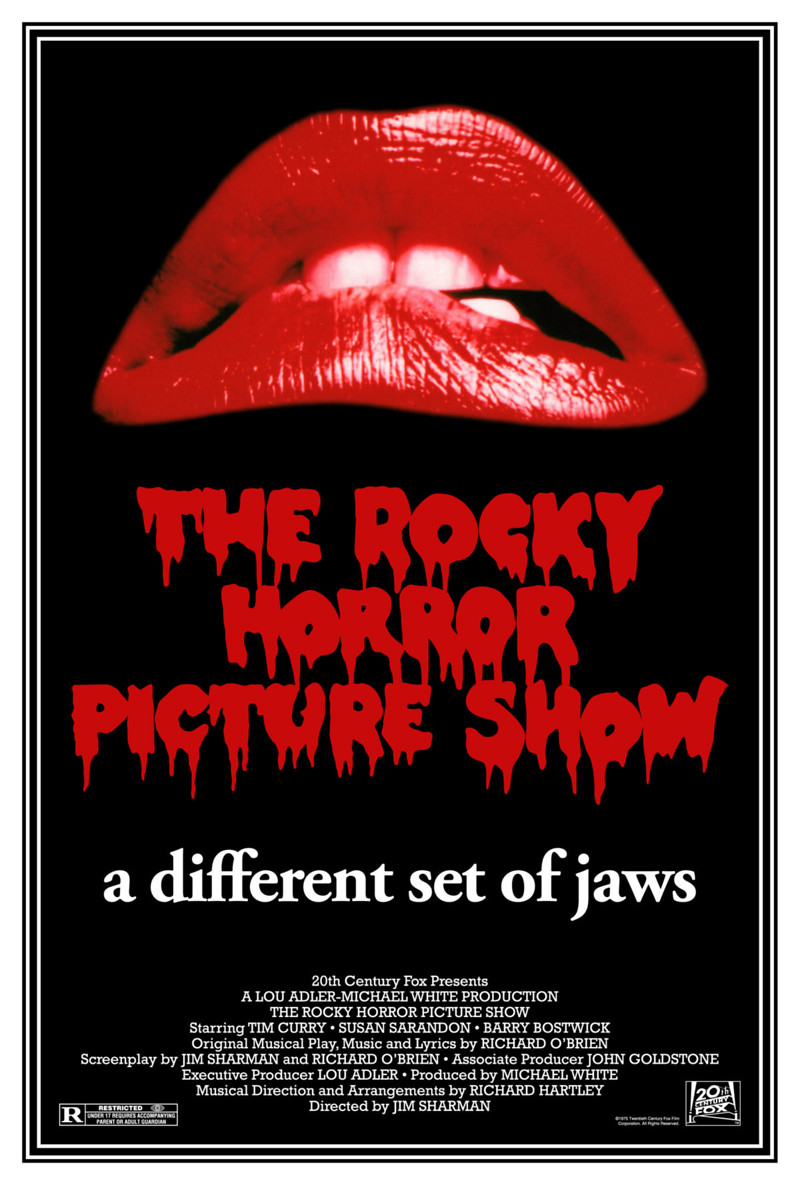
1. The Rocky Horror Picture Show (1975)
Before Richard O’Brien’s wonderfully quirky stage show hit the big screen, there were certainly “midnight movies” doing their thing. But ‘The Rocky Horror Picture Show’ didn’t just join the party; it came in, vogued, and “would come to both define and refine the entire concept of filmdom cults.” It transformed after-hours screenings into an “interactive cosplay gatherings designed for a communal experience.” If you’ve ever found yourself doing the Time Warp in a crowded theater, you know exactly what we’re talking about!
This flick is assembled from the most glorious “spare parts of science fiction double features, musical theater and underlined passages of ‘Notes on Camp.'” We meet lost innocents Barry Bostwick and Susan Sarandon, who are initiated into a world of “freaks, geeks and ual fluidity” by the unforgettable Riff-Raff, played by O’Brien himself. Their resistance, as you might guess, is completely futile.
And let’s be real, who needs the standard Dr. Frankenstein when you’ve got Dr. Frank-N-Furter? Tim Curry’s iconic mad scientist, rocking fishnets like nobody’s business, is a figure capable of making you “shiver in antici…pation.” The whole experience is enough to make you genuinely believe that liberation was just “a jump to the left — and then a step to the ri-iii-iiight — away.”
Read more about: Beyond the Screen: The Most Infamous Cinematic Moments That Ignited Chaos in Theaters and Triggered Real-World Turmoil
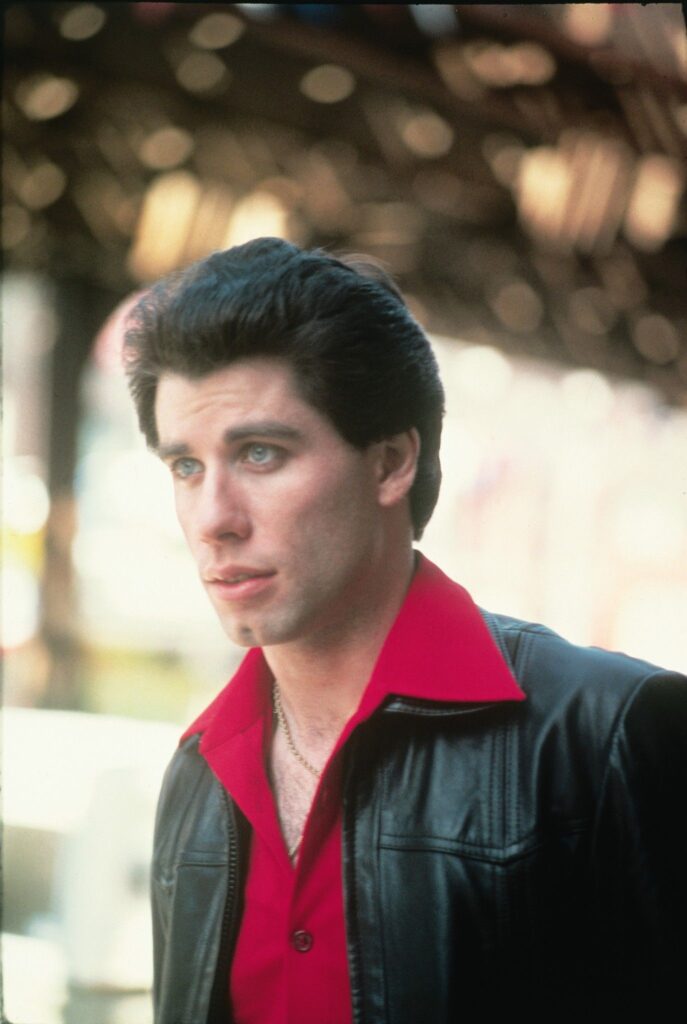
2. Saturday Night Fever (1977)
Meet Tony Manero, 19, from Brooklyn’s Bay Ridge. By day, he’s your average outer-borough guy, selling paint and bickering with his Italian-American family. Pretty mundane, right? But then the sun sets, the disco ball starts spinning, and the lights go up at the local discotheque. Suddenly, Tony transforms into a god, commanding the dance floor with unparalleled swagger.
John Badham’s movie became so intricately linked with the late ’70s disco craze that, as the context playfully notes, “if you look the word in the dictionary, you’ll simply see a picture of John Travolta in white leisure suit, right hand pointing toward heaven.” This wasn’t just a movie; it was a phenomenon. It catapulted the “Welcome Back, Kotter kid” (Travolta, of course) into bona fide stardom and thrust what had largely been an underground club culture into mainstream America’s living rooms and dance floors. Oh, and it gave the Bee-Gees one heck of a second wind!
While the dance scenes are pure “kinetic time capsules” of an era, bursting with energy and iconic moves, it’s easy to overlook the film’s grittier, bleaker undertones. At its heart, ‘Saturday Night Fever’ is a coming-of-age narrative about a young man striving to transcend his “knucklehead friends, his neighborhood and his own limited set of options.” Just remember one crucial rule: “Just, y’know, watch his hair, ok?! He worked on it a long time.”
Read more about: The Director’s Chair: Unpacking the High-Stakes World of Hollywood Firings and How Creative Differences Reshaped Cinematic History
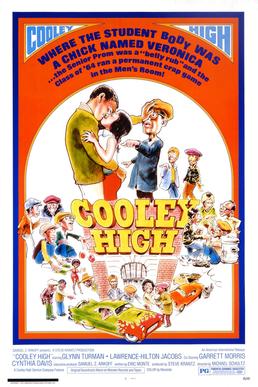
3. Cooley High (1975)
Transport yourself back to 1964, a pivotal moment in American history, nestled “at the height of the Civil Rights Movement.” ‘Cooley High’ offers a vibrant, poignant coming-of-age story, beautifully “scored by Motown’s vibrant back catalog.” This film immerses us in the lives of a group of young, Black high schoolers navigating their teenage years in Chicago, led by the aspiring poet Preach (Glynn Turman) and his college-bound best friend Cochise (Lawrence Hilton-Jacobs).
Their journey is filled with classic teenage antics: think sneaking out of class, navigating the social complexities of house parties, and the typical ups and downs of high school life. However, ‘Cooley High’ truly stands out because of its unique perspective. During a period when “most Blaxploitation movies were pulling the public’s gaze toward stories of , crime, and drugs,” director Michael Schultz, also known for ‘Car Wash,’ made a conscious decision to shift his focus.
Schultz instead “turned his attention to the rich inner lives of these young Black men.” This deliberate pivot, celebrating “their bond of friendship,” didn’t just differentiate ‘Cooley High’ from the more sensationalistic films of its time; it was a watershed moment. It “virtually redefined the perception of what a Black film could be during the decade,” offering a nuanced and deeply human portrayal that resonated with audiences then and continues to do so today.
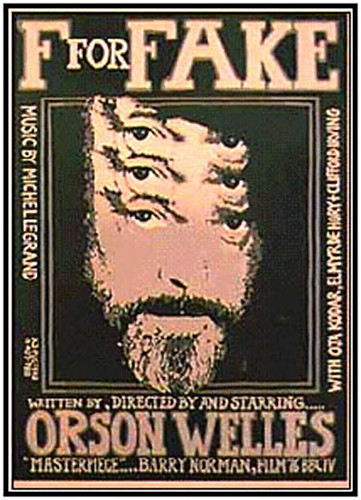
4. F for Fake (1973)
Ever been captivated by a master storyteller? Orson Welles, always at his most “slipperiest,” takes us on a delightful cinematic journey with ‘F for Fake.’ This essay film is a brilliant showcase of his natural gift for spinning “plummy tall tales on the talk-show circuit,” but here, he artfully imports that talent into a feature-film format. It’s a playful yet profound exploration of illusion and reality that only Welles could deliver.
He kicks things off by zeroing in on the infamous art forger Elmyr de Hory. But in true Welles fashion, the narrative isn’t content to stay put. It “iris[es] back and turn[s] the proceedings into a meditation on the nature of truth itself, as well as the myths we tell ourselves to imbue our lives with meaning.” It’s a film that asks you to question what you see and what you believe, often with a mischievous twinkle in its eye.
Throughout this cinematic mind-bender, Welles’s partner, the enigmatic Oja Kodar, subtly “looms in the background, both clothed and unclothed,” adding another layer of intrigue to the visual tapestry. ‘F for Fake’ is described as a “delightful head-trip,” and it serves as a potent reminder that an unbiased look at Welles’s impressive catalogue yields far “more than just the Greatest Film of All Time.” Even as a “minor gem,” this film “shines bright in his back catalog,” proving that even Welles’s less-lauded works are still utterly brilliant.
Read more about: Beyond the Screen: The Most Infamous Cinematic Moments That Ignited Chaos in Theaters and Triggered Real-World Turmoil

5. Vanishing Point (1971)
When we talk about “stoner desert-highway movies,” there’s a clear dividing line: there’s all the rest, and then there’s ‘Vanishing Point.’ Richard C. Sarafian, a veteran of ‘The Twilight Zone,’ masterfully created a “midnight movie that could give anyone a contact buzz.” It’s a film that embodies the restless, rebellious spirit of the early 70s, making you feel the open road and the quest for freedom with every mile.
The film plunges us into the world of Kowalski (Barry Newman), a lone driver with a singular, high-speed mission: to race his iconic Dodge Challenger all the way to San Francisco. Is he being chased by the cops? You bet. Does he stumble upon a Jesus-freak rock commune? Absolutely. And does he encounter a “mystic vision of a blonde hippie biker riding her Harley to the guitar riffs of ‘Mississippi Queen’?” Oh, yes, “Yes, yes, and obviously.”
Kowalski’s only consistent companion and guide through this sprawling journey is Cleavon Little as the blind radio DJ, Super Soul. From his perch, Super Soul hails Kowalski as nothing less than “the last American hero… the last beautiful free soul on this planet!” Super Soul’s electrifying DJ rap has resonated so deeply that it has been immortalized in music by bands like Guns N’ Roses (in “Breakdown”) and Primal Scream (in “Kowalski”) – a powerful “tribute to this meta-road flick’s impact” that still reverberates today.
Read more about: John Amos: Celebrating the Enduring Legacy of a Groundbreaking Actor and Cultural Icon
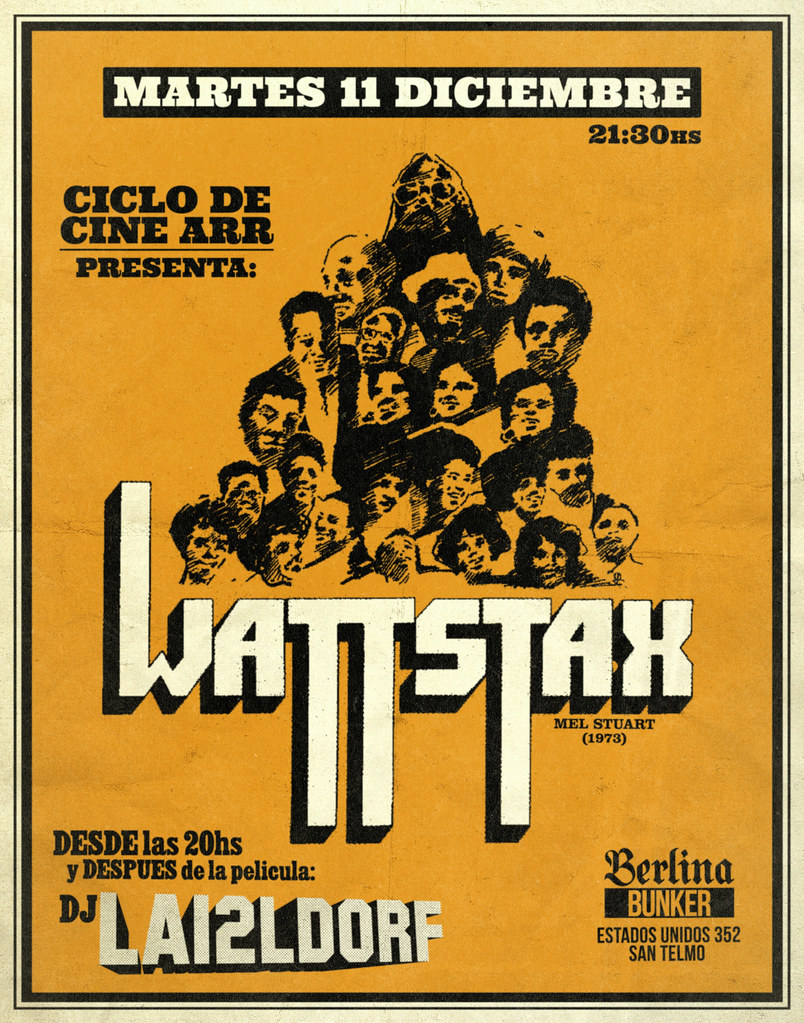
6. Wattstax (1973)
Seven years after the Watts rebellion, an event tragically sparked by the death of Martin Luther King Jr., a truly momentous concert unfolded. This wasn’t just any show; it was a gathering featuring the phenomenal recording artists of Stax Records, held “at the Los Angeles Memorial Coliseum.” Its profound purpose was to “heal the area,” and it became a powerful testament to community and resilience. The resonant cry of “I am somebody,” proudly spoken by Jesse Jackson, became its defining “battle cry.”
Director Mel Stuart’s stirring documentary, ‘Wattstax,’ stands apart from similar concert chronicles, even those as memorable as ‘The Last Waltz.’ Why? Because its true essence isn’t primarily about the featured artists, although the lineup was incredible, including legends like the Staples Singers, Rufus Thomas, and Isaac Hayes. Instead, the film’s deep interest and enduring power stem from its commitment to “giving voice and witnessing the pointed conversations between Black folk about colorism, interracial dating, and the Blues.”
‘Wattstax’ is far more than a concert film; it’s a vital social document. It’s the one cinematic experience that, as the context eloquently states, “tells Black people ‘you are somebody’ in every single shot.” It captures the spirit, struggles, and triumphs of a community, making it an essential watch for anyone seeking a genuine, unfiltered glimpse into a pivotal moment in American culture.

7. Annie Hall (1977)
Okay, rewind the VCR and transport ourselves straight back to 1977, because ‘Annie Hall’ wasn’t just a movie, it was a seismic shift in how we thought about love and cinematic storytelling! It completely “upended notions of the romantic comedy” with its brilliantly unconventional approach, incorporating direct addresses to the camera, hilarious lobster-cooking mishaps, and a healthy dose of existential malaise. This Oscar-winning masterpiece plunges us into the neurotic world of Alvy Singer, played by Woody Allen, as he becomes utterly smitten with Diane Keaton’s iconic Annie Hall, a “WASP flibbertigibbet” with unforgettable charm.
The film is a beautifully complex look at falling in and out of love, weaving in themes of American Jewish assimilation with wit and intelligence. Beyond the famous “cocaine sneeze” and Christopher Walken’s memorable cameo, it’s the underlying “melancholy that made this the template for so many filmmakers to follow.” It’s a poignant, honest look at the messy, beautiful reality of relationships, daring to show vulnerability alongside the laughter.
Diane Keaton’s Annie transcends the screen, becoming a style icon and a symbol of charming eccentricity, a “dream woman with a deep soul beneath all her la di das.” Her iconic presence, combined with the film’s innovative structure and profound emotional depth, makes ‘Annie Hall’ an enduring classic and an unforgettable cinematic experience that defined an era and still resonates deeply today.
Read more about: Behind the Hollywood Curtain: The Brutal Editing Processes That Forged Blockbuster Legends
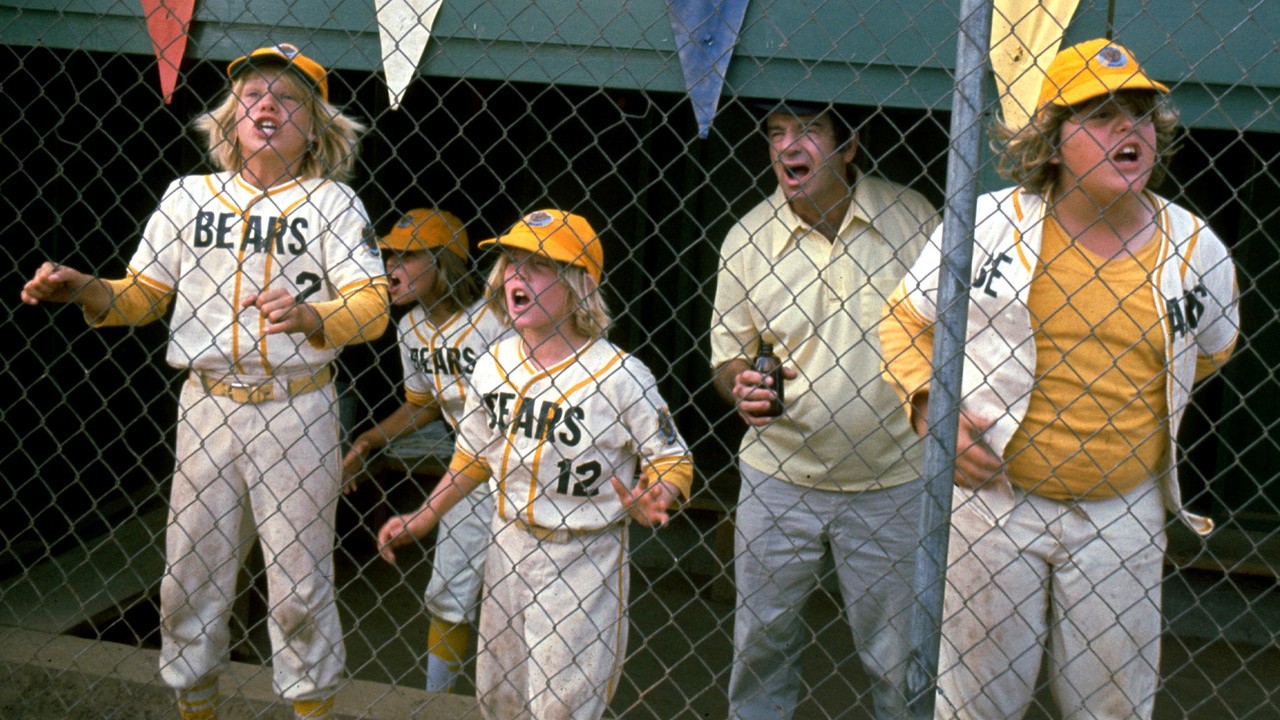
8. The Bad News Bears (1976)
Alright, buckle up, baseball fans and rebels at heart! Cast your mind back to the Bicentennial summer of ’76. While Detroit’s “longhair kid” Mark “The Bird” Fidrych was lighting up the pitching mound, ‘The Bad News Bears’ was the hottest movie on screen. This wasn’t just any sports movie; Michael Ritchie’s comedy starred a Little League squad of “misfit children who cuss like Marines,” making it “one of the most emotionally accurate — and funniest — sports movies ever made.”
Walter Matthau delivers “the role of his life” as Buttermaker, the “cigar-chomping drunk asshole coaching a team sponsored by Chico’s Bail Bonds.” The team starts to win with Tatum O’Neal as a girl pitcher and Jackie Earle Haley as a “Harvey-riding delinquent.” This ragtag group of underdogs, with their mismatched personalities and colorful language, proves that sometimes, victory comes from the most unexpected places.
Every kid became a “cult hero,” from Lupus fixing martinis to Ogilvie, “pop culture’s first baseball stats geek.” And Tanner basically “invents Gen X” with his iconic, unfiltered retort. This film is a hilarious, heartwarming, and utterly real portrait of childhood, friendship, and finding triumph in defiance, proving that being a little bad can be perfectly good.
Read more about: Rewriting History? Examining the Classic Comedies So ‘Offensive’ They Could Never Get Made Today
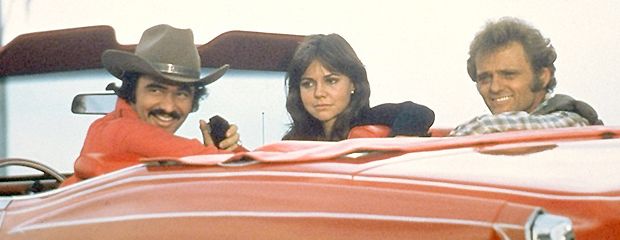
9. Smokey and the Bandit (1977)
Get ready for some pure, unadulterated Southern charm and high-octane hijinks, because we’re heading straight into the legend of ‘Smokey and the Bandit’! This isn’t just a movie; it’s “the ultimate Southern-fried good ol’ boy comedy,” and truly “the most Burt Reynoldsian of Burt Reynolds’ 1970s movies” – quite a statement considering his stellar decade! Some even call it “the Citizen Kane of Redneck Cinema,” and you’ll instantly see why.
We follow the infamous Bandit (Burt Reynolds), a bootlegger legend, and his trusty partner “Snowman” (Jerry Reed). Their mission? To transport a truckload of illegal Coors beer—yes, *illegal Coors beer*—from Texarkana to Atlanta in just over a day. As Reed’s iconic theme song tells us, they “got a long way to go, and a short time to get there,” a journey complicated by Sally Field’s runaway bride and a relentless “posse of ‘smokeys'” hot on their trail.
Director Hal Needham, a stuntman and Reynolds’ buddy, brilliantly “tapped into his star’s inherent charm and comic timing.” He recognized that the mix of thrilling car chases, trucker culture, and “Hee-Haw level humor,” especially from Jackie Gleason’s Sheriff Buford T. Justice, was a “drive-in movie trifecta.” This film, initially overlooked, became a smash hit by targeting the Southern market, proving that sometimes, all you need are fast cars, charisma, and laughs for a timeless classic.
Read more about: From “Stupid Parts” to Stardom: 12 Electrifying Performances That Proved Burt Reynolds Was a True Force of Nature!
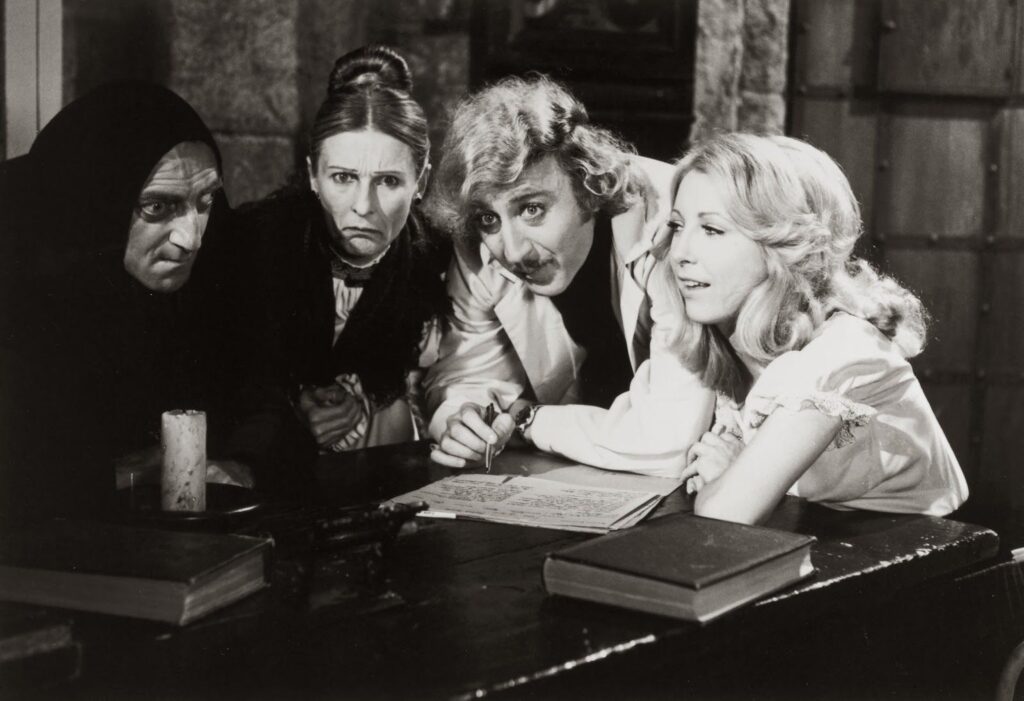
10. Young Frankenstein (1974)
Alright, prepare yourselves for a comedic masterpiece that perfectly skewers classic horror while celebrating everything we love about movies! Mel Brooks’ ‘Young Frankenstein’ is a “perfect parody of Universal horror movies,” a glorious “double whammy of zany tributes to the very act of moviegoing.” Filmed in glorious black-and-white, it mimics the aesthetic of those classic monster flicks, packing every frame with wit, visual gags, and some of the most quotable lines in cinematic history.
Our hero is Frederick Frankenstein, brilliantly played by Gene Wilder—but remember, it’s pronounced “frah-ken-steen”! This esteemed grandson reluctantly journeys to Transylvania to take over his family’s ancestral estate, soon stumbling headfirst into the family business. Along his journey, Frederick encounters an unforgettable cast: the enigmatic Frau Blücher (cue the horse sound!), the loyal Igor, and the stunning Inga, all contributing to the film’s unique charm.
The gags are not just “goofy winners” like “What hump?” but also showcase Brooks’ profound “deep reverence for cinema,” especially the iconic 1930s monster-movie canon. ‘Young Frankenstein’ is a testament to Brooks’ belief in “the power of putting on a show,” culminating in the legendary “Puttin’ on the Ritz” performance. It truly is a timeless classic that proves horror and humor make the most monstrously delightful combination!
Read more about: Claudia Cardinale, Italian Film Star Who Embodied an Era, Dead at 87: A Comprehensive Look at Her Iconic Career
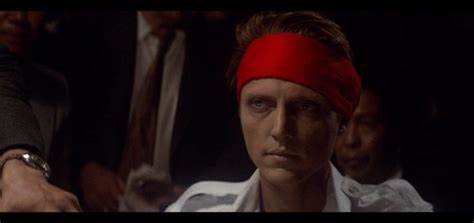
11. The Deer Hunter (1978)
Alright, deep breaths everyone, because ‘The Deer Hunter’ is a powerful journey that still resonates with chilling accuracy today! This 1978 Best Picture Oscar-winner was “one of the first American movies to take a cold, hard look at the aftermath of our involvement in Vietnam.” It’s an epic exploration of friendship, trauma, and the devastating cost of war, demanding your full attention from start to finish.
Michael Cimino’s masterpiece follows a trio of steel workers—Robert De Niro, Christopher Walken, and John Savage—who enlist to fight overseas. All three become prisoners of war, facing unimaginable horrors. While famed for its “intense sequences of the Viet Cong forcing them to play harrowing games of ‘Russian roulette’,” it’s the film’s rich “first half that really stays with you,” showcasing these young men drinking, hanging out, and celebrating at a wedding.
This deliberate contrast, akin to “watching Diner and having someone suddenly switch the channel to Apocalypse Now,” perfectly mirrors the “violent disorientation these all-American everyguys go through in ‘Nam” and the profound “alienation De Niro’s character feels after returning home.” The film also marked Meryl Streep’s “first big film role” and the last performance of John Cazale, solidifying its place as a raw, unflinching, and ultimately unforgettable experience.
Read more about: Meryl Streep at 75: Peering into the Hollywood Doyenne’s Timeless Performances and Enduring Influence
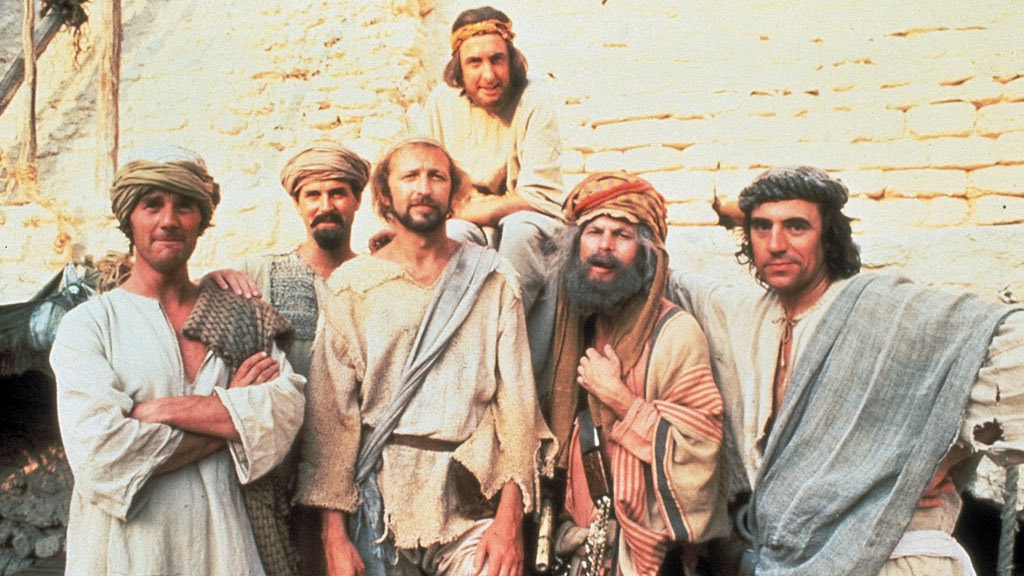
12. The Life of Brian (1979)
Hold onto your holy hand grenades, because we’re diving into a comedic masterpiece that dared to go where no film had gone before! Monty Python’s ‘The Life of Brian’ is a “standout entry in Monty Python’s filmography,” boasting “one of the greatest final scenes in comedy history.” If you’re looking for clever, controversial, and utterly hilarious satire, you’ve found your cinematic promised land!
The premise is pure Python genius: Brian Cohen, played by Graham Chapman, is born in a stable in Jerusalem, “right next to the one where Jesus Christ was born.” This simple twist sets the stage for “much hilarity” as Brian, a reluctant prophet, continually finds himself mistaken for the Messiah. It’s a bold, brilliant satire that lampoons religious fanaticism, bureaucratic absurdity, and the human tendency to follow blindly, all with Python’s signature intellectual wit.
And the ending? Legendary! As Eric Idle famously sings to the “reluctant messiah,” “Always look on the bright side of life,” you can’t help but feel a surge of defiant optimism. That iconic song has become an anthem, proving its enduring power. Every Python member shines in multiple roles, showcasing their comedic range, and fun fact: George Harrison “financed ‘Life of Brian’ through his HandMade Films company.” It’s a film that proves profound messages can come wrapped in outrageous humor!
Read more about: Hollywood’s Most Divisive Final Frames: Unpacking Iconic Controversial Movie Endings That Still Spark Debate
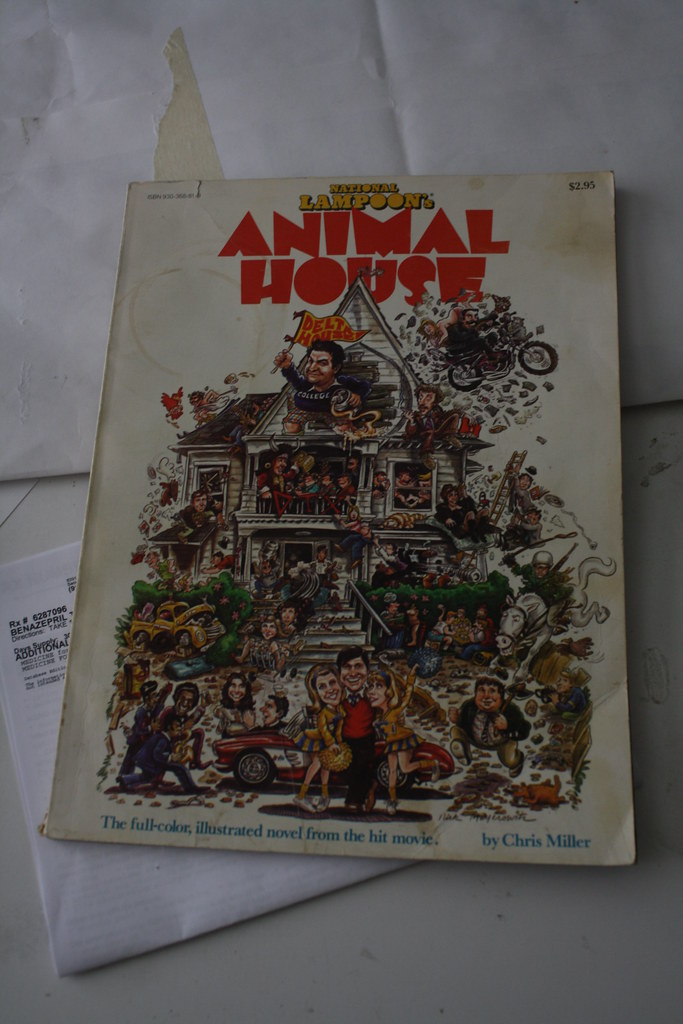
13. National Lampoon’s Animal House (1978)
Get ready to unleash your inner party animal, because ‘National Lampoon’s Animal House’ is stomping onto our list! This isn’t just a movie; it’s *the* movie that “set the slobs-vs.-snobs template” that would define so much of film comedy for decades to come. If you’ve ever cheered for the underdog or dreamt of collegiate chaos, this is your cinematic spiritual home, celebrating rebellion with style!
This National Lampoon production was “by far the best film vehicle for the prodigious but specific comedic talents of the late, great John Belushi.” As Bluto Blutarsky, the “hard-drinking, filthy (in every sense) member of the disreputable Delta House fraternity,” Belushi is an absolute force of nature. His chaotic energy and unhinged antics make him the unforgettable heart of this film, an anarchic legend living life by his own wild rules.
Bluto’s charisma is so potent that even when he asks, “Was it over when the Germans bombed Pearl Harbor?” during an “inspirational speech,” “nobody wants to interrupt to him to explain.” This film is a riotous celebration of rebellion against authority, a joyous romp through college life that throws rules out the window. From toga parties to food fights, ‘Animal House’ is a hilarious ode to youthful defiance that still makes us laugh, cringe, and maybe even wish we’d been a Delta.
Read more about: Rewriting History? Examining the Classic Comedies So ‘Offensive’ They Could Never Get Made Today
Wow, what a ride through the cinematic wonderland of the 1970s! From groundbreaking cult classics that birthed entirely new subcultures to laugh-out-loud comedies that redefined an entire genre, and poignant dramas that held a mirror up to a changing nation, this decade truly delivered a smorgasbord of storytelling brilliance. We hope this epic journey down memory lane has sparked some joyous recollections of seeing these films on the big screen, or perhaps inspired you to discover a new favorite from an era that consistently proved that movies could be anything and everything. So, go on, revisit these timeless treasures and let the magic of 70s cinema wash over you once more – you won’t regret it!