The automotive industry, a cornerstone of global commerce, relies heavily on trust, particularly when it comes to warranties designed to protect consumers from unforeseen repair costs. However, this essential safeguard has, for years, been exploited by a sophisticated network of scammers, turning what should be a straightforward protection into a multi-billion dollar illicit enterprise. These scams, predominantly targeting vehicle owners with deceptive offers of extended warranties, have not only cost companies immense sums but have also left countless individuals financially vulnerable and frustrated.
The scale of this problem is staggering. In June 2022 alone, an estimated one billion auto warranty scams were attempted in the United States, manifesting as relentless robocalls, unsolicited texts, and convincing imposter calls. While significant government actions by bodies like the Federal Communications Commission (FCC) and the Federal Trade Commission (FTC) have curtailed the frequency of these calls, the underlying tactics and variations of these scams persist. They remain a significant threat, evolving constantly to circumvent new regulations and consumer awareness campaigns, making it imperative for everyone to understand their mechanisms.
This in-depth exploration delves into the thirteen most widespread warranty scams that have plagued consumers and the automotive industry, outlining how these cheats operate and the massive financial impact they wield. By understanding these intricate deceptions, from the initial contact to the hidden clauses and outright fraud, consumers can better equip themselves against falling victim to what has consistently been a top complaint filed with federal agencies. We will dissect the methods, reveal the red flags, and underscore the importance of vigilance in a landscape still fraught with peril despite regulatory efforts.
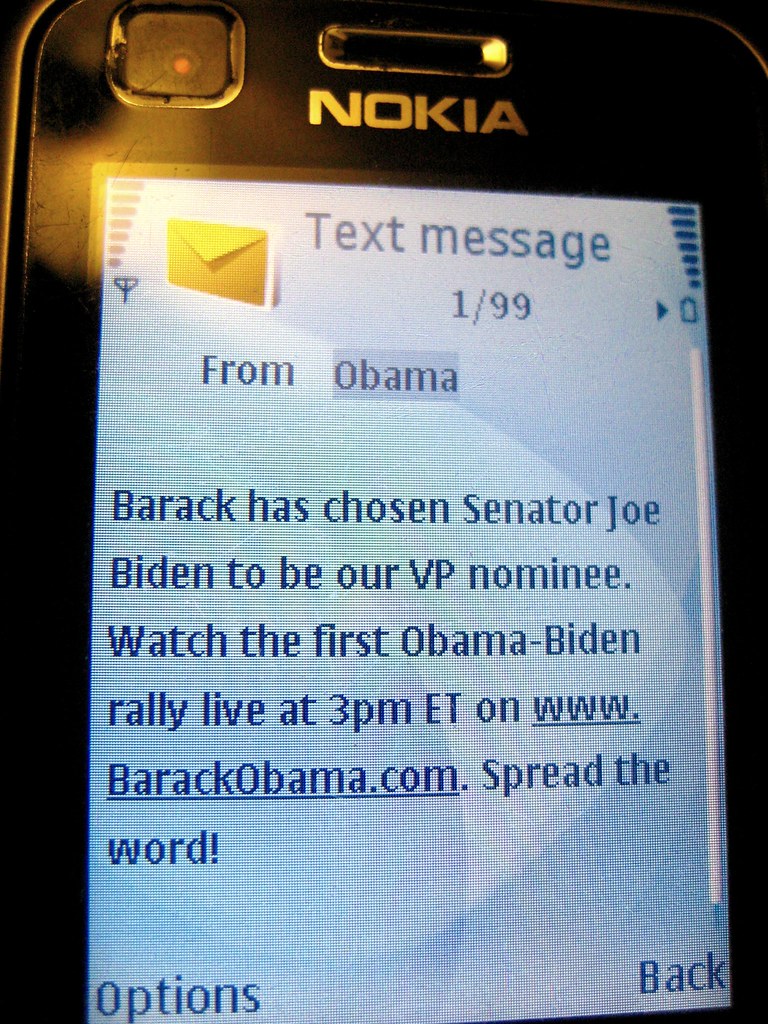
1. **Robocalls and Unsolicited Texts: The Relentless Digital Barrage**The omnipresence of auto warranty scams often begins with an irritating, incessant digital barrage: robocalls and unsolicited texts. These automated communications are the primary delivery mechanism for scammers, designed to reach an enormous number of potential victims with minimal effort. The context highlights the sheer volume, noting that nearly one billion auto warranty scam robocalls were made in June 2022, a figure that dramatically dropped to fewer than seven million by September of the same year following FCC actions, yet still signifies a persistent problem.
These calls frequently inform recipients that their vehicle’s warranty is about to expire, creating a false sense of urgency. The text also states that from September 2022 to September 2023, the FTC logged nearly 35,000 complaints related to warranties and protection plans from consumers on the Do Not Call list, indicating that these tactics persist despite regulatory measures and consumer attempts to opt out. The sheer volume ensures that even a small conversion rate can yield substantial illicit gains for the perpetrators, making it a highly attractive, albeit illegal, method of operation.
What makes these robocalls particularly insidious is their ability to bypass traditional consumer protection measures, such as the National Do Not Call registry. Scammers often spoof area codes and numbers, ensuring that recipients are never called by the same number twice, rendering simple call blocking ineffective. An Edmunds editor, for instance, received a third-party pitch letter that falsely claimed her vehicle was purchased “42 months ago” and implied her warranty was about to expire, demonstrating how these unsolicited contacts often contain fabricated information designed to alarm and coerce.
The calls are designed to be intrusive and frequent, so much so that “your vehicle’s warranty was set to expire” became a widely recognized meme in 2021. Even Jessica Rosenworcel, the chairwoman of the FCC, admitted to receiving these calls. This cultural saturation underscores just how pervasive and annoying these scam attempts have become, infiltrating daily life and eroding trust in legitimate communications.
The FCC’s decisive action, ordering all U.S.-based voice service providers to block traffic associated with identified fraud operations, significantly reduced the frequency of these illegal robocalls by 99 percent in some instances. However, the problem of roboscams as a whole continues to fluctuate, with robotexts, for example, increasing by 9% in September 2023, showcasing a continuous shift in scammer tactics as one avenue becomes less viable. This constant adaptation means consumers must remain vigilant against all forms of unsolicited digital contact.

2. **Imposter Calls and Spoofing: Disguising Deception as Authority**A critical component of the auto warranty scam ecosystem is the use of imposter calls, where scammers deliberately falsify their identity to appear as legitimate entities. These fraudsters often pose as representatives of trusted dealers, manufacturers, or insurers, leveraging a veneer of authority to manipulate unsuspecting consumers. The FCC reported that the people behind the nearly $300 million fine in 2022 were “using robocalls to appear to be representatives of trusted dealers, manufacturers, or insurers,” highlighting the prevalence and effectiveness of this tactic.
What makes these imposter calls particularly convincing, and therefore dangerous, is the scammers’ ability to sometimes possess specific information about the targeted vehicle or even the individual. The context notes that what made the calls particularly convincing was that “they sometimes had information about the people they were calling, thereby building trust.” This could include details about the car’s make, model, or even an approximate purchase date, which creates a deceptive illusion of authenticity and a false sense of an established business relationship.
The tactic of caller ID “spoofing” further complicates matters. Criminals deliberately falsify the information transmitted to the caller ID display to disguise their true identity, making an unsolicited call appear to originate from a legitimate company or even a local number. The FCC explicitly states that while spoofing is not always illegal, “when it’s used to defraud, spoofing is punishable by up to $10,000 per violation.” This underscores the serious nature of this deceptive practice and the lengths scammers go to hide their true intentions.
Consumers are advised to be extremely cautious, even if a number appears authentic, and to avoid answering calls they suspect may be spoofed. The advice is clear: if you believe you’re talking to someone from a legitimate dealership, hang up and call back using a number you verify on the company’s official website, rather than trusting the caller ID or any number provided by the scammer. This simple step can prevent victims from unwittingly engaging with a fraudster who is expertly feigning legitimacy.
Imposter fraud, encompassing scammers posing as auto warranty companies, is by far the most common type of fraud in the U.S., with 605,428 reports filed with the FTC in the first nine months of 2023. This staggering figure illustrates the pervasive nature of this scam, contributing to nearly $1.97 billion in losses during that period. The success of these imposter schemes lies in their psychological manipulation, exploiting trust and urgency to extract personal and financial information.

3. **False Urgency and Expiration Notices: The Fear Factor**Scammers masterfully employ psychological manipulation, with “false urgency” being one of their most effective tools. The goal is to scare uninformed buyers into immediate action, preying on their fear of incurring steep, unexpected repair bills. Solicitations often use alarmist language such as “Final notice! Your vehicle’s warranty is about to expire! Don’t go another day without coverage!” to create this panic. This tactic, whether delivered via auto-dialed calls, texts, or direct mail, aims to bypass rational decision-making.
The context explicitly mentions scammers often use phrases like “Motor Vehicle Notification,” “Final Warranty Notice,” or “Notice of Interruption” to suggest urgency. These phrases are carefully chosen to mimic official communications, thereby lending an air of credibility to the deceptive message. The intention is to convince the consumer that their current coverage is imminently lapsing, pushing them to believe they must act immediately to avoid a catastrophic financial burden.
A key part of this scam involves sending out notices, often disguised to look legitimate, complete with logos, stamps, and signatures, falsely informing car owners about pending warranty expiration. The idea is to trick consumers into thinking the warning comes directly from their manufacturer. An Edmunds editor received such a letter, with the service deceptively called a “manufacturer warranty replacement program,” and it listed “exorbitant prices for typical engine and transmission repairs” to intensify the fear that she “couldn’t afford to be without coverage!”
The deceptive nature of these notices is highlighted by the advice given to consumers: “If you get mail or phone calls about renewing your vehicle warranty, don’t take the information at face value.” Your vehicle’s warranty may be far from expiring, or it may have expired already. The crucial safety tip is to “check your warranty to confirm the expiry date” using the original warranty document or contacting the manufacturer directly, rather than relying on information provided by the unsolicited notice.
This scam taps into a fundamental anxiety for car owners – the cost of unexpected repairs. By exaggerating the immediacy and severity of a supposed expiring warranty, scammers create an environment where logical evaluation is replaced by impulsive fear. The ultimate goal is to pressure individuals into providing personal information or making a hasty purchase without proper research or understanding of the true offer.

4. **High-Pressure Sales Tactics: Coercion for Immediate Commitment**Once a scammer has made contact and established a false sense of urgency, the next step is often to employ aggressive, high-pressure sales tactics to coerce immediate commitment. Unlike legitimate warranty companies, scammers use “hard sell” techniques to convince consumers to provide personal information or make a purchase on the spot. The context explicitly notes that scammers communicate through text and robocalls and/or use high-pressure sales tactics, a clear differentiator from reputable businesses.
These tactics are designed to overwhelm the consumer, leaving little room for critical thought or research. The fraudsters create a false sense of “limited-time specials” or “today-only discounts” to push victims into making a decision without reviewing the contract or comparing options. The context advises, “Don’t fall for the ‘limited-time specials’ that many companies claim to have. These pitches are made up to create a false sense of urgency.” This manufactured scarcity is a classic sales ploy, amplified by the unethical nature of these scams.
A reputable company, by contrast, will provide ample time for review. The advice states, “A reputable company will let you see a copy of the contract and let you decide on your own time. Ask the vendor to fax or e-mail you the contract and take your time going over it.” This stark difference highlights that any telemarketer pushing for an immediate decision without allowing for proper due diligence is likely engaged in a scam. The urgency is not for the consumer’s benefit, but for the scammer’s.
Furthermore, the persistent nature of these calls, sometimes making “5 billion calls to 500 million phone numbers” within a three-month period, demonstrates the sheer force with which these operations attempt to wear down consumers. While the FCC’s crackdown has reduced these numbers, the underlying strategy remains to continuously contact individuals until they succumb to the pressure. This relentless pursuit, coupled with aggressive sales pitches, defines the high-pressure aspect of these scams.
The objective of these high-pressure tactics is not just to sell a fraudulent warranty, but often to extract personal financial information before the consumer has a chance to realize the deception. Once the information is given, the scam has succeeded, whether a “contract” is signed or not. This immediate demand for sensitive data is a critical red flag that consumers must recognize and resist.

5. **Demanding Personal Information: The Gateway to Fraud**At the heart of many auto warranty scams lies the insidious goal of extracting personal and financial information. Scammers, after establishing a deceptive rapport through imposter calls and creating urgency, will invariably ask for sensitive data such as a social security number, credit card information, driver’s license number, or bank account information. The FCC warns that you “may be instructed to press a certain number or stay on the line, then asked to provide personal information, which potentially can be used to defraud you.”
The danger here is profound. Once this information is obtained, it can be used for a myriad of fraudulent activities beyond just selling a fake warranty. Identity theft, unauthorized charges, and opening new accounts in the victim’s name are all potential consequences. The FCC explicitly states that “they managed to get personal information, such as credit card information, driver’s license numbers, and even social security numbers that the FCC said could be used to defraud the people targeted by this scam.”
A crucial safety measure emphasized in the context is to “never provide any personal information… to any caller unless you can verify you are dealing directly with a legitimate company with which you have an established business relationship.” This verification should involve independent research, such as calling the company back using a number found on their official website, not one provided by the unsolicited caller. The advice to “be extremely cautious” is paramount, as “telephone scammers are good at what they do and may imply that they work for a company you trust.”
The context also warns against a particularly unscrupulous tactic where companies use a vehicle identification number (VIN) to convince consumers they can “blacklist” their vehicle so no one else will cover it unless they sign up immediately. This is a complete fabrication, as “no such list exists.” This threat is another form of pressure designed to make consumers hastily give up their VIN, which, while not as sensitive as a social security number, can still be used for deceptive purposes.
Protecting personal information is the most direct defense against financial fraud originating from these scams. The moment a caller asks for sensitive details during an unsolicited conversation, it should trigger an immediate red flag. The best course of action is to hang up and independently verify the legitimacy of any offer before sharing any personal data.
6. **Non-Existent or Duplicative Warranties: Paying for Nothing**One of the most disheartening aspects of auto warranty scams is when consumers pay for coverage that either doesn’t exist or merely duplicates an existing warranty. These “nonexistent extended car warranties” were the subject of FTC lawsuits in 2022 and 2023, where firms were engaged in calls, robocalls, texts, and emails intended to defraud consumers. The result of these lawsuits has been a dramatic drop in the number of auto warranty scams, but the underlying threat remains.
Many consumers, eager for peace of mind regarding potential costly repairs, inadvertently purchase a service contract that offers no real protection. The context clarifies that an “auto service contract is a contract to pay for some repairs or services,” and while sometimes called an “extended warranty,” they are not a warranty as defined by federal law. Scammers exploit this distinction, selling contracts that are deliberately vague or entirely fraudulent.
Even when a service contract might appear legitimate on the surface, it often “could duplicate coverage you have through your manufacturer’s warranty.” The FTC warns that you “might actually pay more for a service contract than you get back in benefits.” This means consumers end up paying twice for the same coverage, or for coverage that their existing warranty already provides, resulting in a net financial loss without any added protection.
The advice is clear: “Check your existing auto warranty coverage first” to avoid duplicate protection. The more coverage supposedly offered, the higher the cost, leading consumers to pay hundreds or even thousands of dollars for unnecessary or non-existent plans. This highlights the importance of understanding your current vehicle’s warranty status, including its expiration date and what it specifically covers, before considering any additional purchases.
The ultimate consequence of this scam is that when a repair is actually needed, the consumer discovers they have no valid coverage, or the purchased service contract explicitly excludes the required repair. This leaves them “without coverage” and still facing a “steep repair bill,” effectively having paid for nothing but false promises. This underscores the importance of sticking with manufacturer-backed warranties whenever possible, as they offer the most reliable and transparent coverage.

7. **Misleading Fine Print and Exclusions: The Devil in the Details**Even for those who manage to get a physical contract, auto warranty scammers embed deceptive “traps in the fine print” and numerous exclusions that render the coverage virtually useless when a claim arises. Knowing that most people don’t bother to read warranty agreements meticulously, sham warranty companies strategically insert clauses that allow them to deny claims, supply substandard parts, or evade responsibility.
One example cited in the context illustrates this perfectly: a company “may state that in case of an accident, they’re allowed to supply the replacement parts.” Upon signing, the consumer agrees to this clause, unknowingly giving the company the right to supply “whatever parts they like, even non-working ones,” and the consumer still has to pay. This manipulation of contractual terms is a core deceptive practice, turning a supposed protection into a financial burden.
The ultimate realization often comes when consumers “review the service contract” only after they need repairs, and then “they realize that the repairs are not covered, thanks to the agreement’s numerous exclusions.” This scenario leaves consumers stranded, having paid for a service they cannot utilize when it matters most. It’s a common complaint, falling into the category of “consumers who buy a third-party warranty and file it away until they need repairs.”
To combat this, the strongest safety tip is to “always read the warranty agreement in detail before signing.” Furthermore, it is recommended to “read it twice or have a friend read it too before accepting the deal.” This diligent review is essential to identify problematic clauses or an excessive number of exclusions that could deny coverage for common repairs or dictate where the car must be serviced.
Consumers are specifically advised to “know what’s covered and what isn’t.” While these service contracts “minimize your costs in the event of high-priced repairs,” their coverage is limited, making it “all the more important for you to know what is covered.” The recommendation is to seek an “exclusionary policy,” which more clearly states everything that is *not* covered, with the understanding that “everything else is covered,” thus minimizing surprises down the line and offering genuine transparency in coverage.
Navigating the complexities of auto warranties can be challenging, even for the savviest consumers. While the initial wave of scams often involves direct, high-pressure communication, a deeper layer of deception lies within the contractual details, financial manipulations, and the very structure of fraudulent operations. This second section unveils the hidden traps that catch victims, exposing how these schemes exploit loopholes and organizational weaknesses, often leaving individuals with empty pockets and no genuine coverage when they need it most. We delve into the subtler, yet equally devastating, ways scammers ensure they profit while consumers are left unprotected.

8. **Dubious Discounts and Made-up Offers: The Illusion of Savings**Scammers are keenly aware of consumers’ natural inclination towards a good deal, weaponizing this preference through dubious discounts and made-up offers. These tactics are designed to create an illusion of significant savings, often masking an inflated base price to ensure the scammer still profits. The objective is to blind consumers with perceived value, diverting their attention from the actual terms and true cost of the warranty. This financial manipulation often serves as a crucial closing technique for fraudsters.
Such schemes involve a simple yet effective mathematical trick. Warranty providers might inflate an actual warranty package, originally priced at, say, $1,000, to an astronomical $3,000. They then present a seemingly generous 66% discount, which coincidentally brings the price down to $1,020. This deceptive pricing mechanism ensures the consumer still pays the marked-up price, believing they have secured a bargain when, in reality, they are paying full or even above-market value for a potentially worthless service contract.
These seemingly attractive offers are frequently bundled with other high-pressure tactics, creating a false sense of urgency. Consumers are often subjected to pitches of “limited-time specials” or “today-only discounts.” These claims are fabricated to pressure individuals into making hasty decisions, preventing them from comparing prices or scrutinizing the offer’s genuine value. It is a calculated move to rush victims before they can identify the underlying deception.
To safeguard against these manipulative offers, it is crucial to treat every unsolicited discount or “special” as an immediate red flag. Whether presented as a “seasonal discount” or a “Father’s Day special,” thorough skepticism is warranted. Consumers should always take the time to research the actual market value of comparable warranties and scrutinize the full contract before committing to any deal, regardless of how enticing the discount may appear. Remember, legitimate deals do not require instantaneous decisions.

9. **No-Shows and Disappearing Companies: The Ultimate Betrayal**One of the most devastating outcomes of an auto warranty scam is the “no-show” scenario, where the company vanishes or refuses to honor its obligations when a repair is actually needed. This represents the ultimate betrayal of trust, leaving consumers stranded with hefty repair bills and no recourse. These fraudulent entities are often “fly-by-night operations that go belly up within a few years,” specifically designed to take money and disappear before any claims can be filed.
When a covered repair becomes necessary, the victim’s calls to the warranty provider may go unanswered, or they may be met with an array of excuses. Scammers might claim that the broken part isn’t covered by the contract’s numerous exclusions, or that paperwork is “incomplete,” thereby absolving themselves of responsibility. This often leaves the consumer “without coverage” and still facing a “steep repair bill,” having paid for nothing but false promises.
Numerous consumers have fallen victim to these ephemeral operations. The context cites an Edmunds Forums member who recounted their warranty company going out of business, with another member responding, “Welcome to the club… Many of us here have been burned by similar third-party warranty companies just like Continental. In my case, Warranty Gold did it to me. Your warranty company will or has gone bankrupt and you are fortunate to get anything back. I got nothing.” This underscores the prevalent nature of companies dissolving, leaving policyholders in limbo.
The critical safety measure against such organizational fraud is rigorous upfront research into the provider’s legitimacy and track record. Consumers should always conduct a thorough investigation of any potential provider before signing a contract. A quick online search, checking reviews on message boards, or consulting the state’s Better Business Bureau (BBB) website can reveal vital information about the company’s history and consumer complaints, helping identify reputable entities from fleeting scams.

10. **Difficulty Canceling and Obtaining Refunds: The Money Trap**Beyond merely selling a deceptive product, many auto warranty scams are designed to make it exceptionally difficult, if not impossible, for consumers to cancel policies or obtain refunds once payment has been made. This represents a significant financial trap, as victims are effectively locked into a worthless contract with no way to recover their funds, even if they quickly realize the deception. This forms one of the two general categories of consumer complaints identified against third-party warranty companies.
Consumers who attempt to cancel their fraudulent warranties often encounter substantial resistance. They face arduous processes, unresponsive customer service, or are simply denied refunds outright, despite contractual clauses that might suggest otherwise. This deliberate obstruction ensures that the scammer retains the ill-gotten gains, further exacerbating the victim’s financial loss. The frustration of navigating this labyrinthine process only adds to the burden.
Reputable companies, in stark contrast, operate with transparency and consumer-friendly policies. They allow ample time for contract review and provide clear procedures for cancellation and refunds. The advice is clear: “A reputable company will let you see a copy of the contract and let you decide on your own time.” The absence of such flexibility is a telling sign of a scam, designed to prevent consumers from exiting a disadvantageous agreement once their money is secured.
For those who find themselves in this predicament, losing money to a third-party warranty, several avenues for complaint exist. While direct individual resolution is not always guaranteed, taking action is crucial. The first step involves attempting to resolve the issue directly with the company. If that fails, filing a complaint with the Better Business Bureau (BBB) or the Federal Trade Commission (FTC) is advised, as these complaints contribute to tracking scam patterns and can lead to broader enforcement actions.

11. **Compromised Repair Quality and Service Restrictions: When Coverage Falls Short**Even when a service contract technically exists, many scam warranties are riddled with fine print that dictates where and how repairs must be conducted, often leading to compromised quality or an inability to utilize preferred service providers. This is a critical hidden trap, as consumers believe they are protected, only to find their options severely limited or their vehicle repaired with substandard parts. This undermines the very purpose of purchasing a warranty—peace of mind and reliable service.
One particularly insidious clause allows the warranty company to supply replacement parts in the event of an accident. Upon signing such an agreement, consumers unknowingly grant the company the right to furnish “whatever parts they like, even non-working ones,” with the consumer still liable for the costs. This highlights how deceptive contracts can turn a supposed protection into an additional financial burden, leaving car owners with unreliable repairs and no effective recourse.
This stands in stark contrast to manufacturer extended warranties, which guarantee the use of “original parts and factory-trained technicians to repair your vehicle at a dealership.” Third-party scam operations rarely adhere to such standards, often pushing for the cheapest possible fix without regard for vehicle longevity or owner satisfaction. The lack of control over where repairs are performed or the quality of parts used is a significant drawback not always apparent until a claim is made.
To avoid this pitfall, consumers must meticulously review the warranty agreement for any clauses that restrict service locations or dictate parts procurement. The advice is to “Look for exclusions that deny coverage for any reason, or tell you where your car has to be serviced.” Opting for an “exclusionary policy” is often recommended, as it explicitly lists what is *not* covered, implying everything else is, thus offering greater clarity on repair limitations and reducing unexpected denials for crucial work.
12. **The Illusion of Manufacturer Affiliation: Third-Party Deception**Many auto warranty scams thrive on creating a deliberate illusion of legitimacy, making consumers believe they are dealing directly with their vehicle’s manufacturer or a trusted dealer. This deceptive affiliation is a core tactic used by third-party warranty companies to bypass skepticism and leverage existing brand trust, misleading consumers into believing their offer is official and reputable. Scammers “give the impression they represent your car dealer or manufacturer when, in fact, they’re likely trying to sell you a service contract.”
This tactic manifests in various forms, from official-sounding names and logos on mailers to callers who possess specific vehicle information. For instance, an Edmunds editor received a pitch letter for a “manufacturer warranty replacement program,” which was a clear misrepresentation of its actual services. Similarly, companies like US Fidelis, now bankrupt, used logos featuring halos to imply a faith-based, trustworthy organization, despite their fraudulent practices. These deliberate misrepresentations are designed to blur the lines between genuine and fraudulent offers.
Crucially, a “third-party warranty is so named because it has no direct business relationship with the product it covers.” These entities operate independently of vehicle manufacturers or legitimate dealerships, despite their efforts to appear otherwise. Legitimate warranty companies “almost never make cold calls,” and unexpected communications should immediately signal a potential scam. The distinction between a manufacturer-backed warranty and a third-party service contract is fundamental to avoiding this deception.
To counter this illusion, consumers are strongly advised to “stick with the manufacturer’s warranty” whenever possible, as this ensures dealings with the company they already trust. If considering other options, independent verification is paramount. Rather than relying on information from unsolicited calls or mail, contact your vehicle’s manufacturer or an established dealer directly using verified contact information from official websites. This proactive step can confirm whether an offer is genuinely affiliated or merely a deceptive imitation.

13. **Limited Recourse and Complaint System Challenges: The Aftermath for Victims**For those unfortunate enough to fall victim to auto warranty scams, the path to recourse is often fraught with challenges and limited individual restitution. While government agencies like the Federal Communications Commission (FCC) and the Federal Trade Commission (FTC) actively work to combat these large-scale frauds, their primary role is typically systemic, rather than providing direct financial relief to individual consumers. This reality can leave victims feeling powerless and further frustrated after their financial losses.
Consumers are encouraged to “file a complaint with the FCC about suspected scam calls” and “file a complaint with the Federal Trade Commission” if they believe they have encountered fraud. These complaints are vital for tracking patterns, identifying perpetrators, and building cases for larger enforcement actions, such as the significant fines imposed on major robocall operations. However, the immediate impact on the individual victim’s specific loss is often minimal.
It is important for consumers to understand the scope of these agencies’ powers. “While the FCC does not award individual damages to consumers, your complaint may help us identify scammers and take appropriate action.” Similarly, the FTC clarifies that it “does not resolve individual consumer complaints. Instead, the complaints it compiles can lead to investigations and prosecutions.” This means that while collective action can bring down fraudsters, personal recovery of funds usually requires separate, often challenging, legal avenues.
Despite the limitations in individual restitution, reporting scams remains a crucial step. The BBB and FTC emphasize that by reporting incidents and “spreading the word, you may expose a pattern of suspect activity and prevent others from getting scammed.” Even without direct financial compensation, having recorded evidence of a complaint contributes to a broader effort to protect the public. Ultimately, vigilance and informed decision-making remain the most effective defenses in a landscape where full individual recovery from these intricate frauds is often an uphill battle.
The widespread proliferation of auto warranty scams underscores a crucial lesson for every vehicle owner: constant vigilance is not just recommended, it’s essential. From the initial deceptive phone call to the intricate traps hidden in the fine print and the disheartening reality of disappearing companies, these schemes are designed to exploit trust and financial anxieties. As the digital landscape continues to evolve, so too do the methods of these fraudsters. Protecting your assets and peace of mind means equipping yourself with knowledge, questioning unsolicited offers, diligently researching providers, and understanding that genuine protection comes from transparent, reputable sources. In the battle against these multi-billion dollar cheats, an informed consumer is the most formidable defense.”