In the dynamic and often contentious world of filmmaking, the director’s vision is paramount, yet its realization is a testament to constant negotiation, firm leadership, and an unwavering commitment to the artistic outcome. Mel Brooks’s 1967 satirical black comedy, “The Producers,” stands as a compelling case study in this intricate dance of power and creativity. Far from being a smooth production, its journey to the screen was marked by numerous challenges, clashes, and critical decisions where Brooks, as the lead director, had to assert his authority against various forms of resistance and even outright ‘bans’ from those within and outside the production. This article delves into nine pivotal moments that illuminate the complexities of directorial control and the contractual underpinnings of bringing a singular artistic vision to life.
Brooks’s directorial debut with “The Producers” was not merely a creative endeavor; it was a masterclass in navigating the treacherous waters of Hollywood production, where every decision, from casting to the final cut, could be a battleground. From securing his own position as director despite his inexperience to clashing with producers and key crew members, Brooks demonstrated a relentless resolve that ultimately defined the film’s controversial yet enduring legacy. These instances reveal the profound impact a lead director’s assertiveness can have on a project’s trajectory, showcasing how an artist’s commitment can overcome the most formidable obstacles, often by effectively ‘banning’ alternative paths or resisting external pressures. We begin by examining five such critical moments.
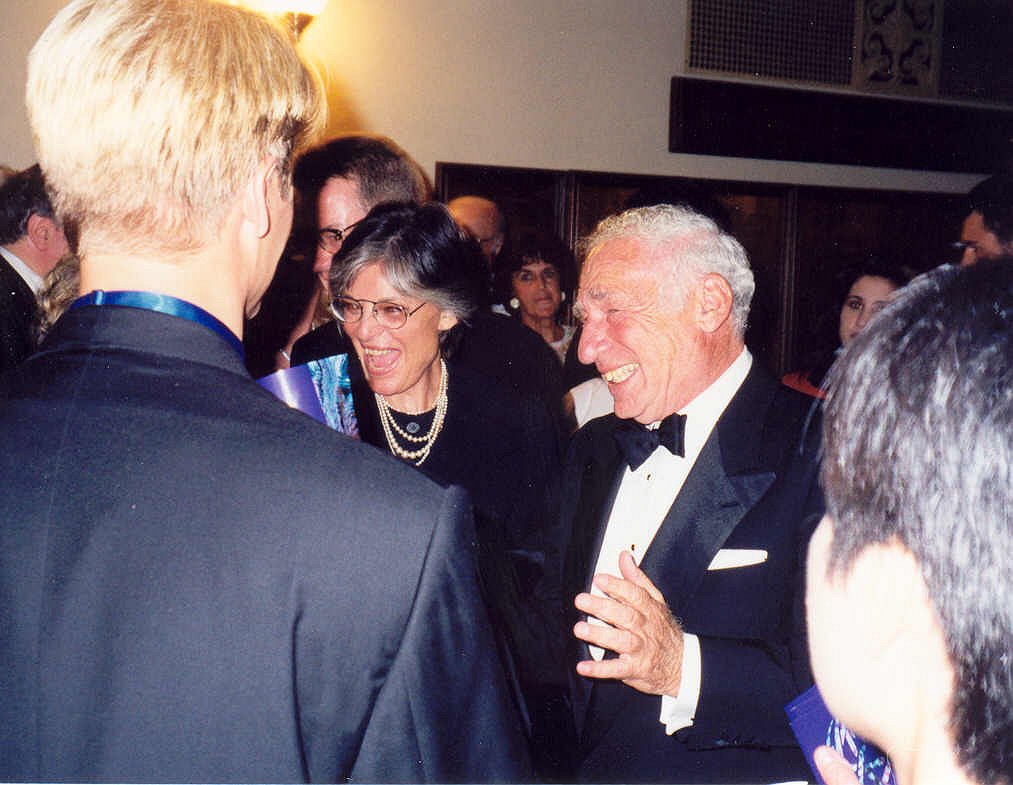
1. Mel Brooks’s Assertive Bid for the Director’s Chair: Overcoming Studio Hesitation
Mel Brooks’s journey to direct “The Producers” was not a given, especially for his feature film debut. Despite having a compelling 30-page film treatment for “Springtime for Hitler,” as it was then tentatively titled, Brooks initially faced rejections from both major film studios and independent filmmakers who found the idea of using Hitler for comedy “outrageous and tasteless.” This early resistance highlighted a significant hurdle for any aspiring director: convincing financial backers of the viability, not just artistic merit, of a project. Yet, Brooks’s conviction in his narrative was so strong that he sought a way to personally steer the ship, ultimately securing the directorial role for himself.
His agent played a crucial role by arranging a meeting with New York producer Sidney Glazier, who, captivated by Brooks’s impassioned performance of the script, declared, “We’re gonna make it! I don’t know how, but we’re gonna make this movie!” This pivotal endorsement from Glazier paved the way, but the financial backing came with its own set of challenges. Glazier budgeted the film at $1 million, with half the money sourced from philanthropist Louis Wolfson, who surprisingly “liked the idea of laughing at a dictator.” The remaining funds and distribution were arranged by Joseph E. Levine of Embassy Pictures, a key “producer” in the film’s realization.
Brooks recognized that Levine’s insecurity regarding an inexperienced director could potentially ‘ban’ him from the director’s chair. To counter this, Brooks strategically argued for cost-effectiveness, emphasizing that his deep knowledge of physical comedy from his time as a stage manager on “Your Show of Shows” made him uniquely qualified. This persuasive maneuver was a masterful display of self-advocacy, effectively ‘banning’ any lingering doubts about his capability from derailing his directorial aspirations. It showcased his ability to not only conceive the vision but also to fight for the right to execute it personally, setting a precedent for his assertive leadership throughout the production.
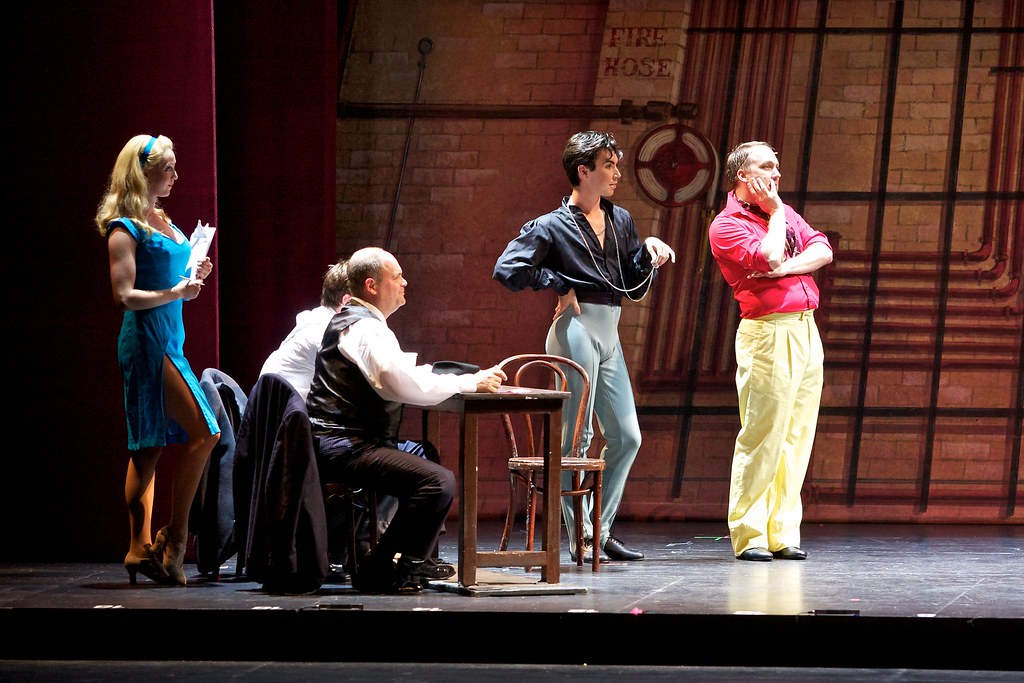
2. The Title Tug-of-War: How Brooks’s Vision Clashed with Joseph E. Levine’s Marketing Mandate
The title of a film is more than just a label; it is the first impression, a crucial marketing tool that can significantly influence its reception and distribution. Mel Brooks originally conceived his groundbreaking satire under the provocative title “Springtime for Hitler,” a direct and unflinching nod to the controversial play at the heart of his story. This title, in Brooks’s view, perfectly encapsulated the audacious and boundary-pushing nature of his work. However, the path from artistic conception to market reality often involves compromise and the navigation of commercial pressures, where the vision of the director can meet the strategic demands of the film’s distributors.
Joseph E. Levine, a key figure in Embassy Pictures responsible for the film’s distribution and part of its financing, presented a significant challenge to Brooks’s original title. Levine’s condition for proceeding with the project was explicit: “Levine’s only condition was to change the title, as he felt many distributors would not carry a picture named Springtime for Hitler.” This was, in essence, a commercial ‘ban’ on Brooks’s chosen title, stemming from a pragmatic assessment of market acceptability and the potential for widespread distribution. For a debut director, securing distribution was non-negotiable, and thus, a direct confrontation over the title carried substantial risk.
Despite his clear artistic preference, Brooks understood the necessity of strategic concession. He renamed the film “The Producers,” a title he considered ironic, as “these guys are anything but producers.” This decision, while a departure from his initial vision, demonstrated Brooks’s pragmatic leadership—a willingness to compromise on one element to ensure the overall project’s survival and reach. It highlighted the power dynamic where a distributor, acting as a crucial ‘producer’ in the commercial sense, could enforce a change that effectively ‘banned’ the director’s original creative choice for the greater good of the film’s commercial viability. Brooks navigated this by finding an alternative title that still subtly resonated with the film’s themes of dubious showmanship.
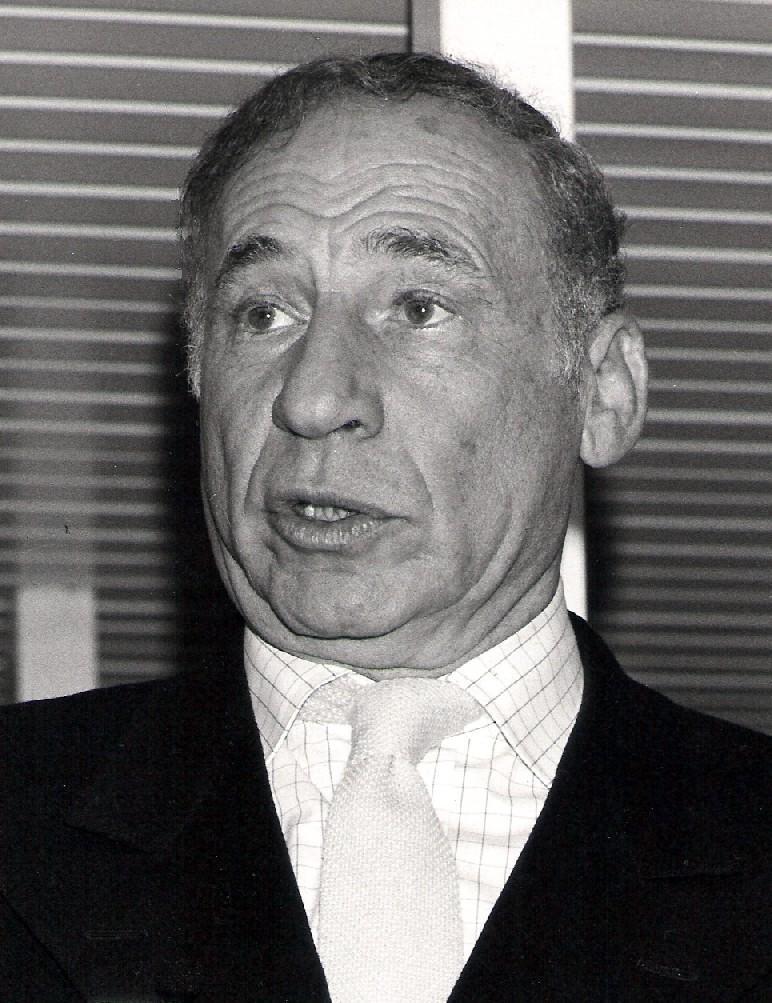
3. A Director’s Firm Hand: The Temporary Banning of Producer Sidney Glazier from the Set
The pressures of filmmaking, especially for an inexperienced director working under tight deadlines and budget constraints, can often lead to heightened tensions on set. Mel Brooks, despite his undeniable creative genius, was new to the demands of directing a feature film. His inexperience, coupled with the rapid pace required to shoot the film in “40 days on a $941,000 budget,” contributed to a challenging production environment. This period saw Brooks committing “many mistakes during production,” necessitating assistance from his assistant director, Michael Hertzberg, and leading to visible signs of stress and frustration.
As the production intensified, Brooks’s behavior escalated, reflecting the immense pressure he was under. The context describes him as starting “to have tantrums and behave angrily.” He grew “impatient with the slow development compared to how quick television production was” and engaged in “clashes with cinematographer Joseph Coffey and main actor Zero Mostel.” In a clear demonstration of a director asserting absolute control, even over a financial partner, Brooks “temporarily banned Glazier from the set” — a definitive exercise of authority that left no ambiguity about who was ultimately in charge of the day-to-day operations and atmosphere of the production.
This temporary ‘banning’ of Sidney Glazier, the film’s producer, from the set underscores the director’s ultimate authority over the immediate working environment. While Glazier was instrumental in getting the film financed and produced, Brooks’s decision highlighted a boundary: creative control on set ultimately resided with the director. It was a clear, if aggressive, move to mitigate perceived distractions or interferences, allowing Brooks to maintain the focus he deemed necessary to keep the demanding production on track. This incident remains a powerful example of a lead director’s willingness to use extreme measures to protect the integrity and progress of his film, even at the cost of challenging a key stakeholder.

4. **Navigating Creative Friction: Brooks’s Clashes with Cinematographer Joseph Coffey and Star Zero Mostel**
The creative synergy essential for a successful film can often be born from friction, as differing artistic temperaments and professional perspectives converge on a single vision. Mel Brooks, in his directorial debut, found himself at the helm of a complex production, and his inexperience sometimes exacerbated the inherent tensions. Beyond his temporary ‘ban’ of producer Sidney Glazier, Brooks also encountered significant challenges and “clashes” with other critical members of his team: cinematographer Joseph Coffey and his lead actor, Zero Mostel. These interactions, while not resulting in outright ‘banning,’ were clear instances of a director asserting his will and navigating strong personalities to achieve his desired cinematic outcome.
Joseph Coffey, as the cinematographer, was responsible for the film’s visual language, a role that inherently involves significant creative input. Brooks’s “lack of knowledge of filmmaking” meant that he sometimes struggled with the technical aspects, leading to disagreements with Coffey, a seasoned professional. Such clashes highlight the director’s responsibility to guide the overall aesthetic, even when confronting experienced technical experts. Brooks, in these moments, would have needed to articulate his vision forcefully, effectively ‘banning’ any visual approach that deviated from his artistic intent. This required not only leadership but also a rapid learning curve on Brooks’s part to ensure his creative directives were understood and implemented.
Similarly, Brooks’s relationship with Zero Mostel, the star playing Max Bialystock, was fraught with tension. Mostel was a powerful and energetic actor, but his behavior was complicated by a severe leg injury from a 1960 bus accident, which stipulated a contract clause dismissing him from any work after 5:30 pm and worsened in humid weather. The final scene, shot at the Revson Fountain in Lincoln Center, saw Mostel “throwing a fit and giving up on production.” This crisis required producer Glazier to intervene and calm the argument between Mostel and Brooks. These interactions demonstrate a director’s need to control performances, manage temperamental stars, and ensure that personal challenges or strong artistic interpretations do not derail the film’s narrative or schedule. Brooks’s persistent efforts to direct Mostel’s performance and manage his on-set challenges were a form of continuous assertion, ‘banning’ any behaviors or interpretations that would compromise the film’s integrity.
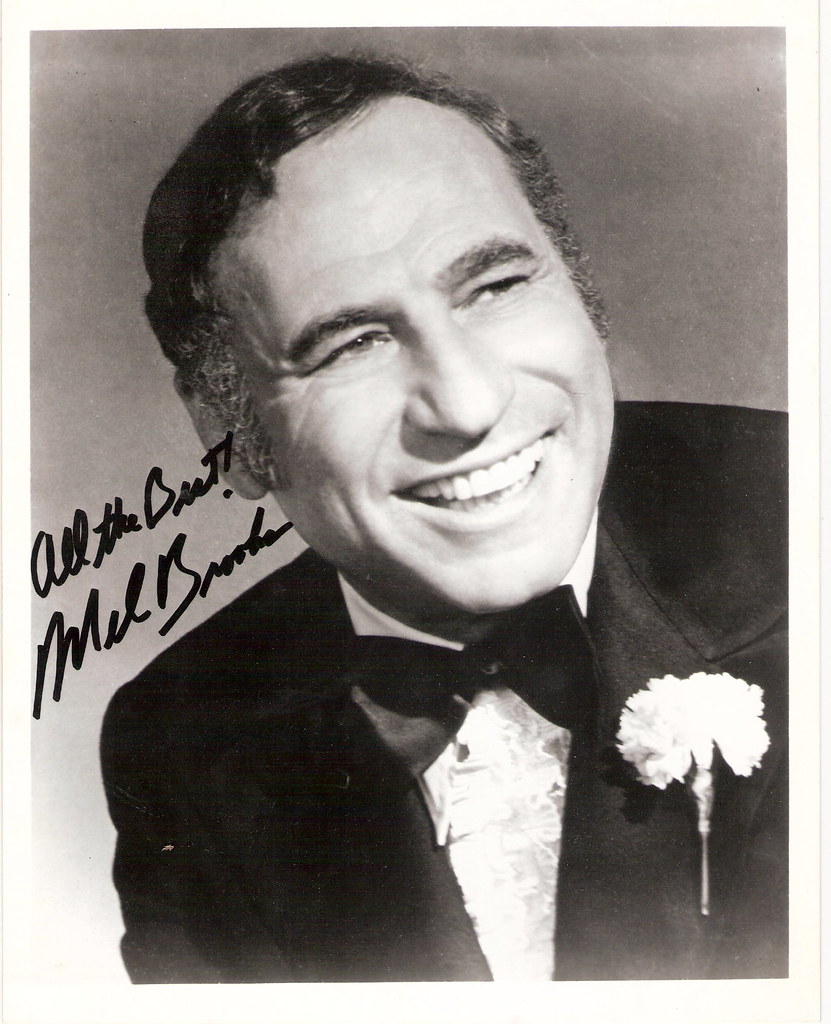
5. Artistic Pruning: Mel Brooks’s Decision to Cut the Controversial “Siegfried Oath” Scene
Directorial authority extends not only to what is filmed but also to what ultimately remains in the final cut. During the production of “The Producers,” Mel Brooks made a significant artistic decision to remove a scene that, on paper, seemed to fit the film’s audacious humor but, in execution, proved to be excessive. This involved a sequence where Franz Liebkind was to make Max and Leo swear the “Siegfried Oath,” accompanied by Richard Wagner’s “The Ride of the Valkyries” and featuring the characters wearing horned helmets. Such a scene, while contributing to the burlesque and exaggerated nature of the “Springtime for Hitler” musical itself, presented a challenge to Brooks’s overarching vision for the film.
Brooks’s rationale for excising the scene was clear: he “felt that it ‘went overboard’.” This decision was a direct exercise of his creative judgment, effectively ‘banning’ a piece of filmed content from the final narrative. It speaks to the director’s role as the ultimate arbiter of tone and pacing, understanding precisely where the line between provocative satire and gratuitous excess lies. For a film already pushing boundaries with its subject matter, maintaining a careful balance was crucial to ensuring its intended comedic impact rather than alienating the audience prematurely.
The removal of the “Siegfried Oath” scene highlights Brooks’s authority in shaping the narrative and maintaining artistic integrity. This was not a decision forced upon him by a producer or studio executive; it was a self-imposed ‘ban’ driven by his discerning artistic sensibility. It demonstrates that a lead director must constantly evaluate whether individual elements serve the larger vision, and be prepared to make tough editorial choices, even when those elements might be amusing in isolation. The fact that this scene was later “restored in the stage adaptation” further underscores that it was a specific directorial choice for the film medium, where the flow and impact differed, proving Brooks’s meticulous command over his cinematic debut.
Having explored the foundational battles Mel Brooks faced in initiating and shaping ‘The Producers,’ we now turn our attention to four additional significant moments where his directorial control was exercised or challenged. These instances, spanning crucial casting decisions, diligent post-production oversight, and the ultimate intricate process of the film’s release, further illuminate Brooks’s unwavering vision. They demonstrate how, even after filming wrapped, the director’s authority was continually tested, requiring strategic negotiation and steadfast resolve to bring his satirical masterpiece to the world.

6. The Persistent Pursuit of Zero Mostel: Overcoming Initial Resistance in Casting
One of the most crucial elements in realizing Mel Brooks’s vision for ‘The Producers’ was the casting of its central figures, particularly the larger-than-life character of Max Bialystock. Brooks harbored a strong conviction that Zero Mostel, an energetic actor, possessed the unique ability to embody the egotistical and flamboyant producer. This conviction, however, met with an initial, formidable barrier that required Brooks’s persistent and strategic intervention.
Initially, producer Sidney Glazier, instrumental in financing the film, dispatched the script to Mostel’s lawyer. Yet, this crucial step encountered an unexpected ‘ban’ from within Mostel’s own professional circle, as the attorney reportedly despised the script and, consequently, withheld it from the actor. This represented a significant hurdle, as a director’s ideal choice could be derailed before the actor even had the chance to consider the role, showcasing the often-unseen gatekeepers in the casting process.
Undeterred by this professional blockade, Brooks employed a more direct, albeit unconventional, route. He bypassed the disapproving attorney entirely and ensured the script reached Mostel through his wife, Kathryn Harkin. While Mostel himself expressed initial reservations about portraying “a Jewish producer going to bed with old women on the brink of the grave,” it was his wife’s strong positive reception to the script that ultimately swayed him. Brooks’s resourceful circumvention of the lawyer’s implicit ‘ban’ on the script reaching Mostel proved essential, allowing him to secure the powerhouse talent necessary for his film. This demonstrated a director’s willingness to navigate intricate personal and professional channels to achieve his casting objectives, effectively ‘banning’ any attempts to prevent his chosen actor from seeing the potential of the role.

7. **The Unexpected Exit and Strategic Recasting: Dustin Hoffman’s Departure and Kenneth Mars’s Arrival as Franz Liebkind**
The fluid nature of film production often necessitates decisive action and rapid adaptation, particularly when faced with unforeseen changes in casting. Mel Brooks encountered just such a pivotal moment with the role of Franz Liebkind, the deranged ex-Nazi playwright. Initially, the talented Dustin Hoffman had been cast in this distinctive character, adding a promising layer to the film’s ensemble.
However, on the eve of principal photography, Hoffman approached Brooks with an urgent request to be released from his commitment. He sought to audition for the starring role in an upcoming film, ‘The Graduate.’ Despite his own project being Brooks’s directorial debut, and understanding the disruption such a last-minute change could cause, Brooks, while reportedly skeptical that Hoffman would secure the role, magnanimously agreed to his request. This decision, though appearing as an act of generosity, implicitly ‘banned’ Hoffman from continuing in ‘The Producers,’ paving the way for a crucial, strategic recasting.
When Hoffman unexpectedly landed the role of Ben Braddock, Brooks swiftly initiated the search for a replacement. His immediate call went out to Kenneth Mars, whom Brooks had originally envisioned for the flamboyant director Roger De Bris due to his Broadway experience. Mars, however, expressed a keen interest in the Liebkind role, making it his film debut. Brooks, demonstrating flexibility and an astute understanding of his cast’s potential, leveraged Mars’s enthusiasm, confirming him in the part. This rapid and effective transition, prompted by Hoffman’s departure, exemplified Brooks’s decisive leadership, as he quickly ‘banned’ the void left by one actor and strategically filled it with another who would indelibly shape the character.
8. **Maintaining Vision in the Edit Suite: Mel Brooks’s Final Cut Privilege and Disputes with Editor Ralph Rosenblum**
The director’s role extends far beyond the physical act of filming; it crucially encompasses the meticulous process of post-production, where the film truly takes its final shape. For Mel Brooks, navigating the editing suite proved to be another arena where his authority was tested, even with the contractual advantage of final cut privilege. This phase demanded a continuation of his unwavering vision, ensuring that the rhythm, pacing, and overall narrative integrity of ‘The Producers’ remained aligned with his artistic intent.
After principal photography concluded on July 15, 1967, the film entered an extended period of post-production that stretched for months. Despite Brooks having secured the powerful contractual right of final cut privilege, granting him ultimate authority over the film’s edited version, the process was not without its challenges. The context specifically notes that Brooks “still had complaints with Ralph Rosenblum regarding his editing,” indicating a series of disagreements and negotiations over the film’s assembly.
These ‘complaints’ highlight Brooks’s intense involvement and his meticulous scrutiny of every frame. Exercising final cut privilege meant he could, and did, effectively ‘ban’ any edits, cuts, or sequences proposed by his editor that he felt deviated from his comedic timing or narrative flow. This assertion of authority in the editing room was critical to maintaining the film’s distinct tone and ensuring that the final product was precisely what he envisioned, showcasing his comprehensive control from conception through to completion. It underscored the principle that a lead director’s influence is paramount in safeguarding the artistic integrity of their work, even when collaborating with highly skilled professionals.
9. The Battle for Release: Overcoming Studio Refusal and Securing Distribution
Even with a director’s vision fully realized on screen, the journey of a film to its audience is fraught with its own set of formidable challenges, often requiring a director to overcome external ‘bans’ imposed by those controlling distribution. Following the completion of ‘The Producers,’ Mel Brooks faced a significant hurdle as Embassy executives, responsible for releasing the film, initially “refused to release it as being in ‘bad taste’.” This was, in essence, a commercial ‘ban’ threatening to shelf the film entirely after its disastrous premiere in Pittsburgh, Pennsylvania, on November 22, 1967.
The prospect of a completed film being withheld from release is a dire scenario for any director, signaling a profound lack of faith from its distributors. The studio’s consideration of shelving ‘The Producers’ highlights the immense commercial pressures that can override artistic merit, especially for a controversial film. This period represented a critical juncture where the film’s very future hung in the balance, a stark test of whether Brooks’s audacious satire would ever reach a wider audience beyond its ill-fated debut.
A lifeline, however, came from an unexpected and influential source: Peter Sellers, the renowned ‘Pink Panther’ star. After privately viewing the film, Sellers, who ironically had once considered the role of Leo Bloom but “was never heard from again,” became a vocal advocate. He took the extraordinary step of placing an advertisement in *Variety* in support of the film’s wide release, effectively challenging and undermining the studio’s internal ‘ban.’ Sellers’s public endorsement provided crucial momentum, showcasing the power of external validation in navigating studio resistance and ultimately facilitating the film’s wider distribution in March 1968. This incident exemplifies how a director’s unwavering artistic integrity, coupled with fortuitous external support, can triumph over commercial gatekeeping, ensuring that a significant work finds its place in cinematic history. The film even faced an alleged ‘ban in Germany,’ underscoring the international controversy and resilience required for Brooks’s vision to prevail.
Mel Brooks’s ‘The Producers’ stands as a testament not only to groundbreaking comedic genius but also to the formidable leadership required to shepherd a singular artistic vision through the labyrinthine complexities of Hollywood. From asserting his right to direct, to navigating contentious title changes, managing on-set conflicts, making crucial casting decisions under pressure, meticulously overseeing post-production, and ultimately battling for the film’s very release, Brooks demonstrated a relentless resolve. Each ‘ban,’ whether imposed by others or by his own discerning judgment, became an opportunity to reaffirm his directorial authority and sculpt a film that would initially challenge, then enthrall, and ultimately endure. The journey of ‘The Producers’ is a compelling narrative of how an artist’s commitment, even when facing relentless resistance, can forge a legacy that continues to resonate, proving that true vision, under contract or otherwise, will find its way to the screen.” , “_words_section2”: “1658