In an automotive landscape increasingly dominated by discussions of modern vehicle longevity, with studies like iSeeCars.com’s 2024 Longest Lasting Cars highlighting contemporary models capable of reaching a quarter-million miles, there’s a unique and profound appreciation reserved for the true titans of endurance: classic cars. While today’s vehicles are undoubtedly more durable than their predecessors from decades past – the average passenger car age in the U.S. now stands at 12.5 years, a significant jump from the 5.7 years and 100,000-mile limit of 1970 models – the concept of a car genuinely “built to last forever” finds its purest expression in a select group of vintage machines. These aren’t just old cars; they are automotive monuments to meticulous engineering and resilient design.
Indeed, the allure of classic cars extends far beyond their aesthetic appeal. These marvelous creations of automotive history boast not only gorgeous looks but were fundamentally constructed with an intrinsic purpose of unwavering durability. Many modern vehicles, despite advancements, might falter after a few years, yet these vintage powerhouses have continued to traverse roads since the mid-1900s, proving that true longevity is an art form mastered by a dedicated few. Their enduring presence is a testament to an era where over-engineering was often a badge of honor, and every component was designed to withstand the relentless march of time and countless miles.
We embark on a journey through automotive history to spotlight seven of these strongest classic cars, each a paragon of enduring strength and mechanical fortitude. These vehicles represent the pinnacle of their respective eras, having consistently demonstrated an unparalleled ability to outlast expectations, requiring minimal maintenance while delivering steadfast performance. Join us as we explore the engineering brilliance and compelling stories behind these remarkable machines that refuse to retire, truly earning their reputation as vehicles built to last forever.
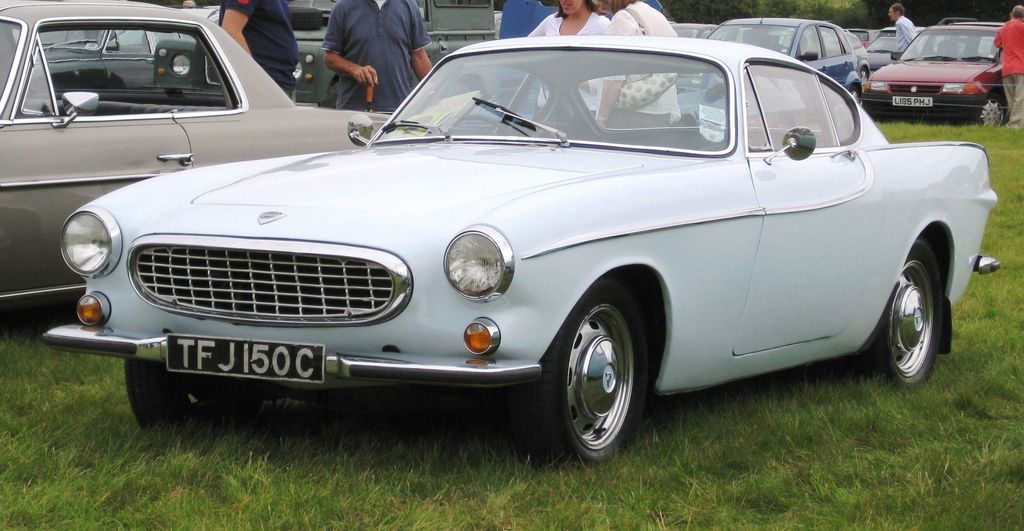
1. **Volvo P1800**When discussing vehicular longevity, the Volvo P1800 invariably stands as a monumental benchmark, often cited as one of the most dependable cars ever produced. Introduced by Volvo in 1961 and maintaining production until 1973, this timeless classic was envisioned by Pelle Petterson, who crafted a design that would transcend fleeting trends and embody an inherent robustness. Its aesthetic appeal is undeniable, a sleek and stylish coupe that captivated audiences, particularly through its role in popular culture, yet its true legendary status is rooted in its extraordinary mechanical endurance.
The P1800 isn’t merely a survivor; it is a record-breaker in the truest sense. It holds an astonishing record of running for over 3 million miles, an achievement that puts many modern vehicles to shame and sets a nearly unreachable standard for durability. While many cars lay claim to significant dependability, few, if any, have so resoundingly passed the ultimate test of time with such verifiable mileage. This incredible feat speaks volumes about the meticulous engineering and superior build quality that characterized Volvo’s approach during this era, ensuring that the P1800 was not just built, but crafted for enduring performance.
The design integrity of the Volvo P1800 is, without question, impeccable. Every aspect, from its robust powertrain to its carefully constructed chassis, contributed to an unyielding resilience that allowed it to log millions of miles under varied conditions. This consistency in performance, year after year, owner after owner, cemented its reputation not just as a reliable car, but as a virtually indestructible one. Its simple yet effective mechanicals meant that maintenance, when required, was straightforward, further aiding its incredible lifespan by allowing for easy upkeep.
For enthusiasts and everyday drivers alike, the P1800 represents the zenith of classic automotive reliability. Its capability to consistently perform and withstand the rigors of extensive use, continuing its journey for decades beyond its manufacturing date, illustrates a level of engineering foresight that is rarely matched. This vehicle truly embodies the spirit of being one of the strongest in the game, a testament to Swedish automotive excellence and a classic car that continues to inspire awe with its record-setting longevity.
Read more about: Revving Up Your Portfolio: 15 Classic Cars That Could Drive Exponential Returns
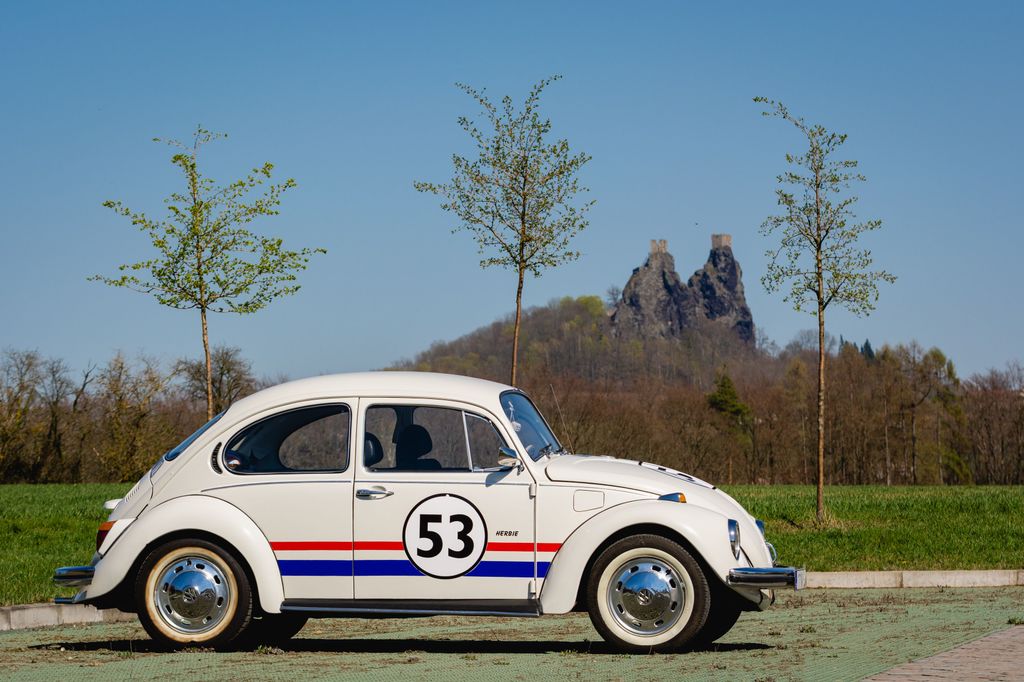
2. **VW Beetle**Affectionately dubbed the ‘people’s car’ by its originating company, the Volkswagen Beetle is an icon of automotive history, renowned for its amazing dependability and a unique staying power that has seen it endure across generations. First introduced to the world in 1938, this remarkable vehicle has maintained its presence for nearly a century, a testament to a design philosophy that prioritized simplicity, robustness, and accessibility. Designed and developed by the legendary Ferdinand Porsche, the Beetle’s fundamental engineering allowed it to achieve a ubiquity and longevity few cars can rival.
Despite its somewhat controversial early association as the ‘Nazi Car’ due to its connection with Adolf Hitler, the VW Beetle transcended its origins, evolving to symbolize peace and freedom among car enthusiasts worldwide. This cultural transformation underscores its universal appeal, driven in no small part by its undeniable mechanical resilience. Its air-cooled engine and straightforward construction made it an incredibly forgiving vehicle, capable of operating reliably in diverse climates and conditions, from bustling city streets to rugged rural landscapes.
The Beetle’s reputation for running like a charm, coupled with its requirement for so little maintenance, further solidified its status as a strong classic vehicle. Its mechanical simplicity meant that owners could often perform basic repairs themselves, fostering a sense of connection and ownership that contributed to its enduring popularity. This ease of maintenance, combined with readily available parts due to its massive production run, ensured that Beetles remained on the road long after many of their contemporaries had faded into obsolescence.
Generations of drivers have come to rely on the Beetle’s steadfast nature, proving that cutting-edge complexity isn’t always a prerequisite for extreme durability. It exemplifies a design ethos where functionality and resilience were paramount, creating a vehicle that not only serves its purpose faithfully but also builds an emotional connection with its drivers. The VW Beetle stands as a vibrant testament to robust engineering, a true people’s car that refuses to retire, continuously demonstrating its extraordinary lasting power through the decades.
Car Model Information: 2012 Volkswagen Beetle 2.5L
Sp: uk
Name: Volkswagen Type 1,”Beetle”
Caption: 1965–1966 Volkswagen Käfer
Manufacturer: Volkswagen
Alt: A front-three quarters view of a pale-yellow Volkswagen Käfer. It features 165/80R15 tires, which shod 15×4. 5″ silver, circular wheels. The Käfer features a beetle-like body, and its window is open. The picture is taken with much greenery in the background, and the photo was edited to give it a more warmer tone.
Aka: List of names for the Volkswagen Type 1
Assembly: #Markets and assembly
Designer: Ferdinand Porsche
Class: Small family car
BodyStyle: Sedan (automobile),convertible
Production: 1938–2003,21,529,464 produced
Successor: Volkswagen Golf Mk1,Volkswagen Gol#First generation (Typ30, 1980),Volkswagen New Beetle
Layout: Rear-engine, rear-wheel-drive layout
Engine: Petrol,Volkswagen air-cooled engine,1192 cc H4,1285 cc H4,1493 cc H4,1584 cc H4
Transmission: manual transmission,Saxomat,Autostick
Wheelbase: convert
Length: convert
Width: convert
Height: 1500 mm
Abbr: on
Weight: convert
Categories: 1940s cars, 1950s cars, 1960s cars, 1970s cars, 1980s cars
Summary: The Volkswagen Beetle, officially the Volkswagen Type 1, is a small family car produced by the German company Volkswagen from 1938 to 2003. A global cultural icon known for its bug-like design, the Beetle is widely regarded as one of the most influential cars of the 20th century. Its production period of 65 years is the longest for any single generation of automobile, and its total production of 21.5 million units makes it the most produced car of a single platform in history and the second-highest of all nameplates manufactured in the 20th century.
The Beetle was conceived in the early 1930s. The leader of Nazi Germany, Adolf Hitler, decided there was a need for a people’s car—an inexpensive, simple, mass-produced car—to serve Germany’s new road network, the Reichsautobahn. The German engineer Ferdinand Porsche and his design team began developing and designing the car in the early 1930s, but the fundamental design concept can be attributed to Béla Barényi in 1925, predating Porsche’s claims by almost ten years. The result was the Volkswagen Type 1 and the introduction of the Volkswagen brand. Volkswagen initially slated production for the late 1930s, but the outbreak of war in 1939 meant that production was delayed until the war had ended. The car was originally called the Volkswagen Type 1 and marketed simply as the Volkswagen. It was not until 1968 that it was officially named the “Beetle”.
Volkswagen implemented designations for the Beetle in the 1960s, including 1200, 1300, 1500, 1600, 1302, and 1303. Volkswagen introduced a series of large luxury models throughout the 1960s and 1970s—comprising the Type 3, Type 4 and K70—to supplement the Beetle, but none of these models achieved the level of success that it did. In 1972, it became the best-selling car of all time, a position it retained for nearly three decades. Rapidly changing consumer preferences toward front-wheel drive compact hatchbacks in Europe prompted Volkswagen’s gradual shift away from rear-wheel drive, starting with the Golf in 1974. In the late 1970s and ’80s, Japanese automakers dominated some markets around the world, which contributed to the Beetle’s declining popularity.
The Beetle remains one of the best-selling cars of all time and is the first to sell over 20 million units. Over its lifespan, its design remained consistent, yet Volkswagen implemented over 78,000 incremental updates. These modifications were often subtle, involving minor alterations to its exterior, interior, colours, and lighting. Some more noteworthy changes included the introduction of new engines, models and systems, such as improved technology or comfort. The Beetle maintains a substantial cultural influence and is regarded as one of the most iconic vehicles in automotive history; its success largely influenced the way automobiles are designed and marketed, and propelled Volkswagen’s introduction of a Golf-based series of vehicles.
Get more information about: Volkswagen Beetle
Buying a high-performing used car >>>
Brand: Volkswagen Model: Beetle
Price: $13,985 Mileage: 27,389 mi.
Read more about: Beyond the Hype: 14 Classic Cars That Aren’t Worth the Money for Serious Car Enthusiasts
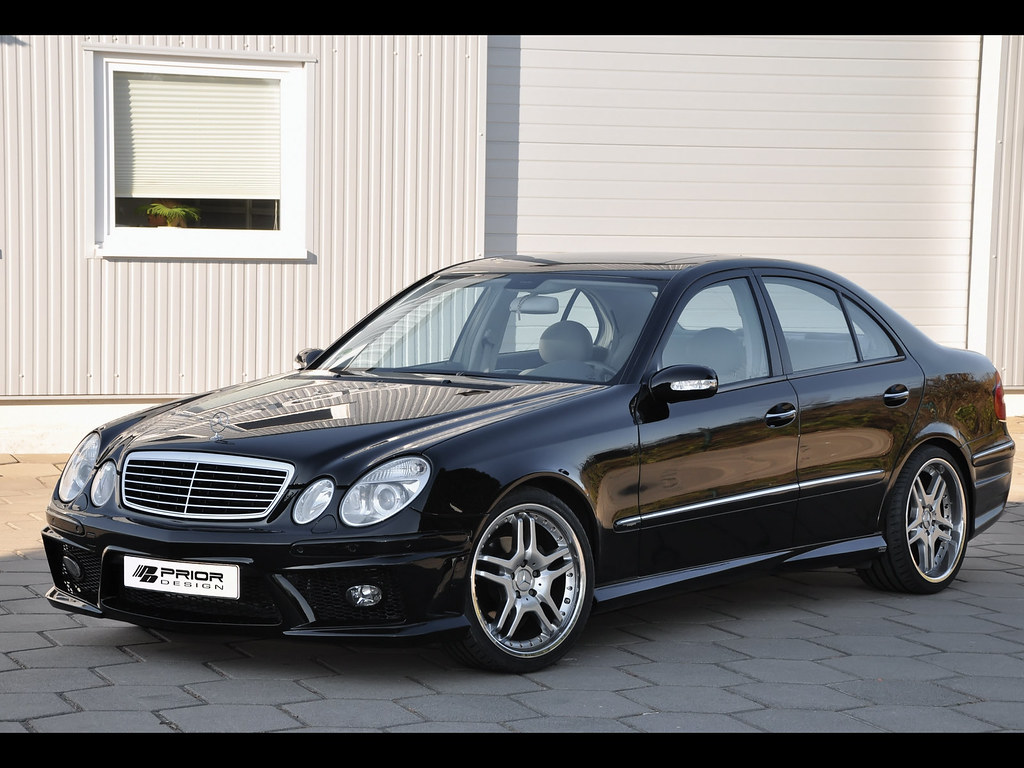
3. **Mercedes Benz E Class**Mercedes-Benz has cultivated a legendary reputation for consistently over-engineering their products, a philosophy deeply embedded in the brand’s DNA that explains its formidable presence and strength in the automotive industry for generations. The classic Mercedes Benz E-class vehicle is a prime embodiment of this principle, boasting a rare combination of high dependability and excellent performance that sets it apart. These executive cars have consistently demonstrated their capability to easily cover a million miles in their lifetime, solidifying their claim to last forever.
The E-class model series began its illustrious production run in 1953, though back then it carried a different nomenclature before settling into the now-iconic E-class designation. From its inception, these vehicles were not merely modes of transport but sophisticated machines built with an uncompromising commitment to quality and endurance. Their robust chassis, durable engines, and meticulous assembly meant that they were designed to withstand heavy use and the relentless passage of time, enduring well beyond the typical lifespan of a passenger car.
Remarkably, the durability of the Mercedes Benz E-class was so profound that these vehicles were even utilized as taxis in the United States. This application as a workhorse, enduring constant operation and accumulating immense mileage in demanding urban environments, speaks volumes about their inherent toughness. Yet, even after years of strenuous service in professional fleets, these cars famously refused to retire, often continuing their smooth operation in African countries, a testament to their unparalleled resilience in even more challenging conditions.
The longevity of the E-class is a direct reflection of Mercedes-Benz’s unwavering dedication to crafting vehicles that defy planned obsolescence. It’s a brand that understands the value of a car that not only performs admirably but also serves its owner reliably for an extended period. The classic E-class represents a pinnacle of automotive engineering where dependability wasn’t an afterthought but the cornerstone of its creation, ensuring that these elegant machines continue to cruise effortlessly, covering mile after mile with unwavering grace and mechanical integrity.
Read more about: Toyota’s Strategic Recalibration: Navigating Market Demands with a Hybrid-First, EV-Forward Approach in 2025
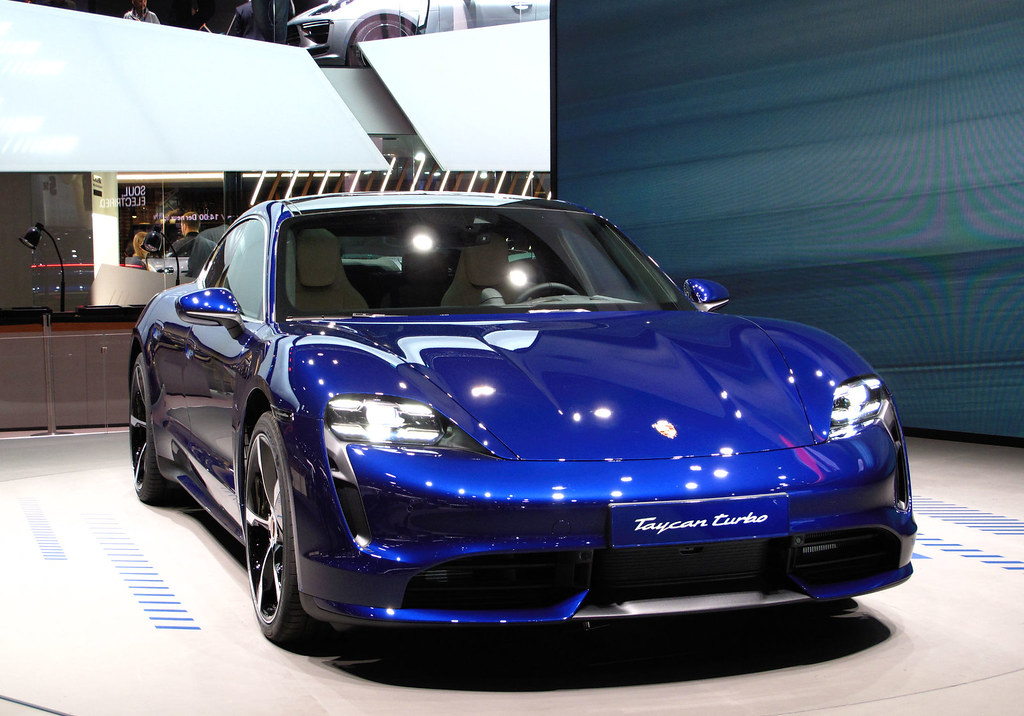
4. **Porsche 944**When the conversation turns to the manufacturing of classic and supremely dependable cars, few marques command as much respect and admiration as Porsche. The brand’s commitment to engineering excellence is perfectly encapsulated in the Porsche 944, a sports car that has carved out its own unique niche for enduring many extreme conditions and unequivocally withstanding the rigorous tests of time. Its blend of performance, practicality, and robustness makes it a standout choice for those seeking a vintage vehicle with true staying power.
Production of this classic car commenced in 1982, and over its lifespan, Porsche introduced seven distinct models, each building upon a foundation of proven reliability and dynamic performance. Interestingly, the Porsche 944 shares some design inspirations with the VW cars, hinting at a lineage of practical engineering that underpins its sporty facade. This shared heritage suggests a common thread of robust construction and thoughtful mechanics, allowing the 944 to offer both exhilarating driving experiences and remarkable long-term durability.
The 944’s engineering was meticulously executed, focusing on balanced weight distribution and a durable powertrain, which contributed significantly to its ability to handle various driving conditions with grace and fortitude. Unlike some sports cars that might be fragile or high-strung, the 944 was built to be driven regularly, proving its resilience on spirited drives and daily commutes alike. This intrinsic hardiness meant it could absorb the demands of enthusiastic driving without succumbing to premature wear, making it a favorite among those who appreciate both performance and longevity.
Its capacity to endure demanding use and maintain its mechanical integrity across decades underscores why the Porsche 944 is celebrated as a genuinely dependable classic. For car enthusiasts, the 944 represents more than just a performance vehicle; it symbolizes a successful marriage of sports car excitement with an unwavering commitment to build quality and lasting performance. It stands as a testament to Porsche’s engineering prowess, demonstrating that even a high-performance machine can be crafted to be a robust, long-term companion on the road.
Having explored some of the foundational pillars of automotive longevity, we now turn our attention to the next generation of vintage marvels that have equally defied time, showcasing exceptional design inspirations, continuous refinements, and robust construction. These vehicles not only boast impressive histories but continue to prove that true mechanical fortitude can indeed lead to a lifespan approaching three-quarters of a century, standing as testaments to dedicated engineering and unwavering quality.
Car Model Information: 1985 Porsche 944
Caption: 1986 944 Turbo (951) US-spec
Name: Porsche 944
Manufacturer: Porsche AG
Class: Sports car
Production: 1982–1991
Layout: Front-engine, rear-wheel-drive layout
Assembly: Neckarsulm,Stuttgart
Designer: Harm Lagaay
Predecessor: Porsche 924
Successor: Porsche 968
BodyStyle: coupé,convertible
Engine: Straight-four engine,Turbocharger,2.7 L M44/12 I4,3.0 L M44/41 I4
Wheelbase: 2400 mm
Abbr: on
Length: 1986–1988: {{convert,4318,mm,in,1,abbr=on
Width: 1735 mm
Height: 1275 mm
Transmission: Automatic transmission,Manual transmission
Weight: Pre-1988: {{convert,1180,kg,lb,0,abbr=on
Categories: 1990s cars, All articles needing additional references, All articles with unsourced statements, Articles needing additional references from September 2024, Articles with short description
Summary: The Porsche 944 is a sports car manufactured by German automobile manufacturer Porsche from 1982 until 1991. A front-engine, rear-wheel drive model based on the 924 platform, the 944 was available in coupé or cabriolet body styles, with either naturally aspirated or turbocharged engines. With over 163,000 cars produced, the 944 was the most successful sports car in Porsche’s history until the introductions of the Boxster and 997 Carrera.
Extensive design revisions for the 1992 model year prompted Porsche to drop the 944 nameplate and rebrand the vehicle as the 968.
Get more information about: Porsche 944
Buying a high-performing used car >>>
Brand: Porsche Model: 944
Price: $14,900 Mileage: 158,477 mi.
Read more about: Powering the Ride: A Deep Dive into the World’s 15 Largest Motorcycle Brands and Their Global Impact
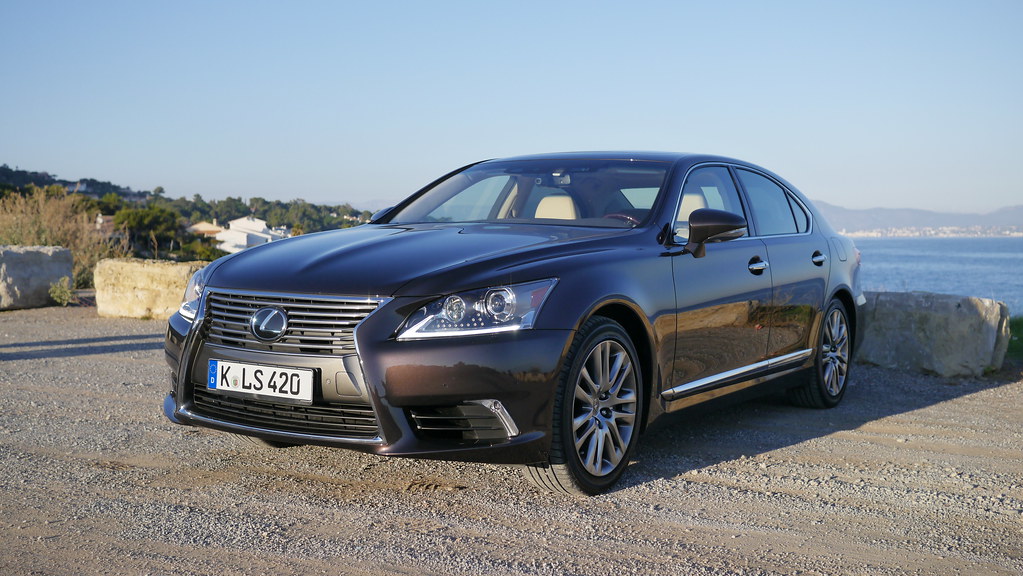
5. **Lexus LS**The automotive world has long admired the engineering prominence of Japanese manufacturers, a trait seamlessly transferred from industries like tech and travel into the realm of vehicle production. Toyota, a titan in this regard, cemented its reputation not just for dependability but for creating classic brands that stand the test of time. A prime example of this enduring legacy is the classic Lexus LS, a luxury sedan introduced by the company in Japan in 1989. Even today, you can witness these remarkable machines gracefully navigating roads in various countries across the globe, a testament to their inherent durability.
The Lexus LS, a four-door sedan, has impressively spanned five generations, evolving while retaining its core identity as one of the most reliable cars around. This reliability isn’t accidental; it’s the culmination of meticulous engineering and an unwavering commitment to quality that defines the Toyota and Lexus brands. Unlike some luxury vehicles that prioritize opulence over longevity, the LS seamlessly integrates both, offering a classic look and feel coupled with a nostalgic aura that resonates deeply with car enthusiasts seeking both comfort and enduring performance.
Underneath its refined exterior, the LS benefits from engineering principles that ensure its long-term viability. Components are often over-engineered, and manufacturing processes adhere to some of the industry’s strictest quality controls. This dedication to precision minimizes potential points of failure and equips the vehicle to withstand extensive use and the challenges of diverse driving conditions. Such rigorous construction is a primary reason why first-generation models, now well into their third decade, continue to operate with remarkable smoothness and reliability.
The Lexus LS also showcases a fascinating defiance of conventional wisdom surrounding luxury cars. While luxury brands often see lower averages for longevity due to different usage patterns, Lexus consistently ranks at the top of luxury longevity studies, reflecting an extraordinary blend of premium experience and steadfast reliability. Its ability to combine sophisticated comfort with unwavering mechanical integrity makes it not just a car, but a long-term investment for those who value both refinement and sustained performance over many years, proving that luxury doesn’t have to be fleeting.
Car Model Information: 2000 Lexus LS 400 LS
Name: Lexus LS
Caption: 2019 Lexus LS 500 AWD (VXFA55, US)
Manufacturer: Toyota
Aka: Toyota Celsior (Japan, 1989–2006)
Production: May 1989 – present
ModelYears: 1990–present
Assembly: Tahara, Aichi
Class: Full-size,luxury car
BodyStyle: Sedan (automobile)
Layout: unbulleted list
Categories: 1990s cars, 2000s cars, 2010s cars, 2020s cars, All-wheel-drive vehicles
Summary: The Lexus LS is a series of full-size luxury sedans that have served as the flagship model of Lexus, the luxury division of Toyota, since 1989. For the first four generations, all LS models featured V8 engines and were predominantly rear-wheel-drive. In the fourth generation, Lexus offered all-wheel-drive, hybrid, and long-wheelbase variants. The fifth generation changed to using a V6 engine with no V8 option, and only one length was offered. As the first model developed by Lexus, the LS 400 debuted in January 1989 with the second generation debuting in November 1994. The LS 430 debuted in January 2000 and the LS 460/LS 460 L series in 2006. A domestic-market version of the LS 400 and LS 430, badged as the Toyota Celsior, was sold in Japan until the Lexus marque was introduced there in 2006. In 2006 (for the 2007 model year), the fourth generation LS 460 debuted the first production eight-speed automatic transmission and an automatic parking system. In 2007, V8 hybrid powertrains were introduced on the LS 600h/LS 600h L sedans. Development of the LS began in 1983 as the F1 project, the code name for a secret flagship sedan. At the time, Toyota’s two existing flagship models were the Crown and Century models – both of which catered exclusively for the Japanese market and had little global appeal that could compete with international luxury brands such as Mercedes-Benz, BMW and Jaguar. The resulting sedan followed an extended five-year design process at a cost of over US$1 billion and premiered with a new V8 engine and numerous luxury features. The Lexus LS was intended from its inception for export markets, and the Lexus division was formed to market and service the vehicle internationally. The original LS 400 debuted to strong sales and was largely responsible for the successful launch of the Lexus marque. Since the start of production, each generation of the Lexus LS has been manufactured in the Japanese city of Tahara, Aichi. The name “LS” stands for “Luxury Sedan”, although some Lexus importers have preferred to define it as “Luxury Saloon”. The name “Celsior” is taken from Latin word “celsus”, meaning “lofty” or “elevated”.
Get more information about: Lexus LS
Buying a high-performing used car >>>
Brand: Lexus Model: LS
Price: $7,950 Mileage: 137,169 mi.
Read more about: Toyota’s Strategic Recalibration: Navigating Market Demands with a Hybrid-First, EV-Forward Approach in 2025
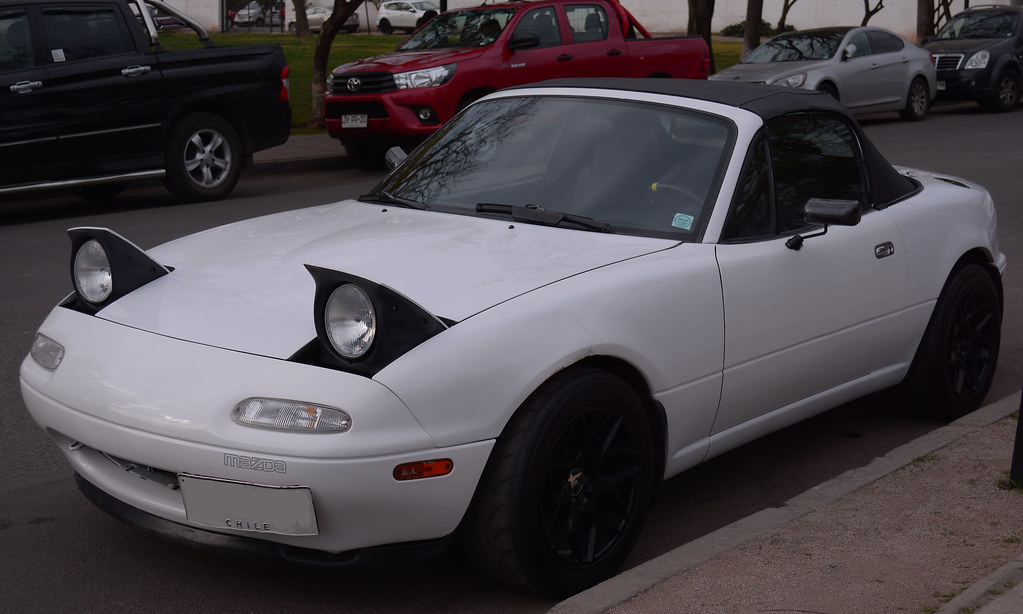
6. **Mazda MX-5**Inspiration often strikes from the past, and for the Mazda MX-5, its genesis lay firmly in the captivating design and inherent reliability of classic British roadsters from the 1960s. Mazda ingeniously channeled that spirit into a modern package, introducing the MX-5 in Japan in 1989. From its inception, this delightful car has carved a niche for itself, not only for its exhilarating driving dynamics but also for its consistent improvements and remarkable ability to endure, truly earning its place as a classic. It has been described as a perfect intermediate between a sports car and a roadster, balancing performance with practicality.
The journey of the Mazda MX-5 through history is marked by continuous refinement, with each iteration building upon a foundation of proven reliability. These aren’t merely cosmetic updates; Mazda has consistently sought to enhance the mechanical robustness and driving experience, ensuring that the MX-5 remains relevant and resilient. This philosophy of iterative improvement contributes significantly to its long-term durability, demonstrating that a vehicle can be both engaging to drive and exceptionally long-lasting, a characteristic often elusive in the sports car segment.
What makes the MX-5 such a reliable product from Japan is its intelligent engineering, focusing on simplicity and accessibility. While it delivers a thrilling sports car experience, its mechanical architecture is straightforward, making maintenance and repairs relatively uncomplicated. This ease of upkeep is a critical factor in the longevity of any classic vehicle, as it encourages owners to keep their beloved cars in prime condition rather than facing prohibitive repair costs or complex diagnostic issues. This blend of simple mechanics with spirited performance helps it defy the notion that sports cars are inherently fragile.
The enduring appeal of the Mazda MX-5 for enthusiasts stems from this harmonious marriage of performance and hardiness. It’s a testament to thoughtful engineering that a car designed for pure driving enjoyment can also boast such remarkable durability. The MX-5 is more than just a car; it’s a companion that promises countless miles of open-air exhilaration without compromising on the fundamental reliability needed to traverse decades, firmly establishing itself as a robust, long-term partner on any road. Its consistent presence is a beacon for those who believe a classic can be both fun and functional.
Car Model Information: 2023 Mazda MX-5 Miata Club
Name: Mazda MX-5
Manufacturer: Mazda
Aka: unbulleted indent list
Production: 1989–present
Assembly: Hiroshima
Class: Roadster (car),sports car
Layout: unbulleted indent list
Platform: List of Mazda model codes#Model codes
Categories: 1990s cars, 2000s cars, 2010s cars, 2020s cars, All Wikipedia articles in need of updating
Summary: The Mazda MX-5 is a lightweight two-seat sports car manufactured and marketed by Mazda. In Japan, it is marketed as the Mazda Roadster or, previously, as the Eunos Roadster. In the United States it is sold as the Mazda Miata (), and it was formerly marketed under the same name in Canada. The name miata derives from Old High German for “reward”.
Produced at Mazda’s Hiroshima plant, the MX-5 debuted in 1989 at the Chicago Auto Show. It was created under the design credo Jinba ittai, meaning “unity of horse and rider”. Noted for its small, light, balanced and minimalist design, the MX-5 has often been described as a successor to the 1950s and 1960s Italian and British roadsters, with the Lotus Elan serving as a design benchmark.
Each generation is identified by a two-letter code, beginning with the first generation NA. The second generation NB launched in 1998, followed by the third generation NC in 2005, and the fourth generation ND in 2015.
More than one million MX-5s have been sold, making it the best-selling two-seat convertible sports car in history.
Get more information about: Mazda MX-5
Buying a high-performing used car >>>
Brand: Mazda Model: MX-5
Price: $26,087 Mileage: 32,837 mi.
Read more about: The Unexpected Revival: Why Gen Z is Shifting Gears Back to Manual Transmissions
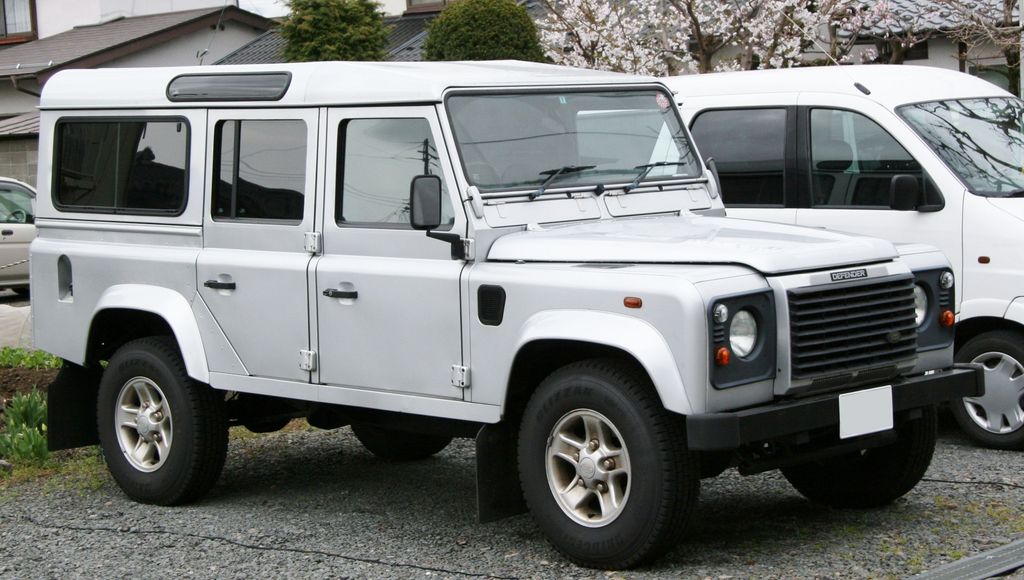
7. **Land Rover Series**For those intimately familiar with the intricate world of automobiles, the very mention of ‘Land Rover’ often suffices, requiring no further elaboration. However, for a broader audience, it is imperative to highlight that the Land Rover Series represents a lineage of classic off-road monsters that have unequivocally dominated the game for an extraordinary period. These vehicles are not merely dependable; they are legendary for their strength, ease of maintenance and repair, and the consistent improvements they have undergone throughout their illustrious history. They are, in every sense, built to last forever.
The Land Rover Series made its grand debut in 1948, swiftly garnering immense popularity that, remarkably, continues to resonate with enthusiasts and adventurers to this day. Over its expansive production run, this iconic classic has seen 14 distinct iterations, each one reinforcing its core identity as a vehicle engineered for the most arduous conditions imaginable. Its unparalleled off-road capability is not just a feature; it’s a testament to a construction philosophy designed to allow it to survive and thrive even in the harshest environments on the planet.
A cornerstone of the Land Rover Series’ legendary longevity is its inherent design for ease of maintenance and repair. In the remote and challenging locales where these vehicles often operate, complex diagnostics or specialized tools are impractical. Thus, the Land Rover was engineered with mechanical simplicity, enabling owners and local mechanics to perform essential upkeep and repairs with relative ease. This accessibility to maintenance, coupled with readily available parts due to its global reach, has been instrumental in keeping these rugged machines on the road for decades.
Furthermore, the continuous refinements introduced across its numerous iterations have only bolstered its reputation as a vehicle destined to last forever. These weren’t just superficial changes, but enhancements to its robust construction, powertrain, and overall resilience, carefully implemented to ensure it met evolving demands while retaining its core strength. This thoughtful evolution is precisely why the Land Rover Series is not merely a vehicle but a testament to enduring British engineering, capable of facing down the relentless march of time and the most brutal conditions with unwavering resolve.
The Land Rover Series stands as a monumental workhorse and an unwavering companion for adventurers, proving its mettle in countless challenging expeditions across the globe. Its purposeful design for conquering rugged terrain implicitly makes it one of the most durable vehicles ever conceived. It is a genuine monument to meticulous engineering and resilient design, a classic car that continues to inspire awe with its steadfastness, embodying the ultimate spirit of mechanical fortitude in the face of all challenges.
Car Model Information: 2023 Hyundai SANTA FE SEL 2.4
Caption: The first pre production Land Rover R01
Name: Land Rover series
Manufacturer: ubl
Successor: Land Rover Defender
Class: Off-road vehicle
Production: 1948–1985
Assembly: Solihull,England
Layout: Front engine, rear-wheel-drive layout
Categories: 1950s cars, 1960s cars, 1970s cars, 1980s cars, All-wheel-drive vehicles
Summary: The Land Rover Series I, II, and III , or simply the Land-Rover (commonly referred to as Series Land Rovers, to distinguish them from later models) are compact British off-road vehicles, produced by the Rover Company since 1948, and later by British Leyland. Inspired by the World War II jeep, it was the first mass-produced civilian four-wheel drive car with doors, and an available hard roof. Unlike conventional cars and trucks of the time, it used a sturdy fully box-welded frame. Furthermore, due to post-war steel shortage, and aluminium surplus, Land Rovers received non-rusting aluminium alloy bodies, favouring their longevity. In 1992, Land Rover claimed that 70% of all the vehicles they had built were still in use.
Most Series models feature leaf-spring suspension with selectable two or four-wheel drive (4WD), however Series I’s produced between 1948 and mid-1951 had constant 4WD via a freewheel mechanism, and the Stage 1 V8 version of the Series III featured permanent 4WD. All three models could be started with a front hand crank and had the option of front & rear power takeoffs for accessories.
After adding a long wheelbase model in 1954, Land Rover also offered the world’s first four / five door, 4WD off-road station wagon in 1956. Series Land Rovers and Defenders continually excelled in space utilization, offering (optional) three abreast seating in the seating rows with doors, and troop seating in the rear, resulting in up to seven seats in the SWB, and up to ten seats in the LWB models, exceeding the capacity of most minivans, when comparing vehicles of the same length.
Get more information about: Land Rover series
Buying a high-performing used car >>>
Brand: Land Rover Model: Series
Price: $19,256 Mileage: 56,972 mi.
Read more about: Dust Off Your VCR: These 10 VHS Tapes From Your Childhood Could Be Worth Thousands
Our journey through automotive history has brought us face-to-face with these seven titans of endurance, vehicles that transcend mere transportation to become icons of reliability and lasting design. From the record-breaking mileage of the Volvo P1800 to the off-road invincibility of the Land Rover Series, each model tells a compelling story of engineering excellence and a commitment to quality that ensures they defy planned obsolescence. These classic cars are more than just historical artifacts; they are living proof that with meticulous craftsmanship and thoughtful design, a vehicle can truly be built to last, traversing generations and accumulating countless miles, refusing to retire and continuing to inspire admiration for their timeless strength and unwavering spirit.