Modern vehicles have undeniably set new benchmarks for longevity. A study by S&P Global highlighted that the average passenger car on American roads in 2024 is now 14 years old, a notable increase from the approximately 11.5 years recorded just a decade ago. This upward trend in vehicle lifespan is a testament to significant advancements in engineering, materials, and manufacturing processes, promising extended ownership and greater value from automotive investments.
For many drivers, the prospect of a vehicle reliably serving well beyond the typical ownership cycle—or even past the 200,000-mile mark—is a primary consideration. With the average American driving roughly 13,500 miles annually, reaching the current average car age translates to about 189,000 miles on the odometer. However, a select group of sedans consistently demonstrates the capability to not only meet but far exceed such figures, often approaching or even surpassing 250,000 miles without significant complaint. While diligent maintenance and driving habits certainly play a role, the inherent design and build quality of certain models provide a substantial head start.
In this comprehensive guide, drawing upon extensive data from respected industry sources such as Consumer Reports, JD Power, and iSeeCars, alongside owner feedback and NHTSA records, we identify 14 sedans that stand out for their exceptional long-term durability. Our aim is to provide fact-based insights into which models offer the greatest likelihood of achieving high mileage, helping you make an informed decision for a vehicle that’s truly built to last. We’ll explore the characteristics that contribute to their enduring performance, from robust powertrains to consistent reliability ratings across generations.
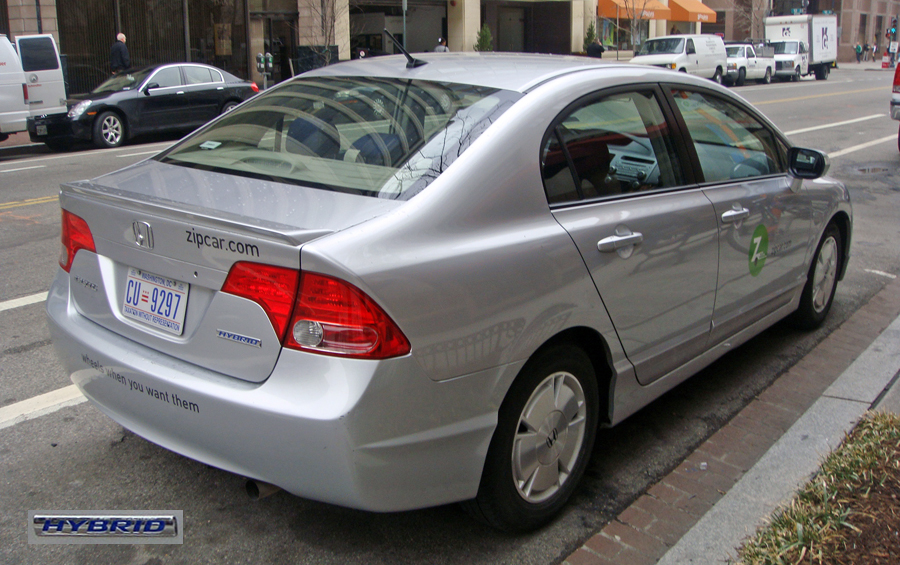
1. **Honda Civic**The Honda Civic remains a cornerstone of the American automotive landscape, consistently ranking as one of the most popular models with over 220,000 examples sold in the U.S. in 2024 alone. This enduring popularity is not merely a fleeting trend but is firmly rooted in the Civic’s reputation for long-term reliability and exceptional value. Generations of owners have happily attested to the vehicle’s remarkable longevity, highlighting its consistent performance over many years.
For the 2025 model year, the Civic sedan continues this legacy, having received a high predicted quality rating from JD Power, a trusted indicator of future dependability. Furthermore, owner complaints lodged with the National Highway Traffic Safety Administration (NHTSA) remain notably low, reinforcing confidence in its build quality and design. While the 2025 Civic has been subject to two recall notices—one concerning a fuel pump and another related to the steering gearbox—these issues affect a range of Honda models. Assuming the necessary recall work is correctly executed by a certified dealer, there is nothing to suggest that either recall will negatively impact the car’s inherent reliability in the long run.
The Civic also presents a compelling proposition for budget-conscious buyers seeking durability, as it remains one of the most affordable models within Honda’s lineup. Starting just over $25,000 for base-spec trims and reaching around $33,000 for the top-spec variant, it offers accessible entry into a segment renowned for longevity. Its proven track record has led iSeeCars to count the Civic among cars that owners keep for 10 years or longer, with data suggesting that this compact workhorse is a safe bet for drivers aiming to hit or even exceed 300,000 miles with proper care.
Car Model Information: 2022 Honda Civic Sport
Caption: 2024 Honda Civic liftback
Manufacturer: Honda
Aka: ubl
Production: 1972–present
Class: Subcompact car
BodyStyle: fastback,Sedan (automobile)
Layout: Front-engine, front-wheel-drive layout,Front-engine, four-wheel-drive layout
Predecessor: Honda N600,Honda Z600
Categories: 1980s cars, 1990s cars, 2000s cars, 2010s cars, 2020s cars
Summary: The Honda Civic (Japanese: ホンダ・シビック, Hepburn: Honda Shibikku) is a series of automobiles manufactured by Honda since 1972. As of 2023, the Civic is positioned between the Honda Fit/City and Honda Accord in Honda’s global passenger car line-up. It is one of the best-selling automobiles in history, with over 27 million units sold through 2021.
The first-generation Civic was introduced in July 1972 as a two-door fastback sedan, followed by a three-door hatchback that September. With a 1,169 cc transverse engine and front-wheel drive, the car provided good interior space despite its small overall dimensions. Initially gaining a reputation for being fuel-efficient, reliable and environmentally friendly, later iterations have become known for performance and sportiness, especially the Civic Si, SiR, and Type R versions. It is currently in its eleventh generation, which has been produced since 2021.
The Civic has often been rebadged for international markets, and it served as the basis for the Honda CR-X, the Honda CR-X del Sol, the Concerto, the first generation Prelude, the Civic Shuttle (which later became the Orthia) and the CR-V (which in turn was used as the basis for the Honda FR-V).
Get more information about: Honda Civic
Buying a high-performing used car >>>
Brand: Honda Model: Civic
Price: $24,190 Mileage: 53,669 mi.
Read more about: Escape the Digital Dash: 14 Cars and Strategies for a Touchscreen-Free Driving Experience in 2024
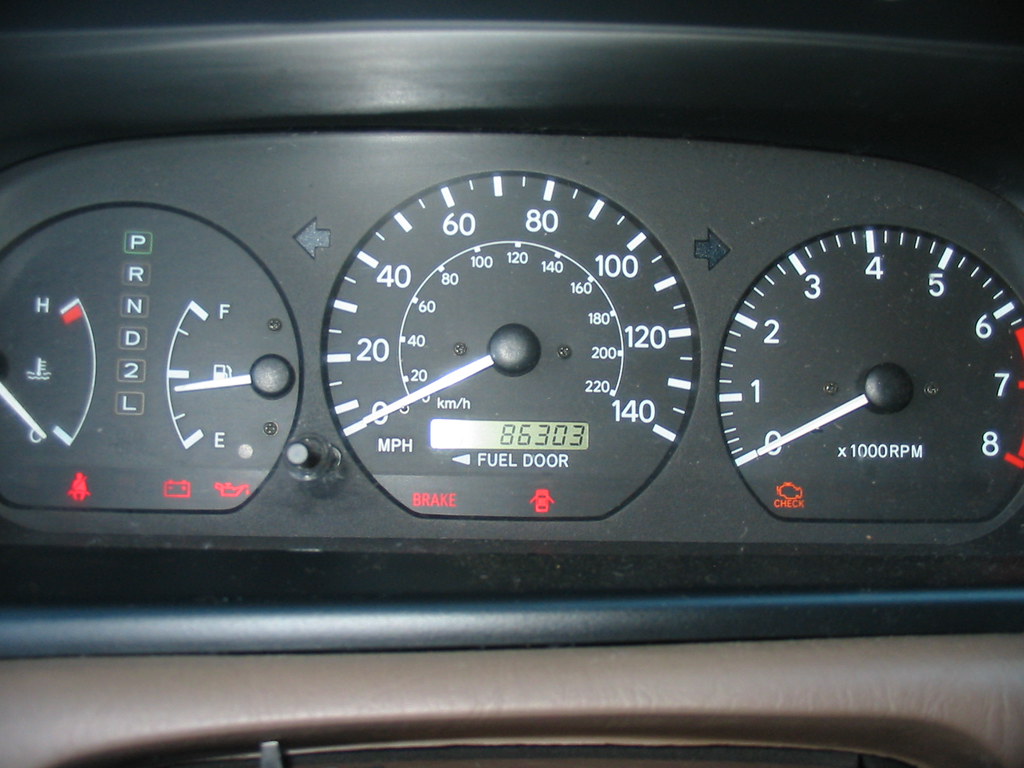
2. **Toyota Camry**Another venerated nameplate with an extensive history of reliability is the Toyota Camry, a model consistently challenging for top sales positions alongside rivals like the Honda Accord. Its reputation for dependable service has made it a default choice for countless drivers seeking a car that simply lasts. For the 2025 model year, the Camry has undergone a significant makeover, featuring revised styling and a new standard hybrid engine, signaling Toyota’s commitment to keeping this stalwart fresh and competitive.
Pricing for the updated Camry begins around $30,000, including the compulsory destination fee, with top-spec trims typically adding about $6,000 to that figure. In terms of efficiency, while our own mixed testing did not quite achieve the official 46 mpg combined rating, still seeing 38 mpg is sufficient to ensure fuel bills remain low over an extended ownership period. The car’s power output varies slightly depending on the drivetrain, with front-wheel drive models producing 225 horsepower and all-wheel drive variants generating 232 horsepower. Our all-wheel drive tester proved suitably potent for everyday driving, though it maintained its characteristic comfort-oriented ride rather than feeling overtly sporty, even in Sport mode.
The Camry’s core appeal lies in its unwavering dependability, reasonable pricing, and decent equipment levels. It continues to be celebrated for its ability to achieve high mileage figures, a trait well-documented in earlier model years. An iSeeCars study notably ranked the hybrid Camry within the top 20 longest-lasting vehicles on the market, while JD Power awarded the current model year a high reliability rating, affirming its reputation. Furthermore, over 20% of Camry owners report keeping their cars longer than 10 years, underscoring its long-term appeal.
While two minor recalls—one involving a damaged second-row seatbelt and another concerning an incorrect load capacity sticker—have been issued, these are straightforward fixes typically handled by a dealer without long-term implications. The consistent message from both expert analysis and owner experiences is clear: the Toyota Camry is engineered for the long haul, presenting a reliable option for drivers prioritizing extended lifespan and consistent performance.
Car Model Information: 2014 Toyota Camry L
Name: Toyota Camry
Caption: 2018 Toyota Camry Ascent (ASV70, Australia)
Manufacturer: Toyota
Production: March 1982 – present
Aka: ubl
Class: ubl
Layout: ubl
Predecessor: ubl
Successor: Toyota Avensis (T250)
Categories: 1990s cars, 2000s cars, 2010s cars, 2020s cars, All-wheel-drive vehicles
Summary: The Toyota Camry (; Japanese: トヨタ・カムリ Toyota Kamuri) is an automobile sold internationally by the Japanese auto manufacturer Toyota since 1982, spanning multiple generations. Originally compact in size (narrow-body), the Camry has grown since the 1990s to fit the mid-size classification (wide-body)—although the two widths co-existed in that decade. Since the release of the wide-bodied versions, Camry has been extolled by Toyota as the firm’s second “world car” after the Corolla. As of 2022, the Camry is positioned above the Corolla and below the Avalon or Crown in several markets.
In Japan, the Camry was once exclusive to Toyota Corolla Store retail dealerships. Narrow-body cars also spawned a rebadged sibling in Japan, the Toyota Vista (トヨタ・ビスタ)—also introduced in 1982 and sold at Toyota Vista Store locations. Diesel fuel versions have previously retailed at Toyota Diesel Store. The Vista Ardeo was a wagon version of the Vista V50.
Get more information about: Toyota Camry
Buying a high-performing used car >>>
Brand: Toyota Model: Camry
Price: $14,500 Mileage: 75,688 mi.
Read more about: Toyota’s Strategic Recalibration: Navigating Market Demands with a Hybrid-First, EV-Forward Approach in 2025
3. **Lexus ES**Building upon the robust foundation of the Toyota Camry, the Lexus ES distinguishes itself by offering a more luxurious experience coupled with the same fundamental reliability. This mid-range sedan, while perhaps not remarkable for its driving dynamics or groundbreaking aesthetics, excels in its core mission: providing a dependable and plush ride that promises to outlast many of its rivals. For 2025, the Lexus ES has garnered strong predicted reliability ratings from numerous industry sources, a testament to the brand’s consistent performance in this critical area.
The Lexus brand as a whole consistently achieves high scores in reliability assessments, and the ES benefits greatly from this overarching commitment to quality. Buyers should approach the ES not with expectations of a sporty or exhilarating drive, but rather as a sophisticated and serene mode of transport. Its primary selling point is an impressive combination of comfort and dependability, effectively blending the renowned longevity of a Camry with the refined ride quality and quiet cabin characteristic of a luxury vehicle.
Prospective owners should note that the car’s equipment levels are not particularly generous unless one opts for the higher echelons of the trim range. For those without the budget for a top-spec ES, a well-appointed Toyota Camry might present a more compelling value proposition, offering a similar underlying reliability at a more accessible price point. Nevertheless, for drivers seeking a luxurious sedan that prioritizes consistent, trouble-free operation over many years, the Lexus ES stands out as an exceptionally reliable choice within the premium segment.
Car Model Information: 2015 Lexus ES 350 Base
Name: Lexus ES
Caption: Lexus ES 350 (GSZ10)
Manufacturer: Toyota
Aka: unbulleted list
Production: June 1989 – present
Class: unbulleted list
BodyStyle: unbulleted list
Layout: unbulleted list
ModelYears: 1990–present
Categories: 1990s cars, 2000s cars, 2010s cars, 2020s cars, All-wheel-drive vehicles
Summary: The Lexus ES is a mid-size luxury sedan marketed since 1989 by Lexus, the luxury division of Toyota, across multiple generations, each offering V6 engines and a front-engine, front-wheel-drive layout. The first five generations of the ES used the Toyota Camry platform, while the latter generations are more closely related to both the Camry and the Avalon. Manual transmissions were offered until 1993, a lower-displacement inline-four engine became an option in Asian markets in 2010, and a gasoline-electric hybrid version was introduced in 2012. The ES was Lexus’s only front-wheel drive vehicle until 1998, when the related RX was introduced, and the sedan occupied the entry-level luxury car segment of the Lexus lineup in North America and other regions until the debut of the IS in 1999. The ES name stands for “Executive Sedan”. However, some Lexus importers use the name, “Elegant Sedan”.
Introduced in 1989, the first generation ES 250 was one of two vehicles in Lexus’s debut range, along with the LS 400. The second generation ES 300 debuted in 1991, followed by the third generation ES 300 in 1996, and the fourth generation ES 300/330 in 2001. The first- through fourth generation sedans shared body styling elements with Japan-market Toyota sedans, and a domestic market equivalent, the Toyota Windom (Japanese: トヨタ・ウィンダム, Toyota Windamu), was sold until the launch of the fifth generation ES in 2006. The word “Windom” is a combination of “win” and the suffix “dom” expresses a state of perpetual victory. The fifth generation ES used body styling marketed by Lexus as L-finesse and debuted in early 2006 as a 2007 model. The sixth generation ES debuted in the first half of 2012 as a 2013 model, and features increased cabin dimensions due to a longer wheelbase which is shared with the full-size XX40 series Avalon.
Lexus has positioned the ES in the comfort luxury segment, with an emphasis on interior amenities, quietness, and ride quality, in contrast with more firm-riding sport sedans. Buyers seeking more performance-focused models are targeted by the Lexus IS and rival makes, with such models offering a sportier drive with differently tuned suspensions. In Europe, Japan and other markets where it was not available until the seventh generation model, the GS sport sedans occupy the mid-size category in the Lexus lineup until it was cancelled August 2020. In the United States, the ES has been the best-selling Lexus sedan for over fifteen years.
Get more information about: Lexus ES
Buying a high-performing used car >>>
Brand: Lexus Model: ES
Price: $17,785 Mileage: 95,622 mi.
Read more about: Toyota’s Strategic Recalibration: Navigating Market Demands with a Hybrid-First, EV-Forward Approach in 2025
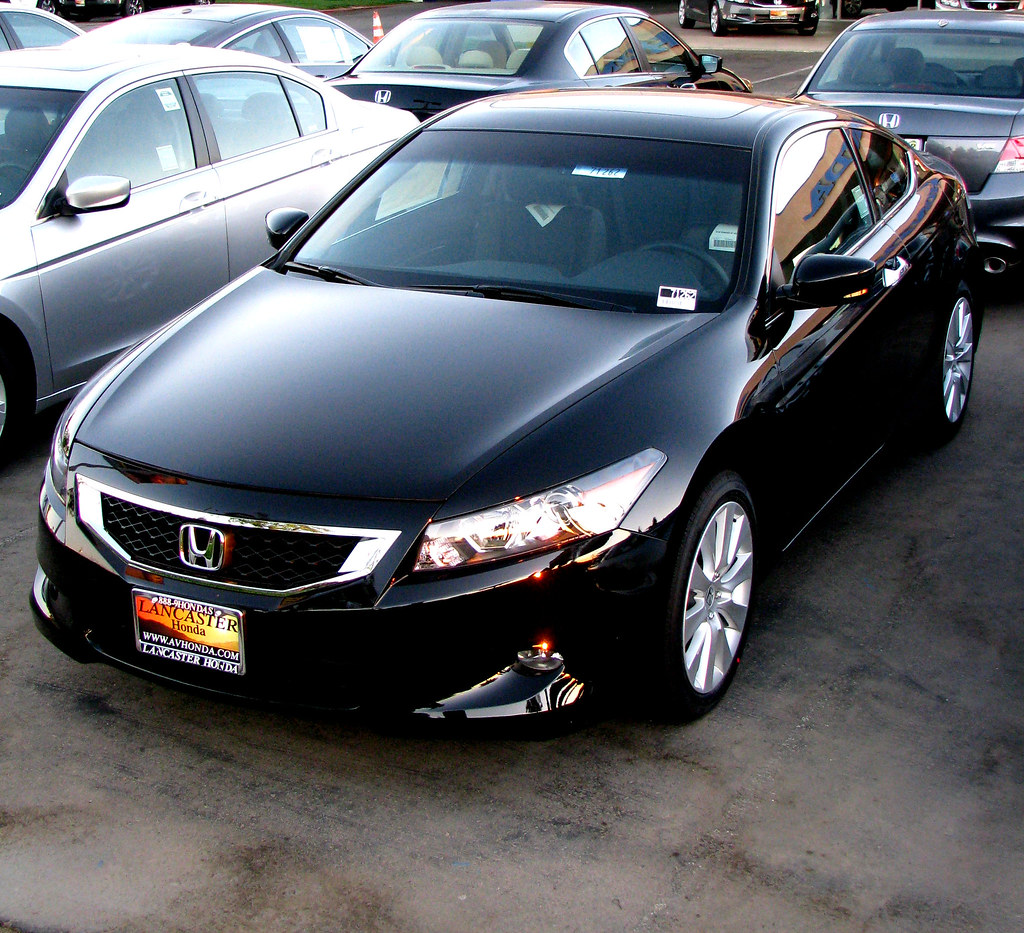
4. **Honda Accord**The Honda Accord stands as a perennial challenger to the Toyota Camry for the title of best-selling car, and for very good reason: it is unequivocally built to last. Uncertainty surrounding tariffs and potential price rises is a common concern for buyers, but the Accord offers some reassurance, being primarily manufactured in America, which may mitigate its impact. Consumer Reports consistently expects the Accord to be more reliable than the average new car, a prediction backed by countless owner reports of older Accords that have comfortably exceeded 250,000 miles, with many reaching well past 300,000 miles.
This sedan represents a sensible and steadfast choice for consumers, even if it doesn’t always deliver the most exhilarating driving experience. While drivers seeking more dynamic fun might consider the Honda Civic’s Si trim with its manual transmission, the Accord remains an immensely appealing option for those who need to cover significant mileage while still requiring ample room for a family. Its blend of practicality, spaciousness, and proven durability makes it a smart long-term investment.
The 2025 model of the Accord is available with both traditional gasoline and hybrid powertrains. Non-electrified models begin at approximately $30,000, including destination charges, while the most affordable hybrid variant is available from around $35,000. Top-spec trims, such as the Touring Hybrid, climb just north of $40,000, also inclusive of the destination fee, and come equipped with premium amenities like a Bose audio system, a head-up display, and a heated steering wheel. If you drive carefully and change the oil regularly, reaching 300,000 miles in an Accord with little trouble is a realistic expectation.
Car Model Information: 2014 Honda Accord LX
Name: Honda Accord
Caption: 2023 Honda Accord LX (US)
Alt: Front three-quarter view of a front-engined four-door car.
Manufacturer: Honda
Production: 1976–present
Class: Compact car
BodyStyle: hatchback
Layout: Front-engine, front-wheel-drive layout
Predecessor: Honda 1300
Categories: 1980s cars, 1990s cars, 2000s cars, 2010s cars, 2020s cars
Summary: The Honda Accord (Japanese: ホンダ・アコード, Hepburn: Honda Akōdo; ), also known as the Honda Inspire (Japanese: ホンダ・インスパイア, Hepburn: Honda Insupaia) in Japan and China for certain generations, is a series of automobiles manufactured by Honda since 1976, best known for its four-door sedan variant, which has been one of the best-selling cars in the United States since 1989. The Accord nameplate has been applied to a variety of vehicles worldwide, including coupes, station wagons, hatchbacks and a Honda Crosstour crossover.
Get more information about: Honda Accord
Buying a high-performing used car >>>
Brand: Honda Model: Accord
Price: $11,345 Mileage: 138,057 mi.
Read more about: The Untamed Road Ahead: Unpacking 9 Trucks Built to Conquer 300,000 Miles and Beyond for Savvy Buyers
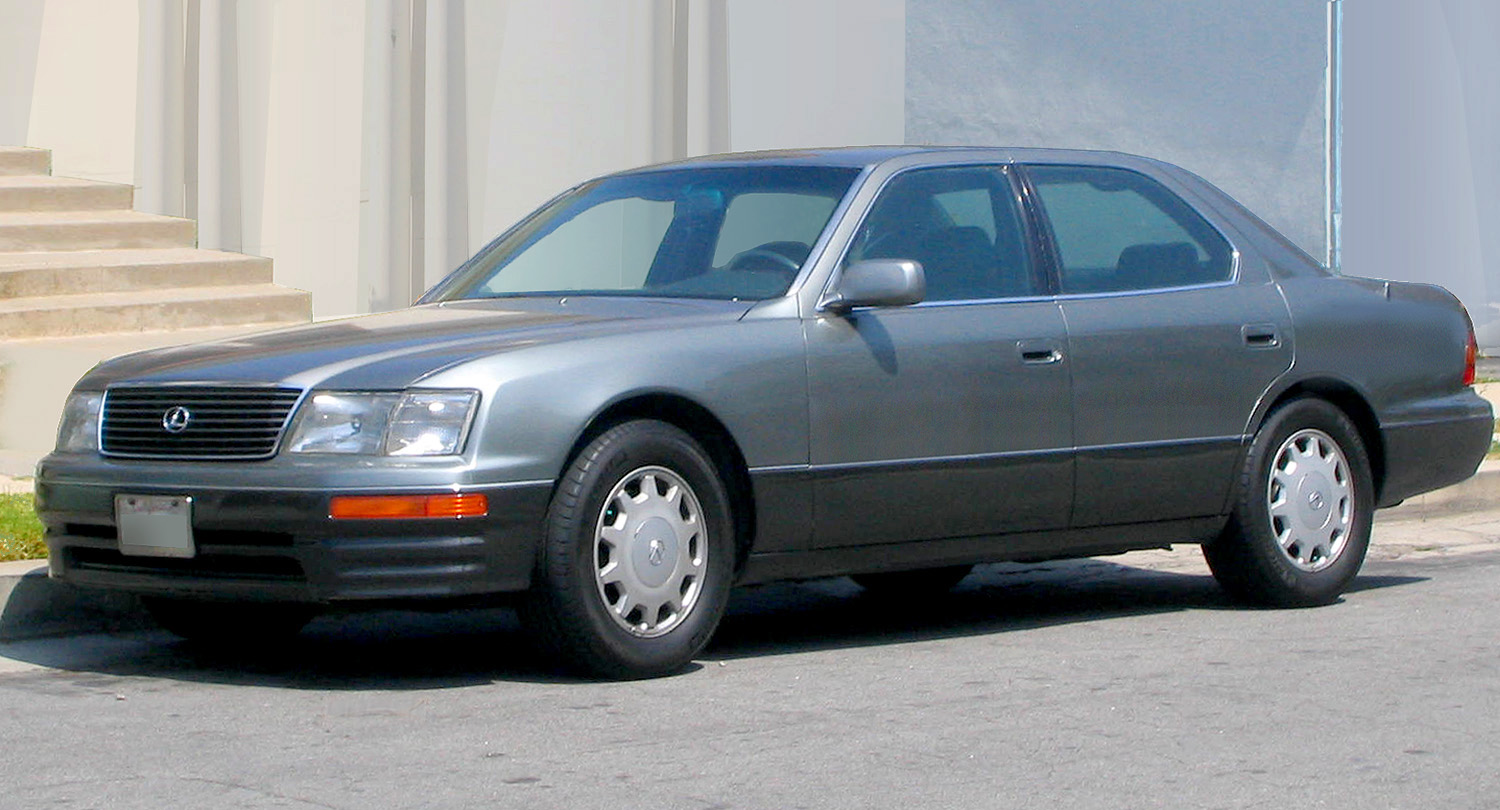
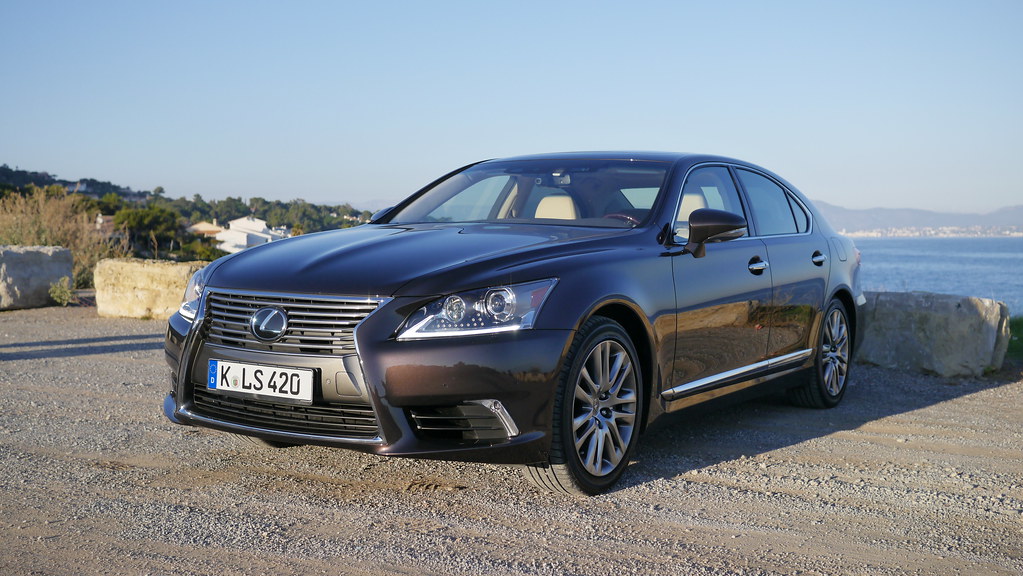
5. **Lexus LS**The Lexus LS holds a special place in the pantheon of long-lasting vehicles, with a notable ’90s example famously achieving one million miles under the ownership of auto journalist Matt Farah in 2019. While most drivers may never reach such extraordinary figures, this landmark achievement underscores the fundamental engineering and inherent durability of the LS line. It instills confidence that for examples of the car receiving correct maintenance, 250,000 miles should be readily achievable, and reports of cars exceeding 300,000 miles are common.
Crucially, there is nothing to suggest that the latest generation of the Lexus LS will deviate from the exceptional reliability of its predecessors. This consistent performance across model years is a hallmark of the Lexus brand, emphasizing a commitment to build quality that translates into enduring service life for owners. The LS is designed not just for luxury, but for the long haul, making it a compelling choice for those who value sustained performance and minimize unexpected repairs.
However, the LS does come with one significant consideration that will undoubtedly be a dealbreaker for many prospective buyers: its price. The base LS 500 starts from a substantial $81,685, and opting for the hybrid powertrain pushes that price considerably higher, to $116,560. This places the LS firmly out of reach for all but the most affluent shoppers. Yet, for those who can justify the investment, few—if any—other cars on the market can genuinely match the LS’s unparalleled combination of opulent luxury, sophisticated comfort, and unwavering long-term reliability.
Car Model Information: 2000 Lexus LS 400 LS
Name: Lexus LS
Caption: 2019 Lexus LS 500 AWD (VXFA55, US)
Manufacturer: Toyota
Aka: Toyota Celsior (Japan, 1989–2006)
Production: May 1989 – present
ModelYears: 1990–present
Assembly: Tahara, Aichi
Class: Full-size,luxury car
BodyStyle: Sedan (automobile)
Layout: unbulleted list
Categories: 1990s cars, 2000s cars, 2010s cars, 2020s cars, All-wheel-drive vehicles
Summary: The Lexus LS (Japanese: レクサス・LS, Hepburn: Rekusasu LS) is a series of full-size luxury sedans that have served as the flagship model of Lexus, the luxury division of Toyota, since 1989. For the first four generations, all LS models featured V8 engines and were predominantly rear-wheel-drive. In the fourth generation, Lexus offered all-wheel-drive, hybrid, and long-wheelbase variants. The fifth generation changed to using a V6 engine with no V8 option, and only one length was offered.
As the first model developed by Lexus, the LS 400 debuted in January 1989 with the second generation debuting in November 1994. The LS 430 debuted in January 2000 and the LS 460/LS 460 L series in 2006. A domestic-market version of the LS 400 and LS 430, badged as the Toyota Celsior (Japanese: トヨタ・セルシオ, Hepburn: Toyota Serushio), was sold in Japan until the Lexus marque was introduced there in 2006. In 2006 (for the 2007 model year), the fourth generation LS 460 debuted the first production eight-speed automatic transmission and an automatic parking system. In 2007, V8 hybrid powertrains were introduced on the LS 600h/LS 600h L sedans.
Development of the LS began in 1983 as the F1 project, the code name for a secret flagship sedan. At the time, Toyota’s two existing flagship models were the Crown and Century models – both of which catered exclusively for the Japanese market and had little global appeal that could compete with international luxury brands such as Mercedes-Benz, BMW and Jaguar. The resulting sedan followed an extended five-year design process at a cost of over US$1 billion and premiered with a new V8 engine and numerous luxury features. The Lexus LS was intended from its inception for export markets, and the Lexus division was formed to market and service the vehicle internationally. The original LS 400 debuted to strong sales and was largely responsible for the successful launch of the Lexus marque.
Since the start of production, each generation of the Lexus LS has been manufactured in the Japanese city of Tahara, Aichi. The name “LS” stands for “Luxury Sedan”, although some Lexus importers have preferred to define it as “Luxury Saloon”. The name “Celsior” is taken from Latin word “celsus”, meaning “lofty” or “elevated”.
Get more information about: Lexus LS
Buying a high-performing used car >>>
Brand: Lexus Model: LS
Price: $7,950 Mileage: 137,169 mi.
Read more about: Toyota’s Strategic Recalibration: Navigating Market Demands with a Hybrid-First, EV-Forward Approach in 2025

6. **Toyota Corolla**The Toyota Corolla continues to stand as an icon of affordable, reliable transportation, consistently impressing with its ability to serve dutifully for many years. Older Corollas have repeatedly demonstrated their capacity to accumulate mileage figures far exceeding the average new car, provided they receive proper and consistent maintenance. This reputation for unwavering durability makes it a go-to choice for consumers prioritizing longevity on a budget.
Remarkably, the Corolla remains one of the cheapest new cars available on the market, with base-spec models purchasable for under $25,000. Even in its top-spec Hybrid XLE form, the vehicle comfortably stays just under the $30,000 mark, assuming no additional options are selected. Despite its accessible price point, the Corolla does not compromise on critical features, boasting top safety ratings and very low levels of owner complaints to the NHTSA. It also includes a generous suite of standard safety technologies, such as lane departure warning and forward collision warning, enhancing driver and passenger security.
Particularly when configured with the hybrid powertrain, the Corolla is also exceptionally efficient, with Toyota officially rating the car for an impressive 53 mpg in the city and 46 mpg on the highway. This combination of low initial cost, strong safety features, excellent fuel economy, and proven reliability culminates in a package that remains just as competitive and dependable as previous iterations of the car. It is a solid bet for anyone looking for a long-lasting, economical sedan, with many owners happily keeping their Corollas for over a decade.
Car Model Information: 2023 Toyota Corolla LE
Name: Toyota Corolla
Caption: Twelfth generation model (2020, hatchback)
Manufacturer: Toyota
Aka: unbulleted list
Production: November 1966 – present
Class: unbulleted list
Predecessor: Toyota Publica
Categories: 1970s cars, 1980s cars, 1990s cars, 2000s cars, 2010s cars
Summary: The Toyota Corolla (Japanese: トヨタ・カローラ, Hepburn: Toyota Karōra) is a series of compact cars (formerly subcompact) manufactured and marketed globally by the Japanese automaker Toyota Motor Corporation. Introduced in 1966, the Corolla was the best-selling car worldwide by 1974 and was one of the best-selling cars in the world until 1997, when it surpassed the Volkswagen Beetle as the world’s best-selling automobile of all time. Toyota reached the milestone of 50 million Corollas sold over twelve generations in 2021.
The name Corolla is part of Toyota’s naming tradition of using names derived from the Toyota Crown for sedans, with “corolla” Latin for “small crown”. The Corolla has always been exclusive in Japan to Toyota Corolla Store locations, and manufactured in Japan with a twin, called the Toyota Sprinter until 2000. From 2006 to 2018 in Japan and much of the world, and from 2018 to 2020 in Taiwan, the hatchback companion had been called the Toyota Auris.
Early models were mostly rear-wheel drive, while later models have been front-wheel drive. Four-wheel drive versions have also been produced, and it has undergone several major redesigns. The Corolla’s traditional competitors have been the Nissan Sunny, introduced the same year as the Corolla in Japan and the later Nissan Sentra, Subaru Leone, Honda Civic and Mitsubishi Lancer. The Corolla’s chassis designation code is “E”, as described in Toyota’s chassis and engine codes.
Get more information about: Toyota Corolla
Buying a high-performing used car >>>
Brand: Toyota Model: Corolla
Price: $19,290 Mileage: 44,353 mi.
Read more about: The Untamed Road Ahead: Unpacking 9 Trucks Built to Conquer 300,000 Miles and Beyond for Savvy Buyers
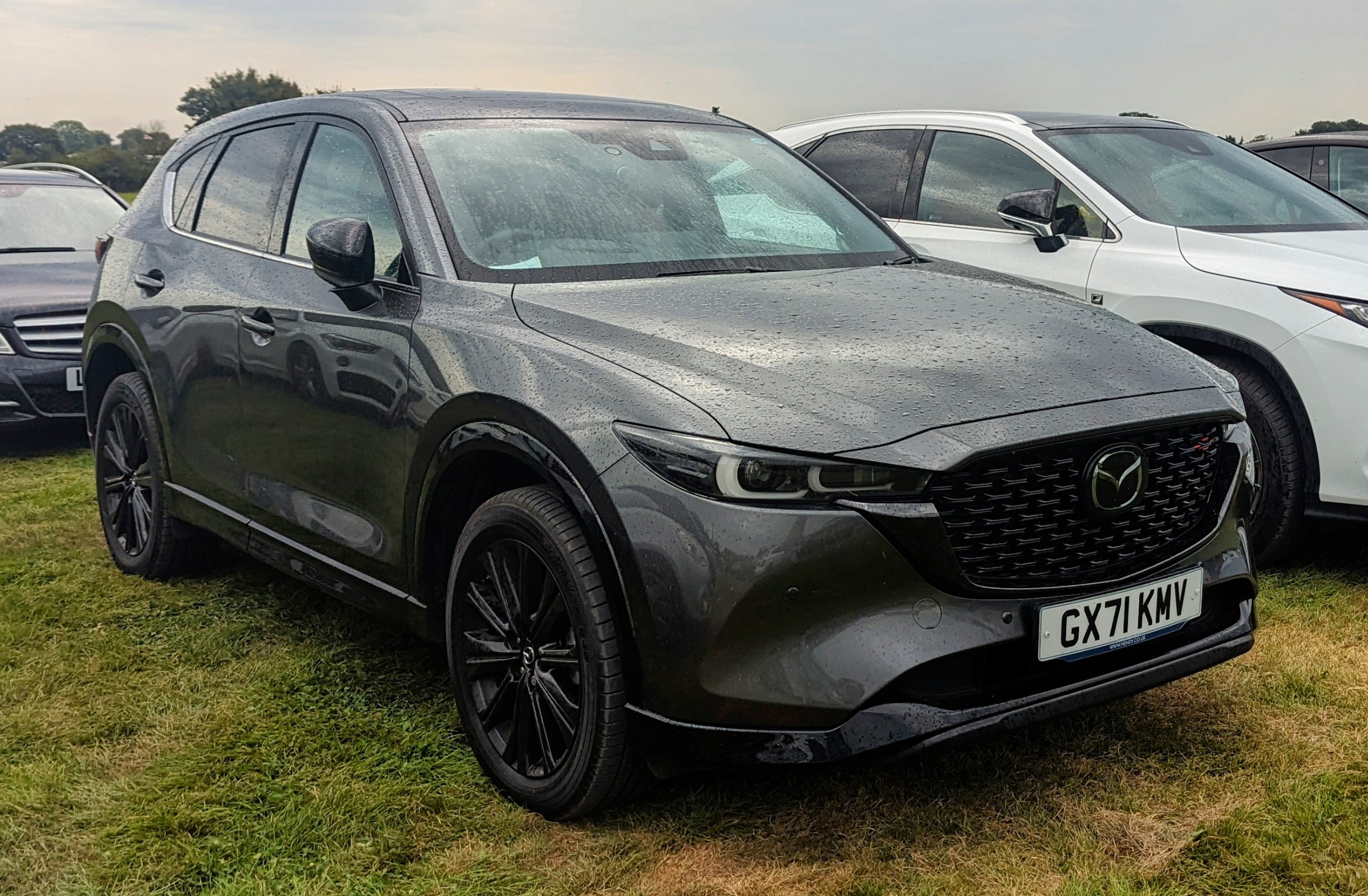
7. **Mazda 3**For those considering alternatives to the ubiquitous Toyota Corolla within the affordable Japanese sedan segment, the Mazda 3 presents a compelling and equally durable option. With careful and consistent maintenance, owners frequently report that the Mazda 3 can comfortably achieve mileage figures in excess of 200,000 miles. Drivers who predominantly utilize their vehicle for highway cruising often find they can push this number significantly higher, making 250,000 miles, or even 300,000 miles, well within the realm of possibility for this dependable sedan.
The Mazda 3 has also earned a high reliability score from Consumer Reports for the 2025 model year, reinforcing its credentials as a long-term investment. In its top-spec configuration, the Mazda 3 offers a spirited driving experience, producing 250 horsepower from its turbocharged 2.5L engine. This blend of reliability and performance is a key differentiator for the Mazda 3, appealing to those who desire longevity without sacrificing driving engagement.
However, that top-spec trim is not inexpensive, typically costing around $37,000 with the destination fee included. Thankfully, drivers operating on a tighter budget can explore multiple trims available for under $30,000 further down the range. The most accessible of these is the 2.5 S trim, which starts at approximately $25,000, including the destination fee. This variant still provides a respectable 191 horsepower from its naturally aspirated 2.5L engine, though it does forgo some of the advanced safety features and creature comforts, such as a moonroof, found on its pricier counterparts. Its fundamental reliability remains a strong selling point.
Continuing our exploration of sedans built to withstand the test of time, we now turn our attention to more models that reliably deliver extensive mileage, offering drivers exceptional value and peace of mind for years to come. These vehicles, too, stand out for their robust engineering and consistent performance, as evidenced by comprehensive industry data and widespread owner satisfaction. Our dive into these additional seven models underscores the diverse options available for those prioritizing long-term dependability in their automotive investment.
Car Model Information: 2016 Mazda CX-5 Grand Touring
Name: Mazda3
Manufacturer: Mazda
Aka: Mazda Axela (Japan and China, 2003–2019)
Production: 2003–present
Class: Compact car
BodyStyle: Sedan (automobile),hatchback
Layout: Front-engine, front-wheel-drive layout,Front-engine, four-wheel-drive layout
Predecessor: Mazda Familia
Categories: 2010s cars, 2020s cars, All Wikipedia articles written in British English, All articles needing rewrite, All articles with dead external links
Summary: The Mazda3 (known as the Mazda Axela (Japanese: マツダ・アクセラ, Hepburn: Matsuda Akusera) in China and Japan (first three generations until 2019), a combination of “accelerate” and “excellent”) is a compact car manufactured by Mazda, available as a 5-door hatchback and 4-door sedan across all generations. It was first introduced in 2003 as a 2004 model, replacing the Familia/323/Protegé in the C-segment.
The second-generation Mazda3 for the 2009 model year was unveiled in late 2008, with the sedan premiering at the Los Angeles Auto Show and the hatchback at the Bologna Motor Show. For the 2012 model year, Mazda began offering the Mazda3 with their newly developed Skyactiv technology, including a more rigid body, a new direct-injection engine, and a new 6-speed transmission.
The third generation was introduced in mid-2013 as a 2014 model year. The third-generation model is the first Mazda3 to adopt the “Kodo” design language and a more complete Skyactiv range of technologies and the first to be made by Mazda independently.
The fourth-generation Mazda3 for the 2019 model year was unveiled in November 2018 at the Los Angeles Auto Show. For the 2019 model, the all-new Mazda3 is equipped with the updated Skyactiv technologies, including a spark-controlled compression ignition engine marketed as the Skyactiv-X.
A performance-oriented version of the Mazda3 was marketed until 2013 as the Mazdaspeed3 in North America, Mazdaspeed Axela in Japan, and the Mazda3 MPS in Europe and Australia.
The Mazda3 became one of Mazda’s fastest-selling vehicles, with cumulative sales in January 2019 of over 6 million units.
Get more information about: Mazda3
Buying a high-performing used car >>>
Brand: Mazda Model: 3
Price: $15,495 Mileage: 93,888 mi.
Read more about: Toyota’s Strategic Recalibration: Navigating Market Demands with a Hybrid-First, EV-Forward Approach in 2025
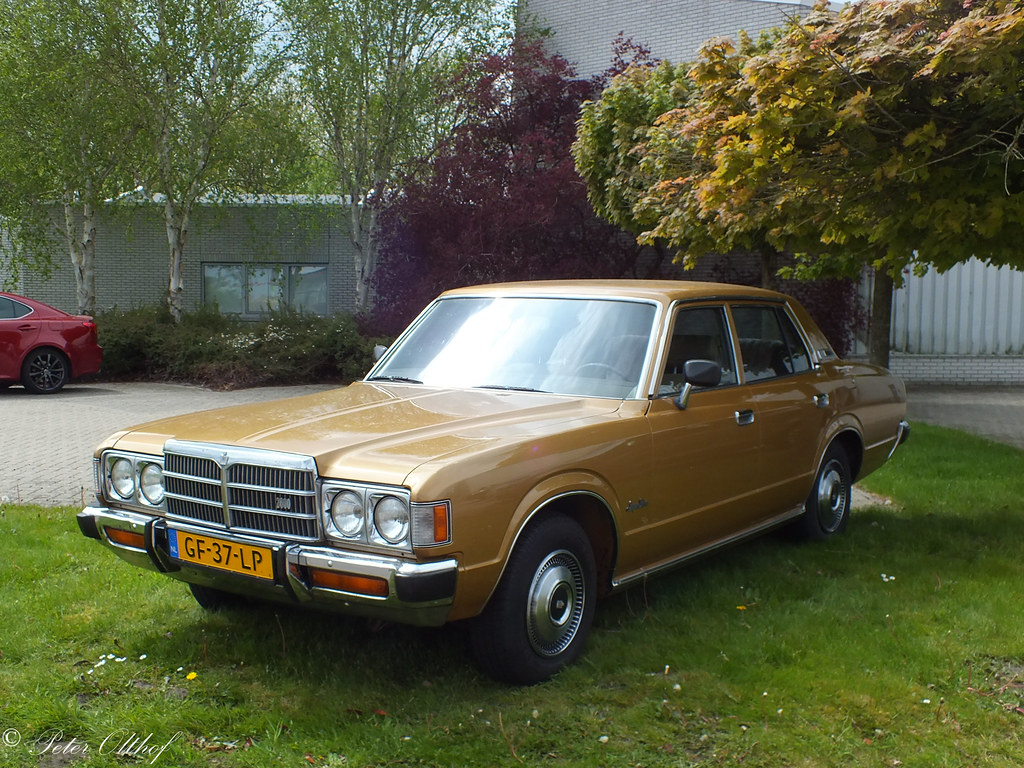
8. **Toyota Crown**While the Toyota Crown might not possess the same deep-seated name recognition in North America as some of its contemporaries, it has been an enduring staple in the manufacturer’s Japanese lineup for many decades. Reintroduced to the North American market for the 2023 model year, the Crown immediately impressed reviewers, particularly for its refined ride quality and potent power output, especially with the Hybrid MAX powertrain. Its distinctive, somewhat unconventional styling also sets it apart, making it a more visually engaging option compared to other high-mileage contenders.
Crucially for long-term owners, the Toyota Crown consistently garners strong predicted reliability ratings for the 2025 model year. This robust performance is significantly aided by its strategic sharing of key components, including its powertrain, with other well-established and highly reliable models within the broader Toyota range. This parts commonality is a hallmark of Toyota’s engineering philosophy, translating into proven dependability across its vehicle portfolio and instilling confidence in the Crown’s lasting power.
It’s important to note that the Crown deviates from a traditional sedan form factor by offering a ride height more akin to a crossover. While this design choice lends itself to a unique driving experience and enhanced road presence, it differentiates it from classic low-slung sedans. Despite this, its core Toyota reliability and the impressive performance of its Hybrid MAX powertrain—though not as efficient as the base-spec variant—solidify its position as a durable and distinctive choice for drivers seeking longevity with an edge of uniqueness.
Car Model Information: 2023 Toyota Sienna XSE
Name: Toyota Crown
Caption: 2024 Toyota Crown Sedan Z FCEV (KZSM30, Japan)
Manufacturer: Toyota
Production: 1955–present
Assembly: unbulleted list
Class: Full-size car
BodyStyle: unbulleted list
Layout: unbulleted list
Related: unbulleted list
Predecessor: Toyota RH
Successor: unbulleted list
Categories: 1960s cars, 1970s cars, 1980s cars, 1990s cars, 2000s cars
Summary: The Toyota Crown (Japanese: トヨタ・クラウン, Hepburn: Toyota Kuraun) is an automobile which has been produced by Toyota in Japan since 1955. It is primarily a line of executive cars that is marketed as an upscale offering in the Toyota lineup.
In North America, the first through fourth generations were offered from 1958 through 1972, being replaced by the Corona Mark II. The Crown nameplate returned to the North American market in 2022, when the sixteenth-generation model was released. The Crown has also been partially succeeded in export markets by its closely related sibling, the Lexus GS, which since its debut in 1991 as the Toyota Aristo has always shared the Crown’s platform and powertrain options. Later models of the GS and Crown have taken on a very strong aesthetic kinship through shared design cues.
In 2022, Toyota unveiled four different Crown models to replace the fifteenth-generation model. The first model that is available is the Crossover-type Crown. The remaining three models: Sedan, Sport, and Estate, were released between 2023 and 2024 respectively, and are available in hybrid, plug-in hybrid, and fuel cell powertrains depending on the model.
Get more information about: Toyota Crown
Buying a high-performing used car >>>
Brand: Toyota Model: Crown
Price: $42,250 Mileage: 39,327 mi.
Read more about: 10 Super Reliable Cars You Can Still Snag Under $10K in 2025
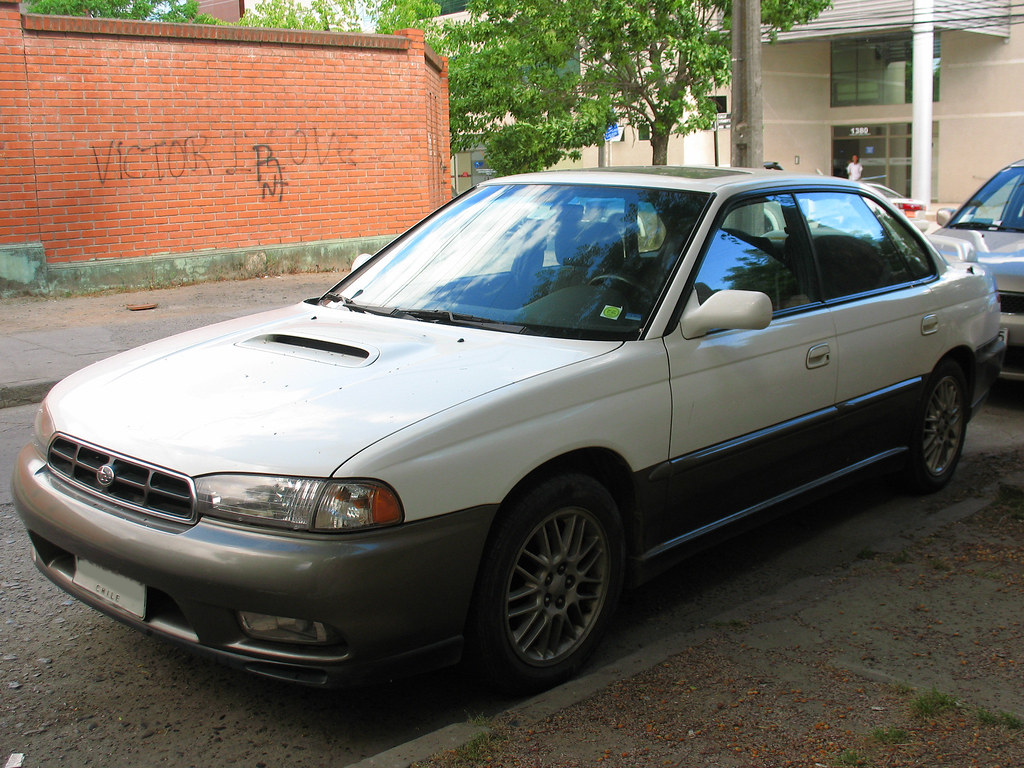
9. **Subaru Legacy**When evaluating vehicles for enduring performance and owner satisfaction, Subaru frequently emerges among the top-tier automotive brands, excelling in dependability, fuel economy, and overall driver experience. It comes as no surprise, then, to find the Subaru Legacy consistently appearing on lists of cars capable of surpassing 200,000 miles. As the sedan counterpart to the popular Outback, the Legacy offers a compelling proposition for car owners aiming to reach or even exceed the 300,000-mile mark.
The Legacy’s robust construction and standard Symmetrical All-Wheel Drive system contribute significantly to its renowned durability, making it a reliable choice for diverse driving conditions. Owners often commend the vehicle’s steady performance and the brand’s commitment to building cars that can withstand years of daily use. This inherent toughness ensures that, with proper maintenance, the Legacy is well-prepared for the long haul, offering a solid return on investment.
Furthermore, the long-term data on Subaru models, including the Legacy, consistently reinforces their reputation for reliability. Owners tend to keep these vehicles for extended periods, confident in their ability to continue performing dependably. For those seeking a mid-size sedan that combines the assurance of all-weather capability with exceptional longevity, the Subaru Legacy stands as a highly recommended and reliable option, promising to deliver consistent value over many years.
Car Model Information: 2025 Subaru Legacy Premium
Name: Subaru Legacy
Caption: 2020 Subaru Legacy (United States)
Manufacturer: Subaru
Aka: Isuzu Aska
Production: 1989–2020 (worldwide),1989–2025 (North America)
Assembly: Ōta, Gunma
Class: Mid-size car
BodyStyle: Sedan (automobile)
Layout: Front-engine, front-wheel-drive
ModelYears: 1990–2025 (North America)
Categories: 1990s cars, 2000s cars, 2010s cars, 2020s cars, All-wheel-drive vehicles
Summary: The Subaru Legacy (Japanese: スバル・レガシィ, Hepburn: Subaru Regashi) is a mid-size car built by Japanese automobile manufacturer Subaru from 1989 to 2025. The maker’s flagship car, it is unique in its class for offering all-wheel drive as a standard feature, and Subaru’s traditional boxer engine.
In 1996, a variant of the Legacy with heightened suspension called the Legacy Outback was introduced to compete in the burgeoning sport-utility vehicle class, and proved to be a sales success for Subaru. The Outback line was split into its own model in 2008, known as the Subaru Outback.
As of 2008, 3.6 million Legacy models have been built since its 1989 introduction.
Production of the Legacy ended in Japan in June 2020, with the sixth-generation Legacy being the last model produced and marketed in Japan. Subaru of America announced in an internal email that 2025 will be the last model year for the Subaru Legacy. The Subaru Outback will remain in production, after being the company’s top selling model in 2023.
The Legacy was sold as the Liberty in Australia out of deference to Legacy Australia, an organisation dedicated to caring for the families of military service veterans.
Get more information about: Subaru Legacy
Buying a high-performing used car >>>
Brand: Subaru Model: Legacy
Price: $27,414 Mileage: 885 mi.
Read more about: What Your High-Mileage Wagon Says About You: The Used Car Dealer’s Secret Thoughts on These 10 Gems!
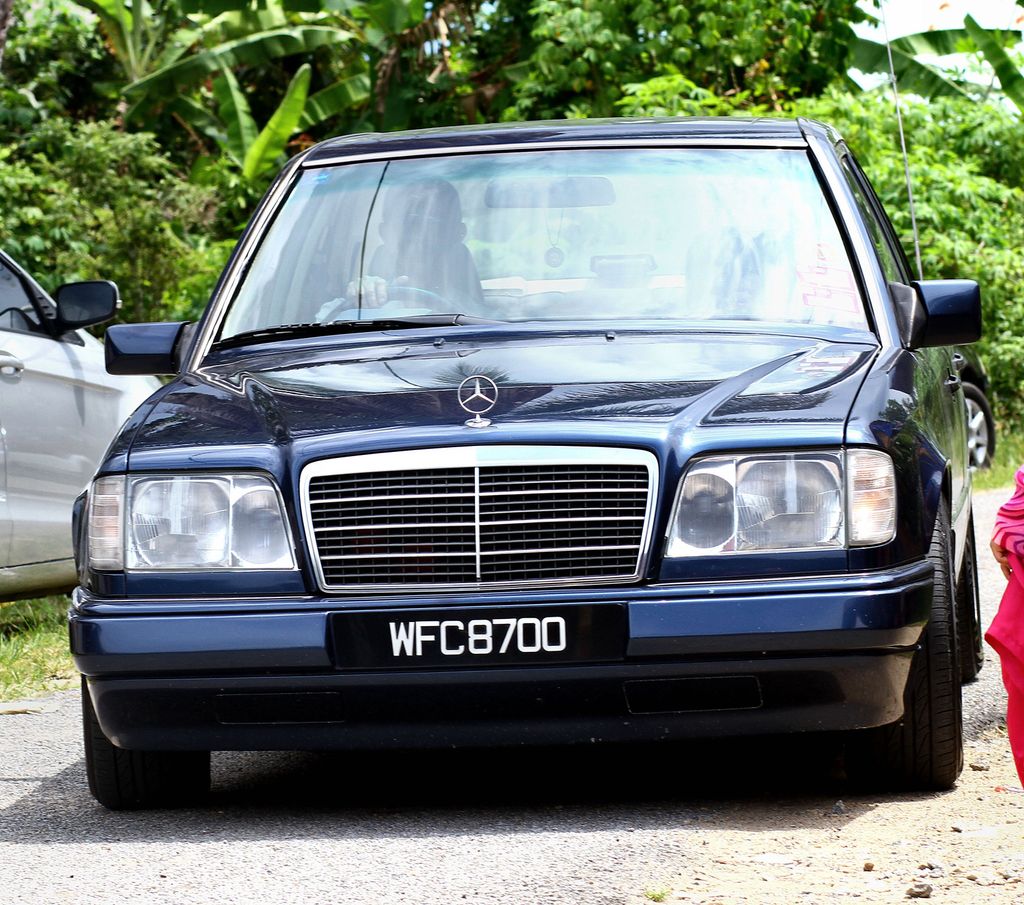
10. **Mercedes-Benz E-Class**Luxury vehicles seldom feature prominently in long-term durability studies, primarily due to lower sales volumes compared to mass-market models and the common consumer practice of trading up every three or four years. However, if one were to place a wager on a luxury sedan’s ability to reach 300,000 miles, the Mercedes-Benz E-Class would undoubtedly be a strong contender. Its enduring appeal lies not only in the sheer pleasure of the driving experience but also in its remarkable underlying reliability.
The E-Class distinguishes itself with exquisite reliability ratings across nearly every category, signaling a profound staying power that challenges conventional perceptions of luxury car longevity. These strong ratings, particularly in mechanical areas, suggest a vehicle engineered for the long term, capable of delivering premium comfort and sophisticated performance for hundreds of thousands of miles. This consistent dependability makes it an outlier in its segment.
While the initial investment for a Mercedes-Benz E-Class is substantial, its proven ability to maintain performance and reliability over extended periods provides a unique value proposition for discerning buyers. For those who cherish the refined driving dynamics and luxurious amenities of a premium sedan and are committed to diligent maintenance, the E-Class offers an exceptional blend of indulgence and unwavering durability, making it a surprising but solid choice for high-mileage aspirations.
Read more about: What Your High-Mileage Wagon Says About You: The Used Car Dealer’s Secret Thoughts on These 10 Gems!
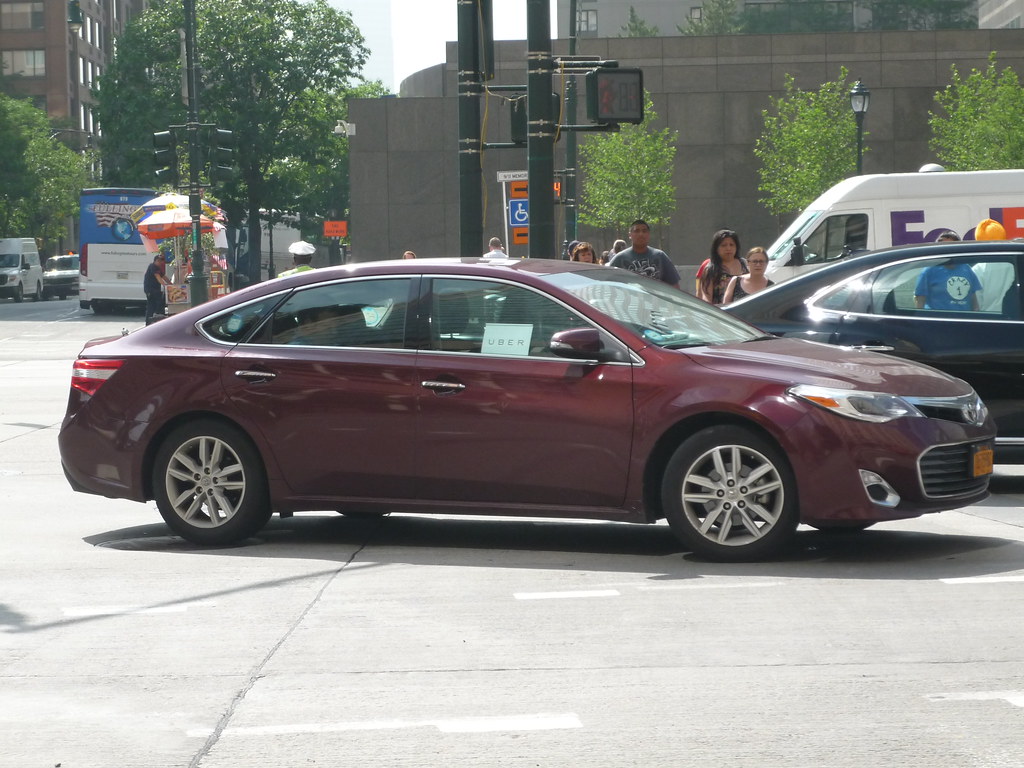
11. **Toyota Avalon**The Toyota Avalon, though now discontinued, stands as a testament to durability, consistently proving its worth over a decade of service. This full-size sedan has repeatedly appeared among the highest-mileage vehicles in the used car market, providing clear evidence of its long-term endurance. When people invest in an Avalon, they often commit to a decade or more of ownership, a strong indicator of its trusted reliability and longevity.
Throughout its production run, the Avalon maintained a reputation for being a ‘keeper,’ with owners frequently reporting minimal issues even as the odometer racked up impressive figures. Its robust engineering, comfortable ride, and spacious interior made it a practical and dependable choice for many families and long-distance commuters. The consistent positive feedback from owners and its strong presence in high-mileage studies underscore its ability to go the distance.
Even though Toyota has phased out the Avalon, its legacy of reliability ensures that many models will continue to grace our roads for years to come. In fact, given its proven track record, it would not be surprising to see an Avalon join the exclusive ‘million-mile club’ sometime in the near future. For those seeking a used full-size sedan known for exceptional staying power, the Toyota Avalon remains an outstanding and reliable option.
Car Model Information: 2016 Toyota Avalon XLE
Name: Toyota Avalon
Caption: Toyota Avalon XSE (GSX50, Canada)
Manufacturer: Toyota
Aka: Toyota Pronard (Japan, 2000–2004)
Production: 1994–present
ModelYears: 1995–2022 (US)
Class: Full-size car
BodyStyle: Sedan (automobile)
Layout: unbulleted list
Predecessor: unbulleted list
Successor: unbulleted list
Categories: 2000s cars, 2010s cars, 2020s cars, All-wheel-drive vehicles, All Wikipedia articles written in American English
Summary: The Toyota Avalon (Japanese: トヨタ・アバロン, Hepburn: Toyota Abaron) is a full-size sedan manufactured by Toyota, as its largest front-wheel drive sedan; also its flagship in the United States, Canada, China and the Middle East. The Avalon was also manufactured in Australia from April 2000 until June 2005, when it was replaced in November 2006 by the Aurion. The first production Avalon was manufactured in September 1994 at the TMMK assembly line in Georgetown, Kentucky, where subsequent generations have been manufactured.
Toyota marketed the front-drive Avalon as a replacement for its rear-drive Cressida, a model discontinued for the American market in 1992. The Cressida was an upper-level, mid-size, rear-wheel drive sedan. The Avalon has at times overlapped Toyota’s models using the same platform, including the Camry V6 and the Lexus ES. The third-generation and subsequent generations was distinguished by offering extra legroom due to its extended-length chassis. From 2013, the Lexus ES was moved to the extended platform to match the Avalon.
As of 2013, the Avalon was sold in the United States, Canada, China, South Korea and the Middle East. It was discontinued in the United States in 2022.
Avalon is a legendary island of the Arthurian legend, fitting it in with Toyota’s tradition of naming their sedans after variants of the word for “crown” in various languages (Crown, Corona, Camry, Corolla), types of crowns (Tiara), or other aspects of royalty (Scepter).
Get more information about: Toyota Avalon
Buying a high-performing used car >>>
Brand: Toyota Model: Avalon
Price: $14,500 Mileage: 90,931 mi.
Read more about: 10 Super Reliable Cars You Can Still Snag Under $10K in 2025
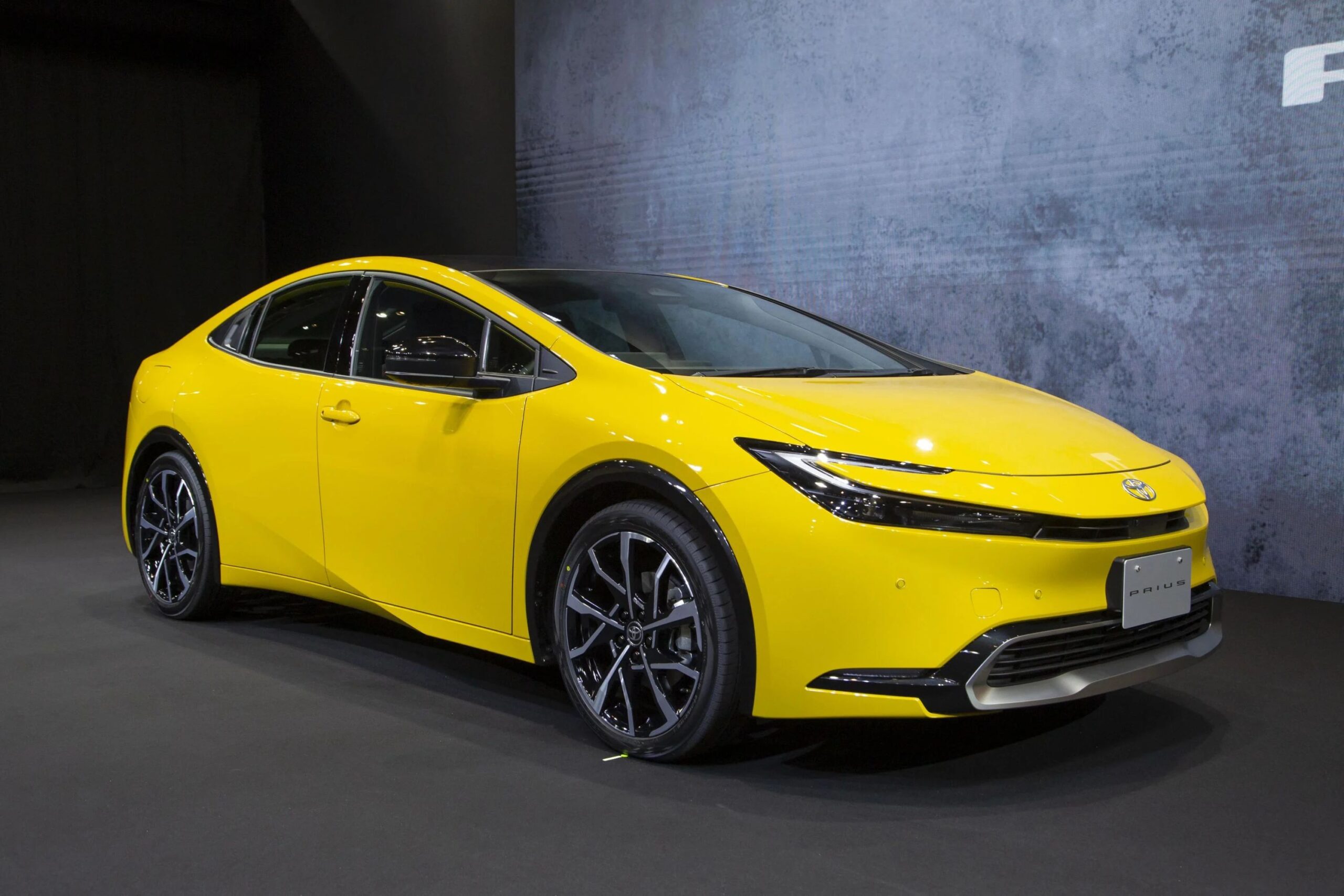
12. **Toyota Prius**For many years, car buyers harbored concerns about the long-term durability of hybrid batteries, questioning whether a Toyota Prius could truly last. Over a decade later, these apprehensions have largely been dispelled, as Prius batteries have proven to be remarkably robust, almost invincible in their longevity. This exceptional durability is precisely why the Prius consistently ranks as one of the cars with the highest number of models exceeding 200,000 miles, with some even surpassing the 600,000-mile mark.
While technically a hatchback, the Prius’s impressive longevity as a “non-utility vehicle” places it squarely in discussions alongside traditional sedans when evaluating long-lasting cars. Its efficient hybrid powertrain, combined with Toyota’s legendary reliability, creates a vehicle that is not only economical to operate but also extraordinarily resilient. This combination makes it a standout choice for drivers prioritizing extreme mileage and fuel efficiency.
The Prius has cemented its reputation as a champion of endurance, demonstrating that hybrid technology is not only sustainable but also built to last. For those seeking a vehicle that can reliably rack up hundreds of thousands of miles with minimal trouble, all while delivering exceptional fuel economy, the Toyota Prius stands as a compelling and proven option, reflecting its incredible staying power in the automotive landscape.
Car Model Information: 2023 Toyota Prius Prime XSE Premium
Name: Toyota Prius
Caption: Fifth generation Prius (XW60)
Manufacturer: Toyota
Production: December 1997 – present
ModelYears: 2001–present (US)
Class: ubl
BodyStyle: unbulleted list
Layout: unbulleted list
Sp: uk
Categories: 2000s cars, 2010s cars, 2020s cars, All-wheel-drive vehicles, All Wikipedia articles in need of updating
Summary: The Toyota Prius ( PREE-əss) (Japanese: トヨタ・プリウス, Hepburn: Toyota Puriusu) is a compact/small family liftback (supermini/subcompact sedan until 2003) produced by Toyota. The Prius has a hybrid drivetrain, which combines an internal combustion engine and an electric motor. Initially offered as a four-door sedan, it has been produced only as a five-door liftback since 2003.
The Prius was developed by Toyota to be the “car for the 21st century”; it was the first mass-produced hybrid vehicle, first going on sale in Japan in 1997 at all four Toyota Japan dealership chains, and subsequently introduced worldwide in 2000.
In 2011, Toyota expanded the Prius family to include the Prius v, an MPV, and the Prius c, a subcompact hatchback. The production version of the Prius plug-in hybrid was released in 2012. The second generation of the plug-in variant, the Prius Prime, was released in the U.S. in November 2016. The Prius family totaled global cumulative sales of 6.1 million units in January 2017, representing 61% of the 10 million hybrids sold worldwide by Toyota since 1997. Toyota sells the Prius in over 90 markets, with Japan and the United States being its largest markets.
Get more information about: Toyota Prius
Buying a high-performing used car >>>
Brand: Toyota Model: Prius
Price: $33,514 Mileage: 14,857 mi.
Read more about: The Untamed Road Ahead: Unpacking 9 Trucks Built to Conquer 300,000 Miles and Beyond for Savvy Buyers
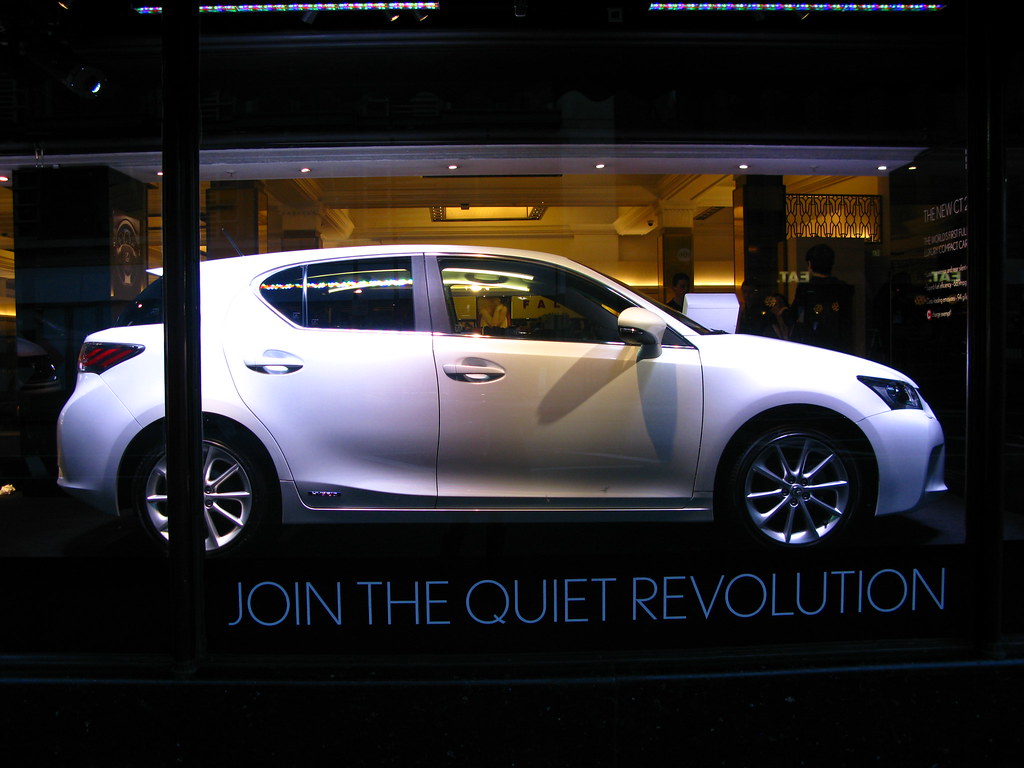
13. **Lexus CT 200h**Building upon the unimpeachable durability of the Toyota Prius, the Lexus CT 200h offers a similar foundation of reliability wrapped in a more luxurious package. As Lexus buyers gain access to the same proven hybrid platform as the Prius, the CT 200h inherits an impressive capacity for long-term endurance. While it may entail some compromises in terms of raw engine power or dynamic handling, these are readily offset by its outstanding fuel economy and unwavering overall dependability.
The CT 200h is explicitly highlighted as a car that is “a good bet to go the distance — maybe as far as 300,000 miles.” This assertion is rooted in its shared mechanical underpinnings with one of the most reliable hybrids ever produced, ensuring a consistent and trouble-free ownership experience over many years. Its compact size and refined interior make it a distinctive choice within the long-lasting vehicle segment, offering premium comfort without sacrificing reliability.
For drivers who value both a touch of luxury and the peace of mind that comes with exceptional longevity, the Lexus CT 200h presents a strong case. Its ability to combine a sophisticated driving environment with the robust, high-mileage potential of its Toyota hybrid lineage makes it an appealing option for those seeking a durable and economical car that performs reliably for the long haul.
Car Model Information: 2023 Hyundai SANTA FE SEL 2.4
Name: Lexus CT
Caption: 2018 Lexus CT 200h Premier (ZWA10, UK)
Manufacturer: Toyota
ModelCode: A10
Production: cite web
ModelYears: 2011–2017 (US, Canada)
Assembly: Miyawaka, Fukuoka
Designer: Takeshi Tanabe
Class: Luxury vehicle#Premium compact
BodyStyle: hatchback
Layout: Front-engine, front-wheel-drive layout
Platform: Toyota MC platform#New MC
Related: unbulleted list
Engine: Toyota ZR engine#2ZR-FXE,Straight-four engine
Motor: 60 kW
Abbr: on
Powerout: unbulleted list
Transmission: Transmission (mechanics)#Electric variable
Drivetrain: Hybrid vehicle drivetrain#Power-split or series-parallel hybrid
Battery: kWh,nickel-metal hydride
Wheelbase: 2600 mm
Length: 4350 mm
Width: 1765 mm
Height: 1455 mm
Weight: 1420 kg
Sp: uk
Categories: 2020s cars, All Wikipedia articles written in British English, All articles with dead external links, All articles with unsourced statements, Articles containing Japanese-language text
Summary: The Lexus CT (Japanese: レクサス・CT, Hepburn: Rekusasu CT) is a hybrid electric automobile sold by Lexus, a luxury division of Toyota, as a premium compact hatchback. The CT, consisting of a single model called the CT 200h, is a luxury hybrid based on the Toyota Prius drivetrain and Toyota MC platform chassis, and is the first luxury compact and hatchback hybrid. It is the first production model in Lexus’s family to introduce the “Spindle Grille” design as seen in its fascia. It also superseded the IS as the smallest car in the Lexus lineup. It made its debut at the March 2010 Geneva International Motor Show, six months after the unveiling of the LF-Ch concept car; it is primarily targeted at the European market but was sold worldwide and was introduced to North American markets at the April 2010 New York International Auto Show. Lexus has trademarked the names CT 200h, CT 300h, and CT 400h. The design by Takeshi Tanabe was approved in 2008 and patented on 11 September 2009.
Production began in January 2011 and European sales following shortly after. Japan sales began on 12 January 2011, while US sales began in March 2011. The CT has been discontinued in the US and later Canada, with the 2017 model year being the last. Sales continued in some other markets until 2022.
Designated the platform code A10, when fitted with ZR-series petrol engine with hybrid setup, the CT is known by the model code ZWA10. “CT” stands for “Creative Touring” and “200h” refers to the hybrid performance being equal to that of a conventional 2.0-litre engine. However, Lexus distributors in some countries use the name, “Compact Touring”.
The CT was discontinued in October 2022 with a special edition named Cherished Touring.
Get more information about: Lexus CT
Buying a high-performing used car >>>
Brand: Lexus Model: CT 200h
Price: $19,256 Mileage: 56,972 mi.
Read more about: Defying the Odds: 12 Vintage and Modern Vehicles That Conquer 150,000 Miles with Legendary Reliability
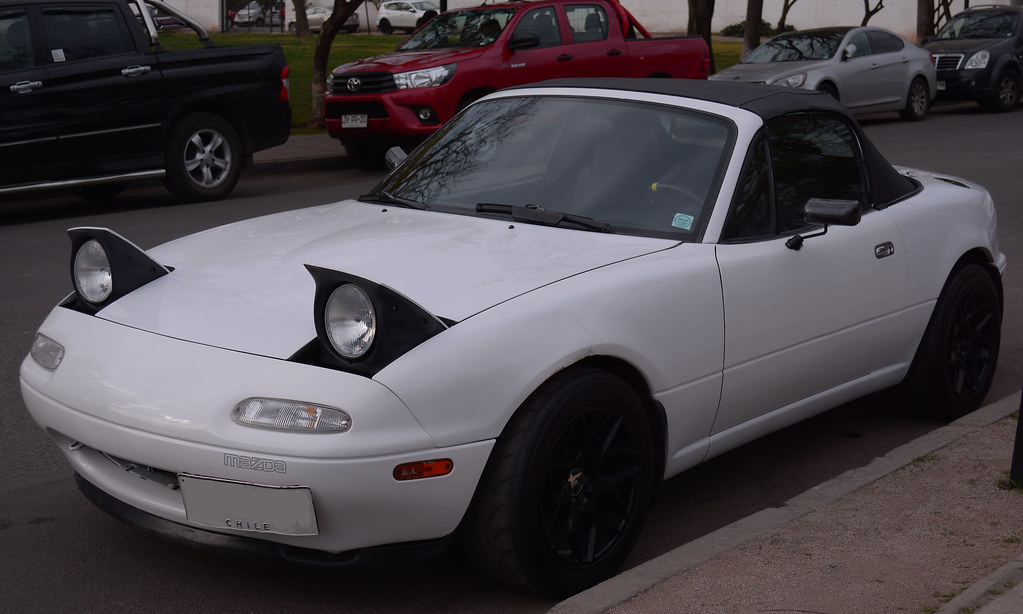
14. **Mazda MX-5 Miata**Often overlooked in larger mileage studies due to its lower sales volume, the Mazda MX-5 Miata is nonetheless a robust and reliable choice, proving that exhilarating driving dynamics can coexist with exceptional longevity. Despite its perception as a sports car, industry data confirms the Miata’s enduring quality. J.D. Power dependability tests have consistently revealed this spirited roadster to be ready to go the distance, earning it a reputation for lasting forever with proper care.
Specific model years, such as the 2010 and 2016 Miata, were particularly lauded for their outstanding reliability and garnered some of the highest owner satisfaction ratings a car can achieve. This sustained performance across different generations underscores Mazda’s commitment to building durable vehicles, even in its more specialized offerings. Owners appreciate not only the Miata’s fun-to-drive character but also its surprising resilience and low propensity for major issues over time.
While the Miata is undeniably a roadster and not a sedan, its inclusion here speaks to its extraordinary long-term dependability as a ‘car’ that defies expectations. For enthusiasts who seek a vehicle that offers both an engaging driving experience and the confidence of lasting for hundreds of thousands of miles, the Mazda MX-5 Miata stands as a unique and exceptionally reliable choice, challenging the notion that sports cars are inherently fragile. It truly embodies the spirit of a car built to be enjoyed for a lifetime.
Car Model Information: 2023 Hyundai SANTA FE SEL 2.4
Name: Mazda MX-5
Manufacturer: Mazda
Aka: unbulleted indent list
Production: 1989–present
Assembly: Hiroshima
Class: Roadster (car),sports car
Layout: unbulleted indent list
Platform: List of Mazda model codes#Model codes
Categories: 1990s cars, 2000s cars, 2010s cars, 2020s cars, All Wikipedia articles in need of updating
Summary: The Mazda MX-5 is a lightweight two-seat sports car manufactured and marketed by Mazda. In Japan, it is marketed as the Mazda Roadster or, previously, as the Eunos Roadster. In the United States it is sold as the Mazda Miata (), and it was formerly marketed under the same name in Canada. The name miata derives from Old High German for “reward”.
Produced at Mazda’s Hiroshima plant, the MX-5 debuted in 1989 at the Chicago Auto Show. It was created under the design credo Jinba ittai, meaning “unity of horse and rider”. Noted for its small, light, balanced and minimalist design, the MX-5 has often been described as a successor to the 1950s and 1960s Italian and British roadsters, with the Lotus Elan serving as a design benchmark.
Each generation is identified by a two-letter code, beginning with the first generation NA. The second generation NB launched in 1998, followed by the third generation NC in 2005, and the fourth generation ND in 2015.
More than one million MX-5s have been sold, making it the best-selling two-seat convertible sports car in history.
Get more information about: Mazda MX-5
Buying a high-performing used car >>>
Brand: Mazda Model: MX-5 Miata
Price: $19,256 Mileage: 56,972 mi.
Read more about: The Unexpected Revival: Why Gen Z is Shifting Gears Back to Manual Transmissions
As we conclude our comprehensive look at sedans and other highly reliable car models, it’s evident that today’s automotive market offers an impressive array of vehicles designed for the long haul. From the utilitarian dependability of a Toyota Corolla to the unexpected endurance of a Mercedes-Benz E-Class, the options for drivers seeking extended ownership are more abundant and diverse than ever. These models, backed by rigorous data and countless owner testimonies, represent smart investments for anyone prioritizing longevity, value, and consistent performance. By choosing one of these proven stalwarts and committing to diligent maintenance, you’re not just buying a car; you’re investing in a trusted companion for hundreds of thousands of miles of journeys ahead.”