In today’s automotive landscape, where the costs of both new and used vehicles continue to climb, the decision to purchase a car is increasingly viewed through the lens of long-term value. For many drivers, especially those on a budget or looking for a dependable family hauler, an SUV’s ability to withstand the rigors of time and mileage has become a paramount concern. This shift emphasizes the importance of vehicles that are not merely functional but truly durable.
Crossover SUVs, in particular, have carved out a significant niche in the American car market, offering a compelling blend of attributes that appeal to a wide array of consumers. Built on a single frame and body much like a traditional car, these versatile vehicles combine the smooth, comfortable ride and often superior fuel efficiency of a car with the elevated driving position, practical utility, and available four- or all-wheel drive capabilities typically associated with a larger SUV. This makes them an ideal choice for daily commutes, family road trips, and light adventures.
Understanding this critical need for longevity, we’ve compiled an in-depth analysis of crossovers that have demonstrated exceptional reliability and the capacity to accumulate high mileage. Drawing upon extensive research, including owner reports, expert opinions from industry sources like iSeeCars and Consumer Reports, and direct insights from seasoned mechanics, this article aims to empower consumers with the unbiased information needed to make informed purchasing decisions. We delve into the design philosophies, engineering choices, and practical ownership aspects that allow these select crossovers to comfortably surpass the 180,000-mile mark, offering peace of mind and significant savings over their extended lifespans.

1. Toyota RAV4
The Toyota RAV4 holds a distinctive place in automotive history, widely recognized for creating and defining the modern crossover market. For over three decades, this model has not only remained a consistent bestseller but has also set a benchmark for what consumers can expect from a compact SUV. Its enduring popularity is a testament to its practical design, consistent performance, and, crucially, its legendary dependability that resonates deeply with long-term owners.
Buyers can confidently rely on Toyota’s sterling reputation for dependability, a hallmark that consistently positions the brand at the forefront of vehicle longevity studies. This reputation is not built on chance; rather, it stems from a manufacturing philosophy that prioritizes robust engineering, meticulous assembly, and the use of high-quality, proven components. The consistent emphasis on mechanical resilience over fleeting technological trends contributes significantly to the RAV4’s ability to maintain its structural and operational integrity for many years.
Furthermore, an attractive aspect of RAV4 ownership is its manageable repair costs. When a RAV4 does eventually require a visit to the service bay, owners typically won’t encounter the exorbitant bills often associated with less reliable vehicles, a significant advantage that contributes to lower overall ownership costs over its lifespan. This affordability in maintenance, combined with its inherent durability, makes the RAV4 a smart financial choice for those prioritizing long-term value and budget adherence.
According to Alan Gelfand, a seasoned mechanic and owner of German Car Depot, Toyota’s design philosophy inherently targets vehicles that are built to last, noting, “Toyota builds cars to last 15 to 20 years.” This statement underscores the manufacturer’s commitment to engineering vehicles that are capable of enduring extensive use. Even the hybrid trims of the RAV4, which might initially seem more complex, are designed with simplicity in maintenance, further contributing to their impressive longevity and reinforcing the brand’s reputation for enduring quality across its diverse powertrain offerings.
The RAV4’s sustained performance, even with its hybrid variants, exemplifies the benefits of a well-engineered vehicle where components are designed for harmonious operation and extended service life. This blend of proven technology, coupled with Toyota’s consistent focus on reliability, ensures that the RAV4 continues to be a top contender for drivers seeking a crossover that will reliably serve them for decades, comfortably surpassing the 180,000-mile threshold and often much more, cementing its status as a paragon of automotive durability.
Car Model Information: 2024 Toyota RAV4 LE
Name: Toyota RAV4
Caption: 2019 Toyota RAV4 LE AWD (AXAA54, US)
Manufacturer: Toyota
Aka: unbulleted list
Production: 1994–present
Class: Compact crossover SUV
Layout: unbulleted list
Categories: 2000s cars, 2010s cars, 2020s cars, All-wheel-drive vehicles, All Wikipedia articles written in British English
Summary: The Toyota RAV4 (Japanese: トヨタ・RAV4, Hepburn: Toyota Ravufō) is a compact crossover SUV produced by the Japanese automobile manufacturer Toyota. It is known for starting the wave of compact crossovers. The RAV4 is one of the best-selling SUVs of all time, having sold over 10 million units by February 2020. In February 2025, the RAV4 replaced the Ford F-150 as the top selling car in the United States, after nearly four decades of the F-150’s reign.
It made its debut in Japan and Europe in 1994, and in North America in 1995, being launched in January 1996. The vehicle was designed for consumers wanting a vehicle that had most of the benefits of SUVs, such as increased cargo room, higher visibility, and the option of full-time four-wheel drive, along with the maneuverability of a mid-size car. The vehicle’s name is an abbreviation of “Recreational Active Vehicle with 4-wheel drive”, or “Robust Accurate Vehicle with 4-wheel drive”, although not all models come equipped with the four-wheel drive system.
For the third-generation model, Toyota offered both short- and long-wheelbase versions of the RAV4. Short-wheelbase versions were sold in Japan and Europe; long-wheelbase versions in Australia and North America. Toyota of Japan also sold the longer-wheelbase version as the Toyota Vanguard (Japanese: トヨタ・ヴァンガード, Hepburn: Toyota Vangādo) at Toyopet Store dealership chain from 2005 through 2016. RAV4 for the Japanese market were sold at two different Toyota dealership chains, Corolla Store and Netz.
Get more information about: Toyota RAV4
Buying a high-performing used car >>>
Brand: Toyota Model: RAV4
Price: $26,690 Mileage: 46,221 mi.
Read more about: Toyota’s Strategic Recalibration: Navigating Market Demands with a Hybrid-First, EV-Forward Approach in 2025
2. Subaru Forester
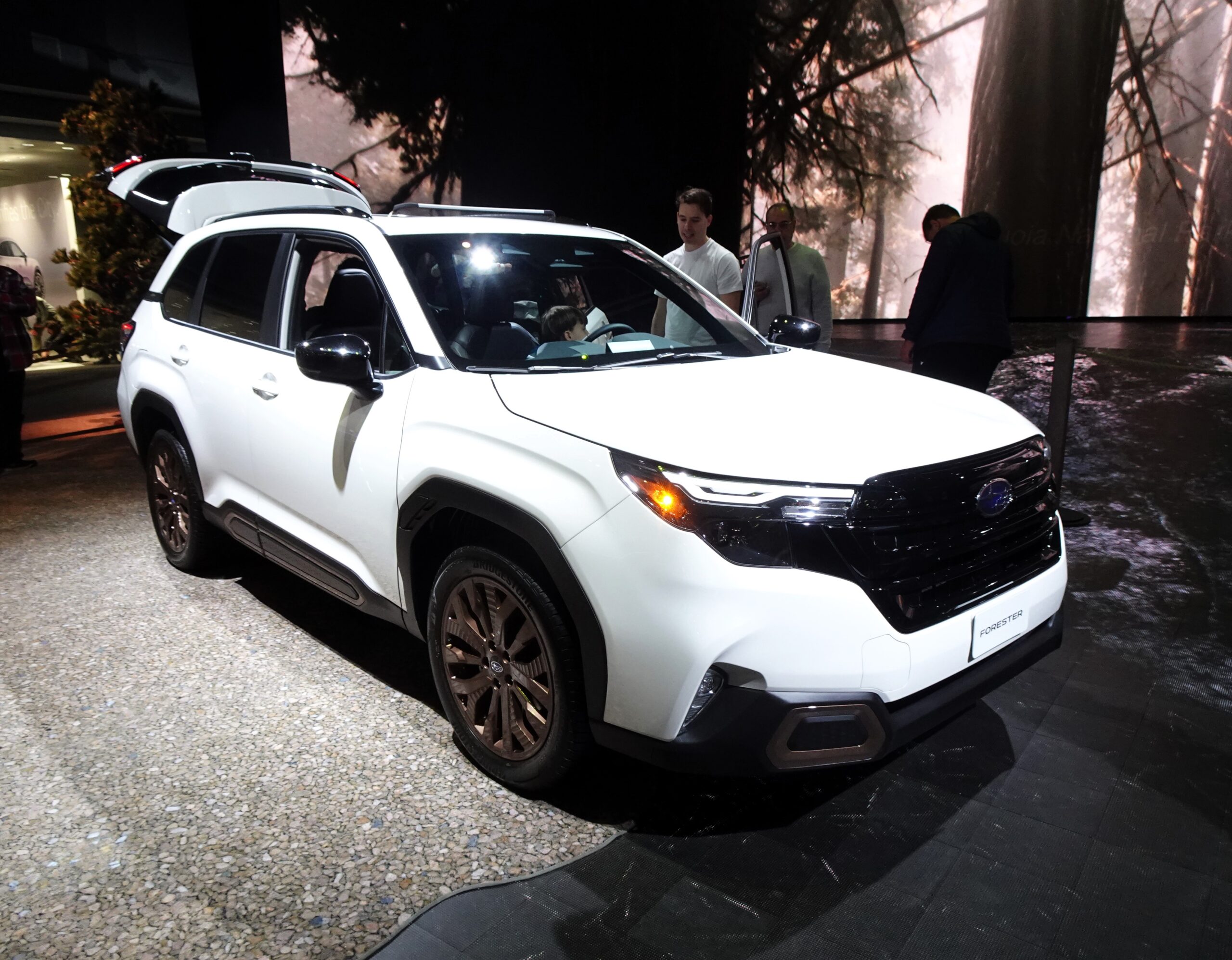
The Subaru Forester stands out as another exceptionally affordable crossover that consistently demonstrates its capacity to last for decades, a compelling attribute for discerning consumers. Its standard all-wheel-drive system positions it as an outstanding choice, particularly for drivers residing in regions that frequently experience challenging weather conditions, ensuring confident and stable handling year-round. This integral feature is a testament to Subaru’s commitment to practical, robust engineering that enhances both safety and utility.
Subaru’s dedication to reliability has not gone unnoticed by industry watchdogs. In a significant endorsement for the brand’s commitment to quality, Consumer Reports named Subaru the most reliable car brand in the world in 2025. This prestigious recognition is a powerful indicator of the meticulous engineering and rigorous testing that goes into every Subaru vehicle, affirming the brand’s position as a leader in dependable automotive design. Such accolades are invaluable for consumers seeking objective, data-driven assurances of a vehicle’s long-term performance.
The Forester’s longevity is further supported by expert opinions. Alan Gelfand, the mechanic cited earlier, highlights the critical role of diligent ownership in maximizing the Forester’s lifespan. He advises, “As long as owners keep up with oil changes, timing chain maintenance and other routine upkeep, Foresters should easily last 15 years and beyond.” This emphasizes that while the vehicle is inherently robust, consistent adherence to manufacturer-recommended service intervals is absolutely crucial for achieving and even exceeding the anticipated 15-year operational window.
This focus on straightforward, yet essential, maintenance aligns perfectly with the principles of extending vehicle life. Regular fluid changes, especially for the engine oil and transmission fluid, are vital for preserving the health of mechanical components. Furthermore, the robust construction of the Forester, characterized by a design that prioritizes functional durability, enables it to withstand the daily stresses of driving without premature wear, underpinning its capacity for long-term service.
Ultimately, the Subaru Forester offers an attractive proposition: a capable, all-weather-ready crossover that, with proper care, promises many years of reliable transportation. Its combination of an excellent build quality, a highly dependable all-wheel-drive system, and a manufacturer that consistently ranks high in reliability studies makes it a top recommendation for anyone in search of a vehicle truly built to go the distance, easily surpassing the 180,000-mile benchmark.
Car Model Information: 2016 Subaru Forester 2.5i
Name: Subaru Forester
Manufacturer: Subaru
Production: 1997–present
Class: Compact crossover SUV
BodyStyle: SUV
Related: Subaru Impreza
Layout: Front-engine, all-wheel drive
Predecessor: Subaru Bighorn
Categories: 2000s cars, 2010s cars, All-wheel-drive vehicles, All Wikipedia articles written in American English, All articles containing potentially dated statements
Summary: The Subaru Forester (Japanese: スバル・フォレスター, Hepburn: Subaru Foresutā) is a compact crossover SUV that has been manufactured by Subaru since 1997. The first generation was built on the platform of the Impreza in the style of a taller station wagon, a style that continued to the second generation, while the third-generation model onwards moved towards a crossover SUV design. A performance model was available for the second-generation Forester in Japan as the Forester STi.
Get more information about: Subaru Forester
Buying a high-performing used car >>>
Brand: Subaru Model: Forester
Price: $12,957 Mileage: 97,943 mi.
Read more about: Driving the Future: An In-Depth Look at 14 Groundbreaking SUVs and Crossovers Arriving in 2025 & 2026
3. Hyundai Tucson
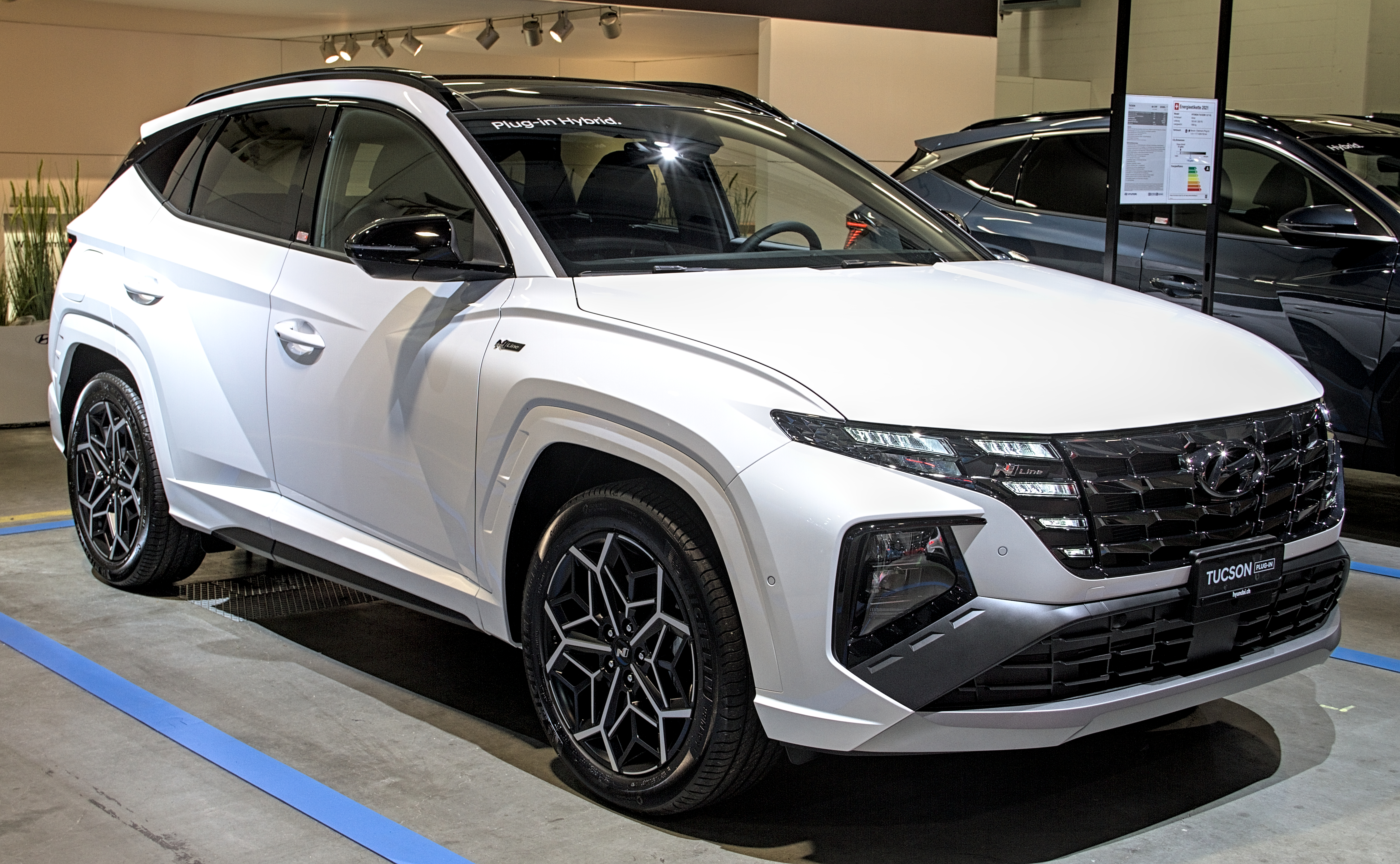
Not to be outdone by its well-established Japanese counterparts, Hyundai has made significant strides in solidifying its reputation for quality and reliability, with the Tucson crossover standing as a prime example of this commitment. The brand’s impressive ascent was underscored in 2025 when U.S. News and World Report bestowed upon Hyundai the coveted title of Best SUV Brand. This recognition speaks volumes about the advancements Hyundai has made in vehicle engineering, design, and overall consumer satisfaction, signaling its strong competitive stance in a crowded market.
Within the Tucson lineup, the Hybrid model has garnered particular acclaim, earning an outstanding rating of 9.3 out of 10 from U.S. News. This high score reflects its exceptional blend of efficiency, performance, and reliability. Consumers benefit from a powertrain that, in some trims, delivers a robust 231 horsepower while simultaneously achieving remarkable fuel economy figures of 36 to 38 miles per gallon. This combination of spirited driving dynamics and eco-friendly operation makes the Tucson Hybrid an exceptionally appealing option for a broad range of buyers.
From a longevity perspective, the Hyundai Tucson proves to be a reliable contender, with mechanic Alan Gelfand affirming its potential to reliably last “15 to 20 years when maintained.” This extended lifespan is significantly bolstered by Hyundai’s comprehensive 10-year powertrain warranty, which provides substantial protection for many of the crucial mechanical components during the initial ownership period. This extensive warranty coverage offers an invaluable layer of security, reassuring owners about the vehicle’s long-term durability and the manufacturer’s confidence in its engineering.
Beyond the warranty, the inherent dependability of the Tucson’s engine plays a critical role in its ability to endure for years well past the warranty’s expiration. Hyundai has focused on developing powertrains that are not only efficient but also robust, designed to withstand the wear and tear of extensive driving. This emphasis on core mechanical integrity, rather than an over-reliance on overly complex systems, contributes to a simpler and more predictable maintenance schedule, which is a key factor in extending a vehicle’s life.
Therefore, the Hyundai Tucson presents itself as an extremely viable option for drivers seeking a reliable, long-lasting crossover. Its combination of strong manufacturer backing, a highly-rated hybrid variant, and a proven track record for durability means it can comfortably exceed the nearly 180,000-mile benchmark, offering both peace of mind and substantial value over an extended period of ownership. This blend of features positions the Tucson as a smart investment for the future.
Car Model Information: 2022 Hyundai TUCSON SEL
Name: Hyundai Tucson
Caption: Hyundai Tucson (NX4, SWB)
Manufacturer: Hyundai Motor Company
Aka: Hyundai ix35 (2009–2015)
Production: 2004–present
ModelYears: 2005–present
Class: Compact crossover SUV
BodyStyle: sport utility vehicle
Layout: Front-engine, front-wheel-drive layout,Front-engine, four-wheel-drive layout
Sp: us
Categories: 2010s cars, All-wheel-drive vehicles, All Wikipedia articles written in British English, All articles needing additional references, All articles with dead external links
Summary: The Hyundai Tucson (; Korean: 현대 투싼) is a compact crossover SUV produced by the South Korean manufacturer Hyundai. It is named after the city of Tucson, Arizona, U.S.
The second-generation model was marketed as the Hyundai ix35 in several markets, including Europe, Australia and China, before reverting to Tucson for the third-generation. Since its first-generation, the Tucson has been developed alongside the Kia Sportage, sharing platforms and engines.
The Tucson is the best-selling Hyundai model, with more than 7 million units sold globally since it launched in 2004. Of these, 1.4 million units have been sold in Europe.
Get more information about: Hyundai Tucson
Buying a high-performing used car >>>
Brand: Hyundai Model: Tucson
Price: $19,990 Mileage: 61,985 mi.
Read more about: The 9 Most Fuel-Efficient SUVs in the Market Right Now: What Agencies and Mileage Logs Reveal for Budget Commuters
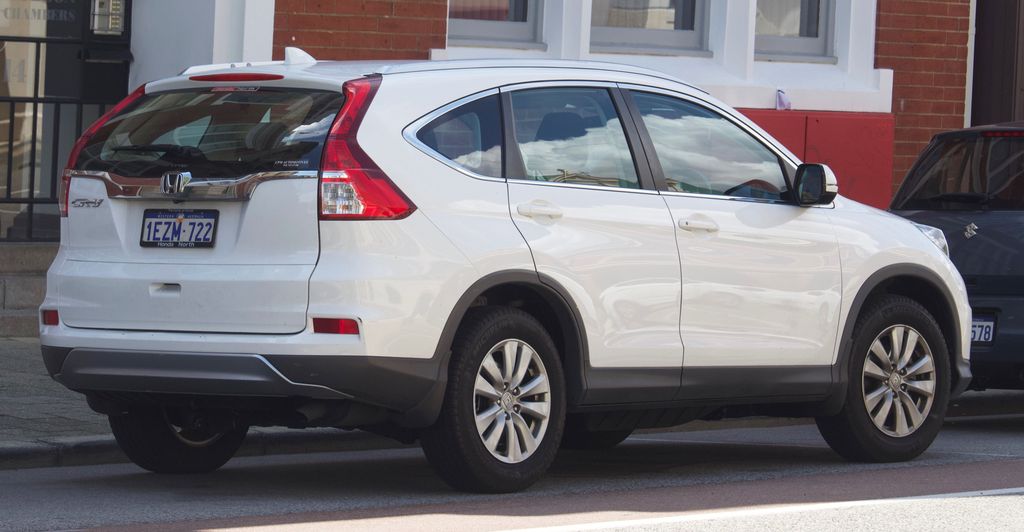
4. Honda CR-V
The Honda CR-V has consistently ranked among the top choices in the crossover segment, a testament to its widespread appeal and robust engineering. Available with optional hybrid trims, the CR-V offers consumers the flexibility to choose between conventional and more fuel-efficient powertrains, both delivering impressive performance characteristics. The hybrid options, in particular, provide enhanced fuel economy without sacrificing the dependable power that drivers have come to expect from Honda.
Beyond its powertrain versatility, the CR-V is lauded for its comprehensive suite of strong safety features. Modern iterations of the CR-V often come standard with advanced driver-assistance systems, such as blind-spot monitoring and adaptive cruise control. These technologies are designed to provide an additional layer of protection and convenience, contributing to a more secure and less fatiguing driving experience. This commitment to safety is a significant factor in why the CR-V remains a preferred choice for families and individuals alike, offering invaluable peace of mind on every journey.
Reliability ratings for the Honda CR-V consistently position it as a top contender in its class, reinforcing why drivers continue to choose this model year after year. The brand’s reputation for building durable and trustworthy vehicles is a cornerstone of its market success. This consistent performance ensures that owners can expect a vehicle that spends more time on the road and less time in the repair shop, which is a critical consideration for maximizing long-term value and minimizing ownership costs.
Ruth Calkins-Schmidt, the general manager at car research platform FindByPlate.com, enthusiastically praised the CR-V for its comprehensive package. She noted, “It offers excellent fuel economy for its class and safety features like blind-spot monitoring and adaptive cruise control come standard for peace of mind.” Her remarks encapsulate the core strengths of the CR-V: a harmonious balance of efficiency, advanced safety, and inherent reliability that collectively contribute to a highly satisfying ownership experience.
The CR-V’s enduring popularity is deeply rooted in its consistent ability to deliver on these core promises. Its combination of a refined driving experience, practical interior, advanced safety technologies, and a proven track record of dependability makes it an outstanding long-term investment. For consumers seeking a crossover that will reliably perform and retain its value well beyond 180,000 miles, the Honda CR-V continues to be a standout option, embodying the best of what modern automotive engineering can offer in the segment.
Car Model Information: 2018 Honda CR-V EX
Name: Honda CR-V
Caption: 2023 Honda CR-V e:HEV
Manufacturer: Honda
Aka: Honda Breeze (China, 2019–present)
Production: 1995–present
Class: Compact crossover SUV
BodyStyle: Sport utility vehicle
Layout: Front-engine, front-wheel-drive layout,Front-engine, four-wheel-drive layout
Chassis: Unibody
Predecessor: Honda Crossroad
Successor: Honda ZR-V
Categories: 2000s cars, 2010s cars, 2020s cars, All-wheel-drive vehicles, All Wikipedia articles written in British English
Summary: The Honda CR-V (also sold as the Honda Breeze in China since 2019) is a compact crossover SUV manufactured by Japanese automaker Honda since 1995. Initial models of the CR-V were built using the same platform as the Civic.
Honda began producing the CR-V in Sayama, Japan, and Swindon, United Kingdom, for worldwide markets, adding North American manufacturing sites in East Liberty, Ohio, United States, in 2007; El Salto, Jalisco, Mexico, in late 2007 (ended in early 2017); Alliston, Ontario, Canada, in 2012; and Greensburg, Indiana, United States, in February 2017. The CR-V is also produced in Wuhan for the Chinese market by Dongfeng Honda, and also marketed as the Breeze in China for the version produced at Guangzhou by Guangqi Honda.
Honda states that “CR-V” stands for “Comfortable Runabout Vehicle,” while the term “Compact Recreational Vehicle” was used in a British car review article that was republished by Honda, associating the model name with the Sports Utility Vehicle abbreviation of SU-V.
As of 2022, the CR-V is positioned between the smaller ZR-V (marketed as HR-V in North America) — with which the CR-V shares a platform — and the larger North American market Passport/Pilot or the Chinese market Avancier/UR-V. It is currently Honda’s best-selling vehicle in the world, and the second best-selling SUV globally in 2020.
Get more information about: Honda CR-V
Buying a high-performing used car >>>
Brand: Honda Model: CR-V
Price: $19,950 Mileage: 59,369 mi.
Read more about: Escape the Digital Dash: 14 Cars and Strategies for a Touchscreen-Free Driving Experience in 2024
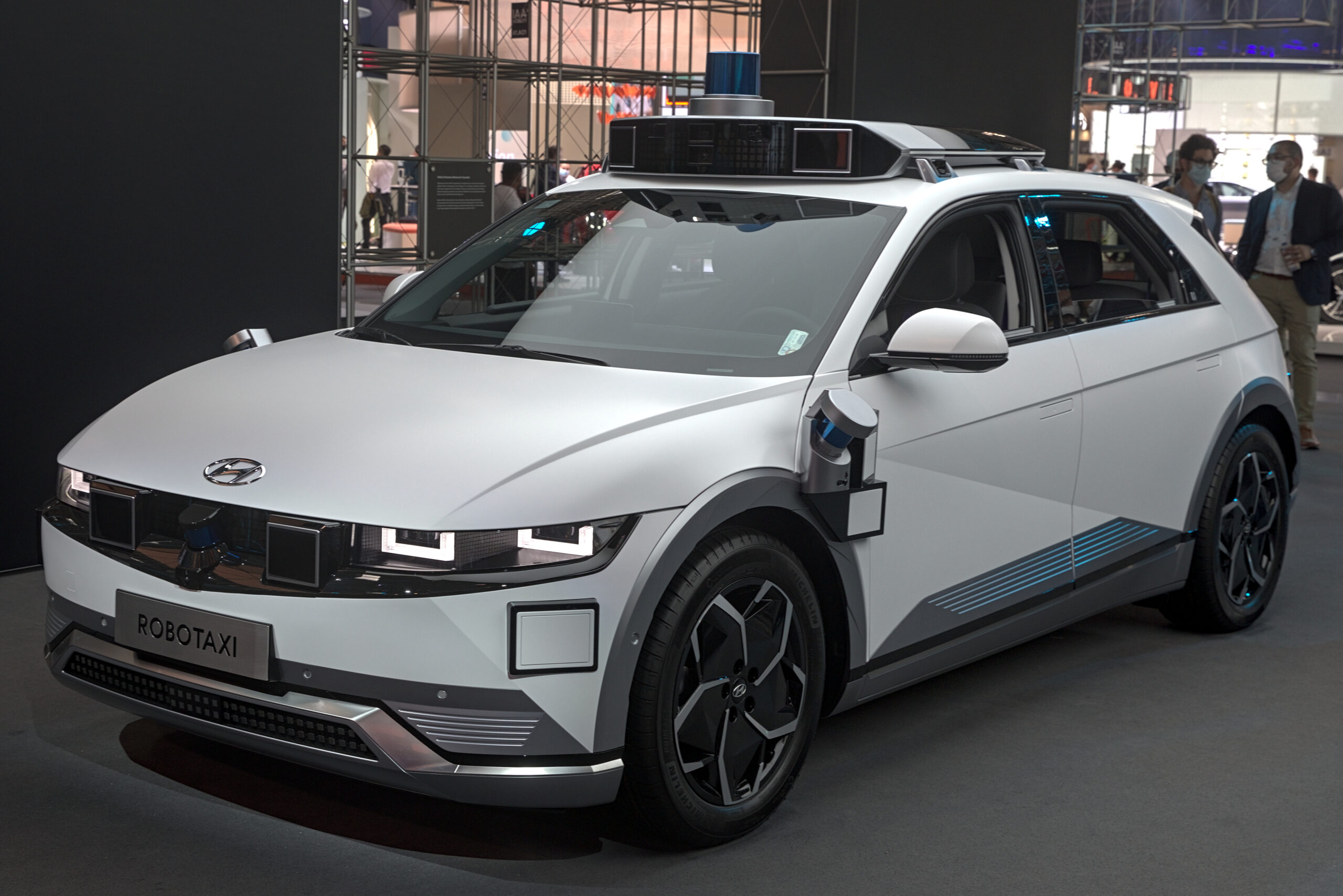
5. Hyundai Ioniq 5
While many might associate long-lasting vehicles with traditional gasoline powertrains, the electric vehicle market is rapidly evolving, and the Hyundai Ioniq 5 is carving out a reputation for not just innovation but also impressive longevity in the crossover segment. This futuristic-looking crossover has quickly established itself as a frontrunner, showcasing that advanced electric technology can indeed align with the high mileage expectations consumers have for their vehicles. Its consistent recognition for excellence underscores a foundational quality that bodes well for its long-term durability, setting a new benchmark for what an electric crossover can achieve.
The Ioniq 5’s prowess has been formally acknowledged through significant industry accolades. It has, for instance, clinched Kelley Blue Book’s Best Buy Award in the Electric Vehicle category for two consecutive years. Such consistent recognition is a strong indicator of its overall quality, engineering integrity, and a design philosophy that prioritizes consumer satisfaction and enduring performance. These awards are not merely about initial appeal; they often reflect a deeper understanding of a vehicle’s value proposition, including its projected reliability and sustained performance over time.
One of the Ioniq 5’s most compelling features is its state-of-the-art battery technology and charging capabilities, which are crucial for long-term practicality. It boasts the ability to charge from 10% to 80% in an astonishing 18 minutes, complemented by a substantial battery range of 245 to 318 miles, depending on the chosen trim. This combination of rapid charging and extensive range not only enhances daily usability but also speaks to the robust engineering of its electric powertrain, which is designed to handle demanding usage cycles, contributing to its overall durability.
The user-centric design of the Ioniq 5 further contributes to its appeal and potential longevity. Ruth Calkins-Schmidt, general manager at car research platform FindByPlate.com, highlighted that it “offers user-friendly technology, quick charging and a spacious interior that doesn’t feel futuristic to the point of confusion.” This focus on intuitive design ensures that drivers are comfortable and confident with the technology, reducing the likelihood of issues arising from complex, unintuitive systems that can sometimes plague newer electric vehicles, thereby promoting a more trouble-free ownership experience.
While electric vehicles approach longevity differently than their gasoline counterparts, the Ioniq 5’s inclusion in discussions about long-lasting crossovers suggests a strong confidence in its build quality and advanced components. Drawing from Hyundai’s broader commitment to reliability, as evidenced by the Tucson’s strong performance, the Ioniq 5 represents a modern paradigm where cutting-edge technology is integrated with durable construction. This positions it as a promising candidate for drivers seeking an EV crossover that can confidently approach and exceed the 180,000-mile mark with proper care, embodying the future of dependable transportation.
Car Model Information: 2023 Hyundai SANTA FE SEL 2.4
Sp: uk
Name: Hyundai Ioniq 5
Manufacturer: Hyundai Motor Company
ModelCode: NE
Production: March 2021 – present
ModelYears: 2022–present (North America)
Assembly: Unbulleted list
Designer: Lee Ji-hyeon
Class: Compact crossover SUV
BodyStyle: SUV
Layout: Unbulleted list
Platform: Hyundai E-GMP
Related: Unbulleted list
Motor: permanent magnet synchronous motor
Battery: SK On
ElectricRange: cvt
Charging: ubl
Wheelbase: cvt
Length: Unbulleted list
Width: Unbulleted list
Height: Unbulleted list
Weight: Unbulleted list
Categories: All-wheel-drive vehicles, All Wikipedia articles written in British English, Articles containing Korean-language text, Articles with short description, CS1 Indonesian-language sources (id)
Summary: The Hyundai Ioniq 5 (Korean: 현대 아이오닉 5) is a battery electric compact crossover SUV produced by Hyundai since 2021. It is the first product to be marketed under the Ioniq sub-brand, and the first model developed on the Hyundai Electric Global Modular Platform (E-GMP).
Get more information about: Hyundai Ioniq 5
Buying a high-performing used car >>>
Brand: Hyundai Model: Ioniq 5
Price: $19,256 Mileage: 56,972 mi.
Read more about: Understanding the Electric Shock: A Consumer Report on EVs Losing Over Half Their Value in Just Two Years
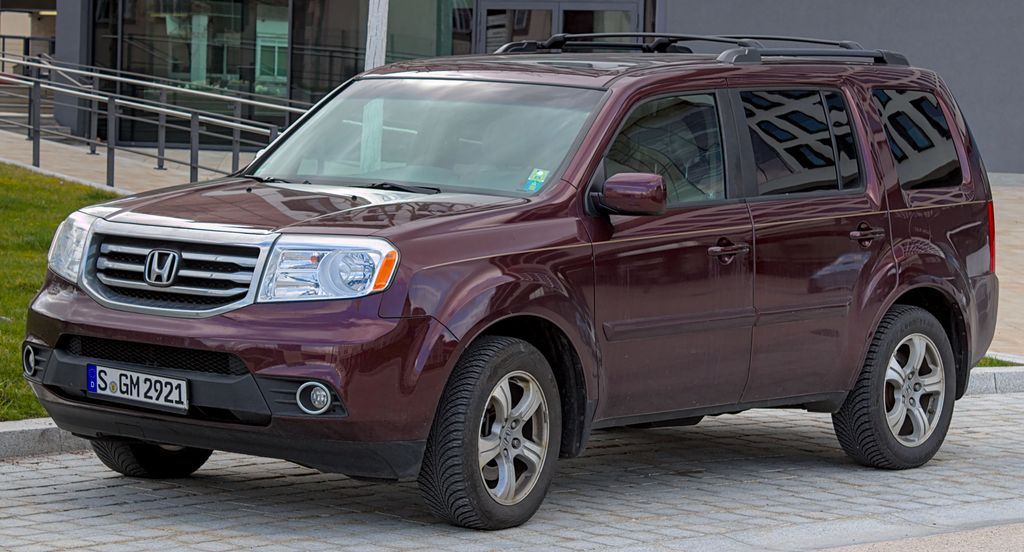
6. Honda Pilot
The Honda Pilot, recognized as the brand’s largest SUV, consistently stands out as a reliable and long-lasting choice in the increasingly popular crossover segment. While not engineered for extreme off-road excursions, its design prioritizes exceptional handling on paved roads and light trails, a characteristic that often correlates with extended vehicle life under typical driving conditions. It truly showcases Honda’s commitment to engineering excellence and durability, embodying a blend of practicality and robust construction that appeals to a wide range of families and individuals seeking dependable transportation.
Indeed, the Pilot has a strong track record for longevity, with an average lifespan documented at an impressive 250,000 miles or more. This statistic is further supported by iSeeCars data, which ranks the Pilot as the eighth SUV most likely to reach 250,000 miles or beyond. It is cited as being 1.9 times more likely than the average vehicle to achieve this significant mileage milestone, with some exemplary models even surpassing the 400,000-mile mark. Such figures are a powerful testament to the vehicle’s inherent resilience and the quality of its manufacturing.
A significant factor contributing to the Honda Pilot’s extended lifespan is its powertrain. It relies on a simple, naturally aspirated V6 engine, a design choice known for its reliability and ease of maintenance compared to more complex, forced-induction systems. This emphasis on proven, straightforward mechanical components minimizes potential points of failure, ensuring consistent performance over many years. Paired with excellent build quality, this engine choice reinforces the Pilot’s reputation as a vehicle designed for the long haul, instilling confidence in its owners.
However, it is worth noting that some older generations of the Honda Pilot did experience transmission issues. This is a crucial detail for consumers considering used models. Fortunately, later generations of the Pilot have addressed and effectively resolved these concerns, reflecting Honda’s continuous improvement and dedication to engineering refinement. For those prioritizing long-term reliability, focusing on newer models or those from generations after the transmission issues were mitigated would be a prudent strategy, ensuring a more trouble-free ownership experience.
Ultimately, the Honda Pilot offers an compelling package for buyers who need a spacious, family-friendly crossover built to endure. Its strong average lifespan, coupled with a naturally aspirated V6 engine and a manufacturer known for quality, positions it as a top contender for drivers aiming to comfortably exceed 180,000 miles. With proper maintenance and consideration for specific model years, the Pilot delivers on its promise of enduring reliability and robust performance, making it a smart investment for years to come.
Car Model Information: 2014 Honda Pilot EX-L
Name: Honda Pilot
Caption: 2023 Honda Pilot Touring (US)
Manufacturer: Honda
Production: 2002–present
ModelYears: 2003–present
Class: Mid-size crossover SUV
BodyStyle: SUV
Layout: unbulleted list
Categories: 2010s cars, 2020s cars, All-wheel-drive vehicles, All Wikipedia articles written in American English, All articles containing potentially dated statements
Summary: The Honda Pilot is a mid-size crossover SUV with three-row seating manufactured by Honda since 2002 for the 2003 model year. Primarily aimed at the North American market, the Pilot is the largest SUV produced by Honda. As of 2025, the Pilot is manufactured in Lincoln, Alabama, and the Pilot was produced in Alliston, Ontario until April 2007. The first generation Pilot was released in April 2002 as a 2003 model.
The Pilot shares its platform with the Acura MDX, as well as the North American market Odyssey minivan. The Pilot’s unibody construction and independent suspension are designed to provide handling similar to that of a car, and it has integrated perimeter frame rails to permit towing and light off-road use.
Prior to the introduction of the Pilot, Honda marketed the compact crossover CR-V, the midsize Passport (rebadged Isuzu Rodeo) fullsize Crossroad (rebadged Land Rover Discovery series 1) and Acura SLX (rebadged Isuzu Trooper). Unlike the Passport, Crossroad and SLX which were truck-based body-on-frame designs, the Pilot shared a unibody construction layout akin to the smaller Civic-based CR-V. The Pilot is Honda’s largest SUV, although the 2010 Crosstour surpassed the Pilot in length.
The Pilot is sold in North America and the Middle East, while the Honda MDX (first generation Acura MDX) was marketed in Japan and Australia for several years. The second-generation Pilot was also sold in Russia, Ukraine, South Korea, Latin America, and the Philippines.
Get more information about: Honda Pilot
Buying a high-performing used car >>>
Brand: Honda Model: Pilot
Price: $12,645 Mileage: 139,975 mi.
Read more about: Powering the Ride: A Deep Dive into the World’s 15 Largest Motorcycle Brands and Their Global Impact
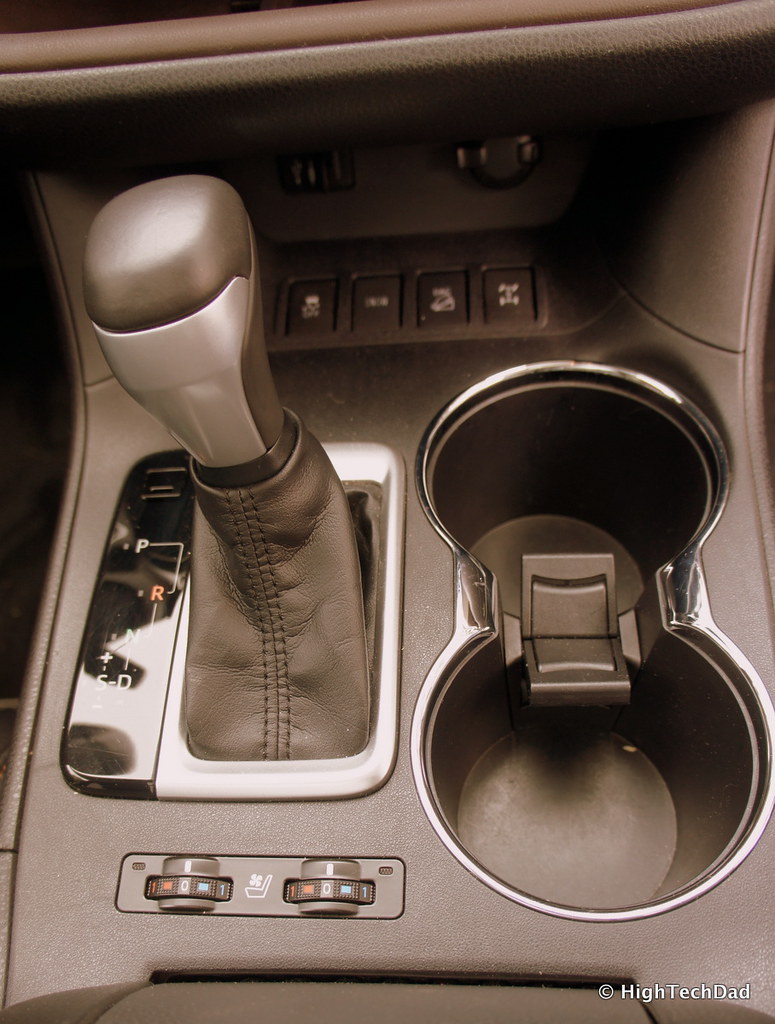
7. Toyota Highlander
The Toyota Highlander has quietly cemented its position as a remarkably reliable and long-lasting crossover, often deserving more recognition than its more prominent siblings like the RAV4 or Sequoia. Its robust construction and Toyota’s renowned engineering prowess ensure a solid lifespan, making it an excellent choice for consumers prioritizing durability and sustained performance. The Highlander consistently demonstrates a capacity to withstand the demands of daily driving for many years, offering a compelling blend of family-friendly utility and unwavering dependability.
What truly elevates the Highlander’s longevity prospects is its remarkable performance in reliability studies. While the gasoline-powered model is already a strong contender, ranking as the ninth option most likely to surpass 250,000 miles, the hybrid variant shines even brighter, claiming the impressive position of the third most likely SUV to reach that milestone. This highlights Toyota’s successful integration of hybrid technology with their already robust platforms, creating vehicles that are not only fuel-efficient but also exceptionally durable over extended periods, providing peace of mind to environmentally conscious drivers.
An average Toyota Highlander model is expected to deliver between 250,000 and 300,000 miles of service, a testament to its inherent quality. However, to truly maximize this potential and perhaps even surpass the 300,000-mile mark, meticulous owner care and diligent adherence to regular maintenance schedules are absolutely critical. As with any vehicle, consistent oil changes, fluid checks, and timely servicing of wear-and-tear components are the keys to unlocking the Highlander’s full long-term reliability and ensuring its mechanical integrity remains uncompromised.
The consistent high ranking of Toyota models in longevity studies further bolsters the Highlander’s reputation. iSeeCars’ 2024 Longest Lasting Cars study, for example, notes that the Toyota Sequoia, 4Runner, Tacoma, and Highlander Hybrid all rank within the top five, each boasting a better than 25 percent chance of hitting 250,000 miles. This collective performance across Toyota’s SUV and truck lineup speaks volumes about the brand’s fundamental commitment to building vehicles that endure, sharing engineering principles that benefit models like the Highlander.
For families and individuals seeking a spacious and dependable crossover, the Toyota Highlander represents an outstanding investment. Its proven ability to achieve high mileage, particularly in its highly-rated hybrid configuration, coupled with Toyota’s overarching reputation for reliability, makes it a prime candidate for those aiming for a vehicle that will confidently last well over 180,000 miles. With the right care, the Highlander is poised to deliver many years of faithful service, proving that solid engineering and consistent maintenance are the ultimate recipe for automotive longevity.
Car Model Information: 2013 Toyota Highlander SE
Name: Toyota Highlander
Caption: 2022 Toyota Highlander Hybrid
Manufacturer: Toyota
Aka: unbulleted list
Production: 2000–present
ModelYears: 2001–present
Class: Mid-size crossover SUV
BodyStyle: SUV
Layout: unbulleted list
Chassis: Unibody
Categories: 2010s cars, 2020s cars, All-wheel-drive vehicles, All Wikipedia articles written in American English, All articles with dead external links
Summary: The Toyota Highlander, also known as the Toyota Kluger (Japanese: トヨタ・クルーガー, Hepburn: Toyota Kurūgā), is a mid-size crossover SUV with three-row seating produced by Toyota since 2000.
Announced in April 2000 at the New York International Auto Show and arriving in late 2000 in Japan and January 2001 in North America, the Highlander became one of the first car-based mid-size SUV or mid-size crossovers. The Highlander is the crossover counterpart to the more rugged, truck-based mid-size 4Runner and became Toyota’s best-selling SUV before being surpassed by the smaller RAV4 in 2006.
The first-generation model was sold in Japan as the Kluger, which was exclusive to a dealership network called Toyota Netz as a larger alternative to the RAV4. The Kluger nameplate is also used in Australia because “Highlander” is a trademarked trim line name owned by Hyundai. The name is derived from the German word klug, which means smart or clever (Klüger – with diacritics – means “someone who is smarter than another” in German).
Get more information about: Toyota Highlander
Buying a high-performing used car >>>
Brand: Toyota Model: Highlander
Price: $15,319 Mileage: 140,110 mi.
Read more about: Built to Last: 15 SUVs That Deliver Enduring Value and Outperform Expectations
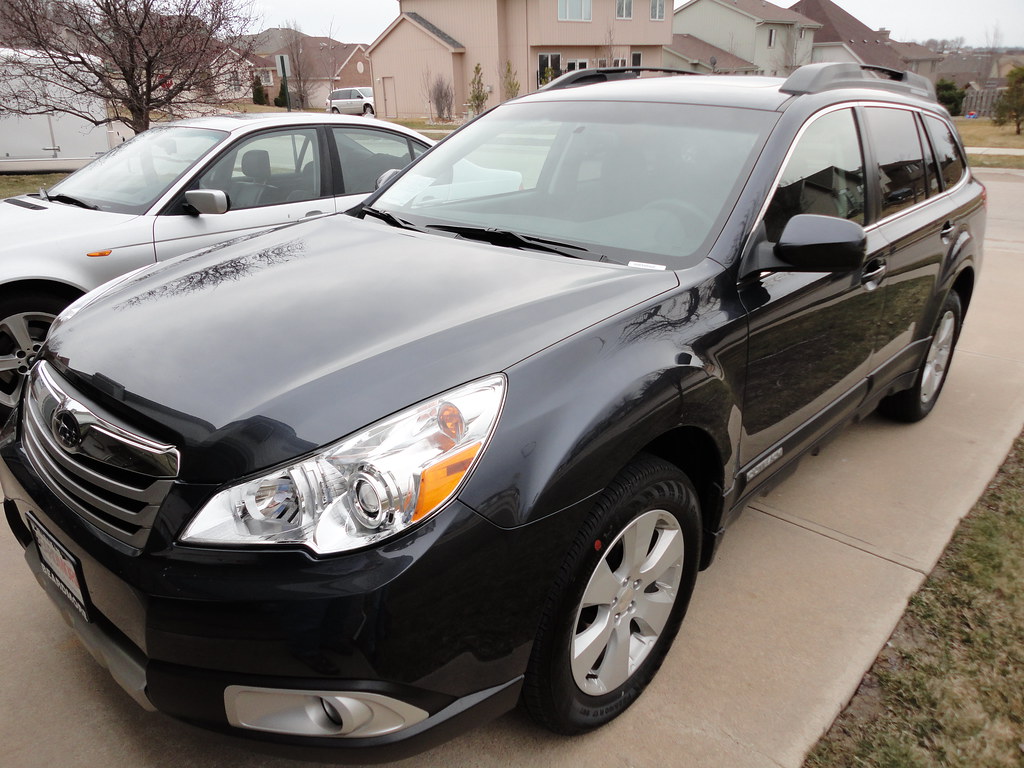
8. Subaru Outback
The Subaru Outback, often lauded as a blend of wagon practicality and crossover capability, earns an honorable mention in the roster of vehicles most likely to deliver exceptional longevity, comfortably surpassing the 200,000-mile mark. Its distinct position in the market as a rugged yet refined family hauler, combined with Subaru’s renowned commitment to safety and all-weather performance, contributes significantly to its appeal for drivers seeking a durable and dependable vehicle for the long term. This unique combination makes it a noteworthy contender for those prioritizing extended ownership.
A cornerstone of the Outback’s durability is its signature Symmetrical All-Wheel Drive system, which is not only engineered for superior traction and stability but also designed with longevity in mind. This robust system, a standard feature across the Subaru lineup, provides consistent, reliable performance even under challenging conditions, reducing stress on components that might otherwise wear prematurely in less capable vehicles. This foundational design principle underpins the Outback’s ability to withstand varied driving environments and maintain its structural integrity over decades of use.
Furthermore, the Subaru Outback benefits from generally low maintenance costs, which is a significant advantage for long-term ownership. Vehicles that are affordable to maintain are more likely to receive the regular care necessary to extend their lifespan, preventing minor issues from escalating into costly major repairs. This cost-effectiveness in upkeep, coupled with the inherent durability of its AWD system, makes the Outback a financially astute choice for consumers committed to preserving their vehicle for an extended period, contributing to its impressive average lifespan.
However, a point of consideration for potential owners, particularly those focused on maximum longevity, is the Outback’s Continuously Variable Transmission (CVT). While modern CVTs have improved significantly, the context notes that they are “not as durable as traditional automatics.” This implies that diligent adherence to transmission fluid change intervals and avoiding aggressive driving habits become even more critical for Outback owners to ensure the CVT’s prolonged health and prevent premature wear, thus preserving the vehicle’s overall longevity as intended.
The Subaru Outback presents a compelling case for enduring reliability, offering a unique blend of all-wheel-drive capability, practical design, and manageable maintenance costs that contribute to its capacity to exceed 200,000 miles. While the CVT requires specific attention to maintenance for optimal lifespan, the Outback’s overall robust engineering and Subaru’s reputation for building dependable vehicles make it an excellent choice for drivers seeking a versatile, long-lasting crossover. It stands as a testament to thoughtful engineering, proving that a vehicle can offer versatility and comfort without compromising on durability.
Car Model Information: 2013 Subaru Outback 2.5i Limited
Name: Subaru ,
Caption: 2023 Subaru Outback Premium
Manufacturer: Subaru
Production: 1994–present
ModelYears: 1995–present
Assembly: Ota, Gunma
Aka: Subaru Legacy
Class: Mid-size car
BodyStyle: station wagon
Categories: All Wikipedia articles written in American English, All articles with unsourced statements, Articles containing Japanese-language text, Articles with short description, Articles with unsourced statements from April 2012
Summary: The Subaru Outback is an automotive nameplate used by the Japanese automaker Subaru for two different themed vehicles: a Legacy-derived station wagon, the Outback (1994–present, also sold as Legacy Outback (Japanese: スバル・レガシィアウトバック, Hepburn: Subaru Regashi Autobakku) in some markets), and an Impreza-derived off-road themed hatchback, the Outback Sport (1994–2011).
Most versions of the Outback wagon and Outback Sport have had all-wheel drive as standard equipment.
Get more information about: Subaru Outback
Buying a high-performing used car >>>
Brand: Subaru Model: Outback
Price: $7,995 Mileage: 175,533 mi.
Read more about: What Your High-Mileage Wagon Says About You: The Used Car Dealer’s Secret Thoughts on These 10 Gems!
As we’ve journeyed through this comprehensive list of crossovers built to go the distance, a clear theme emerges: exceptional longevity isn’t just about the badge on the grille, but a culmination of meticulous engineering, robust design choices, and, crucially, diligent owner care. Whether you lean towards the innovative electric appeal of the Hyundai Ioniq 5, the spacious reliability of the Honda Pilot, the hybrid-enhanced durability of the Toyota Highlander, or the all-weather resilience of the Subaru Outback, each of these vehicles offers a compelling promise of extended service. Investing in one of these models, coupled with a commitment to routine maintenance, means you’re not just buying a mode of transport; you’re securing a dependable partner for countless miles and years to come, offering invaluable peace of mind and a superior return on your automotive investment. The road ahead is long, and with these crossovers, you’re truly prepared for the journey.