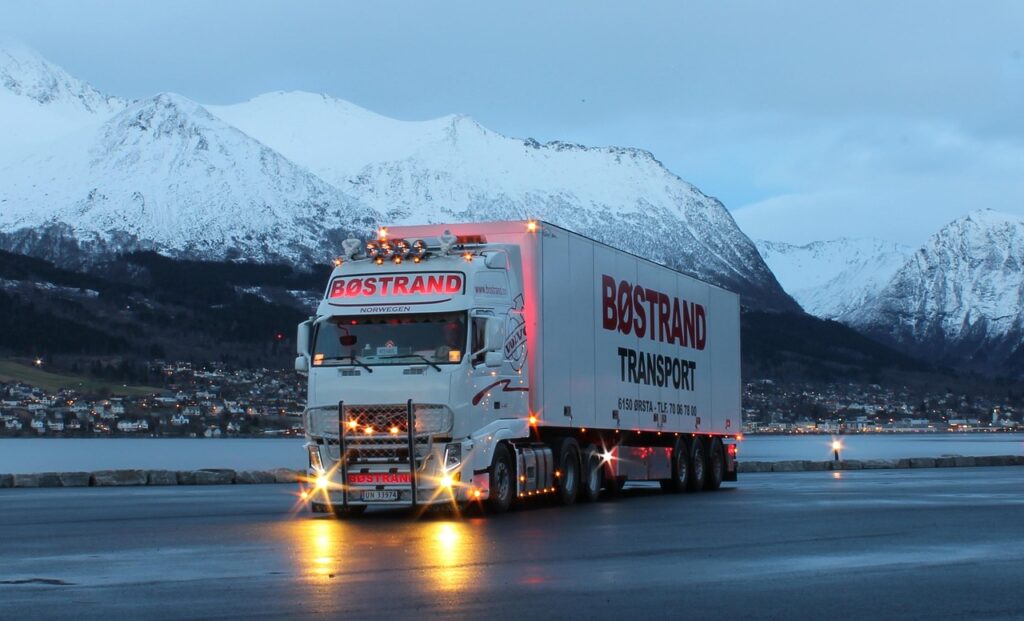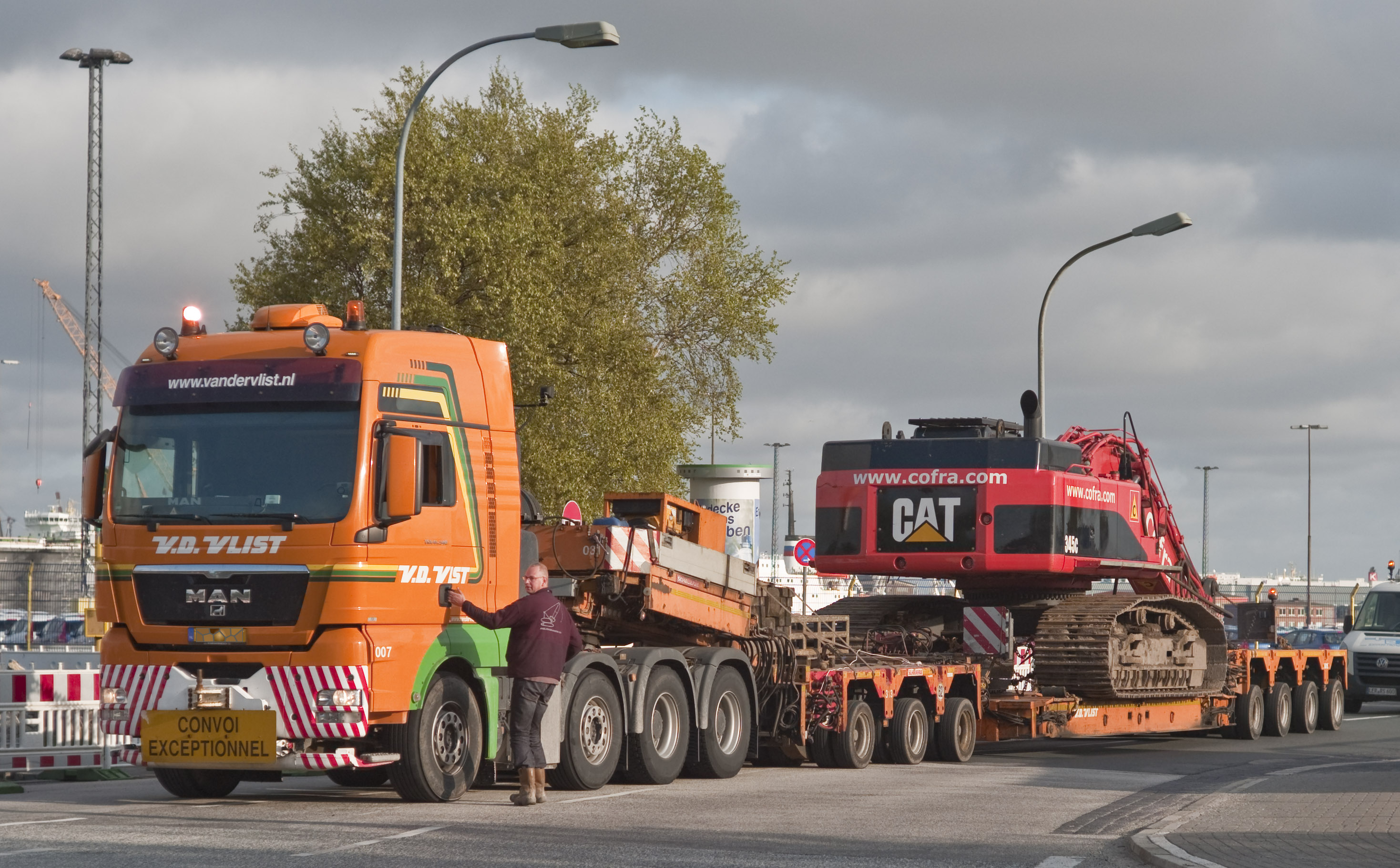
In the world of automotive excellence, particularly when discussing the titans of the road, the term ‘heavy-duty’ isn’t just a classification; it’s a testament to engineering prowess, an unwavering commitment to durability, and a promise of unrelenting performance. For discerning owners and operators, the benchmark for true heavy-duty capability often culminates in a seemingly elusive goal: the half-million-mile club. This isn’t merely about reaching a number on the odometer; it’s about the very essence of endurance, the profound resilience built into every component, and the strategic foresight in design that allows a vehicle to transcend typical lifespans and redefine expectations.
At Car and Driver, we understand that achieving such monumental longevity is not by chance, but by design and an intrinsic understanding of what ‘heavy’ truly entails. It prompts us to look beyond the superficial and delve into the core attributes that empower these mechanical workhorses to shoulder immense responsibilities, conquer daunting terrains, and consistently deliver under the most strenuous conditions. To truly appreciate the journey to 500,000 miles, we must first dissect the fundamental meaning of ‘heavy’ itself, as defined by its multifaceted nature.
This article embarks on an analytical expedition, leveraging the very definitions of ‘heavy’ to illuminate the intrinsic qualities that make a heavy-duty truck not just operational, but exceptionally enduring. We’re talking about the conceptual pillars that support half a million miles of relentless service, dissecting the attributes that contribute to the robust integrity and unwavering reliability demanded by professionals who depend on their vehicles day in and day out. Join us as we explore the foundational ‘heavy’ truths that define automotive longevity.

1. Of Great Weight; Hard to Lift or Carry: A Heavy Load
The most immediate and perhaps intuitive understanding of ‘heavy’ pertains to its literal definition: ‘of great weight; hard to lift or carry.’ In the context of heavy-duty trucks, this speaks directly to their primary function as formidable haulers. The ability to manage and transport ‘a heavy load’ is not just a feature; it is the very cornerstone of their existence, distinguishing them from their lighter counterparts.
This attribute necessitates a frame and chassis built with an uncompromising rigidity and strength, materials chosen for their resilience under extreme gravitational stress. We envision axles, suspensions, and braking systems that are not just proportionate but over-engineered, designed to absorb, distribute, and mitigate the immense forces exerted by payloads that can often rival the weight of the truck itself. This robust construction is the first line of defense against the relentless wear and tear that can prematurely shorten a vehicle’s life.
For a truck to reliably carry ‘a heavy load’ for 500,000 miles, every single component bearing that weight must be conceived with longevity in mind. This involves sophisticated material science, advanced manufacturing processes, and rigorous testing to ensure that the structural integrity remains uncompromised over hundreds of thousands of miles, regardless of terrain or operational intensity. It’s the meticulous attention to this foundational ‘heavy’ characteristic that truly sets these long-haul legends apart.
Moreover, the very design philosophy must anticipate the continuous application of ‘great weight.’ This isn’t about occasional strain but perpetual burden, demanding components that resist fatigue and maintain their structural geometry year after year. The ability to sustain ‘a heavy load’ without yielding is a non-negotiable trait for any vehicle aspiring to the half-million-mile milestone, a true measure of its inherent heavy-duty pedigree.

2. Of Great Amount, Quantity, or Size: A Heavy Vote
While ‘a heavy vote’ is typically a political metaphor, its underlying meaning – ‘of great amount, quantity, or size’ – offers profound insight into the engineering philosophy behind truly enduring heavy-duty trucks. It transcends mere physical weight, speaking to the overall scale and volumetric capacity of these vehicles. This implies a design where generous dimensions translate into practical utility, enabling the transport of substantial quantities of goods or materials.
This interpretation highlights the expansive and robust nature of the truck’s cargo capabilities, whether it’s a voluminous trailer, an expansive bed, or a specialized body designed for specific industrial applications. The ability to accommodate a ‘great amount, quantity, or size’ of cargo directly correlates with efficiency in operations, reducing the number of trips required for large-scale projects and thus contributing to overall productivity and cost-effectiveness over time.
Engineering for ‘great amount, quantity, or size’ also extends to the internal architecture of the truck, ensuring that all systems – from the fuel tank capacity to the cooling systems for prolonged operation – are dimensioned to support sustained heavy use. This foresight in design minimizes stress on individual components, preventing premature failure and allowing the truck to operate comfortably within its design parameters, even when pushed to its limits.
Ultimately, a truck capable of handling ‘great amount, quantity, or size’ is a testament to comprehensive design. It means a vehicle that is not merely powerful but intelligently proportioned to maximize utility and ensure consistent, reliable operation over an extended lifespan, paving the way for those coveted 500,000 miles of service.
Read more about: Consumer Alert: 15 Vehicles Mechanics Say You Must Avoid for Reliable, Worry-Free Driving

3. Of Great Force, Strength, or Intensity: The Ship Plowed Through the Heavy Seas
The definition of ‘heavy’ as ‘of great force, strength, or intensity,’ dramatically illustrated by ‘The ship plowed through the heavy seas,’ directly speaks to the sheer power and unwavering resilience required of heavy-duty trucks. This is the heart of performance, the driving force that enables these vehicles to overcome formidable obstacles and maintain momentum under challenging circumstances.
This refers to the immense torque and horsepower generated by the engine, meticulously calibrated to move massive loads across vast distances and varied topographies. It’s about a powertrain engineered to deliver ‘great force’ consistently, without faltering under prolonged demands or succumbing to the fatigue that lighter-duty engines might experience. The transmission, differentials, and driveline components must all be equally robust, translating this raw power into effective, reliable locomotion.
Beyond raw power, this aspect of ‘heavy’ also encompasses the structural ‘strength’ of the vehicle, allowing it to withstand the ‘intensity’ of constant vibration, impacts, and environmental stressors. Just as a ship battles ‘heavy seas,’ these trucks navigate rough roads, extreme temperatures, and continuous operational cycles, demanding a construction that can absorb and deflect punishing forces without structural compromise. This intrinsic strength is crucial for maintaining integrity over half a million miles.
For an engine to propel a heavy-duty truck for 500,000 miles, it requires not just initial power, but sustained ‘intensity’ and durability. This demands exceptional material quality in critical components, advanced lubrication and cooling systems, and precision engineering that minimizes internal friction and wear. This relentless pursuit of ‘great force, strength, or intensity’ in every power-producing and power-transmitting part is fundamental to enduring longevity.

4. Of More Than the Usual or Average Weight: He Had a Heavy Build
When we consider ‘heavy’ as ‘of more than the usual or average weight,’ exemplified by ‘He had a heavy build,’ we’re looking at the fundamental structural integrity and robust construction inherent in heavy-duty trucks. This isn’t just about the cargo they carry, but the substantial, purposeful mass of the vehicle itself, designed for an elevated level of durability and steadfastness.
This ‘heavy build’ implies a deliberate design choice, favoring thicker gauge steel, more substantial components, and reinforced architectures over lightweight alternatives found in passenger vehicles. It’s a commitment to over-engineering where appropriate, ensuring that the truck’s foundational elements can withstand the rigors of its intended service life without succumbing to fatigue or catastrophic failure. This added weight is a direct investment in long-term reliability.
The robustness stemming from ‘more than the usual or average weight’ contributes significantly to the vehicle’s stability, both empty and laden, enhancing safety and driver confidence. This inherent mass acts as a bulwark against external forces and internal stresses, providing a stable platform for heavy loads and resisting the torsional stresses that can quickly degrade less substantial vehicles over time. This foundational solidity is a key differentiator for true heavy-duty applications.
In essence, a ‘heavy build’ is a prerequisite for achieving 500,000 miles. It reflects a design philosophy that prioritizes resilience and sustained performance over fleeting efficiency gains that might compromise durability. The very heft of these trucks is a testament to their purpose: to perform exceptionally under demanding conditions, year after year, mile after punishing mile, solidifying their status as true heavy-duty contenders.
Read more about: Be Warned: 14 Critical Mistakes Off-Road Jeep Owners Should Avoid When Considering a Lift in 2026
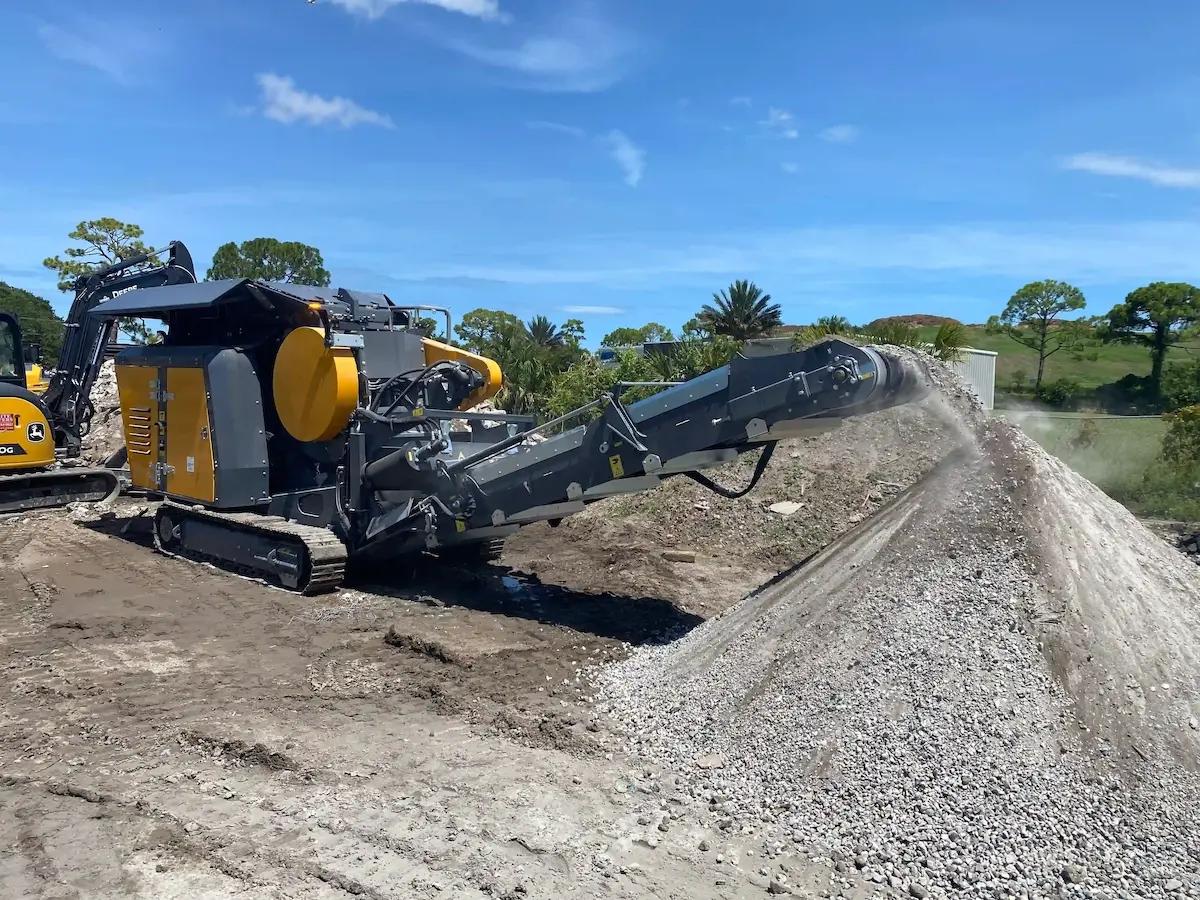
5. Having a Large Size or Output: Heavy Machinery.
The descriptor ‘having a large size or output,’ specifically referencing ‘heavy machinery,’ directly frames the operational magnitude and capacity that defines a heavy-duty truck. This goes beyond mere physical dimensions; it speaks to the intrinsic capability for substantial work, a high volume of productivity, and an unwavering commitment to fulfilling demanding tasks with efficiency and power.
When we refer to a heavy-duty truck as ‘heavy machinery,’ we acknowledge its role as an industrial tool, engineered to produce significant results. This includes engines that consistently deliver high horsepower and torque, transmissions designed for optimal power transfer, and hydraulic or pneumatic systems capable of handling rigorous, repetitive work cycles. The ‘large output’ is a continuous expectation, not an intermittent surge.
For a truck to truly embody ‘heavy machinery’ over a 500,000-mile journey, every system must be designed for sustained peak performance. This means components that resist thermal breakdown, wear, and fatigue, even under constant, high-demand operation. It’s a holistic approach to engineering that ensures the entire vehicle functions as a cohesive, high-performance industrial unit, maintaining its ‘large output’ capability throughout its extensive lifespan.
This concept also highlights the specialized nature of many heavy-duty trucks, which are often configured with purpose-built bodies or attachments. Their ‘large size’ is functional, facilitating the efficient execution of specific, often complex, industrial operations. The synergy between inherent robustness and specialized functionality allows these vehicles to deliver continuous, high-volume performance, making them indispensable assets in industries where reliability and immense capacity are paramount.

6. **Producing or Working with Basic Materials, as Steel or Coal, Used in Manufacturing: Heavy Industry Such as Steelmaking**
Connecting ‘heavy’ to ‘producing or working with basic materials, as steel or coal, used in manufacturing’ through the lens of ‘heavy industry such as steelmaking’ provides a powerful context for understanding the operational environment and fundamental purpose of heavy-duty trucks. It illuminates the sheer scale and foundational importance of the tasks these vehicles are designed to support, implying an ecosystem of robustness and unwavering reliability.
Heavy-duty trucks are the logistical backbone of ‘heavy industry.’ They transport raw materials, move intermediate products, and deliver finished goods essential for sectors like ‘steelmaking,’ mining, and construction. This environment is characterized by relentless demands, unforgiving conditions, and the absolute necessity for equipment that simply cannot fail. A truck’s ability to thrive here for 500,000 miles is a testament to its inherent suitability for the most arduous industrial applications.
This analogy emphasizes that the very design and construction of these trucks must mirror the resilience found within ‘heavy industry’ itself. Components must be fabricated from materials capable of withstanding extreme stresses, abrasive environments, and continuous cycles of operation, much like the machinery used in a steel mill. It’s an expectation of unwavering strength and durability, built to endure the same harsh realities as the products they help create and transport.
Thus, a heavy-duty truck achieving half a million miles isn’t just a vehicle; it’s a critical piece of the ‘heavy industry’ puzzle. It represents a mobile extension of the very infrastructure that builds economies, demanding a level of engineering foresight and material integrity that ensures uninterrupted service in the most fundamental and physically challenging sectors of our economy. This symbiotic relationship underscores the non-negotiable requirement for extreme longevity.

7. Burdensome; Oppressive: Heavy Taxes
While ‘heavy taxes’ might evoke a sense of fiscal burden, interpreting ‘heavy’ as ‘burdensome; oppressive’ in the context of trucks shifts our focus to the unrelenting, formidable ‘duty’ these vehicles perform, day in and day out. It’s a metaphorical nod to the immense challenges, pressures, and continuous demands placed upon them – the true ‘burden’ they are engineered to shoulder over their lifetime.
This conceptual burden encompasses the constant pulling of massive trailers, the traversal of difficult terrain, the exposure to extreme weather conditions, and the extended operational hours typical of heavy-duty applications. For a truck to reach 500,000 miles, it must demonstrate an extraordinary capacity to endure these ‘burdensome’ realities without showing signs of mechanical fatigue or operational degradation. It’s about a relentless fortitude built into every component.
Consider the ‘oppressive’ grind of continuous highway miles, the start-stop cycles in urban delivery, or the repetitive loading and unloading in construction sites. These are the sustained pressures that truly test a truck’s resilience. The engineering challenge is to design systems that not only tolerate these conditions but perform optimally under them, ensuring that the ‘burden’ is distributed and absorbed efficiently without compromising long-term reliability.
Achieving half a million miles under such consistently ‘burdensome’ and ‘oppressive’ operational parameters is the ultimate validation of a heavy-duty truck’s design and manufacturing quality. It signifies a vehicle built not just to transport, but to persistently conquer immense challenges, enduring where lesser machines would falter, standing as a testament to its inherent durability and unwavering work ethic.”
Continuing our deep dive into the essence of ‘heavy’ and its critical role in defining the longevity of heavy-duty trucks, we now turn our attention to further layers of this multifaceted concept. These next definitions illuminate how material science, operational resilience, and specialized design converge to enable these automotive giants to not just perform, but to truly excel and endure through half a million miles of relentless service. We’re peeling back more layers of what makes a truck a genuine workhorse, examining the attributes that ensure formidable carrying capacity, unwavering resilience in the toughest conditions, and the raw power delivery required for the most demanding roles.

8. **Physics having much weight in proportion to bulk; being of high specific gravity: a heavy metal.**
This scientific definition of ‘heavy’ — “having much weight in proportion to bulk; being of high specific gravity” like ‘a heavy metal’ — offers a profound insight into the material engineering that underpins the durability of a 500,000-mile heavy-duty truck. It’s not merely about the overall weight of the vehicle, but the inherent density and structural integrity of the very materials from which it is constructed. High specific gravity in components, such as frame rails, engine blocks, and transmission casings, directly translates to superior strength-to-volume ratios, allowing these parts to withstand immense stresses without excessive bulk.
The selection of such “heavy metals” and advanced alloys is a deliberate design choice, prioritizing longevity and resilience over lightweighting trends prevalent in other vehicle segments. This dense material composition minimizes flexing, twisting, and vibrational fatigue, which are common culprits in the premature wear of lesser vehicles. When every pound of material is optimized for enduring strength, the truck gains an inherent resistance to the relentless operational cycle, guaranteeing its ability to maintain structural integrity over hundreds of thousands of miles.
This commitment to material density is particularly evident in critical load-bearing structures and powertrain components. Imagine an engine block crafted from a dense, robust alloy, or axle housings that resist deformation under extreme loads. This engineering philosophy ensures that the truck’s core is intrinsically tough, capable of absorbing impact, resisting corrosion, and maintaining its precise operational geometry throughout its extended service life. It’s a testament to the fact that true heavy-duty performance begins at the atomic level, with materials chosen for their unwavering ability to perform under pressure, year after arduous year.

9. Hard to cope with; trying; difficult: a heavy task.
For heavy-duty trucks, the definition of ‘heavy’ as “hard to cope with; trying; difficult” — much like ‘a heavy task’ — directly encapsulates the formidable operational challenges they are specifically engineered to overcome. These vehicles are not designed for easy commutes; they are purpose-built to tackle the most demanding assignments, pushing the boundaries of what is mechanically possible. A truck destined for 500,000 miles must not only endure these “heavy tasks” but must perform them consistently and reliably, becoming an indispensable partner in the toughest of industries.
This includes the relentless strain of continuous towing at maximum capacity, navigating treacherous off-road environments, or enduring the extreme temperatures and dust associated with mining and construction. Each of these scenarios represents a “trying” and “difficult” task that would quickly overwhelm a standard vehicle. The heavy-duty truck, however, is designed with reinforced drivelines, robust cooling systems, and specialized filtration to handle these intense usage profiles, ensuring that no task is too daunting for its engineered resilience.
The ability to sustain performance through such consistently “difficult” operational conditions is a hallmark of exceptional heavy-duty design. It requires a holistic approach, where every system—from the suspension that absorbs punishing impacts to the braking system that manages immense kinetic energy—is harmonized to conquer the most challenging roles. This unwavering capability to tackle “heavy tasks” without faltering is a cornerstone of the 500,000-mile journey, demonstrating a profound commitment to uncompromising durability and relentless operational fortitude.

10. Broad, thick, or coarse; not delicate: heavy lines drawn in charcoal.
When we consider ‘heavy’ as “broad, thick, or coarse; not delicate,” illustrated by “heavy lines drawn in charcoal,” we unlock an understanding of the robust and uncompromising physical design of heavy-duty trucks. This attribute speaks to a comprehensive engineering philosophy that prioritizes ruggedness and structural integrity over aesthetic finesse, ensuring the vehicle is built to endure the most demanding roles without fragility. It’s about a construction that is inherently unyielding, a testament to its long-term viability.
The “broad, thick” nature of components such as frame rails, suspension linkages, and body panels is not incidental; it is a deliberate choice to provide superior strength and resistance to deformation. This substantiality means the truck can absorb impacts, withstand torsional forces, and resist the wear and tear of continuous heavy use far beyond what a “delicate” construction could endure. This focus on “coarse” (in the sense of robust, rather than refined) materials and designs is crucial for maintaining vehicle integrity through hundreds of thousands of miles of service.
This design ethos is directly linked to the truck’s ability to maintain structural rigidity over an extended lifespan. A “broad, thick” frame minimizes flex, protecting critical systems and ensuring consistent handling, even when laden with formidable loads. Such an unembellished, functional design is a direct contributor to the 500,000-mile goal, as it reduces maintenance requirements and prevents the gradual degradation that lighter, more delicate builds might experience. It’s a purposeful approach to engineering that understands the harsh realities of heavy-duty operation and builds accordingly.
Furthermore, the “not delicate” aspect of this definition highlights the truck’s resilience against incidental damage and abrasive environments. In industrial settings, bumps, scrapes, and exposure to corrosive materials are part of the daily grind. A design that is inherently “thick” and “coarse” means less susceptibility to minor damage escalating into major structural issues, reinforcing the truck’s ability to remain operational and reliable for a monumental duration.

11. **Having a large capacity, capable of doing rough work, or having a large output: a heavy truck.**
While we are discussing “heavy trucks” themselves, this definition – “having a large capacity, capable of doing rough work, or having a large output” – zeroes in on the quintessential attributes that make a specific model worthy of the 500,000-mile club. It explicitly highlights the formidable carrying capacity and the intrinsic ability to perform demanding, “rough work” that define these paragons of durability. This isn’t just about being a truck; it’s about being a truck that sets the benchmark for utility and endurance.
A “large capacity” in this context refers to more than just the physical space in a bed or trailer; it speaks to the entire vehicle’s engineered ability to safely and efficiently transport colossal payloads. This involves meticulously designed axles, a robust suspension system, and braking components capable of managing immense kinetic energy, all working in concert to handle the most formidable carrying requirements. The expectation is that this capacity is not just available, but continuously utilized, demanding an unparalleled level of structural and mechanical resilience.
The phrase “capable of doing rough work” further distinguishes these vehicles, emphasizing their design for challenging operational environments and intense usage profiles. Whether it’s navigating unpaved construction sites, traversing rugged agricultural fields, or pulling specialized equipment through difficult terrain, these trucks are built to withstand the harshest conditions. This necessitates specialized components, reinforced chassis, and advanced protective measures that shield vital systems from impacts, dust, and debris.
Ultimately, for a truck to consistently perform “rough work” and leverage its “large capacity” over half a million miles, every system must be over-engineered. This includes heavy-duty transmissions, robust differentials, and powerful engines designed for sustained, high-torque output. It’s this comprehensive dedication to enabling continuous, demanding utility that transforms a mere vehicle into an enduring legend of the road, proving its mettle through sheer, unyielding capability.

12. Weighted or laden; loaded with: words that are heavy with meaning.
Interpreting ‘heavy’ as “weighted or laden; loaded with,” akin to “words that are heavy with meaning,” brings a powerful metaphorical depth to understanding the sustained formidable carrying capacity of heavy-duty trucks. This isn’t just about their *ability* to carry a load (which we’ve covered), but about their *constant state* of being ‘laden’ with significant burdens. For a truck aiming for 500,000 miles, this means consistently operating at or near its maximum Gross Vehicle Weight Rating (GVWR) or Gross Combined Vehicle Weight Rating (GCVWR) over its entire lifespan.
This continuous state of being “laden” imposes extraordinary demands on every component. The frame, suspension, axles, tires, and even the engine and transmission must all be designed for the perpetual absorption and distribution of immense weight. It’s a relentless test of endurance, requiring materials that resist fatigue and systems that maintain optimal performance despite being under constant stress. The longevity of these trucks is directly tied to their engineered capacity to gracefully manage this unceasing burden, mile after mile, day after day.
Consider the implications of a truck that is perpetually “loaded with” cargo, equipment, or specialized bodies. This means that cooling systems must be robust enough to prevent overheating under constant strain, braking systems must have superior heat dissipation capabilities, and drivetrains must handle continuous torque delivery without excessive wear. This persistent operational state, where the truck is almost always “laden,” highlights the necessity for meticulous engineering and unparalleled component quality to prevent premature failure and ensure the vehicle’s long-term viability.
Ultimately, a truck’s ability to achieve 500,000 miles while consistently being “weighted or laden” with substantial payloads is a definitive measure of its heavy-duty pedigree. It signifies a vehicle built not just for the occasional arduous haul, but for a lifetime of relentless work, proving its worth through unwavering stability and performance under the most persistent of stresses.

13. Slow in movement or action; clumsy: a heavy walk.
While the definition “slow in movement or action; clumsy,” like ‘a heavy walk,’ might initially seem to suggest a negative attribute, in the world of heavy-duty trucks navigating challenging conditions, it can actually be reinterpreted as a critical factor for resilience and control. This ‘slowness’ isn’t a deficiency but a testament to deliberate, controlled power delivery and exceptional stability, particularly when tackling difficult terrains where hurried movements would lead to instability or damage.
For a truck to conquer 500,000 miles across diverse landscapes, its “heavy walk” signifies a carefully calibrated powertrain and chassis that prioritize traction and controlled movement over speed. This deliberate action is crucial when negotiating uneven surfaces, steep inclines, or slippery conditions, allowing the driver to maintain precise command and prevent loss of control. The very ‘clumsiness’ (in the sense of large, deliberate motions) translates into methodical progress, minimizing stress on the drivetrain and suspension, thus contributing to greater longevity.
This inherent “slowness” and ‘heavy’ stability are foundational to a truck’s ability to maintain composure and integrity across arduous terrains. It ensures that immense torque is applied smoothly, preventing wheel spin and unnecessary strain on driveline components. Furthermore, the robust mass and deliberate suspension tuning contribute to exceptional stability, reducing the risk of rollover on uneven ground and enhancing driver confidence in hazardous environments. This controlled, purposeful movement is paramount for the sustained performance required over a monumental lifespan.
Therefore, rather than a drawback, the “heavy walk” of these enduring titans is a design feature that promotes longevity by ensuring optimal control and minimizing shock loads in challenging conditions. It’s a strategic trade-off, where peak speed is exchanged for an unwavering ability to traverse any terrain methodically and reliably, making every one of those 500,000 miles a testament to controlled power and enduring resilience.
![Military [ before a noun ] armed with weapons of large size: a heavy cruiser.](https://www.worldhistory.org/uploads/images/18621.png)
14. Military [ before a noun ] armed with weapons of large size: a heavy cruiser
Drawing an analogy from the military realm, where ‘heavy’ implies “armed with weapons of large size” as in ‘a heavy cruiser,’ we gain a powerful perspective on the ‘raw power delivery’ inherent in our 500,000-mile heavy-duty trucks. This interpretation focuses on the sheer magnitude and capability of the truck’s engine and drivetrain, likening its output to the formidable armament of a battleship—designed to dominate and overcome.
Just as a “heavy cruiser” is equipped with potent weaponry, these trucks are engineered with massive engines—often large-displacement diesels—that produce prodigious amounts of horsepower and, more critically, astounding levels of torque. This is the heart of their “raw power delivery,” allowing them to effortlessly move monumental loads, accelerate effectively even when heavily laden, and conquer steep grades without strain. This “large size” output is a non-negotiable for sustained heavy-duty performance.
For a truck engine to deliver such “large size” power consistently over half a million miles, it demands engineering excellence in every detail. We’re talking about heavy-duty pistons, crankshafts, and connecting rods, advanced fuel injection systems, and highly efficient turbochargers, all designed to operate under immense pressure and extreme temperatures for prolonged periods. The transmission and differentials must be equally robust, translating this raw engine power into effective, reliable propulsion without compromise.
This formidable “armament” of power is not just about speed; it’s about the deep reserve of strength that allows the truck to operate comfortably within its limits, even when pushed to the maximum. It ensures that the engine and drivetrain are not constantly strained, which is key to preventing premature wear and extending their operational life far beyond conventional expectations. This commitment to “large size” power delivery ensures these trucks are always ready for the next challenge, mile after enduring mile.

15. (of the going on a racecourse) soft and muddy.
Finally, let’s consider ‘heavy’ in the specific context of “the going on a racecourse” being “soft and muddy.” While seemingly niche, this definition powerfully encapsulates the demanding conditions heavy-duty trucks routinely navigate and their inherent ‘resilience in challenging conditions’ and ‘navigation through difficult terrains.’ This describes environments where traction is compromised, resistance is high, and the operational demands on a vehicle are exponentially increased—precisely where a 500,000-mile truck truly proves its mettle.
Driving through “soft and muddy” terrain places extreme stress on a truck’s drivetrain, suspension, and tires. It requires an advanced four-wheel-drive or all-wheel-drive system, robust differentials that can distribute power effectively, and tires with aggressive treads designed to find purchase in unforgiving ground. The ability of a heavy-duty truck to consistently conquer such “heavy going” without getting bogged down or suffering mechanical failure is a testament to its specialized engineering for challenging conditions.
The prolonged exposure to “soft and muddy” environments also underscores the importance of corrosion resistance, sealed components, and protective underbody plating. Mud and water can be highly abrasive and corrosive, attacking vulnerable parts and shortening a vehicle’s life. Trucks designed for extreme longevity in these conditions feature enhanced sealing for axles, transmissions, and electrical systems, ensuring that vital components remain protected and operational throughout their extensive service life.
Ultimately, a truck that can reliably operate for 500,000 miles, including significant time spent in “soft and muddy” or other adverse terrains, is a champion of resilience. It embodies a design philosophy that anticipates and mitigates the harshest environmental challenges, ensuring unwavering performance and structural integrity. This capacity to dominate difficult landscapes, much like a champion racer thrives on “heavy going,” is a definitive factor in its remarkable longevity and the overarching importance of its attributes for sustained heavy-duty performance.
As we conclude this comprehensive exploration into the true meaning of ‘heavy’ in the context of long-lasting heavy-duty trucks, it becomes abundantly clear that reaching the coveted 500,000-mile mark is no accident. It is the culmination of meticulous engineering, unwavering material integrity, and a profound understanding of the relentless demands placed upon these vehicles. From their inherent density and formidable carrying capacity to their raw power delivery and resilience in the face of the most challenging terrains, every attribute we’ve dissected contributes to a singular, overarching goal: sustained, unparalleled performance and exceptional longevity. These aren’t just trucks; they are monuments to mechanical fortitude, built to conquer the road for generations, proving time and again that true ‘heavy-duty’ means a lifetime of unwavering service.