

Alright, beauty mavens, listen up! If there’s one thing we know about the ever-evolving world of makeup, it’s that trends come and go, constantly reinventing themselves with a fresh twist. Remember when contouring was all about the drama? The razor-sharp cheekbones, the sculpted jawlines, the nose that looked like it had its own architectural blueprint? Those were the days of “Instagram glam and heavy filters,” a powerful aesthetic that dominated our feeds for what felt like an eternity, turning every face into a canvas for dramatic transformation.
But here’s the tea: 2025 is serving up a whole new vibe, and it’s gloriously subtle, refreshingly natural, and unequivocally sophisticated. The loud, proud contouring of yesteryear is officially taking a backseat. As celebrity makeup artist Laure Sejean wisely puts it, “In 2025, contouring is all about soft sculpting, lifting the features while maintaining a seamless, skin-like finish. Harsh lines are out.” It’s a collective sigh of relief for anyone who’s ever spent hours blending only to still feel “overdone.”
So, as we embrace this era of “subtle definition and elevation,” it’s time for a major beauty clear-out. We’re talking about a no-holds-barred look at the over-contoured looks and techniques that, while once ubiquitous, are now firmly relegated to the beauty archives. Get ready to ditch these dozen common culprits that are no longer serving your quest for a flawless, modern sculpt. We’re here to guide you toward a more refined, effortless aesthetic that truly enhances your natural grace.
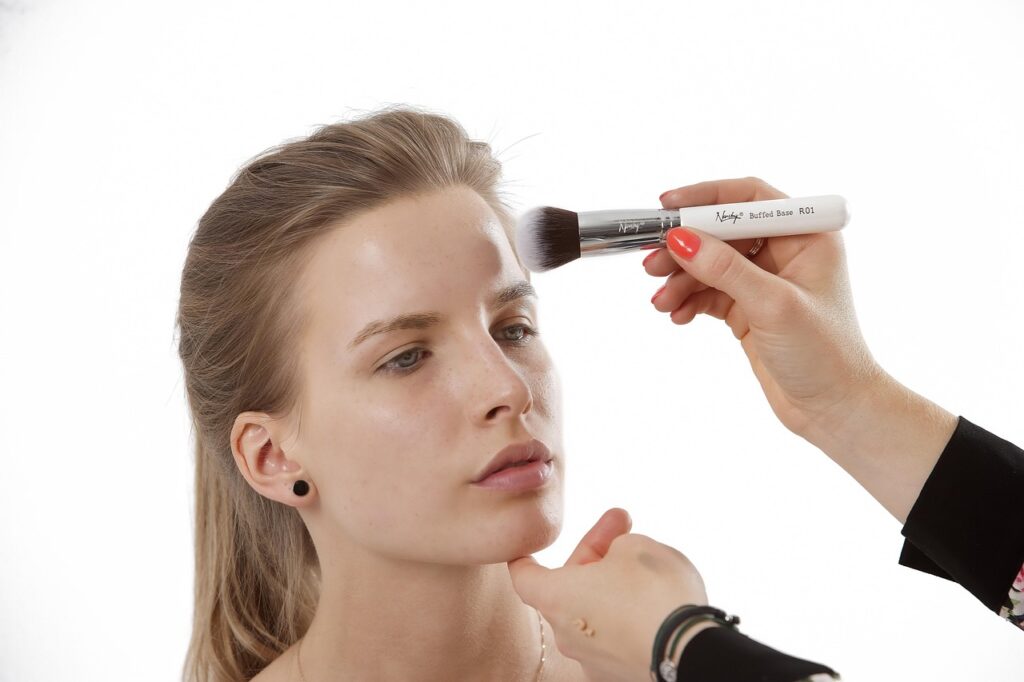
1. **Harsh Lines and Stark Contrasts in Contouring**Once upon a time, the more visible your contour lines, the better, right? We were all obsessed with creating shadows so pronounced they could be seen from space, believing that the starker the contrast between light and dark, the more sculpted our faces would appear. This technique was a hallmark of the “2010s,” heavily influenced by social media’s push for extreme definition, where a perfectly chiseled look was the ultimate goal.
However, the beauty landscape has shifted dramatically. Today, that sharp, almost painted-on look is a major giveaway that your makeup is, well, a little dated. The emphasis for 2025 is firmly on creating an illusion of natural shadow, not drawing a literal line across your face. Think about how real shadows appear on the skin—they’re soft, diffused, and blend seamlessly into your natural complexion, not standing out in stark relief.
The modern approach, championed by experts like Laure Sejean, is all about achieving a “seamless, skin-like finish.” This means your contour should look like it’s inherently part of your bone structure, as if you woke up with those perfectly defined cheekbones and jawline. Anything that screams “I contoured!” rather than “I’m naturally chiseled!” is a definite no-go. It’s time to let go of the notion that bold lines equal better definition and embrace the power of subtle, undetectable sculpting.
Read more about: The Most Unflattering Foundation Shade: MUA Insights for Women Over 40
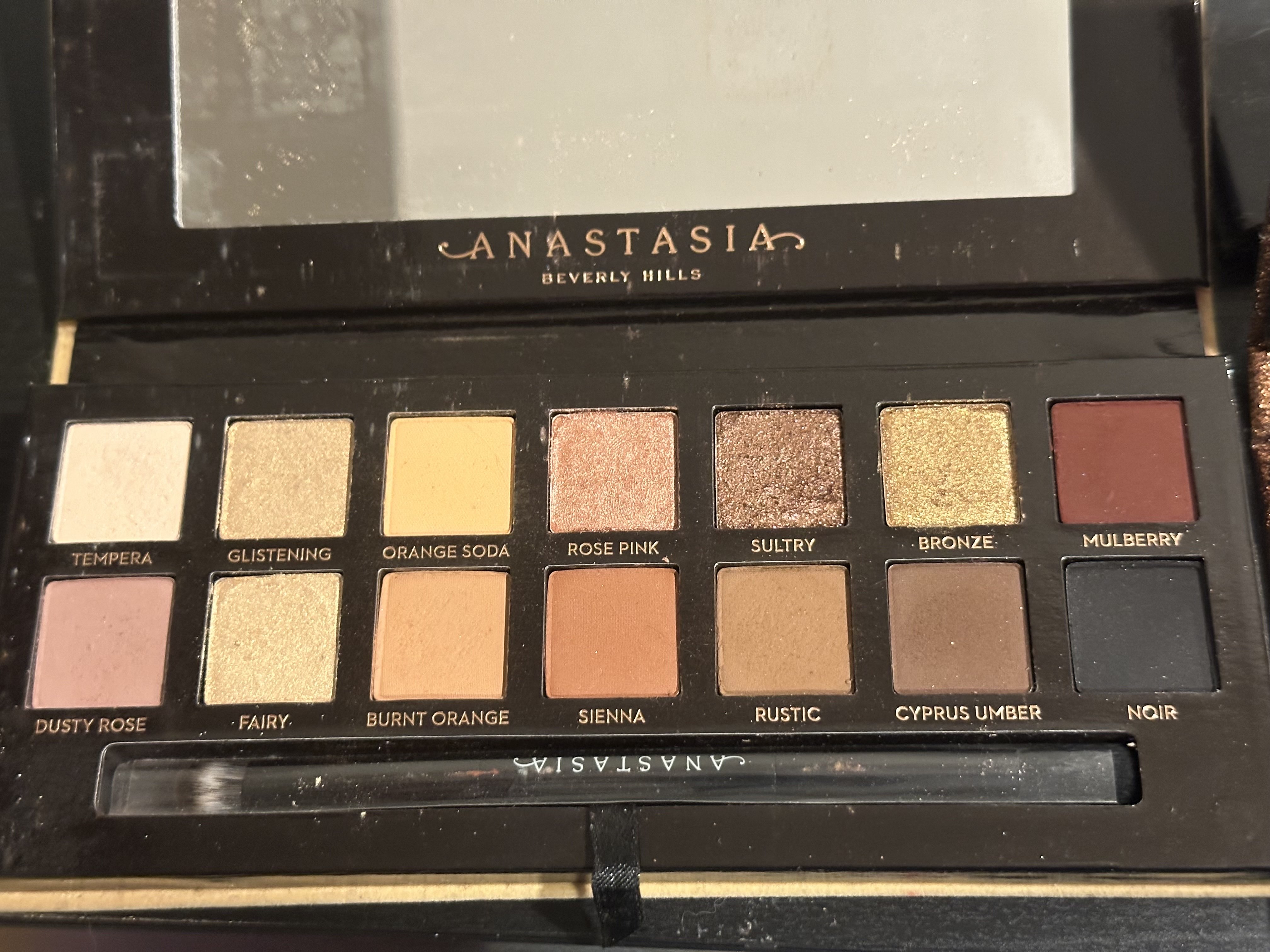
2. **Sharp Definition Contouring from the 2016 Era**The mid-2010s, particularly the “2016 era,” saw contouring reach its zenith with techniques focused on achieving “sharp definition and full-glam finishes.” This was the age of the “Anastasia Beverly Hills Contour Kit,” a product that became iconic for enabling precise, almost architectural sculpting. We meticulously carved out our features, aiming for an impeccably defined look that left no room for ambiguity. Every angle was perfected, every shadow placed with deliberate precision.
While undoubtedly impressive in its artistry, this style of contouring often resulted in a look that felt rigid and overly constructed. It prioritized an idealized, uniform facial structure over the unique contours of an individual’s face. The goal was less about enhancing what was already there and more about reshaping and redefining, leading to a sometimes mask-like effect that diminished the natural beauty of the skin.
Natasha Ahmed perfectly encapsulates this evolution, noting that “contouring has evolved significantly since the 2016 era of sharp definition and full-glam finishes.” The 2025 trend is “far more refined,” favoring techniques like “underpainting” which offer “a more natural and imperceptible sculpt.” This means letting go of the need for every line to be perfectly “sharp” and instead leaning into a softer, more integrated application that celebrates your unique bone structure rather than attempting to redraw it entirely.
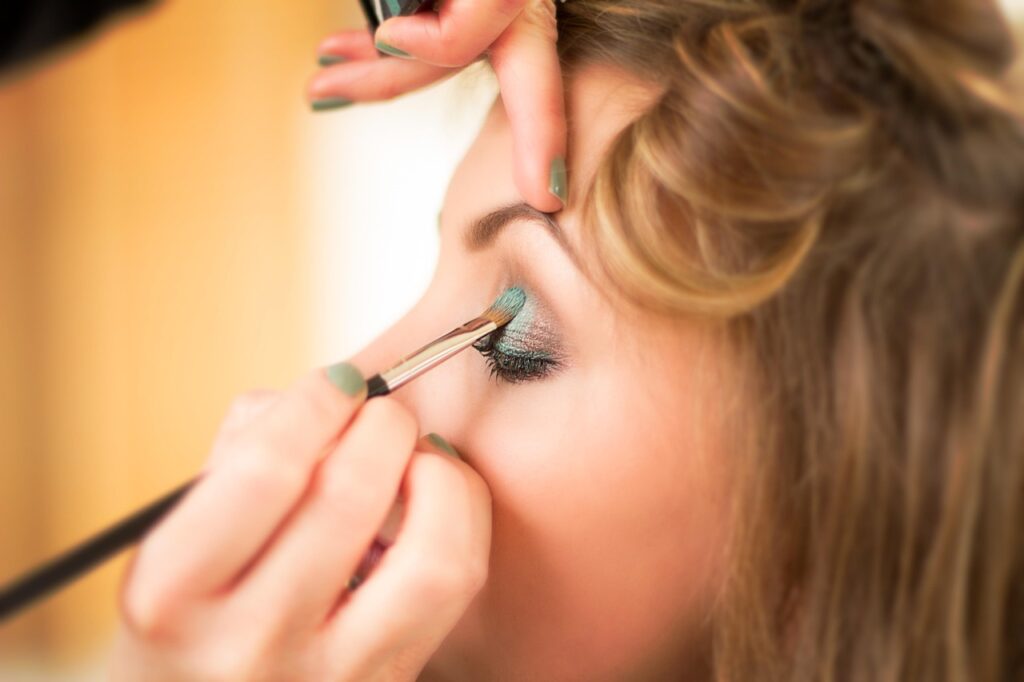
3. **Full-Glam, Opaque Contouring Finishes**Hand-in-hand with sharp definition was the prevalence of “full-glam finishes” that relied on opaque, often heavy layers of product. In pursuit of that undeniable sculpted effect, we often used cream or powder contours that left a dense, color-rich deposit on the skin. The idea was to create such a strong shadow that it eliminated any natural softness, ensuring maximum impact for photographs and stage-ready looks.
The downside of such opaque finishes, however, was that they could make the skin look heavy and mask-like, especially in natural light. Instead of enhancing the skin, these layers could obscure its natural texture and luminosity, leaving a flat, one-dimensional appearance. While “glam is making a comeback,” as Clarissa Luna suggests, this “full-glam” sentiment now refers to making a *statement* with shimmer and color, not necessarily with heavy, undetectable base work.
In 2025, the demand is for makeup that makes you “feel great” and allows you to “explore your own sense of style” without feeling weighed down. Michel Kiwarkis emphasizes a “minimal and natural approach, focusing on subtle correction rather than dramatic sculpting.” This means that heavy, opaque contouring that sits on top of the skin, rather than blending into it, is definitely out. We’re seeking warmth, glow, and effortless enhancement, not a thick blanket of color.
4. **Bold, Undiffused Contour Lines**The allure of the “bold lines” in contouring was once undeniable. We saw tutorials everywhere demonstrating how to draw distinct stripes on the face – under the cheekbones, along the jawline, down the sides of the nose – before blending (or attempting to blend) them. The theory was that these pronounced lines would serve as the ultimate guide for sculpting, ensuring every feature was clearly delineated and dramatically accentuated.
However, the biggest pitfall of this technique was often the “undiffused” part. If the lines weren’t blended meticulously and seamlessly into the skin, they would remain as harsh, visible streaks that betrayed the illusion of natural shadow. This often led to a patchy appearance, especially in different lighting conditions, making the contour look less like a sculpted feature and more like a poorly applied stage makeup effect.
Natasha Ahmed’s top tip couldn’t be more direct or crucial: “Blend! And then, when you think you’re done, blend some more.” She stresses that “seamless blending into your blush and base is key to a natural, sculpted look. No harsh lines allowed.” This unwavering focus on diffusion means that any contour, no matter how subtly placed, must be thoroughly blended until it virtually disappears into your complexion, leaving only a soft, believable shadow. Bold lines that refuse to melt into the skin are a definite relic of the past.
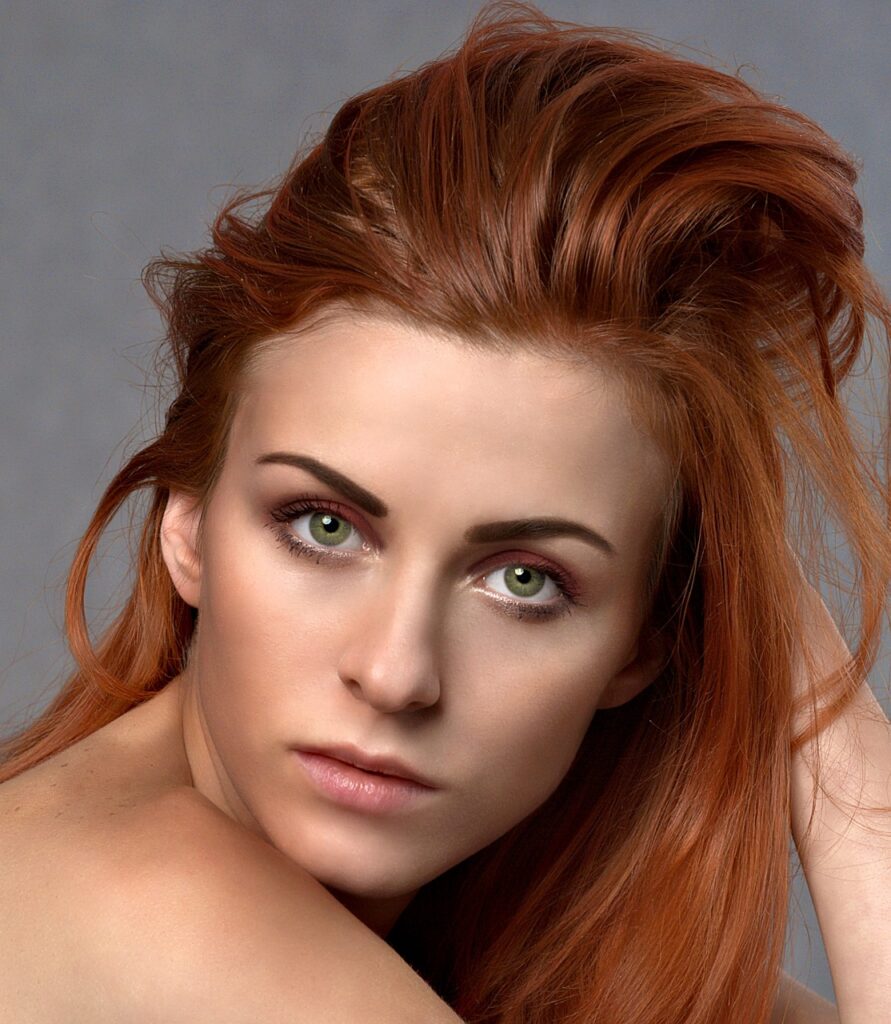
5. **Heavily Defined Nose Contours**Perhaps one of the most recognizable and often overdone aspects of the contouring craze was the “heavily defined nose contour.” This technique involved drawing two stark lines down the bridge of the nose, sometimes with a connecting line across the tip, to create the illusion of a narrower, more refined shape. For many, achieving this ‘perfect’ nose was the holy grail of contouring, transforming the face’s central feature dramatically.
While the intent was to sculpt and refine, the execution often resulted in a nose that looked artificially pinched or overtly drawn-on. Rather than mimicking a natural shadow, the two distinct lines could make the nose appear disconnected from the rest of the face, sacrificing realism for a dramatic, often unnatural, effect. It was a clear example of contouring being used for “altering a face” rather than “revealing its grace,” a philosophy that is now distinctly out of sync with 2025 trends.
The current beauty ethos, as described by Laure Sejean, is that “contouring is never about altering a face. It’s about revealing its grace.” This principle directly challenges the idea of drastically reshaping the nose with heavy lines. Instead, the focus is on a much more subtle approach, perhaps a whisper of cool-toned shadow along the sides if desired, blended so impeccably that it simply enhances, rather than reconstructs. Let your natural nose shape shine through, perhaps with a touch of highlight to draw attention to its beauty, but definitely ditch the heavy definition.
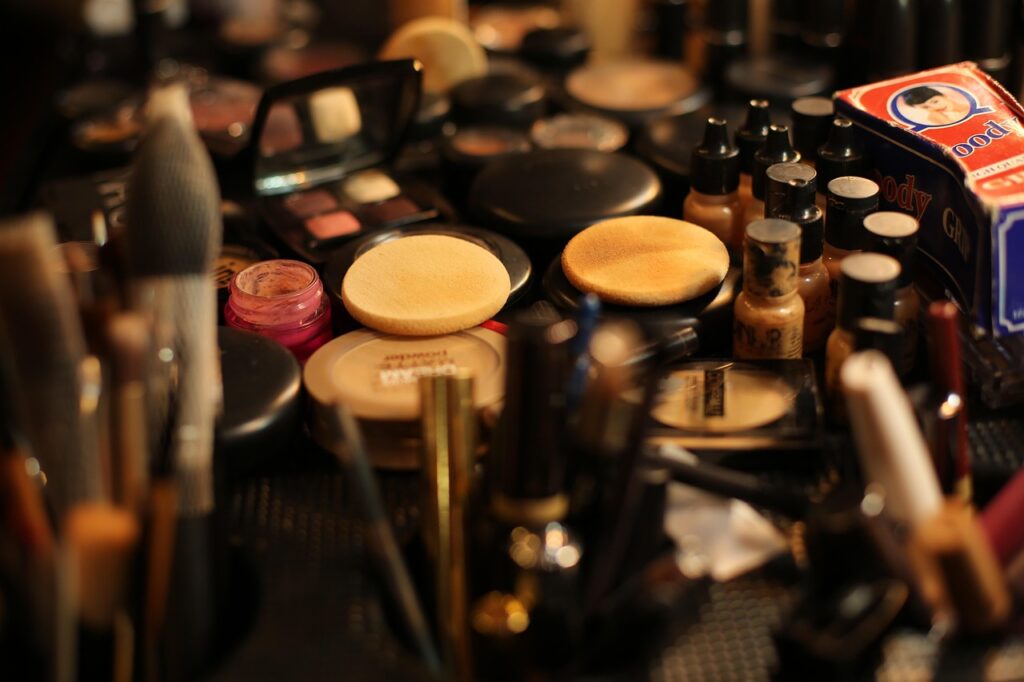
6. **Matte Textures Layered Over Heavy Makeup**In the heyday of intense contouring, particularly around the “2016 era,” the trend wasn’t just about sharp lines and full coverage; it was also heavily characterized by “matte textures layered over heavy makeup.” The belief was that a completely matte finish would provide the perfect base for contouring, as it would absorb light and enhance the appearance of shadows. This often meant using matte foundations, followed by matte cream contours, and then setting it all with matte powders, sometimes in generous quantities.
The cumulative effect of so many matte and heavy layers, while creating a dramatic, unshakeable look, often left the skin looking flat, lifeless, and devoid of its natural luminosity. It could feel uncomfortable, appear cakey, and emphasize any fine lines or dryness, rather than creating a youthful, vibrant complexion. The pursuit of an entirely matte, perfectly chiseled face inadvertently stripped away the very essence of healthy, glowing skin.
Today, the beauty world has moved firmly towards celebrating healthy, hydrated, and radiant skin. Michel Kiwarkis highlights the preference for “lightweight formulas that blend seamlessly into the skin for a soft, effortless finish.” Even when discussing matte finishes for lips, Samantha Sachs notes that “The dry, cakey matte days are long gone, and velvety soft, matte finishes are back in.” This sentiment extends to the entire face: heavy, layered matte textures, especially for contouring, are out. The modern goal is a complexion that looks fresh, natural, and alive, allowing your skin to breathe and glow, rather than being completely obscured by thick, matte products.
Alright, gorgeous, we’ve cleared out the contouring clutter of yesteryear, shedding light on the techniques that no longer serve your quest for modern elegance. Now, let’s dive into the nuances of what truly makes a 2025 contour *pop* in all the right, subtle ways. It’s all about sidestepping common missteps, nailing the perfect shade, and ditching anything that screams “overdone” from a mile away.
This next chapter is your definitive guide to avoiding those tricky faux pas and color mismatches that can sabotage an otherwise flawless look. We’re talking about mastering the art of the whisper-soft sculpt, ensuring your features are lifted and enhanced, not redesigned. Get ready to refine your technique and embrace an effortlessly chic aesthetic that truly lets your natural beauty shine.
Read more about: Don’t Apply These Outdated Eye Makeup Techniques in 2025 Anymore
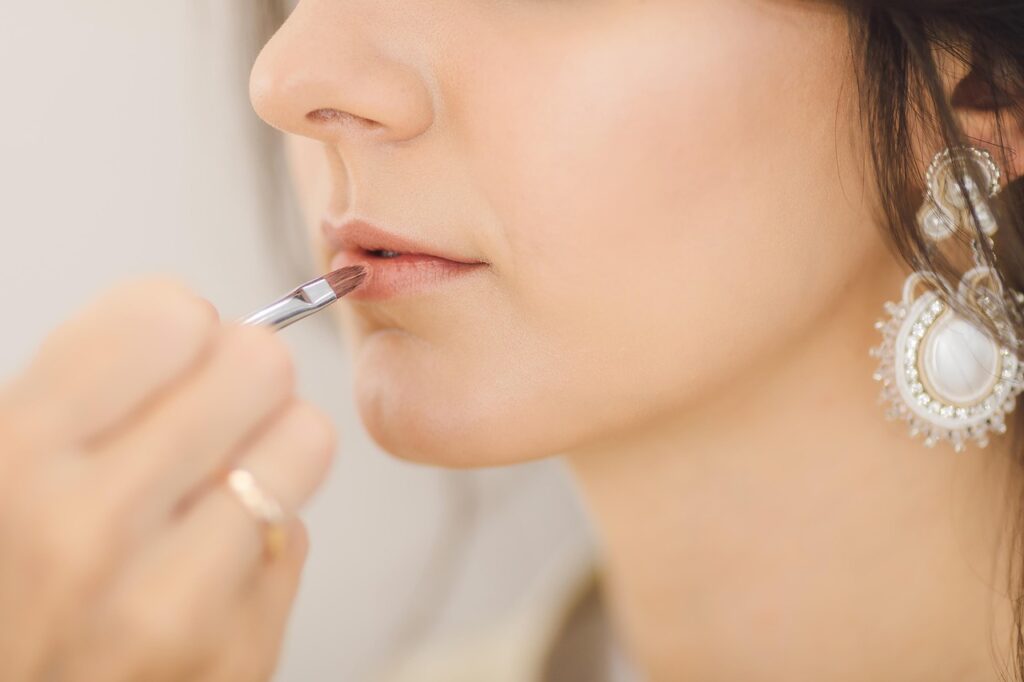
7. **Using Orange or Warm Tones for Contour**It might seem intuitive to reach for warmer shades when you’re looking to add dimension, especially if you’re thinking of that sun-kissed glow. However, when it comes to contouring, selecting the wrong undertone is a classic faux pas that can instantly undo your efforts for a natural look. Warm, orange-toned products are designed for bronzing, not creating shadows.
Natural shadows on the face are typically cool-toned or neutral. They recede, creating depth and definition that mimics your bone structure. When you use an orange-toned contour, instead of creating a believable shadow, you end up with an unnatural, muddy streak that looks exactly like what it is: makeup sitting on your skin. It gives off an artificial glow rather than a genuine sculpted effect.
Natasha Ahmed, a seasoned makeup artist, gives us the golden rule: “Go for a neutral or cool-toned shade to mimic natural shadows. Orange tones are better left for bronzing.” This advice is crucial. Think subtle, ashy browns or grays that truly create the illusion of depth, seamlessly blending into your skin without any tell-tale warmth.
The goal for 2025 is to achieve a sculpt that looks like it’s part of your natural bone structure, not an addition. Choosing a cool-toned contour product ensures that the shadows you create are believable and refined. This strategic color choice is fundamental to embracing the “soft sculpting” approach that defines modern beauty.
Read more about: The Unofficial Guide: Liberating Your Style – 13 Fashion Rules Women Over 60 Are Confidently Breaking This Season
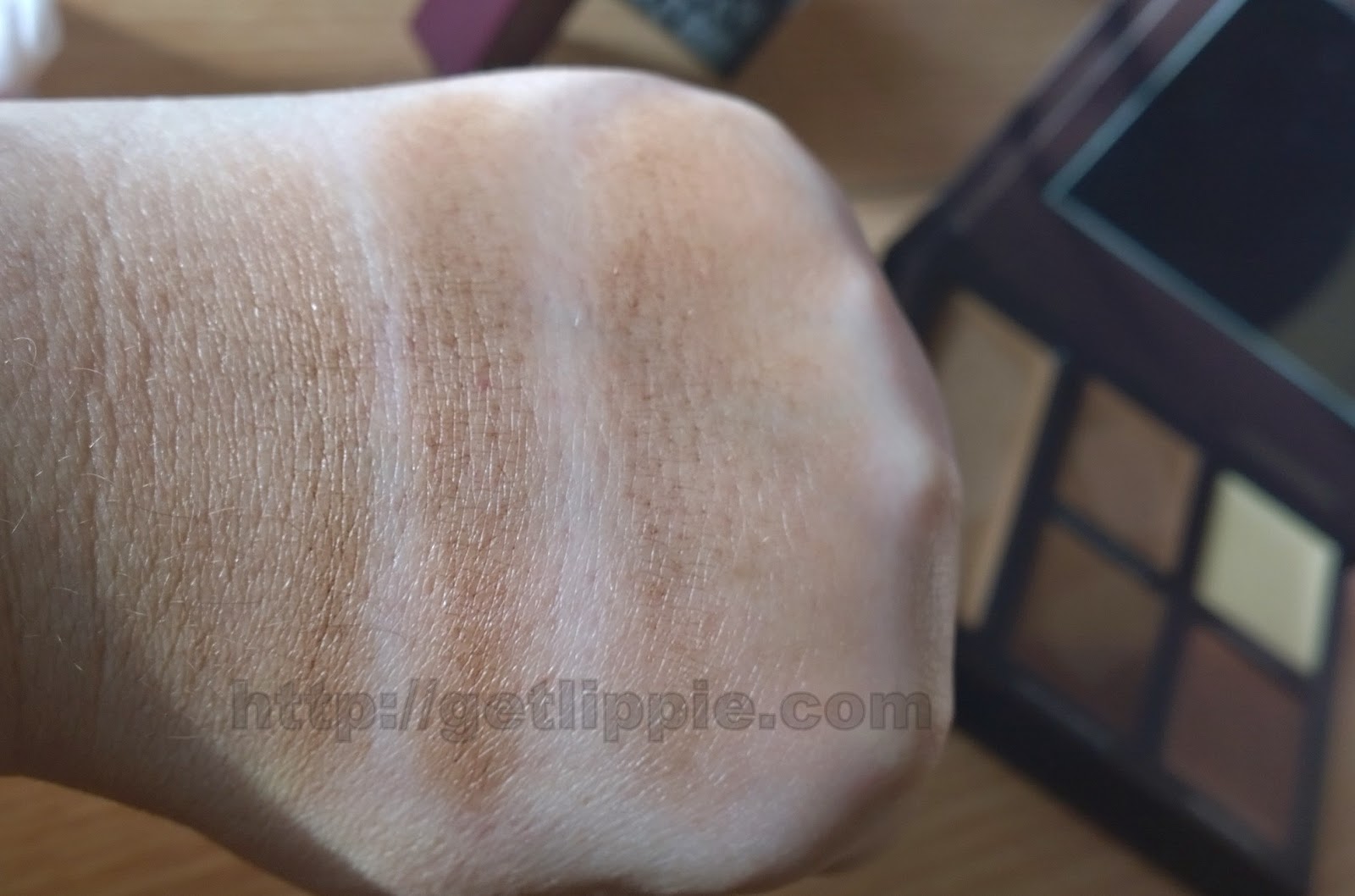
8. **Contouring for Dramatic Alteration Rather Than Subtle Enhancement**In the past, contouring was often seen as a tool for dramatic transformation, a way to completely alter the shape of your nose, jawline, or cheekbones to fit an idealized standard. The aim was to redefine features, sometimes creating a completely new facial silhouette that deviated significantly from one’s natural bone structure. This approach prioritized a preconceived notion of perfection over individual grace.
However, the beauty philosophy has shifted dramatically. The era of trying to completely reshape your face with makeup is officially over. Today, the focus is squarely on celebrating and elevating your unique features, not obscuring or changing them. Contouring is now about finding the subtle nuances in your face and making them shine.
Celebrity makeup artist Laure Sejean perfectly articulates this modern ethos, stating, “For me, contouring is never about altering a face. It’s about revealing its grace.” This powerful sentiment underlines the importance of working *with* your natural contours. It’s about a gentle lift, a hint of definition, and an amplification of what you already possess, rather than a heavy-handed reconstruction.
This shift means stepping away from any technique that leaves you feeling like you’re wearing a different face. Instead, embrace the art of subtle enhancement, where your contour looks so natural, people will wonder if you just had an exceptionally good night’s sleep. It’s about confidence in your natural self, simply elevated.
Read more about: Do You See The Difference? Unveiling 14 Celeb Transformations Before & After the Surgeon’s Touch!
9. **Skipping Underpainting or Applying Contour on Top of Foundation**Once upon a time, the standard contouring routine involved applying your foundation, then layering contour products over it, often in distinct, visible stripes. While this method could achieve definition, it frequently resulted in the contour sitting on top of the skin, making it prone to looking cakey, patchy, or simply unnatural in certain lighting. The layered effect could betray the illusion of natural shadows.
Enter the game-changer for 2025: underpainting. This technique, popularized by experts like Mary Phillips, involves applying your contour (and often blush and concealer) *before* your foundation. The idea is that when you apply your base makeup over these pre-placed products, they melt together, creating an incredibly seamless and diffused finish that truly looks like natural shadows emerging from within your skin.
Natasha Ahmed highlights the effectiveness of “underpainting” for offering “a more natural and imperceptible sculpt.” This method is a cornerstone of the modern “skin-like finish” that Laure Sejean champions. It’s about creating depth and dimension that appears inherent to your complexion, rather than a layer applied on top.
By switching to an underpainting approach, you prevent that tell-tale “makeup sitting on the skin” look. It’s a sophisticated trick that helps your contour blend flawlessly, creating a subtle definition that enhances your features without announcing its presence. If you’re still layering contour over a full base, it’s time to try this technique for an effortlessly sculpted effect.
10. **Heavy-Handed Application Leading to a Mask-Like Effect**Remember when “more was more” in makeup? In the pursuit of extreme definition and that “full-glam” effect, it was common to apply generous amounts of contour product. The belief was that a stronger application would yield a more dramatic and visible sculpt, ensuring every feature was carved out to perfection. This often led to an abundance of product.
However, a heavy hand with contour can quickly backfire, especially in the context of 2025’s natural aesthetic. Instead of a refined sculpt, you often end up with an overly saturated, almost painted-on look that diminishes the skin’s natural texture and luminosity. The face can appear flat, losing its lively, three-dimensional quality, and looking more like a mask than a radiant complexion.
Michel Kiwarkis advises a “minimal and natural approach, focusing on subtle correction rather than dramatic sculpting.” This directly combats the tendency for heavy-handed application. The aim is to enhance gently, allowing your natural skin to show through, ensuring the contour adds depth without overwhelming your features.
For a modern, effortless look, restraint is key. Start with a tiny amount of product and build up slowly, blending meticulously at each step. This ensures you achieve a soft, believable shadow that contributes to a “seamless, skin-like finish” without the dreaded mask-like effect. Your contour should be a whisper, not a shout.
Read more about: Light Your Youthful Glow: How to Avoid Aging Mistakes
11. **Ignoring Seamless Blending into Blush and Base**We’ve talked about blending contour lines themselves, but a truly modern and effortless look demands seamless integration with *all* your face products. A common contouring faux pas is creating beautiful shadows that then abruptly stop or clash with your blush or foundation. This creates a disjointed look, where different elements of your makeup stand out as separate layers instead of a cohesive canvas.
The 2025 aesthetic is all about fluidity and harmony across your complexion. Your contour, blush, and highlighter should flow into each other without any harsh transitions. Think of it as a gradient of color and depth that subtly defines your features and adds a healthy flush, rather than distinct blocks of color.
Natasha Ahmed’s top tip cannot be stressed enough: “Blend! And then, when you think you’re done, blend some more.” She emphasizes that “seamless blending into your blush and base is key to a natural, sculpted look. No harsh lines allowed.” This means taking the time to ensure every edge is diffused, allowing products to truly melt into one another.
This meticulous blending creates that coveted “seamless, skin-like finish” that experts like Laure Sejean rave about. It ensures that your contour looks like a natural shadow, your blush like a natural flush, and your highlight like a natural glow, all working together to enhance your face in an undetectable, sophisticated manner.
Read more about: The Unofficial Guide: Liberating Your Style – 13 Fashion Rules Women Over 60 Are Confidently Breaking This Season
12. **Using Non-Lightweight, Heavy Formulas for Contour**The texture of your contour product plays a pivotal role in achieving a modern, effortless finish. In the past, heavy, sometimes waxy or overly pigmented cream and powder formulas were often chosen for their strong color payoff and staying power, especially when aiming for that “full-glam” definition. However, these formulas could feel weighty on the skin and contribute to a less natural appearance.
For 2025, the preference has decisively shifted towards formulas that are inherently lightweight and designed to blend seamlessly. These modern textures, often in liquid or creamy stick formats, melt into the skin rather than sitting on top, creating a soft and diffused effect that is crucial for the “skin-like finish.”
Michel Kiwarkis champions this, stating he prefers “lightweight formulas that blend seamlessly into the skin for a soft, effortless finish.” He even praises products like the Chanel Les Beiges Healthy Glow Bronzing Cream for its ability to add warmth and facilitate soft contouring “without feeling heavy on the skin.” Natasha Ahmed also highlights the dominance of “cream formulas” today, citing favorites like Too Faced Chocolate Soleil Melting Bronzing & Sculpting Stick and Milk Makeup’s Sculpt Sticks.
Ditching those heavy, traditional formulas for their lightweight, blendable counterparts is a non-negotiable step for a contemporary contour. These newer textures allow for effortless diffusion, ensuring your sculpt is imperceptible and enhances your natural radiance without any added weight or cakiness. It’s all about products that work *with* your skin, not against it.
So there you have it, beauty enthusiasts! We’ve journeyed through the contouring archives and pinpointed the looks and faux pas that are officially off the menu for 2025. It’s clear that the future of sculpting is all about embracing subtlety, celebrating natural beauty, and making choices that result in a seamless, skin-like finish. The emphasis has shifted from dramatic alterations to revealing your inherent grace with strategic, lightweight, and perfectly blended applications. Remember, your makeup should make you feel great and empower you to explore your own unique sense of style. Ditch the heavy, dated techniques, lean into the soft sculpt, and let your natural radiance truly shine through!”
:max_bytes(150000):strip_icc()/hailey-biebers-sheer-bump-baring-top-is-maternity-style-goals-tout-6b7397f58beb4dc9b81cdda3d3908229.jpg "Hailey Bieber’s Sheer Shirt: The Bold Pregnancy Style Hack")
