Accessories, whether they are intricate jewelry pieces or functional additions like hats, belts, eyewear, and even socks, hold an undeniable power to transform an outfit and reflect personal style. They are the details that elevate a look, allowing us to convey a sense of individuality and stand out in any crowd. Yet, like all aspects of fashion, accessories are deeply intertwined with the ceaseless ebb and flow of trends, constantly evolving with changing tastes and societal shifts. While some beloved pieces are truly timeless, destined for an eternal place in a capsule wardrobe, others inevitably reach a point where their glory days are definitively behind them.
For those who prefer to remain effortlessly chic and on the pulse of current styles, understanding what to retire from your collection is key. This isn’t about rigid adherence to fleeting fads, but rather a discerning eye for pieces that have genuinely become, well, outdated. After all, the best way to let your individualism shine is to thoughtfully curate a collection that truly speaks to who you are today, not who you were years ago. If you’re keen on striking that perfect balance between personal expression and contemporary relevance, then join us as we explore the statement jewelry and accessory trends you might want to reconsider for 2025.
When we talk about something being ‘outdated,’ we’re referring to an item that is ‘no longer considered fashionable or current,’ even if it might technically still be in use. This differs subtly but significantly from ‘obsolete,’ which typically refers to ‘something that is no longer in use because it has been replaced by something newer or more advanced.’ Both terms imply a lack of usefulness, but they diverge in the specific reasons behind this diminished relevance. In the dynamic world of accessories, both ‘obsolete’ and ‘outdated’ trends can quickly make a statement piece feel less like a fashion highlight and more like a relic. Let’s dive into some of the prominent examples that embody these distinctions as we look ahead to 2025.

1. **Obsolete Jewelry Styles: Replaced by Newer, More Advanced Designs**Drawing directly from the definition, an obsolete jewelry style is one that has been entirely supplanted by innovations or shifts in aesthetic preferences, much like how specific technologies render older versions entirely irrelevant. These are not merely out of season; they are fundamentally overshadowed by what has emerged as superior, more versatile, or simply more fitting for the contemporary fashion landscape. Such pieces often represent a maximalist approach or a specific material trend that has been completely abandoned in favor of sleeker, more sophisticated alternatives.
Consider intricate, overly fussy designs that were once cutting-edge but now feel cumbersome or needlessly complex. The fashion cycle, known for ‘quickly rendering certain styles outdated,’ has a way of sweeping away these once-dominant aesthetics. When a style becomes obsolete, it’s not just that it’s no longer popular; it’s that newer methods, materials, or design philosophies have offered something genuinely better or more aligned with modern sensibilities, pushing the old completely out of the mainstream consciousness.
The impact of an obsolete style is often broad, affecting various aspects of how we accessorize. It signifies a complete paradigm shift, where the very foundation of how certain jewelry was conceptualized has been overturned. Think of a computer running on Windows 95, which is ‘considered obsolete in today’s world’ because it’s incompatible with modern systems and lacks manufacturer support. Similarly, obsolete jewelry styles lack compatibility with today’s overarching fashion narratives, making them difficult to integrate into a contemporary wardrobe without appearing jarringly anachronistic.
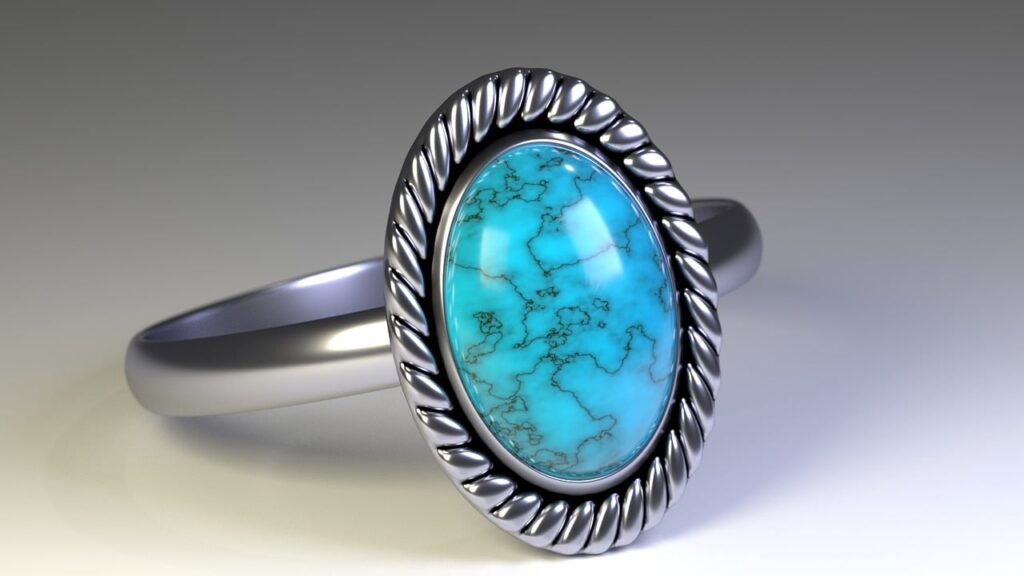
2. **Simply Outdated Jewelry: No Longer Fashionable or Current, But Possibly Still in Use**This category captures pieces that fit the core definition of ‘outdated’ in fashion: they are ‘no longer considered fashionable or current, but may still be in use.’ Unlike their obsolete counterparts, these items might still technically function or be worn by some, but they have undeniably lost their trendy appeal. They often evoke a sense of nostalgia for a past era but fail to resonate with the present moment, lacking the freshness and relevance that modern styling demands.
Think of a smartphone that is a few years old; it ‘may still be in use but is no longer considered cutting-edge’ and ‘lacks the latest features found in newer models.’ This analogy perfectly translates to jewelry that was highly popular just a few seasons ago but has now fallen out of favor. Perhaps it’s a specific finish that no longer feels luxurious, a particular motif that saturated the market, or a scale that now seems disproportionate to current minimalist or subtly statement-making trends.
While individual style always triumphs, for those seeking to be individualistic *while staying on-trend*, these pieces are prime candidates for a graceful exit from the daily rotation. Their impact is primarily on perception; they can affect ‘the perception or functionality of specific items or systems.’ An outdated piece might diminish the overall impact of an otherwise stylish outfit, signaling a disconnect from contemporary aesthetics rather than a deliberate embrace of vintage charm.
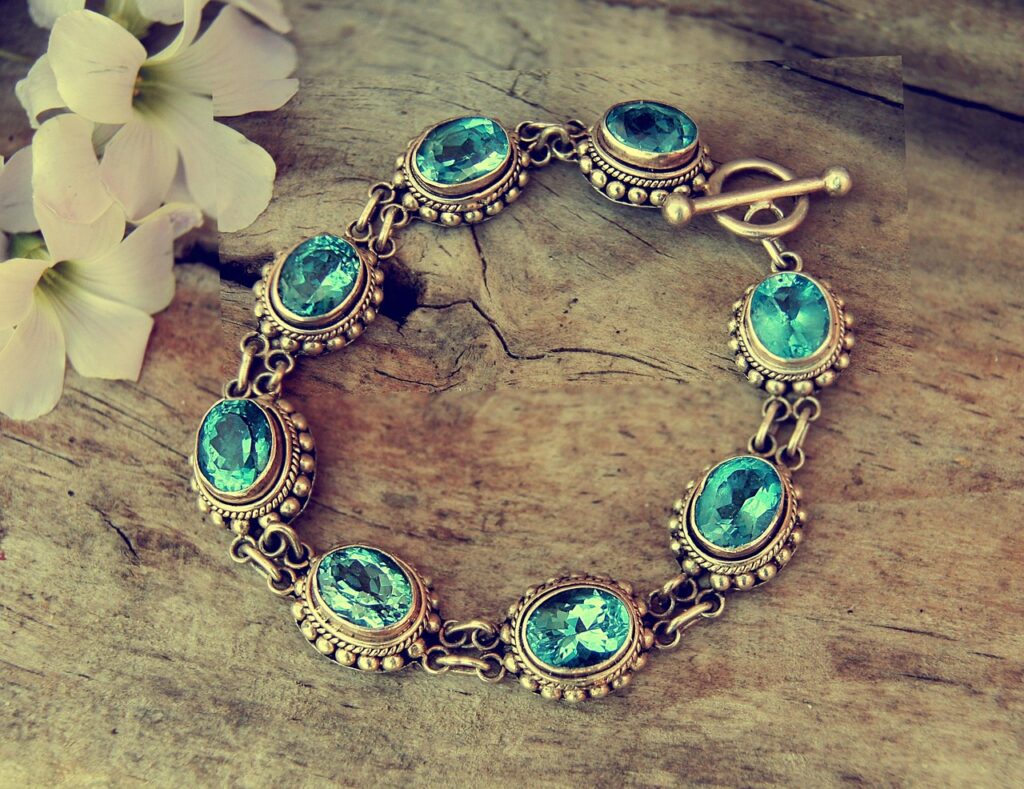
3. **Obsolete Tech-Integrated Jewelry: Unsupported by Manufacturers, Incompatible with Modern Systems**
In an increasingly digital world, the convergence of technology and fashion has brought forth ‘smart jewelry.’ However, as with all technology, these pieces are susceptible to rapid obsolescence. ‘Something that is considered obsolete is typically no longer supported by the manufacturer and may not even be compatible with modern systems.’ This applies directly to early iterations of tech-integrated jewelry that promised connectivity or health tracking but now find themselves unsupported, unable to sync, or simply non-functional with current devices.
Such items often become ‘no longer in use or no longer useful’ because their technological component, once a selling point, has become their downfall. The allure of novelty quickly fades when the underlying tech becomes irrelevant. While the fashion industry continuously evolves, the technology sector’s pace of change is even more relentless, making tech-heavy accessories particularly vulnerable to becoming obsolete.
The broad impact of technology becoming obsolete means these jewelry pieces can have a ‘broader impact on various aspects of life or industry.’ A piece of jewelry that once allowed for discreet notifications or health monitoring, now just an inert object, loses its practical value entirely, becoming a mere shell of its former innovative self. The ‘outdated equipment’ hindrance applies acutely here, making these pieces hindrances rather than enhancements to modern life.
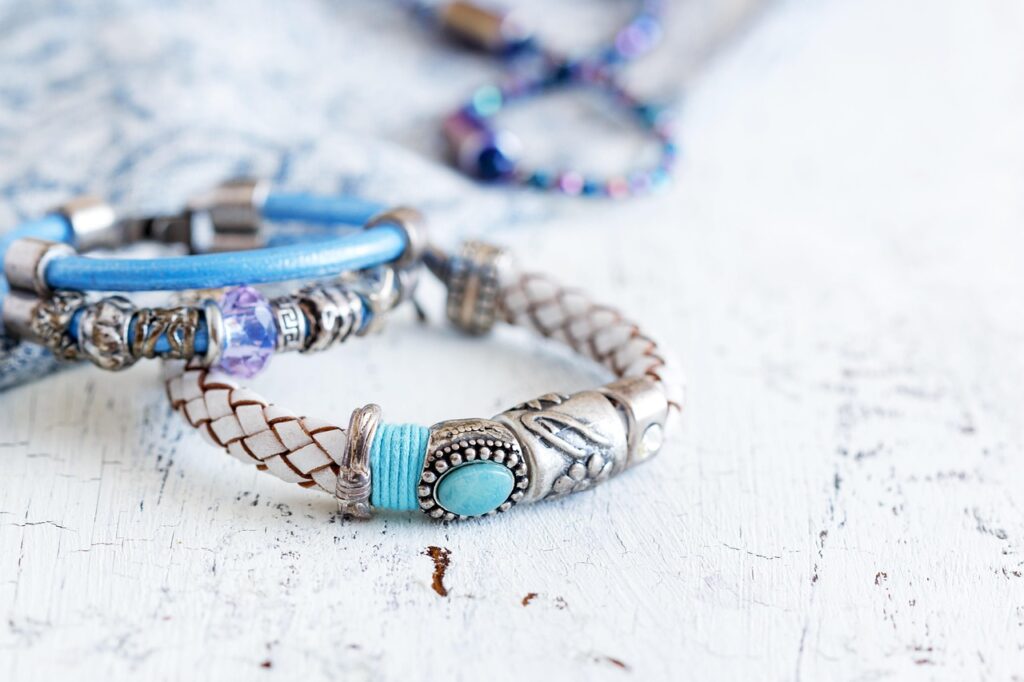
4. **Outdated Yet Functional Smart Jewelry: Still in Use, But Lacks Cutting-Edge Features**Distinct from completely obsolete tech-jewelry, this category includes smart accessories that are still operational but are no longer considered cutting-edge. Much like ‘a smartphone that is a few years old and lacks the latest features found in newer models,’ these jewelry pieces might still connect or perform basic functions, but they don’t offer the advanced capabilities, improved aesthetics, or enhanced user experience of their newer counterparts. Their features feel rudimentary compared to the seamless integration and sophisticated design now available.
These pieces primarily affect ‘the perception or functionality of specific items or systems.’ While they might technically still be ‘in use,’ their lack of contemporary appeal can make them feel cumbersome or conspicuous for the wrong reasons. The initial excitement around their smart features has waned, replaced by an awareness of their limitations. They stand as a testament to past innovation rather than embodying the forward-looking spirit of modern accessorizing.
This form of outdatedness highlights how quickly the definition of ‘up-to-date’ shifts within technology and, by extension, within fashion’s tech-savvy segment. These pieces might still be worn, but they no longer project an image of modern savvy or technological fluency. Their ‘clunky and outdated interface’ could confuse new users or simply fail to impress, marking them as belonging to a previous technological era.
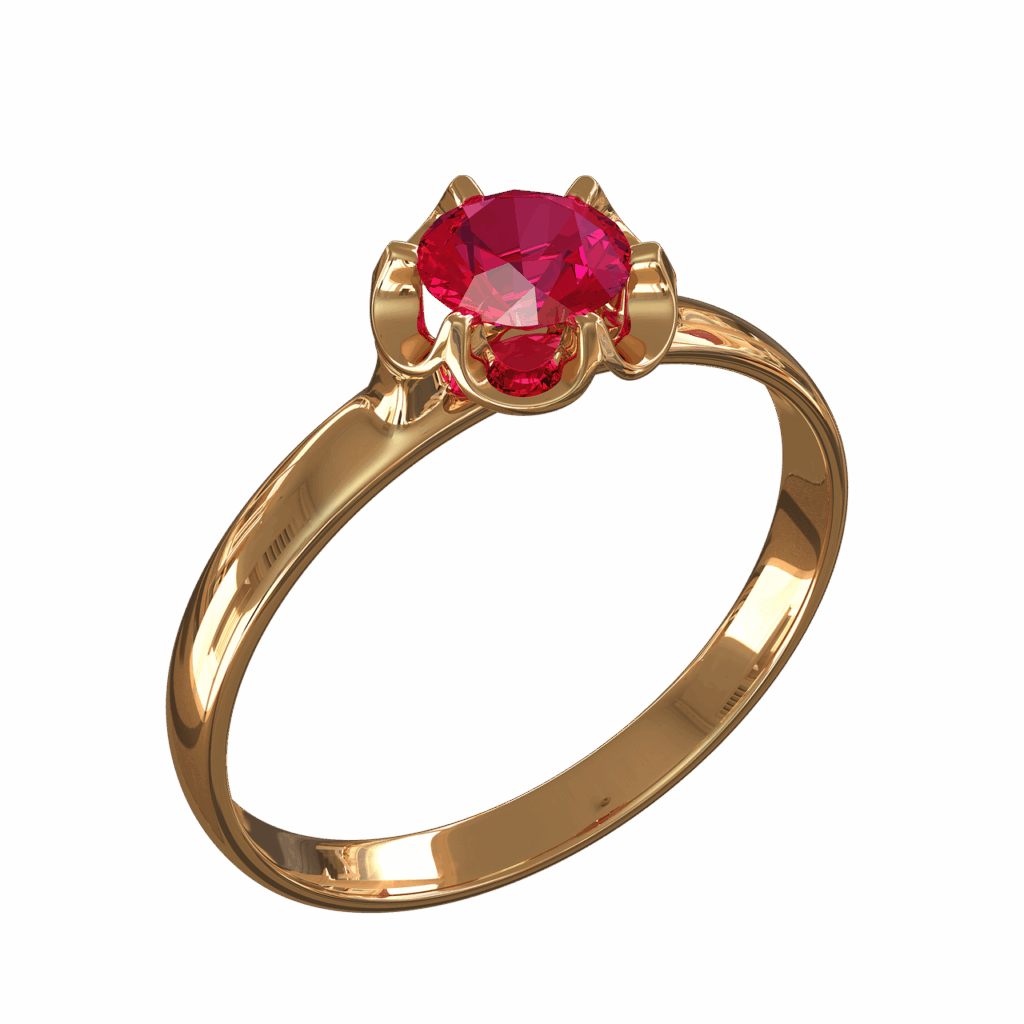
5. **Once-Popular Fashion Styles Now Completely Unworn (Analogous to Bell-Bottom Jeans for Jewelry)**
In the world of fashion, ‘something that is obsolete would be a style or trend that was popular in the past but is no longer worn or considered fashionable.’ The context provides bell-bottom jeans from the 1970s as a quintessential example. Translating this to statement jewelry means identifying styles that were once ubiquitous, dominating red carpets and street style alike, but have since vanished almost entirely from public wear. These are not merely vintage; they are styles that actively detract from a modern aesthetic due to their overwhelming association with a bygone era.
These jewelry styles can have a ‘broader impact on various aspects of life or industry,’ signaling a complete generational shift in taste. Their presence in a contemporary outfit might feel like a costume rather than a carefully considered accessory. The reason for their disuse is often that newer, more appealing aesthetics have completely taken their place, making the older style feel awkward and out of place.
Their ‘outdated design lacked the latest safety features’ (metaphorically, in terms of style ‘safety’ or appropriateness) and their ‘fashion sense was stuck in an outdated time warp.’ These styles simply don’t align with today’s sartorial norms, making them difficult to incorporate. Embracing individualism is paramount, but for styles that have truly become ‘obsolete’ in fashion, a conscious decision to move on can refresh one’s personal aesthetic dramatically.

6. **Handbag Styles That Have Fallen Out of Favor (Outdated Accessory as Explicitly Mentioned)**The context explicitly cites ‘a handbag style that was popular a few years ago but has since fallen out of favor’ as an example of something ‘outdated’ in fashion. This is a direct hit on accessories. Handbags, like jewelry, serve as critical statement pieces, and their silhouettes, hardware, and overall aesthetic are highly susceptible to trend cycles. A handbag style becoming outdated means its peak popularity has passed, and it no longer carries the cachet or desirability it once did.
These items ‘may still be worn by some people but is no longer considered trendy or stylish.’ The impact here is primarily on ‘the perception or functionality of specific items or systems.’ A handbag, despite its utility, can instantly date an outfit if its style is no longer current. The perception of the wearer as being ‘on-trend’ is directly affected by the accessory choices they make.
Just as ‘the company’s logo looked outdated compared to its competitors,’ an outdated handbag style might make an individual’s overall presentation seem less refined or current compared to their peers. While functional, its aesthetic value as a fashion statement has depreciated, encouraging a shift towards newer, more celebrated designs that better capture the spirit of the moment.
7. **Jewelry Relying on Obsolete Symbolic Language: Meanings No Longer Understood or Relevant**Language, too, can become obsolete, with words like ‘thou’ falling ‘out of common usage and is no longer understood by most people.’ Similarly, statement jewelry pieces that once carried profound or widely recognized symbolic meanings can become outdated when those symbols lose their cultural currency or their original context is forgotten. These are not general motifs but specific emblems, talismans, or designs whose intended ‘storytelling’ (a key aspect of current jewelry trends) has become unintelligible to the modern observer.
While contemporary jewelry embraces ‘symbolism and tell stories’ and connects ‘people with the mythologies of civilization,’ truly obsolete symbolic jewelry fails to do so effectively. Its meaning is lost in translation across generations or cultural shifts, rendering the ‘personal narrative’ it once held silent. The intrinsic value of ‘connection to something a bit more ancient’ is diminished if the ‘ancient’ aspect is no longer recognizable or resonant.
The appeal of current brands like L’Enchanteur and FoundRae lies in infusing jewelry with universally relatable meaning, often drawn from well-understood mythology, tarot, or astrology. In contrast, jewelry reliant on obsolete symbolic language struggles to connect, much like ‘outdated skills that no longer applied’ in a resume. The ‘value and relevance’ of such pieces are significantly lessened, reducing them to mere decoration without their intended narrative depth.”
, “_words_section1”: “1947
8. **Overly Literal “Trend” Jewelry: Ephemeral Pop Culture References**While fashion celebrates individuality, there’s a fine line between a nod to a current cultural moment and a piece that becomes a time capsule of a fleeting fad. In 2025, we’re seeing a clear shift away from statement jewelry too literally interpreting viral sensations or specific pop culture phenomena. Think less about pieces depicting a meme and more about enduring style.
The fashion industry “quickly renders certain styles outdated,” particularly accessories tied to transient trends. Jewelry designed to capitalize on momentary cultural buzz has a limited shelf life. What felt edgy yesterday can feel awkwardly out of place tomorrow, much like a costume from a bygone viral video.
Modern adornment, championed by brands like L’Enchanteur and FoundRae, seeks to “connect people with the mythologies of civilization” or draw on enduring archetypes. These symbols have deep, lasting resonance. In contrast, jewelry directly representing temporary cultural references often lacks this depth, struggling to offer the “meaningful adornment” defining contemporary style.
The emphasis is on pieces with a timeless quality or those allowing for deeply personal, evolving storytelling, rather than a fixed, short-lived cultural statement. Opt for designs transcending the immediate, letting your jewelry speak to a broader, personal narrative not contingent on yesterday’s social media feeds.
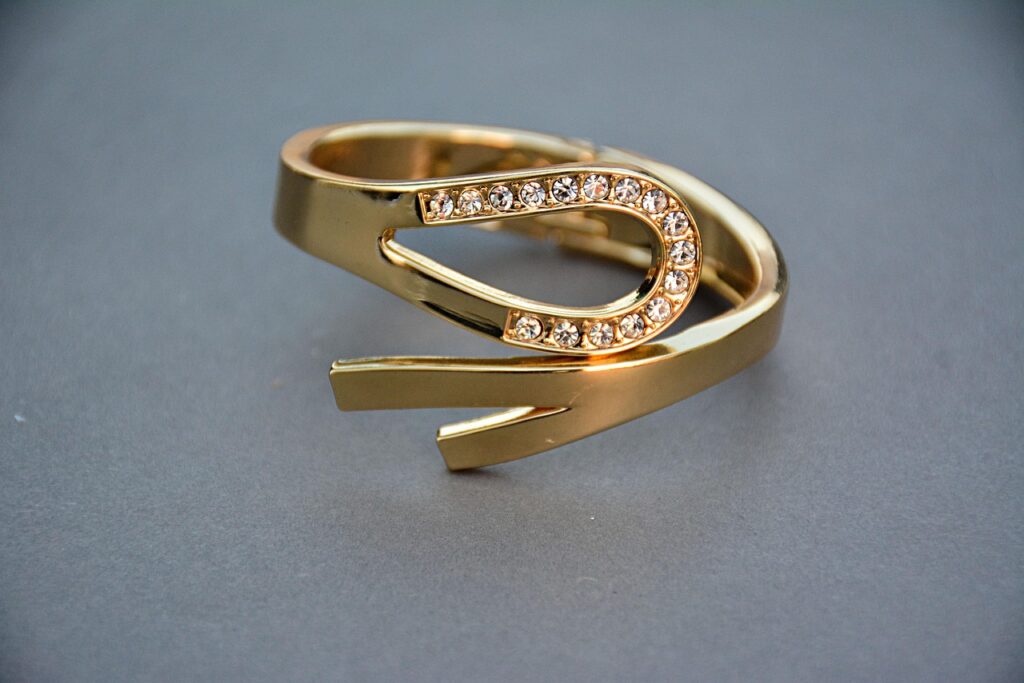
9. **Generic “Inspirational Quote” Jewelry: Lacking Genuine Personal Narrative**While words on jewelry can hold profound personal meaning, in 2025, we advise a discerning approach to generic “inspirational” quotes. These mass-produced pieces often fall short of the “storytelling” and “emotional connection” defining modern, enduring style, signaling a move past superficial statements.
Contemporary jewelry, highlighted by L’Enchanteur and FoundRae, thrives on pieces that “carry symbolism and tell stories” or allow for unique “personalization.” They stress grounding pieces “in something deeper” to “tell their own story.” Generic quotes, while well-intentioned, often miss this authentic expression.
Instead of a unique narrative, these ubiquitous phrases feel impersonal, akin to a sentiment broadly shared but deeply felt by few. They risk reducing meaningful adornment to a superficial statement, losing the essence of jewelry as a “symbolic instrument” for personality. The aim is to move past overtly prescriptive designs.
For 2025, focus on jewelry resonating deeply with *your* personal journey and values. If a piece features text, ensure it’s a mantra, date, or name with significant weight, becoming a true “tangible memory” not a mass-market accessory. Choose pieces contributing to *your* unique narrative.
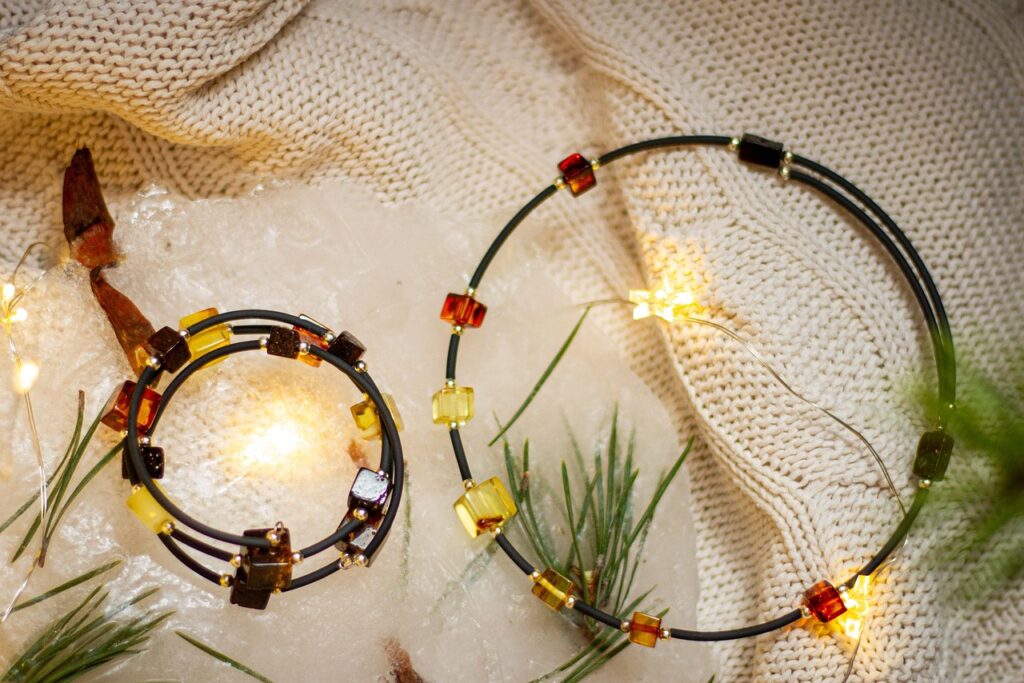
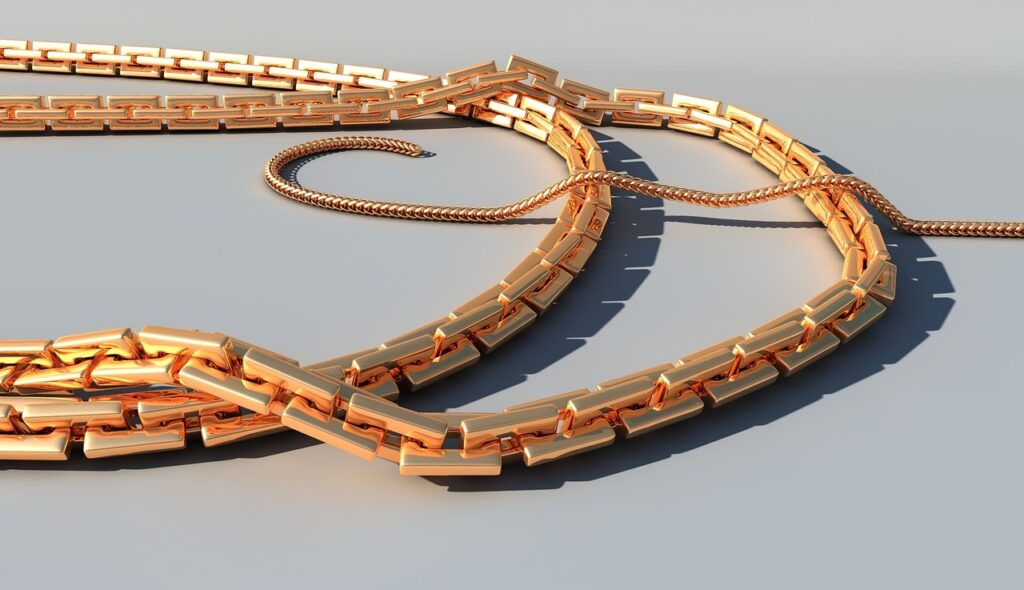
10. **Heavy, Imbalanced “Chunky” Chains (Without Deliberate Design)**”Chunky” jewelry cycles through trends, but in 2025, deliberate design is key. Outdated are heavy, overtly “chunky” chains lacking refinement, proper proportion, or aesthetic purpose beyond size. These feel more “cumbersome” than chic, often overpowering an outfit instead of enhancing it.
Section 1 noted “intricate, overly fussy designs” are cumbersome, a sentiment extending to ill-proportioned chunky chains. The fashion cycle, known for “quickly rendering certain styles outdated,” now favors thoughtfully designed statement pieces, playing with texture, unique links, or custom elements. A chunky chain for its own sake feels like a relic.
Modern designers create impactful pieces that are substantial yet graceful. They consider “scale that now seems disproportionate to current minimalist or subtly statement-making trends,” ensuring even bold chains integrate seamlessly. The focus is on quality of design, not just quantity of material, preventing anachronistic appearances.
When evaluating a chunky chain for 2025, ask if it adds to your personal style or merely shouts for attention. Is it “high craft” or simply large? Well-designed pieces with unique finishes or link patterns have a place; those lacking thoughtful artistry are quickly falling out of favor.
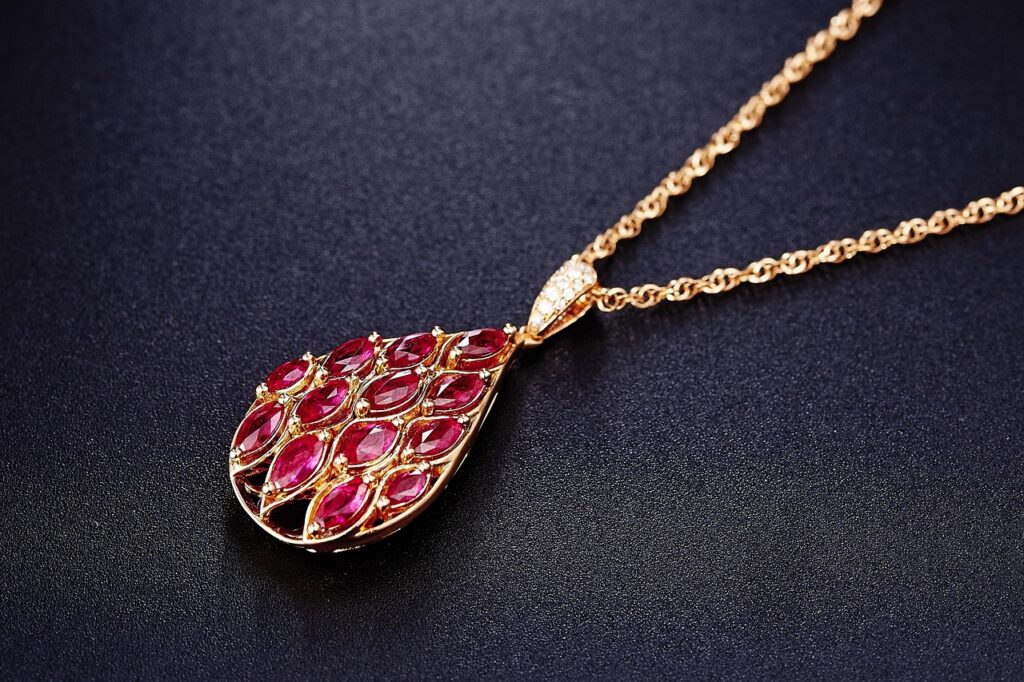
11. **Poorly Executed Novelty/Gimmick Jewelry: Prioritizing Shock Value Over Substance**Novelty jewelry has playful appeal, but in 2025, pieces relying purely on fleeting gimmicks or “shock value” miss the mark. The distinction is between creative, artisanal pieces with spirit (like Don’t Let Disco) and cheaply made items whose sole purpose is immediate, temporary reaction. These fail to offer “emotional connection” or “storytelling.”
The desire for “tangible, real things” and “emotional connection” is a theme. While Ashley Moubayed utilizes “upcycled finds” and “vintage techniques” for playful beaded jewelry, these are imbued with “unique stories” and considered “future heirlooms.” This contrasts with mass-produced novelty items lacking provenance or lasting value, becoming “mere decoration.”
Gimmick-driven pieces prioritize immediate visual impact over design integrity, material quality, or deeper personal resonance. They might be fun for a moment, but rarely contribute to a curated style that “adds depth to how we show up.” Instead, they can become “conspicuous for the wrong reasons,” diminishing an otherwise thoughtful ensemble.
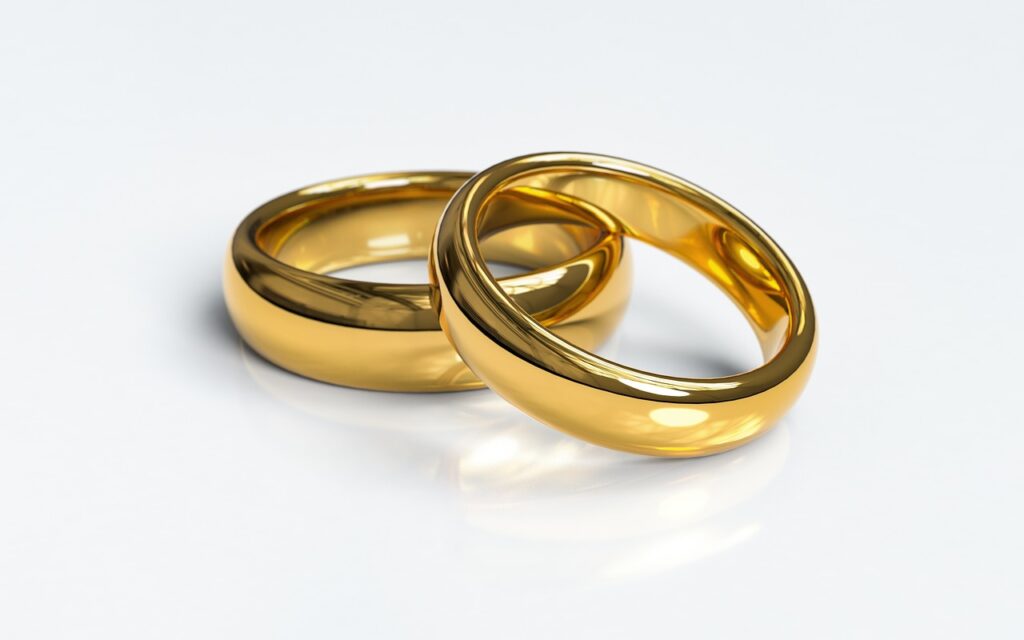
12. **Oversaturated Logo-Mania Jewelry: When Branding Drowns Personal Expression**Overt branding and prominent logos once signified luxury. However, in 2025, jewelry relying heavily on oversaturated, uninspired logo-mania is distinctly outdated. The narrative has shifted, as articulated by Ashley Moubayed, towards “less about status and more about storytelling,” favoring personal narrative over brand exhibitionism.
When jewelry becomes a brand billboard, it risks losing its capacity for “personal expression.” While iconic signatures are timeless, a proliferation of large, repetitive logos makes an outfit feel like a uniform dictated by marketing, rather than a reflection of individual style, signaling a disconnect from authenticity and personalization. Modern jewelry, from L’Enchanteur and FoundRae, invites wearers to connect with “mythologies of civilization” or imbue pieces with personal meaning.
The focus is on the wearer’s interpretation and story. When logos dominate, personal interpretation shrinks, leading to impersonal rather than intimate pieces. In 2025, the stylish approach lets your jewelry speak to who *you* are, not just who you wear, with subtle integration of brand identity allowing unique personality to shine.
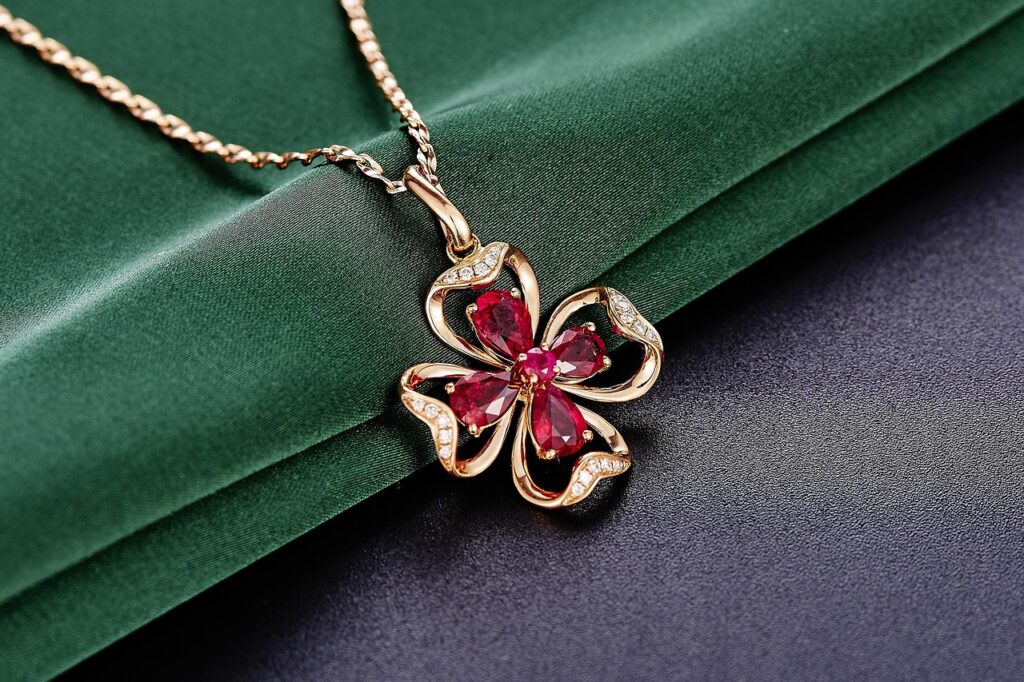
13. **Costume Jewelry Mimicking Fine Jewelry (Without Craftsmanship): The Illusion of Luxury**While unique costume jewelry has its place, in 2025, pieces attempting to replicate fine jewelry’s grandeur without craftsmanship are outdated. Those made to look expensive but conspicuously lack “quality stones” or “high craft” create an illusion of wealth that often backfires, failing to offer the “tangible, real things” or “future heirlooms” highly valued today.
The context emphasizes a return to craftsmanship, with Soull Ogun noting, “Back in the day, everything was handmade… It lasted longer.” Don’t Let Disco combines “quality stones, upcycled finds, and vintage techniques,” stressing “an item’s value lies not just in its material worth, but in the stories and memories it holds.” Cheap imitations lack this fundamental value, existing as fleeting trends.
These pieces often use materials that quickly tarnish or overtly reveal their synthetic nature, undermining appeal. Instead of conveying sophistication, they signal a lack of authenticity and a disconnection from a discerning eye for quality. The “perception or functionality of specific items or systems” is impacted when an accessory overtly fails its implied promise. For 2025, prioritize authentic design and craftsmanship that resonates with purpose and longevity.
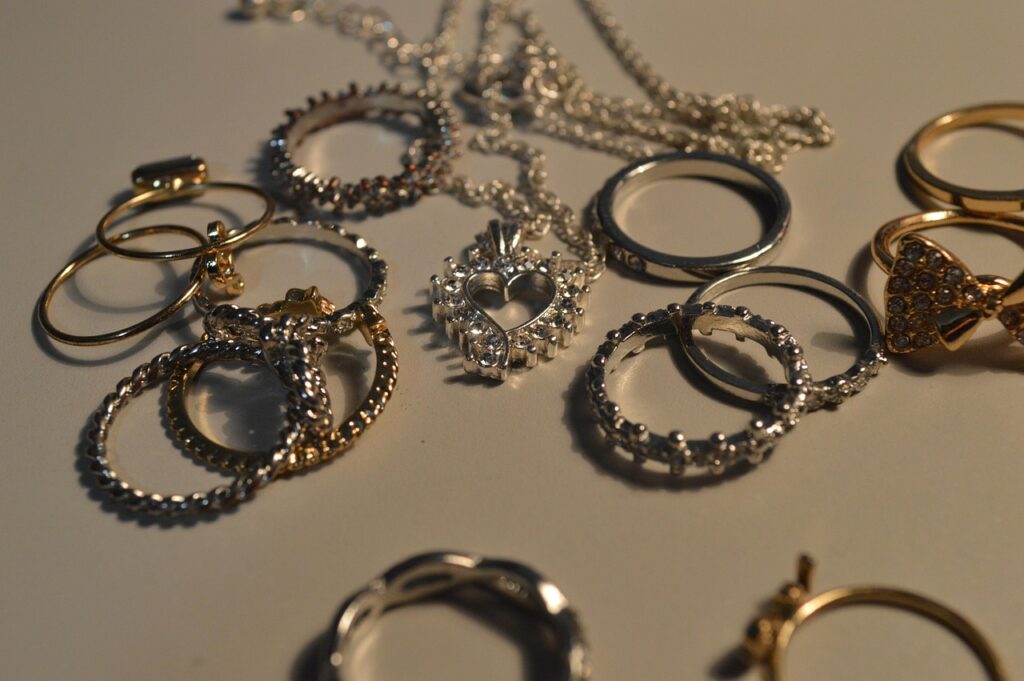
14. **Fast-Fashion Disposable Statement Pieces: Lacking Longevity and Personal History**In an era valuing sustainability and “tangible memory,” fast-fashion disposable statement jewelry is unequivocally outdated for 2025. These pieces, designed for fleeting trends and mass-produced with minimal quality, are intended to be quickly discarded. They directly oppose the growing appreciation for enduring style and meaningful adornment.
Designers like Pamela Love, creating “timeless” pieces, and Ashley Moubayed, considering “future heirlooms,” articulate a clear demand for jewelry that can be “passed down” and carry a “personal narrative.” Fast-fashion items, by nature, cannot fulfill this role, lacking the intrinsic quality, emotional resonance, and historical depth for a cherished personal story.
Soull Ogun highlights the difference between handmade items “back in the day” that “lasted longer” and machine-made mass production. Disposable statement pieces, despite initial appeal, fall into the latter, lacking the “touch you can’t get from a machine” and quickly losing relevance and aesthetic value. As we look to 2025, curate a collection speaking to permanence and personal connection.
As we conclude, the future of personal style in accessories lies in discernment and intentionality. Moving past the merely trendy or generic, the most compelling jewelry in 2025 will offer genuine emotional connection, tell a unique story, or possess an enduring quality. By thoughtfully curating your collection, you not only elevate your aesthetic but also forge a stronger, more authentic expression of yourself. Let your choices reflect what truly speaks to your soul, transforming accessories into powerful extensions of your identity.