In the exciting world of automotive performance, engine tuning stands as one of the most effective ways to unleash a vehicle’s true potential. The allure of more horsepower, quicker acceleration, and an overall more thrilling driving experience is undeniable, drawing in enthusiasts from all corners. However, this journey into enhanced performance is not without its hazards. While the rewards of a perfectly tuned engine are immense, the consequences of a poorly executed one can be catastrophic, turning a dream machine into a costly nightmare.
Automotive technology, especially in 2025, offers advanced tools and techniques for optimizing performance. Yet, even with these advancements, common pitfalls persist. Professional tuners estimate that up to 60% of tuning-related engine failures stem from preventable mistakes. This article, steeped in authoritative, expert-driven insight, aims to guide you through these critical errors, equipping you with the knowledge to make smart, data-driven decisions that prioritize both exhilarating performance and long-term engine reliability. It’s about making usable, reliable power that you can enjoy for years to come.
Whether you’re a seasoned gearhead or just embarking on your tuning adventure, understanding these pitfalls is paramount. We’ll delve into the most common missteps that can damage your engine and, more importantly, provide practical, informative advice on how to steer clear of them. This isn’t just about avoiding expensive fixes; it’s about unlocking your vehicle’s true potential safely and efficiently, ensuring your engine thanks you with thrilling performance every time you hit the gas.
1. **Overestimating Engine Capabilities**One of the most destructive mistakes a tuner can make is pushing an engine beyond its inherent design limits. The internal components of a stock engine, including the pistons, connecting rods, and crankshafts, are meticulously engineered to withstand only a certain amount of power and stress. Attempting to extract significantly more power, perhaps by aggressively increasing turbo boost or utilizing excessively rich fuel maps without reinforcing these critical parts, is a recipe for disaster.
Such extreme modifications can lead to severe consequences, including uncontrolled detonation, bent connecting rods, or even the complete failure of the engine. The reality is that stock internals are generally designed to handle only a modest power increase, typically in the range of 15-20% safely. Exceeding this threshold without the necessary upgrades to stronger, forged internals places immense and unsustainable strain on the engine’s core components.
To avoid this costly error, meticulous research into your specific engine’s safe horsepower and torque thresholds is non-negotiable before undertaking any tuning. If your ambition involves substantial power gains, investing in high-quality forged internals and other supporting modifications becomes absolutely essential. Furthermore, never rely on guesswork; consistently employ dyno testing to precisely measure power increments and ensure they remain within safe operational limits, safeguarding your engine’s longevity and performance.
Read more about: The Road Rulers & Rascals: 13 Car Models with the Most ‘Annoying Driver’ Reputations, According to Data & Drivers!
2. **Ignoring Proper Air-Fuel Ratios**Increasing airflow into an engine, often achieved through performance modifications like turbochargers, upgraded intakes, and free-flowing exhausts, is a fundamental step in performance tuning. However, a critical mistake often made is failing to adjust the fuel blend to match this increased air volume. An improperly balanced air-fuel ratio (AFR) can lead to either a ‘too lean’ condition, meaning insufficient fuel, or a ‘too rich’ condition, indicating an excessive amount of fuel.
Running an engine too lean is particularly dangerous. Without enough fuel to cool the combustion process, engine temperatures can spike dramatically, sometimes by as much as 200-300°F. This excessive heat can cause pre-ignition or detonation, where the air-fuel mixture ignites prematurely, leading to severe internal engine damage. Conversely, a mixture that is too rich, while less immediately catastrophic, can still foul spark plugs, dilute engine oil, and significantly reduce the engine’s overall efficiency and power output.
To mitigate these risks, it is imperative to work alongside a professional tuner who possesses a deep understanding of AFR adjustments and their impact on engine health. The use of wideband oxygen sensors is crucial for accurately monitoring your air-fuel mixture in real-time throughout the tuning process. Moreover, all adjustments to fuel maps must be rigorously tested and fine-tuned on a dyno, ensuring that the engine operates within optimal and safe AFR parameters rather than relying on estimations.
3. **Skipping Supporting Upgrades**One of the most prevalent and detrimental errors in performance tuning is the ‘single-mod mentality’ – installing a significant performance component, such as a large turbocharger or an aggressive performance chip, without simultaneously upgrading the essential supporting parts. This oversight can quickly undermine the entire setup, placing undue stress on the engine and dramatically compromising its reliability and longevity.
When engine power is increased, the demands on every other component in the system escalate proportionally. For instance, a larger turbocharger necessitates a greater and more consistent fuel supply, requiring high-flow fuel injectors and pumps. Similarly, increased boost generates more heat, making upgraded intercoolers vital for maintaining safe intake air temperatures. Neglecting these interconnected systems inevitably leads to their failure, often at critical moments.
To ensure a harmonious and reliable performance upgrade, tuning must be approached as a comprehensive, system-wide endeavor. It’s not just about adding power; it’s about building a robust infrastructure to support that power. This means upgrading fuel pumps, injectors, and cooling components in tandem with any performance-enhancing modifications. Furthermore, it is crucial to ensure that the entire drivetrain, including the clutch, gearbox, axles, and even the braking system, can adequately handle the amplified output, preventing cascading failures and ensuring safety.
Read more about: Escape the Digital Dash: 14 Cars and Strategies for a Touchscreen-Free Driving Experience in 2024
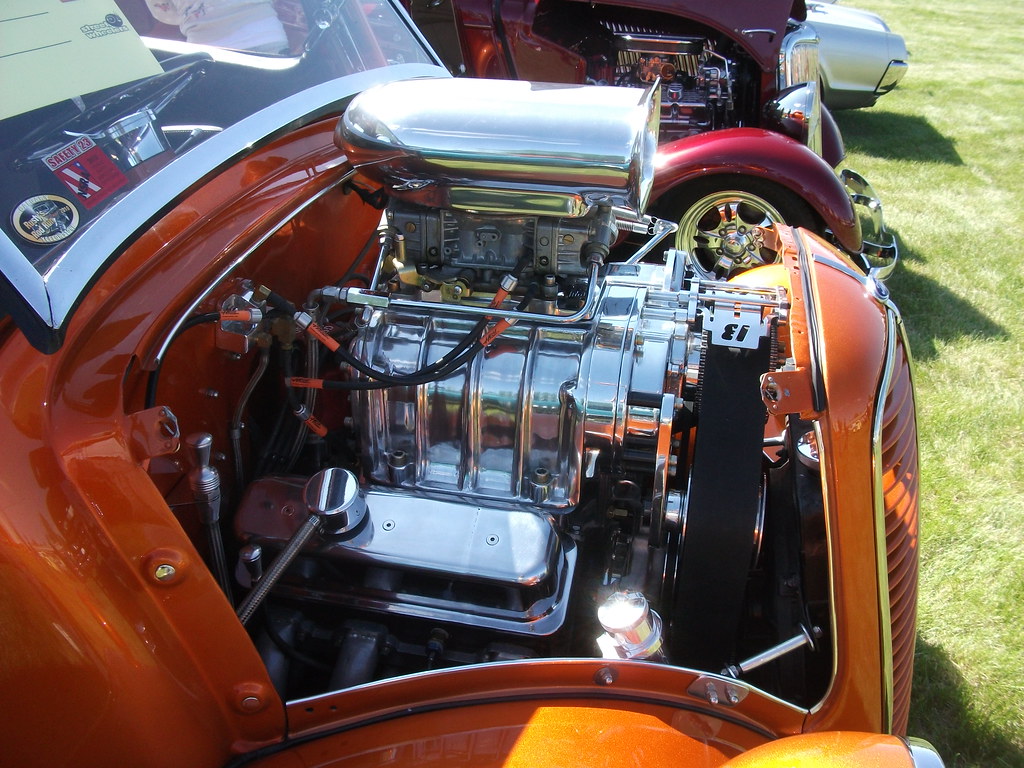
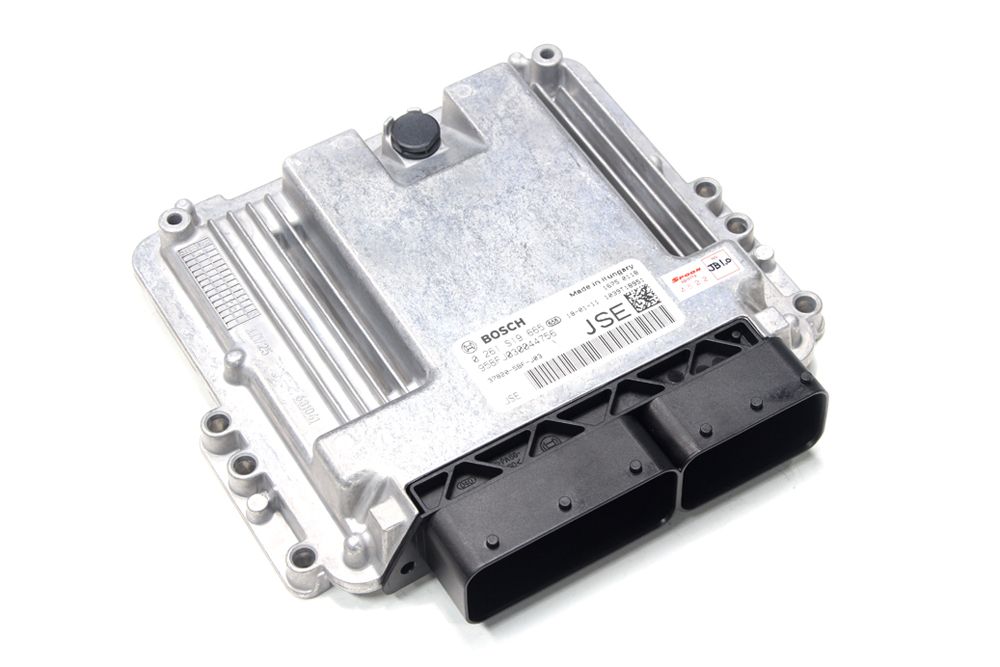
4. **Using Poor Quality ECU Tunes or “One-Size-Fits-All” Maps**In the quest for enhanced performance, the temptation to download generic ECU maps or utilize untested, ‘one-size-fits-all’ portable tuners can be strong, especially given their apparent convenience and lower cost. However, succumbing to this temptation can have devastating consequences for your vehicle. These ‘cookie-cutter’ tunes are fundamentally flawed because they fail to account for the unique conditions of your specific vehicle, including its exact modifications, current state of wear, local fuel quality, and environmental factors. This disconnect inevitably leads to inconsistent engine performance, poor drivability, and, in many cases, severe engine damage.
Such unverified software can introduce a myriad of problems, from incorrect fuel injection timing and inappropriate boost pressures to compromised ignition maps. These discrepancies can easily lead to pre-detonation, overheating, and ultimately, ECU failure. The risk of these improper tuning parameters causing substantial harm to the engine, increasing emissions beyond legal limits, and potentially voiding your vehicle’s warranty is significant, making the initial savings seem negligible in comparison to potential repair costs.
Therefore, the intelligent approach is to always choose a reputable tuner who possesses extensive experience with your specific vehicle make and model. Prioritize custom dyno tuning, where software parameters are precisely calibrated to your car’s unique characteristics and modifications, over preloaded, generic maps. Additionally, it is wise to regularly check for software updates or arrange for a retune after any significant new modifications are installed, ensuring that your engine’s brain remains optimally configured for its current setup.
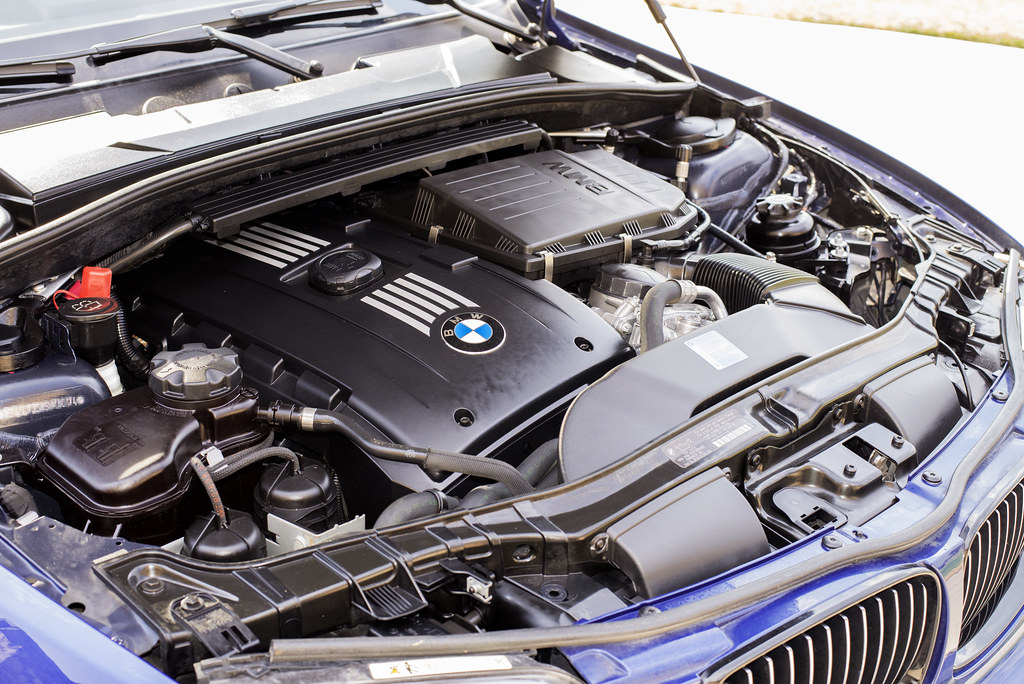
5. **Neglecting Cooling and Lubrication**Unlocking higher horsepower from an engine inherently means generating more heat. This increased thermal load puts immense pressure on a vehicle’s cooling and lubrication systems, which are often designed for stock power output. Neglecting to upgrade or properly maintain these critical systems when tuning can lead to rapid oil breakdown, excessive engine temperatures, and ultimately, severe, irreparable engine damage. Without adequate cooling, components can warp, seals can fail, and the engine’s structural integrity can be compromised.
Similarly, the choice of lubricants becomes paramount. High-performance engines, especially those operating under boosted or heavily modified conditions, subject oil to far greater stress and higher temperatures. Using low-quality or incorrect oil grades under these demanding conditions accelerates friction, increases wear on moving parts, and dramatically shortens the engine’s lifespan. Premium synthetic oils, such as those from brands like Mobil 1, are specifically engineered to maintain their protective properties under the extreme heat and stress of a tuned engine, offering superior friction reduction and improved reliability.
To safeguard your investment, a high-power build absolutely necessitates the installation of upgraded radiators, oil coolers, and more efficient intercoolers. These components are designed to dissipate heat much more effectively, preventing thermal runaway. Furthermore, consistently use performance-grade synthetic oil specifically formulated for tuned or boosted engines, ensuring optimal lubrication under all conditions. Regular and frequent monitoring of coolant and oil temperatures, particularly during spirited driving or track use, provides crucial real-time feedback, allowing you to identify and address potential overheating issues before they escalate into catastrophic failures.
Read more about: The Critical Mistake: Why Prolonged Idling in Winter is Destroying Your Car’s Engine and How to Protect It
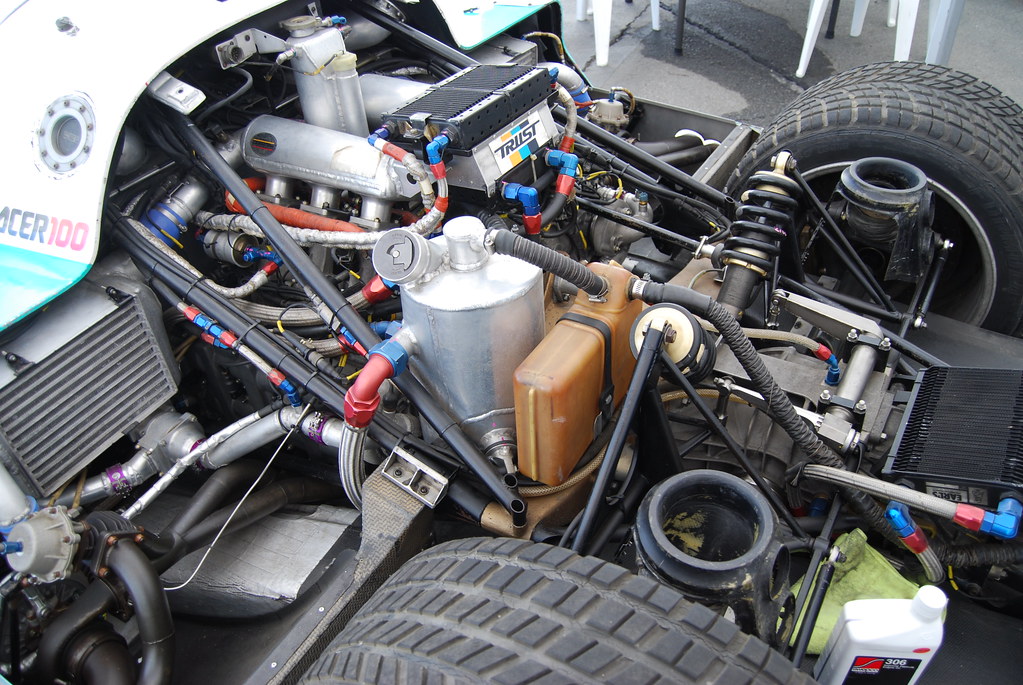
6. **Overlooking Transmission and Drivetrain Limits**Many performance enthusiasts, in their fervent pursuit of engine horsepower, make the common and costly mistake of singularly focusing on the engine while neglecting the equally important limitations of the transmission and the entire drivetrain. It’s a fundamental misunderstanding to believe that simply adding a significant amount of extra horsepower—say, 100+ HP—will seamlessly integrate with stock drivetrain components. These components, including transmissions, axles, and differentials, are manufactured to handle the factory-specified power output, not substantial increases.
When a stock drivetrain is subjected to vastly increased engine power and torque, the results are predictably destructive. Common failures include slipping clutches that can no longer transmit the power efficiently, snapped axles unable to cope with the twisting forces, or completely failed gearboxes whose internal components are overwhelmed. These failures are not only expensive to repair but can also be dangerous, potentially leading to a loss of control, especially during aggressive driving. The issue extends beyond just power transfer; it affects the entire vehicle’s ability to put that power to the ground reliably.
To circumvent such catastrophic failures, it is absolutely essential to upgrade the clutch, gearbox, and differential whenever significant power gains are planned. This ensures that the entire power delivery system can competently manage the elevated output. Additionally, carefully considering and using proper gear ratios, matched to the new performance characteristics, can optimize power delivery and efficiency. For enhanced traction and a more effective distribution of power, especially in high-performance applications, considering limited-slip differentials is a wise investment, providing better control and maximizing the usable power output.
Read more about: Be Warned: 14 Critical Mistakes Off-Road Jeep Owners Should Avoid When Considering a Lift in 2026
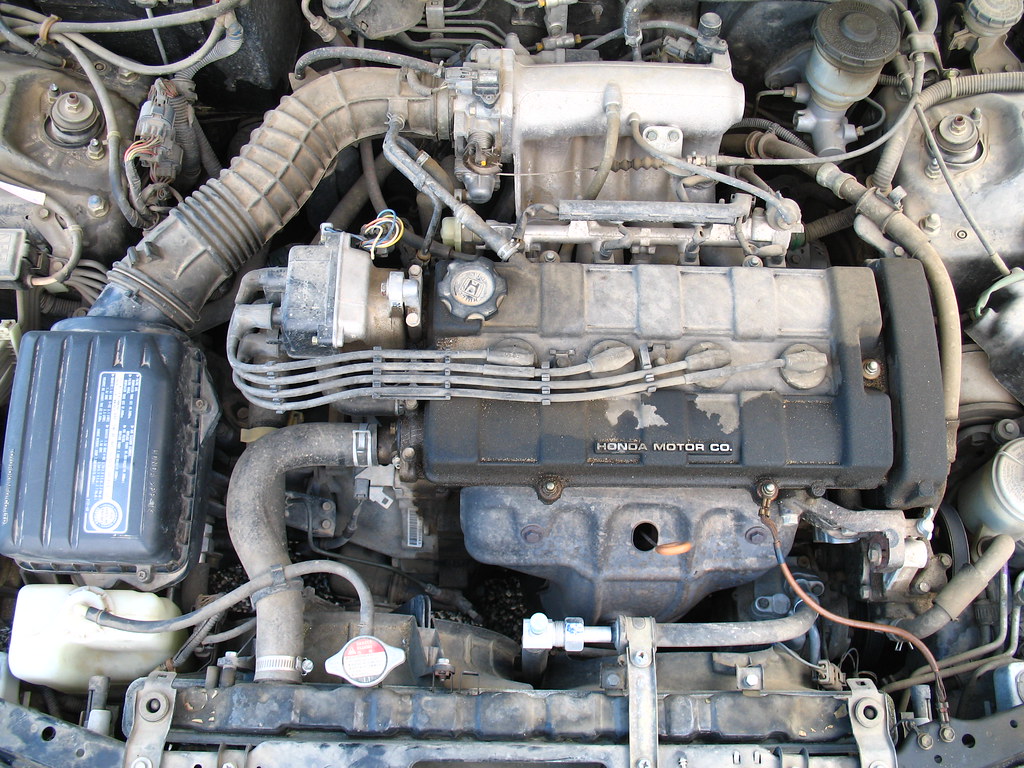
7. **Failing to Perform Regular Maintenance Post-Tuning**After investing time and resources into tuning an engine for increased performance, it’s easy to overlook the heightened maintenance requirements that accompany a more powerful setup. Tuned engines, by their very nature, operate under greater stress and work harder than their stock counterparts. This increased workload accelerates wear and tear on various components, making a diligent and stricter maintenance schedule absolutely critical to preserving the engine’s lifespan and ensuring continued optimal performance.
Neglecting essential maintenance tasks, such as timely replacement of spark plugs, air filters, and fuel filters, or failing to perform regular fluid changes, will inevitably lead to accelerated wear. Spark plugs, for instance, are subjected to higher temperatures and pressures in a tuned engine and can degrade more quickly, impacting combustion efficiency. Engine oils, which are the lifeblood of your engine, break down faster under increased heat and stress, necessitating more frequent changes than a factory schedule would suggest. Even high-quality performance synthetic oils will benefit from a stricter change interval.
To maintain peak performance and reliability, owners of tuned vehicles must adopt a rigorous maintenance regimen. This includes a stricter schedule for oil, coolant, and spark plug replacements. It is also imperative to regularly inspect all belts, hoses, and sensors for any early signs of stress, wear, or impending failure, addressing them proactively. Furthermore, keeping meticulous logs of all maintenance performed and tuning changes made provides a valuable historical record, allowing you to track the health and performance trajectory of your engine over time, preventing small issues from escalating into major problems.” , “_words_section1”: “1948
Navigating the complexities of engine tuning successfully requires a deep understanding of not just how to add power, but crucially, how to avoid the common missteps that can quickly lead to costly damage or diminished performance. While the previous section highlighted fundamental errors in component compatibility and ongoing care, this part of our comprehensive guide delves further into specific operational and planning oversights. We’ll examine pitfalls like unsuitable fuel choices, the critical yet often ignored pre-tuning foundation work, the subtle trap of the ‘bolt-on mentality’ when it comes to subsequent tuning, the indispensable role of data logging, the dangers of incorrectly sized turbochargers, and the absolute necessity of robust fuel system upgrades. These insights are designed to arm you with the knowledge to make smart, informed decisions, ensuring your quest for enhanced performance is both exhilarating and sustainable.
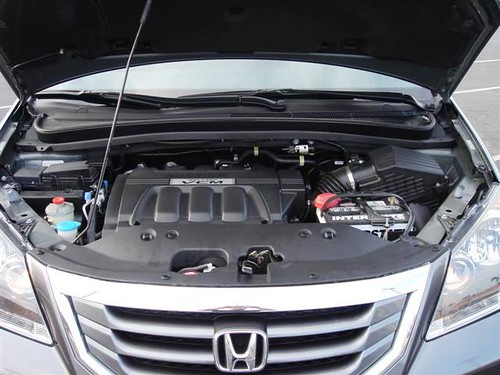
8. **Using Substandard Fuel**High-performance tunes are meticulously calibrated to extract maximum power and efficiency, often relying on very specific fuel characteristics. A common and critically dangerous mistake is to use standard or low-quality gasoline with an engine tuned for higher octane. This seemingly minor oversight can have immediate and severe repercussions, leading to engine knock, pre-detonation, and substantial internal damage that can quickly escalate into catastrophic failure.
Modern engines, especially those with increased boost or higher compression ratios, are finely tuned to the ignition resistance properties of high-octane fuel. When lower octane fuel is introduced, it ignites prematurely under the increased pressures and temperatures, creating uncontrolled explosions within the combustion chamber. This ‘banging’ or ‘knocking’ puts immense stress on pistons, connecting rods, and the crankshaft, rapidly accelerating wear and risking structural integrity.
To protect your investment and the intricate components of your engine, it is absolutely paramount to strictly match your fuel type to the tuner’s specifications. This often means consistently using higher-octane pump gas or, for extreme applications, considering specialized race fuel or ethanol blends. Furthermore, employing knock detection and fuel monitoring tools can provide real-time feedback, ensuring your engine is operating safely within its designed parameters and preventing detonation before it causes irreversible damage. Trust your tuner’s fuel recommendations; they are not suggestions but critical requirements for engine health.
Read more about: Precision and Pitfalls: 14 Critical Restoration Mistakes Every Vintage Car Enthusiast Must Navigate
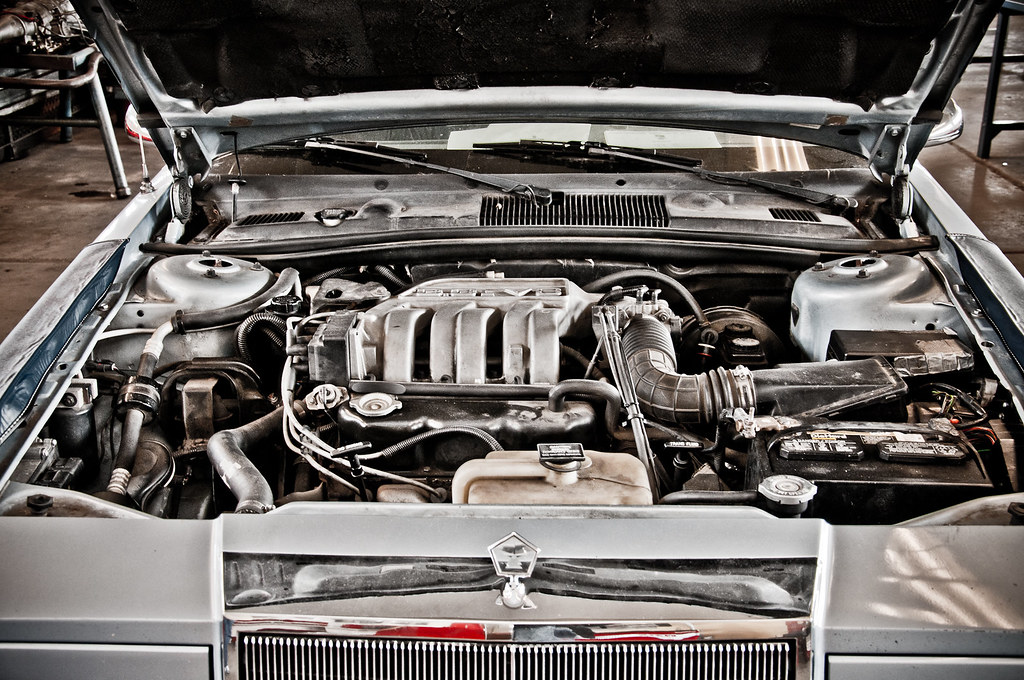
9. **Bypassing Crucial Pre-Tuning Foundation Work**Before any meaningful performance modification or tuning begins, the engine needs a rock-solid foundation. This isn’t just about the strength of internal components, but the overall health and readiness of the entire engine system. Skipping this vital preliminary diagnostic and maintenance work is akin to building a skyscraper on shifting sand; the subsequent performance gains will be precarious and prone to immediate failure.
Professional tuners universally stress that a healthy engine is a prerequisite for successful tuning. This involves a thorough inspection of key systems that will bear increased loads, such as checking oil pressure, meticulously replacing any worn-out components, and ensuring the cooling system is in absolute peak condition. Engines with proper foundation work have been shown to exhibit up to 40% better longevity, underscoring the long-term benefits of this diligent preparation.
Ignoring the foundation work poses significant risks. For instance, compromised oil systems are implicated in 70% of turbo failures, highlighting how interconnected components are under stress. If your oil isn’t flowing correctly or your cooling system has a marginal radiator, these weak links will quickly become failure points when power is increased. A thorough pre-tuning check-up prevents these hidden issues from turning a performance upgrade into a repair bill, making it a non-negotiable step for any serious enthusiast.
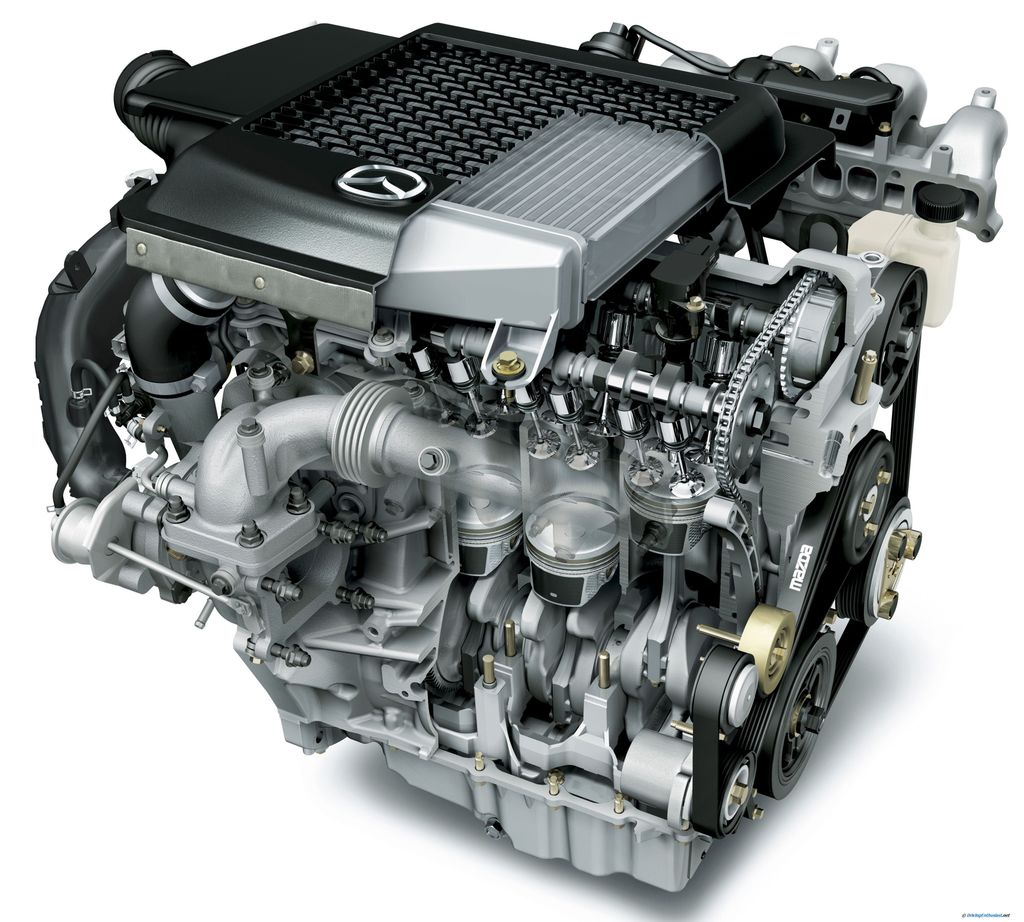
10. **The ‘Bolt-On Mentality’ Trap**Many enthusiasts fall into the trap of installing numerous bolt-on performance parts—such as aftermarket exhausts, intake systems, or even minor pulley upgrades—without recognizing that each modification fundamentally alters the engine’s operational characteristics. The ‘bolt-on mentality’ assumes that these parts will simply integrate and provide their advertised gains without further intervention, overlooking the critical need for subsequent re-tuning. This oversight can create significant imbalances, leading to reduced efficiency and potential engine harm.
Here’s a hard truth: installing performance parts without proper tuning is like having a key that doesn’t fit the lock. Each modification changes how your engine breathes, burns fuel, and makes power. For example, aftermarket exhausts alone can alter air/fuel ratios by up to 15%. If the ECU isn’t recalibrated to account for this increased airflow, the engine can run too lean, causing temperatures to spike by 200-300°F. Such excessive heat rapidly leads to pre-ignition and catastrophic engine damage.
The smart approach is to add one modification, tune properly, and then proceed to the next upgrade. Proper tuning after each modification has been shown to increase overall reliability by 80%. This progressive method ensures that the engine’s control unit is always optimized for its current hardware configuration, maintaining ideal air-fuel ratios, ignition timing, and boost pressures. It’s not enough to simply bolt on; you must also tune to unlock the true, safe potential of each performance component.
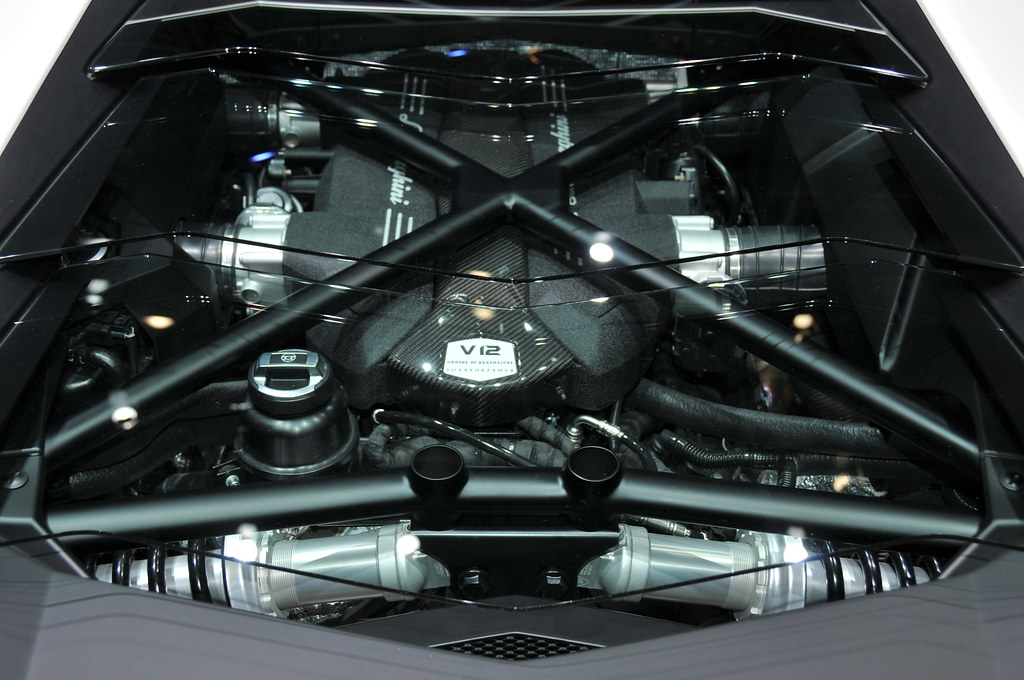
11. **Neglecting the Importance of Data Logging**In the modern era of automotive performance, tuning is a highly data-driven science, not a matter of guesswork or intuition. Professional tuners rely heavily on real-time monitoring and meticulous data logging to make informed, precise decisions about engine parameters. Neglecting this crucial aspect of tuning is a significant oversight that can lead to suboptimal performance, hidden issues, and ultimately, engine damage.
It’s an amazing fact that professional race teams can collect over 100 data points per second during their tuning sessions. While a street enthusiast doesn’t need that level of detail, monitoring basic, essential parameters is critical for preventing disasters. Key metrics to track include air/fuel ratio, any signs of knock activity, engine temperature, and boost pressure for forced induction setups. These data points provide an undeniable picture of how the engine is truly performing under various loads and conditions.
By analyzing logged data, tuners can identify inconsistencies, potential lean spots, or areas where the engine is pulling timing due to pre-ignition. This allows for precise adjustments to fuel maps, ignition timing, and boost targets, ensuring maximum safe power and optimal reliability. Investing in proper data logging tools and understanding how to interpret the information is a hallmark of responsible tuning and a critical step in safeguarding your engine’s longevity and peak performance.
Read more about: Rider’s Guide: Separating Myth from Reality on High-Mileage Motorcycles and What to Know Before You Buy
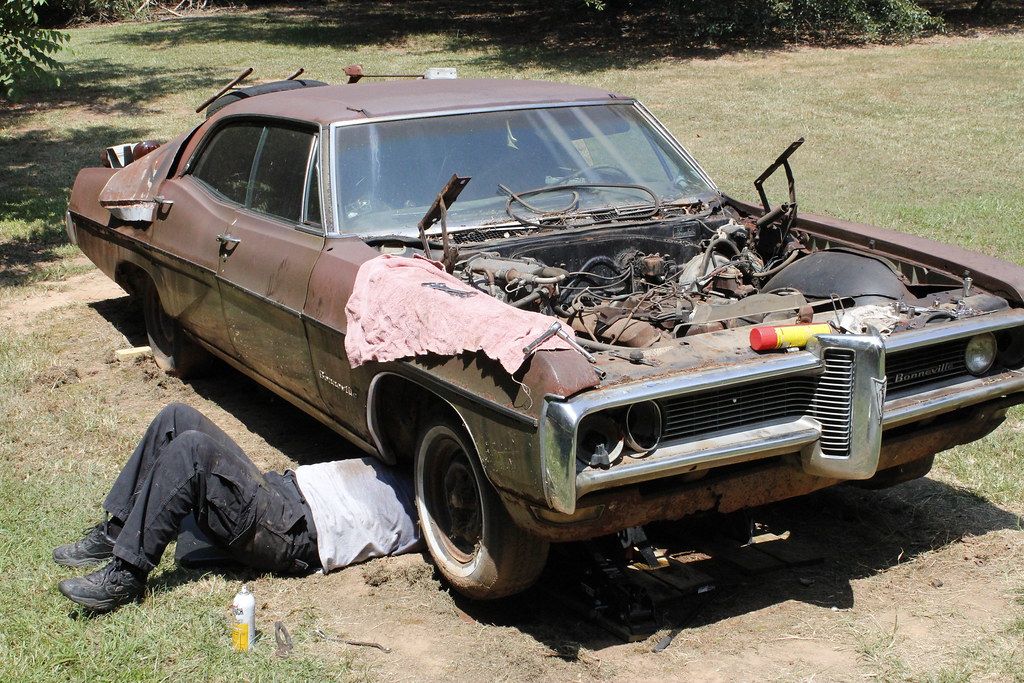
12. **The Dangers of Oversizing Turbochargers**The allure of a massive turbocharger is undeniable for many performance enthusiasts, driven by the belief that bigger automatically equates to more power. However, this ‘bigger is better’ mentality often leads to one of the most significant and counterproductive tuning mistakes: oversizing the turbocharger. While visually impressive, an oversized turbo can introduce more problems than it solves, severely compromising drivability and actual usable power.
The reality check for oversized turbos is often harsh. A turbocharger must be appropriately matched to the engine’s displacement, desired powerband, and overall performance goals. An oversized unit will inevitably suffer from excessive turbo lag, where the engine struggles to spool the large turbine, resulting in a significant delay in power delivery. This creates a frustrating driving experience, with a narrow powerband and reduced responsiveness in daily driving situations. Statistics show that 65% of turbo failures are due to mismatched sizing, highlighting the importance of correct selection.
Properly sized turbos, in contrast, provide a far more enjoyable and efficient power delivery, often making more peak power *and* spooling earlier in the RPM range. The rule of thumb should always be to size your turbo to your specific power goals and driving style, not simply to satisfy an ego. A carefully selected turbocharger will offer a broad, usable powerband, excellent throttle response, and a harmonious integration with the engine, delivering superior performance without the pitfalls of lag and unnecessary stress on components.
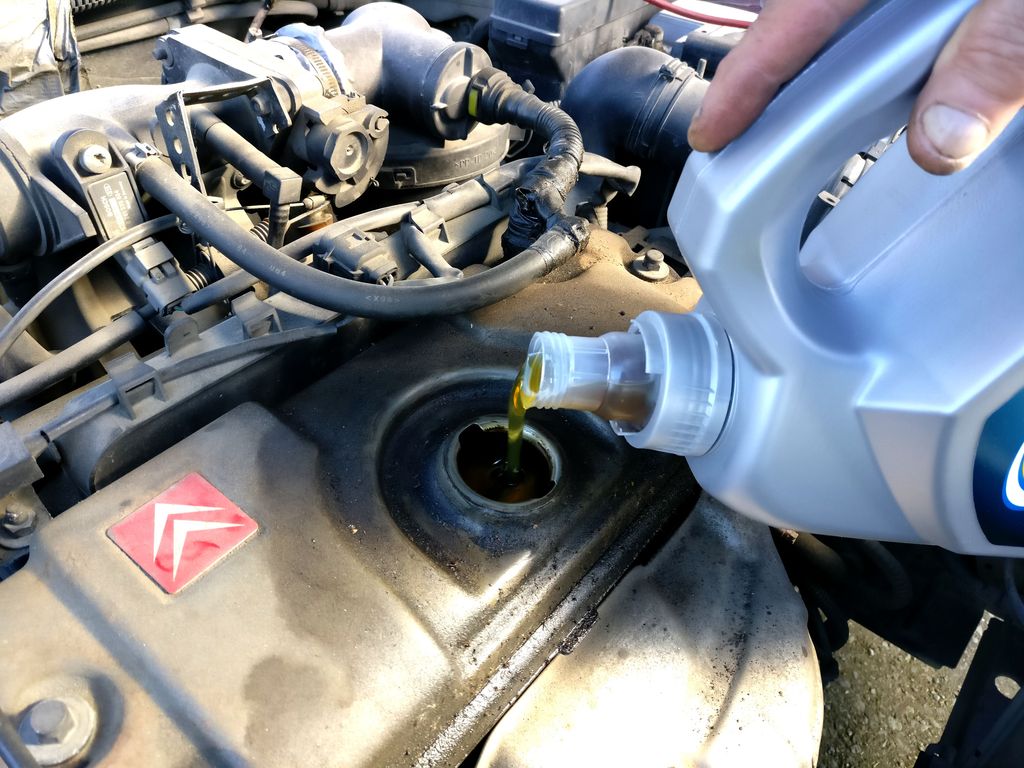
13. **Cutting Corners on Fuel System Upgrades**For any modified engine, fuel is the very lifeblood that sustains its enhanced performance. Consequently, cutting corners on fuel system upgrades is one of the most perilous mistakes a tuner can make. Without an adequate and consistent fuel supply, even the most sophisticated engine tune is not only worthless but outright dangerous, as it can lead to immediate and severe engine damage, often at substantial repair costs.
The numbers here are truly eye-opening: fuel system failures account for a staggering 35% of all tuning-related engine damage, with average repair costs frequently exceeding $5,000. When an engine’s power output is increased, the demand for fuel escalates dramatically. The stock fuel pump and injectors, designed for factory power levels, simply cannot keep up. This can lead to the dangerous ‘lean’ condition, where there isn’t enough fuel to properly cool the combustion process, leading to detonation and catastrophic internal engine failure.
To avoid such devastating outcomes, several critical upgrades are non-negotiable. These include a high-flow fuel pump to ensure ample fuel volume, larger fuel injectors capable of delivering the increased flow rates required, a proper fuel pressure regulator to maintain consistent pressure, and quality fuel lines and filters to prevent restrictions and contamination. These components work in concert to reliably deliver the precise amount of fuel needed, making them foundational to safe and sustainable performance tuning.
Read more about: Unsung Powerhouses: The Ford Engines That Quietly Redefined Performance and Stole the Mustang’s Thunder
In the dynamic world of automotive performance, unlocking your vehicle’s true potential is an incredibly rewarding journey. However, the path to enhanced horsepower is paved with potential pitfalls that, if ignored, can turn a passion into a costly nightmare. This comprehensive guide has meticulously outlined thirteen critical engine tuning mistakes that enthusiasts must avoid in 2025 and beyond. From understanding an engine’s inherent limits and maintaining proper air-fuel ratios to ensuring meticulous pre-tuning foundation work and diligently logging data, each lesson reinforces a singular truth: knowledge and a systematic approach are your most powerful tuning tools. Remember, the ultimate goal isn’t merely to chase raw power, but to cultivate usable, reliable performance that you can safely enjoy for countless miles and years to come. By prioritizing reliability, investing in quality components, and always consulting with experienced professionals, you’re not just tuning an engine; you’re engineering a superior driving experience. Your engine—and your wallet—will undoubtedly thank you for getting it right the first time.