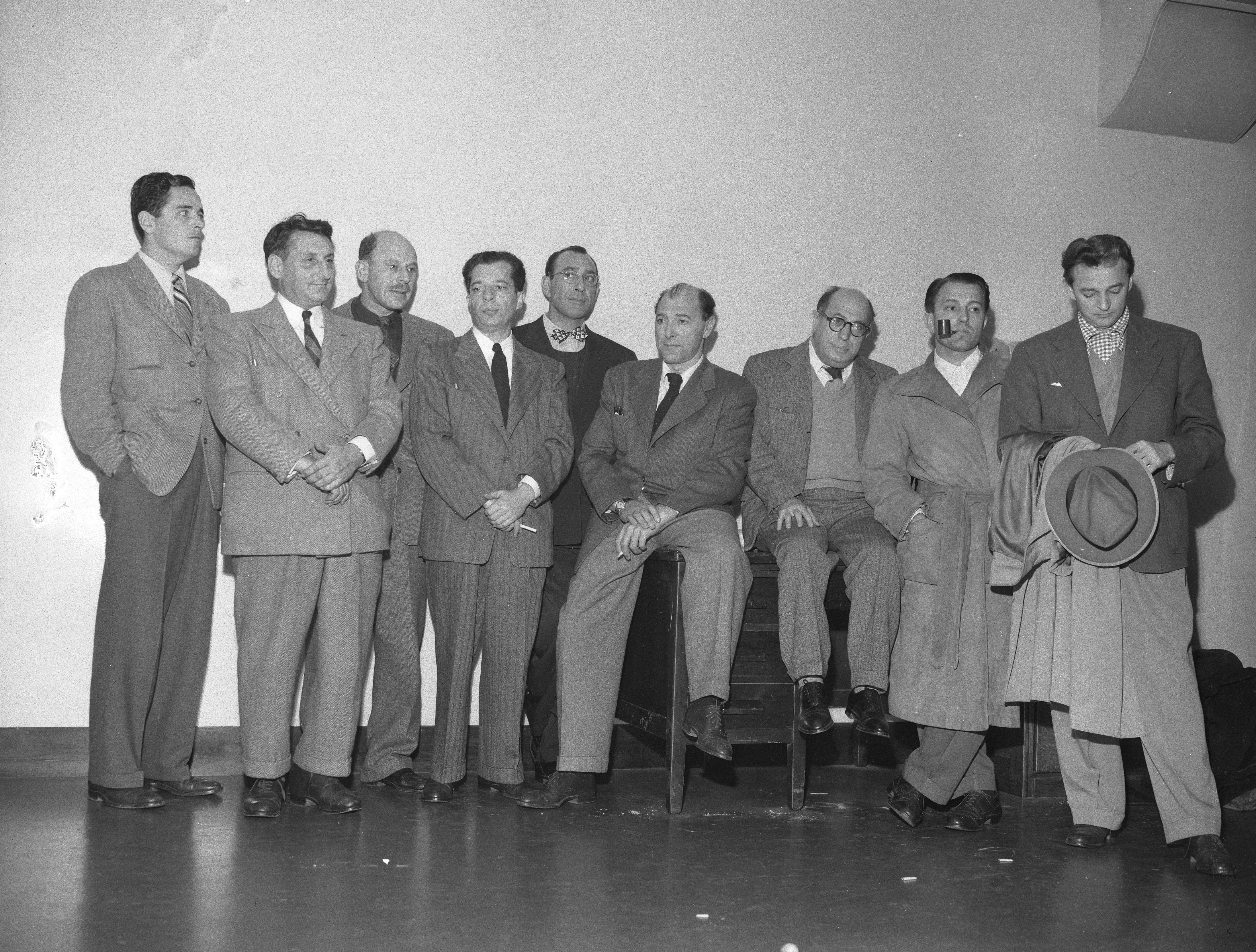
The mid-20th century cast a long and chilling shadow over the United States entertainment industry, a period now infamously known as the Hollywood blacklist. At the onset of the Cold War and the accompanying Red Scare, a systemic effort was undertaken to purge suspected Communists from film, television, and radio. This wasn’t merely a fleeting controversy; it was a deeply entrenched and devastating phenomenon that dramatically altered the landscape of Hollywood, affecting hundreds of professionals based on their perceived political affiliations or their refusal to cooperate with governmental investigations into the Communist Party USA (CPUSA). The consequences were dire, with careers and livelihoods abruptly terminated, profoundly impacting the creative output of an entire era.
This dark chapter was largely orchestrated not by formal legal statutes, but through a series of individual decisions made by studio executives, operating under immense political pressure. The blacklist gained its initial, systematic teeth on November 25, 1947, a pivotal day that followed the citation of ten left-wing screenwriters and directors for contempt of Congress. These individuals, soon to be known as “The Hollywood Ten,” had courageously refused to answer questions before the House Un-American Activities Committee (HUAC), thereby becoming the initial symbols and primary victims of an unprecedented campaign against creative freedom and personal conviction within one of America’s most influential industries. Their defiant stand, however, only served to galvanize the forces intent on purifying Hollywood, setting a precedent that would ripple through countless lives and careers.
In the ensuing years, the initial “Unfriendly Ten” expanded into a list of hundreds, fundamentally altering the careers of writers, actors, musicians, and, crucially, directors and producers who shaped the very narratives on screen. This article delves into the experiences of several prominent figures, including directors and influential screenwriters and producers, whose professional lives were irrevocably marked by this period of institutionalized suspicion and repression. Their stories offer a stark illustration of the human cost of political paranoia and the enduring impact on an industry built on storytelling and artistic expression. We begin with a look at some of these key individuals, exploring how the blacklist effectively banned them from major studios and forced them into exile, obscurity, or difficult compromises.

1. **Edward Dmytryk**:Edward Dmytryk, an acclaimed director whose filmography included notable works like “Murder, My Sweet” and “Crossfire,” stood as one of the most prominent directorial talents caught in the initial dragnet of the Hollywood blacklist. As one of the original “Hollywood Ten,” he was subpoenaed by the House Un-American Activities Committee (HUAC) in late September 1947 to testify about his Communist affiliations. His refusal, alongside nine other colleagues, to answer questions about Party membership or associations, citing First Amendment rights, led to a contempt of Congress citation and subsequent criminal charges. This defiance placed him squarely in the crosshairs of an industry-wide crackdown, initiating a period of profound professional and personal upheaval.
Following the House of Representatives’ vote to approve contempt citations on November 24, 1947, Dmytryk, along with the other nine, faced immediate and severe repercussions. The very next day, a meeting of nearly 50 film industry executives at New York City’s Waldorf-Astoria hotel resulted in the infamous Waldorf Statement. This declaration pledged that the ten uncooperative witnesses would be fired or suspended without pay and would not be re-employed until they were cleared of contempt charges and had sworn they were not Communists. Dmytryk’s directorial career at major studios was thus abruptly halted, a stark example of how the nascent blacklist mechanisms immediately impacted those at the helm of film production. He, like his fellow “Ten,” was convicted of contempt in early 1948 and, after unsuccessful appeals, began serving a prison sentence in 1950.
Dmytryk’s path diverged significantly from his peers among the Hollywood Ten. In September 1950, while serving his sentence, he announced that he had once been a Communist and was prepared to give evidence against others, leading to an early release from jail. His subsequent 1951 HUAC appearance saw him describe his past Party membership and, crucially, “name names.” This cooperation, a deeply controversial decision at the time and since, allowed his directorial career to recover. He went on to direct films post-blacklist, but his prior blacklisting and the circumstances of his return stand as a complex and often debated chapter in the history of the blacklist, illustrating the immense pressure individuals faced and the difficult choices they were forced to make to reclaim their livelihoods in Hollywood.
Read more about: The Blacklist’s Quiet Fury: The One Word That Hollywood Screenwriters Were Truly Forbidden to Utter
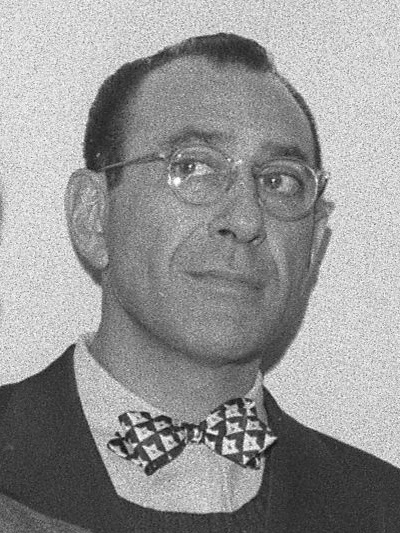
2. **Herbert Biberman**:Herbert Biberman, another significant director among the “Hollywood Ten,” faced a similar, yet ultimately distinct, struggle against the burgeoning blacklist. Like Dmytryk, Biberman was cited for contempt of Congress for refusing to cooperate with the HUAC’s investigation in 1947, steadfastly declining to answer questions regarding his political affiliations. This defiant stance placed him firmly on the industry’s burgeoning blacklist, effectively barring him from working within the established studio system. His commitment to his principles, however, led him down a remarkable and challenging path, culminating in one of the most iconic independent films of the era.
The consequences of Biberman’s non-cooperation were immediate and devastating. He was suspended without pay by studio executives and faced criminal charges, eventually serving a prison sentence for contempt of Congress alongside his colleagues. The Waldorf Statement ensured that individuals like Biberman, deemed “uncooperative witnesses,” would find no employment in mainstream Hollywood until they recanted their positions and cleared themselves. For a director like Biberman, whose craft relied on the extensive resources and collaborative networks of the major studios, this ban was tantamount to a professional death sentence within the industry he knew.
Undeterred by the ban, Biberman’s commitment to filmmaking and social commentary led him to an extraordinary act of resistance. After his release from prison, he directed “Salt of the Earth” (1954), a groundbreaking project undertaken entirely outside the studio system in New Mexico. This film was a collaborative effort with a group of other blacklisted professionals, including producer Paul Jarrico and writer Michael Wilson. “Salt of the Earth,” which focused on a strike by Mexican-American mine workers and notably included a subplot about growing feminist consciousness, was denounced as Communist propaganda upon its completion. It faced boycotts from distributors, rejection of advertisements by media outlets, and refusal by the projectionists’ union to screen it, yet it stands as a powerful testament to the resilience of blacklisted artists and a poignant example of creative work produced despite the industry’s widespread ban.
Read more about: The Blacklist’s Quiet Fury: The One Word That Hollywood Screenwriters Were Truly Forbidden to Utter
3. **Jules Dassin**:Jules Dassin, an accomplished director with a burgeoning career in Hollywood, became another casualty of the blacklist, albeit through a slightly different mechanism than the “Hollywood Ten.” Dassin, who had briefly been a Communist but dropped out of the Party in 1939, found his career derailed not by his own HUAC testimony, but by the testimonies of others. He was “named” by fellow filmmakers Edward Dmytryk and Frank Tuttle during their HUAC hearings in spring 1951, a perilous act known as “naming names” that directly led to the blacklisting of numerous individuals, even those who had already disassociated from the Party or whose political involvement was tangential.
The impact on Dassin was immediate and severe: he was blacklisted and found himself unable to obtain work in Hollywood. This forced him into an involuntary exile, relocating to France, where he spent much of his remaining, highly successful, career. His story epitomizes the “chilling effect” of the blacklist, where mere association or an accusation, often unsubstantiated, was enough to end a career. The explicit mention of his name by “friendly witnesses” cemented his pariah status within the American film industry, effectively banning him from any major studio productions and leading to a significant loss of American directorial talent.
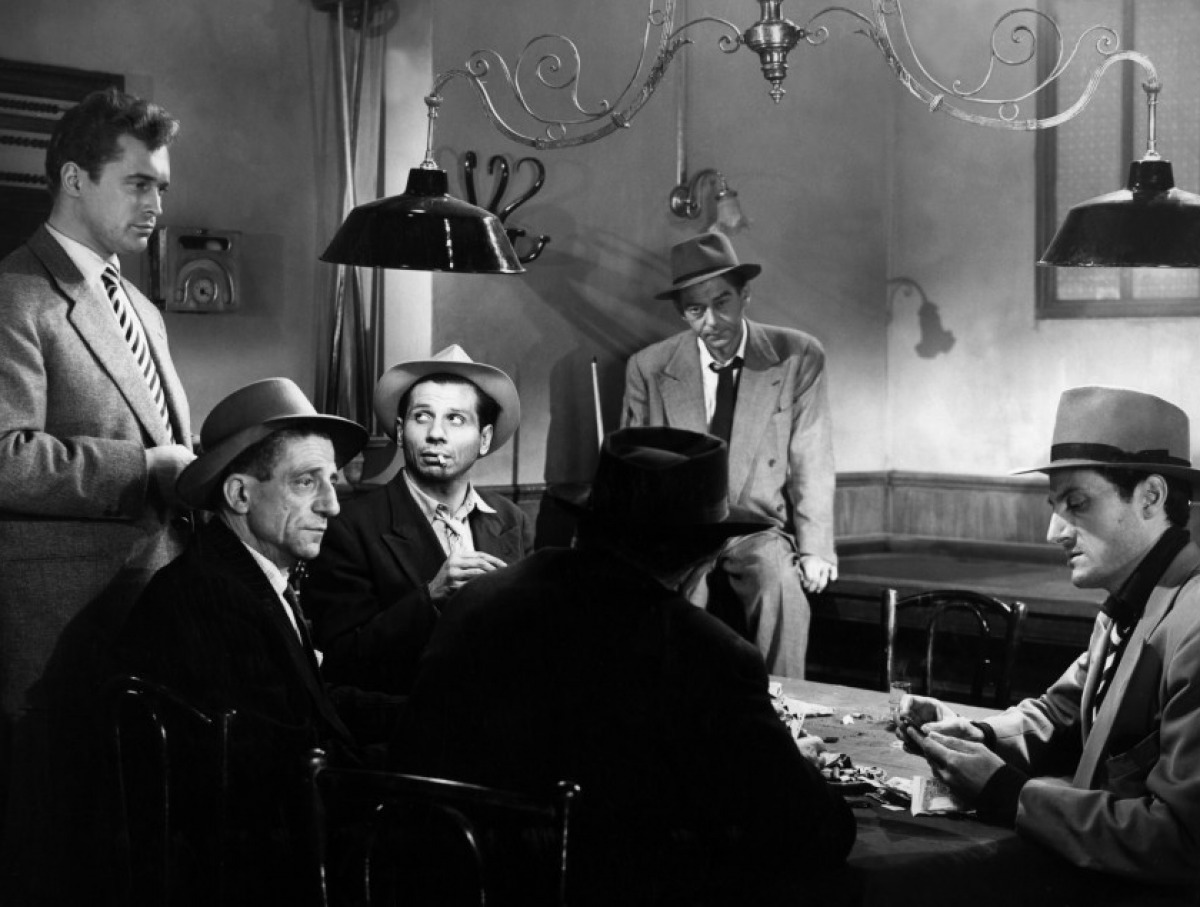
Despite the profound professional setback in the United States, Dassin’s talent could not be suppressed. He became one of the first to successfully defy the blacklist from abroad, albeit indirectly. While still blacklisted, he directed the Broadway play “Two’s Company” in December 1952. More significantly, his French-made film “Rififi,” released in 1955, garnered international acclaim and opened at the Fine Arts Theater in New York in June 1956, enjoying a successful 20-week run. Dassin’s ability to thrive creatively outside the American studio system provided a glimmer of hope and demonstrated that artistic merit could, in time, transcend political purges, though the initial ban forced him away from his home industry for good.
Read more about: The Blacklist’s Quiet Fury: The One Word That Hollywood Screenwriters Were Truly Forbidden to Utter
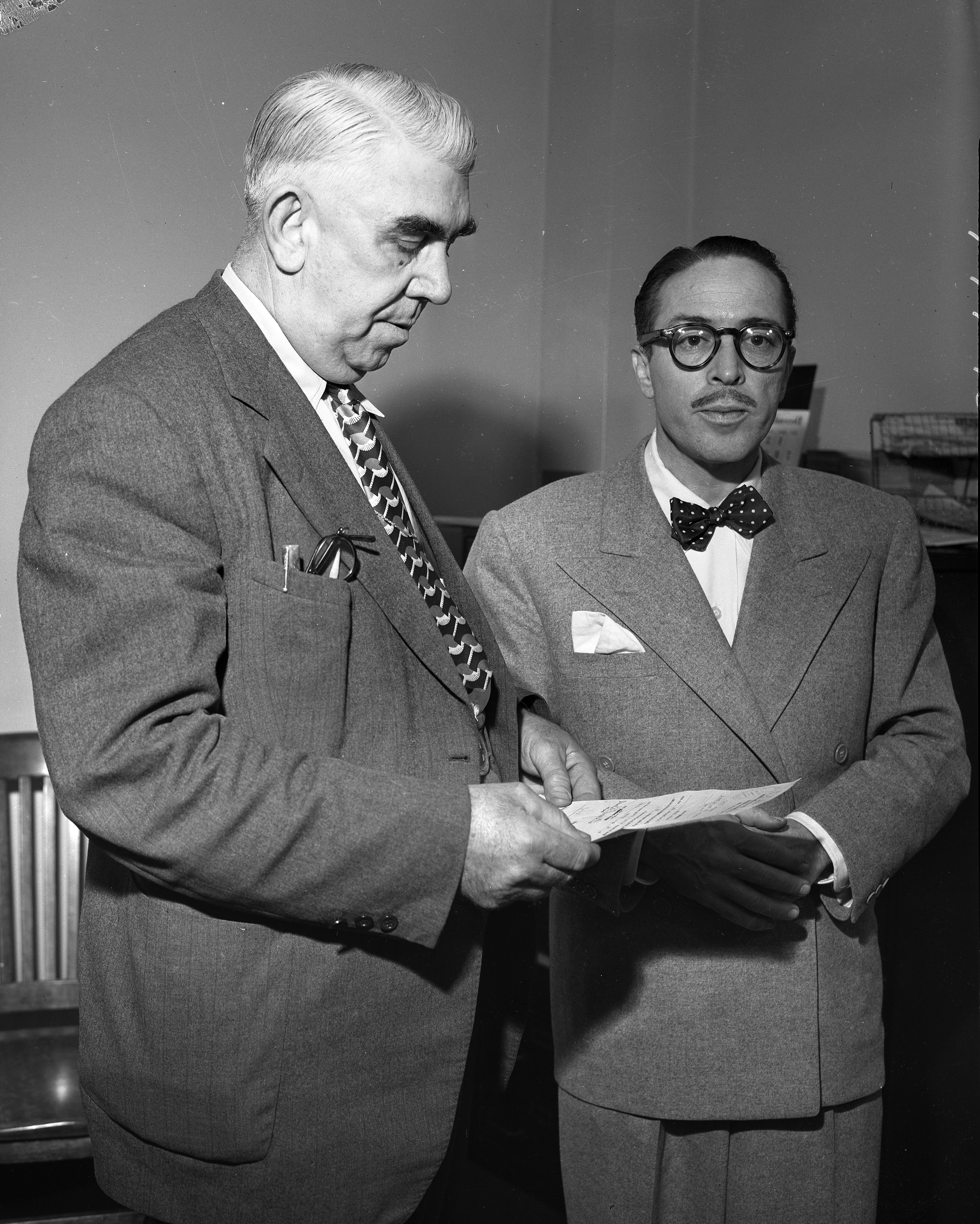
4. **Dalton Trumbo**:Dalton Trumbo, a prolific and highly respected screenwriter, was perhaps the most iconic figure among the “Hollywood Ten,” and his personal saga became synonymous with the cruelty and eventual cracks in the blacklist. A member of the Communist Party USA from 1943 to 1948, Trumbo was one of the ten men subpoenaed by the HUAC in late September 1947. His principled refusal to answer questions about his political affiliations resulted in a citation for contempt of Congress, initiating a legal battle and a period of professional ostracization that would define a significant portion of his career.
As a member of the Hollywood Ten, Trumbo immediately faced the punitive measures outlined in the Waldorf Statement. He was fired or suspended without pay, effectively banned from writing for any major studio. Convicted of contempt, he served a prison sentence in 1950. However, Trumbo’s creative output was too formidable to be entirely silenced. During his blacklisted years, he continued to write prolifically, utilizing pseudonyms or employing “fronts”—friends and colleagues who allowed their names to be used as official screenwriters for his work. This underground network enabled many blacklisted writers to continue earning a living, albeit often at a fraction of their former rates and without public recognition.
Trumbo’s resilience eventually led to the most significant crack in the Hollywood blacklist. In a groundbreaking move on January 20, 1960, director Otto Preminger publicly announced that Trumbo would receive full screen credit for his work on the forthcoming film “Exodus.” This was followed months later by actor Kirk Douglas publicly acknowledging Trumbo as the screenwriter for “Spartacus.” These announcements, made by powerful industry figures, signaled a decisive weakening of the blacklist’s enforcement and marked a turning point. While other blacklisted artists continued to struggle for years, Trumbo’s public return to credit represented a monumental victory for creative freedom, demonstrating that even the most entrenched industry bans could eventually be challenged and overcome.
Read more about: The Blacklist’s Quiet Fury: The One Word That Hollywood Screenwriters Were Truly Forbidden to Utter
5. **John Howard Lawson**:John Howard Lawson, a prominent screenwriter and a key figure in the Screen Writers Guild, held the unenviable position of being the first of the “Hollywood Ten” to testify before the House Un-American Activities Committee (HUAC) in October 1947. His appearance set the tone for the confrontational and principled stand that the Ten would collectively adopt, challenging the legitimacy of the committee itself and refusing to answer questions about their political affiliations. Lawson’s defiant declaration, “I am not on trial here, Mr. Chairman. This committee is on trial here before the American people. Let us get that straight,” became an emblematic moment of resistance against what many viewed as governmental overreach and political harassment.
Lawson’s refusal to cooperate, much like his fellow “Ten,” led directly to his blacklisting by the Association of Motion Picture Producers. The Waldorf Statement ensured that his career, which had included credits on films like “Action in the North Atlantic,” was effectively terminated within the mainstream studio system. For an influential screenwriter like Lawson, who had been involved in shaping narratives and mentoring younger writers—his “Writers’ Clinic” offered critical feedback on screenplays—this ban represented a profound loss not only for his individual career but also for the collective creative intellectualism he fostered within Hollywood. His conviction for contempt of Congress resulted in a prison sentence, further cementing his status as a martyr of the blacklist.
Beyond his individual ban, Lawson’s role as an intellectual and ideological leader within the CPUSA’s Hollywood chapter made him a particular target for HUAC. His influence extended to critiquing screenplays for ideological content, as noted by Budd Schulberg regarding his novel “What Makes Sammy Run?” While the extent of Communist influence on film content was often exaggerated, figures like Lawson were perceived as central to any alleged subversive efforts. His blacklisting underscored the committee’s intent to dismantle not just individual careers but also any perceived organized political activity within the industry, ensuring that no figure of his stature could continue to influence the direction or content of American cinema from within the major studios.
The initial wave of blacklisting, which profoundly reshaped careers and creative output, was merely the beginning of a pervasive system that would expand its reach through various mechanisms, both official and unofficial. As the Cold War intensified, the entertainment industry found itself under increasing scrutiny, leading to a broadening of the blacklist beyond the original “Hollywood Ten” and into the lives of hundreds more. This second phase reveals how the ban was enforced, the ripple effects it had on individuals’ professional and personal lives, and the courageous acts that eventually chipped away at its formidable power. Here, we spotlight four more influential figures whose careers were irrevocably altered by this infamous chapter in Hollywood’s history.
Read more about: The Blacklist’s Quiet Fury: The One Word That Hollywood Screenwriters Were Truly Forbidden to Utter
6. **Lester Cole**:Lester Cole, a highly regarded screenwriter with credits dating back to the 1930s, was another central figure among the “Hollywood Ten” whose career was dramatically derailed by the blacklist. As one of the ten men subpoenaed by the House Un-American Activities Committee (HUAC) in late September 1947, Cole adopted the same principled stance as his colleagues, refusing to answer questions about his political affiliations. This defiant non-cooperation immediately placed him on the burgeoning blacklist, marking the abrupt cessation of his mainstream studio work.
Following the House of Representatives’ vote to approve contempt citations, Cole, like the other members of the “Hollywood Ten,” faced severe legal and professional repercussions. He was suspended without pay by studio executives, adhering to the infamous Waldorf Statement, which effectively banned him from employment in Hollywood. His conviction for contempt of Congress led to a prison sentence in 1950, a harsh penalty that underscored the government’s determination to silence dissent and enforce conformity within the industry.
Despite the direct ban and imprisonment, Cole’s creative spirit remained unbroken. Though he struggled to find work under his own name, he, like many blacklisted writers, likely contributed to screenplays using pseudonyms or “fronts,” allowing him to continue his craft covertly. While the context mentions a recollection of him inserting lines from a pro-Loyalist speech into a film, highlighting potential ideological influences, the primary impact of the blacklist on Cole was the overt and immediate termination of his public career within the studio system, a testament to the devastating effectiveness of the ban on defiant figures.
Read more about: The Blacklist’s Quiet Fury: The One Word That Hollywood Screenwriters Were Truly Forbidden to Utter
7. **Adrian Scott**:Adrian Scott, an accomplished producer renowned for his work on critically acclaimed films such as “Murder, My Sweet” and “Crossfire,” found his career irrevocably shattered by the blacklist through a particularly painful mechanism: being “named” by a former friend and professional collaborator. Scott’s professional trajectory was intimately tied to director Edward Dmytryk, having produced four of Dmytryk’s films. This close association, however, became a liability when Dmytryk, after his own imprisonment, chose to cooperate with HUAC in September 1950 and “name names.”
Dmytryk’s testimony in 1951, in which he described his past Party membership and, crucially, identified others, included Adrian Scott. This act of naming immediately cemented Scott’s place on the blacklist, effectively barring him from any future employment within the American studio system. For a producer, whose role is inherently collaborative and deeply dependent on studio resources and networks, such a ban was a career-ending pronouncement.
Unlike Dmytryk, Scott did not choose to cooperate, enduring the full force of the blacklist. The consequences for his career were stark and enduring; his next screen credit did not come until 1972, more than two decades after his blacklisting, and he never produced another feature film. Scott’s story powerfully illustrates the profound professional death sentence imposed by the blacklist, especially for those ensnared not by their own testimony but by the accusations of others, highlighting the pervasive chilling effect and the industry’s complicity in enforcing these bans.
Read more about: The Blacklist’s Quiet Fury: The One Word That Hollywood Screenwriters Were Truly Forbidden to Utter
8. **Lillian Hellman**:Lillian Hellman, an eminent playwright and screenwriter whose contributions included approximately ten motion pictures by the late 1940s, became a significant casualty of the blacklist, demonstrating its expanded reach beyond direct HUAC subpoenas. Her blacklisting was not initiated by her own direct confrontation with HUAC, but rather through the assertive actions of non-governmental organizations like the American Legion. In 1949, the Americanism Division of the Legion issued its own blacklist, a roster of 128 individuals it claimed were part of the “Communist Conspiracy,” and Hellman’s name was prominently featured on this list.
The American Legion, a conservative war veterans’ group, proved instrumental in pressuring studios to ban perceived Communists and “fellow travelers.” Their influence, coupled with other anti-Communist publications like “Red Channels,” which surfaced in 1950, effectively extended the blacklist’s enforcement beyond governmental committees. For a writer of Hellman’s stature, inclusion on such a list was a professional catastrophe, even without a direct HUAC appearance.
As a direct result of being blacklisted by these influential groups, Hellman found herself unable to secure employment again with a Hollywood studio until 1966. This prolonged professional ostracization underscored the power of these unofficial, yet highly effective, enforcement mechanisms. Her experience is a testament to how the blacklist widened its net, ensnaring talented individuals through a pervasive climate of suspicion and external pressure, thereby severely impacting careers based on accusations and perceived affiliations rather than legal judgment.
Read more about: The Blacklist’s Quiet Fury: The One Word That Hollywood Screenwriters Were Truly Forbidden to Utter

9. **Larry Parks**:Larry Parks, an actor who had achieved considerable fame, particularly for his role in “The Jolson Story,” presented a tragic and complex case within the blacklist narrative, revealing the profound no-win situation many individuals faced. When called before HUAC in 1951, during its second investigation of communism in Hollywood, Parks articulated the agonizing dilemma confronting witnesses: “Don’t present me with the choice of either being in contempt of this committee and going to jail or forcing me to really crawl through the mud to be an informer.”
Despite his heartfelt plea, Parks ultimately decided to testify, becoming, albeit reluctantly, a “friendly witness.” He cooperated, perhaps hoping to salvage his career and avoid the fate of the “Hollywood Ten” and others who refused to name names. However, the pervasive nature of the blacklist meant that even cooperation offered no guarantee of absolution.
To his dismay and the shock of many, Parks found himself blacklisted anyway, despite having complied with the committee’s demands. His case stands as a poignant illustration that the “graylist”—those denied work due to political or personal affiliations, real or imagined, regardless of formal HUAC findings—was as devastating as the “official blacklist.” His story highlights the arbitrary and deeply unfair mechanisms of the era, where an individual could compromise their principles, cooperate with their accusers, and still face professional ruin.
The erosion of the Hollywood blacklist, though a long and arduous process, finally began to manifest in tangible ways toward the end of the 1950s. While figures like Larry Parks faced the ultimate paradox of cooperation leading to blacklisting, the groundwork for defiance was being laid by others. John Henry Faulk, a radio host, notably sued AWARE, Inc., a private firm involved in blacklisting, a legal battle that symbolized growing resistance. On television, CBS began to show cracks, with blacklisted individuals like Norman Lloyd, Edward Chodorov, and Jerry Fielding slowly finding work and receiving proper credit.
Read more about: The Blacklist’s Quiet Fury: The One Word That Hollywood Screenwriters Were Truly Forbidden to Utter
The decisive turning point, however, arrived in 1960. Director Otto Preminger’s public announcement that Dalton Trumbo, a prominent member of the “Hollywood Ten,” would receive screen credit for “Exodus” was a monumental act of defiance. This was swiftly followed by Kirk Douglas’s public acknowledgment of Trumbo as the screenwriter for “Spartacus.” These bold moves by powerful industry figures signaled a definitive weakening of the blacklist’s enforcement, demonstrating that creative merit could, at last, begin to transcend political purges. While many blacklisted artists continued to struggle for years, Trumbo’s re-crediting was a symbolic victory, marking the beginning of the end for this infamous and damaging period in American cinematic history, yet leaving behind a legacy of profound personal and professional loss for countless talented individuals.