The allure of a classic car is undeniable, a potent blend of nostalgia, engineering marvel, and a tangible piece of automotive history. For many, it’s not just a vehicle; it’s a passion project, a weekend warrior, or even a shrewd investment. The global classic car market, valued at a staggering $31.6 billion in 2022, speaks volumes about the enduring love affair people worldwide have with these vintage machines. Indeed, a car you admired as a child might now qualify as a classic, generally defined as 25 years old or older, making the dream of ownership more attainable than ever.
Yet, beneath the gleaming chrome and polished paintwork, the world of classic car acquisition is fraught with potential pitfalls that can transform a dream into a financial nightmare. We’ve witnessed countless new collectors fall prey to common mistakes, costing them thousands – sometimes tens of thousands – of dollars. While we wholeheartedly endorse the vibrant secondary market for these automotive treasures, prospective buyers must be acutely aware of the warning signs and red flags that often hint at significant long-term issues. Avoiding these rookie blunders is not just about saving money; it’s about safeguarding your passion and ensuring your classic car journey is one of joy, not regret.
This in-depth guide is designed to arm you with the expert knowledge and practical advice needed to navigate the complex landscape of classic car buying. Drawing on years of automotive insight, we’ll break down the most common and costly errors, providing you with a clear roadmap to make an informed decision. By understanding these critical rules, you’ll be well-prepared to find, evaluate, and ultimately purchase the classic car of your dreams, protecting your investment and your peace of mind. Let’s dive into the essential lessons that will help you avoid a $50,000 mistake and drive away with confidence.
1. **Failing to Do Comprehensive Research**One of the most pervasive and financially damaging mistakes first-time classic car buyers make is failing to do their homework. Many enthusiastically jump into a purchase without undertaking any substantial research about the specific make or model they are considering. This oversight can quickly lead to unforeseen mechanical issues, overpaying, or discovering that your coveted classic is not quite what it seemed.
Before you even think about meeting a seller or taking a test drive, it is absolutely paramount to conduct independent, in-depth research. This means delving into whether a particular model from that specific year is known to have significant mechanical vulnerabilities. Searching online for reviews from genuine owners can provide invaluable insights into the daily realities and potential headaches associated with ownership. Furthermore, consulting with experienced classic car collectors and your trusted mechanic can reveal common issues that might otherwise come back to haunt you later, saving you considerable future expense and frustration.
Beyond mechanical integrity, understanding market valuations is equally critical. It’s essential to get a sense of what similar vehicles have sold for by consulting several reputable sources. Remember, not all collector cars are restored to the same standard, and values can vary wildly based on year, make, model, and condition. Being aware of this price range will significantly reduce your risk of overpaying for a vehicle that doesn’t command the price, ensuring your investment is sound and aligned with market realities.
This comprehensive research also extends to the vehicle’s background, its operational status, safety equipment, and even its paint color. A rare factory paint color, for instance, can dramatically increase a car’s value, sometimes doubling the price of an otherwise identical model. Understanding these nuances before you buy ensures you’re making a truly informed decision, not one based purely on emotion or superficial appeal.
Read more about: Under the Hood: 8 Critical Patent Insights Engineers Must Master to Safeguard Innovation
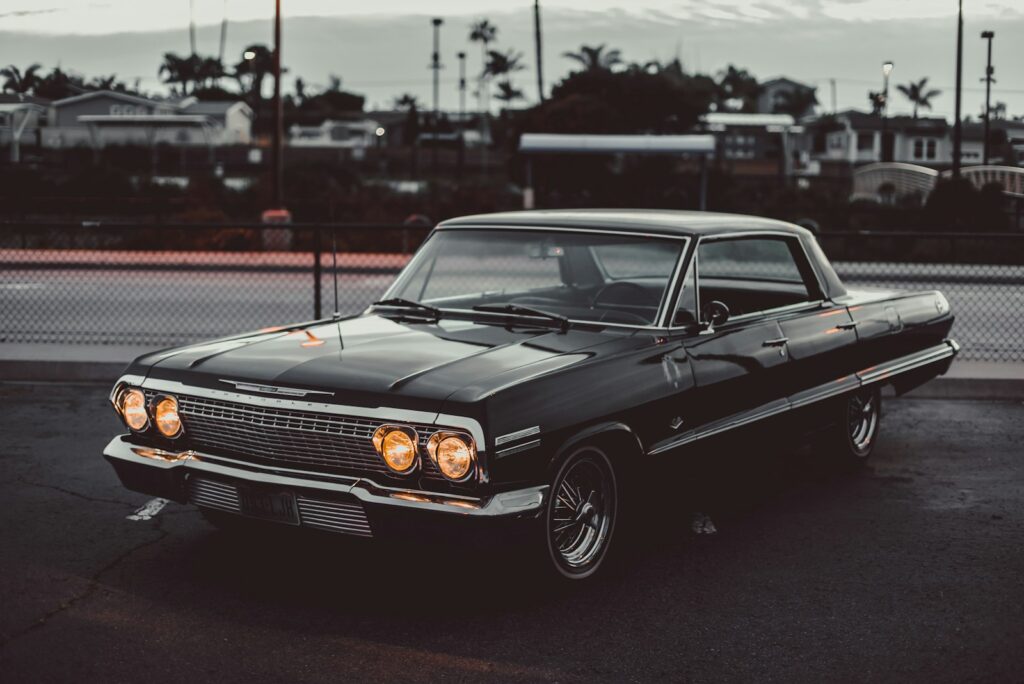
2. **Ignoring Your Passion and Buying a Car You Don’t Truly Love**In the realm of classic cars, where practicality often takes a backseat to emotion, buying a vehicle solely for its perceived appreciation potential or popularity is a critical misstep. Many first-time buyers are swayed by market trends or the advice of others, acquiring a classic they believe will be a ‘good investment’ rather than one that genuinely ignites their personal passion. This approach almost inevitably leads to buyer’s remorse and a diminished ownership experience.
Owning a classic car is, in almost all cases, a labor of love. It demands a considerable investment of time, energy, effort, and money, often extending well beyond the initial purchase price. Restorations, maintenance, and unforeseen repairs are part and parcel of classic car ownership. If you aren’t deeply passionate about the specific make and model you acquire, this ongoing commitment can quickly transform into resentment, making the entire endeavor feel like a burden rather than a joy.
Your classic car should be something you truly enjoy driving, looking at, and working on. It should satisfy *your* expectations, not merely reflect the popularity or value others place on it. While the idea of a revenue-generating hobby is appealing, successful classic car investing often stems from a genuine passion that fuels the research, patience, and dedication required to find and maintain truly valuable examples.
To prevent this costly emotional and financial drain, prioritize your personal connection to the vehicle. Buy a car that speaks to you, one that you will genuinely cherish and enjoy for years to come. This personal alignment will provide the motivation needed to overcome the inevitable challenges of classic car ownership, ensuring that your investment of time, money, and effort is rewarded with profound satisfaction.
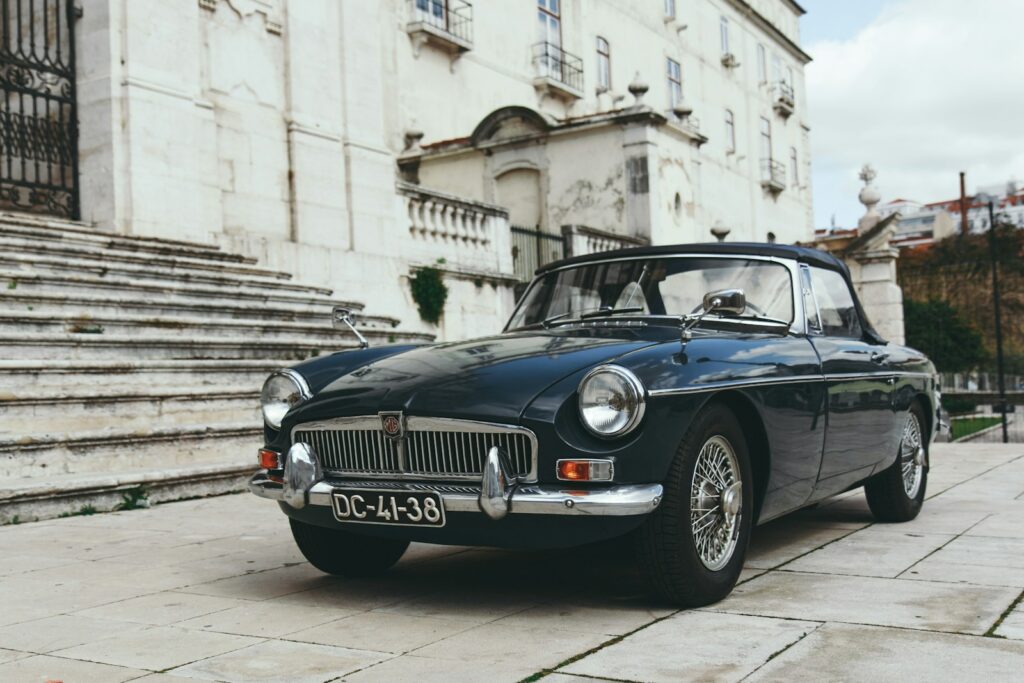
3. **Skipping a Professional Pre-Purchase Inspection**One of the most frequently overlooked — and undeniably perilous — classic car buying secrets is the absolute necessity of a professional pre-purchase inspection. Regardless of your personal expertise, even if you are an experienced mechanic yourself, obtaining a second opinion from a trusted, qualified professional is an indispensable step. The excitement of a potential purchase can easily blind a buyer to critical flaws, making an objective third-party assessment paramount.
This inspection is not merely a formality; it’s a deep dive into the vehicle’s true condition, identifying structural damage, hidden rust, signs of wear and tear, and potential mechanical time bombs. For older vehicles especially, a comprehensive inspection can uncover issues that are costly, complex, or even impossible to rectify. Imagine purchasing a classic only to discover extensive frame rot or a transmission on its last legs – a professional inspection can prevent such heartaches, saving you far more than its initial cost.
When considering a used classic car, take the vehicle to a reputable service center that specializes in vintage automobiles, or enlist a dedicated pre-purchase inspection company. Services like AAG Auto Appraisal Group or FossilCars are specifically equipped to evaluate classic vehicles, providing detailed reports that highlight any areas of concern. This proactive approach allows you to negotiate more effectively, factor in potential repair costs, or walk away from a problematic deal entirely.
During the inspection, specific critical areas demand close attention. These include obvious signs of rust on both the frame and floorboards, meticulously inspecting the engine for leaks and damage, and conducting a thorough test drive to assess operational integrity. Even for fully restored vehicles, a professional once-over can provide peace of mind and identify any unexpected flaws. Paying a little for an expert now can prevent paying a ton more later, making this one of the most vital rules to never break.
Read more about: Consumer Alert: 13 Essential Safeguards Against the Hidden Dangers of Buying a Car Sight Unseen Online
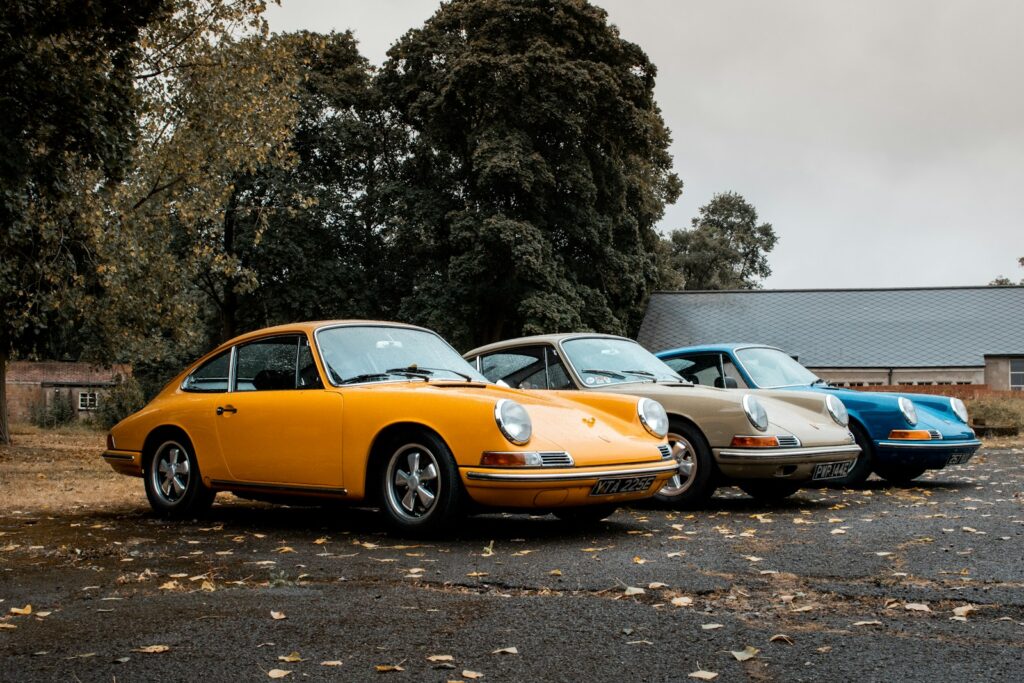
4. **Underestimating Long-Term Upkeep, Maintenance, and Restoration Costs**The purchase price of a classic car is often just the tip of a very large financial iceberg. A common, and indeed costly, mistake buyers make is miscalculating or simply ignoring the substantial long-term upkeep, maintenance, and potential restoration costs involved in vintage vehicle ownership. Many focus solely on the initial acquisition cost, neglecting to budget for the continuous expenses required to keep a classic roadworthy and in good condition.
Consider the scenario of a collector who bought a vehicle for $10,000 decades ago and sold it for $40,000. What often goes unshared is the tens of thousands of dollars poured into upkeep, mechanical maintenance, or drive replacements over the years. Classic cars, especially those with original parts, frequently require regular repairs, and replacement components can be both rare and expensive. These parts often demand specialist sourcing and can incur significant shipping costs, drastically increasing the overall financial commitment.
To gain an accurate understanding of what a specific classic car model costs to maintain, a robust research effort is essential. Connecting with local classic car clubs is an excellent starting point; their members often possess first-hand experience with various makes and models and can provide fairly accurate estimates of routine maintenance and potential repair expenses. These communities are invaluable resources for understanding the financial realities of different vintage vehicles.
Furthermore, if a classic car is not already restored, understanding the scope and financial demands of a full restoration is paramount. This includes factoring in the cost of antique parts or acceptable replicas, the time commitment, and the labor involved. Without a firm grasp of these elements, what begins as an enjoyable project can quickly spiral into a full-blown financial nightmare, making it imperative to account for all expenses before diving headfirst into classic car ownership.

5. **Neglecting a Thorough VIN Verification**Another fairly common, yet critically important, mistake that can have severe repercussions when buying a classic car is neglecting to check the Vehicle Identification Number (VIN) thoroughly. Many buyers, accustomed to modern used car purchases with readily available CarFax reports, overlook the unique importance of VIN verification in the classic car market, where detailed histories are often scarce.
The VIN is the vehicle’s true identity, and its verification is vital for several reasons. Primarily, it helps to confirm the authenticity of the car and its major components. Finding the VIN is usually straightforward; it’s often stamped directly onto the engine, visible on the exterior of the dashboard, or located on the door jamb. However, a single VIN check isn’t enough. It’s crucial to locate all known VIN locations within the vehicle and ensure they all match.
If the VINs across different components do not align – for instance, if the engine VIN doesn’t match the dashboard or frame VIN – it’s a glaring red flag indicating that the engine, or other major parts, have likely been replaced. In the world of classic cars, where originality often equates to value, buying a “Frankenstein vehicle” pieced together from different cars can significantly diminish its worth. An authentic car, especially one retaining its original numbers-matching engine, is substantially more valuable to collectors.
Beyond authenticity, checking the VIN can help you avoid buying a stolen vehicle or one with a dubious past, such as a “title wash” scam where a salvage title is fraudulently cleaned. Car manufacturers and registration agencies maintain comprehensive VIN databases, making it relatively easy to cross-reference and verify a vehicle’s history. This meticulous attention to the VIN is a fundamental defense against fraud and a cornerstone of smart classic car acquisition.
Read more about: Be Warned: 14 Critical Mistakes Off-Road Jeep Owners Should Avoid When Considering a Lift in 2026
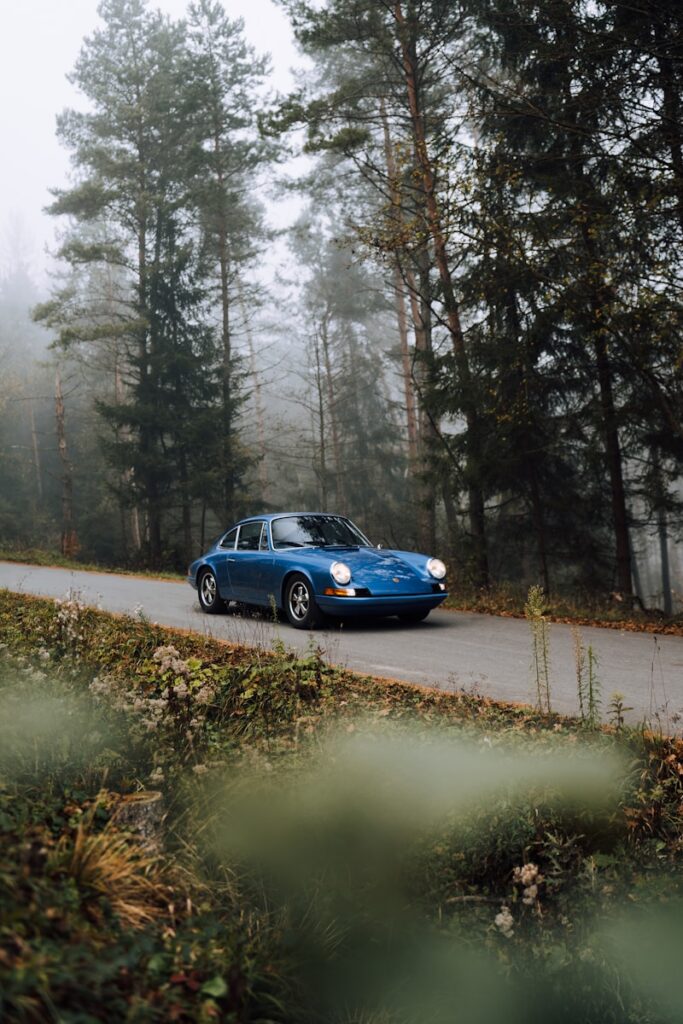
6. **Failing to Secure a Specialist Classic Car Mechanic**Forgetting the need for a particular, specialist mechanic before buying a classic car is a significant oversight that can lead to ongoing frustration and unexpected expenses. Unlike modern vehicles, which most general auto shops can service, classic cars are a different breed. Their limited models, rare parts, and often simpler, yet distinct, mechanical systems require a specialized touch.
Not every mechanic is qualified or experienced enough to work on a rare or classic car. Attempting to have a standard garage perform intricate repairs or routine maintenance on a vintage vehicle can lead to incorrect diagnoses, improper fixes, or even further damage. These cars often feature carbureted engines, different electrical systems, and unique suspension designs that are foreign to technicians trained primarily on contemporary fuel-injected, computer-controlled vehicles.
Before you commit to purchasing a classic car, it is imperative to research and identify a seasoned, “old school” mechanic in your area who possesses demonstrated experience with the specific make and model you are interested in. Reach out to local classic car clubs or enthusiast forums for recommendations; their networks often include trusted specialists. These experts not only know how to repair and maintain older cars but also understand the nuances of sourcing appropriate parts and preserving the vehicle’s historical integrity.
While these specialist mechanics may charge higher rates than your local general shop, their expertise is an invaluable investment. Having a trusted specialist lined up beforehand provides immense peace of mind, knowing that your classic car will receive the knowledgeable care it deserves. This foresight ensures that ongoing maintenance and any necessary repairs are handled correctly, safeguarding your investment and maximizing your enjoyment of the vehicle.
Read more about: Be Warned: 14 Critical Mistakes Off-Road Jeep Owners Should Avoid When Considering a Lift in 2026
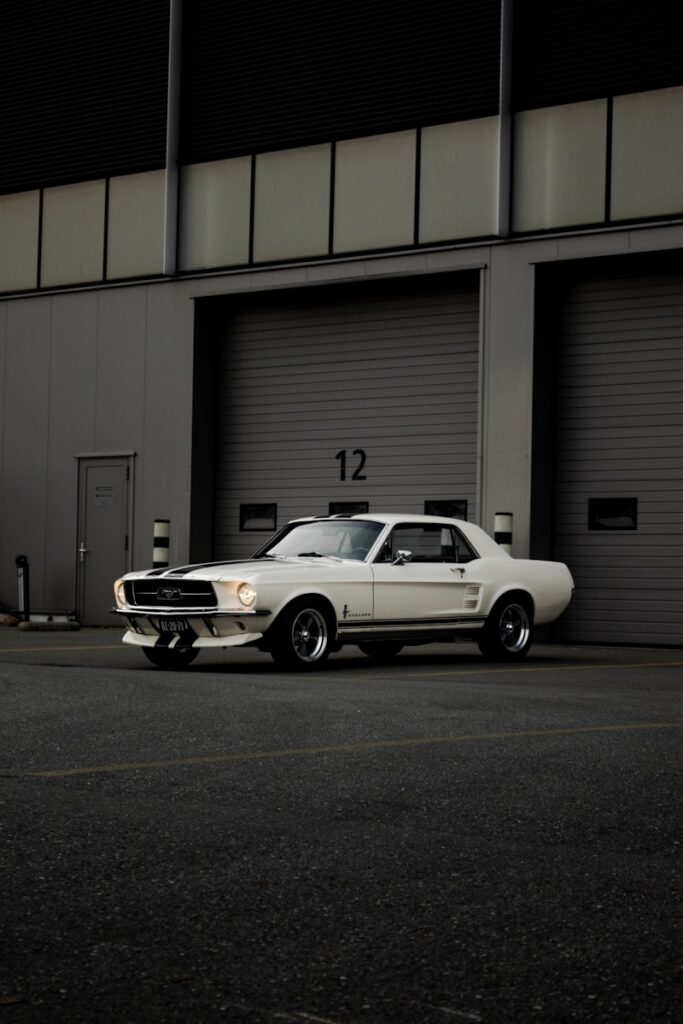
7. **Buying Sight Unseen or Rushing the Transaction**One of the cardinal rules in classic car acquisition, and indeed any significant purchase, is never to buy sight unseen or rush into a transaction. The excitement of finding a potential dream vehicle can be intoxicating, clouding judgment and leading to hasty decisions that often result in profound buyer’s remorse and substantial financial loss. This is the $50,000 mistake that can underpin many others.
Unless you are deliberately throwing caution and your money to the wind, a thorough physical inspection of any classic car you’re interested in is non-negotiable. Photos, no matter how high-quality, can be deceiving. A “gorgeous midnight blue paint job” in pictures can hide “3 inches of body filler” that will inevitably start cracking, as one unfortunate buyer discovered. Sellers, whether private or dealers, can easily misrepresent a vehicle, hoping an unsuspecting soul takes the bait without proper due diligence.
Rushing a deal prevents you from conducting essential checks like a proper pre-purchase inspection, VIN verification, or even an adequate test drive. It’s easy to fall in love with the first car you find, especially if it appears to tick all the right boxes. However, it’s vital to remember to take proper precautions. One effective strategy to avoid this mistake is to refrain from buying a car the moment you see it. Even if the vehicle appears to be in perfect condition and the price seems right, taking a day or two to “sleep on your decision” allows you to revisit the purchase with fresh eyes and a clear head.
This cooling-off period also provides an opportunity to conduct last-minute research, verify the asking price against market values, and assess the availability of any necessary parts. Deals, even seemingly perfect ones, come and go. Exercising patience and caution protects your wallet, your sanity, and ultimately ensures you make a well-considered purchase rather than an impulsive one that could lead to years of regret.
Read more about: Consumer Alert: 13 Essential Safeguards Against the Hidden Dangers of Buying a Car Sight Unseen Online
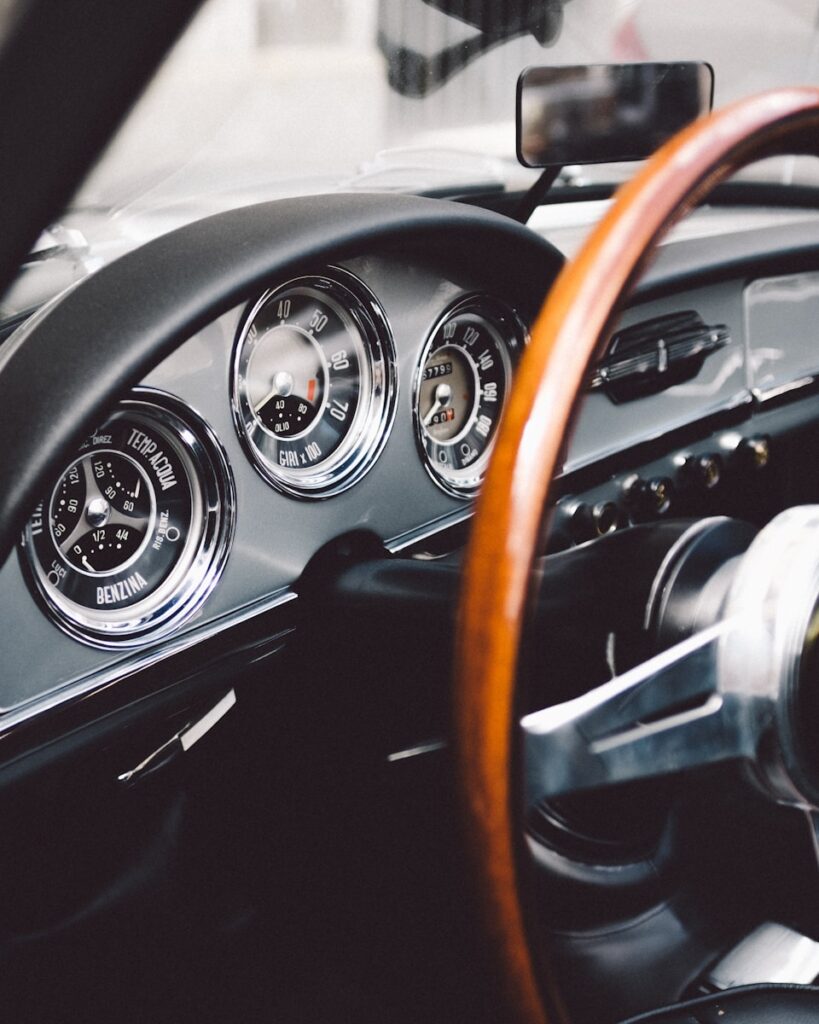
8. **Overestimating Your DIY Skills**The allure of restoring a classic car with your own hands is powerful, a romantic vision of wrenching late into the night, bringing a piece of history back to life. However, one of the significant pitfalls many aspiring classic car owners encounter is a tendency to overestimate their do-it-yourself skills. The reality of working on vintage automobiles can be far more demanding and intricate than anticipated, often requiring specialized knowledge and tools that go beyond the average enthusiast’s garage setup.
It’s a common scenario: a buyer acquires a classic car with grand plans for a full restoration or extensive repairs, only to find the project stalled indefinitely. The context explicitly warns against this, stating, “Some people misjudge how much time and skill goes into working on classic cars. You don’t want a classic car sitting in your garage for years because you can’t do the work required or can’t afford to have someone else do it.” This isn’t just about a lack of time; it’s about the technical complexities. Vintage vehicles, while simpler in some ways than modern cars, possess carbureted engines, unique electrical systems, and older mechanical designs that can be foreign to those accustomed to contemporary, computer-controlled vehicles.
Before committing to a project car, it’s crucial to be brutally honest with yourself about your mechanical aptitude and the actual time you can dedicate. Consider the challenges: sourcing antique parts, understanding older repair manuals, and the sheer physical effort involved. If you anticipate needing professional help, factor in those costs from the outset. As one automotive expert notes, “Older vehicles may be easier to work on and restore than contemporary cars, thanks to their lack of modern electrical systems and advanced safety equipment. Vintage vehicles typically have large, open engine bays with simple carbureted motors.” While this can be true, it doesn’t mean it’s *easy* for everyone. A realistic assessment of your capabilities will prevent your dream classic from becoming a perpetual garage ornament, ensuring it ultimately sees the open road.
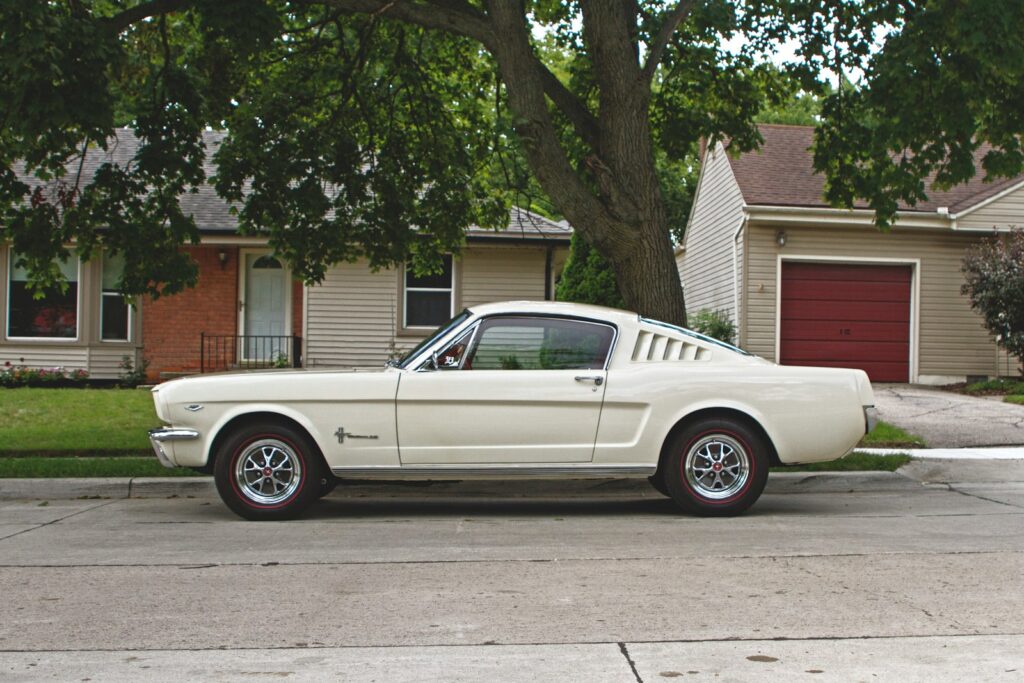
9. **Failing to Consider the Availability of Spare Parts**Imagine finally acquiring your dream classic, only for a crucial component to fail – and then discovering that replacement parts are virtually impossible to find. This nightmare scenario is a stark reality for many classic car enthusiasts who neglect to investigate spare parts availability before making a purchase. It’s a mistake that can lead to immense frustration, extended downtimes, and potentially rendering your prized possession an immobile display piece.
The context highlights this critical oversight directly: “Too many classic car buyers make this mistake. You don’t want a situation where it takes ages to find parts. In some cases, you might find it nearly impossible to get parts. Check for availability near home and abroad before making a buying decision.” Unlike modern vehicles with readily available components, parts for vintage cars can be rare, expensive, and require specialist sourcing. This is particularly true for “extremely rare ones,” where the scarcity drives up costs and extends search times dramatically.
Therefore, diligent research into the parts ecosystem of your desired classic car is non-negotiable. Before you finalize any deal, explore forums, specialist suppliers, and classic car clubs dedicated to that specific make and model. Investigate whether common wear items, mechanical components, and body panels are still being manufactured, or if you’ll be reliant on used, reconditioned, or custom-fabricated parts. Understanding this landscape will provide a clear picture of the long-term viability and cost implications of ownership, ensuring that when the inevitable repair arises, you’re not left stranded with an unfixable classic.
Read more about: Unveiling the “Winged Wheel”: A Deep Dive into Police Motorcycle History and Modern Traffic Realities for the Informed Rider
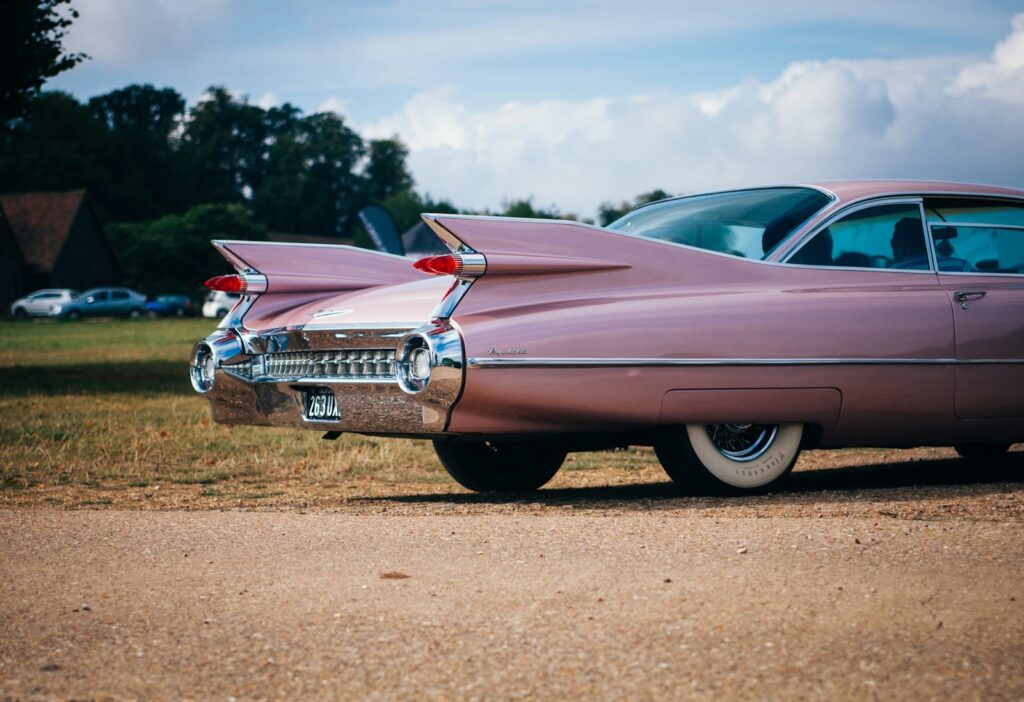
10. **Failing to Determine Where You’ll Store It**The romantic ideal of a classic car often conjures images of cruising down scenic routes or gleaming under show lights. What often gets overlooked in the initial excitement is the practical, yet critical, matter of proper storage. Neglecting to plan for a secure and appropriate storage solution before purchase is a mistake that can seriously compromise your classic car’s condition, longevity, and ultimately, your investment.
The advice is unequivocal: “Don’t even think about storing your classic car on the driveway.” Exposing a vintage vehicle to the elements – sun, rain, snow, and extreme temperatures – accelerates deterioration, leading to rust, paint fade, and interior damage. This is especially true for fully restored vehicles, which require meticulous care to preserve their pristine condition. Adequate protection is not merely a convenience; it is a fundamental aspect of classic car preservation.
Ideally, a classic car should reside in a “covered spot… during the off-season” or, even better, a dedicated garage. If you lack sufficient garage space at home, you must “pay to store your classic car somewhere.” This could mean renting space in a climate-controlled facility, which adds to the long-term costs but offers invaluable protection. Factor these storage expenses into your budget from the very beginning. A classic car is an investment that demands safeguarding from environmental wear and tear, and pre-planning its secure domicile is a practical step that will save you headaches and expenses down the road.
Read more about: The Single Most Important Question to Ask When Buying a Used Electric Car: A Comprehensive Guide for Savvy Consumers
11. **Not Having the Right Insurance Coverage**Securing the appropriate insurance coverage for a classic car is far more nuanced than simply extending your standard auto policy. It’s a critical financial safeguard that many first-time buyers mistakenly overlook or underestimate, assuming conventional insurance will suffice. However, failing to acquire specialized classic car insurance can lead to significant financial loss in the event of damage, theft, or an accident, completely undermining your investment.
A classic car buyers guide “wouldn’t be complete without mentioning insurance.” The key differentiator for collector vehicles is “Agreed Value” coverage, which ensures that if your car is totaled or stolen, you receive the amount you and your insurer agreed upon beforehand, rather than a depreciated market value. This is crucial because classic cars often appreciate, and their value is not easily determined by standard depreciation tables. The context notes, “Although insuring a collector vehicle though a specialty insurance provider can cost significantly less than through a traditional auto insurer, certain antique cars and rare/exotic collector vehicles can be more expensive to insure than other types.”
Before you commit to a purchase, it is imperative to “research collector car insurance rates for the model that you’re interested in.” Various factors, including the vehicle type, year, and the Agreed Value policy limit you select, will influence premiums. “There are many options available to you if you’re looking for classic car insurance. Don’t settle for an expensive policy because it was the first quote given to you. Shop around and do your homework before purchasing an Agreed Value policy.” This diligence ensures your classic car, a labor of love and a significant investment, is properly protected, providing peace of mind against unforeseen circumstances and preserving its financial worth.
Read more about: Consumer’s Essential Guide: 14 Dealer Add-Ons and Fees to Approach with Caution (or Avoid Entirely)

12. **Skipping the Test Drive**The excitement of a classic car purchase can, unfortunately, lead to a critical oversight: skipping the test drive. While a comprehensive static inspection is indispensable, nothing reveals a vehicle’s true character and hidden flaws quite like putting it through its paces on the road. Neglecting this crucial step is a profound mistake that can result in owning a car riddled with expensive, undisclosed mechanical issues.
The advice from seasoned collectors is clear: “It’s never a good idea to skip the test drive. You must put a classic car through its paces to see what it’s like on the road.” This isn’t just about feeling the rumble of a vintage V8; it’s about actively listening and feeling for any anomalies. The context provides poignant examples of the consequences: “My buddy Dave ignored a weird clunk because the engine ‘sounded like heaven.’ That clunk? Turned out the transmission was holding together with hopes and prayers. $4,200 later…” These are the kinds of lessons learned the hard way that a proper test drive can prevent.
During your test drive, pay meticulous attention to specific indicators. “Listen for: Clunks when shifting. That high-pitched bearing whine at 40mph. Brakes that feel like stepping on a sponge. Steering that thinks straight ahead is optional.” These are not minor quirks but potential red flags signaling significant and costly repairs ahead. If the seller is reluctant to allow a test drive, or if the conditions are restrictive, consider it a major warning sign. A genuine seller with nothing to hide will understand the importance of this final dynamic assessment, allowing you to make a fully informed decision about the vehicle’s operational integrity.
Read more about: So You Rolled Up in That Rare Muscle Car? Here’s What Your Car Wash Attendant *Actually* Thinks (And How to Earn Their Respect)

13. **Buying From the Wrong Person and Avoiding Scams**The vibrant secondary market for classic cars, while a treasure trove of automotive history, is unfortunately also fertile ground for unscrupulous sellers and various scams. Buying from the wrong person, whether an unreliable private individual or a deceptive dealer, is a catastrophic mistake that can lead to financial ruin and profound disappointment. Equipping yourself with the knowledge to identify and avoid these pitfalls is paramount to a successful classic car acquisition.
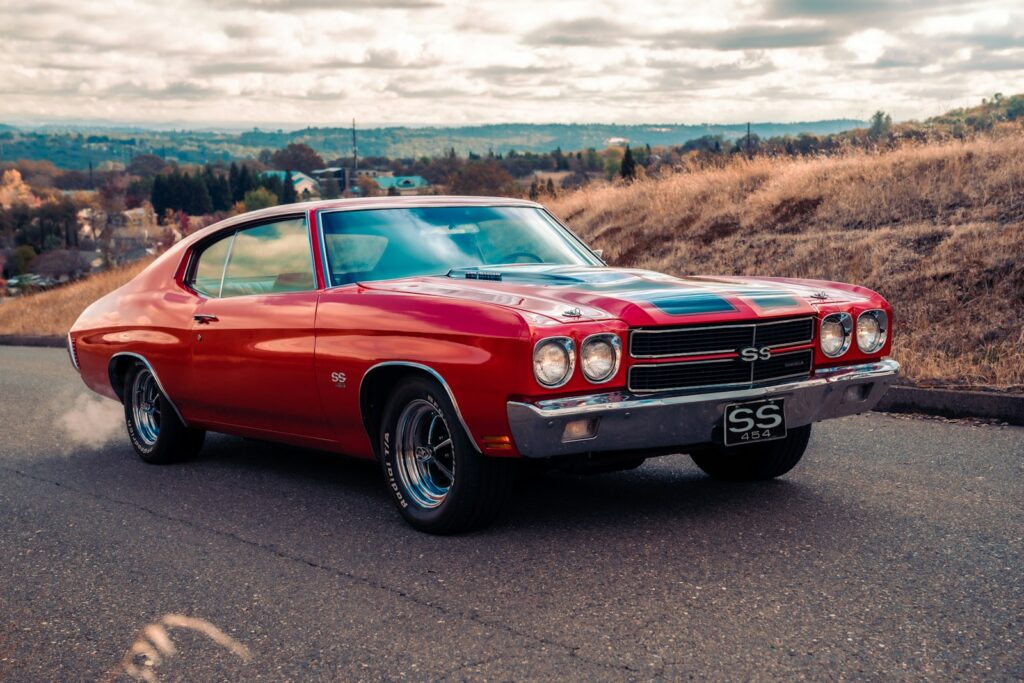
The context is replete with warnings about dishonest sellers: “Some private car sellers are a piece of work. They misrepresent what they’re selling — hoping some unsuspecting soul takes the bait.” This often manifests in what are known as “classic car scams that cost my friends big money.” These include “The Badge Job,” where a base model is fraudulently presented as a high-value variant (e.g., a regular Chevelle with SS badges). Or “The Quick Flip,” where a seller “buys a car, throws on fresh paint, then sells it two weeks later for double,” concealing underlying issues like body filler over rust or painted-over frame damage.
Further deceptions include “The Title Wash,” where a salvage title is fraudulently cleaned, making a heavily damaged car appear legitimate, often indicated by recent out-of-state titles or a seller claiming ignorance of past history. There’s also “The Parts Frankenstein,” a vehicle “three different cars welded together,” identified by mismatched panel colors, welding marks, or inconsistent VIN tags. Finally, beware “The ‘Just Missing’ Game,” where a seller downplays a missing part as minor, when it could be unobtainable or indicative of deeper problems. To protect yourself, consider buying “through an online platform that vets and screens buyers and sellers,” and always conduct thorough due diligence, ensuring the seller is “legit” and you’re buying the car you want, not one being pushed on you. Your vigilance against these common ploys is your best defense against a collector car purchase gone wrong.
***
Read more about: The 13 Critical Pitfalls: Unmasking the Hidden Dangers of Online Car Auctions
Navigating the intricate world of classic car acquisition certainly demands a keen eye, a cautious approach, and a healthy dose of patience. From the initial thrill of finding that perfect vintage machine to the practicalities of its long-term care, every step is a testament to your commitment to automotive history. By adhering to these crucial rules – from comprehensive research and professional inspections to securing specialist mechanics and appropriate insurance, all while steering clear of scams and hasty decisions – you’re not just buying a car; you’re investing in a legacy. Your classic car journey should be an adventure filled with pride, enjoyment, and the undeniable satisfaction of owning a piece of the past, meticulously chosen and lovingly maintained. Drive on, knowing you’ve made a smart, informed decision, preserving your passion and your pocketbook for miles to come.