Every day, millions of Americans confidently take to the roads for commutes, errands, and adventures. This pervasive reliance on automobiles, however, comes with inherent risks that are often underestimated. While we all strive to be safe drivers, motor vehicle accidents remain one of the leading causes of death in the U.S., claiming over 100 lives daily according to the Centers for Disease Control and Prevention. In 2022 alone, a sobering 42,514 lives were tragically lost on our roads, underscoring the critical importance of understanding and mitigating driving dangers.
Yet, not all driving experiences carry an equal level of risk. Data-driven insights from authoritative sources like the National Highway Traffic Safety Administration (NHTSA) reveal stark patterns, demonstrating unequivocally that your probabilities of getting home safely are significantly influenced by *when* you choose to drive. Factors such as the specific time of day, day of the week, and even the month or holiday can dramatically shift the safety landscape, presenting distinct periods of heightened peril for motorists nationwide. For instance, using a phone while driving increases your likelihood of a collision four-fold.
As a trusted resource for consumer safety, we’ve meticulously analyzed the latest available data to bring you a comprehensive guide to America’s most dangerous driving times. This in-depth article aims to equip you with actionable knowledge, empowering you to make informed decisions about when it’s prudent to exercise extra caution or, perhaps, even leave the keys in your pocket. We will delve into specific hours, days, and periods that statistically present the highest risk, offering an objective and clear look at where and when vigilance is most warranted to enhance your safety and that of your passengers.
1. **The Deadliest Hour: Late Evening (9 PM – 10 PM)**
When identifying the single most dangerous hour for driving across America, data consistently points to the late evening window between 9 PM and 10 PM. Analysis by The Clunker Junker team shows an alarming average of 5.57 fatal collisions occurs daily during this specific period, firmly establishing it as the most perilous time. This is reinforced by national safety findings, especially when combined with high-risk factors like weekend nights. The heightened frequency of serious incidents demands immediate attention from all road users during this critical hour.
The reasons behind this spike are environmental and behavioral. As dusk transitions to night, poor visibility becomes a primary concern; “low light levels affect drivers’ depth and color perception and their peripheral vision,” reducing reaction times. Compounding this, drivers often battle fatigue and, crucially, a higher prevalence of impairment. The CDC starkly reminds us that “motor vehicle crashes involving alcohol-impaired drivers kill one person every 45 minutes in the United States,” making these late evening hours prime time for such tragedies.
The contrast with the safest driving period underscores this profound risk. Data indicates the safest time is typically between 4 AM and 5 AM, with a much lower average of 2.34 deadly accidents per day. This dramatic difference—an over twofold increase in fatalities during the 9 PM to 10 PM slot—serves as a powerful and urgent reminder for motorists. Exercising extreme caution or rescheduling travel during this peak danger period is not just advisable, but potentially life-saving.
2. **The Afternoon Commute: Peak Risk Hours (3 PM – 7:59 PM)**
While late evening holds the title for the single deadliest hour, the broader afternoon and early evening window presents its own significant dangers, particularly for commuters. The traditional rush hour, from 3 PM to 6 PM, is a well-known period of increased road hazards. Farmer & Morris identifies 5 PM to 7:59 PM as “the most dangerous time to be on the road,” citing a consistently “high volume of crashes” during these hours. This sustained period of heightened risk demands particular vigilance from every driver.
Primary factors contributing to this danger are sheer vehicle density and pervasive driver fatigue. Roads are saturated with individuals heading home, resulting in “more drivers, more congestion, more frayed tempers, and, as a result, more collisions.” Drivers are often mentally and physically drained, leading to reduced concentration, slower reaction times, and increased propensity for mistakes. This combination of heavy traffic and weary drivers creates a stressful and accident-prone environment.
As the afternoon progresses, diminishing daylight further compounds the risk. This transitional period brings inconsistent visibility, with glare giving way to deepening shadows, making it difficult to spot hazards. Understanding this lengthy block of hours carries significantly elevated risks is crucial. Planning travel outside of these peak congestion and fatigue hours is a practical and highly recommended strategy to enhance personal road safety and avoid preventable incidents.

3. **The Perils of Late-Night Driving (Midnight – 2:59 AM)**
Beyond the initial late evening peak, the hours stretching from midnight to 2:59 AM represent another critically dangerous period on America’s roads. Farmer & Morris explicitly labels this as “one of the most dangerous late-night windows,” stating that “alcohol-impaired drivers playing a major role in crashes” during this time. As the clock ticks past midnight, the proportion of impaired drivers significantly increases, transforming quiet roads into unpredictable danger zones. Sober drivers must be exceptionally vigilant during these early morning hours.
The impact of impaired driving during this window is profound, but alcohol isn’t the sole culprit; fatigue also reaches critical levels, mirroring alcohol’s effects. The National Safety Council (NSC) highlights that “losing two hours of sleep is equivalent to having three beers before getting behind the wheel,” an alarming comparison. Many drivers struggle with significant sleep deprivation, blurring the lines between conscious attention and dangerous drowsiness, with the ultimate danger lying in potentially falling asleep at the wheel.
Furthermore, these late-night hours amplify general night driving risks. Reduced visibility is a constant challenge, but context also points to a rise in pedestrian accident fatalities at night. This increase is potentially linked to “LED headlights, which have replaced halogen headlights in newer vehicles, are blinding vision for oncoming cars and making it harder to see people walking along the roadway.” This adds another layer of complexity and danger for all road users.

4. **Weekend Woes: Saturday’s Fatal Grip**
When examining the most dangerous days of the week to drive, Saturday consistently emerges as the undisputed leader in traffic fatalities. Data from The Clunker Junker reveals that Saturday is “the most dangerous day to drive,” averaging 4.68 fatal accidents per hour across the United States. This rate then “peaks at 7.08 between 9 and 10 pm,” underscoring the extreme hazards of late-night weekend driving. ConsumerAffairs’ 2022 data identified Saturday as the deadliest day with 7,682 fatalities nationwide, making the weekend, paradoxically, the riskiest period.
The primary drivers behind Saturday’s elevated danger are deeply intertwined with social patterns and behavioral shifts. Weekends are synonymous with increased social activities, celebrations, and leisure travel, contributing to a higher volume of traffic. Crucially, “things really heat up during weekend party times,” leading to a significant surge in alcohol consumption. This directly correlates with an increased presence of impaired drivers on the road, making interactions inherently more perilous. The alarming statistic that “you are 53% more likely to be in a fatal crash on Saturday than you are on Monday” powerfully illustrates this heightened danger.
The unique perils of Saturday also manifest in distinct hourly patterns. While “Saturday and Sunday are the only days when 7-9 am is the safest period on the road,” risks dramatically flip in the early morning hours. In fact, “the roads are more lethal on Saturday and Sunday mornings between 3-4 am than they are during morning rush hours on weekdays.” This highlights the severe consequences of late-night weekend activities carrying over, where fatigue and impairment remain dominant factors well past midnight. Understanding Saturday’s comprehensive dangers is vital for proactive safety.

5. **Friday’s Rush: Starting the Weekend Dangerously**
As the gateway to the weekend, Friday holds its own significant perils on America’s roadways, consistently ranking among the deadliest days. The National Highway Traffic Safety Administration (NHTSA) reported 1,152,000 total crashes on Fridays in 2019, firmly establishing it as a high-risk day. Other analyses list Friday as the third most deadly day of the week to drive. This pattern signals a crucial period requiring heightened vigilance as the work week concludes and leisure activities begin, transitioning into the higher risk weekend.
The elevated risks on Friday stem from human behavior and increased traffic volume. The afternoon sees “the same high volume of drivers on the road who are anxious to get home from work.” This ‘anxiety’ can manifest as impatience and aggressive driving, leading to less careful decision-making in congested conditions. Simultaneously, “more cars on the road as people head out to start their weekend away,” blending commuters with recreational travelers. This creates a complex and often unpredictable traffic environment, significantly increasing the likelihood of incidents.
A concerning element emerging as Friday progresses is the early onset of impairment. Some commuters “may even have joined their colleagues for a quick happy hour drink before getting behind the wheel.” This introduces alcohol-related risks earlier than other weekdays. Even minimal impairment, combined with a tired driver and heavy traffic, can be a recipe for disaster. Friday’s inherent danger effectively initiates the hazardous trends that culminate in Saturday’s peak fatalities, underscoring the need for careful planning and sober choices.
6. **Summer’s Paradox: Vacation Season’s Hidden Dangers (June-August)**
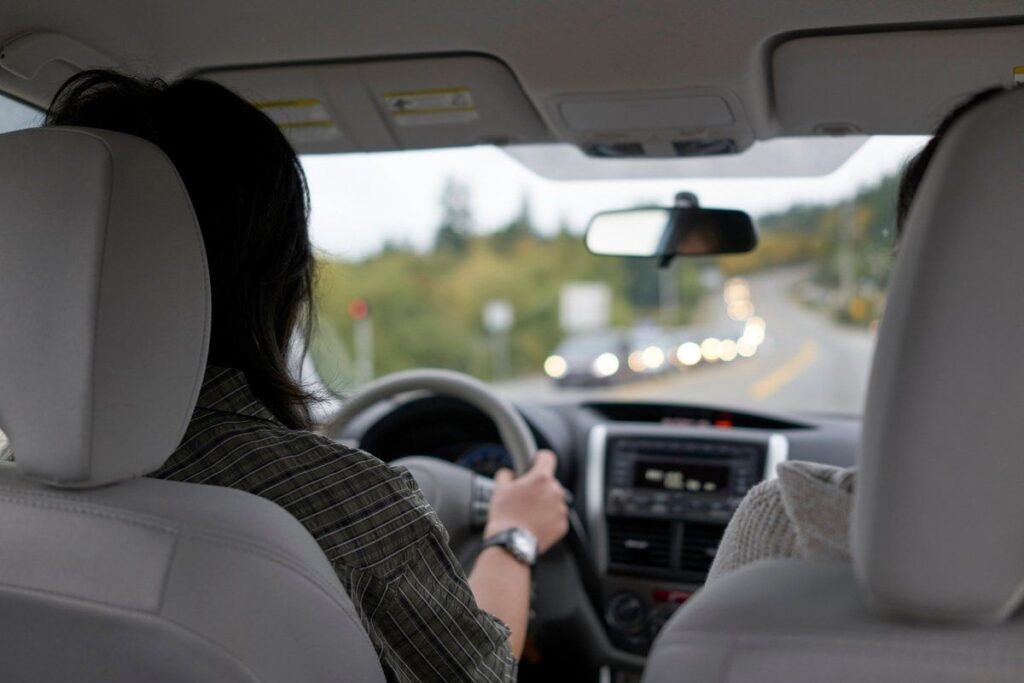
While often envisioned as carefree road trip season, summer months, particularly June, July, and August, present a profound paradox: they are “perceived correctly as among the worst times to drive.” This is strongly supported by data, with Farmer & Morris indicating that May through October are the most dangerous months, accounting for “more than half of all traffic deaths for the year,” with 24,650 fatalities. The allure of summer vacations brings millions onto the roads, inadvertently creating conditions ripe for increased accidents and tragedies.
Several significant factors contribute to this heightened risk. Foremost is “increased traffic, including tourists unaccustomed to long rides and unfamiliar roads, and teenagers out of school and over-excited to get behind the wheel.” This influx of less predictable and often inexperienced drivers contributes to higher crash rates. The overall rise in “recreational driving” leads to greater congestion and “long-distance driving fatigue.” Beyond driver behaviors, “heat affects both vehicle and driver performance, and there is more construction work on the roads,” adding environmental and infrastructural hazards.
The dangers of summer are further underscored by several of the year’s deadliest individual days falling within this season, such as June 10, June 16, and July 4. A significant contributing factor during these times, especially around holidays, is alcohol impairment. Farmer & Morris reports that “40% of crashes during the 4th of July holiday” are alcohol-impaired, emphasizing that celebratory moods can tragically lead to reckless decisions. Planning for sober transportation and avoiding peak travel hours during these months are thus crucial.
7. **Fall’s Fatalities: September and October’s Elevated Risks**
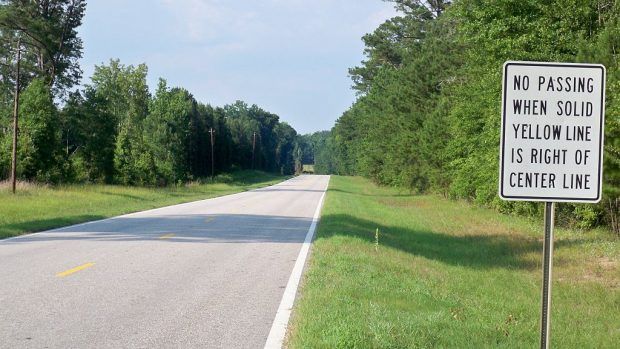
While summer often takes the spotlight, autumn months, particularly September and October, are surprisingly—and tragically—among the deadliest times to drive. The Clunker Junker’s analysis states unequivocally that “September is the most dangerous month to drive (106.48/day),” surpassing even June by nearly 3%. This is reinforced by the ConsumerAffairs Research Team, identifying “October as the deadliest month in 2022, with 3,973 traffic fatalities,” closely followed by September with 3,886 fatalities. This data challenges common perceptions, highlighting a critical period requiring increased caution.
September’s elevated risk is largely attributed to a significant behavioral shift on the roads: “a flood of sometimes-inexperienced drivers hitting the road for the new school term.” This influx includes young drivers and increased school-related traffic. The National Safety Council (NSC) forecasts “up to 545 people may lose their lives on the road over Labor Day weekend” alone, marking the traditional end of summer and beginning of this heightened fall risk. This combination of increased drivers and holiday travel creates a volatile mix.
As the calendar advances, new environmental factors contribute to persistent danger. These months become “dicey as the nights draw in and colder weather ushers folk towards their vehicles.” Less daylight means more driving in darkness, reducing visibility. Changing weather conditions, such as rain, fog, and early icy patches, can make roads treacherous. This difference from safer periods underscores that autumn demands extreme vigilance and proactive safety measures from every driver.

8. **The Deadliest Holidays: New Year’s Day and Beyond**
Beyond specific hours, days, and months, certain holidays tragically stand out as particularly perilous times on American roads. New Year’s Day, for instance, earned the grim distinction of being the deadliest holiday in 2022, with 151 deadly crashes resulting in 162 deaths. This data, analyzed by the ConsumerAffairs Research Team, underscores a critical period when celebratory moods can unfortunately lead to tragic outcomes, often exacerbated by the conditions detailed below.
Late spring and summer holidays also consistently prove deadly, with Memorial Day and the Fourth of July seeing some of the highest fatalities on our lists. Millions of Americans take to the roads around these dates, eager to kick off the summer season, inadvertently increasing the likelihood of accidents. This surge in recreational travel combines with other factors to create a volatile mix, making these festive periods some of the most dangerous times to be behind the wheel.
Thanksgiving also presents significant risks, being one of the busiest travel times of the year. The Wednesday preceding Thanksgiving typically sees the highest volume of traffic as people head home for the holiday. While many might plan to avoid Black Friday travel, the Sunday after Thanksgiving is also a major rush, with travelers returning home for work and school, creating another period of heightened congestion and potential for incidents.
Even Christmas, often associated with joyous family gatherings, contributes to the statistics of dangerous driving periods. Factors such as inclement weather, the stress of holiday shopping, crowded parking lots, and aggressive drivers all conspire to make “the most wonderful time of the year” also one of the most hazardous for motorists. These holidays, while opportunities for celebration, demand extra vigilance and proactive safety planning.
9. **Impaired Driving: A Persistent Holiday Threat**
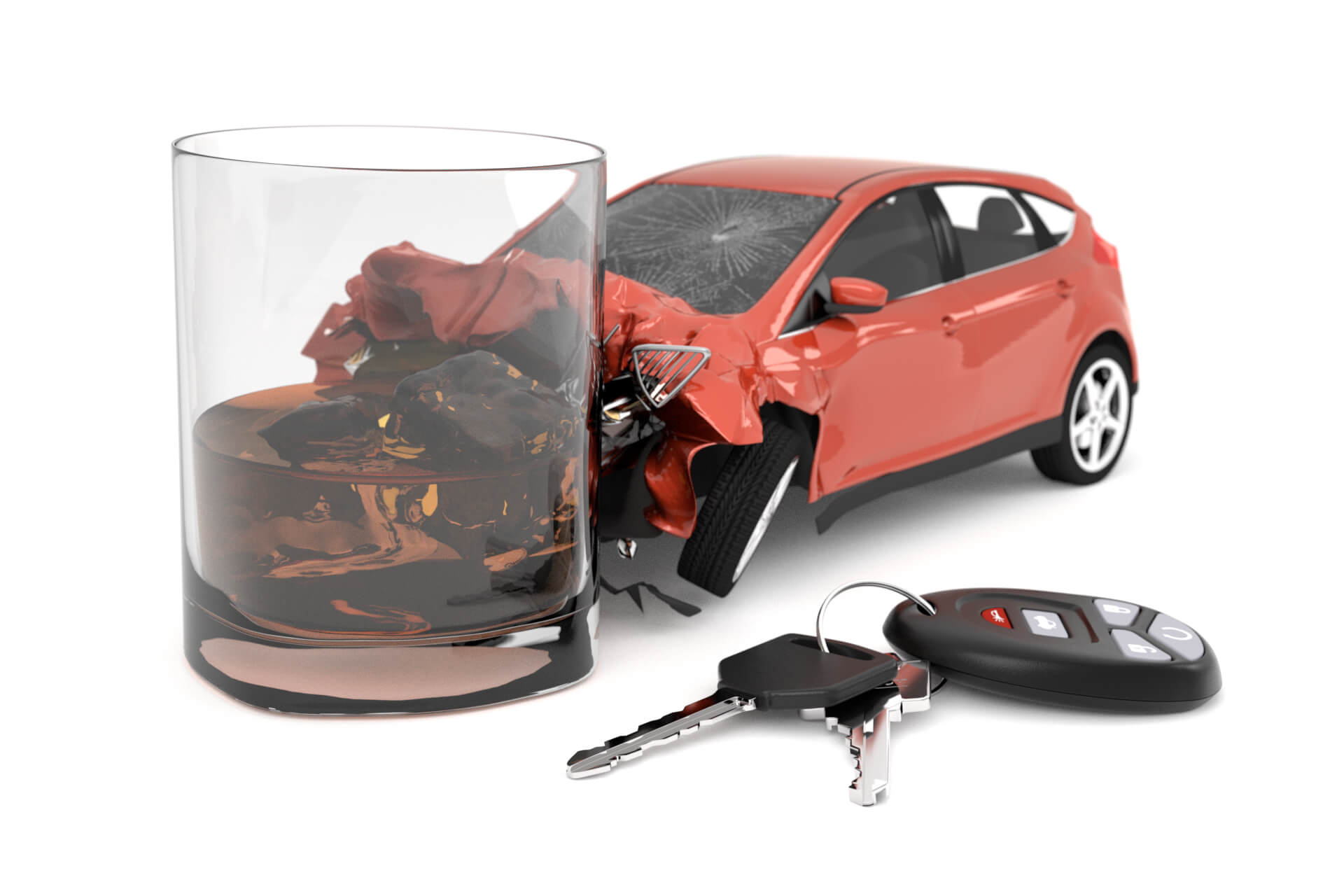
One of the most significant and heartbreaking contributing factors to holiday road fatalities is impaired driving, particularly due to alcohol. The festive nature of holidays often leads to increased alcohol consumption, which then translates into a higher presence of impaired drivers on the roads. For example, Farmer & Morris reports that in 2024, alcohol-impaired drivers accounted for a staggering 43% of fatal crashes during Memorial Day weekend, 40% during the Fourth of July holiday, and 39% of fatalities over Labor Day weekend.
These statistics are not isolated; they align with broader national trends. The Centers for Disease Control and Prevention (CDC) starkly reminds us that “motor vehicle crashes involving alcohol-impaired drivers kill one person every 45 minutes in the United States.” This alarming rate demonstrates how critical it is to address impaired driving, especially during periods when social gatherings and celebrations are more frequent, such as during holiday weekends.
The consequences of impaired driving extend beyond direct collisions. Alcohol significantly reduces reaction times, impairs judgment, and distorts perception, making even routine driving maneuvers incredibly dangerous. When combined with increased traffic volumes, driver fatigue, and unfamiliar routes often encountered during holiday travel, the risk of a fatal incident escalates dramatically. The cumulative effect of these factors creates a pervasive threat to everyone on the road.
Therefore, a cornerstone of holiday road safety involves making responsible choices regarding alcohol. Planning for a designated sober driver, utilizing rideshare services, or simply avoiding driving after consuming alcohol are not just advisable steps but potentially life-saving decisions. This proactive approach helps mitigate one of the deadliest factors contributing to traffic fatalities during these high-risk periods.
10. **Speeding: The Cost of Urgency**
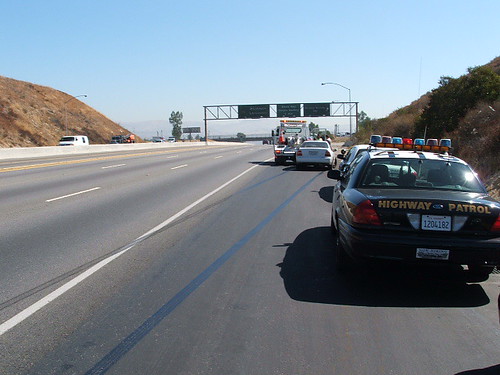
Speeding continues to be a devastatingly common and preventable cause of fatal crashes across the nation. In 2022, speeding was directly linked to 29% of all traffic deaths, a sobering statistic that highlights its persistent danger. This factor transcends specific times or days, contributing significantly to the overall toll on American roads, making it a critical area for driver attention and policy intervention.
Driving at excessive speeds dramatically reduces a driver’s ability to react to sudden hazards, increases the distance required to bring a vehicle to a complete stop, and amplifies the severity of any collision. The raw data underscores this danger: 16,894 fatalities occurred in crashes where vehicles were traveling at speeds of 55 mph or higher. This shows that the impact of speed is not just about minor incidents but directly correlates with severe and often fatal outcomes.
Speeding is particularly hazardous on highways and rural roads, where higher speeds are common, and the landscape might offer fewer immediate visual cues for danger. In these environments, the increased momentum means drivers have less time to process and respond to obstacles or sudden changes in traffic flow. Lowering speed limits in identified high-risk areas and ensuring consistent enforcement are crucial policy steps, but individual driver awareness and adherence to posted limits remain paramount.
Ultimately, the choice to speed is a conscious decision that dramatically escalates risk, not just for the driver but for all other road users. Recognizing that adhering to speed limits is a fundamental aspect of defensive driving, regardless of traffic conditions or personal urgency, is vital for improving overall road safety. It’s a simple action with profound safety implications.
11. **Distracted Driving: The Hidden Peril**
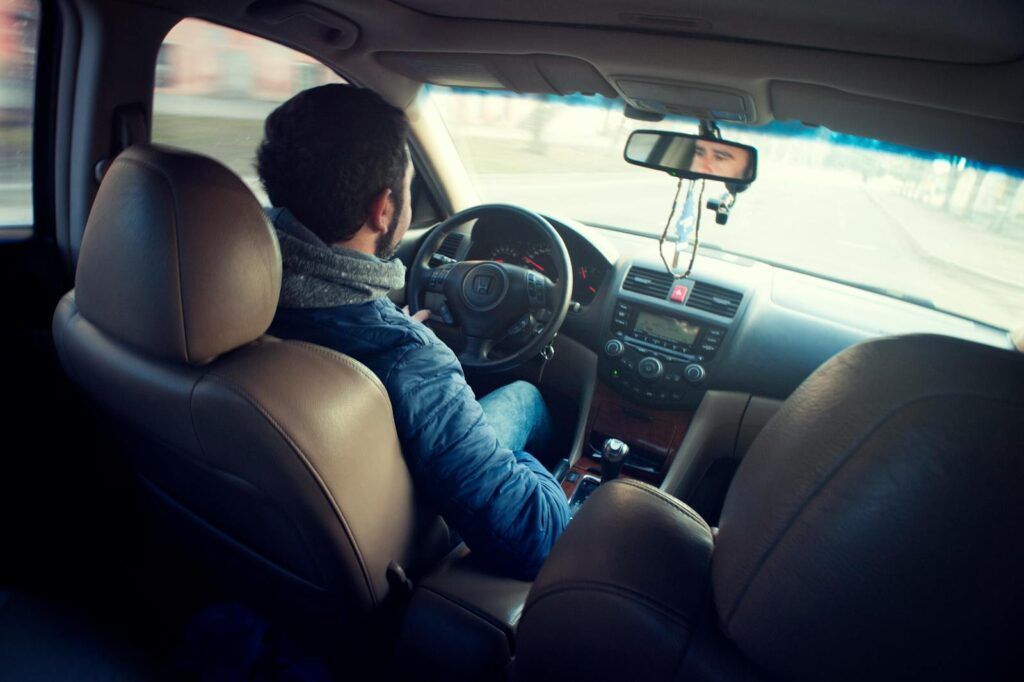
While impaired driving and speeding often grab headlines, distracted driving remains a pervasive and often underestimated contributor to roadway fatalities. In 2022 alone, 7.8% of all traffic deaths were tragically linked to drivers who were not fully paying attention to the road, demonstrating that even momentary lapses in focus can have catastrophic consequences. This underscores the need for constant vigilance and a commitment to distraction-free driving.
Common distractions come in various forms, each capable of diverting a driver’s critical attention. The most frequently cited is phone use, encompassing texting, making calls, or even glancing at notifications, all of which take a driver’s focus away from the road for precious seconds. Other prevalent distractions include eating and drinking, which can require a hand off the wheel and divert cognitive attention, leading to delayed reaction times.
Beyond personal habits, interactions with passengers, such as talking with others in the car or managing children in the backseat, can also be a significant source of distraction. Even with advances in vehicle technology, such as the promise of self-driving cars, the human element of attention remains irreplaceable. Jake Nelson, AAA’s traffic safety advocacy director, emphasizes that a “sober, focused and buckled-up ride will always be your safest route,” regardless of the day or time.
Many states have implemented hands-free driving laws to combat this issue, but ultimately, personal responsibility is the key factor in reducing distracted driving fatalities. Drivers must consciously choose to minimize distractions and maintain full awareness of their surroundings. This commitment to focused driving is a fundamental pillar of road safety, protecting not only oneself but also innocent lives on the roadway.
Read more about: Mastering the Drive: 14 Essential Strategies to Avoid Road Rage and Ensure a Calmer Journey
12. **Demographic Disparities: Who is Most at Risk?**
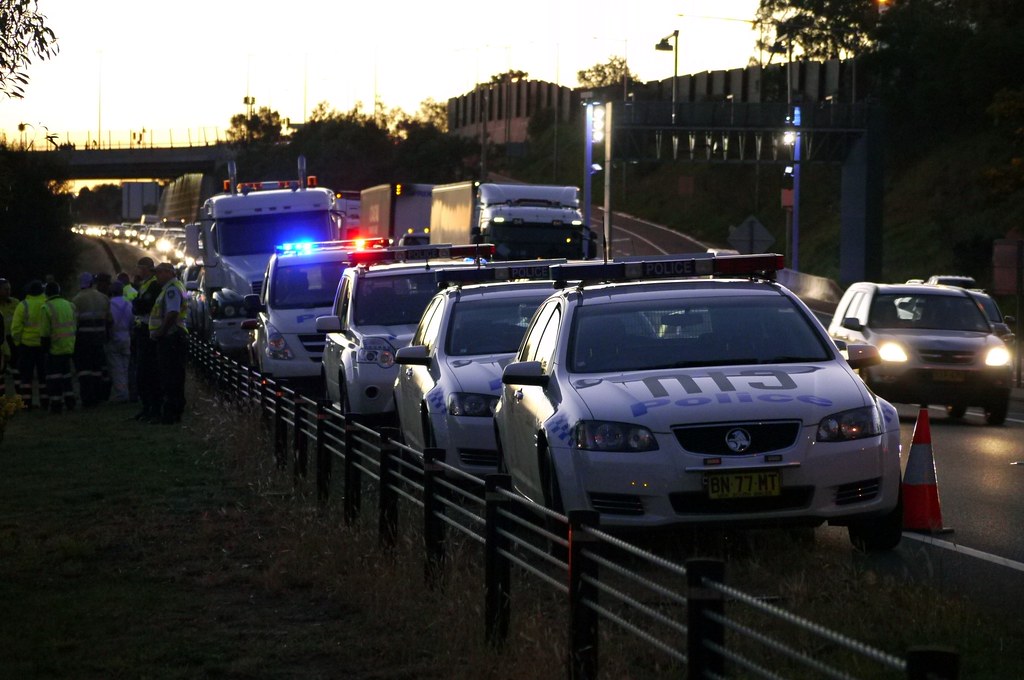
Analyzing crash data reveals that while traffic fatalities affect all demographics, certain age groups and genders are statistically at a higher risk. Understanding these disparities allows for more targeted safety interventions and educational campaigns, aiming to protect the most vulnerable road users. This data-driven approach highlights where prevention efforts can have the most significant impact.
Fatal crashes disproportionately impact young and middle-aged adults, who face the highest statistical risk. In 2022, the most affected age bracket was 25 to 34 years old, accounting for 8,104 fatalities. Closely following were those aged 35 to 44 years old, with 6,702 fatalities, and 55 to 64 years old, with 5,967 fatalities. Younger adults, specifically those between 25 and 34, show the highest number of fatalities, which is likely due to a combination of increased driving frequency, a higher likelihood of engaging in risky behaviors such as speeding, and a greater chance of driving at night or under the influence of alcohol.
Furthermore, a stark contrast emerges when examining gender disparities in crash fatalities. In 2023, males accounted for a significant 72.3% of all traffic fatalities, totaling 30,669 deaths, while females accounted for 27.7% of fatalities, with 11,737 deaths. This considerable difference can be attributed to the statistical likelihood of men engaging in high-risk driving behaviors, including speeding, driving while impaired, and not wearing seatbelts. These actions are known to significantly increase the probability of severe, fatal crashes.
These demographic trends underscore the crucial need for targeted safety measures. This includes enhanced education on responsible driving practices and stricter enforcement of laws against speeding and impaired driving, particularly within young adult and male driver populations. By focusing on these specific risk factors and groups, we can work more effectively toward improving road safety for everyone, making our roads more equitable and secure.
13. **State-Specific Danger Patterns: A Localized Threat**
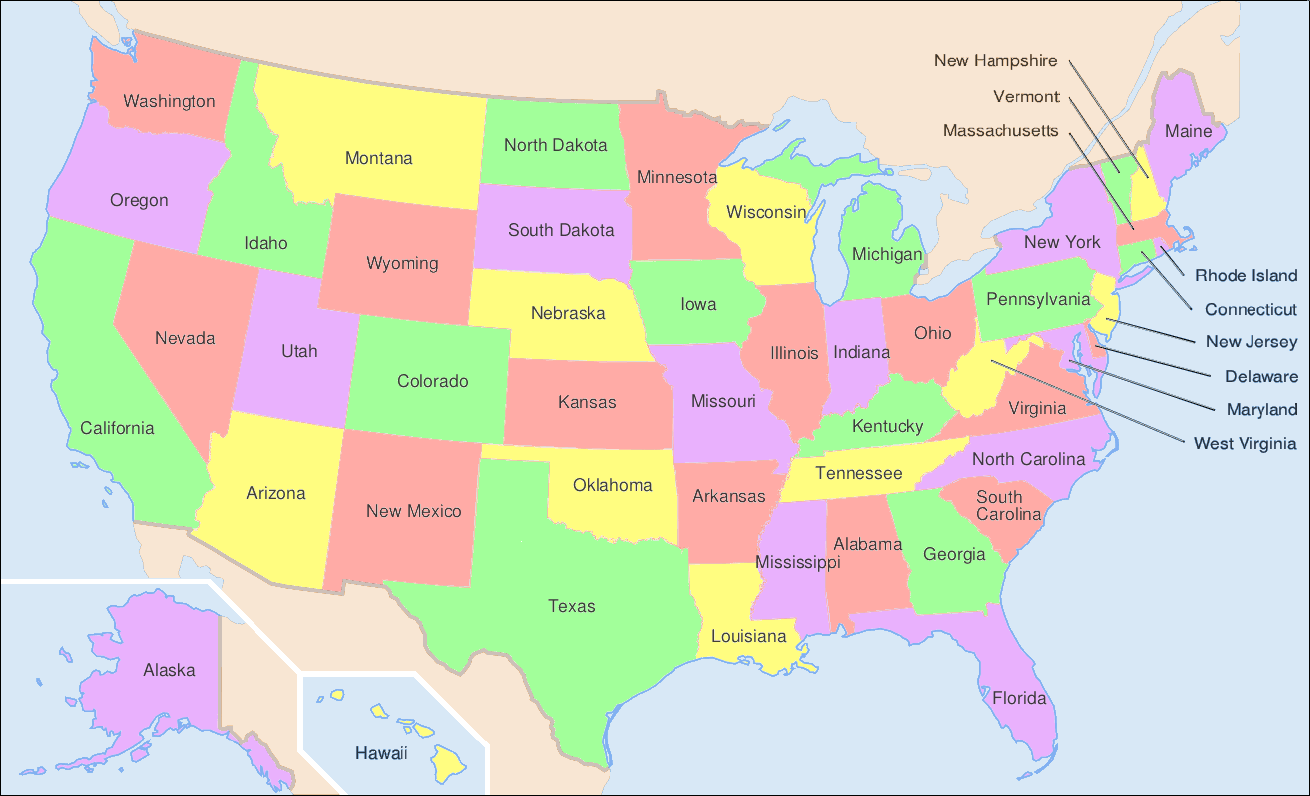
Road safety is not uniform across the United States; local conditions, traffic patterns, and even socio-economic factors contribute to remarkable disparities in the most dangerous times to drive, depending on the state. For instance, data reveals that coastal U.S. states tend to be more dangerous in the evenings, likely due to increased nightlife and population density, whereas central states often experience their peak danger in the afternoon, potentially linked to extended commutes and agricultural traffic patterns.
Specific states exhibit unique perils during certain periods. In Texas, for example, an average of 223 deadly crashes occur each year between 9 PM and 10 PM, with the state’s department of transportation reporting a 15% increase in fatalities in 2021. Texas also saw the highest number of New Year’s traffic fatalities, with 24 deaths in 2022. Florida is another state with particularly dangerous patterns, especially on I-95 and I-4, and it reported 19 deaths on New Year’s Day in 2022.
Holiday-specific dangers are also state-dependent. Thanksgiving Day is the most dangerous in West Virginia, while Memorial Day holds that grim distinction in Michigan and Connecticut. California experienced high fatalities on Juneteenth and Father’s Day, with 22 deaths. New York State, where the most dangerous period is between 6 PM and 7 PM, has seen record numbers of new cars, including more lethal SUVs and pickup trucks, registered during the pandemic, contributing to rising fatalities.
These localized patterns highlight that safety strategies must be tailored to specific regional contexts. Beyond driver behavior, systemic issues with U.S. transport infrastructure, such as a lack of sidewalks, marked crosswalks, or safe walking spaces in low-income communities, also play a significant role in traffic fatalities, especially pedestrian deaths at night. Understanding these state-specific nuances is critical for developing effective, localized safety interventions.
14. **Actionable Safety Recommendations: Driving Smarter, Not Harder**
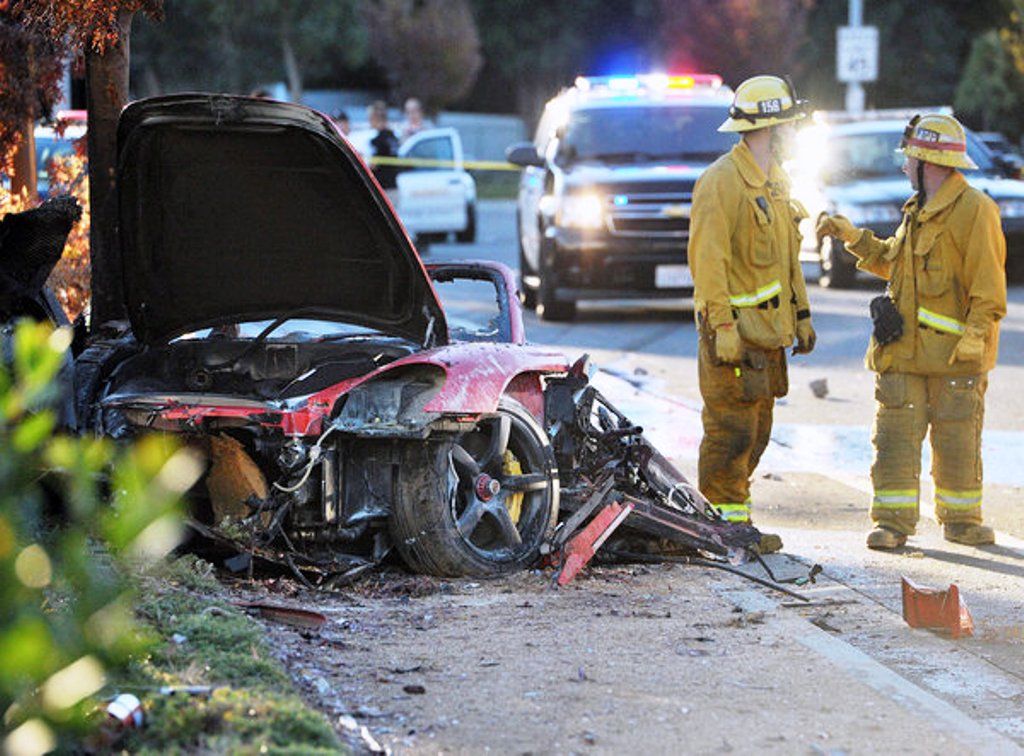
While the statistics on dangerous driving times can seem daunting, there are numerous practical and actionable steps every motorist can take to significantly reduce their risk and enhance safety for themselves and others. Embracing a proactive, defensive driving mindset is the first and most critical step toward mitigating the inherent risks of road travel, ensuring that personal responsibility plays a key role in preventing tragedies.
One of the easiest and most effective measures is simply buckling your seat belt. According to the NHTSA, proper seat belt use in the front seat can reduce the risk of fatal injury by up to 60%. Equally important is staying alert and limiting distractions; avoiding phone use, eating, or engaging with anything else that takes your eyes or mind off the road is crucial. As Jake Nelson of AAA advises, staying “sober, focused and buckled-up” is always your safest route. Whenever possible, planning trips to avoid peak hours, such as rush hour or late at night and early in the morning, can also significantly lower your exposure to higher-risk traffic conditions.
Beyond personal habits, regular vehicle maintenance is paramount. Ensuring your tires are properly inflated and have sufficient tread directly impacts traction and helps prevent blowouts. Regularly inspecting your brakes for responsiveness and effectiveness is also non-negotiable for safe stopping power. Furthermore, confirming that all headlights and brake lights are fully functional is essential for visibility, particularly during low-light conditions or inclement weather. Maintaining a safe following distance of at least three seconds between your vehicle and the one in front provides critical reaction time.
For those planning longer journeys, additional strategic considerations can make a substantial difference. Aim to travel during the safest times, typically between 8 AM and 11:59 AM, and if scheduling allows, choose lower-risk days like Tuesdays or Wednesdays. Always prioritize staying alert, taking frequent breaks to combat fatigue, and ensuring your vehicle is fully prepared with checked fluids and fuel. Finally, if your destination involves celebrations, planning for a designated sober driver or arranging a rideshare service is an indispensable step for a safe return. By consistently applying these recommendations, drivers can make a significant and positive impact on road safety.
In a nation as car-dependent as America, the daily commute and recreational drives are integral to our lives. However, the data unequivocally demonstrates that not all times, days, or even holidays are created equal when it comes to road safety. From the specific dangers of late-night weekend drives to the heightened risks during summer and fall months, and the particular perils of holidays, understanding these patterns is the bedrock of defensive driving. While systemic improvements to infrastructure are vital, each individual driver holds the power to make informed, cautious choices. By integrating these actionable insights into our daily driving habits—prioritizing alertness, avoiding impairment and distractions, maintaining vehicles, and planning travel strategically—we can collectively steer towards a future with fewer accidents and safer roads for everyone.