For many, a trip to the cinema is about more than just the latest blockbuster; it’s an immersive experience that often begins and ends with the irresistible allure of the concession stand. The scent of buttered popcorn permeates the air, drawing moviegoers in, ready to splurge on snacks that, admittedly, come with a hefty price tag compared to their grocery store counterparts. Yet, we happily fork over the extra dough, because munching at the movies feels like an integral, almost ritualistic, part of the entire cinematic journey.
This willingness to spend on treats highlights a crucial, often surprising, economic reality of the movie theater business. While films are the main attraction, most theaters actually make the bulk of their money from selling food and beverages. This isn’t just a casual observation; it’s a strategic pillar of their financial survival, especially in an era where the industry faces evolving consumer habits and increased competition from at-home streaming options.
The profit margin on concession sales is considerably higher for movie theaters, sometimes standing at around 85% for items like soda. In fact, a 2023 survey by Casino.org revealed that the average American spends $16.43 on concession items, surpassing the average movie ticket price of $11.31. This disparity underscores why the seemingly simple snacks we crave are, in reality, the hidden engines of theater profitability. Join us as we rank and reveal some of the most popular, and financially impactful, snacks that keep the projectors rolling, starting with the undisputed champion of them all.
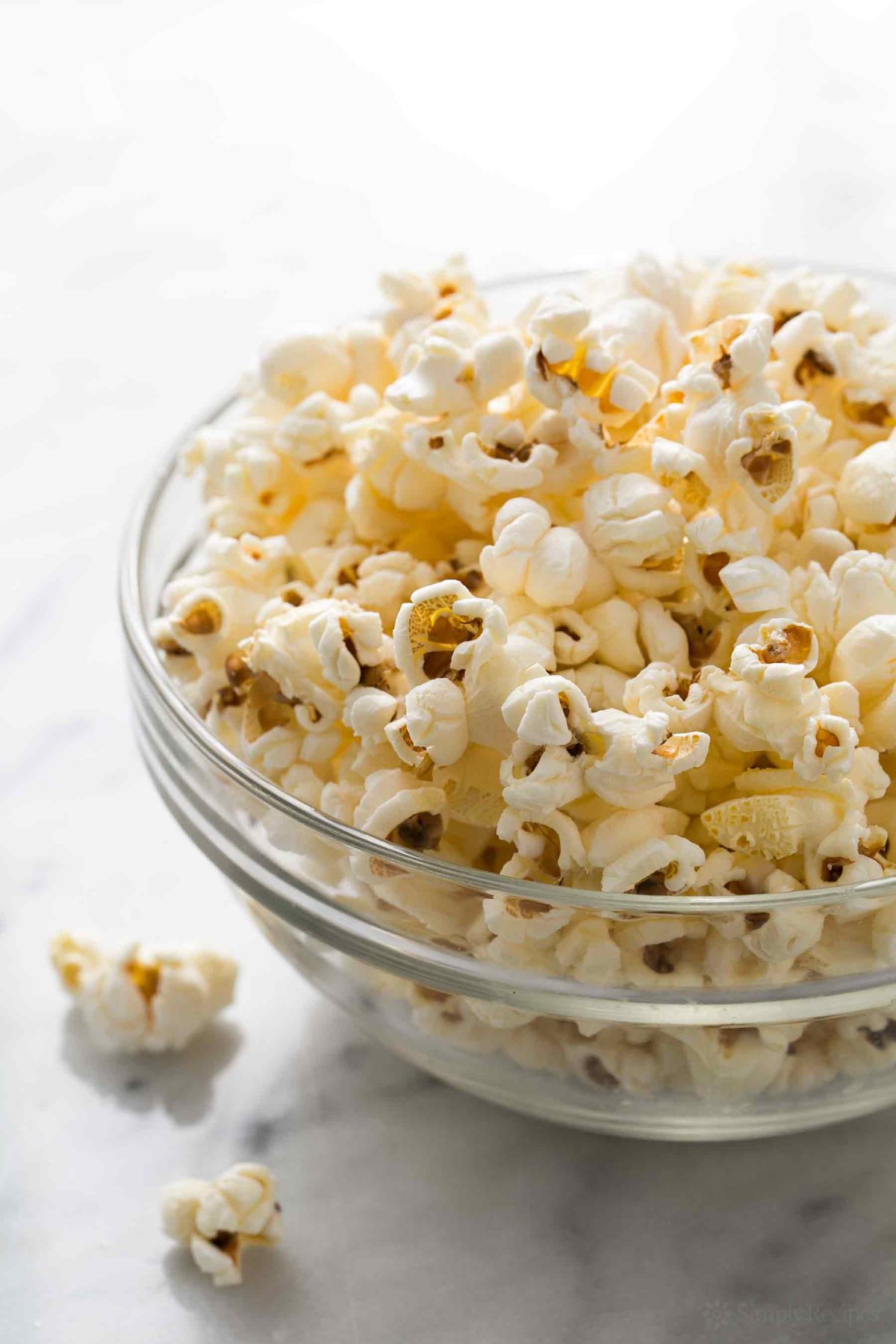
1. **Popcorn: The Unrivaled King of Concessions**There’s no debate: popcorn reigns supreme as the definitive and most lucrative snack at any movie theater. It’s the first thing you smell, the last thing you finish, and an experience so deeply ingrained with movie-watching that it feels almost sacrilegious to attend a feature without a bucket in hand. This isn’t just about taste; it’s about tradition, sensory engagement, and an almost unparalleled profit margin for the theaters.
The economics behind popcorn are staggering. It costs less than $0.50 to produce a serving of popcorn, yet theaters can sell it for prices that represent a markup of as much as 1,275%. This incredible margin isn’t just good; it’s essential. While the average movie ticket price in the U.S. might be $11.31, the theater only gets around 40% of that, with the movie studio taking the lion’s share. Concessions, on the other hand, offer theaters 100% of the sales money, making them a direct lifeline.
Despite the fact that the “butter” topping is often more Flavacol than dairy, and the popcorn itself might be shipped in rather than popped in-house, none of that seems to matter to the consumer. That distinct, somewhat artificial, buttery aroma is a powerful trigger, signaling the start of the movie experience. Its bracing saltiness also perfectly complements other sweet candies and sodas, lulling you into a trance of alternating handfuls and sips until the credits roll.
The financial importance of popcorn cannot be overstated. With an overall profit margin for movie theater businesses often hovering around 4% after accounting for overheads like rent, wages, and electricity, the massive profits from popcorn sales are crucial for keeping local cinemas thriving. So, the next time you’re enjoying that gargantuan tub, remember you’re not just indulging; you’re actively supporting the survival of the theatrical experience.
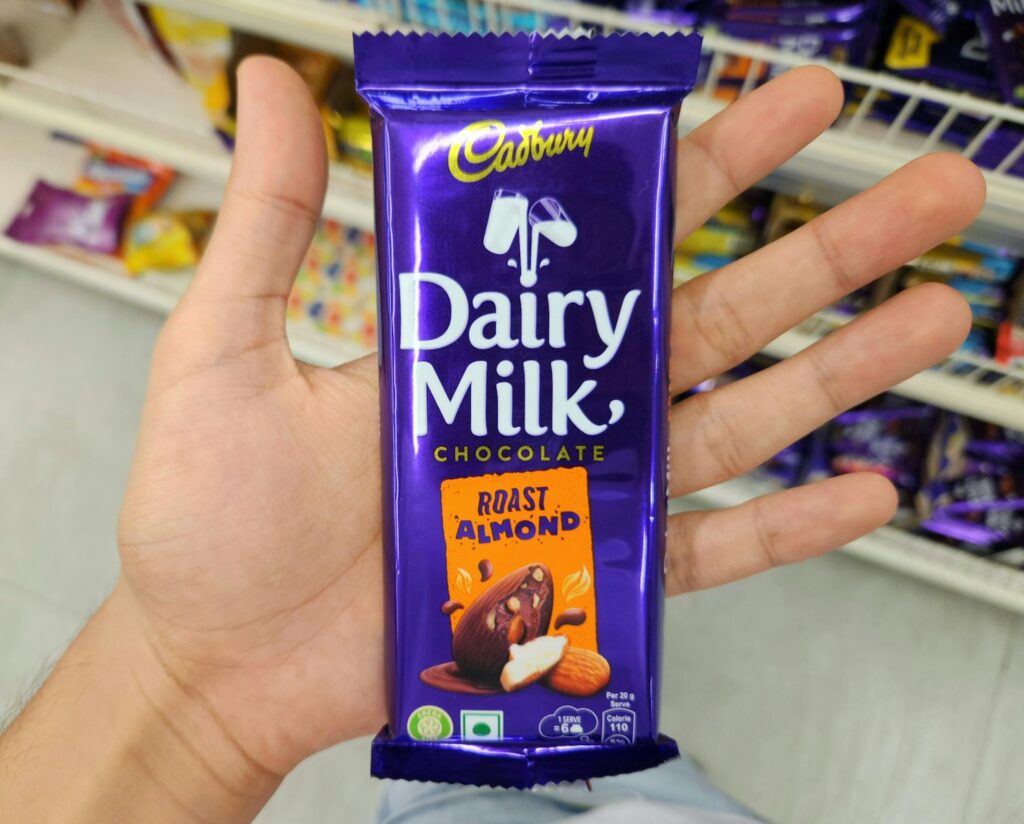
2. **Milk Duds: The Addictive Chewy Confection**Beyond popcorn, Milk Duds hold a special, somewhat perplexing, place in the pantheon of movie theater candies. They embody a kind of “junk food sorcery,” where seemingly low-quality components magically combine to create a product that is undeniably greater than the sum of its parts. This unique alchemy is precisely what makes them an addictive confection that many moviegoers can’t resist.
The individual ingredients, when examined separately, might not impress. The milk chocolate coating is often described as insipid and would likely be deemed unacceptable if eaten on its own. Similarly, the caramel interior is aggressively chewy, posing a potential risk to dental fillings if one isn’t careful. Yet, somehow, the magicians at Hershey have crafted these uninspiring elements into a unique and enjoyable eating experience.
The magic happens in the blend. The mild chocolate harmonizes with the buttery, toasty notes of the caramel, creating a flavor profile that is distinct and satisfying. Moreover, their notorious chewiness serves a practical purpose for moviegoers. Even if the film turns out to be a snooze, Milk Duds provide a consistent “jaw workout,” giving you something to do.
They also offer excellent longevity. Their slow-to-eat nature, especially if they’ve been sitting on the shelf for a while and become even firmer, means that a box of Milk Duds can last through a significant portion of a feature film, making your snack money go further. This combination of unique flavor, texture, and extended enjoyment cements their status as a top-tier movie candy.
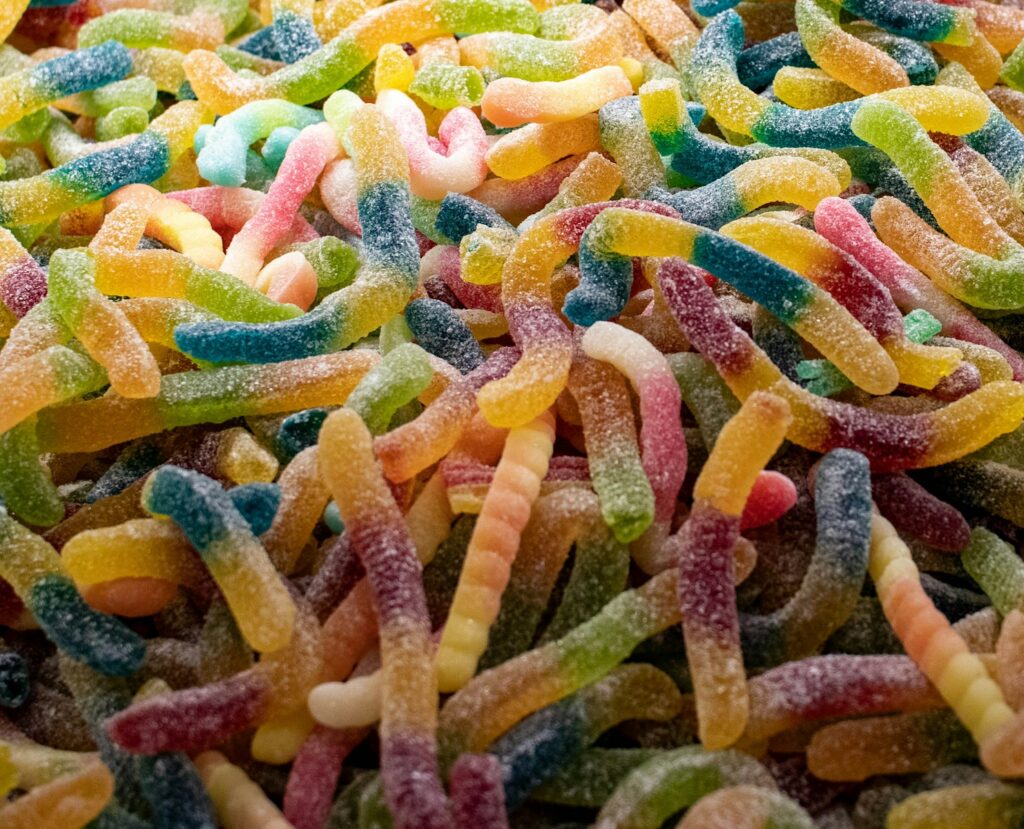
3. **Sour Patch Kids: The Perfect Pucker-and-Sweet Combo**These mischievous little munchkins have carved out a top spot in the movie snack hierarchy, thanks to their distinctive “sour, then sweet” flavor profile. While the candies themselves may not visually match the sugary kids cavorting on their wrapper, they more than compensate with what many consider the best sour flavor on the market. This isn’t just about extreme tartness; it’s about a perfectly calibrated balance.
Unlike other sour candies that often amp up the acidity to create a jarring, “yucky stunt food” experience, Sour Patch Kids offer just enough pucker to keep your taste buds thoroughly interested without overwhelming them. The secret to their trademark flavor lies in the dusting of sour sugar, a cunning mixture of citric acid and sugar, that coats each piece. This initial burst of tartness quickly gives way to a pleasant, fruity sweetness as the citric acid dissolves in your mouth.
The texture of Sour Patch Kids is another critical component of their appeal. They hit that sweet spot of gummy perfection, being resistant enough to provide a satisfying chew and prolong the eating experience, but not so hard that you feel like you’re wrestling with your teeth. This ideal consistency, combined with their dynamic flavor, makes them incredibly engaging.
However, a word of caution: while irresistible, it’s wise not to overindulge too quickly. Eating too many Sour Patch Kids in one sitting can, as the saying goes, make your mouth hurt due to the acidic coating. But for a perfectly balanced sour-to-sweet journey, these candies are an absolute must-have at the movies.
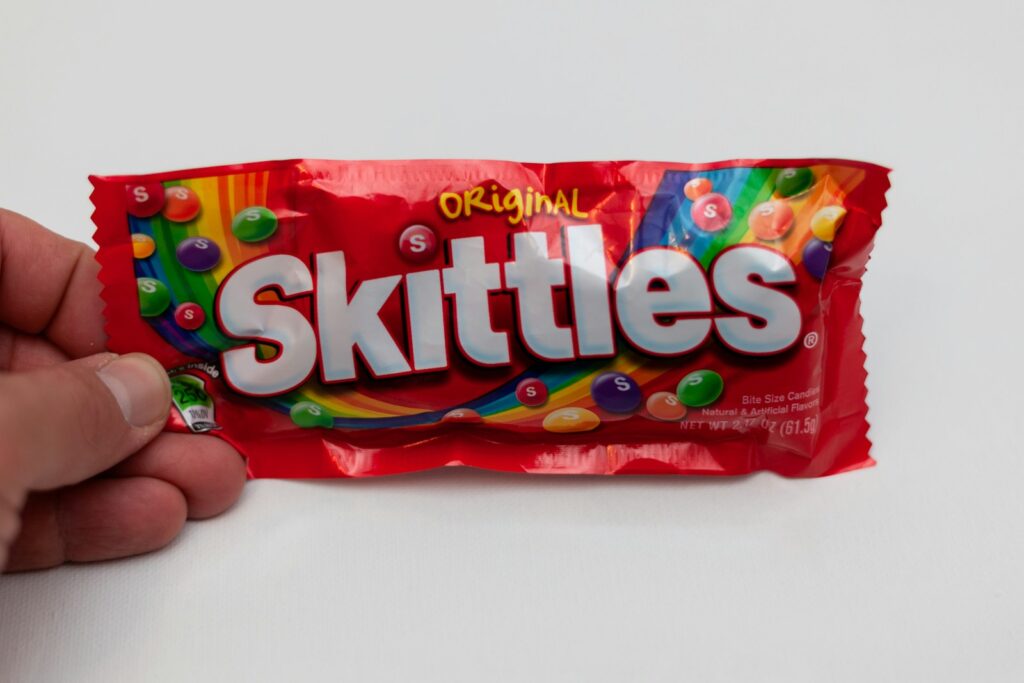
4. **Skittles: Tasting the Rainbow of Engagement**Skittles, with their vibrant colors and memorable “taste the rainbow” campaigns, have successfully captivated generations of moviegoers. These bite-sized candies deliver a delightful blend of tangy and sweet flavors that are intense enough to prevent boredom but mild enough that one can easily consume an entire bag without feeling overwhelmed. It’s a testament to their well-engineered taste profile that they remain a perennial favorite.
The texture of Skittles plays a significant role in their widespread appeal. They strike a perfect balance between crispy and chewy sensations, maximizing their addictiveness. The initial crunch of the sugar shell gives way to a satisfyingly soft, chewy interior, making each piece an engaging mini-experience. This combination ensures that the snacking is as enjoyable as the movie itself.
There’s been a long-standing debate among fans: do the different colors of Skittles actually taste different, or is it all a clever marketing scam? While some people believe all Skittles taste the same, especially if their noses are plugged, researchers like Don Katz have explained that flavor is a complex interplay of aroma and signals from the tongue. Each color of Skittle, in fact, possesses its own unique aroma, contributing to distinct flavor perceptions when your senses are fully engaged.
Ultimately, whether you perceive distinct flavors for each color or simply enjoy the overall fruity medley, Skittles stand out as a first-rate movie snack. Their consistent quality, engaging texture, and satisfying sweet-and-tangy profile make them ideal for mindlessly shoveling by the handful while immersing yourself in the latest cinematic adventure.
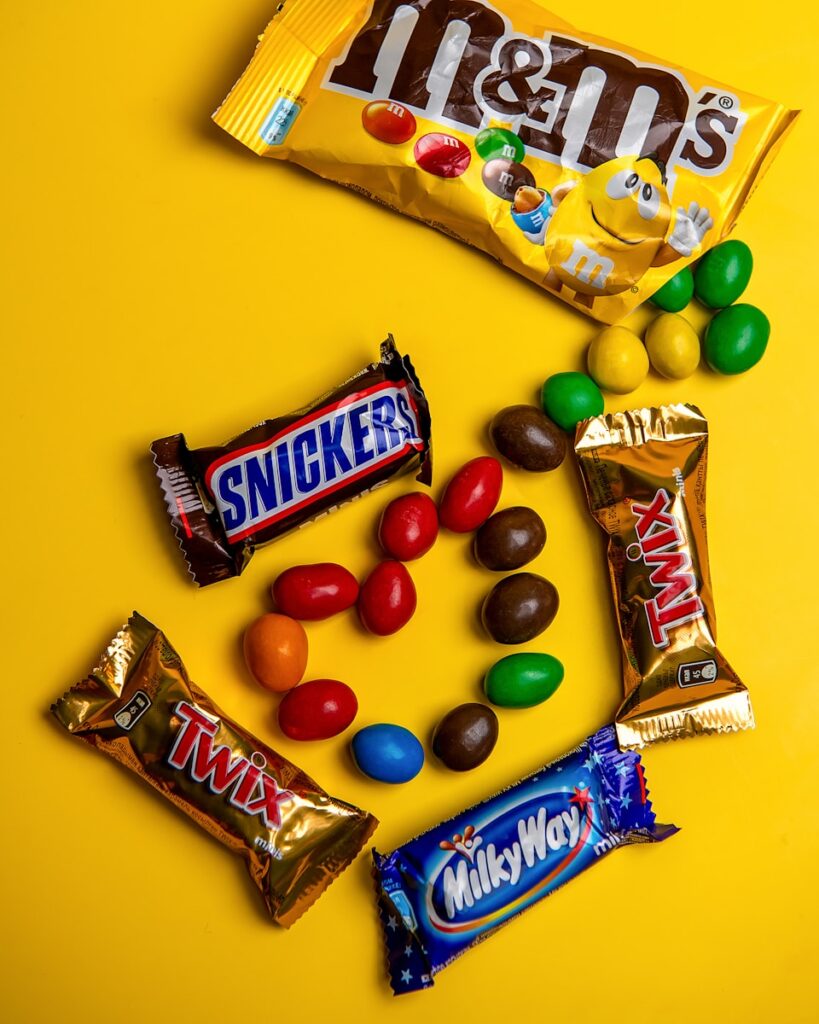
5. **M&M’s: The Timeless, Melt-Proof Classic**M&M’s hold a legendary status, not just in candy aisles, but in history itself. Their origin story is fascinating: when first invented, they weren’t sold in stores but shipped overseas to sustain American troops during World War II. Later, NASA recognized their practical brilliance, packing M&M’s in the Space Shuttle to offer astronauts a comforting taste of home. From battlefields to space, and now to the movie theater, M&M’s reliably hit the spot.
The ingenious design of M&M’s is their core strength: the melt-proof sugar shell. This innovation makes them incredibly convenient, portable, and supremely easy to eat in the dark confines of a movie theater. No sticky fingers, no messy chocolate smears on your clothes – just pure, unadulterated chocolatey goodness. This practical advantage elevates them above many other chocolate options.
Beyond their convenience, M&M’s simply taste great. The simple combination of chocolate and candy coating is timeless, proving that sometimes the most straightforward things are the best. Whether you prefer the classic plain milk chocolate or the satisfying crunch of the peanut variety, M&M’s consistently deliver a delicious flavor experience every time you buy them.
Their small size is another benefit, allowing moviegoers to pace themselves and snack on them throughout the entire film without running out too quickly. M&M’s don’t try to be fancy or overly complex; they rely on their dependable taste and clever engineering to provide a consistent, enjoyable, and mess-free treat that has earned its place as a classic cinematic companion.
6. **Raisinets: Redeeming the Much-Maligned Dried Grape**Raisins often receive a considerable amount of online hate, with many critics deeming these innocuous dried grapes as “nasty” and accusing them of sabotaging otherwise perfectly good foods like oatmeal cookies. However, for the independent-minded snacker, it’s crucial not to let this internet slander detract from something genuinely good, especially when it comes to the movie theater experience.
When viewed with fresh eyes, and particularly in their Raisinets form, these chocolate-covered treats reveal themselves as one of the best movie candies available. On their own, raisins tend to taste rather healthy, which isn’t always what one is seeking during a cinematic indulgence. Raisinets cleverly solve this perceived problem by enveloping the chewy dried fruit in a generous coating of milk chocolate, transforming them into a decadent snack.
The combination offers a delightful interplay of textures and flavors. The raisins lend a satisfyingly chewy mouthfeel and a complex, slightly tart fruitiness that complements the sweetness of the milk chocolate. While Nestle highlights that “Raisinets have 30% less fat than leading chocolate brands,” it’s worth noting they still pack in 28 grams of sugar per serving, so they’re not exactly a health food, but a delicious treat nonetheless.
Raisinets offer a more substantial and complex snacking experience than many pure chocolate candies, providing both a chew and a burst of fruity flavor alongside the chocolate. They defy their online detractors by proving that, with the right enhancement, the humble raisin can indeed be a star of the concession stand.
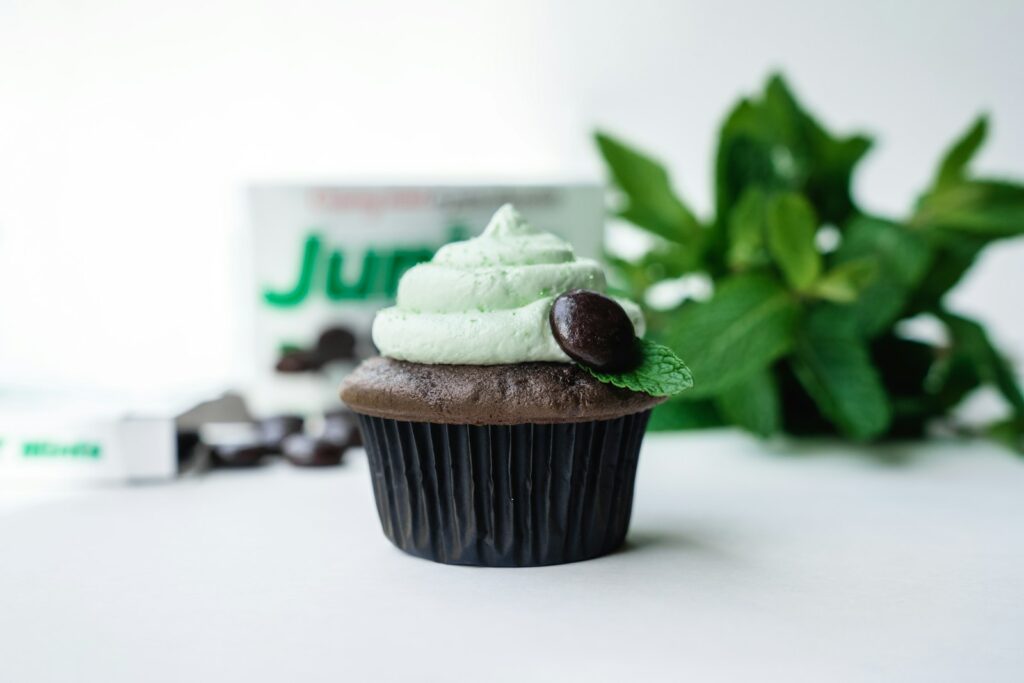
7. **Junior Mints: The Refreshing Chocolate-Mint Delight**Junior Mints occupy a unique position in the candy world, specifically catering to those who appreciate the distinctive combination of chocolate and mint. If you’re a devotee who keeps York Peppermint Patties stashed in your freezer or eagerly marks your calendar for Girl Scout Cookie season to stock up on Thin Mints, then Junior Mints are almost certainly going to satisfy your specific cravings at the cinema. For others, this particular flavor pairing might be a deal-breaker, but for its fans, it’s pure bliss.
What sets Junior Mints apart for their enthusiasts is the quality of their components. The dark chocolate shell, a significant departure from the often cheaper milk chocolate used in many movie candies, actually tastes like real chocolate, offering a richer, more authentic cocoa experience. This shell encases a pleasantly soft, creamy mint filling that is both refreshing and perfectly balanced.
The mint flavor itself is noteworthy; it’s present and invigorating without being overpowering or resorting to an aggressive menthol blast that can sometimes knock you over the head. It’s a gentle, cool wave that complements the dark chocolate, creating a sophisticated yet accessible taste. This thoughtful balance makes them a truly enjoyable treat throughout a movie.
For those looking to elevate their Junior Mint experience, a popular insider tip is to try mixing them with freshly-popped popcorn. The sweet and salty combination is a classic for a reason, and the warmth of the popcorn can subtly soften the candy, making the mint filling even creamier. This creates a delightful, choose-your-own-adventure snack that enhances both the popcorn and the mints, transforming your movie munching into an even more exciting sensory journey.
Continuing our deep dive into the strategic snack arsenal of movie theaters, we peel back the curtain on more concession stand staples. While some items might not boast the astronomical profit margins of popcorn, or the universally beloved status of the top-tier candies, they each play a distinct role in keeping moviegoers happy and, crucially, contributing to the theater’s bottom line. From savory bites to refreshing sips, these next seven items fill out the diverse landscape of cinematic snacking, offering insights into consumer preferences and the subtle economics at play.

8. **Pretzel Bites: The Savory, Cheesy Contender**Pretzel bites represent a more substantial, savory option that varies significantly from one theater to another. Typically, these are miniature nuggets of pretzel dough, baked or sometimes even deep-fried, and served with a side of nacho cheese dipping sauce. This is a context where the often-maligned movie theater nacho cheese truly shines, providing an unctuous creaminess that beautifully complements the fluffy, salty pretzels.
The beauty of pretzel bites, especially when compared to other cheesy pairings, lies in their ability to stand on their own. Even if the accompanying nacho cheese runs out prematurely – a common lament with other snacks – the pretzel bites themselves taste far better as a solo act than, say, a pile of stale tortilla chips. This inherent appeal makes them a more forgiving and satisfying choice, ensuring your snack money doesn’t lead to a bland, disappointing end.
However, their quality is highly time-sensitive. The one critical flaw that can entirely ruin the pretzel bite experience is age. If a concession stand is known for heating food in the morning and letting it sit under heat lamps for hours, these delightful bites quickly transform from crispy and chewy to tough and leathery, losing all their charm. In such scenarios, opting for a pre-packaged snack is always the wiser move to avoid disappointment.
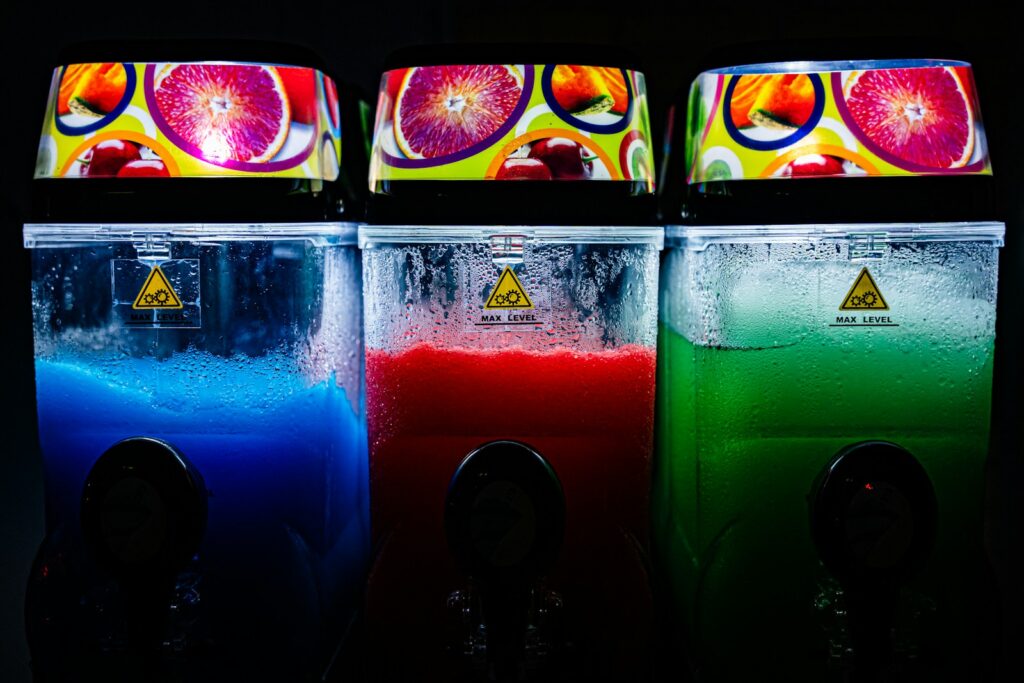
9. **Slushies: The Chilly Palate Cleanser**Slushies, a beloved gas-station staple, have successfully migrated to the cinema, making for a decent, refreshing addition to the movie theater snack rotation. While the iconic 7-11 Slurpee might be absent, many theaters proudly serve ICEEs, leveraging the same ingenious carbon dioxide technology that gives these drinks their signature light, fluffy texture. This aeration is the secret behind their unique, satisfying mouthfeel.
Beyond their appealing texture, a sweet, chilly ICEE serves a valuable purpose in the movie-watching experience: it’s the perfect way to cleanse your palate after indulging in salty popcorn. A Coca-Cola-flavored slushy, in particular, offers a fun and engaging alternative to a standard fountain drink, providing a different dimension of sweetness and refreshment that can invigorate your taste buds.
Yet, despite their charms, slushies don’t ascend higher on the snack hierarchy for a practical reason. Movie theaters are notoriously cold, often maintaining frigid air-conditioning even in the warmest months, requiring patrons to bring a sweater for comfort. Introducing an ice-cold slushy into this already chilly environment can lead to an even more tooth-chattering experience, not to mention the dreaded brain freeze.

10. **Mike and Ike: The Enduring Fruity Chew**Mike and Ikes have been a confectionery fixture since 1940, a testament to their enduring appeal. Unlike many candies from the early 20th century that have faded into obscurity or become palatable only to nostalgic tastes, Mike and Ikes continue to hold up surprisingly well for modern palates. They might not be revolutionary, but they consistently deliver an acceptable, enjoyable experience.
One of their standout qualities, which sets them apart from many other multi-colored “fruit” candies, is that each color actually signifies a noticeable difference in flavor. While the fruit flavoring might not taste ‘real’ in the natural sense, it also avoids being artificially offensive, striking a pleasant balance. Their unique texture, featuring a crisp, slightly grainy sugar shell that gives way to a soft interior, adds to their distinctiveness.
This combination of discernible flavors and engaging texture ensures that Mike and Ikes provide a satisfying chew without being overly aggressive. They are also pleasantly light, making it remarkably easy to consume an entire box without feeling weighed down or overly sugared. This quality makes them an excellent choice for mindlessly enjoying while fully immersed in the latest blockbuster.

11. **Reese’s Pieces: The Peanut Butter Conundrum**Reese’s Peanut Butter Cups are widely hailed as one of the few truly perfect candies, achieving an impeccable balance of sweet, salty, and fatty notes through their masterful combination of peanut butter and chocolate. Any deviation from this winning formula, it seems, is inherently doomed to suffer by comparison, and such is the fate of Reese’s Pieces. While totally adequate, they are undeniably inferior to their iconic counterpart.
The primary issue with Reese’s M&M competitor is a critical omission: the lack of chocolate. Instead, the filling consists solely of sweet peanut butter, standing alone without its essential partner in crime. The crunchy sugar shell, while offering a textural contrast, is a poor substitute for the creamy milk chocolate found in other Reese’s products, leaving a noticeable void in the flavor profile.
Furthermore, the peanut butter within Reese’s Pieces often tastes more artificial than the rich, authentic peanut butter used in the classic cups. While these candies may have famously been good enough for E.T., for many discerning moviegoers, they ultimately serve as a reminder and a craving for the superior experience offered by Reese’s Peanut Butter Cups.
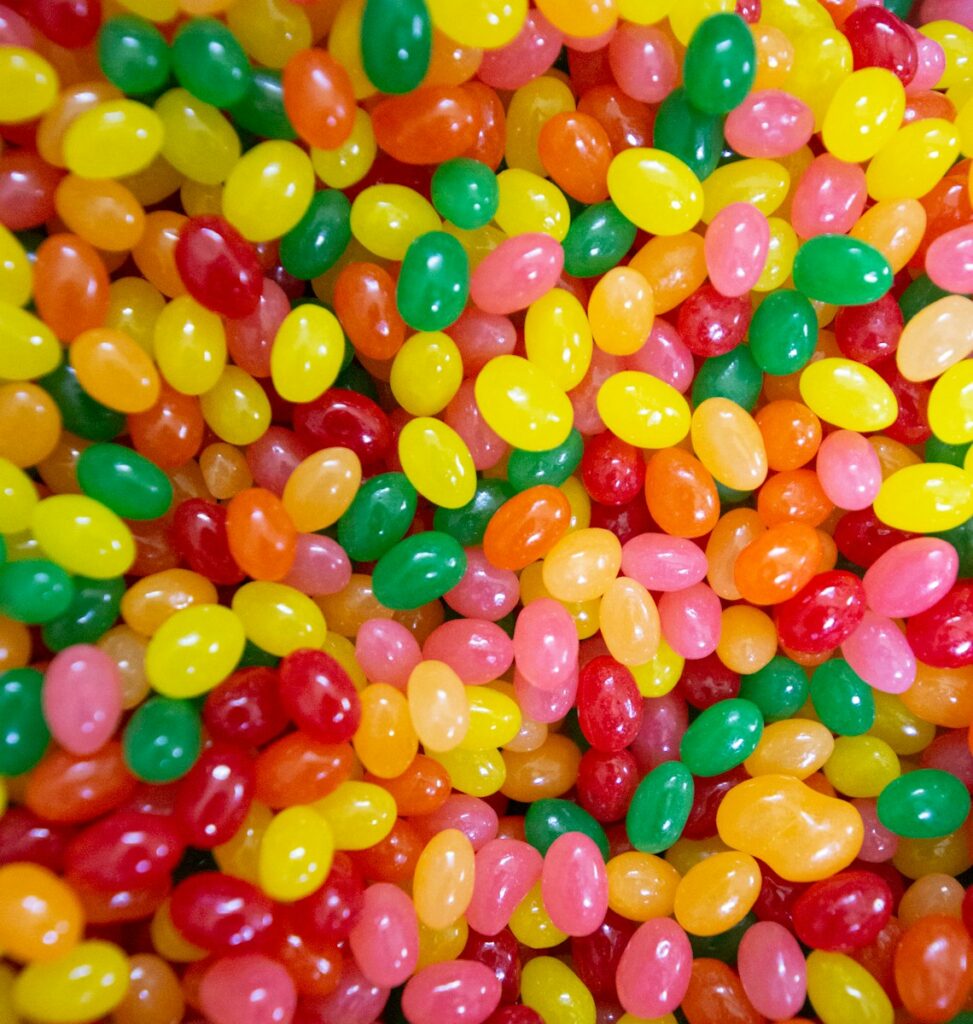
12. **Sno-Caps: The Underwhelming Classic**Nestle Sno-Caps, an old-fashioned candy known as a nonpareil, bear a name that, according to Merriam-Webster, implies “having no equal.” Perhaps if their name suggested a humbler expectation, they might benefit from a less critical reception. Unfortunately, their actual taste often falls short of such lofty claims, positioning them as a classic that coasts primarily on nostalgia.
Unlike many movie candies, Sno-Caps are made with semi-sweet rather than milk chocolate, a choice that could offer a richer experience. However, the cheap quality of the semi-sweet chocolate used doesn’t deliver much flavor, creating a rather bland base. The white sprinkles on top provide a subtle crunch but similarly offer no discernible taste, doing little to elevate the overall profile.
While Nestle notes that Sno-Caps have less fat than other popular chocolate brands, this isn’t typically a primary consideration for consumers indulging in candy at the movies. Ultimately, modern consumers are seeking more exciting and flavorful options than crunchy, flavorless sugar beads, leading to Sno-Caps’ reputation as a snack primarily consumed within the specific, traditional context of a movie theater.
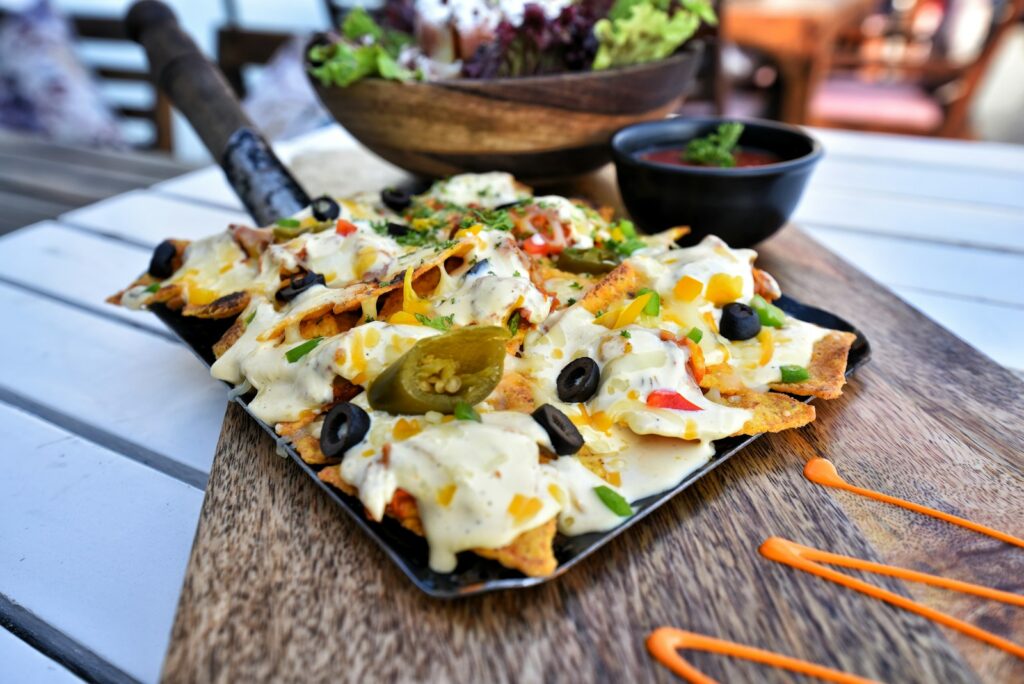
13. **Nachos: The Under-served Savory Staple**It’s crucial to remember that movie theaters are fundamentally not restaurants; they rarely boast full kitchens, and their food preparation is often limited to what can be managed by a young, potentially bored, concession stand employee. This operational reality dictates that movie theater nachos are typically simplified down to a mound of tortilla chips accompanied by a small cup of fake nacho cheese sauce.
While we’re not here to disparage nacho cheese itself – despite its unnatural neon color and suspiciously gelatinous texture, it can be quite tasty – the main grievance with movie theater nachos is the egregious scrimping on the cheese. Far too often, moviegoers find themselves running out of the meager cheese serving long before they’ve finished their chips.
This imbalance leaves you with a disheartening pile of sad, stale tortilla chips that offer little more enjoyment than packing peanuts. For a truly satisfying nacho experience, where you can generously load up on toppings and customize them to your exact liking, it’s far better to save your nacho consumption for the comfort and control of your own home, where real cheese is an option.
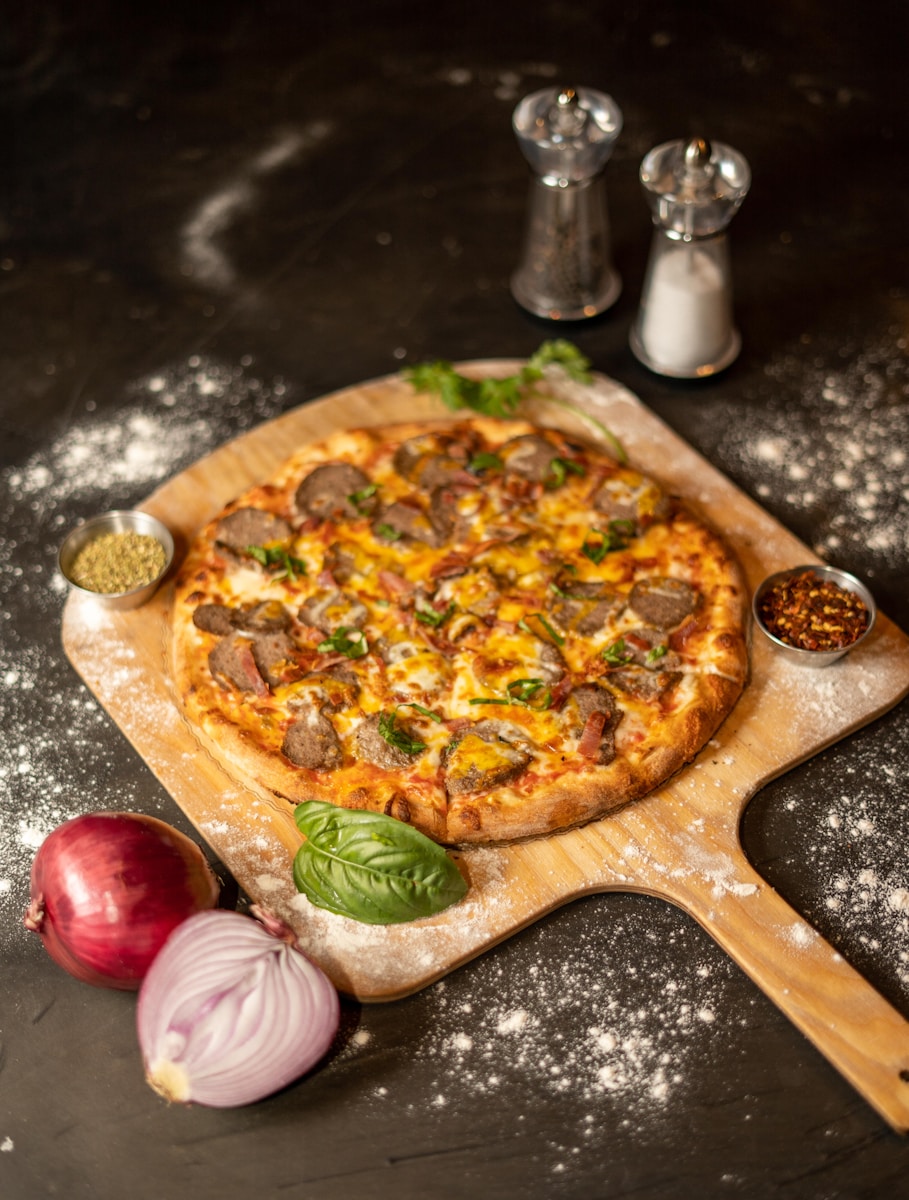
14. **Pizza: The Pricy, Pre-made Disappointment**In these challenging times, a universal truth prevails: our collective love for pizza. When crafted from scratch by skilled hands, pizza stands as one of humanity’s greatest culinary inventions. However, unless you frequent one of the newer, upscale theaters equipped with actual restaurants, movie theater pizza is almost certainly neither made fresh nor prepared with proper technique.
Instead, what you’re most likely to receive is a frozen pizza, typically reheated in a microwave – or, if you’re fortunate, a convection oven. Theater concession stands, driven by cost efficiency, tend to source the cheapest food available. This means you’re often paying exorbitant movie theater prices for what amounts to bargain-basement, cafeteria-style pizza that offers little in terms of quality or flavor.
To add insult to injury, you’re shelling out significantly more for something you could easily prepare at home for a mere couple of dollars, likely with superior ingredients and taste. If a craving for pizza strikes before your movie, your best bet is to visit a dedicated pizzeria rather than splurging on an overpriced, underwhelming, reheated pie at the multiplex.
In the intricate financial tapestry of the movie industry, where ticket sales often fall short of covering overheads, these concession items—from the reigning king popcorn to the humble, sometimes maligned, snack—are more than just treats; they are the financial bedrock of the theatrical experience. Each candy, soda, and savory bite, despite varying profit margins, plays a crucial role in enabling our local cinemas to keep their lights on, their projectors rolling, and their doors open for us to escape into cinematic magic. So, the next time you hesitate over the price of a movie snack, remember that you’re not just buying a treat; you’re investing in the future of going to the movies.