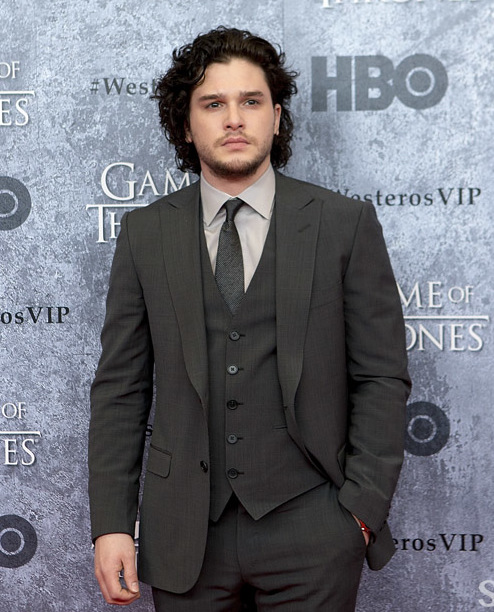
Game of Thrones was more than just a television series; it was a global cultural phenomenon that captivated millions with its intricate political intrigue, dramatic romances, and, of course, dragons. For eight seasons, viewers became deeply invested in the sprawling narrative of Westeros, forming strong attachments to its richly developed characters and the talented actors who brought them to life.
However, the journey behind the scenes of such an epic production was often as dramatic and unpredictable as the show itself. While fans debated plot twists and character fates, a different kind of drama unfolded off-camera, involving surprising departures, unexpected recasts, and even instances where actors nearly lost their coveted roles before they had a chance to truly begin.
Working on a TV show of Game of Thrones’ magnitude seems like an actor’s dream, but the reality included challenging schedules, evolving narratives, and sometimes, personal choices that led to significant changes in the cast. We take an in-depth look at some of these fascinating behind-the-scenes stories, exploring the reasons why certain faces changed, characters were written off sooner than expected, or why some stars almost didn’t make it to the screen at all.
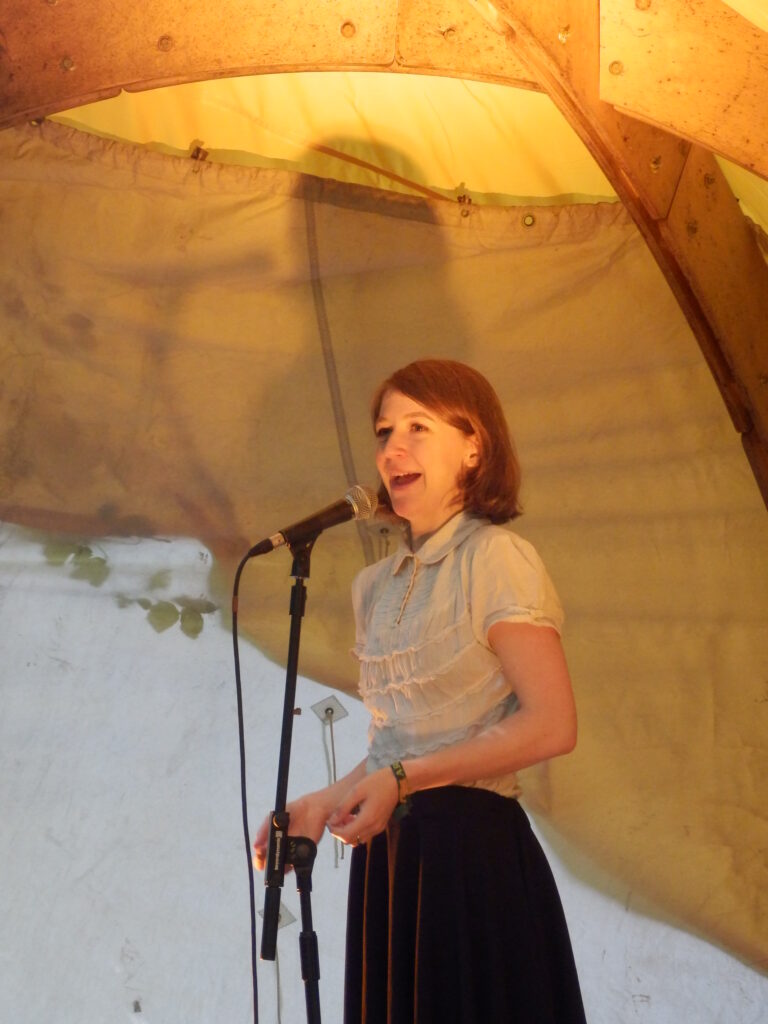
1. **Gemma Whelan (Yara Greyjoy): Almost Fired for a Resume Leak**The notion of an actor being almost fired before even uttering a single line on one of the biggest shows in television history sounds like something straight out of a Hollywood drama. Yet, for actress Gemma Whelan, who famously portrayed Yara Greyjoy, the fierce sister of Theon, this was very nearly her reality shortly after landing the role.
Whelan joined the HBO hit in its second season in 2012, stepping into the formidable boots of a character who would become a key player in the Iron Islands’ politics. However, the initial excitement of her casting was quickly overshadowed by an unexpected misstep: she innocently posted her new role to her online resume, not realizing the intense secrecy surrounding Game of Thrones productions.
As Whelan herself recounted, “The first lesson I learnt was when I first got the job. No one told me to keep quiet about it, I just thought it was normal to pop it in my Spotlight entry, so I wrote on my CV, ‘This summer, Gemma will be playing Yara Greyjoy in Game of Thrones.’” The internet, ever vigilant, immediately picked up on the news, and “went nuts” when it discovered she would be playing Theon’s sister and a would-be queen of the Iron Islands.
The fallout was swift and serious. Whelan was called into a producer’s office and told, “This is very serious. We almost can’t employ you because of this.” It’s a striking anecdote that highlights just how fiercely protective the Game of Thrones production became of its secrets, a stark contrast to the show’s earlier days when even author George R.R. Martin would post casting info on his live journal. Thankfully for fans, Whelan’s faux pas was forgiven, and she went on to survive four seasons, even appearing in Season 7, solidifying her place in the show’s storied run.

2. **Ian McElhinney (Ser Barristan Selmy): Written Off Early Despite Book Survival**Game of Thrones became infamous for its willingness to kill off beloved characters, often without warning, leaving fans emotionally devastated. This brutal reality of Westeros extended even to the actors, many of whom faced the difficult task of accepting that their characters’ journeys would end sooner than they might have hoped, even if their counterparts in George R.R. Martin’s books lived on.
One such actor was Ian McElhinney, who brought to life the honorable and fiercely loyal knight, Ser Barristan Selmy, adviser to Daenerys Targaryen. McElhinney, a huge fan of the original book series, was genuinely surprised when he received his filming schedule for season five, revealing he would only be needed for a few weeks of shooting.
His shock stemmed from the fact that, in the books, Ser Barristan was still very much alive and played a significant role beyond the events covered in the fifth book, ‘A Dance With Dragons’. Upon contacting his agent and the line producer, McElhinney learned the definitive truth: the showrunners had made the decision to write his character off early, deviating from Martin’s established narrative.
McElhinney openly expressed his disappointment regarding this unexpected turn for his character, a sentiment likely shared by many book-reading fans who had anticipated a more extensive arc for the legendary knight. While his journey on the show ended prematurely for him, his character’s fate in the yet-to-be-released final books remains a point of speculation, offering a glimmer of hope that Ser Barristan might fare better in print.
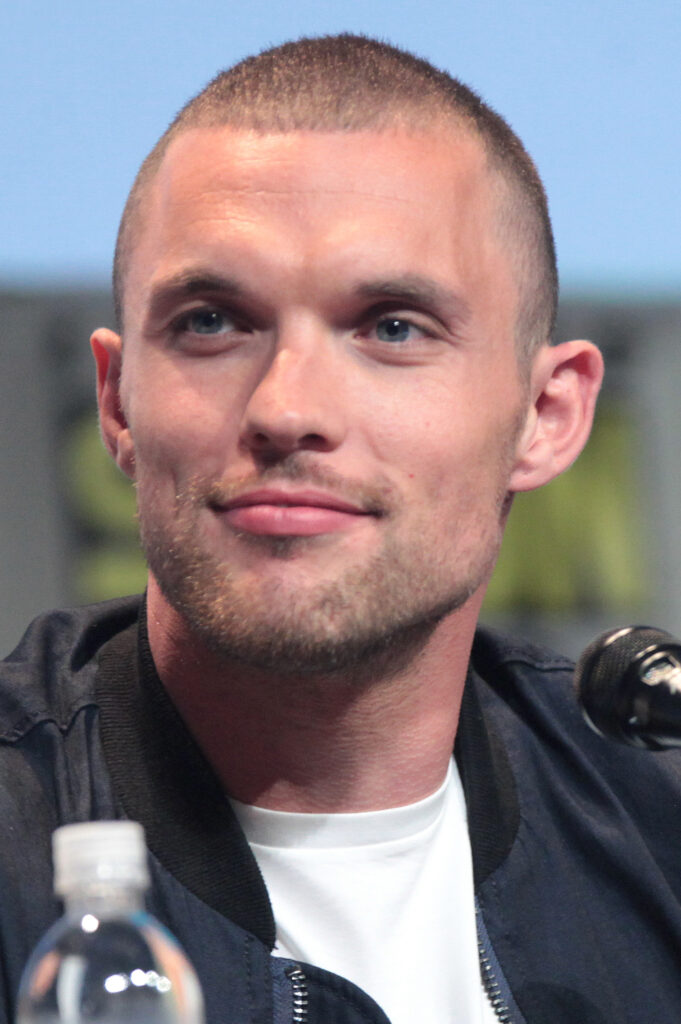
3. **Ed Skrein (Daario Naharis): Recast Due to ‘Political’ Reasons**For many dedicated Game of Thrones viewers, the introduction of Daario Naharis in season four likely prompted a double take. The character, a charismatic political ally and eventual lover of Daenerys Targaryen, looked distinctly different from his previous iteration, signaling a surprising recast after season three had already aired.
Originally, the role of Daario Naharis was portrayed by Ed Skrein for three episodes in Season 3. Skrein, who has since gone on to achieve recognition in films like ‘The Transporter Refueled’ and ‘Deadpool,’ established the character’s initial presence. However, by season four, the part had been taken over by Michiel Huisman, who continued in the role for the remainder of the series, creating a noticeable visual discontinuity for fans.
For a time, the prevailing rumor was that Skrein’s departure was due to scheduling conflicts, specifically his commitments to ‘The Transporter Refueled,’ which supposedly made it impossible to balance both demanding roles. This is a common and understandable reason for recasting in long-running productions with in-demand actors.
However, Skrein eventually refuted these claims, offering a more cryptic explanation for his sudden exit. He stated, “My plan was to stay with Game of Thrones for the long haul… It was a wonderful experience, but politics led to us parting ways.” While the precise nature of these ‘politics’ remains undisclosed, his comments suggest a behind-the-scenes disagreement or strategic decision rather than a simple scheduling clash. Regardless of the reason, Michiel Huisman stepped into the role admirably, and Skrein has continued to build a successful film career.
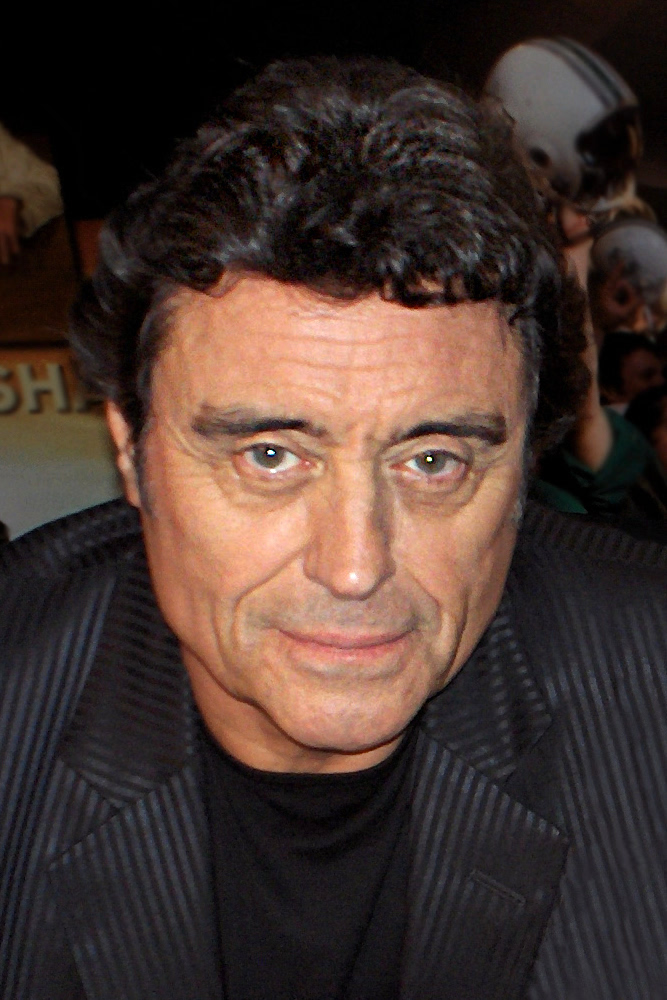
4. **Ian McShane (Brother Ray): Brief, Impactful Role Due to Limited Commitment**Game of Thrones often drew in high-caliber actors for even fleeting appearances, leveraging their talent to deliver memorable performances that resonated deeply with the audience. Ian McShane, a veteran actor known for his commanding screen presence, made one such brief but incredibly impactful appearance in season six, playing the character of Brother Ray.
We were introduced to Brother Ray in a tranquil commune, a stark contrast to the usual political strife and royal conflicts of the Seven Kingdoms. It was here that fans discovered the Hound, previously presumed dead, had been hiding out, recovering from his injuries. Brother Ray served as a mentor figure, guiding the Hound towards a philosophy of nonviolence and self-reflection, offering a rare moment of peace in a brutal world.
However, this serene interlude was tragically short-lived. The commune was attacked, and Brother Ray was brutally killed, much to the disappointment of many viewers who had quickly grown fond of McShane’s compelling portrayal. His character’s swift demise underscored the pervasive danger even in seemingly idyllic corners of Westeros.
McShane, however, had gone into the role with a clear understanding and a specific preference for its brevity. He candidly told Entertainment Weekly, “It was one episode, for a start, which is why I wanted to do it.” He was keen to be part of the Game of Thrones phenomenon but was unable to commit to a long-term role, a common consideration for busy actors. McShane felt his “main use was to re-introduce a character people thought was long gone and who needed some humanity,” a purpose he fulfilled with undeniable gravitas.
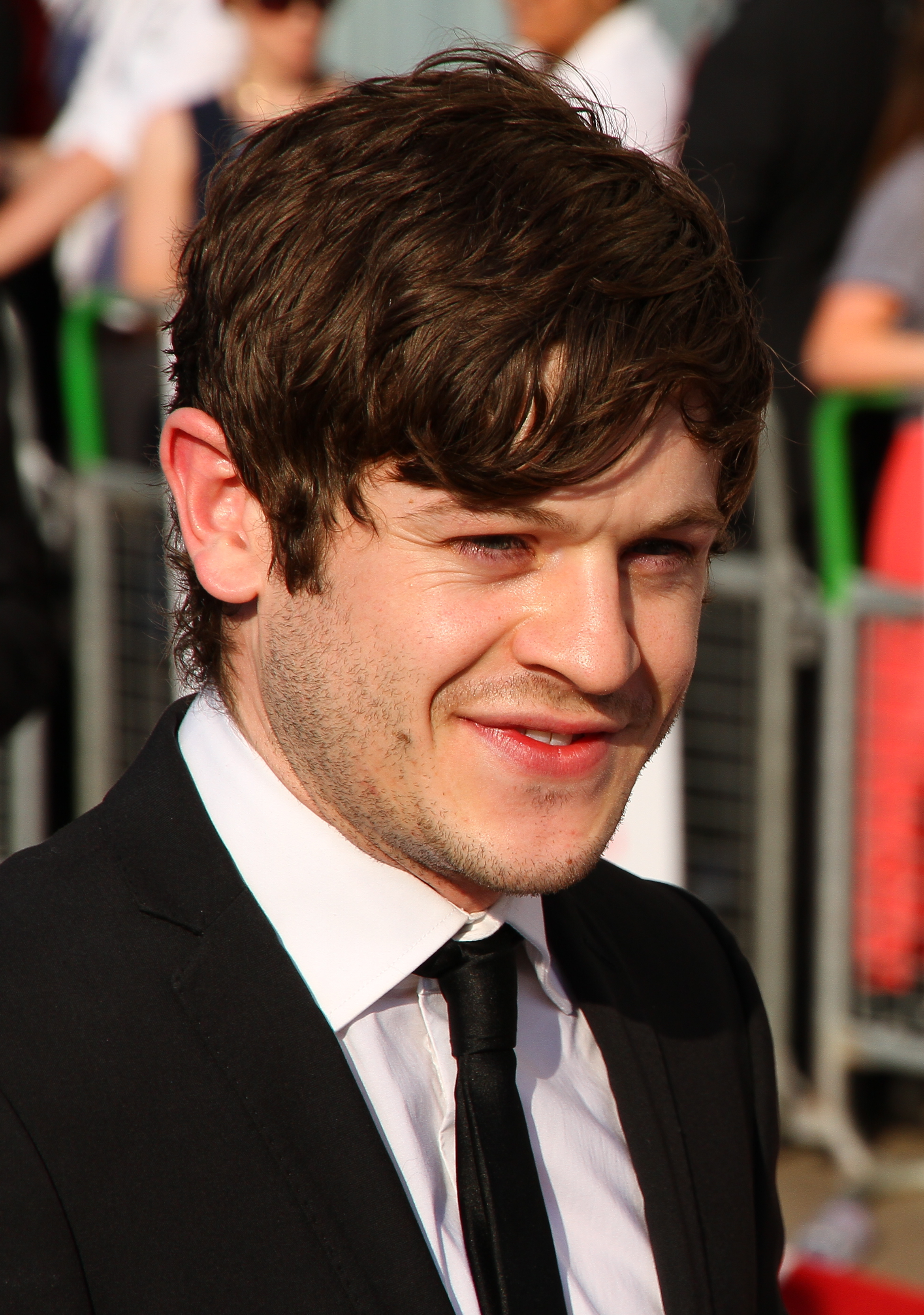
5. **Iwan Rheon (Ramsay Bolton): Relieved to Bid Farewell to the Villainous Role**Throughout its run, Game of Thrones was home to some truly despicable villains, none perhaps as viscerally terrifying and universally loathed as Ramsay Bolton. Actor Iwan Rheon’s chilling portrayal of the sadistic Lord of the Dreadfort was so convincing that just his appearance on screen was enough to send shivers down many a viewer’s spine, prompting genuine relief when his character finally met his gruesome end.
Ramsay was characterized by his absolute ruthlessness, a capacity for horrific cruelty that seemed to know no bounds, whether it was through psychological torment, physical torture, or unleashing his ravenous hounds on anyone who dared cross him. Rheon embodied this pure evil with such disturbing effectiveness that it became hard to separate the actor from the character for many fans.
Therefore, it might not come as a surprise that Iwan Rheon himself admitted to feeling a sense of relief when his time on Game of Thrones concluded. Following Ramsay’s fitting demise – being devoured by his own hounds after Sansa Stark’s command – Rheon appeared on ‘Good Morning Britain’. When presenter Kate Garraway confessed that Ramsay gave her nightmares, Rheon sympathized, stating plainly, “He wasn’t a very nice young man. I’m kind of glad to put him behind me now.”
While Rheon acknowledged that he would undoubtedly miss working on the groundbreaking series, he felt that the showrunners made the absolutely correct decision for Ramsay’s ultimate fate. As he shared with GQ, “I don’t I feel like I’m going to miss Ramsay. I feel like he had his lark, and it was just that he died. And I think it was the right thing for the show moving forward.” It’s a rare insight into the emotional toll of playing such a dark character, and the personal satisfaction in seeing their story conclude.

6. **Natalie Dormer (Margaery Tyrell): Actively Sought an Exit for New Projects**Margaery Tyrell, played with captivating charm and shrewd intelligence by Natalie Dormer, was a character who understood the game of thrones better than most. Her ambition and political acumen saw her marry three kings, ascend to become Queen of the Seven Kingdoms, and even successfully challenge the formidable Cersei Lannister. Yet, in the end, even Margaery’s sharp wit and strategic mind couldn’t save her from the machinations of her greatest rival, leading to her tragic demise in the Sept of Baelor.
Her death, alongside hundreds of others caught in Cersei’s wildfire trap, was a shocking moment for fans. Margaery had often been perceived as a moderating influence on the throne, a potential force for positive change in King’s Landing. Her abrupt exit, therefore, was particularly frustrating for those rooting for her. However, what many fans didn’t realize was that Natalie Dormer herself had been preparing to depart the series for months prior to her character’s explosive end.
In fact, Dormer had actively requested to be written off the show even earlier than her eventual fiery exit. Her ambitious nature as an actress mirrored that of her character, as she revealed to Entertainment Weekly, explaining, “In true Natalie Dormer-style, I tried to fit a million projects into a single year.” This busy schedule and desire to pursue other creative endeavors meant she was ready to move on from Westeros.
When she finally received “the call” informing her of Margaery’s upcoming death scene, the showrunners even apologized to her, acknowledging that she would have to remain on the series for a bit longer than she had originally hoped. It’s a testament to Dormer’s drive and the demanding nature of a burgeoning career that she was ready to close the chapter on such a high-profile role, seeking new challenges beyond the confines of King’s Landing.

7. **Richard Madden (Robb Stark): Ready to Forge a New Path**Robb Stark, the young wolf, captured hearts with his valiant spirit and unwavering loyalty to his family. Played by the charismatic Richard Madden, Robb seemed destined for greatness, a natural leader fit for the Iron Throne. His journey, marked by bravery and a tragic romance, made his sudden demise at the infamous Red Wedding one of the most agonizing moments in television history, leaving fans reeling from the show’s brutal unpredictability.
Madden dedicated five intense years to bringing the King in the North to life. While his character’s brutal end devastated viewers, Madden himself expressed a surprising sense of satisfaction with his departure from Westeros. He viewed his time on the show as a crucial learning experience, a period where he truly honed his craft.
In a candid conversation with Amy Adams for Variety, Madden reflected on his tenure, stating, “Five years was a great time to be on the show. You really start to learn the trade doing that. And then I was thankful to leave it.” His desire to move on wasn’t a rejection of the beloved series, but rather an ambition to diversify his acting portfolio and embrace new challenges.
Madden elaborated, explaining his readiness to break free from particular typecasting. “I’ve spent ten years playing different versions of Romeo, from Robb Stark to literally playing Romeo twice onstage,” he shared. This ambition led him to seek out roles offering different creative outlets. Since his departure, Madden has indeed expanded his repertoire, notably starring in ‘Bodyguard’ and portraying John Reid in ‘Rocketman’. His decision highlights how even success in a massive show can prompt actors to seek fresh, risky endeavors.
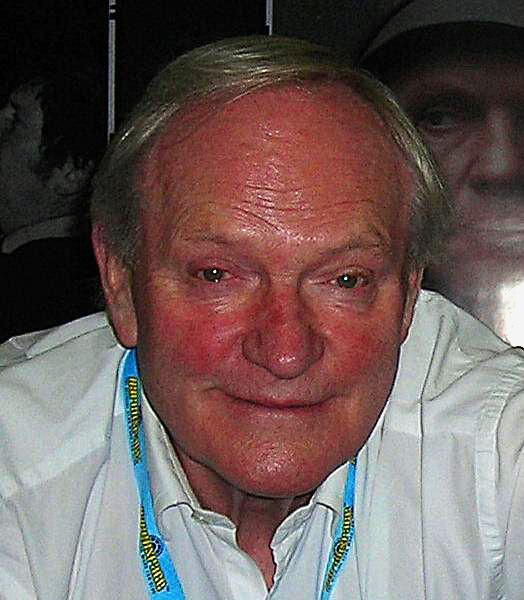
8. **Julian Glover (Grand Maester Pycelle): Eager for a Grand Exit**For seasons, Grand Maester Pycelle was a fixture in King’s Landing, a seemingly frail and doddering old man whose loyalty often shifted with political winds. Played by the distinguished Julian Glover, Pycelle’s character was a master manipulator, often feigning senility to gain an advantage in the viper’s nest of the capital. He was a survivor, a constant presence through multiple regimes, often found being “ticked off at Cersei.”
While many actors anxiously awaited news of their characters’ fates, Julian Glover had a markedly different perspective. After years immersed in the role, he yearned for a conclusion to Pycelle’s story. Glover openly admitted he was growing bored, feeling his character’s purpose had become somewhat static.
He actively approached the showrunners, expressing his desire for Pycelle to be “axed.” It’s quite a contrast to the typical actor’s plight, where job security on a show of this magnitude is paramount. Glover, however, was ready to explore new opportunities and challenges, feeling he had explored all the nuances of the manipulative Grand Maester.
Despite his continuous requests, Glover was repeatedly told that Pycelle would survive into the next season, even as other characters met gruesome ends. His wish was finally granted in season six, and remarkably, he went out on his own terms. Glover specifically requested to film his death scene “at his leisure,” and his usual salary was tripled for the occasion, providing a fittingly grand farewell.
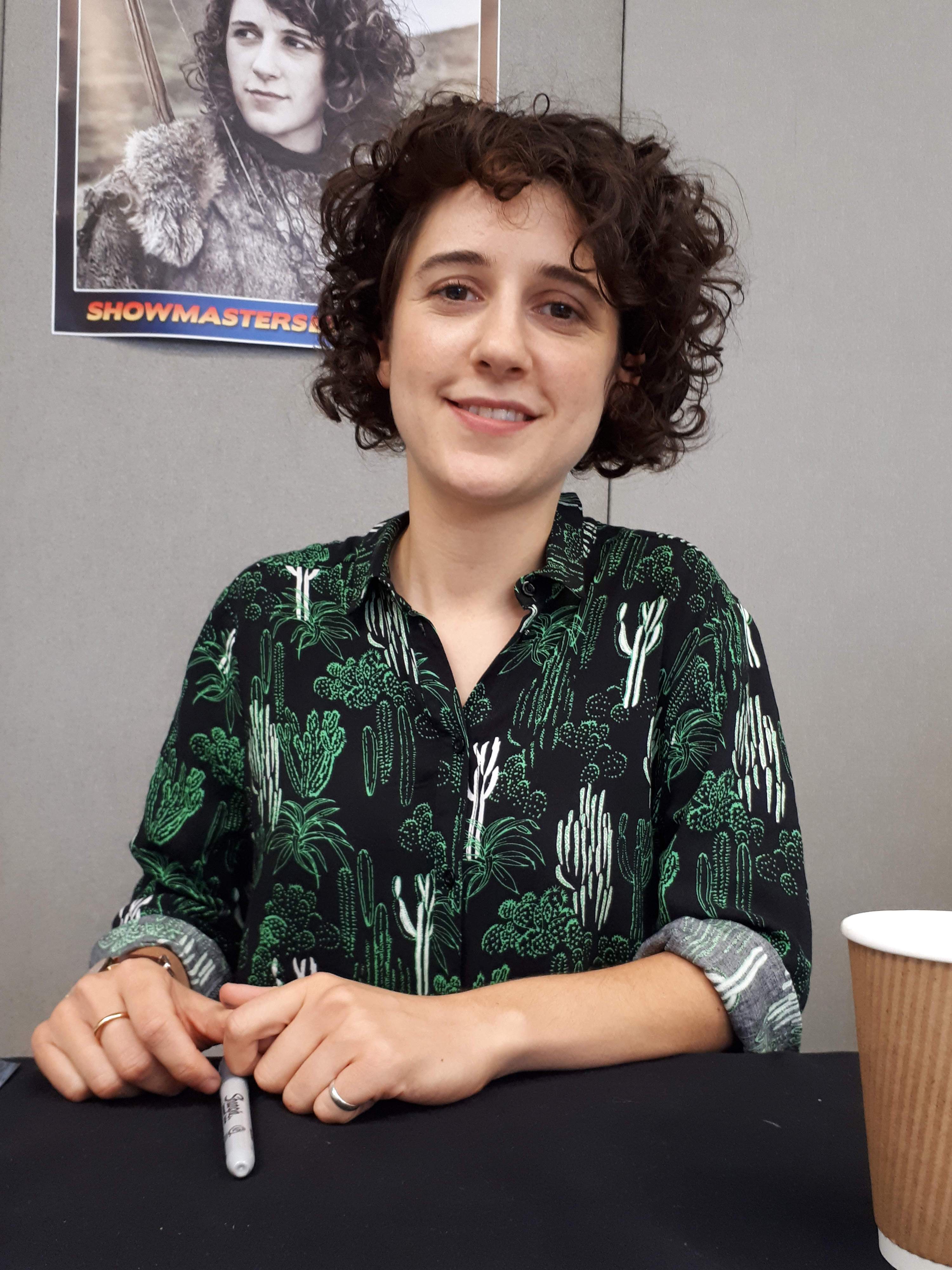
9. **Ellie Kendrick (Meera Reed): Left in the Westerosi Lurch**Meera Reed, portrayed by the resilient Ellie Kendrick, was one of Game of Thrones’ unsung heroes, a steadfast companion to Bran Stark through unimaginable perils. Alongside her brother Jojen and the ever-loyal Hodor, Meera’s journey was defined by sacrifice and unwavering protection. She faced down wights and the chilling forces of the Night King, enduring immense hardship as she safeguarded Bran on his arduous quest to become the Three-Eyed Raven.
After successfully delivering Bran back to Winterfell, her reward for years of dedication and personal loss felt starkly insufficient. Bran, now detached and imbued with the Raven’s emotionless perspective, merely offered a curt “thank you” before dismissing her. This seemingly lackluster conclusion left many fans, and the actress herself, wondering if Meera would reappear for a more satisfying resolution.
As filming for season seven wrapped, Kendrick found herself in an unenviable position of uncertainty. She had no definitive word on whether her character would return for the final season. This state of limbo extended for quite some time, reflecting the tight-lipped nature of the Game of Thrones production, even with long-serving cast members.
In late 2017, still awaiting news, Kendrick shared her situation with Metro, stating, “I wait for the phone to ring and then I find out, but it hasn’t rung so I don’t know.” She added, “I’ll find out whether I am or not at some point, but for now, I haven’t been notified so I’m yet to discover.” While the showrunners eventually had to convey the difficult news, the prolonged suspense highlighted the challenging realities of working on such a secretive show.
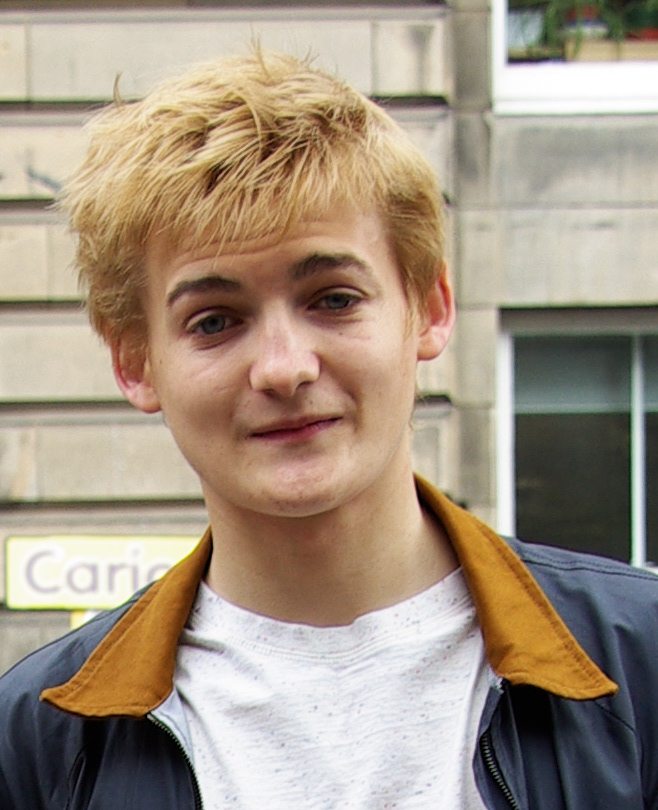
10. **Jack Gleeson (Joffrey Baratheon): Opting Out of the Spotlight**Joffrey Baratheon, King of the Seven Kingdoms and arguably Game of Thrones’ most hated character, was brought to chilling life by the young actor Jack Gleeson. Despite it being his first major role, Gleeson exhibited an uncanny talent for portraying the spoiled, sadistic monarch, making audiences genuinely despise him. His performance was so convincing that when Joffrey finally met his gruesome end, poisoned at his own wedding, it elicited a complex mix of relief and a strange sense of loss for the show’s primary antagonist.
Gleeson’s portrayal was so intense and effective that he admitted he found it difficult to watch himself on screen. The sheer evil he embodied as Joffrey was, for him, a difficult thing to witness, blurring the lines between the character and the person. This deep immersion, combined with the intense public scrutiny that came with being a prominent figure in the world’s biggest show, proved to be an overwhelming experience for the young actor.
The celebrity lifestyle, with its constant demands and lack of privacy, also weighed heavily on Gleeson. He realized early in his Game of Thrones journey that this wasn’t the life he envisioned for himself. As he candidly shared with The Independent, “When I started doing Game of Thrones, perhaps the reality was made too real for me. The lifestyle that comes with being an actor in a successful TV show isn’t something I gravitate towards.”
Consequently, Gleeson made the conscious decision that once his time as Joffrey concluded, he would step away from the intense glare of a major acting career. He was more than ready for his “final curtain call,” choosing instead to return to his studies at Trinity College in Dublin and pursue work with humanitarian organizations. His departure was a rare instance of an actor voluntarily stepping away from the peak of fame.
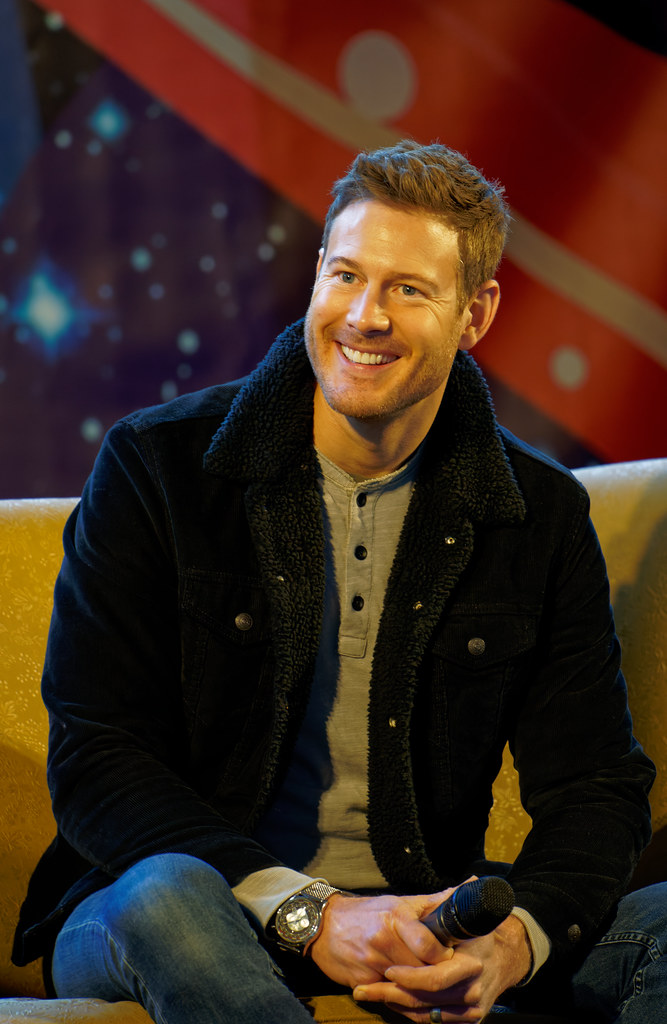
11. **Dickon Tarly: A Clash of Schedules, A New Face**Even supporting characters from noble houses, vital to the overarching narrative, were not immune to casting changes. Dickon Tarly, Samwell Tarly’s younger brother and a key figure in House Tarly, saw his face change between seasons, providing another intriguing glimpse into the practicalities of large-scale television production.
Dickon Tarly first appeared in Season 6, portrayed by Freddie Stroma. His introduction was significant, showcasing the Tarly family dynamics and the strained relationship between Sam and his authoritarian father, Randyll Tarly. Stroma brought a certain charm and earnestness to the character, beginning to establish his presence in the series.
However, when the character was slated for a more prominent role in Season 7, specifically in the battles against Daenerys Targaryen, Freddie Stroma was unable to return. The reason for this particular casting change was straightforward and common: a scheduling conflict. Stroma had been cast in a leading role for the ABC series ‘Time After Time,’ and his commitments to that project made it impossible to fulfill his duties on Game of Thrones.
Consequently, Tom Hopper was brought in to replace Stroma for Dickon’s return in Season 7. Hopper, known for his roles in ‘Black Sails’ and ‘The Umbrella Academy,’ capably stepped into the role, delivering a memorable performance that culminated in Dickon’s final, fiery moments on screen. This swift and necessary recast ensured the Tarly storyline could continue unimpeded, a testament to the production’s ability to adapt quickly to actor availability.
The world of Westeros, as grand and fantastical as it was, was ultimately a meticulously constructed reality, and the stories behind its cast changes offer a fascinating parallel to the dramatic twists and turns within the show itself. From actors almost losing their parts over resume blunders to seasoned veterans craving an exit, and from child stars outgrowing their roles to scheduling conflicts forcing recasts, each alteration tells a tale of the intricate dance between artistic vision, personal ambition, and the logistical challenges of bringing such an epic saga to life. These behind-the-scenes narratives only deepen our appreciation for the enduring legacy of Game of Thrones, reminding us that even the most iconic series has its own compelling, human drama unfolding off-camera.