The world of cinema has been profoundly shaped by visionary directors whose innovative techniques and storytelling prowess have set enduring benchmarks for excellence. From the advent of motion pictures to the digital age, these cinematic giants have not only captivated global audiences but have also profoundly influenced countless filmmakers across generations. They are the true architects of the silver screen, crafting narratives and visuals that resonate deeply and redefine the art form itself.
What makes a director truly legendary? It’s more than just a string of successful films; it’s about innovating the art form, pushing boundaries, and championing new techniques. The best directors turn in fully realized masterpieces and create their own distinctive styles across their catalogs. Their unique points of view are what truly make them the best directors of all time, inspiring others and creating aesthetics that become instantly recognizable signatures.
In this in-depth exploration, we journey through the lives, journeys, and successes of ten such directors who have left an indelible mark on cinematic history. We will delve into their unique contributions, iconic works, and the lasting legacies that continue to inspire and shape the future of film. Let’s begin our journey by examining the first five titans who paved the way for modern cinema.
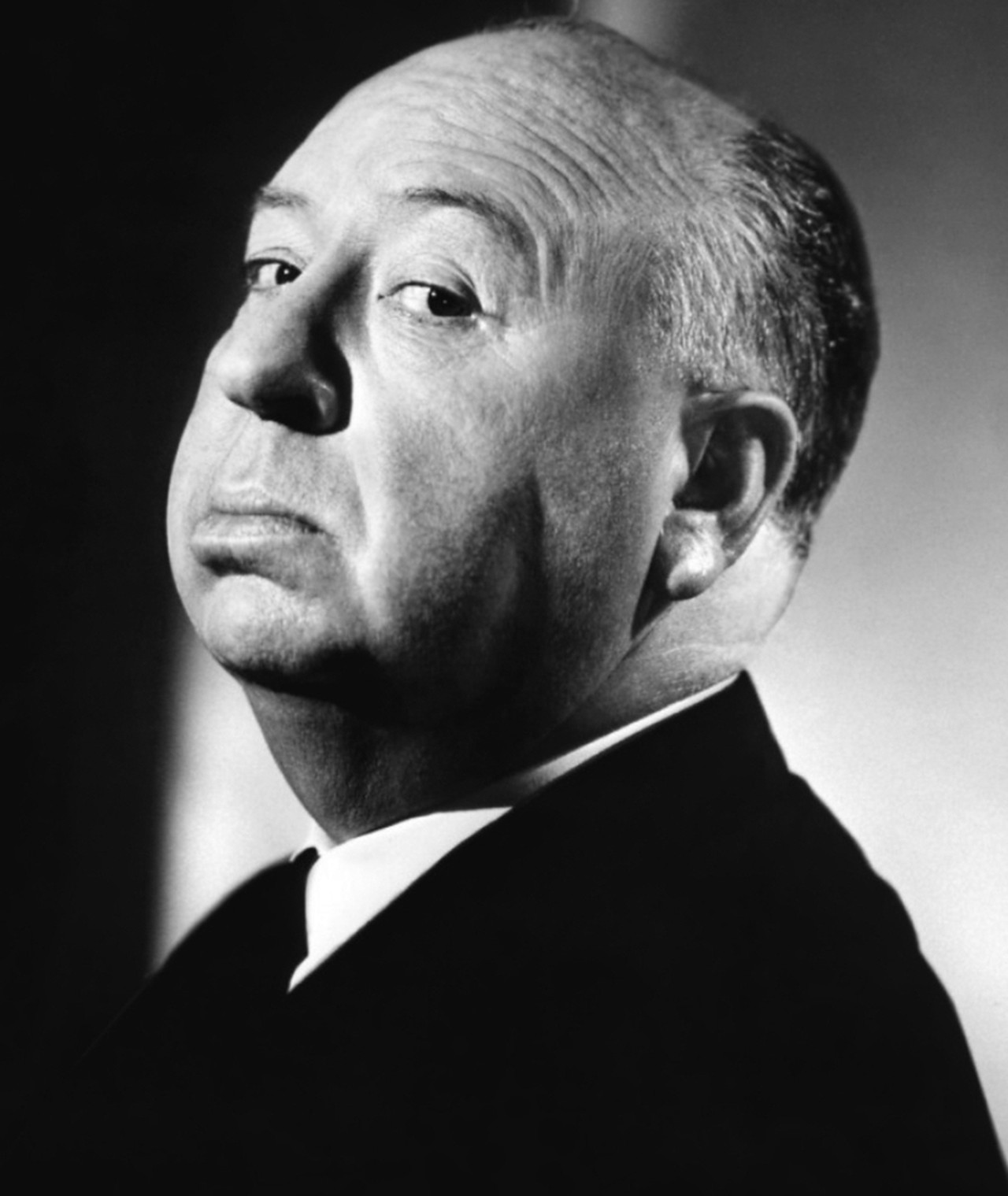
1. **Alfred Hitchcock – The Master of Suspense**Alfred Hitchcock, often hailed as the “Master of Suspense,” completely revolutionized the thriller genre with his unparalleled techniques and profound psychological depth. His films are characterized by meticulously crafted plots, masterful use of suspense, and an unflinching focus on the darker aspects of human nature. Hitchcock’s signature style includes elements of voyeurism, macabre humor, and a subtle yet powerful manipulation of the audience, keeping viewers perpetually on the edge of their seats.
His career began in Britain, where he directed films in the silent era, although some of these early works are now unfortunately lost. A significant milestone in his British career was his 1929 film, *Blackmail*, which holds the distinction of being the first British “talkie.” Moving to Hollywood in the late 1930s marked a new chapter, leading to *Rebecca* (1940), which earned him the first of his five Academy Award nominations for Best Director. This move cemented his status as a cinematic powerhouse, setting the stage for his most iconic works.
Throughout his decades-long career, Hitchcock directed over 50 films, many of which became timeless classics. These include *Suspicion* (1941), *Dial M for Murder* (1954), *Rear Window* (1954), *To Catch a Thief* (1955), *Vertigo* (1958), *North by Northwest* (1959), *Psycho* (1960), and *The Birds* (1963). His impact was so profound that his works led to the term “Hitchcockian,” often used to describe films featuring plot twists, restricted action, symbolistic darkness, MacGuffins, and voyeurism, particularly in the innovative use of camera movement to mimic a person’s gaze.
While his legacy is immense, it is also marred by his infamous cruelty to his female leads. Nevertheless, his contributions helped shape and define not just the thriller, suspense, and horror genres, but also audience expectations for masterful, suspenseful storytelling. His genius in crafting unforgettable cinematic experiences remains a testament to his visionary approach.
Read more about: Julie Andrews at 90: Unpacking the Blended Family and Remarkable Journey of an Icon

2. **Steven Spielberg – The Blockbuster Pioneer**Steven Spielberg is a name synonymous with blockbuster filmmaking, a true pioneer of the New Hollywood era who has captivated audiences worldwide with his profound sense of wonder, adventure, and emotional depth. His films are celebrated for their technical brilliance, heartwarming narratives, and instantly iconic imagery, making him one of the most recognizable and beloved directors in cinematic history.
Spielberg’s versatility across genres is remarkable. From the terrifying thrills of *Jaws* (1975) that defined the summer blockbuster, to the heartwarming sci-fi adventure of *E.T. the Extra-Terrestrial* (1982), and the historical gravitas of *Schindler’s List* (1993), he has consistently delivered quality and entertainment. Seven of his films, including *Jaws*, *Raiders of the Lost Ark* (1981), and *Jurassic Park* (1993), have been inducted into the Library of Congress as “culturally, historically or aesthetically significant,” cementing their place in American cultural consciousness.
Beyond critical acclaim, Spielberg has achieved unparalleled commercial success. *E.T. the Extra-Terrestrial* (1982) is still the fourth highest-grossing film adjusted for inflation, highlighting his ability to connect with a broad audience. He has been nominated for an astonishing 22 Oscars and won three, including Best Director for both *Saving Private Ryan* (1998) and *Schindler’s List* (1993). His unique ability to blend spectacle with genuine sentiment has made him one of the most commercially successful and critically acclaimed directors of all time.
Even now, Spielberg remains an active and influential force in cinema, continuing to shape popular culture and inspire generations of filmmakers. His most recent movie, *The Fabelmans*, was released in 2022, demonstrating his enduring passion and commitment to the art of storytelling. His legacy is not just in the films he creates, but in the very fabric of how we experience and anticipate cinematic magic.
Read more about: Beyond the Script: Deconstructing the Singular Imperative Steven Spielberg Instills in His Actors for Unparalleled On-Screen Authenticity

3. **Stanley Kubrick – A Visionary Perfectionist**Stanley Kubrick was a visionary director, revered for his meticulous perfectionism, groundbreaking technical innovation, and thematically complex films that challenged and captivated audiences. His filmography, though relatively compact with 13 theatrical films, spans an incredible array of genres, each entry considered a classic in its own right. From the anti-war satire of *Dr. Strangelove* (1964) to the groundbreaking science fiction of *2001: A Space Odyssey* (1968) and the chilling horror of *The Shining* (1980), Kubrick consistently pushed cinematic boundaries.
Known for his demanding nature and unparalleled control over every single aspect of filmmaking, Kubrick’s films are characterized by their stunning visuals, thought-provoking narratives, and a profound exploration of human nature and societal issues. While he was nominated for 13 Academy Awards over his career, he famously only won one for Best Special Effects in *2001: A Space Odyssey*. Surprisingly, he won very few awards for his directing and was even nominated for a Golden Raspberry Award for Worst Director for *The Shining*, a film now widely considered a horror masterpiece.
Despite the varied reception during his lifetime for his directing awards, his influence is undeniable. Kubrick’s directing style, particularly his revolutionary camerawork and framing, has left an indelible mark on countless directors. His unwavering commitment to pushing cinematic boundaries and his unique artistic vision have solidified his place as one of the most influential and respected filmmakers in the history of cinema. His films have been called some of the most important in the twentieth century, continuing to be studied and admired for their depth and innovation.
Read more about: Chrono-Logic: The Maverick Directors Who Shot Their Masterpieces in Unconventional Order

4. **Martin Scorsese – The King of Crime Films**Martin Scorsese stands as a famous director particularly renowned for his crime films, where he masterfully explores complex characters within morally ambiguous worlds, all rendered with a striking realism and dynamic camera work. His films frequently delve into profound themes of guilt, redemption, and the intricate facets of the Italian-American experience, most famously in iconic movies like *Goodfellas* (1990) and *Casino* (1995).
Scorsese’s journey in filmmaking began in the 1960s, directing short films while attending NYU’s Tisch School of the Arts. While he had already directed *Who’s That Knocking at My Door* in 1967, his career truly soared after director Brian De Palma introduced him to Robert De Niro. This pivotal meeting led to *Mean Streets* (1973) and forged a frequent and legendary collaboration between Scorsese and De Niro that spanned over 50 years, producing some of cinema’s most iconic performances and enduring works. His collaborations with Leonardo DiCaprio in later years have also contributed significantly to his stellar filmography.
His extensive filmography boasts 26 full-length films, showcasing his versatility and deep understanding of cinematic language. Beyond the crime genre, he has directed diverse works such as *Taxi Driver* (1976), *Raging Bull* (1980), *The King of Comedy* (1982), *The Age of Innocence* (1993), *Kundun* (1997), *Hugo* (2011), and most recently *Killers of the Flower Moon* (2023). Scorsese has been nominated for an impressive 16 Oscars, winning one for Best Director for 2006’s *The Departed*, and has also secured three Golden Globes for his directing.
Scorsese’s passionate dedication to film history and preservation further cements his legacy as a cinematic icon. His work has profoundly influenced other directors, a sentiment echoed by Sam Mendes at the Golden Globes, who said, “There’s not one director in this room, not one director in the world, that is not in the shadow of Martin Scorsese.” Bong Joon-ho also quoted Scorsese in his Oscar acceptance speech, recalling the saying, “the most personal is the most creative.” At 82, Scorsese remains an active and vital force in filmmaking, continually pushing the boundaries of storytelling.
Read more about: The On-Screen Deaths That Still Keep Us Up at Night: 14 Traumatizing Movie Moments You Won’t Forget

5. **Akira Kurosawa – The Samurai Storyteller**Akira Kurosawa was a Japanese cinematic giant, celebrated globally for his visually stunning samurai films, his masterful storytelling, and a profound humanism that permeated all his works. His career began in 1936 at the age of 25, when he started working for Photo Chemical Laboratories, which later evolved into Japan’s Toho Studios. He directed his first feature film, *Sanshiro Sugata*, in 1943, laying the groundwork for a legendary career.
Kurosawa’s films, such as *Drunken Angel* (1948), *Rashomon* (1950), and the epic *Seven Samurai* (1954), are characterized by dynamic action sequences, a rich philosophical depth, and universal themes of honor, duty, and social justice. His work was notably inspired by the Italian neorealist movement, yet he meticulously crafted a style entirely his own, marked by careful editing, the incorporation of classical Indian music, and the strategic use of actors from diverse backgrounds.
His influence extended far beyond Japanese cinema, impacting Western filmmakers and inspiring entire genres, including Western and action films. George Lucas, for instance, famously credited Kurosawa’s 1958 film *The Hidden Fortress* as the main inspiration for *Star Wars*. Kurosawa’s innovative use of cinematography, editing, and narrative structure, combined with his extraordinary ability to evoke powerful emotions, have firmly established him as one of the most important and influential directors of all time in the history of film.
Kurosawa was also an accomplished screenwriter who contributed to books, TV, and theater over his nearly 60-year career. He was a favorite of many esteemed filmmakers, including Satyajit Ray, Steven Spielberg, and Federico Fellini. Ingmar Bergman once humbly called his own film *The Virgin Spring* a “touristic… lousy imitation of Kurosawa,” showcasing the immense respect Kurosawa commanded. His work helped popularize Japanese films in the West, and his legacy continues to be honored, with the International Film Festival of India naming its annual Lifetime Achievement award after him, celebrating the auteur’s enduring impact on Indian Cinema and the world stage.
As we continue our journey through the pantheon of cinematic greatness, it’s clear that the landscape of film has been enriched by a diverse array of voices and artistic visions. The first five directors laid down foundational principles, but the next five titans further expand our understanding of what makes a director truly exceptional. These pioneering figures have not only crafted genre-defining works but have also imbued cinema with their unique perspectives, leaving an indelible mark on cultural consciousness and inspiring countless filmmakers across generations.
From a postmodern master who redefined dialogue to the silent film legend who captivated the world without words, and from an Austrian emigrant who mastered Hollywood genres to an epic storyteller of sweeping landscapes and a father of German Expressionism, these directors embody the enduring power of cinematic artistry. Their legacies are diverse, yet each director shares an unwavering commitment to pushing the boundaries of storytelling and visual language.
Read more about: Beyond the Big Screen: 14 Visionary Directors Who Revolutionized Filmmaking Forever

6. **Quentin Tarantino – The Dialogue Genius**Quentin Tarantino, born in 1963, stands as a quintessential postmodern auteur, whose distinctive style has reshaped contemporary cinema. He is celebrated for his signature blend of sharp, often verbose dialogue, non-linear narratives that challenge traditional storytelling, and stylized violence that is as provocative as it is meticulously choreographed. His unique approach creates immersive cinematic worlds that are instantly recognizable as his own, captivating audiences with their edgy charm and intellectual depth.
While the context mentions his films such as *Pulp Fiction* (1994) as prime examples, his artistic contributions extend far beyond mere entertainment. Tarantino’s work frequently blurs genre lines, weaving together elements of crime, pulp fiction, and drama into narratives that feel both nostalgic and groundbreaking. He possesses a rare talent for crafting scenes that are simultaneously intense, witty, and deeply engaging, making every moment on screen feel significant.
His lasting cultural significance is undeniable, influencing a generation of filmmakers and leaving an indelible mark on cinematic lexicon. Tarantino’s movies are more than just films; they are cultural events, sparking discussions and inspiring mimicry while rarely being truly replicated. His ability to blend pop culture references with profound thematic explorations solidifies his place as a true innovator and a ‘Dialogue Genius’ of the modern era.
Read more about: Dusting Off Fortune: 15 VHS Tapes in Your Collection That Could Be Worth Up to $25,000!
7. **Billy Wilder – Master of Genre Versatility**Austrian director Billy Wilder began his illustrious film career as a scriptwriter in Germany, a foundational experience that deeply informed his later directorial precision. His escape from Nazi Germany in the 1930s marked a new chapter, as he swiftly cemented himself as one of Hollywood’s preeminent directors by the 1940s. Wilder’s journey from a European intellectual to a cornerstone of American cinema showcases a remarkable adaptability and resilience that defined his approach to storytelling.
Wilder’s unparalleled versatility across decades and genres is a testament to his genius. He masterfully navigated the intricate landscapes of film noir with classics like *Double Indemnity* (1944) and *Sunset Boulevard* (1950), then effortlessly transitioned to biting war dramas such as *Stalag 17* (1953) and sophisticated romantic comedies like *Sabrina* (1954) and *The Apartment* (1960). His ability to elicit both laughter and profound contemplation within the same film is a rare skill, making his filmography a rich tapestry of human experience.
His prolific career extended through the 1980s, culminating with his final film, *Buddy Buddy*, in 1981. Over this extensive period, Wilder amassed an extraordinary 21 Academy Award nominations, winning six, including two for Best Director. This critical acclaim underscores his consistent excellence and innovative contributions to the art form, cementing his status as a legendary figure in Hollywood history.
Notably, Wilder had harbored a desire to adapt Thomas Keneally’s *Schindler’s Ark* as a poignant memorial to his mother and grandmother, who perished in the Holocaust. While he ultimately did not direct it, he later expressed profound praise for Steven Spielberg’s adaptation, *Schindler’s List*, demonstrating his deep respect for the story and a fellow master filmmaker’s craft. This detail highlights his personal connection to the subject matter and his artistic integrity.
Read more about: Unforgettable Visionaries: A Deep Dive into 12 Iconic Directors Who Revolutionized Cinema

8. **Charlie Chaplin – The Icon of Silent Cinema**Charlie Chaplin, an unparalleled icon of silent cinema, defined an entire era of filmmaking with his singular comedic genius and profound dramatic depth. As listed among the top directors, his work, particularly *City Lights*, stands as a monumental achievement from an era spanning the 1910s to the 1960s. Chaplin’s ability to communicate complex emotions and compelling narratives without a single spoken word showcases an artistic mastery that few have ever achieved.
His unique artistic contributions transcended mere entertainment; Chaplin crafted a universal language through physical comedy, poignant facial expressions, and deeply empathetic characterizations. The Tramp, his most enduring creation, became a global symbol of resilience, hope, and the human spirit amidst adversity. This character, and Chaplin’s direction of him, allowed millions across diverse cultures to connect with stories that were both hilarious and heartbreaking.
Chaplin’s lasting cultural significance is immense. He pioneered techniques in visual storytelling and character development that influenced countless filmmakers who followed, even as cinema transitioned to sound. His work continues to be studied and celebrated for its timeless appeal, demonstrating that true artistry can communicate across generations and technological shifts, solidifying his place as a pioneering director and an enduring legend of the silver screen.
Read more about: Beyond the Stage: An In-Depth Look at the Enduring Evolution of the Actor, Actress, and the Art of Performance
9. **David Lean – The Epic Storyteller**David Lean stands as one of cinema’s most distinguished epic storytellers, renowned for his sweeping narratives, breathtaking cinematography, and the profound emotional depth he brought to grand-scale productions. His directorial career, which spanned from the 1940s to the 1980s, yielded genre-defining works in drama and adventure, including the monumental *Lawrence of Arabia*, which remains a benchmark for epic filmmaking.
Lean’s unique artistic contributions are characterized by his meticulous attention to detail and his unparalleled ability to capture the majesty of vast landscapes, making them integral characters in his stories. He possessed a keen understanding of human psychology, grounding his expansive tales in relatable human struggles and triumphs. This fusion of intimate character study with spectacular visual storytelling is a hallmark of his pioneering directorial style.
His lasting cultural significance is etched into the very fabric of cinematic history, with his films routinely cited for their grandeur, artistic integrity, and technical innovation. David Lean’s work redefined the scope of what cinema could achieve, inspiring subsequent generations of filmmakers to dream bigger and push the boundaries of visual and narrative ambition. His legacy is one of visionary filmmaking that continues to resonate with audiences and critics alike.
Read more about: Unmasking Disney’s Hidden Vault: 14 Shows and Characters Quietly Removed from Streaming and Airwaves
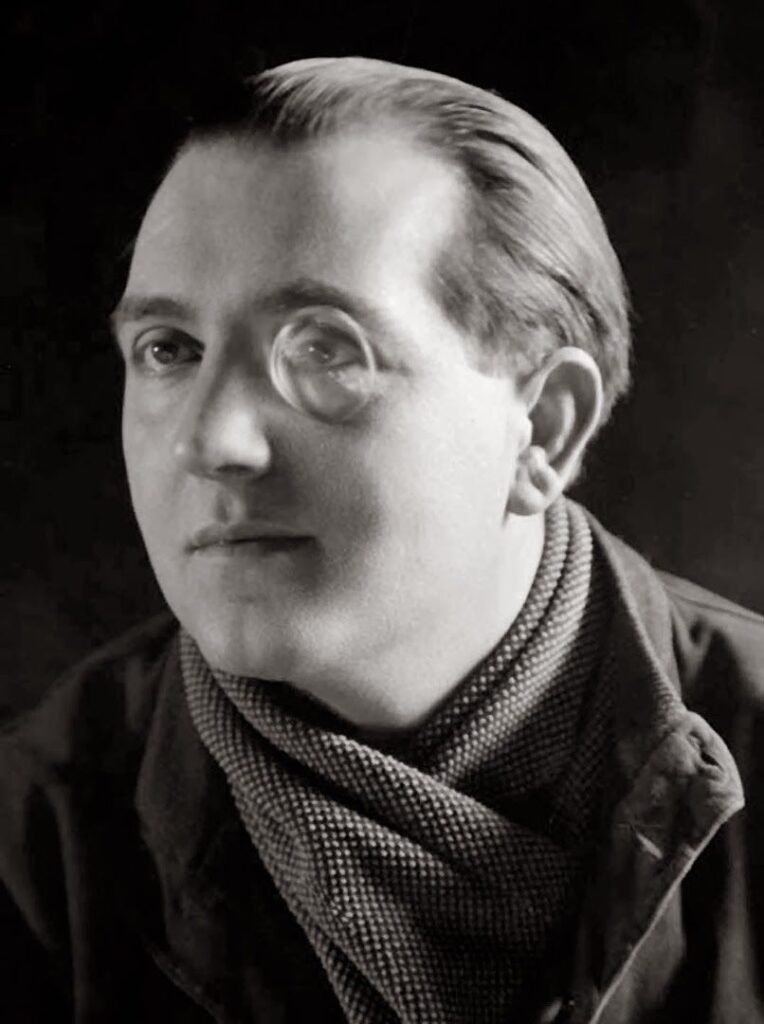
10. **Fritz Lang – The Architect of German Expressionism**Fritz Lang, unequivocally one of the fathers of German Expressionism, etched his name into cinematic history with classics that pushed the boundaries of visual storytelling. His early masterpieces, including *Metropolis* (1927), *M* (1931), and *Die Nibelungen* (1924), showcased a dark, stylized aesthetic that profoundly influenced the nascent art form, establishing him as a pioneering director whose artistic contributions were revolutionary.
Lang’s darkly atmospheric film style was perhaps intrinsically linked to his early life experiences, which were notably marked by violence. Having lost an eye fighting in World War I, and later experiencing the mysterious, possibly suspicious, shooting death of his first wife, Lisa Rosenthal, in the early 1920s, these profound personal traumas may have fueled the psychological depths and shadowy narratives present in his genre-defining works.
His career saw significant collaboration with his second wife, novelist and screenwriter Thea von Harbou, though their relationship fractured as her Nazi sympathies emerged. Lang’s anti-Nazi sentiments were evident, leading to his film *Dr. Mabuse the Gambler* (1922) being shut down and later banned by Joseph Goebbels. This political persecution forced Lang to leave Berlin, prompting his emigration and the beginning of a new chapter in Hollywood, where he continued to craft influential films.
Despite his undeniable impact, director François Truffaut notably remarked that Lang, particularly during his American period, was greatly under-appreciated by historians and critics. This sentiment underscores Lang’s immense, though sometimes overlooked, lasting cultural significance. His innovative use of visual design, psychological tension, and narrative complexity continues to inspire and challenge filmmakers, cementing his legacy as a true architectural mind of cinema.
The directors explored in both sections of this article stand as towering figures whose ingenuity, distinct visions, and groundbreaking techniques have collectively forged the very language of cinema. From Hitchcock’s suspense to Tarantino’s dialogue, and from Kubrick’s perfectionism to Lang’s expressionism, their artistry has transcended mere storytelling, creating unforgettable experiences that continue to resonate and inspire. Their legacies are a testament to the transformative power of film, reminding us that true mastery lies in the ability to innovate, captivate, and profoundly influence the world, one frame at a time.