In the annals of Hollywood, few narratives are as compelling, or as infuriating, as the stories of masterpieces that nearly weren’t. We often view the film industry through rose-tinted glasses, imagining a landscape where genius is immediately recognized and celebrated. Yet, the reality is far more convoluted, a testament to the unpredictable alchemy of creativity and commerce.
Time and again, groundbreaking scripts and audacious concepts—the very DNA of future classics—have been met with skepticism, outright dismissal, and often, with a baffling lack of foresight from the very studios designed to bring them to life. It’s a recurring saga of executive misjudgment, conservative instincts, and the sheer audacity of filmmakers and producers who dared to believe in their “unfilmable” visions.
This isn’t just about a few isolated incidents; it’s a pattern revealing an industry often resistant to true innovation. The stories behind these rejections aren’t merely historical footnotes; they are crucial lessons in the fragile journey from concept to celluloid, illustrating that even the most brilliant ideas can be considered “too demented” or “not ual enough” before eventually becoming enshrined in cinematic lore. Join us as we dive deep into five such sagas, starting with a film that redefined an entire decade.
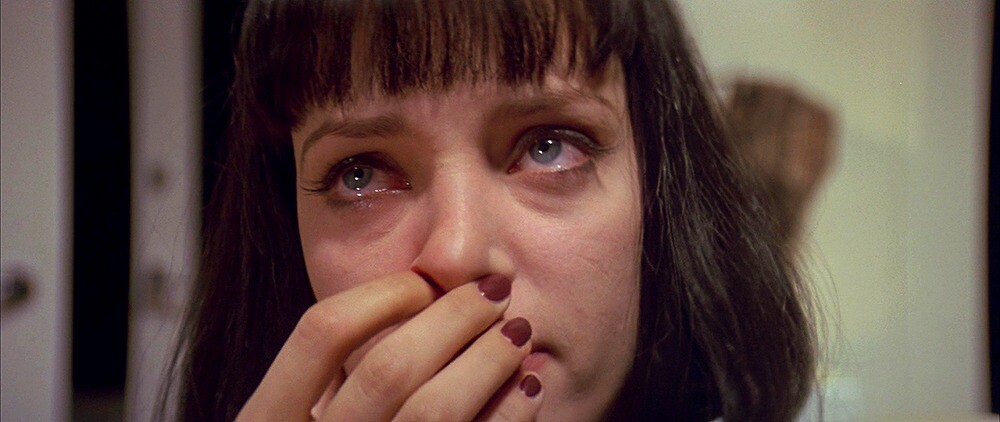
1. **Pulp Fiction (1994)**Quentin Tarantino’s 1994 crime thriller, *Pulp Fiction*, is now universally regarded as a landmark film, a masterclass in unconventional storytelling and bold content. Yet, the journey to its eventual production was anything but smooth. Coming off the cult success of *Reservoir Dogs*, one might assume Tarantino had an open invitation to Hollywood’s coffers, but his follow-up script faced significant hurdles, most notably a resounding rejection from Sony’s TriStar Pictures.
Mike Medavoy, then boss of TriStar, famously declared the story “too demented” to be turned into a film. The non-linear script, with its constant jumping between characters and considerable volume of violent scenes, simply baffled the upper echelons of the studio. Roger Avary, who contributed to the story, vividly recalled being told, “This is the worst thing ever written. It makes no sense. Someone’s dead, and then they’re alive. It’s too long, violent, and unfilmable.” This sentiment underscores a profound discomfort with narratives that challenged conventional structure, a hallmark of what would later become one of cinema’s most celebrated works.
The search for a backer was extensive, complicated by the script’s heavy heroin use, a theme few studios were willing to touch. Fortunately, Danny DeVito’s Jersey Films, which had a first-look agreement with TriStar, believed in the project from the moment the script landed on his desk. DeVito championed the screenplay, leading producer Lawrence Bender to Miramax. Miramax, fresh from distributing *Reservoir Dogs*, agreed to fully finance *Pulp Fiction* and, crucially, granted Tarantino the creative freedom he desired. This move not only secured the film’s production but also solidified Tarantino’s longstanding professional relationship with Harvey Weinstein, then co-chairman of Miramax Films.
The irony of TriStar’s rejection is almost cinematic in itself. *Pulp Fiction* went on to earn over $200 million at the box office, transformed the landscape of American cinema for the rest of the decade, and secured an Academy Award for Best Original Screenplay—for “the worst thing ever written.” To add insult to injury, TriStar’s highest-grossing release of 1994, Brad Pitt’s *Legends of the Fall*, made nearly $65 million less than *Pulp Fiction* despite costing over three times as much to make. Their other 1994 “masterpieces” included *Cops & Robbersons* and *Mixed Nuts*, starkly highlighting the profound miscalculation of missing out on a cultural phenomenon.
Beyond the executive resistance, the film’s unique cast assembly also faced challenges. While *Reservoir Dogs’* success eased attracting actors, casting John Travolta was a significant gamble. Travolta, known then for light-hearted roles, hadn’t starred in a serious film for over a decade. Yet, his revival performance alongside Samuel L. Jackson’s dynamic chemistry proved the gamble paid off, leading to an Oscar nomination that reinvigorated his career. Even Uma Thurman’s agent had to resort to clever maneuvers just to get her an audience with Tarantino, underlining the persistent effort required to bring this visionary project to fruition.
Read more about: From Box Office Bombs to Beloved Classics: The Untold Stories of Cinema’s Greatest Comebacks

2. **Raiders of the Lost Ark (1981)**Before Indiana Jones became synonymous with action-adventure cinema, the very concept of *Raiders of the Lost Ark* struggled to find a home. Initially conceived as “The Adventures of Indiana Smith,” this brainchild of George Lucas and Steven Spielberg—two undeniable titans of the industry—still wasn’t enough to garner immediate studio interest. It’s a startling reminder that even established genius isn’t immune to Hollywood’s initial skepticism, especially when big numbers are involved.
The stumbling block wasn’t Lucas’s screenplay, which promised the thrilling escapades of an archeologist adventurer. Instead, it was his ambitious demand for a $20 million budget. In 1981, this was a substantial sum, and “practically every studio in town” shot down Lucas’s proposal, especially with his insistence that the sequel and merchandising rights remain under his control. This negotiation point, which later proved incredibly lucrative, was a major sticking point for risk-averse executives.
Despite widespread rejections, Lucas’s perseverance paid off. He eventually struck a deal with Michael Eisner of Paramount Pictures, albeit under strict conditions that Spielberg couldn’t go over budget. This decision proved to be an incredibly enriching venture for all parties involved, with the film grossing nearly $400 million and becoming a frequently heralded action-adventure classic. Lucas’s shrewd negotiation for a five-film contract solidified the franchise’s future, a testament to his long-term vision.
This triumph came despite prior setbacks. Spielberg, Zemeckis, and Bob Gale had previously released *1941*, which was considered a dud, giving studios pause when Lucas insisted on Spielberg directing *Raiders*. The eventual success of *Raiders of the Lost Ark* showcased not only the enduring appeal of its protagonist but also the financial wisdom of investing in visionary filmmakers, even when their demands seem exorbitant to the traditional studio model.
Read more about: Billions Lost: Examining Hollywood’s Most Significant Strategic Errors and Financial Misjudgments

3. **Back to the Future (1985)**Another beloved 1980s classic that almost never saw the light of day was *Back to the Future*, a film that would go on to share a similar budget and box office gross as *Raiders of the Lost Ark*. The irony here is exquisite: the screenplay was rejected by nearly every major studio, often for diametrically opposite reasons, revealing a fundamental disconnect between creative vision and corporate risk assessment.
Some studios found the script “too family-friendly,” believing it lacked the edgy raunchiness popular in comedies of the era, desiring something more in the spirit of *Animal House*. Conversely, Disney had the opposite concern, fearing that Marty McFly’s cringeworthy dynamic with his mother, which alluded to potential mother-son incest, would not mesh with their family-friendly brand. Columbia Pictures, meanwhile, thought it was a “really nice, cute, warm film, but not ual enough.” It seems the film existed in a comedic limbo, neither edgy enough for one camp nor pure enough for another.
Adding to the challenge, director Robert Zemeckis had yet to produce a financial success, and time travel movies weren’t exactly igniting the box office. This made studios particularly wary of backing his project. However, the great Steven Spielberg consistently loved the script. Following the success of *Romancing the Stone*, Zemeckis finally gained the goodwill needed to pursue *Back to the Future*.
Rather than returning to the studios that had previously turned him down, Zemeckis teamed with Spielberg, who had an “in” at Universal. Spielberg, through his Amblin Entertainment, committed to the project as soon as he was able, recognizing its inherent charm and potential. The film almost ended up with the bizarre title of “Spaceman from Pluto,” a suggestion from Universal executive Sid Sheinberg that Spielberg, naturally, told him had to be a joke. Fortunately, the suggestion was never mentioned again, preserving the iconic title for a film that would enchant generations and prove that genuine warmth and clever storytelling could triumph over studio confusion.
Read more about: Dusting Off Fortune: 15 VHS Tapes in Your Collection That Could Be Worth Up to $25,000!

4. **The Usual Suspects (1995)**Now listed by the Writer’s Guild of America as the 35th greatest screenplay of all time, the ultimate mystery crime thriller, *The Usual Suspects*, nearly became as elusive as its enigmatic villain, Keyser Söze. Much like *Pulp Fiction*, Christopher McQuarrie’s Oscar-winning script and its intricate, non-linear plotline completely baffled studios, highlighting a recurring industry aversion to narrative complexity.
Director Bryan Singer recounts sending the script to “over fifty studios and potential funders, all of whom rejected it.” McQuarrie himself claims that “every studio, major and minor, rejected it.” This was a project riddled with challenges beyond its confusing structure; it wasn’t attracting big stars, with the eventual cast comprised of then-lesser-known character actors. The film underwent nine different drafts in the face of these rejections, demonstrating a tenacious belief in the material despite overwhelming skepticism.
Ultimately, the project found its initial financing from an unlikely source: a European financing company, looking beyond the conventional Hollywood system. Although that particular deal didn’t pan out, it was enough to keep *The Usual Suspects* alive long enough for PolyGram Filmed Entertainment to step in. This international backing often provides a lifeline for projects deemed too niche or too complex for American studios, proving that sometimes, you have to look across the Atlantic to get a “yes.”
Despite only having a modest $6 million budget, Singer managed to craft a masterpiece, a testament to creative ingenuity under financial constraint. The film’s eventual success, propelled by its shocking twist ending and critical acclaim, solidified its place in cinema history, further proving that a compelling story, even a confusing one, can overcome numerous rejections if the visionaries behind it refuse to give up. The industry’s initial bewilderment stands in stark contrast to its eventual status as a quintessential mystery thriller.
Read more about: When the Credits Roll: Deconstructing Cinema’s Most Potent Final Scenes and Their Lasting Messages

5. **Casablanca (1943)**Perhaps the most curious case of studio rejection, and a truly enlightening one for aspiring screenwriters, involves *Casablanca*. This film, now an undisputed classic, was not rejected during its original production. Instead, its timeless screenplay was actively turned down by numerous agencies *thirty years after it had already become one of the world’s finest movies*.
This incredible experiment was conducted in 1982 by freelance writer Chuck Ross. He wanted to test whether movie agents would recognize a classic screenplay if it was submitted under a different guise, and if not, would they recognize its inherent greatness? Ross ingeniously retitled the script “Everybody Comes to Rick’s”—the name of the original play it was based on—and sent it out to 217 different Hollywood agencies. The results offer a stunning indictment of the often-impersonal and superficial nature of script assessment.
The findings were illuminating: 90 agencies returned the screenplay because they weren’t looking for submissions. A respectable 33 agents recognized the script immediately, while 8 spotted a similarity with the 1943 classic but failed to identify it as the exact same text. However, a staggering 38 of the 217 agencies read and explicitly rejected the classic script. The feedback received ranged from the mildly critical to the shockingly dismissive.
Among the criticisms, agents claimed there was “too much dialogue” and that the storyline was “too weak”—points that now seem laughable given the film’s celebrated witty banter and enduring narrative power. One agent even suggested it needed “a professional polish,” implying a classic screenplay needed fundamental improvements. Funnier still, three agencies loved it and, unaware of its true identity, expressed a desire to turn it into a movie. This anecdote serves as a potent, humorous, and somewhat disheartening reminder: even the best screenplays on the planet can face rejection, and often, all it truly takes is just one “yes” to change everything.
Having explored the initial rejections that plagued some of cinema’s most revered works, from the ‘demented’ narrative of ‘Pulp Fiction’ to the baffling script assessment of ‘Casablanca,’ it’s clear Hollywood often resists groundbreaking vision. Yet, these stories are more than cautionary tales; they are testaments to filmmakers’ tenacious spirit and the eventual triumph of unique artistic visions. We now turn to six additional iconic films that, against considerable odds and initial industry skepticism, carved out indelible legacies, proving that true masterpieces often fight hardest to be born.
Read more about: Echoes from the Deep: Chronicling America’s Most Devastating Naval Losses of World War II

6. **Teenage Mutant Ninja Turtles (1990)**In 1990, a live-action ‘Teenage Mutant Ninja Turtles’ movie seemed like a sure hit. The cartoon was strong, ‘Batman’ a year prior proved superhero films were lucrative, and merchandise sales were huge. Despite this clear demand, virtually every major studio—from Disney to Warner Bros. and Universal—stubbornly rejected the project. This forced independent financing, scraping together a modest $13.5 million, a sum remarkably small for a franchise with such clear potential.
It wasn’t until halfway into production that New Line Cinema, a smaller distributor, finally recognized the inherent magnetism of four pizza-loving, crime-fighting reptiles. This eleventh-hour intervention proved pivotal. ‘Ninja Turtles’ swiftly became the most profitable independent film for nearly a decade, propelling New Line onto the map as a formidable Hollywood powerhouse and cementing the TMNT franchise’s enduring appeal.
Beyond its immediate success, the film highlighted industry irony. The franchise was eventually picked up by Viacom, which now owns Paramount—one of the very studios that initially rejected the 1990 film. This full-circle moment speaks volumes about missed opportunities and the shifting sands of corporate ownership.
Read more about: Beyond the Limelight: 15 Celebrities Who Bravely Served in the Vietnam War
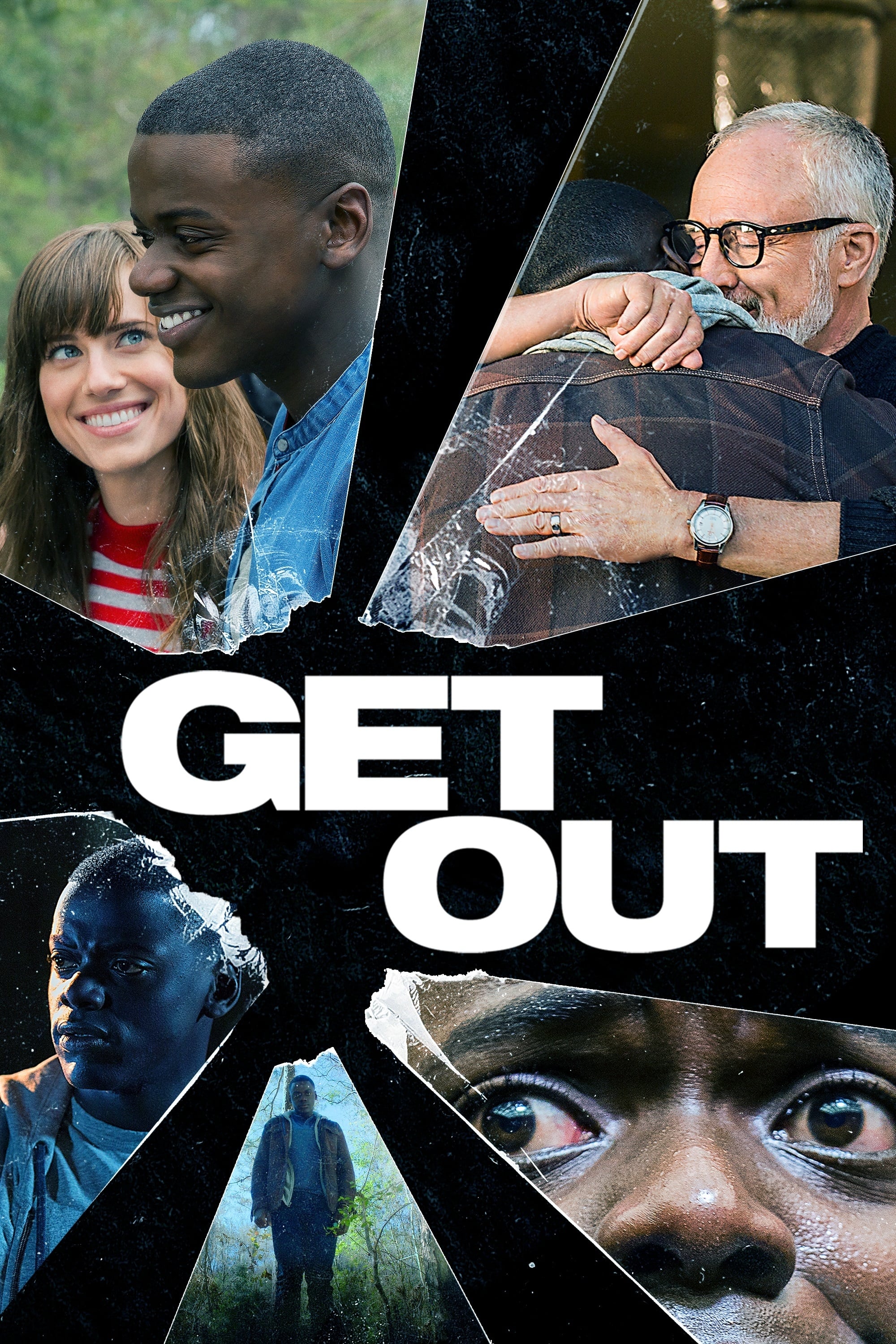
7. **Get Out (2017)**Jordan Peele’s ‘Get Out’ landed like a cultural earthquake in 2017, blending horror, sharp satire, and searing social commentary. Its innovative script was brilliant, offering something genuinely fresh and provocative. Yet, before QC Entertainment brought the project to Blumhouse and Universal, Peele navigated significant studio rejections, a testament to the challenge of ushering unique visions through the conventional system. He acknowledged that hearing “no” is an inescapable part of the business.
The feedback Peele received wasn’t merely dismissive; some veered from brutally honest criticism to what he characterized as “straight-up rude.” He even recounted receiving an anonymous letter that outright called his idea “stupid.” One can only imagine the audacity of such a judgment against a script that would reshape the horror genre and become a cultural touchstone.
The resounding success of ‘Get Out’ serves as a definitive rebuttal. The film not only earned back its modest budget over a thousand times but also secured an Academy Award for Best Original Screenplay. This triumph powerfully reminds us that ideas deemed “stupid” or “unmarketable” by gatekeepers are often the very ones that resonate deepest with audiences and garner the highest critical accolades.
Read more about: Unlocking the Empire: Kendall Jenner’s Journey from Reality TV Star to Global Fashion & Business Mogul
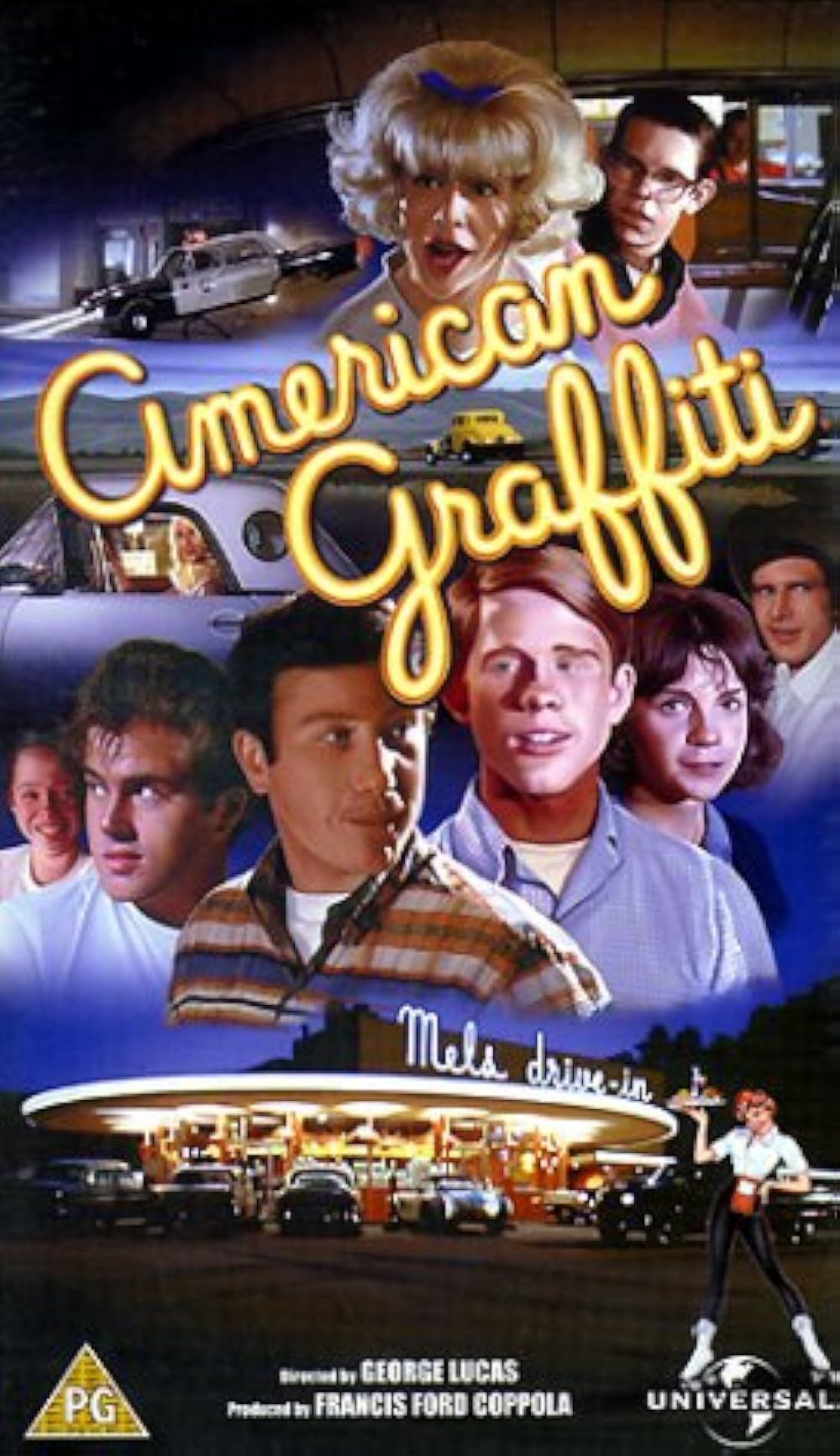
8. **American Graffiti (1973)**Before ‘Star Wars,’ George Lucas crafted ‘American Graffiti,’ a deeply personal coming-of-age story. This project began during his directorial debut, ‘THX 1138,’ at Francis Ford Coppola’s request. It was a nostalgic dive into teenage life and car culture, a stark contrast to his earlier futuristic work, but presented unique challenges for big-screen adaptation.
United Artists, initially attached, grew cold. Their primary concerns: the script was “too different” and “too costly” due to Lucas’s desire to license many period rock and roll songs. Producer Gary Kurtz recalls, “Almost every studio in town turned down the first draft screenplay,” showing a widespread inability to envision its charm. The extensive music licensing, an essential component, was seen as a prohibitive expense.
Universal Pictures eventually stepped in, agreeing to finance the film provided it stayed within budget, which tightened when Coppola joined as producer. This proved a shrewd, lucrative investment, with ‘American Graffiti’ becoming a critical and commercial darling. Yet, even after this triumph, Universal was among many studios that would subsequently reject Lucas’s next, even more ambitious, project: ‘Star Wars,’ highlighting a persistent pattern of underestimating his visionary scope.
Read more about: The Enduring Enigma: What Factors Could Pave Harrison Ford’s Return to the Star Wars Galaxy?
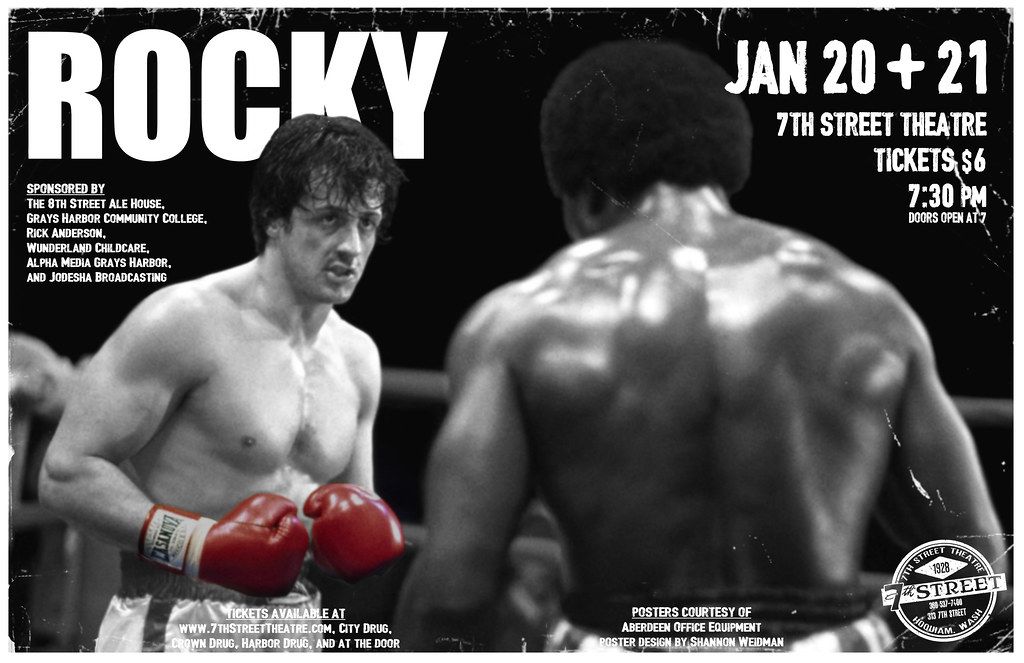
9. **Rocky (1976)**The story of ‘Rocky’ is the ultimate underdog narrative, both on screen and behind the scenes. Sylvester Stallone, before becoming an international superstar, faced relentless rejection. Famously, he couldn’t even secure an extra role in ‘The Godfather,’ reportedly told he “wasn’t Italian enough.” This dismissal fueled him to write his own destiny, crafting ‘The Italian Stallion’ for himself.
Stallone’s screenplay for ‘Rocky’ garnered significant attention, receiving offers as high as $265,000. However, his non-negotiable condition was playing the lead role. Studios, despite recognizing the script’s promise, vehemently refused, deeming Stallone “unmarketable” as a leading man. This created a classic Hollywood standoff: a brilliant script, but with an untraditional star attached, leading to a frustrating impasse.
Undeterred, Stallone was prepared to abandon the project if he couldn’t portray his creation, a testament to his unyielding belief. Eventually, Winkler-Chartoff recognized his conviction and agreed. Even then, United Artists pushed for bigger names like Robert Redford or Ryan O’Neal. But Stallone held firm, and the rest is cinematic history. ‘Rocky’ became a cultural phenomenon and Oscar winner, solidifying Stallone’s place as a global icon, proving that true stars refuse to be told “no.”
Read more about: Curtain Call for Disaster: Unveiling Broadway’s Most Catastrophic Musical Flops
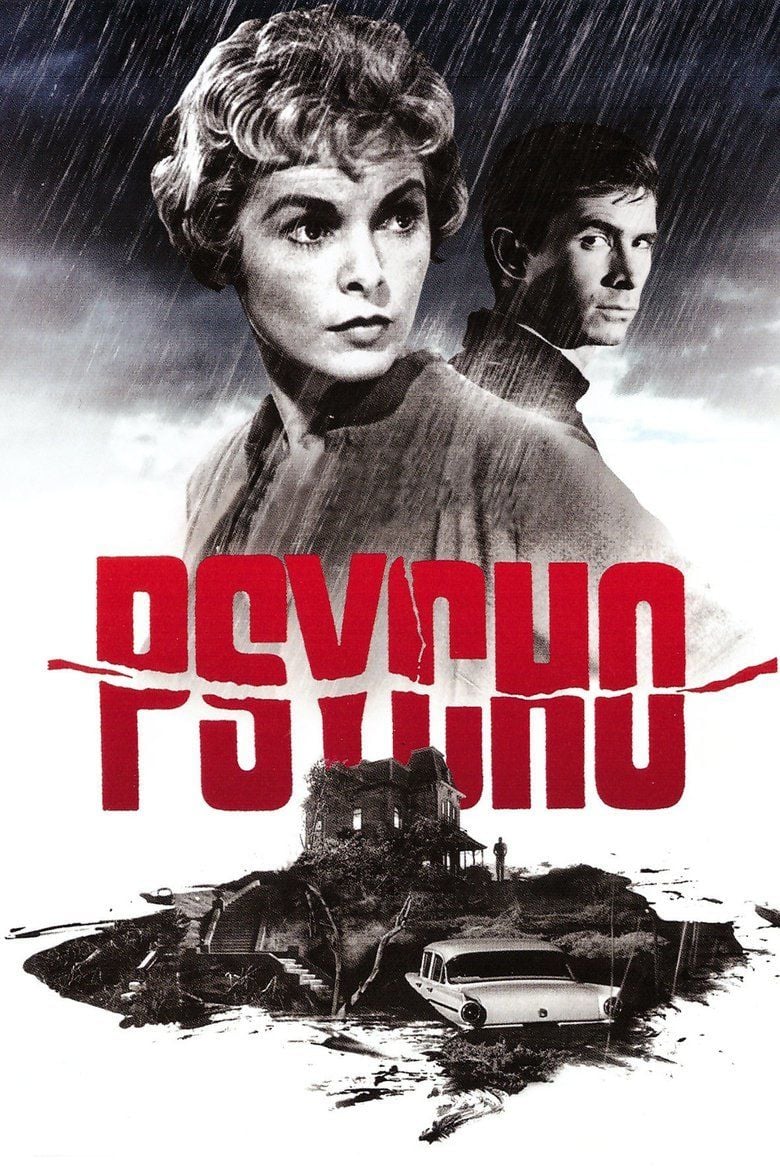
10. **Psycho (1960)**Alfred Hitchcock, a master of suspense, delivered his most commercially successful film with ‘North by Northwest.’ Yet, his follow-up, ‘Psycho,’ proved a complete departure—a darker, more graphic vision challenging cinematic conventions and studio sensibilities. The Hays Code, though waning, still cast a long shadow, and ‘Psycho’ was poised to slash through its moralistic strictures with Marion Crane’s shocking demise.
Paramount Pictures, despite a contract with Hitchcock, initially rejected adapting Robert Bloch’s chilling novel. The studio was deeply reluctant to finance such a graphic and controversial film, particularly given its explicit themes and unsettling violence. Even Hitchcock’s meticulous proposals to cut costs—like shooting in black and white with his TV show’s crew—failed to sway the studio, resulting in a firm “no.”
Facing executive resistance, Hitchcock, with characteristic audacity, offered to fund the film himself, on condition of retaining an unprecedented 60% negative ownership. This extraordinary gamble finally prompted Paramount to give the go-ahead, albeit with minimal studio involvement. While Paramount distributed ‘Psycho,’ much of its groundbreaking production took place at Universal, which later, with striking prescience, acquired the rights to what would become one of Hitchcock’s most iconic and influential films.
Read more about: From Background Blurs to Hollywood Stardom: 14 Iconic Actors Who Started as Uncredited Extras

11. **The Lord of the Rings trilogy (2001-03)**J. R. R. Tolkien’s sprawling fantasy novels, ‘The Lord of the Rings,’ had for decades been deemed the ultimate “unfilmable” literary achievement. While animated adaptations hinted at possibility, the sheer scale and intricate lore of Middle-earth presented a daunting challenge for live-action cinema. Peter Jackson, armed with a passionate vision, embarked on a monumental quest: to find a studio brave enough to commit to an entire trilogy.
His journey began at Miramax, where Harvey Weinstein was willing to entertain a two-part adaptation at most. However, Miramax couldn’t secure necessary funds from Disney, its parent company, reducing Jackson’s grand vision to a single, two-hour feature film. This drastic curtailment was a crushing blow, demonstrating widespread reluctance to fully embrace Tolkien’s world.
Fortunately, Jackson was granted permission to shop the project around. He approached powerhouses like Sony and Fox, but each delivered the same disheartening “no.” The industry seemed collectively unwilling to take on such a gargantuan, unprecedented cinematic endeavor. It was at this critical juncture that New Line Cinema CEO Robert Shaye, initially hesitant, saw Jackson’s behind-the-scenes video. This viewing transformed Shaye’s skepticism into fervent belief, leading him to make the bold decision to back all three epic films. This act of faith not only brought Middle-earth to glorious life but fundamentally reshaped blockbuster filmmaking.
These stories, from the low-budget triumph of ‘Teenage Mutant Ninja Turtles’ to the epic gamble on ‘The Lord of the Rings,’ serve as potent reminders of a fundamental Hollywood truth: genius often walks hand-in-hand with rejection. The path to cinematic immortality is rarely paved with easy ‘yeses’ but rather forged through unwavering conviction, a refusal to compromise on vision, and the fortunate alignment with those rare few who possess both the courage and foresight to back the unconventional. These films, once dismissed, now stand as towering monuments to storytelling, defying initial skepticism to redefine what’s possible on the silver screen and forever enrich the tapestry of global cinema.