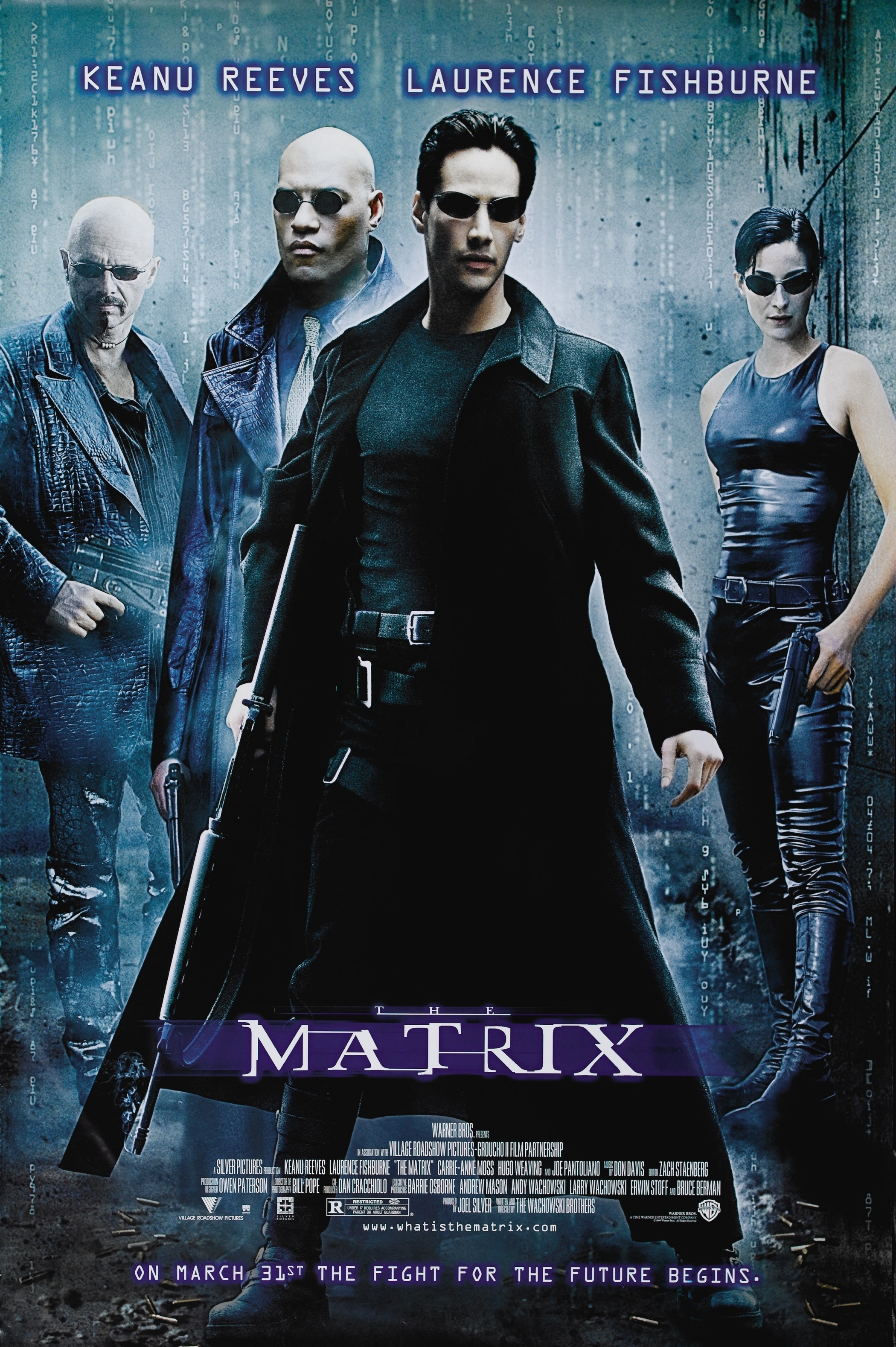
The Wachowskis’ 1999 masterpiece, The Matrix, didn’t just redefine science fiction; it exploded onto the silver screen as a cultural phenomenon, leaving an indelible mark on filmmaking with its unique blend of philosophical depth, anime-inspired action, and groundbreaking visual effects. Grossing over $460 million on a $63 million budget, it was a staggering success, a testament to the audacious vision and the immense investment required to bring such a complex world to life. Yet, beneath the surface of critical acclaim and box office dominance lay a meticulously crafted production, where every frame, every stunt, and every innovative technique pushed the boundaries of what was thought possible in cinema.
Within this monumental production, certain sequences stand out as pinnacles of ambition and expenditure, embodying the film’s commitment to unparalleled spectacle. While the exact figures for individual scenes often remain shrouded in industry secrecy, the sheer scale of the film’s $63 million budget allows us to appreciate the extraordinary investment poured into its most intricate moments. We’re talking about the kind of sequences that required unprecedented planning, cutting-edge technology, and a dedicated crew working at the absolute peak of their craft.
Today, we’re taking a deep dive into two such cornerstone sequences that undoubtedly commanded a significant chunk of The Matrix’s massive production costs, pushing technological and creative envelopes to deliver moments that would forever change action cinema. We’ll explore the ingenious methods, the immense efforts, and the sheer audacity behind these scenes, offering a Vulture-esque, behind-the-scenes look at how the Wachowskis and their team engineered cinematic history. From the birth of a revolutionary visual effect to the intricate orchestration of an explosive practical sequence, prepare to journey into the heart of The Matrix’s most expensive and unforgettable moments.
1. **The Wachowskis’ Grand Vision and the 600-Page Storyboard**Before a single frame of film was shot, or a single special effect rendered, the Wachowskis laid the foundation for The Matrix’s visual language with an almost obsessive level of detail. Their script was so ambitious, so conceptually dense, that conveying its full scope to a skeptical studio like Warner Bros. required an extraordinary measure. This is where underground comic book artists Geof Darrow and Steve Skroce entered the picture, tasked with an incredible undertaking: drawing a 600-page, shot-by-shot storyboard for the entire film.
This massive storyboard wasn’t just a guide; it was a testament to the directors’ unwavering vision and a persuasive tool to secure the necessary funding for their ambitious project. The project was, after all, a “huge investment for Warner Bros., which had to invest $60 million to create a movie with prominent actors and difficult special effects.” Presenting such a comprehensive visual blueprint demonstrated that the Wachowskis weren’t just dreamers; they were meticulous planners with a clear path to execution.
The storyboard’s eventual approval by the studio was a pivotal moment, signaling Warner Bros.’ confidence in the project despite its inherent risks. It was a crucial step in translating abstract ideas into concrete visual goals, providing a roadmap that would inform every aspect of production, from set design to camera placement to the complex action sequences that would eventually define the film. This initial, intense period of visual pre-visualization undoubtedly absorbed significant creative and financial resources, setting the stage for the groundbreaking work to follow.
This commitment to pre-production allowed the Wachowskis to communicate their vision with unparalleled clarity, ensuring that every department was aligned on the complex requirements of the film. It was an investment in clarity and cohesion, minimizing costly missteps during principal photography and maximizing the efficiency of their substantial budget. Without this meticulous groundwork, the film’s later, more technically demanding scenes might never have achieved their iconic status.
2. **Recruiting Yuen Woo-ping and the Rigors of Wire Fu Training**Central to The Matrix’s groundbreaking action sequences was its deliberate embrace of Hong Kong action cinema’s dynamic style, particularly its “fight choreographers and wire fu techniques.” The Wachowskis, long-time admirers of this genre, understood that to achieve the fluidity and superhuman grace they envisioned for their characters, they needed the best in the business. This led them to hire the legendary Chinese martial arts choreographer and film director Yuen Woo-ping, a move that immediately signaled the film’s serious commitment to martial arts authenticity and spectacle.
However, bringing Yuen Woo-ping’s expertise to a Hollywood production, especially with actors largely unfamiliar with such demanding physical work, presented its own set of challenges and, consequently, significant costs. The actors were required to “train hard for several months” to prepare for the rigorous wire fu sequences. The Wachowskis initially scheduled four months for this intensive training, beginning in October 1997. This extended pre-production period, dedicated solely to physical conditioning and stunt preparation, was a substantial investment in time, personnel, and facilities.
Yuen Woo-ping himself initially expressed optimism, but that quickly turned to worry “when he realized how unfit the actors were.” This candid observation underscores the immense uphill battle faced by the cast and crew. Rather than forcing a uniform style, Yuen brilliantly adapted his approach, choosing to “let their body style develop and then worked with each actor’s strength.” He “built on Reeves’s diligence, Fishburne’s resilience, Weaving’s precision and Moss’s grace,” and specifically “designed Moss’s moves to suit her deftness and lightness.” This bespoke training, tailored to individual actors, required more time and specialized attention, adding to the overall expense.
The physical demands were immense, further highlighting the cost involved. Keanu Reeves, for instance, was still recovering from a “two-level fusion of his cervical (neck) spine due to spinal cord compression from a herniated disc” prior to pre-production. Despite this, he insisted on training, but his recovery meant he was “unable to kick for two out of four months of training,” necessitating adjustments to choreography and, in some cases, rescheduling of scenes. Hugo Weaving also sustained an injury, requiring hip surgery during the training process. These challenges, from extended training periods to managing and accommodating actor injuries, were all significant factors in the film’s substantial budget.
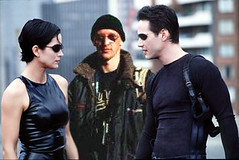
3. **The Genesis of “Bullet Time”: Crafting a New Visual Language**At the heart of The Matrix’s visual legacy lies “bullet time,” an effect so revolutionary it fundamentally altered the landscape of action cinema and became instantly synonymous with the film. The Wachowskis didn’t just stumble upon this; they “first imagined an action sequence that slowed time while the camera pivoted rapidly around the subjects, and proposed the effect in their screenplay for the film.” This bold conceptualization in the script itself set the visual effects team on a challenging, expensive, and ultimately glorious quest.
The man at the helm of this groundbreaking endeavor was John Gaeta, who, upon reading the script, “pleaded with an effects producer at Mass.Illusion to let him work on the project.” His fervent dedication led him to create a prototype, a pivotal moment that secured his position as the film’s visual effects supervisor. This initial R&D phase, often overlooked but crucial for such innovative effects, represented a significant investment in time and specialized talent, far before the cameras even rolled on the actual sequence.
Gaeta openly credited artistic inspirations like Otomo Katsuhiro’s Akira and Michel Gondry’s music videos for view-morphing techniques. However, he emphasized that “Our technique was significantly different because we built it to move around objects that were themselves in motion, and we were also able to create slow-motion events that ‘virtual cameras’ could move around—rather than the static action in Gondry’s music videos with limited camera moves.” This distinction underscores that “bullet time” wasn’t merely an imitation but a complex evolution, requiring unique solutions and proprietary development.
The development of such a complex, never-before-seen visual effect required extensive research and development, a team of highly skilled technicians, and specialized equipment. It was a blank slate, demanding innovation at every turn, which is inherently a costly undertaking in film production. The initial investment in concept and prototype proved to be the bedrock upon which one of cinema’s most iconic visual effects would be built, forever changing the perception of what was possible within a single, dynamic shot.
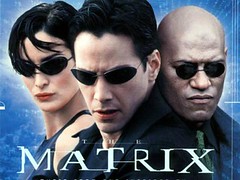
4. **From Time-Slice Photography to “Bullet Time” Evolution**The technical execution of “bullet time” was a masterclass in adapting and expanding existing photographic principles into a dynamic, cinematic tool. The core method drew upon “an old art photography technique known as time-slice photography,” which involved “an array of cameras are placed around an object and triggered simultaneously.” In its basic form, this captures “a still picture, contributing one frame to the video sequence, which creates the effect of ‘virtual camera movement’; the illusion of a viewpoint moving around an object that appears frozen in time.”
However, The Matrix’s “bullet time” effect was “similar but slightly more complicated, incorporating temporal motion so that rather than appearing totally frozen, the scene progresses in slow and variable motion.” This meant overcoming the limitations of static time-slice, pushing it into the realm of dynamic, super slow-motion action. The sheer number of cameras alone – often circling the subject almost completely – represented a substantial equipment and logistical cost. Positioning and synchronizing such an array was an intricate task.
The innovation extended to how these cameras were fired: “Instead of firing the cameras simultaneously, the visual effect team fired the cameras fractions of a second after each other, so that each camera could capture the action as it progressed, creating a super slow-motion effect.” This precise sequential triggering demanded sophisticated control systems and painstaking calibration. This wasn’t merely setting up cameras; it was orchestrating a photographic ballet to capture motion in a way no one had quite achieved before.
The previsualization stage was equally critical and resource-intensive. “The cameras’ positions and exposures were previsualized using a 3D simulation,” allowing the team to meticulously plan every camera angle and lighting detail before the actual shoot. This digital pre-planning, combined with the extensive physical setup of camera arrays, represented a significant investment in both cutting-edge software and skilled personnel, all working to ensure the flawless execution of this pioneering visual effect.
Read more about: The Hidden Palette: Unpacking the Profound Visual Language of ‘The Matrix’
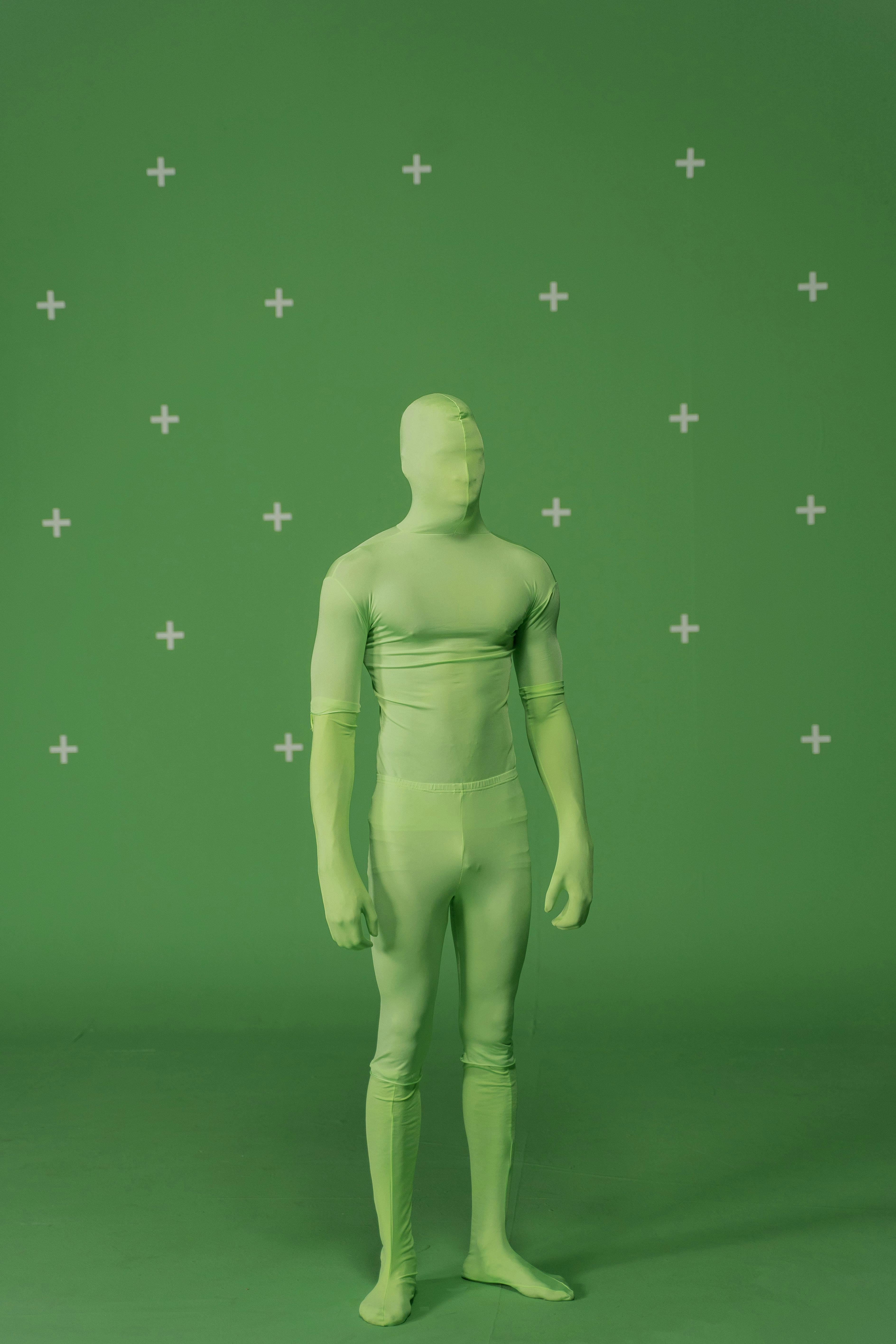
5. **The Chroma Key Setup and Seamless CGI Backgrounds**The magic of “bullet time” wasn’t just in the incredible slow-motion capture of the actors; it was also in the seamless integration of their performances into dynamic, often impossible, environments. This required a sophisticated “chroma key setup,” allowing the actors to perform against a green or blue screen, which would later be replaced with digitally generated backgrounds. This process, while now common, was executed at an exceptionally high standard for The Matrix, demanding precision and advanced compositing techniques.
After the actor “provided their performance in a chroma key setup, while the cameras were fired in rapid succession,” the resulting footage then needed to be “combined with CGI backgrounds to create the final effect.” This meant an entire second layer of production: creating realistic, three-dimensional digital environments that could believably receive the “bullet time” action. John Gaeta hired George Borshukov for this crucial task, who “created 3D models based on the geometry of buildings and used the photographs of the buildings themselves as texture.”
This approach of photogrammetry and image-based computer-generated backgrounds was revolutionary, especially for the time. It involved not just rendering digital models but meticulously texturing them with real-world photographs to achieve an unparalleled level of realism. The effort extended to creating “photo-realistic surroundings generated by this method” that were “incorporated into the bullet time scene,” seamlessly blending live-action with virtual reality.
The complexity didn’t end there. “Algorithms based on optical flow were used to interpolate between the still images to produce a fluent dynamic motion; the computer-generated ‘lead in’ and ‘lead out’ slides were filled in between frames in sequence to get an illusion of orbiting the scene.” This intricate post-production work, involving advanced algorithms and substantial computational power, was critical to achieving the fluid, cinematic quality of the “bullet time” shots, all of which contributed significantly to the scenes’ overall production cost.
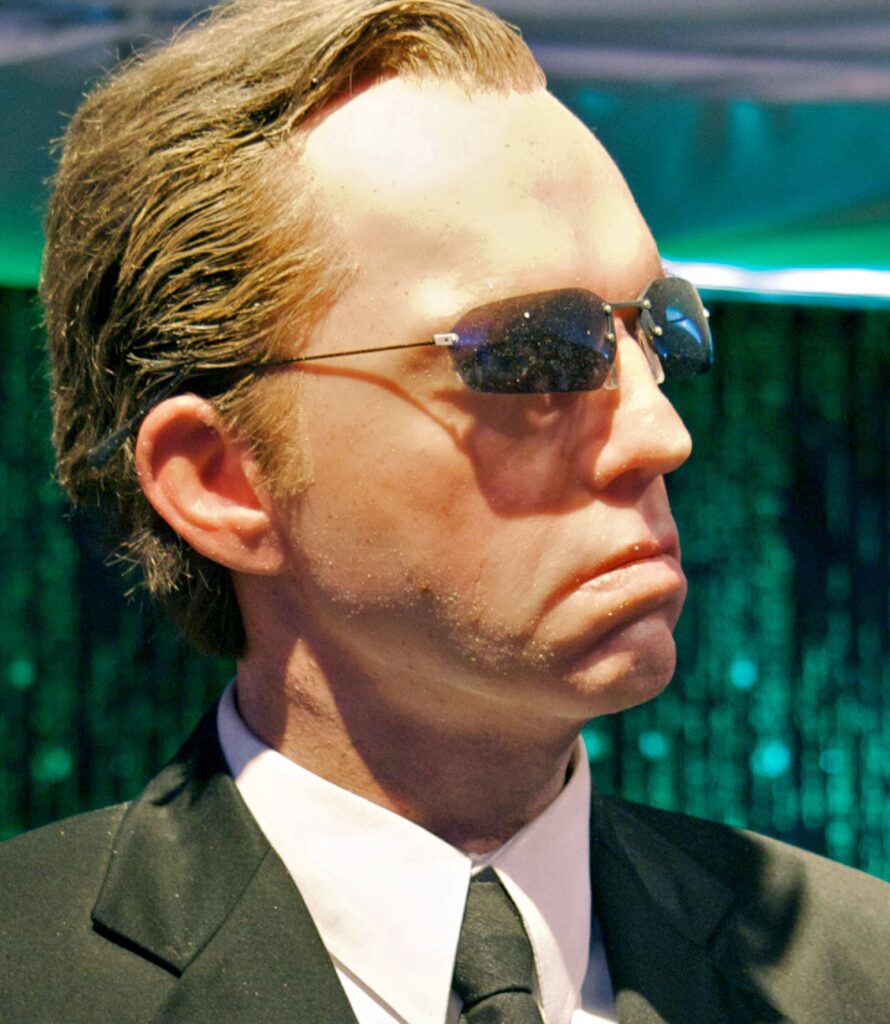
6. **The 12,000 Frames Per Second Phenomenon**The ultimate technical marvel of the “bullet time” effect lay in its staggering frame rate, a detail that truly elevates it beyond mere slow motion into a realm of heightened, almost surreal perception. When all the meticulously captured frames from the array of cameras were brought together, the resulting “slow-motion effects reached a frame frequency of 12,000 per second.” This figure stands in stark contrast to the “normal 24 frames per second of film,” illustrating the sheer density of visual data being created and processed.
Achieving such an incredibly high frame rate was not just about the cameras; it was about the entire workflow. It meant that every fraction-of-a-second movement, every minute detail, was preserved and presented with breathtaking clarity. This level of detail required immense storage and processing power during post-production, further increasing the technical demands and, by extension, the costs associated with these sequences. It wasn’t just an effect; it was an entirely new way of seeing motion on screen.
Furthermore, to integrate these super slow-motion segments with the film’s standard pacing, “Standard movie cameras were placed at the ends of the array to pick up the normal speed action before and after.” This careful juxtaposition ensured a smooth transition between the hyper-stylized “bullet time” moments and the conventional action, requiring precise timing and coordination between different camera systems and cinematographic approaches.
Finally, the clean-up and rendering process for these complex shots was monumental. “Because the cameras circle the subject almost completely in most of the sequences, computer technology was used to edit out the cameras that appeared in the background on the other side.” This digital removal, along with the extensive rendering required for “many of the film’s visual effects” performed by Manex Visual Effects using “a cluster farm running the Unix-like operating system FreeBSD,” speaks volumes about the computing resources and specialized expertise channeled into perfecting these revolutionary scenes. The sheer word count in the context dedicated to visual effects highlights their central role in the film’s budget.
Read more about: Driving Your Dream Machine? 14 Ways Police Officers Secretly Size Up Your Ride (and How to Understand Their POV!)
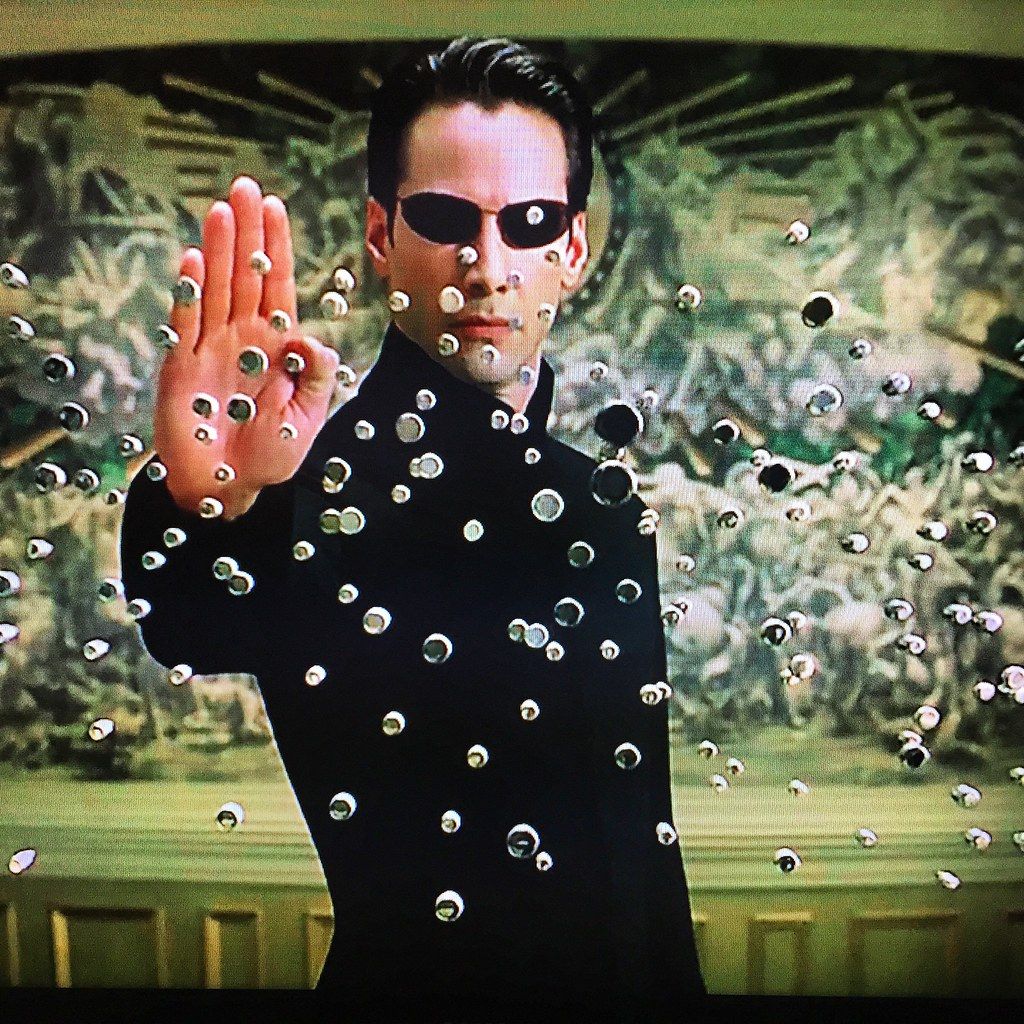
7. **The Physical Demands of the Matrix’s Ground-Level Action**While ‘bullet time’ sequences captured the imagination with their ethereal, slowed-down beauty, The Matrix also grounded its narrative in intensely visceral, practical action, epitomized by scenes like the unforgettable lobby shootout. This other major pillar of the film’s monumental cost was not about digital wizardry, but about the sheer human effort, physical dedication, and meticulously choreographed chaos that delivered immediate, impactful spectacle. The Wachowskis’ vision demanded that the actors themselves become extensions of their superhuman avatars, performing feats that transcended conventional filmmaking.
The foundational investment in these dynamic, ground-level confrontations began long before filming, with an unprecedented commitment to physical preparation. The context explicitly states that the actors ‘had to train hard for several months’ under the tutelage of the legendary Chinese martial arts choreographer and film director, Yuen Woo-ping. This wasn’t merely a brief workshop; it was an extensive, rigorous pre-production regimen designed to transform Hollywood actors into convincing martial arts masters, capable of executing the ‘extreme acrobatic actions’ that defined the film’s unique aesthetic.
Yuen Woo-ping’s genius lay in his ability to tailor his demanding curriculum to each actor’s innate strengths. He ‘built on Reeves’s diligence, Fishburne’s resilience, Weaving’s precision and Moss’s grace,’ ensuring that every punch, kick, and leap resonated with authentic, character-driven movement. This personalized, months-long physical conditioning, adapting to challenges like Keanu Reeves’s neck injury and Hugo Weaving’s hip surgery, represented a substantial financial and temporal allocation, underscoring the production’s unwavering dedication to practical, high-caliber martial arts.
Ultimately, the commitment to such intensive, personalized training established the bedrock for the film’s most elaborate practical sequences. These scenes, heavily ‘influenced by anime and martial arts films’ and relying on authentic ‘wire fu techniques from Hong Kong action cinema,’ demanded an intricate blend of physical performance and precise choreography. The sheer complexity and inherent dangers of orchestrating these dynamic, high-impact sequences directly translated into significant production costs, reinforcing the film’s reputation for pushing cinematic boundaries not just through technology, but through sheer physical prowess.
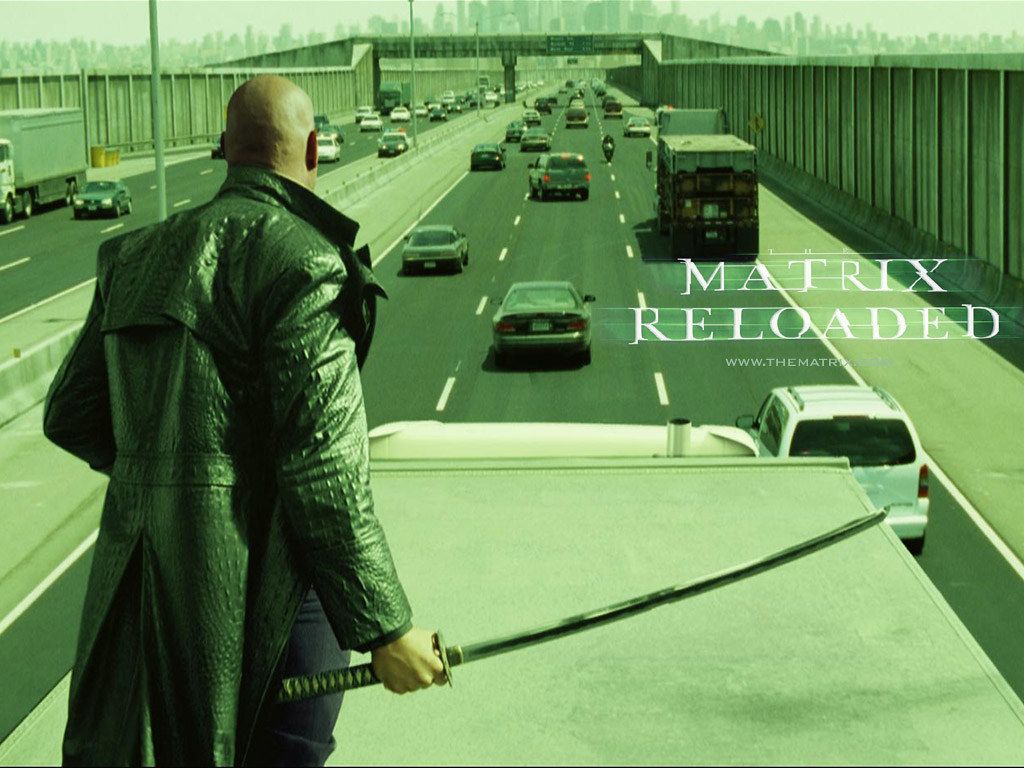
8. **Trinity’s Iconic Wall Run and the Pressure of Perfection**Within the whirlwind of the lobby scene’s meticulously orchestrated chaos, one particular moment stands out as a testament to both athletic prowess and the intense pressures of filmmaking: Trinity’s breathtaking wall run. This iconic display of agility wasn’t just a visual flourish; it was a physical manifestation of her character’s enhanced abilities within the Matrix, brought to life through Carrie-Anne Moss’s unwavering dedication to performing her own stunts. The production hinged on actors embodying these extraordinary physical feats, making Moss’s contribution particularly pivotal.
The context provides a vivid, almost raw, glimpse into the challenges involved in executing such a demanding sequence. ‘During the rehearsal of the lobby scene, in which Trinity runs on a wall, Moss injured her leg and was ultimately unable to film the shot in one take.’ This reveals the tangible risks and physical toll inherent in pushing the boundaries of stunt work. Even for a performer as committed as Moss, the intricate choreography and strenuous physical demands could lead to setbacks, highlighting the human cost embedded within the film’s grand vision.
Beyond the physical injury, Moss also spoke candidly about the emotional weight of the moment. She ‘stated that she was under a lot of pressure at the time and was devastated when she realized that she would be unable to do it.’ This deep personal investment, coupled with the pressure to achieve absolute perfection in a high-stakes production, underscores the unseen mental and emotional resilience required from the cast. Her determination to master these ‘extreme acrobatic actions’ was fundamental to selling the illusion of superhuman capability.
Moss’s dedication to performing her own wire stunts throughout the film, as mentioned in the context, was a cornerstone of The Matrix’s grounded yet hyper-real action. This commitment, from undergoing a ‘three-hour physical test during casting’ to enduring injuries during rehearsal, signifies a profound investment in authentic performance. The challenges and triumphs associated with perfecting Trinity’s wall run, despite the physical and emotional costs, ultimately contributed significantly to the scene’s lasting impact and the film’s reputation for unparalleled stunt work.

9. **The Helicopter’s Imposing Presence: From Mock-up to Minigun Mayhem**Moving beyond the ground-level skirmishes, The Matrix escalated its action with the jaw-dropping helicopter sequence, a segment demanding another significant slice of the budget for its intricate practical effects. This wasn’t a mere CGI afterthought; the film committed to a tangible, physical presence for the airborne threat. The context meticulously details this approach, revealing that ‘the helicopter was a full-scale, light-weight mock-up suspended by a wire rope operated a tilting mechanism mounted to the studio roofbeams.’ This was a colossal piece of practical engineering, designed to bring a sense of immediate, palpable danger to the high-rise setting.
The commitment to realism extended to the helicopter’s formidable armament. The context confirms that ‘the helicopter had a real minigun side-mounted to it, which was set to cycle at half its regular (3,000 rounds per minute) firing rate.’ This wasn’t a digitally rendered flash; it was a genuine, albeit calibrated, weapon, firing blanks to simulate explosive firepower. This choice underscores the Wachowskis’ dedication to creating a visceral experience, where the audience could almost feel the concussive force of the gun, adding a terrifying authenticity that CGI alone might have struggled to replicate.
Constructing and manipulating such a massive mock-up, suspended high above a set, presented immense logistical and technical challenges that directly impacted production costs. Rigging a full-scale helicopter to studio roofbeams, ensuring its stability, and operating a precise tilting mechanism required specialized engineering teams, extensive safety protocols, and considerable time. These intricate preparations allowed for dynamic camera angles and realistic interaction with the environment and actors, creating believable aerial menace that was firmly rooted in physical reality.
This meticulous attention to practical detail for the helicopter’s aerial assault sequences served a dual purpose: it anchored the action in a palpable reality while also setting the stage for the dramatic, destructive climax that would follow. The combination of a physically imposing mock-up and a real, functioning (though modified) weapon showcased the film’s willingness to invest heavily in creating high-impact, believable practical effects, distinguishing its action from mere digital spectacle and profoundly influencing its significant budget.

10. **The Devastating Helicopter Crash: A Blend of Practical Explosions and Digital Finesse**The ultimate culmination of the helicopter sequence, its devastating crash into a building, represented a seamless, cutting-edge fusion of practical effects and burgeoning digital compositing, demanding extensive resources and innovative techniques. The production team, with DFilm at the helm, faced the monumental task of creating a believable, large-scale catastrophe. As the context reveals, ‘DFilm managed scenes that required heavy use of digital compositing, such as Neo’s jump off a skyscraper and the helicopter crash into a building,’ signifying the complexity of integrating diverse special effects methodologies.
The preparation for this explosive moment was nothing short of exhaustive. The context highlights that ‘months of extensive research were needed to find the correct kind of glass and explosives to use.’ This wasn’t guesswork; it was a scientific and engineering endeavor to ensure the explosion looked authentic and achieved the desired cinematic impact. Such a painstaking research phase, coupled with the procurement of specialized materials, inherently added a considerable sum to the scene’s overall cost, reflecting the film’s pursuit of unparalleled realism.
The execution of the crash was a masterclass in controlled destruction. The scene was brought to life ‘by colliding a quarter-scale helicopter mock-up into a glass wall wired to concentric rings of explosives; the explosives were then triggered in sequence from the center outward, to create a wave of exploding glass.’ This intricate, multi-stage practical effect demanded precise timing, expert pyrotechnic coordination, and a highly specialized set. The controlled detonation created a spectacular, organic wave of destruction that few, if any, films had achieved with such precision and scale before.
Adding another layer of visual sophistication, the context notes that ‘the ripple effect in the latter scene was created digitally.’ This digital enhancement layered seamlessly over the practical explosion, further amplifying the visual drama and demonstrating the film’s pioneering hybrid approach to special effects. This strategic blend of physical destruction with digital artistry allowed The Matrix to achieve a truly unforgettable, high-stakes moment, pushing the boundaries of what was possible on screen and solidifying its reputation as a groundbreaking, high-budget production.
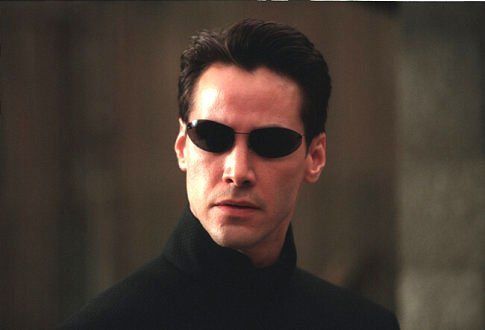
11. **Crafting Immersive Soundscapes: The Unsung Artistry of Dane A. Davis**Beyond the stunning visuals and intricate stunts, a crucial yet often understated element in the colossal impact and cost of The Matrix’s action sequences was its meticulous sound design. Dane A. Davis, the unsung architect of the film’s auditory world, was ‘responsible for creating the sound effects for the film,’ ensuring that every punch, kick, and explosion resonated with a visceral, almost tactile quality that augmented the visual spectacle and immersed audiences deeper into the Matrix’s reality.
Davis’s approach to foley and fight scene acoustics was remarkably innovative and hands-on, a testament to the dedication poured into every aspect of the production. The context reveals that ‘the fight scene sound effects, such as the whipping sounds of punches, were created using thin metal rods and recording them, then editing the sounds.’ This creative, almost sculptural method of crafting bespoke sounds for martial arts sequences imbued the combat with a unique, satisfying snap, making every impact feel physically present and impactful, a far cry from generic stock sound effects.
Moreover, the sheer complexity of building detailed soundscapes for seemingly mundane yet critical moments speaks volumes about the level of detail and resource allocation. For instance, ‘the sound of the pod containing a human body closing required almost fifty sounds put together.’ While not a combat scene, this illustrates the meticulous layering and extensive time Davis’s team invested in crafting intricate audio experiences. Every significant action, whether a high-speed fight or a chilling reveal, received an equally sophisticated and costly sonic treatment.
This sophisticated sonic tapestry was integral to the film’s overall ambition to create a fully immersive experience. Just as the visual effects pushed technological boundaries, the sound design aimed for a similar level of innovation and intensity, elevating the film’s action beyond mere visuals. This dedication to crafting a powerful auditory dimension contributed significantly to the film’s monumental budget, cementing the idea that every sensory detail was meticulously engineered to maximize impact and reinforce the narrative.
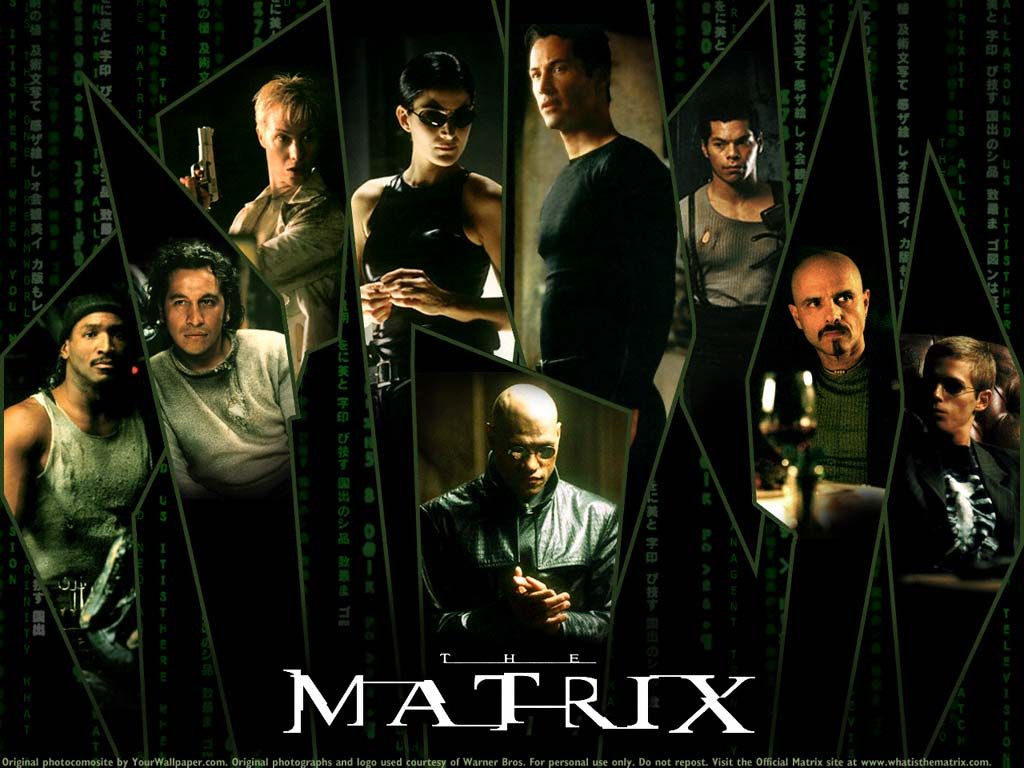
12. **Production Design: Distinguishing Worlds and Maximizing Visual Impact**The architectural and aesthetic foundation of The Matrix’s distinct worlds, crucial for grounding its high-cost action, lay in the visionary work of production designer Owen Paterson. His methodical approach to visual storytelling was paramount in differentiating the simulated reality of the Matrix from the stark ‘real world,’ creating environments that were not just backdrops but integral components of the film’s philosophical and action-packed narrative. ‘The Matrix’s production designer, Owen Paterson, used methods to distinguish the ‘real world’ and the Matrix in a pervasive way,’ establishing a consistent visual language.
For scenes set within the simulation, including the high-octane sequences like the lobby shootout and helicopter crash, Paterson’s team consistently employed a specific aesthetic. ‘The production design team generally placed a bias towards the Matrix code’s distinctive green color in scenes set within the simulation.’ This pervasive green tint, reminiscent of ‘early monochrome computer monitors,’ along with ‘slightly more decayed, monolithic and grid-like’ sets, communicated the cold, logical, and artificial nature of this digital prison, amplifying the impact of the anarchic action unfolding within it.
Complementing the environmental design, costume designer Kym Barrett played a pivotal role in defining the characters’ identities and enhancing their presence within these intense scenes. ‘Kym Barrett, costume designer, said that she defined the characters and their environment by their costume.’ The Agents, for instance, were impeccably styled in ‘a secret service, undercover look, resembling the film JFK and classic men in black,’ making them instantly recognizable and menacing adversaries. Trinity’s costume, meticulously crafted by Barrett who ‘experimented with how each fabric absorbed and reflected different types of light,’ achieved a ‘mercury-like and oil-slick’ effect that perfectly suited her enigmatic and agile character during action sequences.
Beyond aesthetics, practicality was a paramount consideration in costume design, especially for the physically demanding action sequences. Barrett had to ensure that ‘the actors needed to perform martial art actions in their costume, hang upside-down without people seeing up their clothing, and be able to work the wires while strapped into the harnesses.’ This attention to functional detail, coupled with the iconic ‘sunglasses, a staple of the film’s aesthetics,’ commissioned from Blinde Design, underscores the meticulous planning and significant investment in every visual element. This holistic approach ensured that every component, from grand sets to subtle costume details, contributed to the film’s distinctive style and its lasting cultural resonance.
As we pull back the curtain on these two iconic sequences, it becomes undeniably clear that The Matrix wasn’t just a film; it was an audacious declaration of cinematic intent. From the agonizing precision of ‘bullet time’ to the visceral ballet of its practical action, every dollar of its $63 million budget was a deliberate investment in pushing the boundaries of storytelling and spectacle. The Wachowskis, their visionary team, and a dedicated cast and crew didn’t just make a movie; they forged a new language for action cinema, proving that with enough ambition, a healthy budget, and an insatiable appetite for innovation, anything is possible within the digital dreamscape and beyond. The legacy of these scenes, and the colossal effort behind them, continues to inspire and challenge filmmakers today, reminding us that true cinematic magic often comes with a hefty price tag, but the payoff can be utterly timeless.