The name Leonardo da Vinci evokes a figure of unparalleled genius, a singular luminary whose contributions transcend the conventional boundaries of art and science. Revered as an Italian polymath of the High Renaissance, his remarkable journey from humble beginnings to becoming an epitomizing force of the humanist ideal continues to captivate scholars and enthusiasts alike. His life was a tapestry woven with diverse interests, relentless curiosity, and a profound empirical spirit that defined an era.
For centuries, Leonardo’s fame primarily rested on his breathtaking achievements as a painter, gracing the world with masterpieces that would forever alter the course of Western art. Yet, the breadth of his intellectual pursuits reveals a mind that constantly probed the depths of human knowledge, encompassing roles as a draughtsman, an engineer, a scientist, a theorist, a sculptor, and an architect. This extraordinary versatility underscores why his collective works remain an enduring testament to the boundless potential of human creativity and intellect, rivaled only by his younger contemporary, Michelangelo.
His notebooks, a veritable treasure trove of observations and ideas, offer a unique window into the workings of this extraordinary mind. Filled with intricate drawings and meticulous notes on subjects ranging from anatomy to astronomy, botany to cartography, and even palaeontology, these volumes reveal a man who was ceaselessly engaged with the world around him. To truly comprehend the scope of his impact, one must delve into the various chapters of his life, tracing the evolution of his artistry, his scientific explorations, and the personal experiences that shaped his unparalleled vision.
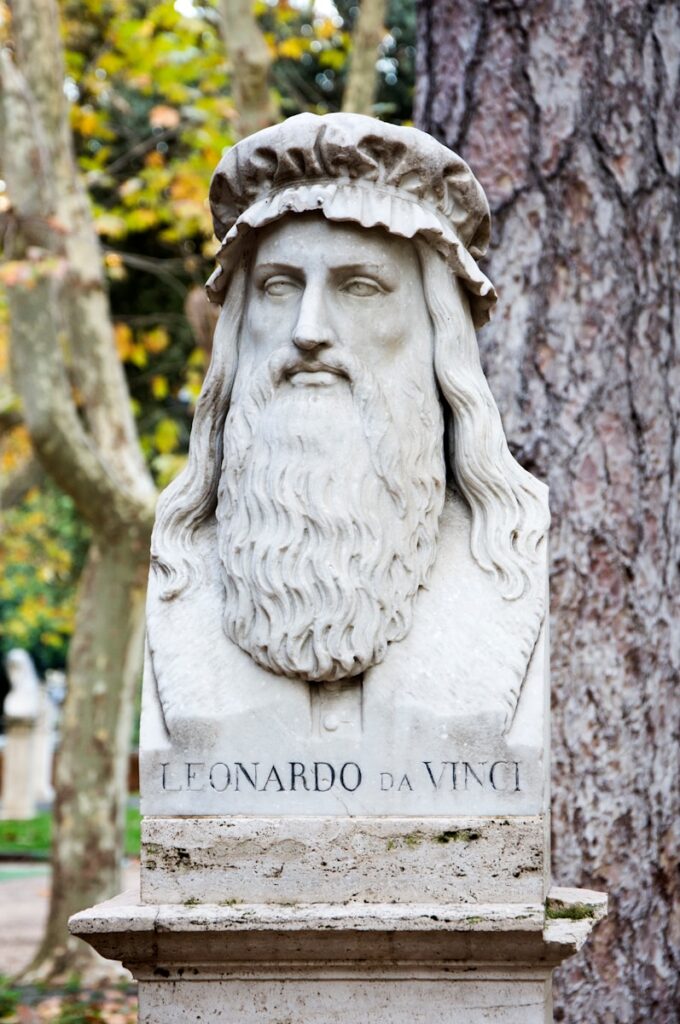
1. **The Polymathic Visionary**Leonardo da Vinci, a name synonymous with genius, stands as the quintessential embodiment of the Renaissance humanist ideal. Born in 1452 and active until his death in 1519, he was an Italian polymath whose intellectual curiosity knew no bounds. He was not merely a painter, but also a draughtsman, an engineer, a scientist, a theorist, a sculptor, and an architect, roles that collectively paint a picture of an individual who sought to understand and master every facet of existence.
His initial fame was rooted in his extraordinary talent as a painter, but his legacy has expanded dramatically to include the groundbreaking insights contained within his voluminous notebooks. These private journals were a canvas for his scientific mind, where he meticulously recorded observations and theories across an astonishing array of disciplines. From the intricacies of human anatomy to the celestial mechanics of astronomy, and from the delicate structures of botany to the ancient narratives embedded in palaeontology, Leonardo explored it all.
This dedication to diverse fields, often centuries ahead of his time, is what truly sets him apart. He did not merely dabble; he delved deeply, applying rigorous empirical thinking to every subject. His ability to synthesize artistic expression with scientific inquiry allowed him to create works that were not only aesthetically sublime but also deeply informed by a profound understanding of the natural world. This comprehensive approach solidified his reputation as a genius whose contributions would shape the trajectory of human thought for generations.
The term “polymath” scarcely begins to capture the sheer scale of his accomplishments. He epitomized a period where the pursuit of knowledge was seen as a unified endeavor, rather than compartmentalized specializations. This holistic perspective, coupled with his innate talent and insatiable drive, allowed him to leave an indelible mark on virtually every field he touched, making him a frequent namesake and subject in culture even centuries after his passing. His diverse interests and profound impact continue to incite interest and admiration globally.
Read more about: Beyond the Mona Lisa: Unveiling Leonardo da Vinci’s Unseen World and Untold Passions
2. **Formative Years in Florence**Leonardo di ser Piero da Vinci, as he was properly named, was born on April 15, 1452, out of wedlock in, or near, the Tuscan hill town of Vinci, approximately 20 miles from Florence. His father, Piero da Vinci, was a successful Florentine legal notary, while his mother, Caterina di Meo Lippi, came from the lower class. This unconventional start to life would nonetheless lead to an extraordinary destiny, though much of his childhood remains shrouded in myth and fragmented records.
Tax records suggest that by at least 1457, Leonardo lived in the household of his paternal grandfather, Antonio da Vinci. It’s plausible that his earlier years were spent in the care of his mother in Vinci, possibly in Anchiano or Campo Zeppi. Despite his father’s distinguished lineage of notaries, Leonardo received only a basic and informal education in reading, writing, and mathematics in the vernacular. This focus on practical, rather than classical, schooling was perhaps a conscious decision, as his artistic talents were recognized early in his life.
Around the age of 14, a pivotal moment arrived when Leonardo became a *garzone*, a studio boy, in the bustling workshop of Andrea del Verrocchio in Florence. Verrocchio was arguably the leading Florentine painter and sculptor of his era, and his studio provided a vibrant environment for learning. Leonardo progressed to an apprentice by the age of 17, undergoing an intense seven-year training period that exposed him to a vast range of technical and artistic skills.
Verrocchio’s workshop was a crucible of creativity, where Leonardo was not only exposed to theoretical training but also practical applications. He learned drafting, chemistry, metallurgy, metal working, plaster casting, leather working, mechanics, and woodwork. Crucially, he honed his artistic skills in drawing, painting, sculpting, and modelling. This comprehensive education laid the foundation for his future innovations, allowing him to integrate diverse crafts into his artistic and engineering endeavors. His contemporaries in the workshop included other future masters like Ghirlandaio, Perugino, and Botticelli.
Read more about: Unveiling the Layers: The Profound Meanings Woven into Kim Kardashian’s Iconic Public Persona
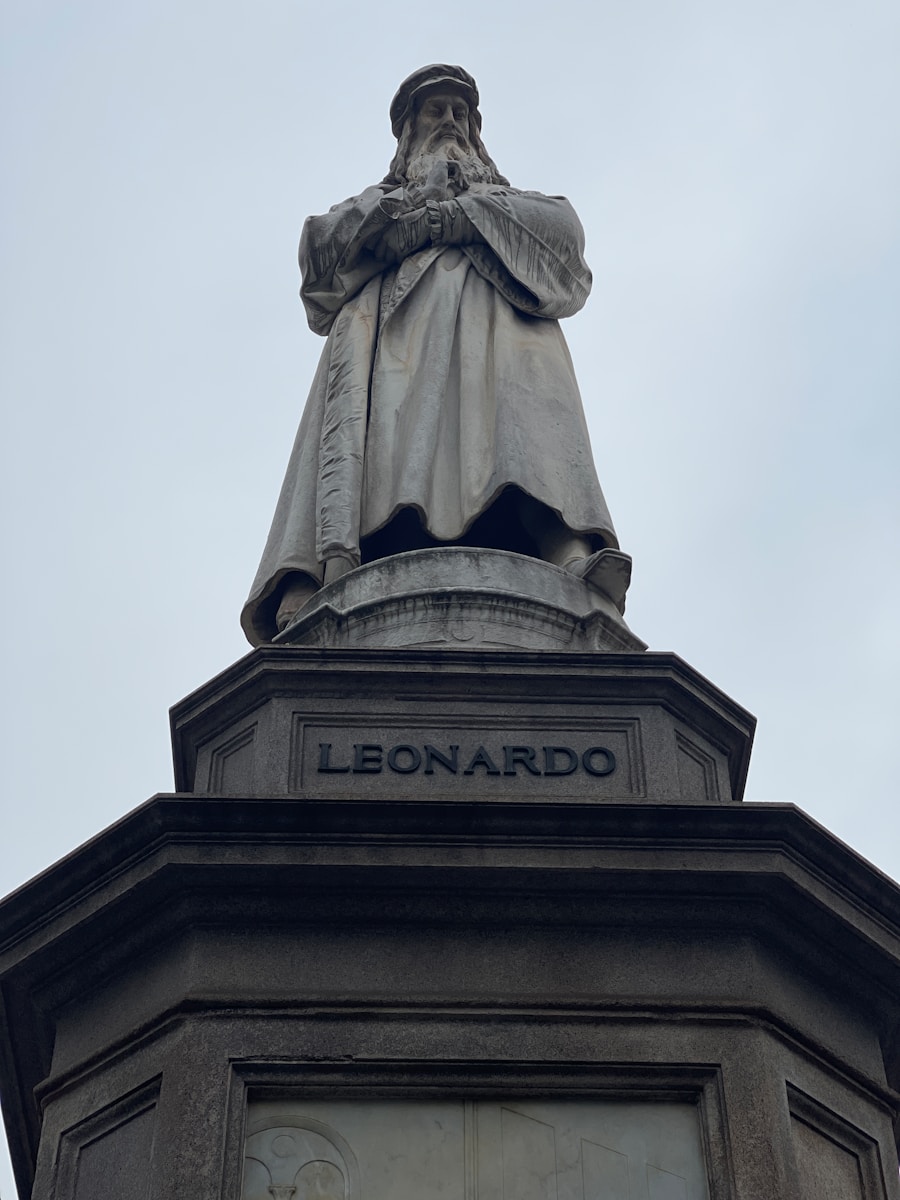
3. **Early Artistic Footprints**Leonardo’s early artistic career began to take shape within the fertile ground of Verrocchio’s workshop. One of his earliest notable contributions, according to Vasari, was his collaboration with Verrocchio on *The Baptism of Christ* (c. 1472–1475). Leonardo is credited with painting the young angel holding Jesus’s robe, a part executed with such superior skill that Verrocchio reputedly “put down his brush and never painted again,” a claim likely apocryphal but indicative of Leonardo’s burgeoning talent. The application of the then-new technique of oil paint to areas like the landscape in this mostly tempera work further highlights his innovative approach.
His earliest known dated work is a 1473 pen-and-ink drawing of the Arno valley, a testament to his keen observational skills and nascent interest in landscape. By 1472, at the age of 20, Leonardo had qualified as a master in the Guild of Saint Luke, an achievement that formally recognized his artistic proficiency. Despite this independence, his deep attachment to Verrocchio meant he continued to collaborate and reside with his mentor, demonstrating a loyalty that belied his increasing mastery.
Among his early independent commissions, an altarpiece for the Chapel of Saint Bernard in the Florentine town hall in January 1478 marked a significant step. This was followed in March 1481 by a commission from the monks of San Donato in Scopeto for *The Adoration of the Magi*. Neither of these initial commissions were completed, signaling a pattern of ambitious projects that sometimes remained unfinished, often due to new opportunities or his own restless intellect.
Two *Annunciations* from his time at Verrocchio’s workshop further illustrate his evolving style. While one is a smaller predella, the larger work, measuring 217 cm long, is generally attributed to Leonardo. In this larger piece, his depiction of the Virgin Mary is remarkably humanist. Interrupted from her reading, she marks her bible and raises her hand not in submissive resignation, but in a gesture of confident greeting or surprise. This portrayal reimagines Mary’s acceptance of her divine role with a newfound strength and self-assurance, revealing Leonardo’s early leanings towards psychological depth and naturalism in his figures.
Read more about: China’s Ancient Heart: Unearthing Prehistoric Paradises in a Land of Endless Discovery

4. **The Milanese Patronage**Leonardo’s career took a significant turn in 1482 when he journeyed to Milan, offering his services to Duke Ludovico Sforza. His letter to Sforza was a masterful piece of self-promotion, detailing his diverse capabilities not just in painting, but extensively in engineering and weapon design. He arrived with a silver string instrument shaped like a horse’s head, an intriguing detail that hints at his multifaceted appeal beyond pure artistry. His time in Milan, spanning from 1482 to 1499, became a period of immense productivity and innovation.
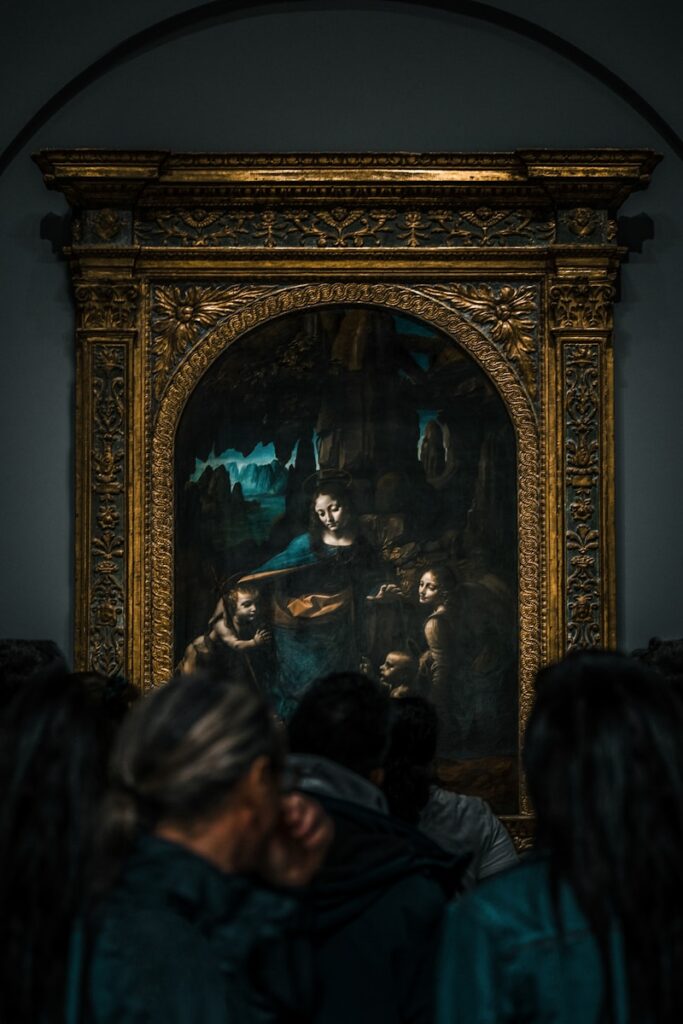
During this period, he received two monumental artistic commissions. One was to paint *The Virgin of the Rocks* for the Confraternity of the Immaculate Conception, a complex altarpiece where he depicted an apocryphal meeting of the Holy Family and infant John the Baptist in a wild, ethereal landscape. The painting is renowned for its eerie beauty and the graceful adoration of its figures amidst tumbling rocks and whirling water. Interestingly, two versions of this painting were eventually completed, a testament to the lengthy negotiations and his evolving artistic process.
The other, and arguably his most famous work from this period, was *The Last Supper* for the refectory of the Convent of Santa Maria delle Grazie. This iconic fresco captures the dramatic moment when Jesus announces his impending betrayal, rendering the profound consternation of his disciples with groundbreaking psychological realism. While its detailed technical challenges and subsequent deterioration will be explored later, its commission solidified his reputation as a master of narrative composition.
Beyond painting, Leonardo was deeply engaged in engineering projects for Sforza. He designed spectacular floats and pageants for special occasions and contributed to a competition to design the cupola for Milan Cathedral. Most ambitiously, he undertook the creation of a colossal equestrian monument, known as the *Gran Cavallo*, to honor Ludovico’s predecessor, Francesco Sforza. This would have been a sculptural marvel, surpassing existing Renaissance equestrian statues in size. Leonardo completed a massive model for the horse and meticulously planned its casting, but unfortunately, the metal intended for it was diverted in 1494 for cannons to defend the city, leaving the grand project unfinished.
His work for the Duke also included the magnificent trompe-l’œil decoration of the Sala delle Asse in the Sforza Castle around 1498. This project transformed the great hall into an immersive pergola, with interwoven limbs of sixteen mulberry trees forming an intricate labyrinth of leaves and knots on the ceiling. This exemplifies Leonardo’s ability to blend art and architecture, creating immersive environments that captivated the imagination.
Read more about: Beyond the Mona Lisa: Unveiling Leonardo da Vinci’s Unseen World and Untold Passions
5. **A Mind Beyond His Time**Leonardo’s technological ingenuity was truly visionary, conceptualizing inventions that would not see practical application until centuries after his death. His notebooks are replete with designs for flying machines, showcasing an early understanding of aerodynamics and the mechanics of flight. He imagined a type of armoured fighting vehicle, a precursor to the modern tank, demonstrating his foresight in military engineering. Other ideas included concentrated solar power and a ratio machine, a potential ancestor to the adding machine, along with the innovative concept of the double hull for ships.
Despite the brilliance of these designs, relatively few were constructed or even feasible during his lifetime. The scientific approaches to metallurgy and engineering were still in their infancy during the Renaissance, lacking the materials and manufacturing capabilities to realize his grand visions. This stark reality often meant his most ambitious projects remained confined to the pages of his notebooks, waiting for technology to catch up with his imagination.
Yet, some of his smaller, less heralded inventions quietly entered the world of manufacturing, showcasing his practical problem-solving skills. An automated bobbin winder, for example, streamlined textile production, while a machine for testing the tensile strength of wire improved material science. These overlooked innovations, though not as dramatic as his flying contraptions, underscore his consistent drive to improve processes and understand the underlying principles of mechanics.
His mind was a forge of invention, perpetually seeking to apply scientific principles to practical challenges. He made substantial discoveries in a vast array of scientific fields, including anatomy, civil engineering, hydrodynamics, geology, optics, and tribology. While these findings were revolutionary, his failure to publish them meant they had little to no direct influence on subsequent science. Nonetheless, they stand as a testament to his unparalleled curiosity and empirical method, marking him as a scientist far ahead of his era.
Read more about: The Definitive Guide to Work Van Longevity: Identifying Models That Last 400,000 Miles and Those That Fall Short

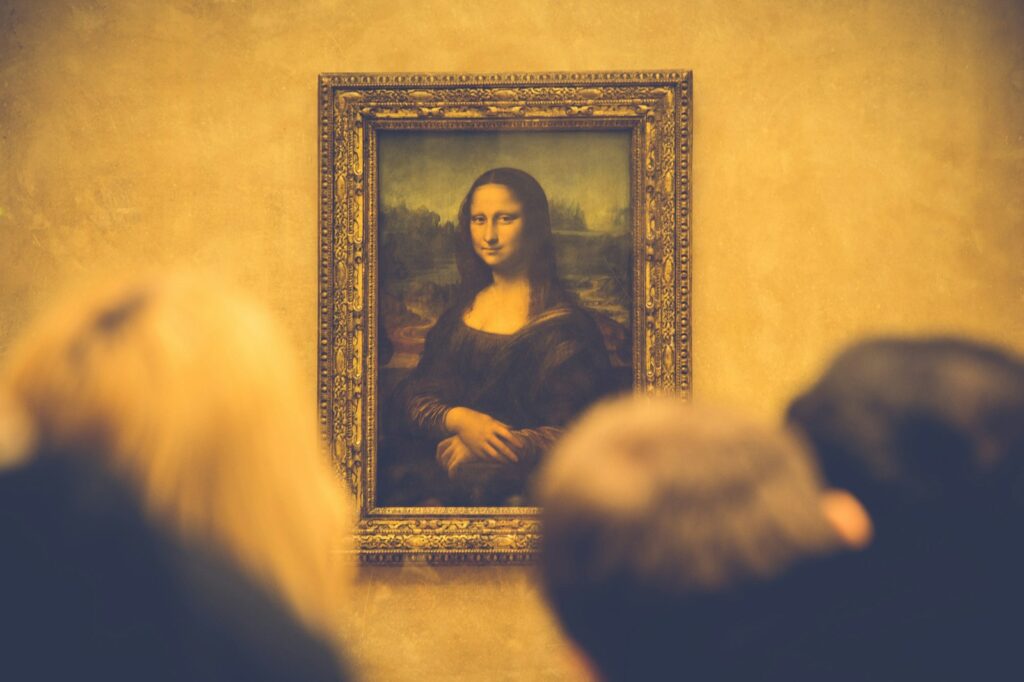
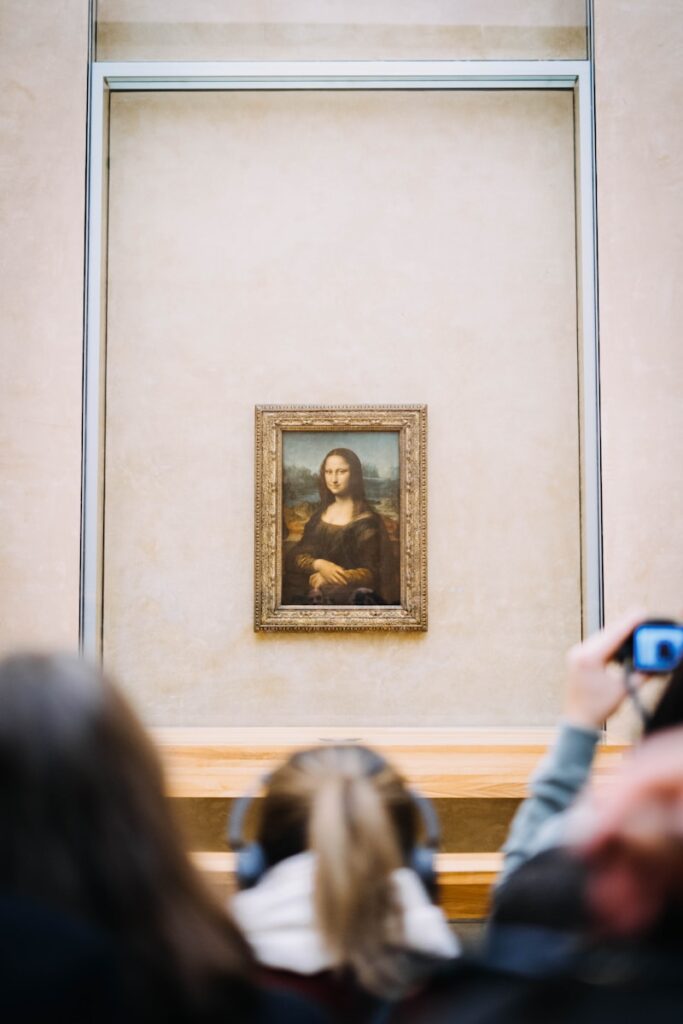
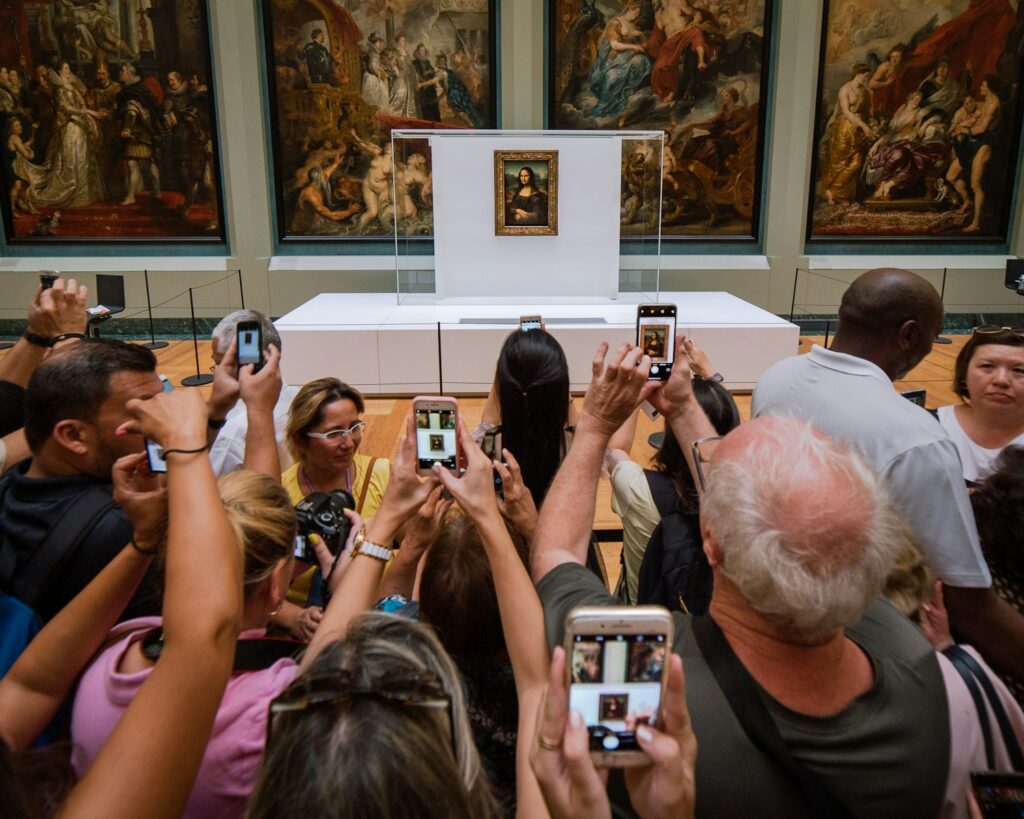
6. **The Enduring Icon: Mona Lisa**Among the works created by Leonardo in the 16th century, the small portrait known as the *Mona Lisa*, or *La Gioconda*, holds an unparalleled place in art history. Begun around 1503, he continued to work on this enigmatic portrait until his twilight years, a dedication that speaks volumes about its profound personal and artistic significance to him. In the modern era, it is arguably the most famous painting in the world, its image instantly recognizable across cultures and continents.
Its enduring fame rests, in particular, on the elusive smile gracing the woman’s face, a feature that has sparked endless fascination and academic debate. The mysterious quality of this smile is perhaps attributable to the subtly shadowed corners of the mouth and eyes, crafted with such finesse that the exact nature of her expression cannot be definitively determined. This innovative technique, where soft, almost imperceptible gradations of tone create an ethereal, smoky effect, came to be known as *sfumato*, or “Leonardo’s smoke.”
Vasari, the 16th-century art historian, eloquently captured the painting’s captivating essence, writing that the smile was “so pleasing that it seems more divine than human, and it was considered a wondrous thing that it was as lively as the smile of the living original.” This description highlights not only the technical brilliance but also the profound emotional and psychological depth Leonardo achieved, bringing an unprecedented sense of vitality to the sitter, Lisa del Giocondo.
Other distinctive characteristics contribute to the *Mona Lisa*’s mastery. The unadorned dress ensures that the viewer’s attention remains fixed on the eyes and hands, free from the distraction of extraneous details. The dramatic landscape background, seemingly in a state of flux, adds to the painting’s dreamlike quality, contrasting with the serene poise of the sitter. Furthermore, the subdued coloring and the exceptionally smooth painterly technique, employing oils laid on much like tempera and blended on the surface so that brushstrokes are indistinguishable, contribute to its singular appeal.
The painting’s remarkable state of preservation is also a testament to its quality and care, with no sign of repair or overpainting, a rarity for a panel painting of its age. Vasari himself acknowledged the work’s formidable quality, asserting that it would make even “the most confident master … despair and lose heart.” The *Mona Lisa* thus stands not just as a portrait, but as a perpetual invitation to contemplate the mysteries of human emotion and artistic innovation, securing Leonardo’s place at the pinnacle of artistic achievement.
Read more about: From Cameo to Icon: 14 Supporting Roles That Defined Their Films
7. **Challenges and Controversies of *The Last Supper***Among the triumphs of Leonardo’s Milanese period, *The Last Supper* for the refectory of the Convent of Santa Maria delle Grazie stands as a monumental achievement, a painting acclaimed for its groundbreaking design and characterization. It vividly captures the dramatic moment when Jesus announces his impending betrayal, rendering the profound consternation of his disciples with an unprecedented psychological realism. Yet, this very masterpiece, a cornerstone of Western art, has been plagued by a history of challenges and controversies almost from its inception.
Leonardo’s innovative spirit, which so often pushed boundaries, also introduced a critical vulnerability to this work. Instead of employing the reliable, traditional technique of fresco, he opted for tempera over a ground that was predominantly gesso. This unconventional method, while allowing for the subtle gradations and blendings he favored, proved disastrous for the painting’s longevity. Within a mere hundred years, contemporary observers described the work as “completely ruined,” suffering from mold and flaking that relentlessly obscured its original brilliance.
His unconventional working habits further compounded the situation, much to the exasperation of the convent’s prior. The writer Matteo Bandello famously observed Leonardo at work, noting that some days he would paint from dawn till dusk without pause, only to then abstain from painting for three or four days at a time. This erratic pace, coupled with the slow deterioration, led to conflicts, with Leonardo eventually telling Duke Ludovico Sforza that he might be forced to use the persistent prior as his model for the traitor Judas, a testament to the artist’s keen wit amidst pressure.
Despite its perilous state of preservation and the countless interventions over the centuries, *The Last Supper* remains one of the most reproduced works of art. Its compositional genius, the emotional depth of its figures, and its pivotal place in the Western canon have ensured its enduring fame, transcending the technical flaws that marred its physical existence. It stands as a powerful symbol of artistic ambition, brilliant innovation, and the relentless march of time.
Read more about: Unveiled: The Dramatic Highs and Lows of Saint Peter, From Fisherman to ‘Rock’ of the Early Church!
8. **Second Florentine and Milanese Periods: A Return to Productivity and New Patrons**Following the overthrow of Ludovico Sforza by French forces in 1500, Leonardo found himself once again navigating a period of transition, fleeing Milan for Venice alongside his assistant Salaì and the mathematician Luca Pacioli. His return to Florence in 1500 marked a new chapter, where he resumed his artistic endeavors. He was hosted by the Servite monks at the monastery of Santissima Annunziata, where he produced the cartoon of *The Virgin and Child with Saint Anne and Saint John the Baptist*, a work that drew such immense admiration that “men [and] women, young and old” flocked to see it “as if they were going to a solemn festival,” according to Vasari.
His versatility extended beyond painting during this time. In 1502, Leonardo entered the service of Cesare Borgia, the son of Pope Alexander VI, taking on the demanding role of a military architect and engineer. This period saw him traveling extensively throughout Italy with his new patron, demonstrating his practical ingenuity through the creation of a town plan of Imola and a detailed map of Chiana Valley in Tuscany. These topographical works were not merely artistic endeavors; they were strategic tools designed to give Borgia a superior understanding of the land and greater tactical positioning, showcasing Leonardo’s mastery in applied science and design.
Returning to Florence by early 1503, Leonardo rejoined the Guild of Saint Luke and embarked on another ambitious undertaking: designing and painting a mural of *The Battle of Anghiari* for the Salone dei Cinquecento in the Palazzo Vecchio. This commission was particularly monumental as it was positioned opposite Michelangelo’s *The Battle of Cascina*. Leonardo conceived a dynamic composition depicting four men on raging warhorses fighting for a standard. Unfortunately, like some of his earlier grand projects, this mural also deteriorated rapidly, known today primarily through copies, most notably by Rubens.
By 1506, he was summoned back to Milan by Charles II d’Amboise, the acting French governor, marking a second Milanese period. Here, he attracted new pupils, including Count Francesco Melzi, who would become his favorite student and loyal companion. While in Milan, he also pursued further scientific interests, though plans for an equestrian monument for Gian Giacomo Trivulzio were thwarted by a confederation invasion. This cycle of commissions, unfinished projects, and relentless inquiry characterized his middle years, reflecting a mind constantly seeking new challenges and patrons to support his boundless curiosity.
9. **Unveiling the Human Body: Anatomical and Scientific Studies**Beyond his masterpieces on canvas, Leonardo da Vinci’s notebooks reveal a profound and systematic engagement with the natural world, particularly the intricacies of human anatomy. His relentless curiosity drove him to undertake extensive dissections of cadavers, a practice both controversial and highly advanced for his era. These weren’t mere casual observations; they were meticulous investigations aimed at understanding the mechanics of life itself, from muscle structure to organ function.
His anatomical drawings are celebrated not only for their artistic precision but also for their scientific accuracy, often predating formal medical discoveries by centuries. He made detailed notes for what he intended to be a comprehensive treatise on vocal cords, for example, a testament to his empirical method and his desire to publish his findings. Although he ultimately failed to publish these groundbreaking insights, the sheer volume and quality of his anatomical studies underscore a scientific mind far ahead of its time, driven by a desire to map the invisible workings of the human form.
Leonardo’s scientific genius extended far beyond anatomy. He made substantial discoveries in a vast array of fields, including civil engineering, hydrodynamics, geology, optics, and tribology (the study of friction, wear, and lubrication). His observations on how rivers flowed, how light interacted with surfaces, and the geological stratification of landscapes were revolutionary. He approached each subject with the same rigorous empirical scrutiny he applied to his art, seeking to understand the underlying principles governing the natural world.
The paradox of Leonardo’s scientific legacy lies in his failure to disseminate his findings. While his contemporary Renaissance thinkers often shared their discoveries, Leonardo’s were largely confined to his private notebooks, written in his distinctive mirror script. Consequently, these profound insights had little to no direct influence on subsequent science, remaining largely unknown until much later periods. This intellectual isolation meant that much of his scientific brilliance had to be independently rediscovered, yet his work stands as an astonishing monument to a singular mind’s capacity for observation and deductive reasoning.

10. **The Enigmas of Leonardo’s Personal Life**Despite leaving behind thousands of pages of notebooks and manuscripts, Leonardo da Vinci scarcely made direct reference to his personal life, a silence that has only fueled centuries of speculation and intrigue. Yet, within his lifetime, his “great physical beauty” and “infinite grace,” as noted by Vasari, alongside his diverse interests, naturally drew significant curiosity. His love for animals, evidenced by a reported habit of purchasing caged birds merely to release them, offers a glimpse into his compassionate nature, and he was likely a vegetarian.
Leonardo maintained many friendships with notable figures of his time, including the mathematician Luca Pacioli, with whom he collaborated on the book *Divina proportione*. He also enjoyed friendships with women, such as Cecilia Gallerani, the subject of his *Lady with an Ermine*, and the Este sisters, Beatrice and Isabella. While on a journey through Mantua, he drew a portrait of Isabella, which appears to have served as the basis for a painted portrait, now lost. However, beyond these friendships, his most intimate relationships largely remained veiled in secrecy.
His uality, in particular, has been a subject of intense scrutiny, satire, and analysis since the mid-16th century, dramatically revived by figures like Sigmund Freud in the 19th and 20th centuries. A crucial piece of historical record emerged in 1476 when, at the age of twenty-four, Leonardo and three other young men were charged with sodomy in an incident involving a known male prostitute. Though the charges were ultimately dismissed for lack of evidence, possibly due to the influence of one of the accused, Lionardo de Tornabuoni, who was related to Lorenzo de’ Medici, this event has cemented the historical discourse around his presumed homosexuality.
Indeed, much has been written regarding his presumed homouality and its perceived role in his art, with scholars often pointing to the androgyny and subtle eroticism manifest in figures such as *Saint John the Baptist* and *Bacchus*. His most intimate relationships appear to have been with his pupils, notably Salaì and Francesco Melzi. Melzi, writing to inform Leonardo’s brothers of his death, described Leonardo’s feelings for his pupils as both “loving and passionate,” a term that has historically been interpreted by some as indicative of a sexual or erotic nature. Biographer Walter Isaacson explicitly states his opinion that Leonardo’s relations with Salaì were intimate and homosexual, adding to the ongoing conversation about this enigmatic aspect of the master’s life.
11. **Twilight Years and Royal Patronage in France**In October 1515, when King Francis I of France recaptured Milan, a new and defining chapter began for Leonardo. The following year, upon the enthusiastic invitation of Francis I, Leonardo relocated to France, marking his twilight years with royal patronage and comfort. He was granted the use of the picturesque manor house Clos Lucé, situated near the King’s magnificent residence at the royal Château d’Amboise, a gesture that underscored the immense respect and admiration the French monarch held for the aging master.
Francis I became a close friend and frequent visitor to Leonardo, often consulting him not only on artistic matters but also on engineering and architectural projects. During this period, Leonardo drew plans for an immense castle town that the King envisioned erecting at Romorantin, showcasing his continued engagement with grand designs. He also delighted the court with his mechanical ingenuity, famously crafting a mechanical lion that, during a pageant, walked towards the King and, upon being struck by a wand, opened its chest to reveal a cluster of lilies, a whimsical blend of art and engineering that captivated all present.
Leonardo was accompanied during this esteemed period by his devoted friend and apprentice Francesco Melzi, who would remain by his side until the very end. He received a generous pension totaling 10,000 scudi, ensuring his comfort and allowing him to pursue his interests freely. However, these years were also marked by declining health. Records from an October 1517 visit by Louis d’Aragon confirm an account of Leonardo’s right hand being paralytic when he was 65, an affliction that may explain why he left works like the *Mona Lisa* unfinished and curtailed his ability to paint.
Eventually, Leonardo became ill and bedridden for several months. He passed away at Clos Lucé on May 2, 1519, at the age of 67, possibly due to a stroke. Vasari recounts a poignant scene of Leonardo on his deathbed, “full of repentance,” lamenting that “he had offended against God and men by failing to practice his art as he should have done.” While the romanticized account of King Francis I holding Leonardo’s head as he died may be legend, it speaks volumes about the deep reverence held for him. In accordance with his will, sixty beggars carried tapers following his casket, and his intellectual and material legacy, including his paintings, tools, and extensive library, passed to his beloved Melzi, ensuring the preservation of his monumental work for future generations.
Read more about: Beyond the Mona Lisa: Unveiling Leonardo da Vinci’s Unseen World and Untold Passions
12. **A Monumental, Multifaceted Legacy**Leonardo da Vinci’s departure from the world in 1519 did not signify an end to his influence; rather, it cemented his monumental, multifaceted legacy, which continues to resonate across centuries. He is universally regarded as a genius who epitomized the Renaissance humanist ideal, a figure whose contributions to art, science, and thought remain unparalleled. His collective works, spanning an astonishing array of disciplines, are a testament to the boundless potential of human creativity and intellect, rivaled only by that of his younger contemporary, Michelangelo.
For four hundred years following his death, Leonardo’s fame predominantly rested on his achievements as a painter, and rightly so. His masterpieces form a critical part of the Western canon, revered for their innovative techniques, psychological depth, and enduring beauty. *The Mona Lisa*, beyond its iconic status, is not merely the world’s most famous individual painting; it is a cultural touchstone that has sparked endless fascination and academic inquiry, embodying the pinnacle of portraiture. Similarly, *The Last Supper* stands as the most reproduced religious painting of all time, its dramatic narrative composition forever etched into the global consciousness.
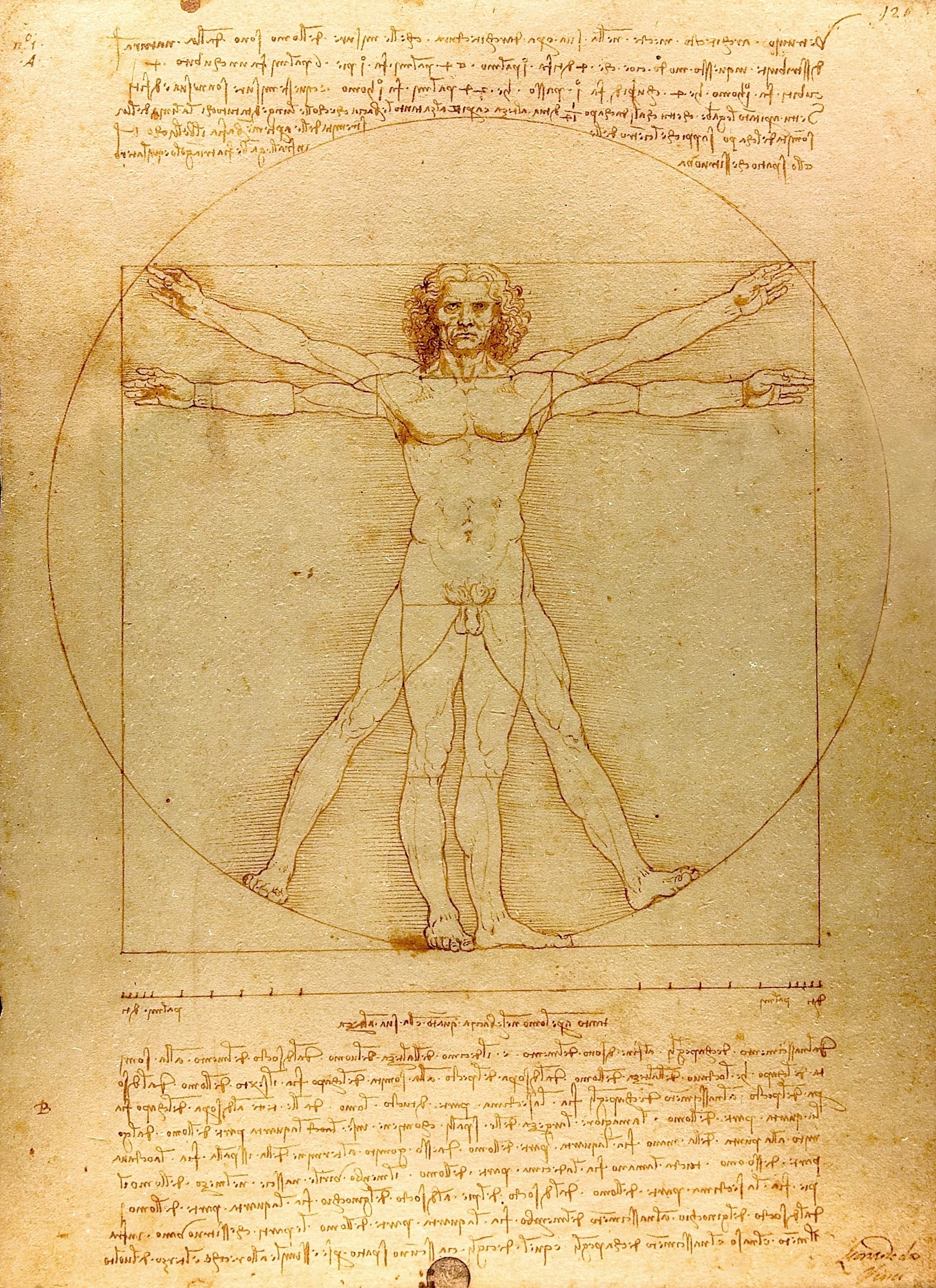
Beyond his celebrated paintings, Leonardo’s influence extends to his iconic drawings. The *Vitruvian Man*, a profound synthesis of art, mathematics, and anatomical study, has transcended its origins to become a universal cultural icon, symbolizing humanity’s harmonious relationship with the universe. These singular works, even amidst his numerous unfinished projects and lost pieces, have exerted an immeasurable impact on later generations of artists and thinkers, shaping the trajectory of artistic and scientific inquiry for centuries.
Since his passing, there has been no period when his achievements, diverse interests, intriguing personal life, and rigorous empirical thinking have failed to incite interest and admiration. He remains a frequent namesake and subject across countless cultural phenomena, from academic studies to popular media. Leonardo’s relentless pursuit of knowledge, his ability to bridge the worlds of art and science, and his profound vision have left an indelible mark on humanity, ensuring his status not just as a historical figure, but as an enduring symbol of human ingenuity and boundless curiosity.
Read more about: Behind the Scenes: Unpacking Why ‘The Big Bang Theory’ Replaced Its Original Female Lead with Kaley Cuoco’s Penny
His legacy is not merely a collection of artworks or scientific notations; it is an inspiration, a perpetual invitation to look deeper, to question, to create, and to understand the intricate tapestry of existence. Leonardo da Vinci truly was, and remains, a universal man, whose genius continues to enlighten and amaze, a beacon for all who dare to explore the frontiers of knowledge and imagination.