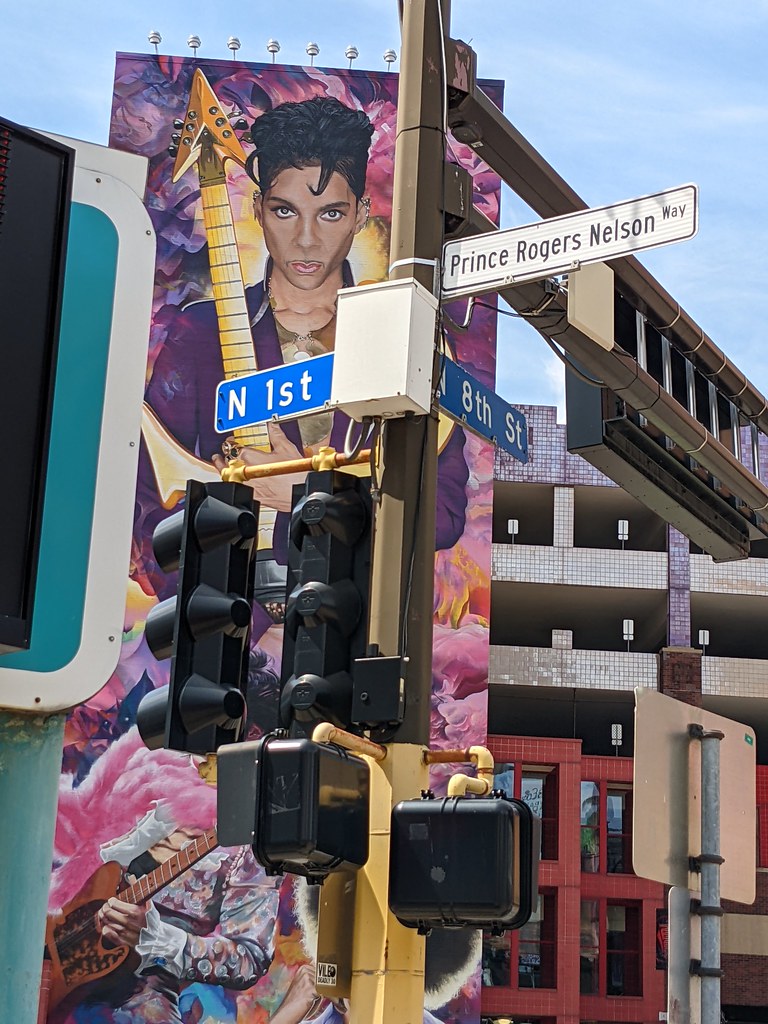
When we talk about musical legends, a few names instantly spring to mind, but only one truly embodied the spirit of relentless innovation, flamboyant showmanship, and unparalleled musical genius: Prince Rogers Nelson. Hailed by Billboard magazine as “the greatest musical talent of his generation,” Prince wasn’t just a singer, songwriter, or musician; he was a phenomenon, a force of nature who redefined popular music for decades. His career was a kaleidoscope of funk, disco, R&B, rock, new wave, soul, synth-pop, pop, jazz, blues, and hip hop, all woven together by his singular vision.
What made Prince so captivating wasn’t just his wide vocal range, his signature high-pitched screams, or his incredible skill as a multi-instrumentalist—often playing every single instrument on his recordings. It was his flamboyant, often androgynous persona, his audacious willingness to push boundaries, and his deep, personal connection to his art that made him an enduring icon. He was a trailblazer who produced his own albums, pioneering the distinctive ‘Minneapolis sound’ that would reverberate across the music world.
Join us on an exhilarating journey through the life of this extraordinary artist, as we unpack some of the most pivotal, revealing, and utterly unforgettable moments that shaped the legend of Prince. From his humble beginnings in Minneapolis to his explosive rise to global superstardom, these are the chapters that tell the story of a true genius, an artist who lived and breathed music until his final days, leaving behind an unparalleled legacy.
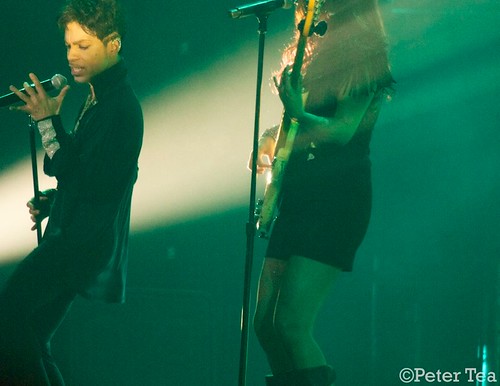
1. **Childhood & Early Musical Sparks**Born Prince Rogers Nelson in Minneapolis on June 7, 1958, his parents were jazz singer Mattie Della and pianist and songwriter John Lewis Nelson. Music was quite literally in his DNA, as both of his parents were deeply entrenched in the jazz scene, with his father even performing under the stage name Prince Rogers with his mother in their jazz group, the Prince Rogers Trio. It was from this musical heritage that young Prince derived his rather regal moniker, though he himself wasn’t always a fan, preferring to be called “Skipper” throughout his childhood. His father once shared with *A Current Affair* in 1991 that he named his son “Prince” because he wanted him “to do everything I wanted to do.”
Prince himself revealed a deeply personal struggle from his early years, stating he was “born epileptic” and experienced seizures as a child. A poignant moment from his youth, as recounted by him, was when he told his mother, “Mom, I’m not going to be sick anymore,” explaining, “Because an angel told me so.” This early, almost mystical experience, might offer a glimpse into the spiritual depth that would later permeate much of his work. His younger sister, Tyka, born in 1960, also developed a keen interest in music, a passion actively encouraged by their father.
His artistic inclinations began to manifest incredibly early, penning his very first song, “Funk Machine,” on his father’s piano at the tender age of seven. However, his childhood wasn’t without its challenges. His parents divorced when he was ten, leading to a period of instability where he frequently switched homes between his father and his mother and stepfather, Hayward Baker. Despite the personal difficulties, Baker played a significant role, taking Prince to see James Brown in concert and helping improve the family’s finances. After a brief stint back with his father, who gifted him his first guitar, Prince eventually moved into the basement of the Anderson family, neighbors whose son, Andre, would become a lifelong collaborator and known as André Cymone.
His prodigious talent wasn’t limited to music. Prince attended Bryant Junior High, where he even helped test the original *The Oregon Trail* video game, and later Central High School, showcasing athleticism in football, basketball, and baseball. He played on Central’s junior varsity basketball team and continued to enjoy the sport recreationally as an adult. Moreover, he trained in classical ballet at the Minnesota Dance Theatre through the Urban Arts Program of Minneapolis Public Schools, a commitment that later saw him using his wealth to save the struggling Joffrey Ballet in Chicago during the 1990s. It was also in 1973 that he met songwriter and producer Jimmy Jam, who was thoroughly impressed by Prince’s early mastery of instruments, musical talent, and incredible work ethic.
Read more about: The $5 Food Item That Keeps Keanu Reeves Looking So Young
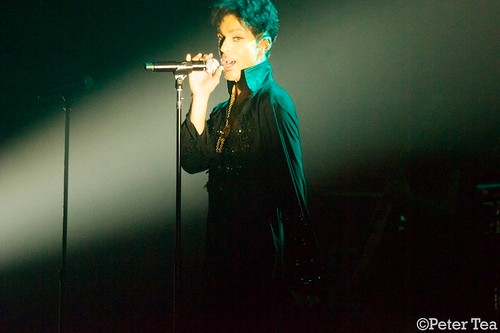
2. **The Formative Years & First Record Deal**By 1975, Prince was already making significant strides in his musical journey. He joined the band 94 East, formed by Pepe Willie, his cousin Shauntel’s husband. Willie’s vision for the band, which also included Marcy Ingvoldstad and Kristie Lazenberry, brought André Cymone and Prince into the fold to record tracks. Prince not only contributed guitar parts but also co-wrote the 94 East song, “Just Another Sucker,” a crucial early credit that hinted at his burgeoning songwriting prowess. These early recordings would later surface as the album *Minneapolis Genius – The Historic 1977 Recordings*.
His ambition continued to burn brightly, and in 1976, fresh out of Central High School, Prince cut a demo tape with producer Chris Moon in Moon’s Minneapolis studio. This demo, though not immediately securing a contract, was a pivotal step. Moon, recognizing the immense potential, brought the tape to Owen Husney, a shrewd Minneapolis businessman. Husney quickly signed Prince, who was only 19 at the time, to a management contract and helped him refine his sound by producing another demo at Sound 80 Studios with producer/engineer David Z. This polished demo, combined with a professionally crafted press kit from Husney’s ad agency, finally captured the attention of major record labels, including Warner Bros. Records, A&M Records, and Columbia Records, all eager to sign the young prodigy.
In 1977, with Husney’s expert guidance, Prince officially signed a recording contract with Warner Bros. Records. This was no ordinary deal; Warner Bros. agreed to grant Prince an extraordinary level of creative control for three albums, an unprecedented move for an unknown artist, and allowed him to retain his publishing rights—a testament to his early negotiating power and their belief in his talent. This contract marked the moment Prince and Husney left Minneapolis, relocating to Sausalito, California, to begin work on his debut album.
The result was *For You*, released on April 7, 1978. The album notes proudly declared that Prince wrote, produced, arranged, composed, and played all 27 instruments on the recording, with the sole exception of “Soft and Wet,” whose lyrics were co-written by Chris Moon. This level of self-sufficiency was unheard of and immediately set him apart. The recording process proved expensive, costing twice his initial advance, but it was worth it. Prince established Prince’s Music Co. to publish his songs, and the album yielded his first taste of chart success, with “Soft and Wet” reaching No. 12 on the Hot Soul Singles chart and No. 92 on the Billboard Hot 100. “Just as Long as We’re Together” also made a respectable showing at No. 91 on the Hot Soul Singles chart. Around this time, he also explored molding a teenage singer, Sue Ann Carwell, though his efforts for a solo album for her didn’t materialize.
Read more about: Unlocking Hollywood’s Glow: From Ryan Reynolds’ Skincare Investments to Under-$10 Beauty Hacks and Pop Culture Dynasties
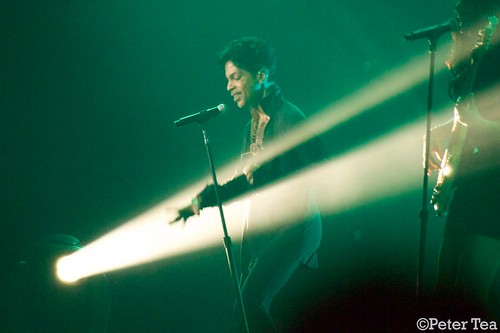
3. **Self-Titled Breakthrough & Early Success**Having made his mark with *For You*, Prince was ready to expand his artistic vision by forming a dedicated band in 1979. This initial lineup featured André Cymone on bass, Dez Dickerson on guitar, Gayle Chapman and Doctor Fink on keyboards, and Bobby Z. on drums. Their very first performance as a band took place at the Capri Theater on January 5, 1979. Warner Bros. executives were in attendance, keen to see their new signing in action, but ultimately felt that Prince and his fledgling band needed more time to hone their sound and stage presence.
Despite the label’s initial reservations about his live act, Prince’s studio output continued to impress. In October 1979, he released his self-titled album, *Prince*. This album was a significant step forward, charting at an impressive No. 4 on the Billboard Top R&B/Black Albums charts and No. 22 on the Billboard 200, ultimately achieving platinum status. It firmly established him as a rising force in R&B and pop music, proving that his earlier success was no fluke.
The album *Prince* delivered two major R&B hits that cemented his presence on the airwaves. “Why You Wanna Treat Me So Bad?” showcased his unique vocal style and songwriting, while “I Wanna Be Your Lover” truly broke through, selling over a million copies. This catchy track soared to No. 11 on the Billboard Hot 100 and dominated the Hot Soul Singles chart for two consecutive weeks, marking his first major crossover success. These hits were instrumental in introducing Prince’s distinctive sound to a broader audience, laying the groundwork for the massive success that was to come.
The momentum from “I Wanna Be Your Lover” led to a pivotal television appearance that brought Prince into countless American homes. On January 26, 1980, he performed both “Why You Wanna Treat Me So Bad?” and “I Wanna Be Your Lover” on the iconic *American Bandstand*. This exposure was crucial in broadening his fanbase and showcasing his captivating stage presence to a national audience. For this album, Prince continued to manage his publishing, using Ecnirp Music – BMI, further asserting his control over his creative and financial destiny, a theme that would define much of his career.
Read more about: Prince Rogers Nelson: A Comprehensive Overview of the Iconic Musician’s Life, Career, and Enduring Legacy
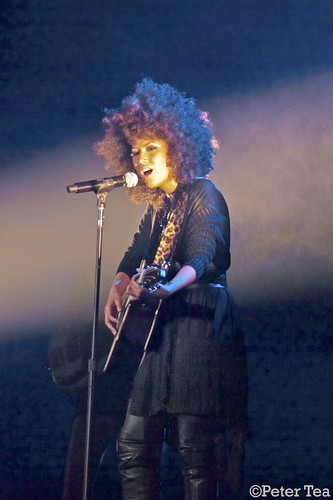
4. **Pushing Boundaries with *Dirty Mind* & *Controversy***As the 1980s dawned, Prince was not content to rest on the laurels of his burgeoning success. In 1980, he unleashed *Dirty Mind*, an album that was nothing short of a sonic and lyrical revolution. This record pushed the envelope with its ually explicit material, featuring audacious tracks like the title song, “Head,” and the provocative “Sister.” Stephen Thomas Erlewine aptly described it as a “stunning, audacious amalgam of funk, new wave, R&B, and pop, fueled by grinningly salacious sex and the desire to shock.” It was a clear declaration that Prince was an artist who refused to be pigeonholed or censored.
Recorded in his own studio, *Dirty Mind* quickly achieved gold certification, demonstrating that audiences were ready for his bold new direction. The single “Uptown” climbed to No. 5 on both the Billboard Dance chart and the Hot Soul Singles chart, showcasing his ability to craft infectious grooves alongside his provocative lyrics. This period also saw Prince gaining significant live exposure, notably as the opening act for Rick James’ 1980 Fire It Up tour, where he undoubtedly won over new fans with his electrifying performances.
February 1981 marked another milestone when Prince made his debut on *Saturday Night Live*, delivering a memorable performance of “Partyup.” This national television appearance further cemented his rising star status. Later that year, in October 1981, he released the album *Controversy*, continuing his streak of thought-provoking and genre-bending music. He supported the album with several live dates, taking on the role of one of three opening acts for the legendary Rolling Stones on their US tour. However, this high-profile gig wasn’t without its dramatic moments.
During one infamous performance in Los Angeles, Prince, clad in his signature trench coat and black bikini briefs, was unfortunately forced off the stage after only three songs by an unappreciative audience that resorted to throwing trash at him. Undeterred, he began 1982 with a smaller, headlining tour of college towns, where his unique artistry was better received. The songs on *Controversy* were published by Controversy Music – ASCAP, a practice he would maintain until his *Emancipation* album in 1996. *Controversy* also notably marked the introduction of Prince’s iconic use of abbreviated spelling, transforming words like ‘you’ to ‘U,’ ‘to’ to ‘2,’ and ‘for’ to ‘4,’ a stylistic choice that became a hallmark of his aesthetic, as MTV News observed in 2002, noting that “[n]ow all of his titles, liner notes, and Web postings are written in his own shorthand spelling.” During this incredibly prolific period, Prince also formed the side project band The Time, for whom he famously wrote and performed most of the instrumentation and backing vocals, often under pseudonyms like “Jamie Starr.”
Read more about: Beyond the Purple Reign: Inside Prince’s Unforgettable Journey to Music Legend Status
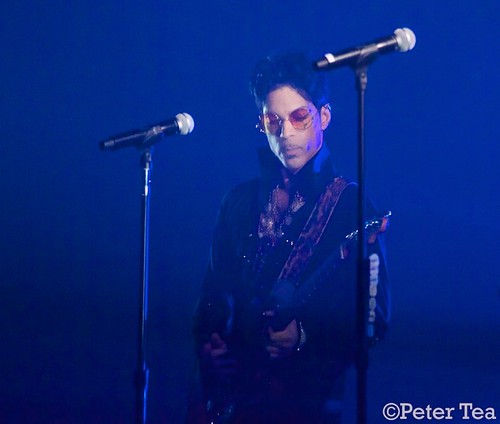
5. **The *1999* Era & MTV’s Acceptance**As 1982 drew to a close, Prince unveiled one of his most iconic and commercially successful works: the double album *1999*. This monumental release solidified his position as a global superstar, ultimately selling more than four million copies and becoming a cultural touchstone. The album’s title track, a powerful protest against nuclear proliferation, resonated deeply with audiences worldwide, becoming Prince’s first top 10 hit in countries outside the United States, demonstrating his growing international appeal and ability to tackle weighty themes with his unique artistic flair.
One of the most significant achievements of the *1999* era was the breakthrough of his music videos on MTV. Prior to this, MTV had been perceived as resistant to “black music,” a perception that changed dramatically thanks to Prince and Michael Jackson. His track “Little Red Corvette” became one of the first two videos by black artists, alongside Michael Jackson’s “Billie Jean,” to be played in heavy rotation on the channel. This pivotal moment was reportedly spurred by CBS President Walter Yetnikoff, who famously threatened to pull all CBS videos from MTV if they didn’t diversify their programming. This breakthrough not only launched Prince into the visual mainstream but also intensified his competitive rivalry with Michael Jackson, a dynamic that would unfold over many years.
Beyond its groundbreaking video, *1999* continued to churn out hits, further cementing Prince’s presence on the charts. The funky and infectious “Delirious” also found its way into the top ten on the Billboard Hot 100 chart, showcasing his versatility and knack for crafting irresistible pop songs. The album was a critical and commercial triumph, marking a pivotal moment in his career where he seamlessly blended his diverse musical influences into a cohesive and universally appealing sound.
Adding to the accolades, the track “International Lover” earned Prince his very first Grammy Award nomination at the 26th Annual Grammy Awards. This recognition from the recording industry was a clear sign that his innovative approach and undeniable talent were being acknowledged at the highest levels. The *1999* album was not just a collection of songs; it was a statement, a prophecy, and a bold leap forward for an artist who was determined to redefine the landscape of popular music on his own terms. It prepared the world for the purple explosion that was just around the corner.
6. **The Revolution and *Purple Rain* Phenomenon**By 1984, Prince’s artistic vision had expanded to fully embrace his backing band, whom he now formally referred to as The Revolution. The band’s name, subtly printed in reverse on the cover of *1999* within the letter “I” of “Prince,” was a testament to their growing collaborative spirit. The lineup was formidable: Lisa Coleman and Doctor Fink on keyboards, Bobby Z. on drums, Brown Mark on bass, and Dez Dickerson on guitar. Jill Jones, a backing singer, also played a role in the *1999* album and tour. Following that tour, a change occurred as Dickerson departed for religious reasons, as author Alex Hahn explains in *Possessed: The Rise and Fall of Prince*, citing Dickerson’s reluctance to sign a three-year contract and desire to pursue other musical ventures. His replacement was Lisa Coleman’s friend, the supremely talented Wendy Melvoin, a key addition that would further define The Revolution’s sound. While initially used sparsely in the studio, the band’s involvement gradually deepened throughout 1983.
According to his former manager Bob Cavallo, in the early 1980s, Prince, despite his limited mainstream exposure, insisted that his management secure a deal for him to star in a major motion picture. This audacious demand led to the creation of the hit film *Purple Rain* (1984), a loosely autobiographical cinematic masterpiece that starred Prince himself. The film’s eponymous studio album served as its soundtrack and became an instant classic, catapulting Prince to unprecedented global superstardom.
The *Purple Rain* album was nothing short of a phenomenon, selling over 13 million copies in the US alone and dominating the US Billboard 200 chart for an astounding 24 consecutive weeks at No. 1. The film itself was a massive commercial success, grossing more than $68 million in the US, and earning Prince an Academy Award for Best Original Song Score. But the album’s impact wasn’t just commercial; it was cultural. Songs like “When Doves Cry” and “Let’s Go Crazy” both soared to No. 1 on the Billboard Hot 100, while the powerful title track reached No. 2.
In a truly historic feat, Prince achieved something no other singer had before: in 1984, he simultaneously held the No. 1 album, single, and film in the US. This monumental achievement underscored his unparalleled creative output and cross-media appeal. The *Purple Rain* album is not only ranked 8th in Rolling Stone’s “500 Greatest Albums of All Time” but is also featured on Time magazine’s list of All-Time 100 Albums, solidifying its place in music history. This era also brought Prince two of his first three Grammy Awards at the 27th Annual Grammy Awards: Best Rock Performance by a Duo or Group with Vocal and Best Score Soundtrack for Visual Media, sealing his status as a true legend.
Read more about: Prince Rogers Nelson: A Comprehensive Overview of the Iconic Musician’s Life, Career, and Enduring Legacy
7. **Artistic Rebirth: Post-Revolution and *Sign o’ the Times***Following the incredible success and whirlwind of the *Purple Rain* era, Prince made a bold, perhaps even shocking, move: he disbanded The Revolution. It wasn’t a quiet parting; key members like Wendy Melvoin and Lisa Coleman were let go, and bassist Brown Mark chose to leave, leaving only the steadfast Doctor Fink on keyboards. This pivotal moment marked a true artistic rebirth, as Prince meticulously assembled a new ensemble, bringing in talents like Miko Weaver on guitar, Atlanta Bliss on trumpet, and Eric Leeds on saxophone, signaling a fresh direction for his evolving sound.
Even before the official disbandment, Prince was a creative whirlwind, working on two distinct projects: The Revolution album *Dream Factory*, which, unlike previous band efforts, included significant input and even lead vocals from Wendy & Lisa, and a solo endeavor titled *Camille*, where he experimented with a new, androgynous persona, often singing in a sped-up, female-sounding voice. These projects, brimming with raw creativity, ultimately merged into a grand vision for a triple-LP album he intended to call *Crystal Ball*. However, ever the master of his own destiny, Prince faced a battle with Warner Bros., who insisted on trimming the ambitious triple album into a more commercially viable double album.
The result of this intense period of creation and negotiation was *Sign o’ the Times*, released on March 31, 1987. This album was hailed by critics as the greatest work of his career and quickly climbed to No. 6 on the Billboard 200. It spawned a string of impactful singles: the thought-provoking title track reached No. 3 on the Hot 100, while the unique and soulful “If I Was Your Girlfriend” charted at No. 12 on the R&B charts. The infectious duet with Sheena Easton, “U Got the Look,” soared to No. 2 on the Hot 100, and “I Could Never Take the Place of Your Man” also made a top 10 appearance, showcasing his continued versatility and chart dominance.
*Sign o’ the Times* wasn’t just a commercial success, selling 3.2 million copies; it was a critical darling, named the top album of the year by the prestigious Pazz & Jop critics’ poll. Prince supported the album with a lengthy and successful overseas tour, complete with a brand-new backing band including Sheila E. on drums and Cat Glover as dancer/choreographer. While plans to bring the tour to the US were scaled back, a filmed version of the last two nights, after some reshoots at his Paisley Park studios, made it to movie theaters, further solidifying the album’s legendary status. This prolific period also saw the creation of *The Black Album*, a raw, instrumental, funk- and R&B-themed album that even saw Prince experimenting with hip hop. It was intended for release with a stark, monochromatic cover, but was famously recalled by Prince himself after a spiritual epiphany, only to be released in a limited edition seven years later, adding to the mystique of his unparalleled artistic journey.
8. **From Lovey to the Batcave: Experimentation and Cinematic Adventures**Fresh off the creative intensity surrounding *Sign o’ the Times* and the mysterious shelving of *The Black Album*, Prince dove back into the studio with characteristic fervor, emerging eight weeks later with *Lovey*. Released on May 10, 1988, this album served as a vibrant, spiritual counterpoint to the dark and introspective *Black Album*. A testament to his boundless talent, every song on *Lovesexy* was a solo effort by Prince, with the exception of “Eye No,” recorded with his backing band. The album reached No. 11 on the Billboard 200 and No. 5 on the R&B albums chart, propelled by the captivating lead single “Alphabet St.,” which peaked at No. 8 on the Hot 100 and sold a remarkable 750,000 copies, proving his continued ability to deliver infectious hits.
Following the album’s release, Prince embarked on the ambitious Lovey World Tour, a massive three-leg, 84-show spectacle that captivated huge crowds across the globe. Despite the widespread acclaim for his performances, the tour, with its elaborate and expensive sets and props, unfortunately failed to turn a net profit, a stark reminder of the financial complexities that often accompanied his grand artistic visions. This period, however, also saw a notable collaboration that highlighted his versatile musicianship: in 1989, he lent his talents to Madonna’s iconic album *Like a Prayer*, co-writing and performing the duet “Love Song” and contributing uncredited electric guitar work on several other tracks, underscoring his influence across the pop music landscape.
The year 1989 brought an unexpected, yet iconic, opportunity when legendary director Tim Burton personally asked Prince to contribute songs for his upcoming *Batman* live-action adaptation. Prince, ever the musical chameleon, delivered in spades, producing an entire nine-track album that Warner Bros. released on June 20, 1989. The *Batman* soundtrack was a commercial juggernaut, peaking at No. 1 on the Billboard 200 and selling an astounding 4.3 million copies. The single “Batdance” soared to the top of both the Billboard Hot 100 and R&B charts, cementing his presence in mainstream pop culture yet again. Other singles, like “The Arms of Orion” with Sheena Easton and “Partyman,” also found chart success, though this blockbuster collaboration came with a significant caveat: Prince had to sign away all publishing rights to the songs on the album to Warner Bros., a foreshadowing of future contractual disputes.
As the 1990s dawned, Prince continued his artistic journey, launching the “back-to-basics” Nude Tour with a revamped band that included keyboardist Rosie Gaines, drummer Michael Bland, and the dynamic dancing trio the Game Boyz. This European and Japanese tour was a resounding financial success, featuring a tight, greatest hits setlist that delighted fans. Later that year, Prince completed production on his fourth film, *Graffiti Bridge*, and its accompanying 1990 album. Despite initial reluctance from Warner Bros., Prince’s assurances that it would be a sequel to *Purple Rain*, coupled with the involvement of original members of The Time, convinced the studio to greenlight the project. The album reached No. 6 on both the Billboard 200 and R&B charts, producing hits like “Thieves in the Temple” and “Round and Round” featuring teenage Tevin Campbell on lead vocals. However, the film, released on November 20, 1990, proved to be a box-office flop, grossing only $4.2 million, and after its release, the last remaining members of The Revolution, Miko Weaver and Doctor Fink, departed Prince’s band.

9. **The New Power Generation and the ‘Love Symbol’ Era**The dawn of 1991 marked a significant turning point with Prince’s electrifying performance at Rock in Rio II, which introduced the world to his brand-new backing band: The New Power Generation. With guitarists Miko Weaver and long-time keyboardist Doctor Fink no longer in the fold, Prince brought in a fresh lineup, featuring Sonny T. on bass, Tommy Barbarella on keyboards, and a dynamic brass section known as the Hornheads. Levi Seacer Jr. transitioned to guitar, while Rosie Gaines, Michael Bland, and the Game Boyz continued their roles, creating a revitalized sound that infused his music with new energy and collaborative spirit.
This new lineup had a significant impact on Prince’s 14th studio album, *Diamonds and Pearls*, released on October 1, 1991. With substantial input from his band members, the album soared to No. 3 on the Billboard 200 chart and spawned four smash singles in the United States. “Gett Off” showcased his funky side, reaching No. 21 on the Hot 100, while “Cream” famously became his fifth US No. 1 single, a testament to its irresistible pop appeal. The title track, “Diamonds and Pearls,” became the album’s third hit, climbing to No. 3 on the Hot 100 and securing the top spot on the R&B charts, further cementing the album’s commercial success, which saw it sell more than 2 million copies in the United States alone.
In 1992, riding high on the momentum of *Diamonds and Pearls*, Prince renewed his contract with Warner Bros. in what was reportedly a staggering $100 million deal, committing to release six more albums with the label. However, the seeds of future conflict were already sown. In November, he released his 14th studio album, a unique artistic statement bearing only an unpronounceable symbol on its cover—later copyrighted as “Love Symbol #2.” This enigmatic symbol, explained as a combination of male and female symbols, defined an era. The album, often referred to as the *Love Symbol Album*, produced hit singles like “Sexy MF,” “My Name Is Prince,” and the memorable “7,” which peaked at No. 7 on the Hot 100. Despite reaching No. 5 on the Billboard 200 and selling 2.8 million copies worldwide, it fell short of Warner Bros.’ soaring expectations, fueling the growing tension between artist and label.
The year 1993 marked a dramatic turning point in Prince’s career as his relationship with Warner Bros. deteriorated into open rebellion. Frustrated by the label’s refusal to release his enormous backlog of music at a pace he desired, Prince formally adopted the “Love Symbol” as his stage name. To navigate this unprecedented move, Warner Bros. resorted to organizing a mass mailing of floppy disks containing a custom font, allowing print media to reproduce his new name. During this period, he was famously referred to as “the Artist Formerly Known as Prince” or simply “the Artist,” a testament to his fiercely independent spirit. That same year, Warner Bros. released a comprehensive greatest hits compilation, *The Hits/The B-Sides*, a three-disc collection featuring his major singles, rare B-sides, and previously unreleased tracks, including a live recording of “Nothing Compares 2 U” with Rosie Gaines, reminding fans of his extensive and diverse catalog.
Prince continued his battle for artistic freedom, culminating in 1994 when Warner Bros. reluctantly allowed the single “The Most Beautiful Girl in the World” to be released independently through Bellmark Records. The song was a massive hit, soaring to No. 3 on the US Billboard Hot 100 and reaching No. 1 in many other countries, proving his continued global appeal outside the major label machine. Determined to fulfill his contractual obligations and break free, Prince began releasing albums in quick succession, including the previously aborted *Black Album* in a limited official release. He pushed for simultaneous releases of *Come* and *The Gold Experience*, but Warner Bros. delayed the latter, fearing market saturation. In a powerful act of protest, Prince famously began making public appearances with the word “slave” written on his face, a defiant statement against the perceived constraints of his recording contract, until *The Gold Experience* was finally released in September 1995. This album, though highly acclaimed, later faced a plagiarism case related to “The Most Beautiful Girl in the World,” causing it to be out of print for a time, before its eventual reissue and availability on streaming services in recent years.
Read more about: Seventy Years On: The Enduring Legacy of James Dean, Hollywood’s Immortal Rebel
10. **Emancipation and the Independent Vision of NPG Records**The year 1996 brought a pivotal moment: Prince delivered his final two albums under his Warner Bros. contract, *Chaos and Disorder* and *The Vault: Old Friends 4 Sale* (though the latter wouldn’t see release until 1999). With these commitments fulfilled, Prince was finally released from his long-standing obligations to the major label, a liberation that ignited a new chapter of fierce independence and boundless creativity. This newfound freedom allowed him to pursue his artistic vision on his own terms, setting the stage for a bold new era.
Later that year, Prince launched a major comeback with the monumental release of *Emancipation*, a sprawling 36-song, three-CD set, with each disc meticulously crafted to be exactly 60 minutes long. This ambitious project was released through his own NPG Records, with distribution handled by EMI, a powerful statement of his independent spirit. Further emphasizing his control, Prince established Emancipated Music Inc. to publish his songs on the album, a departure from the “Controversy Music – ASCAP” he had utilized since 1981, marking a complete severance from his past corporate ties.
*Emancipation* was not just a critical statement; it was a commercial success, earning Platinum certification from the RIAA. It also marked a departure in another way, becoming the first Prince record to feature covers of other artists’ songs, including Joan Osborne’s top ten hit “One of Us,” “Betcha by Golly Wow!,” “I Can’t Make You Love Me,” and “La-La (Means I Love You).” This choice highlighted his expansive musical palate and his willingness to reinterpret songs he admired, adding his unique flair to familiar tunes and further showcasing his artistry.
Prince continued his prolific output, unveiling *Crystal Ball* in 1998, a five-CD collection brimming with previously unreleased material that fans had long craved. However, the distribution of this highly anticipated album was famously disorderly, with some dedicated fans who pre-ordered through his website waiting up to a year for delivery, often receiving their copies months after it had already appeared in retail stores. The retail edition itself was a four-disc set, notably missing the *Kamasutra* disc, adding to its legendary, almost elusive, status. Three months later, he released the *Newpower Soul* album, and also collaborated on Chaka Khan’s *Come 2 My House* and Larry Graham’s *GCS2000*, both released on his NPG label, promoting these projects with energetic live appearances on shows like *Vibe with Sinbad* and the *NBC Today show’s Summer Concert Series*.
In 1999, Prince made a strategic move, signing once again with a major label, Arista Records, to release *Rave Un2 the Joy Fantastic*. This marked a temporary return to a more traditional distribution model, while still maintaining a significant degree of artistic control. The culmination of this era was the pay-per-view concert, *Rave Un2 the Year 2000*, broadcast on December 31, 1999. Featuring footage from his December 1999 tour dates and appearances by an array of guest musicians, including Lenny Kravitz, George Clinton, and The Time, it was a spectacular celebration of his music and a fitting end to a tumultuous decade, later released for home video viewing, preserving a piece of his dynamic stage presence for posterity.
Read more about: Prince Rogers Nelson: A Comprehensive Overview of the Iconic Musician’s Life, Career, and Enduring Legacy
11. **The Return to ‘Prince’ and a Resurgence of Mainstream Power**As the new millennium dawned, a significant shift occurred in Prince’s public persona: on May 16, 2000, he officially stopped using the enigmatic Love Symbol as his name. With his publishing contract with Warner/Chappell having expired, Prince announced in a press conference that he would revert to using his birth name, Prince, now free from the “undesirable relationships” he associated with the symbol. This return to his original moniker was met with enthusiasm from fans and critics alike, though he thoughtfully continued to incorporate the symbol as a logo on album artwork and famously played a Love Symbol-shaped guitar, a nod to that distinctive era.
For several years following the release of *Rave Un2 the Joy Fantastic*, Prince embraced the burgeoning power of the internet, primarily releasing new music through his innovative Internet subscription service, NPGOnlineLtd.com, which later evolved into NPGMusicClub.com. This bold move allowed him direct access to his fanbase, bypassing traditional gatekeepers. Albums from this prolific period include *Rave In2 the Joy Fantastic* (2001), the spiritually charged *The Rainbow Children* (2001), *One Nite Alone…* (2002), *Xpectation* (2003), *C-Note* (2004), *The Chocolate Invasion* (2004), and *The Slaughterhouse* (2004), showcasing his relentless creativity and willingness to experiment with distribution models.
During this period, his engagement with fans deepened considerably. Beyond the NPG Music Club, Prince frequently invited them to pre-concert sound checks and hosted annual “celebrations” at his iconic Paisley Park studios. These events offered fans unprecedented access, with studio tours, interviews, discussions, and exclusive music-listening sessions. Some of these intimate fan discussions were even filmed for an unreleased documentary, directed by filmmaker Kevin Smith, offering a rare glimpse into the artist’s private world and his profound connection with his most devoted followers.
The early 2000s also brought Prince back into the mainstream spotlight with renewed force. On February 8, 2004, he delivered an electrifying performance at the 46th Annual Grammy Awards alongside Beyoncé, opening the show with a spectacular medley of his classics like “Purple Rain” and “Let’s Go Crazy,” intertwined with Beyoncé’s “Crazy in Love.” The following month, he received a monumental honor, being inducted into the Rock and Roll Hall of Fame. The award was presented by a star-studded lineup including Alicia Keys, Big Boi, and André 3000 of OutKast. Beyond performing a trio of his own hits, Prince delivered a legendary, two-minute guitar solo during a tribute to fellow inductee George Harrison’s “While My Guitar Gently Weeps,” a performance that continues to be lauded as one of the greatest live guitar solos ever.
April 2004 saw the release of *Musicology* through a one-album agreement with Columbia Records, a move that revitalized his commercial presence. The album quickly soared into the top five on international charts, including the US, UK, Germany, and Australia. Its remarkable US chart success was significantly bolstered by an innovative strategy: the CDs were included as part of concert ticket purchases, with each CD then counting towards chart placement under the rules at the time. This groundbreaking approach proved hugely effective, reintroducing Prince to a massive audience. That same year, *Spin* magazine boldly named him the greatest frontman of all time, and *Rolling Stone* declared him the highest-earning musician in the world, raking in an annual income of $56.5 million, largely thanks to his incredibly successful *Musicology* Tour, which *Pollstar* recognized as the top concert draw among musicians in the US, featuring 96 concerts with an average ticket price of $61. *Musicology* itself earned two Grammy Awards: Best Male R&B Vocal Performance for “Call My Name” and Best Traditional R&B Vocal Performance for its title track, with further nominations for Best R&B Song, Best R&B Album, and Best Male Pop Vocal Performance for “Cinnamon Girl.” *Rolling Stone* further solidified his legendary status by ranking him No. 27 on their list of the 100 Greatest Artists of All Time.
Read more about: Prince Rogers Nelson: A Comprehensive Overview of the Iconic Musician’s Life, Career, and Enduring Legacy

12. **The Final Chapter: *3121*, Super Bowl Glory, and an Everlasting Legacy**The mid-2000s saw Prince continuing his vibrant resurgence. In April 2005, he lent his unparalleled guitar skills, along with En Vogue’s backing vocals, to Stevie Wonder’s single “So What the Fuss,” marking Wonder’s first new release since 1999, a testament to Prince’s enduring influence and collaborative spirit. Later that year, in a strategic move, Prince signed with Universal Music to release his highly anticipated album, *3121*, which dropped on March 21, 2006. The album’s lead single, “Te Amo Corazón,” was accompanied by a visually stunning video directed by actress Salma Hayek and filmed in the exotic locales of Marrakech, Morocco, featuring Argentine actress and singer Mía Maestro. The video for the second single, “Black Sweat,” also garnered critical acclaim, earning a nomination at the MTV VMAs for Best Cinematography, showcasing Prince’s commitment to visual artistry.
*3121* proved to be an immediate and resounding commercial success, giving Prince his very first No. 1 debut on the Billboard 200, a remarkable achievement that underscored his enduring appeal and his ability to captivate audiences decades into his career. To further promote the album and his triumphant return, Prince delivered one of the most iconic performances in Super Bowl history on February 4, 2007, for Super Bowl XLI. Despite torrential rain, he mesmerized an audience of millions with a medley of his hits and covers, creating a spectacle that is still widely regarded as one of the greatest halftime shows of all time, solidifying his status as an unparalleled live performer.
Later in July 2007, Prince made another bold, unconventional move, distributing his *Planet Earth* album for free with *The Mail on Sunday* newspaper. While this innovative distribution model sparked controversy and led to the termination of his partnership with Universal Music, it showcased his relentless pursuit of new ways to connect directly with his fans and challenge industry norms. This late-career period was marked by continued innovation, a deep connection with his spiritual beliefs, and an unwavering commitment to his art, constantly pushing boundaries and redefining what was possible for a global superstar.
Prince Rogers Nelson, who tragically passed away on April 21, 2016, at the age of 57, after accidentally overdosing on fentanyl at his beloved Paisley Park home and recording studio, left behind a legacy that continues to inspire and resonate across generations. He was inducted into the Rock and Roll Hall of Fame in 2004, the UK Music Hall of Fame in 2006, the Rhythm and Blues Music Hall of Fame in 2016, and twice into the Black Music & Entertainment Walk of Fame in 2022. His awards cabinet gleams with accolades, including the Grammy President’s Merit Award, the American Music Awards for Achievement and of Merit, the Billboard Icon Award, an Academy Award, and a Golden Globe Award, all testifying to his profound impact on music and culture.
His influence is immeasurable, with over 100 million records sold worldwide, placing him among the best-selling music artists of all time. Prince was a prolific musician in the truest sense, releasing 39 albums during his lifetime, but perhaps even more astonishingly, leaving behind a vast, almost mythical, array of unreleased material meticulously stored in a custom-built bank vault beneath his home. This includes fully completed albums and over 50 finished music videos, a treasure trove that has since yielded numerous posthumous collections of his previously unheard work, ensuring his musical genius will continue to surprise and delight for years to come. Estimates of the complete number of songs he penned range anywhere from 500 to well over 1,000, a staggering testament to a life lived in a perpetual state of creation. Prince wasn’t just an artist; he was a universe of sound, a boundless force of creativity, and a true legend whose music will forever echo through the hearts of millions, proving that his reign was, and always will be, absolutely purple.