
In an era defined by rapid technological advancement and the pervasive influence of celebrity culture, the lines between genuine innovation and elaborate deception can often blur, leading to catastrophic financial consequences. While the allure of quick returns and exclusive access can be intoxicating, the cautionary tales of entrepreneurs and stars losing vast fortunes serve as powerful reminders of the enduring importance of due diligence, financial literacy, and ethical conduct.
This landscape is fraught with opportunities for both unprecedented success and profound failure. The promise of groundbreaking ventures, especially those tied to the glamorous world of entertainment, frequently attracts substantial investment, sometimes without the rigorous scrutiny such capital demands. When ambition outpaces integrity, the repercussions can extend far beyond individual investors, affecting reputations and even entire careers.
This in-depth analysis delves into the mechanisms of a high-profile $20 million fraud involving a celebrity app, unraveling how false claims and lavish personal spending led to a conviction. Beyond this central narrative, we will explore six other notable instances where renowned figures, despite their immense wealth and public profiles, faced devastating financial setbacks due to a myriad of missteps, from excessive spending and poor investment choices to complex legal battles and outright fraud.

1. **Bernhard Eugen Fritsch: The $20 Million Celebrity App Fraudster**Bernhard Eugen Fritsch, the founder and CEO of StarClub Inc., a Santa Monica-based tech company, has recently been at the center of a high-stakes financial drama, ultimately leading to his conviction for defrauding investors, including prominent Hollywood figures. The core of his elaborate scheme revolved around StarSite, an app he promoted as a revolutionary platform designed to help celebrities and social media influencers monetize their brand endorsements. Prosecutors, as reported by the Department of Justice, revealed that Fritsch was found guilty by a jury on one count of wire fraud after a nine-day trial in U.S. District Court in Los Angeles.
From 2014 to 2017, Fritsch successfully raised over $20 million, painting a picture of StarClub as a potential game-changer for the entertainment industry. He assured investors that the app would enable celebrities to effortlessly post branded content on social media, generate substantial revenue from advertising, and share profits with influencers. These claims were pivotal in attracting the significant capital he accumulated during this period.
To further entice investment, Fritsch made several false and fraudulent claims, including assertions that StarClub was on the verge of securing commercial deals or investment and buyout offers from major media companies such as Disney. He also falsely stated that StarClub had earned an impressive $15 million in revenue in 2015 and that major media companies and a global investment bank were already among its current investors. None of these claims, according to the U.S. Department of Justice, were true.
Instead of channeling the millions raised into the app’s development and business expansion, Fritsch diverted a substantial portion of the funds to fuel an exceptionally lavish lifestyle. His extravagant purchases included luxury cars such as a McLaren and a Rolls-Royce, extensive renovations to his multimillion-dollar Malibu mansion located near Carbon Beach, and costly upgrades and repairs to his personal yacht. Federal authorities subsequently seized these luxury assets, and they are now subject to forfeiture proceedings, laying bare the extent of his fraudulent endeavors.
One victim, deeply swayed by Fritsch’s persuasive but false pitch, invested more than $20 million in StarClub over two years and also introduced Fritsch to other victims who collectively invested millions more. Prosecutors estimate that Fritsch’s scheme resulted in at least approximately $25 million in total victim losses. The case also touched upon Hollywood circles, with sources close to Fox News Digital learning that celebrities such as Enrique Iglesias and Tyrese Gibson were potentially involved, with Gibson even hosting a private party for StarClub Inc. in 2014, an event attended by a plethora of stars, likely enhancing the perceived legitimacy of Fritsch’s enterprise.
Fritsch, who was acquitted of a second wire fraud count, remains free on bond as he awaits sentencing, which is scheduled to occur in the coming months. He faces a statutory maximum sentence of 20 years in federal prison, a stark outcome for a scheme that meticulously exploited the aspirations of investors and the allure of celebrity influence. This case serves as a critical warning regarding the need for rigorous financial scrutiny in high-stakes entrepreneurial ventures, particularly those intersecting with the entertainment and technology sectors.
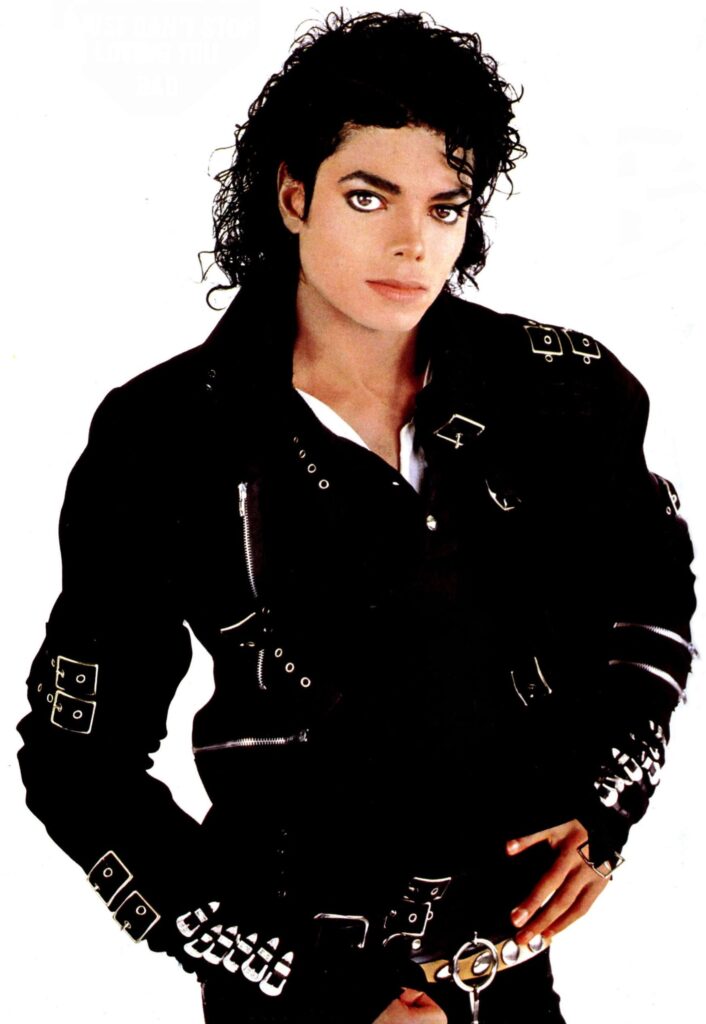
2. **Michael Jackson: The King of Pop’s Financial Downfall**Michael Jackson, an artist whose musical genius and iconic performances left an indelible mark on global entertainment, also leaves behind a financial legacy that is equally noteworthy, albeit for starkly different reasons. Despite achieving an astonishing annual income of $100 million at the zenith of his career, the King of Pop’s personal finances experienced a significant and ultimately unsustainable spiral in the later years of his life.
One of the most profound financial missteps made by Michael Jackson was his commitment to an extraordinarily lavish lifestyle, characterized by excessive spending on a vast array of luxuries. This included multiple opulent houses, a fleet of high-end cars, and an entire menagerie of zoo animals. His most famous indulgence, the Neverland Ranch, absorbed millions of dollars in upkeep and development, a decision that eventually became an immense financial burden. Moreover, his profound love for the arts manifested in the funding of numerous elaborate video projects, which alone amounted to a staggering $65 million.
Compounding these costly decisions were Michael Jackson’s persistent legal troubles, which significantly strained his financial resources. Throughout his illustrious but often turbulent career, he was embroiled in several high-profile lawsuits, most notably the widely publicized child molestation case in 2005. To defend himself against these serious allegations, the King of Pop reportedly expended over $20 million in legal fees alone, a sum that further eroded his already stretched financial position.
Despite his astronomical earnings, Michael Jackson’s unrestrained lifestyle meant he consistently spent beyond his means. By the time of his untimely death in 2009, he was reported to be burdened with a colossal $300 million in debt. However, in a testament to the enduring power of his brand, his estate has since expertly navigated these financial complexities, resolving the accumulated issues and transforming his legacy into a remarkable posthumous success. He has consistently ranked as the top-earning deceased celebrity for five consecutive years, achieving a posthumous net worth of $500 million, making his estate the wealthiest on this particular list, a compelling narrative of financial resurrection after initial ruin.
Read more about: Hollywood’s Cautionary Tales: When Fame Doesn’t Prevent Financial Ruin

3. **Nicolas Cage: A Saga of Opulence and Oblivion**Nicolas Cage, once a fixture at the pinnacle of Hollywood’s earning potential, commanded a formidable salary, reportedly earning $40 million in 2009 alone. Such immense wealth afforded him a lifestyle that was nothing short of extravagant, marked by a series of high-profile acquisitions and indulgences that eventually contributed to his financial unraveling. His story serves as a stark reminder that even the most prolific actors are not immune to the pitfalls of unchecked spending and poor financial management.
Cage’s appetite for luxury was well-documented. He accumulated numerous residences, an eclectic collection of rare artifacts, and even a private island in the Bahamas, which alone cost him a reported $3 million. His personal fleet also included four luxury yachts, with their combined value reaching an estimated $20 million. These purchases, while symbols of immense wealth, represented significant capital outflows that were not sufficiently offset by prudent financial planning or stable income streams.
This relentless pursuit of opulence, combined with a series of expensive legal disputes, inexorably led to his financial downfall. By 2009, the weight of his expenditures and mounting obligations forced him to declare bankruptcy, resulting in the loss of millions of dollars. The Internal Revenue Service also levied a significant blow, presenting Cage with several years of unpaid tax bills totaling a staggering $13.3 million. Faced with these overwhelming debts, he was compelled to liquidate many of his personal belongings, including a treasured comic book collection, and embarked on a relentless schedule of film roles, often in projects he might not otherwise have chosen, solely to pay off his financial burdens.
Further compounding his woes, Cage’s investment in multiple luxury properties proved disastrous during the 2008 financial crisis, forcing him to sell many at a loss under the threat of foreclosure. This diversification into real estate, intended to secure his wealth, instead became a significant liability, demonstrating the unpredictable nature of market forces and the risks associated with highly leveraged investments. Despite these severe setbacks, the actor’s net worth has seen a rise to $25 million, reflecting his persistent efforts to address his IRS debts and rebuild his financial stability. His journey underscores the critical importance of managing finances wisely, even for those at the zenith of professional success, and the inherent dangers of overspending and ill-advised investments.

4. **Johnny Depp: From Blockbuster Earnings to Financial Distress**Johnny Depp stands as one of Hollywood’s most recognized and bankable stars, celebrated for his iconic performances in films like “Pirates of the Caribbean” and “Edward Scissorhands.” Throughout his storied career, he reportedly amassed an astounding $650 million. However, despite earning millions—and once commanding $20 million per movie—Depp found himself in a dire financial situation, a testament to how even vast fortunes can be eroded by poor financial decisions and unchecked expenditures.
Among Depp’s most significant financial missteps was his commitment to an extraordinarily lavish lifestyle that knew few bounds. Reports indicated that the actor once spent over $30,000 per month on wine alone, a testament to his unrestrained habits. His extensive list of possessions included private jets, luxury yachts, and a portfolio of several properties located across the globe, each incurring significant maintenance and operational costs. These opulent choices represented a continuous drain on his substantial earnings, ultimately proving unsustainable over time.
Beyond routine extravagance, Depp also engaged in unique, high-cost personal ventures. He notably paid $3 million for an event in 2005 to fulfill a particular wish: to blast the late journalist Hunter S. Thompson’s ashes out of a cannon. Furthermore, he spent an exorbitant amount of money on various collectibles, including rare books and art. Many of these valuable assets, acquired at great expense, were reportedly lost or significantly impacted in his highly publicized and costly divorce settlement with his ex-wife, Amber Heard, further diminishing his already shrinking fortune.
In addition to his lavish spending, Depp became embroiled in a series of legal battles that exacerbated his financial troubles. The divorce settlement with Heard proved to be incredibly costly, reportedly amounting to millions. Moreover, he faced a lawsuit from his former business managers, who alleged mismanagement of his finances. This legal dispute eventually concluded with Depp paying a $25 million settlement, a substantial sum that further underscored the extent of his financial distress and the challenges of trusting external parties with immense wealth. Despite these severe financial setbacks, Depp continues to work in the film industry, appearing in several successful movies. However, his once-massive fortune has significantly dwindled, compelling him to sell off numerous assets to address his accumulated debts and regain some semblance of financial stability.

5. **Mike Tyson: The Boxing Legend’s Richest Fall**Mike Tyson, a name synonymous with explosive power and raw talent, ascended to become a professional boxing legend and the undisputed heavyweight champion of the world. His career trajectory was marked by an incredible rise to fame and wealth, followed by a precipitous financial downfall. Despite earning an estimated $300 million throughout his formidable career, Tyson famously filed for bankruptcy in 2003, staggering under a reported debt of $23 million, a dramatic reversal of fortune for one of sports’ highest earners.
One of Tyson’s most significant financial vulnerabilities was his penchant for lavish spending on material possessions without adequate financial planning. His acquisitions included an array of expensive cars, a dazzling collection of jewelry, and a sprawling, opulent mansion. These high-value purchases, while indicative of his success, also represented considerable outflows of capital that ultimately outstripped his ability to manage them effectively. Such unchecked spending habits became a primary catalyst for his financial distress.
Adding to his financial burdens were a series of legal troubles that incurred substantial costs. A conviction for rape resulted in significant legal fees for his defense, draining millions from his reserves. Furthermore, Tyson faced a costly divorce settlement, which saw him lose $9 million, further diminishing his once-colossal fortune. These personal and legal challenges consistently chipped away at the wealth he had accumulated in the ring, illustrating how personal crises can quickly translate into financial devastation.
Perhaps one of the most infamous incidents that directly impacted Tyson’s finances was the biting of Evander Holyfield’s ear during a highly anticipated fight. This controversial act led to a direct financial penalty, with Tyson being ordered to pay $3 million for the damage he inflicted on his opponent. This particular cost, while born out of a moment of competitive fury, served as a stark, tangible example of how personal actions can carry immediate and severe financial repercussions for high-profile individuals.
Following his bankruptcy, Tyson embarked on a commendable journey to rebuild his financial life and public image. He diversified his career, stepping into the realms of acting and authorship, leveraging his unique story and personality. He also launched a critically acclaimed one-man show, “Mike Tyson: Undisputed Truth,” which subsequently became a hit HBO special, showcasing his resilience and ability to adapt. Despite the profound financial troubles he endured, Tyson’s determination to turn his life around and his success in new ventures offer an inspiring narrative. Today, he has managed to rebuild a net worth of more than $10 million, a testament to his perseverance and capacity for recovery.

6. **MC Hammer: From ‘U Can’t Touch This’ to Bankruptcy**MC Hammer, the charismatic rapper who dominated the music charts of the 1990s with his infectious hit “U Can’t Touch This,” reached the pinnacle of pop culture and amassed an estimated net worth of over $33 million at his peak. However, his meteoric rise was unfortunately matched by a reckless financial demeanor that rapidly propelled him into severe financial difficulties. His story has become a classic cautionary tale of how quick fortunes can be lost just as swiftly.
Hammer’s lavish spending habits were nothing short of extraordinary and became the primary driver of his financial demise. His acquisitions included a fleet of luxury cars, significant investment into a record company, and even airplanes. Most notably, he constructed a sprawling $30 million mansion, a colossal estate that he famously staffed with 200 people. This extravagant residence, which consumed a vast portion of his wealth, was eventually sold for a mere $7 million, crystallizing a massive loss. He also poured substantial funds into other ventures, including a record label, a clothing line, and a racehorse breeding business, all of which ultimately failed to generate sustainable returns and instead became significant financial drains.
In addition to his unrestrained spending and ill-fated business ventures, Hammer found himself embroiled in several legal battles that further exacerbated his financial woes. A notable case involved a lawsuit initiated by musician Rick James for copyright infringement, specifically related to the iconic sample used in “U Can’t Touch This.” This protracted and costly legal battle ultimately contributed to Hammer’s decision to file for bankruptcy in 1996, at which point he reported a staggering $13 million in losses. The combination of legal fees, settlements, and the financial failures of his various enterprises proved too heavy a burden for even his substantial initial wealth.
Despite the profound financial struggles and public scrutiny, MC Hammer demonstrated remarkable resilience. He continued to work within the music industry and actively pursued other business ventures, seeking to leverage his entrepreneurial spirit in different arenas. In more recent years, he has transformed his personal experience into a valuable public service, becoming a vocal advocate for financial literacy. He has candidly shared his personal journey and the lessons learned from his financial pitfalls with the public, aiming to help others avoid similar mistakes and underscore the importance of sound financial management, regardless of one’s income or fame.

7. **Willie Nelson: The IRS’s Country Comeback Kid**Willie Nelson, the legendary country music singer-songwriter and an enduring icon of American music, is a figure who, despite his immense success and numerous accolades in the music industry, is no stranger to profound financial difficulties. His career has been punctuated by significant financial setbacks, including a particularly infamous run-in with the IRS that resulted in a staggering tax bill of $32 million, a sum that threatened to derail his entire legacy.
The most dramatic episode of Nelson’s financial troubles occurred in 1990 when the IRS took aggressive action, seizing most of his assets. This drastic measure was a consequence of his failure to pay $6 million in back taxes, a figure that had been meticulously negotiated down by his legal team from an original, even more daunting amount of $16.7 million. The federal government’s intervention forced Nelson into a position where he had no choice but to auction off his properties and other valuable possessions to satisfy the enormous debt.
Among the assets slated for auction was his cherished guitar, affectionately known as “Trigger,” a weathered classical nylon-string guitar that had become as iconic as Nelson himself, an extension of his musical identity. In a remarkable display of loyalty and affection, Nelson’s devoted fanbase rallied together. Through their collective efforts and contributions, they managed to purchase “Trigger” at the auction and, in a heartwarming gesture, returned it to its rightful owner. This act of solidarity not only saved a beloved instrument but also highlighted the deep connection between Nelson and his audience, providing a moment of triumph amidst his financial tribulations.
Despite facing such immense financial difficulties and the public spectacle of his assets being seized, Willie Nelson has remained an undiminished icon in the music industry. He has consistently continued to release chart-topping albums and maintain a rigorous touring schedule, demonstrating a resilience that transcends financial setbacks. Beyond his musical endeavors, Nelson has also become a prominent advocate for various social and political causes, including marijuana legalization and farmers’ rights, further cementing his status as a beloved and influential figure. His journey is a testament to enduring artistic spirit and the ability to rebound from severe financial hardship, proving that even a brush with financial ruin cannot extinguish a true legend’s light.
Examining Seven More Cautionary Tales: From Tax Scandals and Bad Investments to Ponzi Schemes That Led to the Financial Ruin of Well-Known Personalities
Beyond the glare of lavish spending and outright fraud, the financial pitfalls for public figures often manifest in insidious forms: overlooked tax obligations, misjudged investment strategies, and the devastating impact of sophisticated scams. These next seven narratives delve into the experiences of renowned individuals whose wealth, despite its magnitude, proved vulnerable to these distinct financial threats. Each case serves as a poignant reminder that financial integrity and informed decision-making are paramount, irrespective of one’s public profile or perceived security.

8. **Lindsay Lohan: The Cost of Neglected Obligations**Lindsay Lohan, a one-time prominent Hollywood starlet, has seen her career punctuated by significant financial instability, despite reportedly amassing $100 million throughout her career. Her struggles highlight the severe consequences of neglecting fundamental financial responsibilities, particularly tax obligations, which can erode even substantial earnings with surprising speed.
Among Lohan’s most critical financial missteps was her consistent failure to address tax liabilities, resulting in a substantial due tax amount of $233,000. This fiscal oversight was compounded by an reported accumulation of over $600,000 in credit card debt and a troubling pattern of inconsistent rent payments, painting a picture of systemic financial disarray rather than isolated incidents. These issues underscore a broader lack of proactive financial management.
Her notoriously lavish lifestyle, coupled with numerous highly publicized stints in rehabilitation facilities and mounting legal fees, further exacerbated her financial woes. These expenditures, while perhaps perceived as integral to her celebrity persona, represented a continuous and unsustainable drain on her resources, forcing her into desperate measures, such as selling designer clothes at a garage sale to generate cash.
Despite efforts to regain financial footing, including the launch of a nightclub venture in Greece, Lohan has continued to face significant financial struggles. Her journey serves as a sobering lesson for anyone, celebrity or not, that a high income does not automatically translate to financial security without diligent management, particularly concerning statutory obligations like taxes.
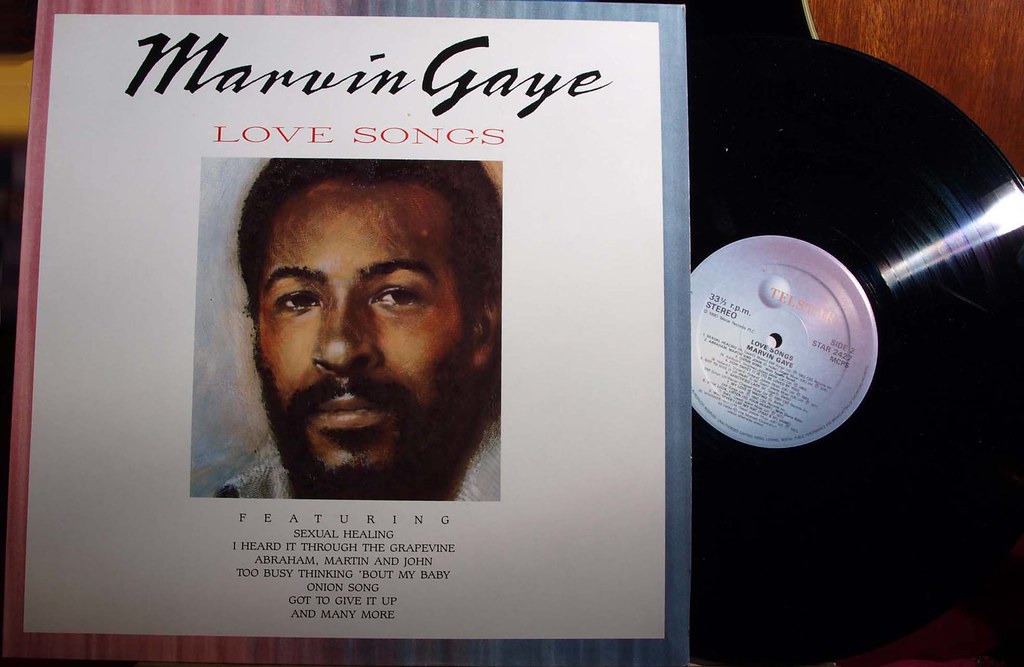
9. **Marvin Gaye: Alimony, Taxes, and a Tragic Legacy**Marvin Gaye, an iconic figure celebrated for his enduring contributions to soul music, epitomized success in his artistic endeavors, yet his financial trajectory was marred by an extravagant lifestyle that ultimately led to significant ruin. His story is a complex tapestry of creative genius, personal turmoil, and profound financial mismanagement, culminating in a tragic end.
Early in his financial decline, Gaye faced bankruptcy and fell considerably behind on alimony payments to his first wife, Anna Gordy Gaye. A pivotal court order in 1976 mandated that he pay his ex-wife $600,000 from the royalties of his upcoming album, “Here, My Dear.” This unprecedented ruling forced his artistic output into a direct financial obligation, intertwining his creative and financial destinies.
However, Gaye reportedly resisted making these court-ordered payments, instead continuing to spend money recklessly, illustrating a profound disconnect between his financial realities and his spending habits. This willful disregard for his obligations deepened his financial quagmire, setting a perilous course that would follow him for the remainder of his life.
By the time of his untimely demise in 1984, Gaye remained in significant arrears to both his ex-wives, Anna and Jansi, owing an estimated $300,000 in unpaid alimony. Furthermore, his total debt reportedly climbed to $9.2 million, with a staggering $4.5 million owed in outstanding taxes to the IRS, underscoring the severe and compounding consequences of his financial choices. Despite the initial financial ruin, through adept management of his music rights by his executors, his legacy was transformed into a substantial income source for his three children, and his mountain of debt was ultimately resolved.

10. **Dennis Rodman: The Betrayal of Trust and Tax Evasion**Dennis Rodman, the flamboyant former NBA star, witnessed a dramatic erosion of his estimated $27 million net worth to a mere $500,000, presenting a stark illustration of how poor financial decisions, compounded by misplaced trust in others, can lead to devastating consequences. His narrative is a cautionary tale of both personal financial oversight and vulnerability to exploitation.
A significant factor in Rodman’s financial unraveling was his unfortunate association with Peggy Ann Fulford, a purported financial advisor who ultimately defrauded him and other clients out of millions. Fulford gained control over Rodman’s bank accounts, effectively preventing him from accessing his own money, and proceeded to launder funds through a network of shell corporations, three of which were deceitfully established in Rodman’s own name. This profound breach of trust by someone positioned as a financial guardian highlights the critical importance of rigorous vetting and oversight in managing personal wealth.
Beyond this egregious act of fraud, Rodman’s own excessive spending habits also played a crucial role in his financial decline. His penchant for luxury cars and other extravagant purchases, alongside his reported failure to pay taxes, exacerbated an already precarious financial situation. These personal choices, combined with the external manipulation of his funds, created a perfect storm for financial disaster.
The legal repercussions for Fulford were severe; she was ultimately sentenced to 10 years in prison and ordered to pay $5.7 million in restitution. Rodman’s case vividly underscores the dual threats of internal financial indiscipline and external predatory schemes, serving as a powerful warning about the dangers of unchecked spending and the profound risks of entrusting one’s financial well-being to unscrupulous advisors.

11. **Kim Basinger’s Town Purchase: A Grand Vision, a Massive Loss**Kim Basinger, an acclaimed actress, embarked on an ambitious and ultimately disastrous real estate venture that stands as a stark reminder of the risks associated with speculative investments. Her decision to acquire an entire town, rather than a single property, demonstrates an entrepreneurial zeal that, without prudent market assessment, can lead to colossal financial setbacks.
In 1989, Basinger made headlines by purchasing Braselton, Georgia, a town spanning 1,751 acres, for a staggering $20 million. Her grand vision was to transform this rural locale into a vibrant tourist attraction and a functional film production hub, a bold move intended to meld her artistic background with a significant commercial enterprise.
However, this ambitious plan failed to materialize as envisioned. The complexities of developing and managing such a large-scale project proved overwhelming, and market realities likely diverged from initial projections. This lack of strategic execution and unforeseen challenges ultimately led to the unraveling of her grand scheme.
Just a few years later, in 1993, Basinger was compelled to sell her stake in Braselton for a mere $1 million, resulting in a monumental $19 million loss. This dramatic financial reversal cemented her town purchase as a prominent example of a high-stakes, ill-advised real estate investment, illustrating how even with significant capital, an absence of thorough due diligence and market understanding can lead to devastating financial consequences.

12. **Bono’s Tech Misfire: The Perils of Ill-Timed Innovation**Bono, the iconic frontman of U2 and a renowned investor, experienced a notable financial setback through his investment in Palm, Inc., a case that highlights the inherent volatility and unpredictable nature of the technology sector. His experience underscores that even astute investors can misjudge market shifts, leading to significant capital depreciation.
Through his investment company, Elevation Partners, Bono made a substantial investment in Palm, a pioneer in personal digital assistants and early smartphones. The strategic intent was to capitalize on the burgeoning mobile technology market, positioning Palm as a key player in the next generation of personal computing devices.
However, the timing of this investment proved to be critically unfortunate. Elevation Partners invested heavily in Palm just prior to a seismic shift in the mobile phone landscape, specifically the explosive dominance of modern smartphones led by Apple’s iPhone and Google’s Android ecosystem. Palm struggled to adapt and compete against these more innovative and rapidly evolving platforms.
As a consequence of Palm’s inability to maintain market relevance and its subsequent decline, the company’s value plummeted. This rapid devaluation directly impacted Bono’s stake, leading to a reported loss of nearly 50% of its worth. The case serves as a poignant reminder of the fierce competition and rapid innovation cycles in tech, where even well-placed investments can falter if market dynamics shift unexpectedly.
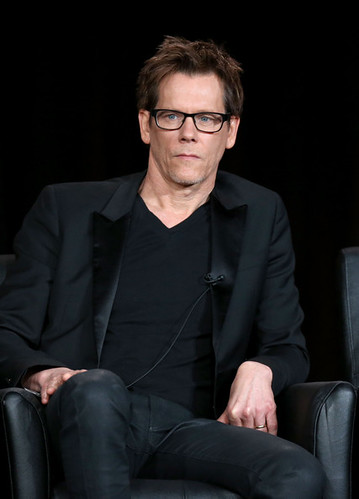
13. **Kevin Bacon’s Ponzi Scheme Loss: The Universal Vulnerability to Fraud**Kevin Bacon and his wife, Kyra Sedgwick, became high-profile casualties of one of the largest financial frauds in history, Bernie Madoff’s infamous Ponzi scheme. Their experience underscores that even individuals with significant resources and seemingly sound financial advice can fall victim to elaborate deception, exposing a universal vulnerability to sophisticated fraud.
Madoff’s scheme, which promised consistently high and stable returns, attracted a vast array of investors, many of whom were wealthy and experienced. Bacon and Sedgwick, like thousands of others, entrusted millions of dollars to Madoff’s firm, believing they were making a safe and secure investment that would safeguard their financial future. The promise of reliable growth, often touted by the perpetrator, proved to be an irresistible lure.
The devastating revelation that Madoff’s operation was entirely fraudulent, sustained only by new investor money paying off earlier ones, sent shockwaves through the financial world. For Bacon and Sedgwick, this meant the sudden and complete loss of their invested millions, a severe blow to their financial stability and a profound betrayal of trust.
Their experience vividly illustrates the insidious nature of Ponzi schemes, which can ensnare even the most cautious investors by cultivating an illusion of credibility and consistent performance. It serves as a stark cautionary tale, emphasizing that vigilance, independent verification, and a healthy skepticism toward opportunities that seem too good to be true are essential defenses against financial fraud, regardless of one’s wealth or stature.
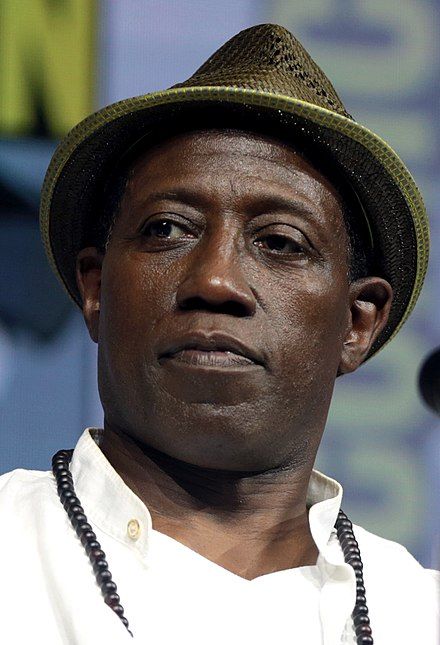
14. **Wesley Snipes’ Tax Scandal: The High Price of Dubious Advice**Wesley Snipes, a celebrated actor known for his compelling screen presence, faced a severe financial and personal crisis due to his entanglement in a high-profile tax evasion case. His conviction for failing to pay $7 million in taxes underscores the critical importance of seeking credible financial and legal counsel and the profound consequences of acting on dubious advice.
Snipes’ troubles stemmed from his association with promoters of tax avoidance schemes who advised him to file false refund claims and to ignore his tax obligations. Believing this counsel, Snipes did not file federal income tax returns for several years, a decision that eventually drew the intense scrutiny of the Internal Revenue Service and federal prosecutors.
The legal proceedings that followed were extensive and highly publicized, culminating in Snipes’ conviction on three misdemeanor counts of willful failure to file income tax returns. This verdict highlighted the judicial system’s intolerance for deliberate tax evasion, regardless of the advice received or the individual’s celebrity status.
The consequences for Snipes were substantial and far-reaching. He was sentenced to three years in federal prison, a period that significantly disrupted his career and tarnished his public image. His case remains a powerful testament to the severe legal and professional repercussions that can arise from misguided financial strategies and the indispensable need for responsible tax compliance, emphasizing that ultimate accountability rests with the taxpayer.
The diverse financial journeys of these prominent figures collectively paint a nuanced picture of wealth management in the public eye. From the siren song of celebrity apps promising unprecedented returns to the quiet erosion of fortunes through neglected tax bills, ill-timed market gambles, and predatory Ponzi schemes, the lessons are clear. Maintaining robust financial literacy, exercising rigorous due diligence, and cultivating an unyielding commitment to ethical and responsible financial conduct are not merely advisory principles but indispensable pillars for safeguarding wealth, ensuring enduring financial stability, and preserving one’s legacy against the relentless currents of ambition and deceit.