The dollar sign, that ubiquitous symbol gracing everything from price tags to financial reports, is far more than just a simple mark of currency. It’s a silent storyteller, carrying centuries of history, global trade, and cultural evolution within its elegant form. From its mysterious origins intertwined with powerful colonial empires to its modern-day appropriation across the vast landscape of computing, the ‘$’ is a symbol whose journey is as fascinating as it is pervasive.
For many, it’s merely a shorthand for money, a prefix to a number that dictates value. But delve a little deeper, and you uncover a tapestry woven with debates among historians, linguistic shifts, and even the artistic choices of type designers. It’s a testament to its enduring power that a symbol born out of practical necessity continues to adapt and thrive in an ever-changing world, consistently finding new meanings and applications.
This in-depth exploration will take you on a journey through the multifaceted world of the dollar sign, examining its ancient roots, tracing its evolution across continents and currencies, and revealing how it became an indispensable part of our digital age. Prepare to discover the untold stories behind one of the most recognizable symbols on Earth.

1. **The Dollar Sign: A Universal Icon**The dollar sign, a simple yet powerful graphical element, is universally recognized as an indicator of various currencies around the globe. Consisting fundamentally of a capital ⟨S⟩ crossed with one or two vertical strokes, it serves as a shorthand for monetary units, most commonly those denominated “dollar” or “peso.” This compact symbol has transcended linguistic and national borders to become a truly international emblem of finance.
Its widespread acceptance means that in many English-speaking countries that employ this symbol, it precedes the amount specified, such as “$1,” which is read aloud as “one dollar.” This convention streamlines financial communication, making amounts instantly recognizable and comprehensible across diverse economic contexts. The sheer breadth of its application underscores its importance in daily transactions and global commerce.
Beyond its primary role as a currency indicator, the dollar sign’s fundamental design flexibility has allowed for stylistic variations that, while sometimes debated in specific historical or regional contexts, largely coalesce under a single Unicode standard. This unity in digital representation, despite visual differences, highlights its core identity as a singular, indispensable currency marker. The simplicity of its form belies the depth of its historical and functional significance.
Read more about: Hold On Tight! 14 Classic Cars That Were Absolutely Iconic and Are Still Crazy Cool
2. **Graphical Variants: The Cifrão and Beyond**While the dollar sign is generally depicted with a single vertical stroke, a double-barred version also exists, most notably known as the cifrão in Portuguese-speaking countries. These one- and two-stroke variations are often considered mere stylistic or typeface-dependent distinctions. However, history reveals instances where one form might have been specifically designated, whether by law or custom, for a particular currency, adding a layer of nuanced usage to its visual identity.
The Unicode computer encoding standard, in its quest for universal character representation, defines a single code for both the single and double-stroke versions of the dollar sign. This decision reflects the prevailing view that these are primarily aesthetic differences rather than representing fundamentally distinct symbols. Consequently, the visual rendering can vary depending on the font used, meaning a single digital character might appear with one or two strokes.
Despite Unicode’s approach, the explicitly double-barred sign, the cifrão, holds significant cultural and historical weight, particularly within the Portuguese language. Its distinct name and specific applications in financial notation within the Portuguese Empire underscore that for some, the difference is more than just stylistic; it carries specific historical and customary implications that set it apart from its single-barred counterpart.
3. **Historical Genesis: From Spanish Pesos to American Dollars**The earliest known appearances of the dollar sign trace back to business correspondence from the 1770s, originating in the West Indies. In these crucial documents, the symbol referred to the Spanish American peso, a coin also widely recognized in British America as the “Spanish dollar” or “piece of eight.” This foundational connection to Spanish coinage is paramount to understanding the symbol’s subsequent global adoption.
The Spanish coins served as the direct model for the currency that the newly independent United States would adopt in 1792. Moreover, they influenced the larger coins issued by the nascent Spanish American republics, including the Mexican peso, Argentine peso, Peruvian real, and Bolivian sol. This demonstrates a clear lineage, positioning the Spanish peso as the ancestral currency whose abbreviation or symbolic representation eventually became the modern dollar sign.
The symbol’s emergence in this specific historical and geographical context – bustling trade routes of the West Indies and the nascent economies of the Americas – highlights its origins as a practical scribal abbreviation. It was designed to efficiently represent a widely circulated and highly valued coin in a period of intense economic activity and burgeoning international commerce, setting the stage for its enduring legacy.
Read more about: The Enduring Symbol: A Comprehensive Examination of the Dollar Sign’s Origins, Evolution, and Modern Applications

4. **The US Dollar’s Adoption and Early Symbolism**With the landmark Coinage Act of 1792, the United States Congress formally established the U.S. dollar, explicitly defining its value to be “the value of a Spanish milled dollar as the same is now current.” This legislative act solidified the Spanish dollar’s pervasive influence on the American monetary system. For many years, a diverse array of foreign coins, primarily Spanish, remained legal tender in the U.S. until this status was finally rescinded by the Coinage Act of 1857.
Interestingly, the earliest U.S. dollar coins themselves did not feature any dollar symbol. The transition from a legislative definition to a symbolic representation took some time. The first documented appearance of the dollar sign in print is generally attributed to the 1790s, with a claim specifically pointing to Philadelphia printer Archibald Binny, renowned for creating the Monticello typeface. This suggests that the symbol’s widespread textual use predated its formal incorporation onto currency itself.
A notable, albeit later, example of the symbol’s use on U.S. currency appeared on the $1 United States Note issued in 1869. This particular note prominently displayed a large symbol comprising a “U” with its right bar overlapping an “S,” creating a single-bar dollar sign effect. Additionally, a much smaller double-stroke dollar sign was included within the legal warning against forgery, illustrating the varying forms and contexts in which the symbol began to appear on official documents and currency.
Read more about: The Enigmatic Dollar Sign: 14 Deep Dives into Its Rich History, Global Reach, and Ubiquitous Digital Presence
5. **Hypothesis 1: The “p s” Abbreviation Theory**Among the several competing hypotheses regarding the dollar sign’s precise origin, the most widely accepted theory posits that the sign evolved from the Spanish and Spanish American scribal abbreviation “p s” for “pesos.” This theory is strongly supported by an extensive study of late 18th- and early 19th-century manuscripts, which meticulously document a gradual graphical transformation.
These historical manuscripts reveal a fascinating evolution where the lowercase “s” in “p s” progressively began to be written directly over the “p.” Through repeated use and the natural fluidity of handwriting, this superimposition coalesced into a mark that bears a striking resemblance, almost an exact equivalent, to the modern “$” sign. It’s a compelling narrative of how a practical shorthand in daily commerce subtly morphed into an enduring international symbol.
Further supporting this theory is the record of Oliver Pollock, a prominent wealthy Irish trader and an early, fervent supporter of the American Revolution. In a letter dated 1778, Pollock is known to have used the abbreviation “ps,” often rendering it in a way that, when viewed, almost perfectly mirrors the dollar sign we recognize today. This direct historical evidence from a key figure of the era provides substantial weight to the “p s” abbreviation as the probable genesis of the dollar sign.
Documents also attest to the common use of the two-stroke version in Portugal as early as 1775, suggesting a parallel or shared evolution of the symbol in different geographical contexts, further complicating its singular origin story yet reinforcing its historical depth and widespread use in the eighteenth century.
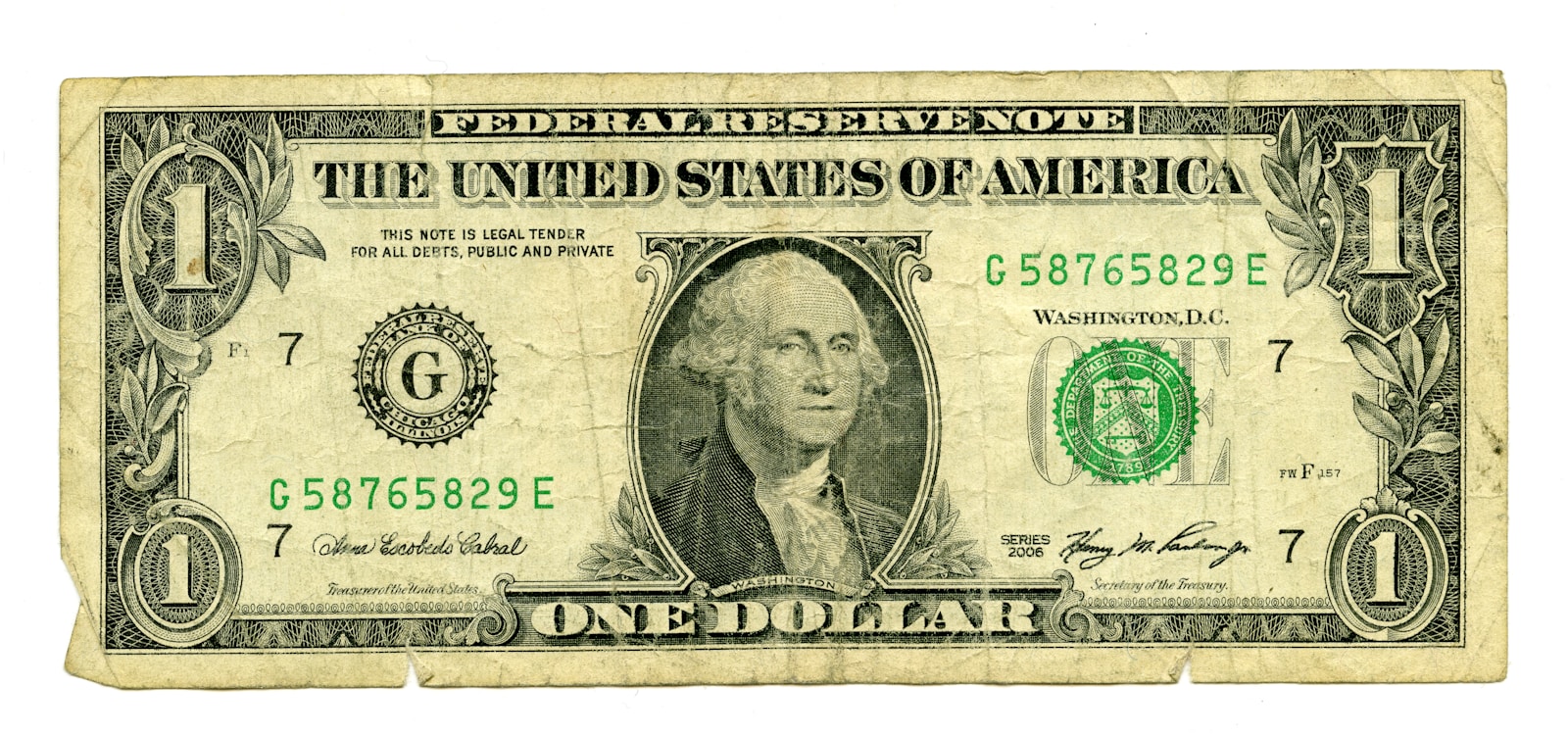
6. **Hypothesis 2: The Pillars of Hercules Symbolism**Another prominent hypothesis concerning the dollar sign’s origin ties its form to the iconic depiction of the Pillars of Hercules. These pillars, a classical symbol representing the two sides of the Strait of Gibraltar, frequently appeared on Spanish coinage. The theory suggests that the “S” shape of the dollar sign could have originated from a ribbon wrapped around each pillar, or perhaps both pillars, in a serpentine fashion, forming the distinctive “S.”
This classical device was a significant support element of the Spanish coat of arms and was prominently featured on the most common real de ocho coins circulating throughout the Americas and Europe during that period. Specifically, coins minted at the legendary Potosí mint in Bolivia, which operated robustly from 1573 to 1825, famously displayed this imagery. The visual connection between the “S”-shaped ribbons on these highly circulated coins and the dollar sign is therefore quite compelling.
Indeed, the influence of this imagery was so profound that in Qing Dynasty China, one of the names used for Spanish dollars was 雙柱 (Shuāngzhù), which directly translates to ‘double-pillar.’ This cultural appropriation of the visual motif into the nomenclature for the currency further strengthens the argument that the Pillars of Hercules, with their distinctive ribbon, played a significant role in shaping the symbolic representation of the Spanish dollar, and by extension, our modern dollar sign.
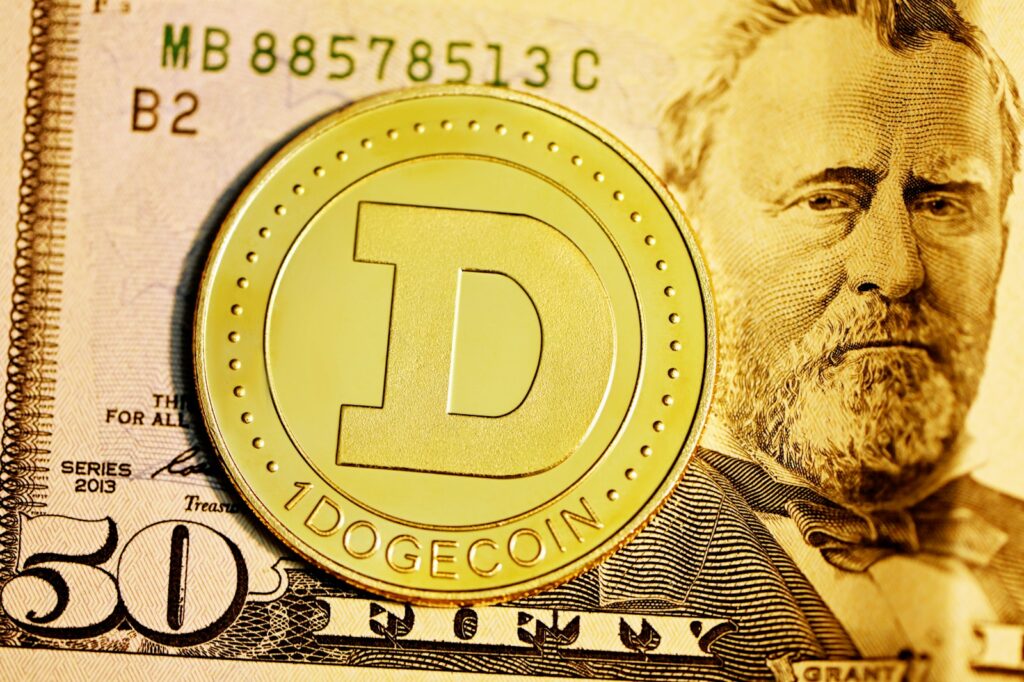
7. **Hypothesis 3: The Potosí Mint Mark Theory**A variant of the Pillars of Hercules theory, also focusing on the Potosí mint, proposes that the dollar sign originated from the mint’s unique mark itself. The Potosí mint in Bolivia was an incredibly prolific source of silver for the Spanish Empire, and its coins bore distinctive features, including superimposed letters that formed its mint mark.
On these particular coins, the letters “P T S I” were often superimposed in a complex monogram. The intriguing aspect of this design is that the core element of this elaborate monogram, when carefully examined, reveals a shape remarkably similar to a single-stroked “$” sign. This suggests a direct visual lineage from the mint’s own identifying mark to the currency symbol.
This hypothesis offers a very concrete and localized origin for the dollar sign, tying it directly to the source of the vast quantities of silver that underpinned the Spanish American peso. If the most common coins of the era carried this implicit symbol within their mint mark, it is plausible that it could have been adopted and simplified as a quick, recognizable shorthand for the currency it represented, a testament to practical needs shaping symbolic evolution.
8. **Global Reach: Currencies Beyond the US Dollar**The dollar sign, an incredibly versatile symbol, extends its influence far beyond its primary association with the United States dollar. Its concise form and historical ties to the Spanish American peso have led to its adoption as a key indicator for numerous currencies globally, particularly those officially denominated “dollar” or “peso.” This universal recognition underscores its functional clarity in international finance and trade.
Beyond these direct denominations, the ‘$’ symbol has been strategically integrated into monetary systems with different names. Examples include the Brazilian real (R$), Ethiopian birr (E$), Macanese pataca (MOP$), and Nicaraguan córdoba (C$), where it appears alongside other glyphs. Its presence across such diverse currencies highlights its fundamental utility as a monetary identifier, effectively bridging various linguistic and cultural contexts in global commerce.
Historically, the dollar sign also marked currencies in Southeast Asia, such as the Malaya and British Borneo dollar and the Malaysian ringgit (M$). For unambiguous international communication, the ‘$’ is often combined with national prefixes (e.g., CA$ for Canadian dollar), though in local usage, these prefixes are frequently omitted. While the ISO 4217 three-letter codes are preferred in professional settings, the dollar sign remains a powerful and recognizable symbol in everyday transactions worldwide.
Read more about: The Dollar Sign: Tracing Its Storied Origins, Global Currency Impact, and Unexpected Digital Dominance
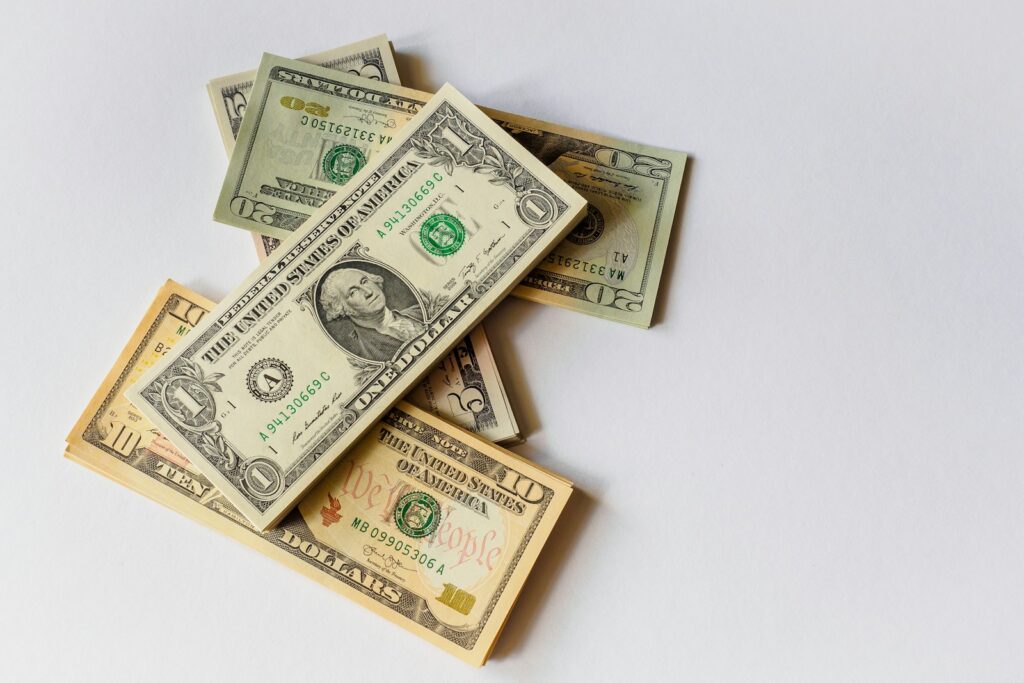
9. **Placement Conventions: Prefix, Suffix, and Cultural Nuances**The positioning of the dollar sign relative to its numerical value showcases fascinating cultural and linguistic conventions across different regions. In many English-speaking countries, including the United States, Mexico, Australia, and English-speaking Canada, the symbol traditionally precedes the amount, such as “$5.” This convention provides an immediate visual cue that the number represents a currency value.
However, French-speaking Canada presents a notable divergence, with the dollar symbol typically appearing after the number, for example, “5$.” This subtle but distinct difference highlights how local linguistic practices profoundly shape financial notation. Such variations emphasize the importance of understanding regional customs to prevent misinterpretations in cross-cultural financial communications.
These placement rules are consistent with other currency symbols; the cent symbol often follows the number (e.g., “5¢”) where it is used. These embedded stylistic choices reflect deeply ingrained national habits. While they simplify daily transactions for local populations, the increasing reliance on international standards like ISO 4217 three-letter codes (e.g., USD, CAD) in global finance ensures universal clarity, minimizing ambiguity from diverse regional placements.
10. **The Cifrão and Its Unique Role in the Portuguese Empire**The cifrão, the distinctive double-barred variant of the dollar sign, played a unique and historically significant role within the Portuguese Empire. In Portugal, Brazil, and their former colonies, the cifrão (Portuguese pronunciation: [siˈfɾɐ̃w]) functioned as a vital thousands separator in the national currency, the real. This practice, documented as early as 1775, added a specific character to Portuguese financial notation.
For instance, “123$500” would denote 123,500 réis, with the cifrão clearly segmenting thousands. This method provided a visual structure to large monetary figures, facilitating readability in a currency system that often involved numerous zeros. The cifrão, consistently rendered with two vertical lines, became an embedded symbol of Portuguese financial identity, distinct from the single-barred dollar sign used in many other parts of the world.
Even after Portugal transitioned its national currency to the escudo in 1911, with 100 centavos, the cifrão continued its specialized use. It evolved to function as a decimal separator, meaning “123$50” represented 123.50 escudos. This innovative application persisted until Portugal adopted the euro in 2002. Today, Cape Verde, a former Portuguese colony, remarkably maintains this unique cifrão usage as its decimal separator, illustrating the cifrão’s lasting legacy in the lusophone world. The name “cifrão” itself, from Arabic “ṣifr” for ‘zero,’ underscores its foundational connection to numerical demarcation.
Read more about: The Enduring Mystery of the Dollar Sign: Tracing Its Origins, Evolution, and Unseen Influence
11. **Digital Identity: The Dollar Sign’s Unicode Encoding and Variants**The dollar sign’s widespread presence in our digital landscape stems from its early and essential inclusion in computer character sets, especially for business accounting applications. This historical precedent cemented its role, allowing its appropriation for numerous non-monetary purposes in programming languages and command interfaces, showcasing its remarkable adaptability in the digital era.
Its core digital representation is Unicode code point U+0024, directly inherited from ASCII. This single code point is universally recognized by computers. Importantly, Unicode treats the one- and two-line versions of the dollar sign as “graphic variants” or “allographs,” meaning they are stylistic differences dependent on the typeface rather than distinct encoded characters. Thus, the visual rendering can change with the font, while the underlying digital code remains U+0024.
While U+0024 is primary, Unicode includes additional variants from East Asian standards like U+FE69 (SMALL DOLLAR SIGN) and U+FF04 (FULLWIDTH DOLLAR SIGN), which offer aesthetic or typographic adjustments but retain the same meaning. However, for functional use in computing applications, U+0024 is typically the sole recognized code. Despite requests for a dedicated code point for the cifrão due to its distinct significance, it has not been implemented, meaning visual consistency for the double-bar cannot be guaranteed, though context or ISO 4217 codes usually clarify.
Read more about: The Dollar Sign: Tracing Its Storied Origins, Global Currency Impact, and Unexpected Digital Dominance
12. **A Programmer’s Ally: The Dollar Sign in Coding Languages**The dollar sign’s evolution from a financial symbol to a fundamental element in computer programming is a testament to its versatility. Its early integration into character sets made it a natural choice for various roles in programming languages and scripting environments, extending far beyond its monetary origins. Its distinct visual presence made it ideal for defining variables, delimiting expressions, and signaling specific operations within code.
In BASIC, the dollar sign is appended to a variable name to declare it as a character string, like `H$=”Hello, world!”`. This clear convention helped make BASIC accessible. In many modern scripting languages, ‘$’ acts as a prefix to define variables, as seen in PHP, AutoIt, and for scalar variables in Perl (e.g., `$array[7]`). Ruby also uses it for global variables. This consistent prefixing enhances code readability and parsing for developers.
Beyond variable declaration, the dollar sign introduces expressions for evaluation in Unix shells and numerous programming languages, including Perl, JavaScript, C#, Scala, Groovy, and Kotlin, enabling dynamic string construction and code execution within text. Languages like Java and Python use it for string interpolation, marking where expression results should be inserted. Its specialized uses include defining hexadecimal constants in some assembly languages (e.g., Motorola 6800) and Pascal, delimiting mathematical regions in TeX, and even serving as jQuery’s main symbol for querying HTML elements, underscoring its profound impact across the programming world.
13. **Beyond the Code: Operating System and Application Utilities**The dollar sign’s utility in computing extends significantly beyond programming languages, playing crucial roles within operating systems and various application software. Its inherent presence in character sets made it a convenient and distinct symbol for developers to signify specific system commands, properties, or data structures, solidifying its status as a versatile digital utility mark.
In early operating systems like CP/M and its MS-DOS successors, the ‘$’ marked the end of text displayed by system function 9, a vital function for processing and presenting text strings. Windows further leverages ‘$’ for network resource management: appending it to a share name (e.g., `\\server\share$`) creates a hidden share, accessible only by explicit reference. This enhances network organization and security for administrative shares, preventing casual network discovery.
Beyond system functions, the dollar sign is indispensable in applications like spreadsheet software (e.g., Excel), where it denotes fixed row, fixed column, or absolute cell references. This critical feature allows users to “lock” cell references in formulas, essential for complex financial models. Its use as an end-of-line or end-of-string marker in text editors (ed, ex, vi) and regular expressions (sed, grep, Perl) further demonstrates its pervasive role in text processing and pattern matching, highlighting its practical applications across the digital landscape.
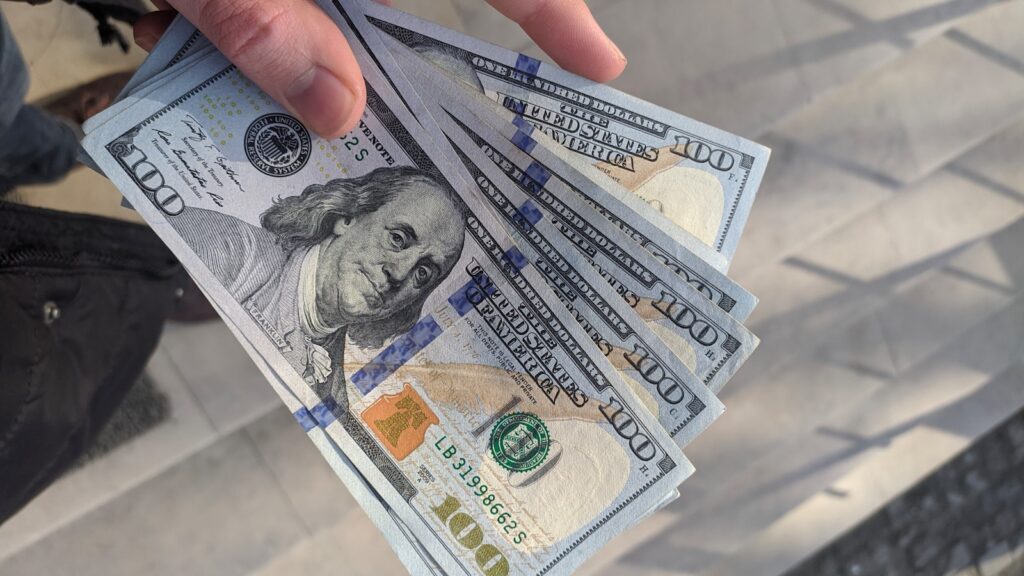
14. **Modern Appropriations: From Derision to Nuclear Reactivity**The dollar sign, a powerful and universally recognized symbol, has transcended its original financial and computing roles, permeating diverse modern domains in surprising ways. Its distinctive graphic form lends itself to appropriations ranging from cultural commentary to highly specialized technical indicators, showcasing its remarkable versatility and enduring cultural resonance.
A common, often critical, use involves replacing the letter ‘S’ in names or words to imply greed, commercialism, or Americanization. Examples like “Micro$oft,” “Di$ney,” or “$ky” immediately convey a satirical or critical tone, linking the entity to perceived monetary motives. Conversely, artists and brands intentionally stylize names like A$AP Rocky, Ke$ha, and Ty Dolla $ign, or words like “¥€$,” using the symbol to create a distinct, edgy, or globally aware image, demonstrating its power in branding and identity.
Its reach extends into highly specialized fields, such as nuclear reactor physics. Here, the dollar symbol functions as a precise unit of reactivity: 0$ marks the threshold of “slow criticality” (steady reaction rate), while 1$ signifies “prompt criticality,” a condition that could lead to a nuclear explosion. This critical application underscores the symbol’s ability to denote vital operational parameters concisely and universally within a highly technical domain. Even in niche areas like Scrabble notation, it indicates validity according to North American word lists but not British ones. From currency to culture to science, the dollar sign is a truly multifaceted and ever-evolving global symbol.
From its mysterious origins tied to Spanish colonial trade to its sophisticated applications in modern computing and even nuclear physics, the dollar sign has proven itself to be far more than just a simple currency marker. It’s a symbol woven deeply into the fabric of global history, technology, and culture, constantly adapting and acquiring new meanings. Its enduring power lies in its universal recognizability and its remarkable capacity to encapsulate complex ideas in a single, elegant glyph, continually reminding us of the dynamic interplay between symbols, society, and innovation.