The term “luxury” frequently conjures images of opulent mansions, designer handbags, or exclusive yachts, evoking a sense of extravagance and exclusivity. Yet, as we navigate a world of ever-shifting values and rapid technological advancements, the essence of what constitutes true luxury has become increasingly ambiguous and personal. It is, indeed, a word “as overused as it is undefined,” with every individual and every brand seemingly holding a unique understanding of its meaning in the modern era.
Historically, luxury has been a fluid concept, perpetually evolving from one generation to the next. What was once considered a lavish indulgence could very well transform into a standard necessity over time, blurring the lines between what is truly luxurious, what offers comfort, and what is indispensable. This article will embark on an in-depth exploration of this fascinating concept, tracing its historical roots, dissecting its economic and social implications, and ultimately, examining the diverse, often surprising, perspectives on what luxury truly represents in the 21st century.
Our journey will uncover how luxury has shaped economic development and artistic movements, and how its economic impact has been debated for centuries by prominent thinkers. We will then delve into contemporary thought, gathering insights from leading figures in fashion and culture who challenge traditional notions and redefine luxury through the lens of personal experience, freedom, and emotional connection. Prepare to reconsider everything you thought you knew about the world of luxury, moving beyond its surface-level definitions to grasp its deeper, more complex significance.

1. **Defining Luxury: A Timeless and Personal Concept**
At its core, luxury is fundamentally a word that “implies a relatively large consumption of wealth for nonessential pleasures.” However, the concept is far from absolute, as there is “no absolute definition of luxury, for the conception is relative to both time and person.” This means that what one generation considers a luxury, a later period may come to view as a necessity, making it difficult to draw a strict line between luxuries, comforts, and everyday essentials.
History offers numerous compelling examples of this fluid transition. The private bath, for instance, was considered “one of the greatest luxuries of the Roman Empire.” Fast forward to the 19th century, and its use was still “largely confined to the wealthy.” Yet, in our modern developed world, the private bath “may be ranked among the necessities,” illustrating a profound shift in societal expectations and standards of living.
From a practical standpoint, luxury can be broadly defined as “any expenditure in excess of the normal and customary standard of living of the class to which an individual belongs.” This definition highlights its subjective nature and its dependence on an individual’s socio-economic context. Understanding luxury involves navigating a complex interplay of “economic, social, and ethical considerations,” each contributing to its multifaceted character.
The absence of a fixed definition underscores luxury’s adaptability and its mirroring of societal progression. As cultures evolve and wealth accumulates, so too do our perceptions of what constitutes an indulgence versus a basic need. This constant re-evaluation ensures that luxury remains a dynamic and deeply personal concept.
Read more about: Norman Bridwell, Author Whose Beloved Big Red Dog Taught Generations Unconditional Love, Dies at 86
2. **The Economic Engine: How Luxury Fuels Development**
Beyond its personal definition, luxury has played a truly “great role in the history of economic development.” It’s not merely about individual desires but has historically acted as a significant catalyst for broader economic changes, shaping societies and industries in unexpected ways.
The scholar Werner Sombart, in his work *Luxus und Kapitalismus*, notably “proposed that the luxurious expenditure of the papacy and of the courts in the Middle Ages stimulated the growth of modern capitalism.” His theory suggests that by concentrating the “rentals of distant estates” at a “central spot,” wealth accumulated in specific urban centers. This accumulation, in turn, fostered “a relatively large market for the products of certain industries,” thereby creating the “necessary conditions for the development of capitalist enterprise.”
The historical experience of France provides a vivid illustration of this dynamic. The “continual drain of wealth from the countryside to Paris and Versailles” was exacerbated by “a vicious system of taxation and the burdensome restrictions of feudal tenure.” These conditions simultaneously spurred significant “industrial activity,” which was meticulously “fostered by the mercantilist policy of the statesman Jean-Baptiste Colbert and his successors,” demonstrating a state-supported embrace of luxury-driven production.
However, this system also contained the seeds of its own disruption. These same conditions “led eventually to the disruption of the old social order and the turmoil of the French Revolution.” This historical paradox highlights that while luxury can ignite economic activity, unchecked extravagance and systemic inequalities can also destabilize a society. Interestingly, “a precisely opposite view and method of life—that of the Puritans, with their strong moral condemnation of luxury and their emphasis on the value of hard work and abstinence from all unnecessary consumption—should have contributed even more notably to the growth of capital and to the expansion of industry and commerce in other countries,” presenting a stark contrast in economic drivers.
Read more about: Beyond the Garage: 15 Vintage Cars That Are Secretly Skyrocketing in Value Right Now
3. **Luxury’s Artistic Legacy: Shaping Culture and Taste**
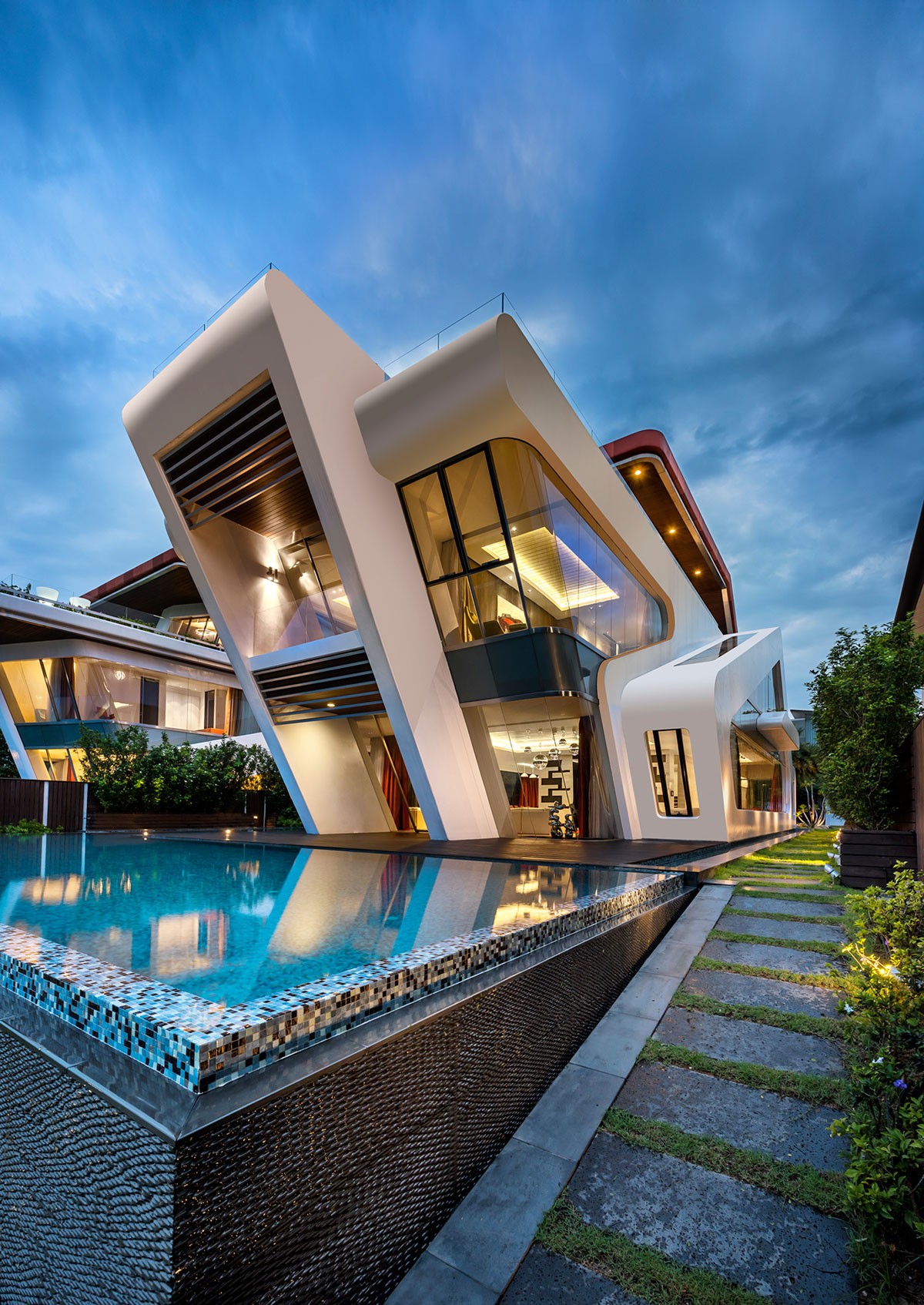
Luxury’s influence extends far beyond mere economic statistics, profoundly impacting the trajectory of art and culture. It has undeniably “made its influence felt in other directions as well,” acting as a powerful patron and a driving force behind stylistic shifts throughout history.
In Italy, for instance, “the rise of the merchant princes gave a new direction to the whole course of art.” Prior to this, the medieval church had been the primary patron, dictating themes and styles. With the emergence of wealthy merchants, artists suddenly “had to conform in his work to the standards and tastes of those who provided the market for his products,” leading to a diversification of artistic expression.
This shift brought about a significant transformation in artistic subject matter and aesthetics. “Simple piety gave way to the sumptuous paganism of the Renaissance period,” reflecting the new patrons’ classical interests and desire for elaborate display. This evolution continued, leading “in turn to the elaborate ornamentation and decorative inventiveness which was perhaps at its best in the metal work of Benvenuto Cellini,” whose intricate designs exemplify the era’s pursuit of luxurious artistry.
The patronage of luxury not only provided financial support for artists but also fostered innovation and pushed creative boundaries. It allowed for the exploration of new themes, materials, and techniques, ultimately enriching the artistic landscape and leaving a lasting legacy that continues to inspire and awe. The relationship between luxury and art is a testament to how wealth, when directed towards creative endeavors, can elevate human expression.
4. **The Economic Paradox: Luxury’s Impact on Wealth and Employment**
The growth of wealth inevitably brings with it “the increase and the differentiation of wants,” a natural progression where basic needs are satisfied, leading to desires for greater refinement. As soon as income surpasses the subsistence level, “the fundamental needs of mankind for a a minimum of food, clothing, and protection from the weather are relatively soon satisfied,” which “gives rise to a demand for greater variety and finer qualities.” This drive, historically, has been “a great stimulus to economic progress,” providing “an enormously strong incentive to work and effort.”
Despite this incentive, the societal perception of luxurious expenditure is complex, often described as “a mixture of envy—sometimes accompanied by, but often devoid of, a feeling of resentment—and of approval based on popular economic reasoning.” This approval stems from a “widespread belief that such expenditure is good for trade because it makes money circulate and therefore increases employment,” a common justification for high-end consumption.
However, classical economists, including figures “down to and including Alfred Marshall, had no hesitation in declaring that this reasoning was based on a fallacy.” While they acknowledged that spending on “racing stables or private yachts or the purchase of magnificent furs or jewelry does give employment to those engaged in the trades concerned” and benefits their localities, they argued that the popular reasoning overlooks a crucial economic principle.
The core of their argument lay in “ignoring the fact that the aggregate real resources of producing power in a country are limited at any one time.” When “a large amount of capital and labour is required to make and equip yachts and racing stables,” these resources are “withdrawn from other uses to which it would be put.” This highlights an opportunity cost that is often overlooked in simplistic economic arguments.
Instead, if the wealth typically “consumed extravagantly were saved and invested,” the economists posited that “the volume of capital would be increased, the rate of interest would tend to fall and there would be a larger demand for labour to produce goods consumed by other sections of the community.” This illustrates a preference for investment over conspicuous consumption, suggesting a different path to broader economic benefit and job creation.
5. **Luxury Today: The Premium on Time and Digital Disconnection**
Moving into the modern era, the definition of luxury has undergone a significant shift, transcending material possessions to embrace more intangible values, particularly time and disconnection from the digital world. Mel Ottenberg, editor in chief of Interview Magazine, encapsulates this sentiment perfectly: “‘Luxury today is living in real time, off the phone.’” He even shares a personal anecdote, finding “freedom from the bondage of my phone addiction via the Brick app,” emphasizing the profound sense of liberation that comes from being truly present.
Chioma Nnadi, head of editorial content for British Vogue, echoes this desire for digital detox, stating, “‘Luxury is being about to put my phone away for at least 72 hours (or thereabouts). I want to let go of feeling the pressure of time, or having to answer to anyone.’” Her ideal luxury involves a deep connection with loved ones and nature, a “‘total palate cleanser from the busy, buzzing, exciting world of traditional ‘luxury’ that I usually inhabit.’” This suggests a craving for authenticity and tranquility over typical high-end experiences.
The emphasis on time as a precious commodity is a recurring theme. Zoe Latta, a designer at Eckhaus Latta, succinctly states: “‘Time is the ultimate luxury.’” This perspective highlights that in an increasingly fast-paced and demanding world, the ability to control one’s schedule and allocate time as desired has become the most coveted form of wealth, offering true freedom.
Fashion designer Rick Owens takes this notion to its ultimate conclusion, writing in all caps to underscore his point: “‘TAKING A NAP EVERY DAY IS MY MOST EXTRAVAGANT LUXURY. WHAT COULD POSSIBLY BE MORE PRECIOUS THAN TIME, PEACE AND PERSONAL SPACE?’” This powerful statement underscores how personal well-being, undisturbed moments, and a sense of calm represent the pinnacle of luxury for many, far surpassing any material acquisition.
6. **Luxury Today: Escapism, Freedom, and Ditching Convention**
Building upon the concept of time and disconnection, many contemporary definitions of luxury converge on the idea of freedom and escapism—the ability to detach from daily pressures and live life on one’s own terms. Sara Moonves, editor in chief of W Magazine, defines it simply yet profoundly: “‘Luxury is the freedom to take your time.’” This captures the essence of autonomy and self-determination as a high-value asset.
Emilia Petrarca, a writer, elaborates on this, noting that “‘luxury in 2025 has a lot to do with escapism.’” This can manifest in various ways, from a basic weekend trip free of emails or a rejuvenating massage, to more elaborate “longer, more exotic trips and retreats.” The core idea is the immense privilege of being able to “move freely and easily through the world,” prioritizing personal well-being and exploration.
Petrarca further suggests that the ultimate luxury might be a “‘complete detachment from reality,’” particularly for those whose lives are not bound by a traditional nine-to-five job. She acknowledges that this form of luxury “can be gross and lonely, too,” sometimes leading to an isolated existence like “‘the castle on a private island, or the apocalypse bunker in New Zealand.’” However, her personal quest for luxury is about “‘the freedom to ditch convention—to sleep until noon or eat dessert before dinner—and reassimilate at my leisure,’” highlighting the joy of defying societal norms and embracing personal whims.
Designer Thom Browne adds another dimension to this sense of uncompromising freedom, stating that for him, “‘luxury is getting to do exactly what you want to do at the highest level … no compromise …’” This speaks to the pursuit of excellence and self-actualization without limitation. Image architect Law Roach offers a more accessible and relatable perspective, suggesting that “‘In this economy, anything you can afford that makes you happy is luxury,’” democratizing the concept and anchoring it in personal joy rather than exorbitant price tags or societal expectations.
7. **The Recent Boom and the Current Slowdown**
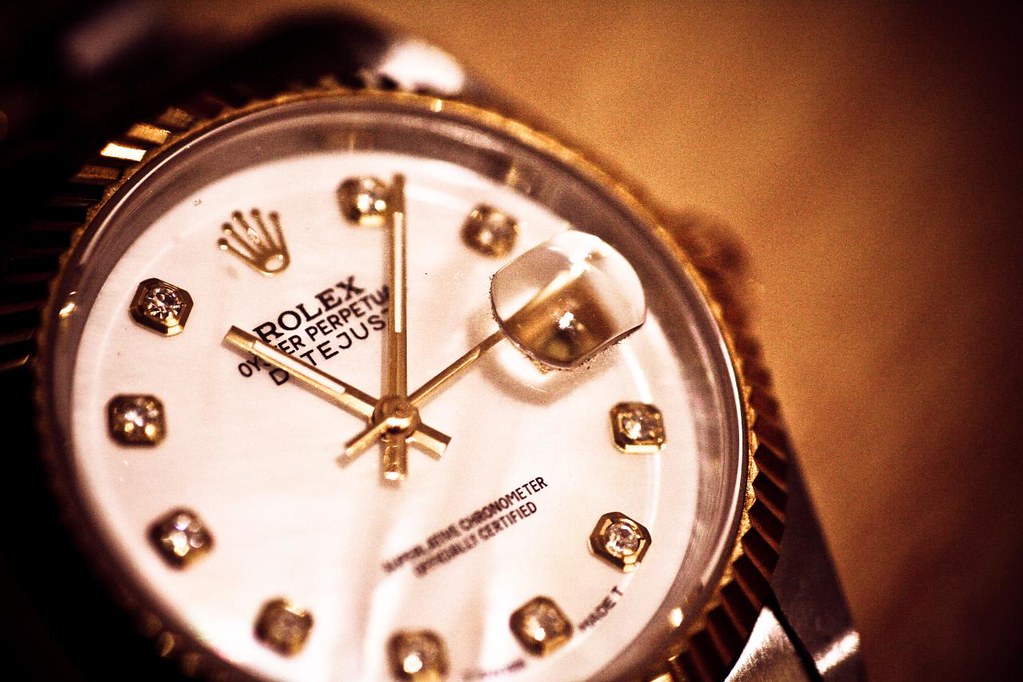
The luxury industry recently experienced an extraordinary surge, achieving “exceptional value creation” between 2019 and 2023. This boom was fueled by “unprecedented demand for personal luxury goods” across fashion, leather, watches, and jewelry. The sector boasted “a 5 percent compound annual growth rate,” allowing brands to “outperform global markets” and achieve new profitability records, demonstrating remarkable resilience and consumer appetite.
A significant driver of this growth was strategic pricing, with “price increases accounting for more than 80 percent of growth.” “Megabrands” with revenues over €5 billion played a key role, using their scale to drive “greater visibility and desirability.” This era saw luxury successfully leverage its perceived exclusivity to command higher prices, solidifying its market dominance and reinforcing its aspirational appeal globally.
However, this period of prosperity is now facing a significant downturn. As we enter 2025, the luxury industry is confronted with “a significant slowdown,” affecting even top brands. This shift is “not dissimilar to what the broader fashion industry is experiencing,” indicating a wider economic recalibration. For the first time since 2016 (excluding 2020), “luxury value creation is expected to create less value than the previous year,” marking a crucial inflection point demanding strategic re-evaluation.
Read more about: America’s Richest Landlords: Unpacking the Billions, Strategies, and Shifting Fortunes of Real Estate’s Elite
8. **Macroeconomic Headwinds and Shifting Consumer Expectations**
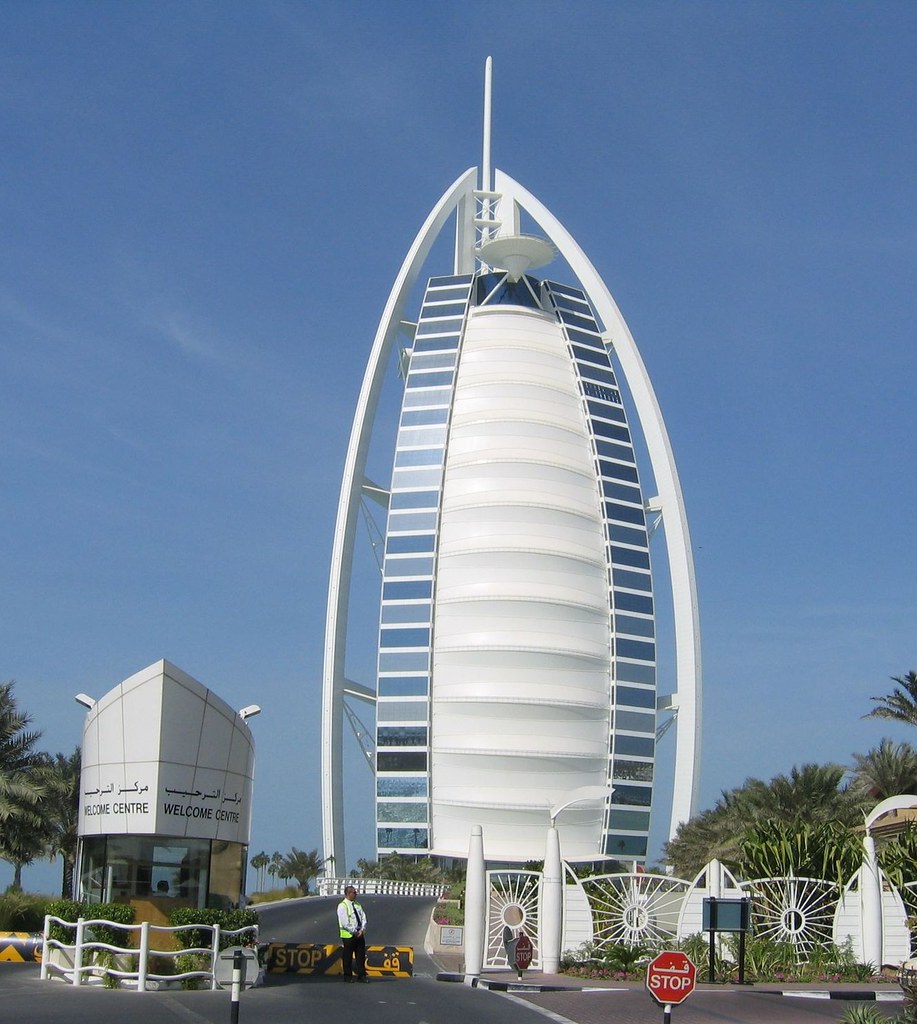
Several factors are now stalling the industry’s growth. “Price increases have reached a ceiling,” negatively impacting demand from “aspirational luxury consumers” who are increasingly sensitive to economic shifts. This indicates a growing consumer resistance to escalating costs, especially as global economic conditions tighten and discretionary spending becomes more cautious.
Compounding this, “macroeconomic headwinds” are weighing heavily on the sector. The critical China market, which drove “more than 18 percent growth annually from 2019 to 2023,” is now experiencing a slowdown. This deceleration in a pivotal region has far-reaching implications, underscoring the interconnectedness of global economies and their direct effect on luxury consumption patterns worldwide.
Moreover, the luxury client base is evolving, becoming “more diverse” with “a more complex relationship with luxury goods than ever.” This necessitates a “differentiated value proposition” to appeal to a broader and more discerning clientele, particularly in the anticipated “low-growth environment.” Brands must understand new consumer values to maintain relevance.
A prominent trend among these evolving clients is a preference for experiences over material goods. Clients are “becoming more interested in luxury experiences, not just luxury goods,” creating new competition from luxury travel and wellness sectors. Personal luxury goods players must now “exceed higher-than-ever client expectations to win spend,” compelling innovation beyond traditional product offerings.
Read more about: Beyond the Swipe: Unpacking Why Americans Continually Overspend on Credit Cards
9. **Self-Inflicted Wounds: Overexposure and Weakened Promise**
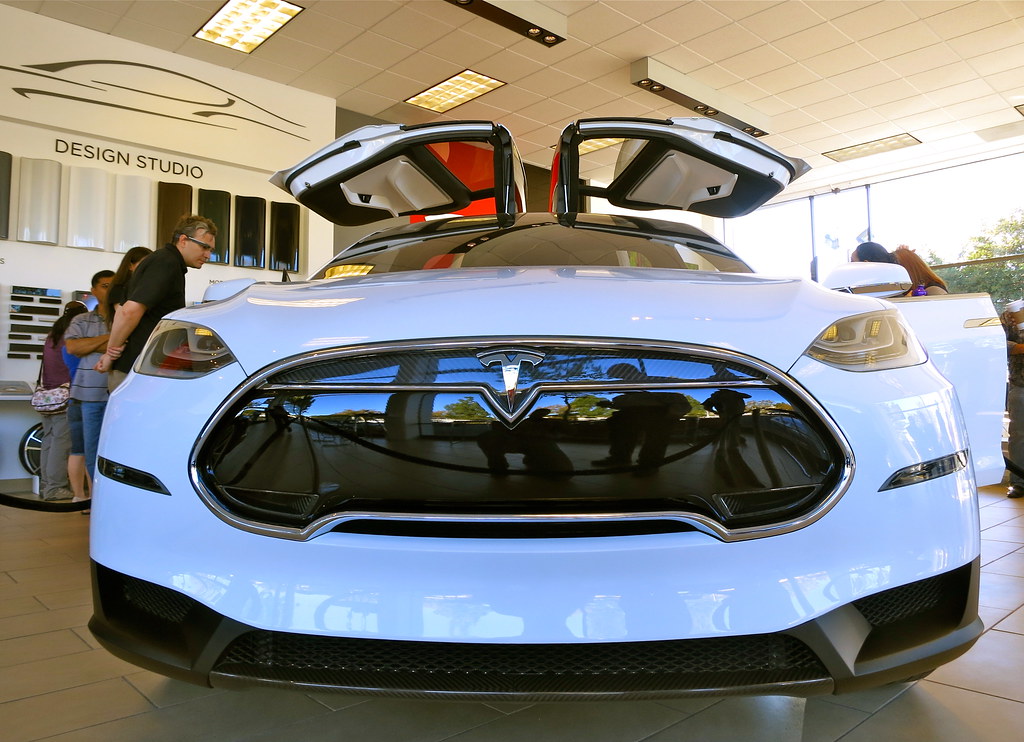
Beyond external pressures, the luxury industry’s current challenges are partly “self-inflicted.” Its rapid expansion over the past five years led to “overexposure,” diluting the core tenets of luxury. This aggressive scaling inadvertently “weakened the industry’s promise of exclusivity, creativity, and craftsmanship,” which are vital for maintaining its premium status and differentiation.
Many brands, while increasing prices, “failed to sufficiently adapt their creative strategies and supply chains to meet new scale requirements.” This oversight “weakened their core value proposition and ultimately failed to keep their promise to clients.” Consumers perceived a growing disparity between high price tags and actual value in terms of design originality, material quality, and bespoke service.
Consequently, consumers are now “questioning the luxury promise—one of uncompromising product quality and personalized, white glove experiences—and demanding more innovation.” This collective reappraisal signals a breakdown in trust, where the perceived value of luxury goods no longer consistently justifies their premium price points, highlighting the critical need for authenticity and genuine quality.
This combination of strategic missteps and economic headwinds projects “slower growth in the years ahead,” estimated at “between 1 and 3 percent annual growth globally between 2024 and 2027.” While emerging markets will show dynamism, this will “not compensate for single-digit growth expected in luxury’s core markets,” necessitating a profound strategic recalibration for the industry.

10. **Strategic Imperative 1 & 2: Realigning Core Values and Restoring Product Excellence**
In response to these challenges, a critical “strategic reset” is paramount for luxury leaders. The first imperative involves a deep re-evaluation to “clarify core values and align on priority clients.” This is essential for sharpening the brand’s “long-term strategy and differentiated value proposition,” encompassing product assortment, communication, pricing, and the overall client experience.
Furthermore, within this strategic reset, “large groups may achieve synergies by launching initiatives jointly,” focusing on both “growth acceleration or cost excellence.” This collaborative approach can optimize resources and leverage collective strengths across diverse portfolios, enhancing efficiency and market impact in a more constrained growth environment, fostering internal collaboration.
The second imperative is to “Restore product excellence,” emphasizing what luxury fundamentally represents. Brands must “continue to invest resources in creating iconic products that will resonate with target clients and uphold luxury’s promise of quality and value.” This means focusing on timeless pieces embodying superior craftsmanship and lasting appeal, ensuring the intrinsic worth justifies the premium.
Integral to this restoration is the need to “realign business scale with craftsmanship heritage.” This demands substantial investment in “long-term supply chain stability,” potentially through “vertical integration,” to ensure meticulous control over quality and ethical sourcing. Implementing “best-in-class sourcing and manufacturing practices” further solidifies this commitment, guaranteeing revered luxury standards.

11. **Strategic Imperative 3 & 4: Rethinking Engagement and Bridging Talent Gaps**
The third strategic imperative calls for a profound “Rethink client engagement strategy,” moving beyond transactional approaches. Brands must “continue to develop unique ‘money can’t buy’ experiences, both inside and outside stores,” tailored for their “most loyal and for those with the highest potential.” These exclusive experiences foster deep connections, provided they authentically align with the brand’s ethos.
To enable personalized engagement, significant investment in technology is essential. Luxury houses must “invest in tech, AI, and data capabilities to uncover powerful client insights.” This allows them to “better personalize client journeys and drive decision-making,” leading to hyper-customized interactions and offerings that resonate on a personal level with discerning consumers.
The fourth imperative addresses a critical internal challenge: “Bridge the talent capability gap.” It is crucial to “attract, develop, and retain the best talent across every critical function, not just in creative roles.” Executives must build “great brands not only for their clients but also their employees,” through “best-in-class talent management system” and evolving corporate culture for a high-performance environment.
This imperative also extends to professionalizing key operations. Brands should “Professionalize operations across major business units—including digital, data, technology, supply chain, and procurement—by emulating best practices from other sectors.” This may require “an out-of-the-box approach” and seeking “highly skilled talent” from outside the traditional luxury industry to infuse fresh expertise.
12. **Strategic Imperative 5: Future-Proofing the Portfolio**
The fifth and final strategic imperative for luxury executives is to “Future-proof the portfolio,” ensuring long-term resilience and relevance. This involves a comprehensive review of the brand’s “exposure to different luxury categories and regions,” allowing for strategic resource allocation. Understanding market nuances and growth potential is crucial for informed, proactive decision-making.
A key aspect of future-proofing is to “Define a clear role and goals for expansion into adjacent categories,” such as “travel and hospitality.” These ventures should aim to “maximize client engagement while staying true to the brand’s identity,” providing new interaction avenues without diluting core values. It is vital to “allocate focus and resources to these new ventures without neglecting the core business.”
Finally, brands must proactively “Assess the portfolio and consider divestitures where relevant or seek complementary acquisitions.” This dynamic approach to portfolio management allows for shedding underperforming assets and integrating new ones that enhance strategic positioning and market reach. By adapting continually, luxury brands can rebuild client connections and thrive.
The luxury sector stands at a pivotal juncture, requiring a comprehensive strategic reset to navigate an increasingly complex global landscape. By re-establishing core values, championing product excellence, innovating client engagement, fostering exceptional talent, and strategically evolving their portfolios, brands can move beyond short-term fixes. This period of recalibration offers a unique opportunity to reaffirm the true essence of luxury: uncompromising quality, meaningful connection, and enduring value, ensuring its continued allure and relevance for generations to come, and redefining its place in the modern consumer’s mind.