In an era dominated by sleek touchscreens, voice commands, and an endless stream of digital music, the very idea of a cassette player in a new car might seem like something out of a time warp. We’ve all grown accustomed to Bluetooth, USB ports, and streaming services as the undisputed champions of in-car entertainment. Yet, beneath the surface of this digital dominion, there’s a surprising, almost unbelievable, persistence of the humble cassette player in the automotive world.
Indeed, if you’ve been a music connoisseur for decades, the shift to purely digital audio systems can pose a problem. Most new models of cars prioritize streaming from your phone, making them all but useless to dedicated cassette collectors. This presents a conundrum: how can one enjoy a beloved collection of physical tapes in a vehicle built for the 21st century? The answer, as you’re about to discover, is far more intriguing than a simple ‘they don’t exist anymore.’
Prepare yourself for a journey into the unexpected. We’re going to pull back the curtain on the hidden ways cassette players continue to find a home in our cars, from the surprising availability of new units to clever modern adaptations and the powerful wave of nostalgia driving their unlikely comeback. It’s a story of retro charm meeting modern convenience, proving that some classics are simply too good to fade away entirely.
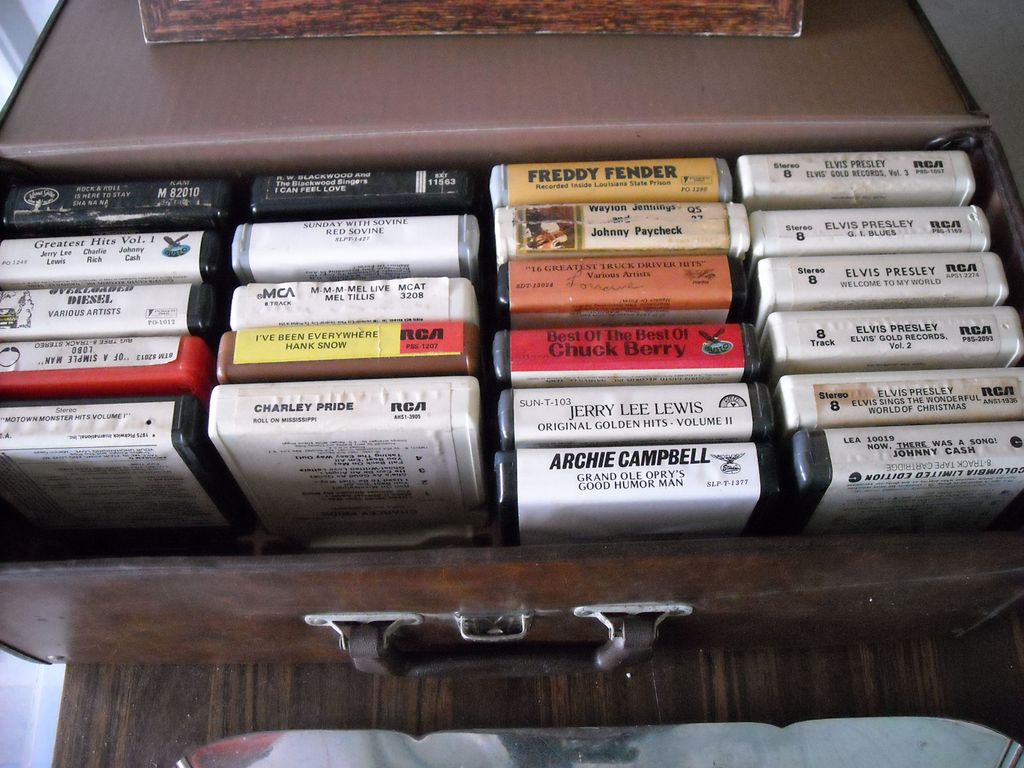
1. **The Unseen Market: New Aftermarket Cassette Players for Any Vehicle**For many, the idea that a brand-new cassette player for a car could still be manufactured today feels like a delightful anachronism. Yet, surprisingly, this isn’t just a nostalgic pipe dream. While it’s true that “no new car manufacturers include cassette players” as a factory-installed feature, a niche but dedicated market ensures that third-party companies are still actively producing these retro audio units.
This means that for the ardent tape enthusiast, the dream of a new cassette player for their vehicle isn’t out of reach. Companies like Pioneer and Road Gear, familiar names from the glory days of car audio, are indeed “still producing new cassette players for cars.” This offers a genuine, albeit often overlooked, pathway for anyone keen to integrate analog sound into even the freshest off-the-assembly-line ride.
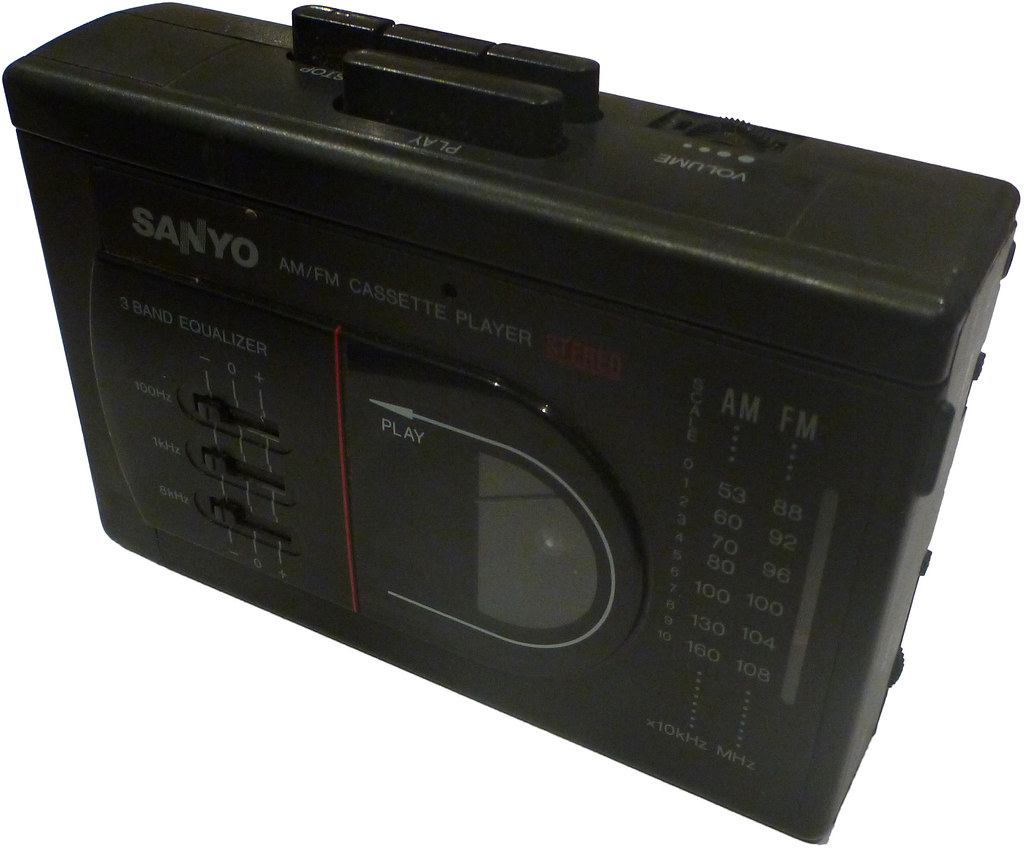
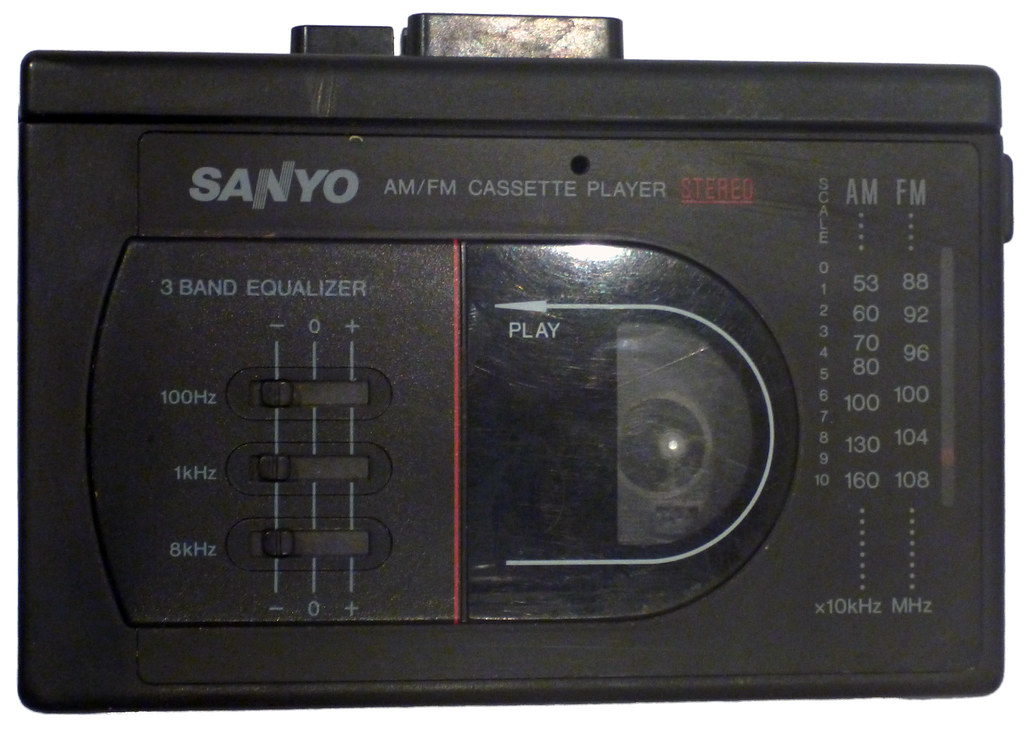
A few specific models stand out in this surprisingly active market, catering to those who prefer the distinct warmth of cassette playback. These include the “Sanyo Classic,” the “Pioneer KEH-P2030,” the “Panasonic CQ-RG133W,” and the “Road Gear Vintage AM / FM Cassette Car Stereo.” The beauty of these offerings lies in their universal appeal and ease of integration; they are designed to be “installed in your new vehicle, regardless of the make and model!”
However, this journey back to analog bliss isn’t without its speed bumps, primarily concerning cost. These new aftermarket players often carry a premium price tag, with units “ranging from $125 to over $400! (Depending on the seller).” This elevated cost is a direct result of market dynamics; as “cassette players aren’t popular products for companies, so they produce only small numbers, hence the high prices.” It’s a testament to the dedication of enthusiasts that such a market persists, despite the economic realities of niche production.

2. **Hunting for Gems: The World of Second-Hand Car Cassette Decks**If the price tag of a new aftermarket cassette player gives you pause, or if the thrill of the hunt is part of your retro appeal, then the vibrant world of second-hand car cassette decks beckons. This avenue often proves to be a more accessible and equally rewarding path for those looking to infuse their driving experience with the classic sound of tapes. It’s a treasure trove for discerning collectors and budget-conscious enthusiasts alike.
Unlike the limited new production, the used market is brimming with options. It’s a fact that “many used cassette decks are available, some in excellent working condition.” This broad availability means that with a bit of patience and savvy searching, you’re highly likely to unearth a unit that perfectly fits your vehicle’s aesthetic and your personal audio preferences, without needing to break the bank.
“One of the best places to find these is eBay!” This online marketplace serves as a digital hub where countless previously loved car audio systems find new homes. At the time of writing, the platform boasted “several results for used and working car cassette players listed,” showcasing a diverse range of models and conditions. While some units might require a little TLC, many are reported to be “in perfect working order,” ready to plug and play.
Beyond the digital realm, the analog hunt continues in physical locations that celebrate the past. “Other places where you could find car radio cassette plays include pawn shops or old vintage shops.” These establishments often yield unexpected finds, offering a tangible connection to the past and the satisfaction of discovering a hidden gem. This approach connects enthusiasts not just with a piece of technology, but with a slice of automotive history.
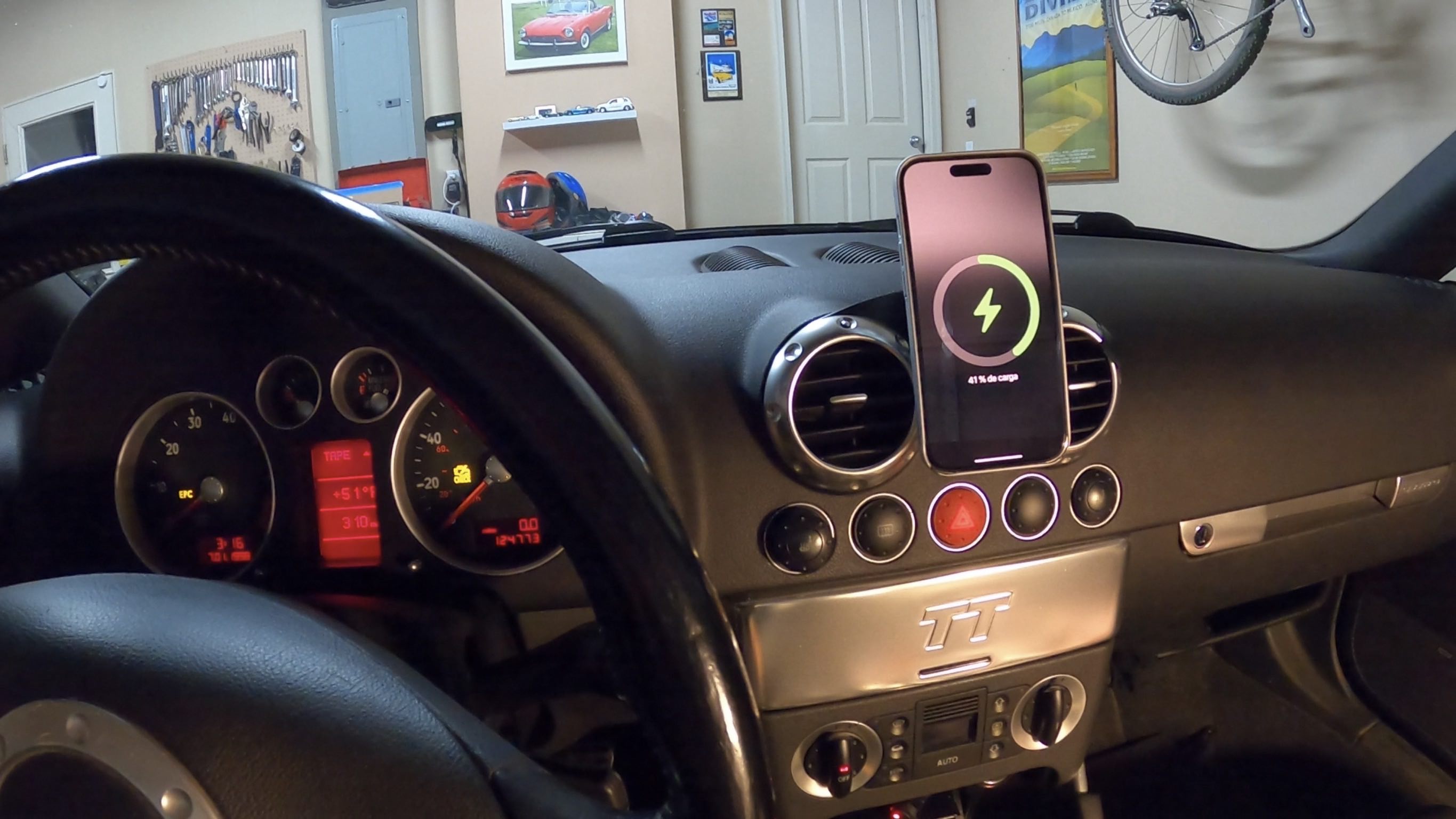
3. **Modern Solutions: Playing Cassettes in Cars Without a Built-in Player (FM Transmitters, Aux/USB, Bluetooth)**
Let’s face it, most modern cars prioritize convenience and digital connectivity. They typically “come with a USB port, auxiliary cable input, and Bluetooth,” which are fantastic for streaming from your phone or digital devices. However, as the context points out, “they’re all but useless to cassette collectors” who want to enjoy their physical tapes. The good news is, you don’t need to install a whole new head unit to get your tape fix; there are ingenious alternatives that bridge the gap.
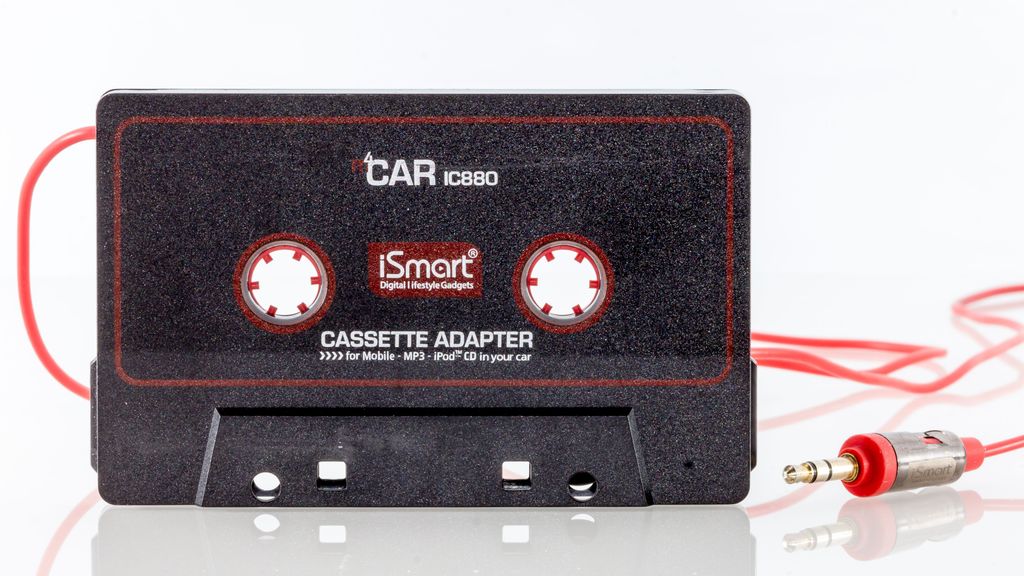
One of the most popular and straightforward solutions comes in the form of FM transmitters. These clever devices leverage your car’s existing radio frequency, acting as a bridge to your favorite analog tunes. “FM transmitters offer a way to play music from streaming devices, portable CD players, and cassette players in cars that lack auxiliary or USB ports.” They’re particularly appealing for their ease of use and affordability, often simply plugging into the car’s cigarette lighter to transmit audio to an open FM station.
For vehicles equipped with more modern, yet still widely available, input options, dedicated players with auxiliary or USB outputs offer a seamless connection. “If your car has an aux port or USB port, you can use any player, no matter the age, to play your cassettes as long as the player has a standard 3.5mm headphone port.” This method allows for a direct, high-quality audio transfer. All that’s required is the correct cabling: “You’ll need a male-to-male 3.5mm aux cord for an auxiliary port and a 3.5mm-to-USB cable for a USB port,” ensuring your cherished tapes come to life through your car’s speakers.
The most cutting-edge solution involves modern cassette players that have embraced wireless technology. These compact, hand-sized devices utilize Bluetooth to create a truly seamless audio experience in newer cars with Bluetooth capabilities. “With these players… you’ll just need to insert your cassette and connect the player to your car’s Bluetooth.” This eliminates the need for any wires, offering unparalleled convenience and a cleaner dashboard.
Indeed, when comparing the various alternatives, “modern Bluetooth cassette players are by far the easiest.” The absence of wires makes for a clutter-free environment, and crucially, “Bluetooth allows for much better sound quality than other options like FM transmitters.” While these methods might not offer the full nostalgic ‘click’ of an integrated tape deck, they are incredibly effective ways to enjoy your cassette collection, ensuring that “they will work and continue to work for the foreseeable future!”
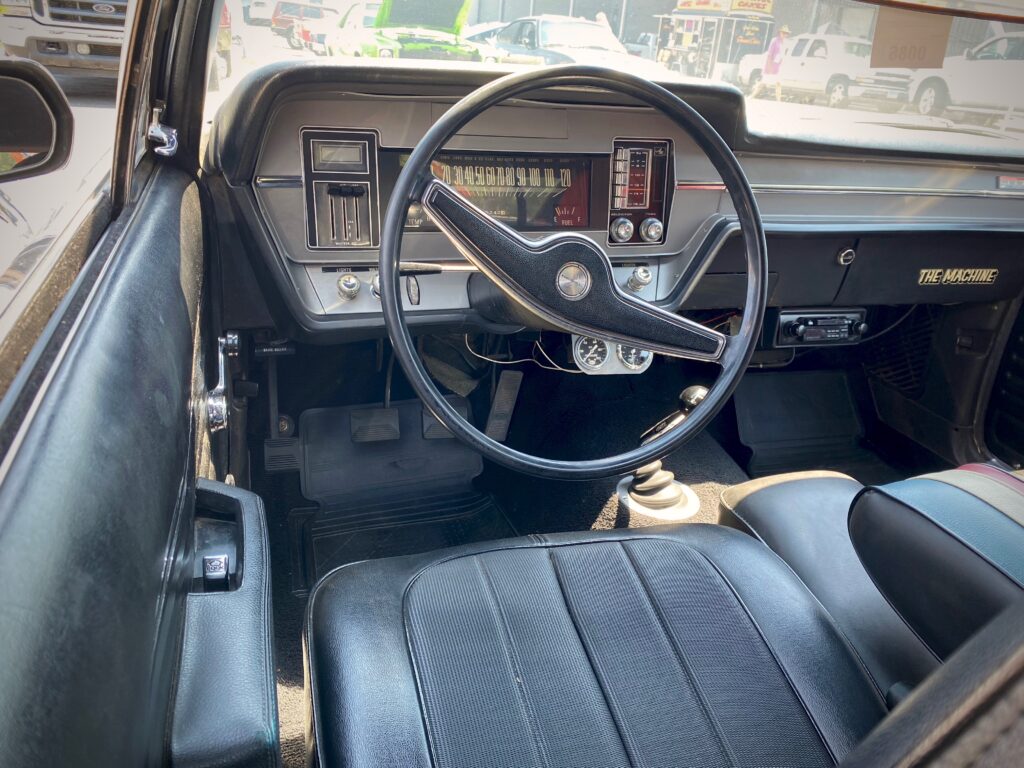
4. **A Trip Down Memory Lane: The Rise and Fall of In-Car Cassette Players**The story of the car cassette player is a fascinating narrative of technological evolution, cultural trends, and eventual obsolescence, only to find a surprising modern resurgence. “Cassette players in cars were once a standard feature in vehicles, offering a convenient way for drivers to enjoy their favorite music while on the road.” This convenience cemented their place in automotive history, making them an indispensable part of the driving experience for millions.
The popularity of these in-car entertainment systems wasn’t a fleeting fad; it was a dominant force for decades. “The popularity of cassette players reached its peak in the 1980s and 1990s, as cassettes became the dominant format for music playback.” During this golden age, cruising with your favorite mixtape became synonymous with driving, creating countless memories for generations of motorists and music lovers.
Automakers across the board were quick to recognize and capitalize on this trend, integrating cassette players into their vehicles as either standard or optional features. “Brands such as Ford, General Motors, Toyota, and Volkswagen were among the top car manufacturers that offered cassette players” during this period. The ubiquitous presence of these players meant that a tape deck was simply an expected part of a car’s interior, providing a consistent and familiar way to enjoy music.
However, as with all technology, innovation eventually ushers in change. “As technology advanced and digital formats such as CDs and MP3s emerged, cassette players started to lose their appeal.” The arrival of the compact disc marked a significant turning point; “The rise of CD players in cars in the late 1990s marked the beginning of the decline for cassette players.” This was further accelerated by the digital revolution, with “the increasing popularity of portable MP3 players and smartphones” ultimately sealing their fate as a mainstream feature.
Consequently, the landscape of car audio shifted dramatically. “Today, many modern vehicles no longer include cassette players as standard features.” Instead, the focus has entirely transitioned to “more advanced technologies such as Bluetooth connectivity, USB ports, and integrated infotainment systems.” While the era of widespread factory-installed cassette players is undeniably over, it’s crucial to remember that a passionate “niche market of car enthusiasts” continues to appreciate and seek out this retro charm, ensuring the cassette player’s story isn’t quite finished.
5. **Luxury’s Last Stand: Car Brands That Once Nichely Embraced Cassette Decks**In an automotive world that aggressively pushes the latest digital innovations, the very notion that some car manufacturers once, or even very recently, offered cassette players in their vehicles can be quite astonishing. It speaks to a unique understanding of a specific clientele—those who value a touch of nostalgia and the distinct auditory experience that only analog tapes can provide. While the widespread factory installation is a thing of the past, certain brands notably held out, catering to this niche.
Among the brands that recognized the “enduring allure of cassette players” and sought to integrate them, “Toyota and Lexus stand out as the top contenders.” These manufacturers understood that a segment of their customers sought more than just cutting-edge tech; they desired a connection to a simpler, more tactile way of enjoying music. This commitment to choice allowed enthusiasts to maintain their analog preferences even in increasingly digital automobiles.
Toyota, a brand known for its reliability and broad appeal, offered cassette players as an option in some of its most popular models. “Toyota, with its popular models like the Camry and Corolla, offers optional cassette players as part of their audio system package.” This meant that even in mainstream vehicles, drivers had the choice to roll back the years and enjoy their cherished tape collections on the go.
Similarly, its luxury counterpart, Lexus, also catered to this discerning market. “Lexus, known for its luxury vehicles, provides cassette players as a premium feature in select models.” For owners of high-end sedans and coupes, a cassette player wasn’t just a basic audio component; it was a statement of individuality, a premium detail that harked back to an era of classic motoring. This blend of luxury and retro appeal created a unique driving environment.
It’s worth noting the timeframe of this persistence. “Previously, Lexus was one of the final vehicle brands that offered drivers to have the chance to have a cassette player inside the vehicle with its SC model, although this was ditched in 2009.” And while the context mentions that “some models from luxury automakers like Mercedes-Benz, Lexus, and Porsche offer the option to include a cassette player as part of their entertainment system,” it is crucial to understand that “this feature is becoming increasingly rare in newer vehicles.” This paints a picture of a feature that gradually phased out, making those last models true gems for collectors.
6. **The Retro Revival: Why Car Enthusiasts Still Cherish Cassette Players**In a technology-driven age where convenience often trumps all, one might scratch their head and ask: why would anyone actively seek out a cassette player for their car? The answer lies in a powerful cocktail of sentiment, sensory experience, and a longing for tangibility that digital formats simply cannot replicate. For a dedicated group of car enthusiasts, the cassette player is far more than an outdated piece of tech; it’s a cherished artifact.
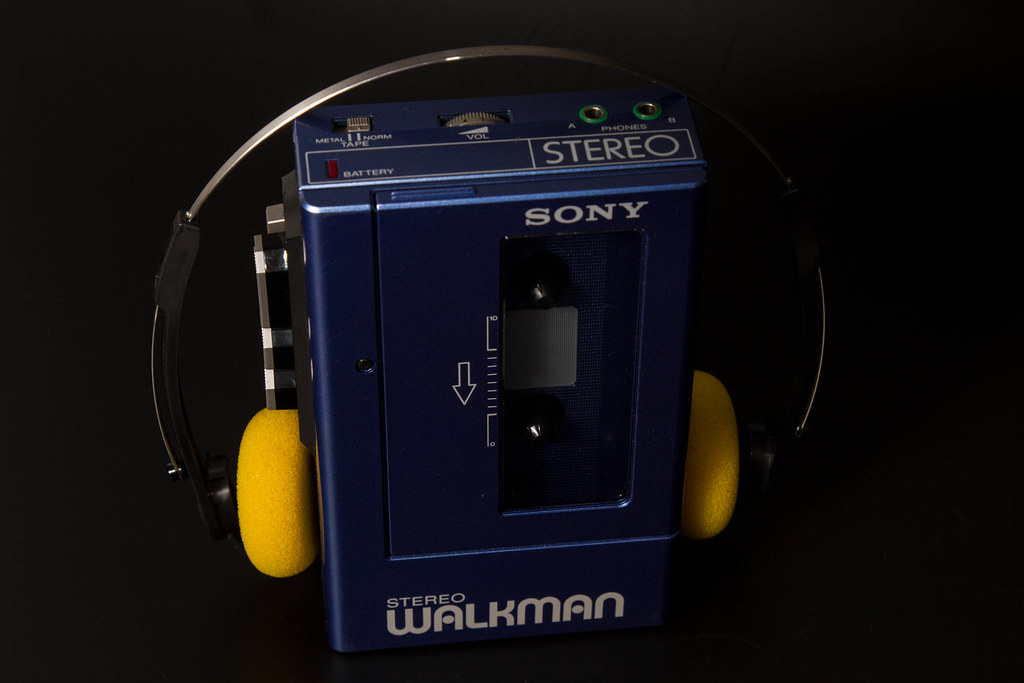
At the heart of this enduring affection is pure nostalgia. “Many individuals grew up in a time when cassette tapes were the primary means of listening to music in cars.” The simple act of slotting a tape into the deck, hearing “the sound of a cassette being inserted into the player and the satisfying click it made when it started playing,” conjures “fond memories of road trips and simpler times.” It’s a sensory experience deeply woven into personal histories, making it irreplaceable.
Beyond just memories, there’s a profound appreciation for the unique listening experience that cassettes offer. “These enthusiasts also argue that cassette players offer a unique listening experience.” They laud “the warm and analog sound produced by cassette tapes, which they believe cannot be replicated by digital formats.” Some purists even go so far as to claim that “the slight imperfections and quirks of cassette playback add character to the music,” providing a richness often perceived as absent in clinically perfect digital audio.
Another significant draw is the physicality of the format. In a world of invisible files and streaming clouds, cassettes provide something concrete. “Cassette players allow for a tangible music collection.” Unlike digital downloads or subscription services, “cassettes can be collected, displayed, and even traded among fellow cassette enthusiasts.” This physical interaction fosters a “sense of ownership and a physical connection to their music” that a digital playlist, no matter how curated, simply can’t provide.
Ultimately, the choice to embrace cassette players in an era of advanced car audio boils down to more than just a preference for old tech. “Overall, while digital technology has undoubtedly made significant advancements in car audio systems, some car enthusiasts still opt for cassette players due to the nostalgia factor, the unique sound quality, and the physicality of owning and collecting cassette tapes.” It’s a conscious decision to savor an experience, proving that for many, the charm of analog remains irresistible.
7. **Cutting-Edge Technology Vs. Nostalgia: The Debate Surrounding Cassette Players In Cars**In an automotive landscape where every new model boasts the latest in digital wizardry, from expansive touchscreens to AI voice assistants, the very mention of a cassette player can spark a lively debate. It’s a clash of titans: the relentless march of cutting-edge technology against the heartwarming embrace of pure nostalgia. For a segment of passionate car enthusiasts, this isn’t just about playing music; it’s a philosophical standoff in the dashboard.
Proponents of the cassette player champion its distinct analog sound quality. They argue that the “warm and rich sound produced by cassettes adds character to their music, creating a more authentic listening experience” that digital formats, for all their clarity, often lack. There’s also the undeniable charm of unique features like crafting personal mixtapes, offering a level of tactile, creative engagement that streaming playlists simply can’t replicate. It’s about more than just sound; it’s about the ritual, the personal touch.
However, the critics are quick to point out the practical realities of the digital age. Cassette players, with their “limited storage capacity and the inconvenience of rewinding or fast-forwarding to find a specific song,” seem utterly impractical to many. Finding and maintaining a collection of physical tapes in good condition also presents a growing challenge, as they become “increasingly rare” and susceptible to wear and tear. Why bother with the hassle when millions of songs are just a tap away?
Ultimately, this isn’t a debate with a single “right” answer. The choice between a sleek, connected infotainment system and the comforting click of a cassette player “ultimately boils down to personal preference and nostalgia.” While one side revels in convenience and pristine digital audio, the other finds profound solace and a unique charm in the simplicity and distinct character of analog sound. It’s a testament to the diverse tastes that shape our automotive experiences.
8. **The Pros And Cons Of Having A Cassette Player In Your Car**Deciding to equip your car with a cassette player in an era dominated by digital audio is a decision that weighs the tangible benefits against the inevitable drawbacks. It’s a delightful, yet often complex, balancing act between embracing retro charm and acknowledging modern convenience. For those on the fence, understanding the full spectrum of having a tape deck onboard is crucial.
On the “pro” side, the “nostalgic factor” is undeniably powerful. Many car enthusiasts find immense pleasure in the “vintage feel” and the opportunity to revisit their cherished tapes from yesteryear, transporting them back to simpler times. Cassette players also open up a vast world of “audio content, including music, audio books, and podcasts, as long as you have the tapes for them.” It’s a gateway to a curated, physical media library, offering a sense of ownership that digital platforms often dilute.
However, the “cons” are equally significant and often represent the reasons why these players faded from mainstream vehicles. A major drawback is “the limited sound quality compared to modern audio options.” Cassette tapes are inherently “prone to degradation over time” and typically produce “lower fidelity” sound, which can be a deal-breaker for audiophiles accustomed to crystal-clear digital audio. Furthermore, the hunt for “cassette tapes can be challenging, as they are no longer mass-produced,” making replenishment a niche endeavor.
Despite these limitations, a surprising advantage often cited is their “simplicity and durability.” Unlike CD players, which can skip over bumps, cassette players are “less likely to skip or break due to bumps on the road.” This resilience, combined with their straightforward operation, holds a certain appeal. Ultimately, the decision comes down to whether “the charm of cassette players outweighs the conveniences provided by newer audio technologies,” a personal calculus unique to each driver.
Read more about: The Revival Circuit: 12 Forgotten Concepts That Changed the Automotive Industry
9. **How To Find Cars With Cassette Players: Tips And Tricks For Aspiring Owners**So, you’ve heard the call of the analog, the warm embrace of the mixtape, and you’re ready to embark on a quest to find a car that understands your devotion to cassettes. While the idea of a factory-fresh vehicle rolling off the line with a tape deck is largely a fantasy, the good news is that with a bit of savvy searching and a touch of patience, your dream of cruising with a cassette player is very much within reach. It’s a treasure hunt for the retro-minded motorist!
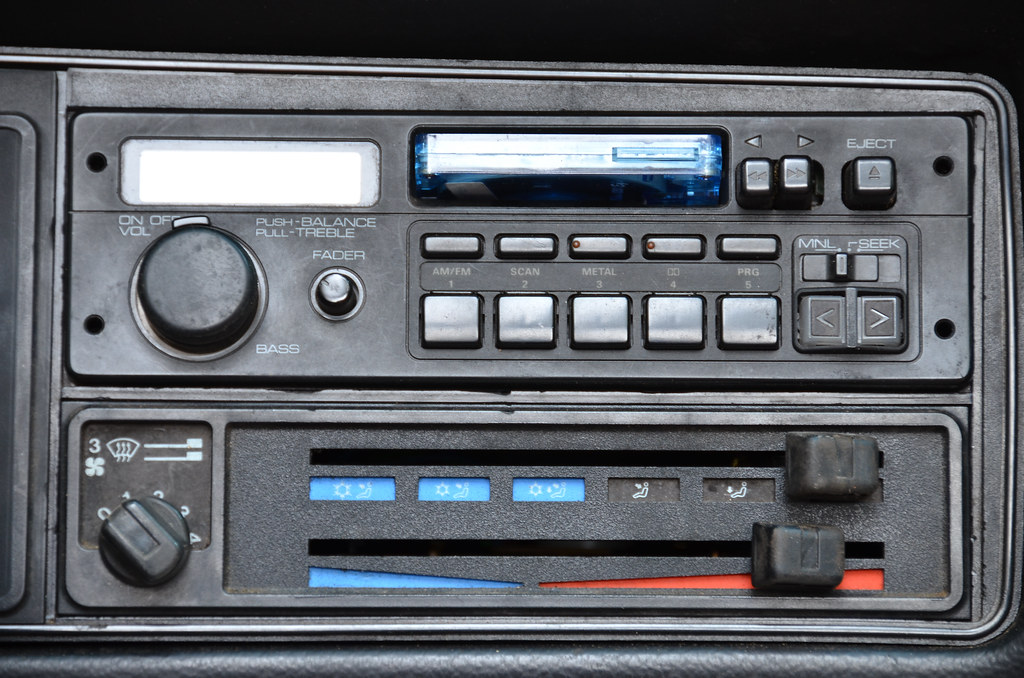
Your initial strategy should involve a deep dive into automotive history. Begin by “researching car models that were manufactured during the 1980s and 1990s,” as this period represents the golden age for in-car cassette players. Iconic vehicles like the “Honda Accord, Toyota Camry, and Ford Mustang often had cassette players as an option,” making them excellent starting points for your search. Once you have a list of potential candidates, “visit used car dealerships that specialize in vintage or classic cars” – these establishments are often a goldmine for such features and might even offer retrofitting services.
Beyond the brick-and-mortar realm, the digital landscape offers vast opportunities. “Online car auctions” and classifieds platforms like “eBay or Craigslist can be a treasure trove for finding older cars with cassette players.” When sifting through listings, make sure to be specific with your search terms, including phrases like “cassette player” alongside specific car models. Remember, the key here is diligence; many gems are hidden amidst countless listings, waiting for a discerning eye.
For those who relish the social aspect of the hunt, immersing yourself in the classic car community can be incredibly fruitful. “Attend classic car shows and events in your area,” where owners proudly display their meticulously maintained vehicles. This offers a fantastic chance to network, discover cars for sale, and even glean invaluable advice from seasoned enthusiasts. Similarly, “join car enthusiast forums” dedicated to specific vintage vehicles or brands; these online communities are vibrant hubs for discussion, recommendations, and even direct sales.
Finding the perfect car with a functioning cassette player in today’s market is certainly a journey that “may require some patience and persistence.” However, armed with these tips and a clear vision, you can absolutely succeed in your mission. The reward? The timeless charm of cassette tapes accompanying your drives, a truly unique statement in a world that often rushes towards the next digital frontier.
10. **Maintenance And Upkeep Of Cassette Players In Modern Vehicles**For those who’ve successfully integrated a cassette player into their modern ride, the journey doesn’t end with installation. Keeping this analog marvel spinning smoothly requires a dedicated approach to maintenance, especially given its age and the delicate nature of the technology. Think of it as caring for a cherished vintage timepiece; a little regular attention ensures its continued, delightful operation. It’s an investment in your unique auditory experience, and one that is well worth the effort.
The first, and arguably most crucial, step in preserving your cassette player’s performance is consistent cleaning. Over time, “dust and debris can accumulate,” leading to diminished sound quality and potential mechanical issues. Investing in “a cassette cleaning kit” is highly recommended, or you can gently clean accessible parts “with a soft cloth and a mild cleaning solution.” Precision is key here; always “be careful not to damage any delicate parts,” such as the tape heads or pinch rollers, which are vital for proper playback.
Beyond the player itself, the quality and care of your cassette tapes are paramount. “It’s crucial to use high-quality cassette tapes” to prevent common problems. Inferior tapes are notorious for “getting tangled or snapping inside the player, causing irreversible damage” that can be both frustrating and costly. Always “invest in reputable brands” and adopt proper storage habits by keeping your tapes “in a cool and dry place to avoid warping or degrading over time,” ensuring their longevity and optimal sound.
Finally, don’t overlook the importance of your vehicle’s electrical system, which powers your cherished retro deck. Regularly “check the fuses, wires, and connections to ensure they are in good condition.” Any “faulty electrical connections can result in poor cassette player performance or even damage to the player itself,” disrupting your analog bliss. Should you encounter any complex issues that are beyond your DIY capabilities, it’s always wise to “consult a professional auto technician.” Their expertise can diagnose and resolve problems, ensuring your cassette player continues to provide that unique, nostalgic soundtrack to your drives.
11. **What’s Next? The Future of Cassette Players in Cars**Having explored the enduring appeal and surprising persistence of cassette players in a digital world, the natural question arises: what does the future hold for these beloved relics in our vehicles? While the analog comeback has been undeniably charming, forecasting its trajectory requires a realistic look at technological advancements and shifting consumer preferences. The road ahead for in-car cassette players, while paved with passion, remains largely a niche path.
The primary challenge facing cassette players is the relentless pace of digital media. “Despite the decline in popularity,” fueled by the “rapid growth of digital media and the widespread adoption of streaming services,” a dedicated core of enthusiasts “cherish the vintage appeal and unique experience of cassette players.” However, this passionate following struggles against the overwhelming tide of convenience and connectivity that defines modern car audio. The automotive industry’s focus has largely shifted, making cassette players increasingly an outlier.
Indeed, car manufacturers are “increasingly focusing on integrating cutting-edge technologies such as Bluetooth connectivity, USB ports, and touchscreen infotainment systems into cars.” These innovations offer drivers “more convenient and versatile multimedia options,” making the manual operation and limited capacity of cassette players seem archaic by comparison. The investment required for manufacturers to support such a niche feature, both in terms of design and supply chain, simply doesn’t align with the broader market’s demands.
As the automotive industry continues its march forward, it’s “likely that cassette players will continue to fade into obscurity” as a factory-installed feature. The “demand for this retro technology is limited,” and the costs associated with its integration “may not outweigh the benefits for car manufacturers.” Nevertheless, for the “nostalgia-driven individuals,” and the growing number of artists releasing music on tape, “cassette players will remain an appealing feature,” primarily “confined to vintage models or aftermarket installations.” Their future is not in widespread adoption, but in steadfast appreciation within a dedicated community.
12. **The Unbelievable Truth: An Enduring Analog Charm in a Digital World**So, after this deep dive, let’s circle back to the central, “unbelievable” question that sparked our journey: do “new cars” still have cassette players hidden inside? The answer, as we’ve uncovered, is nuanced but decidedly leaning towards the “unbelievable” side of the spectrum when it comes to *factory-installed* options. While “no new car manufacturers include cassette players” as a standard feature, the story is far from over, weaving a fascinating narrative of retro persistence.
Indeed, the context reveals that the very last bastions of factory-installed cassette players were often found in specific luxury models from brands like “Mercedes-Benz, Lexus, and Porsche,” though this was already a rare “option” and “becoming increasingly rare in newer vehicles.” Lexus, for example, “ditched” the cassette player in its SC model in 2009. The surprising final mainstream holdout mentioned for CD players, the Isuzu D-Max pick-up, doesn’t extend to cassettes as a factory option in the provided context, highlighting just how truly gone this feature is from the assembly line.
However, the spirit of the cassette player thrives through ingenuity. As we’ve learned, you absolutely “can retrofit a cassette player into your current car,” whether it’s brand new or a few years old. This involves “various aftermarket options,” from purchasing “new cassette players that are ready to be installed” by third-party companies like Sanyo, Pioneer, and Road Gear, to employing clever adapters for auxiliary ports, USB connections, or even Bluetooth. These solutions bridge the analog-digital divide, allowing you to enjoy your cherished tapes in virtually any vehicle.
The “unbelievable” aspect then, isn’t that new cars are secretly hiding them, but that despite their official obsolescence from factory lines, the passion for cassette players is so strong that a vibrant ecosystem exists to keep them alive and well *within* new cars. It’s a testament to the powerful draw of a “tangible music collection,” the “warm and analog sound,” and the sheer “nostalgia factor” that keeps the tape deck from becoming merely a museum piece.
This unexpected analog comeback, fueled by enthusiasts and pop culture alike, proves that some technologies are too iconic to ever truly fade away. While digital will undoubtedly remain king, the humble cassette player has carved out its own remarkable niche, ensuring that for those who seek it, the satisfying click and whir of a tape deck will continue to soundtrack countless journeys, making the modern car feel, paradoxically, a little more timeless.