Most drivers, if asked, would likely consider themselves adept at navigating the roads, a perception often reinforced by years of experience behind the wheel. We develop a sense of confidence, perhaps even a bit of complacency, believing we’ve mastered the art of driving. However, over time, many of us inadvertently pick up a handful of bad habits, some of which we might not even be consciously aware of, subtly eroding our safety margins and increasing risks for ourselves and others. The stakes are undeniably high, with US driving fatality statistics unfortunately on the rise for the first time since 2005, a trend that continues to be a cause for significant alarm.
The National Highway Traffic Safety Administration (NHTSA) estimated that 43,000 people tragically lost their lives in vehicle accidents in 2021 alone. This worrying trajectory persisted into 2022, with a reported 7 percent increase in driving fatalities during the first quarter compared to the same period the previous year. While not every lapse in judgment or minor bad habit escalates into a fatal accident, they undeniably pave the way for traffic violations, unnecessary wear and tear on our vehicles, and a heightened risk of collisions. As responsible road users, we owe it to our passengers, ourselves, and every other person on the road—be it another driver, a pedestrian, or a cyclist—to regularly audit our driving behavior and commit to the safest possible practices.
Beyond the immediate danger, these undesirable driving habits also carry substantial financial repercussions, particularly when it comes to insurance. Bad driving habits are a direct pathway to increased insurance premiums. For example, a single speeding ticket has the potential to elevate your insurance premium by a notable 25 percent, though the exact percentage can vary considerably depending on your state of residence. California drivers, on average, might face an annual increase of 37 percent for full coverage insurance after just one speeding ticket. You’ll typically observe this increased rate upon your insurance renewal, serving as a stark reminder of the financial cost of carelessness. Similarly, citations for infractions like running red lights or stop signs will also inevitably drive up your premiums, while more severe incidents such as a DUI, a criminal offense, reckless driving, or an accident for which you are primarily at fault, can cause insurance rates to soar dramatically, sometimes even leading to policy cancellation. The good news is that these higher rates are not necessarily permanent; a commitment to safer driving and a clean record for about three years can often lead to lower rates, though DUI-related increases might persist longer depending on state laws. Let’s delve into some of the most critical habits that can land you in serious trouble.
1. Driving Distracted
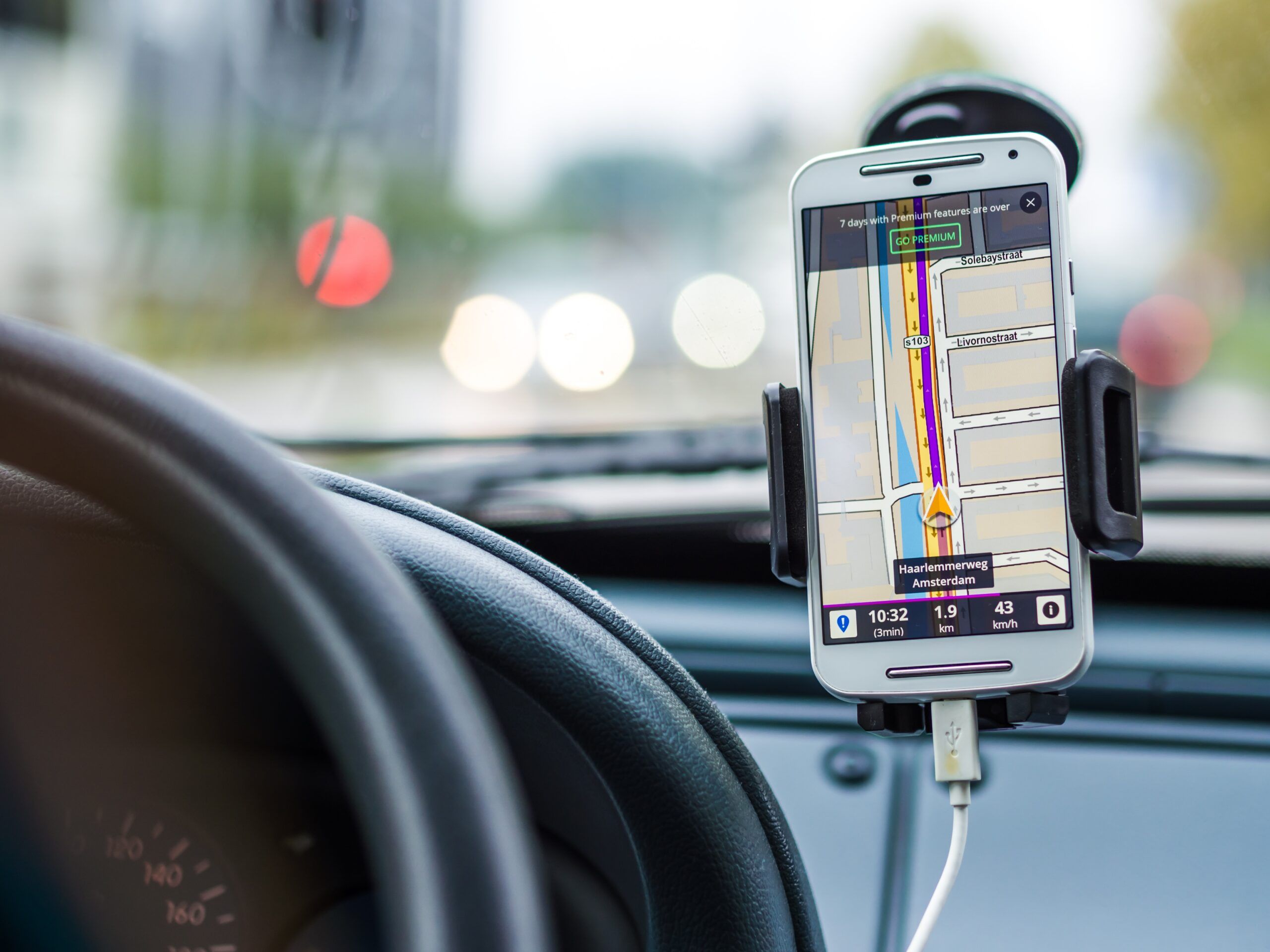
This habit consistently tops the list of dangerous driving behaviors, and for very good reason. The statistics paint a grim picture: according to the CDC, over 3,100 individuals were killed, and a staggering 424,000 were injured in crashes involving a distracted driver in 2019 alone. Distracted driving isn’t just about cell phones; it encompasses any activity that diverts a driver’s attention from the primary task of operating a vehicle safely, whether it’s eating, grooming, or engaging with in-car entertainment systems. The critical commonality is a divided focus, which has profoundly dangerous consequences on the road.
Among the myriad forms of distracted driving, the National Safety Council specifically highlights handheld cell phone use, and particularly texting, as the most prevalent and perilous. The dangers are truly alarming; texting while driving is reported to be an astounding six times more dangerous than driving while intoxicated. This singular act, born of a momentary lapse in judgment or a perceived necessity to stay connected, contributes to an estimated 1.6 million collisions each year. It’s a habit that transforms a powerful machine into a potential weapon, all because attention is pulled away from the immediate, vital task of navigating safely.
The implications for safety are obvious and devastating, but the financial and legal ramifications are also significant. While the context doesn’t explicitly detail insurance hikes for distracted driving specifically, it falls under the umbrella of bad driving habits that can lead to traffic violations and serious accidents, both of which are documented causes for soaring insurance premiums. To combat this pervasive and deadly habit, one of the most effective strategies is to physically remove the temptation. Place your cell phone out of reach and engage its “Do Not Disturb” mode before you even start the car. If an urgent situation arises where you absolutely must use your phone, the safest and only responsible course of action is to pull over to the side of the road and stop completely before making or taking any call.
Read more about: The Unexpected Revival: Why Gen Z is Shifting Gears Back to Manual Transmissions
2. Speeding
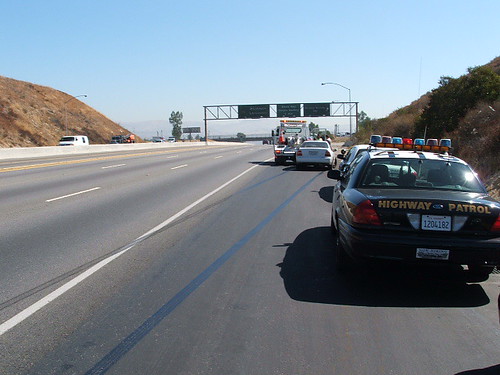
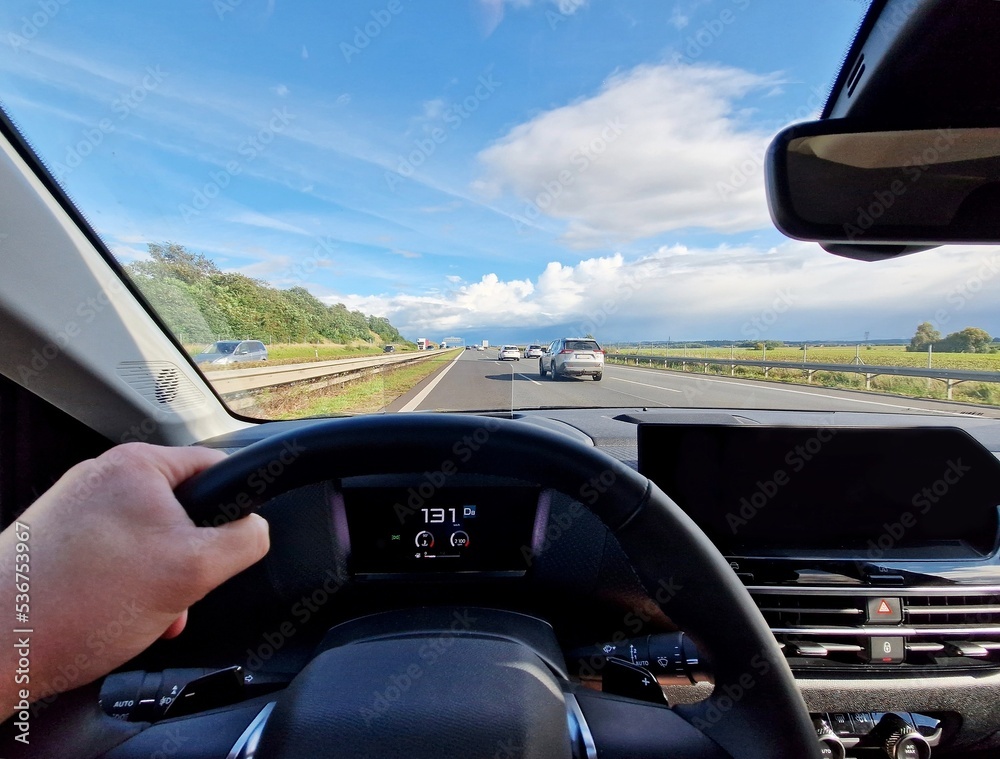
While many drivers, perhaps even most, have found themselves occasionally exceeding the speed limit, this commonality does not diminish its inherent danger or make it acceptable. Driving above the posted speed limit stands as the second biggest cause of car accidents, a sobering statistic that should give pause to anyone tempted to push the accelerator. It’s also recognized as the most widespread dangerous driving habit, with a significant 39 percent of drivers admitting to having driven less than 10 mph over the limit in the preceding month, illustrating just how widespread this risky behavior is.
No matter how proficient or experienced you consider yourself as a driver, the fundamental physics dictate that the faster you operate a vehicle, the less control you inherently possess. This reduction in control dramatically increases stopping distances and lessens reaction time, making evasive maneuvers far more challenging. Even a seemingly minor transgression, such as traveling just 5 MPH over the posted limit, can be the critical factor in precipitating a serious accident. The NYC Department of Transportation provides a particularly stark and memorable statistic to underscore this point: a pedestrian struck by a vehicle traveling at 30 MPH is astonishingly twice as likely to die as a pedestrian struck by a vehicle going at 25 MPH. The difference of a mere 5 MPH can be a matter of life and death.
The financial consequences of speeding are immediate and long-lasting, significantly impacting your vehicle insurance premiums. A single speeding ticket, for instance, can cause your insurance premium to rise by as much as 25 percent, and in some states like California, drivers might see an average annual increase of 37 percent for full coverage insurance. These elevated rates typically become effective at your next renewal, serving as a persistent reminder of the cost of impatience. To break the pervasive habit of speeding, practical strategies are available. When appropriate and safe, utilize cruise control to maintain a consistent, legal speed. Modern vehicles often provide alerts when you exceed the speed limit, as do many navigation apps, serving as helpful real-time reminders. Regularly checking your speedometer is also crucial to ensure you are consistently adhering to the speed limit. If you suspect your speedometer might be faulty, or if other methods aren’t proving effective, consider having your mechanic check your vehicle or, for a more radical shift, opting for a car with a manual transmission, which can inherently make excessive speeding feel less natural due to the need for manual gear shifts.
Read more about: Seventy Years On: The Enduring Legacy of James Dean, Hollywood’s Immortal Rebel
3. Driving While Intoxicated
Driving under the influence of alcohol or drugs, even in seemingly small amounts, constitutes an exceedingly dangerous and potentially fatal decision. These substances have a profound impact on one’s driving ability, fundamentally compromising judgment by diminishing brain function and impairing both reasoning capabilities and crucial muscle coordination. The ability to react swiftly and appropriately to changing road conditions, to perceive hazards, and to make sound decisions is severely degraded, turning a routine drive into a deadly gamble.
The illegality of driving drunk or drugged is universal across every state, a testament to the recognized severity of this offense. Yet, despite widespread awareness and stringent laws, the tragic reality is that approximately 30 percent of all traffic fatalities involve impaired drivers. This devastating statistic highlights a persistent and deeply concerning issue on our roads. This deadly habit doesn’t merely increase the risk of an accident; it significantly heightens the probability of ending in a tragedy, inflicting irreparable harm on individuals and families.
Beyond the catastrophic human cost, driving while intoxicated carries some of the most severe legal and financial penalties imaginable. A DUI (Driving Under the Influence) is a criminal offense that can cause insurance rates to soar to exorbitant levels, in some cases even leading to the outright cancellation of your policy. The financial burden can be immense, encompassing not only drastically increased premiums but also substantial legal fees, court costs, fines, and potential requirements for ignition interlock devices. Depending on state law, the repercussions on your insurance rates can linger for five years or even more, long after the immediate legal consequences have been addressed. The inherent risks—the potential for severe injury or death, criminal charges, and devastating financial repercussions—make driving under the influence an irresponsible act that is unequivocally not worth taking.
Read more about: From Sanctuary Founders to Furry Family Members: A-List Stars Championing Animal Rescue

4. Disregarding Traffic Signs
It might seem self-evident, but the fundamental importance of traffic signs cannot be overstated. These ubiquitous visual cues are strategically placed to serve a singular, vital purpose: to ensure the safety of everyone sharing the road—drivers, passengers, pedestrians, and bicyclists alike—by actively preventing collisions. Ignoring these signs is not merely a minor infraction; it’s an overt act of carelessness that can swiftly lead to confusion, accidents, and profound regret. The consistent adherence to these simple, clear directives forms the bedrock of safe and predictable traffic flow.
Traffic signs are not suggestions; they are mandates designed to govern orderly movement. Stop signs, for instance, unequivocally demand a full and complete stop, not a rolling pause or a cursory glance. Drivers are legally and morally obligated to come to a standstill, check for cross-traffic and pedestrians, and only then proceed when it is safe to do so. Similarly, a ‘yield’ sign is a clear instruction to give way to other road users who have the right of way, requiring drivers to slow down, be prepared to stop, and ensure the path is clear before advancing. These signs eliminate ambiguity and provide a universal language for road safety.
Ignoring posted traffic signs while behind the wheel carries a spectrum of adverse outcomes. At best, it can plunge an intersection or roadway into disorienting chaos, as other drivers are left guessing at your intentions and reacting unpredictably. At worst, such disregard can culminate in tragic collisions, resulting in severe injuries, fatalities, and profound personal and legal ramifications. Furthermore, the financial impact can be significant; the context explicitly states that tickets for running red lights or stop signs will undoubtedly cause your insurance premiums to rise. These violations, easily preventable by simply paying attention and obeying the law, demonstrate a fundamental disrespect for traffic safety and carry tangible penalties beyond the immediate danger.
Read more about: Forgotten Road Rules: Uncovering Vital Driving Laws & State-Specific Enforcement Across the Nation

5. Accelerating on Yellow
That fleeting moment when a traffic light switches from green to yellow can present a powerful, yet deceptive, temptation for many drivers. The instinct to speed up, to ‘make the light’ before it turns red, is a common one, fueled by impatience or the desire to avoid delay. However, this seemingly minor act of accelerating on yellow is a highly perilous gamble that rarely, if ever, yields a truly positive outcome. It’s a decision made in a split second that can have devastating and long-lasting repercussions for everyone involved.
The primary danger of accelerating through a yellow light lies in the profound risk it poses at the intersection. As you rush to beat the red, you significantly increase the likelihood of entering the intersection simultaneously with drivers coming from the opposite direction who are anticipating or have just received a green light. This confluence of conflicting movements is a recipe for horrendous consequences, often resulting in severe T-bone collisions. These types of accidents are particularly dangerous due to the direct impact on the sides of vehicles, where occupants are less protected, leading to a higher potential for serious injuries or fatalities for both you and the green-lighted driver.
Even if you manage to avoid the dire scenario of causing an accident, the act of accelerating on yellow frequently results in a costly encounter with law enforcement. Many jurisdictions have cameras at intersections specifically designed to capture red-light violations, and pushing through a yellow that quickly transitions to red can easily trigger a citation. The context clearly states that this particular action runs the risk of an “expensive ticket.” This financial penalty, coupled with potential points on your driving record and subsequent increases in insurance premiums, makes it a habit that offers little reward for a great deal of risk. The safer, more responsible, and ultimately less costly approach is to ease off the accelerator and prepare to stop when a light turns yellow, ensuring a safe passage for all.
Having explored some of the most critical and costly driving habits, it’s clear that vigilance and adherence to traffic laws are paramount. However, the spectrum of potentially dangerous and problematic driving behaviors extends far beyond these initial five. Many everyday actions we might barely register, or perhaps even justify in the moment, carry significant risks—not only for hefty fines and soaring insurance premiums but, more importantly, for the safety of ourselves and everyone else on the road. Let’s now unpack additional critical driving missteps, examining their dangers, common pitfalls, and practical strategies for cultivating safer road behavior.
Read more about: The Unexpected Revival: Why Gen Z is Shifting Gears Back to Manual Transmissions

6. Cutting cars off
We’ve all been there: running late, stuck behind a leisurely driver, and the urge to weave through traffic becomes incredibly strong. This temptation to cut cars off, to dart in and out of lanes to make progress, might feel efficient in the moment, but it’s a hazardous gamble that frequently backfires. Such aggressive maneuvers create immediate dangers, disrupting the smooth flow of traffic and heightening the risk of a collision.
The primary danger here is simple physics: sudden lane changes without sufficient space or warning can lead to direct impacts, especially if the vehicle you’re cutting off doesn’t have time to react. The abruptness of the action can also incite other drivers, potentially triggering road rage, which introduces another layer of danger into an already tense situation. Engaging with an angry driver can escalate quickly, transforming a minor traffic infraction into a far more perilous encounter for your health and safety.
Beyond the immediate threat of an accident or confrontation, this habit underscores a lack of patience and a disregard for other road users. While the context doesn’t explicitly link “cutting cars off” to specific fines from traffic cameras, it is undeniably a form of reckless driving. This behavior can easily lead to traffic violations, which, as discussed earlier, are direct pathways to increased insurance premiums. Cultivating a habit of patience, planning routes effectively, and allowing ample travel time can significantly reduce the urge to engage in such risky maneuvers.
Read more about: The Untamed Road Ahead: Unpacking 9 Trucks Built to Conquer 300,000 Miles and Beyond for Savvy Buyers
7. Merging incorrectly
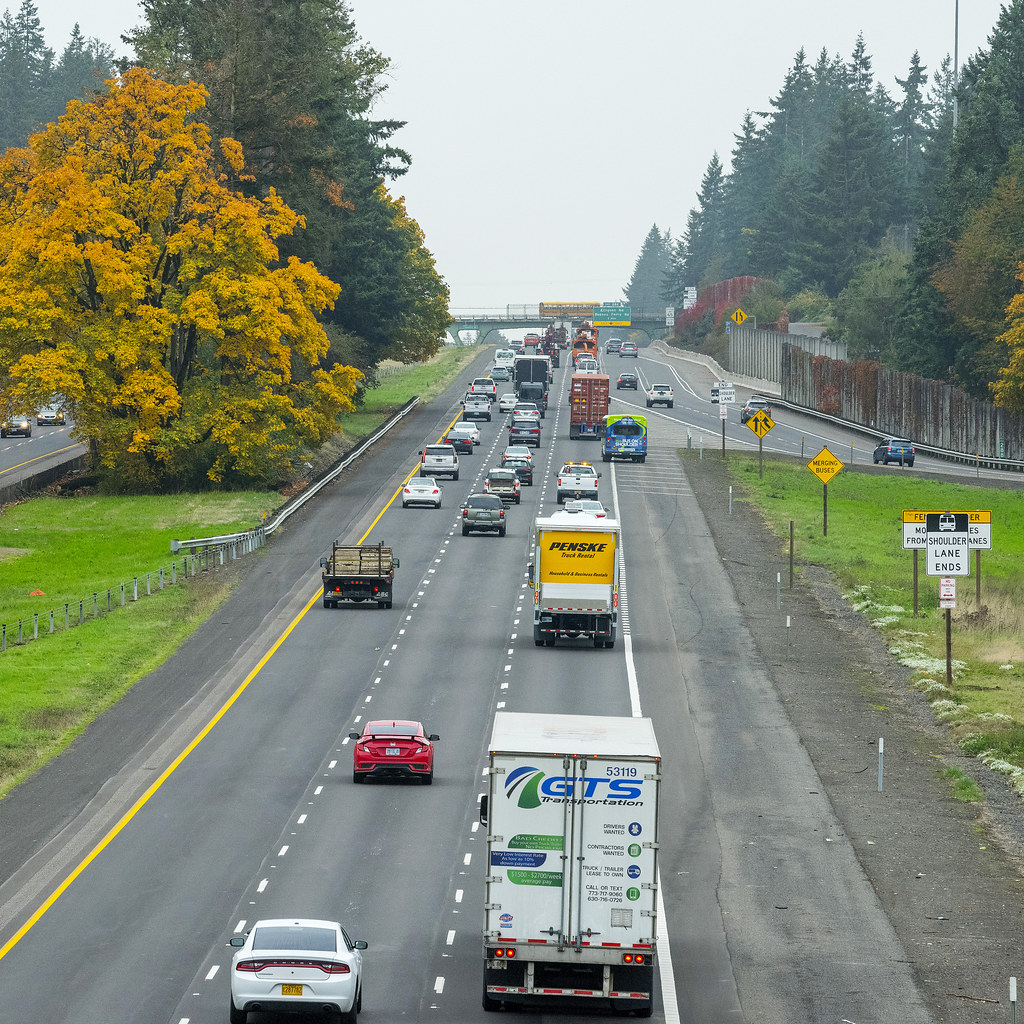
Merging, a seemingly straightforward aspect of driving, often becomes a point of confusion and danger due to improper technique. There’s a particular “science” to merging, where traffic is ideally meant to stream together organically, like two zippers interlocking. Deviating from this organic flow, whether by being overly polite or overly aggressive, creates unnecessary hazards and can disrupt the entire system.
One common mistake is being too hesitant, holding back and letting too many cars go ahead. While this might seem courteous, it actually confuses other drivers, especially those expecting you to take your turn. This hesitation breaks the natural rhythm of traffic, leading to unexpected braking, bottlenecks, and “giant hold ups.” It can also frustrate drivers behind you, increasing the likelihood of aggressive reactions. The opposite extreme is equally problematic: the “cocky driver” who zips up the shoulder, dangerously edging out other cars to gain a perceived advantage. This aggressive merging is not only illegal but also incredibly dangerous, forcing others to react defensively and significantly raising the risk of collision.
To master merging, it’s essential to integrate smoothly and decisively. Approach the merge point at the speed of traffic, use your signal well in advance, and look for a gap large enough to enter without forcing other drivers to brake or swerve. Take your turn when it arrives and proceed confidently, rather than holding back. By understanding the flow and respecting the right of way, you contribute to safer and more efficient traffic movement, avoiding both frustrating delays and potential accidents, which invariably lead to costly tickets and higher insurance rates.
Read more about: Navigating the Maze: Seven Confusing Road Signs That Have Left Drivers Perplexed and the Broader Challenge of Driver Confusion

8. Ignoring blind spots
Blind spots are inherently dangerous areas around a vehicle where other cars or objects cannot be seen directly by the driver using their mirrors. Forgetting, or simply neglecting, to check these critical areas before changing lanes is an incredibly hazardous oversight that can lead to jarring surprises and serious collisions. We’ve all experienced the unsettling sensation when a vehicle suddenly appears to cut into our lane because the driver simply didn’t see us.
This common scenario is not just unnerving and distracting; it’s a frequent cause of side-swipe accidents, which can have significant consequences. Even with properly adjusted mirrors, there are always zones that remain obscured. Relying solely on mirrors without a quick, physical check over the shoulder—often called a “head check”—leaves you vulnerable to missing vehicles that are perfectly positioned within these blind zones. The context explicitly highlights this danger, emphasizing the shock and collision risk involved.
To combat the inherent danger of blind spots, a multi-step approach is crucial. Before initiating any lane change, always check your side mirror to assess the general traffic situation. Crucially, follow this with a quick glance over your shoulder in the direction you intend to move. This brief head check provides a direct line of sight into the blind spot, confirming whether the path is truly clear. This simple, habitual action is a fundamental pillar of defensive driving, reducing the risk of collisions and ensuring that your maneuvers are safe for both yourself and surrounding vehicles, preventing incidents that could lead to financial penalties and higher premiums.
Read more about: City Slickers vs. Country Cruisers: What They *Really* Think About Your Farm Tractor (And How Not to Be ‘That Guy’)
9. Failing to signal
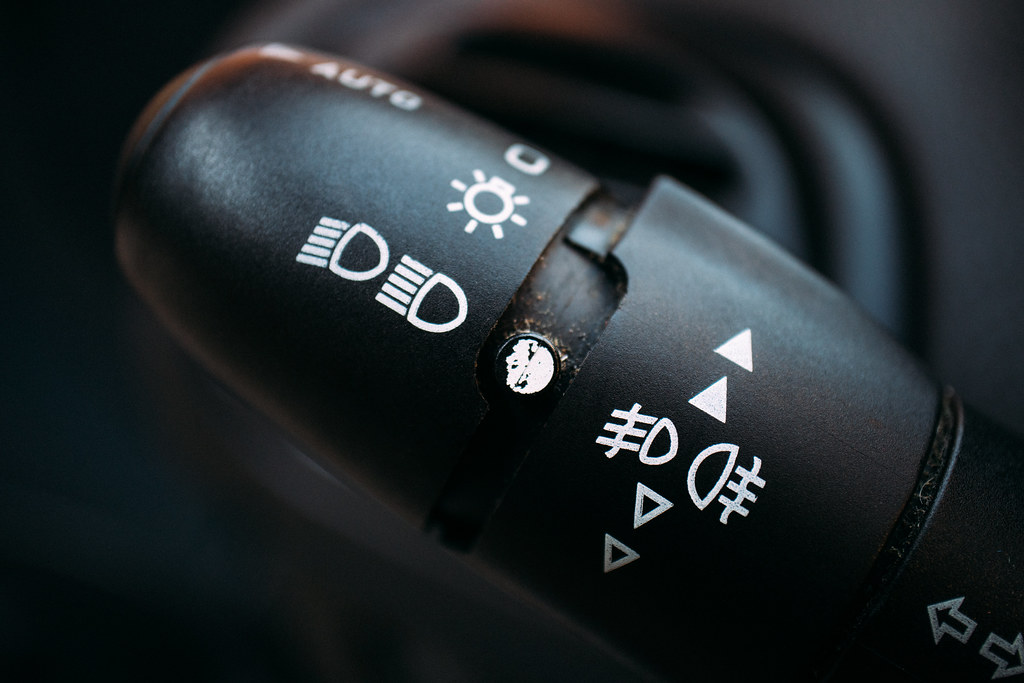
It sometimes feels as though many drivers operate under the assumption that their intentions are magically conveyed to others on the road. This widespread failure to use turn signals for stops, turns, or lane changes is not merely an act of discourtesy; it’s a significant safety hazard. Without clear communication, other drivers are left to guess your next move, leading to confusion, sudden braking, and an increased likelihood of accidents.
The only time failing to signal is technically permissible is when there are absolutely no other cars on the road—a rare occurrence in most driving environments. In virtually all other situations, signaling is a legal requirement and a fundamental aspect of safe and considerate driving. The context emphasizes that signaling is essential “both as a matter of safety and so as not to receive a moving violation,” suggesting that this seemingly minor infraction can indeed lead to tangible penalties.
A persistent habit of not signaling can signify various underlying issues, from simple sloppiness or absentmindedness to being mentally preoccupied or even having a perceived sense of being “above the law” regarding minor infractions. To foster safer roads, it’s imperative to make signaling an automatic habit. Aim to activate your turn signal approximately 100 yards before you plan to stop, turn, change lanes, or pull over. This gives other drivers ample warning, allowing them to adjust their speed or position accordingly, thereby preventing unexpected maneuvers and reducing the risk of collisions and their associated financial and legal repercussions.
Read more about: The On-Screen Deaths That Still Keep Us Up at Night: 14 Traumatizing Movie Moments You Won’t Forget
10. Driving while angry
Emotions have a powerful, often detrimental, influence on our decision-making, and nowhere is this more critical than behind the wheel. Getting into a car when you’re upset or angry is unequivocally a bad idea, transforming a routine journey into a potentially perilous one. Heightened emotions act as a potent distraction, pulling your focus away from the primary, critical task of safely operating a heavy and powerful vehicle.
Beyond personal distraction, driving while angry significantly increases the likelihood of engaging in aggressive driving behaviors, which psychological research has strongly linked to narcissistic traits. Studies by Ohio State University and the University of Luxembourg found a high correlation between narcissistic individuals and aggressive driving, which, alarmingly, is cited as the cause of more than half of all traffic accidents in the United States. Such behaviors include cutting others off, tailgating, or reacting poorly to perceived slights from other motorists.
Even if a delay is making you late, it is always wiser to wait until you’ve had a chance to cool off. If you encounter an aggressive motorist, the safest and most effective strategy is not to engage. Take a deep breath, remain calm, and plan to safely maneuver away from them as soon as circumstances allow. Prioritizing emotional regulation before driving, and practicing defensive avoidance on the road, drastically reduces the risk of accidents, injuries, legal troubles, and the dramatic insurance premium hikes that accompany such incidents.
Read more about: Tesla’s Robotaxi Revolution: A Critical Look at Early Crashes, Regulatory Scrutiny, and the Road Ahead
Ultimately, becoming a truly skilled and safe driver extends beyond merely passing a test; it’s an ongoing commitment to conscious, responsible behavior behind the wheel. The habits we’ve discussed, from the subtle to the overtly dangerous, all carry tangible risks—both to our safety and our wallets. While traffic cameras and law enforcement play a role in deterring these actions, the ultimate power to prevent accidents and avoid costly fines lies with each individual driver. Take a moment to honestly audit your own driving habits, address any areas that need improvement, and embrace the ongoing journey of becoming a more aware, patient, and proficient road user. Not only will you ensure your own peace of mind, but you’ll contribute to making our roads safer for everyone, turning good intentions into lasting, positive impact. Your dedication to safe driving is a commitment to yourself, your passengers, and the entire community that shares the road.