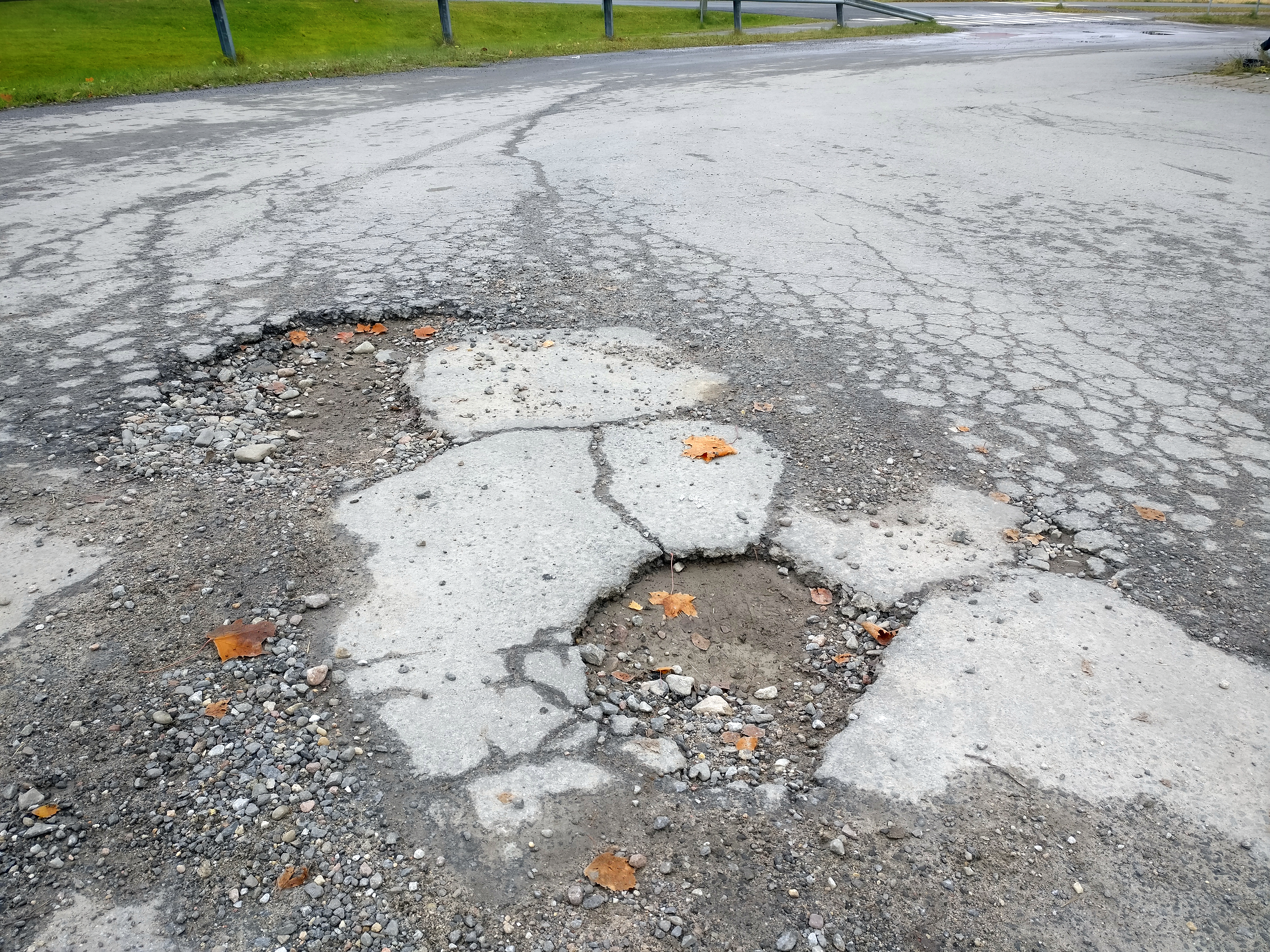
The open road beckons, promising adventure and smooth sailing. Yet, lurking beneath the surface of seemingly innocent puddles or around a blind bend, lies one of a driver’s most tenacious adversaries: the pothole. These unassuming divots in the asphalt aren’t just an annoyance; they’re a significant financial drain and a potential safety hazard. A report from AAA indicates that drivers in the U.S. spend an average of $3 billion on pothole damage repairs each year, with individual incidents often costing around $300. The damage they inflict can range from a simple flat tire to serious issues with your steering, suspension, and even the vehicle’s chassis.
Potholes form due to a combination of factors, primarily the repeated passage of cars over asphalt, coupled with the relentless freeze-thaw cycles of water during wet winter weather and spring rains. Water seeps into cracks in the road, expands when it freezes, and contracts when it thaws, progressively weakening the pavement. This continuous expansion and contraction, combined with the weight of traffic, causes the material to break down, eventually creating those notorious depressions. As the road carries large amounts of water in its pockets, the water wants to escape under traffic stress, further exacerbating the problem.
But here’s the good news: while potholes might be an unavoidable part of driving in many regions, you are far from powerless against them. There are several smart, actionable moves every driver can make to help minimize, and often completely steer clear of, the damage these rocky pavement pits might cause. We’ve compiled a comprehensive roadmap of crucial tips, empowering you to navigate pothole-riddled roads with confidence and keep your vehicle in prime condition. Let’s dive into the first set of strategies that can save you significant headaches and repair bills, making you a more informed and capable driver.

1. **Maintain Proper Tire Inflation and Condition**Your vehicle’s tires are the first line of defense against the jarring impact of a pothole, making their condition absolutely paramount for both safety and preventing costly damage. Frequently inspecting your tires to ensure they are properly inflated and do not have significant wear is not just good practice; it’s a critical preventative measure. If you hit a pothole with worn or underinflated tires, there is a greater risk of wheel or suspension damage, as they lack the necessary cushioning and structural integrity to absorb the impact effectively.
Proper inflation is key to allowing your tires to absorb the shock of an impact safely. Underinflated tires may increase the chances of losing control of your vehicle or getting a blowout, and crucially, the rim is more likely to be damaged when the tire is pinched between the edge of the pothole and the wheel. This can cause the tire’s internal plies to be weakened or severed. Conversely, overinflated tires will not give as much during impact, which could also lead to damage to the suspension system, as the rigidity transmits more of the force to other components.
It’s vital to inflate tires according to your vehicle manufacturer’s recommended tire pressure levels. This crucial information can typically be found on the door jamb sticker located on the driver’s side and in your owner’s manual. It’s important to never use the pressure levels molded on the tire sidewall, as these are maximums, not recommended operating pressures. Tires with excessive wear or bulges in the sidewalls also will not perform well when they encounter a pothole, increasing the likelihood of damage.
Beyond pressure, tread depth is another non-negotiable aspect of tire health. Worn tires, much like underinflated ones, provide less protection and increase the risk of serious damage. To properly check the tire tread depth, you can insert a quarter upside down into several tread grooves. If the top of Washington’s head is visible, it’s a clear signal: it’s time for new tires. Proactive tire maintenance ensures your vehicle has the best possible cushioning and resilience when an unexpected road hazard appears, safeguarding your investment.
Read more about: Why Your Road Tax Is Set to Double: An In-Depth Look at America’s Infrastructure Funding Crisis
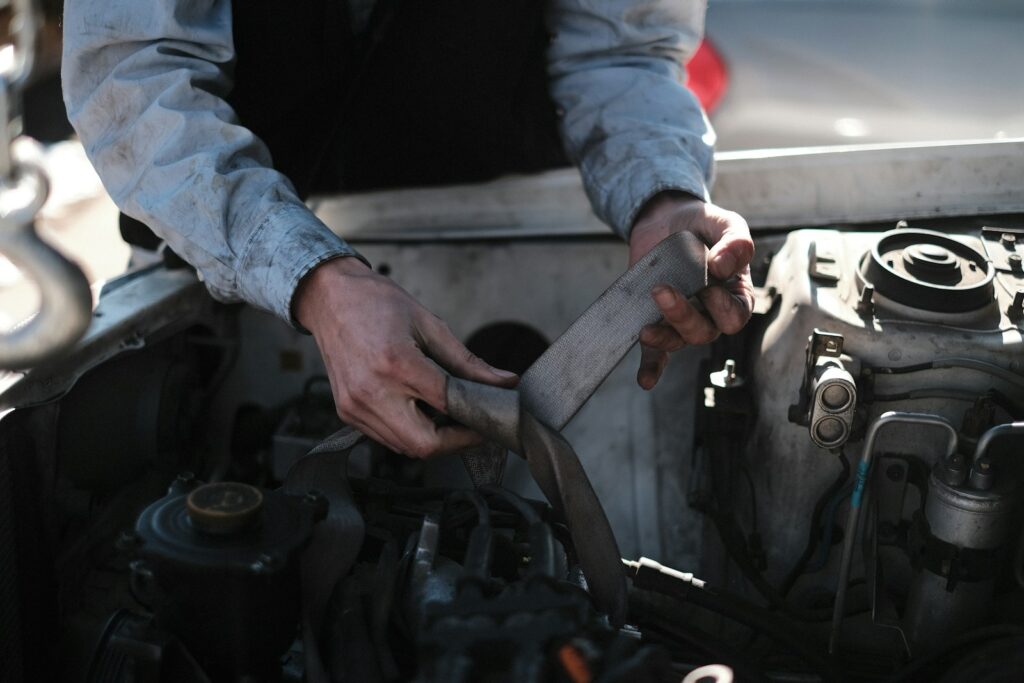
2. **Regular Vehicle Suspension Inspection**While tires bear the initial brunt, your vehicle’s suspension system is the unsung hero designed to absorb impacts and provide a smooth, controlled ride. Making certain that your struts, shock absorbers, and other suspension parts are in good condition is a crucial step in preparing for pothole encounters. These components are specifically engineered to cushion the blow, allowing the wheel and tire to roll through depressions with minimized potential damage and maintaining control of the vehicle.
Ignoring the health of your suspension can have costly and dangerous consequences. Changes in vehicle handling, such as your car pulling noticeably to one side, or excessive vibration, or uneven tire wear, can all indicate damaged or worn parts within the suspension system. For instance, if your car now “bottoms out” or bounces excessively after hitting a bump, it might signify a need for suspension repair, as the shocks and struts are no longer effectively dampening vertical motion.
These aren’t merely comfort issues; they directly impact your vehicle’s stability, steering, and overall safety. A hard pothole impact can knock the wheels out of alignment, affecting steering precision, or dislodge wheel weights, leading to vibrations. Take a good enough hit, and a pothole can even damage your car’s shocks, struts, and its entire suspension assembly. If you notice any new or unusual noises or vibrations, or if your steering feels off, it’s a red flag.
Having your vehicle’s suspension checked regularly by a qualified auto mechanic is a proactive measure that can save you from more extensive repairs down the line. Your vehicle’s shocks, struts, and springs work in concert to help cushion the impact, absorbing the kinetic energy and distributing it safely. Ensuring they are in optimal condition provides a vital layer of protection against the harsh realities of pothole-ridden roads. Don’t wait for a dashboard warning light or a noticeable change in handling; routine checks are your best bet against significant pothole-induced damage.
Read more about: 10 Super Reliable Cars You Can Still Snag Under $10K in 2025

3. **Stay Alert and Scan the Road Ahead**Perhaps the most straightforward yet often overlooked trick to avoid potholes is simply staying alert and keenly checking the road ahead. This isn’t about having a sixth sense; it’s about active, focused driving that empowers you to anticipate and react. By maintaining unwavering focus on the road and actively scanning the pavement in the distance, drivers can spot upcoming hazards like potholes much sooner, giving themselves ample time to react safely and maneuver around them. It sounds simple, but in our often-distracted driving environments, it’s a skill that requires conscious, continuous effort.
Avoiding distractions is paramount to this strategy. Whether it’s talking on the phone, eating, changing radio stations, or reaching for items in the vehicle, any activity that takes your focus off the road can cost you the split second needed to identify and avoid a pothole. It can take less than a second of distraction to prevent you from spotting a pothole in your path, turning a minor inconvenience into a costly repair. Keep your eyes moving and look well beyond the vehicle(s) immediately in front of you, allowing your vision to process the road far ahead.
Improving your visibility also plays a critical role, especially when conditions are less than ideal. Make sure your headlights are working optimally and your windshield is clean and clear of dirt, grime, or streaks. These impediments can severely impair your visibility, making it much harder to spot potholes or other dangerous road conditions, particularly in low light, during rain, or at night. Clear vision extends your effective reaction distance, making it easier to spot and avoid road hazards.
Furthermore, while the goal is always to avoid a pothole, situations may arise where a sudden maneuver is needed. Before swerving around a pothole, it’s imperative to check your surroundings carefully. Always ensure you do not collide with another vehicle or endanger nearby pedestrians or cyclists. A moment of inattention here could lead to a far more serious accident than the pothole itself. Staying vigilant and aware of your environment is a comprehensive approach to road safety.
Read more about: Beyond the Blockbuster: Ryan Reynolds’ Authentic Playbook for Disruptive Marketing and Brand Building

4. **Maintain a Safe Following Distance**The space between your vehicle and the one in front of you isn’t just a buffer against sudden stops; it’s a crucial element in your proactive pothole avoidance strategy. Maintaining a safe distance between vehicles on the road significantly improves your ability to spot potholes faster and more easily when they are coming. When you have a clear view of what’s ahead, you gain invaluable seconds to prepare for road defects rather than simply reacting to an immediate threat.
Experts widely recommend maintaining at least a 3-second following distance between your vehicle and the one ahead. This generous gap provides several distinct advantages. First, it allows you to look into the distance at the road ahead of you, enabling you to better see and navigate around upcoming potholes that might otherwise be completely obscured by the vehicle in front. This extended sightline gives your brain more time to process and plan your actions.
Second, this safe following distance provides you with crucial extra time to safely adjust your lane positioning or reduce speed without abrupt, risky maneuvers if you detect a pothole. It’s particularly important to allow for extra space on highways and byways because it’s possible to miss a pothole when following too closely at faster speeds, as the closing speed reduces your reaction window. A longer following distance means more options and less panic.
Furthermore, a safe following distance lessens the risk of secondary vehicle damage or potential collision. If the vehicle in front of yours suddenly swerves or brakes to avoid a pothole, your increased buffer zone gives you time to react safely without hitting them. It also reduces the chance of your vehicle being struck by flying debris, such as gravel or pavement fragments, if another car hits a pothole and scatters material. Don’t tailgate; give yourself the visual lead time and safety cushion you need to make informed, safe driving decisions.
Read more about: The Untamed Road Ahead: Unpacking 9 Trucks Built to Conquer 300,000 Miles and Beyond for Savvy Buyers
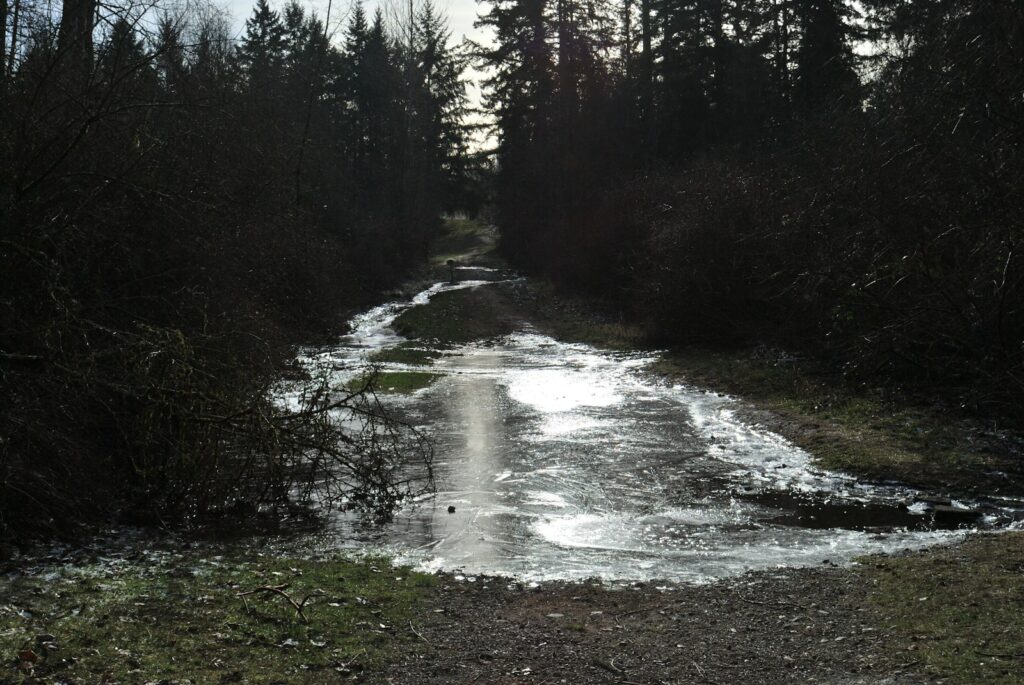
5. **Drive Cautiously Through Puddles**One of the most deceptive and dangerous aspects of potholes is their ability to hide in plain sight, often disguised beneath a seemingly innocuous puddle of water. What appears to be just standing water on the road can, in fact, conceal a deep, formidable pothole capable of inflicting significant damage to your vehicle. This makes driving cautiously through puddles an absolute necessity for every driver, especially after rain or during wet winter weather. Always assume a puddle on the road is a pothole until proven otherwise.
The primary danger lies in the unknown depth of the water. You have no idea what lurks beneath the surface of that water, and an innocent-looking puddle could be a massive, crater-sized hole, potentially filled with ice in colder temperatures. Driving a vehicle too fast through them when there may be hidden potholes that are deep and extra dangerous is a common pitfall that can lead to severe consequences. Rain often pools in potholes, making them incredibly difficult to gauge.
The impact from hitting a deep crater at speed can be severe, leading to immediate damage to tires, potentially causing a flat or a bulge in the sidewall, bent rims, or misalignment of your wheels. Even worse, the sudden jolt can damage suspension components, like shocks and struts, or cause a driver to lose control of the vehicle. If the vehicle does collide with a deep crater, don’t panic, but pull over to a safe spot on the highway or shoulder of the road right away, slow down, check for cross traffic, change lanes, and come to a stop to check for damage.
Whenever possible, the safest approach is to avoid driving over puddles altogether. If avoidance isn’t an option, such as in heavy traffic or on a road with no clear path around, the golden rule is to significantly reduce your speed. The slower you cross them, the better the outcome for you and your vehicle, as it reduces the speed at impact and allows your suspension more time to travel its full range and absorb the shock. Proceeding with extreme caution is your best defense against these hidden hazards.

6. **Reduce Speed, Especially in Low Visibility**The relationship between speed and pothole damage is stark and undeniable: hitting a pothole at higher speeds greatly increases the chance of tire, wheel, and suspension component damage. Therefore, reducing your speed safely is one of the most effective strategies for minimizing impact and preventing costly repairs, particularly when visibility is limited due to darkness, heavy rain, fog, or other adverse weather conditions. Did you know that hitting a pothole can equate to the force of a 35 mph car crash? This alarming statistic underscores the importance of slowing down.
Less visibility during nighttime means it can be significantly tougher to spot potholes in advance, let alone avoid them altogether. Lowering your speed gives you a crucial advantage: more time to visually identify the pothole and react accordingly, whether that’s safely maneuvering around it or preparing for an unavoidable impact. This defensive driving tactic is especially helpful when it’s rainy or excessively windy, as these conditions not only reduce visibility but often contribute to the formation and obscuring of potholes. A slower speed means more reaction time and less force upon impact if a pothole is unavoidable.
Furthermore, if you’re driving on a street that’s already covered in potholes, driving slowly will give you more time to maneuver around them, allowing for gentler navigation. But if you find that a pothole is truly unavoidable, slowing down also makes the impact gentler on your vehicle. It’s best practice to slow down *before* reaching a pothole, and then release the brakes just before you hit it. This technique allows the wheel and tire to roll through the depression, helping to minimize potential damage, as applying the brakes *while* your car is in the pothole can actually cause more damage.
By consciously reducing your speed in challenging conditions, you are actively increasing your reaction time and reducing the kinetic energy of any potential impact. This minimizes the stress on your vehicle’s components, making them less susceptible to bending, breaking, or puncturing. A controlled, slower approach is a powerful tool in your arsenal against road hazards, protecting both your vehicle and its occupants from the sudden jolts and potential dangers of unexpected potholes.
Read more about: The Data-Backed Truth: Which Car Colors Are Safest and Which Attract Trouble on the Road

7. **Exercise Caution on Unfamiliar Roads**Navigating the daily commute often means a predictable route, where drivers naturally anticipate and avoid known potholes. However, venturing onto unfamiliar roads presents a different challenge entirely. In areas less traveled, new and unexpected hazards can appear without the benefit of prior experience, demanding an elevated level of vigilance to prevent costly damage. This is where advanced situational awareness becomes truly indispensable, as the element of surprise is a pothole’s best ally.
When you find yourself on an unfamiliar stretch of pavement, it’s imperative to adjust your driving habits accordingly. This means actively scanning the road surface far ahead, similar to the general advice for staying alert, but with an intensified focus on identifying new or unexpected depressions. It’s also wise to proceed with extra caution, perhaps even reducing your speed slightly below the posted limit if conditions warrant, giving your eyes and brain more time to process the unknown terrain. Remember, your usual instincts for avoiding road hazards might not apply here.
Drivers should keep their eyes peeled in new places, understanding that the absence of familiar cues means every shadow and ripple on the asphalt could conceal a problem. Because drivers often anticipate and avoid potholes in areas they travel often, they might not notice new ones in less frequented areas. This increased caution allows you to identify potential trouble spots, like fresh potholes or areas of deteriorated pavement, giving you the critical seconds needed to safely maneuver around them.
Ultimately, treating unfamiliar roads with a heightened sense of awareness and a commitment to cautious driving is a proactive defense against unforeseen pothole pitfalls. It’s about not letting down your guard simply because you haven’t memorized every crack and crevice, safeguarding your vehicle from the surprises that less-traveled paths might hold.
Read more about: Navigating the Maze: Seven Confusing Road Signs That Have Left Drivers Perplexed and the Broader Challenge of Driver Confusion

8. **Know How to Mitigate Impact for Unavoidable Potholes**Despite all best efforts, there will inevitably be moments when a pothole simply cannot be avoided. Whether it’s obscured by traffic, an abrupt blind spot, or a sudden, unexpected appearance, drivers often find themselves in a split-second predicament. In these unavoidable scenarios, understanding specific techniques to minimize damage can be the difference between a minor jolt and an expensive trip to the auto shop. It’s not about avoiding entirely, but about intelligently managing the impact.
One of the most crucial techniques when an impact is imminent is to safely reduce your speed before reaching the pothole, and then, counterintuitively, to release the brakes just before you hit it. This advice from experts is vital because applying the brakes *while* your car is actually *in* the pothole can cause significantly more damage to your vehicle. By slowing down and then coasting over the pothole, you reduce the speed at impact, allowing your suspension more travel range to absorb the blow and lessening the stress on your tires and wheels.
As you brace for impact, a firm grip on the steering wheel is paramount. Hitting a pothole can deliver a jarring shock that can yank the steering wheel unexpectedly, potentially causing you to lose control of your vehicle. Gripping the wheel tightly ensures you maintain command, keeping your vehicle pointed straight and preventing erratic movements that could lead to further hazards, such as swerving into another lane or losing stability. You’re more at risk of losing control of your vehicle when you drive over a pothole, so maintaining that grip is essential.
Furthermore, the angle at which you strike the pothole plays a significant role in the extent of the damage. Where possible, aim to hit the pothole squarely, meaning with your wheels straightened and perpendicular to the edge of the hole. If you hit a pothole at an angle, it’s more likely to damage your vehicle, putting uneven stress on one side of the tire or suspension. Hitting it head-on helps distribute the force more evenly across the tire and suspension components, reducing localized strain.
When avoidance is impossible, a strategic approach involves slowing down *before* impact, releasing the brakes just as you make contact, maintaining a firm grip on the steering wheel, and attempting to hit the pothole as squarely as safety permits. These combined actions can dramatically minimize the severity of damage, turning a potential disaster into a manageable bump in the road.
Read more about: Is the American Road Trip Endangered? New Toll Hikes and Congestion Pricing Spark Outrage and Uncertainty

9. **Post-Impact Vehicle Inspection: What to Look For**Even with the most careful driving and avoidance strategies, hitting a particularly nasty pothole can still occur, leaving drivers with a sense of dread about potential damage. The immediate aftermath of such an impact requires a calm, systematic approach to assess your vehicle’s condition. Knowing what signs of damage to look for can help you determine the severity of the problem and whether immediate professional attention is required, preventing further complications or safety risks.
The very first step after a significant pothole impact is to pull over to a safe spot on the highway or shoulder of the road right away, as soon as it is safe to do so. Once stopped, begin with a visual inspection of your tires and wheels. A common sign of damage is a bulge on your tire’s sidewall, which could indicate the tire was pinched between the edge of the pothole and the wheel, potentially weakening or severing internal plies. Of course, a flat tire is an obvious sign, and it’s critical not to drive on it, as this can cause even more extensive and expensive damage to your wheel.
Beyond the immediate tire and wheel damage, pay close attention to your vehicle’s steering. If your car is now pulling noticeably to one side, or if the steering wheel seems off-center after the impact, it’s a strong indication that the pothole might have knocked your car’s alignment out of place. This can also signal damage to a steering or suspension component. Another red flag is a shaking or vibrating steering wheel, which could point to a damaged tire or rim, or an issue with wheel balance that requires immediate attention.
Unfamiliar noises or vibrations are also critical indicators. If you’re hearing new, strange noises or feeling unusual vibrations after hitting a pothole, it could mean something was bent or displaced and could be rubbing on either the tire or the wheel assembly, or even damage to the vehicle’s exhaust system or underbody. Furthermore, if a dashboard warning light suddenly appears, especially one related to tire pressure, odds are you likely damaged your tire or wheel.
Your instincts about your vehicle’s handling are invaluable. If your car doesn’t handle the way it usually does, feels bumpier than normal, or simply drives differently, trust that feeling and get it checked out by a qualified auto mechanic without delay. Addressing these issues promptly can prevent them from worsening, safeguarding both your vehicle and your continued safety on the road.

10. **Report Potholes for Community Safety**While individual driving strategies are essential for personal protection, a truly comprehensive approach to pothole defense extends beyond the confines of your own vehicle. A critical, yet often overlooked, aspect of managing this persistent road hazard involves community involvement: actively reporting hazardous potholes to the appropriate authorities. This act of civic responsibility not only helps others avoid damage but also plays a vital role in the broader effort to maintain safer roadways for everyone.
When you encounter a dangerous pothole, especially one that poses a significant risk, reporting it is a direct way to contribute to public safety. Your report alerts local government or state transportation departments to the problem, initiating the repair process. This proactive communication is crucial because these agencies cannot fix problems they don’t know exist. By taking a moment to inform them, you are directly speeding up the repair process, improving road safety for all drivers who will follow your path.
The process of reporting a pothole is often simpler than many drivers assume. Depending on your location, you can typically contact your city’s public works department or the state’s department of transportation, depending on who manages the road in question. In certain areas, dedicated statewide hotlines or user-friendly apps are available, allowing you to easily document the pothole’s location, and sometimes even submit a picture, to ensure accurate identification and prompt repair.
Paying it forward by reporting potholes creates a collective vigilance that benefits the entire driving community. It transforms a personal inconvenience into an opportunity for collective improvement, fostering a safer environment for everyone on the road. This shared responsibility ensures that the battle against these destructive divots is fought on all fronts, turning individual awareness into widespread action and helping to reduce the annual multi-billion-dollar cost of pothole damage across the nation.
Read more about: High-Mileage Havoc: The Crippling Electrical & Mechanical Nightmares Haunting Your Sports Car – A Deep Dive into the Ford S197 Mustang

11. **Leverage Other Drivers’ Reactions as Warning Signals**Driving is often a solitary activity, but the presence of other vehicles on the road provides a subtle yet powerful network of real-time hazard detection. An often-underestimated “trick” for advanced pothole avoidance involves paying keen attention to the movements of other drivers around you. Their sudden reactions can serve as immediate, visual cues, indicating the presence of an unseen pothole or other road hazard that you might not yet have spotted. This observational skill adds a crucial layer to your defensive driving toolkit.
Imagine observing the vehicle ahead of you suddenly swerve slightly or tap its brakes without any apparent reason like traffic or a visible obstacle. These actions are often tell-tale signs that the driver has just detected and is reacting to a road defect, quite possibly a pothole, that lies directly in your path. Being attentive to these subtle shifts in other vehicles’ trajectories or sudden braking patterns gives you an invaluable heads-up, providing precious extra seconds to adjust your own driving and avoid the hazard.
To effectively utilize this strategy, maintaining a safe following distance, as discussed earlier, becomes even more critical. A generous gap between your car and the one in front allows you an unobstructed view of their movements and grants you the necessary time and space to react safely to their warning signals. If you’re tailgating, you’ll not only miss these crucial cues but also lack the room to maneuver even if you do spot the pothole yourself.
By combining your own diligent road scanning with this observational awareness of other drivers’ evasive maneuvers, you create a powerful, multi-layered defense against unexpected potholes. It’s about more than just seeing; it’s about interpreting the collective intelligence of the road. This proactive vigilance, leveraging every available piece of information, significantly boosts your chances of navigating pothole-riddled routes unscathed and keeping your vehicle in top condition.
***
Read more about: Beyond Panic Braking: Cop-Approved Strategies for Confident and Skid-Free Driving in the Rain
As we navigate the intricate network of roads, potholes remain a formidable adversary, but as this comprehensive guide has shown, drivers are far from helpless. From rigorous vehicle maintenance and fundamental defensive driving to advanced situational awareness, precise impact mitigation, and vital community involvement, a wealth of strategies exists to safeguard your journey. By integrating these actionable insights into your daily driving, you’re not just avoiding damage; you’re becoming a more skilled, prepared, and confident driver. The road ahead may be imperfect, but with these tricks in your arsenal, you’re equipped to handle whatever it throws your way, ensuring your vehicle stays sound and your wallet stays full.