For most new car buyers, the joy of driving a pristine vehicle off the lot often comes with an unspoken, yet significant, financial reality: depreciation. It’s an inevitable component of vehicle ownership, a steady decline in value that begins the moment a new car becomes a used one. Understanding this process, particularly how quickly some models shed their worth, is not merely an academic exercise; it’s a critical aspect of making an informed, financially sound purchasing decision that can save thousands in the long run.
As a trusted source for consumer information, our aim is to empower you with the knowledge needed to navigate this complex and often opaque landscape. We delve into what makes certain vehicles ‘worst performers’ in terms of resale value, examining the inherent factors that contribute to this rapid decline. Our analysis emphasizes data-driven insights and practical advice, ensuring you can make choices that safeguard your investment and avoid the financial pitfalls associated with poor value retention.
While the market presents a wide spectrum of depreciation rates, some vehicles stand out for their particularly poor value retention, making them potential sources of significant regret for unsuspecting buyers. This article will meticulously break down the fundamental concepts of car depreciation, illustrate precisely how the term ‘worst’ applies in this critical financial context, and highlight the key indicators that every discerning consumer should be acutely aware of before committing to what is often one of their largest purchases.

1. **Defining “Worst” in Car Depreciation**When we speak of a car having the ‘worst’ resale value, we are employing a superlative term that signifies the absolute lowest end of the spectrum for value retention. Much like the word ‘best’ denotes the highest quality or most desirable outcome, ‘worst’ is the superlative form of ‘bad,’ implying something is ‘most bad.’ In the critical context of vehicle depreciation, this means a car’s value decline is so severe and pronounced that it stands out distinctly among all its peers, offering the least financial return at the crucial point of eventual resale.
This concept of ‘worst’ isn’t just about a minor or even moderate dip in value; it describes a profound and extreme degree of financial disadvantage for the car owner. As the foundational context for these terms explains, ‘Worst describes something as being bad in the highest degree possible.’ This is a crucial distinction from ‘worse,’ which would simply imply ‘more bad’ than another single comparison. Instead, ‘worst’ signifies the ‘most bad’ in its entire category or against all possible comparisons, unequivocally marking it as the vehicle that delivers the most unsatisfactory financial outcome.
Furthermore, the comprehensive definition of ‘worst’ can encompass various dimensions of ‘badness’ that extend beyond just the raw numerical percentage of value lost. It can imply a vehicle that is ‘most faulty or unsatisfactory’ from a long-term investment perspective, or one that becomes ‘most unpleasant, unattractive, or disagreeable’ in terms of its overall ownership experience when viewed through a financial lens. A car designated with the worst resale value might not just be a poor investment; it can symbolize the greatest financial misstep a consumer can make, leaving its owner with the absolute least amount of capital recovered when it’s time to move on.
The impact of a vehicle being categorized as having the ‘worst’ resale value can be far-reaching. It means that the total cost of ownership is drastically inflated by the rapid erosion of equity. For consumers who need to upgrade or change vehicles frequently, this rapid depreciation transforms a seemingly good purchase into a financial burden, making careful consideration of this ‘worst’ designation a paramount concern for any prudent buyer.
Read more about: Unpacking the Data: The 11 Most Dependable Trucks for Hard Workers in 2025, According to Expert Analysis and Owner Reports
2. **The Inescapable Reality of New Car Depreciation**The moment a new car drives off the dealership lot, a fundamental economic principle begins its relentless work: depreciation. This isn’t a phenomenon reserved for niche models or specific market conditions; it is, as the provided context unequivocally states, ‘an inevitable part of the buying process.’ This immediate and often substantial drop in value, frequently and somewhat colloquially referred to as the ‘new car smell tax,’ represents the instantaneous transition from a brand-new, never-owned asset to a used one, instantly shaving off a significant percentage of its original sticker price within minutes of purchase.
This initial depreciation, while impactful, is merely the genesis of an ongoing financial trend. The context further elucidates that new cars ‘continue to shed value over the following years.’ This relentless and progressive decline is influenced by a comprehensive tapestry of factors, including the accumulation of mileage, the natural wear and tear inherent in regular use, the continuous march of technological advancements rendering older features less desirable, and dynamic shifts in overall market demand. For the savvy consumer, this means that the true financial commitment of acquiring a new car extends considerably beyond the initial purchase price, deeply encompassing this predictable, yet frequently underestimated, long-term loss of value.
Acknowledging and truly understanding that depreciation is a constant and unavoidable companion to new car ownership is absolutely paramount for any discerning buyer. This intrinsic factor directly dictates how much a vehicle will genuinely be worth when the inevitable time arrives to sell it or trade it in, thereby directly and significantly impacting the overall total cost of ownership. While some inherent degree of value loss is an unavoidable economic reality, the specific rate and the ultimate extent of this decline can, in fact, vary dramatically between different makes and models, underscoring the critical importance of diligent and thorough research before making such a substantial and long-term investment.
The continuous erosion of value means that the equity built in a vehicle diminishes consistently. This is a stark contrast to other investments that might appreciate or hold steady. For a car, it’s a downward trajectory from day one, making it crucial for buyers to factor this inevitable loss into their financial planning. Failing to do so can lead to a rude awakening when the market value of their vehicle falls far short of their expectations.
Read more about: Beyond the Sticker Price: Uncovering the True Financial Commitment of Car Ownership
3. **Benchmarking Value: What to Expect in Long-Term Retention**To properly and objectively assess what genuinely constitutes ‘poor’ or, more precisely, ‘worst’ resale value in the fiercely competitive automotive market, it is absolutely essential to establish a robust and universally recognized baseline of comparison. Fortunately, the automotive industry provides such a crucial benchmark through its meticulously tracked average depreciation rates. According to KBB, a highly reputable and widely trusted source for comprehensive vehicle valuations, ‘the average new vehicle will be worth 42.4% of its sticker price after five years on the road.’ This specific statistic offers an indispensable and empirically grounded reference point for all consumers diligently considering a new car purchase.
This precise 42.4% figure represents a typical and statistically probable outcome for the vast majority of new vehicles, meaning that after a half-decade (five years) of conscientious ownership, a consumer could reasonably and realistically expect to recover less than half of their substantial initial investment when the time comes to either sell or trade in their vehicle. To put this into a concrete financial perspective, for a car that originally commanded a sticker price of, for example, $40,000, this established industry average would translate to a projected resale value of approximately $16,960 after five years, unequivocally signifying a significant and tangible financial loss of $23,040 incurred over that specific period of ownership. This average starkly illuminates the profound financial impact and substantial hidden cost embedded within the seemingly straightforward process of vehicle depreciation.
It is precisely when evaluated against this critical industry average that the concept of ‘worst performers’ truly comes into sharp and alarming focus. Vehicles that consistently fall significantly below this established 42.4% benchmark are the ones that inherently demand the most meticulous and intensive scrutiny from astute consumers. Their demonstrably accelerated rate of value loss means that buyers of these particular models will, regrettably, recoup an even smaller fraction of their original outlay, rendering the overall true cost of ownership considerably higher and the eventual resale experience far more challenging and potentially frustrating. Comprehending and utilizing this average is therefore not just a suggestion, but a fundamental first step in proactively identifying and ultimately avoiding these significant potential financial pitfalls.
Furthermore, understanding this benchmark allows consumers to contextualize the depreciation rates of specific models. When a car’s projected five-year retention rate is significantly lower than the 42.4% average, it immediately signals a red flag. This substantial deviation from the norm indicates a higher financial burden for the owner, making the vehicle a less desirable long-term investment. This data-driven approach is a cornerstone of making informed buying decisions, moving beyond anecdotal evidence to verifiable facts.
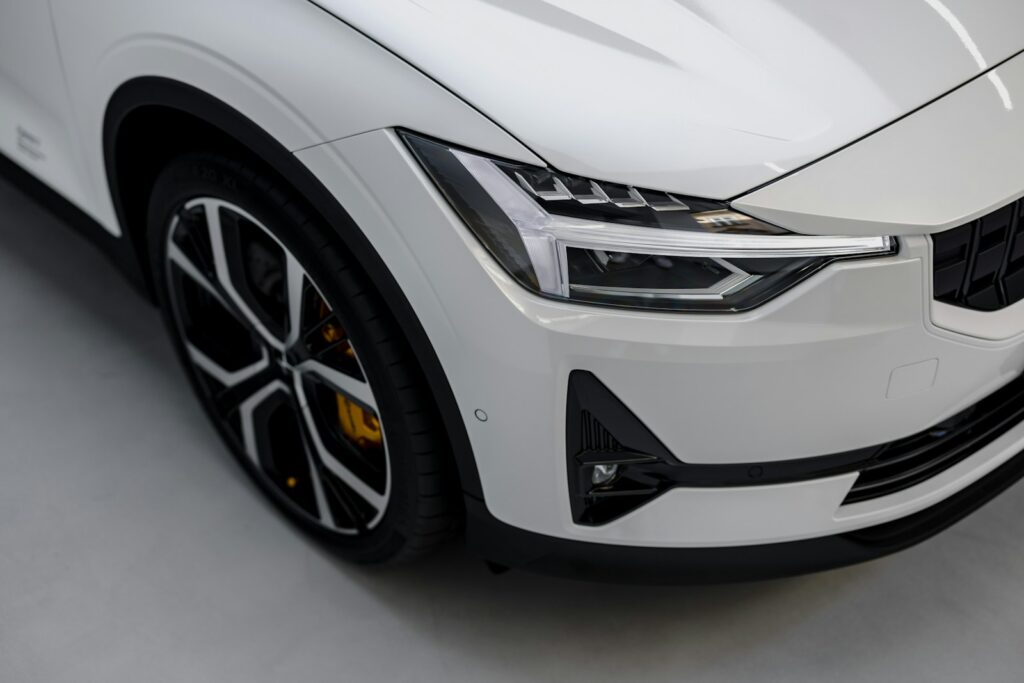
4. **Spotting the “Worst Performers”: Understanding Rapid Value Loss**While the phenomenon of depreciation is a universal constant for all new vehicles, a distinct and financially perilous category of ‘worst performers’ invariably emerges—models that exhibit an exceptionally rapid, steep, and often unanticipated decline in value, vastly exceeding the established industry average. These are the specific vehicles that, as clearly highlighted within the provided context, ‘lose value much faster than average,’ thereby presenting a considerable and undeniable financial hazard for their unfortunate owners. The crucial and often challenging task for consumers is the proactive identification of these particular models well before the point of purchase, a step that is undeniably fundamental in robust consumer protection.
For diligent consumers, the practical implication of this rapid value loss is abundantly clear: it makes ‘checking a car’s value retention all the more important before buying it, and potentially staying away from the worst performers.’ This critical and proactive research serves as an indispensable preventative measure, capable of averting substantial and often painful financial losses. Moreover, it helps to mitigate the pervasive sense of regret that frequently accompanies purchases of assets that depreciate with alarming speed. Ignorance of these potent warning signs can regrettably lead to a ‘painful experience’ when the inevitable time arrives to part ways with the vehicle, leaving the owner with significantly less capital than anticipated.
The characteristics that define these ‘worst performers’ are remarkably diverse and not confined to a single market segment or price point. The context insightfully indicates that ‘Some are attainable while others are exclusive flagships aimed squarely for the wealthiest buyers.’ This crucial observation underscores that high depreciation is by no means exclusive to either the mass-market affordable vehicles or the ultra-luxury echelons of the automotive industry. Whether a vehicle is positioned as an everyday commuter or an aspirational high-end luxury sedan, the inherent potential for severe and rapid value loss exists across the spectrum, making a thorough, data-driven investigation into resale projections an absolutely essential and non-negotiable part of the buying process for any financially astute consumer.
Factors contributing to such rapid decline often include a saturated market for a particular model, high maintenance costs, poor reliability ratings, or simply a lack of sustained desirability among used car buyers. These elements, though not explicitly detailed for every car in the context, implicitly contribute to a vehicle’s status as a ‘worst performer.’ Therefore, understanding that certain market dynamics and inherent vehicle traits contribute to this accelerated depreciation is key to making a truly informed decision, helping consumers avoid the financial burden that comes with owning a car that quickly becomes a depreciating liability.
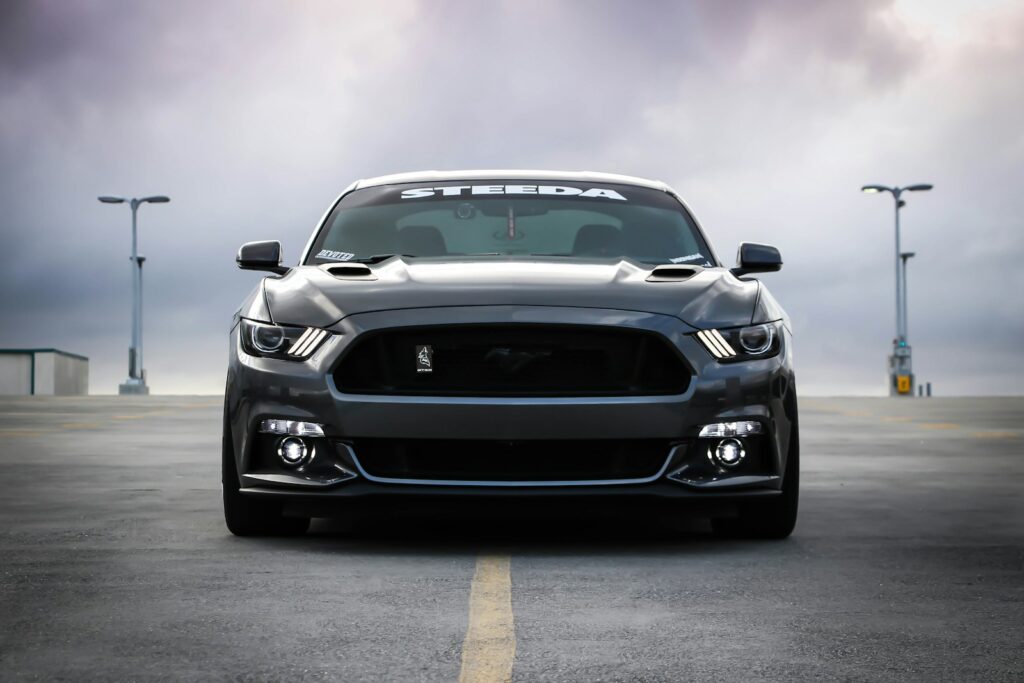
5. **Case Study: The BMW 7 Series and Its Significant Depreciation**The BMW 7 Series, a prominent executive sedan, exemplifies a luxury vehicle whose financial performance in the used car market dramatically diverges from its initial premium appeal. While it stands as a testament to automotive engineering and opulence, its value retention paints a starkly different picture for the average consumer. According to data compiled by KBB, this flagship model is projected to retain a mere 32.7% of its original value after five years of ownership, a figure that falls substantially below the industry’s overall average for depreciation.
This rapid decline in value, nearly ten percentage points below the established 42.4% benchmark, positions the 7 Series among the ‘worst performers’ in terms of resale prospects. Despite this significant financial caveat, the vehicle itself offers a compelling suite of features that contribute to its desirability in certain segments. SlashGear, for instance, bestowed an Editor’s Choice award upon the 2023 model, commending its surprisingly sharp driving dynamics and robust, powerful engine, characteristics not always associated with a vehicle of its size and luxurious intent.
The technological sophistication within the 7 Series further enhances its high-end appeal. A standout feature is the impressive 31-inch Theater Screen, which elegantly folds down from the roof, transforming the rear cabin into a private cinematic experience for passengers. This, coupled with the lavish “executive lounge seating,” clearly delineates the primary target market for this vehicle. It is a car designed less for the thrill of driving oneself and more for the refined comfort of being chauffeured.
For the discerning consumer who views a vehicle as a long-term investment or prioritizes maximizing recovered capital upon resale, the BMW 7 Series presents a considerable financial challenge. The substantial depreciation means that while the initial acquisition provides unparalleled luxury and performance, the total cost of ownership is significantly inflated by the rapid erosion of equity.
However, for the specific demographic targeted by BMW – typically the wealthiest buyers who likely employ chauffeurs and are less concerned with the minutiae of depreciation levels – the 7 Series continues to be a popular and logical choice within its segment. This distinction underscores that while a car might be a ‘worst performer’ in resale value, its appeal can persist for those whose financial circumstances render such losses largely immaterial.
Car Model Information: 2023 Hyundai SANTA FE SEL 2.4
Name: BMW 7 Series
Caption: BMW 7 Series (G11)
Manufacturer: BMW
Production: 1977–present
Class: Full-size car,luxury car
BodyStyle: sedan (car)
Predecessor: BMW New Six
Categories: All articles with dead external links, Articles with dead external links from July 2021, Articles with short description, BMW vehicle series, CS1 Chinese-language sources (zh)
Summary: The BMW 7 Series is a full-size luxury sedan manufactured and marketed by the German automaker BMW since 1977. It is the successor to the BMW E3 “New Six” sedan and is now in its seventh generation.
The 7 Series is BMW’s flagship car and is only available in a sedan bodystyle (including long wheelbase and limousine models). It traditionally introduces technologies and exterior design themes before other models in BMW’s lineup.
The first generation of the 7 Series was powered by straight-6 petrol engines, and following generations have been powered by inline-4, straight-6, V8 and V12 engines with both natural aspiration and turbocharging. Since 1995, diesel engines have been optional in the 7 Series.
Unlike the BMW 3 Series and BMW 5 Series sedans, BMW does not offer a full M model, but once offered an M performance variant, the BMW M760 with its 6.6L V12 (at the time the most powerful BMW ever made, not to be confused with BMW 760 6.6 V12 which does not offer the same performance). The Alpina B7 served as the high-performance variant of the 7 Series.
Get more information about: BMW 7 Series
Buying a high-performing used car >>>
Brand: BMW Model: 7 Series
Price: $19,256 Mileage: 56,972 mi.

6. **Case Study: Land Rover Range Rover – A Luxury SUV’s Resale Challenge**Another iconic vehicle that, despite its prestigious lineage and enduring popularity, confronts a significant challenge in value retention is the Land Rover Range Rover. Introduced back in 1970, the Range Rover carved a unique niche as an upmarket alternative to Land Rover’s famously rugged yet rudimentary off-road vehicles. Its original design masterfully blended formidable off-road capabilities with a nascent sense of luxury, appealing to a clientele that desired both adventure and refinement.
Over the decades, the Range Rover has evolved significantly, steadily elevating its luxury quotient while maintaining its signature commanding presence and formidable capabilities. Today, it stands as a quintessential luxury SUV, synonymous with premium comfort, advanced technology, and a powerful image. Yet, like many vehicles in the high-end luxury segment, it is not immune to the economic realities of rapid depreciation.
While specific five-year retention percentages for the Range Rover are not explicitly detailed in the immediately available context as they were for the BMW 7 Series, it is clearly categorized among those models that “score among the lowest on the market for resale value according to data from KBB, with each scoring significantly below the overall average.” This places the Range Rover firmly in the category of vehicles that will experience substantial value loss during their initial years of ownership.
For consumers, especially those who plan to finance their vehicle purchase or intend to regularly upgrade, the Range Rover’s propensity for significant depreciation translates into a higher effective cost of ownership. The allure of its sophisticated features and premium badge can often mask the underlying financial burden that rapid value erosion represents, turning a dream purchase into a potential source of long-term regret if not thoroughly researched.
Therefore, a meticulous evaluation of potential depreciation is as critical for an aspirational luxury SUV like the Range Rover as it is for any other vehicle. Its historical evolution from a dual-purpose vehicle to a full-fledged luxury icon has not insulated it from the economic principles that dictate used car values, making it essential for buyers to understand the financial implications beyond the initial sticker price.
Car Model Information: 2023 Hyundai SANTA FE SEL 2.4
Caption: 2022 Range Rover SE P440e (L460, fifth generation, United Kingdom)
Aka: unbulleted list
Name: Range Rover
Manufacturer: unbulleted list
Production: 1969–present
Assembly: unbulleted list
Class: unbulleted list
Layout: Front-engine, four-wheel-drive layout
Sp: uk
Categories: 1980s cars, 1990s cars, 2000s cars, 2010s cars, 2020s cars
Summary: The Land Rover Range Rover, generally shortened to Range Rover, is a 4WD luxury mid to full size crossover marque and sub-brand of Jaguar Land Rover, owned by India-based Tata Motors. The Range Rover line was launched in 1970 by British Leyland and since 2022 is in its fifth generation.
Additional models have been launched under the Range Rover name, including the Range Rover Sport, Range Rover Evoque, and Range Rover Velar.
Get more information about: Range Rover
Buying a high-performing used car >>>
Brand: Land Rover Model: Range Rover
Price: $19,256 Mileage: 56,972 mi.

7. **The Broader Implications of a “Worst-Case Scenario” in Car Ownership**The concept of a “worst-case scenario” in car ownership extends far beyond a simple numerical loss on a balance sheet; it encompasses a comprehensive spectrum of financial and practical regrets that can profoundly impact a buyer’s experience. As outlined by the linguistic context, “worst case is used in the two idiomatic expressions: in the worst case and worst-case scenario. Both of these phrases refer to a situation that is as bad as possible compared to any other possible situation.” When applied to automotive purchases, this signifies the most unfavorable outcome imaginable, one where the financial burden of depreciation becomes overwhelmingly detrimental.
Such a scenario manifests when a vehicle’s value plummets far below expectations, leaving the owner with significantly less equity than anticipated. This rapid erosion of capital not only translates into a direct financial hit but also creates a psychological burden. The feeling of “burning money” or making a significant financial misstep can be genuinely disheartening, affecting an owner’s confidence in future financial decisions and potentially leading to deep regret over their purchase.
Furthermore, a worst-case depreciation scenario can severely limit an owner’s practical options. If the resale value is exceptionally low, trading in the vehicle becomes economically unviable, often resulting in negative equity – owing more on the car than it is worth. This situation traps owners, making it difficult to upgrade to a newer, more reliable, or more suitable vehicle without incurring further financial penalties. The dream of a flexible, easy upgrade turns into a difficult, constrained financial decision.
This undesirable outcome underscores the paramount importance of pre-purchase due diligence. Consumers are often drawn to new cars by initial appeal, forgetting the long-term financial lifecycle of the asset. Failing to properly research value retention before committing to a purchase is a direct pathway to encountering this kind of “worst-case scenario,” where the joy of new car ownership is overshadowed by the looming specter of substantial, irretrievable financial loss.
The implications are not just personal; they extend to broader financial planning. A rapidly depreciating asset can skew a household’s budget, diverting funds that could otherwise be allocated to savings, investments, or other significant life expenses. Avoiding this financial quagmire necessitates an informed, data-driven approach to car buying, understanding that some vehicles inherently carry a higher risk of delivering a ‘most bad’ financial outcome.
Read more about: Hidden Threats: Unmasking the Subtle Habits and Oversights That Drastically Tank Your Car’s Resale Value
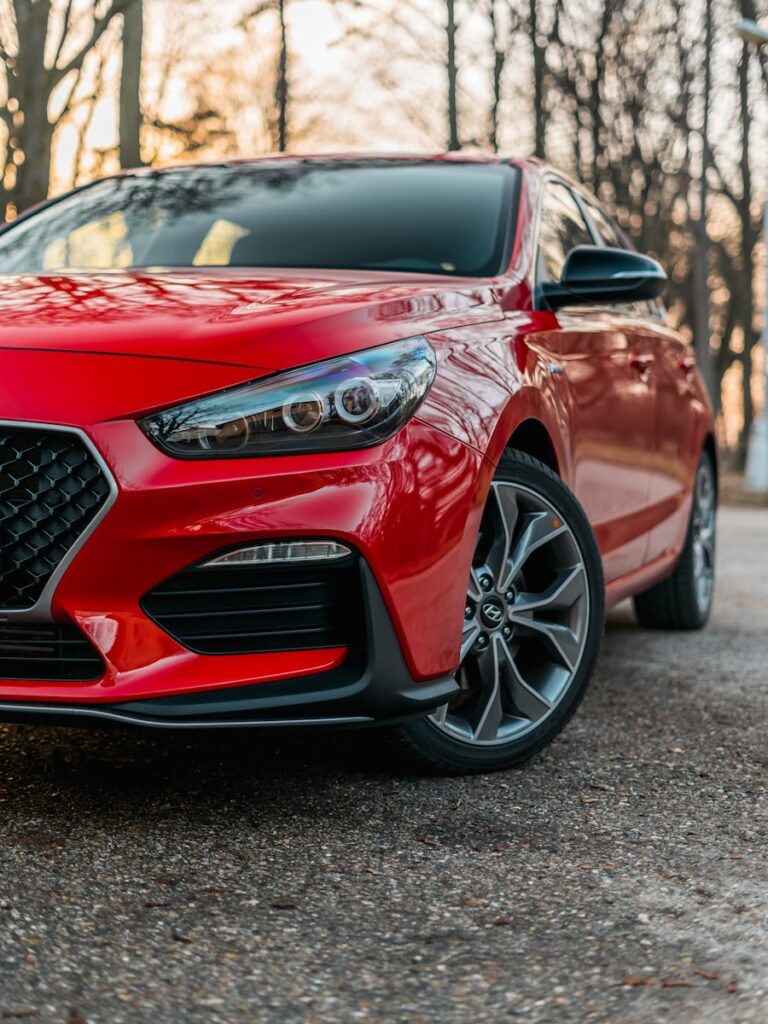
8. **Mitigating the “Painful Experience” of Reselling Low-Value Cars**The prospect of reselling a vehicle that has experienced significant depreciation can indeed be a “painful experience,” as insightfully noted in discussions about ‘worst performers.’ This discomfort stems from the realization that a substantial portion of the original investment will not be recouped, leading to feelings of frustration and financial regret. However, consumers are not powerless against this financial reality; strategic actions taken before and during ownership can significantly mitigate the impact.
The most effective defense against a painful resale experience begins long before the purchase agreement is signed: with comprehensive pre-purchase research. As previously emphasized, checking a car’s value retention is “all the more important before buying it, and potentially staying away from the worst performers.” This diligent investigation into depreciation rates across different makes and models allows buyers to make informed decisions that align with their financial goals and risk tolerance.
Understanding the KBB benchmark, where the average new vehicle retains 42.4% of its sticker price after five years, serves as an invaluable tool. By comparing a prospective vehicle’s projected resale value against this industry average, consumers can readily identify models that are likely to burn more money. Choosing a vehicle with a stronger value retention profile, even if it entails a slight compromise on other features, can translate into thousands of dollars saved at the point of resale.
Furthermore, informed decision-making extends beyond merely selecting a vehicle with good resale value. It involves a holistic understanding of the total cost of ownership, which includes not just depreciation but also factors like insurance, maintenance, and fuel efficiency. A car might have acceptable depreciation but exorbitant running costs, still leading to a “painful experience” when the overall financial outlay is tallied.
Ultimately, empowering consumers with practical advice and robust data is the cornerstone of avoiding regret in new car purchases. By diligently researching, comparing, and making choices that prioritize long-term financial prudence, buyers can transform what could be a disheartening resale into a more manageable and predictable transaction. This proactive approach ensures that the joy of driving a new car is not later overshadowed by the financial sting of rapid depreciation, allowing for a more confident and financially sound journey of vehicle ownership.
Navigating the complex landscape of new car depreciation requires more than just an understanding of market dynamics; it demands a commitment to informed decision-making. As we have explored, from the immediate drop in value upon driving off the lot to the distinct financial pitfalls of ‘worst performers’ like certain luxury sedans and SUVs, the potential for significant loss is ever-present. However, armed with data-driven insights and a clear understanding of value retention benchmarks, consumers possess the power to safeguard their investments. Prioritizing thorough research, recognizing the broader implications of rapid depreciation, and actively seeking vehicles with stronger resale prospects are not merely suggestions, but essential strategies for avoiding the financial regrets that can accompany a poorly chosen new car. In the end, a savvy buyer is an empowered buyer, capable of turning a potentially painful experience into a sound financial decision.