When news emerges that fewer vehicles have qualified for top safety honors, it’s natural for consumers to question why. The assumption might be that car manufacturers are somehow ‘cutting back’ on safety features. However, a closer look at the 2023 Insurance Institute for Highway Safety’s (IIHS) TOP SAFETY PICK award list reveals a more nuanced, and ultimately, more reassuring story for drivers. Rather than a reduction in safety by brands, the landscape of vehicle safety evaluation has fundamentally shifted, demanding more from every new model.
The IIHS, a respected nonprofit research and education organization, annually conducts rigorous tests to identify which new models offer the best protection. For 2023, the list of award winners is indeed ‘smaller than previous years,’ with 28 models earning a TOP SAFETY PICK+ and another 20 vehicles receiving a TOP SAFETY PICK. This reduction in the number of accolades is not a sign of declining vehicle safety, but a direct consequence of ‘tougher criteria and stricter requirements for crash protection and prevention systems’ implemented by the IIHS itself.
This year’s changes underscore a proactive approach to improving road safety, reflecting the constant evolution of automotive technology and the persistent challenges posed by traffic accidents. Understanding these updated criteria is essential for any consumer prioritizing safety, enabling informed decisions when selecting a new vehicle. Let’s delve into the specific advancements and shifts in evaluation that define the 2023 IIHS TOP SAFETY PICK awards.
1. **The Evolving Landscape of IIHS TOP SAFETY PICK Awards**The IIHS TOP SAFETY PICK awards have long served as a crucial benchmark for consumers seeking the safest vehicles on the market. These annual awards provide invaluable, unbiased information, allowing purchasers to make informed decisions based on comprehensive evaluations. Each year, the IIHS announces which new models performed best in their rigorous assessments, organizing the list by size and type on their official website for easy consumer access and comparison.
The significance of the 2023 list, however, lies in its notably reduced size. While previous years might have seen a larger pool of vehicles earning these prestigious honors, this year’s tally stands at 48 award winners in total – 28 TOP SAFETY PICK+ and 20 TOP SAFETY PICK recipients. This immediate observation might raise eyebrows, but it is precisely this tightened selection that highlights the IIHS’s commitment to pushing the boundaries of vehicle safety rather than a lapse in manufacturer commitment.
This ‘smaller’ list is not a negative reflection on the industry’s intent, but a testament to the IIHS’s responsiveness to advancing vehicle capabilities and emerging safety challenges. By continually raising the bar, the organization encourages manufacturers to innovate further, ensuring that the vehicles meeting the TOP SAFETY PICK criteria truly represent the vanguard of automotive safety. It directly addresses concerns related to product safety, performance, reliability, and value, aligning perfectly with a consumer-centric approach.
Read more about: The Essential Guide to Choosing Your Best New SUV for 2025: Informed Choices for Smart Drivers
2. **The Impact of Toughened Criteria on 2023 Award Winners**At the heart of the reduced number of award winners for 2023 is a foundational shift in the IIHS’s evaluation methodology. The organization explicitly states that the smaller list is ‘due to tougher criteria and stricter requirements for crash protection and prevention systems.’ This is not a situation where brands have ‘secretly cut back’ on features; rather, the standard for what constitutes ‘top safety’ has been elevated across the board, compelling vehicles to demonstrate superior performance in more challenging tests.
Every model aspiring to be an award winner must now earn ‘good’ ratings in six specific crashworthiness tests. This comprehensive assessment ensures that vehicles offer robust protection in a variety of collision scenarios, from frontal impacts to side crashes. Furthermore, these vehicles must offer trims, which are pre-packaged groups of features, that include front-crash prevention systems achieving ‘advanced’ or ‘superior’ ratings, demonstrating their capability to mitigate or avoid collisions proactively.
This analytical approach by the IIHS provides unbiased information, free from sensationalism, directly to the consumer. It clearly communicates that to be considered among the safest, a vehicle must excel not just in passive crash protection but also in active crash avoidance technologies. The stricter criteria serve as a powerful incentive for manufacturers to integrate the most effective safety innovations as standard or widely available features, ultimately benefiting all road users.
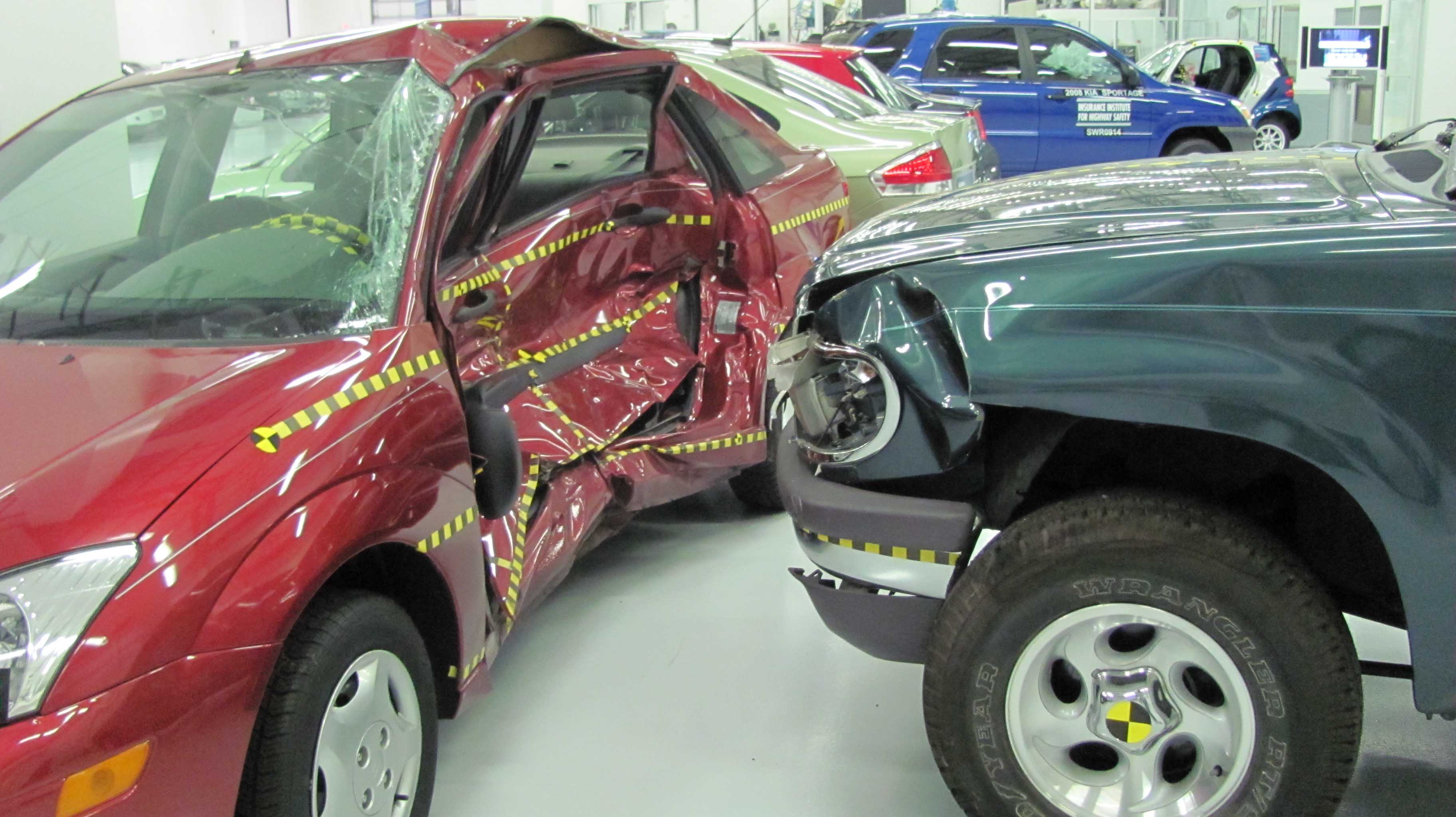
3. **Stricter Side Crash Test Requirements**One of the most significant changes contributing to the tougher criteria in 2023 is the update to the IIHS side crash test. This particular evaluation, launched in 2021, has now become a more stringent hurdle for award qualification. Previously, vehicles might have passed with less impressive results, but for the 2023 awards, a higher standard has been set, directly impacting how vehicles are assessed for their ability to protect occupants in side-impact collisions.
To qualify for the basic TOP SAFETY PICK award, vehicles must now receive an ‘acceptable’ or ‘good’ rating in this updated side crash test. For those aiming for the pinnacle TOP SAFETY PICK+ designation, the requirement is even more demanding, necessitating a ‘good’ rating. This distinction underscores the IIHS’s drive to differentiate between good and excellent performance, pushing manufacturers to fortify vehicle structures and deploy advanced side-impact protection systems.
The emphasis on this updated test reflects real-world accident data and the continuous effort to improve protection against common, yet often severe, collision types. By setting a higher bar for side-impact protection, the IIHS is providing actionable advice to consumers: look for vehicles that demonstrably excel in this area. It’s a clear example of how evaluations evolve to meet and exceed current safety needs, ensuring that awarded vehicles offer truly superior protection in critical scenarios.
Read more about: Navigating the Crossroads: Key Legal and Policy Shifts Redefining the Trucking Industry in 2025
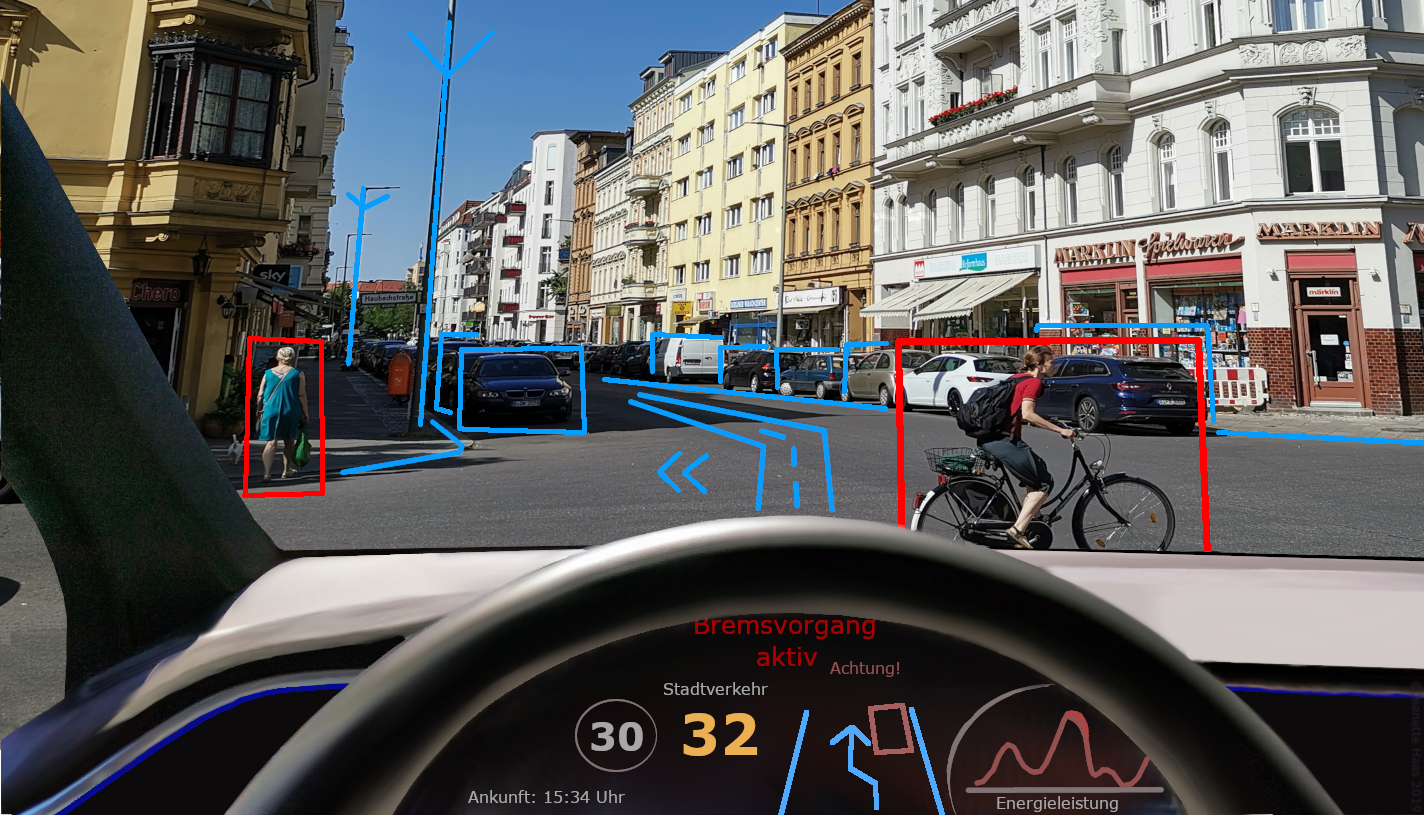
4. **The Introduction of Nighttime Vehicle-to-Pedestrian Prevention Tests**Another crucial addition to the IIHS’s rigorous suite of evaluations for 2023 is the entirely new nighttime vehicle-to-pedestrian front crash prevention test. This innovative assessment addresses a critical safety gap, as pedestrian fatalities often occur during hours of darkness. The inclusion of this test highlights the IIHS’s comprehensive approach, extending beyond vehicle-to-vehicle collisions to encompass the protection of vulnerable road users.
For the highly coveted TOP SAFETY PICK+ award, vehicles are now mandated to demonstrate ‘advanced’ or ‘superior’ performance in *both* daytime and nighttime pedestrian tests. This dual requirement ensures that a vehicle’s pedestrian detection and automatic braking systems are effective under varied lighting conditions, reflecting the full spectrum of real-world driving challenges. It’s an investigative analysis into how well these systems perform when visibility is compromised.
Vehicles that only achieve ‘advanced’ or ‘superior’ ratings for the daytime pedestrian test, without meeting the nighttime performance standard, are eligible for the base TOP SAFETY PICK award. This tiered approach provides clear differentiation for consumers, allowing them to understand which vehicles offer the most comprehensive pedestrian protection, especially crucial in urban and suburban environments. It’s a proactive step that empowers readers to make informed purchasing decisions about a vital aspect of modern safety.
5. **Elevated Headlight Performance Standards**The visibility provided by a vehicle’s headlights is a fundamental aspect of safe driving, particularly during nighttime or adverse weather conditions. Recognizing this, the IIHS significantly increased its headlight requirements for both the base TOP SAFETY PICK and the TOP SAFETY PICK+ awards in 2023. This change marks a crucial refinement in criteria, ensuring that award-winning vehicles not only protect occupants but also enhance a driver’s ability to see and react to hazards.
Previously, only vehicles vying for the TOP SAFETY PICK+ designation needed to have ‘good’ or ‘acceptable’ headlights standard on the vehicle. However, for 2023, this requirement has been extended to include the base TOP SAFETY PICK award as well. This means that *every* vehicle recognized for top safety by the IIHS must now come equipped with at least one headlight system that achieves a ‘good’ or ‘acceptable’ rating, directly from the factory.
This uniform elevation of headlight standards underscores the IIHS’s commitment to holistic safety. Poor headlight performance can severely compromise crash avoidance capabilities, negating the benefits of other advanced safety features. By making high-quality standard headlights a prerequisite for *all* award categories, the IIHS ensures that consumers can expect a baseline of effective illumination across the board, providing actionable advice for those looking to upgrade their vehicle’s safety profile.
Read more about: Unleashing Automotive Legends: 14 Iconic 1970s Cars Now Commanding Millions in the Collector’s Market

6. **Criteria Eliminated Due to Industry Progress**While many criteria were made tougher, it’s equally important to understand some aspects that were *removed* from the award evaluations. Specifically, ‘the roof strength, head restraint and vehicle-to-vehicle front crash prevention evaluations are no longer part of the award criteria.’ At first glance, this might seem like a ‘cutback’ in safety assessment, but the IIHS provides a clear and reassuring explanation for this decision: it is ‘due to industry progress which has made these tests less relevant’.
This clarification is crucial for consumers. It doesn’t mean these safety features are less important or that manufacturers are neglecting them. Instead, it signifies that the automotive industry as a whole has made such substantial progress in these areas that nearly all modern vehicles perform exceptionally well. These features have become so robust and standardized that they no longer serve as effective differentiators for identifying *top-tier* safety performers for the awards.
In essence, widespread excellence in these areas means they no longer distinguish the best from the rest within the awards program. The IIHS continually refines its evaluations to focus on areas where significant disparities in performance still exist, or where new challenges (like nighttime pedestrian crashes) emerge. This continuous adaptation ensures the awards remain pertinent and genuinely highlight leadership in vehicle safety, empowering consumers to benefit from across-the-board improvements while still identifying the cutting edge.
Read more about: A Comprehensive Guide to Getting an Instant Cash Offer for Your Rare and Collectible Car

7. **The Broader Context: Rising Traffic Fatalities and the Need for Advanced Safety**The tightening of IIHS safety criteria for 2023 is not an arbitrary decision but a response to a sobering reality on U.S. roads. ‘Traffic fatalities on U.S. roads reached a 16-year high in 2021,’ a statistic that starkly underscores the critical importance of vehicle safety. This alarming trend makes it ‘even more important to protect yourself and loved ones when getting from A to B,’ reinforcing the necessity for continuous advancements in automotive safety.
This investigative background provides the ‘why’ behind the IIHS’s stricter stance. While manufacturers are constantly striving to make cars safer, and ‘new technologies are helping drivers minimize the effects of accidents, reducing physical harm and repair costs, as well as avoiding them altogether,’ the persistent high fatality rates indicate that there is still much work to be done. The IIHS awards, therefore, act as a vital consumer guide in this challenging environment.
The intersection of rising fatalities and evolving safety standards highlights the ongoing tension between technological progress and real-world outcomes. It underscores why ‘safety should be one of the top priorities for drivers considering buying new vehicles in 2023.’ The rigorous evaluations ensure that consumers have access to vehicles that are truly equipped to handle the complexities and dangers of modern driving, providing a critical resource for informed purchasing decisions in a landscape where protection is paramount.

8. **Blind-spot warnings**For any driver, particularly those just learning the ropes, the constant reminder to “check your blind spots” before every lane change or turn is ingrained. Yet, in the fast-paced reality of modern traffic, performing a perfect head check every single time can indeed be a challenging and sometimes tricky maneuver, especially when visibility is compromised or situations are rapidly evolving. This is where advanced technologies step in to offer a crucial helping hand.
Blind-spot warning systems are designed precisely to address this perennial driving challenge. These ingenious systems utilize “proximity technology such as radar sensors positioned at the corners of rear bumpers” to continuously scan the areas that are traditionally obscured from a driver’s direct line of sight or even peripheral vision. These sensors act as an extra set of eyes, vigilant for any vehicles that may be lurking out of view.
When a vehicle enters one of these blind zones, the system springs into action, providing an “alert you to vehicles hidden out of view.” This alert often manifests as a visual signal, such as an illuminated icon in the side mirror or on the A-pillar, sometimes accompanied by an audible warning or even a vibration in the steering wheel if the driver attempts to signal a lane change while a vehicle is detected. This immediate feedback helps in “stopping you mistakenly thinking you’re in the clear.”
The integration of blind-spot warnings significantly enhances driver confidence and safety. It acts as a preventative measure, reducing the likelihood of side-swipe collisions that can occur when drivers misjudge distances or simply fail to spot another vehicle. For consumers prioritizing safety, this feature represents a tangible improvement in situational awareness and accident avoidance.
Read more about: Why American Drivers Are Shifting Away From Sedans: An In-Depth Analysis of Market Dynamics and Consumer Preferences
9. **Door-exit warnings**Consider the all-too-common scenario: a parked car door suddenly swings open into the path of an oncoming cyclist or pedestrian, or perhaps you’ve been the one navigating past a stationary vehicle only to have its door unexpectedly open. These situations, often resulting in near misses or even serious accidents, highlight a significant, yet frequently overlooked, urban driving hazard that traditional driving habits alone cannot always mitigate.
Modern automotive engineering, however, offers an elegant solution in the form of door-exit warnings. This innovative safety feature employs “similar technology as above” – meaning, it typically uses proximity sensors, often integrated into the vehicle’s side, to monitor the area adjacent to the doors. These sensors are specifically calibrated to detect approaching traffic, including cyclists and pedestrians, from the rear of the vehicle.
The primary function of door-exit warnings is to “alert drivers through a beep or flash before they open up into overtaking traffic.” This timely warning gives occupants crucial seconds to reassess the situation, preventing them from inadvertently creating a dangerous obstruction. It’s a proactive measure designed to protect not only the vehicle’s occupants but, more importantly, vulnerable road users who might otherwise be unseen or unheard.
This feature is particularly invaluable in densely populated urban environments where street parking and active transportation modes like cycling are prevalent. By mitigating the risk of “dooring” incidents, door-exit warnings contribute significantly to broader road safety, demonstrating how targeted technological advancements can address specific, everyday dangers. It reflects a consumer-centric focus on holistic safety that extends beyond just the vehicle’s occupants.

10. **Speed sign recognition**Driving on unfamiliar roads or through rapidly changing speed zones can often lead to unintentional speeding or, conversely, driving too slowly, both of which can pose safety risks and result in penalties. It’s remarkably easy to overlook a speed limit sign, especially amidst a flurry of other road information or in areas where limits change frequently. This human tendency to miss crucial visual cues is a universal challenge for drivers.
To combat this, vehicles are increasingly equipped with speed sign recognition technology, a feature designed to keep drivers constantly informed of the prevailing legal speed limit. This system “uses tiny cameras in the windscreen to scan the road ahead and pick up various speed signs.” Its sophisticated visual processing capabilities allow it to identify not just traditional physical signs, but also “digital, physical, and specific zone signs,” providing a comprehensive understanding of the current regulations.
Once a speed limit is detected, the system typically displays the information prominently, often on the instrument cluster or a head-up display. This constant, real-time reminder serves as an invaluable aid, helping drivers to maintain appropriate speeds without needing to actively search for signs. It effectively minimizes the chances of accidental infringements and promotes a more consistent and safer driving pace.
The benefit of speed sign recognition extends beyond merely avoiding fines; it contributes directly to safer driving practices by ensuring drivers are always aware of the legal parameters for their current location. By reducing the cognitive load on drivers, it allows them to focus more intently on the road conditions and traffic, embodying a fact-based and consumer-centric approach to enhancing everyday driving safety. This technology is a clear example of how subtle advancements can have a profound impact on overall road behavior.
Read more about: The Definitive Guide to Work Van Longevity: Identifying Models That Last 400,000 Miles and Those That Fall Short
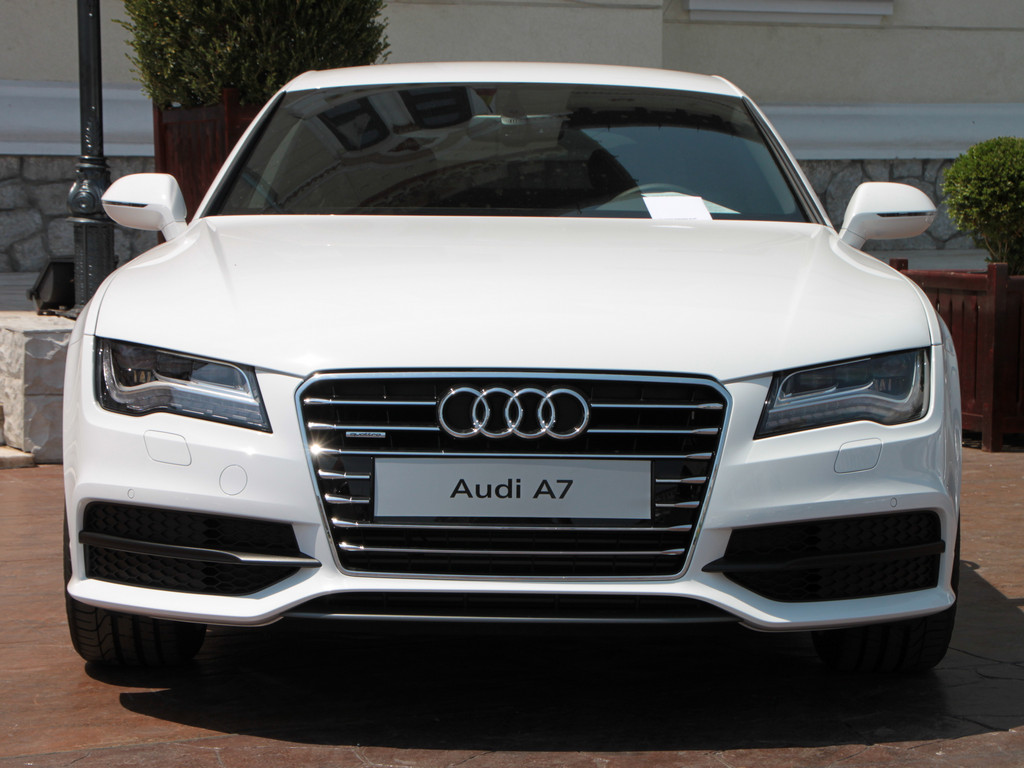
11. **Autonomous emergency braking**Autonomous Emergency Braking (AEB) stands as a monumental advancement in active safety, representing a significant step forward in preventing and mitigating the severity of collisions on the road. Unlike systems that merely warn drivers, AEB possesses the capability to intervene directly, a critical difference when every fraction of a second counts in avoiding an imminent crash. Its introduction marks a transformative shift in vehicle safety technology.
The functionality of AEB relies on a sophisticated “mix of sensors and cameras to monitor the road ahead.” These advanced systems are constantly scanning for potential obstacles, including other vehicles, pedestrians, and cyclists. When a potential collision is detected, the system first provides an audible and/or visual alert to the driver, urging them to take corrective action. If the driver “don’t respond in safe time,” meaning they fail to react adequately, the system then makes the critical decision to “quickly taking over to perform an emergency stop.”
This rapid, automated response can be the decisive factor in avoiding a collision entirely or, at the very least, “reduce the severity of a collision.” By applying maximum braking force far faster than a human driver might be able to in a surprise situation, AEB drastically diminishes the impact energy, thereby reducing physical harm to occupants and potentially lowering repair costs. Its effectiveness has been widely documented, making it a cornerstone of modern vehicle safety evaluations.
It is crucial to understand that while incredibly powerful and life-saving, AEB is an assistance system, not a substitute for attentive driving. It functions as a robust safety net, designed to mitigate human error or delayed reactions in critical moments. For consumers, opting for a vehicle equipped with a high-performing AEB system, particularly one with “advanced” or “superior” ratings in independent tests like those conducted by the IIHS, offers a profound layer of protection and peace of mind on every journey.
Read more about: Navigating the Maze: Seven Confusing Road Signs That Have Left Drivers Perplexed and the Broader Challenge of Driver Confusion
12. **Electronic stability control**Maintaining control of a vehicle, especially under challenging road conditions or during sudden maneuvers, is paramount for safety. There are moments when a car might begin to lose traction or veer off its intended path, situations that can quickly escalate into serious accidents if not corrected immediately. This is precisely the critical gap that Electronic Stability Control (ESC) technology is designed to bridge, standing as another important recent advance for vehicle safety.
ESC systems are engineered to detect when a vehicle is “about to lose stability or skid out of control,” whether that instability is “due to your driving inputs or the road conditions.” It achieves this through a network of sensors that continuously monitor wheel speed, steering angle, yaw rate (the rotation of the vehicle around its vertical axis), and lateral acceleration. When these sensors detect a discrepancy between the driver’s intended direction and the vehicle’s actual movement, ESC intervenes.
The system’s response is swift and precise. It works “to automatically reduce engine power and even operate both or individual brakes” to help steer the vehicle back onto its intended course. For example, if the car begins to oversteer, ESC might apply the outer front brake to counteract the skid; for understeer, it might brake the inner rear wheel. This micro-management of braking and power delivery happens almost imperceptibly, often before the driver even fully realizes a loss of control is occurring.
The widespread adoption and effectiveness of Electronic Stability Control have been instrumental in significantly reducing single-vehicle crashes and rollovers. It is a testament to the power of intelligent automotive systems to enhance driver control and prevent potentially catastrophic outcomes. For any consumer prioritizing comprehensive protection, especially in varied driving conditions, ESC is an indispensable feature that offers an essential layer of active safety.
Read more about: Powering the Ride: A Deep Dive into the World’s 15 Largest Motorcycle Brands and Their Global Impact

13. **The Broader Implications and Synergies of Modern Safety Features**Having examined individual safety innovations like blind-spot warnings, door-exit warnings, speed sign recognition, autonomous emergency braking, and electronic stability control, it becomes evident that these are not isolated advancements. Rather, they represent a holistic evolution in vehicle design, working synergistically to create a far safer driving environment than previously imagined. The convergence of these technologies directly addresses the pressing challenge of “traffic fatalities on U.S. roads reached a 16-year high in 2021,” a sobering statistic that underscores the critical need for every layer of protection available.
The “good news is that new cars are constantly getting safer,” and these features are at the forefront of that progress. Individually, each system provides a specific defense against common accident scenarios. Collectively, they form a comprehensive suite of “new technologies are helping drivers minimize the effects of accidents, reducing physical harm and repair costs, as well as avoiding them altogether.” This proactive and reactive capability is transforming the driving experience, making it more secure for both occupants and vulnerable road users.
However, the “broader implications of safety advancements and challenges in the automotive industry” extend beyond mere feature lists. It involves a continuous cycle of innovation, rigorous testing by organizations like the IIHS, and ongoing consumer education. Manufacturers face the challenge of seamlessly integrating these complex systems while keeping vehicles affordable and intuitive to operate. Consumers, in turn, are empowered with more data than ever before to make informed decisions, but also bear the responsibility of understanding what these technologies do—and do not—do.
The advancements also highlight an interesting paradox: as vehicles become more autonomous in their safety functions, the importance of an attentive and responsible driver remains undiminished. These technologies “can’t take the pressure off you to drive with care,” but they are designed to be invaluable allies. They act as sophisticated co-pilots, enhancing human capabilities and providing critical safeguards when human perception or reaction falls short.
Ultimately, the landscape of vehicle safety in 2023 demands an informed approach. The stricter IIHS criteria and the proliferation of advanced driver-assistance systems underscore that “safety should be one of the top priorities for drivers considering buying new vehicles in 2023.” By understanding the functionality and benefits of features like those discussed, consumers are better equipped to select vehicles that truly offer superior protection, making every journey safer for themselves and their loved ones. This empowers readers to make informed purchasing decisions.
The commitment to safety in the automotive world is more evident than ever. From the rigorous, ever-evolving standards set by the IIHS to the cutting-edge technologies now available in modern vehicles, the focus remains squarely on protecting lives. It’s a testament to continuous innovation and the dedication of engineers and safety advocates alike. For anyone in the market for a new car, remember that a vehicle is more than just transportation; it’s a protective cocoon, and its safety features are its most vital components. Prioritizing these advancements isn’t just a wise choice—it’s an essential one for navigating the roads of today and tomorrow. Stay safe out there!