In an era defined by rapid information flow and complex decision-making, the human faculty of reason stands as an unparalleled intellectual asset. Often taken for granted, this fundamental capacity underpins virtually every aspect of our advanced cognitive abilities, from scientific inquiry to ethical deliberation. Understanding the intricate workings and diverse applications of reason is not merely an academic exercise; it offers critical insights into how we process information, form judgments, and navigate an increasingly intricate world.
This in-depth analysis will explore the multifaceted nature of human reason, dissecting its core definitions, operational mechanisms, and historical interpretations. Drawing from established philosophical and cognitive frameworks, we aim to provide a clear, structured overview of what makes reason our species’ most distinguishing characteristic. By examining its various forms and profound implications, we can better appreciate the strategic importance of rational thought in both individual and collective endeavors.
Our journey begins by establishing a precise understanding of reason itself, before moving into its underlying processes and the formal systems we employ to structure our thoughts. We will then distinguish different types of reasoning, consider the interplay of intuition, and trace the etymological roots that have shaped our comprehension of this vital human capacity. This foundational exploration provides the essential context for grasping reason’s profound impact on human development and societal progress.

1. Defining Reason: Humanity’s Intellectual Core
Reason is fundamentally understood as the capacity to consciously apply logic, allowing individuals to draw valid conclusions from both new and existing information. The primary objective in this application of logic is the pursuit of truth. This core ability is deeply interwoven with a range of characteristically human activities, including the development of philosophy, the exploration of religious doctrines, the advancement of science, the formation of language, and the intricate structures of mathematics. It is consistently regarded as a distinguishing attribute possessed uniquely by humans.
The concept of reason is frequently conflated with rationality, though a subtle yet important distinction exists. While reason represents the inherent capacity for logical thought, rationality primarily pertains to the application of this capacity. In essence, reason is the faculty itself, while rationality describes the manner in which that faculty is utilized in practice, often implying a deliberate and effective deployment of logical processes in decision-making and understanding.
This capacity for reasoned thought is not merely a passive state but an active engagement with information. It enables us to move beyond instinctive reactions and superficial observations, fostering a deeper, more structured understanding of our environment and ourselves. By systematically processing data and forming coherent arguments, reason allows humanity to construct complex knowledge systems and drive continuous intellectual evolution across all domains of human endeavor.
2. The Mechanisms of Reasoning
At its operational core, reasoning involves the deployment of cognitive and thinking processes that are, to varying degrees, rational. These processes enable individuals to extrapolate from their existing knowledge base, thereby generating new insights and understanding. This intellectual expansion is not a passive reception of information but an active construction, relying heavily on the sophisticated functions of the intellect to connect disparate pieces of data and form coherent interpretations.
This capacity allows rational individuals to assign meaning and significance to the sensory information they gather from their environments. Beyond simple perception, reason facilitates the conceptualization of abstract dichotomies that shape our understanding of the world. Key examples include discerning cause and effect, differentiating between truth and falsehood, and distinguishing between good and evil, providing a framework for moral and epistemological judgment.
Furthermore, reasoning is intimately connected with executive decision-making, playing a crucial role in our ability to self-consciously adapt and evolve. It is identified with the capacity to intentionally modify one’s goals, reshape beliefs, adjust attitudes, challenge traditions, and even restructure institutions. This dynamic engagement with self and society underscores reason’s profound link to the capacity for personal freedom and collective self-determination, enabling purposeful change and progress.
Contemporary psychologists and cognitive scientists actively study how humans reason, investigating the specific cognitive and neural processes involved. They also explore how cultural factors influence the inferences individuals draw, highlighting the interplay between innate capacity and environmental shaping. Concurrently, the field of automated reasoning explores the computational modeling of reasoning, while animal psychology examines whether non-human animals possess similar reasoning capabilities, pushing the boundaries of our understanding.
Read more about: Unpacking the Unseen: A Deep Dive into the 14 Fundamental Facets of ‘Concept’ Itself

3. Formal Logic: The Structured Path to Truth
Logic stands as a foundational field dedicated to studying the systematic ways in which humans can employ formal reasoning. Its primary aim is to establish methods for producing arguments that are not only logically valid but also lead to true conclusions. Logic provides a framework, a set of principles and rules, by which thought can be organized and evaluated, ensuring that inferences are sound and conclusions are rigorously supported by their premises.
Often, the terms ‘logic’ or ‘logical’ are used interchangeably with ‘reason’ or ‘rational,’ or logic is seen as the purest form of reason. However, a crucial distinction exists. Logic is performed *within* a system of rules, focusing on the internal consistency and validity of arguments. Reason, conversely, can operate *outside* such rigid systems, employing methods like skipping steps, working backward, using diagrams, or exploring hypotheticals to generate insights. While logic is an important facet, reason encompasses a broader range of intellectual activities.
Historically, the formal study of logic traces its roots to ancient Greece. The oldest surviving Western writings that explicitly consider and systematically codify the rules governing reason are the works of Aristotle, notably his *Prior Analytics* and *Posterior Analytics*. These texts introduced foundational concepts such as the “syllogism,” a newly coined term that identified logic for the first time as a distinct field of study, separate from language and general rational thought.
Aristotle’s contributions were monumental, providing a structured approach to analyzing arguments based on their form rather than just their content. He laid the groundwork for deductive reasoning, a cornerstone of formal logic, demonstrating how conclusions can be derived with certainty if premises are true and the argument structure is valid. This systematic approach transformed how rational inquiry was conducted, emphasizing clarity and precision in argumentation.

4. Diverse Pathways of Logical Reasoning
Within the broader framework of reason, logical reasoning is often subdivided into several distinct forms, each serving a unique purpose in the process of generating knowledge and understanding. These primary methods include deductive reasoning, inductive reasoning, and abductive reasoning. Each approach offers a different pathway to drawing conclusions, with varying degrees of certainty and types of information yielded.
**Deductive reasoning** represents a form of inference where the conclusion is guaranteed to follow necessarily from its stated premises. If the premises of a deductively valid argument are true, then the conclusion *must* also be true. This form of reasoning is often exemplified by classic syllogisms, such as: “Premise 1: All humans are mortal. Premise 2: Socrates is a human. Conclusion: Socrates is mortal.” The validity of this argument ensures that there is no logical scenario where both premises could be true and the conclusion false, making it a powerful tool for establishing certain truths from established facts.
**Inductive reasoning**, in contrast, involves making inferences about unobserved objects or general patterns based on previous observations or experiences. It formulates general statements or laws from limited observations of recurring phenomena. Unlike deduction, the truth of the premises in inductive reasoning does not guarantee the truth of the conclusion; rather, the conclusion follows with a degree of probability. This ampliative method expands knowledge by moving from specific instances to broader generalizations. A classic example provided by David Hume illustrates this: “Premise: The sun has risen in the east every morning up until now. Conclusion: The sun will also rise in the east tomorrow.” While highly probable, this conclusion is not logically certain.
**Analogical reasoning** can be understood as a specific form of inductive reasoning that moves from a particular instance to another particular instance. It is frequently employed in case-based reasoning, notably within legal contexts, where similar past cases are used to infer outcomes for current ones. An example is: “Premise 1: Socrates is human and mortal. Premise 2: Plato is human. Conclusion: Plato is mortal.” While often useful, analogical reasoning is considered a weaker form of induction, as it relies on fewer examples and can frequently lead to inaccurate conclusions, such as inferring gender similarity from shared humanity.
Finally, **abductive reasoning**, also known as argument to the best explanation, stands apart from both deductive and inductive categories. It begins with an incomplete set of observations and proceeds to postulate the most likely possible explanations for those observations. The conclusion of an abductive argument does not follow with certainty from its premises and often concerns something unobserved. What distinguishes abduction is the effort to favor one conclusion over others, typically through subjective judgment, attempts to falsify alternative explanations, or by demonstrating the probability of the favored conclusion given a set of often disputable assumptions. For instance, when a patient exhibits specific symptoms, abduction leads to identifying the most probable underlying cause among various possibilities.
Read more about: Unpacking the Unseen: A Deep Dive into the 14 Fundamental Facets of ‘Concept’ Itself
5. Beyond the Formal: Intuition and Reason’s Complement
Aristotle, in his profound explorations of human cognition, recognized a critical distinction within reasoning, separating what he termed “logical discursive reasoning” – often considered reason proper – from “intuitive reasoning.” This nuanced understanding acknowledges that while systematic, step-by-step logical processes are central to reason, there are other valid pathways through which insights and understanding can be attained.
Intuitive reasoning, as described by Aristotle, involves a process that, despite its validity, can tend towards the personal and subjectively opaque. It often operates without explicit, conscious steps, arriving at conclusions through a more immediate apprehension of truth. This does not necessarily diminish its value; rather, it highlights a different mode of cognitive operation, one that may rely on accumulated experience and pattern recognition without fully articulable steps.
The relationship between logical and intuitive modes of reasoning is dynamic and context-dependent. In certain social and political environments, these two approaches may appear to clash, leading to disagreements where one prioritizes objective evidence and the other relies on an internalized sense of rightness. However, in other contexts, intuition and formal reason are often viewed as complementary rather than adversarial, working in tandem to achieve comprehensive understanding. For example, in the complex domain of mathematics, intuition is frequently recognized as an essential element in the creative processes that precede and guide the construction of a formal proof, arguably one of the most demanding formal reasoning tasks.

6. Reason’s Role in Perception and Self-Determination
Reason plays a pivotal role in how individuals interpret and assign meaning to the deluge of sensory information received from their environments. It is the mechanism through which raw data from our senses is transformed into coherent understanding, allowing us to grasp the significance of events and observations. This goes beyond mere sensation, extending to the conceptualization of abstract dichotomies that are fundamental to human thought and interaction.
For example, reason enables us to conceptualize abstract pairs such as cause and effect, discerning the relationships between actions and their consequences. It allows us to distinguish between truth and falsehood, forming the bedrock of epistemic judgment, and to differentiate between good and evil, which is crucial for moral and ethical reasoning. This capacity to process, categorize, and conceptualize is what elevates human perception beyond simple associative thinking.
Furthermore, reasoning is deeply integrated with the capacity for executive decision-making. It is not merely a tool for passive understanding but an active force in shaping our future. This intrinsic connection means that reason is closely identified with the ability for self-conscious change—the power to deliberately alter one’s goals, adapt beliefs, modify attitudes, evolve traditions, and even restructure institutions. This makes reason a driving force behind both personal growth and societal transformation.
Consequently, reason is inextricably linked to the profound human capacity for freedom and self-determination. The ability to reason allows individuals to evaluate choices, understand implications, and make autonomous decisions, thereby exercising control over their own lives and destinies. It empowers humans to transcend instinct and external pressures, charting a course based on thoughtful consideration and a commitment to chosen values, making it a cornerstone of human agency.
Read more about: Unveiling the Architects of Thought: The Enduring Quest to Define Reason’s True Nature

7. The Lexicon of Reason: Tracing its Etymological Roots
To fully appreciate the scope of “reason,” it is insightful to trace its etymological journey and its connections with related terms across European languages. In English and other modern European languages, “reason” and its cognates are words that have consistently been used to translate foundational Latin and classical Greek philosophical terms. This historical linguistic link underscores the enduring importance of the concept throughout Western intellectual tradition.
The original Greek term central to this philosophical lineage was “λόγος” (logos). This multifaceted word carried a spectrum of meanings, extending beyond what we typically understand as “logic.” It could also denote “speech,” “explanation,” or even an “account” in a financial sense, demonstrating its broad applicability in describing coherent thought and articulation. This richness of meaning highlights the integral connection between thought, expression, and structured accounting in ancient Greek philosophy.
As philosophical concepts migrated, “logos” was translated into Latin, primarily by the term “ratio,” particularly in its non-linguistic philosophical senses. Similar to “logos,” “ratio” also held diverse meanings, including an “account of money,” reflecting a parallel development in conceptualizing ordered thought and quantification. Following this, the French term “raison” emerged, serving as a direct linguistic bridge, and alongside its Latin and Greek predecessors, it was treated as largely interchangeable by early English philosophers.
Major philosophers publishing in English during the early modern era, such as Francis Bacon, Thomas Hobbes, and John Locke, routinely engaged with Latin and French texts. They compared their own terminology to Greek, effectively treating “logos,” “ratio,” “raison,” and “reason” as equivalent in their philosophical usage. This convergence of terms solidified the modern understanding of “reason” as a comprehensive faculty. Furthermore, the meaning of “human reason” significantly overlaps with “rationality,” with the adjective derived from “reason” in philosophical contexts typically being “rational,” rather than “reasoned” or “reasonable,” emphasizing the abstract capacity rather than a specific act. Hobbes, for example, also used “ratiocination” as a direct synonym for “reasoning,” further illustrating this conceptual fluidity.
It is also critical to differentiate “reason” as an abstract noun, denoting the fundamental capacity, from “a reason,” which refers to a specific consideration that either explains or justifies events, phenomena, or behavior. This distinction is crucial for clarity. Reasons are provided to justify decisions, to support explanations of natural phenomena, and to account for the actions or conduct of individuals. The connection between these uses is direct: the very act of using reason, or engaging in reasoning, intrinsically involves the process of providing good reasons for one’s conclusions or actions. This is evident in ethical reasoning, where, for instance, “morality is, at the very least, the effort to guide one’s conduct by reason—that is, doing what there are the best reasons for doing—while giving equal [and impartial] weight to the interests of all those affected by what one does.” This highlights reason’s role not just in explanation, but in ethical justification and decision-making.”

8. Classical Philosophy: Reason’s Divine Link and Human Nature
Western philosophy’s foundational premise, asserting humanity’s unique position through reason, began in classical Greece. For many classical thinkers, nature itself was understood teleologically, meaning every entity had a definitive purpose contributing to a natural order with inherent aims. This perspective posited that even the cosmos possessed reason, as noted by figures like Pythagoras or Heraclitus.
Reason, in this ancient view, was not merely a human characteristic but a higher faculty, shared with nature and linking an immortal part of the human mind to the cosmos’s divine order. Plato, for instance, described reason within the human mind or soul, the *psyche*, as the natural monarch destined to govern over other aspects like spiritedness (*thumos*) and the passions. This hierarchical structure placed rational thought at the pinnacle of human existence.
Aristotle, Plato’s eminent student, further solidified this perspective by defining human beings as fundamentally “rational animals,” making reason a core characteristic of our species. He articulated that the highest human happiness, or *eudaimonia*, was achieved through a life lived consistently, excellently, and completely in accordance with reason. This notion underscored reason’s central role in flourishing and well-being.
The conclusions drawn from Plato’s and Aristotle’s discussions became central to philosophical debate, especially influencing later efforts to reconcile reason with monotheism and the concepts of an immortal, divine human soul. For example, Plotinus, a Neoplatonist, conceived of the cosmos as having a single soul, the fount of all reason, with human souls being integral parts of this greater entity, suggesting reason’s profound connection to the metaphysical.
9. Medieval Philosophy: Synthesizing Faith and Reason
The classical understanding of reason was readily embraced by the early Christian Church, forming a crucial bridge between ancient thought and emerging theological doctrines. Influential Church Fathers and Doctors, including Augustine of Hippo, Basil of Caesarea, and Gregory of Nyssa, integrated Neoplatonic philosophical views of human reason into their Christian theology. This blend shaped their understanding of humanity’s relationship with creation, self, and God.
Concurrently, the Neoplatonic view of the rational aspect of the human soul gained widespread acceptance among medieval Islamic philosophers, continuing its legacy in Iranian philosophy. As Europe began to emerge from the intellectual dormancy of the Dark Ages, the combined influences of the Christian Patristic tradition and esteemed Islamic scholars like Averroes and Avicenna were pivotal in shaping the Scholastic view of reason. This synthesis formed the bedrock for what would become modern interpretations of this complex concept.
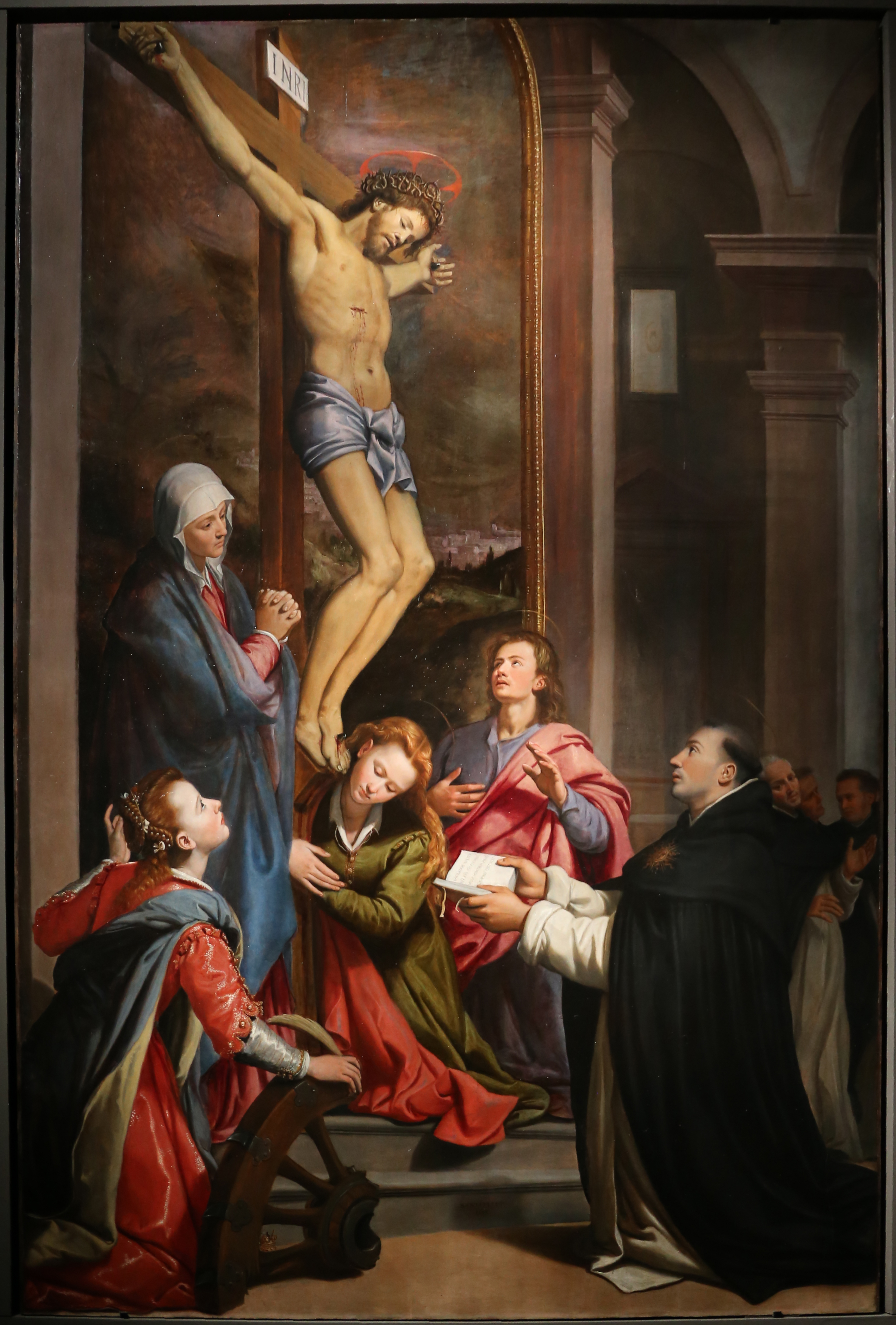
Among the Scholastics, Saint Thomas Aquinas stands out for placing the classical concept of reason at the core of his Natural Law doctrine. Aquinas reasoned that since humans possess reason, and because reason is a divine spark, every human life holds invaluable worth, all individuals are equal, and each is born with an intrinsic, permanent set of basic rights. This profound philosophical assertion laid the groundwork for the later development of the concept of human rights, particularly by Spanish theologians at the School of Salamanca.
Other significant Scholastics, such as Roger Bacon and Albertus Magnus, building upon the insights of Islamic scholars like Alhazen, emphasized reason as an inherent human ability to decode the created order. They saw it as a faculty for understanding the underlying structures of our experienced physical reality. This interpretative shift was instrumental in fostering the scientific method’s development within the early universities of the high Middle Ages, demonstrating reason’s practical application in empirical inquiry.
10. Early Modern Philosophy: The Rise of Subject-Centred Reason
The early modern era in Europe witnessed a profound re-evaluation of reason, marked by significant metaphysical shifts in understanding human beings and the natural world. Scientists and philosophers increasingly challenged the traditional teleological understanding of the world, moving away from the assumption that nature possessed human-like aims or reason. Instead, human nature was increasingly viewed as operating under the same “laws of nature” that governed inanimate objects, displacing older spiritual understandings of the universe.
René Descartes, a pivotal figure in the 17th century, explicitly rejected the time-honored notion of humans as “rational animals.” He proposed a radical alternative, suggesting humans are fundamentally “thinking things,” aligned with other natural “things.” This revolutionary stance cast doubt on any source of knowledge existing outside of this mechanistic understanding, forcing a re-evaluation of epistemic foundations.
In his quest for an unshakeable foundation for all knowledge, Descartes systematically doubted all existing knowledge, except the undeniable existence of the mind itself engaged in the act of thinking. He famously concluded, “At this time I admit nothing that is not necessarily true. I am therefore precisely nothing but a thinking thing; that is a mind, or intellect, or understanding, or reason—words of whose meanings I was previously ignorant.” This concept, often termed epistemological or “subject-centred” reason, posits that knowledge originates from the knowing subject, who perceives the world and self as objects amenable to study and mastery. Descartes, breaking with tradition, viewed the incorporeal soul as an indivisible entity, not partitioned into faculties like reason and intellect.
Thomas Hobbes, a contemporary of Descartes, offered a calculative view of reason, describing it as an expansive form of “addition and subtraction” not confined to numerical operations. Similar to Descartes, Hobbes maintained that “No discourse whatsoever, can end in absolute knowledge of fact, past, or to come.” Instead, he asserted that “sense and memory” constitute absolute knowledge, highlighting a reliance on empirical experience rather than pure deduction for certainties regarding external facts.

11. Enlightenment Skepticism and Kant’s Transcendental Turn
Building upon Descartes’ intellectual trajectory, philosophers John Locke and David Hume further developed these lines of thought in the late 17th and 18th centuries. Hume, in particular, propelled this skepticism to radical extremes, famously arguing against the possibility of logically deducing relationships of cause and effect. He contended that, despite appearances, no knowledge could be based on reasoning alone, profoundly challenging the foundations of empirical science.
Hume’s controversial assertion about reason’s subordinate role is captured in his remark: “We speak not strictly and philosophically when we talk of the combat of passion and of reason. Reason is, and ought only to be the slave of the passions, and can never pretend to any other office than to serve and obey them.” This view positioned reason as a mere instrument for fulfilling desires, rather than a guiding force for moral or intellectual truth. Moreover, Hume controversially argued that human reason was not qualitatively different from simply conceiving individual ideas or associating two ideas, even suggesting that “reason is nothing but a wonderful and unintelligible instinct in our souls.”
In the 18th century, Immanuel Kant undertook a monumental philosophical project to counter Hume’s skepticism. Kant aimed to demonstrate that a “transcendental” self, or an “I,” was a necessary precondition for all human experience, thus establishing a foundation for knowledge beyond mere sensory impressions. He argued that, based on such a self, it is indeed possible to reason about the conditions and limits of human knowledge.
Kant maintained that as long as these limits are respected, reason can serve as the essential vehicle for morality, justice, aesthetics, epistemology (theories of knowledge), and understanding. His work sought to restore reason’s central role as an active and constructive faculty, capable of shaping our understanding of the world and guiding our ethical conduct, in direct opposition to Hume’s more passive and subservient conception.
Read more about: Unveiling the Architects of Thought: The Enduring Quest to Define Reason’s True Nature
12. Substantive vs. Formal Reason: Universal Laws and Modern Spheres
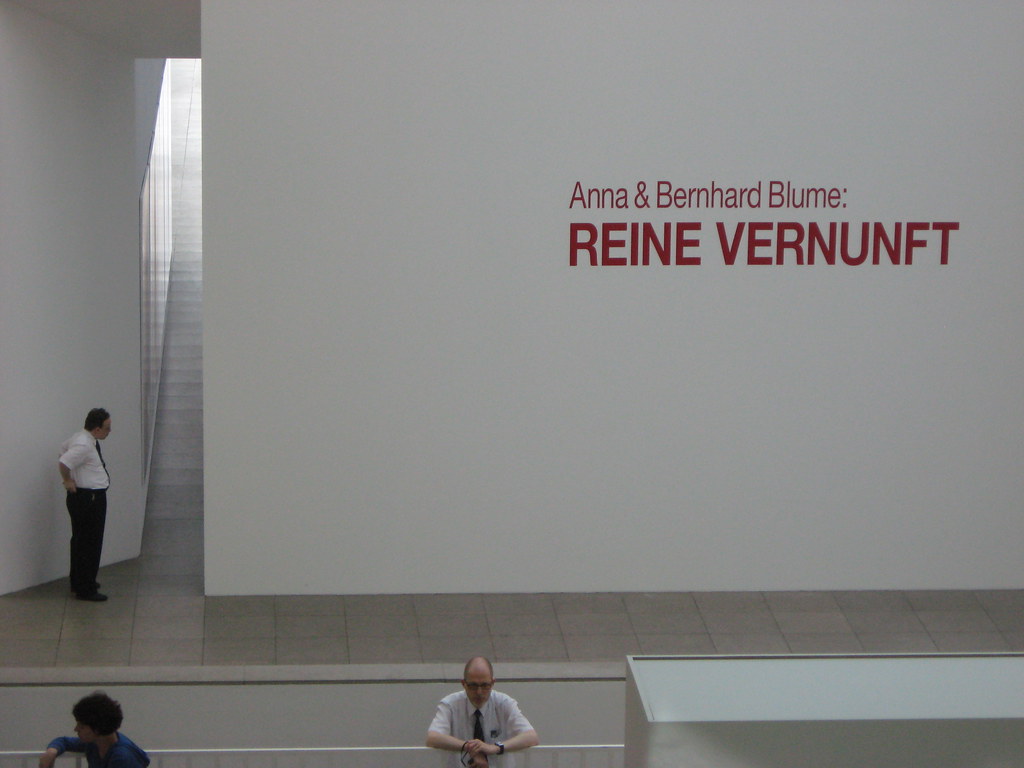
Immanuel Kant, in his highly influential modern treatises, articulated reason (German: *Vernunft*) as achieving a universal law-making capacity. This allowed him to reformulate the basis of moral-practical, theoretical, and aesthetic reasoning upon “universal” laws, fundamentally altering how these domains were understood. His work emphasized reason’s active role in constructing foundational principles.
Under Kant’s concept of practical reason, individuals’ moral autonomy or freedom stems from their ability to act according to self-legislated, universal norms. This contrasted sharply with earlier moral frameworks that derived their substance from religious interpretations or natural law. Kant argued that in a free society, each individual must be free to pursue their goals, provided their actions conform to principles dictated by reason, such as his “categorical imperative.”
The categorical imperative, a cornerstone of Kantian ethics, states: “Act only according to that maxim whereby you can, at the same time, will that it should become a universal law.” This principle provides a rigorous test for the universality and ethical validity of an action, emphasizing impartiality and consistency. Kant contended that reason itself, through his “transcendental logic,” could resolve metaphysical problems and discover the foundations of morality, viewing this logic not merely as an instrument but as a theoretical science.
Jürgen Habermas later argued that the “substantive unity” of reason, which once provided answers to questions about the good life in pre-modern societies, had dissolved in modern times. He proposed that the unity of reason must now be strictly formal, or “procedural,” distinguishing reason into three autonomous spheres: cognitive-instrumental reason (for sciences, prediction, control), moral-practical reason (for moral/political deliberation via universalizable procedures), and aesthetic reason (found in art, offering novel interpretations). Habermas envisioned philosophers mediating these expert domains with the “lifeworld,” hoping to re-establish reason’s unity through its formalizable procedures.
13. The Ongoing Critique and Re-orientation of Reason
Throughout philosophical history, there has been a persistent and vital debate regarding the meaning and scope of reason, a process often termed the “critique of reason.” Philosophers such as Hamann, Herder, Kierkegaard, Nietzsche, Heidegger, Foucault, and Rorty have contributed significantly to this discourse, with some expressing deep skepticism toward subject-centred, universal, or instrumental reason, and even toward reason as a whole. This skepticism challenged reason’s presumed universality and objectivity.
Other thinkers, like Hegel, believed that reason had obscured the importance of “intersubjectivity” or “spirit” in human life, prompting attempts to reconstruct a more holistic model of what reason should entail. Thinkers such as Foucault further suggested the existence of neglected forms of reason, crucial for understanding modern life and for living according to reason beyond conventional definitions, broadening the interpretive landscape.
The notion that there isn’t a single, monolithic reason, but potentially multiple conflicting systems of reason or rationality, has also emerged. This perspective posits that no “super-rational system” exists to resolve such fundamental conflicts, highlighting the inherent pluralism and potential incommensurability of different rational frameworks. This critique underlines the limitations of a singular, all-encompassing concept of rationality.
In recent decades, several proposals have aimed to “re-orient” this critique of reason, recognizing “other voices” or “new departments” within its domain. Jürgen Habermas, for example, proposed a model of communicative reason, viewing it as an inherently cooperative activity rooted in linguistic intersubjectivity, offering an alternative to subject-centred reason. Nikolas Kompridis advanced an encompassing view of reason as “that ensemble of practices that contributes to the opening and preserving of openness” in human affairs, focusing on its potential for social change. Charles Taylor, influenced by Martin Heidegger, suggested including the “faculty of disclosure”—our everyday way of making sense of things—as a new “department” of reason. Michel Foucault, drawing from Kant, distinguished between “private reason” (reason used as a “cog in a machine”) and “public reason” (reason used as “a member of reasonable humanity”), advocating for the freedom and public use of the latter.
14. Reason’s Boundaries: Distinguishing from Other Cognitive Faculties
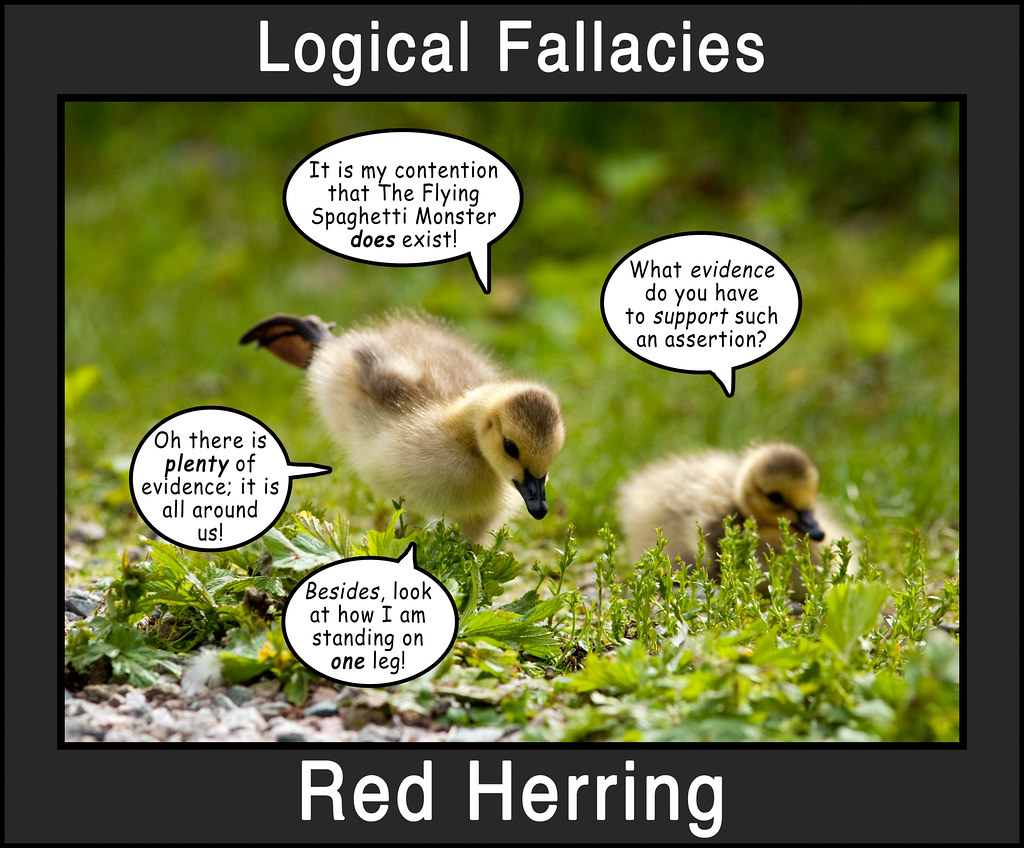
While “logic” and “reason” are often used interchangeably, a key distinction exists. Logic systematically studies formal reasoning, aiming for valid arguments within defined rule systems. Reason, however, operates more broadly, employing flexible methods like skipping steps or using diagrams for insight. Psychologists Bickard and Campbell emphasize that “rationality cannot be simply assimilated to logicality,” noting that our understanding of logic itself develops through wider reasoning processes, indicating reason’s more expansive scope.
Human reason differs significantly from animal associative thinking, which, though capable of linking causes and effects, lacks deeper conceptualization. Philosophers like Hobbes, Locke, and Hume observed that for reason to be engaged, an association (e.g., smoke and fire) must be *explained* as cause and effect, not just instinctively perceived. Charles Sanders Peirce highlighted that true reason requires creating and manipulating symbolic systems, where symbols hold a nominal, rather than direct, connection to their referents, forming the bedrock of complex human thought.
Language exemplifies such a symbolic system. Hobbes described internal “Markes, or Notes of remembrance” as a form of “speech” that, when externalized, become “Signes” or language, underscoring reason’s reliance on symbolic representation. Terrence Deacon and Merlin Donald further link human reason and language to *mimesis*—the unique invention of intentional representations that transcends mere imitation. This capacity for internal modeling of reality is crucial for consciousness and sophisticated imagination.
Human imagination, unlike animal *phantasia*, is driven by reason to distinguish universals and engage in deliberation. This allows us to differentiate representations, such as a play-acted event, from reality itself. Plato termed this reflective capacity *eikasia*: the ability to perceive something as an image or reflection, distinct from the real thing. This faculty is fundamental for abstract thought, enabling us to discern dreams, memories, or reflections from actual reality.
Uniquely human is *anamnēsis*, or “recollection”—a voluntary mental search for forgotten knowledge, contrasting with simple animal “memory.” Donald calls this “autocueing,” where self-generated cues facilitate the recall of mimetic representations, marking an early stage of representational thinking. Tolkien’s insights on “fantasy” and “enchantment” also connect to “the origin of language and of the mind,” reinforcing the profound link between symbolic imagination and the development of human reason.
The journey through the historical evolution of reason, its rigorous critiques, and its differentiation from related cognitive faculties underscores its enduring complexity and profound impact. From its initial conceptualization as a divine link in classical philosophy to its re-evaluation in the subject-centred approaches of the early modern era, and further to the modern attempts to define its formal structures and communicative dimensions, reason remains at the heart of human intellectual endeavor. Understanding these layers of development is crucial for appreciating how humanity continues to refine its most distinguishing ability, navigating an ever-evolving landscape of knowledge and morality through conscious application of logic and critical thought.