War films have always gripped us with their potent mix of action, stirring drama, and profound insights into the most important moments in our collective history. What an opening, right? It really nails why we keep coming back to these stories, doesn’t it? The genre itself has been around since the very early days of movies, taking us on incredible journeys through history’s most harrowing and significant events.
But let’s be real, a true masterpiece in this genre does more than just show us battles and heroes. It digs deep, asking tough questions about duty, sacrifice, and what it truly means to be human when everything is on the line. It’s about pulling back the curtain on the grand narratives to reveal the messy, often contradictory, realities of combat and its aftermath.
So, get ready to dive headfirst into some of the most impactful, thought-provoking, and downright unforgettable war movies ever made. We’re talking about the films that didn’t just tell a story, but changed how we understand conflict, challenged our perceptions, and left an indelible mark on cinematic history. Have your popcorn ready, because this is going to be a wild ride through the best of the best.
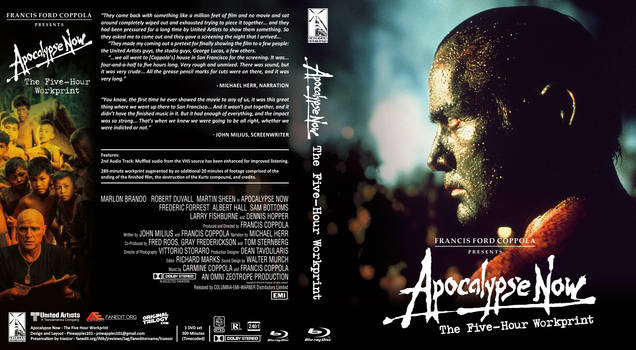
1. **Apocalypse Now (1979)**: Francis Ford Coppola’s 1979 masterpiece isn’t just a film; it’s an experience, a “surreal war movie” that continues to define the modern-day war picture. It’s an “operatic Vietnam-set tragedy” that masterfully uses “whirring helicopter blades, Wagnerian explosions, purple haze,” and the dark influence of Joseph Conrad’s colonialist fantasia “Heart of Darkness” to create an atmosphere utterly unlike anything seen before. This film grips you from the very first frame and doesn’t let go, pulling you into a hallucinatory journey through the heart of wartime madness.
Today, “Apocalypse Now” remains a touchstone, a film that continues to reshape the “vocabulary of the modern-day war picture.” Fans of “The Godfather” director see it as his “last fully realized work” from the pivotal 1970s, a testament to his singular vision and audacious filmmaking. For “connoisseurs of the war movie,” it’s correctly regarded as his “second all-out masterpiece,” a profound, unsettling, and endlessly rewatchable exploration of the darkness inherent in conflict.
Read more about: Unforgettable Visionaries: A Deep Dive into 12 Iconic Directors Who Revolutionized Cinema
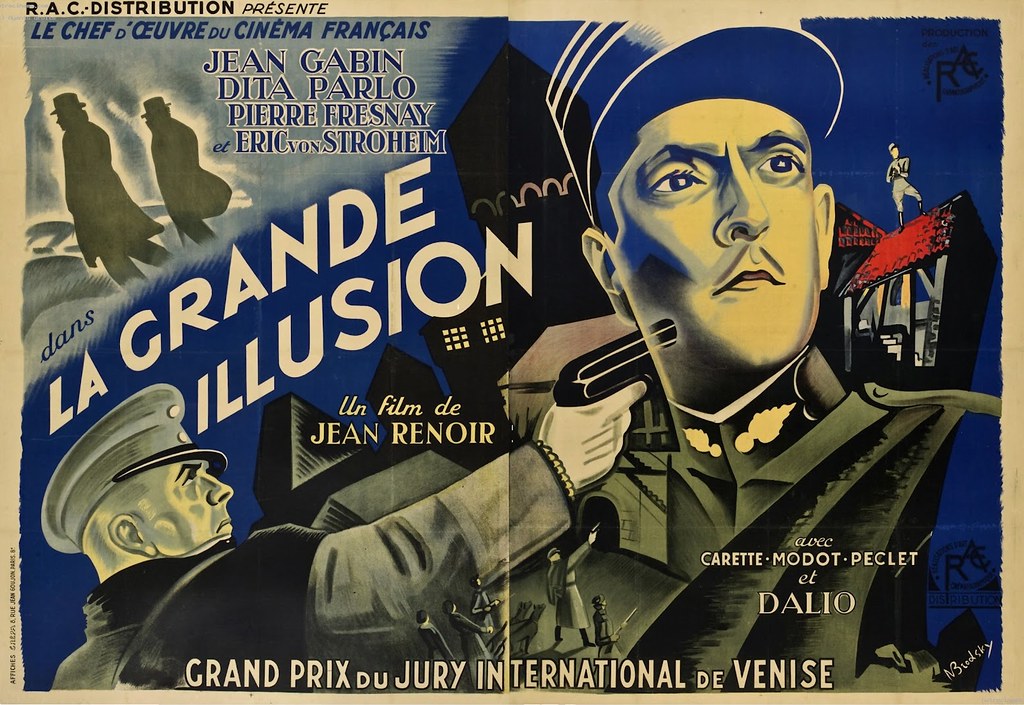
2. **Grand Illusion (1937)**: Stepping back in time to 1937, we encounter Jean Renoir’s “Grand Illusion,” a profound World War I story that showcases the director as the “great humanist of cinema.” This isn’t your typical war narrative of relentless combat; instead, it focuses on two French aviators who are captured by a German captain, Erich von Stroheim, perfectly cast as a “mannerly despot.” Their journey, “shuttled between prisons,” becomes a nuanced exploration of human connection amidst conflict.
The film doesn’t just entertain; it “sagely questions how these combative circumstances came about,” prompting audiences to reflect on the deeper roots of conflict. For its “pointed generousness,” “Grand Illusion” was showered with “numerous prizes” while simultaneously earning “the ire of Joseph Goebbels who declared it ‘Cinematic Public Enemy No. 1.’” It’s a powerful testament to its enduring impact that co-star Jean Gabin wore a flight outfit that Renoir himself wore as a member of the air force during World War I, adding a layer of authenticity to this timeless classic.
Read more about: When the Curtain Falls Forever: Unforgettable Tragedies of Performers Who Died on Stage
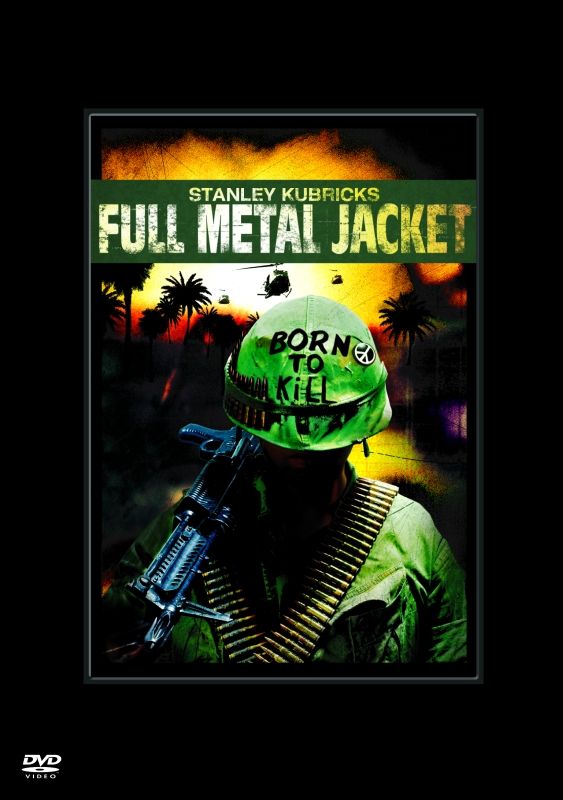
3. **Full Metal Jacket (1987)**: When Stanley Kubrick tackles a subject, you know it’s going to be iconic, and his 1987 Vietnam War epic, “Full Metal Jacket,” is no exception. After his poignant anti-war statement “Paths of Glory” in 1957, it seems the world “didn’t get the message.” So, three decades later, Kubrick decided “to say it louder for the imperialists in the back,” shifting his focus from World War I to Vietnam to deliver an even more scathing critique. He doesn’t just “depict the horrors of the battlefield”; he unequivocally “condemns the entire war machine itself.”
Once you’ve “stared into the hollow eyes” of Private Pyle, the “more impersonal atrocities of militarised conflict seem like a stroll through the tulips” – until, of course, you’re “forced to look the ‘enemy’ in their eyes.” This film brilliantly captures the psychological toll of war, demonstrating that the true battle often rages within. The battlefield sequences, famously “set in Hue during the Tet Offensive,” were incredibly filmed in a “disused industrial area near London,” a testament to Kubrick’s meticulous artistry in creating such a vivid, disturbing reality.
Read more about: Beyond the Big Screen: 14 Visionary Directors Who Revolutionized Filmmaking Forever
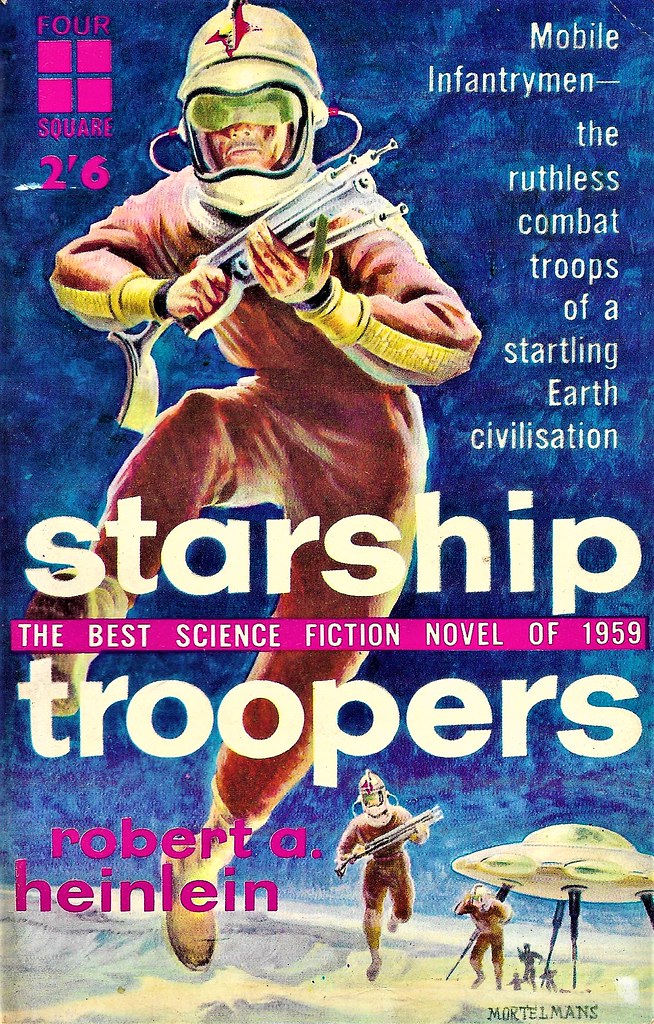
4. **Starship Troopers (1997)**: Now, before you start “snickering,” let’s talk about why Paul Verhoeven’s 1997 sci-fi actioner “Starship Troopers” lands so high on our list. This isn’t just some campy bug-splattering flick; it’s a brilliant, audacious piece of satire. “Never before (and probably never again) had the monied apparatus of Hollywood been so co-opted to make a subversive comment about its own fascist impulses.” Director Verhoeven, with his signature smirk, “cackled all the way to the box office,” cleverly smuggling a biting critique within a blockbuster package.
While source novelist Robert Heinlein “meant his militaristic tale sincerely,” Verhoeven’s adaptation is anything but. The “blithe destruction of humankind on display here could only be intended as a sharp critique, both of soldiering and of popular tastes,” pushing audiences to question the allure of militarism. If you haven’t seen it recently, or if you dismissed it as a simple sci-fi romp, you absolutely must “return to it with fresh eyes.” And for a fun fact, Verhoeven himself, “on a dare,” “disrobed for the co-ed shower scene,” showing his dedication to pushing boundaries both on and off screen.
Read more about: The Cult ’90s Gem Quietly Conquering Netflix: Deconstructing ’10 Things I Hate About You’ and Other Essential Watch-Worthy Classics
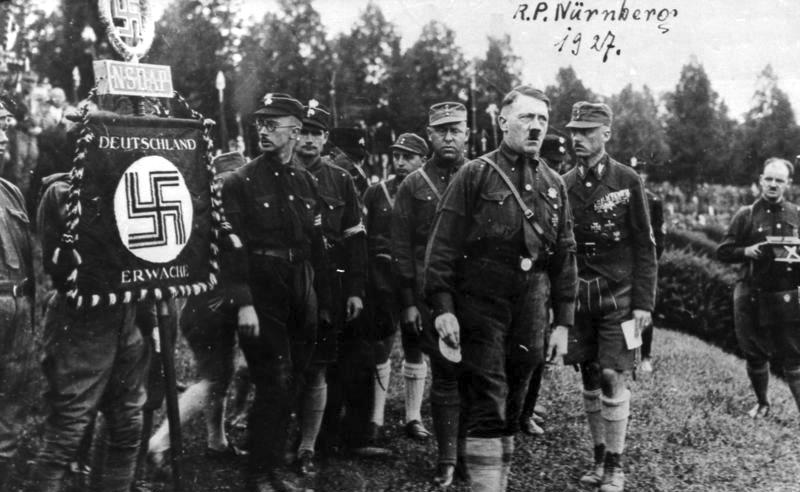
5. **Army of Shadows (1969)**: Jean-Pierre Melville’s “Army of Shadows,” a “cool-blue portrait of French Resistance fighters,” is a film that was “rediscovered in 2006 with the fanfare usually reserved for unearthing a lost classic – which was pretty much the case.” It makes a “beautiful case for honor among wanted men,” immersing us in the clandestine, perilous world of those who fought against occupation. This is a story not just of resistance, but of the quiet, agonizing sacrifices made for a cause greater than oneself.
Unlike many war films that emphasize grand battles, “Army of Shadows” is a “mostly conversational film about the sacrifice of spies,” depicting the grim realities of “back-room beatings and drive-by shootings” that characterized the underground struggle. Melville, whose reputation had previously “rested on chilly, remote gangster pictures like Le Samouraï (1967),” found his “canvas widened to national politics” with this film, a true “revelation” for audiences and critics alike. His distinctive minimalist style lends an almost documentary-like authenticity to the intense, nerve-wracking operations of the Resistance.
The reason this masterpiece was initially “ignored in the first place” is a fascinating piece of cinematic history: “Fashionable French critics had dismissed it as too pro-De Gaulle,” demonstrating how political currents can influence artistic reception. Yet, as the saying goes, “What comes around…” and the film has rightly earned its place as an essential work. It’s a poignant reflection that Melville himself “was a member of the French Resistance during World War II,” infusing the film with an undeniable authenticity and deep personal understanding of his subject matter.
Read more about: From Haunting Epics to Surreal Journeys: Unpacking the Top 12 Greatest War Movies of All Time That Will Blow Your Mind
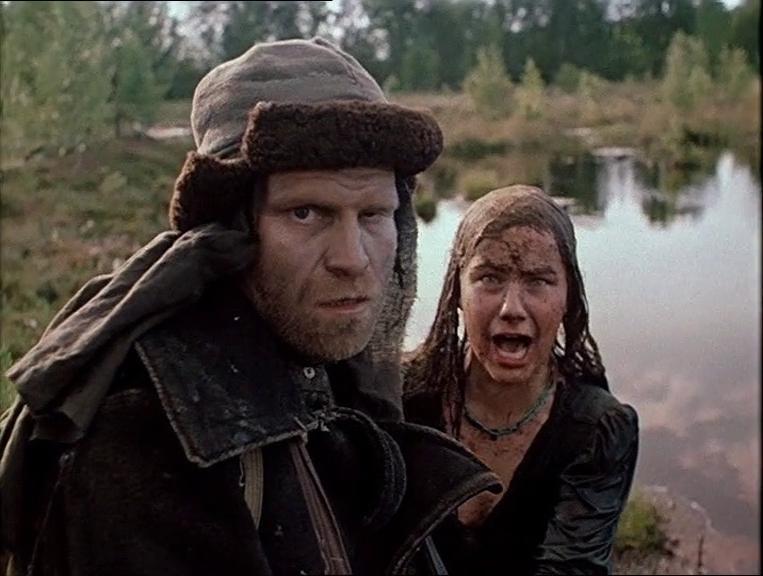
6. **Come and See (1985)**: Prepare yourself, because Elem Klimov’s 1985 Russian epic, “Come and See,” is a “terrifying WWII” film about the Nazi occupation of Belarus that will utterly haunt your soul. It “weaves a mesmerizing spell,” pulling you into its nightmarish reality from the very “opening image of two children digging in a field for abandoned rifles.” This unsettling beginning quickly escalates as one of those boys is “taken from his home by partisans to fight the Germans,” marking the start of an unimaginable odyssey.
This is a film that truly tests the limits of what an audience can endure, compelling you to “avert your eyes” while simultaneously making it impossible to look away. Its original title, “Kill Hitler,” was famously changed by “Soviet authorities” who “forced Klimov to change it,” perhaps understanding the raw, unadulterated power of its anti-war message. “Come and See” isn’t just a movie; it’s a visceral, unforgettable experience that lays bare the devastating human cost of conflict with unflinching honesty.
Read more about: Digital Immortality or Unsettling Impersonation? The High-Stakes Legal and Ethical Battle Over Actors’ Faces in the CGI Era

7. **Fires on the Plain (1959)**: Okay, prepare yourself for a film that doesn’t just show you war, it *immerses* you in its crushing aftermath. Kon Ichikawa’s 1959 masterpiece, “Fires on the Plain,” gives us an “unblinking depiction of the Imperial Japanese Army’s collapse in 1945,” and let me tell you, it’s a stark, unforgettable vision. Interestingly, the great Daiei Film studio initially greenlit this project under the “misapprehension that it would be an action movie.” Can you imagine their surprise? This is far from your typical explosion-filled spectacle.
Instead, what you get is a raw, deeply unsettling journey. Director Ichikawa, with profound respect, faithfully adapted war veteran Shōhei Ōoka’s novel, crafting a narrative centered on a “broken, tubercular soldier’s weary trudge through a hellish landscape.” We’re talking about a world where survival is a daily, agonizing struggle, and the dignity of humanity is constantly under siege. It’s a testament to the film’s power that even if you “look closely enough,” you might find “at least one scene of actual combat,” but that’s utterly overshadowed by the intimate, psychological torment on display.
This isn’t just about battles; it’s about the relentless, soul-crushing experience of being utterly lost and abandoned in the face of defeat. The film doesn’t flinch from depicting the physical and moral decay that can accompany such circumstances, forcing viewers to confront the desperate lengths to which individuals are pushed when everything they know, and every system they trusted, has disintegrated. It’s a quiet, harrowing exploration of the human animal pushed to its absolute breaking point.
While “critics at the time dismissed it as a vision just too bleak to digest,” proving that some truths are harder to swallow, “it has since evolved into an anti-war classic that’s shot through with stark humanity and bone-dry wit.” And for a moment that truly encapsulates the film’s message, watch out for that “Charlie Chaplin-esque shot of a pair of disintegrating army boots passing from one pair of feet to another.” It’s a striking metaphor for the dehumanizing, degrading effect of war that will stick with you long after the credits roll. Oh, and here’s a wild fact: star Eiji Funakoshi “willingly starved himself during filming to get into character,” collapsing and shutting down production for two weeks! Now that’s what we call method acting for the ultimate realism.
Read more about: Alain Delon, The ‘Grand Fauve’ of French Cinema, Dies at 88: A Retrospective on a Life of Cinematic Brilliance and Personal Turmoil

8. **Sergeant York (1941)**: Ready for a war film that actually questions the whole “duty and glory” narrative, even before the big one? Howard Hawks’ massively popular 1941 drama, “Sergeant York,” released just months before the U.S. entered World War II, takes a truly opposite and refreshing tack. It’s the compelling, real-life story of Alvin York, a “First World War soldier” from Tennessee who, believe it or not, “hoped to avoid enlistment on the sincere grounds of his religiosity and pacifism.” Yep, a pacifist fighting man!
York, described as a “Tennessee simpleton” but possessing deep moral convictions, found his request for conscientious objector status denied. Thrust into the brutal realities of combat, his natural aptitude for marksmanship emerged, making him a “singularly talented sharpshooter.” However, this isn’t a simple tale of heroism. The film deeply explores how York “wrestles with the killing gift God has given him,” presenting a man torn between his faith and the grim necessities of war.
This internal conflict is masterfully portrayed by Gary Cooper’s “tortured performance,” which not only won him an Oscar but also ignited crucial conversations about “situational ethics.” It asks us: when does the act of killing, typically condemned, become a necessary evil, or even a form of moral duty, in extreme circumstances? The film’s nuanced approach to such weighty questions, especially for its time, truly sets it apart from more conventional war narratives.
“Sergeant York” became an immediate success, resonating with audiences who were grappling with similar moral dilemmas on the eve of a new global conflict. Its enduring appeal lies in its honest portrayal of a man who exemplifies bravery not just in battle, but in the internal struggle to reconcile his actions with his conscience. And for a truly heart-wrenching insight into the real impact of his experiences, consider this: the actual Alvin York “showed up on set and began sobbing when a crew member asked him how many people he had killed.” That’s a powerful reminder that the costs of war run far deeper than any battlefield victory.
Read more about: From Haunting Epics to Surreal Journeys: Unpacking the Top 12 Greatest War Movies of All Time That Will Blow Your Mind
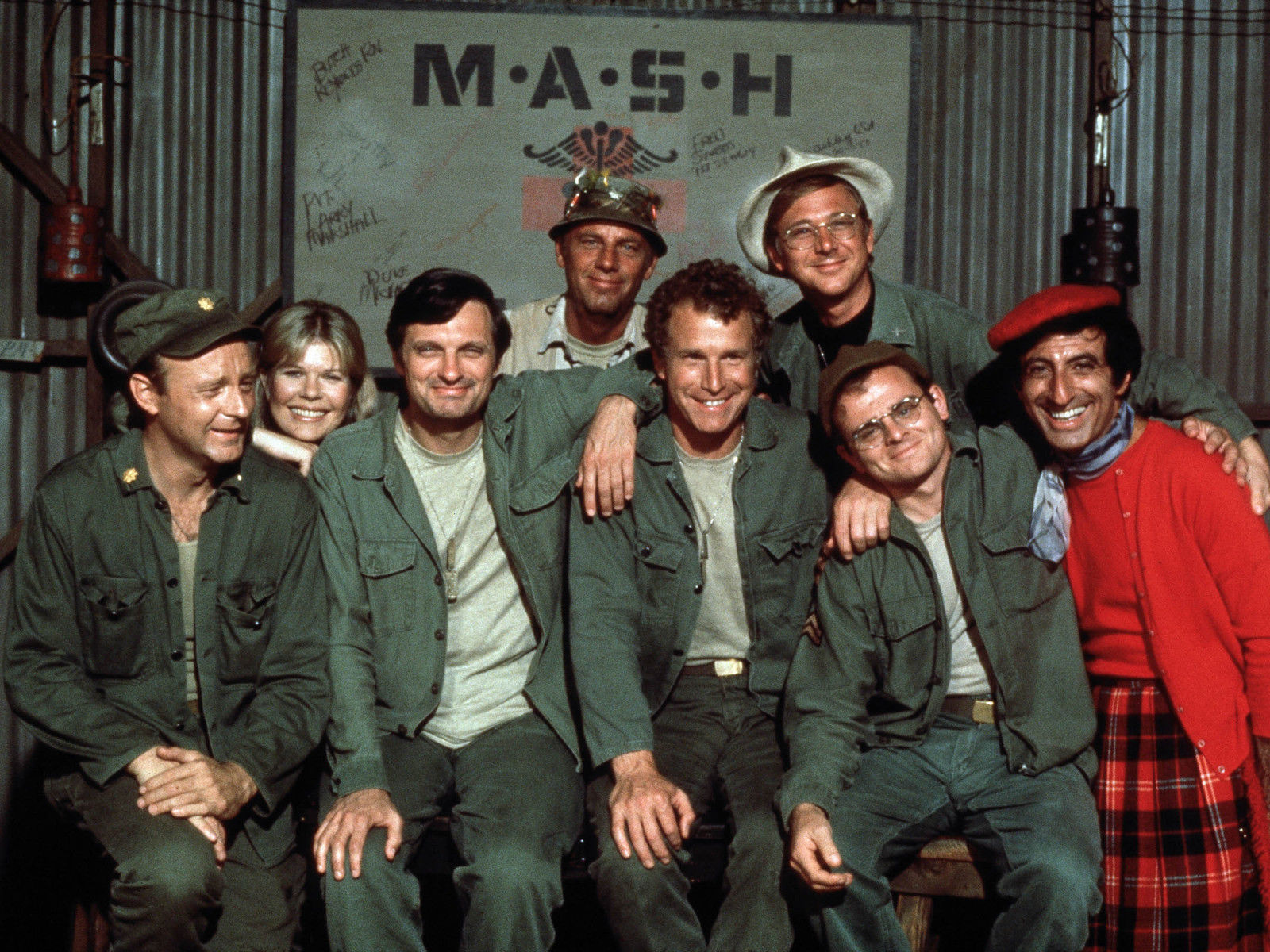
9. **MASH (1970)**: Forget everything you think you know about “MASH” if your only experience is the TV show with its “cloying laugh track.” Robert Altman’s 1970 film is a wildly subversive, rule-breaking comedy that revolutionized American satire and changed how we think about war on screen. To appreciate its radical nature, consider it played “across town during those same weeks in 1970” as the serious “Patton,” a film celebrating “a misunderstood genius of carnage.” The contrast couldn’t be more stark.
What makes “MASH” a phenomenon? It boasts “no battle scenes whatsoever.” Instead, it plunges us into the chaotic, irreverent world of a mobile army surgical hospital during the Korean War. Doctors and nurses use humor and hijinks as a coping mechanism against surrounding horrors. The film culminates not in a heroic battle, but in a “climactic, zany football game,” perfectly encapsulating its anti-establishment, anti-war spirit.
Altman was a maverick. He famously “threw out Ring Lardner Jr.’s conventional script” and “inspir[ed] his ensemble to play,” fostering a freewheeling, improvisational environment. This unconventional “new on-set process” would “change American satire forever,” ushering in an era of naturalistic dialogue and authentic feel. It’s no exaggeration to say it’s “the first real film of the 1970s.”
The sheer audacity of “MASH” coming from “the same studio, 20th Century Fox,” as “Patton” at the same moment is fascinating. It speaks volumes about a changing cultural landscape. And if you think groundbreaking cinema is always harmonious, get this: stars Elliott Gould and Donald Sutherland actually “tried to have Altman fired on account of him spending too much time filming secondary characters.” Clearly, his visionary style wasn’t for everyone, but it created a timeless classic that proved humor could be the sharpest weapon against the absurdity and futility of war.
Read more about: M*A*S*H’s Enduring Ensemble: Unpacking the Roles, Legacies, and Impact of Its Iconic Cast Members

10. **They Were Expendable (1945)**: Get ready to have your ideas about classic war films, and perhaps even iconic careers, totally revamped by John Ford’s “They Were Expendable.” This isn’t your flashy, bombastic wartime spectacle; instead, it’s an “assiduous, unshowy portrait of the fighting men of the Philippines” that builds its quiet, profound impact through “small, keenly observed moments.” It strips away grandiosity to reveal the raw, human experience of war, focusing on everyday lives and sacrifices.
The film opens with a deceptively calm atmosphere, capturing its pre-war setting as our heroes, notably “John Wayne’s junior-grade lieutenant,” are “whil[ing] away the small hours in Manila, waiting for an assignment to the fight.” There’s a palpable sense of anticipation, a calm before the storm. The characters don’t realize “these are the good times,” a poignant dramatic irony. This period of quiet waiting highlights the bonds formed between the men, the camaraderie forged in the lull before chaos.
However, when the devastating news of “the attack on Pearl Harbor” arrives, the film’s tone shifts dramatically. What began as quiet expectation transforms into a “stoic ode to workmanlike sacrifice.” We witness the harsh realities of sudden, brutal conflict, forcing these men to confront their new, perilous duties with grim determination. Ford, often recognized as a “sentimentalist behind the camera,” impressively “reigns in his impulses” here, delivering a grounded, authentic, and emotionally resonant portrayal.
And let’s talk about John Wayne. At this point in his career, he was “still closer to dewy” than his later rugged persona, and the film truly “shows depths that hadn’t been tapped” in his acting. It’s a revelation to see. Here’s a cool bit of trivia: during filming, Ford himself broke his leg! So, his star Robert Montgomery, who “actually commanded a PT boat during the war,” stepped up and “took over as director for three weeks.” That’s real-life war hero bringing firsthand experience directly to the set – authenticity you can’t fake!
Read more about: From Haunting Epics to Surreal Journeys: Unpacking the Top 12 Greatest War Movies of All Time That Will Blow Your Mind

11. **Empire of the Sun (1987)**: Before he became the superstar we know today, a remarkable “12-year-old” Christian Bale made his stunning debut in Steven Spielberg’s 1987 “surreal WWII Shanghai drama,” “Empire of the Sun.” Out of “4,000 other kids” who auditioned, Bale clearly possessed “all the talent,” delivering a performance that is both captivating and profoundly heartbreaking. It instantly marked him as a talent to watch.
Bale’s character, Jim, is a British schoolboy with a fantastical fascination with airplanes, leading him to a unique, and initially almost naive, perspective on his world. “Obsessed with war planes,” he initially “sees his internment camp as a playground.” This initial, dreamlike interpretation of his dire circumstances is one of the film’s most powerful and unsettling elements. It allows Spielberg to explore the war through the unjaded, yet rapidly changing, eyes of a child.
But don’t let Jim’s early wonder fool you. He is “not above fear,” and the film meticulously charts his harrowing journey from innocent privilege to a stark confrontation with survival’s brutal realities. By the film’s end, Jim has profoundly “lost his innocence,” a transformation that speaks volumes about the devastating impact of war, even when experienced from a distance. Spielberg masterfully blends childhood imagination with horrifying events, creating a visually rich and emotionally resonant experience.
Here’s a fascinating piece of cinematic history: the legendary director David Lean, known for epics like “Lawrence of Arabia,” was “originally slated to direct” “Empire of the Sun.” He even “worked on the film for nearly a year before stepping away and turning the reins over to Spielberg.” While Lean’s vision would undoubtedly have been immense, Spielberg’s particular blend of grand scale and intimate human drama brought a unique gravitas, making it a standout war film and a poignant coming-of-age story amidst global turmoil.
Read more about: Beyond the Script: Deconstructing the Singular Imperative Steven Spielberg Instills in His Actors for Unparalleled On-Screen Authenticity
Alright, cinephiles, and there you have it: our comprehensive journey through “From the Trenches to Top Spot: The 11 Best War Movies Ever Made.” From mind-bending psychological thrillers to gut-wrenching human dramas and even satirical blockbusters, this genre proves it’s so much more than just explosions and heroics. These films don’t just entertain; they push boundaries, challenge our perceptions, and remind us of the profound human cost of conflict, all while celebrating the enduring strength of the human spirit. They are diverse, deeply impactful, and truly unforgettable. So, whether you’re looking for an intense psychological dive or a thought-provoking historical drama, grab your popcorn, clear your schedule, and get ready to experience some of the most compelling storytelling cinema has to offer.