The world of automotive engineering is a fascinating landscape of innovation, power, and precision. We celebrate the marvels of design that bring speed, efficiency, and comfort to our daily lives. Yet, beneath the gleaming chrome and advanced technology, there lies a darker, often cautionary tale: the stories of engineering failures. These aren’t just minor glitches; they are instances where critical oversights, cost-cutting measures, or outright negligence transformed vehicles into instruments of tragedy.
Throughout automotive history, certain vehicles have gained notoriety not for their performance or style, but for their catastrophic design flaws that led to tragic consequences. These engineering failures represent the darkest chapter of vehicular design, where oversight, cost-cutting, or willful negligence resulted in preventable deaths and injuries. From fuel tanks prone to explosion upon impact to suspension systems that caused unpredictable handling, these design defects transformed otherwise ordinary vehicles into potential deathtraps.
The stories behind these flawed creations often follow a disturbing pattern: early warning signs dismissed, internal safety concerns overruled by profit motives, and corporate denial in the face of mounting evidence. More than mechanical failures, these cases reflect profound ethical breakdowns within the automotive industry. However, there is a silver lining to these tragic narratives: each major safety scandal has ultimately led to stricter regulations, improved testing protocols, and heightened awareness that has saved countless lives. As we examine these twelve infamous examples, we witness not just engineering failures, but also the evolution of automotive safety consciousness that emerged from their deadly legacies. It’s a journey through the mechanics of disaster, and crucially, the hard-won lessons that propelled us towards safer roads.

1. **Ford Pinto (1971-1980)**The Ford Pinto stands as perhaps the most infamous example of a deadly design flaw in automotive history, becoming a case study in corporate ethics and product liability. Developed during the 1970s fuel crisis and rushed to production in just 25 months (rather than the typical 43), the Pinto harbored a catastrophic defect. Its fuel tank was positioned behind the rear axle with minimal protection and separation from the passenger compartment.
In rear-end collisions, even at relatively low speeds of 20-30 mph, the tank could be punctured by bolts protruding from the differential or pushed into the rear axle, causing fuel leakage and potentially catastrophic fires. This inherent vulnerability made the vehicle a significant risk, transforming routine accidents into potentially fatal conflagrations. The design choice prioritized expediency over safety, setting the stage for a major controversy.
What transformed this technical deficiency into a full-blown scandal was the discovery of the “Pinto Memo,” an internal Ford document that calculated the cost of improving the fuel tank design ($11 per vehicle) against the projected expense of legal settlements for burn deaths ($200,000 per life). This cold calculus revealed that Ford had identified the problem before production but deemed fixing it more expensive than paying for the resulting deaths and injuries. This revelation shocked the public and forever damaged Ford’s reputation, exposing a disturbing ethical lapse.
The human toll was devastating. While exact figures remain disputed, estimates suggest that Pinto’s fuel tank design contributed to between 500 and 900 burn deaths. The most notable case involved the Ulrich family, whose 1973 Pinto was struck from behind, resulting in the car bursting into flames and killing three teenage girls. The subsequent lawsuit, Grimshaw v. Ford Motor Company, resulted in a landmark $125 million punitive damages award (later reduced to $3.5 million), underscoring the severity of Ford’s negligence.
In 1978, Ford finally issued a recall to modify the fuel tanks of 1.5 million Pintos and Mercury Bobcats. The company added a plastic shield between the fuel tank and the differential, installed a longer fuel filler neck, and added reinforcements to prevent tank movement during collisions. Production ended in 1980, but the Pinto case permanently changed product liability law and forced the auto industry to prioritize safety over cost considerations. Today, Pinto remains the quintessential example of how prioritizing profits over human lives can lead to corporate disaster and preventable tragedy.
Car Model Information: 1980 Ford Pinto WAGON
Name: Ford Pinto
Caption: Ford Pinto
Manufacturer: Ford Motor Company
Aka: Mercury Bobcat
Production: September 1970 – July 1980
ModelYears: 1971–1980 (Pinto),1974–1980 (Bobcat)
Assembly: Edison, New Jersey,Milpitas, California
Designer: Robert Eidschun (1968)
Class: Subcompact car
BodyStyle: Sedan (automobile),sedan delivery,station wagon,hatchback
Related: #Mercury Bobcat (1974–1980),Ford Mustang (second generation)
Layout: Front-engine, rear-wheel-drive layout
Chassis: Unibody
Engine: unbulleted list
Abbr: on
Disp: Ford Cologne engine
Transmission: unbulleted list
Wheelbase: 94.0 in
Length: 163 in
Width: 69.4 in
Height: 50 in
Weight: convert
Predecessor: Ford Cortina#Mark II (1966–1970)
Successor: Ford Escort (North America)
Categories: 1980s cars, Articles with short description, Cars discontinued in 1980, Cars introduced in 1970, Commons category link from Wikidata
Summary: The Ford Pinto is a subcompact car that was manufactured and marketed by Ford Motor Company in North America from 1970 until 1980. The Pinto was the first subcompact vehicle produced by Ford in North America.
The Pinto was marketed in three body styles throughout its production: a two-door fastback sedan with a trunk, a three-door hatchback, and a two-door station wagon. Mercury offered rebadged versions of the Pinto as the Mercury Bobcat from 1975 until 1980 (1974–1980 in Canada). Over three million Pintos were produced over its ten-year production run, outproducing the combined totals of its domestic rivals, the Chevrolet Vega and the AMC Gremlin. The Pinto and Mercury Bobcat were produced at Edison Assembly in Edison, New Jersey, St. Thomas Assembly in Southwold, Ontario, and San Jose Assembly in Milpitas, California.
Since the 1970s, the safety reputation of the Pinto has generated controversy. Its fuel-tank design attracted both media and government scrutiny after several deadly fires occurred when the tanks ruptured in rear-end collisions. A subsequent analysis of the overall safety of the Pinto suggested it was comparable to other 1970s subcompact cars. The safety issues surrounding the Pinto and the subsequent response by Ford have been cited widely as business ethics and tort reform case studies.
Get more information about: Ford Pinto
Buying a high-performing used car >>>
Brand: Ford Model: Pinto
Price: $5,951 Mileage: 107,000 mi.
Read more about: Beyond Glare: Unpacking the Most Controversial Car Design Features and Their Unforeseen Impacts on the Road and Culture
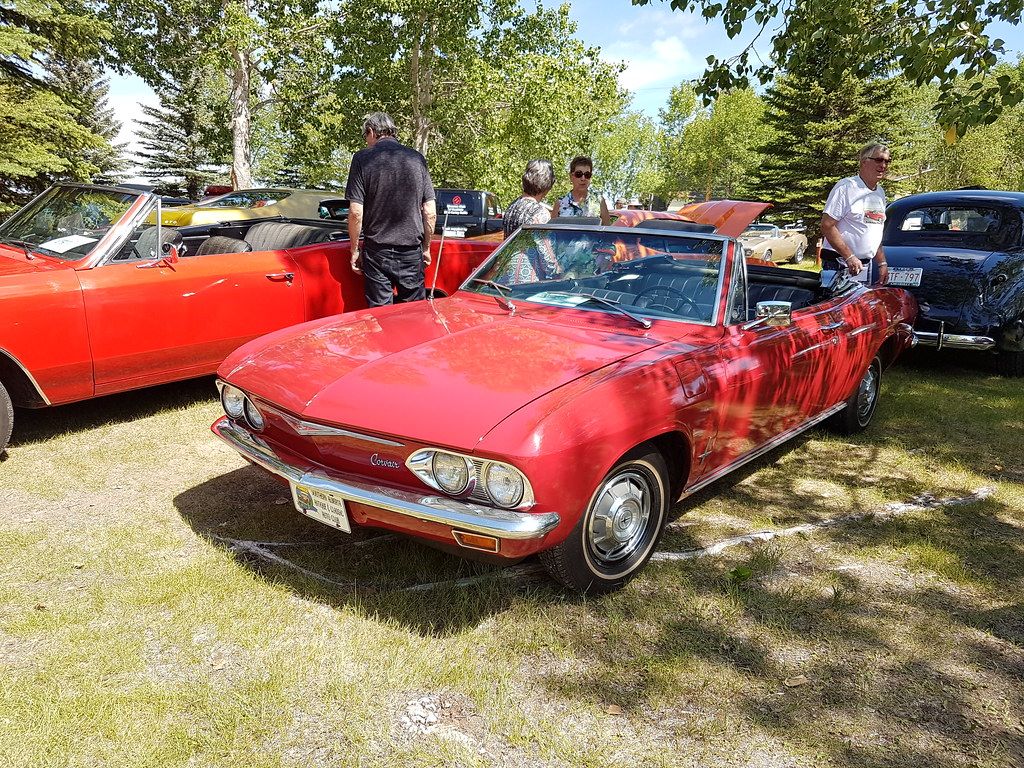
2. **Chevrolet Corvair (1960-1969)**The Chevrolet Corvair earned its place in automotive infamy through a combination of revolutionary design and deadly handling characteristics that sparked the modern automotive safety movement. Unlike conventional American cars, the Corvair featured a rear-mounted, air-cooled engine and swing-axle rear suspension. These innovations, while unique, inadvertently created a lethal handling flaw that became the subject of intense scrutiny.
This unique configuration made the Corvair prone to sudden, unpredictable oversteer, particularly during emergency maneuvers or at higher speeds. Drivers found themselves struggling to maintain control, often with little warning of the impending loss of stability. The inherent unpredictability of the handling compromised safety, especially for those accustomed to more conventional vehicle dynamics.
The technical issue stemmed from the rear swing axle design without a compensating mechanism. During hard cornering, the outside wheel would experience “tuck under,” where extreme positive camber changes would cause the tire to lose contact with the road precisely when grip was most needed. Combined with the rear weight bias, this made the Corvair prone to spin out or, worse, roll over with little warning. The problem was exacerbated by Chevrolet’s decision to save $0.57 per car by omitting a front anti-roll bar that engineers had recommended during development—a clear instance of cost-cutting overriding known safety advice.
The Corvair’s deadly design flaw gained national attention in 1965 when Ralph Nader published “Unsafe at Any Speed,” dedicating its first chapter to the Corvair under the damning title “The Sporty Corvair: The One-Car Accident.” Nader’s investigation revealed that GM knew about the handling issues but chose to conceal them rather than address them properly. The ensuing controversy led to congressional hearings and eventually the creation of the National Highway Traffic Safety Administration in 1970, marking a pivotal moment in consumer protection.
General Motors responded to the growing scandal by hiring private investigators to follow Nader, hoping to discredit him. When this harassment became public, it only strengthened Nader’s credibility and further damaged GM’s reputation. By 1964, GM had quietly implemented design changes including a transverse leaf spring that limited wheel tuck under, and later models (1965-1969) featured a completely redesigned suspension system with fully independent rear suspension, demonstrating that engineering solutions were indeed possible when the pressure became too great.
Car Model Information: 1964 Chevrolet Corvair Monza
Caption: 1964 Chevrolet Corvair Monza
Name: Chevrolet Corvair
Manufacturer: Chevrolet
Production: 1960–1969
Platform: GM Z platform
Chassis: Unibody
ModelYears: 1960–1969
Assembly: United States,Kansas City, Missouri,Oakland, California,Van Nuys,St. Louis,Flint, Michigan,Belgium,Canada,Mexico,South Africa,Switzerland,Venezuela
Class: Compact car
Successor: Chevrolet Vega
Layout: Rear-engine, rear-wheel-drive layout
Categories: All Wikipedia articles written in American English, All articles lacking in-text citations, All articles needing additional references, All articles with dead external links, All articles with specifically marked weasel-worded phrases
Summary: The Chevrolet Corvair is a rear-engined, air-cooled compact car manufactured and marketed by Chevrolet over two generations between 1960 and 1969. The Corvair was a response to the increasing popularity of small, fuel-efficient automobiles, particularly the imported Volkswagen Beetle and American-built compacts like the Rambler American and Studebaker Lark.
The first generation (1960–1964) was offered as a four-door sedan, two-door coupe, convertible, and four-door station wagon. A two- and four-door hardtop and a convertible were available second-generation (1965–1969) variants. The Corvair platform was also offered as a subseries known as the Corvair 95 (1961–1965), which consisted of a passenger van, commercial van, and pickup truck variant. Total production was approximately 1.8 million vehicles from 1960 until 1969.
The name “Corvair” was first applied in 1954 to a Corvette-based concept with a hardtop fastback-styled roof, part of the Motorama traveling exhibition. When applied to the production models, the “air” part referenced the engine’s cooling system.
A prominent aspect of the Corvair’s legacy derives from controversy surrounding the handling of early models equipped with rear swing axles, articulated aggressively by Ralph Nader’s Unsafe at Any Speed but tempered by a 1972 Texas A&M University safety commission report for the National Highway Traffic Safety Administration (NHTSA) which found that the 1960–1963 Corvair possessed no greater potential for loss of control in extreme situations than contemporary compacts.
To better counter popular inexpensive subcompact competitors, notably the Beetle and Japanese imports such as the Datsun 510, GM replaced the Corvair with the more conventional Chevrolet Vega in 1970.
Get more information about: Chevrolet Corvair
Buying a high-performing used car >>>
Brand: Chevrolet Model: Corvair
Price: $29,988 Mileage: 74,787 mi.
Read more about: Beyond the Hype: 15 Classic Cars That Will Break Your Heart (and Wallet) – A Jalopnik Guide for Enthusiasts
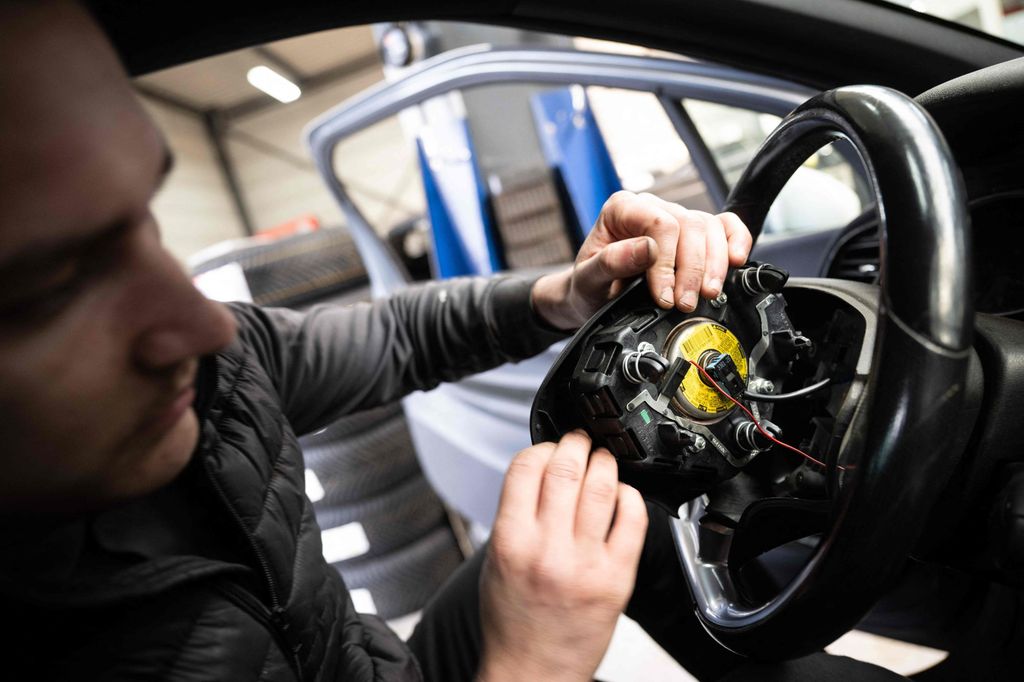
3. **Takata Airbags (Multiple Vehicles, 2002-2015)**While not a vehicle, Takata’s defective airbags represent perhaps the deadliest automotive design flaw in modern history, affecting tens of millions of vehicles across nearly two dozen manufacturers. The catastrophic defect centered on the airbag inflator, which contained ammonium nitrate propellant without a chemical drying agent. This design choice proved to be a ticking time bomb hidden within a crucial safety system.
When exposed to heat and humidity over time, this propellant could degrade and become unstable, causing the metal inflator housing to explode upon deployment. Instead of a controlled inflation, a violent rupture would occur, turning the very device meant to save lives into a dangerous projectile. The unpredictable nature of the degradation made it a widespread and insidious threat.
The consequences were horrific and often mistaken for violent attacks rather than equipment failure. When these defective airbags deployed, they could spray metal shrapnel throughout the vehicle cabin at lethal speeds. Victims suffered devastating injuries including severed carotid arteries, punctured eyes, shredded vocal cords, and penetrating brain injuries. Some first responders initially believed victims had been attacked with knives or gunfire due to the nature of their wounds, rather than injured by a safety device designed to protect them, highlighting the horrific nature of the injuries.
What made the Takata case particularly egregious was evidence that the company had known about the defect for years but actively concealed it. Internal documents revealed that Takata engineers had raised concerns about the unstable propellant as early as 2000. When airbags began failing in testing, some test data was allegedly altered to hide the problem. Even more disturbing, when Honda, one of Takata’s largest customers, began investigating early reports of injuries in 2004, Takata allegedly provided misleading information, demonstrating a clear pattern of deception.
The scale of the defect was unprecedented, eventually affecting over 100 million vehicles worldwide from manufacturers including Honda, Toyota, Ford, BMW, Nissan, and many others. By 2023, at least 27 people had been killed and more than 400 injured in the United States alone, with additional fatalities reported globally. The recalls became the largest and most complex in automotive history, with replacement parts shortages leaving millions driving potentially lethal vehicles for years. The scandal ultimately bankrupted Takata in 2017, resulted in criminal charges against several executives, and forced the company to pay approximately $1 billion in fines and compensation. The case exposed dangerous gaps in automotive safety oversight and led to significant reforms in how defects are reported and tracked. Perhaps most importantly, it demonstrated how a single component’s flawed design could transcend brand boundaries to become an industry-wide safety crisis affecting millions worldwide.
Read more about: More Than Just a Chassis: Uncovering 11 Catastrophic Design Flaws That Defined Automotive Infamy
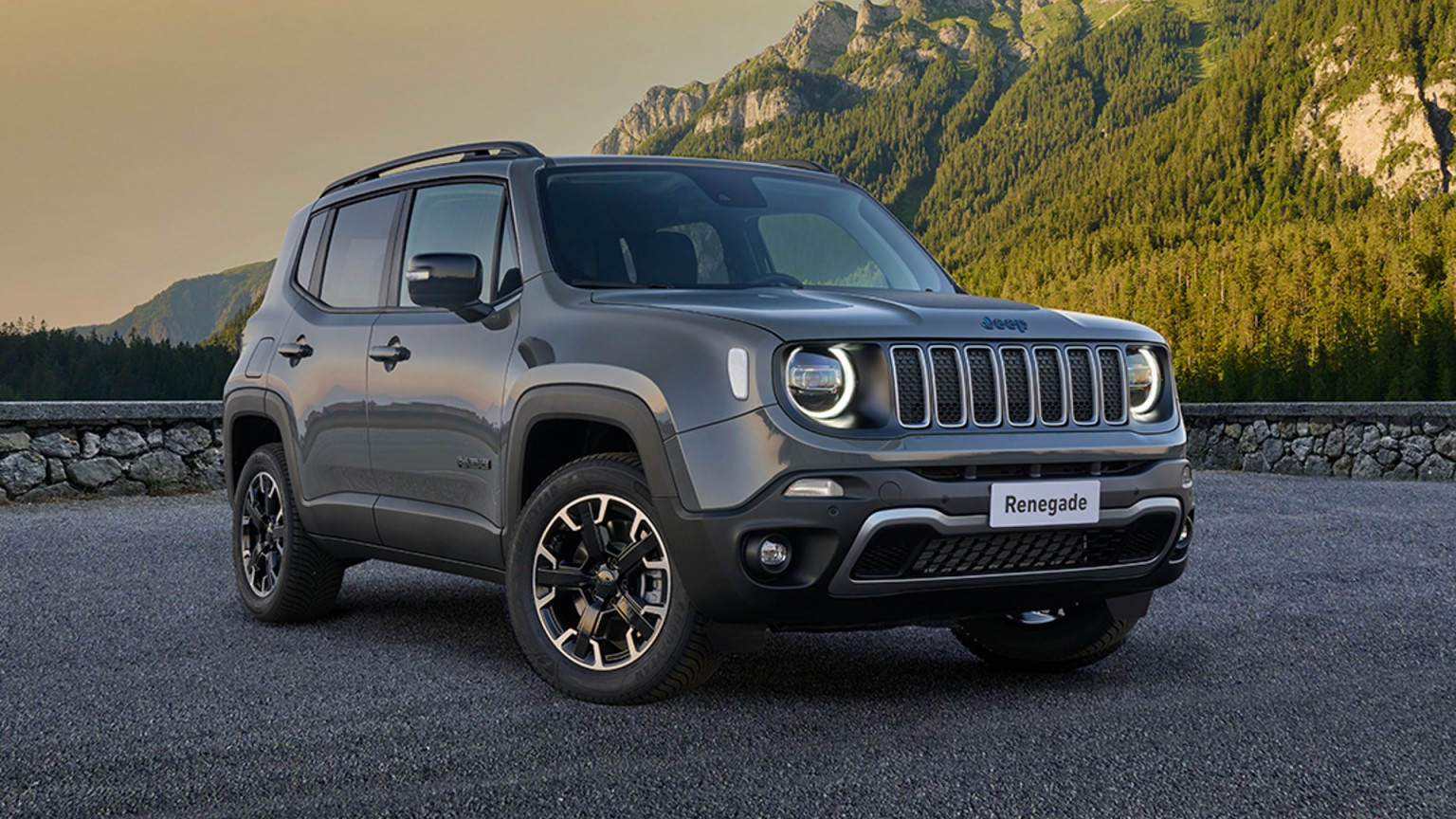
4. **Jeep Grand Cherokee (1993-2004)**The Jeep Grand Cherokee’s deadly design flaw centered on what safety advocates called its “gas tank ticking time bomb”—a fuel tank positioned behind the rear axle in a location vulnerable to rupture during rear-end collisions. This placement left just 11 inches between the plastic fuel tank and the rear bumper with minimal structural protection, creating a serious risk of fire or explosion even in moderate-speed impacts. This design oversight left a critical component dangerously exposed.
The design proved tragically flawed. When struck from behind, the Grand Cherokee’s tank could be punctured by sharp objects, crushed against the rear differential, or have its filler neck torn away from the tank itself. Any of these failure modes could spray atomized fuel near hot exhaust components and electrical systems, creating perfect conditions for catastrophic fires. Survivors and witnesses described vehicles engulfed in flames within seconds of impact, often trapping occupants inside, highlighting the rapid and devastating nature of the failures.
Chrysler’s response to mounting evidence of the danger compounded the tragedy. Despite numerous fatal crashes and at least 75 documented fire deaths, the company initially resisted recalls, arguing that the vehicles met all federal safety standards of their time—technically true, but increasingly recognized as an inadequate defense given the real-world fatalities. Internal documents later revealed that Chrysler engineers had identified the vulnerability during development but continued with production, indicating a conscious decision that prioritized other factors over maximum safety.
These design flaws frequently have a profound human cost. The most heartbreaking cases involved children like 4-year-old Remington Walden, who burned to death after his aunt’s Grand Cherokee was struck from behind at an intersection. The jury in that case awarded $150 million to the family after finding Chrysler had acted with “reckless disregard” for human life, though the award was later reduced to $40 million on appeal. Such legal battles underscore the significant moral and financial ramifications of these engineering oversights.
After years of pressure from safety advocates and the Center for Auto Safety, NHTSA finally pushed for a recall in 2013. Chrysler initially resisted but eventually agreed to a limited “voluntary campaign” covering 1.56 million 1993-1998 Grand Cherokees and 2002-2007 Liberty. Rather than relocating the tanks, the fix involved installing a trailer hitch to provide marginal additional protection—a solution many experts criticized as inadequate, further illustrating the ongoing challenges in rectifying deep-seated design problems within the automotive industry.
Car Model Information: 2018 Toyota Camry SE
Name: Jeep Grand Cherokee
Manufacturer: Jeep
Production: 1992–present
ModelYears: 1993–present
Class: unbulleted list
BodyStyle: sport utility vehicle
Layout: unbulleted list
Chassis: Vehicle_frame#Uniframe
Categories: 2000s cars, 2010s cars, 2020s cars, All-wheel-drive vehicles, All Wikipedia articles written in American English
Summary: The Jeep Grand Cherokee is a range of mid-sized sport utility vehicles produced by American manufacturer Jeep. At its introduction, while most SUVs were still manufactured with body-on-frame construction, the Grand Cherokee has used a unibody chassis from the start.
Get more information about: Jeep Grand Cherokee
Buying a high-performing used car >>>
Brand: Jeep Model: Grand Cherokee
Price: $17,412 Mileage: 86,724 mi.
Read more about: Avoid These 14 Compact SUVs: Your Guide to Steering Clear of Money Pits After 90,000 Miles
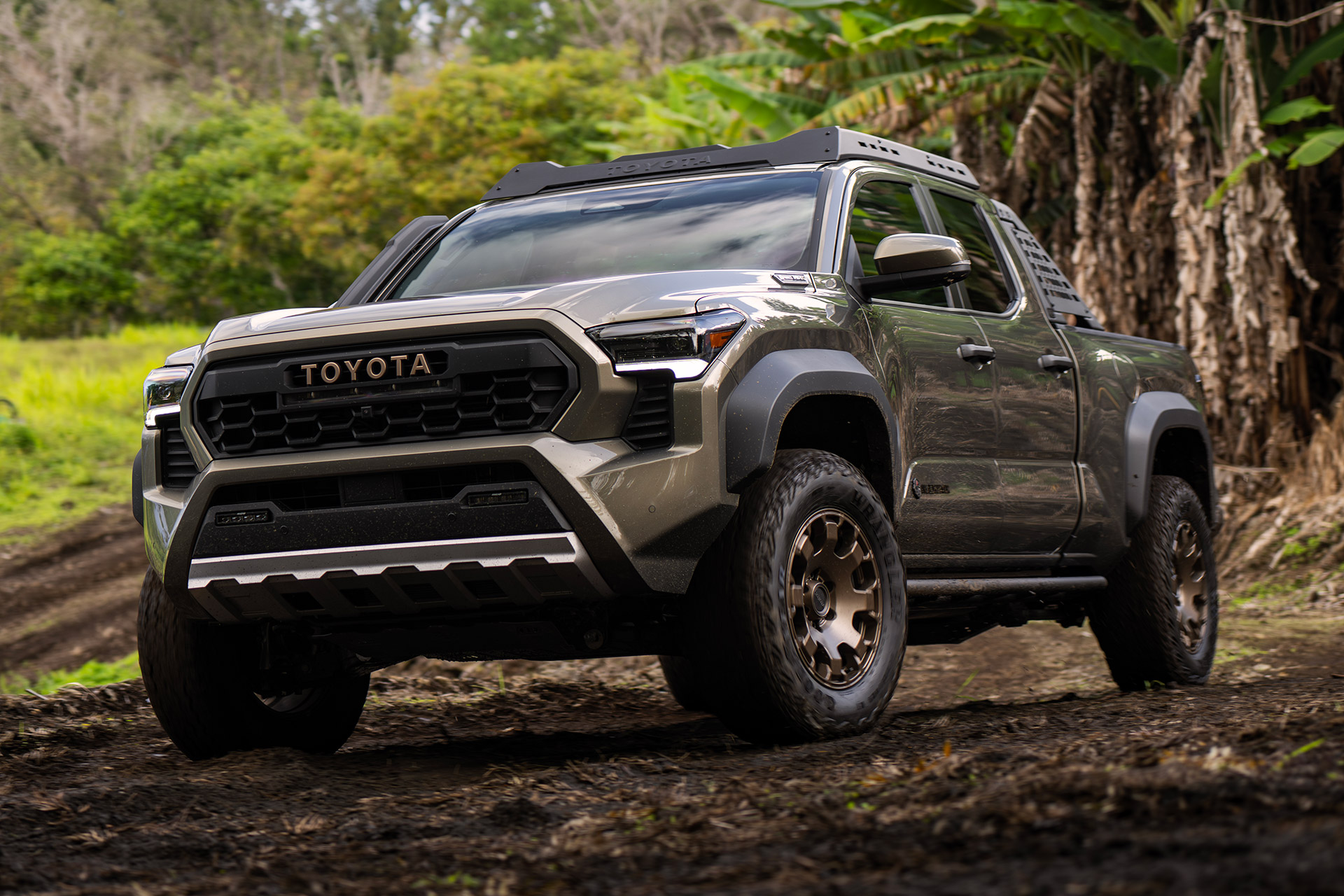
5. **Toyota Unintended Acceleration (2002-2010)**The specter of catastrophic design flaws hangs over automotive history, turning ordinary vehicles into objects of notoriety. The Toyota Unintended Acceleration crisis, like many infamous cases, highlights how a vehicle’s name can become synonymous with serious safety concerns. These moments in history remind us that even seemingly minor technical issues can have profound consequences if not addressed promptly and thoroughly by manufacturers and regulators alike.
Many engineering failures stem from underlying issues such as “oversight, cost-cutting, or willful negligence,” as observed across the industry. When such issues arise, they can lead to design defects that transform vehicles into potential deathtraps. The narrative often involves early warning signs being “dismissed” or “internal safety concerns overruled by profit motives,” painting a grim picture of priorities within corporate structures.
Such incidents invariably reflect “profound ethical breakdowns within the automotive industry,” extending beyond mere mechanical failures. The struggle to acknowledge and rectify a defect in a timely manner becomes a central part of these tragic narratives. This pattern of “corporate denial in the face of mounting evidence” further exacerbates the crisis, eroding public trust and prolonging the period of risk for drivers and passengers.
Despite the devastating human toll, these challenging episodes ultimately serve a crucial purpose in the broader evolution of safety. Each major safety scandal, including one such as the Toyota Unintended Acceleration, contributes to the ongoing evolution of automotive safety consciousness. They inevitably lead to “stricter regulations, improved testing protocols, and heightened awareness that has saved countless lives,” pushing the industry toward greater accountability and innovation in design and manufacturing.
Read more about: Toyota’s Hypothetical ‘Water Engine’: Unpacking Hydrogen’s Disruptive Potential and the Future of Mobility Beyond EVs
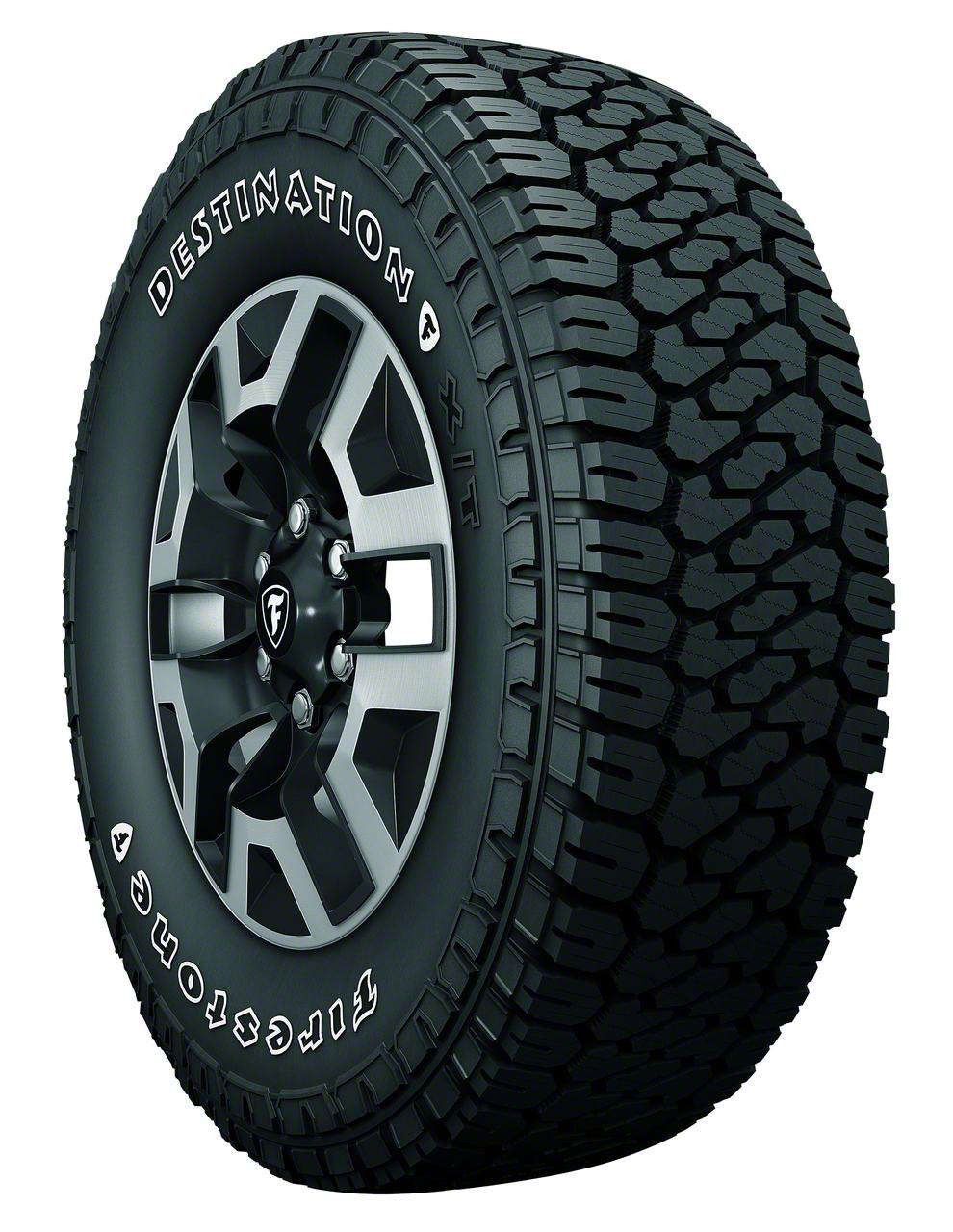
6. **Firestone/Ford Explorer Crisis (1990-2001)**Infamous vehicles often gain their reputation not from groundbreaking design, but from catastrophic flaws that transform them from everyday transportation into symbols of danger. The Firestone/Ford Explorer Crisis exemplifies how a combination of components can lead to widespread and tragic consequences. This episode in automotive history serves as a stark reminder of the interconnectedness of vehicle systems and the potential for cascading failures.
These design defects, irrespective of their specific nature, transform otherwise ordinary vehicles into potential deathtraps, demanding a heightened level of vigilance from both consumers and regulatory bodies. The inherent danger lies in how easily a seemingly minor issue can escalate into a severe threat when multiple factors combine. It is a critical aspect of engineering to anticipate and mitigate these complex interactions.
The stories behind such flawed creations frequently follow a disturbing pattern: “early warning signs dismissed, internal safety concerns overruled by profit motives, and corporate denial in the face of mounting evidence.” This systemic failure to address problems proactively contributes significantly to the escalation of a crisis, creating a tragic cycle where lives are lost before adequate action is taken. The human element of corporate decision-making plays a significant role in these outcomes.
More than just mechanical failures, these cases reflect “profound ethical breakdowns within the automotive industry.” They highlight instances where the drive for profit or the avoidance of bad publicity overshadows the fundamental responsibility to ensure public safety. The reluctance to acknowledge and swiftly rectify known defects can leave a lasting stain on a brand’s reputation and lead to deep public distrust, underscoring the importance of transparent and ethical conduct.
However, there is always a silver lining that emerges from such tragic narratives. Each major safety scandal, including the Firestone/Ford Explorer Crisis, has ultimately led to “stricter regulations, improved testing protocols, and heightened awareness that has saved countless lives.” These difficult lessons push the automotive industry to evolve, implementing better standards and fostering a more proactive approach to vehicle safety for the benefit of all road users.
Car Model Information: 2022 Ford Explorer Platinum
Name: Ford Explorer
Caption: Sixth-generation Ford Explorer
Manufacturer: Ford Motor Company
Production: 1990–present
ModelYears: 1991–present
Class: unbulleted list
Chassis: unbulleted list
Predecessor: Ford Bronco II
Successor: Ford Territory (Australia)
Categories: 2000s cars, 2010s cars, 2020s cars, All-wheel-drive vehicles, All Wikipedia articles in need of updating
Summary: The Ford Explorer is a range of SUVs manufactured by the Ford Motor Company since the 1991 model year. The first five-door SUV produced by Ford, the Explorer, was introduced as a replacement for the three-door Bronco II. As with the Ford Ranger, the model line derives its name from a trim package previously offered on Ford F-Series pickup trucks. As of 2020, the Explorer became the best-selling SUV in the American market.
Currently in its sixth generation, the Explorer has featured a five-door wagon body style since its 1991 introduction. During the first two generations, the model line included a three-door wagon (directly replacing the Bronco II). The Ford Explorer Sport Trac is a crew-cab mid-size pickup derived from the second-generation Explorer. The fifth and sixth generations of the Explorer have been produced as the Ford Police Interceptor Utility (replacing both the Ford Crown Victoria Police Interceptor and the Ford Police Interceptor Sedan).
The Explorer is slotted between the Ford Edge and Ford Expedition within North America’s current Ford SUV range. The model line has undergone rebadging several times, with Mazda, Mercury, and Lincoln each selling derivative variants. Currently, Lincoln markets a luxury version of the Explorer as the Lincoln Aviator.
For the North American market, the first four generations of the Explorer were produced by Ford at its Louisville Assembly Plant (Louisville, Kentucky) and its now-closed St. Louis Assembly Plant (Hazelwood, Missouri). Ford currently assembles the Explorer alongside the Lincoln Aviator and the Police Interceptor Utility at its Chicago Assembly Plant (Chicago, Illinois).
Get more information about: Ford Explorer
Buying a high-performing used car >>>
Brand: Ford Model: Explorer
Price: $33,399 Mileage: 35,792 mi.
Read more about: Think Twice: 11 SUVs Financial Analysts Advise Against Leasing in 2024
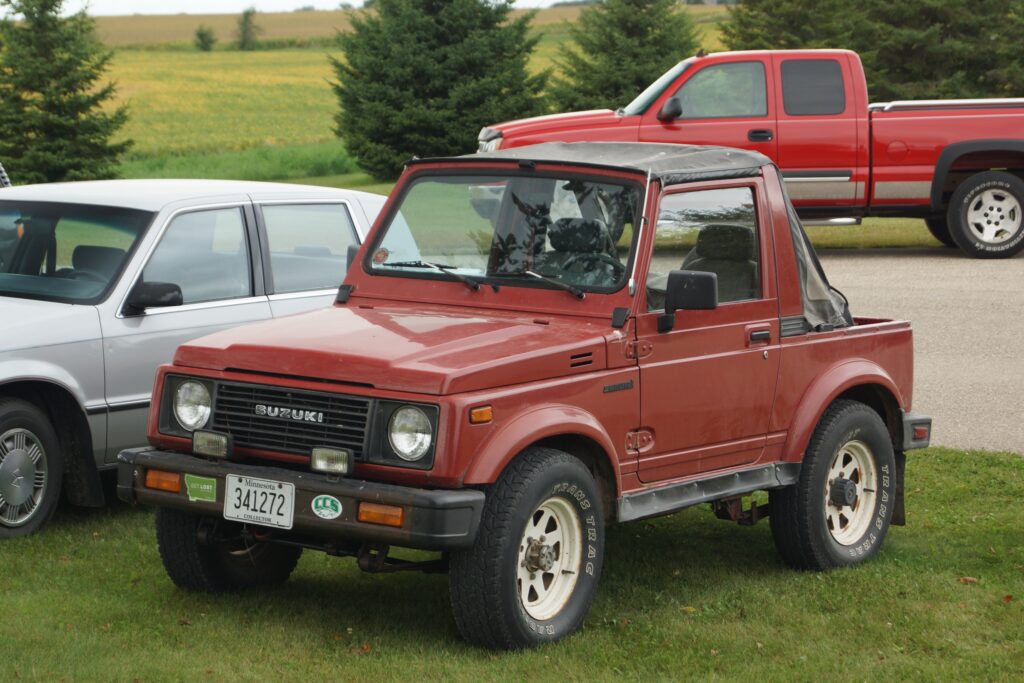
7. **Samurai Suzuki (1985-1995)**The annals of automotive history are replete with tales of groundbreaking designs and exhilarating performance, but also with cautionary narratives of engineering missteps. The Samurai Suzuki, while initially a popular choice for its rugged utility, eventually joined the ranks of vehicles whose design became synonymous with serious safety concerns. These moments in history serve as poignant reminders that even seemingly minor technical issues can escalate into profound consequences if not addressed with diligence and foresight by manufacturers and regulatory bodies alike.
Indeed, the inherent danger in such situations often lies in how easily a seemingly small design choice can escalate into a severe threat when multiple factors combine. Whether it’s a specific component, a fundamental structural decision, or a combination of elements, the transformation of an ‘otherwise ordinary vehicle into a potential deathtrap’ is a sobering outcome. These cases underscore the critical importance of anticipating and mitigating complex interactions within vehicle systems, ensuring that robust safety considerations are paramount from conception to production.
Tracing the origins of such significant failures frequently uncovers a disturbing pattern: ‘early warning signs dismissed, internal safety concerns overruled by profit motives, and corporate denial in the face of mounting evidence.’ This systemic reluctance to confront and rectify known defects proactively can significantly exacerbate a crisis, prolonging the period of risk for drivers and passengers. It reveals a profound ethical breakdown where the pursuit of profit or the avoidance of negative publicity tragically overshadows the fundamental responsibility to ensure public safety.
Yet, even amidst these challenging episodes, there is an undeniable ‘silver lining’. Each major safety scandal, including the controversy surrounding the Samurai Suzuki, ultimately contributes to the ongoing ‘evolution of automotive safety consciousness’. These difficult lessons push the industry toward greater accountability, leading to ‘stricter regulations, improved testing protocols, and heightened awareness that has saved countless lives,’ ultimately benefiting all road users through safer vehicle designs and manufacturing practices.
Car Model Information: 1987 Suzuki Samurai
Name: Suzuki Jimny
Caption: 2019 Suzuki Jimny SZ5
Manufacturer: Suzuki
Production: April 1970 – present (2.85 million units sold by September 2018)
Class: Off-road vehicle,mini SUV
BodyStyle: SUV,van,convertible,pickup truck
Layout: Front-engine, rear-wheel-drive layout,Front-engine, four-wheel-drive layout
Chassis: Body-on-frame
Related: Maruti Gypsy
Categories: 1980s cars, 1990s cars, 2000s cars, 2010s cars, All Wikipedia articles written in British English
Summary: The Suzuki Jimny (Japanese: スズキ・ジムニー, Suzuki Jimunī) is a series of four-wheel drive off-road mini SUVs, manufactured and marketed by Japanese automaker Suzuki since 1970.
Originally belonging to the kei class, Japan’s light automobile tax/legal class, the company continues to market a kei-compliant version for the Japanese and global markets as the Jimny, as well as versions that exceed kei-class limitations. Suzuki has marketed 2.85 million Jimnys in 194 countries through September 2018.
Get more information about: Suzuki Jimny
Buying a high-performing used car >>>
Brand: Suzuki Model: Samurai
Price: $24,000 Mileage: 21,797 mi.
Read more about: More Than Just a Chassis: Uncovering 11 Catastrophic Design Flaws That Defined Automotive Infamy

8. **Pontiac Fiero (1984-1988)**The Pontiac Fiero, a vehicle envisioned as an affordable sports car, tragically became another exemplar of how innovative design can be overshadowed by critical engineering flaws. Its journey from an exciting concept to an infamous case study illustrates the complex challenges faced by automotive engineers when balancing aesthetics, performance, and, most crucially, safety. It’s a powerful demonstration that even well-intentioned designs can harbor fatal vulnerabilities if proper diligence is compromised in the rush to market.
Many engineering failures, including those that plagued the Fiero, stem from underlying issues such as ‘oversight, cost-cutting, or willful negligence’, as observed across the industry. When such issues arise, they can lead to design defects that ‘transform vehicles into potential deathtraps’. The narrative often involves early warning signs being ‘dismissed’ or ‘internal safety concerns overruled by profit motives,’ painting a grim picture of priorities within corporate structures that can have devastating real-world impacts on consumers.
Such incidents invariably reflect ‘profound ethical breakdowns within the automotive industry,’ extending beyond mere mechanical failures. The struggle to acknowledge and rectify a defect in a timely manner becomes a central part of these tragic narratives, eroding public trust and prolonging the period of risk for drivers and passengers. This pattern of ‘corporate denial in the face of mounting evidence’ further exacerbates the crisis, leaving a lasting stain on a brand’s reputation and trust.
However, despite the devastating human toll, these challenging episodes ultimately serve a crucial purpose in the broader evolution of safety. Each major safety scandal, including the one involving the Pontiac Fiero, contributes to the ongoing ‘evolution of automotive safety consciousness.’ They inevitably lead to ‘stricter regulations, improved testing protocols, and heightened awareness that has saved countless lives,’ continuously pushing the industry toward greater accountability and innovation in design and manufacturing for safer roads and more reliable vehicles.
Car Model Information: 1986 Pontiac Fiero SPORT GT
Name: Pontiac Fiero
Caption: 1988 Fiero Formula
Manufacturer: Pontiac (automobile)
Production: August 1983 – August 16, 1988,370,168 produced
ModelYears: 1984 – 1988
Successor: Pontiac Solstice
Assembly: Pontiac, Michigan
Designer: Hulki Aldikacti,George Milidrag
Class: Sports car
BodyStyle: fastback,notchback
Platform: GM P platform
Layout: Rear mid-engine, rear-wheel-drive layout
Engine: {{cvt,151,CID,L,1,disp=flip,Iron Duke engine#LR8,Inline-four engine
Transmission: Turbo-Hydramatic 125,Manual transmission,Getrag 282 transmission,Isuzu
Wheelbase: 2373 mm
Abbr: on
Length: 4072 mm
Width: 1750 mm
Height: 1191 mm
Weight: 1116 to
Categories: All articles with unsourced statements, Articles with short description, Articles with unsourced statements from February 2012, Articles with unsourced statements from July 2024, Articles with unsourced statements from September 2011
Summary: The Pontiac Fiero is a rear mid-engine, light sports car manufactured and marketed by Pontiac for model years 1984 – 1988. Intended as an economical commuter car with modest performance aspirations, it was Pontiac’s first two-seater since their 1926 to 1938 coupes, and the first mass-produced, rear mid-engine car by any American manufacturer.
In addition to using 4- and 6-cylinder engines to help Pontiac meet America’s ‘CAFE’ average fuel economy requirements, the Fiero’s chassis and structure technology used non-load-bearing, composite body-panels, contributing to the car’s light-weight and its unique selling proposition. Pontiac engineers modified the design over its life to enhance its performance and reposition the two-seater closer to the implications of its sporty configuration.
The Fiero 2M4 (two-seat, mid-engine, four-cylinder) placed on Car and Driver magazine’s Ten Best list for 1984, and was the Official Pace Car of the Indianapolis 500 for 1984.
A total of 370,168 Fieros were manufactured over five years’ production, its mild performance, reliability and safety issues becoming points of criticism. The Fiero was discontinued after annual sales fell steadily.
Get more information about: Pontiac Fiero
Buying a high-performing used car >>>
Brand: Pontiac Model: Fiero
Price: $11,990 Mileage: 98,558 mi.
Read more about: Unearthing the Automotive Ghosts: 14 Forgotten Two-Seater Sports Cars That Demand Your Attention
9. **Chevrolet Cobalt/Saturn Ion Ignition Switch (2003-2011)**The Chevrolet Cobalt and Saturn Ion ignition switch defect represents a chilling modern example of how a seemingly minor component failure can lead to widespread and deadly consequences. This particular flaw became a stark reminder that ‘oversight, cost-cutting, or willful negligence’ can indeed ‘transform vehicles into potential deathtraps’, highlighting the severe repercussions when a manufacturer prioritizes factors other than the absolute safety of its drivers and passengers.
The nature of this specific design defect meant that the ignition switch could inadvertently move from the ‘run’ position to ‘accessory’ or ‘off’ while the vehicle was in motion. This seemingly innocuous shift could disable critical safety systems, including power steering, power brakes, and, most catastrophically, the airbags. Such a failure mode, sudden and unexpected, drastically compromised the vehicle’s safety, turning routine driving into a potential life-threatening situation with little to no warning for the driver.
The pattern observed in these cases frequently involves a ‘disturbing pattern: early warning signs dismissed, internal safety concerns overruled by profit motives, and corporate denial in the face of mounting evidence.’ For years, General Motors reportedly received complaints and reports related to these ignition switches but failed to act decisively, leading to tragic outcomes. This reluctance to acknowledge and swiftly rectify known defects highlights a ‘profound ethical breakdown within the automotive industry,’ where responsibility was not adequately taken until it was too late.
Ultimately, the human cost of this defect was immense, with numerous fatalities and injuries attributed to the faulty switches. The subsequent investigations and public outcry led to massive recalls, government fines, and significant reforms within General Motors, serving as another painful but necessary catalyst. These lessons, hard-won through tragedy, have ‘ultimately led to stricter regulations, improved testing protocols, and heightened awareness that has saved countless lives,’ reinforcing the continuous demand for unwavering commitment to automotive safety and reliability.
Car Model Information: 2007 Chevrolet Cobalt LS
Name: Chevrolet Cobalt
Manufacturer: General Motors
Production: 2004–2010 2012– present
ModelYears: 2005–2010 (North America),
Class: Compact car
Layout: Front-engine, front-wheel-drive layout
Predecessor: Geo/Chevrolet Prizm
Successor: Chevrolet Cruze
Categories: 2010s cars, All Wikipedia articles written in American English, All articles with unsourced statements, Articles with Uzbek-language sources (uz), Articles with short description
Summary: The Chevrolet Cobalt is a compact car introduced by Chevrolet in 2004 for the 2005 model year. The Cobalt replaced both the Cavalier and the Toyota-based Geo/Chevrolet Prizm as Chevrolet’s compact car. The Cobalt was available as both a coupe and sedan, as well as a sport compact version dubbed the Cobalt SS. Like the Chevrolet HHR and the Saturn ION, it was based on the GM Delta platform.
A Pontiac version was sold in the United States and Mexico under the G5 name for 2007–2009. It was sold as the Pontiac G4 in Mexico for 2005–2006 and as the Pontiac G5 in Canada for its entire run (where it was briefly known as the Pontiac Pursuit and later Pontiac G5 Pursuit). The G5 replaced the Cavalier-related Pontiac Sunfire. While the Cobalt was available as a 2-door coupe and a 4-door sedan in all markets it was offered in, the G5 was only available as a coupé in the United States while a sedan version was sold alongside the coupé in Canada and Mexico.
As with their predecessors, all Cobalts and its Pontiac equivalents were manufactured at GM’s plant in Ramos Arizpe, Mexico and Lordstown, Ohio. The United States Environmental Protection Agency classified the Cobalt as a subcompact car.
Get more information about: Chevrolet Cobalt
Buying a high-performing used car >>>
Brand: Chevrolet Model: Cobalt
Price: $4,998 Mileage: 75,399 mi.

10. **Chrysler Minivan Liftgate Latch (1984-1995)**The Chrysler Minivan, a vehicle that revolutionized family transportation, also became entangled in a significant safety controversy involving its liftgate latch. This particular incident underscored the vital truth that even components designed for convenience can, if flawed, become a source of danger, thereby joining the unfortunate category of ‘infamous cars’ whose design choices led to tragic consequences for their owners and occupants. It’s a reminder that every part, no matter how small, contributes to the overall safety integrity of a vehicle.
This specific design defect highlighted how, during rear-end collisions, the liftgate could unlatch and open, ejecting occupants, particularly children, from the vehicle. Such a failure mode turned a routine accident into a potentially fatal event, directly contributing to ‘preventable deaths and injuries’. The vulnerability of the liftgate latch, when combined with the force of an impact, ‘transformed otherwise ordinary vehicles into potential deathtraps,’ demonstrating the critical importance of robust design across all vehicle components.
The story surrounding these types of flawed creations often follows a familiar and ‘disturbing pattern: early warning signs dismissed, internal safety concerns overruled by profit motives, and corporate denial in the face of mounting evidence.’ Despite reports and internal knowledge of the potential for latch failures, corporate responses were initially met with resistance to broad recalls. This hesitation reflects ‘profound ethical breakdowns within the automotive industry,’ where the immediate bottom line sometimes eclipsed the paramount importance of occupant safety and well-being.
Nevertheless, these tragic narratives, including that of the Chrysler Minivan liftgate latch, carry a crucial ‘silver lining’. Each major safety scandal has ‘ultimately led to stricter regulations, improved testing protocols, and heightened awareness that has saved countless lives.’ These incidents, however devastating, serve as catalysts for change, compelling the industry to refine its safety standards and to adopt a more proactive and ethical approach to vehicle design and manufacturing, ensuring continuous progress in consumer protection.
Car Model Information: 2017 Chrysler Pacifica Touring-L Plus
Name: Chrysler Pacifica (RU)
Manufacturer: Chrysler (automotive brand)
Aka: Chrysler Voyager,Chrysler Grand Caravan (Canada, 2021–present)
Production: 2016–present
ModelYears: 2017–present
Assembly: Windsor, Ontario
Designer: Irina Zavatski,Winnie Cheung (interior)
Class: Minivan
BodyStyle: 5-door minivan
Layout: Front-engine, front-wheel drive,Front-engine, all-wheel drive
Platform: Compact U.S. Wide platform
Related: Chrysler 200#Second generation (2014–)
Engine: Chrysler Pentastar engine#3.6L,FCA Global Medium Engine
Motor: 2x electric motors (SiEVT main motor & motor generator; PHEV)
Transmission: ZF 9HP transmission,automatic transmission,Continuously variable transmission
Drivetrain: PHEV
ElectricRange: cvt
Battery: val,lithium-ion battery
Wheelbase: 3089 mm
Abbr: on
Order: flip (hybrid)
Length: 203.6 in
Width: 79.6 in
Height: convert
Weight: {{convert,1964,kg,lb,abbr=on,order=flip
Predecessor: Chrysler minivans (RT)
Categories: 2010s cars, All-wheel-drive vehicles, Articles with short description, CS1 Spanish-language sources (es), Cars introduced in 2016
Summary: The Chrysler Pacifica is a minivan produced by the Chrysler division of Stellantis since the 2017 model year. Replacing the Chrysler Town & Country, the Pacifica is the sixth generation of Chrysler minivans, taking its name from the 2004–2008 product line. Along with serving as the first minivan with a plug-in hybrid drivetrain, the Pacifica has also served as a platform for autonomous vehicle development.
For the 2020 model year, Chrysler repackaged the lower-trim versions of the Pacifica as a revived Chrysler Voyager, largely to expand fleet sales of the model line; following the retirement of the Dodge Grand Caravan, the Chrysler Voyager was introduced in Canada for 2021 as the Chrysler Grand Caravan (moving the nameplate from Dodge to Chrysler after 36 years). Following the retirement of the Chrysler 300 sedan, the Pacifica/Voyager/Grand Caravan is currently the only vehicle marketed by Chrysler.
Chrysler has assembled the Pacifica minivan (and the Voyager/Grand Caravan) in its Windsor Assembly facility in Ontario (home to Chrysler minivan assembly since 1983).
Get more information about: Chrysler Pacifica (minivan)
Buying a high-performing used car >>>
Brand: Chrysler Model: Minivan
Price: $13,810 Mileage: 72,657 mi.
Read more about: Beyond the Bulk: 10 Cars That Redefine Pedestrian Safety – Why Compacts Are Outperforming Larger Models
11. **1970s-Era Ford Cruise Control Systems**Returning to the venerable Ford marque, the issues surrounding its 1970s-era cruise control systems present yet another dimension of engineering failure, illustrating how even convenience features, if poorly designed or manufactured, can become hazardous. This adds to the growing list of ‘infamous examples’ that highlight how ‘oversight, cost-cutting, or willful negligence’ can tragically impact vehicular safety, extending the scope of potential dangers beyond core mechanical systems to auxiliary functions.
The specific defect in these cruise control systems centered on a faulty switch, which could overheat and potentially cause fires, even when the vehicle was parked and the engine was off. This was not a failure of direct vehicle control in motion, but an insidious risk of spontaneous combustion that ‘transformed otherwise ordinary vehicles into potential deathtraps’ even in stationary conditions. The unpredictability and destructive potential of such a fire posed a significant threat to property and, in severe cases, to human life.
As with many such cases, the pattern of ‘early warning signs dismissed, internal safety concerns overruled by profit motives, and corporate denial in the face of mounting evidence’ became evident. Reports of fires linked to these systems accumulated over time, but a comprehensive and timely response from the manufacturer was often delayed. This corporate response, or lack thereof, further underscores the ‘profound ethical breakdowns within the automotive industry’ that often precede widespread safety crises, eroding public trust.
In the aftermath of these incidents, significant efforts were made to identify and mitigate the risks. While the immediate focus was on addressing the fire hazard, the broader impact of this particular engineering failure, much like others, contributed to a greater ‘evolution of automotive safety consciousness.’ The lessons learned from such widespread defects, including those in seemingly minor components like cruise control switches, have spurred ‘stricter regulations, improved testing protocols, and heightened awareness that has saved countless lives,’ ensuring that even secondary systems meet rigorous safety standards.
Read more about: More Than Just a Chassis: Uncovering 11 Catastrophic Design Flaws That Defined Automotive Infamy
12. **Bridgestone/Firestone Wilderness AT Tires**The partnership between Bridgestone/Firestone and Ford once again takes center stage with the controversy surrounding the Wilderness AT Tires, proving that even after previous crises, the industry can still stumble into profound safety failures. This serves as a powerful concluding reminder that ‘infamous vehicles’ gain their reputation not from groundbreaking design, but from ‘catastrophic flaws that transform them from everyday transportation into symbols of danger.’ The interdependence of vehicle components, especially tires, is critically important for overall safety.
These particular tires, predominantly found on Ford Explorer SUVs, were prone to tread separation, particularly when underinflated or during sustained high-speed driving in hot climates. This defect could lead to sudden tire failure, causing loss of vehicle control, often resulting in rollovers. Such a design defect unequivocally ‘transformed otherwise ordinary vehicles into potential deathtraps,’ directly linking tire integrity to severe accident risks and fatal outcomes for occupants and bystanders.
The narrative surrounding this crisis, much like others we’ve explored, illustrates the ‘disturbing pattern: early warning signs dismissed, internal safety concerns overruled by profit motives, and corporate denial in the face of mounting evidence.’ Both Firestone and Ford faced intense scrutiny over whether they adequately and promptly addressed complaints and accident reports related to the tires. The finger-pointing and delayed actions between the two companies epitomized the ‘profound ethical breakdowns within the automotive industry,’ highlighting a failure in shared responsibility and transparency.
Yet, as with every significant safety scandal, the Bridgestone/Firestone Wilderness AT Tires crisis ultimately contributed to a crucial ‘silver lining’. It led to heightened public awareness about tire maintenance, more stringent tire performance standards, and reforms in how manufacturers and government agencies handle defect reporting. These ‘hard-won lessons’ have ‘ultimately led to stricter regulations, improved testing protocols, and heightened awareness that has saved countless lives,’ reinforcing the ongoing commitment to making our roads safer and preventing future tragedies.
Read more about: Your Tires Are Lying to You: Unmasking the Hidden Hazards of Worn and Aged Rubber for Safer Driving
In examining these twelve infamous examples of engineering failures, we embark not merely on a historical review of mechanical mishaps, but a profound exploration of the human element in design and manufacturing. Each case, from the catastrophic fuel tanks to the insidious ignition switches and treacherous tires, serves as a powerful testament to the intricate balance between innovation, cost, and accountability. These stories, born from ‘oversight, cost-cutting, or willful negligence,’ have irrevocably shaped the landscape of automotive safety. They reveal how ‘profound ethical breakdowns’ within corporations can lead to devastating consequences, transforming vehicles into ‘potential deathtraps’. However, the enduring legacy of these tragedies is not solely one of despair, but one of progress. From the ashes of these disasters arose a collective resolve for ‘stricter regulations, improved testing protocols, and heightened awareness that has saved countless lives.’ This continuous ‘evolution of automotive safety consciousness’ stands as a beacon, guiding us towards a future where the marvels of engineering are always matched by an unyielding commitment to human safety. It is a journey that reminds us that every bolt, every circuit, every tire, carries the weight of responsibility, and that vigilance remains the ultimate safeguard on our roads.