
When purchasing a vehicle, consumers often focus on factors like aesthetics, initial price, fuel economy, or brand prestige. Yet, a critical aspect frequently overlooked is the vehicle’s mechanical reliability and the true ease of its maintenance. This is where professional auto mechanics offer invaluable insights, born from years of hands-on experience, discerning which cars endure and which become chronic sources of trouble.
Mechanics dedicate their working lives to diagnosing and repairing all makes and models, gaining unparalleled expertise on vehicles’ longevity and common failures. Their recommendations are not based on marketing hype, but on practical encounters. This guidance is essential for anyone seeking an informed decision that promises both long-term savings and peace of mind. Choosing the right car isn’t just about appearance; it’s about real-world performance, breakdown frequency, and the actual cost and difficulty of repairs.
Some vehicles, despite initial appeal, hide design flaws, poor engineering, or subpar materials that turn routine maintenance into an expensive, time-consuming ordeal. For the average owner without mechanical expertise, these issues quickly become overwhelming, leading to frequent repair shop visits, unexpected costs, and a frustrating ownership experience. This article will highlight critically flawed cars that mechanics vehemently advise against, helping you steer clear of potential automotive nightmares.
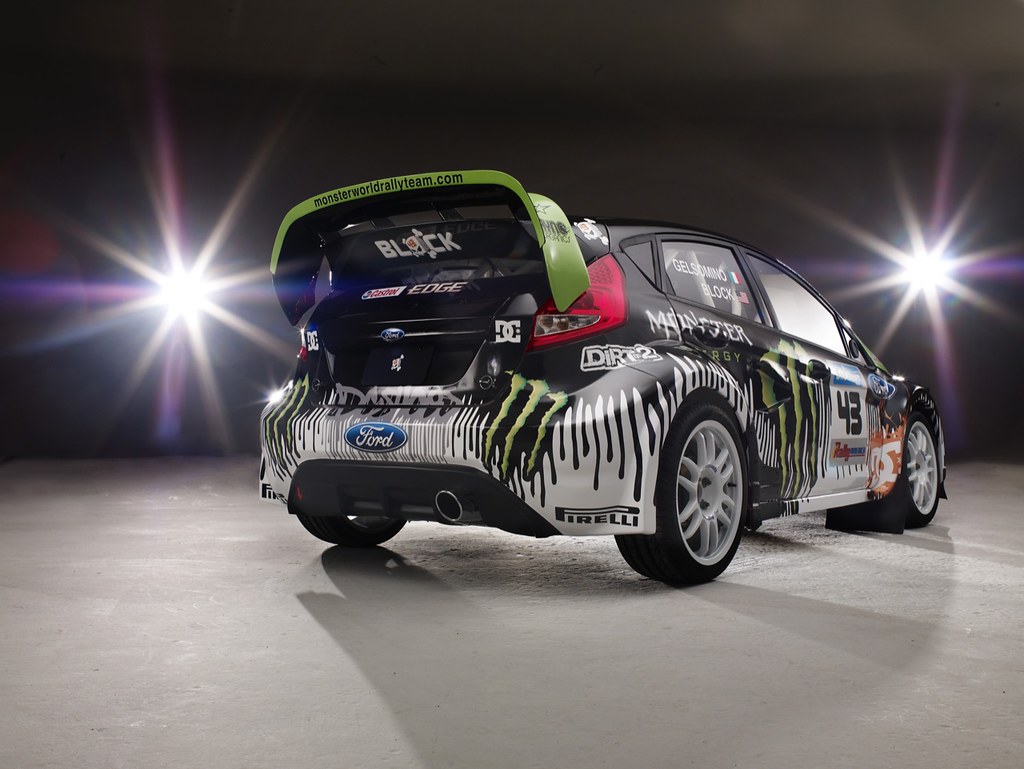
1. **Ford Fiesta**The Ford Fiesta, despite its perceived advantages in driving dynamics, fuel efficiency, and initial cost-effectiveness, consistently ranks as a vehicle mechanics strongly advise against. The primary culprit behind its poor reputation, particularly for the 2011 to 2016 model years, is its notoriously problematic dual-clutch automatic transmission. Owners frequently report issues such as slipping gears and delayed shifting, which can transform everyday driving into a frustrating and potentially hazardous experience.
The widespread nature and severity of these transmission defects are so pronounced that Ford has faced class-action legal action as a direct consequence. Sean Pour, co-founder of SellMax, recounts how his company has “taken in hundreds of Ford Fiestas with bad transmissions,” some exhibiting failure with as little as 40,000 miles. He further emphasizes, “Some of our customers have replaced the transmission [on their Ford Fiesta] more than once before it hit 100,000 miles!” This pattern of recurring failure points to a fundamental flaw, making it a persistent money pit rather than an economical choice.
Beyond the transmission’s unreliability, the Ford Fiesta also exhibits other concerning engine problems, including frequent stalling and rough idling. These symptoms are not merely minor inconveniences; they signal deeper mechanical instabilities that can escalate repair costs over time. While the initial purchase price might appear attractive, mechanics universally caution that this perceived saving is often quickly eclipsed by the burgeoning expenses of keeping the car reliably on the road, ultimately making the Ford Fiesta a financial liability.
Car Model Information: 2012 Ford Fiesta SE
Name: Ford Fiesta
Manufacturer: Ford Motor Company
Production: June 1976 – July 2023
Class: Supermini
BodyStyle: hatchback
Layout: Front-engine, front-wheel-drive layout
Successor: Ford Puma (crossover)
ModelYears: 1978–1980, 2011–2019 (North America)
Categories: 1980s cars, 1990s cars, 2000s cars, 2010s cars, 2020s cars
Summary: The Ford Fiesta is a supermini car that was marketed by Ford from 1976 to 2023 over seven generations. Over the years, the Fiesta has mainly been developed and manufactured by Ford’s European operations, and had been positioned below the Escort (later the Focus).
Ford had sold over 15 million Fiestas from 1976 to July 2011, making it one of the best-selling Ford nameplates behind the Escort and the F-Series. It has been manufactured in the United Kingdom, Germany, Spain, Brazil, Argentina, Venezuela, Mexico, Taiwan, China, India, Thailand, and South Africa.
The Fiesta was discontinued in 2023, after over 22 million units had been made. The final Ford Fiesta rolled off the production line on 7 July 2023.
Get more information about: Ford Fiesta
Buying a high-performing used car >>>
Brand: Ford Model: Fiesta
Price: $3,900 Mileage: 125,000 mi.
Read more about: Urgent Alert for Ford Super Duty Owners: Critical Brake Recall Explained, What You Need to Know

2. **Range Rover**The Range Rover, synonymous with luxury and impressive off-road capabilities, paradoxically carries a notorious reputation among mechanics for its incessant mechanical problems and repair costs that consistently soar above average. Owners often find themselves compelled to become amateur mechanics due to the sheer unreliability and prohibitive expense of relying solely on professional service centers for every recurring issue. This highlights a significant disconnect between the vehicle’s premium image and its practical durability.
Jake McKenzie of Auto Accessories Garage unequivocally states that the Range Rover “is notorious for having frequent mechanical problems and above-average repair costs.” A substantial portion of these difficulties originates from pervasive and often unpredictable electrical gremlins affecting nearly every system. Owners routinely report malfunctions spanning from temperamental parking sensors and unreliable blind-spot monitors to complete failures of infotainment systems and tire pressure monitoring systems. Even basic functionalities like sunroof operation, power windows, and door locks are frequently compromised by these frustrating electrical faults.
Furthermore, the financial burden of Range Rover ownership is compounded by insurance rates that are significantly higher than the national average. This considerable ongoing expense, combined with the relentless cycle of costly repairs, firmly establishes the Range Rover’s status as “one of the biggest money pits in the automotive world,” according to McKenzie. Mechanics frequently encounter these vehicles arriving with persistent check-engine lights and strange noises, each signaling a deeper, expensive underlying problem requiring extensive diagnostic time. The cumulative effect of these electrical woes and high operating costs often results in substantial financial regret for its owners.
Car Model Information: 2018 Toyota Camry SE
Name: Range Rover (L460)
Manufacturer: Jaguar Land Rover
ModelCode: L460
Designer: Gerry McGovern
Production: 2022–present
Assembly: Solihull
Class: Full-size SUV
BodyStyle: Sport utility vehicle
Layout: Front-engine, four-wheel-drive layout
Platform: Jaguar Land Rover car platforms#MLA-Flex
Related: Range Rover Sport#L461
Engine: Petrol engine,Straight-six engine,twin-turbo,Diesel engine,3.0 L twin-turbo I6,3.0 L twin-turbo I6 MHEV,Petrol engine,3.0 L turbo I6 PHEV
Motor: ubl
Abbr: on
Drivetrain: class=nowrap,Mild hybrid,Plug-in hybrid,P510e/P550e)
Transmission: ZF 8HP transmission
Battery: Kilowatt-hour,Lithium-ion battery
Wheelbase: class=nowrap,{{convert,2997,mm,in,1,abbr=on
Length: class=nowrap,{{convert,5052,mm,in,1,abbr=on
Width: class=nowrap,{{convert,2047,mm,in,1,abbr=on
Height: 1870 mm
Weight: [object Object]
Sp: uk
Predecessor: ubl
Categories: All-wheel-drive vehicles, All Wikipedia articles written in British English, All articles containing potentially dated statements, All articles with unsourced statements, Articles containing potentially dated statements from 2023
Summary: The Land Rover Range Rover (L460), generally shortened to Range Rover, is the fifth generation of the Range Rover, a range of mid- and full-size luxury crossovers produced by Land Rover. It was revealed in London on 26 October 2021. The car is available in two different wheelbases, and the vehicle is available in guises consisting of petrol, petrol mild hybrid, petrol plug-in hybrid, and diesel mild hybrid. A seven-seater option was available slightly after launch.
Get more information about: Range Rover (L460)
Buying a high-performing used car >>>
Brand: Range Rover Model: Range Rover
Price: $17,412 Mileage: 86,724 mi.
Read more about: Navigating the Future of Road Funding: An In-Depth Look at the Controversial Per-Mile Charge Proposal

3. **Fiat 500**The Fiat 500, with its undeniably charming, “cute,” and distinctively European aesthetic, frequently captures initial buyer interest, especially for urban dwellers. However, mechanics—with their practical understanding—consistently warn that judging this car by its appealing exterior alone can lead to significant and expensive disappointments. The initial allure of the Fiat 500 tends to dissipate rapidly in the face of its numerous and well-documented mechanical deficiencies.
Sean Pour of SellMax explicitly identifies the Fiat 500 as one of the cars he would actively avoid purchasing. He attributes reliability issues to a “low quality of parts” in current generations, many manufactured in Mexico or Poland. According to Chauhan, this “translates to a low quality of parts that go into building the cars, be it the cheap quality of the alloys that break down easily, engine and transmission blowing up, and a lot more.” These systemic quality control issues underpin the car’s propensity for critical failures.
The transmission system, in particular, stands out as a major and recurring source of problems, alongside other significant complaints related to the engine and suspension components. Beyond these major powertrain issues, the Fiat 500 has also been subject to numerous recalls, highlighting its inherent design flaws. One severe recall involved faulty electronic power steering wiring, a defect that “could have lead to short-circuits” and presented a serious safety risk. These persistent problems translate directly into substantial financial outlays for owners, making it a questionable long-term acquisition.
Car Model Information: 2013 FIAT 500 Abarth
Name: Fiat 500
Caption: 1970 Fiat 500 L
Aka: Puch 500
Manufacturer: Fiat Automobiles
Production: 1957–1975,3,893,294 units
Assembly: Turin,Desio
Designer: Dante Giacosa
Class: City car
BodyStyle: ubl
Layout: Rear-engine, rear-wheel drive layout
Doors: Suicide door,Car door#Conventional
Related: Autobianchi Bianchina,NSU/Fiat Weinsberg 500,Vignale Gamine,Autobianchi Giardiniera
Engine: Cubic centimetre,499 cc I2,594 cc I2
Transmission: Manual transmission
Wheelbase: {{convert,1840,mm,in,1,abbr=on
Abbr: on
Length: 2970 mm
Width: 1320 mm
Height: 1320 mm
Weight: 499 kg
Predecessor: Fiat 500 “Topolino”
Successor: Fiat 126,Fiat 500 (2007)
Sp: uk
Categories: 1960s cars, 1970s cars, All Wikipedia articles written in British English, All articles with unsourced statements, Articles containing Italian-language text
Summary: The Fiat 500 (Italian: Cinquecento, pronounced [ˌtʃiŋkweˈtʃɛnto]) is an economy / city car that was manufactured and marketed by Fiat Automobiles from 1957 until 1975. It was sold as a two-door semi-convertible or saloon car and as a three-door panel van or estate car.
Launched as the Nuova (new) 500 in July 1957, as a successor to the 500 “Topolino”, it was an inexpensive and practical small car. Measuring 2.97 metres (9 feet 9 inches) long, and originally powered by a rear-mounted 479 cc two-cylinder, air-cooled engine, the 500 was 24.5 centimetres (9.6 inches) smaller than Fiat’s 600, launched two years earlier, and is considered one of the first purpose-designed city cars.
In 1959, Dante Giacosa received a Compasso d’Oro industrial design prize for the Fiat 500. This marked the first time a Compasso d’Oro was awarded to an automotive manufacturer.
Get more information about: Fiat 500
Buying a high-performing used car >>>
Brand: Fiat Model: 500
Price: $11,995 Mileage: 35,154 mi.
Read more about: Don’t Ignore These 11 Critical Vehicle Recall Alerts in 2025 Anymore: A Consumer Reports Guide
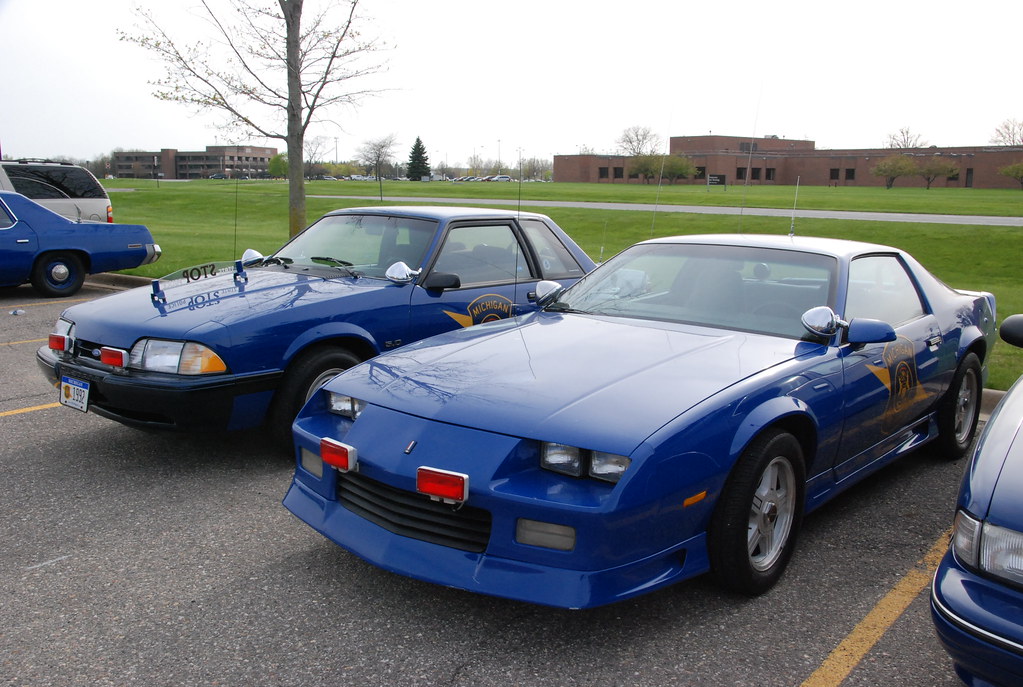
4. **Chevrolet Camaro**Within the competitive segment of American muscle cars, the Chevrolet Camaro is consistently cited by experts and mechanics as having conspicuously lagged behind its rivals. Deepesh Chauhan of Car Indigo delivers a telling observation: “Things have gotten so bad for the Camaro that GM will be pulling the plug on the vehicle by 2022,” a definitive statement that underscores its declining market viability and persistent issues. Mechanics, with their direct experience, routinely advise potential buyers to think twice before acquiring a Camaro, pointing to a lengthy list of problems that far outweigh its iconic appeal.
A primary and deeply concerning aspect of Chevrolet Camaro ownership is its alarmingly rapid depreciation rate. Chauhan specifically highlights that this sports car can shed “nearly 45 percent of its value in the first two years” of ownership. Such a precipitous loss of value represents a significant financial detriment to original buyers and is a clear reflection of underlying reliability concerns that often deter subsequent buyers, complicating resale efforts. For mechanics, the internal mechanical issues are extensive and systemic, affecting vital components such as both automatic and manual transmissions, the engine, and the intricate electrical system, leading to complex and recurrent repair challenges.
Owners frequently report a diverse array of severe problems, including “faulty steering column wiring, early coolant leaks, engine blowing off, and plenty of other severe issues.” These are not merely minor inconveniences; they represent critical mechanical failures that demand extensive, costly, and often time-consuming repairs. The cumulative impact of these severe mechanical problems, coupled with the vehicle’s abysmal value retention, leads mechanics to a unanimous conclusion: the Chevrolet Camaro is simply “not worth the problems” for consumers seeking a dependable, long-term investment.
Car Model Information: 2018 Chevrolet Camaro 1LS
Name: Chevrolet Camaro
Manufacturer: Chevrolet
Production: 1966–2002,2009–2023
ModelYears: 1967–2002,2010–2024
Class: Pony car
BodyStyle: coupe,convertible
Platform: GM F platform,GM Zeta platform,GM Alpha platform
Layout: Front-engine, rear-wheel-drive layout
Categories: 1970s cars, 1980s cars, 1990s cars, 2+2 coupés, 2000s cars
Summary: The Chevrolet Camaro is a mid-size American automobile manufactured by Chevrolet, classified as a pony car. It first went on sale on September 29, 1966, for the 1967 model year and was designed to compete with the Ford Mustang. The Camaro shared its platform and major components with the Firebird, produced by General Motors’ Pontiac division that was also introduced for the 1967 model year.
Four distinct generations of the Camaro were developed before production ended in 2002. The nameplate was revived on a concept car that evolved into the fifth-generation Camaro; production started on March 16, 2009.
Production of the sixth generation of the Camaro ended in December 2023, for the 2024 model year.
Get more information about: Chevrolet Camaro
Buying a high-performing used car >>>
Brand: Chevrolet Model: Camaro
Price: $18,785 Mileage: 69,196 mi.
Read more about: The Definitive Consumer Report: Unmasking the Vehicles and Manufacturers Plagued by the Most Recalls in Automotive History
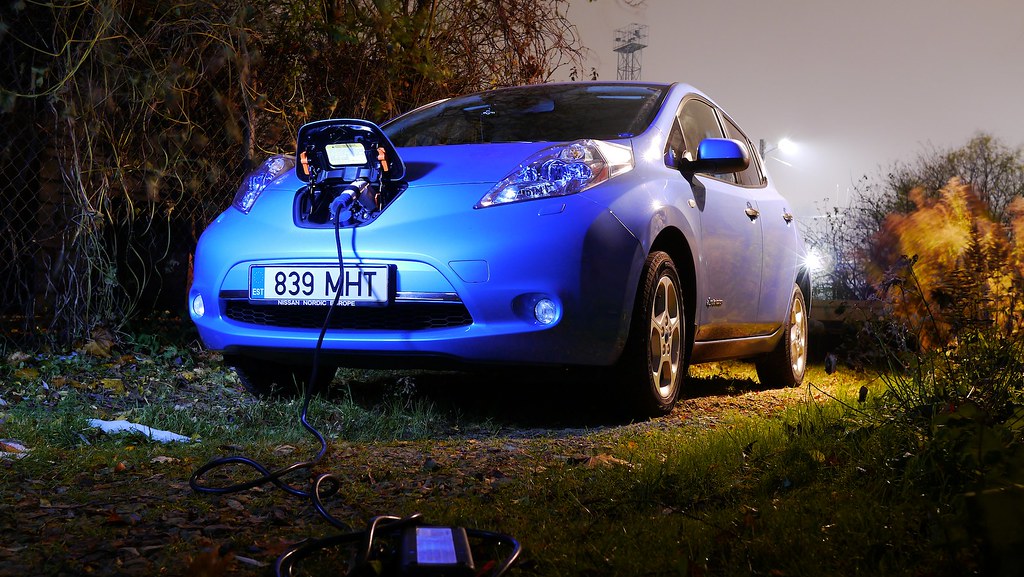
5. **Nissan Leaf**The Nissan Leaf, initially hailed as a groundbreaking pioneer in the accessible electric vehicle (EV) market, offered an early glimpse into a sustainable future of transportation. However, despite its initial promise, mechanics and long-term owners have uncovered severe drawbacks that significantly diminish its practicality and long-term appeal. The most critical and widely reported issue plaguing the Nissan Leaf, especially earlier models, is its pronounced and rapid battery degradation. As the vehicle’s battery pack ages, its fundamental capability—the range it can travel on a single charge—suffers a substantial and often debilitating reduction.
Many owners have shared disheartening experiences, reporting a loss of “30% or more range after a few years” of ownership. This significant and irreversible decline in range is not merely an inconvenience; it represents a fundamental compromise of the vehicle’s utility, severely limiting its practical application for daily commutes, let alone longer journeys. Unlike conventional internal combustion engines where components can often be repaired, replaced, or rebuilt, substantial battery degradation in an EV frequently necessitates an extremely costly battery pack replacement. The expense of such a replacement can, in many instances, rival or even exceed the market value of the used vehicle itself, making it a financially dubious proposition.
The root cause of these pronounced battery issues in earlier Nissan Leaf models often lies in the specific battery chemistry and the less-than-optimal thermal management systems employed, which were less robust compared to the advancements seen in later EV designs. For mechanics, diagnosing and effectively addressing battery-related issues in electric vehicles requires highly specialized equipment, advanced training, and a deep understanding of complex electrical systems, making repairs intricate and expensive. This combination of rapid range loss, high replacement costs, and specialized repair demands ultimately positions the Nissan Leaf, despite its initial affordability, as a risky long-term ownership proposition that can lead to significant unexpected investments.
Car Model Information: 2018 Nissan Titan SV
Name: Nissan Leaf
Caption: A second generation Nissan Leaf
Manufacturer: Nissan
Production: October 2010 – present
ModelYears: 2011–present
Class: Unbulleted list
BodyStyle: Unbulleted list
Layout: Front-engine, front-wheel-drive layout
Predecessor: Unbulleted list
Categories: 2020s cars, All articles containing potentially dated statements, All articles with dead external links, Articles containing Japanese-language text, Articles containing potentially dated statements from December 2015
Summary: The Nissan Leaf (Japanese: 日産・リーフ, Hepburn: Nissan Rīfu; stylized as LEAF) is a battery-electric car manufactured by Nissan, produced since 2010. It was offered exclusively as a 5-door hatchback until 2025, which since then has become a crossover SUV model. The term “LEAF” serves as a backronym to leading environmentally-friendly affordable family car.
The Leaf was unveiled on 1 August 2009 as the world’s first mass market electric and zero-emission vehicle. Among other awards and recognition, it received the 2010 Green Car Vision Award, the 2011 European Car of the Year, the 2011 World Car of the Year, and the 2011–2012 Car of the Year Japan. The Leaf’s range on a full charge has been steadily increased from 117 km (73 miles) to 364 km (226 miles) (EPA rated) by the use of larger battery packs and several minor improvements.
As of September 2021, European sales totalled more than 208,000, and as of December 2021, over 165,000 had been sold in the U.S., and 157,000 in Japan. Global sales across both generations totalled 577,000 by February 2022. The Leaf was the world’s all-time top selling plug-in electric car until it was surpassed in early 2020 by the Tesla Model 3.
Get more information about: Nissan Leaf
Buying a high-performing used car >>>
Brand: Nissan Model: Leaf
Price: $21,685 Mileage: 89,835 mi.
Read more about: Smart Leasing in 2025: Why You Should Avoid These 14 Older Electric and Hybrid Models
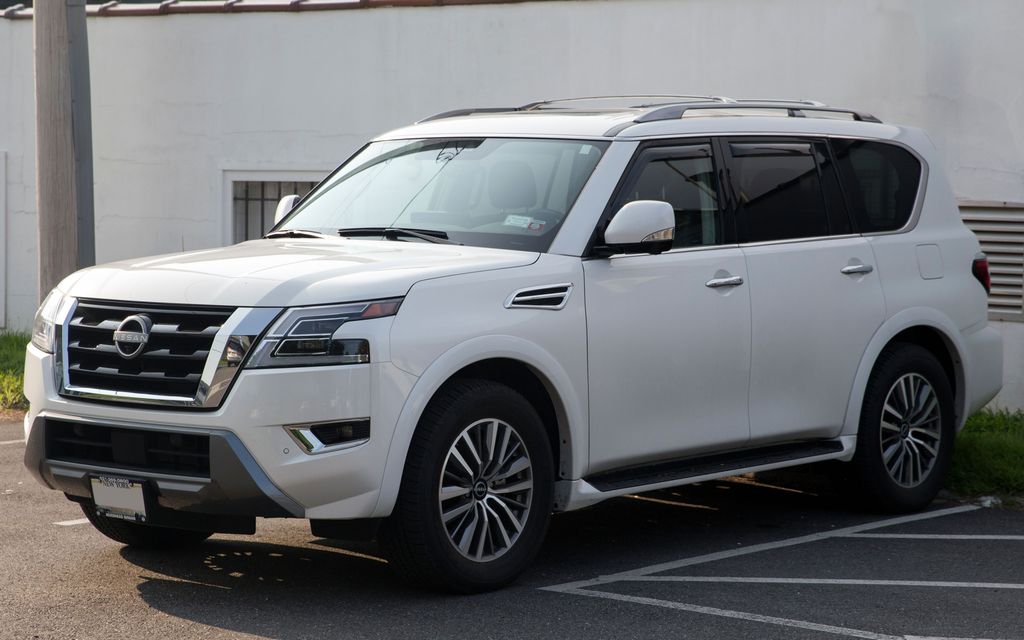
6. **Nissan Armada**The Nissan Armada, with its imposing physical presence, a “cool name” evoking strength, and a promise of a spacious interior coupled with a powerful engine, might initially appear as an attractive option for large SUV enthusiasts. However, mechanics, armed with their practical experience, consistently urge consumers to approach this full-size SUV with an extreme degree of caution due to a pervasive litany of serious, inherent problems. The vehicle’s appealing aesthetic and capabilities are frequently overshadowed by significant mechanical vulnerabilities that predictably lead to frustrating, expensive, and recurring ownership challenges.
One of the most critical and frequently cited mechanical failures associated with the Nissan Armada involves its transmission system. Owners commonly report a distressing array of issues, including harsh or “hard shifting,” instances of “slipping gears,” and in many severe cases, complete transmission failure. These transmission malfunctions are far from minor irritations; they are clear indicators of deep-seated engineering flaws that can render the vehicle entirely inoperable, necessitating incredibly costly and extensive repairs or, more often, a complete replacement of the entire transmission unit, which is a major financial undertaking.
Beyond its transmission woes, the Nissan Armada’s powerful 5.6-liter V8 engine is also unfortunately prone to a range of significant engine-related problems. These include reports of excessive oil consumption, persistent rough idling, frequent misfiring, and unexpected stalling during operation. Such profound engine issues not only compromise the vehicle’s overall performance and fundamental reliability but also inevitably lead to increased frequency of maintenance and significantly higher operational expenses. Mechanics, having witnessed the breadth and depth of these issues firsthand, unequivocally recommend that prospective buyers do themselves a significant favor and “stay away” from the Nissan Armada, as its problems are often systemic and create a seemingly endless cycle of repairs.
Car Model Information: 2011 Nissan Armada SV
Caption: 2023 Nissan Armada
Manufacturer: Nissan
Aka: Nissan Patrol
Production: 2003–present
ModelYears: 2004–present
Class: Full-size,sport utility vehicle
BodyStyle: SUV
Layout: Front-engine, rear-wheel-drive layout
Categories: 2010s cars, 2020s cars, All-wheel-drive vehicles, All Wikipedia articles written in American English, All articles with unsourced statements
Summary: The Nissan Armada (originally badged as the Nissan Pathfinder Armada) is a full-size SUV manufactured by Nissan for the North American market, since 2003 for the 2004 model year.
From 2003 to 2015, the first-generation Armada was assembled in Canton, Mississippi based on the Nissan Titan. From mid-2016 onwards, the second-generation Armada is built in Yukuhashi, Kyushu, Japan. It shares the same platform as the Nissan Patrol, with American-specific modifications, and went on sale in mid-2016 as a 2017 model. A luxury version of the Armada has been sold as the Infiniti QX80 (originally QX56).
Get more information about: Nissan Armada
Buying a high-performing used car >>>
Brand: Nissan Model: Armada
Price: $8,645 Mileage: 149,775 mi.
Read more about: Maximize Your Trade-In Value: Discover the Top 8 Incentives from 4 Leading Car Brands
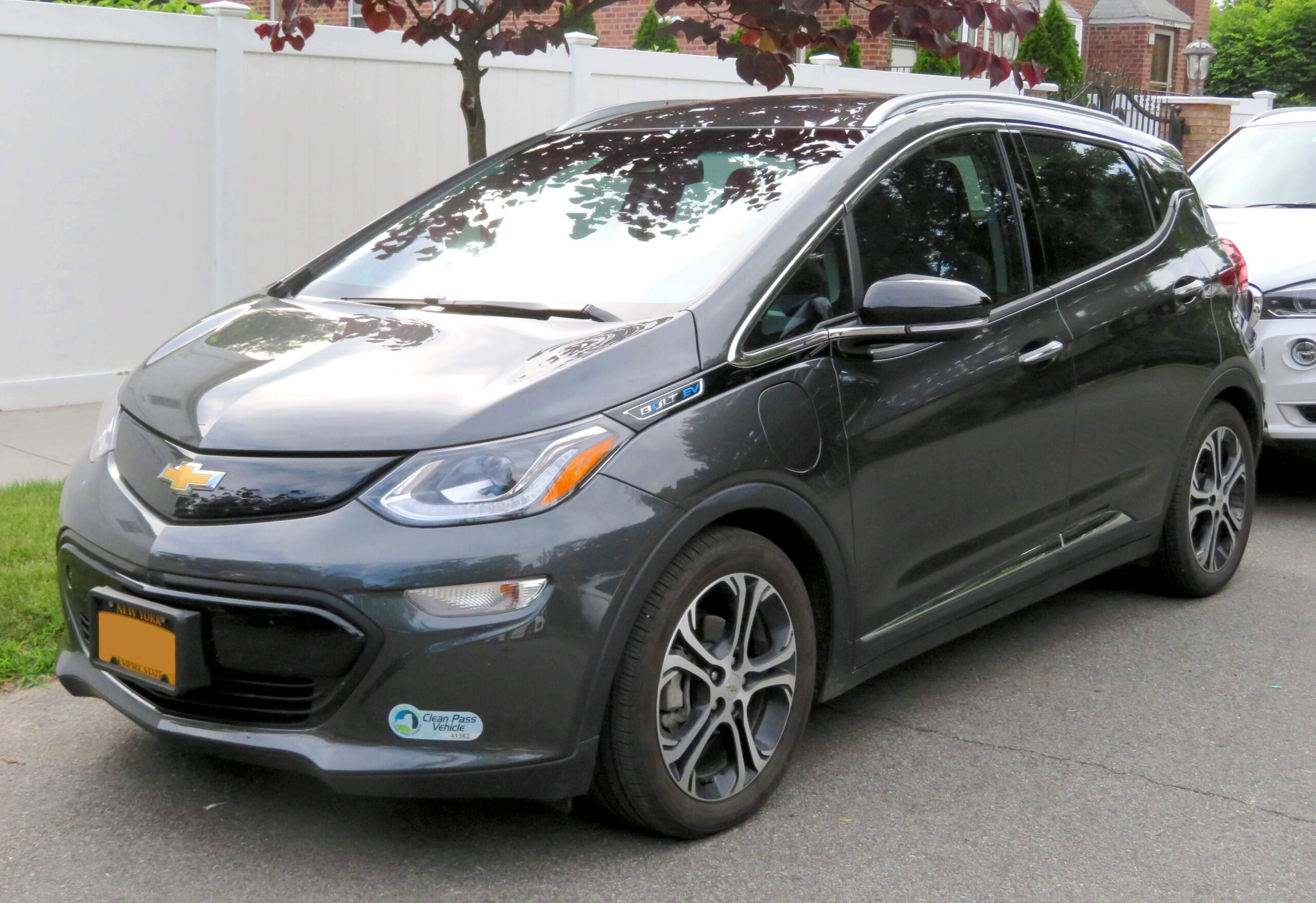
7. **Chevrolet Bolt EV**The Chevrolet Bolt EV initially entered the electric vehicle market with considerable fanfare, presenting itself as a promising and relatively affordable option for electric mobility. While it boasted several commendable features upon its launch, its reputation has, unfortunately, been significantly tarnished by a series of serious deficiencies, particularly concerning its battery pack. Defects identified within the battery pack in specific model years led to a highly publicized and concerning increase in the risk of fires. This critical safety issue necessitated extensive recalls, impacting thousands of vehicles and severely eroding consumer confidence in the model’s reliability and its inherent safety credentials.
This profound safety concern triggered substantial remedial actions, including costly battery replacements for a vast number of affected vehicles, which profoundly impacted the brand’s standing and the perception of the model’s long-term viability. Beyond the widely reported and critical battery fire risk, the Chevrolet Bolt EV has also been documented to suffer from additional problems, specifically with its braking system. Issues related to braking performance or the integrity of its components can compromise the vehicle’s fundamental safety and predictably lead to further, unforeseen repair costs, adding to the owner’s financial burden.
Mechanics have also noted concerns regarding the interior quality of the Bolt EV. While not a direct mechanical failure in the same vein as a battery defect, issues with interior components and finish can contribute to a less satisfying overall ownership experience, especially when combined with more severe mechanical and safety concerns. The cumulative effect of critical battery defects, documented braking system problems, and other quality concerns makes the Chevrolet Bolt EV a vehicle that, despite its initial appeal as an accessible electric option, carries substantial risks and a high potential for costly, complex, and frustrating problems for its owners.
Continuing our exploration into vehicles that mechanics vehemently advise against, we now turn our attention to the remaining models that consistently fall short on reliability and promise a future filled with unexpected costs and frustrating repairs. These are the cars that, despite their initial appeal or perceived utility, hide significant design flaws and mechanical vulnerabilities that savvy buyers should actively steer clear of. By highlighting these ‘red flags,’ we aim to equip you with the knowledge needed to make truly informed decisions and avoid the common pitfalls of automotive ownership.
Car Model Information: 2018 Toyota Camry SE
Name: Chevrolet Bolt EV
Caption: 2022 Chevrolet Bolt EV
Manufacturer: General Motors
Production: unbulleted list
ModelYears: unbulleted list
Class: Subcompact car
BodyStyle: hatchback
Layout: Front-engine, front-wheel-drive layout
Predecessor: Chevrolet Spark EV
Categories: 2020s cars, All Wikipedia articles in need of updating, All articles containing potentially dated statements, All articles with unsourced statements, Articles containing potentially dated statements from February 2018
Summary: The Chevrolet Bolt EV (marketed in Europe as Opel Ampera-e) is a battery electric subcompact hatchback manufactured and marketed by General Motors under its Chevrolet brand from late 2016 until late 2023, with a brief hiatus between mid-2021 and early 2022.
The first-generation Bolt was developed and manufactured with LG Corporation. Sales of the 2017 Bolt began in California in December 2016; it was released nationwide and international markets release in 2017. A rebadged European variant was marketed as the Opel Ampera-e in mainland Europe. In 2017, the Bolt was the second-best-selling plug-in car in the United States. It was named the 2017 Motor Trend Car of the Year, the 2017 North American Car of the Year, an Automobile magazine 2017 All Star, and was listed in Time magazine’s Best 25 Inventions of 2016. The Ampera-e was discontinued after 2018. By the end of 2020, GM had sold 112,000 Bolt and Ampera-e cars worldwide. The first-generation Bolt had been subject to at least three recalls due to battery fire risks.
In mid-2023, GM officials said they would discontinue the Bolt; after outcry, they announced plans for a next-generation model, which is expected to be revealed in 2025 for model year 2026.
Get more information about: Chevrolet Bolt
Buying a high-performing used car >>>
Brand: Chevrolet Model: Bolt EV
Price: $17,412 Mileage: 86,724 mi.
Read more about: Smart Leasing in 2025: Why You Should Avoid These 14 Older Electric and Hybrid Models
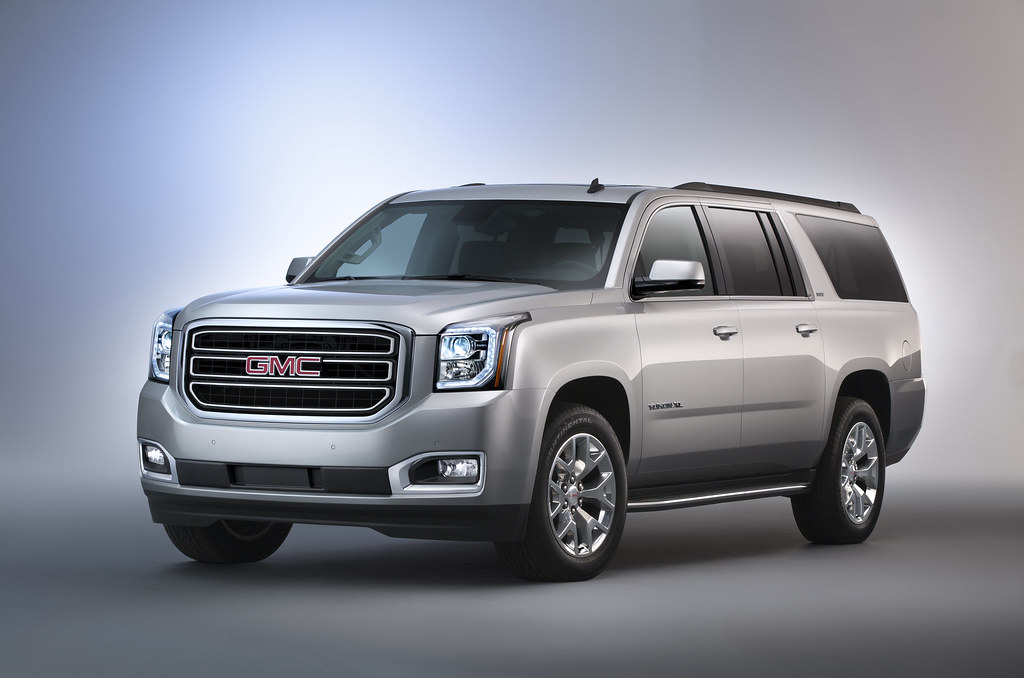
8. **GMC Yukon XL**The GMC Yukon XL positions itself as an ideal choice for those needing a robust SUV with substantial power and impressive towing capabilities. However, mechanics frequently report that this appeal quickly diminishes once owners encounter the vehicle’s persistent and serious mechanical deficiencies. The promise of a spacious and capable full-size SUV is often overshadowed by a troubling pattern of transmission and electrical system problems, turning what should be a workhorse into a source of constant frustration.
Among the most critical issues cited by mechanics are the transmission problems. Owners commonly experience ‘delayed or hard shifting,’ which not only detracts from the driving experience but also signals underlying mechanical stress. In more severe cases, complete transmission failure is a documented risk, leading to incredibly expensive and disruptive repairs that can immobilize the vehicle for extended periods. Such issues are not merely minor inconveniences; they point to significant design or manufacturing weaknesses within a fundamental component of the vehicle.
Adding to the Yukon XL’s woes are its prevalent electrical system issues. These can manifest in a variety of ways, affecting anything from minor conveniences to critical vehicle functions. While the specific nature of these electrical gremlins can vary, their cumulative effect contributes significantly to the vehicle’s poor reliability rating and higher-than-average repair costs. For mechanics, these recurrent problems mean more diagnostic time and complex repairs, making the GMC Yukon XL a model they often find themselves reluctant to recommend due to its potential to become a financial drain for its owners.
Car Model Information: 2018 Toyota Camry SE
Name: Chevrolet Suburban,GMC Yukon XL
Caption: 2015 Chevrolet Suburban 1500 LTZ
Manufacturer: General Motors
Aka: Chevrolet Veraneio (Brazil, 1964–1995),GMC Carryall (1960–1972),GMC Suburban (1937–1999),GMC Yukon XL (from 2000),Holden Suburban (Australia/New Zealand, 1998–2001)
Production: 1934–present
Class: Full-size,station wagon
Layout: Front-engine, rear-wheel-drive layout,rear-wheel drive
Related: ubl
Categories: 1940s cars, 1950s cars, 1960s cars, 1970s cars, 1980s cars
Summary: The Chevrolet Suburban is a series of SUVs built by Chevrolet. The longest-produced automobile nameplate in the world, the Suburban has been made since 1934, and is currently in its twelfth generation (2021–present). Beginning life as one of the first metal-bodied station wagons, the Suburban is the progenitor of the modern full-size sport utility vehicle, combining a wagon-style body with the chassis and powertrain of a pickup truck. Alongside its Advance Design, Task Force, and C/K predecessors, the Chevrolet Silverado currently shares chassis and mechanical commonality with the Suburban and other trucks.
Traditionally one of the most profitable vehicles sold by General Motors, the Suburban has been marketed through both Chevrolet and GMC for nearly its entire production. Along sharing the Suburban name with Chevrolet, GMC has used several nameplates for the model line; since 2000, the division has marketed it as the GMC Yukon XL, while since 2003 Cadillac has marketed the Suburban as the Cadillac Escalade ESV. During the 1990s, GM Australia marketed right-hand drive Suburbans under the Holden brand.
The Suburban is sold in the United States, Canada, Mexico, Central America, Chile, Dominican Republic, Bolivia, Peru, Philippines, and the Middle East (except Israel), while the Yukon XL is sold only in North America (exclusive to the United States, Canada, and Mexico) and the Middle East territories (except Israel).
A 2018 iSeeCars.com study identified the Chevrolet Suburban as the car that is driven the most each year. A 2019 iSeeCars.com study named the Chevrolet Suburban the second-ranked longest-lasting vehicle. In December 2019, the Hollywood Chamber of Commerce unveiled a Hollywood Walk of Fame star for the Suburban, noting that the Suburban had been in “1,750 films and TV shows since 1952.”
Get more information about: Chevrolet Suburban
Buying a high-performing used car >>>
Brand: GMC Model: Yukon XL
Price: $17,412 Mileage: 86,724 mi.
Read more about: The Definitive Consumer Report: Unmasking the Vehicles and Manufacturers Plagued by the Most Recalls in Automotive History
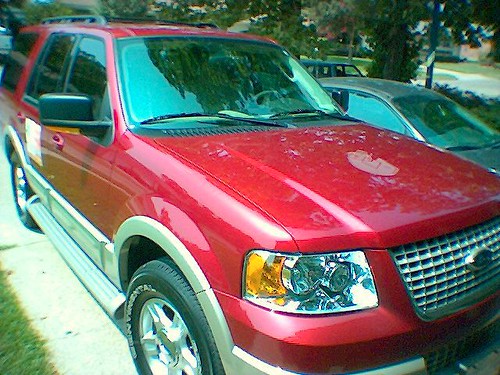
9. **Ford Expedition**For families or businesses requiring extensive passenger and cargo capacity, coupled with strong towing prowess, the Ford Expedition often appears as a compelling option. Its ample power, spacious interior, and commendable towing specifications paint a picture of dependable utility. Yet, mechanics frequently caution prospective buyers that the Expedition, particularly certain model years and engine configurations, is prone to a specific set of problems that can negate its perceived advantages and lead to significant ownership challenges.
One of the primary concerns highlighted by automotive professionals involves the Expedition’s transmission system. While the context does not elaborate on the specific transmission issues, its inclusion as a ‘problem’ indicates a common source of mechanical failure or malfunction that necessitates repair. Transmission repairs are typically among the most expensive an owner can face, often involving extensive labor and parts replacement, underscoring the potential financial risk associated with this vehicle.
Furthermore, the Ford Expedition’s engine, specifically the 3.5-liter EcoBoost V6, has been identified as problematic. This engine is prone to two particularly concerning issues: ‘burning oil and stalling.’ Excessive oil consumption can lead to reduced engine lubrication, increased emissions, and premature wear of engine components, potentially culminating in catastrophic engine failure if not constantly monitored and addressed. Stalling, on the other hand, poses not only an inconvenience but also a significant safety hazard, especially when occurring in traffic. These engine-related defects suggest a fundamental reliability concern that mechanics consistently encounter, making the Ford Expedition a vehicle whose practical utility comes with a high likelihood of unexpected and costly repairs.
Car Model Information: 2019 Ford Expedition Max Limited
Name: Ford Expedition
Manufacturer: Ford Motor Company
Production: 1996–present
ModelYears: 1997–present
Class: Full-size car,Sport utility vehicle
Related: Lincoln Navigator
BodyStyle: Sport utility vehicle
Layout: Front-engine, rear-wheel-drive layout,Front-engine, four-wheel-drive layout
Chassis: Body-on-frame
Predecessor: Ford Bronco,Ford Excursion
Categories: 2000s cars, 2010s cars, 2020s cars, All-wheel-drive vehicles, All Wikipedia articles written in American English
Summary: The Ford Expedition is a full-size SUV produced by Ford Motor Company since the 1997 model year. The successor to the Ford Bronco, the Expedition shifted its form factor from an off-road oriented vehicle to a truck-based station wagon. Initially competing against the Chevrolet Tahoe, the Expedition also competes against the Toyota Sequoia, Nissan Armada, and the Jeep Wagoneer.
First used for a 1992 F-150 concept vehicle, Ford first marketed the Expedition nameplate for 1995 on a trim level package for the two-door Ford Explorer Sport. As with its Bronco predecessor, the Expedition is heavily derives its chassis from the Ford F-150, differing primarily in suspension configuration. All five generations of the Expedition have served as the basis of the Lincoln Navigator–the first full-size luxury SUV. The model line is produced in two wheelbases (an extended-wheelbase variant introduced was introduced for 2007, largely replacing the Ford Excursion), with seating for up to eight passengers.
Ford currently assembles the Expedition at its Kentucky Truck Assembly facility (Louisville, Kentucky) alongside the Lincoln Navigator and Super Duty trucks. Prior to 2009, the model line was assembled by the Michigan Assembly Plant (Wayne, Michigan).
Get more information about: Ford Expedition
Buying a high-performing used car >>>
Brand: Ford Model: Expedition
Price: $28,885 Mileage: 82,142 mi.
Read more about: Unpacking ‘High’: 14 Critical Consumer Insights for Navigating Risk and Value in 2025
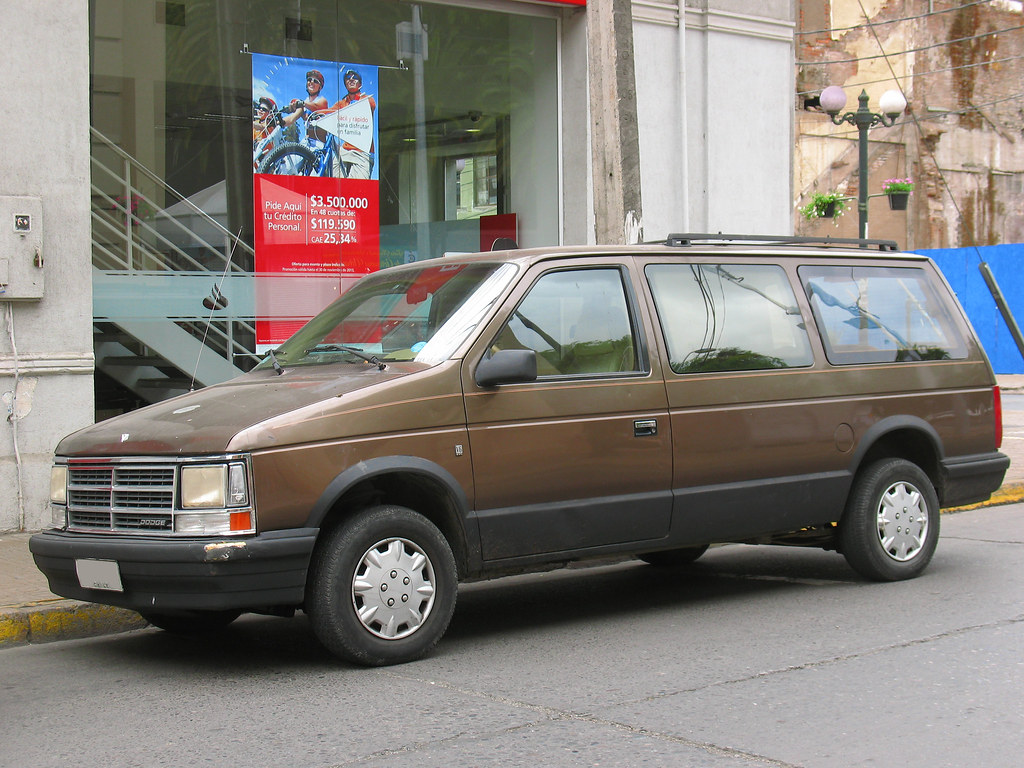
10. **Dodge Grand Caravan**The Dodge Grand Caravan has long been a fixture in the minivan segment, valued by many families for its versatility and decades-long presence in the market. Its established reputation and practical design, however, do not shield it from a litany of mechanical problems that mechanics consistently warn against. While popular, its history is unfortunately marred by recurring issues across several critical vehicle systems, making it a far less appealing choice for those seeking long-term reliability and minimal hassle.
Chief among the Grand Caravan’s reported faults are significant transmission problems. These can manifest as ‘slipping gears, reluctance, poor shifting, and transmission fluid leaks,’ as mentioned in other Chrysler models within the broader context. Such issues directly impact driving safety and performance, frequently necessitating complex and expensive repairs or even complete transmission replacement. The persistence of these transmission woes across different models from the same manufacturer suggests a systemic engineering challenge that buyers should be acutely aware of.
Beyond the transmission, the Dodge Grand Caravan also suffers from a range of other serious deficiencies affecting its engine, air conditioning (AC) system, and braking components. Engine problems often lead to reduced performance, increased fuel consumption, and unexpected breakdowns. AC issues can render the cabin uncomfortable, particularly in extreme weather, while braking problems pose direct safety risks that require immediate and costly attention. These collective issues transform the Grand Caravan from a practical family hauler into a potential money pit, making it a less than ideal choice for a used vehicle given its propensity for frequent and costly maintenance.
Car Model Information: 2018 Toyota Camry SE
Caption: 2011 Dodge Grand Caravan Mainstreet
Name: Dodge Grand Caravan
Manufacturer: Chrysler Corporation,Daimler AG,Chrysler LLC,Chrysler Group LLC,FCA US LLC
Class: Minivan
Layout: FF layout,F4 layout
Production: November 2, 1983 –August 21, 2020
ModelYears: 1984–2020
Related: Plymouth Voyager,Chrysler Town & Country (minivan),Dodge Mini Ram,Chrysler Voyager,Volkswagen Routan
Assembly: Windsor, Ontario,Fenton, Missouri,Fenton, Missouri,Fuzhou
Successor: Dodge Journey,Chrysler Voyager
Categories: All-wheel-drive vehicles, All articles with unsourced statements, Articles with short description, Articles with unsourced statements from December 2017, Articles with unsourced statements from May 2009
Summary: The Dodge Caravan is a series of minivans manufactured by Chrysler from the 1984 through 2020 model years. The Dodge version of the Chrysler minivans, was marketed as both a passenger van and a cargo van (the only version of the model line offered in the latter configuration). For 1987, the model line was joined by the long-wheelbase Dodge Grand Caravan. Produced in five generations across 36 model years, the Dodge Caravan is the second longest-lived Dodge nameplate (exceeded only by the Dodge Charger). Initially marketed as the Dodge counterpart of the Plymouth Voyager, the Caravan was later slotted between the Voyager and the Chrysler Town & Country. Following the demise of Plymouth, the model line became the lowest-price Chrysler minivan, ultimately slotted below the Chrysler Pacifica.
Sold primarily in the United States and Canada, the Dodge Caravan was also marketed in Europe and other international markets under the Chrysler brand (as the Chrysler Voyager or Chrysler Caravan). From 2008 onward, Dodge marketed the model line only as the Grand Caravan; Ram Trucks sold a cargo-only version of the model line as the Ram C/V Tradesman. The model line was also rebranded as the Volkswagen Routan from 2009 through 2014.
After the 2020 model year, the Dodge Grand Caravan was discontinued, ending production on August 21, 2020. For 2021 production, the Grand Caravan nameplate was moved to Chrysler, which used it for a Canadian-market version of the Chrysler Pacifica (in the United States, the exact vehicle was marketed as the Chrysler Voyager).
For its entire production run, the Dodge Caravan/Grand Caravan was manufactured by Chrysler Canada (now Stellantis Canada) at its Windsor Assembly facility (Windsor, Ontario). From 1987 until 2007, the model line was also manufactured by Chrysler at its Saint Louis Assembly facility (Fenton, Missouri). Since their introduction in late 1983, over 14.6 million Chrysler minivans have been sold worldwide (including export versions and versions sold through rebranding).
Get more information about: Dodge Caravan
Buying a high-performing used car >>>
Brand: Dodge Model: Grand Caravan
Price: $17,412 Mileage: 86,724 mi.
Read more about: Smart Leasing in 2025: Why You Should Avoid These 14 Older Electric and Hybrid Models
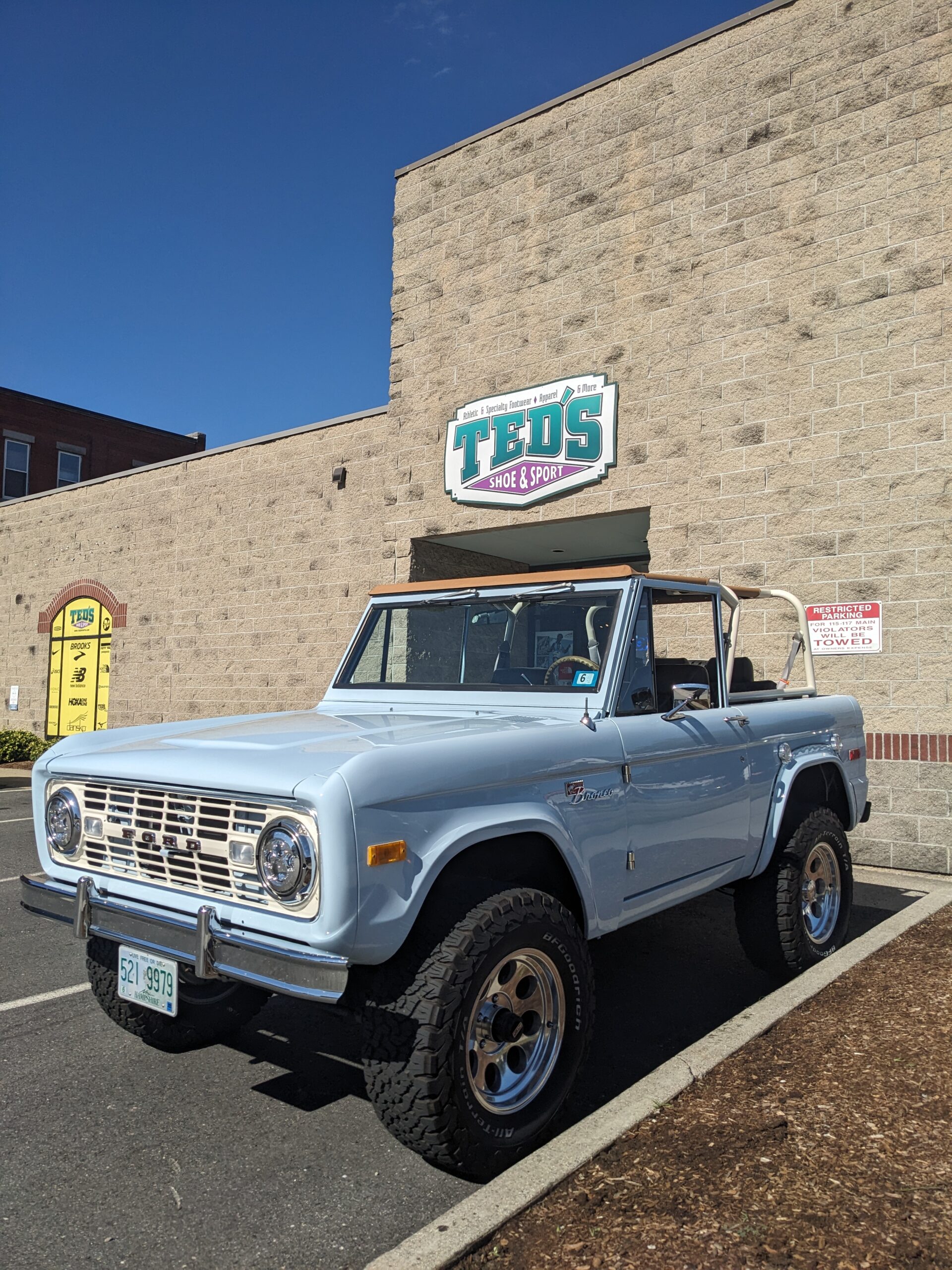
11. **Ford Bronco Sport**The Ford Bronco Sport, with its rugged styling and promise of off-road capability, often captures the attention of buyers looking for an adventurous yet practical SUV. Its aesthetics might indeed ‘command attention for all the right reasons,’ but mechanics quickly point out that beneath this appealing exterior lie several significant mechanical vulnerabilities. The adage that ‘looks can be deceiving’ holds particularly true for the Bronco Sport, as its design elements do not translate to robust long-term reliability in the eyes of experienced technicians.
A primary area of concern for the Ford Bronco Sport is its transmission system. Owners and mechanics have reported a range of issues, including ‘delayed shifting, fluid leaks, and rough shifting.’ These symptoms not only detract from a smooth driving experience but also indicate potential internal damage or design flaws that can lead to premature wear and expensive repairs. Transmission fluid leaks, in particular, are a serious warning sign that can result in insufficient lubrication and ultimately, catastrophic failure if not promptly addressed.
Further compounding the Bronco Sport’s reliability concerns are documented ‘engine issues and electrical system problems.’ Engine malfunctions can manifest in various ways, from reduced power and efficiency to more severe breakdowns requiring extensive diagnostic and repair work. Electrical system problems, often notoriously difficult to diagnose and fix, can affect a multitude of vehicle functions, from infotainment to critical safety features. Together, these widespread mechanical and electrical issues make the Ford Bronco Sport a vehicle that, despite its initial allure, is likely to demand frequent and costly visits to the repair shop, making it a questionable investment for long-term ownership.
Car Model Information: 2018 Toyota Camry SE
Name: Ford Bronco Sport
ModelCode: CX430
Wheelbase: 105.1 in
Abbr: on (2.0)
Layout: Front-engine, all-wheel-drive
Designer: Paul Wraith
Sp: us
Related: ubl
Weight: convert
Height: convert
Width: 74.3 in
Length: 172.7 in
Transmission: Automatic Transmission
Engine: Gasoline engine,Ford Ecoboost engine,Ford Ecoboost engine
Platform: Ford C2 platform
Chassis: Unibody
BodyStyle: Sport utility vehicle
Class: Compact crossover SUV
Production: October 2020 – present
Assembly: Hermosillo,Sonora
Manufacturer: Ford Motor Company
ModelYears: 2021–present
Powerout: {{convert,181,hp,PS kW,0,abbr=on
Caption: 2021 Ford Bronco Sport Big Bend
Categories: All-wheel-drive vehicles, All Wikipedia articles written in American English, Articles with short description, CS1 Brazilian Portuguese-language sources (pt-br), CS1 Spanish-language sources (es)
Summary: The Ford Bronco Sport is a compact crossover SUV sold by the Ford Motor Company and marketed under the Ford Bronco nameplate. It was released alongside the sixth generation Bronco body-on-frame SUV, featuring a similar retro and off-road styling in a smaller footprint. The vehicle is based on the front-wheel drive-based, unibody C2 platform, which is also used by the Ford Escape crossover and Maverick pickup.
Get more information about: Ford Bronco Sport
Buying a high-performing used car >>>
Brand: Ford Model: Bronco Sport
Price: $17,412 Mileage: 86,724 mi.
Read more about: The Definitive Consumer Report: Unmasking the Vehicles and Manufacturers Plagued by the Most Recalls in Automotive History
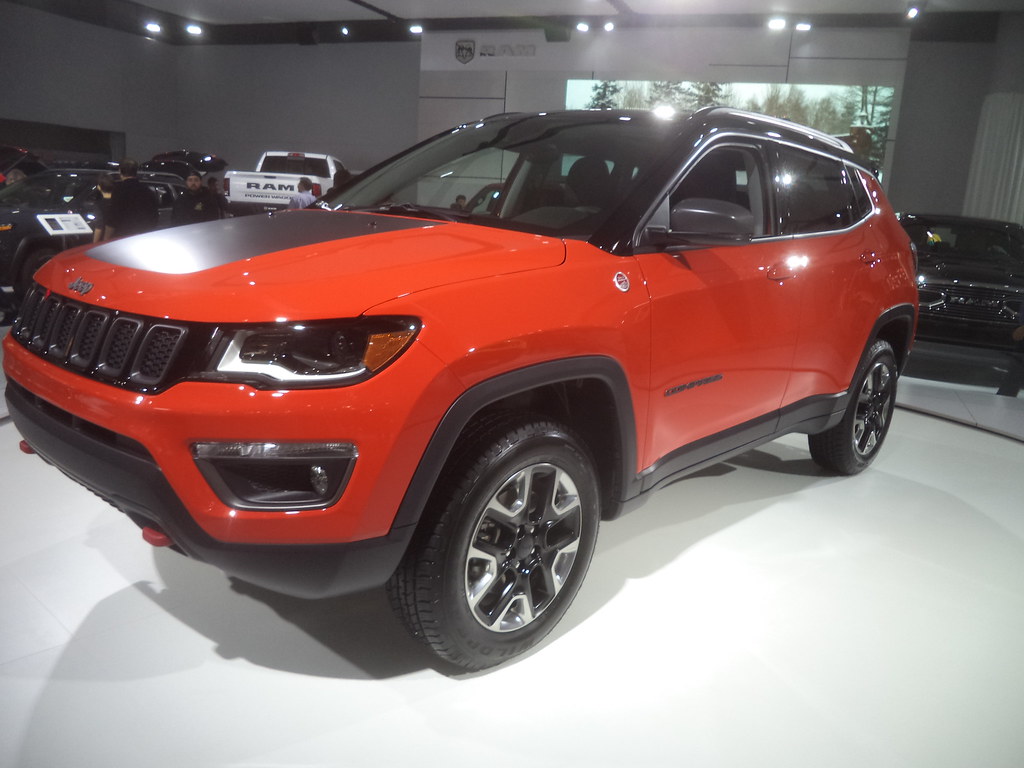
12. **Jeep Compass**The Jeep Compass, designed to blend urban usability with a hint of off-road ruggedness, aims to offer a versatile package in the compact SUV segment. However, when mechanics are asked for their recommendation, a clear and decisive ‘No’ is often the immediate response. This strong admonition stems from the vehicle’s consistent track record of critical mechanical problems, particularly concerning its powertrain, which can lead to significant ownership burdens and frequent repair shop visits.
At the core of the Jeep Compass’s reliability issues is its ‘problematic continuously variable transmission (CVT).’ CVTs, while designed for fuel efficiency, have a reputation for reliability challenges in many applications, and the Compass’s version appears to be no exception. Mechanics routinely encounter issues with these transmissions, which can include erratic behavior, poor responsiveness, and even complete failure, all leading to extremely costly repairs or full unit replacement. The complexities of CVT systems often mean that specialized knowledge and tools are required, increasing the burden on owners.
Adding to these transmission woes are significant ‘engine, with oil consumption problems.’ Excessive oil consumption is a serious defect that can indicate issues such as worn piston rings or valve seals, leading to low oil levels, potential engine damage, and increased operational costs. This problem not only compromises the engine’s longevity but also requires constant vigilance from the owner to prevent more severe mechanical failures. The combination of a notoriously unreliable CVT and persistent engine issues makes the Jeep Compass a vehicle that mechanics consistently advise against, predicting a frustrating and expensive ownership experience for those who choose to ignore these significant red flags.
Car Model Information: 2018 Jeep Compass Latitude
Name: Jeep Compass
Caption: 2019 Jeep Compass
Manufacturer: Jeep
Production: 2006–present
ModelYears: 2007–present
Class: Compact crossover SUV
BodyStyle: SUV
Layout: Front-engine, front-wheel-drive layout
Chassis: Unibody
Categories: 2010s cars, 2020s cars, All-wheel-drive vehicles, All Wikipedia articles written in American English, Articles with short description
Summary: The Jeep Compass is a compact crossover SUV, introduced in 2006 for the 2007 model year. The first generation Compass and Patriot, its rebadged variant, were among Jeep’s first crossover SUVs. The second-generation Compass debuted in September 2016 in Brazil and at the Los Angeles International Auto Show in November 2016, sharing a modified platform with the Renegade. It is positioned between the smaller Renegade and the larger Cherokee globally or the Commander in South America. The third-generation Compass debuted in May 2025, built on the STLA Medium by Stellantis, shared with other PSA Groupe vehicles.
Get more information about: Jeep Compass
Buying a high-performing used car >>>
Brand: Jeep Model: Compass
Price: $17,995 Mileage: 38,404 mi.
Read more about: More Than Just Weight: Unpacking ‘Heavy’ for the 500,000-Mile Heavy-Duty Truck Journey
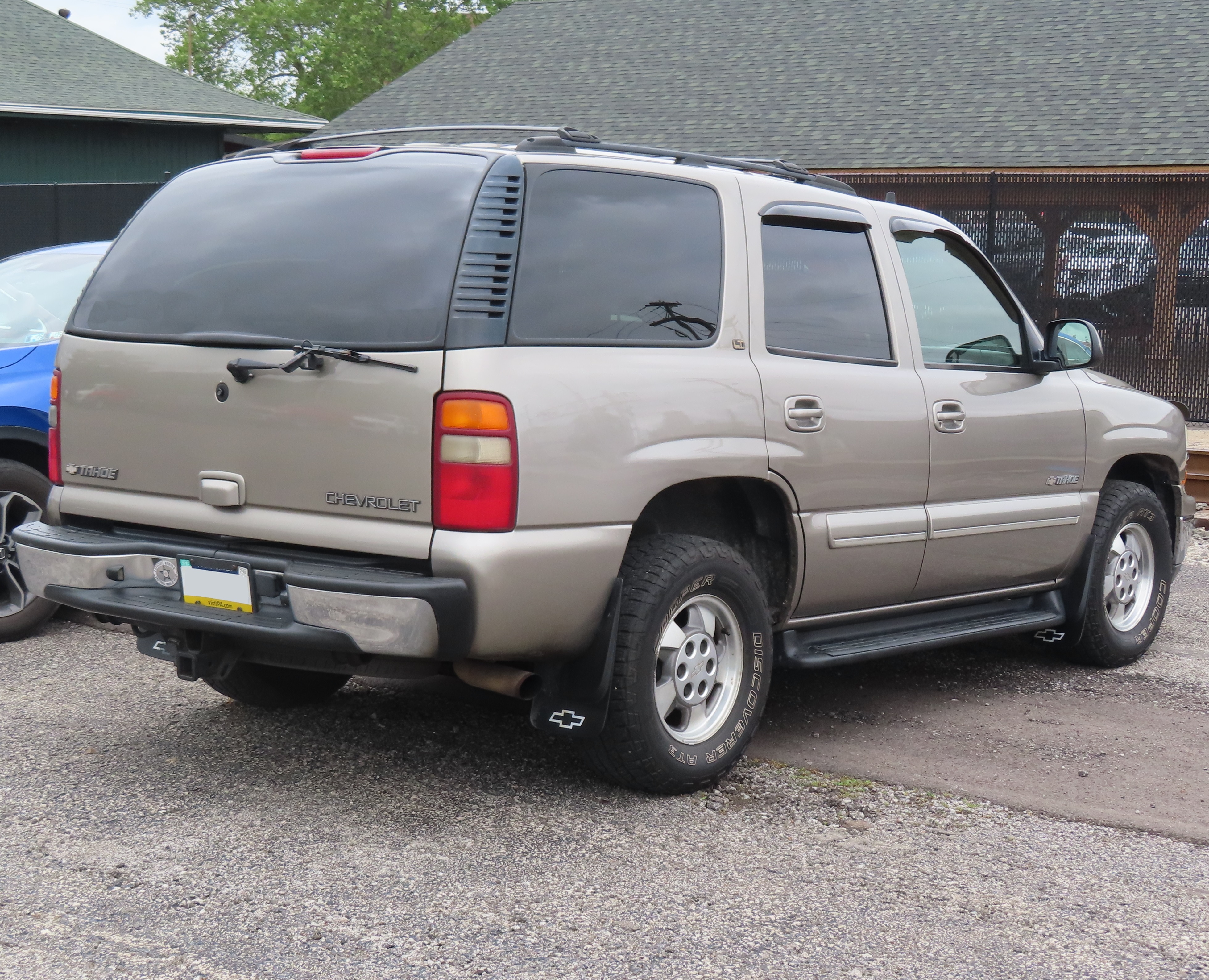
13. **Chevrolet Tahoe**As a full-size SUV, the Chevrolet Tahoe appeals to buyers needing substantial interior spaciousness, strong towing capabilities, and a commanding road presence. While it delivers on these practical fronts, mechanics frequently encounter a range of ‘serious issues that have owners shaking their heads.’ The Tahoe, despite its formidable appearance, harbors mechanical vulnerabilities that can lead to persistent problems and significant expenses, particularly with certain powertrain configurations.
One of the most frequently reported problems with the Chevrolet Tahoe concerns its automatic transmissions. Models equipped with ‘the 6- and 10-speed automatic transmissions are especially susceptible to problems like vibrating and rough shifting.’ These symptoms are not just nuisances; they often indicate internal wear or design flaws that can lead to premature transmission failure. Addressing these issues typically involves complex diagnostics and expensive repairs, significantly impacting the vehicle’s long-term reliability and the owner’s financial outlay.
Beyond transmission concerns, the Tahoe is also commonly afflicted by ‘fuel system and engine problems.’ Fuel system issues can affect vehicle performance, fuel efficiency, and emissions, while engine problems can range from minor irritations to severe breakdowns. The combination of these critical mechanical issues means that while the Chevrolet Tahoe offers impressive utility, it also comes with a high probability of requiring frequent and costly professional attention, making it a vehicle that mechanics often caution buyers about due to its propensity for generating headaches and unexpected expenses.
Car Model Information: 2021 Chevrolet Tahoe 4WD RST
Name: Chevrolet Tahoe,GMC Yukon
Manufacturer: General Motors
Production: 1991–present (Yukon),1994–present (Tahoe)
Class: Full-size SUV
Related: Cadillac Escalade,Chevrolet Suburban,Chevrolet Silverado,Hummer H2
Layout: Front-engine, rear-wheel-drive layout
Predecessor: Chevrolet K5 Blazer
Caption: 2022 Chevrolet Tahoe RST (fifth generation)
Categories: 2000s cars, 2010s cars, 2020s cars, All-wheel-drive vehicles, All articles with unsourced statements
Summary: The Chevrolet Tahoe () is a line of full-size SUVs from Chevrolet marketed since the 1995 model year. Marketed alongside the GMC Yukon for its entire production, the Tahoe is the successor of the Chevrolet K5 Blazer; the Yukon has replaced the full-sized GMC Jimmy. Both trucks derive their nameplates from western North America, with Chevrolet referring to Lake Tahoe; GMC, the Canadian Yukon.
Initially produced as a three-door SUV wagon, a five-door wagon body was introduced for 1995, ultimately replacing the three-door body entirely. The five-door wagon shares its body with the Chevrolet and GMC Suburban (today, GMC Yukon XL) as a shorter-wheelbase variant. Since 1998, the Tahoe has served as the basis of the standard-wheelbase GMC Yukon Denali and Cadillac Escalade luxury SUVs. The Tahoe is sold in North America, parts of Asia such as the Philippines, and the Middle East, plus other countries including Bolivia, Chile, Peru, Colombia, Ecuador, and Angola as a left-hand-drive vehicle. The Yukon is only sold in North America and the Middle East.
The Tahoe has regularly been the best-selling full-size SUV in the United States, frequently outselling its competition by two to one.
Get more information about: Chevrolet Tahoe
Buying a high-performing used car >>>
Brand: Chevrolet Model: Tahoe
Price: $59,798 Mileage: 33,720 mi.
Read more about: The Definitive Consumer Report: Unmasking the Vehicles and Manufacturers Plagued by the Most Recalls in Automotive History
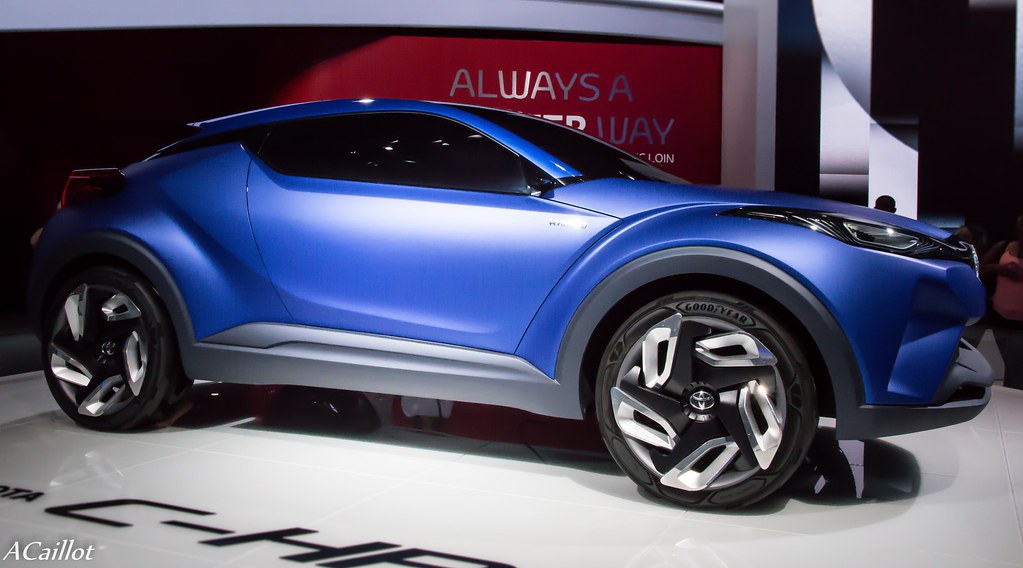
14. **Toyota C-HR**The Toyota C-HR, a sub-compact crossover SUV, aims to attract buyers with its distinctive and ‘interesting design.’ However, mechanics often observe that beneath this unique aesthetic, the C-HR presents a set of issues that are surprisingly ‘not very Toyota-like,’ diverging from the brand’s lauded reputation for reliability. This model, despite carrying the Toyota badge, has specific drawbacks that compromise its appeal and practicality for those seeking dependable transportation.
A significant point of contention for the Toyota C-HR is its ‘engine performance.’ The 2.0-liter 4-cylinder engine is frequently described as ‘underpowered,’ with acceleration noted as ‘sloth-like.’ This lack of adequate power can make everyday driving, especially merging onto highways or performing overtakes, a frustrating and potentially unsafe experience. The vehicle’s performance characteristics indicate a design choice that prioritizes other factors over responsive and robust power delivery, which can be a significant drawback for many drivers.
Furthermore, the C-HR’s transmission, a continuously variable transmission (CVT), is cited as having ‘responsiveness and reliability issues.’ As noted with other problematic CVTs, these transmissions can lead to an unengaging driving feel and, more critically, may be prone to mechanical failures over time. The combination of an underpowered engine and a problematic transmission significantly detracts from the driving experience and raises concerns about the vehicle’s long-term dependability, leading mechanics to view the Toyota C-HR as a model that does not live up to the high expectations typically associated with its manufacturer.
Car Model Information: 2021 Toyota C-HR Nightshade Edition
Name: Toyota C-HR
Caption: Toyota C-HR 1.8 Hybrid (ZYX20, Europe)
Manufacturer: Toyota
Aka: FAW Toyota
Production: 2016–present
Class: Subcompact crossover SUV
BodyStyle: SUV
Platform: Toyota TNGA-C platform
Layout: unbulleted list
Categories: 2020s cars, ASEAN NCAP small off-road, All-wheel-drive vehicles, All Wikipedia articles written in British English, All articles with dead external links
Summary: The Toyota C-HR (Japanese: トヨタ C-HR, Hepburn: Toyota Shīeichiāru) is a subcompact crossover SUV manufactured and marketed by Japanese automaker Toyota since 2016. Since 2020, it is positioned between the Yaris Cross and Corolla Cross in Toyota’s crossover SUV range.
The first-generation C-HR was available in many regions, including Japan, China, North America, Europe, Southeast Asia, and Australasia, and was produced in four countries. Since the release of the second-generation C-HR in 2023, availability of the C-HR has been limited to Europe and Australia, with production centralised in Turkey. The Corolla Cross, released in 2020, has largely taken over the model’s positioning outside Europe.
Get more information about: Toyota C-HR
Buying a high-performing used car >>>
Brand: Toyota Model: C-HR
Price: $21,501 Mileage: 57,550 mi.
Read more about: The 9 Most Fuel-Efficient SUVs in the Market Right Now: What Agencies and Mileage Logs Reveal for Budget Commuters
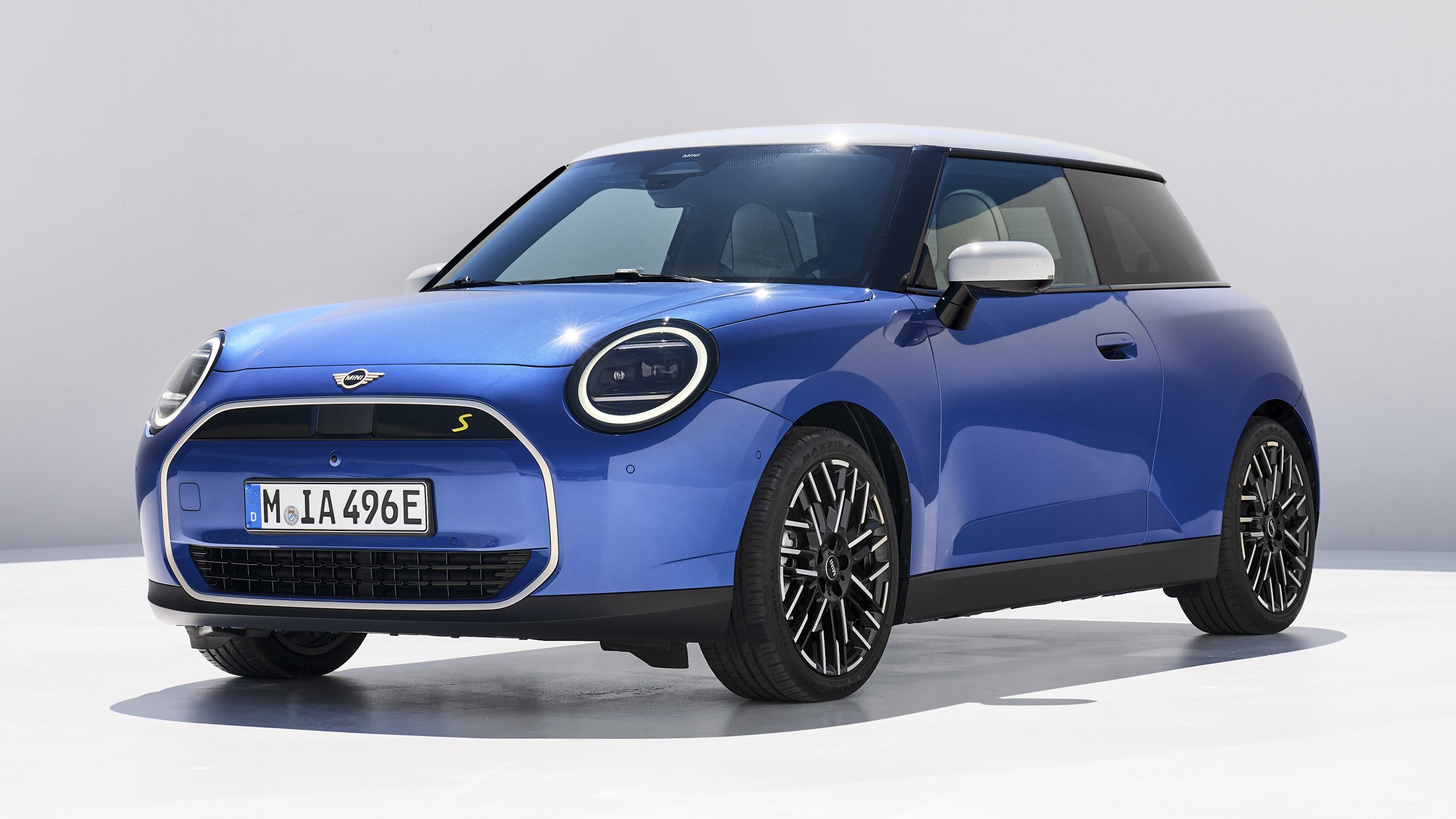
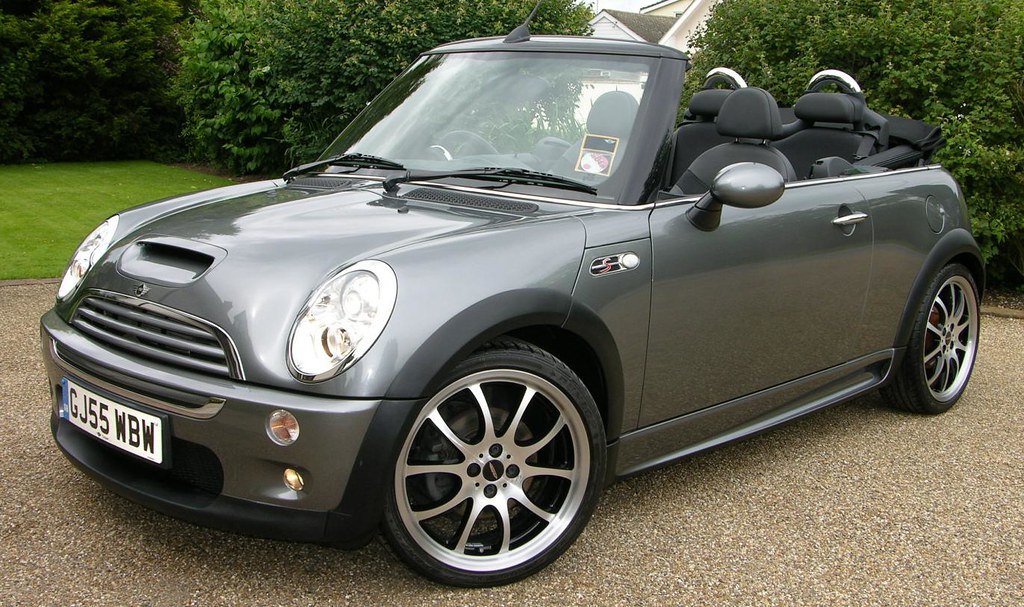
15. **Mini Cooper**The Mini Cooper, with its ‘iconic aesthetic’ and distinctive charm, undoubtedly holds a strong appeal for many car enthusiasts. Its compact size and nimble handling contribute to a perception of a fun and stylish urban vehicle. However, mechanics often caution that focusing solely on its looks can lead to a ‘risky purchase’ due as the car is plagued by ‘some problems’ that extend well beyond its charming exterior, particularly in earlier model years.
One of the most significant reliability concerns for the Mini Cooper is ‘CTV failure, especially in early model years.’ Continuously Variable Transmissions in certain applications have a history of reliability issues, and the Mini Cooper’s implementation often results in expensive and frequent repairs. A failing CVT can lead to erratic shifting, loss of power, and ultimately, complete transmission breakdown, imposing a substantial financial burden on owners who might not anticipate such major mechanical overhauls.
In addition to transmission problems, the Mini Cooper is also commonly reported to suffer from ‘engine issues and cooling system problems.’ Engine malfunctions can manifest in various ways, affecting performance, fuel efficiency, and longevity. Cooling system failures, such as radiator leaks or thermostat malfunctions, can lead to engine overheating, which can cause severe and irreversible damage if not addressed immediately. These pervasive mechanical issues, combined with ‘electrical difficulties with the power windows, central locking system, and dashboard warning lights,’ as mentioned elsewhere in the context, create a cumulative picture of a vehicle that, despite its attractive appearance, is prone to a multitude of costly and frustrating repairs, cementing its reputation among mechanics as a car to approach with extreme caution.
By heeding the warnings of seasoned automotive professionals, you can significantly reduce the likelihood of investing in a vehicle that will become a source of ongoing financial strain and frustration. The cars highlighted in this comprehensive guide represent distinct categories of automotive pitfalls, from design flaws that lead to persistent breakdowns to high ownership costs that quickly erode any initial savings. Ultimately, making a smart car purchase isn’t just about what looks good in the showroom; it’s about choosing a dependable partner for the road ahead, one that mechanics themselves would confidently put their trust in, not just their tools on. Your wallet, and your peace of mind, will thank you for making an informed choice.”
Car Model Information: 2013 MINI Coupe Cooper S
Sp: uk
Caption: 1959 Morris Mini-Minor (first one built)
Name: Mini
Aka: Austin 850,Rover Mini,Austin Cooper,Austin Mini,Austin Partner,Austin Seven,Innocenti Mini,Leyland Mini,Morris 850,Morris Mascot,Morris Mini Minor,Riley Elf,Wolseley 1000 (South Africa),Wolseley Hornet
Layout: Front-engine, front-wheel-drive layout
Manufacturer: British Motor Corporation,British Leyland,Rover Group
Production: 1959–2000 (5.38 million)
Class: City car
BodyStyle: sedan (car),convertible,Station wagon,sedan delivery,coupe utility
Engine: BMC A-series engine,Straight-four engine
Designer: Alec Issigonis,John Sheppard (car designer)
Transmission: 4-speed manual,AP automatic transmission,5-speed manual (optional extra on some later models)
Length: cvt,cvt,cvt
Width: cvt
Height: cvt
Weight: cvt
Wheelbase: cvt,cvt
Related: Mini Moke,Austin Metro,Innocenti Mini,Mini Wildgoose,Mini Marcos
Successor: Austin Metro,Mini Hatch
Assembly: Panmure, New Zealand
Categories: 1960s cars, 1970s cars, 1980s cars, 1990s cars, 2000s cars
Summary: The Mini is a very small two-door, four-seat car, produced for four decades over a single generation, with many names and variants, by the British Motor Corporation (BMC) and its successors British Leyland and the Rover Group, and finally (briefly) under BMW ownership. Minis were built as fastbacks, estates, convertibles, and various other body styles. Minus a brief 1990s hiatus, from 1959 into 2000, an estimated 5.38 million of all variations combined were built, and the Mini’s engines also powered another 2 million Mini Metros, though the Mini eventually outlasted its successor.
Initially, the Mini was marketed under the Austin and Morris names, as the Austin Seven and Morris Mini-Minor; the Austin Seven was renamed Austin Mini in 1962 and Mini became a marque in its own right in 1969. Retrospectively, the car is known as the “Classic Mini” to distinguish it from the modern MINI family of vehicles produced since 2001 by German carmaker BMW, who took ownership of the Mini name following the sale of Rover Group in 2000.
This distinctive two-door car was designed for BMC by Sir Alec Issigonis. Its space-saving transverse engine and front-wheel drive layout – allowing 80% of the area of the car’s floorpan to be used for passengers and luggage – influenced a generation of car makers. The front-wheel-drive, transverse-engine layout were used in many other “supermini” style car designs such as Honda N360 (1967), Nissan Cherry (1970), and Fiat 127 (1971). The layout was also adapted for larger subcompact designs. In 1999, the Mini was voted the second-most influential car of the 20th century, behind the Ford Model T, and ahead of the Citroën DS and Volkswagen Beetle. It is also considered an icon of 1960s British popular culture.
The Mini Mark I had three major UK updates: the Mark II, the Clubman, and the Mark III. Within these was a series of variations, including an estate car, a pick-up, a van, and the Mini Moke, a jeep-like buggy. The performance versions, the Mini Cooper and Cooper “S”, were successful as both race and rally cars, winning the Monte Carlo Rally in 1964, 1965, and 1967. The Mini was manufactured in England at the Longbridge plant in Birmingham located next to BMC’s headquarters and at the former Morris Motors plant at Cowley, as well as in Australia (Victoria Park/Zetland BMC Australia factory) and later also in Spain (Authi), Belgium, Italy (Innocenti, as the Innocenti Mini), Chile, Malta, Portugal, South Africa, Uruguay, Venezuela, and Yugoslavia (IMV). In 1980, British Leyland launched the Mini’s follow-up, the Austin Metro, however the Mini outlasted it and continued to be produced at Longbridge until October 2000.
Get more information about: Mini
Buying a high-performing used car >>>
Brand: Mini Model: Cooper
Price: $11,875 Mileage: 78,956 mi.
Read more about: The $10 Tool That Could Save You $300+ on Tire Repairs: A Lifehacker’s Guide to DIY Flat Fixes
, “_words_section2”: “1942