In the sprawling, ever-shifting landscape of modern pop culture, few metrics capture public imagination quite like the raw, unadulterated triumph of a colossal box office hit. We’re talking about the cinematic behemoths, the films that don’t just entertain, but seemingly conquer the world, racking up billions in theatrical revenue and carving out a temporary throne as the ‘King of the Box Office.’ But here’s the rub: in an era where blockbusters are built on established intellectual property and global market saturation, what does it truly mean to be an ‘all-time’ king, and how many of these reigning champions still hold genuine cultural sway today?
It’s a deceptively complex question, largely because the very notion of ‘box office success’ is a moving target, constantly distorted by the passage of time. The headlines scream about nominal grosses, the eye-watering dollar figures that make for fantastic marketing slogans and viral chatter. Yet, as any seasoned observer of Hollywood’s ledger knows, these figures often paint an incomplete picture, masking the profound effects of inflation, changing ticket prices, and the expansion of global markets that simply didn’t exist for films of yesteryear. The film industry, geared toward marketing the next big thing, understandably clings to these unadjusted figures, allowing new blockbusters to easily claim top spots and perpetuate the myth of unparalleled contemporary dominance.
So, in this deep dive, we’re not just going to recite numbers. We’re going to pull back the curtain on the top nominal earners, the films that have been proclaimed the ‘highest-grossing’ in the press, and subject them to a more rigorous, Vulture-style analysis. Our mission is to dissect their paths to financial glory and, more importantly, to critically assess their lasting cultural relevance. Are these films truly timeless icons, or are some merely beneficiaries of a modern economic paradigm? Let’s begin our journey through the first half of these cinematic titans, peeling back the layers of their colossal success.

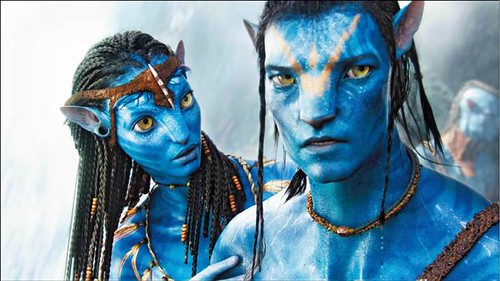
1. **Avatar**When James Cameron’s *Avatar* first burst onto screens in 2009, it didn’t just break records; it redefined them. With an astonishing worldwide box-office gross of over $2.923 billion, it ascended to the coveted number one spot, a perch it has largely maintained in the nominal rankings. This wasn’t merely a film; it was an event, a technological marvel that dared audiences to witness cinema in a way they hadn’t before, fundamentally altering expectations for visual spectacle.
What often gets lost in the raw numbers, however, is the nuanced reality of how this gross was achieved. As the context reveals, *Avatar*’s theatrical run was significantly boosted by its release in multiple premium formats, specifically 3D and IMAX. Almost two-thirds of tickets sold for the film were for 3D showings, averaging around $10, while about one-sixth were for IMAX, commanding prices over $14.50. Compare this to the 2010 average price of $7.61 for standard 2D films, and it becomes clear that *Avatar*’s financial triumph was, in part, a testament to its premium pricing strategy rather than purely an explosion in audience attendance across the board.
This isn’t to diminish its achievement, but rather to contextualize its ‘all-time’ status. While it holds the nominal crown, its inflation-adjusted ranking, at number two with an estimated $4.056 billion (in 2024 dollars), still places it among the true historical giants. Yet, a Vulture-esque critique often asks: does *Avatar*’s legacy rest more on its groundbreaking technology than its narrative depth? Despite its staggering financial success, its cultural footprint beyond the initial awe-inspiring visuals remains a subject of debate, a crucial lens through which to view its ongoing relevance.
Furthermore, its financial prowess extends beyond the theatrical window. While specific, complete sales data for *Avatar* is not available, we know it garnered $345 million from the sale of sixteen million DVD and Blu-ray units in North America alone, ultimately selling a total of thirty million units worldwide. When home video income is factored in, *Avatar*, like its Cameron sibling *Titanic*, has earned well over $3 billion, a testament to its comprehensive commercial exploitability even if its narrative isn’t always the first thing people remember.
Read more about: The Unprecedented Freeze: How Hollywood’s Strikes Reshaped Film Production and Promotion in 2023
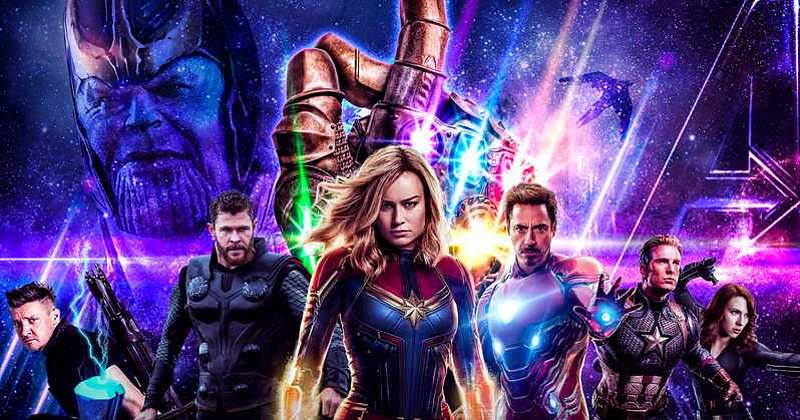
2. **Avengers: Endgame***Avengers: Endgame*, released in 2019, didn’t just claim the number two spot on the nominal earnings chart with $2.797 billion; it represented the apotheosis of a decade-long cinematic experiment: the Marvel Cinematic Universe. This wasn’t just a movie; it was a global cultural phenomenon, the meticulously planned culmination of eleven films, a testament to the unparalleled power of interconnected storytelling and dedicated world-building.
The context highlights that the superhero genre, particularly the MCU, has been among the “best performers of the 21st century,” with “eleven films in the Marvel Cinematic Universe featuring among the nominal top-earners.” *Endgame* itself is described as the “most successful superhero film,” with four films based on the Avengers comic books charting in the top twenty. Its success wasn’t an accident but the predictable, yet still breathtaking, payoff for years of audience investment and anticipation, a grand finale that felt earned.
Its impressive nominal gross is buttressed by an equally robust performance when adjusted for inflation, landing it at number five with $3.357 billion (in 2024 dollars). This demonstrates that *Endgame*’s appeal transcended mere contemporary buzz, tapping into a genuinely broad and enthusiastic global audience. Its relevance today, while undeniable, is deeply intertwined with the ongoing success and cultural ubiquity of the MCU itself. It functions less as a standalone masterpiece and more as the definitive anchor of a sprawling narrative tapestry, an icon within a larger iconic universe.
The genius of *Endgame* was its ability to leverage years of character development and plot threads into an event that was both deeply satisfying for longtime fans and accessible enough to draw in casual viewers. This strategy speaks volumes about the current state of blockbuster cinema: sustained success is increasingly found in the cultivation of vast, intricate franchises that build a loyal audience over time. *Endgame*’s position at the top isn’t just about its own quality, but about the unparalleled brand loyalty it capitalized upon, making it a critical case study in modern film economics and cultural impact.
Read more about: Beyond the Golden Statuette: The Enduring Legacies of Oscar-Winning Actresses in a Changing Hollywood

3. **Avatar: The Way of Water**Just three years after *Avengers: Endgame* rewrote the rulebook for franchise finales, James Cameron returned to the nominal top three with *Avatar: The Way of Water*, raking in an astounding $2.320 billion worldwide in 2022. Coming thirteen years after its predecessor, this sequel posed a fascinating question: could a follow-up to a film often perceived as more spectacle than substance replicate its predecessor’s unprecedented success, or was *Avatar*’s initial triumph a singular, unrepeatable moment in time?
The answer, emphatically, was yes, it could. *The Way of Water*’s impressive performance is another testament to Cameron’s unique ability to captivate global audiences with immersive, technologically advanced cinematic experiences. It proved that despite a lengthy hiatus and a world transformed by streaming and new media, the allure of a truly massive, visually arresting theatrical event can still draw crowds in droves, especially when helmed by a director known for pushing boundaries.
From a critical perspective, *The Way of Water* solidifies a pattern for Cameron: deliver unparalleled visual effects and a completely immersive world, and the box office will follow, regardless of the critical reception of the screenplay. Its continued relevance isn’t necessarily about launching new cultural touchstones or memorable lines, but about setting the benchmark for what is technologically possible on the big screen. It reinforces the idea that for some films, the *experience* itself is the primary product, a powerful counter-narrative to the prevailing trend of IP-driven nostalgia and intricate shared universes.
Moreover, its success demonstrates an enduring audience appetite for originality, even within the framework of a sequel. While it builds on the *Avatar* universe, it doesn’t rely on pre-existing comic book lore or decades of established characters in the same way superhero films do. This positions *The Way of Water* as a unique kind of box office king, one that leverages spectacle and the singular vision of its creator to maintain its throne, pushing the boundaries of what audiences expect from a cinematic journey rather than just a story.
Read more about: The Unbearable Weight of Regret: Deconstructing James Cameron’s Singular Apology for a Pivotal ‘Titanic’ Scene
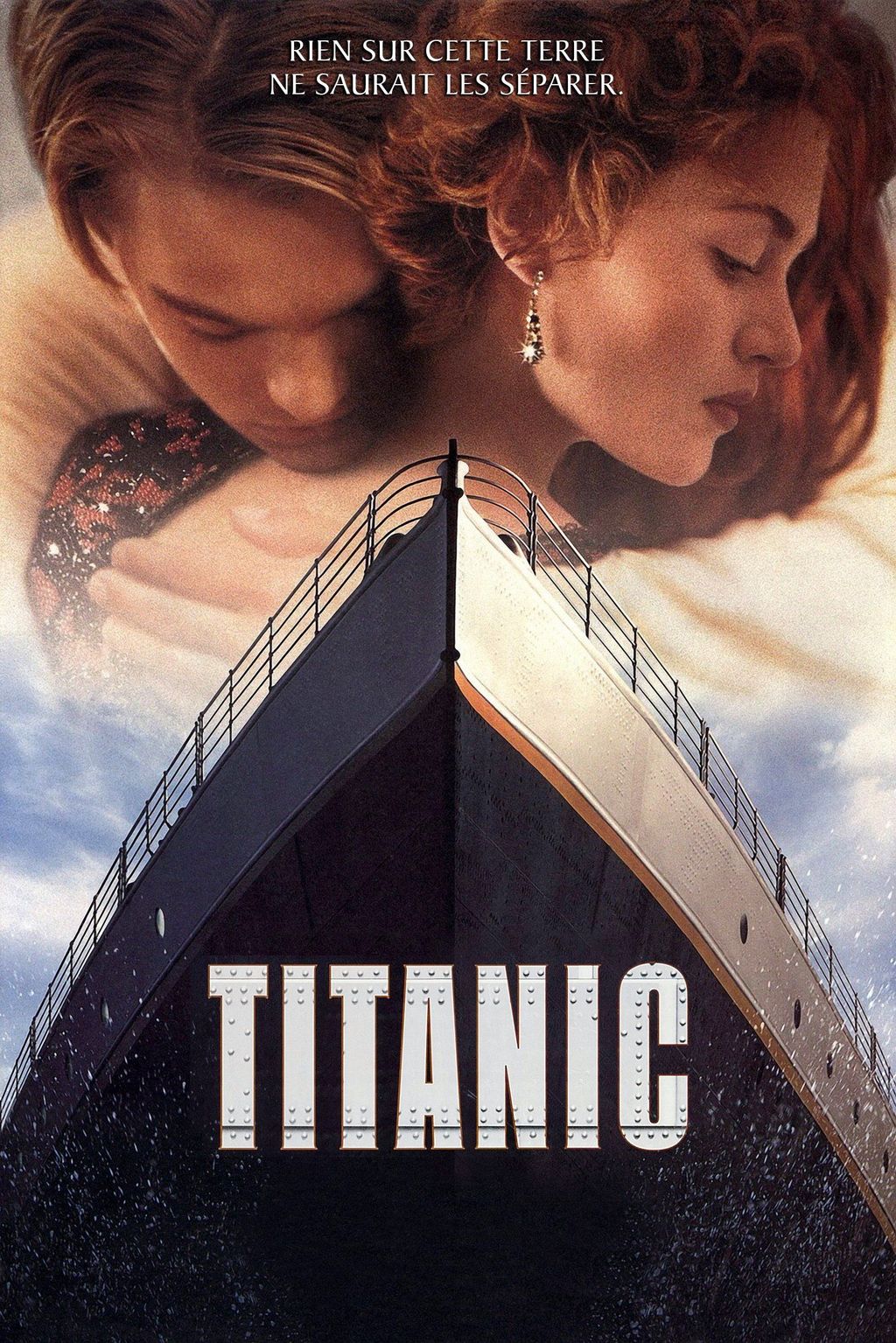
4. **Titanic**Another jewel in James Cameron’s crown, *Titanic*, first released in 1997, anchors the nominal top-earners at number four with $2.257 billion. Long before *Avatar* dazzled with 3D, *Titanic* captured hearts and dominated the cultural conversation for months, proving the enduring power of a meticulously crafted historical drama imbued with sweeping romance and heart-wrenching tragedy. It was a film that transcended demographics, appealing to everyone from teenagers to grandparents, a rare feat in any era.
Crucially, *Titanic*’s financial story extends far beyond its initial theatrical run. As the context elucidates, its ancillary revenues are nothing short of monumental. It earned an additional $1.2 billion from video and DVD sales and rentals, plus another $55 million from NBC and HBO broadcast rights. When all these revenue streams are accounted for, *Titanic* has accumulated over $3 billion, showcasing its incredible longevity and commercial exploitability across different media formats. This holistic view of its earnings cements its status as a true financial powerhouse, far beyond just its initial box office haul.
When we consider its inflation-adjusted gross, *Titanic*’s ‘all-time’ status becomes even more pronounced. At an estimated $3.769 billion (in 2024 dollars), it comfortably sits at number three on the inflation-adjusted list, a testament to its unparalleled reach and enduring appeal across generations. This isn’t a film whose numbers are inflated by recent ticket price hikes or premium formats; its success was built on sheer volume of viewership, making it a genuine historical phenomenon.
*Titanic*’s relevance today lies in its timeless narrative and its ability to continually find new audiences through re-releases and home viewing. It’s a classic example of a film whose cultural impact has not waned, proving that powerful storytelling, compelling characters, and breathtaking production values can create a cinematic legacy that withstands the test of time, irrespective of the relentless churn of new blockbusters. It is a box office king whose reign feels truly eternal, demonstrating the enduring appeal of traditionally popular genres like historical dramas.
Read more about: The Unbearable Weight of Regret: Deconstructing James Cameron’s Singular Apology for a Pivotal ‘Titanic’ Scene
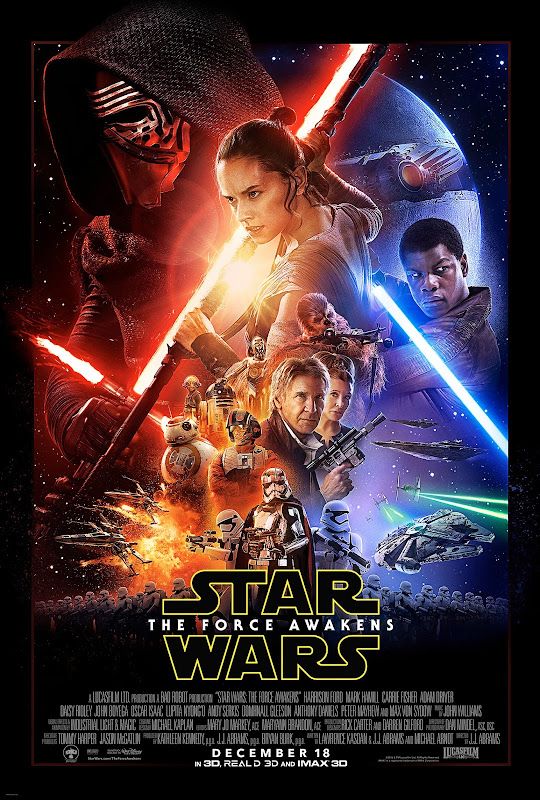
5. **Star Wars: The Force Awakens**Rounding out our first half of box office titans is *Star Wars: The Force Awakens*, which blasted into theaters in 2015, capturing the number six spot with a nominal gross of $2.068 billion. This film wasn’t merely a blockbuster; it was a cultural homecoming, the much-anticipated revival of perhaps the most iconic science fiction saga in history. Its success was almost a foregone conclusion, built on decades of fan loyalty and anticipation for a new chapter.
*The Force Awakens* stands as a potent example of the unwavering power of established intellectual property and the immense commercial value of nostalgia. The context notes that “Star Wars is also represented in the nominal earnings chart with five films,” underscoring the franchise’s consistent ability to deliver colossal box office returns across multiple generations. This film expertly tapped into that legacy, bringing back beloved characters while introducing a new cast, perfectly balancing reverence for the past with a forward-looking vision.
However, its high nominal gross needs to be viewed through the historical lens of the entire *Star Wars* saga. While *The Force Awakens* is a nominal giant, the original *Star Wars* (1977) ranks significantly higher on the inflation-adjusted list at number four, with $3.652 billion (in 2024 dollars). This comparison highlights a nuanced aspect of ‘relevance today’: is the more recent film a king in its own right, or does its success largely stand on the shoulders of the cultural ground broken by its pioneering predecessor?
Its relevance today, therefore, is multifaceted. It proved that *Star Wars* could endure and thrive under new ownership, rekindling a global fandom. Yet, critically, one might argue its impact was more about satisfying a pre-existing appetite rather than forging entirely new cultural pathways. It’s a box office king by numbers, but perhaps more of a torchbearer for a venerable dynasty than a revolutionary in its own right, continually validating the power of intergenerational storytelling and cinematic mythology.
Now, let’s venture beyond the initial top-tier behemoths and delve into the next wave of cinematic powerhouses. These films, while equally massive in their nominal grosses, offer a fresh lens through which to examine the evolving trends of the modern film industry: the relentless march of franchise expansion, the nuanced impact of ‘event’ cinema, and the shifting goalposts of what truly constitutes ‘all-time’ success in an increasingly interconnected and complex global market. Prepare for a Vulture-style dissection of their legacies, because merely raking in billions is only half the story; the other half is what those billions *mean* for their ongoing relevance.
Read more about: Beyond the Force: The Real, Multifaceted Story Behind George Lucas’s Decision to Sell Star Wars to Disney

6. **Avengers: Infinity War**Before *Endgame* delivered its earth-shattering conclusion, there was *Avengers: Infinity War* in 2018, blasting into the nominal top seven with a colossal $2.048 billion worldwide. This wasn’t merely a film; it was an unprecedented cinematic cliffhanger, a two-and-a-half-hour tension build-up that left audiences reeling and desperate for the next chapter. It cemented the Marvel Cinematic Universe’s unparalleled ability to orchestrate multi-film narratives into a singular, globally resonant event.
Indeed, *Infinity War*’s success is a textbook case of franchise power operating at its apex. The context clearly identifies the superhero genre, and specifically the MCU, as among the “best performers of the 21st century,” noting that “four films in total based on the Avengers comic books charting in the top twenty.” This film didn’t just stand on its own; it leveraged a decade of character development and interconnected storytelling, making its massive financial haul a direct reflection of years of audience investment and emotional commitment.
From a critical standpoint, *Infinity War*’s relevance today is intrinsically linked to its role in the larger MCU tapestry. It’s not a standalone narrative, but a crucial, high-stakes chapter that propelled the entire saga forward, showcasing how modern blockbusters thrive not just on individual merit, but on their ability to contribute to a sprawling, continuous narrative. Its cultural footprint is less about isolated moments and more about being a pivotal piece in the greatest ongoing cinematic serial of our time, a true testament to long-form storytelling’s commercial viability.
Its enduring impact lies in its bold, uncompromising ending and the collective gasp it elicited from audiences worldwide. It proved that mainstream cinema could dare to be ambiguous and devastating, and that fans would not only accept it but ravenously demand the resolution. This film isn’t just a box office king; it’s a masterclass in how to manage fan expectations and deliver a payoff that feels both earned and utterly shocking, setting the stage for even greater heights.
Read more about: The Unseen Architects of Infinity: Decoding Marvel Studios’ Strategic Empire and Its Evolving Business Playbook
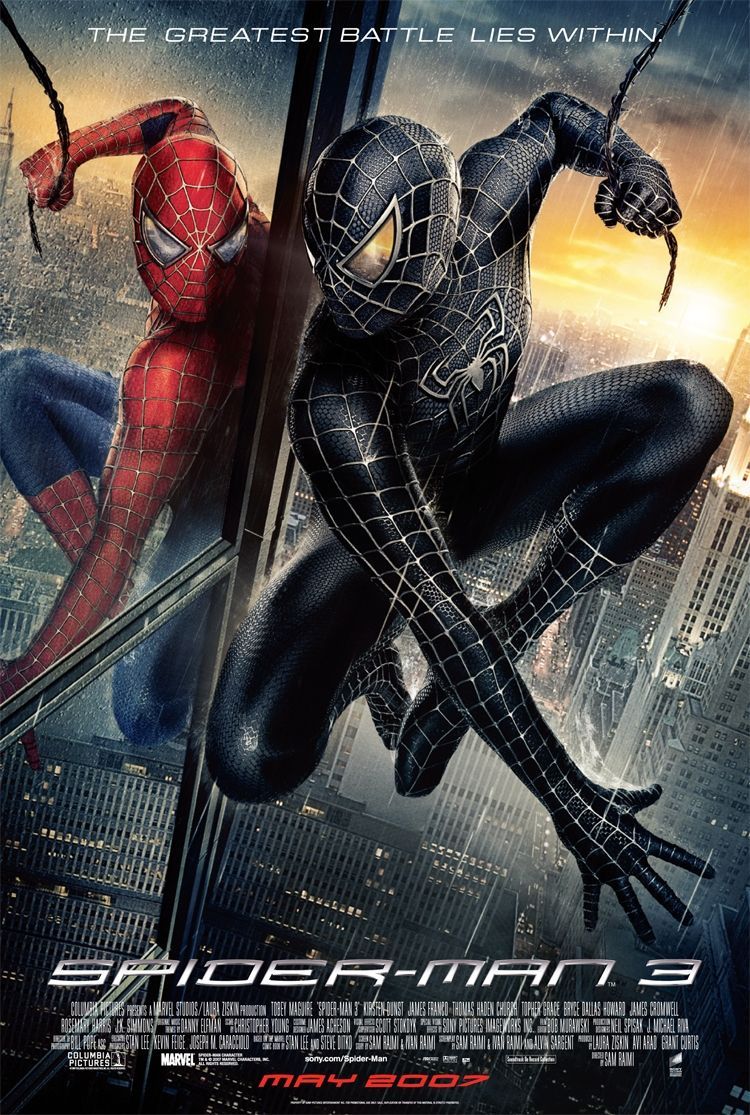
7. **Spider-Man: No Way Home**Swinging into the number eight spot with $1.922 billion in 2021, *Spider-Man: No Way Home* wasn’t just another superhero movie; it was a carefully calibrated exercise in fan service and multiverse-hopping brilliance. Its unprecedented success spoke volumes about the enduring appeal of the Spider-Man character and, more critically, the power of leveraging established legacies to create a cross-generational cinematic event that transcended typical blockbuster expectations.
The film masterfully exploited the burgeoning trend of the multiverse, bringing together characters from previous iterations of the Spider-Man cinematic universe. This wasn’t just a nostalgic wink; it was a deeply effective narrative device that transformed the film into a collective cultural experience, rewarding long-time fans while still delivering a compelling story for new audiences. The context points to the success of “Marvel Comics adaptations” and the “Spider-Man properties,” and *No Way Home* is the ultimate manifestation of that potential.
What makes *No Way Home* a standout in the modern box office landscape is its ability to weaponize nostalgia without feeling cheap. It offered genuine emotional payoffs by reuniting beloved actors and storylines, creating a communal event that resonated far beyond the confines of comic book lore. Its relevance today lies in its innovative approach to franchise continuation, demonstrating that sometimes, the most original path forward involves a respectful, yet thrilling, look back at what came before, a strategy that many studios are now scrambling to replicate.
This film also underscored the critical importance of collaborative studio efforts, with its success being a harmonious blend of Sony’s property and Marvel Studios’ narrative prowess. It proved that when executed correctly, bringing disparate cinematic universes together can yield not just financial gold, but a rare moment of genuine collective joy for moviegoers, elevating it from a mere sequel to a cultural touchstone.
Read more about: The Unprecedented Freeze: How Hollywood’s Strikes Reshaped Film Production and Promotion in 2023

8. **Inside Out 2**In a vibrant display of animation’s unwavering appeal, *Inside Out 2* debuted in 2024 to an impressive $1.698 billion, seizing the ninth position among nominal earners. This Pixar sequel didn’t just perform well; it reaffirmed the enduring commercial and cultural power of original, emotionally intelligent storytelling within the often-franchise-heavy realm of animated family films. It proved that audiences are still hungry for narratives that explore the complexities of the human experience, even when those experiences are personified by adorable, colorful emotions.
The context highlights that “Animated family films have performed consistently well,” with Disney and Pixar consistently “best performers” including “Inside Out 2.” This film’s success isn’t just about the animation; it’s about the continued ability of Pixar to tap into universal themes, making profound psychological concepts accessible and entertaining for all ages. It’s a testament to the idea that thoughtful, character-driven animation can compete with, and often outshine, the most explosion-heavy blockbusters.
Critically, *Inside Out 2* stands as a vibrant counter-narrative to the prevailing trend of purely IP-driven films. While it is a sequel, its core strength lies in the originality of its concept and the emotional resonance it achieves, rather than relying solely on pre-existing lore. Its relevance today is in its demonstration that audiences will flock to films that offer both spectacle and genuine emotional depth, positioning it as a beacon for creative storytelling in an increasingly commercialized industry.
Furthermore, this film underlines Disney/Pixar’s mastery in creating properties that are not only financially lucrative but also genuinely beloved and critically acclaimed. It reminds us that animated features, when crafted with care and intelligence, are not just for children but are essential cultural artifacts capable of engaging diverse audiences and sparking important conversations, securing its place among the box office kings with both heart and smarts.
Read more about: The $10 Tool That Could Save You $300+ on Tire Repairs: A Lifehacker’s Guide to DIY Flat Fixes
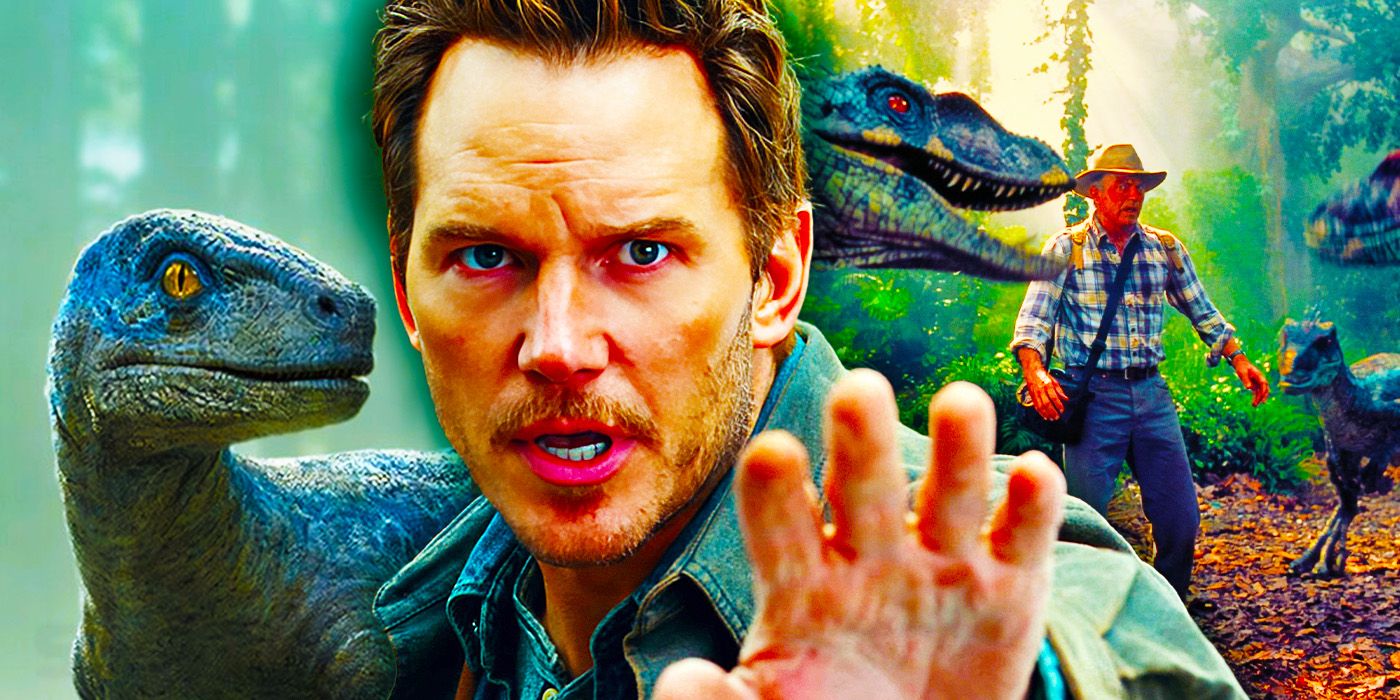
9. **Jurassic World**Roaring onto the scene in 2015, *Jurassic World* seized the number ten spot with a staggering $1.671 billion, proving that the allure of genetically engineered dinosaurs remains as potent as ever. This film was more than a mere reboot; it was a legacy sequel, a calculated resuscitation of a beloved franchise that demonstrated the immense financial potential of established intellectual property, particularly when it taps into intergenerational nostalgia and delivers big-screen spectacle.
The context explicitly states that the “Jurassic Park franchise features prominently” in the nominal earnings chart, and *Jurassic World* unequivocally validated that continued prominence. The film ingeniously re-imagined the park experience for a new generation while paying homage to the original, creating a perfect storm of anticipation and execution. Its success wasn’t accidental but a careful balancing act between nostalgia and innovation, catering to both long-time fans and newcomers.
From a Vulture perspective, *Jurassic World*’s relevance today lies in its role as a blueprint for how to successfully revive dormant, yet cherished, franchises. It showed studios that the right combination of compelling new characters, a respect for the source material, and cutting-edge visual effects could breathe new life into an iconic series. It’s a powerful example of how enduring IP can be leveraged for massive financial returns, even decades after its initial groundbreaking release.
Moreover, the film underscored the unwavering appeal of the monster movie genre, particularly when presented with truly epic scope. It reinforced the idea that for certain narratives, the sheer spectacle of seeing colossal creatures on the big screen remains an irresistible draw, making *Jurassic World* a king not just of the box office, but of primal, blockbuster entertainment that continues to capture the imagination of audiences globally.
Read more about: Hollywood’s Hard Truths: 15 Critical Mistakes That Can Ruin Your Movie Pitch, According to Studio Insiders

10. **The Lion King (2019)**The computer-animated remake of *The Lion King* in 2019 pounced into the eleventh position with an impressive $1.656 billion, showcasing Disney’s unparalleled ability to leverage its animated classics into hyper-realistic, yet familiar, cinematic goldmines. This wasn’t just a remake; it was a technological marvel, blurring the lines between animation and live-action, and tapping into a deep well of audience affection for one of Disney’s most iconic stories.
The context highlights Disney’s consistent success with its animated films, including its “computer-animated remake” of *The Lion King*. What’s truly remarkable about this film is not just its theatrical success, but its incredible ancillary revenue potential. The original 1994 film, for instance, earned “over $2 billion in box-office and home video sales,” yet this “pales in comparison to the $8 billion earned at box offices around the world by the stage adaptation” and the “$3 billion of merchandise” sold. The 2019 version continued this legacy, proving the franchise’s multi-platform dominance.
This film’s relevance today is multifaceted. It’s a testament to the power of nostalgia, the advancements in photorealistic animation, and Disney’s shrewd strategy of re-imagining its beloved vault. It demonstrates that cultural impact isn’t always about original storytelling, but sometimes about re-presenting timeless narratives with fresh technological dazzle, catering to both existing fans and new generations who might not have experienced the original on the big screen.
From a critical perspective, *The Lion King* (2019) solidifies the trend of “live-action” remakes as a reliable, almost guaranteed, path to box office glory for studios with rich intellectual property. It’s a film that, despite debates about its creative necessity, undeniably reinforces the commercial might of a universally cherished story, ensuring its legacy as a king that reigns supreme across multiple forms of media and entertainment.
Read more about: From Pop Princess to Global Icon: Christina Aguilera’s Drastic Image Evolutions Revealed

11. **The Avengers (2012)**Bringing our list to a powerful close is *The Avengers*, released in 2012, which originally secured the number twelve spot with a formidable $1.518 billion. This film wasn’t just a blockbuster; it was the ultimate proof of concept, the moment the Marvel Cinematic Universe truly coalesced and changed the game for cinematic storytelling. It demonstrated, unequivocally, that an interconnected universe of superheroes could not only exist but thrive, laying the groundwork for everything that followed.
As the context points out, this was the first “Avengers comic books” film to chart in the top twenty, and its success was foundational. It masterfully brought together disparate heroes from their individual film franchises, creating a team-up event that felt genuinely groundbreaking at the time. Its narrative ingenuity lay in making each hero feel essential while weaving their stories into a cohesive, action-packed spectacle, a feat that felt impossible just a few years prior.
*The Avengers*’s relevance today cannot be overstated. It is the genesis point for the modern blockbuster paradigm of shared universes and multi-film narratives. Without its colossal success, the landscape of cinema would look drastically different, perhaps lacking the intricate planning and audience investment that now defines so many major studio releases. It’s a film that established the blueprint for franchise building on an epic scale, proving that long-term vision could yield unprecedented financial and cultural dividends.
In essence, *The Avengers* is a box office king not just for its immediate financial haul, but for its profound, almost tectonic, shift in how studios approach their most valuable intellectual property. It’s a film that remains relevant as a cultural milestone, a daring experiment that paid off beyond anyone’s wildest dreams and continues to influence cinematic trends, cementing its iconic status as the trailblazer for an entire genre’s dominance.
Read more about: Unmasking the Glaring Gaps: 10 Major Marvel Movie Plot Holes Fans Can’t Ignore
As we pull back from these monumental box office achievements, it becomes abundantly clear that ‘icon status’ in today’s cinematic world is a nuanced and ever-evolving concept. It’s no longer just about the initial, unadjusted dollars a film rakes in, but a complex interplay of franchise power, technological innovation, global market penetration, and the surprisingly enduring appeal of nostalgia, even when repackaged. The kings of the box office today are not just entertainers; they are architects of cultural phenomena, shaping how we consume stories and what we expect from the silver screen in a world constantly at an ‘inflection point.’ Whether it’s the sheer spectacle of Pandora, the intricate web of the MCU, the emotional depth of Pixar, or the enduring terror of prehistoric beasts, these films aren’t just relevant; they are the benchmarks against which all future cinematic ambitions will be measured. The thrones might shift, but the power of a truly monumental cinematic experience remains eternal.