In our politically divided, social-media-driven age, the phenomenon known as “cancel culture” has undeniably permeated nearly every facet of American public life. It’s a term that’s become a household staple, touching everyone from powerful politicians and influential CEOs to celebrated athletes and even seemingly niche knitting influencers.
But what exactly happens when a public figure, especially an A-lister, finds themselves in the crosshairs of this digital firing squad? Do careers truly self-destruct, or is there a complex dance of outrage, apology, and strategic comeback that plays out? We’ve seen stories of devastating personal and professional losses, alongside tales of unexpected resilience and even amplified platforms.
This article delves deep into the mechanisms of celebrity (and even everyday) “cancellations,” drawing insights from compelling narratives and the ever-shifting landscape of public accountability. We’ll explore how mistakes, missteps, and perceived harms can transform reputations, careers, and even personal lives, revealing the sheer power of collective digital scrutiny.
1. **Adam Smith: The Prototype of Early Cancellation**
Before “cancel culture” was even a widely used term, Adam Smith experienced its devastating effects firsthand back in 2012. He was a successful young business executive who felt a strong sense of righteousness when he decided to protest Chick-fil-A’s president Dan Cathy’s outspoken stance against gay marriage. His protest involved ordering a free cup of water at a drive-thru in Tucson, Arizona, and filming the entire exchange to post on YouTube.
In the now-viral video, Smith told the drive-thru attendant, “I don’t know how you live with yourself and work here. I don’t understand it. This is a horrible corporation with horrible values.” He later recounted, “It was my first protest. I thought it was benign. I thought it was really safe to put it on video as opposed to going out into protesting and getting into big crowds.” He certainly didn’t anticipate the profound consequences.
After uploading the video, it went viral overnight, leading to his employer receiving bomb and death threats. Consequently, Smith was fired for posting it, instantly losing a million dollars in awarded stock and his salary. The financial impact was immediate and severe, forcing him and his wife to move out of their home and tap into their 401(k) retirement savings.
His struggle didn’t end there. A few months after his initial termination, he landed another job, only to lose it as soon as the company became aware of the video. A third job offer was rescinded despite his upfront disclosure, and a fourth followed suit. A year after the Chick-fil-A video, Smith found himself in deep despair, contemplating suicide to secure his children’s life insurance money, feeling like “the failure, the mistake.”
Remarkably, about two years later, after his family qualified for food stamps, his fortunes began to turn around after a television appearance. He received a job offer within a week and is now a CFO at a software company. Despite the harrowing experience, Smith feels it changed him for the better, making him “much more sensitive towards being kind to others.” However, he continues to view cancel culture and public shaming as “a negative symptom,” believing there are “much kinder, calmer, more humane ways to get people to see what their actions are.”
2. **Tammie Teclemariam: Weaponizing Social Media for Systemic Change**
Tammie Teclemariam, a freelance food writer, represents a different facet of the cancel culture narrative – one where social media is wielded as a tool for systemic change, especially by those historically lacking power. Her story begins with a direct message tip containing a screenshot of Bon Appétit editor-in-chief Adam Rapaport in “brownface” at a Halloween party, dressed as a stereotypical depiction of a Puerto Rican.
Teclemariam immediately recognized the problem: “Any time you’re dressing as another race for Halloween it’s a problem.” For her, this photo was not an isolated incident but symptomatic of deeper, systemic issues within the food media industry. She had heard from friends and colleagues about racial bias, disparate treatment, and unequal pay for people of color at Bon Appétit, suggesting a significant “cultural problem” due to a lack of diversity in positions of power.
Motivated by the nationwide protests for racial justice, Teclemariam felt compelled to act. “During the week that George Floyd was killed, I was going to a lot of protests and I just felt motivated to continue to fight for justice,” she stated. Channeling her emotions, she focused on a specific goal: “getting Adam Rapoport fired as editor-in-chief of Bon Appétit.” Her chosen weapon was a simple tweet of the offending screenshot.
Within mere hours of her tweet, Rapoport resigned, acknowledging his costume was “extremely ill-conceived” and admitting to “blind spots as an editor.” While some observers framed him as a victim of cancel culture, Teclemariam vehemently disputes this, arguing that such a label “helps other people deride that movement or diminish that movement.” For her, this was not “petty gossip” but a necessary act to dismantle a “racial hierarchy at a very powerful, very elite media company.”
Following Rapoport’s departure, Bon Appétit, owned by Condé Nast, issued “a long-overdue apology,” confessing to a “white-centric viewpoint” and pledging to reform its “toxic, top-down culture.” Teclemariam’s actions continued to have ripple effects, as she used her platform to expose allegations against L.A. Times food editor Peter Meehan, who also resigned shortly after. She views “canceling” not as a first resort, but as “the absolute last resort” for those who otherwise lack the power to effect change.
3. **Maria Tusken: Fighting Back Against the “Mob”**
Maria Tusken, who runs the yarn-making business TuskenKnits, offers a powerful counter-narrative within the cancel culture discourse: the story of someone who pushed back. She was drawn into a scandal within the Instagram knitting community after fellow influencer Karen Templer, who is white, wrote a blog post in January 2019 expressing excitement about a trip to India, using language that commenters criticized as “othering” and feeding into an “imperialist mindset.” The backlash against Templer was swift and brutal, opening up wider discussions about racism within the knitting community.
While Templer apologized for her language, Tusken viewed the criticism as unfair. “Everyone was just falling over themselves to apologize for being white,” Tusken observed, adding, “And I felt really bad for Karen Templer. I didn’t know her personally, but I saw the mob just converge upon her.” Feeling a strong sense of injustice, Tusken decided she couldn’t stay silent.
Sixteen days after Templer’s controversial post, Tusken released her own YouTube video, condemning the “calling out” of Templer. She asserted that the community was becoming “hostile in the name of social justice,” and felt a duty to speak up because “no one was defending her, no one was saying that this was wrong, that this wasn’t her intent.” However, she underestimated the personal and professional repercussions.
“I didn’t understand at the time how actually trying to defend Karen Templer would affect me and my business,” she later admitted. “After a couple of days, these people online, the mob that went after Karen came after me.” Tusken was denounced, labeled a Nazi and a white supremacist, and faced the terrifying reality of “thousands of people who just hate you.” This negative attention severely impacted her business, making it difficult to attract collaborators or new customers, and leading to a loss of social media followers.
Yet, Tusken chose to embrace her newfound notoriety, not shy away from it. In early 2020, she launched a new yarn collection called “Polarized Knits,” which playfully mocked political correctness and cancel culture with product names like “Gaslight,” “Virtue Signaling,” “Othering,” and “Wrong-Think.” This bold move garnered support from critics of the social justice movement and instilled her with “so much confidence,” allowing her to be “proactive and just trying to make light of what these people had done to me and to others.” Tusken stands by her refusal to apologize, believing it allowed her to maintain control over her business and her narrative, unlike Templer who, she feels, is now “owned by them.”
4. **DaBaby & Doja Cat: The “Too Big To Cancel” Paradox**
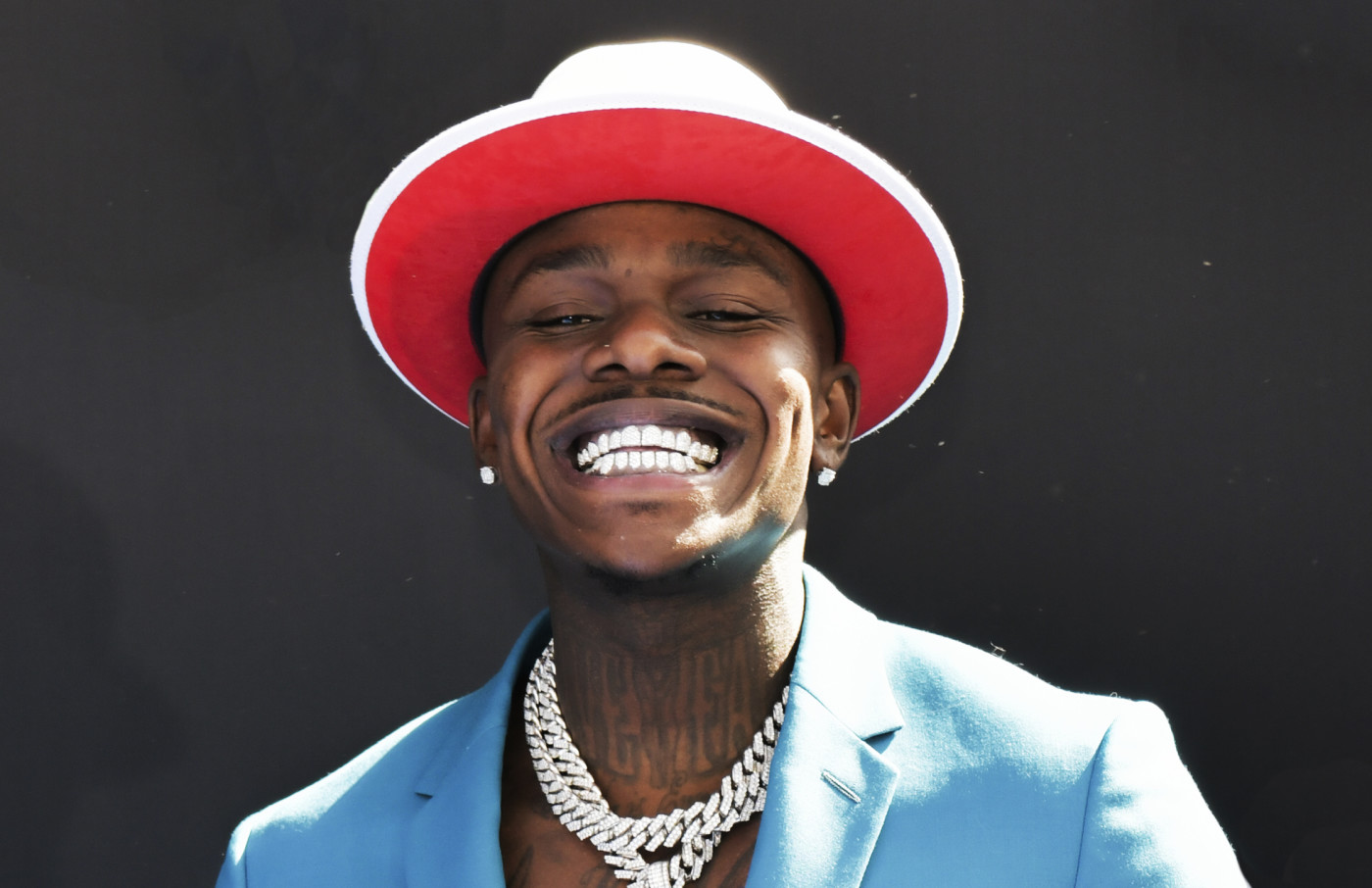
The concept of being “Too Big To Cancel” is a fascinating and often frustrating aspect of modern celebrity culture. While many public figures face severe career repercussions, some A-listers seem to weather even significant storms with remarkable resilience, their stardom seemingly unshaken. DaBaby and Doja Cat stand out as prime examples of this phenomenon, challenging the very notion that online outrage can effectively end a megastar’s career.
Consider DaBaby’s homophobic rant at Rolling Loud, a widely publicized incident that sparked immediate and widespread condemnation from listeners and fellow celebrities alike. The backlash was severe, leading to the cancellation of several of his scheduled gigs. For many, this appeared to be a clear case of “cancellation” in action, with tangible consequences. Yet, as the context points out, these canceled gigs ultimately “didn’t cancel his stardom.”
Similarly, Doja Cat has amassed a “long track record with committing cancellable offenses.” Despite various controversies and public criticisms, she has repeatedly demonstrated an uncanny “ability to evade them all.” Her career trajectory continues upward, her music streamed, and her presence in pop culture undeniable, even as questions about her past actions persist among concerned audiences.
This raises a crucial question: why do certain celebrities, like DaBaby and Doja, appear immune to the long-term career-ending consequences that others face? The article suggests that as celebrity career success “snowballs over time,” particularly for A-listers, their “impassioned fanbases only grow.” Once a celebrity’s “fixture in pop iconography is solidified,” their immense power allows their brand to “excuse their behavior again and again,” creating a hazardous dynamic where status outweighs the level of harm committed.
The durability of these stars leads many to question the efficacy of current “cancel” tactics. “Like with Morgan Wallen or Sia, I wonder at which point, we stop touting Twitter hashtags as effective, long-term solutions to past and present harm,” the text ponders. It highlights a critical challenge in the cancel culture discourse: how to truly hold megastars accountable when their foundational power, fueled by devoted audiences and solidified iconography, seems to be a shield against lasting repercussions.

5. **J.K. Rowling: Enduring Stardom Amidst Persistent Backlash**
J.K. Rowling, the beloved author behind the global phenomenon of Harry Potter, provides another complex case study in the intersection of celebrity, controversy, and career longevity. Despite her immense success and deeply ingrained place in popular culture, Rowling has faced significant backlash due to her comments on gender identity, which have “dividing fans worldwide.” This situation highlights the ongoing struggle for audiences grappling with how to reconcile impactful art with the controversial actions or views of its creator.
Her case brings to the forefront the enduring dilemma of separating the art from the artist. For many, the Harry Potter universe holds profound personal meaning, making it difficult to completely disengage from the creator, even when her public statements cause distress or offense. The sheer scale of her work and its cultural penetration means that “certain pieces of art are able to hold meaning independent of their creator,” yet, as the context reminds us, “audiences must hold the perspective that all art is influenced by an artists’ worldview and life experiences.”
In an ideal world, the article posits, “we are able to hold two truths at the same time: a work of art is impactful and meaningful and the person who created the art may have caused harm.” However, the practical reality of modern consumption complicates this. When “our enjoyment of a work of art continues to monetarily benefit an agent of harm, how much separation is there really?” This question is particularly pertinent for a living artist like Rowling, whose continued work and existing catalog generate substantial income.
While critics and a segment of her fanbase voice strong disapproval, the vastness of her existing audience and the cultural ubiquity of her creations make a complete “cancellation”—in the sense of eradicating her public influence or financial success—a formidable, if not impossible, task. Her enduring stardom, even amidst “persistent backlash,” underscores how deeply embedded some A-listers are in the cultural fabric, making individual efforts to disengage feel, for many, like a drop in an ocean of continued admiration and consumption.

6. **R. Kelly: Irreparable Harm and Lingering Influence**
R. Kelly stands as a stark and troubling example of a celebrity whose actions moved beyond mere missteps to systemic harm, eventually leading to a form of public “termination,” yet still revealing the complex ways influence and income can persist. For years, “accounts of his predatory and ually abusive behavior had toured many hushed conversations,” whispers that, while disturbing, didn’t immediately dismantle his career.
However, the release of “Surviving R. Kelly” proved to be the undeniable catalyst for change. The documentary laid bare the extent of his egregious actions, transforming hushed conversations into public outrage. “People flocked to the internet to express their varying degrees of shock and disappointment,” and for the first time, tangible consequences began to manifest. “Clubs stopped playing ‘Ignition’ every few minutes,” signifying a collective societal rejection of his music and, by extension, his persona.
This shift marked what many would consider his “true termination” from mainstream acceptance and commercial viability. Yet, the story doesn’t end there, highlighting the thorny issue of residual influence and income. The context reveals a startling turn of events when, two years after the documentary’s release, Drake provided R. Kelly with “writing credits for a song on Certified Lover Boy, generating a new stream of income for the formerly beloved singer.”
This revelation underscores the difficulty of absolute cancellation, especially when a powerful figure in the industry can still offer a lifeline, even inadvertently, to a disgraced artist. It forces a re-evaluation of what “termination” truly means in the celebrity ecosystem. While public condemnation can remove an artist from the spotlight, the intricate web of music rights and collaborations can allow financial benefits to flow, challenging the notion of complete accountability and raising questions about how past harm continues to generate profit.
7. **Drake: Fan Loyalty vs. Concerning Behavior**
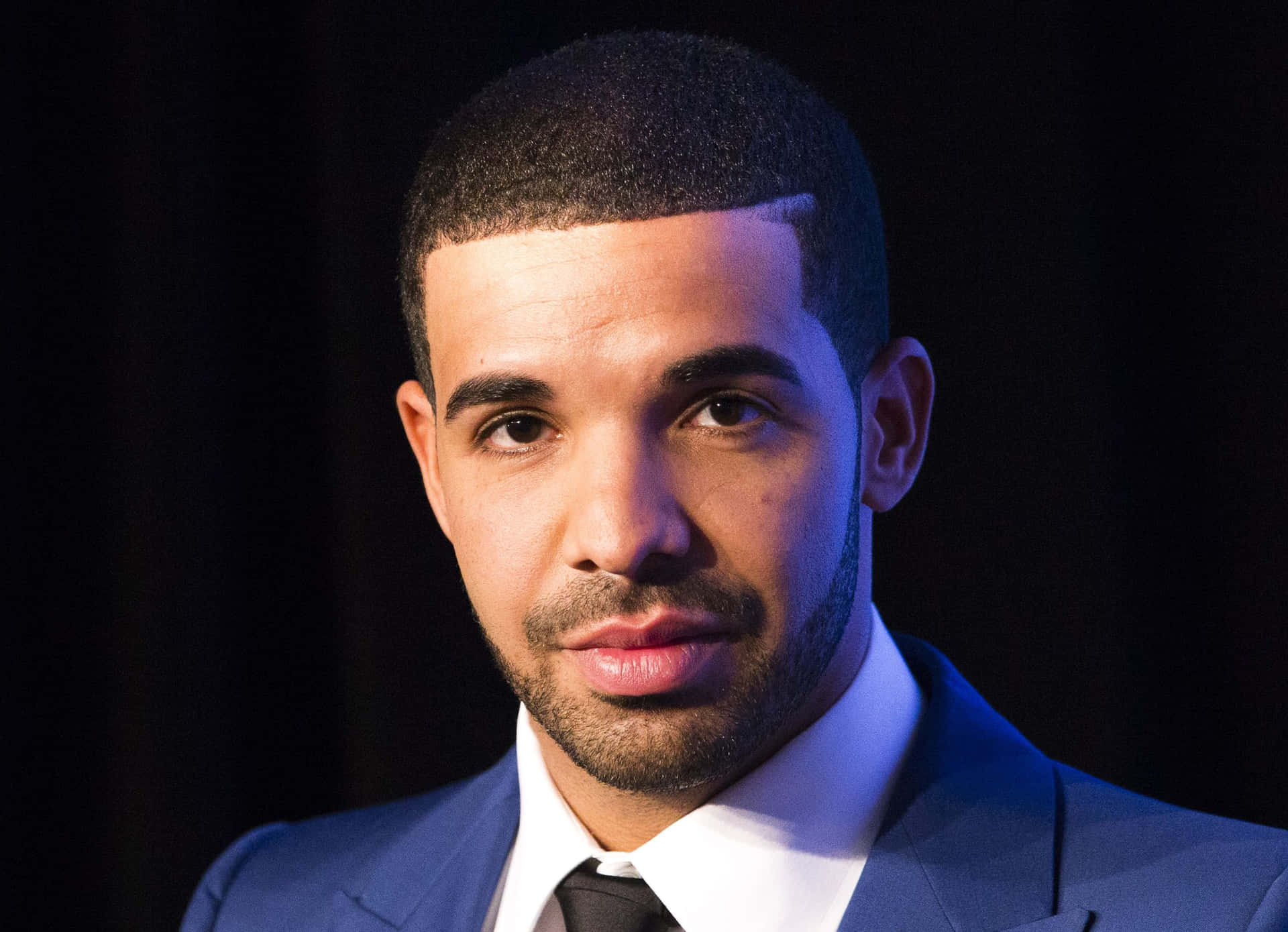
Following the unsettling connection with R. Kelly, Drake himself serves as another compelling illustration of a megastar whose immense fan loyalty appears to overshadow a concerning track record of behavior. The context explicitly highlights his own “track record of unsettling behavior with minors,” bringing into question the boundaries of celebrity conduct and public acceptance.
Specific instances are cited to underscore these concerns: “His relationship with Millie Bobby Brown and his blatant groping of an underage girl at his concert are just two circumstances that come to mind.” These are not minor accusations; they point to significant ethical and potentially legal issues that, for many other public figures, could easily lead to severe professional consequences and widespread public condemnation. Yet, Drake’s career continues to thrive with seemingly unwavering momentum.
What accounts for this apparent immunity? The article suggests that “fans’ unrelenting devotion to him and his music highlights just how deep celebrity culture runs.” This powerful, almost tribal, loyalty from an impassioned fanbase acts as a shield, capable of deflecting or diminishing criticism, ensuring that controversies do not derail his commercial success or cultural relevance. For Drake, his status as a fixed point in pop iconography appears to grant him a level of protection.
Indeed, the text asserts that “to criticize a megastar before social momentum has decided it’s their turn is at best shouting into a void.” In such cases, “Their fans quell any and all criticism, and the harm goes unchecked.” This dynamic creates a challenging environment for accountability, where the sheer weight of a celebrity’s status and the fervor of their supporters can silence dissenting voices and allow troubling actions to be dismissed or ignored, leaving a blueprint for accountability noticeably absent when a celebrity’s power outweighs the perceived level of harm.”
, “_words_section1”: “2000
8. **Kevin Hart: Navigating the Apology Minefield**
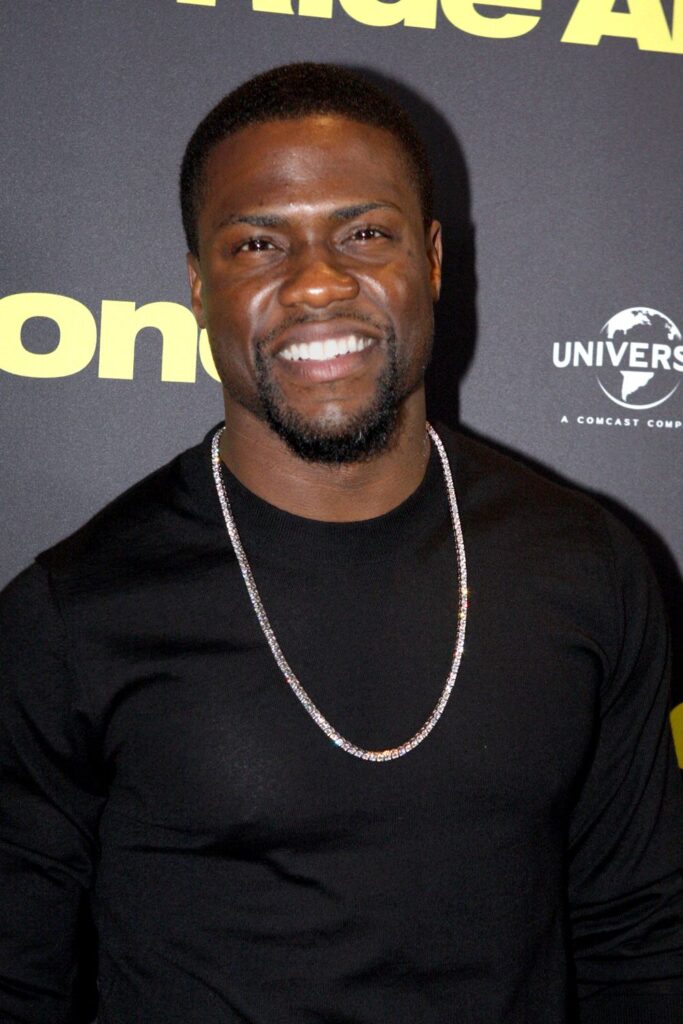
Kevin Hart’s experience serves as a crucial lesson in the high-stakes world of celebrity apologies. When controversial past tweets resurfaced, leading him to withdraw from hosting the Oscars, it ignited a firestorm of public backlash. This incident placed his career at a critical crossroads, forcing him to confront the magnified scrutiny that comes with being an A-lister.
The challenge for Hart, as for any public figure in a similar predicament, was not just to issue *an* apology, but to deliver one that truly resonated. The context highlights that “a well-delivered apology—one that acknowledges harm, avoids excuses, and outlines steps for change—often resonates more than denial.” This isn’t just about saying sorry, but about demonstrating genuine understanding and a commitment to growth.
Hart’s approach, characterized by a blend of “humor and humility,” proved effective in diffusing the initial outrage. This nuanced response showcased how “sincerity matters” when navigating public controversies. His ability to own his past remarks without appearing defensive allowed the audience to perceive a more authentic commitment to change.
In an age where “defensiveness or silence can worsen the backlash,” Hart’s proactive and heartfelt engagement with the controversy played a pivotal role in his ability to move forward. His situation underscores the critical power of a timely and authentic apology, proving that even significant missteps can be overcome with the right blend of accountability and earnestness.

9. **Robert Downey Jr.: The Ultimate Hollywood Redemption Arc**
In the annals of Hollywood comebacks, few shine as brightly as Robert Downey Jr.’s remarkable journey. His story is a powerful testament to resilience, demonstrating that a career once marred by scandal can not only recover but reach unprecedented heights. He faced a series of well-documented legal troubles and earned a reputation for being unreliable, which, for many, would have been an insurmountable barrier.
Yet, Downey Jr. managed to reinvent himself, transcending his past to become one of Tinseltown’s most bankable stars. His iconic portrayal of Iron Man was not just a role; it became a symbol of his personal and professional resurgence. This transformation captivated audiences and industry insiders alike.
His narrative powerfully illustrates “how resilience, time, and talent can outweigh scandal,” proving that “redemption arcs are compelling.” The public often embraces the story of a “fallen star” rising again, and Downey Jr.’s ability to admit fault, seek help, and demonstrate immense growth resonated deeply with fans, turning a potential cancellation into an even stronger bond with his audience.
He is a prime example of how “actors like Robert Downey Jr. illustrate how powerful a comeback can be.” His journey highlights that a strategic approach, coupled with undeniable talent, can help a celebrity navigate even the most challenging professional landscapes. It’s a reminder that audiences often crave second chances, and when a star genuinely embraces it, the rewards can be extraordinary.
Read more about: Seriously, Are They Even Acting? 12 Times Actors Were Practically Their Characters On Screen
10. **Ellen DeGeneres: When Trust Crumbles and Careers Shift**
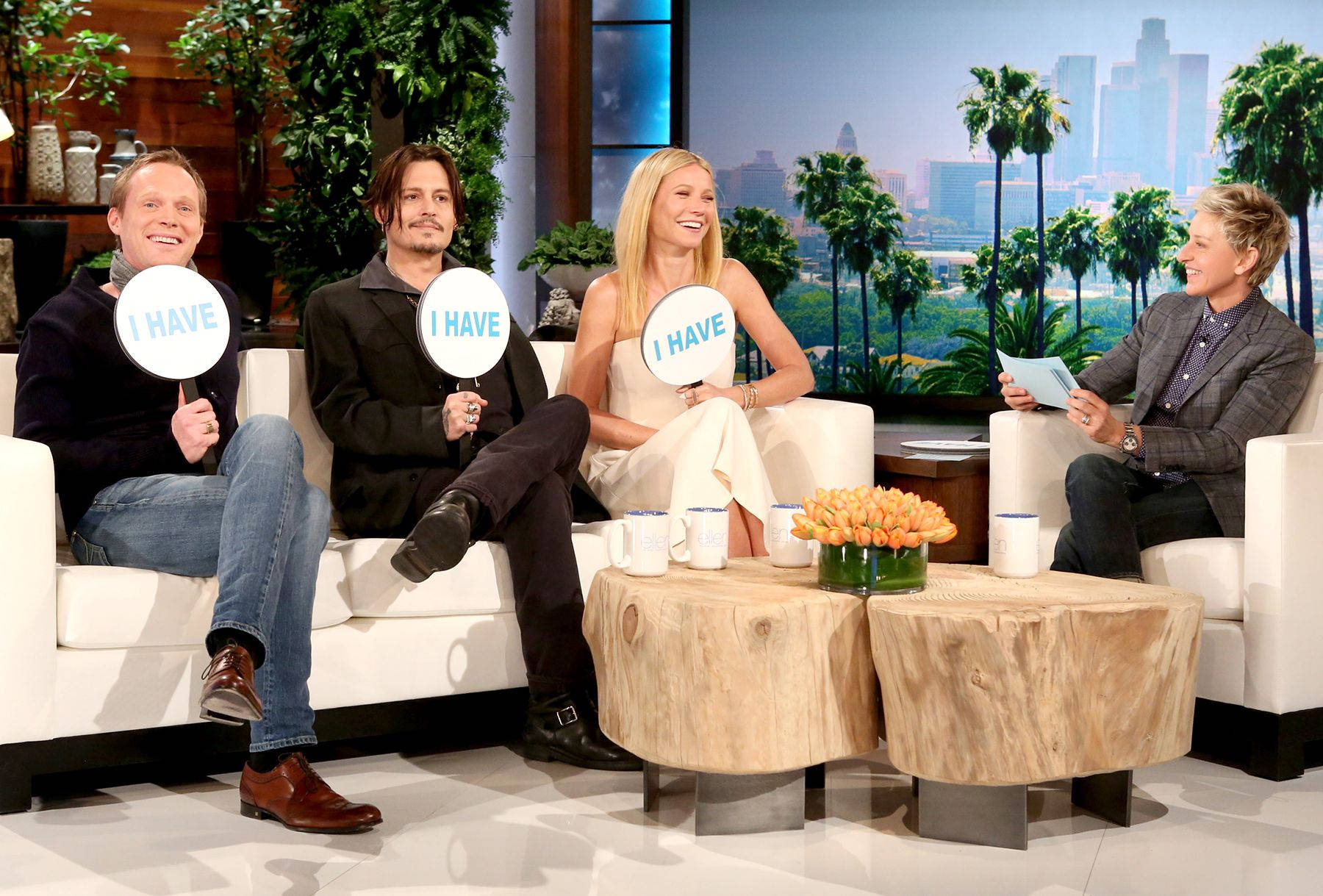
Ellen DeGeneres, whose persona was long synonymous with kindness and geniality, experienced a dramatic downturn when her public image was fractured by accusations of a “toxic workplace environment.” These allegations, widely reported, created a stark contrast with the “be kind” mantra of her popular talk show, directly “impacting her show’s popularity” and audience trust.
The nature of these accusations was particularly damaging because they suggested a systemic issue, rather than an isolated incident. The context indicates that “when public figures betray trust in ways that involve exploitation, manipulation, or abuse, recovery becomes nearly impossible.” While not explicitly “exploitation,” the betrayal of trust related to widespread workplace unhappiness resonated deeply. This kind of systemic harm often leaves little “room for redemption” in the public’s eye.
Her case highlighted that “the public often draws a hard line when harm is systemic or repeated.” Unlike some personal controversies, allegations that affect multiple individuals within a professional setting carry a heavier weight, making it significantly harder to simply apologize and move on. The erosion of trust was palpable and extensive.
Ultimately, despite her fame, the sustained criticism and perceived lack of comprehensive change contributed to a decline in viewership and the eventual conclusion of her show. This illustrates that even for a beloved figure, if the foundation of trust is “irreparably broken,” and public support wavers, the career consequences can be profound and enduring, shifting the entire trajectory of their public life.

11. **Johnny Depp: The Power of Shifting Public Sentiment**
Johnny Depp’s career offers a compelling narrative of resilience amidst intense personal scrutiny, proving that public sentiment, while powerful, can also be remarkably fluid. For a significant period, “Depp’s personal life controversies led to career struggles,” illustrating how deeply an A-lister’s private life can impact their professional standing and public acceptance. His journey seemed, for a time, to be on a path toward irreversible damage.
However, his story took a captivating turn as he “later found public support,” showcasing a powerful counter-current to the initial wave of criticism. This resurgence underscores a vital aspect of celebrity culture: “audiences often crave second chances.” There’s a deep-seated human desire to witness redemption, to see individuals overcome adversity.
His saga resonated with the idea that “part of the fascination with celebrities lies in their ability to mirror human imperfection.” When a star openly contends with their personal challenges, particularly when they admit fault or embark on a path of growth, it creates a powerful connection. This “humanization can flip a cancellation into a stronger bond with their audience,” as fans see reflections of their own struggles and hopes for personal transformation.
This dynamic highlights the potential for “celebrity redemption arcs,” where a narrative of a “fallen star” rising again can capture collective imagination. While not all controversies lead to such a turnaround, Depp’s experience demonstrates that with time, persistent effort, and a shift in the prevailing public narrative, even deeply embattled careers can experience a significant and often surprising revival.
Read more about: The Simple Life? Unpacking the Reality of Johnny Depp’s Bahamian Island Oasis, Little Hall’s Pond Cay
12. **The Social Media Crucible: Amplifying Outrage and Shaping Fates**
In the hyper-connected world of modern media, social media platforms like Twitter, TikTok, and Instagram aren’t just communication tools; they are powerful crucibles where celebrity reputations are forged or melted down. The very nature of these platforms means that “once a misstep is captured online, it can spread globally within minutes,” transforming a local gaffe into an international incident. Hashtags morph into movements, and viral posts ignite “collective outrage” at an astonishing speed.
This “Social Media as the Amplifier” phenomenon has fundamentally altered the landscape of accountability. Digital platforms have effectively “democratized accountability,” empowering “fans, critics, and even casual observers” to hold public figures responsible in real time. A single tweet or a viral clip possesses the potent capacity to “spark widespread debate, forcing companies and studios to make immediate decisions about a public figure’s future.” This immediacy can be both a force for justice and a breeding ground for impulsive judgment.
Yet, the constant, frenetic “churn of new stories” on these platforms also plays a paradoxical role. While social media amplifies outrage, it also ensures that “public attention moves quickly.” What’s trending today can be forgotten tomorrow, as a fresh wave of news washes over the previous controversy. This rapid cycle, while offering a chance for scandals to fade, also means that issues of “accountability beyond words” often struggle for sustained attention against the relentless demand for new content.
13. **Noname and the Call for “Self-Cancellation” and Community Focus**
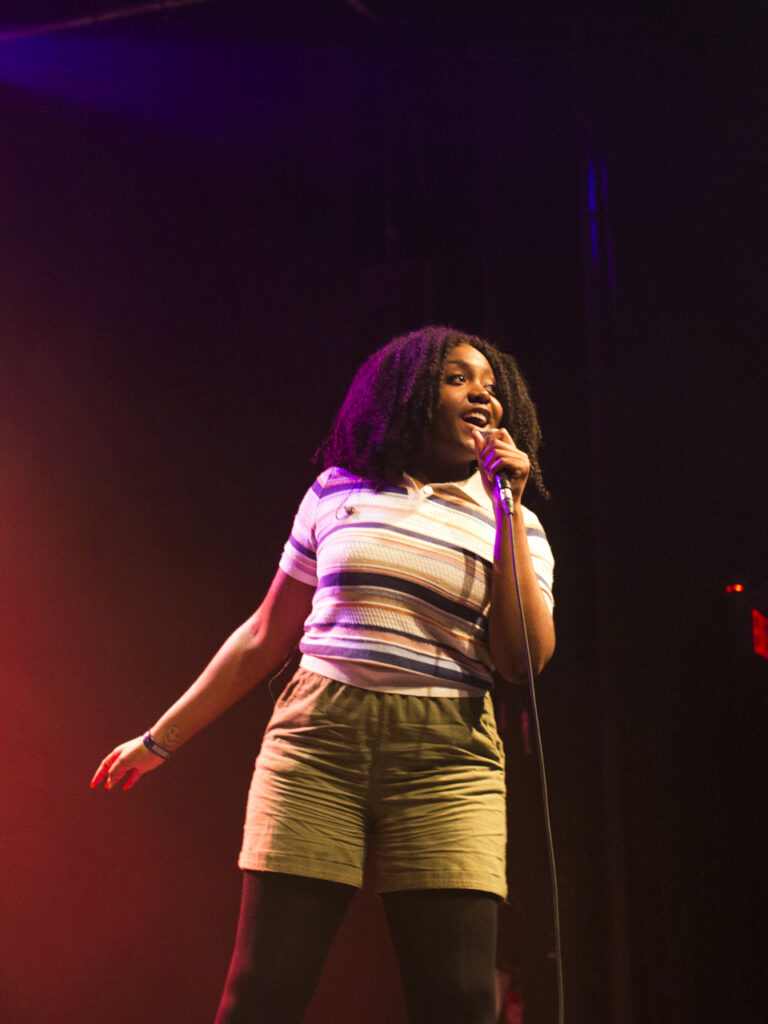
In a world obsessed with celebrity, the journey of rapper Noname offers a refreshing, alternative model for public figures grappling with their platform. After rapidly gaining credibility in the music industry, she made a deliberate choice in 2019 to pivot away from the traditional pursuit of fame. She recognized a vital need for a space where “people of color and queer folks” could engage with texts on “social liberation,” redirecting her energy towards “community care.”
Noname’s trajectory embodies a form of “self-cancelation,” not born of controversy, but of conscious purpose. She actively “shifted her focus from increasing her fame to studying radical action,” choosing to step back from mainstream music releases. This deliberate withdrawal, aside from one track following a Twitter spat, allowed her to reclaim her narrative and channel her influence into meaningful community engagement, showcasing a different path for accountability and impact.
Her example challenges the very notion of what success and influence mean for a public figure. It resonates with the idea that some “public figures are now choosing to step away voluntarily before being canceled,” thereby regaining “control of the narrative.” Noname’s choice to prioritize local engagement and intellectual discourse over chart-topping hits demonstrates a profound commitment to values beyond commercial success.
Moreover, her focus on Chicago, the “city she grew up in and nurtures in return,” encourages audiences to “turn to our communities more frequently for art.” This vision suggests that by “supporting our friends starting music careers,” attending “small local shows and viewings,” and “patronizing intimate venues,” we can collectively redefine where we seek inspiration and role models. This paradigm shift could ultimately “remove power from the concept of celebrity itself,” as our attention returns to the vibrant talent within our own neighborhoods.
14. **Beyond the Hashtag: The Future of Accountability in Pop Culture**
As we navigate the ever-evolving landscape of celebrity and public scrutiny, it’s clear that “cancel culture” is far from a fleeting trend. While its roots in public shaming are ancient, today’s iteration is fundamentally distinct, marked by the unprecedented “speed, reach, and intensity” afforded by social media platforms. This digital amplification has transformed personal missteps into global spectacles, demanding immediate and often severe consequences for public figures.
What began as a tool for “marginalized voices to demand accountability from powerful figures” has, at times, faced criticism for veering into “mob justice.” This shift from a focus on genuine accountability to quick “cancellation” through trending hashtags often overlooks crucial nuances, such as “personal growth, apologies, or changing times.” The challenge lies in ensuring that public discourse fosters constructive change rather than simply punishing perceived transgressions.
However, there’s a growing inclination towards a “more nuanced form of cancel culture,” particularly among younger generations like Gen Z. This demographic “tend to value transparency over perfection,” acknowledging the “complexity of human behavior and the possibility of growth.” This fresh perspective suggests a future where accountability is still paramount, but with an added layer of understanding for an individual’s journey and capacity for change. The focus is shifting from an instant verdict to a more considered assessment of actions and responses.
Ultimately, the dance between “cancel culture and comebacks may represent two sides of the same coin.” Outrage might trigger a fall, but genuine “redemption provides the rise,” with audiences, media, and industries all playing a part in this ongoing cycle. The fate of a celebrity’s career post-scandal often hinges less on the initial event and more on “how it is managed, framed, and remembered,” along with the strategic efforts made towards atonement and growth.
To truly address the systemic issues, the article boldly suggests that “the only way to truly usurp a celebrity’s power — besides not generating their income — is to remove power from the concept of celebrity itself.” This means a fundamental shift in our collective mindset: moving away from viewing A-listers as “role models, activists, and influencers” and instead recognizing them as “people with a particularly honed skill.” By doing so, we can hold them accountable for harm in the same way we would within our “own communities,” fostering a healthier, more grounded approach to public figures and their immense influence.
As we look ahead, the evolution of accountability in the pop culture sphere promises to be a continuous, dynamic process. It demands a more critical and discerning approach from audiences, one that moves beyond fleeting online outrage to a deeper engagement with systemic issues and authentic behavioral change. The goal isn’t to eradicate celebrity, but to redefine its boundaries and expectations, recognizing that “celebrities aren’t relatable” in the ways we often project. They don’t need our defense simply because of their fame, and perhaps, more importantly, “they don’t need to exist in this way for the rest of us to find fulfillment.” By shifting our focus, we can empower not just ourselves, but also foster an entertainment landscape that values genuine impact and responsible influence over unchecked stardom.