The marathon. It’s more than just a race; it’s a profound test of endurance, spirit, and dedication, a challenge that beckons to individuals from all walks of life, regardless of age. For many, the call to cover 42.195 kilometers (or 26 miles 385 yards) becomes an integral part of their journey, a personal quest that deepens with every stride and every passing year. Whether you’re a seasoned veteran or a curious newcomer, the allure of the marathon remains potent, drawing hundreds of thousands globally each year to toe the starting line.
This epic distance, steeped in ancient lore and refined over centuries, continues to capture our imagination, pushing the boundaries of what we believe possible. From the legendary footsteps of a Greek messenger to the roar of modern-day crowds in iconic cities, the marathon’s evolution mirrors humanity’s persistent drive to test limits. It’s a testament to the fact that the human body and spirit are capable of extraordinary feats, often far beyond conventional expectations.
As we age, the desire to stay active and challenge ourselves often grows stronger, not weaker. The marathon offers a perfect avenue for this enduring spirit, providing a framework for setting ambitious goals and celebrating sustained physical and mental tenacity. While the quest for pure speed might evolve, the pursuit of personal bests, remarkable longevity, and the sheer joy of covering the distance becomes even more meaningful. Let’s embark on a journey through the fascinating world of the marathon, discovering its rich history, its global impact, and the incredible stories of those who continue to conquer its demanding miles, proving that indeed, age is often just a number on the road.
1. **The Mythic Origins of the Marathon: A Legend in Every Stride**Our incredible journey into the world of marathons begins not on a modern asphalt road, but in the dusty fields of ancient Greece, almost 2,500 years ago. The very name ‘Marathon’ is inextricably linked to the legend of Pheidippides, a Greek messenger whose heroic dash from the battlefield has inspired countless runners through the millennia. It’s a story that embodies the ultimate sacrifice for victory and the enduring human spirit.
The legend tells us that in August or September of 490 BC, during the Battle of Marathon, Pheidippides witnessed a Persian vessel altering its course towards Athens. Interpreting this as a desperate attempt by the defeated Persians to claim a false victory or raid the city, he embarked on a relentless run. It is said he ran the entire distance to Athens without pause, shedding his weapons and even clothes to lighten his load, only to burst into the assembly, exclaiming, “we have won!”, before collapsing and dying.
While this dramatic account has cemented itself in popular culture, its historical veracity has been a subject of debate among scholars. The Greek historian Herodotus, our primary source for the Greco-Persian Wars, mentions a messenger named Philippides running from Athens to Sparta and back – a much longer distance of over 240 kilometers (150 miles) each way – to ask for help, but makes no mention of a run from Marathon to Athens. Instead, Herodotus recounts that the Athenian army, having won the grueling battle, marched quickly back to Athens on the same day to defend against the Persian fleet. Despite the historical discrepancies, Robert Browning’s 1879 poem, ‘Pheidippides,’ popularized the composite story, ensuring the legend’s place in history and inspiring the modern marathon.
2. **The Modern Olympic Marathon: Rekindling Ancient Glory**The concept of a long-distance race like the marathon lay dormant for centuries until a passionate revival in the late 19th century. When the modern Olympic Games were conceived, the initiators and organizers were actively searching for a popularizing event that would powerfully recall the glory and athletic traditions of ancient Greece. It was within this spirit that the idea of the marathon race was born, a brilliant stroke of inspiration that would become a cornerstone of the Games.
The brilliant idea for a marathon event to feature in the first modern Olympic Games in Athens in 1896 came from Michel Bréal, a French philologist. His vision was enthusiastically supported by Pierre de Coubertin, the revered founder of the modern Olympics, and, naturally, by the Greeks themselves, who saw it as a powerful connection to their heritage. A selection race was even held on 22 March 1896, won by Charilaos Vasilakos, to find the best local talent.
On 10 April 1896, the first Olympic marathon, a male-only race, took place. The winner was Spyridon Louis, a humble Greek water-carrier, who triumphantly crossed the finish line in 2 hours, 58 minutes, and 50 seconds, becoming an instant national hero. The powerful symbolism of this victory, a local champion connecting past and present, was truly profound. The tradition continues to this day, with the 2004 Summer Olympics marathon even running on the traditional route from Marathon to Athens, concluding at the historic Panathinaiko Stadium, the very venue of the 1896 Games.
3. **Standardizing the Ultimate Distance: The 42.195 Kilometer Quest**Initially, the length of an Olympic marathon was not precisely fixed, which might surprise many modern runners accustomed to its exact measurement. The early marathon races in the first few Olympic Games hovered around 40 kilometers (approximately 25 miles), roughly mirroring the longer, flatter route believed to connect Marathon to Athens. Each host city, in essence, set its own course, leading to slight variations in distance from one Olympiad to the next.
The pivotal moment in standardizing the marathon distance arrived with the 1908 London Summer Olympics. The organizers decided on a course of 26 miles, starting dramatically at Windsor Castle and leading to the royal entrance of the White City Stadium. To ensure the finish was directly in front of the Royal Box, an additional lap of the track, measuring 586 yards 2 feet (or 536 meters), was added. This brought the total distance to precisely 26 miles and 385 yards, or 42.195 kilometers.
This specific length, introduced almost by happenstance due to royal preferences and stadium logistics, proved to be sticky. Recognizing the need for a uniform standard across all major competitions, the International Amateur Athletic Federation (IAAF), now known as World Athletics, officially adopted the 42.195 km (26.219 mi) distance in May 1921. This decision provided a consistent global benchmark for marathon runners everywhere, ensuring that every marathon runner around the world, whether in Berlin, Boston, or Beijing, would share the exact same monumental challenge.

4. **Marathon Mania Sweeps the US: From Niche to National Obsession**While the modern Olympics gave birth to the marathon, it was the United States that truly embraced and propelled its popularity to unprecedented heights, sparking what came to be known as “marathon mania.” At the forefront of this burgeoning enthusiasm was the Boston Marathon, an event that began on April 19, 1897. Inspired directly by the resounding success of the first Olympic marathon in 1896, Boston’s race quickly became the world’s oldest annual marathon, and remains one of the sport’s most prestigious road racing events, with its iconic course running from Hopkinton to Boylston Street.
The early 20th century saw a significant boost in long-distance running, partly fueled by Johnny Hayes’ victory at the 1908 Summer Olympics. This American triumph ignited national interest, leading to the proliferation of races, especially around holiday seasons. The Empire City Marathon, held on New Year’s Day 1909 in Yonkers, New York, exemplifies this early running craze. Following the 1908 Olympics, the initial five amateur marathons in New York City were strategically scheduled on days with special significance, such as Thanksgiving, Christmas, and Washington’s Birthday, further embedding the marathon into the national consciousness.
The next major surge in popularity came much later, with Frank Shorter’s gold medal in the marathon at the 1972 Summer Olympics. This victory, described as spurring national enthusiasm even more intensely than Hayes’s win 64 years prior, catalyzed a monumental shift. The numbers speak volumes: from approximately 143,000 finishers in 1980, the estimated number of runners completing a marathon in the United States soared to 550,600 in 2014. Today, marathons are organized globally on a nearly weekly basis, a testament to this enduring “mania.”

5. **Breaking Barriers: The Pivotal Inclusion of Women in Marathon History**For a considerable period after the Olympic marathon’s inception, long-distance races like the marathon were strictly male domains. The narrative often overlooks the pioneering women who, despite official prohibitions, found ways to cover the marathon distance, their achievements initially unrecognized. Stamata Revithi, for instance, ran the marathon distance in 1896, just a day after the official men’s race, though her effort was never included in official results.
However, the tide slowly began to turn, thanks to the sheer determination of individual women. Marie-Louise Ledru is credited as the first woman to officially complete a marathon in 1918, a monumental step forward. This was followed by Violet Piercy, who earned the distinction of being the first woman to be officially timed in a marathon in 1926. The United States saw its own trailblazer in Arlene Pieper, who made history in 1959 by becoming the first woman to officially finish a marathon there, completing the arduous Pikes Peak Marathon.
The Boston Marathon became a particularly iconic battleground for women’s inclusion. Bobbi Gibb completed the race unofficially in 1966, an act of defiance that paved the way for others. Kathrine Switzer then famously ran the Boston Marathon “officially” in 1967, registered with a number, although her entry was later deemed a “flagrant violation of the rules” due to an “oversight.” Despite attempts to remove her from the course, Switzer persisted, cementing her place in history. These courageous efforts, combined with sustained advocacy, eventually led to the official introduction of the women’s marathon at the 1984 Summer Olympics in Los Angeles, won by the remarkable Joan Benoit of the United States, marking a definitive victory for women in the sport.
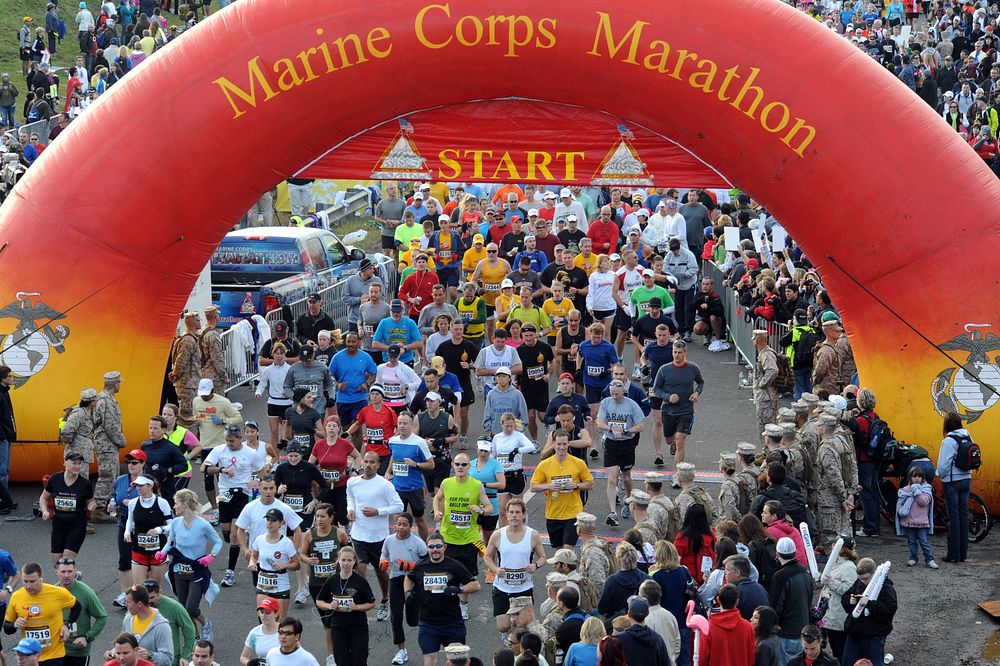
6. **The Pinnacle of Pavement: Exploring the World Marathon Majors**For elite athletes and dedicated amateur runners alike, certain marathons stand out as the ultimate tests, not just of physical prowess but of strategic planning and mental fortitude. These prestigious events collectively form the World Marathon Majors series, a group of races renowned for their history, their immense fields of participants, and the exceptional performances they consistently host. Winning or even just completing one of these races is a career highlight for many.
The World Marathon Majors currently includes a formidable lineup of seven iconic races: Berlin, Boston, Chicago, London, New York City, Tokyo, and Sydney. This series isn’t just about individual victories; it awards a substantial $500,000 annually to the best overall male and female performers, recognizing consistent excellence at the highest level of marathon running. These races are not only challenging but also deeply woven into the fabric of their respective cities, drawing massive crowds and creating unforgettable atmospheres.
Beyond the Majors, the running world is rich with other celebrated marathons. In 2006, the discerning editors of Runner’s World magazine recognized additional events, including Amsterdam, Honolulu, Paris, Rotterdam, and Stockholm, highlighting their quality and runner experience. Furthermore, significant marathons like the United States Marine Corps Marathon, Los Angeles, and Rome continue to draw thousands, each offering unique challenges and charms. Europe’s oldest annual marathon, the Košice Peace Marathon in Slovakia, held since 1924, and the Athens Classic Marathon, which traces the historic 1896 Olympic course, also stand as enduring testaments to the sport’s global appeal and rich heritage.
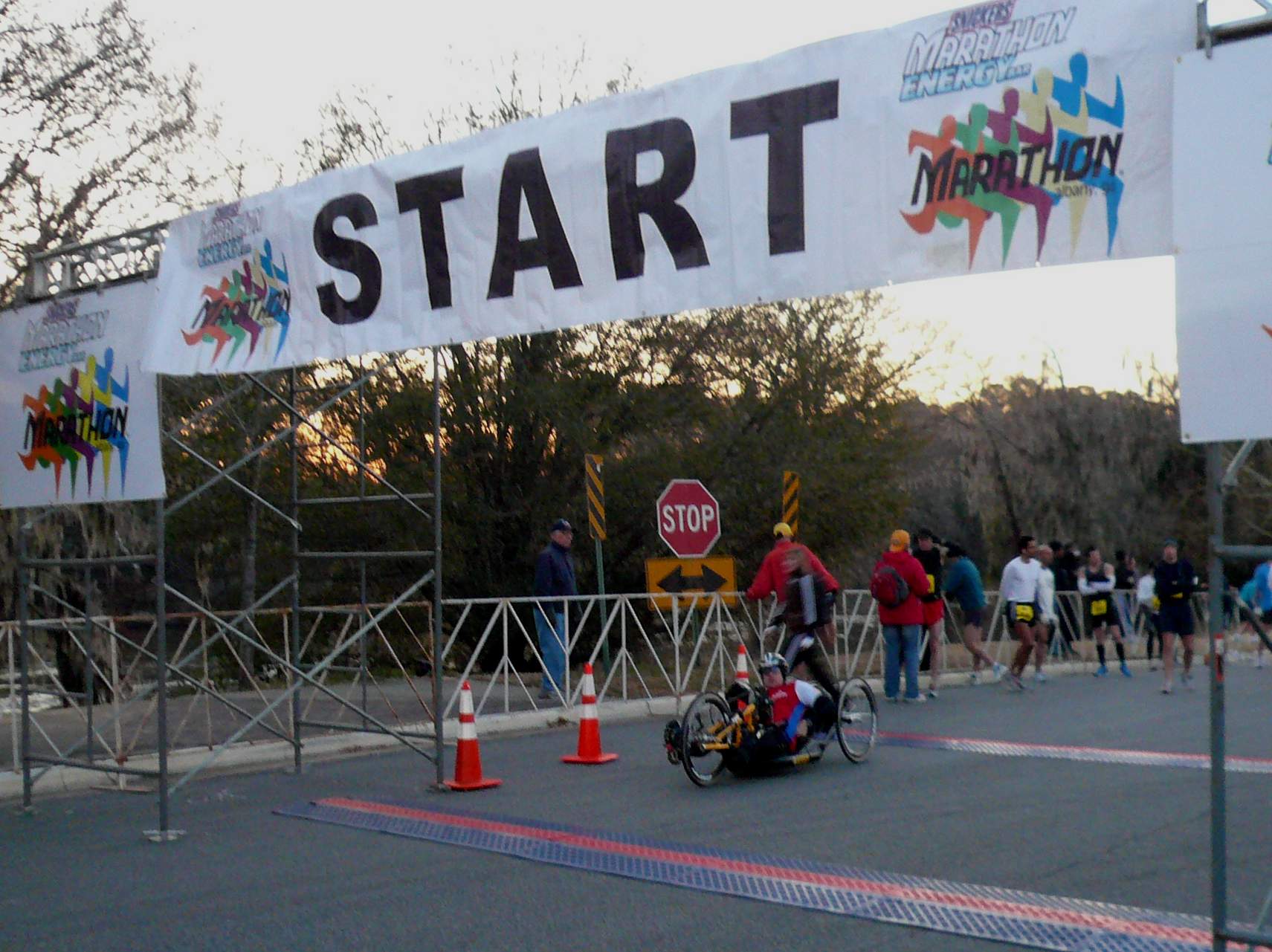
7. **Beyond the Road: Unconventional Marathon Adventures Across the Globe**While the traditional road race remains the most common format, the insatiable human desire for new challenges has propelled the marathon into some of the world’s most extreme and breathtaking environments. Runners are no longer content with just city streets; they crave adventures that test their limits against the backdrop of unparalleled natural beauty or unique logistical complexities. These unconventional marathons redefine the very essence of the long-distance foot race.
Using unofficial and temporary courses measured by GPS, these daring races now take participants to the furthest corners of the earth. Imagine running a marathon at the North Pole, traversing the icy landscapes of Antarctica, or enduring the scorching heat of desert terrain. These extreme conditions demand even greater preparation and resilience, transforming the race into an epic expedition. They prove that the marathon is adaptable to almost any environment, pushing the boundaries of human endurance.
Specific examples abound, showcasing incredible diversity. There’s the Great Wall Marathon, where runners conquer thousands of steps along one of humanity’s most magnificent structures. The Big Five Marathon in South Africa offers the thrilling experience of running among safari wildlife. For those seeking high-altitude challenges, the Great Tibetan Marathon immerses participants in an atmosphere of Tibetan Buddhism at an elevation of 3,500 meters (11,500 ft). The Polar Circle Marathon in Greenland takes place on a permanent ice cap, providing a truly unique icy expanse. Even more fascinating are marathons that defy geographical or political boundaries: the Istanbul Marathon uniquely spans two continents (Europe and Asia), the Detroit Free Press Marathon crosses the US/Canada border twice, and the Three Countries Marathon allows runners to traverse Germany, Switzerland, and Austria. Even indoor marathons are making their mark, with world records recently set in New York City on a 200-meter track, proving that the spirit of the marathon can thrive anywhere.” , “_words_section1”: “1945

8. **Breaking the Tape: The Relentless Pursuit of World Records**For many runners, the allure of the marathon lies in the pursuit of personal bests, but at the elite level, it’s a constant, breathtaking chase for new world records. It’s important to note that until January 1, 2004, the IAAF, now known as World Athletics, didn’t officially recognize world records for the marathon. Instead, the fastest times were celebrated as ‘world bests,’ a testament to the varying conditions and courses that make direct comparisons inherently challenging.
Today, for a record to be recognized, courses must meet stringent World Athletics standards. However, even with these rules, marathon routes still vary significantly in elevation, terrain, and surface. Typically, the most astonishing times are achieved on relatively flat courses near sea level, under optimal weather conditions, and with the invaluable assistance of pacesetters who help maintain an aggressive, consistent pace throughout the race.
In the men’s field, we’ve witnessed an incredible era of speed. The current world record stands at a blistering 2 hours and 35 seconds, a mark set by Kenya’s Kelvin Kiptum at the Chicago Marathon on October 8, 2023. This monumental achievement showcases the relentless progression of human endurance, pushing closer to what once seemed an impossible barrier. While not officially ratified due to event conditions, Eliud Kipchoge’s astounding sub-2-hour attempts at special events have further fueled the excitement and belief that even faster times are within reach.
On the women’s side, the records are falling with similar, awe-inspiring regularity. Kenya’s Ruth Chepng’etich etched her name in history at the Chicago Marathon on October 13, 2024, by setting a new world record of 2 hours, 9 minutes, and 56 seconds. This was a truly historic moment, as it marked the very first time a woman broke both the 2:11 and 2:10 barriers in the marathon, shattering Tigst Assefa’s previous record by nearly two minutes. These performances are not just numbers; they are powerful demonstrations of dedication, scientific training, and the sheer will to excel, inspiring legions of runners globally.
Beyond these overall world records, the Olympic and World Championship records also highlight peak performances on the grandest stages. Tamirat Tola of Ethiopia holds the men’s Olympic record with 2:06:26 from the 2024 Summer Olympics and the World Championship record with 2:05:36 from 2022. For women, Sifan Hassan of the Netherlands set the Olympic record at 2:22:55 in 2024, while Gotytom Gebreslase of Ethiopia holds the World Championship record with 2:18:11 from 2022. These achievements underscore the pinnacle of athletic excellence in marathon running.
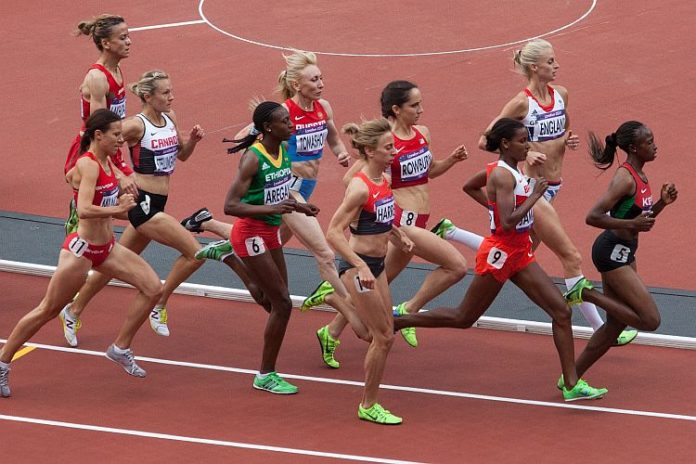
9. **Powering Through: The Wheelchair Marathon Phenomenon**The marathon is not exclusively a foot race; it’s a celebration of endurance that embraces athletes of all abilities. The inclusion of wheelchair divisions in major marathons has not only added another layer of competition and inspiration but has also pushed the boundaries of what’s considered possible over 42.195 kilometers. Typically, these formidable athletes begin their races earlier than their running counterparts, allowing them clear courses to showcase their incredible speed and skill.
The genesis of wheelchair marathoning can be traced back to 1974, with the first recorded wheelchair marathon taking place in Toledo, Ohio. This pioneering event was won by Bob Hall, who clocked an impressive time of 2 hours and 54 minutes. Hall continued to break barriers, competing in the 1975 Boston Marathon and finishing in 2 hours and 58 minutes. This monumental effort led to the historic introduction of official wheelchair divisions into the Boston Marathon, paving the way for countless athletes to follow.
The Boston Marathon quickly became a critical event for wheelchair racers, eventually being declared the US National Wheelchair Championship from 1977 onwards. It’s a testament to the dedication and skill of these athletes that events like Boston now award significant prize money, with $10,000 going to the winning push-rim athlete. Legendary figures have emerged from this division, including Ernst van Dyk, who has won the Boston Marathon wheelchair division an incredible ten times and holds the world record for the course at 1:18:27, set in 2004. Jean Driscoll is equally celebrated, with eight wins (seven consecutively) and a women’s world record of 1:34:22.
The journey for wheelchair athletes to gain full acceptance was not without its hurdles. The New York City Marathon, for instance, initially banned wheelchair entrants in 1977, citing safety concerns. However, through persistent advocacy and legal challenges, including a state Division of Human Rights order, Bob Hall was eventually allowed to compete. A subsequent ruling in 1979 mandated the New York City Marathon to permit wheelchair athletes, a decision upheld on appeal in 1980. While a New York Supreme Court ruling in 1981 temporarily reversed this, citing the marathon’s historical nature as a foot race, the tide eventually turned. By 1986, 14 wheelchair athletes were competing, and an official wheelchair division was proudly added to the marathon in 2000, ensuring that this incredible display of athleticism would be permanently recognized. Other swift performances include Thomas Geierpichler, who won gold in the men’s T52-class marathon in 1:49:07 in Beijing, and Heinz Frei, who won the men’s T54 marathon in a stunning 1:20:14 in Oita, Japan.
Read more about: Jane Fonda at 88: Unpacking a Transformative Legacy of Cinematic Brilliance, Fearless Activism, and Enduring Grace
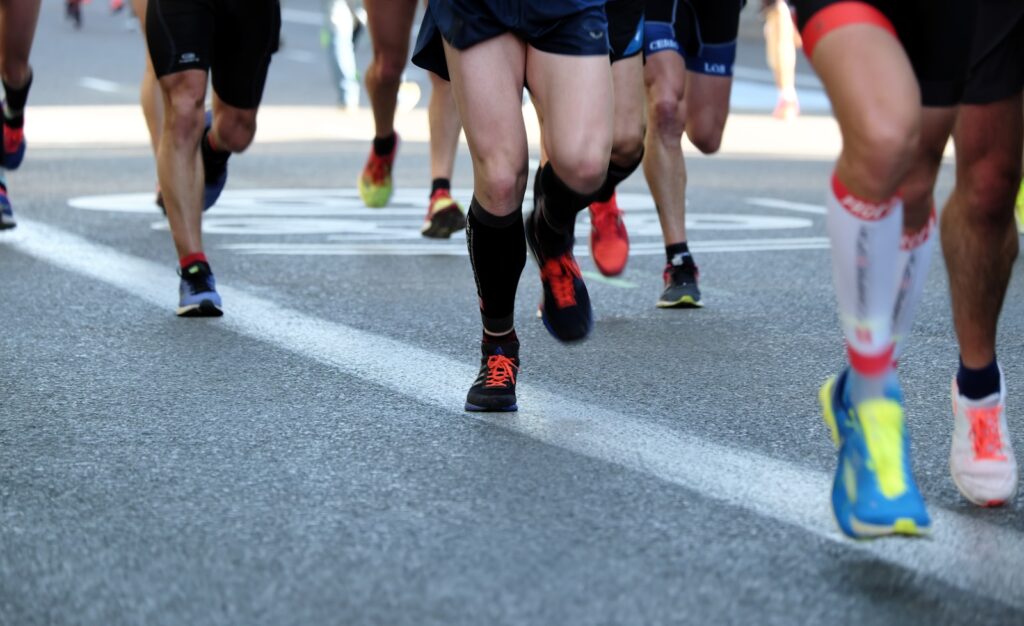
10. **Age is Just a Number: Inspiring Oldest Marathoners**The marathon is unique in its ability to captivate and challenge individuals across the entire lifespan, often proving that age is indeed nothing more than a number. The tales of older runners who continue to conquer 26.2 miles are particularly inspiring, showcasing incredible longevity, determination, and a vibrant commitment to an active lifestyle. These athletes redefine societal expectations about aging, proving that the pursuit of ambitious physical goals can endure well into one’s golden years.
One of the most remarkable figures in this category is Fauja Singh. At the astonishing age of 100, he crossed the finish line of the Toronto Waterfront Marathon in 8 hours, 11 minutes, and 5.9 seconds on October 16, 2011, making him, unofficially, the oldest marathoner in history. While his record wasn’t officially accepted by World Masters Athletics due to the inability to produce a birth certificate from his rural 1911 Colonial India birthplace, his achievement remains a powerful symbol of enduring human spirit and the joy of participation.
Another legend of marathon longevity is Johnny Kelley, a true icon of the Boston Marathon. Kelley, who famously won the Boston Marathon in both 1935 and 1945, ran his last full Boston Marathon at the documented age of 84 in 1992. His career was exceptional, with 61 starts and 58 finishes in Boston, a record that still stands today. From 1934 to 1950, he consistently placed in the top five fifteen times, often running in the 2:30s and securing a record seven second-place finishes. His commitment to the race spanned more than half a century, making him an enduring fixture and an emblem of marathon perseverance.
The women have also pushed these age boundaries with inspiring results. Gladys Burrill, a 92-year-old from Oregon and Hawaii, once held the Guinness World Records title for the oldest person to complete a marathon. She finished the 2010 Honolulu Marathon in 9 hours and 53 minutes. However, her record was later surpassed by Harriette Thompson of Charlotte, North Carolina. In 2015, at 92 years and 65 days old, Thompson completed the Rock ‘n’ Roll San Diego Marathon in a remarkable 7 hours, 24 minutes, and 36 seconds, becoming the oldest woman to officially complete a marathon.
These incredible stories are further amplified by runners like English-born Canadian Ed Whitlock, who demonstrated astonishing speed for his age. He became the oldest person to complete a marathon in under 3 hours at 74, and then again, remarkably, achieved a sub-4-hour marathon at the age of 85. These athletes serve as a powerful reminder that while speed might evolve with age, the capacity for achievement, the joy of the run, and the sheer will to finish remain vibrant and strong, inspiring runners of all generations to keep moving.

11. **Childhood Champions: The Youngest Marathoners**While the marathon is often associated with adult endurance, a select few young athletes have demonstrated astonishing precocity and physical prowess, conquering the demanding distance at an incredibly tender age. These stories, though sometimes controversial due to concerns about child welfare and long-term health, highlight the extraordinary talent and determination found even in childhood.
One of the most widely known cases is that of Budhia Singh, a boy from Odisha, India, who completed his first marathon at the remarkable age of five. His story captured global headlines, fueled by his coach, Biranchi Das, who identified his potential and began training him. Budhia’s ability to cover such distances generated both fascination and concern, sparking a worldwide debate about the ethics of child athletes in extreme sports.
In May 2006, the ministers of child welfare temporarily banned Budhia from running, citing fears that his life could be at risk due to the strenuous demands of marathon training and racing at such a young age. His coach, Biranchi Das, faced legal repercussions, being arrested for exploitation and cruelty to a child, and was later tragically murdered in an unrelated incident. Today, Budhia Singh resides in a state-run sports academy, his early marathon career a complex footnote in the history of the sport, raising important questions about safeguarding young talent.
Beyond Singh, other children have achieved impressive marathon times, although often under less publicized circumstances. The Association of Road Racing Statisticians meticulously tracks these records, noting achievements such as Mary Etta Boitano, who completed a marathon in under 4 hours at just 7 years and 284 days old. Julie Mullin holds the record for the youngest to finish a marathon in under 3 hours, achieving this at 10 years and 180 days. Even more remarkably, Carrie Garritson finished a marathon in under 2 hours and 50 minutes at the age of 11 years and 116 days. These young champions, whether their stories are celebrated or debated, certainly add a unique and compelling dimension to the enduring narrative of the marathon.
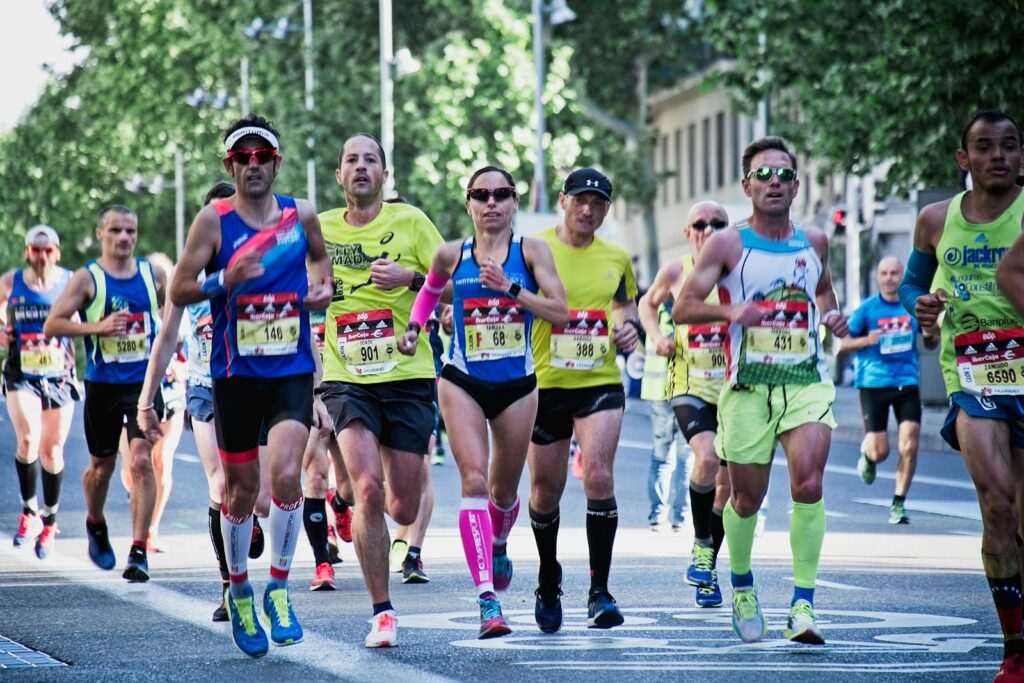
12. **The Global Running Tide: Surging Participation Worldwide**The marathon has truly evolved from a niche endurance event into a global phenomenon, captivating hundreds of thousands of participants each year. Its universal appeal lies in the profound personal challenge it offers, a journey of self-discovery and perseverance that transcends cultural and geographical boundaries. This widespread embrace has led to an explosion in participation numbers, transforming cities into vibrant running festivals every weekend.
Now, more than 800 marathons are organized worldwide annually, with the vast majority of competitors being recreational athletes. These races, particularly the larger marathons, can draw tens of thousands of participants, creating an electrifying atmosphere that unites runners from all walks of life. This staggering number of events underscores the deep integration of marathon running into global sports culture and a burgeoning interest in personal fitness and audacious challenges.
The United States has been a particularly fertile ground for this growth, experiencing what some have dubbed “marathon mania” for decades. The numbers paint a clear picture: from approximately 143,000 finishers in 1980, the estimated number of runners completing a marathon within the United States swelled to an impressive 550,600 in 2014. While there was a slight dip to 507,600 finishers in 2016, the trend of high participation continues, indicating a sustained and enthusiastic engagement with the sport across the nation.
This running boom is not exclusive to Western countries; it’s a truly global phenomenon. China, for instance, has witnessed an astounding surge in marathon running. In 2011, there were just 22 marathon races held across the country. By 2017, this number had skyrocketed to 400, reflecting a rapidly growing passion for the sport among Chinese citizens. The increasing global footprint is further evidenced by the Boston Marathon, where the number of Chinese participants jumped from 75 in 2015 to 278 in 2017. This expanding international interest highlights the marathon’s universal language of challenge and accomplishment, inviting everyone, everywhere, to lace up and experience its transformative power.
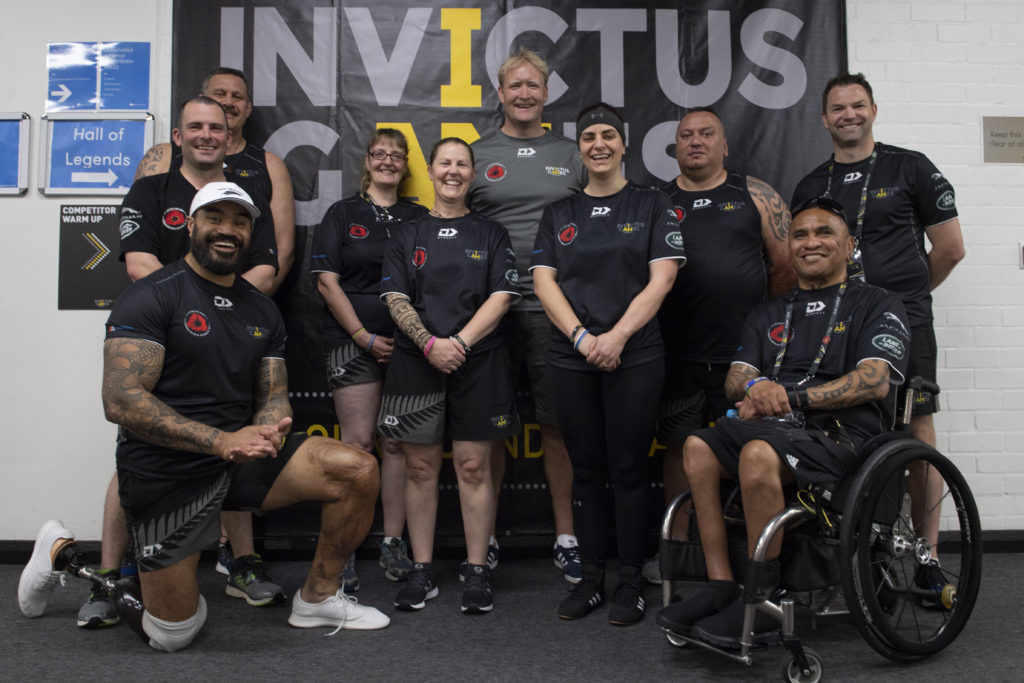
13. **The Century Club and Beyond: Masters of Multiple Marathons**For many marathoners, completing one race is a lifetime achievement, but for a dedicated few, the finish line of one event is merely a prelude to the next. The insatiable desire for continuous challenge has given rise to communities and individuals who dedicate themselves to running an astonishing number of marathons. These are the true masters of endurance, pushing the limits of consistency and resilience over decades.
The 100 Marathon Club, particularly active in the United Kingdom and Ireland, serves as a focal point for runners who have completed 100 or more races of marathon distance or longer. To qualify, at least ten of these events must be certified United Kingdom or Ireland Road Marathons, emphasizing a commitment to recognized, official events. This club celebrates the sheer volume of dedication and the incredible consistency required to accumulate such a high number of long-distance finishes.
Within this elite group, some individuals stand out for their truly staggering totals. Roger Biggs, for example, is noted for having completed over 700 marathons or ultras. Brian Mills reached his 800th marathon on September 17, 2011, showcasing an enduring passion for the sport. Steve Edwards, another prominent member of the 100 Marathon Club, set a unique world record by running 500 marathons with the fastest average finish time of 3 hours and 15 minutes, becoming the first man to complete 500 marathons with an official time below 3 hours and 30 minutes, an achievement that took 24 years to realize by 2012. These individuals embody a relentless, almost meditative, pursuit of the marathon distance.
Beyond accumulating sheer numbers, other ambitious runners set geographical goals. Over 350 individuals have successfully completed a marathon in each of the United States’ 50 states, plus Washington, D.C., a logistical and physical challenge in itself. Some, incredibly, have achieved this feat as many as eight times. Youthful trailblazers like Beverly Paquin and Morgan Cummings, both 22, became the youngest women to complete a marathon in all 50 states and D.C. in 2010. Chuck Bryant of Miami, Florida, made history in 2004 as the first amputee to finish this circuit, having completed a total of 59 marathons on his prosthesis, proving that physical limitations are not barriers to extraordinary achievement.
The pursuit of marathon ubiquity extends globally, with 27 people having completed a marathon on each of the seven continents, and 31 individuals conquering a marathon in each of the Canadian provinces. These global endeavors require immense planning, travel, and adaptability to diverse conditions, demonstrating that the human spirit’s desire for challenge knows no geographical bounds. Whether it’s chasing state lines or continental finishes, these runners exemplify an unparalleled dedication to the sport.

14. **Epic Journeys: Unforgettable Feats of Endurance**The marathon has long been a canvas for extraordinary feats of endurance, where human spirit triumphs over immense adversity and physical limits are pushed to their breaking point. These aren’t just races; they are epic journeys that capture the imagination and inspire millions to believe in the power of perseverance.
One of the most profound and moving examples is Terry Fox’s Marathon of Hope in 1980. After losing a leg to cancer, Fox embarked on a proposed cross-Canada cancer fundraising run with one artificial leg. He maintained an incredible average of over 37 kilometers (23 miles) for each of 143 consecutive days, covering a total of 5,373 kilometers (3,339 miles) before his journey was tragically cut short by the return of his cancer. His unwavering determination in the face of immense personal challenge created an enduring legacy of hope and inspired a nation to contribute to cancer research.
The human will to overcome even the most severe health setbacks is further highlighted by Sir Ranulph Fiennes, the British adventurer. In 2003, Fiennes completed seven marathons on seven continents in seven days, a truly astonishing feat made even more incredible by the fact that he had suffered a heart attack and undergone a double heart bypass operation just four months prior. His accomplishment stands as a powerful testament to the mind’s ability to drive the body through unimaginable hardship.
Fiennes’s remarkable achievement was later eclipsed by Irish ultramarathon runner Richard Donovan. In 2009, Donovan completed seven marathons on seven continents in under 132 hours, or five and a half days. Not content with that, he improved on his own record in 2012, completing the 7 on 7 in under 120 hours, or less than five days, a staggering display of rapid global endurance that redefines what’s possible in extreme multi-marathon challenges.
In the realm of personal triumph over illness, Patrick Finney of Grapevine, Texas, achieved a profoundly inspiring feat. On September 25, 2011, he became the first person with multiple sclerosis to finish a marathon in each state of the United States. His journey was nothing short of miraculous; in 2004, the disease had left him unable to walk. Through extensive rehabilitation therapy and new medications, Finney regained his ability to balance, walk, and eventually run, turning an impossible situation into an enduring legacy of resilience. These stories are a potent reminder that the marathon, at its heart, is about conquering personal obstacles and embracing the extraordinary within.
Read more about: From Haunting Epics to Surreal Journeys: Unpacking the Top 12 Greatest War Movies of All Time That Will Blow Your Mind
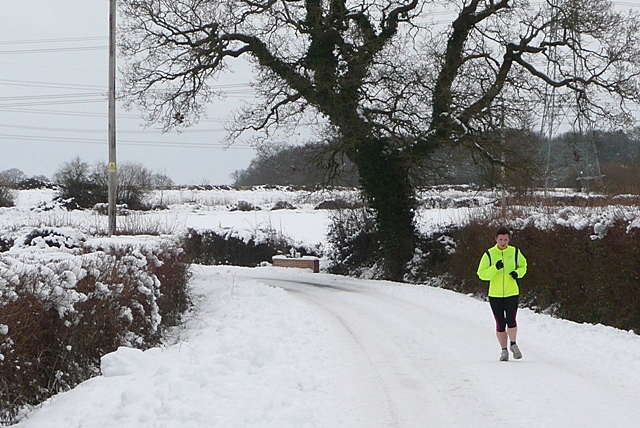
15. **The Unstoppable Spirit: Dedicated Streak Runners and High-Volume Achievers**Beyond individual races or challenges, an even more profound level of dedication exists among runners who commit to an almost unbelievable volume of marathons, often over decades, or even every single day. These high-volume achievers and streak runners embody an unstoppable spirit, transforming the marathon into a sustained way of life and pushing the boundaries of consistent endurance.
Larry Macon provides a stellar example of this relentless pursuit. On November 30, 2013, he set a Guinness World Record for Most Marathons Run in a Year by a Man, completing an astonishing 238 marathons. Earlier that same year, on February 24, 2013, Macon celebrated his 1,000th career marathon at the Cowtown Marathon in Fort Worth, a milestone that underscores a lifetime dedicated to the sport. His ability to consistently toe the line, week after week, is a source of immense inspiration within the running community.
This tradition of high-volume marathon running has deep roots. Sy Mah of Toledo, Ohio, was a pioneer in this field, having completed an impressive 524 marathons before his passing in 1988. Following in his footsteps, others have continued to push these astonishing totals. As of June 30, 2007, Horst Preisler of Germany had successfully completed 1,214 marathons plus 347 ultramarathons, accumulating a staggering total of 1,561 events at marathon distance or longer. Other notable names like Sigrid Eichner, Christian Hottas, and Hans-Joachim Meyer have all completed over 1,000 marathons each, with Norm Frank of the United States credited with 945.
Christian Hottas eventually became the first runner in history to complete 2,000 marathons, marking this incredible milestone at the TUI Marathon Hannover on May 5, 2013, surrounded by friends and fellow 100 Marathon Club members from across the globe. His dedication didn’t stop there; Hottas completed his 2,500th marathon on December 4, 2016, setting a benchmark for sustained, long-term marathon participation that is truly awe-inspiring. These figures highlight not just physical endurance, but immense mental fortitude and a deep love for the sport.
Even more challenging are the quests to run marathons for consecutive days. Stefaan Engels, a Belgian runner, embarked on a mission in 2010 to run a marathon every single day of the year. Despite a foot injury that temporarily halted his progress, he reset his counter and, by February 5, 2011, successfully ran 365 marathon distances in as many days, surpassing the previous record. Ricardo Abad Martínez from Spain followed suit, running 150 marathons in 150 consecutive days in 2009, and later extended this incredible streak to 500 marathons in a row from October 2010 to February 2012.
In a recent display of sheer grit and consistency, Belgian Hilde Dosogne, at 55 years old, set a new record for women by running a marathon every single day of 2024, completing her 366th and last marathon on December 31. This astonishing feat involved covering 15,445 kilometers, going through 22 pairs of shoes, and enduring 15 falls, yet her spirit remained unbroken. These dedicated streak runners demonstrate a level of commitment that transcends conventional athletic goals, embodying the ultimate, unstoppable spirit of the marathoner, proving that with enough heart and determination, the finish line is truly just the beginning.
From the storied battlefields of ancient Greece to the cutting-edge performances shattering records today, the marathon saga is a vibrant testament to human potential. It’s a journey not just of distance, but of discovery – proving time and again that the pursuit of greatness, the joy of achievement, and the raw power of the human spirit know no bounds, no age limits, and no finish lines truly. So, whether you’re embarking on your first 26.2-mile adventure or chasing a personal best well into your golden years, remember that every step is a chapter in your own incredible marathon story, waiting to be written with grit, determination, and an unwavering belief in what’s possible.