Muscle cars have always held a special place in the hearts of automotive enthusiasts, embodying an intoxicating blend of raw power, distinctive style, and an undeniable sense of freedom on the open road. Their very essence is tied to the promise of exhilarating performance, matched by an aesthetic that screams speed and dominance. We’ve seen countless examples of these American icons that truly delivered on every front, becoming legends for their breathtaking acceleration and commanding presence.
However, the automotive world, much like any other realm of design and engineering, isn’t without its paradoxes. While the allure of a muscle car often begins with its visual impact – the aggressive stance, the sculpted lines, the sheer audacity of its design – this visual prowess doesn’t always translate into a thrilling experience when you finally get behind the wheel. Sometimes, external factors like changing regulations, or internal decisions prioritizing comfort or efficiency, can unfortunately stifle the very performance that a muscle car’s looks so boldly declare.
It’s this fascinating disconnect that we aim to explore today. We’re delving into the intriguing stories of a dozen muscle cars that, by all visual measures, were absolute stunners, capturing the imagination and promising unbridled power. Yet, their on-road dynamics, handling characteristics, or raw engine output simply didn’t live up to the fierce images they projected. Join us as we shine a spotlight on these cars, appreciating their design triumphs while objectively analyzing where their driving experience veered off course from their formidable looks.
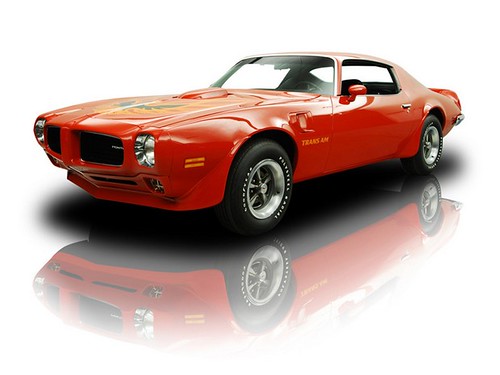
1. **Pontiac Firebird Trans Am**The Pontiac Firebird Trans Am, particularly those iconic models from the late 1970s, remains etched in automotive history for its undeniably aggressive design. With its sleek, low-slung profile, bold scoops, and, of course, the legendary “screaming chicken” decal emblazoned across its hood, it was a true head-turner. This car didn’t just look fast; it looked like it was ready to pounce, a visual statement of power and rebellion that perfectly captured the spirit of the era. It was a vehicle that commanded attention, whether sitting still or cruising down the boulevard, making it an automotive icon for its sheer aesthetic impact.
Despite its eye-catching appearance and the performance pedigree implied by the Trans Am name, the driving reality was often a different story. The engine’s power output was significantly hindered by the increasingly stringent emission regulations of the time, which effectively strangled its potential. While equipped with formidable V8 engines on paper, the real-world performance numbers, particularly in terms of raw horsepower, often disappointed enthusiasts who expected a beast to match the car’s aggressive visage.
This regulatory squeeze resulted in a vehicle whose handling and acceleration were, frankly, lackluster when compared to its muscle car rivals from earlier, less restricted years. The Trans Am became more of a showpiece, a car whose primary appeal rested in its visual drama rather than its outright dynamic capabilities. It was a machine built for cruising and turning heads, but when pushed, it struggled to deliver the visceral thrills that its fierce looks so emphatically promised, creating a noticeable gap between perception and reality.
For many, the original driving dynamics simply didn’t align with the car’s fierce and predatory looks. While it remains a beloved classic today, cherished for its unique styling and cultural significance, its true performance potential was often unlocked only through subsequent aftermarket modifications. These modifications allowed the Firebird Trans Am to finally live up to the aesthetic potential it always displayed, transforming it from a mere showpiece into a road warrior that could genuinely back up its bold exterior.
Car Model Information: 2025 Honda Civic Sport
Name: Pontiac Firebird
Caption: The second, third, and fourth generations of,the Pontiac Firebird Trans Am
Manufacturer: Pontiac (automobile)
Production: February 23, 1967 – August 30, 2002
ModelYears: 1967 – 2002
Class: Pony car,Muscle car
Platform: GM F platform
Related: Chevrolet Camaro
Layout: Front engine, rear-wheel-drive layout
Categories: 1970s cars, 1980s cars, 1990s cars, 2000s cars, All articles with dead external links
Summary: The Pontiac Firebird is an American automobile built and produced by Pontiac from the 1967 to 2002 model years. Designed as a pony car to compete with the Ford Mustang, it was introduced on February 23, 1967, five months after GM’s Chevrolet division’s platform-sharing Camaro. This also coincided with the release of the 1967 Mercury Cougar, Ford’s upscale, platform-sharing version of the Mustang.
The name “Firebird” was also previously used by GM for the General Motors Firebird series of concept cars in the 1950s.
Get more information about: Pontiac Firebird
Buying a high-performing used car >>>
Brand: Pontiac Model: Firebird Trans Am
Price: $26,881 Mileage: 1,226 mi.
Read more about: Unsung Powerhouses: The Ford Engines That Quietly Redefined Performance and Stole the Mustang’s Thunder
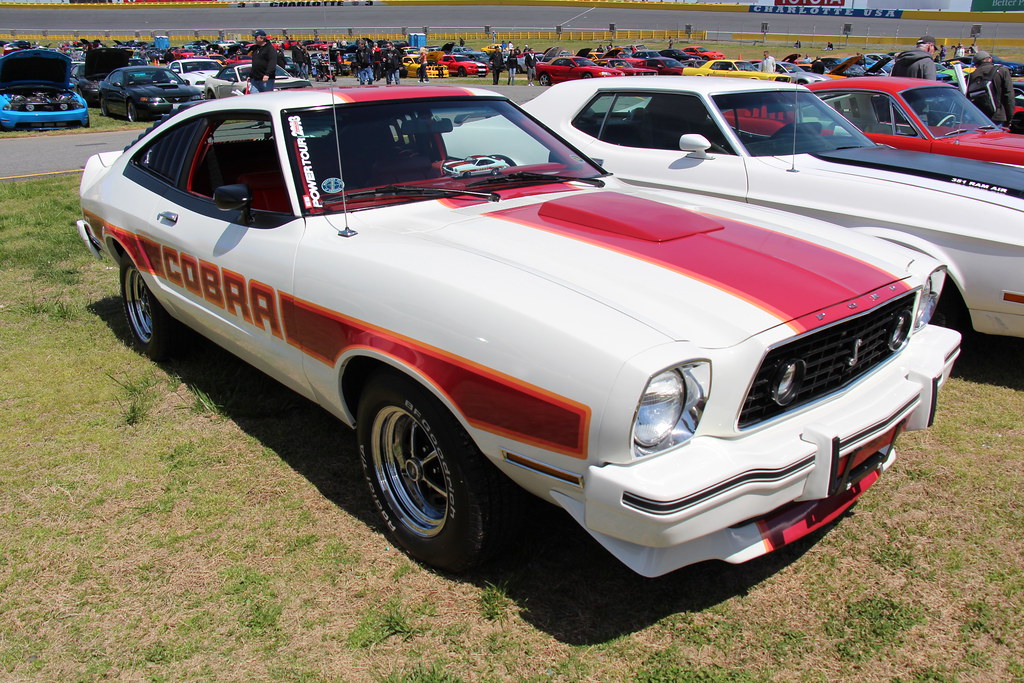
2. **Ford Mustang II**The introduction of the Ford Mustang II in 1974 marked a significant and somewhat controversial departure from the established muscle car formula that had made the original Mustang a household name. Visually, it was a downsized attempt to retain the spirit of its predecessors, with a more compact footprint that tried to capture a sporty essence. While it aimed to evoke the iconic lines of the first-generation Mustang, its design language was heavily influenced by the necessity of the era, which unfortunately led to a car that looked sporty but ultimately felt somewhat diluted compared to its celebrated lineage.
Underpinning this visual shift was a pragmatic response to the global oil crisis, which necessitated a focus on fuel efficiency and compactness. This meant the Mustang II was inherently underpowered, a stark contrast to the thundering V8s that defined earlier Mustangs. Even the V8 engine option, which offered a glimmer of hope for some semblance of power, was a far cry from the raw, unadulterated grunt that characterized the Mustang’s former glory. It struggled to provide the kind of thrilling acceleration and robust performance expected of a car bearing the Mustang badge.
The focus on practicality, fuel economy, and a smaller overall package resulted in a car that, despite its attempts at a sporty facade, ultimately drove more like a commuter vehicle than a genuine muscle car. The chassis and suspension were tuned for comfort and economy, not for aggressive cornering or high-speed stability. This fundamental shift in priorities meant that while the Mustang II looked like it belonged to a proud performance heritage, its actual driving experience often left enthusiasts yearning for the power and dynamism of its forebears.
This iteration of the Mustang became a prime example of a car designed for a challenging market, making compromises that impacted its driving character profoundly. It was a car born of necessity rather than pure performance ambition, and while it served its purpose in its time, it cemented its place on this list as a muscle car that visually promised more excitement than it could truly deliver on the road. The disconnect between its heritage-inspired looks and its modest performance was, for many, a bitter pill to swallow.
Car Model Information: 2025 Honda Civic Sport
Name: Second generation
Caption: Ford Mustang II coupe
Aka: Ford Mustang II , Ford T5 (in Germany)
Class: Pony car,Subcompact car
Production: 1973–1978
ModelYears: 1974–1978
Predecessor: Ford Mustang (first generation)
Successor: Ford Mustang (third generation)
Assembly: Unbulleted list
Layout: Front-engine, rear-wheel-drive layout
BodyStyle: coupé,hatchback
Related: Ford Pinto,Ford Pinto
Manufacturer: Ford Motor Company
Engine: ubl
Transmission: ubl
Wheelbase: cvt
Length: cvt
Width: cvt
Height: cvt
Designer: Buck Mook, Dick Nesbitt
Categories: All articles with dead external links, All articles with unsourced statements, Articles with dead external links from April 2024, Articles with permanently dead external links, Articles with short description
Summary: The second-generation Ford Mustang, marketed as the Ford Mustang II, is a two- or three-door, four-passenger, front-engine/rear-drive pony car manufactured and marketed by Ford from 1973 until 1978. Introduced in September 1973 for the 1974 model year, the Mustang II arrived roughly coincident with the oil embargo of 1973 and subsequent fuel shortages. Developed under Lee Iacocca, it was an “entirely new kind of pony car.” Ford “decided to call it Mustang II, since it was a new type of pony car designed for an era of high gas prices and fuel shortages.”
The Mustang II was 490 lb (222 kg) lighter and almost 19 in (483 mm) shorter than the 1973 Mustang, and derived from the subcompact Pinto platform. While sharing a limited number of driveline components with the Pinto, the Mustang II employed an exclusive subframe, isolating its front suspension and engine mount subframe. The steering used a rack-and-pinion design.
Named Motor Trend’s 1974 Car of the Year and reaching over 1.1 million sales over four years of production, the Mustang II is noted simultaneously for both its marketing prescience and strong sales – while criticized as having abandoned essential aspects of the Mustang heritage and described, in a retrospective after 40 years since its introduction, as embodying the Malaise era.
Get more information about: Ford Mustang (second generation)
Buying a high-performing used car >>>
Brand: Ford Model: Mustang II
Price: $26,881 Mileage: 1,226 mi.
Read more about: MotorTrend’s 2025 Warning: Don’t Trust These 11 Classic Car Prices Anymore
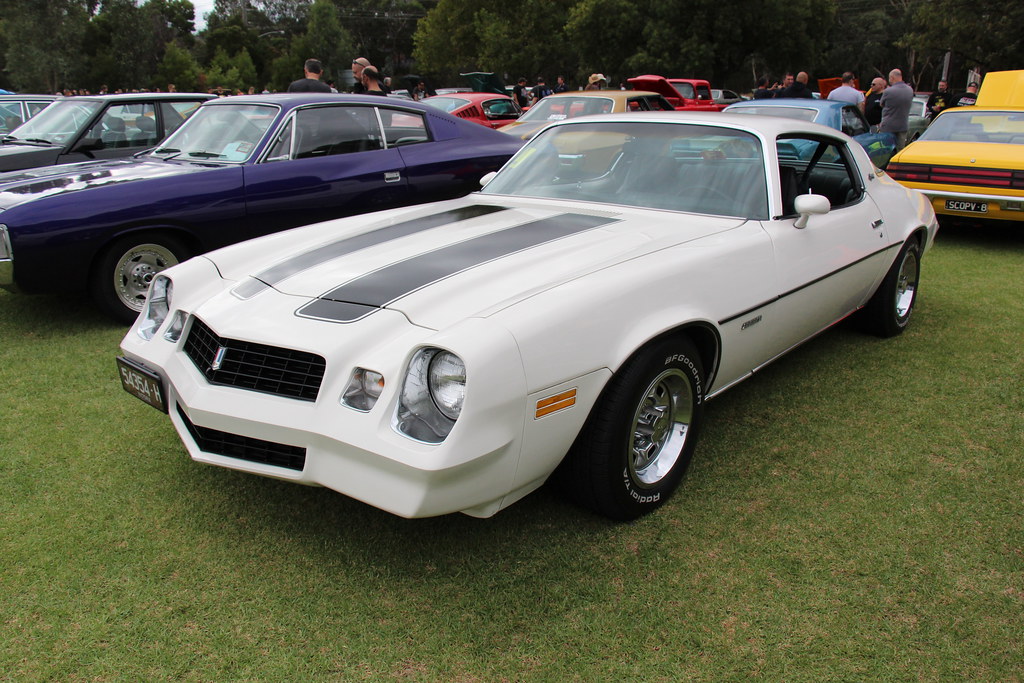
3. **Chevrolet Camaro Berlinetta**The Chevrolet Camaro Berlinetta, particularly models from the early 1980s, represented a distinct effort by GM to infuse the aggressive Camaro platform with a touch of luxury and refinement. Its sleek lines, often adorned with distinctive paint schemes and premium trim, presented a stylish and sophisticated take on the muscle car aesthetic. The interior was a significant upgrade, offering more plush materials and enhanced comfort features, all aimed at attracting a more upscale audience seeking a blend of performance looks with grand touring amenities. It looked like a poised and elegant machine, hinting at comfortable, yet swift, journeys.
However, beneath this veneer of sophistication and style, the driving experience of the Berlinetta was notably compromised. The focus on comfort and luxury unfortunately came at the expense of raw power and agile handling. Engine choices, while adequate for daily driving, often lacked the spirited output expected from a vehicle that still carried the muscle car torch. This prioritization meant that the Berlinetta felt sluggish and less responsive than its more performance-oriented Camaro siblings, particularly when it came to rapid acceleration or dynamic maneuvers.
The suspension and chassis tuning of the Berlinetta were geared towards a smooth and compliant ride, favoring comfort over sharp, exhilarating handling. This made it an attractive cruiser, perfectly suited for long highway drives where its luxurious appointments could be appreciated. However, when pushed through corners or expected to deliver the kind of engaging driving experience that the Camaro name implied, its handling proved to be less precise and more wallowing, failing to inspire the confidence of a true sports car.
Ultimately, the Chevrolet Camaro Berlinetta was a fascinating experiment in trying to blend two often-disparate automotive philosophies. While it succeeded in creating an attractive and comfortable cruiser that appealed to a specific market segment, it fell short of delivering the kind of thrilling, performance-oriented driving experience that many muscle car enthusiasts craved. Its compelling looks suggested a sporty, luxurious beast, but the reality was a more sedate, comfortable ride, solidifying its place among those cars that looked better than they drove.
Car Model Information: 2025 Honda Civic Sport
Name: Chevrolet Camaro (third generation)
Manufacturer: Chevrolet
Production: October 12, 1981 – August 27, 1992
ModelYears: 1982–1992
Assembly: Van Nuys Assembly,Norwood Assembly
Designer: Jerry Palmer
Class: Pony car,Muscle car
BodyStyle: liftback,convertible (car)
Platform: GM F platform
Related: Pontiac Firebird (third generation)
Layout: FR layout
Engine: {{convert,151,cid,L,1,abbr=on,Iron Duke engine,Inline-four engine
Abbr: on
Transmission: Manual transmission,Manual transmission,Automatic transmission,Automatic transmission
Wheelbase: 2565 mm
Length: 4877 mm
Width: 1850 mm
Height: 1275 mm
Weight: convert
Predecessor: Chevrolet Camaro (second generation)
Successor: Chevrolet Camaro (fourth generation)
Caption: Chevrolet Camaro IROC-Z
Categories: 1990s cars, All articles needing additional references, Articles needing additional references from February 2014, Articles needing additional references from November 2009, Articles with short description
Summary: The third-generation Chevrolet Camaro is an American pony car which was introduced for the 1982 model year by Chevrolet. It continued to use General Motors’ F-body platform and produced a “20th Anniversary Commemorative Edition” for 1987 and “25th Anniversary Heritage Edition” for 1992. These were also the first Camaros with factory fuel injection, four-speed automatic transmissions, five-speed manual transmissions, four-cylinder engines, 16-inch wheels, and hatchback bodies. For 1987 a convertible Camaro was reintroduced, converted by ASC in relatively small numbers. The third-generation Camaro continued through the 1992 model year.
Get more information about: Chevrolet Camaro (third generation)
Buying a high-performing used car >>>
Brand: Chevrolet Model: Camaro Berlinetta
Price: $26,881 Mileage: 1,226 mi.
Read more about: Driving Flashy Sports Cars: The Investment Playbook Financial Advisors See in 10 Top Models for 2025
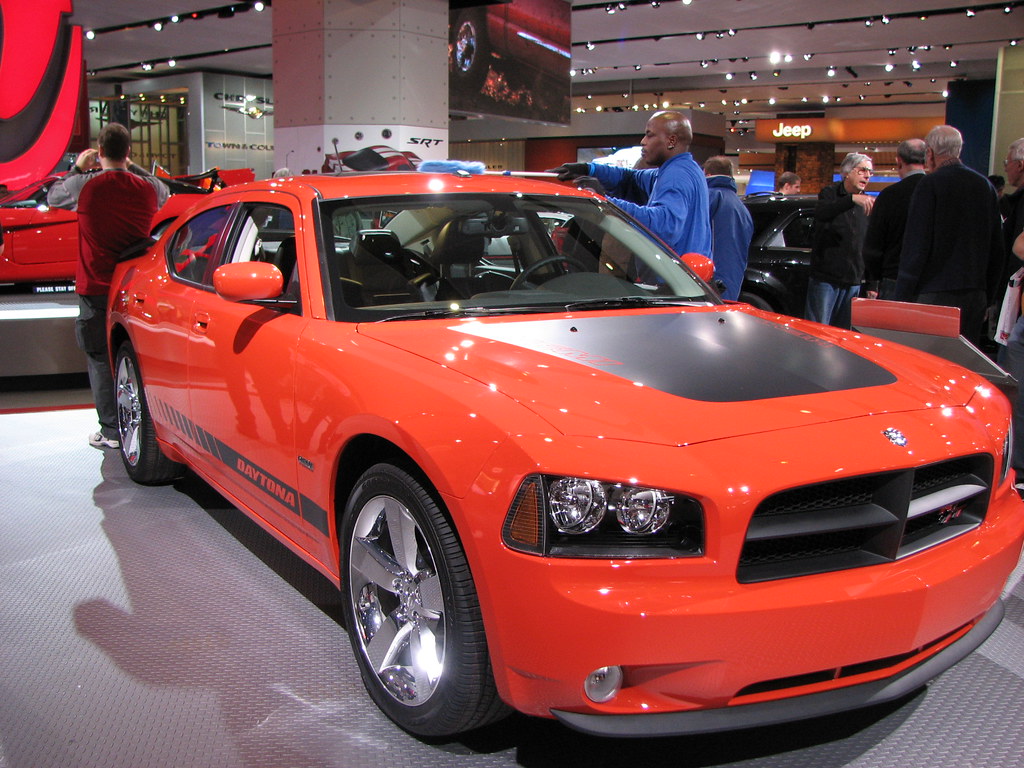
4. **Dodge Charger Daytona**The 1969 Dodge Charger Daytona is undeniably one of the most visually dramatic and instantly recognizable muscle cars ever produced, a true spectacle of aerodynamic intent. Its aggressive, elongated aerodynamic nose cone and towering rear wing weren’t just for show; they screamed purpose-built performance, designed specifically for NASCAR dominance. The car’s entire silhouette communicated a singular focus on speed and cutting through the air, giving it an undeniable presence that turned heads and instilled a sense of awe. It looked like a rocket on wheels, a machine born for the racetrack.
Despite its race-bred appearance and the powerful engines lurking under its hood, the street version of the Dodge Charger Daytona didn’t quite deliver the same level of excitement or practicality for everyday drivers. While its aerodynamic features were crucial for high-speed stability on the oval, they made the car a cumbersome and challenging proposition for regular road use. The massive rear wing, while effective at downforce, severely limited rear visibility, turning simple maneuvers into an exercise in guesswork.
The bulky design, a necessity for its high-speed mission, contributed to a somewhat unwieldy driving experience away from the wide-open spaces of a racetrack. While its formidable engine, typically a Hemi or a 440 Magnum, provided immense power, the sheer size and weight of the vehicle, combined with its specialized aerodynamic appendages, meant that the overall driving experience was not as nimble or exhilarating as its race-inspired looks might have suggested. It felt more like driving a land yacht with a jet engine than a precise performance machine.
The Daytona was a car of extremes, a homologation special built to win races, and in that regard, it was a resounding success. However, its translation to a road-going vehicle revealed a significant disparity between its radical, performance-oriented aesthetics and its real-world drivability for the average enthusiast. It was a visually stunning piece of engineering that prioritized a very specific type of performance, inadvertently sacrificing the more generalized driving thrill that muscle car buyers often sought, making it a powerful statement that was often more impressive to look at than to truly drive on public roads.
Car Model Information: 2025 Honda Civic Sport
Name: Dodge Charger Daytona
Caption: 1969 Dodge Charger Daytona
Manufacturer: Dodge
Production: 1969–1970,2006–2009,2013,2017–2023
Class: Muscle car
Layout: FR layout
Categories: 1960s cars, 1970s cars, 2000s cars, All articles needing additional references, All articles with unsourced statements
Summary: Dodge produced three separate models with the name Dodge Charger Daytona, all of which were modified Dodge Chargers. The name was taken from Daytona Beach, Florida, which was an early center for auto racing and still hosts the Daytona 500, NASCAR’s premier event. The original Dodge Charger Daytona was designed to beat the competition in NASCAR racing. It was the first NASCAR vehicle to reach 200 miles per hour, which was a major milestone at the time.
Get more information about: Dodge Charger Daytona
Buying a high-performing used car >>>
Brand: Dodge Model: Charger Daytona
Price: $26,881 Mileage: 1,226 mi.
Read more about: Beyond the Explosions: Unpacking the High-Stakes World of Fast X – From Production Battles to Box Office Triumphs
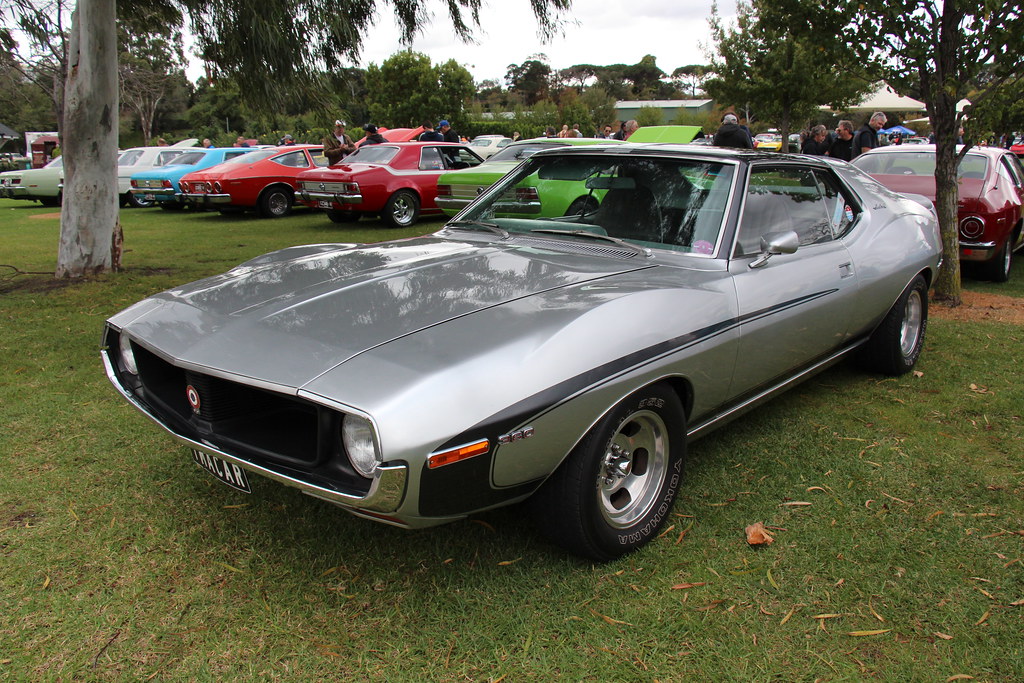
5. **AMC Javelin**The AMC Javelin, particularly the models from the early 1970s, undeniably sported a bold and distinctive design that allowed it to stand out amidst a crowded field of muscle cars. With its unique curves, long hood, short deck, and aggressive stance, the Javelin was visually striking and possessed a character all its own. It didn’t mimic its competitors; instead, it carved out its own aesthetic niche, radiating a sense of confident individuality. This visual audacity made it a memorable entry in the muscle car pantheon, captivating onlookers with its unconventional yet compelling appearance.
However, while the Javelin presented a strong visual statement, it often struggled to compete with the sheer performance prowess of its “Big Three” competitors from Ford, General Motors, and Chrysler. Despite offering a respectable range of V8 engines, these powerplants, while capable, often didn’t quite match the raw, explosive power or the finely tuned performance found in the top-tier offerings of its rivals. The Javelin’s performance, while decent, lacked that extra edge that truly defined a high-tier muscle car, leaving some enthusiasts wanting more.
Beyond the engine, the Javelin’s handling characteristics and overall build quality often left much to be desired when compared to the best in its class. The suspension tuning, steering response, and general refinement of the chassis didn’t quite deliver the precise, engaging driving experience that its aggressive exterior implied. This meant that while the Javelin looked every bit the part of a fierce contender, the actual feel behind the wheel could be less inspiring, highlighting a noticeable gap between its visual promise and its dynamic execution.
The car’s potential was never fully realized as a dominant performance machine, ultimately positioning it more as a visual statement within the muscle car segment. While it captivated with its distinctive aesthetics and unique brand identity, the Javelin’s inability to consistently deliver a compelling, top-tier driving experience meant that its visual impact often overshadowed its on-road capabilities. It was a bold attempt by AMC to enter the muscle car fray, and while its looks were a success, its driving dynamics made it a car that looked better than it truly drove.
Read more about: Unsung Powerhouses: The Ford Engines That Quietly Redefined Performance and Stole the Mustang’s Thunder
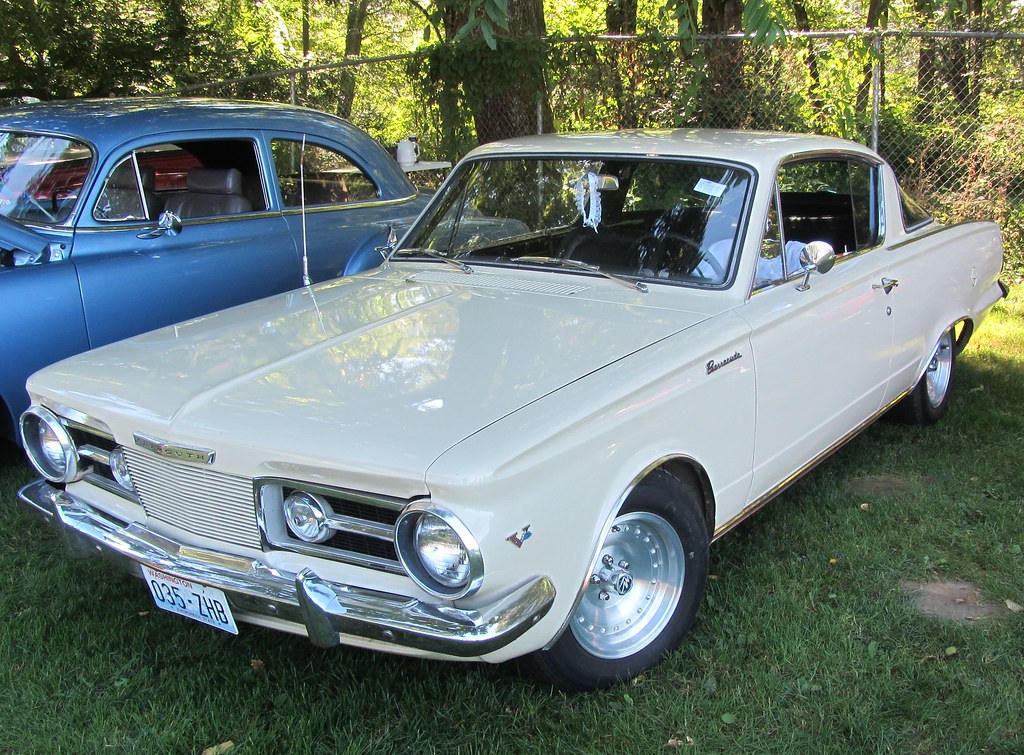
6. **Plymouth Barracuda**The Plymouth Barracuda, particularly the third-generation models produced from 1970 to 1974, stands as an undisputed icon of muscle car design. Its aggressive front end, characterized by a wide grille and piercing headlights, combined with its beautifully shapely body and distinctive ‘Cuda badging, perfectly captured the raw, untamed spirit of the era. It exuded an aura of potent performance and style, making it one of the most desirable and visually striking vehicles of its time. The car’s aesthetic was a masterclass in projecting power and speed, a true embodiment of muscle car glory.
Unfortunately, the Barracuda’s performance was often inconsistent, creating a notable disparity between its formidable looks and its actual on-road capabilities. While the platform was capable of housing legendary engines, many of the more common production models were hampered by less potent engine options. These more accessible powerplants often lacked the sheer horsepower and torque needed to truly match the car’s aggressive styling, leading to a driving experience that could feel surprisingly sedate for a vehicle that looked so inherently fast.
Beyond the engine bay, some Barracuda models also suffered from handling issues that further contributed to this performance inconsistency. While certain high-performance versions, such as the mythical ‘Cuda with the 426 Hemi engine, were indeed impressive machines that delivered breathtaking power and respectable dynamics, these were rare and specialized variants. The broader range of Barracuda models often struggled with the kind of precise handling and balanced ride that would truly complement their sporty looks.
This discrepancy in performance across its model range ultimately made the Barracuda a mixed bag in terms of driving experience. While its iconic design guaranteed its place in automotive history and captivated generations of enthusiasts, the actual thrill behind the wheel varied wildly depending on the specific engine and trim level. For many, the visual promise of untamed muscle car power was not always fully realized in its common iterations, making it a quintessential example of a car that often looked far more capable than it proved to be on the road, leaving a lingering sense of unfulfilled potential for some variants.” , “_words_section1”: “1948
Continuing our exploration of these fascinating contradictions in automotive history, we turn our attention to another half-dozen muscle cars that, despite their undeniable visual appeal, didn’t quite deliver the exhilarating driving experience their formidable looks promised. This journey through automotive design and engineering reminds us that while aesthetic impact is crucial, the true essence of a performance car lies in its harmonious blend of form and function.
Car Model Information: 1971 Plymouth Barracuda
Caption: 1970 Hardtop Coupe
Name: Plymouth Barracuda
Manufacturer: Plymouth (automobile)
Production: 1964–1974
Assembly: Fenton, Missouri,Hamtramck, Michigan,Maywood, California,Windsor, Ontario
Layout: Front-engine, rear-wheel drive layout
Class: Pony car
Categories: 1970s cars, All articles with dead external links, All articles with unsourced statements, Articles with dead external links from February 2018, Articles with dead external links from January 2022
Summary: The Plymouth Barracuda is a two-door pony car that was manufactured by Chrysler Corporation from 1964 through 1974 model years.
The first-generation Barracuda was based on the Chrysler A-body and was offered from 1964 until 1966. A two-door hardtop (no B-pillar) fastback design, it shared a great majority of parts and bodywork with the Plymouth Valiant, except for the distinctive wraparound rear glass.
The second-generation Barracuda, though still Valiant-based, was heavily redesigned. Built from 1967 through 1969, it was available as a two-door in fastback, notchback, and convertible versions.
The third generation, offered from 1970 until 1974, was based on the Chrysler E-body, exclusive to it, and the slightly larger Dodge Challenger. A completely new design, the two-door Barracuda was available in hardtop and convertible body styles.
Get more information about: Plymouth Barracuda
Buying a high-performing used car >>>
Brand: Plymouth Model: Barracuda
Price: $44,999 Mileage: 12,468 mi.
Read more about: Unsung Powerhouses: The Ford Engines That Quietly Redefined Performance and Stole the Mustang’s Thunder

7. **Mercury Cougar XR-7**Mercury’s Cougar XR-7, particularly the models from the late 1960s and early 1970s, was conceived with a clear aim: to combine the assertive styling of a muscle car with a heightened sense of luxury and refinement. Its sleek exterior lines, often accompanied by a more sophisticated grille and elegant badging, hinted at both performance and prestige. Inside, the XR-7 truly distinguished itself with plush interiors, richer materials, and an array of comfort-oriented features, appealing directly to those who desired a muscle car’s presence but also craved a more upscale, comfortable cabin experience. It was a vehicle that looked ready for both a spirited drive and a sophisticated night out.
However, this deliberate lean towards luxury and comfort unfortunately came at a tangible cost to its dynamic capabilities. The Cougar’s heavier curb weight, a direct consequence of its more substantial interior appointments and sound deadening, made it less agile and responsive than its more performance-focused rivals. While equipped with respectable V8 engines, the overall driving sensation was often dulled by this added mass, making it feel less eager to accelerate or engage in spirited maneuvers, a stark contrast to the lively impression its external design conveyed.
The chassis and suspension tuning of the XR-7 further reinforced this comfort-first philosophy. It delivered a remarkably smooth and quiet ride, perfectly suited for long-distance cruising, but it lacked the sharp, communicative handling that performance enthusiasts sought. Cornering often felt more ponderous than precise, and the car’s overall dynamic character was one of stately progress rather than raw, unadulterated excitement. It simply didn’t inspire the same confidence or visceral thrill that true muscle car driving demanded, despite its powerful stance.
Ultimately, the Mercury Cougar XR-7 was a masterclass in styling and interior appointments, successfully carving out a niche for the discerning driver who wanted a muscle car with a touch of elegance. Yet, its priorities meant that the raw, unbridled driving thrills associated with the muscle car genre often took a backseat. It was a car that looked undeniably fast and luxurious, but its actual on-road performance and handling characteristics placed it firmly in the category of vehicles that promised more excitement with their looks than they consistently delivered behind the wheel.
Car Model Information: 1995 Mercury Cougar XR7
Name: Mercury Cougar
Caption: 1969 Mercury Cougar (first generation)
Manufacturer: Mercury (automobile)
Layout: Front-engine, rear-wheel-drive layout
ModelYears: 1967–1997,1999–2002
Class: Pony car,Personal luxury car,Mid-size car,Sport compact
Categories: 1960s cars, 1970s cars, 1980s cars, 1990s cars, 2000s cars
Summary: The Mercury Cougar is a series of automobiles that was sold by Mercury from 1967 to 2002. The model line is a diverse series of vehicles; though the Cougar nameplate is most commonly associated with two-door coupes, at various stages in its production, the model also was offered as a convertible and a hatchback. During its production as the mid-size Mercury line, the Cougar was also offered as a four-door sedan and five-door station wagon.
In production for 34 years across eight generations (skipping the 1998 model year), the Cougar is second only to the Grand Marquis (36 years) in the Mercury line for production longevity. 2,972,784 examples were produced, making it the highest-selling Mercury vehicle. During the 1970s and 1980s, the marketing of the Mercury division was closely associated with the Cougar, with promotional materials advertising Mercury dealers as “The Sign of the Cat” with big cats atop Lincoln-Mercury dealer signs. Cat-related nameplates were adopted by other Mercury lines, including the Bobcat and Lynx.
During its production, the Cougar was assembled at the Dearborn Assembly Plant (part of the Ford River Rouge Complex) in Dearborn, Michigan from 1967 until 1973, San Jose Assembly (Milpitas, California) from 1968 into early 1969, Lorain Assembly (Lorain, Ohio) from 1974 until 1997, and at Flat Rock Assembly (Flat Rock, Michigan) from 1999 through 2002.
Get more information about: Mercury Cougar
Buying a high-performing used car >>>
Brand: Mercury Model: Cougar
Price: $10,995 Mileage: 37,589 mi.
Read more about: Beyond the Quarter Mile: 12 American Muscle Cars That Defy Age and Mileage, Proven to Endure Over 210,000 Miles

8. **Buick Reatta**The Buick Reatta, launched in 1988, represented a significant and bold departure from traditional muscle car design, signaling Buick’s ambition to create a distinctive two-seater luxury sports coupe. Its appearance was remarkably modern for its time, with sleek, clean lines, a low-slung profile, and a sophisticated, almost European-inspired aesthetic. Marketed as an exclusive personal luxury vehicle, the Reatta exuded an air of understated elegance and technological advancement. It undeniably looked the part of a refined, capable touring machine, promising a driving experience commensurate with its forward-thinking design.
Beneath its appealing exterior, however, the Reatta’s powertrain often left performance enthusiasts wanting more. It was equipped with Buick’s 3.8-liter V6 engine, which, while reliable and smooth, delivered an adequate but hardly thrilling power output for a car that looked so sporty. This engine was designed more for refined cruising and fuel efficiency than for blistering acceleration or high-octane performance. The absence of a V8 option or a more potent V6 meant that the car, despite its visual cues, didn’t pack the visceral punch many drivers associated with even a luxury-oriented performance coupe.
Further influencing the Reatta’s driving character was its strong emphasis on comfort and advanced technology. The interior featured a pioneering touchscreen interface, a testament to Buick’s innovative spirit, but the car’s dynamic tuning prioritized a plush, isolated ride over sharp, engaging handling. Its suspension soaked up road imperfections with ease, making for a serene cabin experience, yet it lacked the precise steering feel and taut body control that would translate its sleek looks into a truly spirited drive. The focus was clearly on refinement and ease of use, not raw dynamic prowess.
In essence, the Buick Reatta was a fascinating blend of luxury, advanced technology, and distinctive styling, successfully offering a refined and comfortable driving experience for its target audience. However, for those expecting a genuinely thrilling or performance-oriented ride to match its sleek, modern aesthetic, the Reatta often fell short. It stands as a testament to a car designed to look like a luxurious sports coupe, yet whose actual driving dynamics aligned more with a comfortable grand tourer, making it a prime example of style eclipsing outright performance.
Car Model Information: 1991 Buick Reatta
Name: Buick Reatta
Manufacturer: General Motors
Related: Buick Riviera#Seventh generation (1986–1993),Oldsmobile Toronado#Fourth generation (1986–1992),Cadillac Eldorado#Eleventh generation (1986–1991)
Production: 1988–1991
Chassis: unibody
Platform: GM E platform
BodyStyle: coupe
Engine: Buick V6 engine#Pre-Series I,V6 engine
Designer: Dave McIntosh (1983)
Transmission: Turbo-Hydramatic 125#Turbo-Hydramatic 440-T4,automatic transmission
Wheelbase: 98.5 in
Abbr: on
Length: 183.7 in
Width: 73.0 in
Height: 51.2 in
Weight: 3377 lb
Assembly: Lansing, Michigan
Layout: Front-engine, front-wheel-drive layout
Class: Grand tourer
Caption: 1988 Buick Reatta coupe
Categories: 1990s cars, Articles with short description, Buick vehicles, Cars discontinued in 1991, Cars introduced in 1988
Summary: The Buick Reatta is a low-volume transverse front-engine, front-wheel drive, two-door, two-seater grand tourer manufactured and marketed by Buick as a coupe (1988–1991) and convertible (1990–1991) — both featuring a 3.8 liter V6 engine and shortened version of the GM E platform, shared with the seventh generation Buick Riviera.
As Buick’s first two-seater and its first convertible since the 1985 Riviera, the Reatta was manufactured in a highly specialized assembly program at the Reatta Craft Center (later known as the Lansing Craft Center) in Lansing, Michigan—achieving production of over 21,000 units in four years.
Get more information about: Buick Reatta
Buying a high-performing used car >>>
Brand: Buick Model: Reatta
Price: $11,990 Mileage: 47,372 mi.
Read more about: The Ultimate Air Intake: 11 Classic Cars That Flaunted the Hood Scoop Look

9. **Oldsmobile Hurst/Olds**The Oldsmobile Hurst/Olds is celebrated for its truly striking and instantly recognizable appearance, a visual spectacle particularly exemplified by the 1979 model. Its bold graphics, often featuring a distinctive paint scheme with prominent gold accents, and the iconic functional hood scoop immediately communicated its performance aspirations. This car was designed to stand out, to make an emphatic statement on the road, echoing a heritage of powerful, specialized muscle machines. Its aggressive stance and unique styling cues ensured it commanded attention, looking every bit the part of a high-performance, limited-edition beast.
Despite its visually aggressive packaging and the promise of a powerful legacy, the actual performance of the 1979 Hurst/Olds was significantly tempered by the automotive landscape of its era. Equipped with a 5.7-liter V8 engine, which historically would have been formidable, its output was severely constrained by the stringent emission controls prevalent at the time. This regulatory stranglehold meant that the engine, while possessing considerable displacement, was unable to unleash its full potential, resulting in horsepower figures that were modest by muscle car standards and often disappointing to enthusiasts expecting a truly ferocious machine.
Beyond the engine, the driving dynamics of the Hurst/Olds also struggled to fully align with its commanding presence. While it offered a comfortable ride typical of Oldsmobile, its handling characteristics were not as sharp or precise as one might anticipate from a car with such overt performance styling. The suspension, though capable, was not tuned for aggressive cornering or a highly communicative road feel. This meant that while it was a competent cruiser, pushing it through winding roads did not yield the exhilarating, connected experience that its bold aesthetics so strongly suggested.
Ultimately, the Oldsmobile Hurst/Olds from this period was a remarkable achievement in styling and branding, successfully invoking a powerful heritage and captivating onlookers. However, it found itself a victim of its time, where external pressures limited its ability to deliver a driving experience that genuinely matched its aggressive and performance-oriented visual identity. It remains a beloved classic for its iconic looks and cultural significance, but it unequivocally earns its place on this list as a muscle car that visually promised a level of performance that its on-road dynamics, unfortunately, could not consistently fulfill.
Read more about: More Bark Than Bite: 14 Classic Cars That Didn’t Quite Live Up to Their Legendary Looks
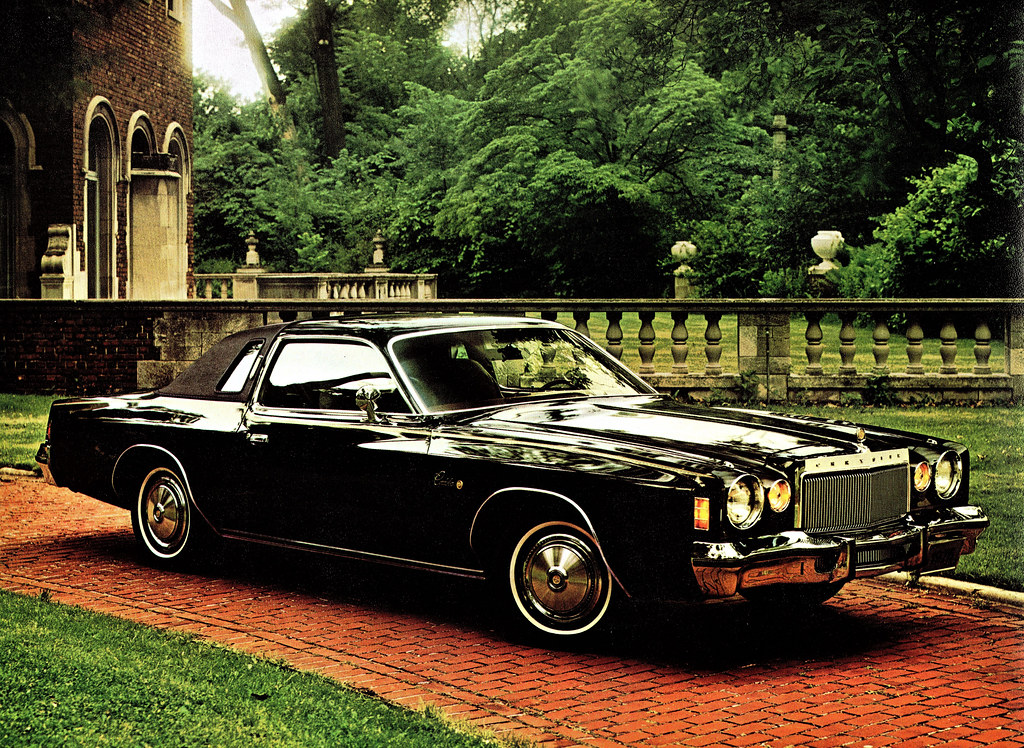
10. **Chrysler Cordoba**The Chrysler Cordoba, particularly models from the late 1970s and early 1980s, offered a distinctively upscale interpretation of the muscle car aesthetic, blending classic proportions with a touch of luxury. Its elegant design, often featuring opera windows, plush interiors, and distinctive grille treatments, aimed to appeal to a demographic seeking sophistication alongside robust American motoring. It was marketed as a personal luxury coupe, and its styling, with a long hood and graceful lines, projected an image of refined power and comfortable touring. The Cordoba looked substantial, luxurious, and capable of smooth, effortless motion.
However, the driving experience offered by the Cordoba was notably more sedate than spirited, creating a clear contrast with the inherent power implied by its muscle car-esque stance. The engine options, typically large V8s, were primarily tuned for smoothness, reliability, and comfortable highway cruising, rather than for raw, exhilarating acceleration or high-performance output. This prioritization meant that while the Cordoba could effortlessly maintain speed, it lacked the immediate punch and responsiveness that defined a true performance machine, often feeling more like a grand tourer than a sports coupe.
Contributing further to this character was the Cordoba’s considerable heft. Its substantial weight, combined with a suspension setup geared towards absorbing road imperfections and delivering a supremely comfortable ride, meant that nimble handling was not its forte. Cornering, while stable, was rarely described as agile, and the steering, though light, lacked the direct feedback desired by enthusiasts. The car’s dynamics were engineered for a serene and isolated cabin experience, making it an excellent highway companion but less engaging when faced with demanding driving situations.
The Chrysler Cordoba, therefore, represents a fascinating intersection of American luxury and muscle car styling. While it undoubtedly succeeded in creating an attractive and supremely comfortable vehicle that resonated with its target audience, its driving dynamics ultimately underscored a philosophy that favored opulence and a smooth ride over raw, unadulterated performance. It was a visually appealing car that looked ready for an effortless journey, but for those seeking a truly spirited muscle car experience, the Cordoba’s reality often diverged from its stylistic promise.
Car Model Information: 1977 Chrysler Cordoba
Assembly: Windsor Assembly,Windsor, Ontario
Name: Chrysler Cordoba
Caption: 1978 Chrysler Cordoba
Manufacturer: Chrysler Corporation
Class: Personal luxury car
ModelYears: 1970,1975–1983
Predecessor: Chrysler 300 non-letter series
Successor: Chrysler Laser
BodyStyle: coupe
Layout: Front-engine, rear-wheel drive layout
Categories: 1980s cars, Articles with short description, Cars introduced in 1975, Chrysler vehicles, Commons category link from Wikidata
Summary: The Chrysler Cordoba was introduced as a full-sized luxury car based on the Chrysler Newport that was marketed during the 1970 model year. It was also applied to a show car exhibited that year.
The nameplate was then applied to an intermediate-sized two-door personal luxury car starting with the 1975 model year. The Cordoba was manufactured by Chrysler in North America over two generations until the 1983 model year.
The personal luxury version was the company’s first model produced specifically for that market segment and the first Chrysler-branded vehicle smaller than full-size.
The name was taken from the Spanish city of Córdoba, Spain.
Get more information about: Chrysler Cordoba
Buying a high-performing used car >>>
Brand: Chrysler Model: Cordoba
Price: $22,000 Mileage: 30,467 mi.
Read more about: 16 Legendary Car Flops: The Vehicles Nobody Wanted
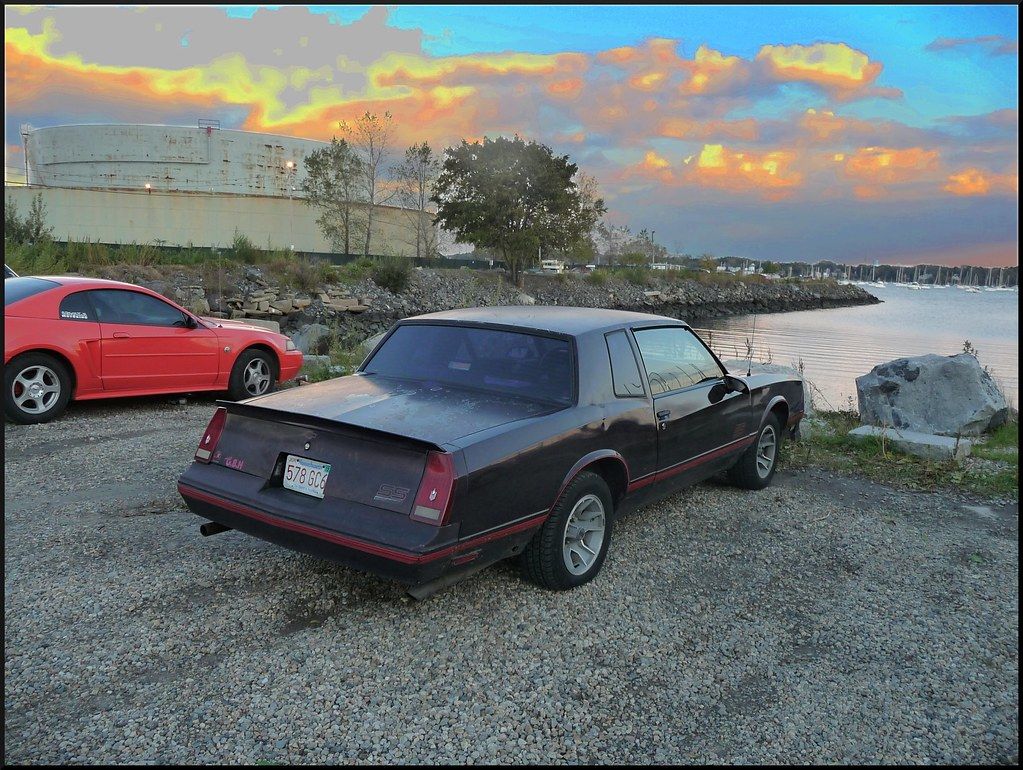
11. **Chevrolet Monte Carlo SS**The Chevrolet Monte Carlo SS of the 1980s was an undeniable visual statement, carrying a bold and aggressive look that strongly promised high-octane performance. Its aerodynamic styling, often featuring distinctive racing-inspired decals, a lowered stance, and a prominent rear spoiler, drew directly from its NASCAR heritage. This was a car designed to look fast, to evoke the thrill of the racetrack, and to capture the attention of anyone who appreciated a visually commanding presence. From a purely aesthetic standpoint, the Monte Carlo SS looked every bit the part of a serious performance machine.
However, the driving experience often fell significantly short of these lofty visual expectations. While powered by a 5.0-liter V8 engine, which offered decent power for daily driving, it was unfortunately hampered by the car’s substantial weight and a somewhat outdated suspension system. The engine, restricted by the ongoing emission controls of the era, struggled to deliver the raw, unbridled acceleration that its aggressive looks so emphatically declared. This meant that while it was capable, it rarely provided the visceral punch that muscle car enthusiasts craved.
The handling characteristics further contributed to this disconnect. The Monte Carlo SS, despite its racing pretensions, was still largely based on a platform designed for comfort and general road use. Its suspension, while adequate for highway cruising, lacked the precision and responsiveness needed for truly dynamic driving. When pushed through corners, it tended to exhibit considerable body roll and a less-than-sharp steering response, making it more of a comfortable straight-line cruiser than a nimble track contender. Its performance aspirations were often more skin-deep than structurally integrated.
In summation, the Chevrolet Monte Carlo SS from the 1980s was a triumph of styling and marketing, successfully leveraging its racing image to create a visually exciting package. Yet, the reality of its on-road performance and handling often left enthusiasts feeling a sense of unfulfilled potential. It was a car that looked undeniably quick and capable on a showroom floor or cruising down a boulevard, but when asked to truly perform, it struggled to deliver the kind of thrilling, engaging experience that its formidable appearance so confidently promised.
Car Model Information: 2025 Honda Civic Sport
Name: Chevrolet Monte Carlo
Manufacturer: Chevrolet
Production: 1969–1987,1994–2007
ModelYears: 1970–1988,1995–2007
Class: Personal luxury car
BodyStyle: coupé
Layout: FR layout
Caption: 2006 Chevrolet Monte Carlo LS
Categories: 1980s cars, 1990s cars, 2000s cars, All Wikipedia articles written in American English, All articles needing additional references
Summary: The Chevrolet Monte Carlo is a two-door coupe that was manufactured and marketed by the Chevrolet division of General Motors. Deriving its name from the city in Monaco, the Monte Carlo was marketed as the first personal luxury car of the Chevrolet brand. Introduced for the 1970 model year, the model line was produced across six generations through the 2007 model year, with a hiatus from 1989 until 1994. The Monte Carlo was a variant of the Pontiac Grand Prix throughout its production.
From 1970 until 1972, the Monte Carlo rode on the unique “A-Special” platform with the Grand Prix, shifting to the standard A-body intermediate chassis from the 1973 through 1977 model years. For 1978, the Monte Carlo line underwent downsizing, but was still considered a midsized coupe. The rear-wheel drive A-body platform of this generation of Monte Carlo was redesignated as the G-body when GM’s front-wheel drive A-body cars were introduced for the 1982 model year. After an abbreviated 1988 model year, the Monte Carlo was replaced by the two-door Chevrolet Lumina.
For the 1995 model year, the Monte Carlo was revived, replacing the two-door Lumina. It shared the front-wheel drive W-platform with the two-door Grand Prix, and was the largest coupe in the Chevrolet lineup. After the 2002 model year, the Grand Prix coupe was discontinued, the Monte Carlo became the largest two-door model produced by an American auto manufacturer.
In response to declining sales of the model line, Chevrolet discontinued the Monte Carlo after the 2007 model year. During much of its production, the Monte Carlo represented the Chevrolet brand in stock car racing. During the 1980s, the Monte Carlo SS was introduced, featuring aerodynamically enhanced styling; as part of its revival, the Monte Carlo again represented Chevrolet in stock car racing from 1995 through its discontinuation.
Get more information about: Chevrolet Monte Carlo
Buying a high-performing used car >>>
Brand: Chevrolet Model: Monte Carlo SS
Price: $26,881 Mileage: 1,226 mi.
Read more about: What Your High-Mileage Wagon Says About You: The Used Car Dealer’s Secret Thoughts on These 10 Gems!

12. **Ford Thunderbird Turbo Coupe**The Ford Thunderbird Turbo Coupe, introduced in the late 1980s, presented a sleek and thoroughly modern design that consciously broke from traditional muscle car aesthetics, aiming for a more sophisticated, technologically advanced appeal. With its aerodynamic body, distinctive hidden headlights, and refined lines, it projected an image of forward-thinking performance and style. The “Turbo Coupe” designation itself hinted at advanced engineering and a blend of efficiency with spirited driving. It looked like a cutting-edge performance machine, a symbol of Ford’s embrace of new automotive technologies.
Under the hood, the Turbo Coupe featured a turbocharged 2.3-liter inline-four engine, a significant departure from the large-displacement V8s typically associated with American performance cars. While this engine was innovative and offered impressive power for its size, it unfortunately suffered from noticeable turbo lag. This characteristic meant that the power delivery was not immediate or linear, requiring the driver to wait for the turbocharger to spool up before feeling the full surge of acceleration. This delay often translated into a less responsive and immediate driving experience than traditional muscle car enthusiasts preferred.
The focus on technology and comfort further diluted its traditional muscle car appeal. While the Turbo Coupe offered a refined ride and a host of modern amenities, its chassis and suspension tuning prioritized a smooth, quiet experience over aggressive handling or raw feedback. It was a comfortable and competent grand tourer, excellent for long highway journeys, but it lacked the raw, unadulterated grunt and the razor-sharp handling that defined the visceral appeal of classic muscle cars. The emphasis was more on a sophisticated, controlled performance rather than an untamed beast.
Ultimately, the Ford Thunderbird Turbo Coupe was a significant engineering feat, offering a unique blend of style, technology, and respectable performance for its era. However, for those seeking the raw power and immediate response of a classic muscle car, its turbocharged engine and comfort-oriented dynamics often missed the mark. It stands as an intriguing example of a car that looked like a modern, high-tech performer, but whose driving experience, while competent and refined, didn’t quite deliver the straightforward, adrenaline-pumping thrills that the term “muscle car” inherently suggests.
Car Model Information: 2003 Ford Thunderbird
Name: Ford Thunderbird
Caption: 1957 Thunderbird
Manufacturer: Ford Motor Company
Production: unbulleted list
ModelYears: unbulleted list
Class: unbulleted list
Layout: Front-engine, rear-wheel drive layout
Categories: 1960s cars, 1970s cars, 1980s cars, 1990s cars, 2000s cars
Summary: The Ford Thunderbird is a personal luxury car manufactured and marketed by Ford Motor Company for model years 1955 to 2005, with a hiatus from 1998 to 2001.
Ultimately gaining a broadly used colloquial nickname, the T-Bird, the model was introduced as a two-seat convertible, subsequently offered variously in a host of body styles including as a four-seat hardtop coupe, four-seat convertible, five-seat convertible and hardtop, four-door pillared hardtop sedan, six-passenger hardtop coupe, and five-passenger pillared coupe, before returning in its final generation, again as a two-seat convertible.
At its inception, Ford targeted the two-seat Thunderbird as an upscale model. The 1958 model year design introduced a rear seat and arguably marked the expansion of a market segment that came to be known as personal luxury cars, positioned to emphasize comfort and convenience over handling and high-speed performance.
Get more information about: Ford Thunderbird
Buying a high-performing used car >>>
Brand: Ford Model: Thunderbird
Price: $13,900 Mileage: 49,430 mi.
Read more about: Unsung Powerhouses: The Ford Engines That Quietly Redefined Performance and Stole the Mustang’s Thunder
As we conclude our journey through these twelve intriguing examples, it becomes abundantly clear that the story of muscle cars is far richer and more nuanced than a simple narrative of brute force meets undeniable style. These vehicles, while visually commanding and often iconic, serve as powerful reminders that true automotive excellence is a delicate balance. It’s about engineering prowess that translates aesthetic aggression into genuine road-shredding performance, or refined luxury into an unexpectedly engaging drive. The muscle cars on this list, despite their occasional shortcomings under the hood or in the chassis, continue to captivate us with their audacious designs and the sheer audacity of their existence. They embody an era where a car’s looks could tell a compelling story, even if the driving plot sometimes took an unexpected turn, proving that in the world of automobiles, beauty is not always just skin deep, but its influence is undeniably profound.