Jane Goodall, the iconic primatologist and conservationist, departed this world at the remarkable age of 91, leaving behind a legacy that transcends scientific discovery and environmental advocacy. Her passing marks the end of an era, yet her life itself offers a profound blueprint for a life lived with purpose, vitality, and enduring impact. From her groundbreaking research in Tanzania to her tireless global activism, Goodall remained “fit as a fiddle” well into her nonagenarian years, inspiring millions with her relentless dedication and profound wisdom.
Her ability to maintain such vigor and mental sharpness throughout nine decades, continuing to work right up until her final days, was not merely a stroke of good fortune. While good genetics undoubtedly played a role, with both her parents living to age 94, Goodall’s incredible longevity and quality of life can also be attributed to a series of conscious and deeply embedded lifestyle habits. These practices, now strongly supported by scientific research, offer invaluable lessons for all of us seeking to nurture a long, meaningful, and healthy existence.
As we reflect on the life of this extraordinary woman, who revolutionized our understanding of primates and championed the natural world, it’s timely to explore the daily choices and fundamental philosophies that underpinned her remarkable health and enduring spirit. Let us embark on a journey through the healthy lessons drawn directly from Jane Goodall’s life, revealing how her approach to living can inspire us to cultivate our own paths to well-being and longevity.
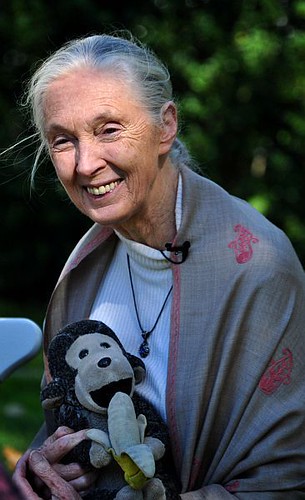
1. **She had a strong sense of purpose**Jane Goodall’s life was not merely a career; it was an undeniable calling, a mission that began with her immersive study of chimpanzees in the Tanzanian forest and blossomed into a lifelong dedication to conservation and activism. This profound sense of purpose provided her with an inexhaustible drive, propelling her forward even as others might consider slowing down in retirement. Indeed, Goodall seemed to accelerate, famously traveling nearly 300 days a year in her eighties and nineties to disseminate her vital message across the globe.
Her own words, penned in her book *Jane Goodall: 40 Years at Gombe*, encapsulate this philosophy perfectly: “You cannot get through a single day without having an impact on the world around you. What you do makes a difference, and you have to decide what kind of difference you want to make.” This conviction wasn’t just theoretical for Goodall; it was the very fabric of her existence, providing a powerful reason to engage with the world and to persist in her efforts, no matter the obstacles.
Research consistently illuminates the profound connection between having a strong sense of purpose and overall well-being. Studies have linked purpose with lower rates of depression, improved health outcomes, and greater resilience as individuals age. As Dr. Alison Moore, director of the Stein Institute for Research on Aging, notes, “Feeling like you have something to do, some reason for being, is powerful.” This overarching motivation not only gives one a reason to rise each morning but also encourages the maintenance of healthy routines, active community engagement, and sustained mental sharpness.
Furthermore, a deep sense of purpose can act as a powerful catalyst for physical health. Dr. Moore emphasizes that individuals with a clear purpose “want to stay in as good shape as they can to continue to be able to pursue the things that matter to them.” Goodall exemplified this, remaining physically and mentally engaged because her mission demanded it. Whether purpose stems from work, spirituality, relationships, or hobbies, it provides the essential motivation “to keep learning, to keep interacting and to keep getting out of bed,” as Dr. Stephanie Collier points out, actively combating the disengagement that can sometimes accompany older age.
Read more about: Unseen Marvels: 14 Secret Tesla Features and Easter Eggs Beyond the Dashboard
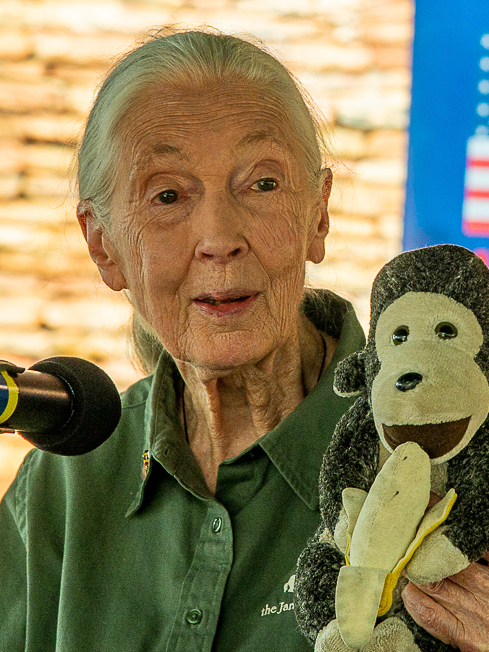
2. **She walked every day**While Jane Goodall was certainly not a “gym rat,” her life’s work inherently ensured she received an abundance of physical activity. Her early fieldwork, which saw her spending 15 years following chimpanzees through dense forest terrain, entailed hours of walking, trekking, and climbing. This was far beyond what most would consider typical exercise; it was a full-body workout, a natural and constant engagement with her environment that honed her physical capabilities and stamina.
Even as her immersive days in the Gombe forest eventually transitioned into extensive global speaking tours, Goodall remained remarkably active. Her non-stop travel schedule, involving frequent movement and constant engagement, ensured that she was never truly sedentary. As she wisely observed in a 2010 Feminist.com interview, “I think the most important thing is to keep active, and to hope that your mind stays active.” This dual emphasis on physical and mental activity underscores her holistic approach to health.
The scientific community strongly echoes Goodall’s sentiments regarding regular movement. Consistent physical activity, particularly those forms that challenge balance and strength, stands out as one of the most potent predictors of longevity. Its benefits are extensive and fundamental: it rigorously protects the heart, fortifies muscles and bones, and optimizes metabolic function well into the later stages of life. For Goodall, her dedication to her research and advocacy naturally provided the consistent, varied movement that is crucial for sustained health and vitality.
Read more about: The Unprecedented Freeze: How Hollywood’s Strikes Reshaped Film Production and Promotion in 2023
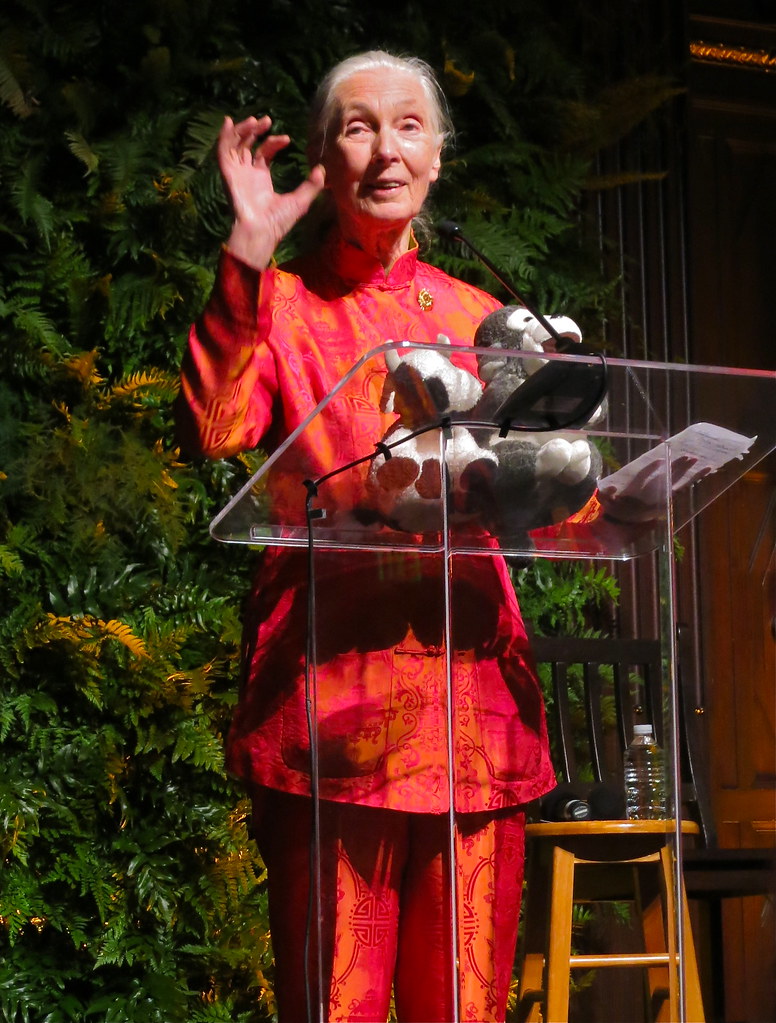
3. **She spent lots of time outdoors**Jane Goodall’s entire existence was intrinsically woven with the outdoors, from her formative years “born loving animals and loving nature,” to her decades tracking chimpanzees under verdant canopies and navigating humid jungles. This constant immersion meant she was continually breathing air imbued with the scents of earth and wood, an experience that offered far more than spiritual nourishment. Decades of subsequent research now unequivocally confirm that nature profoundly boosts health in ways directly correlated with extending lifespan.
The practice of “shinrin-yoku,” or “forest bathing,” revered in Japan as a form of medicine, powerfully illustrates this connection. A 2022 study published in *Environmental Health and Preventative Medicine* provided robust evidence of nature’s therapeutic effects. The research revealed that spending time outdoors significantly reduces cortisol, the body’s primary stress hormone, leading to lower blood pressure, enhanced immune function, improved sleep patterns, elevated mood, and sharpened cognitive function. These beneficial effects, remarkably, tend to persist even after one returns to an indoor environment.
Goodall herself eloquently articulated the deep connection she felt with nature, describing her days in the rainforest with chimpanzees as often feeling like a “spiritual experience.” She shared with “Call Her Daddy” podcast host Alex Cooper that when alone in nature, “it was just, I was part of that world, not separated from it by being a human in that world.” This profound sense of belonging and integration with the natural world provided her with a constant source of happiness and calm, so much so that even in urban settings, she would “sometimes move my bed around so I can just be there and see the tree” in a hotel room. This intimate relationship with nature wasn’t just a preference; for Goodall, it was powerful, daily medicine that undoubtedly contributed to her long and healthy life.
Read more about: From Blockbusters to Box Office Blunders: 14 Hollywood Stars Who Said ‘Sorry’ for Their Roles
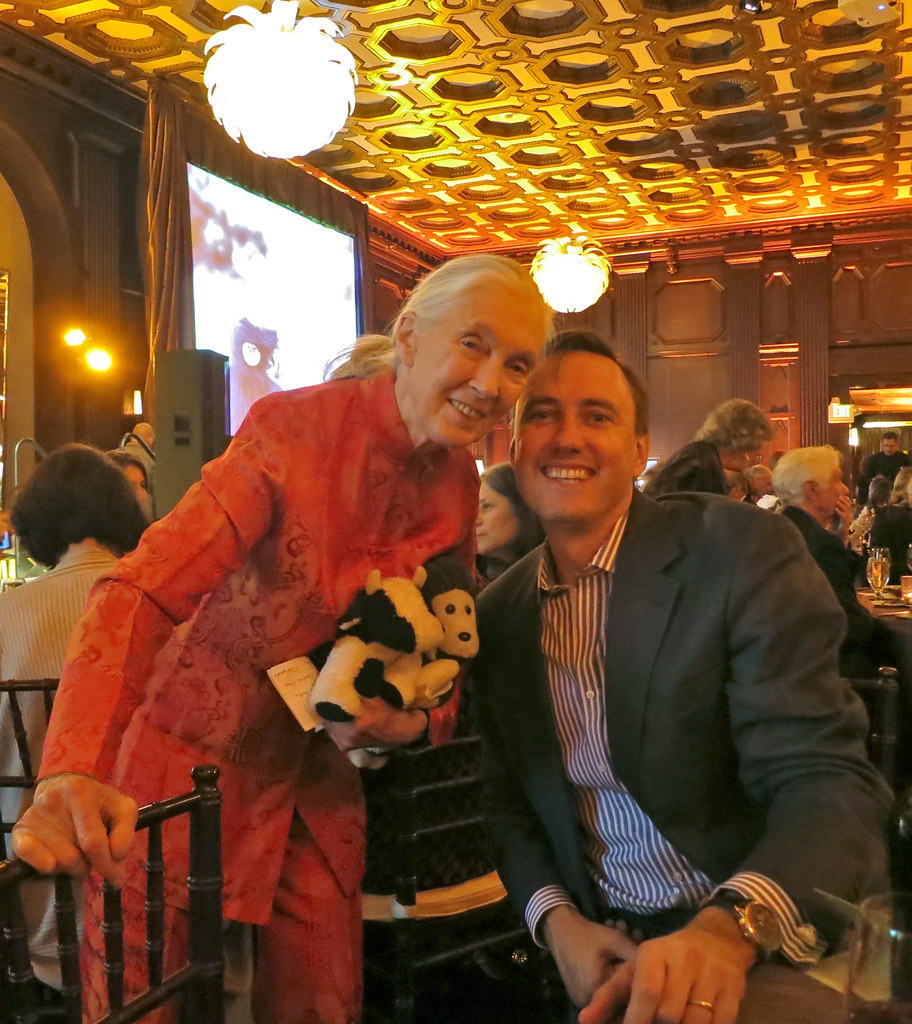
4. **She ate a plant-based diet**Decades before plant-based eating became a mainstream health trend, Jane Goodall made a conscious decision to eliminate meat from her diet, a choice she deeply believed contributed to her boundless energy. She articulated this pivotal moment in a Feminist.com interview, stating, “I have to say that I attribute vast amounts of my energy to the fact that I stopped eating meat. I really, really believe that it helped me.” This personal conviction was born from an ethical realization, as she recounted in a 2017 essay: “I stopped eating meat some 50 years ago when I looked at the pork chop on my plate and thought: this represents fear, pain, death. That did it, and I went plant-based instantly.”
Following this shift, Goodall reported immediately feeling “lighter” and more energized, an experience that cemented her commitment to this dietary path. Her advocacy extended to even helping publish a cookbook, actively promoting plant-based meals as a viable and beneficial choice for others. While she maintained a balanced perspective, allowing herself occasional treats – she was, notably, “well known to love cake and it was featured at many of her celebrations” – her everyday meals were fundamentally rooted in plant-based foods.
Modern nutrition science robustly supports Goodall’s intuitive understanding of the benefits of a plant-based diet. Diets abundant in vegetables, legumes, and whole grains, while limiting red or processed meats, are consistently linked with a lower risk of cardiovascular disease, reduced incidence of certain cancers, decreased inflammation, and improved metabolic health. A 2021 study by researchers from the University of Naples, for instance, suggested that a plant-based diet rich in olive oil and tomatoes can specifically help lower the risk of heart disease, while increased fiber intake can significantly aid gut health and weight management.
Further reinforcing these findings, a 2022 study from the University of Bergen in Norway highlighted that shifting towards a diet rich in plants and minimizing processed foods could potentially extend life expectancy by up to 10 years, with particular benefits derived from beans, whole grains, and nuts. Goodall’s personal experience and her long-standing commitment to plant-based eating, initially driven by ethical concerns, proved to be a powerful strategy for maintaining her remarkable health and vitality, embodying her conviction, “I’m vegan and I’m fit as a fiddle.” She championed the growing trend, emphasizing that “A plant-based diet is really, really important and, luckily, more and more people are becoming vegetarian or even vegan.”
Read more about: The Converging Cost Landscape: Unpacking Streaming Giants’ Synchronized Price Hikes and Their Market Imperatives
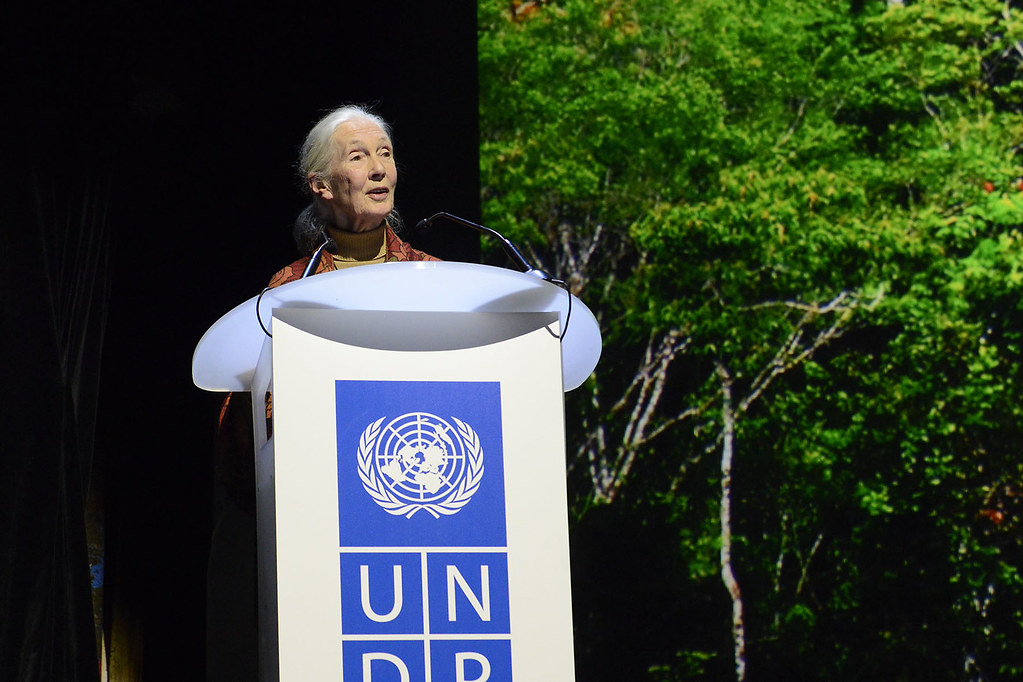
5. **She cultivated calm**Despite a demanding schedule that would overwhelm most individuals – a relentless itinerary of flights, interviews, lectures, and meetings – Jane Goodall consistently presented herself with a remarkable sense of serenity. She possessed a unique ability to navigate the pressures of global activism without succumbing to constant stress, a quality others readily observed. Goodall herself revealed her secret in a 2017 interview with The Cut, stating, “I’ve cultivated a way that I don’t get stressed very often.”
Her method for achieving this inner calm didn’t require external tools like yoga mats or audio subscriptions; it was rooted in the deeply personal practices of meditation and mindfulness. These were not formal exercises but rather an integral part of her everyday existence, honed through years of patient, quiet observation during her fieldwork. Sitting silently, notebook in hand, awaiting a chimpanzee’s next move, she developed a focused mindfulness that allowed her to be present and centered, regardless of external circumstances.
Goodall elaborated on her approach to managing potential stressors, noting, “I’m able to concentrate on what’s happening right now. If one’s calm, then it’s easier to deal with whatever the problem is.” She acknowledged that stressful situations, such as a flight delay before an important meeting, could arise. However, her strategy was to “find the best solution you possibly can. And maybe the solution is just that it wasn’t meant to happen.” This philosophical acceptance and pragmatic problem-solving underscore her ability to maintain a calm demeanor.
The scientific understanding of stress aligns perfectly with Goodall’s practice. Chronic stress is widely recognized as a detrimental force, elevating cortisol levels, impairing cardiovascular health, compromising immune function, and accelerating the aging process. Consequently, developing effective strategies to manage stress through mindfulness becomes a crucial protective tool as we age. Longevity researchers have even observed that many centenarians share this trait, focusing on what they can control and avoiding excessive worry about factors beyond their influence, a perspective that Goodall clearly embodied.
Read more about: The Quiet Revolution: How a Teen’s Roblox Game Just Beat Fortnite and What It Means for the Future of Gaming
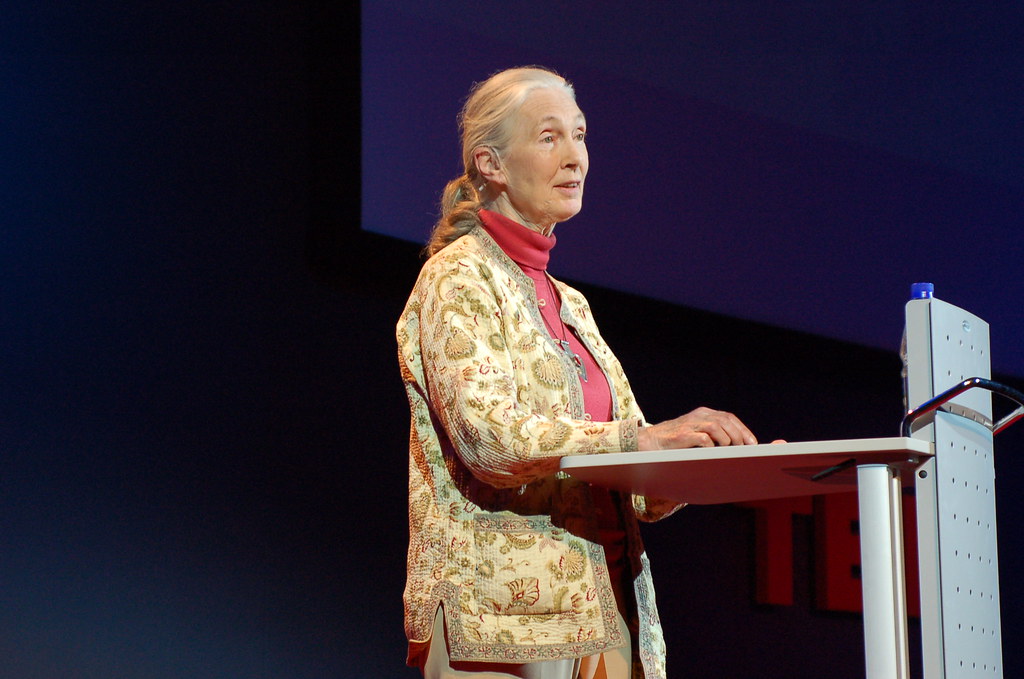
6. **She lived surrounded by animals**Jane Goodall’s life was inextricably linked with animals, a profound connection that began in childhood and defined her groundbreaking career. From the beloved dogs at her home to the chimpanzees who became the subjects of her world-renowned studies, animals were always at the core of her existence. Goodall famously broke scientific convention by giving names to her chimpanzees, like Flo and David Greybeard, a testament to her deep empathy and belief in their individual personalities, challenging the prevailing notion that such an approach was unscientific.
Her connection with animals extended beyond mere observation; it was a source of profound joy, companionship, and comfort. Goodall eloquently captured this philosophy in her book, *Jane Goodall: 40 Years at Gombe*, stating, “Only if we understand, can we care. Only if we care, we will help.” This conviction underscored her lifelong advocacy for animal conservation, stemming from a place of deep understanding and affection rather than detached scientific study. For her, empathy was a powerful driver of both discovery and protection.
Indeed, the benefits of such a bond are widely understood by anyone who has shared their life with a pet. Goodall herself revealed in recent years that dogs held a special place in her heart, identifying them as her favorite animal. This deep, reciprocal relationship with the animal kingdom, offering both intellectual stimulation and emotional fulfillment, undoubtedly contributed to her overall well-being, fostering a sense of belonging and purpose that transcended her scientific achievements.
Read more about: Unseen Glimpses: A Journey Through Princess Diana’s Life in 12 Rare Photos That Reveal Her True Spirit
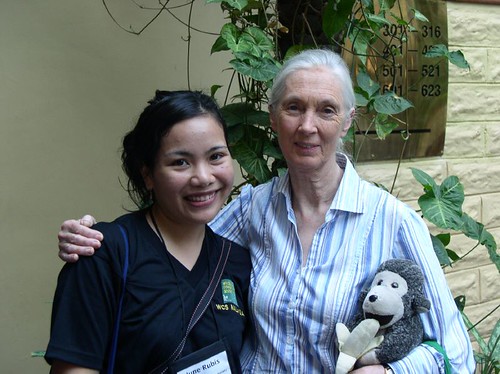
7. **She made time for self-care**Operating on a demanding global schedule that would exhaust many, Jane Goodall still recognized the critical importance of self-care. She understood that even the most dedicated individuals need moments to step back, recalibrate, and maintain life’s delicate balance. It wasn’t about indulgence, but about sustained effectiveness, a truth she articulated with characteristic clarity.
In her *Jane Goodall’s Good for All News* newsletter, she emphatically wrote, “Have you ever heard the saying that you need to love yourself first? I think this is true in all aspects of life. We are able to function at our best when we make time to take care of ourselves, mentally and physically. This applies to our work or school as well as relationships.” This powerful message highlighted that prioritizing one’s well-being is not a luxury, but a fundamental necessity for optimal functioning.
Goodall championed the idea that self-care is not a selfish act. Rather, it is a vital practice that empowers individuals to pour from a full cup, enabling them to pursue their missions with renewed energy and resilience. For a woman who worked tirelessly for global conservation, her dedication to maintaining her own mental and physical reserves served as a practical example of her holistic approach to a long and impactful life.
Read more about: Behind the Velvet Rope: Why These 11 Pop Stars *Really* Can’t Stand the World Tour Grind
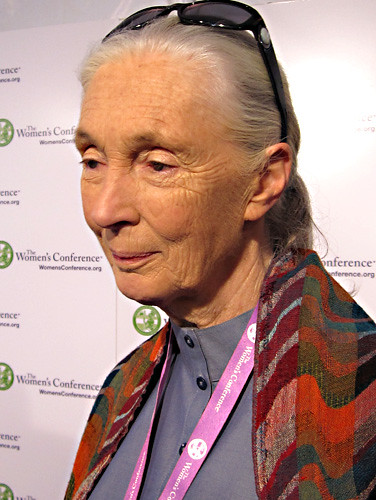
8. **She built strong relationships**Despite the solitary nature of much of her early fieldwork, Jane Goodall purposefully surrounded herself with a network of loved ones and trusted collaborators throughout her life. Her family, devoted colleagues, and especially the vibrant young activists in her Roots & Shoots program, formed a robust community that enriched her existence. This deliberate cultivation of connections reflected her core belief in the power of collective effort and individual contribution.
Goodall frequently reminded people, “Every individual matters. Every individual has a role to play. Every individual makes a difference.” This philosophy extended deeply into her personal interactions, guiding her to foster friendships and forge connections that, as scientific research increasingly confirms, are essential for sustained health and happiness. She understood that human beings thrive in connection, and actively nurtured these bonds.
The findings of the renowned Harvard Longevity Study, a nearly century-long investigation into human well-being, powerfully underscore Goodall’s intuitive wisdom. This extensive research consistently identified strong community ties and close relationships as among the most significant predictors of how long and how happily an individual will live. These connections provide emotional support, intellectual stimulation, and a sense of belonging that are vital protective factors against the challenges of aging.
Furthermore, social interactions, which Goodall prioritized, are crucial for exercising cognitive skills that might otherwise diminish with age. Dr. Stephanie Collier, director of education in the geriatric psychiatry division at McLean Hospital, notes that these interactions force us to engage in conversation, utilize varied vocabulary, and consider diverse worldviews. Being surrounded by others, as Goodall demonstrated, also effectively helps to lower stress and anxiety, contributing significantly to a vibrant and prolonged life.
9. **She traveled regularly**If one trait truly encapsulated Jane Goodall, it was her insatiable curiosity and relentless drive to learn something new every day. This passion for knowledge often manifested through her extensive travels, which provided countless opportunities to visit new places and immerse herself in novel experiences. Goodall famously quipped to Alex Cooper on the “Call Her Daddy” podcast, “I don’t like a day that I don’t learn something. Even a little thing,” emphasizing her lifelong commitment to intellectual growth.
This continuous exposure to novelty, coupled with the cognitive challenges inherent in navigating new settings and engaging in cultural exchanges, profoundly stimulated her brain in unique ways. Research suggests that such experiences can significantly lower stress levels, enhance memory function, and effectively reduce the risk of cognitive decline as one ages. Her active engagement with the world served as a powerful mental workout, keeping her mind sharp and adaptable.
Moreover, travel inherently presents a myriad of social interactions that demand adaptability, a trait fellow biologist Charles Darwin considered paramount for survival. Goodall herself reflected on how aging and extensive travel deepened her understanding of the world and refined her ability to interact with diverse people. As she observed, “when you get older, you learn more about what’s going on in the rest of the world and how to interact with people,” illustrating how her global journeys contributed not just to her mission but to her personal growth and enduring cognitive vitality.
Read more about: Beyond the Obvious: 11 Crucial Pothole Avoidance Tricks Every Driver Should Master to Protect Their Car
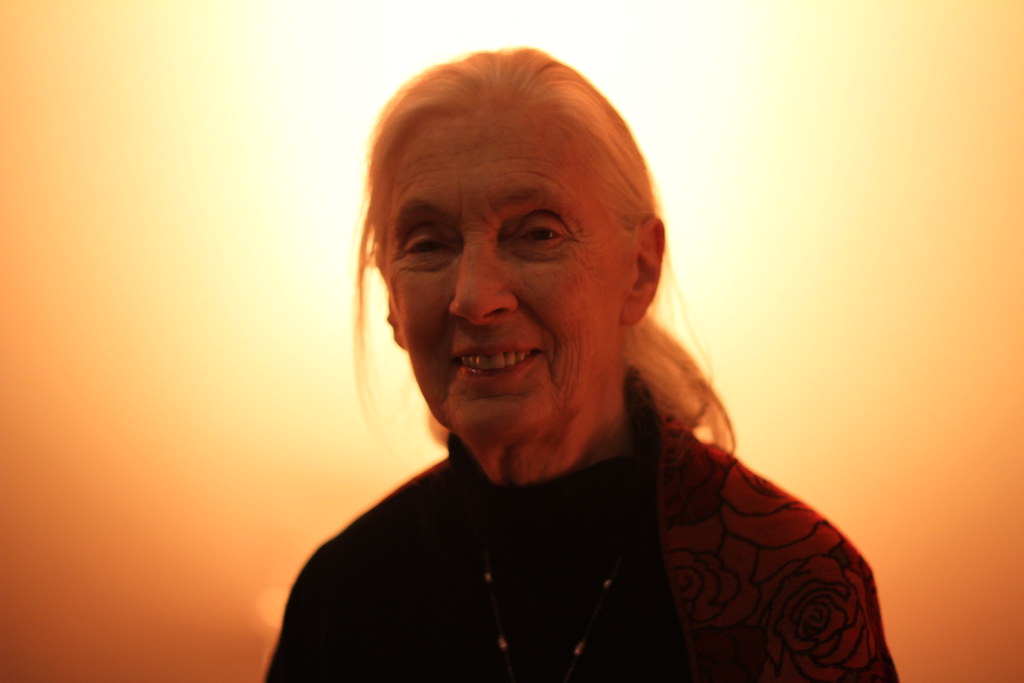
10. **She lived simply**Despite achieving global recognition as one of the world’s most influential figures, Jane Goodall maintained a remarkably simple lifestyle. Her commitment to conservation and sustainability wasn’t just a message she preached; it was a principle she embodied daily. This practical approach to living served as a powerful example, demonstrating that profound impact doesn’t require excessive material possessions or an extravagant life.
Goodall was famous for her small, personal habits that minimized waste and reflected her values. She often carried her own travel kettle, ensuring she could make tea anywhere and reduce reliance on single-use items. In a 2017 interview, she revealed her efforts to minimize environmental impact by not utilizing hotel housekeeping services, further illustrating her dedication to sustainable living even while on the road. At home, she lived sustainably, keeping her possessions to a minimum, consciously reducing both physical and mental clutter.
This philosophy of reducing all types of clutter and fostering gratitude for what one possesses, rather than constantly chasing wealth or the next big acquisition, is a well-documented pathway to increased daily happiness. Gratitude itself is strongly correlated with improved mental and physical health, and ultimately, a longer life. Dr. Goodall’s simple life was a beautiful ‘win/win,’ benefiting both her personal well-being and the planet she so passionately protected.
Read more about: The Dawn of Algorithmic Soundscapes: Navigating AI’s Transformative Role and Practical Application in Modern Film Scoring
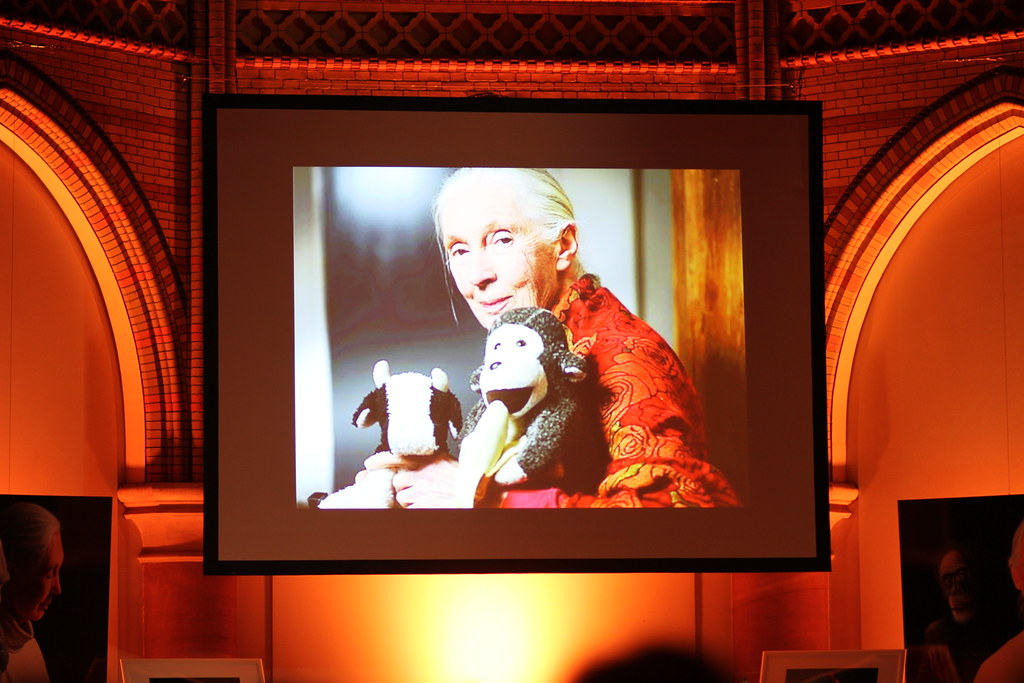
11. **She carried hope everywhere**One of Jane Goodall’s most defining and inspiring characteristics was her unshakable optimism, a spirit of hope she carried with her like a constant companion. No matter the environmental catastrophes or political turmoil she confronted, she insisted on maintaining a positive outlook. Her conviction in the power of positive thinking was so profound that it led her to author *The Book of Hope: A Survival Guide for Trying Times*.
In her book, Goodall articulated her definition of this vital human quality: “Hope is what enables us to keep going in the face of adversity. It is what we desire to happen, but we must be prepared to work hard to make it so.” This wasn’t a passive, wishful thinking; for Goodall, hope was an active force, a commitment to action and perseverance, even in the darkest moments. It was the fuel that sustained her tireless advocacy for decades.
Her profound belief in hope was most vividly manifested in her Roots & Shoots program, which empowers young people globally to take action on local environmental and humanitarian issues. Goodall found immense comfort and motivation in the next generation, stating that youth were her “biggest hope for the future,” as they are “invested in solving all climate crisis issues.” She believed that once young people understand a problem and are empowered to act, there is “no stopping” them, making them powerful agents of change.
Goodall’s enduring message, woven through all her work, was simple yet profound: “Every single one of us matters, makes a difference, has a role to play.” This unwavering spirit of hope, coupled with her conviction in individual agency, provided her with an inexhaustible wellspring of energy and purpose, proving that an optimistic mindset is not merely a pleasant disposition, but a powerful catalyst for a meaningful and long life.
Read more about: Unseen: The Defining Moments of Brad Pitt and Angelina Jolie’s Early Connection
Jane Goodall’s incredible journey, marked by scientific breakthroughs and tireless activism, offers a profound blueprint for a life lived with purpose, vitality, and enduring impact. Her passing leaves a void, but her legacy endures not only in the chimpanzees she studied and the conservation efforts she championed but also in the tangible, actionable lifestyle habits she embodied. From cultivating a deep sense of purpose to embracing the power of hope, Goodall’s life teaches us that true longevity stems from a holistic approach to well-being, intimately connected to our physical health, mental resilience, and the communities, both human and animal, that enrich our world. Her example stands as an inspiring testament to how deeply ingrained habits, conscious choices, and an unwavering spirit can indeed keep one ‘fit as a fiddle’ for a truly remarkable nine decades and beyond.