Ah, the 1990s! A decade of flannel, dial-up tones, and a general vibe of chill optimism before the chaos of the new millennium. It was a time when the world was rapidly changing, politically, technologically, and culturally, setting the stage for so much of what we experience today. And just like any era, it had its ‘heartthrobs’ – not necessarily people, but rather the ideas, innovations, and movements that captured our collective attention, ignited our imaginations, and truly defined what it meant to live through those ten glorious years.
Think about it: what were we all crushing on back then? What captivated us, puzzled us, and ultimately shaped our understanding of the world? These weren’t just fleeting trends; they were the monumental shifts and groundbreaking introductions that made the ’90s feel so uniquely, well, *the 90s*. They were the cultural touchstones that Generation X bonded over, the technological marvels that promised a brighter future, and the geopolitical earthquakes that reshaped entire continents.
But here’s the kicker: many of these ‘heartthrobs’ have evolved so much that they’re almost unrecognizable today. The very things we adored, debated, and took for granted have morphed into something entirely different, a testament to how quickly progress and change can sweep through society. Join us on a fun, nostalgic trip as we revisit some of the decade’s biggest crushes – those ’90s darlings that captured our hearts and now ‘look completely different’ in their modern forms. It’s time to see how far we’ve truly come!

1. **The World Wide Web: Our Digital Dream Date**Before infinite scrolling and constant notifications, there was the World Wide Web, a concept that went from niche academic tool to a genuine ’90s heartthrob, gaining “massive popularity worldwide.” It was a revelation, a vast new frontier promising information at our fingertips, connecting us in ways we couldn’t have previously imagined. The very idea of accessing a global network from your home computer felt like something out of science fiction, making us all collectively swoon with its potential.
In those early days, the internet experience was largely defined by “Web portals, a curated bookmark homepage,” which were “as popular as searching via web crawlers.” These were our cozy digital living rooms, personalizing our entry points into the burgeoning digital universe. They provided a sense of order and navigation in what was quickly becoming an overwhelming sea of information, helping us find our way to Geocities pages and rudimentary online communities. It was a charmingly analog approach to a digital world, a far cry from today’s personalized algorithms.
Beyond just searching, the web dramatically enhanced “network cultures” through “the proliferation of new media such as the internet, and a new ability to self-publish web pages and make connections on professional, political and hobby topics.” This ability to create and share content, however rudimentary, was revolutionary. It empowered individuals, giving voices to those previously unheard, and laid the groundwork for the user-generated content empires we see dominating online spaces today. The internet was truly a wild, untamed land of creativity.
Of course, this blossoming digital romance also had its dramatic arcs. The “dot-com bubble of 1997–2000 brought wealth to some entrepreneurs before its crash of the early-2000s.” This period of intense speculation and rapid growth showed just how quickly the world was embracing this new technology, even if it meant a few spectacular financial fireworks. It was a rollercoaster ride of innovation and investment, hinting at the immense economic power the internet would come to wield.
Read more about: The Unseen Digital World: Exploring Hidden Photos, Games, and the Depths of the Tor Network
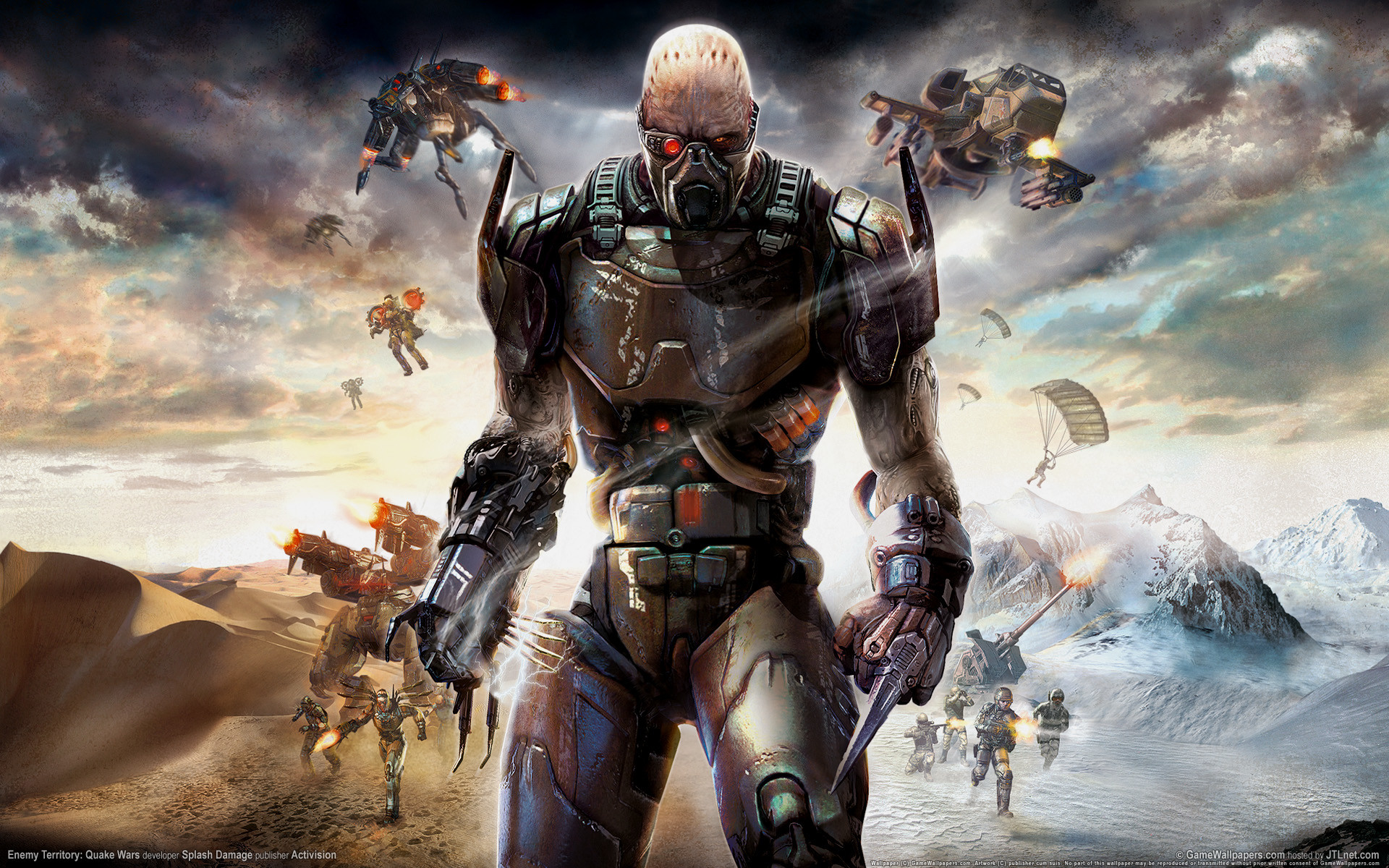
2. **The Video Game Explosion: Pixels That Stole Our Hearts**If you were a kid, teen, or even a cool adult in the ’90s, chances are you were head-over-heels for the “Video game popularity exploded due to the development of CD-ROM supported 3D computer graphics on platforms such as Sony PlayStation, Nintendo 64, and PCs.” This wasn’t just a hobby; it was a phenomenon, a vibrant new form of entertainment that redefined leisure time and brought immersive digital worlds right into our living rooms. The clunky pixelated characters of earlier decades suddenly transformed into something far more dynamic and lifelike, captivating a generation.
The advent of “CD-ROM supported 3D computer graphics” was the game-changer (pun intended). Suddenly, characters had depth, environments felt more expansive, and narratives could become far more complex. This technological leap, powered by consoles like the original PlayStation and Nintendo 64, alongside increasingly powerful PCs, ushered in a golden age of gaming. It transitioned gaming from a niche interest to a mainstream cultural force, sparking countless sleepovers and debates over controller ownership.
For “Generation X,” video games were more than just child’s play; they were a significant bonding experience. Hours were spent mastering levels, competing against friends, and exploring fantastical realms together. This shared passion fostered communities long before social media, creating a unique language and set of experiences that solidified friendships. The consoles and games of the ’90s forged indelible memories, becoming cherished relics of a simpler, yet thrilling, time.
Looking back, the video game landscape of the ’90s is almost quaint compared to today’s hyper-realistic, online, and competitive esports scene. What was once a chunky gray console and a handful of cartridges has exploded into a multi-billion dollar industry of virtual reality, cloud gaming, and global tournaments. The heartthrob of the 90s has truly grown up, transforming from a joyful pastime into a sophisticated, multi-faceted entertainment empire that continues to push technological boundaries.
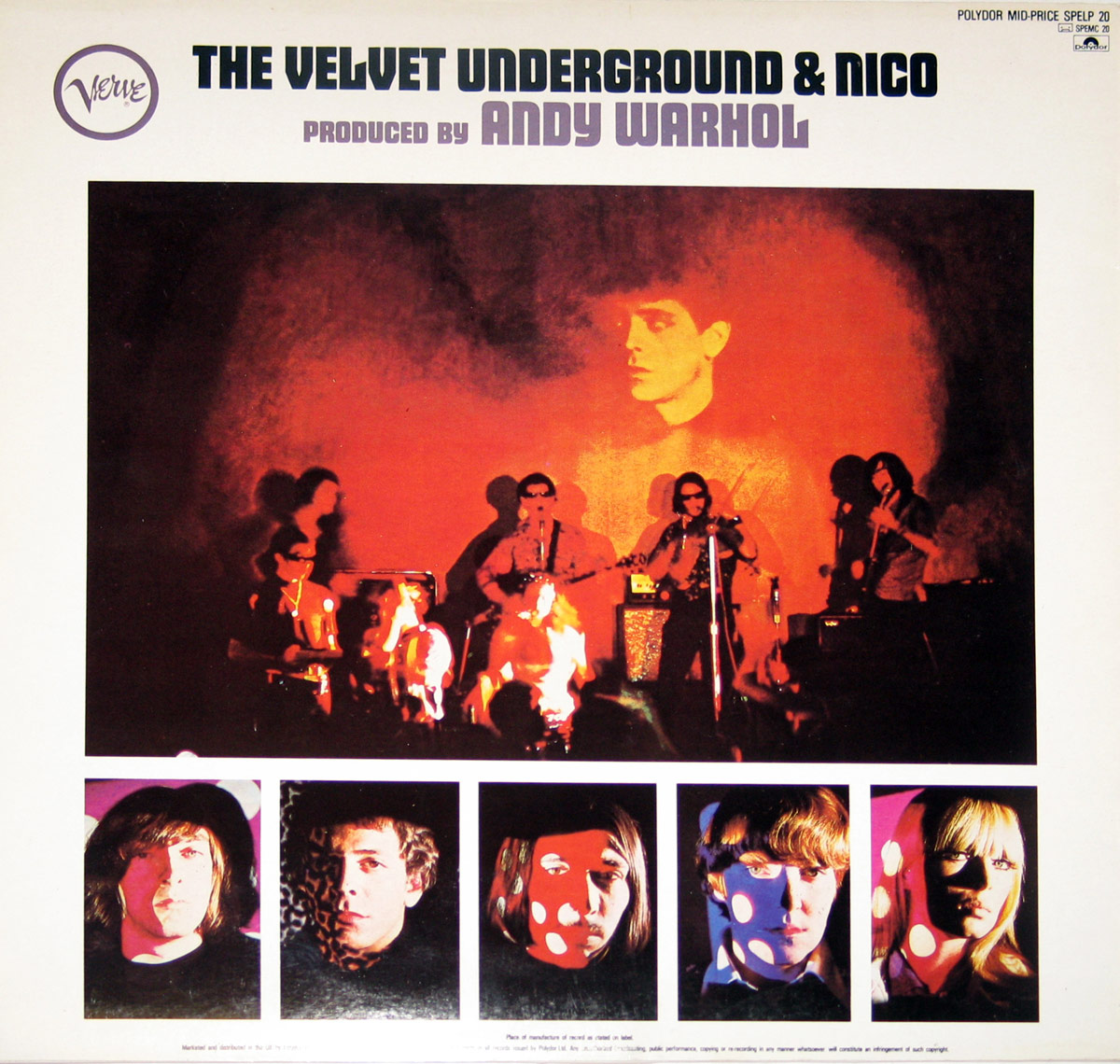
3. **Alternative Music Movements: The Sound of Our Soul**The ’90s weren’t just about technology; they were also a wild, eclectic party for our ears. This decade saw a massive surge in “Alternative music movements like grunge, reggaeton, Eurodance, K-pop, and hip-hop, became popular.” These genres weren’t just background noise; they were the anthems of a generation, providing soundtracks to our triumphs, heartbreaks, and everything in between. They were the sound of rebellion, introspection, and pure, unadulterated fun, each carving out its own devoted fanbase.
The widespread popularity of these diverse musical styles was heavily “aided by the rise in satellite and cable television, and the internet.” MTV, VH1, and other music channels brought music videos directly into our homes, turning artists into household names and their songs into cultural touchstones. Meanwhile, the nascent internet allowed fans to discover new sounds and connect with like-minded listeners, fostering a sense of belonging around these evolving genres. This media ecosystem was crucial in amplifying the reach of ‘alternative’ sounds.
For “Generation X,” these musical tastes were a defining aspect of their identity and how they bonded. Whether you were headbanging to grunge, dancing to Eurodance beats, or rapping along to hip-hop, your musical preference was often a statement. It transcended mere entertainment, becoming a badge of honor, a way to express who you were and where you fit into the rapidly shifting cultural landscape. The music spoke to us, truly capturing the mood of the era.
Fast forward to today, and the very concept of ‘alternative’ music has undergone a massive transformation. While the spirit of these ’90s genres lives on, the mainstream has absorbed much of their edge, and the way we discover and consume music is radically different. The era of distinct scenes and dedicated music channels has given way to streaming algorithms and personalized playlists, meaning the raw, unfiltered energy of 90s alternative music, once a passionate heartthrob, has evolved into a more integrated, curated experience.
Read more about: The Enduring Echo: Unpacking the Rich Tapestry of the Name Jonathan, from Ancient Lore to Modern Luminaries Like Jonathan Taylor Thomas
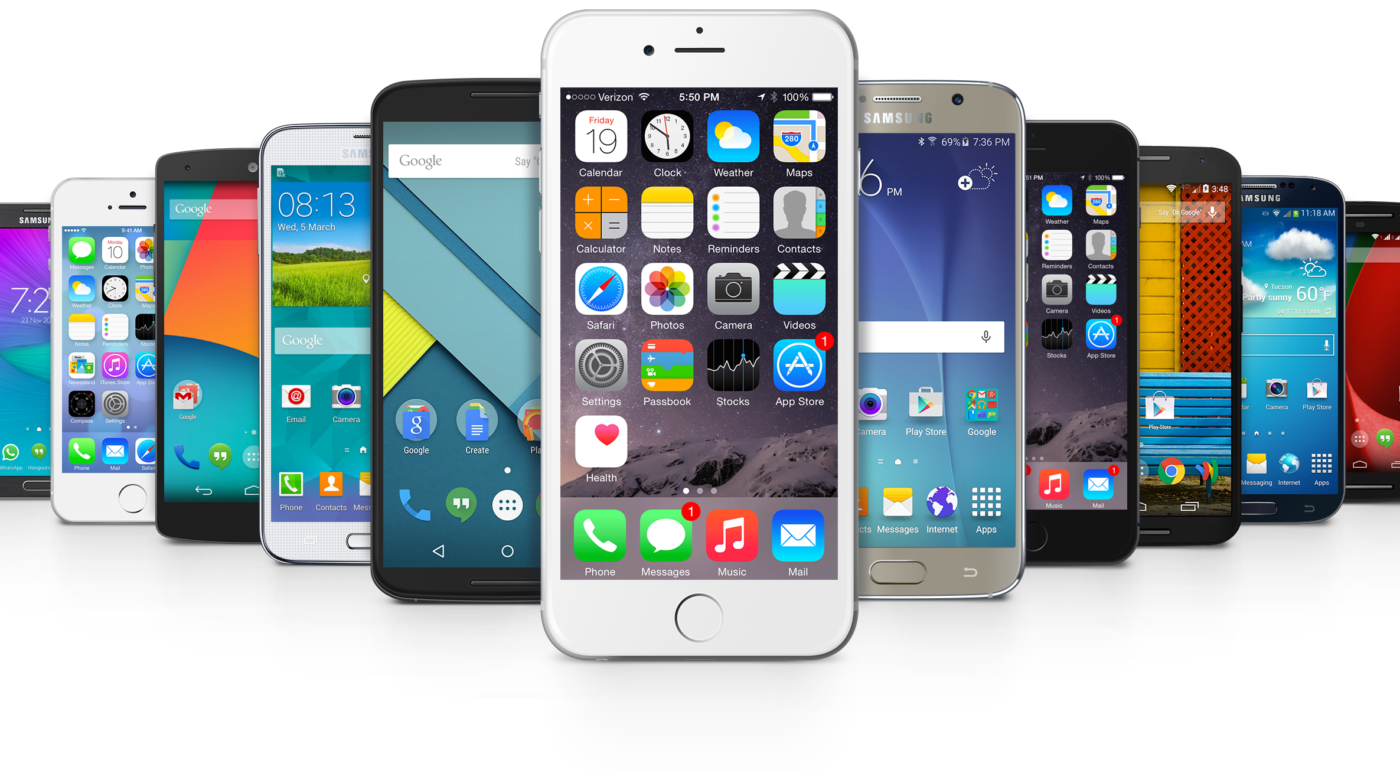
4. **Mobile Phones: Our Status Symbol Sweetheart**Remember when a mobile phone wasn’t just a device, but a declaration? In the ’90s, “Using a mobile phone in a public place was typical conspicuous consumption.” These weren’t sleek, pocket-sized supercomputers; they were often bulky, brick-like contraptions, and pulling one out was a definitive statement. It screamed, ‘I’m important, I’m connected, and I’m living in the future!’ This was before they became ubiquitous, making them a coveted ‘heartthrob’ for anyone wanting to signal success or modernity.
The very act of making or receiving a call in public was an event. People would stop and stare, not just at the technological marvel, but at the person wielding it. It conferred a certain status, separating the digitally savvy from the landline-bound masses. This public display wasn’t just about utility; it was deeply intertwined with social identity, a silent broadcast of one’s economic standing and embrace of cutting-edge technology. The mobile phone was a true conversation starter.
Oh, how far we’ve come! The ’90s mobile phone, once a symbol of luxury and forward-thinking, bears little resemblance to the indispensable smartphones we carry today. From flip phones to Nokias with their iconic Snake game, these devices laid the groundwork for our current mobile-first world. They taught us the convenience of on-the-go communication, even if it meant paying exorbitant per-minute rates and enduring fuzzy reception.
Today, the idea of a mobile phone being ‘conspicuous consumption’ is almost laughable. They are essential tools, woven into the fabric of our daily lives, from banking to navigation to social interaction. The clunky status symbol of the ’90s has transformed into a seamless extension of ourselves, an ever-present digital companion. It’s a remarkable evolution from a niche luxury item to a global necessity, and a testament to how quickly technology can reshape our perceptions and daily routines.
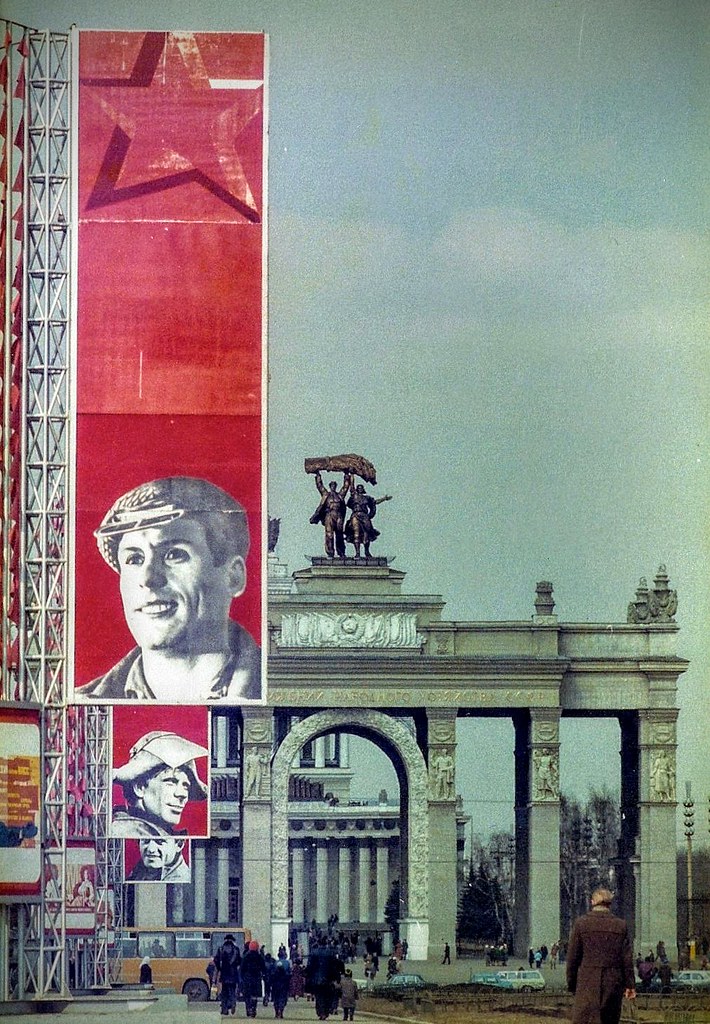
5. **The Dissolution of the Soviet Union: The Geopolitical Game-Changer**While perhaps not a ‘heartthrob’ in the traditional sense, the “dissolution of the Soviet Union marked the end of Russia’s status as a superpower, the end of a multipolar world, and the rise of anti-Western sentiment.” This monumental event was, without a doubt, one of the most defining and captivating narratives of the early ’90s. It ended decades of Cold War tension, ushering in an uncertain yet hopeful new era, and kept the world on the edge of its collective seat. Its impact was felt across every continent, a truly global phenomenon.
Central to this dramatic geopolitical shift was the figure of Boris Yeltsin, who “greets crowds after the failed August Coup, which leads to the dissolution of the Soviet Union on 26 December 1991.” His defiance and leadership during those tumultuous days were broadcast globally, symbolizing the profound changes sweeping across the former communist bloc. The image of him atop a tank, speaking to protesters, became an enduring symbol of a nation’s struggle for freedom and a world teetering on the brink of monumental change.
The seeds of this collapse were sown by “The Perestroika (restructuring) of the Soviet Union” which “destabilized, leading to nationalist and separatist demagogues gaining popularity.” These reforms, intended to modernize the Soviet system, instead unleashed powerful forces of national identity and a desire for independence among the various Soviet Socialist Republics. What began as an attempt at renewal ultimately accelerated the empire’s unraveling, proving just how delicate political structures can be when faced with calls for self-determination.
The geopolitical landscape that emerged from the Soviet Union’s ashes “looks completely different now.” The bipolar world order, dominated by two superpowers, was replaced by an American-led unipolar moment, only to evolve further in the decades since. The political and economic transitions in former Soviet states continue to shape regional and global dynamics. This ‘heartthrob’ of the ’90s, representing the hopes and anxieties of a post-Cold War world, has fundamentally altered the course of history, leaving us with a world that continues to grapple with its legacy of new nations and shifting power dynamics.
And just when you thought our nostalgic trip down memory lane couldn’t get any better, buckle up! The ’90s had even more game-changers, mind-benders, and genuine cultural crushes that captivated us all. These weren’t just fleeting moments; they were monumental shifts that set the stage for our world today, and oh boy, have they ever transformed! Let’s dive back into five more ’90s darlings that stole our hearts and now look utterly, delightfully different.
Read more about: Miss the ’90s? These 14 Earth-Shaking Events Defined a Decade of Unprecedented Change—Their Impact Still Resonates!

6. **Dolly the Sheep and the Dawn of Cloning: Our Genetic Game-Changer**Remember when scientists cloned a sheep? No, really, this wasn’t a sci-fi movie plot, it was real life! The ’90s brought us Dolly, the scientific superstar who instantly became a global ‘heartthrob’ of discussion and debate. Our context tells us that “Dolly the sheep is the first mammal to be cloned from an adult somatic cell,” and honestly, it was huge. The world collectively gasped, wondered, and immediately started speculating about what this meant for the future of biology, medicine, and, well, humanity itself.
This groundbreaking achievement sparked intense ethical discussions, fueling both immense hope and deep concern. Would we be cloning pets next? People? The very idea of replicating life from a single cell was a monumental leap, making us question everything we thought we knew about creation and individuality. It wasn’t just a scientific paper; it was a cultural phenomenon, debated at dinner tables and dissected in every news outlet, putting genetics firmly on the pop culture map.
Today, Dolly’s legacy looks completely different from the initial panic and awe. While the specter of human cloning still exists in our imaginations, the real-world applications of genetic understanding have exploded in far more nuanced and beneficial ways. The focus has shifted from simple replication to sophisticated gene editing technologies like CRISPR, personalized medicine, and a deeper understanding of genetic diseases. Dolly walked so gene therapy could run, showing us that the ’90s fascination with cloning truly opened up a brave new world, one that is far more integrated and complex than we could have ever imagined back then.
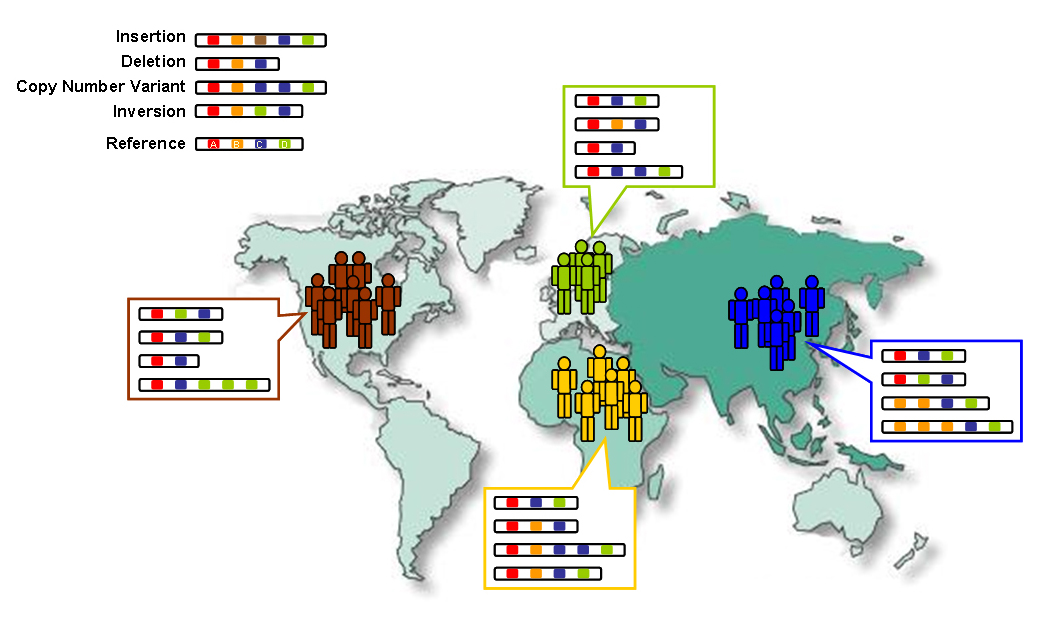
7. **The Human Genome Project: Mapping Our Very Selves**Talk about ambitious! If Dolly got us thinking about *how* life could be replicated, the Human Genome Project took us inside the very blueprint of life. Launched in the same decade, our context states, “The Human Genome Project was launched in 1990, by the National Institutes of Health (NIH) with the goal to sequence the entire human genome.” This wasn’t just a project; it was a quest, a monumental undertaking to map every single gene that makes us human. It captured our imaginations, promising a future where the mysteries of disease and identity could finally be unlocked.
This colossal collaborative effort, spanning countries and institutions, felt like something out of a futuristic saga. It was the scientific equivalent of putting a man on the moon, but for our inner space. The sheer scale and meticulousness required to map out billions of DNA base pairs were astounding, making it a true ‘heartthrob’ for anyone who dreamed of a future where genetic understanding could revolutionize healthcare, revealing the secrets hidden within our very cells.
Fast forward to today, and the ’90s dream of sequencing the human genome has not only been realized but has become a foundational pillar of modern biology and medicine. What was once an incredibly expensive, multi-year endeavor is now a process that can be done relatively quickly and affordably. This transformation has led to incredible advancements in diagnostics, targeted therapies, and even ancestry tracing, allowing us to understand our health risks and origins with unprecedented detail.
The Human Genome Project, once a distant scientific aspiration, now forms the basis for personalized medicine, where treatments can be tailored to an individual’s unique genetic makeup. The ‘heartthrob’ of merely *sequencing* our genes has evolved into a dynamic field of *applying* that genetic knowledge, making the original project, while revolutionary, seem like the quaint first step in a much grander scientific journey. It truly looks completely different now, becoming an accessible tool rather than a monumental frontier.
Read more about: Remember the ’90s? 14 Moments, Trends, and Technologies That Shaped an Entire Generation!

8. **Nasdaq Going Online: The Digital Stock Market Sweetheart**Before apps, instant trades, and cryptocurrency conversations dominated our screens, there was Nasdaq making a groundbreaking move. The ’90s saw “Nasdaq became the first US stock market to trade online.” This wasn’t just a minor upgrade; it was a monumental leap into the digital age for the financial world, turning the stock market into a cutting-edge ‘heartthrob’ for anyone intrigued by the intersection of technology and money. It signaled a new era where financial transactions could transcend physical trading floors.
This pioneering step meant more than just convenience; it heralded the dawn of a new accessibility for investors and a fundamental shift in how markets operated. The idea of conducting complex financial trades from a computer, away from the frenetic energy of a trading pit, was revolutionary. It represented a bold embrace of the internet’s potential, promising efficiency, speed, and a glimpse into a future where nearly everything would eventually move online.
Today, the ’90s vision of online trading looks incredibly different. What started with Nasdaq as a trailblazer has exploded into a hyper-connected, global financial ecosystem. We now have sophisticated algorithmic trading, high-frequency transactions that happen in milliseconds, and an array of retail trading platforms that put investing power directly into anyone’s hands with a smartphone. The traditional image of brokers shouting on a floor has been almost entirely replaced by digital interfaces and complex networks.
This ‘heartthrob’ has morphed from a novelty into the absolute standard, transforming how capital markets operate worldwide. From the rise of fintech startups to the emergence of decentralized finance and digital currencies, the ’90s bold move by Nasdaq laid the essential groundwork for a digital financial landscape that is constantly evolving, innovating, and, at times, bewilderingly complex. The initial online trading platform has spawned an entire universe that truly looks completely different today.
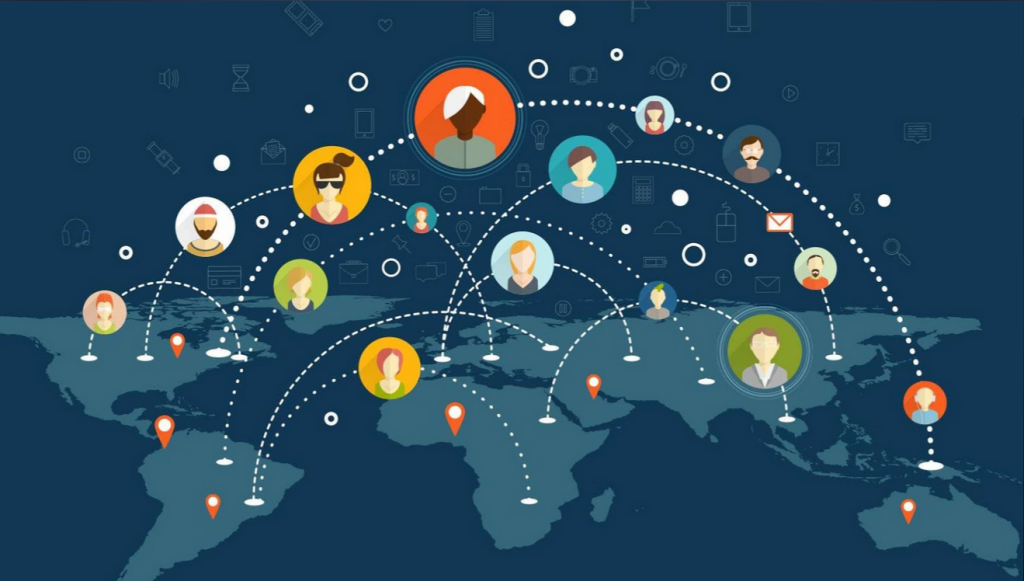
9. **The Globalization Surge: Our Interconnected Crush**In the ’90s, the world started feeling a whole lot smaller, and it was pretty exciting! Our context highlights that “International trade increased with the establishment of the European Union (EU) in 1993, North American Free Trade Agreement (NAFTA) in 1994, and World Trade Organization (WTO) in 1995.” These weren’t just acronyms; they were the architects of a new global order, turning the concept of interconnected economies into a major ‘heartthrob’ of the decade, promising a future of prosperity and cooperation.
There was a palpable sense of optimism around these agreements, a belief that breaking down trade barriers would lead to economic growth and mutual benefit for everyone involved. For high-income countries, our context notes, there was “steady growth during the Great Moderation (1980s—2000s).” It felt like the world was coming together, creating a seamless web of commerce that would lift all boats, fostering stability and shared progress across continents.
However, this economic ‘heartthrob’ wasn’t without its growing pains. While many celebrated the benefits, the context also mentions that “the GDP of former Soviet Union states declined as a result of neoliberal restructuring.” This hinted at the uneven impacts of globalization, showing that while some prospered, others faced significant challenges in adapting to the new economic realities. The initial widespread enthusiasm for free trade was slowly tempered by an understanding of its complex, far-reaching consequences.
Today, the ’90s vision of unbridled globalization looks incredibly different. While global trade remains vital, the discourse has shifted dramatically. We’re now grappling with complex supply chain issues, reshoring debates, geopolitical tensions impacting trade relations, and a renewed focus on national interests over purely international ones. The optimistic, seemingly straightforward ‘heartthrob’ of the ’90s has evolved into a much more scrutinized, often debated, and frequently challenged global system that continues to reshape our economies and politics in profoundly complex ways.
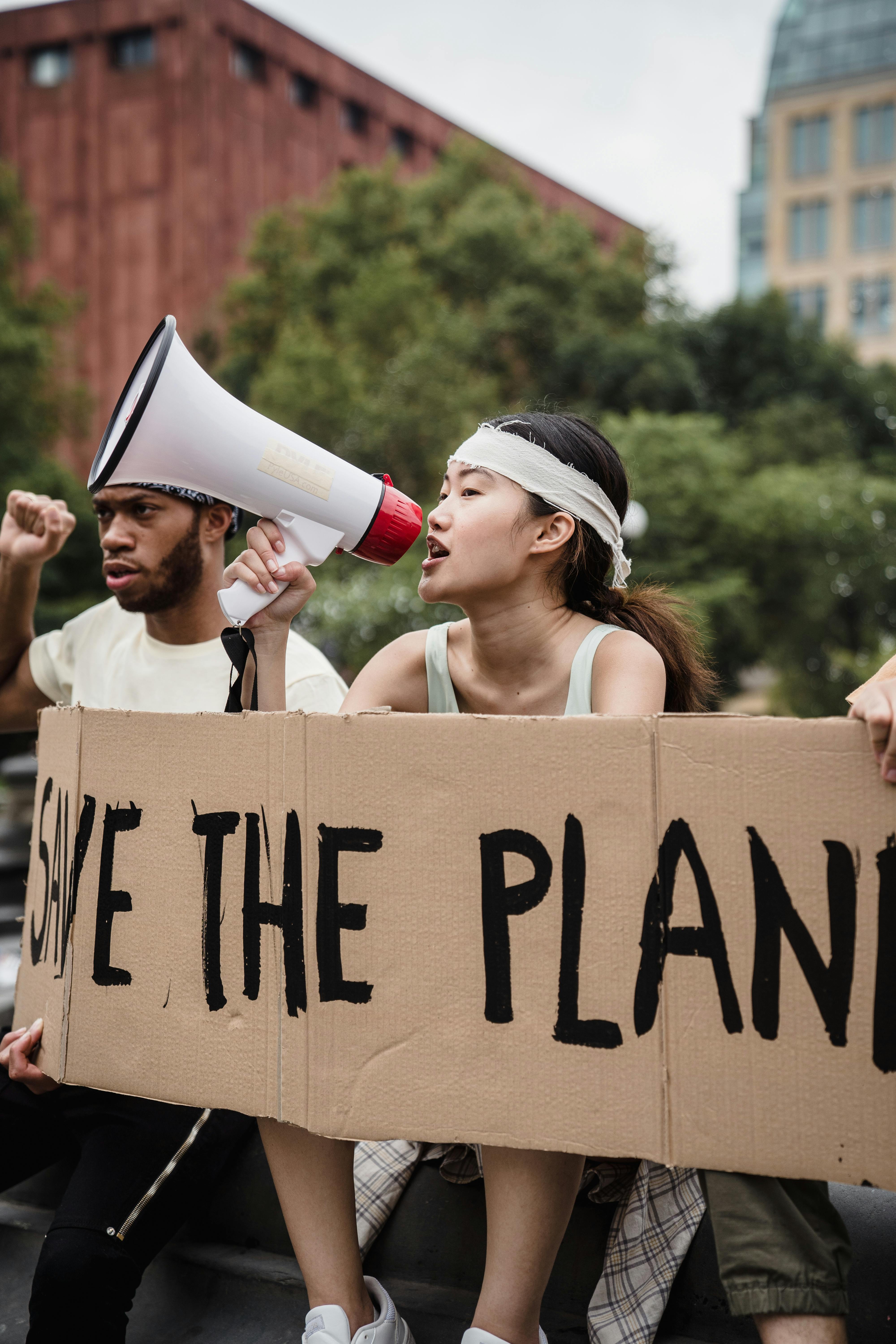
10. **Environmentalism’s New Face: Our Planet-Loving Partner**The ’90s wasn’t just about technology and politics; it was also a decade where our collective ‘heartthrob’ for the planet started to evolve in fascinating ways. Our context notes that “Environmentalism is divided between left-wing green politics, primary industry-sponsored environmentalist front organizations, and a more business-oriented approach to the regulation of carbon footprint of businesses.” This shows that even then, there were different voices and approaches to protecting our precious Earth.
This nascent focus on the “carbon footprint of businesses” was a significant step. It was the beginning of recognizing that industries had a responsibility to the environment beyond mere compliance, slowly moving towards a more proactive, measurable approach. While some pushed for radical change through “left-wing green politics,” others, including businesses, began to explore how they could integrate environmental considerations into their operations, marking a crucial shift in the conversation.
The idea of a corporate “carbon footprint” started to gain traction, becoming a ‘heartthrob’ for those who believed that economic activity could be managed more sustainably. This period saw the foundations laid for what would become a much more robust and integrated approach to environmental management, moving beyond simple pollution control to a broader understanding of ecological impact and sustainable development.
Compared to the ’90s, the landscape of environmentalism looks dramatically different today. What was once a ‘divided’ movement has largely coalesced around the urgent reality of climate change. The focus has intensified from initial carbon footprint discussions to comprehensive sustainability strategies, renewable energy revolutions, and global policy initiatives aimed at decarbonization. Environmental concerns are no longer niche; they are mainstream, integrated into political platforms, economic decisions, and everyday consumer choices.
The ’90s earnest, yet somewhat fragmented, ‘heartthrob’ for environmental protection has transformed into a global imperative, driven by overwhelming scientific consensus and widespread public demand. The casual discussions about carbon footprints have given way to ambitious net-zero targets and fierce debates about environmental justice, proving that our love for the planet has grown into a powerful, undeniable force that truly looks completely different now.
Wow, what a journey through the ’90s! From the digital frontier that captured our imaginations to the monumental shifts in global power and our understanding of life itself, these ‘heartthrobs’ weren’t just fleeting crushes. They were the very fabric of a decade that shaped us, setting the stage for the dynamic, often unpredictable, world we inhabit today. And while they may look completely different now, their ’90s essence lives on, reminding us that every groundbreaking innovation and societal shift started somewhere, capturing hearts and minds along the way. So, next time you’re scrolling through endless feeds or marveling at genetic breakthroughs, give a little nod to the ’90s – the decade that truly kicked off the future in ways we could barely fathom!