The allure of a classic car is undeniable, a visceral connection to automotive history that transcends mere transportation. For countless enthusiasts, the dream of rescuing a forgotten relic from a dusty garage or a neglected field and breathing new life into it is a powerful one. We envision ourselves turning wrenches, meticulously bringing every component back to pristine condition, and finally, cruising down the open road in a magnificent piece of engineering art.
However, this romanticized vision often clashes with a harsh financial reality that many aspiring restorers learn the hard way. The journey from a rust-laden shell to a concourse-ready showstopper is fraught with hidden costs, unexpected challenges, and countless hours of labor that can quickly turn a passion project into a bottomless money pit. Not every vintage machine, no matter how tempting, is a worthy candidate for restoration.
Our aim here is to equip you with the expert knowledge needed to discern which tempting vintage cars are best left unrestored, saving you from significant financial headaches and potential heartbreak. We’ll explore critical factors and common pitfalls that make certain classic car projects simply not worth the investment. Understanding these hidden costs is paramount to ensuring your automotive passion remains a rewarding hobby, not a financial burden.
1. **The “Rust Bucket” Dream Machine**One of the most common and deceptively tempting classic car finds is the apparent “bargain” that has suffered extensive damage or is riddled with rust. It might sit at an unbelievably low price, seemingly offering a path to classic car ownership for those on a tight budget. The initial thought might be, “I’ll snag this car, spend more time than money fixing it and then, after enjoying it, sell it at a tidy profit.” This scenario, however, often leads to an overwhelming financial and time commitment that the car’s eventual value simply cannot support.
If a classic car has significant structural damage or extensive rust throughout the body and frame, restoration may not be economically feasible. Repairing severe damage or rust can be extremely costly and time-consuming, making the restoration impractical. What appears to be surface corrosion often hides far deeper, systemic issues beneath the paint, within wheel wells, or concealed by trim pieces. These underlying problems are only revealed once the stripping process begins, and they invariably inflate the budget dramatically.
Consider the frame itself; if it is structurally compromised or heavily rusted, considerable money must be spent on its restoration. Replacing individual rocker panels, for instance, can cost between $2,000 and $6,000 per panel, and that’s just one section. Welding in new metal, patching holes, and fabricating replacement sections for the body and frame require specialized skills, equipment, and countless hours of labor. These tasks significantly drive up costs, making a “cheap” starting point quickly escalate into an impractical venture that far exceeds the car’s potential market worth.
Read more about: Don’t Waste Your Money: 14 Walmart Buys That Experts Say to Skip (and What to Choose Instead)
2. **The “Obscure Gem” with Missing DNA**There’s a unique thrill in discovering a rare or obscure vintage model, a car that stands out from the usual crowd of Mustangs and Camaros. These unique vehicles often present themselves as an opportunity to own something truly distinctive, a conversation piece that few others possess. The temptation to embark on restoring such an “obscure gem” is powerful, driven by the desire for exclusivity and the perceived prestige of owning automotive history that is genuinely unique.
However, this rarity is often a double-edged sword when it comes to restoration. Some classic cars have limited availability of replacement parts, especially for rare or obscure models. If essential components are challenging to find or prohibitively expensive, the cost of restoration may far exceed the car’s potential value. Unlike more common classics, where reproduction parts or even New Old Stock (NOS) can be sourced with relative ease, parts for truly rare vehicles are often non-existent.
This scarcity means that restorers frequently face two equally costly options: either pay exorbitant prices for original equipment manufacturer (OEM) parts, which become rarer and pricier each year, or resort to custom fabrication. When parts simply aren’t available, they often need to be custom-made. This adds labor costs on top of materials, transforming a single missing bracket or trim piece into a significant expenditure. The older and rarer the vehicle, the more likely you’ll have to custom order parts, adding greatly to both the cost and the timeline of the repair, potentially leaving your project stalled for weeks or months awaiting a single crucial component.
3. **The “Market Misfit” that Nobody Wants**Not all classic cars are created equal in the eyes of collectors and enthusiasts. Some vehicles, despite their age and vintage appeal, simply lack the broad market demand or popularity to justify a significant restoration investment. You might stumble upon an old car that seems like a fantastic deal, with a low purchase price suggesting a straightforward path to classic car ownership. The temptation here is to believe that any classic car, once restored, will inherently appreciate in value or at least hold its own.
Classic cars that have limited demand in the market or lack popularity among collectors and enthusiasts may not justify the investment in restoration. Without a significant potential for appreciation in value or a strong demand in the market, the restored car may not fetch a reasonable selling price. This means that even after pouring tens of thousands of dollars and hundreds of hours into a meticulous restoration, the car’s market value might still fall far short of your total outlay. The overwhelming odds are that the car and the job will end up costing more than they are worth.
If the primary motivation for restoration includes the expectation of profit or recouping your investment, a careful assessment of the car’s market viability is crucial. Restoring a car that no one desires, regardless of how perfectly executed the restoration, is a financial misstep. While personal attachment and passion can justify any expense for some, those looking to make a profit must research the value of the car thoroughly, considering what a fully restored example of that specific make and model typically commands in the current market.
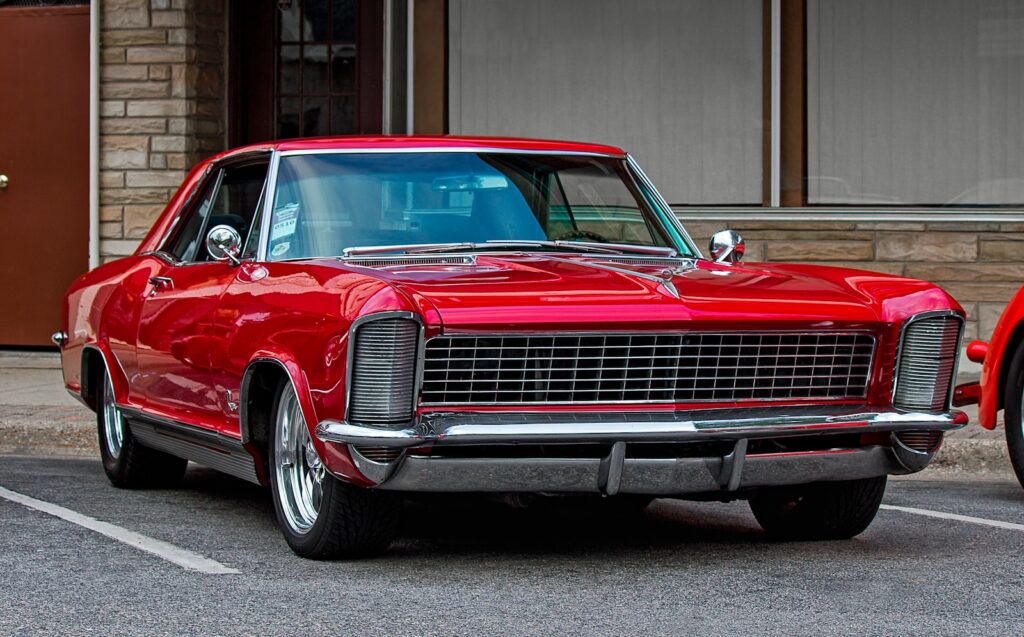
4. **The “Untouched Original” with Historical Aura**Paradoxically, some of the most tempting vintage cars are those in remarkably original, unrestored condition, often with a documented history or a compelling story. These vehicles may not be pristine, but their patina, original paint, and untouched mechanicals speak volumes about their past. The temptation to “improve” them, to bring them to a glossy, like-new state, can be strong, especially for those accustomed to traditional restoration philosophies.
However, in cases where a classic car holds historical significance due to its original condition or connection to a specific event or personality, it may be more valuable in its current state. Restoring such a car could diminish its historical value and authenticity. The very elements that make it special – the worn seats from a famous owner, the original paint chips from a significant race, or even the untouched factory components – are irreplaceable artifacts that tell its unique story.
For truly significant vehicles, preserving their originality often outweighs the benefits of a full restoration. A car’s authenticity, its unmolested condition, can be its greatest asset, particularly for serious collectors and museums. Stripping away the original paint, replacing period-correct components with modern equivalents, or even performing a frame-off restoration can erase the very historical markers that define its significance. Sometimes, the most valuable form of preservation is simply careful maintenance and conservation, allowing the car to exist as a tangible link to its past, rather than transforming it into something it never was.

5. **The “Mechanically Crippled” Bargain**Many classic car projects begin with a vehicle that, on the surface, appears to have manageable mechanical issues. Perhaps it’s an engine that won’t turn over, a transmission that’s stuck, or a suspension that sags dramatically. The initial assessment might lead one to believe that a simple engine swap, a transmission rebuild, or a new set of shocks will get it back on the road. This perceived ease of repair is incredibly tempting, offering a seemingly straightforward path to a running classic for a modest investment.
However, if the engine or other critical mechanical components of the classic car are irreparably damaged or worn beyond repair, restoration may not be a practical option. Beyond the obvious engine or transmission, other major systems like the braking system, steering, and especially the electrical wiring can be so severely compromised that their complete overhaul becomes a massive undertaking. These complex rebuilds require precision work that takes considerable time and highly skilled labor, neither of which comes cheap.
An engine restoration, for instance, means tearing down the full engine, replacing damaged parts and belts, and then painstakingly reassembling it, a job that can easily consume 20 or more hours of labor. This alone can cost anywhere from $2,500 to $10,000, depending on the engine’s complexity and parts availability. Similarly, a full suspension replacement, often necessary for vehicles that have sat for decades, can cost upwards of $10,000, though typically falling in the $2,500 to $5,000 range for the full job. These are not minor expenses; they represent significant financial hurdles that can quickly turn a mechanical bargain into a money pit, far exceeding the initial perceived value of the project car. Adding to this, old electrical systems can be brittle, corroded, or improperly modified over the years, requiring time-consuming and expensive rewiring efforts.
Continuing our deep dive into the often-overlooked financial quagmires of vintage car ownership, we move beyond the initial assessments to explore six more captivating projects that, despite their allure, are best admired from afar. These scenarios reveal deeper complexities, from the ghost of past repairs to the long-term financial drain of simply keeping a classic alive. Understanding these additional factors is crucial for any enthusiast looking to navigate the treacherous waters of classic car restoration, ensuring their passion remains a joy rather than a constant source of regret. Let’s peel back another layer of the automotive onion and uncover more tempting traps.

6. **The “Frankenstein” Project (Past Modifications)**There’s a specific kind of vintage car that captures attention for all the wrong reasons: the one that has been extensively modified from its original factory specifications. Perhaps it was a custom hot rod in its day, a drag racer, or simply a victim of questionable aesthetic choices over the decades. The temptation here is to acquire it and painstakingly revert it to its original glory, believing you can ‘undo’ the past. However, these extensively altered vehicles often present a restoration challenge that far outweighs any perceived bargain.
Classic cars that have undergone significant modifications or alterations from their original factory specifications may simply not be suitable candidates for restoration, especially if the goal is a historically accurate or high-value piece. The value of such cars as collectibles is frequently compromised by these modifications. What might seem like a straightforward task of removing aftermarket parts often reveals deeper structural changes, improperly cut body panels, or completely rewired electrical systems that bear no resemblance to the factory blueprint.
Undoing years of modifications means sourcing not only original parts but also repairing or fabricating the underlying structure that may have been cut, drilled, or welded incorrectly. This process can be significantly more complex and expensive than restoring an unmolested car, as you’re essentially restoring a car and then repairing the damage caused by previous modifications. Every non-original component removed can unveil a new layer of work, transforming a seemingly unique project into an endless cycle of correction and expense. For those seeking authenticity, a heavily modified car is often a financial black hole.
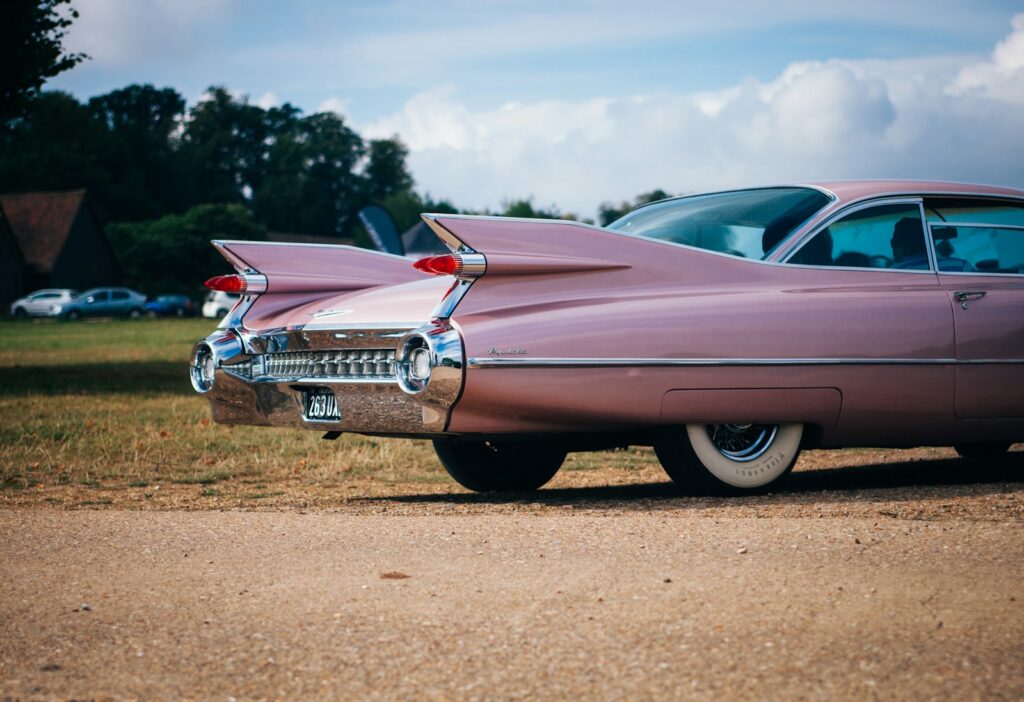
7. **The “Bondo Queen” (Concealed Bodywork)**Bodywork is arguably one of the biggest unknowns in any classic car restoration, and nowhere is this more evident than with a vehicle harboring concealed damage or shoddy previous repairs. A classic car might present with a seemingly straight body and a fresh coat of paint, appearing to be a fantastic foundation. Yet, beneath that glossy surface often lies a horror story of rust, dents, and poor craftsmanship, masked by excessive use of body filler—often referred to as ‘bondo.’ This deception is a siren song for unsuspecting restorers.
Many classic cars have undergone previous bodywork, and regrettably, not all repairs are executed with the precision and integrity required for a lasting restoration. The problem arises when sellers or previous owners attempt to hide extensive damage or rust with thick layers of bondo or improperly welded panels. What appears to be a solid body can, upon closer inspection or the removal of paint, reveal a patchwork of ill-fitting metal, bridging compounds, and underlying corrosion that will inevitably resurface.
Discovering excessive bondo or improperly welded panels creates significant problems that demand extensive rework. The solution isn’t merely sanding it down; it often requires cutting out rusted sections, removing compromised filler, and then properly fabricating and welding in new metal. This process is incredibly time-consuming, requires specialized skills and equipment, and drives up labor and material costs dramatically. A professional paint job alone is a major expense, but when it’s built upon a foundation of hidden compromises, the cost of rectifying these issues before the paint even goes on can make the project financially unviable.
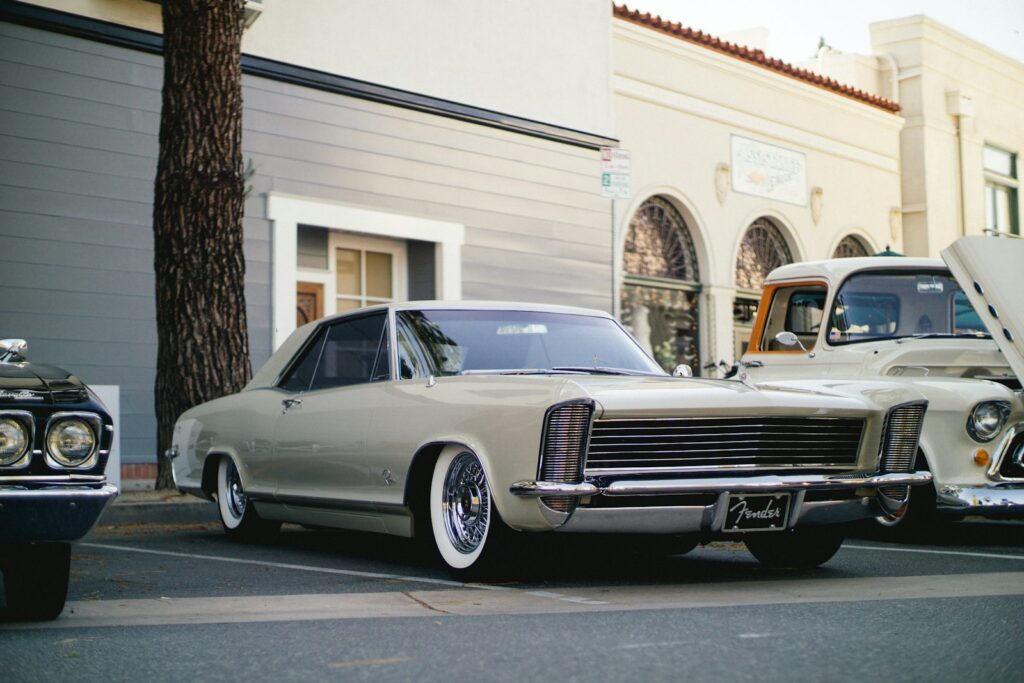
8. **The “Foreign Folly” (Import Complexities)**The allure of unique imported vintage cars from Europe or Asia is undeniable, offering distinct styling and engineering not commonly found on domestic shores. Many enthusiasts are drawn to the exotic nature and rarity of these foreign classics, imagining themselves behind the wheel of a truly distinctive machine. However, the path to ownership and restoration of such a vehicle is often fraught with hidden complexities and costs that can quickly eclipse its initial appeal.
Transporting a newly purchased classic, particularly one from overseas, introduces a unique set of financial and logistical challenges that are often overlooked in the initial excitement. Shipping costs can be substantial, and the imposition of import duties can significantly increase the real purchase price of the vehicle before any restoration work even begins. Beyond these upfront expenses, the deeper complexities begin when the car needs parts or specific expertise.
Obtaining replacement parts for rare foreign models can be an exercise in frustration and extreme expense. Unlike domestic classics where reproduction parts might be readily available, parts for many imported vintage cars, especially from smaller manufacturers or niche markets, are exceedingly difficult to find. This often necessitates importing parts at exorbitant prices, custom fabrication, or waiting extended periods for rare components to surface globally. Furthermore, finding mechanics with the specialized knowledge, tools, and experience to work on specific foreign marques and their unique mechanical systems can be a significant hurdle, commanding premium rates for their expertise. The regulatory landscape, including emissions or safety standards, for older imported vehicles can also add layers of complexity and cost that a domestic project wouldn’t face, turning a dream car into a regulatory nightmare.
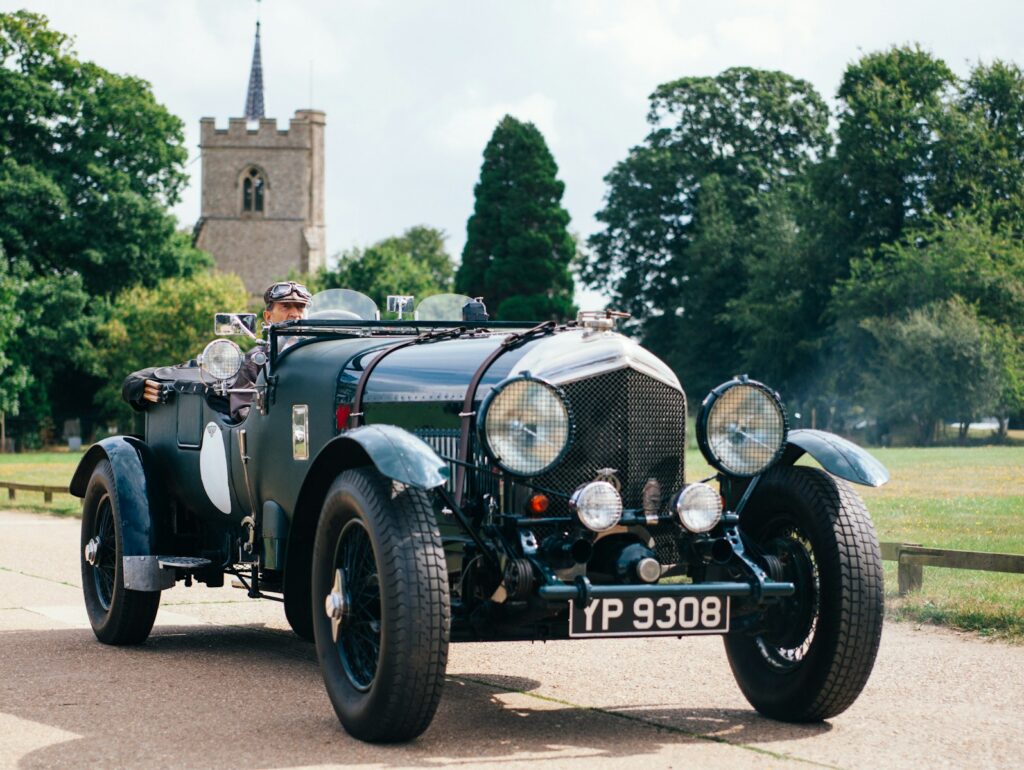
9. **The “Specialist’s Trap” (Specialized Labor)**The hours of labor involved in a classic car restoration are often grossly underestimated by enthusiasts. While the dream of turning wrenches yourself is powerful, the reality is that many restoration tasks require professional expertise. This is where the cost of specialized labor becomes a dominant, and often budget-breaking, factor. Even for the most capable DIYer, there will inevitably be tasks that require the touch of a seasoned professional, and their services come at a premium.
Professional restorers and mechanics specializing in vintage vehicles command high rates, and for good reason. They possess a unique blend of historical knowledge, technical skill, and often specialized tools that are indispensable for correctly rebuilding a classic. Decades of wear and exposure to the elements can result in corroded bolts, frozen fasteners, and deteriorated components that require extra effort and care to remove without causing further damage. This painstaking work, combined with the precision required for rebuilding major systems like engines, transmissions, and suspension, consumes vast amounts of time.
Skilled labor doesn’t come cheap, and the more complex the restoration—or the rarer the vehicle—the higher the price tag. For instance, an engine restoration can easily consume 20 or more hours of labor, costing anywhere from $2,500 to $10,000 depending on complexity. If custom fabrication is required for missing parts, you’re paying not only for the material but also the specialized labor to design and create the component from scratch. Even seemingly minor issues, such as a full suspension replacement, can quickly add up to thousands of dollars in labor alone. The challenge lies in valuing this necessary expertise while acknowledging its potential to inflate project costs dramatically, making certain restorations financially impractical if you’re not planning to do the bulk of the work yourself.
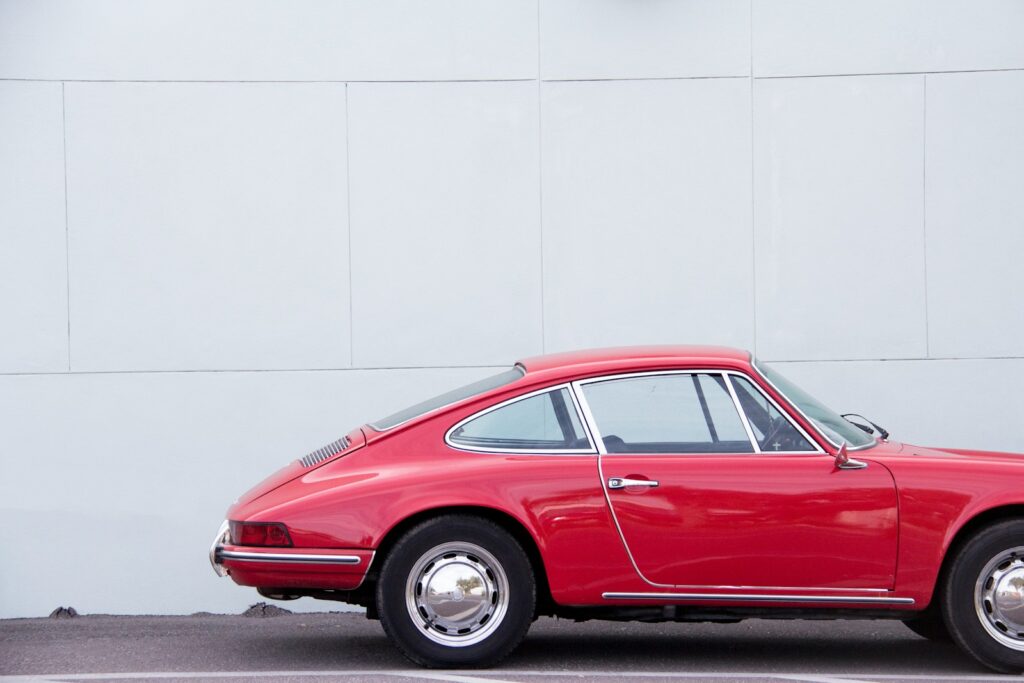
10. **The “Hidden Catastrophe” (Unexpected System Overhauls)**Many classic car projects begin with the assumption that a few minor fixes will bring the vehicle back to life. Perhaps the engine just needs a tune-up, or the brakes need bleeding. This optimistic outlook, however, often overlooks the pervasive and insidious deterioration of entire systems that only reveals itself once the restoration is underway. These unexpected system overhauls can swiftly turn a manageable project into a financial abyss, far exceeding any initial budget.
Classic cars, even those that have been “restored,” can break down without warning, as their components are inherently older and more prone to failure than their modern counterparts. Beyond the obvious engine or transmission issues, other critical systems like the electrical wiring, cooling system, and fuel delivery are frequent culprits of hidden catastrophes. Old electrical systems, for example, are notorious for being brittle, corroded, or improperly modified over the years, often requiring time-consuming and expensive rewiring efforts to ensure reliability and safety.
The cooling system, comprising radiators, hoses, and water pumps, might appear intact but can be on the verge of catastrophic failure, leading to overheating and engine damage if not completely overhauled. Similarly, carbureted fuel systems can be clogged, leaky, or out of tune, demanding thorough cleaning, rebuilding, or replacement. These are not minor expenses; a full suspension replacement, often necessary for vehicles that have sat for decades, can cost upwards of $10,000, though typically falling in the $2,500 to $5,000 range for the full job. Such comprehensive system rebuilds are critical for a roadworthy and reliable classic but represent significant financial hurdles that can quickly turn a mechanical bargain into a money pit, adding greatly to the overall project cost beyond initial estimates.
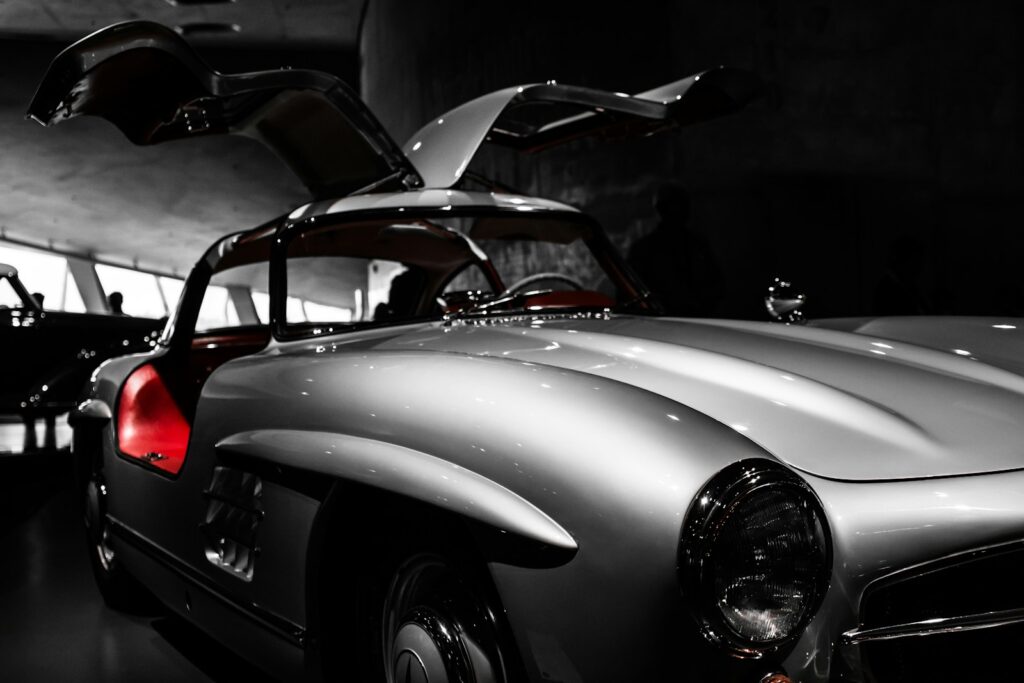
11. **The “Lifestyle Drain” (Long-Term Financial Drain of Preservation)**The dream of classic car ownership often focuses intensely on the acquisition and restoration phases, overlooking a crucial and continuous financial aspect: the long-term preservation and ongoing costs. Even after successfully navigating the restoration process and getting your vintage beauty back on the road, the expenses don’t magically end. In fact, for many, the cumulative costs of simply owning and preserving a classic car can become a significant and unexpected financial drain over time.
Beyond the initial purchase and restoration, classic cars bring ongoing costs that can quickly catch new owners by surprise. Consider insurance and licensing: unlike modern cars, classics typically require specialized insurance policies that are often based on agreed value rather than standard market value, which can translate to higher premiums. Many insurers also impose restrictions on how the car can be used, such as driving limits or specific storage requirements. Licensing and registration fees, while varying by state, can also involve additional paperwork, inspections, or appraisals for historic or antique plates, adding to the bureaucratic and financial load.
Proper storage and preservation are absolutely crucial for keeping a classic car in top condition, especially one you’ve invested heavily in restoring. Indoor, climate-controlled garages are ideal for protecting against rust, fading, and mold, but not every owner has access to such facilities. Renting a secure, climate-controlled storage unit can cost hundreds per month, particularly in urban areas. Furthermore, preservation goes beyond just parking it indoors; long-term care often includes specialized car covers, trickle chargers to maintain battery health, and fuel stabilizers to prevent engine issues from stale gasoline. These seemingly minor recurring expenses accumulate into a substantial annual outlay.
The culmination of these ongoing costs – specialized insurance, registration, secure storage, and regular preservation efforts – represents a significant financial commitment long after the restoration wrenches have been put away. Neglecting these aspects can lead to rapid deterioration of your prized possession, negating the entire investment in restoration. Therefore, before embarking on a classic car project, it’s vital to calculate these annual expenses and ensure they align with your long-term budget, transforming a passion project into a sustainable and rewarding hobby, rather than an endless drain.
So, as we bring our journey through the potential pitfalls of vintage car restoration to a close, the message becomes clear: the allure of a classic car is powerful, often tugging at our heartstrings and igniting a deep desire to revive automotive history. Yet, beneath the patina and the promise of a bygone era lie myriad hidden costs and complexities that can transform a dream into a financial nightmare. From the initial rust assessment to the long-term financial drain of preservation, every step demands a critical eye and a realistic budget. The most discerning enthusiasts understand that sometimes, the smartest move isn’t to pick up a wrench, but to simply appreciate certain vintage machines for what they are—captivating pieces of history that are best left untouched, or perhaps, in the hands of someone else. By being informed, by researching thoroughly, and by exercising caution, you can ensure your personal automotive journey remains one of pure enjoyment, free from the crushing weight of unforeseen expenses, allowing your passion for classics to truly thrive.