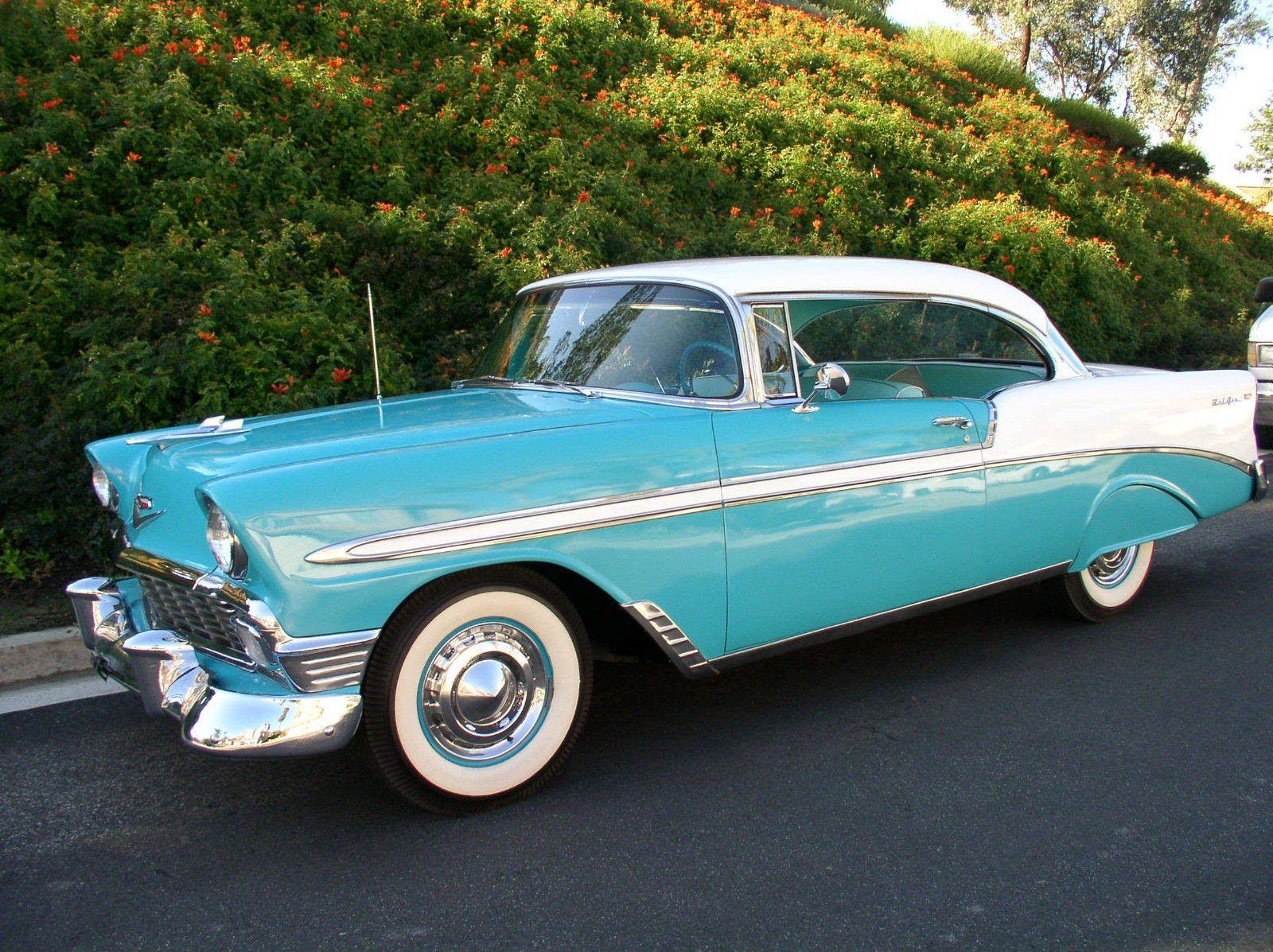
Oh, the irresistible allure of a classic car! There’s something undeniably romantic about unearthing a vintage beauty, a forgotten piece of automotive history, and dreaming of bringing it back to its former glory. Whether it’s a barn find that’s patiently waited for decades or a beloved family heirloom that’s seen better days, the vision of a perfectly restored ride cruising down the highway is enough to ignite the passion in any gearhead’s heart. It’s a journey steeped in nostalgia, a tangible connection to an era when cars were more than just transportation; they were works of art.
But let’s be real for a moment, because while the dream of turning a neglected classic into a concourse-standard masterpiece is intoxicating, the reality can often be a sobering splash of cold water. We’re talking about a process that requires years of effort and a substantial financial investment, turning what starts as a labor of love into a potential money pit. The average cost of restoring a car, from a simple paint refresh to a full body and engine overhaul, can swing wildly from $6,000 to well over $65,000, and that’s before you even factor in the specialized parts and labor rates for truly rare beasts.
So, before you dive headfirst into what could be a multi-year, multi-thousand-dollar commitment, let’s talk about the hard truth: some ‘rare’ cars, despite their iconic status and undeniable charm, might just be a collector’s trap. The cost of bringing them back to life could easily eclipse their fully restored market value, leaving you with a beautifully resurrected vehicle that’s worth less than the blood, sweat, and tears (and, crucially, cash) you poured into it. We’re here to help you navigate this treacherous terrain, shining a light on those vintage dream machines whose restoration might never truly justify the monumental expense. Let’s peel back the layers and see if it’s time to sell now.
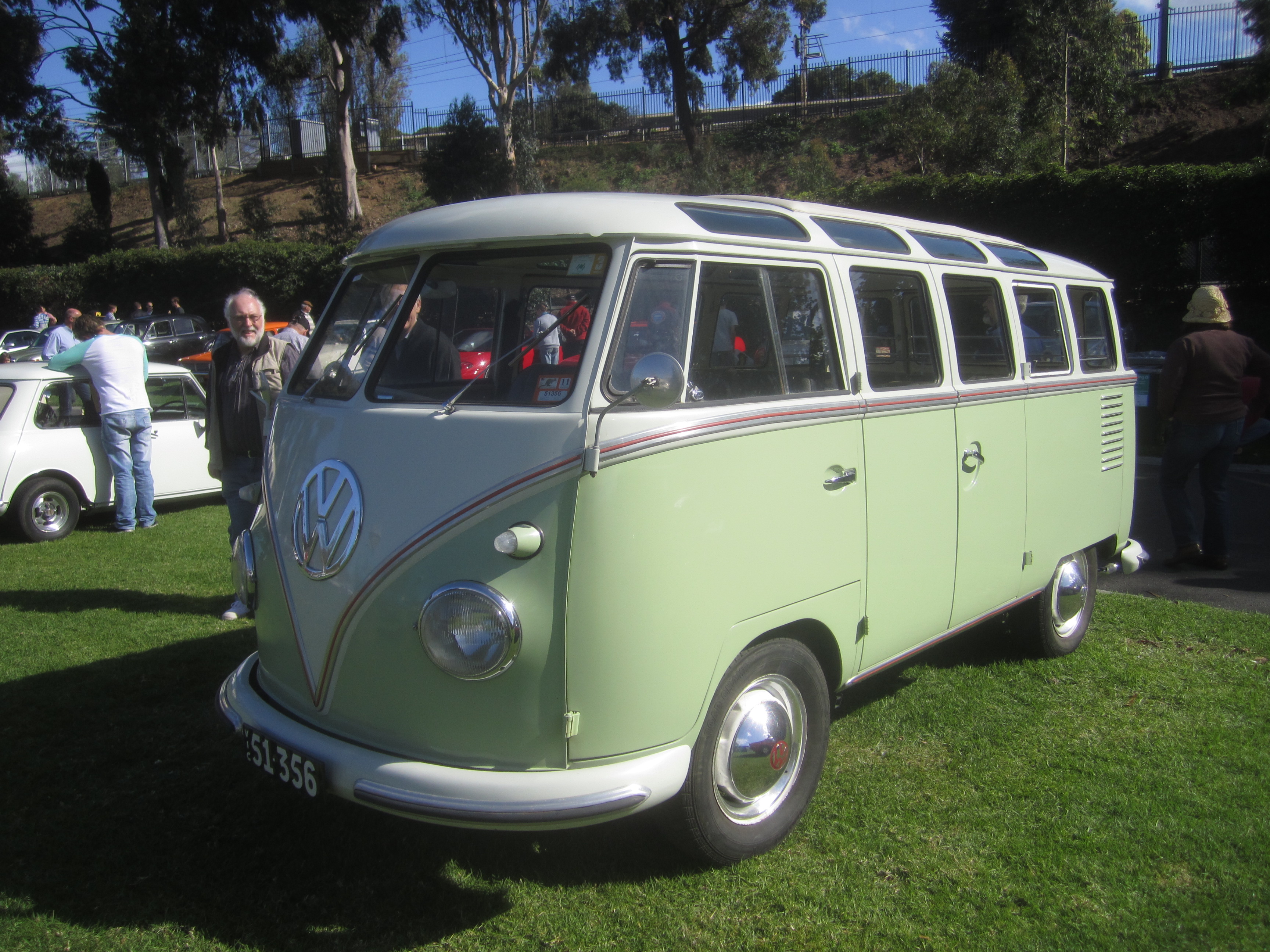
1. **Volkswagen Samba Bus**
Ah, the venerable Volkswagen Samba Bus – a vehicle that embodies the spirit of an era, a symbol of freedom, and now, thanks to its modern homage, the Volkswagen ID. Buzz, a machine experiencing a serious surge in demand for the original version. The thought of restoring one of these iconic vans is incredibly rewarding, conjuring images of sunny beach days and carefree adventures. But let’s not sugarcoat it: the journey to bring a Samba Bus back to life is anything but simple, and your wallet will certainly feel the pinch.
Specifically, those coveted 23-window versions are notoriously tricky to tackle. Imagine trying to source rare skylight glass that’s been out of production for decades, or intricate trim details that seem to exist only in faded photographs. Every single component adds to the complexity and, more importantly, the cost. These aren’t readily available parts you can just order from any old auto shop; you’re looking at specialized suppliers and the significant expense that comes with scarcity.
The costs of restoring these classic vans can indeed be substantial, primarily due to the sheer number of components involved and their bespoke nature. Enthusiasts jumping into this project need to be prepared for a lengthy and expensive restoration journey. While the end result is undoubtedly a timeless piece of automotive history and a testament to your dedication, it’s crucial to acknowledge that the path there is paved with financial challenges and the relentless hunt for authentic, often pricey, replacement parts.
Car Model Information: 2025 Chevrolet Silverado 1500 WT
Name: Volkswagen Type 2
Manufacturer: Volkswagen
Aka: unbulleted list
Production: November 1949 – present
Successor: Volkswagen ID. Buzz
Class: Light commercial vehicle
BodyStyle: unbulleted list
Platform: Volkswagen Group T platform
Layout: unbulleted list
Sp: uk
Categories: 1950s cars, 1960s cars, 1970s cars, 1980s cars, 1990s cars
Summary: The Volkswagen Transporter, initially the Type 2, is a range of light commercial vehicles, built as vans, pickups, and cab-and-chassis variants, introduced in 1950 by the German automaker Volkswagen as their second mass-production light motor vehicle series, and inspired by an idea and request from then-Netherlands-VW-importer Ben Pon.
Known officially (depending on body type) as the Transporter, Kombi or Microbus – or informally as the Volkswagen Station Wagon (US), Bus (also US), Camper (UK) or Bulli (Germany), it was initially given the factory designation ‘Type 2’, as it followed – and was for decades based on – the original ‘Volkswagen’ (“People’s Car”), which became the VW factory’s ‘Type 1’ after the post-war reboot, and mostly known, in many languages, as the “Beetle”.
The Volkswagen Transporter has been built in many variants. It may be best known for its panel vans, but it was also built as a small bus or minivan, with choices of up to 23 windows and either hinged or sliding side doors. From the first generation, both regular and crew-cab, as well as long- and short-bed pickups, were made, and multiple firms sprang up to manufacture varying designs of camper vans, based on VW’s Transporter models, to this day.
For the first 40 years, all VW Type 2 variants were forward control, with a VW-Beetle-derived flat-four engine in the rear, and all riding on the same (initial thirty years – T1 and T2), or similar (T3), 2.40 m (94 in) wheelbase as the Type 1 Beetle. As a result, all forward-control Type 2 pickups were either of standard-cab, long-bed or crew-cab, short-bed configuration, and because of the relatively high bed floor (above the rear, flat engine), most pickups came with drop sides in addition to the tailgate. In 1979, the third-generation Type 2 introduced an all-new, more square and boxy body, and in the 1980s also introduced a raised four-wheel-drive bus variant.
From the introduction of the fourth-generation Transporter in 1990, the vehicle layout changed to a more common front-engined one – no longer forward-control – and also changed from rear- to front-wheel drive, with four-wheel–drive remaining optional. From then on, the platform no longer shared technological legacy with the Beetle, and Volkswagen just called them ‘Transporter’, and no longer ‘Type 2’. The new models, though growing a bit in length, got a significantly longer wheelbase that pushed the wheels closer to the truck’s corners, noticeably reducing its front and rear overhangs, and extended-wheelbase models were also introduced.
Get more information about: Volkswagen Type 2
Buying a high-performing used car >>>
Brand: Volkswagen Model: Samba Bus
Price: $34,767 Mileage: 751 mi.
Read more about: Hold On Tight! 14 Classic Cars That Were Absolutely Iconic and Are Still Crazy Cool

2. **Chevrolet Camaro Z28 LT1 (Second Generation)**
For many, the second-generation Chevrolet Camaro Z28 LT1 is more than just a car; it’s a fan favorite, a roaring symbol of American muscle that brings a smile to the face of any classic car enthusiast. With its reworked engine, improved body design, and lightweight aluminum pistons, this machine promised a thrilling driving experience, and it delivered! You might still be able to find one of these beauties for around $20,000, which sounds like a steal, right? Well, pump the brakes for a second, because beneath that thrilling facade lies a significant restoration challenge due to its decidedly outdated mechanics.
This isn’t just a weekend project; this muscle car, now well over 50 years old, often requires extensive work to truly bring it back to life. We’re talking about a complete overhaul, from meticulously sourcing original parts – and trust us, that’s not always easy or cheap – to completely rebuilding the drivetrain to ensure it performs as it once did. The Z28 LT1 engines, known for their high-performance capabilities, demand nothing less than meticulous precision work to ensure they operate at their full potential, a task that requires specialized expertise and plenty of hours.
Restoring a second-gen Camaro is, without a doubt, a costly endeavor. It’s a deep dive into every aspect of the vehicle, from its mechanical components to the intricate details of its interior. However, for those passionate restorers with the time, effort, and financial fortitude, the reward is a beautifully restored Camaro that delivers a potent blend of nostalgia and raw power, a true testament to classic North American automotive muscle. Just make sure your passion can truly outweigh the impending financial reality.
Car Model Information: 2025 Chevrolet Silverado 1500 WT
Name: Chevrolet Camaro
Manufacturer: Chevrolet
Production: 1966–2002,2009–2023
ModelYears: 1967–2002,2010–2024
Class: Pony car
BodyStyle: coupe,convertible
Platform: GM F platform,GM Zeta platform,GM Alpha platform
Layout: Front-engine, rear-wheel-drive layout
Categories: 1970s cars, 1980s cars, 1990s cars, 2+2 coupés, 2000s cars
Summary: The Chevrolet Camaro is a mid-size American automobile manufactured by Chevrolet, classified as a pony car. It first went on sale on September 29, 1966, for the 1967 model year and was designed to compete with the Ford Mustang. The Camaro shared its platform and major components with the Firebird, produced by General Motors’ Pontiac division that was also introduced for the 1967 model year.
Four distinct generations of the Camaro were developed before production ended in 2002. The nameplate was revived on a concept car that evolved into the fifth-generation Camaro; production started on March 16, 2009.
Production of the sixth generation of the Camaro ended in December 2023, for the 2024 model year.
Get more information about: Chevrolet Camaro
Buying a high-performing used car >>>
Brand: Chevrolet Model: Camaro Z28
Price: $34,767 Mileage: 751 mi.
Read more about: Beyond the Big Blocks: Unearthing 14 Forgotten 1980s GM Muscle Cars That Command Attention Today
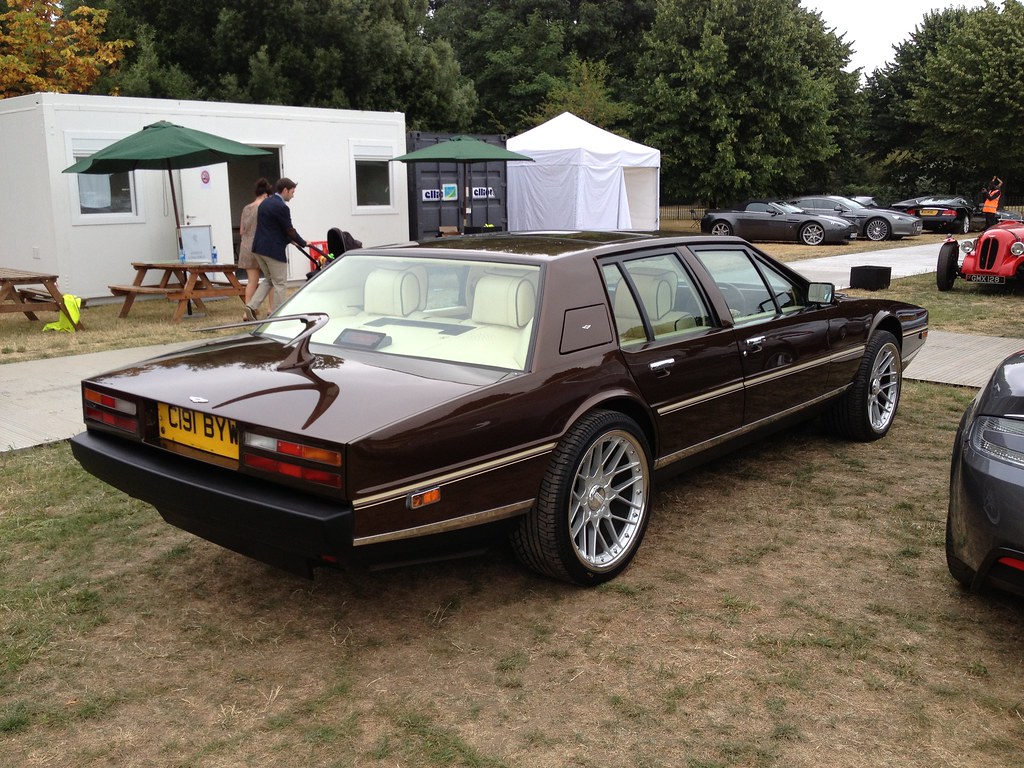
3. **Aston Martin Lagonda**
The Aston Martin Lagonda. Now, there’s a car that truly stands out, a unique classic that often divides opinions with its strikingly futuristic design and undoubtedly luxurious interior. This wasn’t just a car; it was Aston Martin’s audacious attempt to propel itself into the modern era, packed with advanced technology that was, let’s be honest, well ahead of its time. It’s a statement piece, a rolling sculpture that demands attention wherever it goes, and for a certain kind of collector, the appeal is undeniable.
However, this very complexity, these cutting-edge features that made it so revolutionary in its day, are precisely what make restoration a singularly difficult and expensive task today. Its advanced electronic features, for instance, were groundbreaking, but also made the car notoriously prone to mechanical and electrical breakdowns, and trying to fix them now is like deciphering an ancient alien script. Finding parts for a Lagonda is a Herculean challenge; these vehicles are rare birds, and their bespoke components are costly beyond belief.
Due to its limited production run, sourcing both replacement parts and the specialized expertise required to work on such a rare car becomes an uphill battle. This is not a project to be taken lightly. For those with the unwavering patience and, more importantly, the substantial financial resources, restoring a Lagonda can certainly be a satisfying experience. But for many, the investment required will likely far outstrip any potential monetary return, making it a passion project strictly for the most dedicated (and wealthiest) of enthusiasts.
Car Model Information: 2025 Chevrolet Silverado 1500 WT
Caption: Aston Martin Lagonda Series 2
Name: Aston Martin Lagonda
Manufacturer: Aston Martin
Designer: William Towns
Production: 1974–1990,645 produced
Assembly: Newport Pagnell,Buckinghamshire,England
Predecessor: Lagonda Rapide
Successor: Lagonda Taraf
Class: Full-size,luxury car
BodyStyle: sedan (car)
Layout: Front-engine, rear-wheel-drive layout
Engine: cvt,V8 engine
Transmission: Torqueflite,automatic transmission
Wheelbase: 2916 mm
Abbr: on
Length: 5282 mm
Width: 1816 mm
Height: 1302 mm
Categories: 1980s cars, 1990s cars, All Wikipedia articles written in British English, All articles with unsourced statements, Articles with short description
Summary: The Aston Martin Lagonda is a full-size luxury four-door saloon manufactured by British manufacturer Aston Martin between 1974 and 1990. A total of 645 were produced. The name was derived from the Lagonda marque that Aston Martin had purchased in 1947. There are two distinct generations: the original, short-lived 1974 design based on a lengthened Aston Martin V8, and the entirely redesigned, wedge-shaped Series 2 model introduced in 1976.
In 2014, Aston Martin confirmed it would launch a new Lagonda model called the Taraf for the Middle-East market, sold on an invitation-only basis as a successor to this saloon. As of 2022, 113 remain registered in the United Kingdom, though 82 are SORN (unregistered for routine road use).
Get more information about: Aston Martin Lagonda
Buying a high-performing used car >>>
Brand: Aston Martin Model: Lagonda
Price: $34,767 Mileage: 751 mi.
Read more about: Beyond Acquisition: Unveiling the Enigmatic World of the Rarest and Most Exquisite Classic Cars

4. **Dodge Challenger R/T (First Generation)**
Let’s talk about the 1970 Dodge Challenger R/T – one of the most iconic muscle cars ever built, a true legend of the asphalt. It oozes undeniable style, a potent symbol of American automotive prowess that commands respect and, with current valuations often exceeding $100,000, significant attention. It’s the kind of car that sparks fantasies of tire-smoking burnouts and cruising with attitude, embodying an era of raw, untamed power. But before you get lost in that dream, a dose of reality: while it certainly exudes style, due to its age and original design characteristics, it’s honestly not always the best car to *drive* in a modern context.
Now, for anyone considering a Mopar restoration, a word to the wise: Mopar vehicles are known to be expensive to restore, and the first-generation Challengers are no exception. The difficulty in sourcing parts for these beasts is a well-known hurdle. Original components, especially for an R/T, are often as elusive as a quiet Sunday morning at a drag strip. You’re not just buying parts; you’re embarking on an archaeological dig, often leading to custom fabrication or exorbitant prices for what you do manage to unearth.
Bringing one of these magnificent machines back to its former glory demands not just deep pockets, but also an almost saint-like level of patience. While the Challenger is undeniably a great classic, for anyone without extensive restoration experience and a bottomless budget, it may very well prove to be more trouble, and certainly more expense, than it’s ultimately worth. The satisfaction of a restored Challenger is immense, but the journey to get there can be financially brutal, potentially leaving you in a collector’s trap where the cost far outweighs the final value. You’ve been warned.
Car Model Information: 2025 Chevrolet Silverado 1500 WT
Name: Dodge Challenger (2008)
Production: 2008–2023
ModelYears: 2008–2023
Assembly: Brampton, Ontario
Designer: Brian Nielander,
Predecessor: ubl
Successor: Dodge Charger (2024)
Caption: 2017 Dodge Challenger R/T Scat Pack
Manufacturer: Dodge
Class: Muscle car
BodyStyle: notchback,coupe
Engine: unbulleted list
Abbr: on
Order: Chrysler Hemi engine#6.4 Apache / 392 Apache,V8 engine
Layout: Front-engine, rear-wheel-drive layout,Front-engine, all-wheel-drive layout
Transmission: Ultradrive#42RLE,5G-Tronic,Tremec TR-6060 transmission,ZF 8HP transmission
Wheelbase: cvt
Length: cvt
Width: cvt
Height: cvt
Categories: 2000s cars, 2010s cars, 2020s cars, All articles that are excessively detailed, All articles with style issues
Summary: The Dodge Challenger is a full-size muscle car that was introduced in early 2008 originally as a rival to the evolved fifth-generation Ford Mustang and the fifth-generation Chevrolet Camaro.
In November 2021, Stellantis announced that 2023 model year would be the final model year for both the LD Dodge Charger and LA Dodge Challenger, as the company will focus its future plans on electric vehicles rather than fossil fuel powered vehicles, due to tougher emissions standards required by the Environmental Protection Agency for the 2023 model year. Challenger production ended on December 22, 2023, and the Brampton, Ontario assembly plant will be re-tooled to assemble an electrified successor.
Get more information about: Dodge Challenger (2008)
Buying a high-performing used car >>>
Brand: Dodge Model: Challenger R/T
Price: $34,767 Mileage: 751 mi.
Read more about: From Gadget-Filled Spymobiles to Time-Traveling Legends: 13 Classic Cars That Drove Hollywood History

5. **Chevrolet Bel Air Impala (Third Generation)**
Oh, the third-generation Chevrolet Bel Air! For countless classic car enthusiasts, this beauty isn’t just a car; it’s *the* dream project, a rolling sculpture from a bygone era that simply screams “cool.” With its undeniably distinctive presence, thanks to that sculpted body and extended wheelbase, you can practically hear the Beach Boys playing when you picture one of these cruising down the boulevard. It’s truly a magnificent machine, but let’s be real, turning that dream into a driveway reality comes with a rather significant price tag.
Those very features that make it so distinctive – the sculpted body, the specific lines, that extended wheelbase – are precisely what make its restoration a particularly difficult undertaking. We’re not talking about easily replaceable parts here. Imagine the painstaking hunt for original leather interiors that have weathered decades, or trying to replicate the intricate chrome accents that gave these cars their undeniable sparkle. It’s a process that demands not just time, but a substantial investment of cold, hard cash, often leaving restorers feeling like they’re on a treasure hunt with an unlimited budget.
Beyond the aesthetics, the simple truth is that age catches up to every classic. Rust and mechanical degradation are common issues you’ll inevitably encounter with a car of this vintage. You might think you’ve found a gem, but once you start peeling back the layers, you could be looking at significant structural work or an engine rebuild that costs as much as a decent down payment on a new car. It’s a major undertaking, an automotive Everest for even the most seasoned wrench-turners.
While bringing a Bel Air back to life is undoubtedly a monumental task, and one that will test your patience and your bank account, the end result for those willing to invest the effort is one of the most stunning classics you’ll ever lay eyes on. There’s a reason these cars command such admiration. Just be aware that achieving that concourse-ready look means embracing the financial heartache as part of the journey. Is that stunning classic worth the financial plunge? For some, absolutely, but for others, it might just be the collector’s trap you want to avoid.
Car Model Information: 2025 Honda Civic Sport
Name: Chevrolet Impala
Caption: Fourth generation model (1967)
Manufacturer: Chevrolet
Production: 1957–1985,1994–1996,1999–2020
ModelYears: 1958–1985,1994–1996,2000–2020
Predecessor: Chevrolet Bel Air,Chevrolet Lumina#Second generation (1995–2001)
Successor: Chevrolet SS,Chevrolet Caprice
Platform: GM B platform,GM W platform,GM W platform (GMX211) (2005–2013),GM Epsilon platform#Epsilon II
Class: Full-size car,Mid-size car
Layout: Front-engine, rear-wheel-drive layout,Front-engine, front-wheel-drive layout
Categories: 1960s cars, 1970s cars, 1980s cars, 1990s cars, 2000s cars
Summary: The Chevrolet Impala () is a full-size car that was built by Chevrolet for model years 1958 to 1985, 1994 to 1996, and 2000 to 2020. The Impala was Chevrolet’s popular flagship passenger car and was among the better-selling American-made automobiles in the United States.
For its debut in 1958, the Impala was distinguished from other models by its symmetrical triple taillights. The Chevrolet Caprice was introduced as a top-line Impala Sport Sedan for model year 1965, later becoming a separate series positioned above the Impala in 1966, which, in turn, remained above the Chevrolet Bel Air and the Chevrolet Biscayne. The Impala continued as Chevrolet’s most popular full-sized model through the mid-1980s. Between 1994 and 1996, the Impala was revised as a 5.7-liter V8–powered version of the Chevrolet Caprice Classic sedan.
In 2000, the Impala was reintroduced again as a mainstream front-wheel drive car. In February 2014, the 2014 Impala ranked No. 1 among Affordable Large Cars in U.S. News & World Report’s rankings. When the 10th generation of the Impala was introduced for the 2014 model year, the 9th generation was rebadged as the Impala Limited and sold only to fleet customers through 2016. During that time, both versions were sold in the United States and Canada. The 10th-generation Impala was also sold in the Middle East and South Korea.
Get more information about: Chevrolet Impala
Buying a high-performing used car >>>
Brand: Chevrolet Model: Bel Air Impala
Price: $26,881 Mileage: 1,226 mi.
Read more about: From Quirky to Coveted: 14 Ugly American Cars That Are Now Seriously Cool Collector’s Items

6. **Pontiac Trans Am SD-455**
Alright, muscle car aficionados, let’s talk about a true legend: the 1973 Pontiac Trans Am SD-455. This isn’t just *any* Trans Am; we’re talking about an absolute classic, a beast forged in the golden age of American horsepower, with a production run of only 252 Super Duty examples ever built. Think about that for a second – just 252! That kind of rarity doesn’t just make it sought-after; it makes it a restoration project that will test the mettle of even the most dedicated enthusiast, and frankly, make your wallet weep.
The inherent scarcity of the SD-455 is the first, and perhaps largest, hurdle. Trying to source original electrical and mechanical parts for a car this rare is akin to searching for a needle in a haystack, only the haystack is on fire and the needle is made of unobtanium. And then there’s the heart of the beast: rebuilding that high-performance engine. It’s not just a matter of swapping out a few parts; it requires highly specialized expertise, precision work, and an intimate understanding of an engine designed for raw, unadulterated power.
The low production numbers mean fewer spare parts in circulation, pushing the costs of what you *can* find through the roof. Even basic restoration for these iconic machines can quickly spiral into an eye-watering expense. We’re talking about significant labor, combined with the often-exorbitant cost of sourcing rare trim pieces, unique body panels, and those crucial, performance-enhancing components that make an SD-455 what it is. It’s a challenge, yes, but for many, it’s an investment in a piece of automotive art.
The car’s strong cylinder block and four-bolt main bearings contribute to its legendary durability, but even legendary durability can’t stave off decades of wear and tear without some serious intervention. Restoring an SD-455 properly can take months of careful planning, meticulous execution, and a whole lot of money. The finished product is, without a doubt, a muscle car masterpiece, a screaming phoenix resurrected from its garage-bound slumber. But before you jump in, ask yourself: is your passion, and your bank account, truly ready for this kind of masterpiece? This isn’t just a car; it’s a commitment.
Car Model Information: 2025 Honda Civic Sport
Name: Pontiac Firebird
Caption: The second, third, and fourth generations of,the Pontiac Firebird Trans Am
Manufacturer: Pontiac (automobile)
Production: February 23, 1967 – August 30, 2002
ModelYears: 1967 – 2002
Class: Pony car,Muscle car
Platform: GM F platform
Related: Chevrolet Camaro
Layout: Front engine, rear-wheel-drive layout
Categories: 1970s cars, 1980s cars, 1990s cars, 2000s cars, All articles with dead external links
Summary: The Pontiac Firebird is an American automobile built and produced by Pontiac from the 1967 to 2002 model years. Designed as a pony car to compete with the Ford Mustang, it was introduced on February 23, 1967, five months after GM’s Chevrolet division’s platform-sharing Camaro. This also coincided with the release of the 1967 Mercury Cougar, Ford’s upscale, platform-sharing version of the Mustang.
The name “Firebird” was also previously used by GM for the General Motors Firebird series of concept cars in the 1950s.
Get more information about: Pontiac Firebird
Buying a high-performing used car >>>
Brand: Pontiac Model: Trans Am
Price: $26,881 Mileage: 1,226 mi.
Read more about: Beyond the Malaise: 15 Rare American Cars from the 1970s That Defied Expectations

7. **Mercedes-Benz 600**
Now, let’s pivot from raw muscle to pure, unadulterated luxury, a vehicle built for royalty and the global elite: the Mercedes-Benz 600. When we talk about restoring one of these, we’re not just discussing a car; we’re talking about resurrecting an opulent piece of history that reflects unmatched prestige. Especially the Pullman version – an extravagant land yacht that demands nothing less than perfection in its revival. This is a project for those with truly deep pockets, and even deeper reserves of patience.
Finding a project Mercedes-Benz 600 at an “affordable” price is already a feat in itself; bringing it back to life is an entirely different level of challenge. This car was a technological marvel of its time, but its very sophistication is its Achilles’ heel for restorers. Take the intricate hydraulic system, for instance, which famously controls everything from the doors and windows to the seats. Repairing and rebuilding this complex network requires not just extensive expertise but also access to specialized parts that are about as common as hen’s teeth.
The limited production numbers of the Mercedes-Benz 600 mean that sourcing *any* parts, let alone the bespoke components, becomes a Herculean task. You’re not just buying a part; you’re commissioning a quest. Add to that the heavy engineering and the sheer labor involved in restoring its famously luxurious interior – think exotic woods, supple leathers, and bespoke finishes – and the costs don’t just escalate; they skyrocket. Every single detail demands skilled labor and specific, often custom-made, replacement parts.
Owning a fully restored Mercedes 600, especially a Pullman, does put you in an exclusive club, sharing a driveway lineage with icons like Queen Elizabeth II and Jack Nicholson. It’s undeniably a dream for serious collectors, a statement of unparalleled automotive luxury and historical significance. But let’s be blunt: if you’re looking for a project that offers a healthy return on investment, this might not be it. This is a passion project where the financial commitment is almost as grand as the car itself, a testament to wealth and unwavering dedication.
Read more about: Smart Leasing in 2025: Why You Should Avoid These 14 Older Electric and Hybrid Models
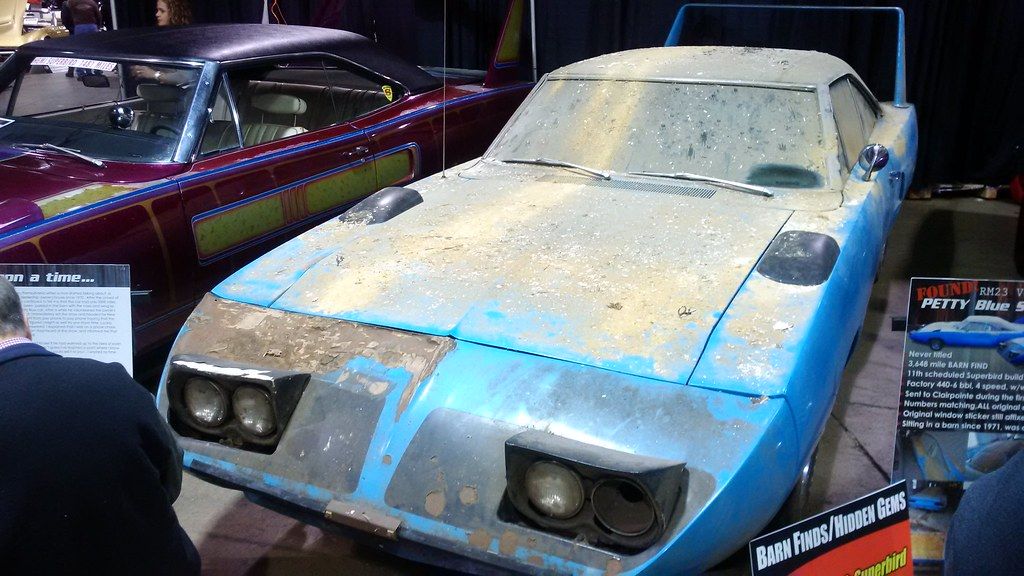
8. **Plymouth Superbird**
If you want to talk about head-turning, jaw-dropping, utterly unmistakable presence, then you *have* to talk about the Plymouth Superbird. Thanks to that distinctive, towering rear wing and its aggressively aerodynamic design, this is one of the most recognizable muscle cars ever built, a true legend of NASCAR and the open road. With only 2,000 units produced, just finding one of these feathered beasts is a challenge, but restoring it? Well, that’s where the real adventure, and the significant financial commitment, begins.
The Superbird’s unique features, particularly that elongated nose cone and the iconic tall rear wing, were specifically engineered to dominate the race track. But these specialized components, while crucial to its identity and performance, are also some of the biggest restoration challenges. They’re not just hard to find; they’re expensive to repair or replace, often requiring custom fabrication due to their scarcity. This isn’t a project where you can just hop online and order parts; you’re likely working with master craftsmen who specialize in these unique aerodynamic pieces.
Many of the surviving Superbirds today require extensive bodywork and significant mechanical repairs, which, when combined with the specialized components and limited production numbers, can easily push restoration costs into the hundreds of thousands of dollars. Let that sink in for a moment. We’re talking about an investment that rivals, and often surpasses, the value of many high-end contemporary sports cars, all for a vehicle that’s nearly half a century old.
Due to its incredible racing pedigree and undeniable historical significance, a well-restored Superbird is indeed an extremely valuable collector’s item. It’s a piece of American automotive legend, a tangible link to a thrilling era of motorsports. For those who can truly handle the investment – and we mean *truly* handle it – the reward is immense. But for anyone without seemingly bottomless pockets, the Superbird can quickly become less of a soaring triumph and more of a financial black hole. Consider yourself warned: this bird’s restoration costs could fly away with your entire nest egg.
Read more about: Power Under the Hood, Eyesore on the Road: The 14 Ugliest Muscle Cars That Made Us Cringe
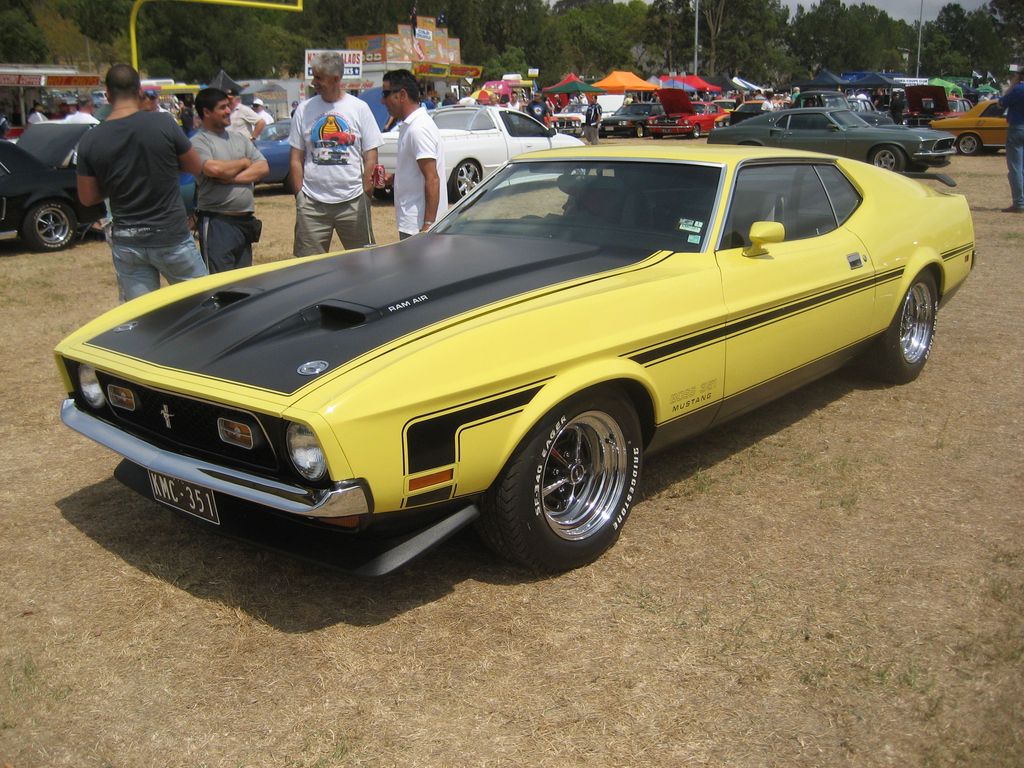
9. **Ford Mustang Boss 351**
Last but certainly not least on our list of potential financial sinkholes, but undeniably cool classics, is the Ford Mustang Boss 351. Ah, the Boss! This is a rare gem from the Mustang lineup, with a truly limited production run of only 1,806 units ever built. Finding one is a victory in itself, and current prices typically range from $50,000 to $100,000, which sounds like a solid investment, right? But here’s the catch: these cars aren’t exactly celebrated for their rock-solid reliability, and bringing one back to its former glory is an expensive process, to say the least.
The core challenge, as with many rare classics, boils down to parts availability. Original components for the Boss 351 are notoriously hard to come by. You’re not just fixing a car; you’re essentially going on an archaeological dig every time something needs replacing. This scarcity directly translates into inflated prices for whatever parts you *can* unearth, turning even minor repairs into significant financial hurdles. And let’s not forget, the “Boss” in its name means it’s a performance machine, demanding specific parts to ensure it lives up to its heritage.
Bringing a Boss 351 back to life can, quite easily, double your initial purchase price. Think about that for a moment: you buy it for $75,000, and before you know it, you’ve poured another $75,000 (or more!) into it, all to get it running and looking pristine. That’s a serious commitment, one that demands a passionate heart and a very understanding bank account. This isn’t a casual restoration; it’s a full-on devotion, a financial marathon, not a sprint.
However, for true Mustang enthusiasts, the appeal of owning a fully restored Boss 351 is absolutely undeniable. Its rarity, its potent performance potential, and its place in Mustang lore make it a prized possession for collectors. It’s more than just a car; it’s a statement, a piece of Ford history brought roaring back to life. But before you get swept up in that undeniable appeal, crunch those numbers, weigh your passion against the practical realities, and decide if this rare gem is worth the potential financial trap. The spirit of the Boss might be willing, but your wallet might not be.
So there you have it, folks. From iconic buses to aristocratic cruisers and legendary muscle machines, we’ve explored the fascinating, often infuriating, world of classic car restoration. It’s a realm where dreams of gleaming chrome and roaring engines can quickly collide with the harsh realities of rare parts, specialized labor, and spiraling costs. The collector’s trap is real, and it often ensnares the most passionate among us.
Car Model Information: 2025 Honda Civic Sport
Name: Mustang (first generation)
Caption: 1965 Ford Mustang
Aka: Ford T5 (Germany)
Manufacturer: Ford Motor Company
Assembly: Unbulleted list
Production: March 1964 – June 1973
ModelYears: 1965–1973
Class: Unbulleted list
BodyStyle: Unbulleted list
Layout: Front-engine, rear-wheel drive layout
Designer: Gale Halderman
Related: Unbulleted list
Successor: Ford Mustang (second generation)
Categories: 1970s cars, All Wikipedia articles written in American English, All articles with unsourced statements, Articles with short description, Articles with unsourced statements from January 2020
Summary: The first-generation Ford Mustang was manufactured by Ford from March 1964 until 1973. The introduction of the Mustang created a new class of automobiles known as pony cars. The Mustang’s styling, with its long hood and short deck, proved wildly popular and inspired a host of competition.
It was introduced on April 17, 1964, as a hardtop and convertible, with the fastback version following in August 1964. Upon introduction, the Mustang, sharing its platform with the Falcon, was slotted into the compact car segment.
The first-generation Mustangs grew in overall dimensions and engine power with each revision. The 1971 model featured a drastic redesign. After an initial surge, sales steadily declined, and Ford began working on a new generation Mustang. With the onset of the 1973 oil crisis, Ford was prepared, having already designed the smaller Mustang II for the 1974 model year. This new car shared no components with preceding models.
Get more information about: Ford Mustang (first generation)
Buying a high-performing used car >>>
Brand: Ford Model: Mustang Boss 351
Price: $26,881 Mileage: 1,226 mi.
Read more about: Unsung Powerhouses: The Ford Engines That Quietly Redefined Performance and Stole the Mustang’s Thunder
Ultimately, whether a car is “worth” restoring often transcends mere monetary value. For many, it’s a labor of love, a profound connection to automotive history, and the incomparable satisfaction of bringing a forgotten beauty back to life. But if you’re approaching this as an investment, it’s absolutely crucial to do your homework, set a realistic budget, and be prepared for the unexpected. Sometimes, the wisest move isn’t to embark on that arduous journey, but to appreciate these magnificent machines from afar, perhaps letting someone else fall into the trap so you can simply admire the finished masterpiece. Drive wisely, gearheads!