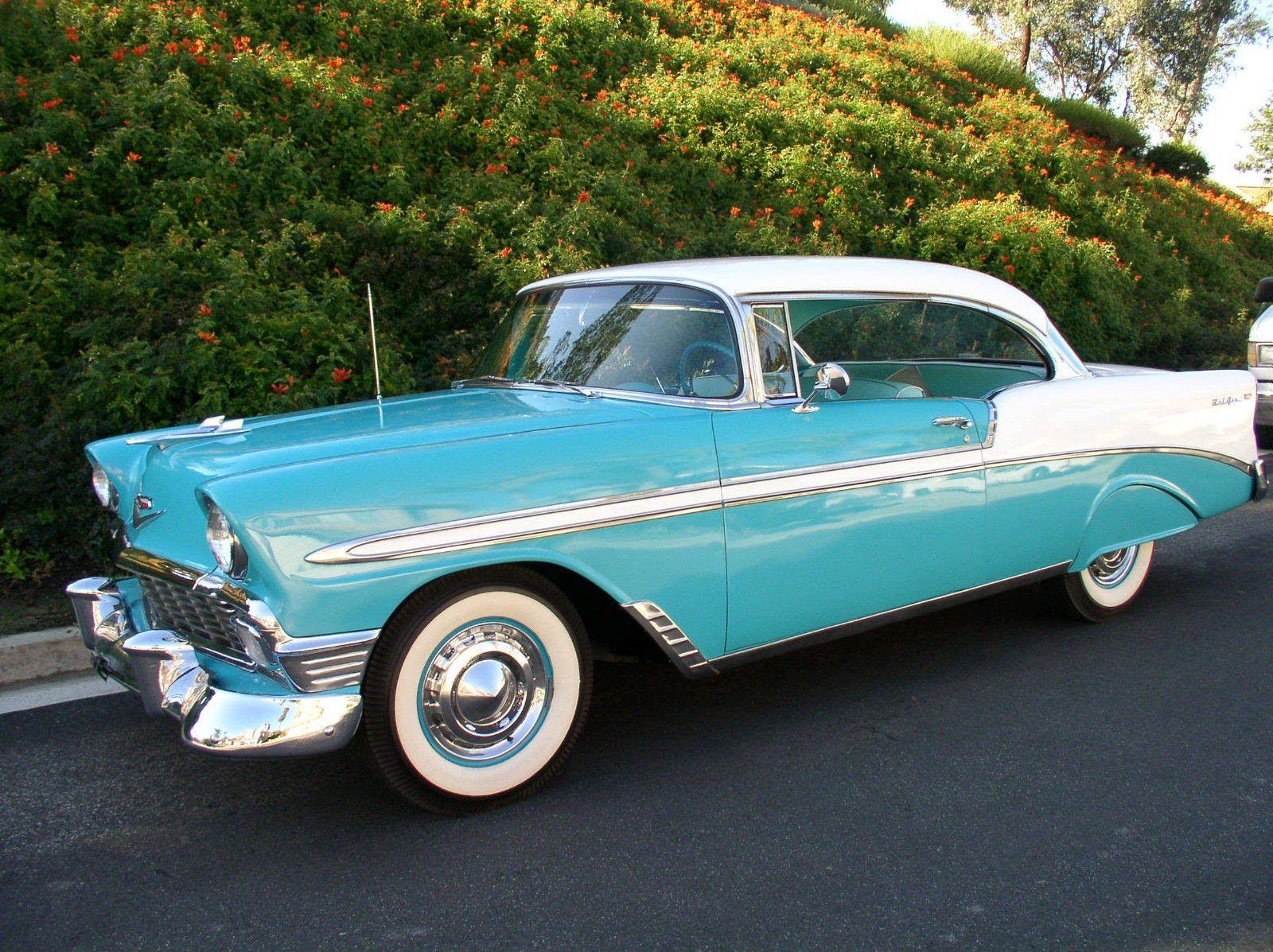
Ah, the siren song of a classic car. You see it at an auction, dusty in a barn, or perhaps just a glimmer in the classifieds – a timeless beauty, a piece of history whispering promises of open-road glory. We’ve all been there, haven’t we? The dream of bringing a vintage machine back to life, whether it’s a factory-correct masterpiece or a modern restomod (or a CityMod, if you’re talking to City Classic Cars of Houston Texas), is intoxicating. It’s about more than just a car; it’s about passion, a legacy, a tangible connection to automotive heritage. But let’s pump the brakes for a second, because before you dive headfirst into that greasy, glorious project, there’s a brutal truth you need to confront.
Because while companies like City Classic Cars are out there making automotive dreams a reality, with decades of experience in restoration, preservation, and recommission needs, and White’s Bodyworks boasts nearly 30 years of helping owners with everything from engine refits to rust repair, not every classic is destined for a triumphant return. In fact, many are just exquisitely designed financial black holes, waiting to suck your savings dry. We’re talking about projects that, despite all the love, grit, and cash you throw at them, will never, ever give you a return on investment – unless your ‘investment’ is purely the agonizing pleasure of throwing money down a mechanical drain.
So, you’ve got a gleam in your eye and a wrench in your hand? Before you commit to what could be 1,000 hours of serious work and ‘many thousands of pounds’ (or dollars, yen, whatever your currency of choice is, as White’s Bodyworks puts it) in upfront costs, it’s critical to understand when that ‘labour of love and passion’ turns into a money pit. We’re about to pull back the curtain on 15 signs that your beloved project might be an actual financial ruin. Today, we’re dissecting the first seven of these classic car catastrophes. Did you buy one? Let’s find out.
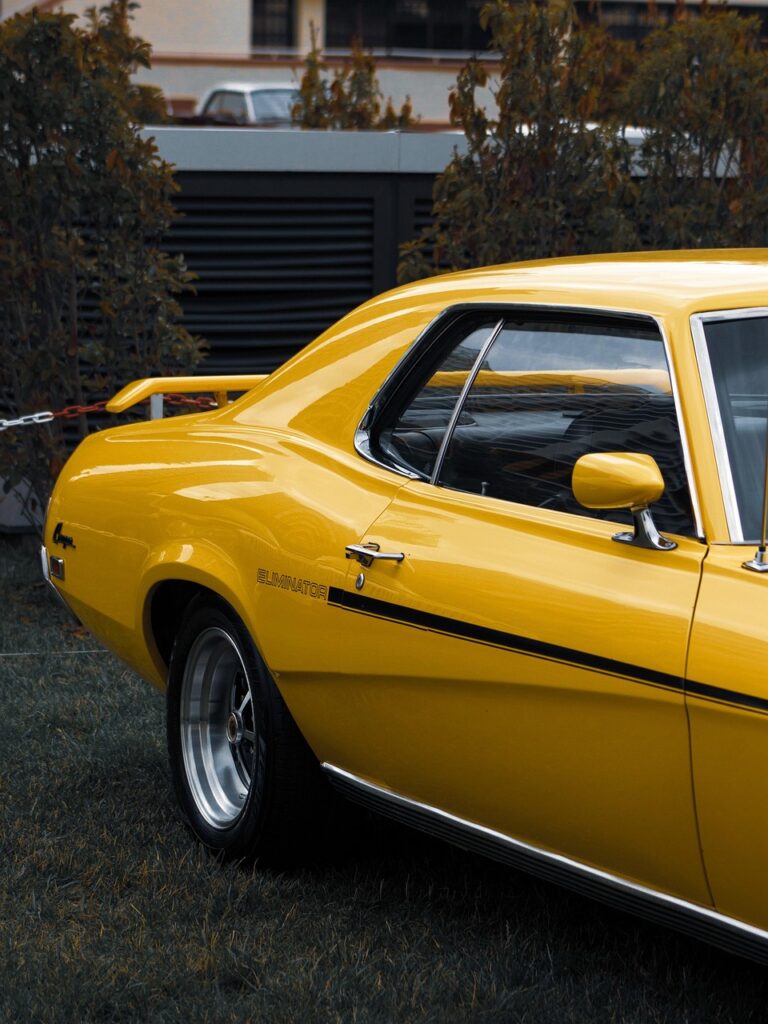
1. **Severe Structural Damage**Let’s kick things off with a classic nightmare: structural damage. You know, the kind where the car looks mostly solid from twenty feet away, but get it on a lift and suddenly you’re playing ‘connect the dots’ with rust holes. We’re not talking about a little surface patina here; we’re talking about extensive rust that has eaten through critical structural areas like the frame or chassis. This isn’t just cosmetic; this is the very skeleton of your dream machine, compromised and corroded beyond easy repair.
When the underlying structure is shot, you’re not just patching things up; you’re looking at a foundational rebuild. The context explicitly warns that if a car has “extensive rust in critical structural areas (e.g., frame or chassis) or significant collision damage,” the sheer “cost of repairs may exceed the car’s value.” Think about that for a second. You haven’t even started on the engine, the interior, or the paint, and you’re already underwater on the value proposition. It’s like buying a house with a collapsing foundation and expecting a quick renovation.
“Advanced rust often requires replacing entire panels, which can be labor-intensive and expensive.” That’s not just a warning; that’s an understatement for the ages. We’re talking about cutting, welding, fabricating – highly specialized work that demands serious skill and even more serious hours. This kind of work is the bedrock of any solid restoration, and if it’s rotten, you’re looking at a bill that will make your eyes water faster than a stripped bolt. Before you even think about that shiny paint job, make sure your classic has a solid spine, or you’re just polishing a very expensive turd.
Read more about: The Cooling Crisis: 12 Sports Bikes Rated on Heat Management – From Rider-Friendly to Scorching Hot

2. **Unrealistic Post-Restoration Market Value**Next up, let’s talk about the cold, hard numbers. Many dreamers fall into the trap of restoring a car simply because they *love* it, without ever pausing to consider what it will actually be worth when it’s done. The context offers a stark warning: “The car’s value after restoration may not justify the restoration cost.” This isn’t just about whether you make a profit; it’s about whether you’ll even break even on the blood, sweat, and cash you pour into it.
Before you even lift a wrench, you absolutely *must* “research the current market value of fully restored models of your car and compare it to the estimated restoration costs.” This isn’t optional; it’s financial triage. Because if your chosen classic “is a low-demand model or lacks historical or collector significance,” the brutal truth is that “the resale value might not justify the investment.” Some cars, no matter how perfectly they’re brought back, simply don’t command the kind of prices that cover a full, professional restoration. You could have the most pristine AMC Pacer in the world, but it’s probably not going to appreciate like a vintage Ferrari.
This goes beyond mere popularity. We’re talking about cars that, even in their prime, never really captured the imagination of serious collectors, or perhaps their production numbers were so high that rarity isn’t a factor. For collectors and enthusiasts, a restored car is an investment, as Restorations by Sabra notes, “an investment in history, craftsmanship, and the car’s future resale value.” If your car doesn’t tick those boxes, you might be restoring a future garage ornament, not a valuable asset. Be honest with yourself about its market potential, or you’re just lighting money on fire for a very pretty bonfire.

3. **Missing Rare or Expensive Parts**Imagine starting a puzzle, only to find half the pieces are missing, and those pieces are custom-made, one-of-a-kind, and probably located in some obscure attic on another continent. That’s the reality of restoring a classic with “incomplete or missing parts.” We’re not talking about a flat tire here; we’re talking about the crucial, often irreplaceable bits that define a car’s originality and complete its aesthetic or mechanical integrity.
The context specifically warns that if your car is “missing rare or expensive-to-replace parts (e.g., trim, engine components, or specialized interior pieces),” the journey to “sourcing them might make the restoration unfeasible.” This isn’t just about finding them; it’s about the cost when you *do* find them. That tiny chrome strip for the dash, the specific carburetor assembly for a particular year, or the correct weave for a period-accurate upholstery – these aren’t just parts, they’re mythical beasts that often command mythical prices.
And let’s not forget the time sink. “For rare models, even finding parts can be challenging, which delays the project and drives up costs.” A delay isn’t just an inconvenience; it’s money lost. Every month your car sits unfinished, waiting for that unobtainable widget, is another month of storage fees, another month of depreciation for an unfinished project, and another month your funds are tied up. This slow bleed of time and money can quickly turn a hopeful restoration into a frustrating and ultimately abandoned endeavor. Don’t underestimate the parts hunt; it can be a true project killer.
Read more about: The $50,000 Mistakes: Essential Rules to Master Before Buying Your Dream Classic Car

4. **Poor Initial Assessment & Hidden Issues**So, you’ve done your walk-around, kicked the tires, and decided, “Yeah, I got this.” Hold on a second, cowboy. One of the most common pitfalls that turns a restoration into a financial black hole is a “poor initial assessment.” It’s the classic tale of optimism over realism, where you “overestimat[e] your skills or underestimate the scope of work required.” We’re all guilty of it sometimes, but with a classic car, that innocent oversight can cost you a fortune.
What looks like a simple respray might hide decades of shoddy bodywork and Bondo. A seemingly sound engine could be a ticking time bomb of wear and tear just waiting to explode. The context explicitly warns that “hidden issues often surface during restoration.” And what kind of issues? “Engine internals, electrical wiring, or suspension” are just a few examples. These aren’t minor fixes; these are fundamental systems that require specialized knowledge, expensive tools, and significant labor to correct.
Once these hidden gremlins appear, those “spiraling costs” become a very real nightmare. You budgeted for paint and a little mechanical TLC, but now you’re looking at a full engine rebuild, a complete wiring harness replacement, and an entirely new suspension system. Suddenly, your manageable project has morphed into a monster, demanding far more time, money, and expertise than you ever anticipated. This is where a lot of projects stall, get sold off for pennies on the dollar, or simply sit gathering dust in a garage for years, a monument to a dream that went sideways. Get a realistic assessment, preferably from someone who knows what they’re doing, before you commit.
Read more about: Unpacking ‘High’: 14 Critical Consumer Insights for Navigating Risk and Value in 2025
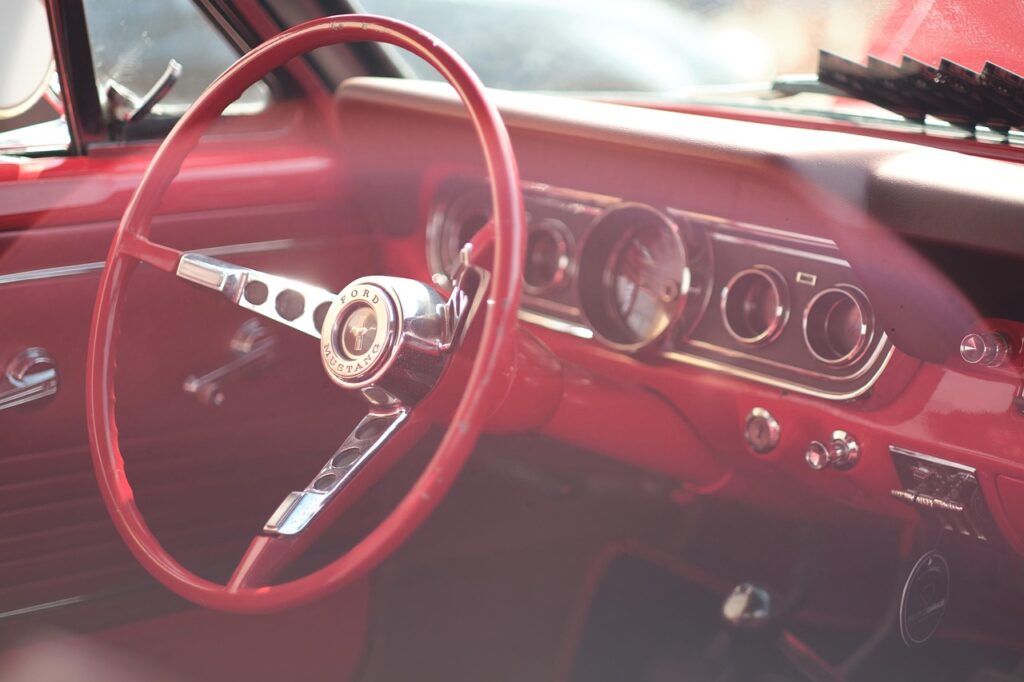
5. **Lack of Historical Documentation**In the world of classic cars, provenance is everything. It’s the story, the pedigree, the indisputable proof of a vehicle’s journey through time. That’s why a “lack of documentation” is such a massive red flag, potentially rendering your meticulously restored classic far less valuable than you’d hoped. Without a clear paper trail, you’re essentially trying to sell a mystery, and most serious collectors aren’t in the market for automotive whodunits.
The context is unequivocal: “If the car’s history is unclear (e.g., no title, VIN mismatches, or incomplete service records), it may not hold value for collectors or buyers after restoration.” Imagine pouring thousands into a pristine restoration, only to discover you can’t even get a clean title, or the VIN plate doesn’t match the frame. That’s not just a headache; it’s a legal and financial quagmire. Collectors pay top dollar for authenticity and a verifiable lineage, and a shadowy past is a deal-breaker for them.
It’s not just about the legalities, either. Incomplete service records mean you have no idea what’s been done (or not done) to the car over its lifetime. Has the engine been rebuilt? What about the transmission? Without that historical context, potential buyers, particularly those looking for an investment, will be hesitant. A beautifully restored classic with a murky past is like a valuable painting without a signature or authentication papers – it might be beautiful, but its true worth is severely diminished, making your restoration investment a gamble with long odds.
Read more about: The Enduring Craft: A Comprehensive Journey Through the History and Evolution of Acting
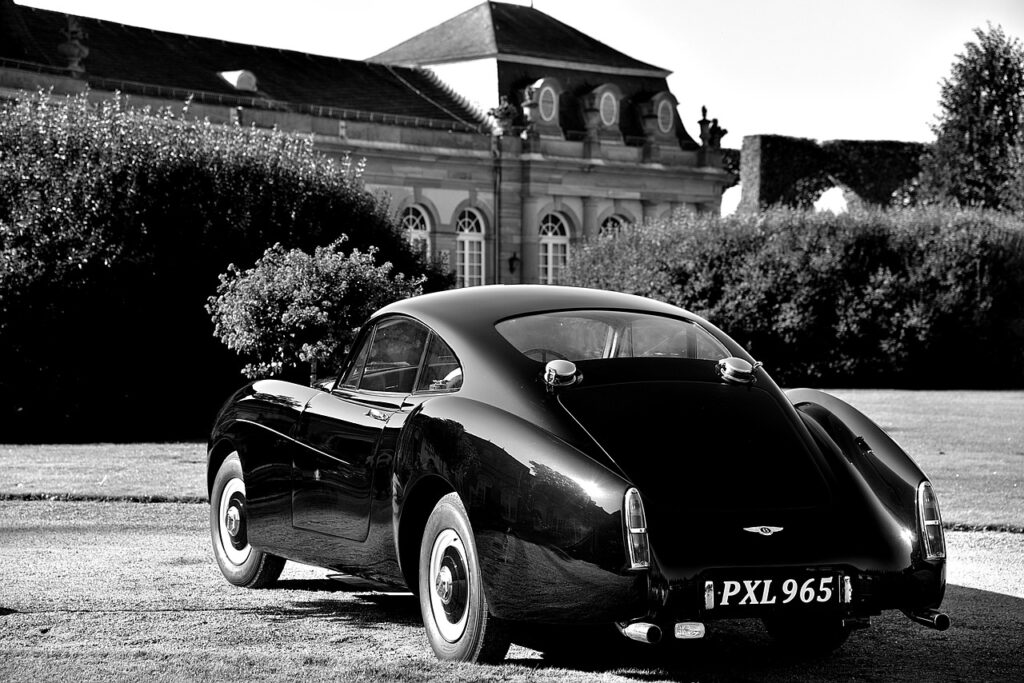
6. **Excessive Customization/Non-Original Alterations**Here’s a paradox for you: while “restomodding” and personalization are explicitly mentioned as popular choices for comfort, performance, and making a car “uniquely you” (as City Classic Cars puts it), there’s a fine line. Cross that line into “excessive customization” or “significant non-original alterations,” and you risk alienating the very market that values classic cars. It’s a tightrope walk between personal expression and market appeal, and many fall off into the financial abyss.
The problem arises when your vision clashes with the core desire of classic car collectors: authenticity. The context states that “heavily modified cars or those with significant non-original alterations may not appeal to collectors or enthusiasts who value authenticity.” While a well-executed restomod (or CityMod) can be a fantastic way to enjoy a classic for weekend cruising or daily commutes, a pure collector often wants a factory-correct gem, or at least something easily convertible back to stock. Your custom candy-apple paint and modern infotainment system might be awesome, but they might also be a major turn-off for a purist.
And here’s the kicker: if you buy a car that’s already been “excessively modified,” and you then try to restore it back to its original glory, “restorations focused on bringing a car back to stock condition can be costly if you need to undo prior modifications.” Someone else’s creative choices become your expensive headache. That custom exhaust system, the shaved door handles, the modern engine swap – all of it might need to be painstakingly reversed or replaced with period-correct (and likely rare) parts, adding immense cost and complexity to your project. Sometimes, a car that’s ‘already been messed with’ is best left alone by the restoration-for-profit crowd.
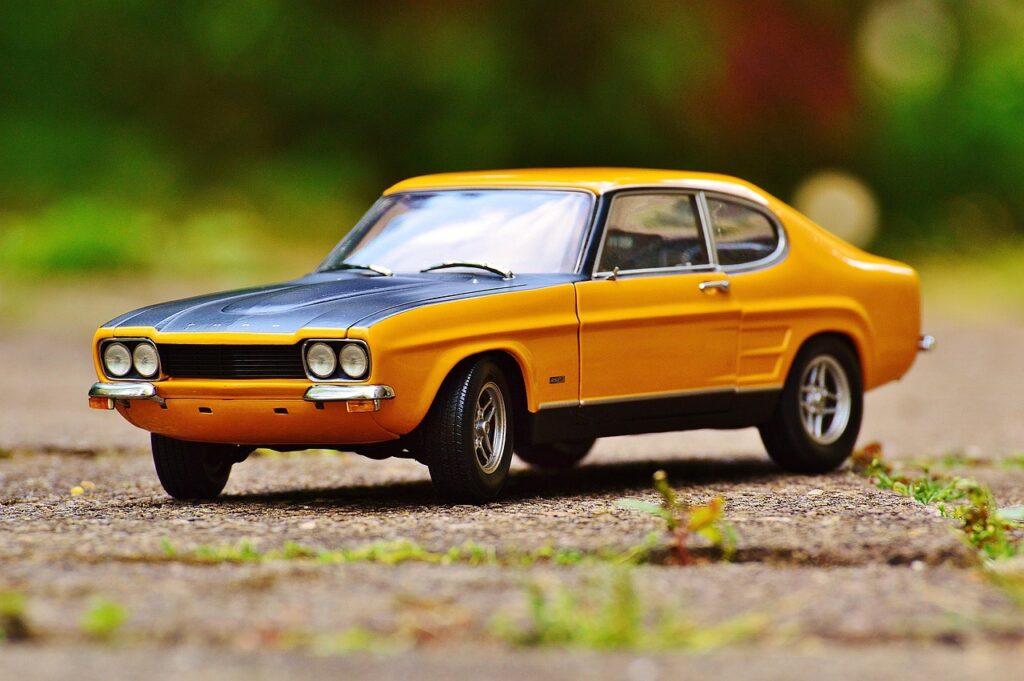
7. **Restoration Driven Purely by Sentiment, Not Profit**Finally, let’s talk about the heart versus the wallet. We get it, classic cars often carry immense emotional baggage – grandpa’s old pickup, your first ride, the car from that iconic movie scene. “Restoring a car for sentimental reasons is valid,” the context acknowledges, and we’re not here to argue with emotion. However, if your ultimate goal involves recouping your investment or even turning a profit, letting sentiment dictate every decision is a guaranteed way to drive straight into a financial ditch.
The truth is, “it might not make financial sense” if you’re driven purely by emotion. If you are restoring a car “purely for profit,” then “sentimental choices (e.g., unnecessary upgrades or customizations) might not align with market demands.” That beloved but obscure color choice that reminds you of Aunt Mildred’s garden, or the custom interior fabric that holds a special memory – these personal touches, however meaningful to you, can actually detract from a car’s market appeal and value to a potential buyer who isn’t sharing your memories.
Companies like Restorations by Sabra understand the balance, noting that “the decision between repair and restoration comes down to your goals, budget, and the value you place on your vehicle.” If financial return isn’t a concern, great! Enjoy your personal masterpiece. But if it *is* a concern, you need to be ruthless. Every dollar spent on an “unnecessary upgrade” or a “customization” that doesn’t enhance the car’s objective market value is a dollar that won’t come back. Passion is a powerful fuel, but in the restoration game, it can also lead you down a very expensive dead-end if not balanced with practical financial foresight.
Okay, so you’ve navigated the first seven minefields of classic car restoration, perhaps clutching your wallet a little tighter. But don’t pop the champagne just yet; the road to automotive enlightenment (or financial ruin) still has a few more potholes and unexpected detours. We’re about to peel back the layers on the remaining eight critical indicators that your dream project might be less ‘glory ride’ and more ‘money hemorrhage.’ Get ready for a dose of unfiltered truth, because sometimes, even the deepest passion needs a cold splash of reality.
Read more about: Revving Up Your Portfolio: 15 Classic Cars That Could Drive Exponential Returns

8. **High Labor Costs**Let’s be brutally honest: unless you’re a seasoned mechanic, a master fabricator, and a world-class painter rolled into one (and if you are, what are you doing reading this? Get back to work!), you’re probably going to need professional help. And professional help, my friends, comes with a professional price tag. This isn’t just about paying someone; it’s about the sheer volume of work involved. We’re talking about an average classic car restoration gobbling up “about 1,000 hours of serious work.” That’s not a typo, it’s a full-time job for six months.
The cold, hard truth is that “if you are relying on professional restorers and do not have the skills to do some work yourself, labor costs can quickly outweigh the car’s potential value.” Think about it. Every hour those skilled hands are on your car – welding, sanding, tuning, wiring – is an hour you’re paying for. Even when a reputable outfit like White’s Bodyworks offers competitive rates for their “amazing classic car restoration team,” those costs add up fast, especially when every facet of the car needs attention.
This isn’t to say you shouldn’t use professionals. Quite the opposite! For complex tasks like “engine refits and welding to resprays and rust repair,” specialist input is invaluable, often essential for a quality, safe restoration. The key is understanding that this labor, while crucial, can quickly become the single largest line item on your budget, sometimes dwarfing the initial purchase price of the car itself. Ignoring this reality is like planning a cross-country trip but only budgeting for gas in the first state.
Read more about: The Cooling Crisis: 12 Sports Bikes Rated on Heat Management – From Rider-Friendly to Scorching Hot

9. **Title Issues**Alright, let’s talk about something decidedly less glamorous than chrome bumpers and roaring engines: paperwork. Specifically, the title. You’d think it’s a minor detail, right? Wrong. In the classic car world, a murky or “tainted” title can be the kiss of death for your investment, turning an otherwise magnificent restoration into a legal and financial quagmire. It’s like discovering the Mona Lisa was actually stolen – suddenly, its value is debatable, if not outright destroyed.
The context states it plainly: “If the car has a salvage or rebuilt title, it will typically be worth less even after restoration, making it harder to recoup your investment.” A salvage title usually means the car was deemed a total loss by an insurance company, often due to significant damage. A rebuilt title indicates it was brought back from that state. While some may see it as a bargain opportunity, discerning collectors and future buyers often see these titles as giant red flags. They signal a compromised history, regardless of how flawlessly the car now appears.
Even if you’ve poured your heart, soul, and every spare penny into making that salvage-titled beauty gleam, its perceived value will remain stubbornly lower than a comparable car with a clean history. Buyers are wary of what unseen issues might linger, or simply prefer the peace of mind that comes with a car that hasn’t had such a dramatic past. So, before you even dream of wrenches and paint guns, make sure that car’s legal pedigree is as pristine as its future finish. Otherwise, you’re trying to sell a story with a massive asterisk.
Read more about: The Unprecedented Freeze: How Hollywood’s Strikes Reshaped Film Production and Promotion in 2023

10. **No Clear Plan or Budget**You wouldn’t build a house without blueprints, right? Or embark on a perilous journey without a map? Yet, an astonishing number of classic car enthusiasts dive headfirst into restoration projects with nothing more than a hazy dream and a vague sense of optimism. This, my friends, is a fast track to financial purgatory. A classic car restoration without a solid plan is less a project and more an exercise in throwing money into a black hole with no bottom.
The context doesn’t mince words: “Starting a restoration without a detailed plan, timeline, or budget often leads to overspending and incomplete projects.” It’s an open invitation for costs to spiral out of control. White’s Bodyworks rightly advises that you “need a realistic idea of how much the restoration is going to cost you” and ideally, “this should be done before you buy the car.” This isn’t rocket science; it’s basic financial foresight, yet it’s surprisingly often ignored.
A proper plan involves more than just a rough estimate of parts. You need to meticulously “look at what new parts you’ll have to put in, repairs to bodywork and the like,” and critically, “where you are going to carry out the restoration and if you are going to use specialist classic car garage services for some parts of the work.” Every detail, from the cost of sandpaper to the hourly rate of a skilled welder, needs to be considered. Without this clear roadmap and accompanying budget, your project quickly becomes a series of reactive, expensive decisions, rather than a controlled, goal-oriented endeavor, destined to run out of steam (and funds) long before the finish line.
Read more about: Navigating the Future of Road Funding: An In-Depth Look at the Controversial Per-Mile Charge Proposal

11. **Restoration Project Too Complex for Your Skill Level**Let’s have an honest chat about self-awareness. It’s glorious to be ambitious, but there’s a distinct difference between learning as you go and biting off more than you can chew, especially when “many thousands of pounds” are at stake. Falling for a project that is simply “too complex for your skill level” is a common, and incredibly costly, mistake that amateur restorers make. It’s the classic tale of optimism battling reality, and reality almost always wins.
Sure, YouTube tutorials are great, and there’s a genuine satisfaction in tackling jobs yourself. But when the engine needs a full rebuild, the electrical system is a spaghetti monster, or the bodywork requires extensive metal fabrication, a DIY approach without the requisite skills is a recipe for disaster. The context implicitly warns against “overestimating your skills,” a crucial part of any sound initial assessment. What seems like a challenge can quickly become an insurmountable barrier.
The consequences are manifold. A botched repair often necessitates professional correction, meaning you pay twice: once for your failed attempt, and again for a specialist to fix it. This not only inflates costs dramatically but also extends timelines and breeds immense frustration. Sometimes, the most financially prudent decision is to recognize your limitations and either partner with someone experienced (as White’s Bodyworks suggests for novices) or simply pass on a project that’s beyond your current capabilities. There’s no shame in it; there is, however, significant financial pain in forging ahead blindly.
Read more about: Beyond the Price Tag: Unpacking the Evolving Meaning of Luxury in Today’s World and Tomorrow’s Market
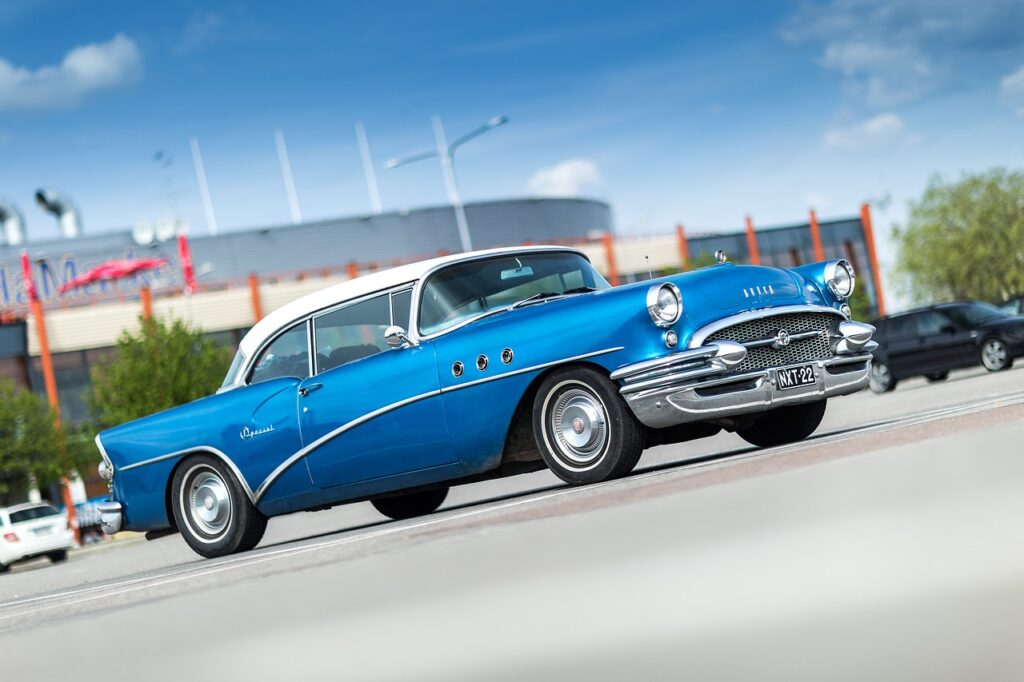
12. **Impractical Time Commitment**Restoring a classic car isn’t a weekend hobby; it’s a profound commitment, a test of endurance, and a significant chunk of your life. If “the time commitment is impractical for you,” that dream classic can quickly become a neglected burden, gathering dust and depreciating value in your garage. This isn’t just about finding the time; it’s about sustaining the motivation and consistency over potentially hundreds, if not thousands, of hours.
Remember, we’re talking about an average of “about 1,000 hours of serious work.” That’s not just a number; it’s countless evenings, entire weekends, and potentially vacation days dedicated to greasy hands and stubborn bolts. For those with demanding jobs, family responsibilities, or other passions, finding this kind of sustained free time is often a fantasy. The romantic notion of slowly chipping away at a project can quickly devolve into sporadic, ineffective bursts of activity, leaving the car in a perpetual state of ‘almost finished.’
The financial implications of an impractical time commitment are insidious. Prolonged projects mean extended storage costs, parts sitting idle and potentially deteriorating, and funds tied up without generating any return. More importantly, an unfinished project loses market value. If you eventually decide to cut your losses and sell, a half-finished restoration will fetch a fraction of its potential, making all the prior investments feel like a sunk cost. Be realistic about your calendar, not just your cash, before you start.
Read more about: Smart Leasing in 2025: Why You Should Avoid These 14 Older Electric and Hybrid Models

13. **Lack of Expert Guidance/Partnership**You might have the passion, the garage, and even a decent toolkit, but going it completely alone in the complex world of classic car restoration is often a fool’s errand. The nuanced challenges of vintage vehicles require specialized knowledge that’s rarely acquired overnight. As the wise folks at White’s Bodyworks advise, “If you’re a novice, it’s a good idea to partner with someone who knows what they are doing and who can advise on what elements require repair and restoration.” This isn’t about admitting defeat; it’s about smart strategy.
An experienced partner, whether a professional shop like City Classic Cars or an individual mentor, brings invaluable insights. They can help you accurately assess the car’s condition, identify hidden problems that you might miss, and guide you on the most efficient and cost-effective path forward. This guidance is crucial for “budgeting your classic car restoration,” helping you gain “a realistic idea of how much the restoration is going to cost you” from the outset, thus avoiding those dreadful cost overruns.
Ignoring expert advice often leads to costly mistakes, incorrect repairs, or the purchase of unsuitable parts. These errors don’t just set you back time; they hit your wallet, forcing you to pay for corrections or replacements. Engaging with specialists, even for just consultations or specific complex tasks, can be the difference between a triumphant restoration and a financial black hole. White’s Bodyworks, for instance, boasts “nearly 30 years of experience,” a depth of knowledge you simply can’t buy in a weekend. Leveraging that expertise is an investment in success.

14. **Inadequate Facilities or Neglecting Specialist Services**So, you’ve got a car, a dream, and a single-car garage filled with lawnmowers and holiday decorations. That, my friend, is often a recipe for disaster in the restoration game. Classic car restoration isn’t always a backyard job, especially when it comes to quality and efficiency. White’s Bodyworks clearly states that when budgeting, you need to consider “where you are going to carry out the restoration and if you are going to use specialist classic car garage services for some parts of the work.” This is a crucial, yet often overlooked, financial indicator.
Proper facilities mean more than just a roof over your head. They involve adequate space, specialized tools, proper ventilation for painting, and often, access to lifts and heavy equipment that a home garage simply can’t accommodate. Trying to perform complex bodywork, engine removal, or professional-grade painting in substandard conditions not only compromises the quality of the work but also dramatically increases the time and effort required, leading to higher costs in the long run.
Then there are the “specialist classic car garage services.” These aren’t optional extras for serious projects; they’re necessities for tasks beyond the average enthusiast’s capabilities or equipment. Think about the precision required for “engine refits,” the artistry of a “respray,” or the meticulous detail involved in “rust repair” that goes beyond a wire brush. Companies like White’s Bodyworks and City Classic Cars have “the skills and expertise” to handle these jobs, ensuring they are done correctly and safely. Skimping on these services or attempting them in inadequate facilities will inevitably lead to a sub-par result that hurts the car’s value and your wallet.
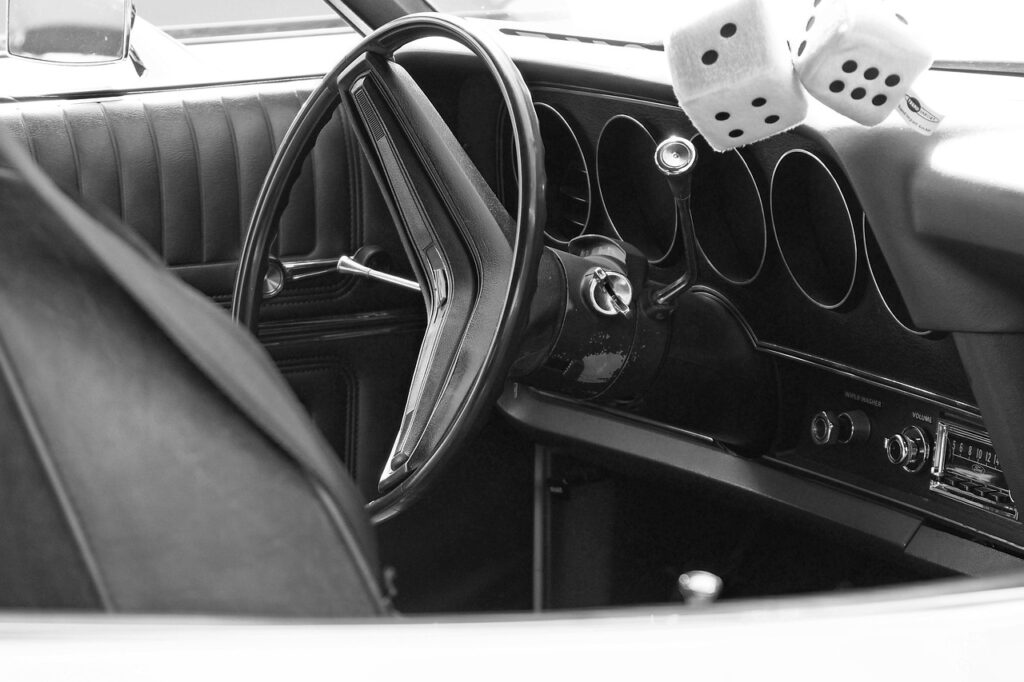
15. **Spreading Restoration Over an Impractically Long Period**The allure of a “go-slow” restoration, breaking the work “into sections” and “spreading out your classic car restoration over a longer period” to manage finances, sounds sensible on paper. It allows you to “concentrat[e] on finding financing (either by savings or through loans) for each job as you move through.” But here’s the kicker: for those hoping to turn a profit, or even just break even, this approach can be a slow, agonizing bleed that drains your passion and your bank account.
The context provides a stark warning: “This can, however, be pretty laborious, particularly if you are thinking of selling it for a profit after you have finished.” ‘Laborious’ is an understatement. A prolonged restoration accrues hidden costs that chip away at any potential return. We’re talking about storage fees, insurance for a static, unfinished project, and the potential for parts to become even rarer or more expensive over time. The longer the project drags on, the more capital is tied up, becoming a stagnant investment rather than a dynamic one.
Moreover, motivation wanes over years of sporadic work, leading to decreased quality or outright abandonment. If your goal is primarily financial, efficiency is paramount. Every month or year that passes without progress erodes the potential for profit. While a “labour of love and passion” might tolerate such a timeline, if “you’re trying to make a profit, it’s critical” to move with purpose and complete the project within a reasonable timeframe. Otherwise, your ‘investment’ becomes an expensive ornament, a testament to a dream that slowly faded under a layer of garage dust.
So, there you have it: fifteen brutal truths about why some classic car restorations are less about open-road glory and more about open-wallet agony. From structural nightmares to murky titles, and from over-eager DIY attempts to simply taking too long, the pitfalls are numerous and often disguised by passion. While the dream of a revived classic is intoxicating, remember that “careful research and realistic planning are crucial before embarking on a restoration project.” Before you dive in, measure twice, cut once, and for the love of all that is automotive, get real about the numbers. Your bank account will thank you.