Alright, gearheads, let’s talk shop. We’ve all been there, right? You get a wild hair, a vision for a perfect build, a ‘project car’ that promises endless hours of satisfaction and rubber-burning glory. Sometimes, though, those projects turn into money pits, headache machines, or worse yet, end up being worth more as scrap metal than as a finished product. It’s a brutal truth in the garage, and folks, it’s an equally brutal reality in the digital realm of sim racing.
Today, we’re not talking about seized engines or rusty chassis in your driveway, but about the virtual vehicles that promise the world and deliver… well, a lot less. The sim racing genre is a highly competitive track, full of ambitious titles vying for our attention, our sim rigs, and our hard-earned cash. But some, frankly, just don’t make the cut, leaving us wondering if we’ve just invested in a digital lemon.
In this first pit stop, we’re strapping in to dissect a prime example of a racing game that took a sharp turn into disappointment: Project Cars 3. From its career mode to its physics, its sound to its visual presentation, we’re going to lay bare the aspects that left many enthusiasts scratching their heads, and some even outright frustrated. So, let’s peel back the layers and see why this particular ‘project’ might just be better left in the junkyard of ideas.

1. **Project Cars 3’s Career Mode: A Grind, Not a Glory Lap**
When you fire up a new racing game, the career mode is often where you envision embarking on an epic journey from rookie to legend. Project Cars 3, however, seems to have missed the memo on what makes a compelling single-player experience. The structure here is, quite frankly, a monotonous march through predetermined gates, leaning heavily towards a “fairly linear path from the slowest road cars, through to hypercars, and then the GT series and LMP series.” It’s less of a thrilling ascent and more of a box-ticking exercise.
Progression is frustratingly locked behind a medal system, where you need to hit three specific objectives in each event to earn your stripes. This means you’re not necessarily pushing for your best lap or strategizing for a championship win; instead, you’re often just doing the bare minimum to collect those medals and unlock the next tier. It feels less like earning your way up the ranks and more like a glorified chore list, forcing players to grind through events just “to move through in to the locked away GT cars as fast as I could.”
Compounding this issue is the unfortunate design choice to limit almost every race to a simple two or three-lap sprint, starting you inexplicably at the back of the grid. This means gone are the days of tactical qualifying, nuanced pit stops, or engaging multi-lap battles. Instead, you’re forced into a frantic, aggressive dash “to blast through the field very quickly to get to the front,” making it nearly impossible to experience genuine, wheel-to-wheel racing with opponents over a sustained period. This particular reviewer found the time spent with career mode “very much a boring affair,” a sentiment many sim racers can likely relate to.
Compare this to the “glory days of PCars 2, where you can pick which style of motorsport you want to race in from the get go.” The freedom and choice offered by its predecessor are starkly absent, leaving a significant void for players seeking depth and variety in their single-player campaigns. When the core progression loop feels like a grind, it’s hard to stay enthusiastic, especially when the goal is simply to tick off boxes rather than genuinely compete.
2. **Project Cars 3’s Car Customization: The Illusion of Choice**
Customization is a cornerstone of modern racing games, allowing players to personalize their vehicles and inject some of their own personality into their digital garage. Project Cars 3 offers a system for upgrading cars, and on the surface, it seems “a fairly nice fluid system as you can keep your much loved hot hatch, and upgrade it to start competing with much more expensive supercars.” This performance tier system, much like Forza’s, allows you to enhance power, reduce weight, or improve braking, which sounds great in theory.
However, the promise of personalizing your ride quickly hits a wall. While there’s a “wide range of upgrade options,” there’s a crucial missing piece that dampens the entire experience. The context explicitly states that while there are “body upgrades,” they “don’t actually affect the look of your car which is disappointing.” Imagine upgrading your favorite car to supercar-slaying levels, only for it to look exactly the same as it did fresh off the showroom floor. It’s a glaring omission that pulls the rug out from under any true sense of ownership or visual progression.
For a game that shifted towards a more accessible, arcade-like experience, this lack of visual customization is a significant misstep. Part of the joy of a ‘project car’ is seeing your vision come to life, not just under the hood but on the exterior. Without the ability to change the aesthetic, the customization becomes purely functional, stripping away a layer of immersion and personal connection that many racing enthusiasts crave.
This system, while allowing for performance boosts, ultimately feels incomplete. It offers the illusion of deep customization without delivering on the visual payoff. In a genre where rivals offer extensive livery editors and body kits, Project Cars 3’s approach feels outdated and, frankly, unsatisfying for anyone hoping to truly make a car their own.

3. **Project Cars 3’s AI Drivers: Predictable and Problematic**
Good AI is the backbone of any engaging single-player racing experience, providing challenging, realistic, and fair competition. Unfortunately, Project Cars 3’s AI drivers frequently fall short, contributing to the game’s overall sense of disappointment. As one player noted, you’ll “generally find yourself setting the AI difficulty lower than normal to allow you to progress to the front of the grid.” This isn’t about skill; it’s about making the game playable given the constraints of the short race lengths and objectives.
Once you manage to fight your way to the front, the challenge often evaporates. Players report that “you very rarely find yourself under pressure from cars behind,” turning what should be a battle for the lead into a lonely cruise to the finish line. This lack of sustained pressure from the AI makes the victories feel less earned and the racing less dynamic, undermining the thrill of competition.
Furthermore, the AI’s behavior on track is far from stellar. While they “will generally stick to the racing line,” their awareness of your presence is questionable, as “they are more than happy to turn right in to you as though you aren’t even there.” This leads to frustrating collisions, forced exits, and spins that feel unfair rather than like genuine racing incidents. Such robotic, line-hugging behavior, combined with an apparent disregard for other cars, consistently breaks immersion and enjoyment.
The context vividly describes races as a “hectic affair,” especially “when racing the slower cars, around the skinnier tracks such as Oulton park.” The only viable strategy to progress is often “to push and barge your way there,” leading to frequent frustration. This is a far cry from the nuanced, strategic racing expected from a Project Cars title and, tellingly, is described as “much worse than in games such as Forza,” a damning indictment for a game aiming to be a serious contender in the genre.
4. **Project Cars 3’s Driving Physics: The Arcade Compromise**
At the very core of any racing simulation lies its physics engine, dictating how cars feel and react on track. Project Cars 3 made a controversial decision here, tuning “the car behaviour to become much more arcade in nature.” This shift moved it away from the hardcore simulation roots of its predecessors, aiming for broader accessibility but alienating many long-time fans in the process.
Many cars exhibit a pronounced tendency to understeer on corner entry, followed by an “oversteer unrealistically on corner exit.” While this sounds like a challenging dynamic, the key word here is ‘unrealistically.’ The oversteer, despite its presence, has been toned down to a degree “where it is very hard to lose control of the car.” It’s almost as if the developers wanted to give players the sensation of the rear end stepping out, but without the actual penalty of spinning, leading to a rather sanitized, almost pre-scripted feeling.
This forgiving nature allows for a “much more aggressive driving style,” where players can push limits without severe consequences. One direct comparison between Project Cars 3 and Project Cars 2, using the BMW Z4 GT3 at Laguna Seca, highlighted this stark difference. In Project Cars 2, overdriving or being too aggressive with the throttle quickly led to spins, and the wheel provided tactile feedback of impending loss of control. Project Cars 3, by contrast, allowed for far more leniency; the car’s rear might step out, but it was “much much easier to control,” with very few spins even after hours of play.
This indicates a fundamental philosophical divide. Project Cars 2 offered “a true connection to the car and the track,” demanding that players learn the car’s limits. Project Cars 3, conversely, feels like “every car seems to have a in built limiter so its very hard to overdrive the car.” This makes it possible to “jump in to any car, on any track and be competitive almost instantly,” which might appeal to casual players but strips away the deep, rewarding challenge sought by sim racing purists. The physics, while not entirely broken, are a clear move away from the series’ established identity.

5. **Project Cars 3’s Sound and Audio: A Muted Symphony**
Audio is a critical component of immersion in any racing game, elevating the experience from mere visual input to a visceral, sensory assault. The roar of an engine, the shriek of tires, the clatter of a gearbox – these elements define the atmosphere. In Project Cars 3, however, the audio experience is notably underwhelming, especially when compared to its predecessor. As one reviewer succinctly put it, “Project Cars 3 seems to be toned down significantly, and I don’t really understand why.”
This isn’t a subtle difference; it’s a profound downgrade. The article notes a direct audio comparison where “The cars in PCars 2 sound absolutely ferocious. While every car in PCars 3 sounds muted in comparison.” Imagine jumping into a hypercar, expecting a symphony of mechanical aggression, only to be met with a muffled purr. It severely detracts from the sense of speed, power, and intensity that defines high-performance motorsport. The cars simply lack the audible punch that makes racing so exhilarating.
While some might argue that sound isn’t as crucial as physics or graphics, its impact on the overall feel of the game cannot be overstated. The lack of dynamic, powerful engine notes makes the cars feel less alive, less raw. It’s a “certainly noticeable the first time you boot up the game” kind of issue, and a “clear area where Slightly Mad Studios have simply downgraded the game from its predecessor.” This sonic step backward further cements the feeling that Project Cars 3 was a rushed or compromised effort.
The muted audio contributes significantly to the game’s overall perception of being less hardcore, less impactful than what came before. For enthusiasts who crave the authentic soundscapes of motorsport, Project Cars 3 delivers a disappointingly quiet and unremarkable performance, diminishing the very essence of what makes racing so exciting.
6. **Project Cars 3’s Graphics: A Previous Generation Letdown**
In an era where visual fidelity in racing games continues to push boundaries, Project Cars 3’s graphical presentation proved to be a significant letdown, earning the title of the reviewer’s “biggest gripe with the game, and its something that is absolutely unforgivable.” This criticism is particularly potent given that the game was tested on a “powerful Xbox One X,” a console still capable of delivering “absolutely stunning looking games.”
The visual shortcomings are extensive and immediately apparent. Players found that “the graphics look like a previous generation game.” This isn’t just about minor imperfections; it’s about a fundamental lack of polish and detail across the board. The “texture work is terrible, and there is no sharpness to anything in the game,” resulting in an experience that feels dated and uninspired.
Environments and tracks suffer immensely, appearing “muddy and blurry.” This lack of crispness makes the racing less engaging, blurring the lines between track and scenery and detracting from the sense of speed and immersion. The cars themselves, the stars of any racing title, are also plagued by graphical issues, featuring “some of the harshest ragged edges I’ve seen in a long time,” which is unacceptable for a modern release.
The interiors, where players spend most of their time, are particularly egregious. The dashboard of the Honda 2&4 concept car, for instance, is described as “unusable, and laughable at the same time,” highlighting a severe lack of attention to detail. And if you thought clear skies were bad, “don’t even get me started on the weather effects.” Rain turns the tracks into an even greater “blur,” with the muddiness “dialed up to 11,” making already poor visuals even worse. This consistent graphical underperformance is a major strike against the game, making it hard to recommend when visually stunning competitors are readily available.

7. **Project Cars 3’s Identity Crisis: Controller vs. Wheel**
For a series that established its reputation on hardcore simulation and a deep connection with high-fidelity racing wheels, Project Cars 3’s design philosophy regarding input devices presented a genuine identity crisis. Initially, there’s a glimmer of hope: “In the faster GT cars, the force feedback and wheel feeling is actually alright. You get a good sense of weight in the wheel as you drive, and you can moderate your inputs nicely.” This suggests a nod to its sim roots, at least in some aspects.
However, this positive experience quickly gives way to a profound realization. After switching to a controller, it became evident that “this is the way this game was designed to be played.” This revelation fundamentally undermines the game’s standing as a sim, positioning it squarely in the arcade camp. While playing with a wheel in serious simulators like ACC or iRacing is essential, and even “almost criminal” not to, Project Cars 3 thrives with a gamepad.
The article suggests that if you “start racing with a controller, set your camera to the chase cam, and you embrace the arcade elements, Project Cars 3 almost has a level charm about it.” This is a significant pivot for the franchise, implying that its true, albeit limited, enjoyment lies in a casual, pick-up-and-play style, rather than the rigorous, immersive simulation its predecessors offered. It effectively tells sim racers to abandon their expensive setups for a more relaxed, console-friendly experience.
Ultimately, this dichotomy leaves Project Cars 3 in an awkward position. For dedicated sim racers with full rigs, it simply doesn’t deliver the depth or authenticity they crave. Yet, for a “racing game fan, who doesn’t have access to a racing wheel or a sim rig, and you have a craving to race some GT cars,” it might offer a unique, if flawed, arcade experience with licensed tracks. This split personality means it satisfies neither audience completely, making it a questionable investment for either camp, especially for those expecting a true sim experience.
Alright, we’ve thoroughly trashed Project Cars 3, exposing its digital deficiencies from bumper to bumper. But fear not, gearheads! This isn’t just a lament about a project gone wrong; it’s also a guide to the greener pastures of the sim racing world. Because when one ‘project’ turns into a scrap metal candidate, it just means there’s more space in the garage for something truly exceptional. In this second half, we’re shifting gears to explore the superior alternatives, the shining examples, and the broader context of the racing game landscape that Project Cars 3 unfortunately stumbled out of. So, let’s talk about what makes a virtual vehicle truly worth the investment.

8. **Project Cars 2: The Predecessor That Got It (Mostly) Right**
After wading through the digital mire of Project Cars 3, it’s natural to look back at its predecessor with a certain fondness, if not outright reverence. Project Cars 2, despite its age, still sparks a lively debate in the sim racing community about its value. While some users, like VicMan73, express skepticism about paying a full $60 for it, suggesting a price point closer to $30 due to its “arcade-like physics,” many others champion its enduring appeal.
Indeed, Project Cars 2 offered a level of depth and choice that its successor conspicuously abandoned. Players could dive into “which style of motorsport you want to race in from the get go,” a far cry from PC3’s linear progression. It was a game that fostered a “true connection to the car and the track,” where drivers were encouraged to “learn the limits of the car, and gain small amounts of lap time” through genuine effort and skill.
This isn’t just about nostalgia; it’s about a core design philosophy that prioritized simulation and a rewarding learning curve. Rad15h, a user in the sim racing community, vouches for the “longevity and appeal of Project Cars 2 despite its age,” crediting its success to a “diverse selection of cars and tracks.” For those seeking a more serious and authentic racing experience, PC2 still stands as a solid contender.
The game also boasted standout features that cemented its place in the hearts of many, with m0wlwurf-X highlighting its “focus on GT racing and realistic weather effects” as key elements that might sway players towards a full-price purchase. Furthermore, the Deluxe Edition, complete with its array of DLC, is often cited as a “worthwhile investment by the community,” adding even more value to an already robust package. It’s a stark contrast to a game like PC3, which felt like a step backward in almost every conceivable way.
9. **Automobilista 2: The True Spiritual Successor**
When the discussion turns to superior alternatives to Project Cars 2, one name consistently rises to the top: Automobilista 2. The sim racing community has, in no uncertain terms, crowned AMS2 as a prime example of what a modern racing simulator should be, often recommending it as a direct upgrade.
Gamermusclevideos, a notable voice in the community, succinctly captures this sentiment, stating, “Just get AMS2 if you want something like project cars 2, its basically pc2 with updates and fixes and much better default car setups.” This is high praise, indicating that AMS2 not only carries the torch but also refines the formula established by the Project CARS series’ better days. It offers the familiar feel but with polish and improvements that were sorely missing elsewhere.
Javs2469 echoes this enthusiastic endorsement, hailing Automobilista 2 as nothing less than “the spiritual successor to Project Cars.” This isn’t just a casual compliment; it speaks volumes about the game’s ability to capture the essence and ambition of what made the original Project CARS titles compelling, while pushing the boundaries of realism and immersion. The game consistently delivers an enriching racing experience.
Crucially, AMS2 also benefits from the availability of mods and frequent sale offers, making it an even more attractive proposition for budget-conscious sim racers looking for an optimal and expansive experience. For anyone who found themselves disappointed by the direction of Project Cars 3, or simply seeking a refined evolution of PC2’s strengths, Automobilista 2 is clearly the go-to recommendation, offering a truly superior ride.

10. **The Unfortunate Demise of the Project CARS Franchise**
Every story, even in the fast-paced world of digital motorsport, eventually comes to an end. For the Project CARS franchise, that end arrived with a sobering announcement: EA, the publisher, confirmed its decision to “stop further development and investment” in the racing series. This wasn’t just a pause; it was the final checkered flag for a series that had once promised so much.
The reasons behind this unfortunate demise are primarily attributed to commercial realities. It was revealed that car licensing issues were largely to blame for the delisting of both the original Project Cars and Project Cars 2 from digital storefronts. As the expiry of in-game car licenses loomed, the difficult decision was made to pull these titles, marking “the passing of another set of driving games.”
This also meant the planned Project Cars 4, once a glimmer of hope for the series’ future, was unequivocally cancelled. The publisher’s statement cited “an evaluation of the next Project CARS title and its longer-term growth potential” as the basis for their decision. It was a brutal assessment of a franchise that had struggled to find its footing after Project Cars 2.
The removal of these titles, first Project Cars and then Project Cars 2, created a void for many sim racers. It underscored the fragile nature of licensed content in video games and marked a definitive end to an era for Slightly Mad Studios’ ambitious racing series. For many, it’s a poignant reminder of what could have been, and a lesson in the challenges of maintaining a sim racing franchise in a highly competitive market.
Read more about: Still Burning Bright: A Look at The Towering Inferno’s Main Actors Who Are Still With Us

11. **Forza Motorsport: Project Cars 3’s Unintended Rival**
In an interesting twist, Project Cars 3’s controversial shift towards a more arcade-friendly experience positioned it squarely as a rival, not to hardcore simulators, but to established mainstream titles like Forza Motorsport. This strategic pivot, while aiming for broader appeal, ultimately left Project Cars 3 in a challenging position, often falling short even against its new competitors.
Forza Motorsport, renowned for its “pick up and play racing game for the mainstream,” offers immediate enjoyment and accessibility. This is a crucial distinction from Project Cars 2, which was always considered “a simulator game, favouring realism and difficulty.” Project Cars 3 attempted to bridge this gap but struggled to execute it effectively, inheriting neither the sim depth nor the polished arcade experience.
Indeed, the comparison often painted Project Cars 3 in a harsh light. The article explicitly states that the AI in PC3, with its frustratingly aggressive and oblivious behavior, was “much worse than in games such as Forza.” For a game trying to capture a casual audience, failing to deliver a smooth and fair AI experience is a critical misstep, pushing players back to more refined alternatives.
Ultimately, while Project Cars 3 aimed to offer an arcade-like charm, especially with a controller and chase cam, its inconsistent presentation and fundamental flaws meant it couldn’t truly compete with the established giants like Forza. It found itself stuck in a no-man’s land, unable to fully satisfy either the sim purists or the casual racing game fans, making its investment questionable when superior, more consistent arcade experiences like the latest Forza games were readily available.
12. **Assetto Corsa: The Physics King in the Sim Racing Realm**
When the conversation turns to uncompromising realism and raw driving physics, Assetto Corsa stands as a towering figure in the sim racing world. For many, it’s not just a game; it’s an indispensable tool for understanding the true art of racing. The community’s consensus is clear: “Assetto Corsa is definitely the best simracing game out there,” a statement that speaks volumes about its technical prowess and immersive qualities.
The core of Assetto Corsa’s appeal lies in its physics engine, which delivers a driving experience that is remarkably “close to real life driving.” This isn’t an exaggeration; the feedback, the tire models, and the car dynamics are meticulously crafted to provide an unparalleled sense of connection between driver and machine. For those who crave authenticity above all else, AC is the undisputed champion, allowing for deep car setup tuning that impacts every aspect of performance.
Beyond its foundational physics, Assetto Corsa thrives on its vibrant and dedicated community. The “modability and tuning setup of the game is huge,” allowing players to expand the content almost infinitely, from obscure tracks to highly detailed custom cars. Furthermore, “the online community of Assetto Corsa is also very much active when compared to pCars 2,” ensuring that competitive, wheel-to-wheel racing is always just a few clicks away.
While Project Cars 2 and Assetto Corsa might seem similar on the surface, sharing a common theme and mechanism, it is in the nuanced details that AC truly takes the lead. When comparing “the smoothness of drive and overall driving pleasure,” Assetto Corsa consistently edges out its competitors. It offers a more refined, more challenging, and ultimately more rewarding simulation experience that serious sim racers will gravitate towards without hesitation.

13. **Gran Turismo: A Different Flavor of Console Racing**
The racing game landscape is rich and diverse, offering different experiences for different tastes. When considering Project Cars 2, it’s often juxtaposed with PlayStation’s flagship racing series, Gran Turismo, particularly GT Sport, highlighting distinct strengths and weaknesses that cater to varied player preferences. The choice between them often comes down to what kind of racing journey a player seeks.
For instance, if a player is primarily interested in “single player campaign type of racing,” Project Cars 2 might be the preferred choice, offering a more traditional and extensive offline experience. However, if the desire is for “more of an online focused racing game,” then GT Sport tends to take the lead, with its robust multiplayer offerings and structured competitive ecosystem. This division illustrates how different games carve out their niches.
Visually, Gran Turismo generally holds an advantage. The context notes that “GT looks better visually,” a hallmark of the series known for its stunning car models and meticulously rendered environments. Coupled with this, it “handles better with a controller,” making it a more accessible and intuitive experience for console gamers who might not have a dedicated sim rig. This makes it a popular choice for those who want a polished, pick-up-and-play experience on their couch.
Project Cars 2, while perhaps not as visually polished as GT Sport, counters with its own formidable strengths. It boasts “way more tracks” and “better sound,” appealing to enthusiasts who prioritize variety and immersive audio. Ultimately, both games are rated as solid “7-8/10 games,” serving different purposes and excelling in different areas. The decision to invest in either “hinges on individual preferences and priorities,” making it a matter of personal taste in the pursuit of an immersive racing experience.
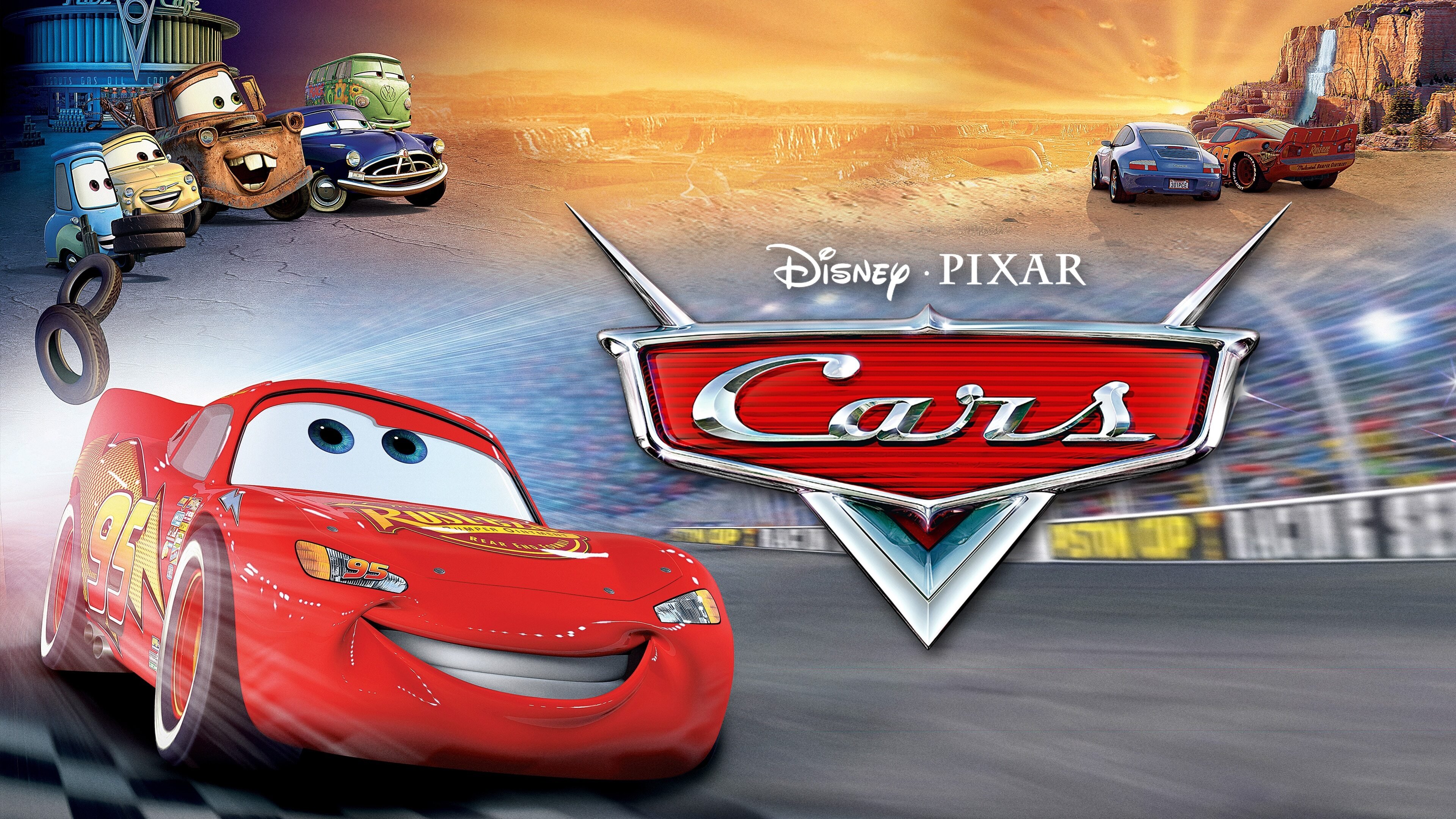
14. **The ‘Cars 3’ Game: Unexpectedly Tough for Little Racers**
In a departure from the serious sims and mainstream racers, let’s talk about a title that targets a very different audience, but surprisingly, still manages to offer a genuine challenge: the ‘Cars 3’ game. While it’s marketed as a “fun loving game that is colourful and a great way to get the kiddies involved with racing their favourite characters,” it holds an unexpected bite for even experienced players.
As a “decent tie-in that shouldn’t have any trouble entertaining a younger audience,” the game certainly fulfills its primary objective of bringing the beloved Pixar characters to life on the racetrack. It’s vibrant, accessible, and provides plenty of activities to keep younger players engaged with the world of Lightning McQueen and friends, making it a suitable entry point into racing for the uninitiated.
However, the casual and colorful facade hides a surprisingly demanding core. The game is, by many accounts, “really hard,” even on medium difficulty. The “rubber-banding is a nightmare,” meaning opponents will relentlessly keep pace, making it “hard to suggest the purchase to more expert gamers” who might expect a more straightforward challenge. You can never get far enough ahead to truly feel comfortable, which is a frustration usually reserved for more hardcore titles.
To succeed, players must master the game’s mechanics, particularly its boost system. You’ll need to strategically “save boost for the last stretch to get first place,” turning every race into a tactical sprint rather than a leisurely cruise. All the tricks and stunts are crucial for building up that turbo. So, while it might be designed for kids, ‘Cars 3’ can certainly challenge even adults, proving that a project car, digital or otherwise, can always throw a curveball, regardless of its target audience.
So there you have it, folks. From the digital disappointment of Project Cars 3 to the vibrant landscape of its rivals and spiritual successors, the world of virtual racing is a wild, wonderful, and sometimes maddening place. Whether you’re chasing cutting-edge simulation, casual arcade thrills, or even a surprisingly tough kid’s game, the key is to choose your project car wisely. Don’t let a digital lemon rust in your garage; instead, find the machine that truly sparks joy and delivers the rubber-burning glory you crave. Happy racing, and may your pixels always be pristine!