

When embarking on a home improvement or gardening project, the convenience of a big-box store can be incredibly tempting. These sprawling retail giants promise everything you need under one roof, from the smallest screw to major appliances, all designed to make your DIY dreams a reality. However, as many seasoned homeowners and industry experts will attest, not all products are created equal, and some items are simply not worth the gamble when purchased off the shelf from general home improvement chains.
Understanding the nuanced world of consumer retail is crucial for making informed decisions. As Julian Thomas, Command Brand partner and DIY home lifestyle expert, wisely states, “When you understand why certain retailers only carry certain products, you can better judge on where and when to source your home improvement needs. This will make you a much savvier shopper, saving you money in the long run.” Our goal here is to arm you with that savviness, guiding you away from potential pitfalls and toward lasting satisfaction.
We’ve consulted experts from nearly a dozen fields to identify the home improvement products that are best avoided at big-box stores. Their insights reveal that what might seem like a bargain or a simple grab-and-go item can often lead to wasted money, subpar performance, or even safety risks. Let’s delve into the first seven categories where a little extra effort in sourcing can make a significant difference in the success and longevity of your home projects.

1. **Plants**Many home gardeners are passionate about supporting local ecosystems, like planting milkweed to aid monarch butterflies. However, the path to a thriving garden can be fraught with hidden dangers when sourcing plants from big-box stores. These mass-market offerings, while convenient, often come with a hidden cost that impacts both the environment and your gardening success.
Randy Cummings, a growing specialist at Bootstrap Farmer, highlights that houseplants and garden plant starts from these larger retailers “might not be suited to your local climate and are often treated with chemical fertilizers, growth retardants and pesticides that can be harmful to bees, birds and other wildlife.” This means that while you might be trying to do good, you could inadvertently be introducing harmful chemicals into your garden and local ecosystem.
Furthermore, when it comes to specific beneficial plants like milkweed, the situation is particularly dire. Cummings advises, “Especially stay clear of milkweed, as it may not be the correct species for your area and has likely been treated with pesticides that contaminate the ecosystem you’re trying to support.” The very plants intended to help wildlife can become a toxic trap due to industrial growing practices. For healthier, safer plants, the recommendation is clear: “it’s better to purchase from local nurseries or the farmers market. They offer varieties specifically adapted to your area, provide expert advice and keep those dollars spent locally.” Alternatively, for seeds, consider reputable nonprofit organizations such as Save Our Monarchs and Garden for Wildlife.
Read more about: The 14 Most Catastrophic Engine Blowouts in Racing History: When Power Plants Exploded and Race Dreams Died

2. **Garden Seeds**The foundation of any successful garden is quality seeds. While big-box stores may offer an enticing array of seed packets, their convenience often comes at the expense of reliability and suitability for your specific gardening needs. The shelf-life and storage conditions of these seeds are often questionable, leading to disappointing germination rates and wasted effort.
Randy Cummings points out a critical issue with these mass-produced options, noting that “the shelf-life of big-box-store garden seeds can be questionable, as they may have been sitting in packages for quite a while, plus fulfillment centers aren’t temperature or humidity-controlled.” This lack of proper storage can significantly diminish the viability of the seeds before they even reach your garden, undermining your efforts from the start.
Beyond storage, the selection itself is a major limitation. “Their seed selection can be narrow and not tailored to your grow zone or resistant to local pests and diseases,” Cummings explains. To truly succeed, a more targeted approach is necessary. He advises, “You’ll do best when you can shop from a reputable seed company and select for disease resistance, heat or cold resistance, pest pressure and plant habits you’re most interested in.” This specialized approach ensures you’re planting seeds that are optimized for your environment and desired outcomes, offering a much higher chance of a bountiful harvest.
Read more about: The Quiet Revolution: How a Teen’s Roblox Game Just Beat Fortnite and What It Means for the Future of Gaming
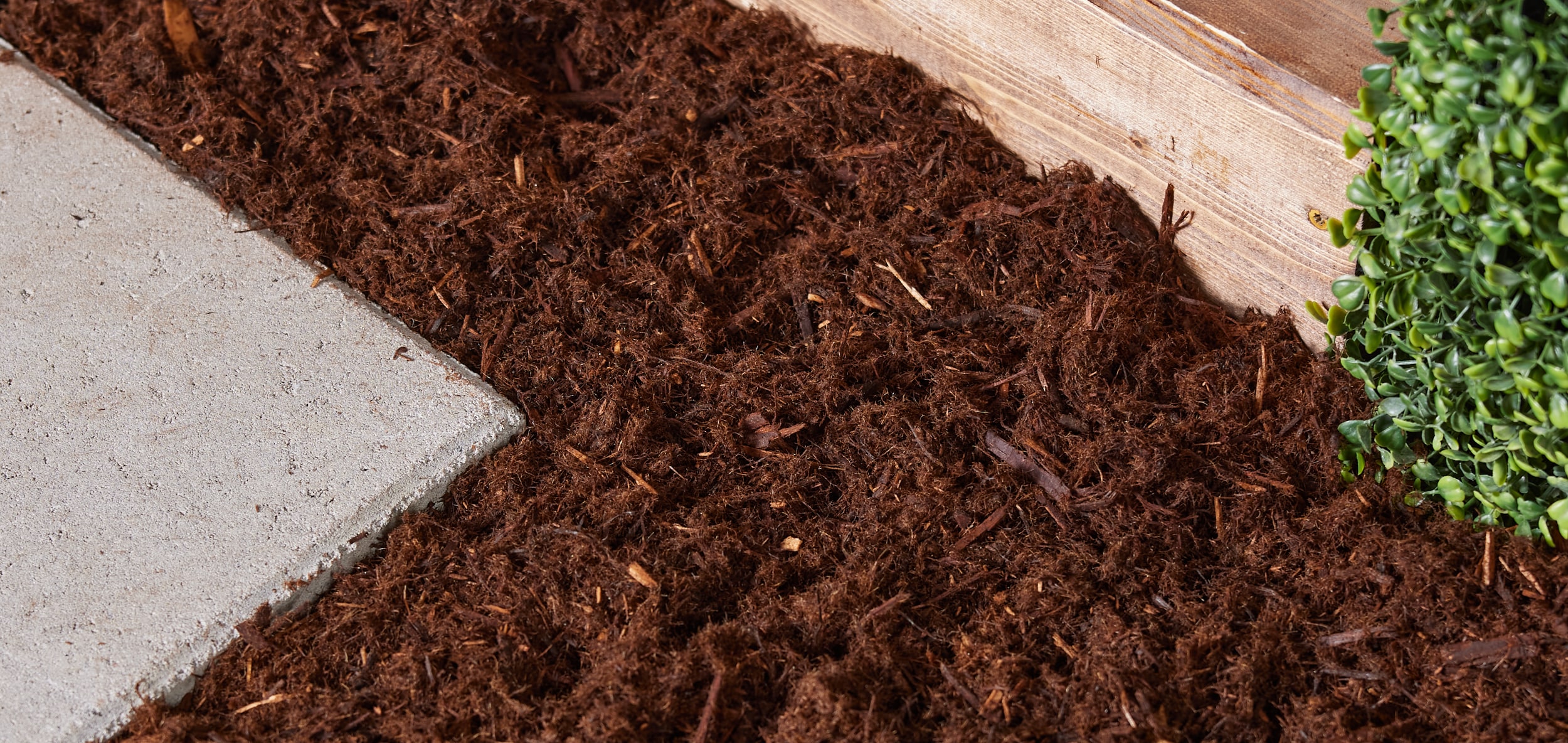
3. **Mulch**Mulch is an essential component of many gardens, helping to retain moisture, suppress weeds, and enrich soil. However, the seemingly affordable bagged mulch found at national big-box retailers can harbor unpleasant surprises, potentially introducing undesirable materials into your carefully cultivated landscape. The allure of a low price often masks a compromise in quality and composition.
Randy Cummings warns against the common practices of national suppliers: “National supplier mulch is often dyed or made from recycled materials, which can include splintery wood or even bits of metal.” This is particularly prevalent with “colored mulches and lower-cost bagged options, which are often put on sale.” What appears to be a good deal can introduce contaminants or undesirable textures that detract from your garden’s health and aesthetic appeal.
Instead of these questionable options, Cummings recommends a more sustainable and reliable approach. “Make your own or buy in bulk from regional suppliers, which typically use wood from locally sourced trees, ensuring a more natural product.” This not only guarantees a higher quality, more natural product but also fosters local economic relationships. He adds, “This not only saves money but also helps build a relationship with a reliable source that may also supply topsoil, gravel and compost,” providing a holistic solution for your landscaping needs.
Read more about: Backyard Guardians: A National Geographic Guide to 15 Non-Venomous Snakes You Might Encounter

4. **Major Appliances**Investing in major appliances is a significant household decision, and the promise of a one-stop shop at big-box retailers can be attractive. Yet, for items as crucial and complex as a new refrigerator, washing machine, or dishwasher, the convenience often comes with substantial risks regarding inspection, expertise, and after-sales support. The initial purchase might seem straightforward, but latent issues can quickly turn a good deal into a major headache.
Sofia Vyshnevska, a housing expert and co-founder at Jome, points out a critical flaw in the big-box appliance buying process: “Major appliances can be a gamble at big-box giants. You typically have a scant 48 hours to note any defects; an impossible time frame, especially if your poor new dishwasher decides to reveal its eccentricities on, say, day four.” This limited inspection window leaves consumers vulnerable to discovering problems only after the return or exchange period has passed, leading to costly repairs or replacements.
Furthermore, the level of specialized guidance can be lacking. Docia Boylen, owner at Handyman Connection of Golden, notes that “the store might not have the expertise to help you determine what products are right for your home and needs.” Without knowledgeable staff to guide you through the intricate features and compatibility requirements, you risk purchasing an appliance that doesn’t truly fit your household. The consensus among experts is to “try a local appliance store instead,” where specialized staff and more generous defect policies often provide a far more secure and satisfactory buying experience.
Read more about: Rolling in That Old Camper Van? The Unfiltered Truths Full-Time Nomads Secretly Whisper About Your Life on the Road

5. **Painting Tools**For many DIYers, a fresh coat of paint is one of the most satisfying home improvement projects. Grabbing rollers and brushes alongside your paint cans at the home improvement store might seem logical, but for optimal results and a smoother process, experts suggest a different approach. While not an absolute prohibition, sourcing painting tools elsewhere can elevate your project’s outcome significantly.
Carr Lanphier, CEO of Improovy painting services, advises that “paint rollers and brushes are not an absolute item for ‘what not to buy at home improvement stores items,’ but if you have access to a painting-specific store like Sherwin-Williams, start there.” The primary advantage lies in the superior quality of products typically found in these specialized outlets, which are designed for durability and professional-grade application.
Beyond product quality, the expertise available is invaluable. Lanphier emphasizes, “these types of stores tend to have employees with more specialized knowledge on what type of materials you will need for specific projects, which can make them a better resource for you.” This specialized guidance ensures you select the right tools for your specific paint type and surface, reducing frustration and improving the finish of your work. Opting for a specialty store can transform a good paint job into an excellent one.
Read more about: Unpacking ‘High’: 14 Critical Consumer Insights for Navigating Risk and Value in 2025

6. **Clearance Paint**The sight of a stack of mis-tinted paint cans on clearance, priced at $10 or less, can be incredibly alluring for budget-conscious DIYers. It promises a quick, inexpensive solution for various projects. However, industry veterans caution that this seemingly irresistible deal often leads to more trouble and expense than it’s worth, unless the project is truly non-critical and expectations are minimal.
Steven Mena, CEO at AAA Fence and Deck Company, articulates the common pitfalls of clearance paint, stating, “The color is often inconsistent or unmatchable, and it may not be a quality paint brand.” This inconsistency can lead to uneven finishes or the inability to touch up areas later, resulting in a patchwork appearance that undermines the entire project. More critically, Mena adds, “Worse, cheap paint usually requires more coats,” effectively negating any initial savings through increased labor and potentially requiring more paint than originally anticipated.
To avoid this false economy, the expert advice is unequivocal: “opt for mid- to high-grade paint from a specialty store like Sherwin-Williams or Benjamin Moore.” While these options carry a higher upfront cost, Mena assures, “they’ll give better coverage and longevity, saving you money and hassle in the long run.” Moreover, specialist stores offer a wealth of expertise. Julian Thomas points out, “Not to mention with lower foot traffic, the staff is likely to have more time to assist you,” helping you choose the perfect paint for your specific needs, a service rarely found in the clearance aisle of a big-box store.
Read more about: So You Rolled Up in That Rare Muscle Car? Here’s What Your Car Wash Attendant *Actually* Thinks (And How to Earn Their Respect)

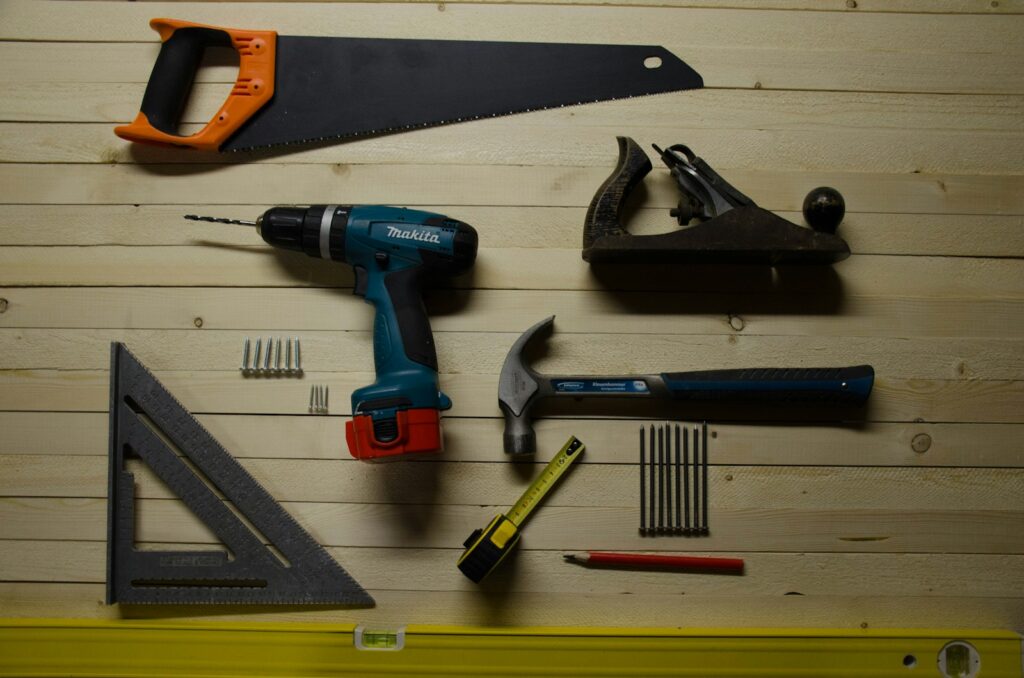
7. **Cheap Tools**For many homeowners, the occasional DIY task doesn’t seem to warrant a significant investment in tools. The appeal of budget-friendly options found at big-box stores is undeniable. Yet, as countless experts and frustrated DIYers can attest, cutting corners on tools often leads to more than just minor inconvenience; it can result in project delays, potential safety hazards, and ultimately, greater overall expense due to frequent replacements.
Geno Caccia, CEO of Caccia Plumbing, shares a personal anecdote that resonates deeply: “I learned this the hard way at a younger age when starting out as a journeyman plumber. Budget tools might seem like a good deal, but I’ve had them break mid-project, causing me more frustration than savings.” This sentiment is echoed across various trades, highlighting the critical importance of tool reliability.
The problems extend beyond hand tools. Rinea Blanchard, founder and CEO of Superior Contract Cleaning, specifically calls out wet/dry vacuums, which “tend to burn out quickly and clog frequently,” and universal electric testers under $10, which “can be dangerous if they give false readings.” Such failures not only halt progress but can also pose significant safety risks. The consensus from experts is clear: “invest in quality brands from specialty tool suppliers.” Caccia underscores this by saying, “It’s worth spending more upfront for tools that last, even if you don’t use them every day as most homeowners might not.” This long-term perspective emphasizes that durability and performance outweigh the initial savings of cheap, unreliable tools, saving you frustration and money over time.
As we continue our exploration of smarter home improvement shopping, it becomes clear that the convenience offered by general retailers can often be a double-edged sword. While the initial appeal of a quick grab-and-go purchase is strong, the long-term implications for your home’s functionality, durability, and even safety can be significant. Let’s delve into eight more product categories where opting for specialized sourcing over big-box convenience is a wise decision, guided by the insights of industry professionals.
Read more about: The $10 Tool That Could Save You $300+ on Tire Repairs: A Lifehacker’s Guide to DIY Flat Fixes
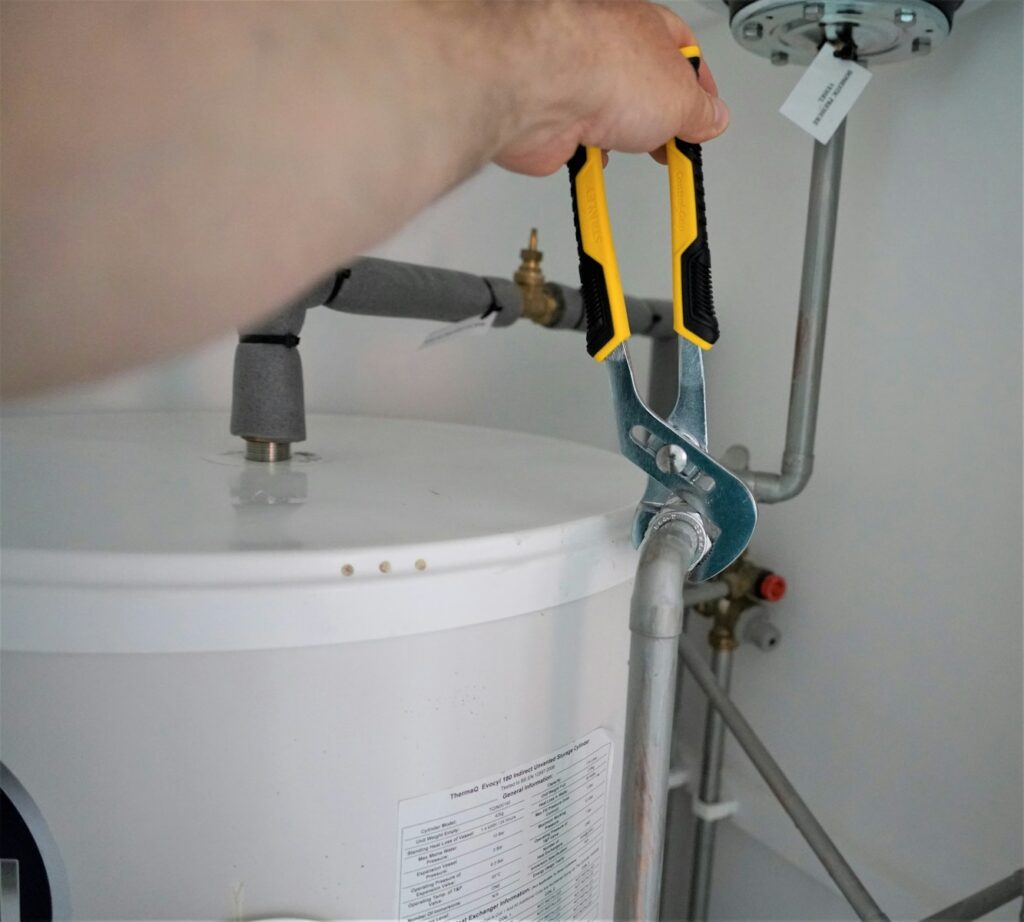
8. **Water Softener and Filter Systems**When it comes to improving your home’s water quality, a simple off-the-shelf purchase from a big-box store might seem like an easy solution. However, this approach often overlooks the complexities involved in effectively treating your water. Without a proper analysis of your water, it’s truly difficult to pinpoint the exact type of water filter and softener system your home actually requires.
Docia Boylen, owner at Handyman Connection of Golden, highlights this critical issue, explaining that “systems can be complex to install, and a poor quality system can cause damage to your plumbing or appliances.” This isn’t merely about filtration; it’s about matching the solution to your specific water composition and household needs, something a generic product cannot guarantee.
To ensure you’re investing in a system that genuinely works and won’t create more problems down the line, Boylen advises against the big-box approach. Instead, she recommends enlisting the help of a service or retail store that specializes in water treatment. These specialists are not only equipped to perform the necessary water analysis but are also familiar with common water issues prevalent in your local area.
Alternatively, you might consider reaching out to a local environmental or water testing company. Many of these firms offer both comprehensive testing services and a range of suitable products, ensuring you get a tailored solution backed by expert knowledge. This specialized approach protects your home and ensures effective water treatment, saving you from potential headaches and expenses.

9. **Pesticides**The lure of a quick fix for garden pests can lead many home gardeners to grab pesticides from big-box store shelves. Yet, this seemingly straightforward action often carries significant risks due to improper application and selection. A substantial number of home gardeners, unfortunately, do not follow the intricate pesticide application instructions or choose the wrong pesticide for the specific task at hand.
This misapplication has far-reaching consequences, extending beyond just the target pests. It can cause considerable harm to beneficial insects, such as bees and ladybugs, which are vital for a healthy ecosystem. Furthermore, the improper use of pesticides poses risks to local wildlife and even to human health, introducing unnecessary hazards into your home environment.
Before resorting to chemical solutions, consider exploring organic or non-toxic alternatives. These options are often more readily available at local garden centers, where staff can provide guidance on safer pest management strategies. It’s crucial to remember, however, that even organic sprays can be deadly to beneficial insects if not used thoughtfully.
Adopting natural methods to reduce pesticide use is always the best course of action. This includes practices like companion planting, introducing natural predators, and most importantly, using native plants whenever possible, as they are inherently more resistant to local pests and diseases, fostering a healthier, more balanced garden.
Read more about: The Unseen Toll: Navigating the Complex Environmental Costs of Electric Vehicle Batteries
10. **Quick-Fix Products**In the realm of DIY, the promise of a “quick-fix” product can be incredibly appealing, offering a seemingly easy way to bypass the time and effort required for proper repairs. However, experts strongly advise homeowners to approach anything that touts a speedy DIY solution over a thorough, correct repair method with extreme skepticism. These products often create more problems than they solve.
Rinea Blanchard, founder and CEO of Superior Contract Cleaning, specifically calls out “quick-fix” roof coating and sealants. While they might appear to offer immediate relief, they frequently trap moisture beneath the surface, exacerbating underlying issues and potentially voiding your existing roof warranty. This temporary solution often leads to more extensive and costly repairs in the future.
Blanchard is even more emphatic about foundation repair kits. She states unequivocally, “Just, no. They’re expensive snake oil that often makes the problem worse. Foundation repair is not a DIY job!!” Attempting to address serious structural issues with a store-bought kit is not only ineffective but can also compromise the integrity of your home’s foundation, leading to catastrophic long-term damage.
For any significant home repair that impacts the structural integrity or weatherproofing of your home, resist the urge for a quick and cheap solution. Consulting with certified professionals, such as roofers or structural engineers, is paramount. Investing in proper, lasting repairs from the outset will save you considerable money, stress, and potential hazards down the line.
Read more about: The $10 Tool That Could Save You $300+ on Tire Repairs: A Lifehacker’s Guide to DIY Flat Fixes
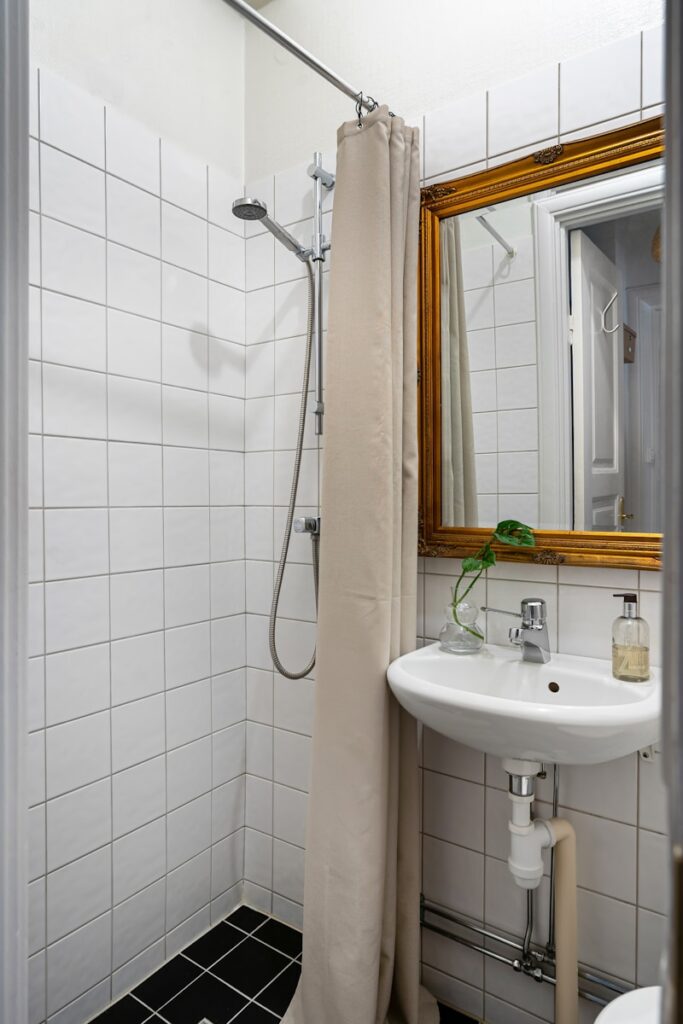
11. **Inexpensive Plumbing Fixtures**When upgrading your home’s aesthetic, it’s incredibly tempting to opt for the cheapest faucet or shower head available at a big-box store. The initial savings might seem attractive, but this common pitfall often leads to unexpected costs and premature replacements. The fundamental issue lies in the materials used for these inexpensive options.
Geno Caccia, CEO of Caccia Plumbing, warns against these budget choices, explaining that they “often use lower-quality materials like plastic instead of brass.” While plastic is cheaper to produce, it lacks the durability and resilience of brass, which is the industry standard for reliable plumbing fixtures.
These inferior materials have a direct impact on the fixture’s lifespan and performance. Caccia notes that “they tend to wear out quickly and lead to leaks that can become more costly than buying a high-quality fixture.” A leaking faucet or showerhead isn’t just an annoyance; it can cause water damage, promote mold growth, and significantly increase your water bill over time, negating any initial savings.
Instead of taking this gamble, Caccia strongly recommends purchasing plumbing fixtures from specialized plumbing supply stores. These establishments offer a wider array of durable, high-quality options built to last. Furthermore, they often come with better warranties and the expertise of staff who can guide you to the perfect fixture for your needs, ensuring longevity and preventing costly future repairs.
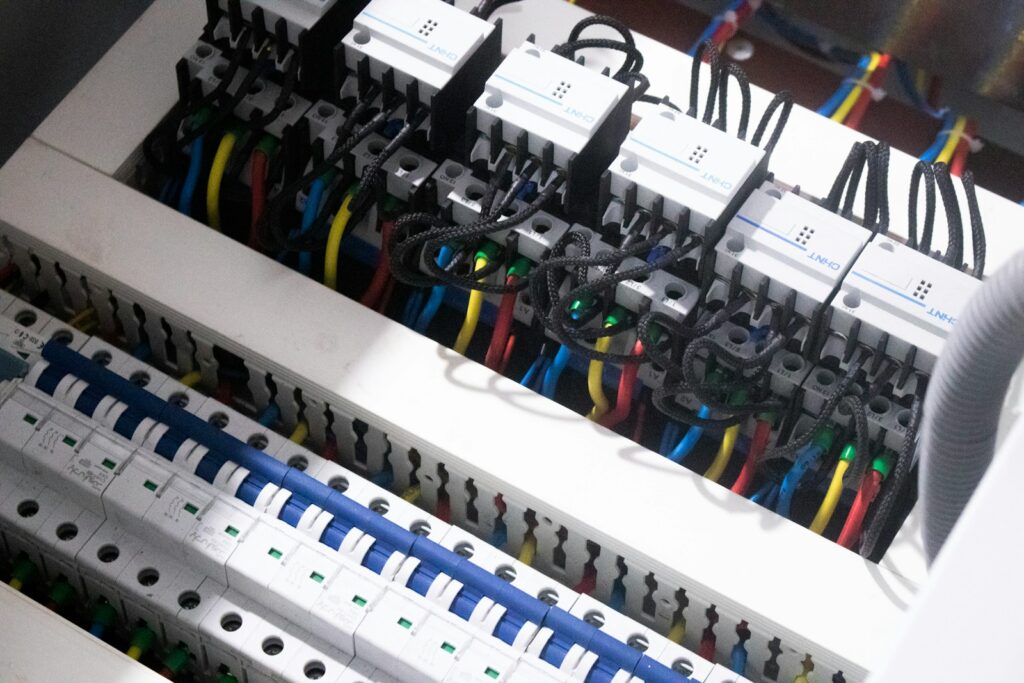
12. **Products That Mitigate Danger**When it comes to home safety and preventing potential structural damage, the stakes are simply too high to rely on general big-box store offerings. Products designed to mitigate danger, such as circuit breakers and other electrical components, should always be sourced from specialty stores. These are not areas where compromise on quality is acceptable.
Geno Caccia emphasizes this point, stating, “These are crucial safety components, and purchasing them from a specialized electrical supply house ensures you’re getting high-quality, certified products.” The peace of mind that comes from knowing your electrical system is protected by components meeting stringent safety standards is invaluable. Moreover, specialized suppliers often provide access to expert professionals who can answer your complex questions, a level of guidance rarely found in general home improvement stores.
Caccia adds, “with no disrespect to home improvement employees, you are not always getting the true expert advice.” This highlights the distinction between general retail assistance and specialized knowledge, which is vital when dealing with potentially hazardous systems.
The same principle applies to mold removal products. Pete Duncanson, vice president of training and development at ServiceMaster Restore, explains that big-box quick fixes for mold can be largely ineffective for serious mold problems. “They often provide a surface-level clean but fail to address the root cause, which can lead to recurring issues,” he states. For significant mold infestations, the consensus is clear: it’s almost always best to call a professional restoration company who can address the problem thoroughly and safely, preventing further spread and health risks.
Read more about: The $10 Tool That Could Save You $300+ on Tire Repairs: A Lifehacker’s Guide to DIY Flat Fixes

13. **Fire Safety Devices**Ensuring your home is equipped with reliable fire safety devices is non-negotiable, and this is another category where off-the-shelf purchases from general home improvement stores fall short. Pete Duncanson advises against buying fire extinguishers and cheap smoke alarms or carbon monoxide detectors from these retailers.
The core issue with many big-box detectors is their potential lack of essential features. They may miss crucial capabilities like connectivity to other smart home devices, offer shorter battery life, or lack the multi-sensor technologies that are increasingly vital for comprehensive home safety. These limitations can compromise your family’s protection in an emergency.
Fire extinguishers, too, require careful consideration. Duncanson notes that those found in general stores might be too general-purpose. He explains, “different types of extinguishers are designed for grease fires, electrical fires, or combustible materials, and the wrong one could make a fire worse.” Using the incorrect type of extinguisher can exacerbate a fire rather than contain it, posing a severe risk.
For optimal safety, Duncanson strongly recommends sourcing both smoke alarms/carbon monoxide detectors and fire extinguishers from specialized safety companies. These experts can guide you through purchases tailored to your home’s specific layout, appliances, and potential fire risks, ensuring you have the right tools for every scenario. Moreover, they can often provide training on how to use these devices effectively, empowering you to protect your home and loved ones.
Read more about: The Rare-Earth Elements: Hidden Marvels That Transformed Modern Innovation

14. **Greenhouse Plastic**For those looking to construct or cover a greenhouse, the thick, clear plastic sheets available at big-box stores might appear to be a cost-effective solution. However, this common assumption can lead to significant disappointment and wasted effort. What these general retailers sell is typically just construction plastic, which is fundamentally different from what’s needed for a functional, long-lasting greenhouse.
Randy Cummings, a growing specialist at Bootstrap Farmer, points out the critical deficiency of these products: they “don’t contain UV inhibitors or stabilizers.” This omission is crucial because sunlight, especially UV radiation, rapidly degrades standard plastic. As a result, Cummings warns, “This means that it will deteriorate in three to five months and turn into confetti,” leaving your greenhouse exposed and requiring frequent, costly replacements.
Beyond durability, the optical properties of construction plastic are also unsuitable for plant growth. Many construction plastics are inherently opaque, which severely limits the amount and quality of light transmitted into the greenhouse. This reduced light transmission directly impacts photosynthesis, hindering plant growth and overall yield, effectively defeating the purpose of a greenhouse.
For successful greenhouse projects, invest in specialized greenhouse plastic, often referred to as ‘polycarbonate’ or ‘greenhouse film,’ from agricultural suppliers. These materials are specifically engineered with UV protection and optimal light diffusion, ensuring your plants receive the consistent, beneficial sunlight they need without the constant worry of material degradation.
Read more about: Your Car’s Hot Seat: 14 Everyday Essentials That Become Hazards in Summer Heat
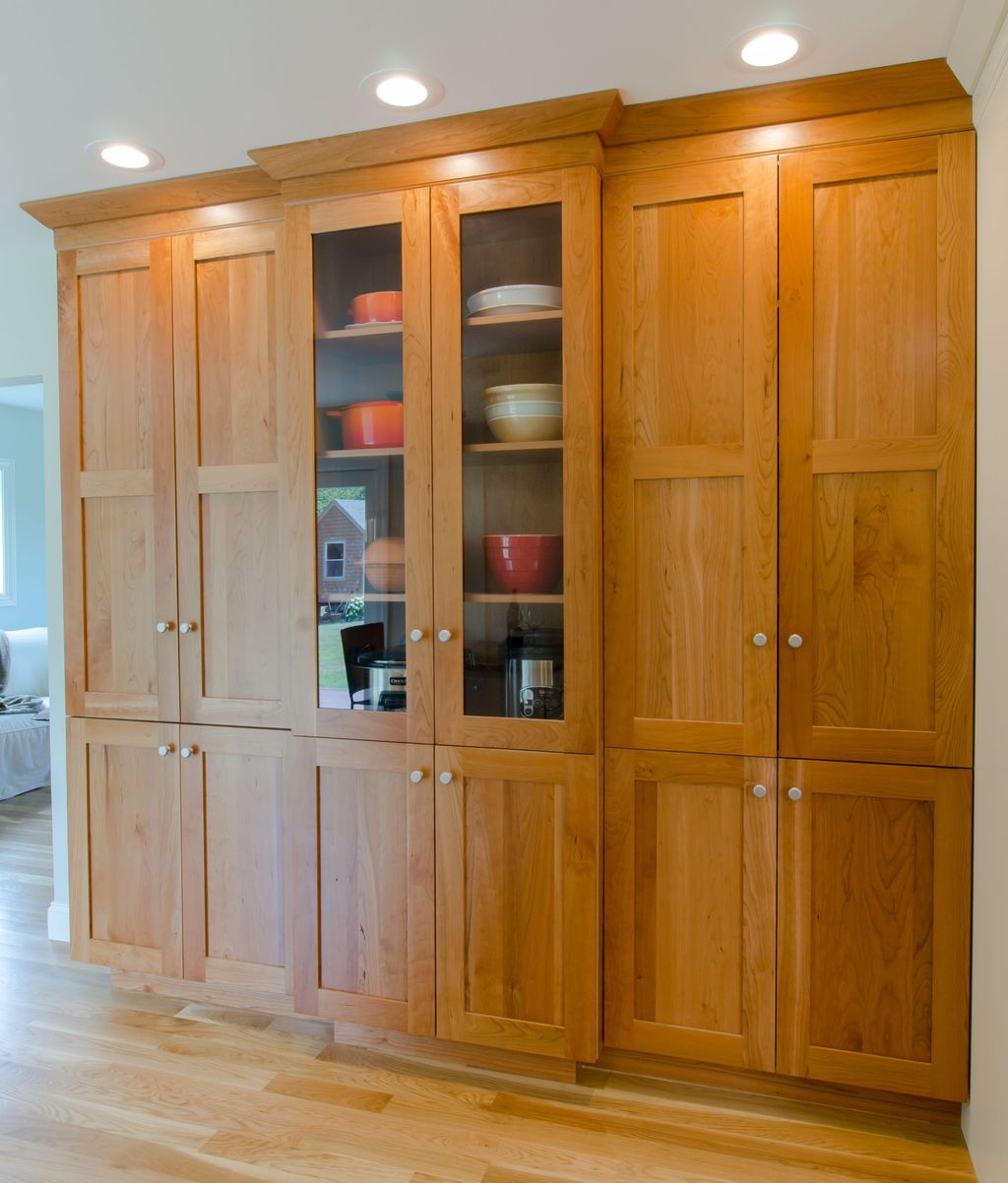
15. **Cabinets**The appeal of pre-assembled stock cabinets from big-box stores is undeniable for many DIY enthusiasts and budget-conscious homeowners. They offer a seemingly quick and affordable way to refresh a kitchen or bathroom. However, industry experts caution that these savings often come at the expense of quality, durability, and aesthetic appeal, making them a less-than-ideal long-term investment.
Steven Mena, CEO at AAA Fence and Deck Company, highlights a major material drawback: these cabinets are “often made from particleboard that warps or chips easily, especially in humid environments like kitchens and bathrooms.” This lack of resilience means they quickly show wear and tear, detracting from your home’s value and requiring premature replacement.
Beyond functional issues, there’s a distinct absence of craftsmanship. Sofia Vyshnevska, a housing expert and co-founder at Jome, eloquently describes the aesthetic void: “Walk into a home improvement store, and you’ll spot rows of cabinets that look chic in the showroom but can feel oddly soulless once you get them home.” This “mass-produced” feel often fails to integrate seamlessly with a home’s unique character.
Vyshnevska further explains that “Mass-produced units often skimp on the finer details like those hidden corners and special finishes that transform a kitchen from purely functional to quietly fabulous.” These overlooked details are precisely what elevate a space, making it feel custom and thoughtfully designed. Opting for custom or semi-custom cabinets from a specialized supplier, though a higher initial investment, provides superior durability, tailored aesthetics, and a finish that truly enhances your home’s character.
Read more about: Beyond the Pixels: Iconic Characters and the High-Stakes Legal Battles Defining the Video Game Industry
Navigating the world of home improvement products requires a discerning eye, especially when the convenience of big-box stores beckons. As our experts have revealed across these 15 critical categories, a little extra research and a willingness to seek out specialized suppliers can dramatically impact the success, safety, and longevity of your DIY projects. By prioritizing quality, expertise, and suitability over immediate convenience, you’re not just buying a product—you’re investing in the enduring value and comfort of your home. Be a savvy shopper, embrace informed decisions, and transform potential DIY disasters into lasting successes.


