As the U.S. government faces the prospect of a shutdown, a critical question for millions of Americans revolves around the fate of their Social Security benefits. With over 74 million individuals across the nation relying on these vital payments, understanding the implications of a federal funding lapse is paramount for retirees, disabled Americans, and the dependents of deceased workers.
While the broader landscape of federal operations may experience significant disruption, the Social Security Administration (SSA) operates under a distinct financial framework that insulates core benefit payments from the immediate impact of a shutdown. This distinction is crucial, offering a measure of reassurance to beneficiaries even as other government services face temporary halts.
This article aims to provide a clear, in-depth understanding of how a government shutdown truly affects Social Security, distinguishing between the continuation of scheduled payments and the potential for interruptions in various administrative and customer service functions. We will examine the mechanisms that ensure payments persist and identify the specific services that beneficiaries may find temporarily unavailable.
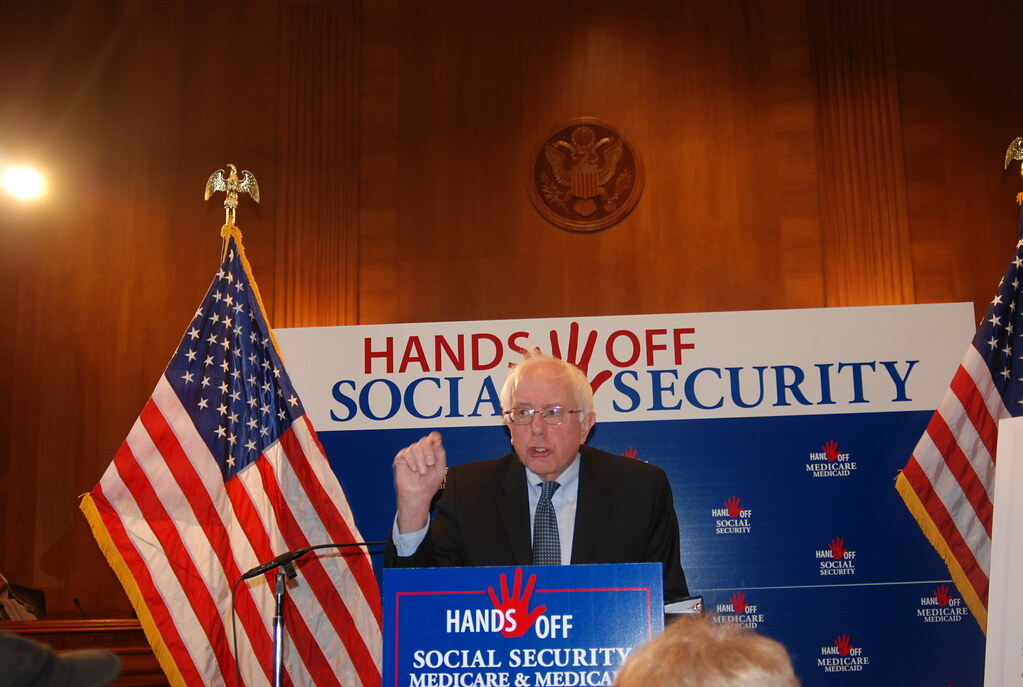
1. **Core Social Security Payments Uninterrupted**One of the most significant reassurances during a government shutdown is the steadfast continuation of Social Security payments. Experts confirm that the 74 million Americans who collect Social Security, including retirees, disabled Americans, and the dependents of deceased workers, will continue receiving their monthly checks without interruption. This critical stability is a cornerstone of the program, maintaining a vital financial lifeline for millions.
Max Richtman, CEO of the National Committee to Preserve Social Security & Medicare, affirmed this continuity, stating, “The system hasn’t missed a payment in its entire 90-year history and won’t start now.” This historical precedent underscores the program’s resilience and its foundational role in the nation’s social safety net, providing a reliable source of income regardless of political impasses.
The Social Security Administration itself has consistently communicated this commitment. In preparation for potential shutdowns, the SSA has developed contingency plans that explicitly state beneficiaries will continue to receive their payments. An agency spokesperson confirmed, “In the event of a lapse in appropriation, SSA will follow the contingency plan for continued activities, and Social Security beneficiaries would continue receiving their Social Security, Social Security Disability Insurance, and SSI payments.”
This unwavering commitment to payment distribution means that individuals reliant on these benefits can expect their checks or direct deposits to arrive on their usual schedule. The continuity extends across all major Social Security programs, encompassing Social Security, Social Security Disability Insurance (SSDI), and Supplemental Security Income (SSI) payments, ensuring that essential financial support remains undisturbed.
Read more about: Elon Musk’s Blueprint: Deconstructing the Core Productivity Rules Reshaping Twitter’s Operational DNA
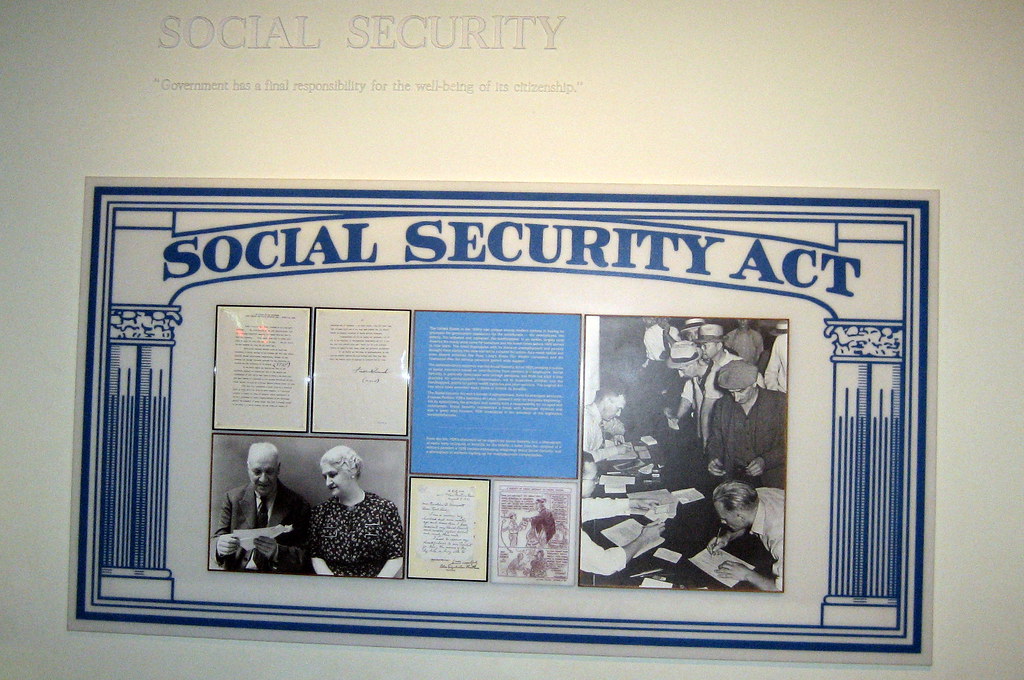
2. **The Mandate: Why Benefits Flow Uninterrupted**The fundamental reason for the uninterrupted flow of Social Security payments lies in their classification as “mandatory spending.” Unlike many federal programs that depend on annual appropriations from Congress, funding for Social Security has already been approved with an indefinite expiration date. This legal distinction ensures that the program’s budget is not subject to the yearly congressional bargaining over spending bills.
Mandatory spending programs, by their very nature, are designed to continue automatically unless specific legislative action is taken to alter them. This contrasts sharply with discretionary spending, which requires explicit congressional agreement on how money will be allocated each year. The legal framework surrounding Social Security therefore insulates it from the budgetary stalemates that trigger government shutdowns.
According to the Social Security Administration, “Money for Social Security benefit programs is considered mandatory spending by law, meaning its budget is not dependent on yearly congressional approval.” This legal mandate provides a robust protective layer, ensuring that the benefits, once established by law, continue to be distributed on a regular and predictable schedule, irrespective of temporary lapses in government funding for other agencies.
This structural independence means that while Congress may fail to reach an agreement on funding for many other federal agencies, the financial mechanisms supporting Social Security payments remain active. The program’s funding originates from dedicated payroll taxes, which are distinct from the general revenue funds that become entangled in shutdown debates, reinforcing its status as a mandatory and self-sustaining entitlement.

3. **General Customer Service Disruptions**While the core benefit payments remain secure, a government shutdown is not without consequence for Social Security beneficiaries. The most immediate and widespread impact is often felt in the realm of customer service and the availability of certain administrative functions at the Social Security Administration. These disruptions, though not affecting payment receipt, can still pose significant challenges for individuals seeking assistance or information.
As Max Richtman of the National Committee to Preserve Social Security & Medicare observed, “customer service at the Social Security Administration (SSA) may be disrupted.” This can manifest in various ways, from longer wait times for phone inquiries to the temporary unavailability of specific in-person services at local SSA offices. The extent of these disruptions is contingent upon the agency’s contingency plan and the number of employees deemed essential.
The SSA’s working budget, which funds these customer service operations, requires annual approval from Congress. When such approval is not reached, non-essential personnel may be furloughed, leading to a reduction in the workforce available to handle public inquiries and process requests. This reduced capacity inevitably leads to service delays and limitations, even for routine matters.
Local Social Security offices are expected to remain open to the public during a shutdown, as stated by the agency on its website. However, this does not mean business as usual. The website explicitly warns that offices could provide “reduced services,” indicating that while beneficiaries can still visit, the scope of assistance available in person will be curtailed, necessitating careful planning for those needing specific services.
Read more about: Smart Leasing in 2025: Why You Should Avoid These 14 Older Electric and Hybrid Models
4. **Halted Services: Benefit Verifications and Earnings Record Corrections**Among the specific services that are explicitly halted during a government shutdown, according to the SSA’s contingency plan, are benefit verifications. These are often crucial for individuals who need to provide official proof of their Social Security income for housing applications, loan qualifications, or other benefit programs. The temporary unavailability of these verifications can create bureaucratic hurdles and delays in other aspects of a beneficiary’s life.
Similarly, another significant disruption is the halting of “earnings record corrections and updates unrelated to the adjudication of benefits.” While earnings records are foundational to calculating future benefits, corrections not directly tied to an active benefit claim may be deferred. This means individuals seeking to rectify historical inaccuracies in their work records, which could impact future benefits, might have to wait until the government reopens.
The SSA’s internal planning document clarifies this focus, stating, “We will continue activities critical to our direct-service operations and those needed to ensure accurate and timely payment of benefits,” while conversely, “We will cease activities not directly related to the accurate and timely payment of benefits or not critical to our direct-service operations.” This directive prioritizes core payment functions over other administrative tasks.
For beneficiaries, this means that while their checks arrive, certain critical documentation and record adjustments are paused. The agency explicitly notes on its website that during a shutdown, “we cannot provide proof of benefits letters, or update or correct earnings records.” These essential in-person services, it confirms, “will resume when the federal government is operating normally,” underscoring the temporary nature but immediate impact of these halts.

5. **Halted Services: Medicare Card Replacement and Overpayments Processing**Further specifying the scope of disrupted services, the Social Security Administration’s contingency plan indicates that the replacement of Medicare cards will be among the activities put on hold. For individuals who have lost or damaged their Medicare cards, this halt could impede their ability to access medical services or prove their eligibility for health coverage. While a temporary inconvenience, it highlights how a shutdown can affect interconnected essential services.
Another administrative function that will cease during a funding lapse is “overpayments processing.” This refers to the procedures involved when a beneficiary has received more Social Security funds than they were entitled to. While the halting of processing might initially seem beneficial to those with overpayments, it can lead to a backlog, potentially delaying resolution and creating future complications once operations resume.
These specific halts align with the SSA’s broader strategy during a shutdown, which is to focus resources on the direct and timely distribution of benefits. Non-critical support functions, even those important for beneficiaries, are temporarily deprioritized to ensure the primary mission of payment delivery remains unimpaired. This reflects a careful balancing act designed to mitigate the most severe impacts of a funding crisis.
Consequently, individuals anticipating a new Medicare card or those engaged in a dialogue with the SSA regarding an overpayment situation will find these processes stalled. The agency advises that these types of in-person requests cannot be fulfilled until the federal government is fully operational again. This underscores the comprehensive nature of the service reductions extending beyond just basic inquiries.
6. **Halted Services: FOIA Requests and Third-Party Information Queries**During a government shutdown, certain information access and administrative requests are also placed on hold. Specifically, “Freedom of Information Act requests,” commonly known as FOIA requests, will be among the halted services. These requests, which allow the public to access government records, are considered non-essential to the direct provision of benefits and therefore are suspended until normal operations resume.
Accompanying the suspension of FOIA requests are “Requests from third parties for queries.” These often involve entities like financial institutions, other government agencies, or researchers seeking specific data or verifications related to Social Security beneficiaries. Halting these queries can create delays for these external parties and, by extension, for individuals whose transactions or applications rely on such third-party verifications.
Further illustrating the scope of activities deemed non-critical during a shutdown, the SSA’s plan also includes the cessation of “IT enhancement activities, public relations and training.” These internal operational functions, while vital for long-term efficiency and public engagement, are paused to direct resources towards essential, direct-service operations. This prioritization ensures that the most fundamental aspects of the SSA’s mission continue.
These administrative halts underscore a strategic decision to conserve resources and personnel for the core function of benefit payments. While these suspensions may lead to inconveniences and delays for those seeking information or undergoing related processes, they are a direct result of the agency’s need to operate with a reduced, essential workforce during a period of funding lapse, ensuring that the critical function of delivering monthly checks remains the top priority.
7. **Potential Delay in Annual COLA Announcement**One significant aspect of Social Security that could face disruption during a government shutdown is the annual announcement of the Cost-of-Living Adjustment, or COLA. This vital adjustment is designed to ensure that the purchasing power of beneficiaries’ monthly payments keeps pace with inflation, thereby preventing the erosion of their Social Security income over time. Typically, the Social Security Administration makes this announcement each October, aligning with the release of the Labor Department’s Consumer Price Index (CPI) data for that month.
However, a government shutdown introduces a potential hitch in this established timeline. The Labor Department itself has issued a contingency plan acknowledging that a delay in the CPI release during October could directly impact the COLA announcement by the Social Security Administration. The critical economic data, specifically the Consumer Price Index, which forms the basis for the COLA calculation, is scheduled for release on October 15th this year.
If federal agencies, including the Labor Department, are operating under a shutdown, the timely release of this essential CPI data could be jeopardized. This, in turn, could force the Social Security Administration to postpone its official COLA announcement. While such a delay would not impact the underlying mechanism of the COLA or its eventual implementation, it could create uncertainty for more than 74 million beneficiaries who anticipate knowing their updated benefit amounts for the upcoming year.
The COLA is intended to provide clarity and predictability regarding future benefit levels, enabling beneficiaries to plan their finances accordingly. A delay in its announcement, therefore, while not immediately impacting payment receipt, could introduce an element of suspense and potentially push back the timeframe for beneficiaries to understand the exact increase they will receive. The adjustment itself remains a cornerstone of Social Security’s design, ensuring benefits adapt to economic realities, but the timing of this crucial update hinges on the seamless operation of federal data collection and dissemination.
Read more about: Beyond the Purple Rain: Unpacking the Enduring Legacy of Prince Rogers Nelson
8. **Unwavering Payment Schedules Confirmed**Despite the broader implications of a government shutdown, one of the most reassuring confirmations for beneficiaries is the unwavering consistency of Social Security payment schedules. The Social Security Administration has unequivocally stated that there will be “no change in payment dates,” a crucial detail for millions who rely on these funds for their daily living expenses. An agency spokesperson has reiterated that “Social Security beneficiaries would continue receiving their Social Security, Social Security Disability Insurance, and SSI payments” without interruption.
To provide further clarity, the specific payment dates, which are determined by a recipient’s birth date, remain firmly in place. For those born between the 1st and 10th of their birth month, payments are scheduled for October 8th. Individuals born between the 11th and 20th days of their birth month can expect their payments on October 15th. Finally, beneficiaries whose birthdays fall between the 21st and the last day of their birth month will receive their checks on October 22nd. Additionally, recipients of Supplemental Security Income (SSI) were scheduled to receive their next checks on October 1st, also without alteration.
This adherence to the established payment calendar is a testament to the robust, mandatory spending framework that governs Social Security. It means that regardless of the political impasse causing the shutdown, the financial mechanisms supporting these benefits continue to function as designed. Wayne Winegarden, a senior fellow in business and economics at the Pacific Research Institute, affirmed this reliability, stating, “If you’re a Social Security recipient, you’re going to get your check, and that’s obviously a good thing.”
This consistent delivery of funds provides a critical financial anchor for retirees, disabled individuals, and surviving dependents across the nation. The SSA’s explicit assurance on its website, confirming that “you will still receive your payments on time,” serves to alleviate immediate financial anxieties for existing beneficiaries, allowing them to budget and plan with certainty amidst the uncertainty of a federal funding lapse. The historical precedent of uninterrupted payments underscores the program’s resilience and foundational importance.
Read more about: Unlocking the Empire: Kendall Jenner’s Journey from Reality TV Star to Global Fashion & Business Mogul

9. **The SSA’s Workforce Contingency Plan**In preparation for potential government shutdowns, every federal agency develops a comprehensive contingency plan detailing how its operations will proceed. The Social Security Administration, recognizing its critical role, published its own plan on September 24th, outlining the deployment of its workforce during a funding lapse. This document is crucial for understanding which functions are deemed essential and will continue, and which will be temporarily paused.
According to the SSA’s planning document, a significant portion of its personnel, approximately 45,000 employees, would stay on the job. This constitutes almost 90% of its total workforce, highlighting the extensive nature of services considered indispensable. These essential workers are tasked with maintaining “activities critical to our direct-service operations and those needed to ensure accurate and timely payment of benefits,” reflecting the agency’s primary mission.
Conversely, around 6,197 workers, representing about 12% of the SSA’s workforce, would be furloughed. These individuals perform functions that are “not directly related to the accurate and timely payment of benefits or not critical to our direct-service operations.” The distinction underscores a strategic prioritization, channeling available resources and personnel to the most fundamental aspects of Social Security’s mandate: ensuring beneficiaries receive their payments.
The contingency plan also contains provisions for an extended shutdown. It notes that if a funding lapse were to persist for longer than five days, the agency might reassess its staffing levels and potentially increase the number of employees deemed essential. This flexibility aims to adapt to the evolving needs of a prolonged shutdown, though the initial focus is on maintaining core services with a streamlined, essential workforce.
This strategic allocation of personnel is a testament to the SSA’s commitment to protecting the interests of beneficiaries during periods of federal funding uncertainty. While the furloughing of thousands of employees inevitably leads to reduced service capacity in some areas, the overwhelming majority remain at their posts, dedicated to upholding the promise of Social Security through its most vital functions.

10. **Essential Services That Remain Available**While many administrative functions are paused during a government shutdown, the Social Security Administration ensures that a range of essential services remains accessible to beneficiaries and the public. Even with local offices operating on a reduced service model, critical interactions and vital processes can still be completed, either in person or through online channels. This continuity is designed to prevent complete paralysis in accessing fundamental aspects of Social Security benefits.
Beneficiaries visiting local offices, despite the advisories about reduced assistance, can still accomplish several key tasks. These include applying for benefits, which is paramount for new claimants, and requesting an appeal for those whose initial applications may have been denied. Other vital in-person services encompass changing address or direct deposit information, reporting a death to the agency, and verifying or changing citizenship status, all of which are essential for accurate record-keeping and benefit distribution.
Moreover, the agency confirms that individuals can obtain a new or replacement Social Security card, replace a lost or missing Social Security payment, and even obtain an expedited payment in an emergency. Changes to a representative payee can also be processed, and Supplemental Security Income (SSI) recipients retain the ability to make changes to their living arrangements or income, reflecting the specific needs of this vulnerable population. Crucially, hearings offices remain open to conduct hearings before an Administrative Law Judge, ensuring that the judicial review process for appeals continues.
Beyond the physical offices, the SSA strongly encourages the use of its online “my Social Security” accounts as a robust alternative for many services. Through this secure portal, individuals can view benefit estimates, request a proof of income letter, apply for benefits, and request replacement Social Security or Medicare cards. This digital infrastructure acts as a vital lifeline, allowing beneficiaries to manage their accounts and access critical information even when in-person services are constrained. These available services underscore the SSA’s commitment to maintaining foundational support despite operational challenges.
Read more about: The $10 Tool That Could Save You $300+ on Tire Repairs: A Lifehacker’s Guide to DIY Flat Fixes

11. **Significant Challenges for New Applicants**While existing Social Security beneficiaries can breathe a sigh of relief knowing their payments will continue, the landscape is considerably more challenging for individuals who are newly in need of benefits or are in the process of applying. A government shutdown creates significant bottlenecks in the application pipeline, leading to extended wait times and considerable stress for those seeking their initial access to retirement, disability, or survivor benefits.
The core issue stems from the reduced workforce at the Social Security Administration during a shutdown. With a substantial number of non-essential employees furloughed, there are fewer personnel available to actively process new applications, meticulously review qualifications, and provide necessary documentation. This operational constraint translates directly into a backlog of cases, meaning that individuals who might be in urgent financial need face prolonged periods of uncertainty and delay before their claims can be adjudicated.
Particular areas of vulnerability include processes that require manual review and detailed assessment. Medical assessments, which are a critical component for disability benefits, can be significantly delayed or even paused, prolonging the determination of eligibility for individuals with health conditions impacting their ability to work. Similarly, recertifications for denied or recurring payments, and complex benefit calculations for families of recently deceased federal employees or veterans, are all examples of labor-intensive processes that are highly susceptible to shutdown-induced slowdowns.
The cumulative effect of these delays can be profound for new applicants. Many individuals seeking Social Security benefits are doing so during periods of financial hardship, such as retirement, disability, or the loss of a primary wage earner. For these populations, any extension in the processing time can exacerbate their economic vulnerability, forcing them to navigate already difficult life transitions without the essential financial support they are entitled to. The shutdown, therefore, creates a stark divide between the security of current beneficiaries and the precarious position of new claimants.
Read more about: Beyond the Black and White: Unveiling the Enduring Power and Complex World of Non-Disclosure Agreements

12. **Hurdles in the Appeals Process**Beyond new applications, individuals navigating the Social Security appeals process also confront considerable hurdles during a government shutdown. While the act of “requesting an appeal” is listed among the services that remain available at local offices, the subsequent administrative steps and overall efficiency of the appeals system can be significantly impacted. This introduces additional stress and prolonged wait times for those seeking to overturn unfavorable benefit determinations.
The reduced workforce and the prioritization of direct benefit payments mean that administrative support for the complex, multi-layered appeals process may be severely curtailed. Tasks such as reviewing submitted documentation, gathering additional evidence, scheduling pre-hearing conferences, and facilitating communication between appellants and the agency could all experience delays. This slowdown in backend operations can effectively stall the progress of an appeal, even if the initial request can be formally lodged.
Despite these administrative challenges, a crucial aspect of the appeals process that remains operational is the conduct of hearings before an Administrative Law Judge (ALJ). The SSA’s contingency plan explicitly states that “Hearings offices remain open to conduct hearings before an Administrative Law Judge (ALJ).” This continuity ensures that a fundamental judicial avenue for reviewing benefit decisions is preserved, providing a vital check and balance.
However, the effectiveness of these hearings can still be hampered by delays in the preceding steps. If necessary documentation is not processed in a timely manner, or if administrative staff are unavailable to prepare case files, the overall timeline for an appeal from initial request to final resolution can be considerably lengthened. This creates a challenging environment for individuals who are often financially vulnerable and for whom a timely resolution of their appeal is critically important.
Read more about: The Staggering Price of Influence: Unpacking 10 Notorious Celebrity-Backed Crypto Scams and Their Billions in Investor Losses
Ultimately, while the core mechanism for receiving Social Security benefits is robust against a shutdown, the pathways for new entrants and those seeking redress through appeals become considerably more arduous. The federal funding lapse underscores the delicate balance between maintaining essential safety net payments and ensuring the full spectrum of services that support them. The resilience of the payment system stands in stark contrast to the procedural slowdowns that challenge new applicants and appellants, highlighting the multifaceted impact of a government shutdown on the nation’s most vital social program.