Hey there, rock ‘n’ roll rebels and music lovers! Get ready to dive deep into the electrifying history of rock and celebrate some of the most phenomenal, boundary-breaking women who didn’t just play the game – they *changed* it. Rock music, with its roots stretching back to the late 1940s and early 1950s, exploded from a vibrant mix of genres like blues, rhythm and blues, and country music, eventually becoming a global phenomenon. It’s a genre synonymous with rebellion, passion, and an undeniable power that captures the spirit of youth and challenges the status quo.
While the narrative of rock often spotlights its male pioneers, we’re here to shine a massive spotlight on the fierce, talented women who were there from the very beginning, shaking things up and demanding to be heard. From the raw, untamed energy of early rock and roll to the complex artistry of progressive rock and the gritty defiance of garage rock, women have consistently injected their unique spirit and formidable talent into the genre. They’ve crafted sounds that resonate with “unleashed fury” and left an indelible mark on what we now know as rock’s essential power and heavy hits.
So, buckle up! We’re about to take an exhilarating journey through the annals of rock history, highlighting some of these incredible women and their pivotal moments. These aren’t just names; they are legends, innovators, and the very embodiment of rock’s rebellious heart. They prove that rock’s loudest anthems and most soul-stirring ballads often come from its most unyielding voices. Let’s crank up the volume and celebrate their lasting legacy!
1. **Sister Rosetta Tharpe: The “Godmother” of Rock’s Genesis**When we talk about the very foundations of rock music, it’s impossible to overlook the monumental influence of Sister Rosetta Tharpe. The context explicitly mentions her 1944 recording, “Strange Things Happening Every Day,” as a contender for the elusive title of “the first rock and roll record.” Now, that’s not just a footnote in history; it’s a declaration of her pioneering spirit and her undeniable impact on the genre’s birth. She blended gospel fervor with bluesy guitar licks in a way that truly foreshadowed the electric, energetic sound that would soon sweep the nation.
Imagine the scene in the mid-1940s: music was evolving, pulling from diverse black musical genres like blues and rhythm and blues. Sister Rosetta Tharpe was right there, pushing the boundaries, electrifying audiences with her guitar prowess and powerful vocals. Her music carried a directness and utility, echoing the folk-art virtues that critic Robert Christgau noted for the best rock – jolting them into the present with modern technology. This wasn’t just entertainment; it was a potent, joyful noise that paved the way for something entirely new.
Her contributions embody the “unleashed fury” long before the term was even coined for rock music. She fused sacred and secular sounds with an unapologetic intensity, challenging expectations and showing everyone that a guitar-wielding woman could command the stage with unparalleled charisma and skill. Her early work laid down a blueprint for the amplified, emotionally charged performances that would become synonymous with rock and roll, proving that from its earliest moments, rock was a space where fierce female talent could not just exist, but truly flourish.
2. **Ella Mae Morse: A Voice Igniting Rock’s Early Spark**Hot on the heels of Sister Rosetta Tharpe, another incredible woman, Ella Mae Morse, made her mark on the burgeoning sound of rock and roll. Her 1946 track, “The House of Blue Lights,” is also highlighted in the context as a contender for “the first rock and roll record.” This isn’t just a quirky historical tidbit; it signifies her crucial role in shaping the very earliest vibrations of a genre that would go on to define generations. Her voice, brimming with energy and a playful spirit, helped define what was possible in popular music.
Morse’s work, like other early rock and roll, drew heavily from the black musical genres of blues and rhythm and blues, as well as country music. She injected a vibrant, youthful energy into her performances, capturing the spirit of a post-war America eager for something new and exciting. The early rock and roll sound was about exploring the intersections of , love, violence, and fun, broadcasting the delights and limitations of the regional, and dealing with mass culture. Ella Mae Morse was delivering this potent cocktail with a fresh, captivating flair.
Her spirited delivery and ability to cross genre lines were essential in rock and roll’s formative years. The genre was an outlet for adolescent yearnings, a cool medium with simple diction and repeated refrains, but its primary function pertained to music, or more generally, noise. Morse contributed significantly to this foundational “noise,” adding a distinct female voice to the exciting, sometimes chaotic, beginnings of what would become rock music. Her presence ensured that women were front and center in rock’s initial explosion, showcasing their capability to deliver powerful, influential hits.
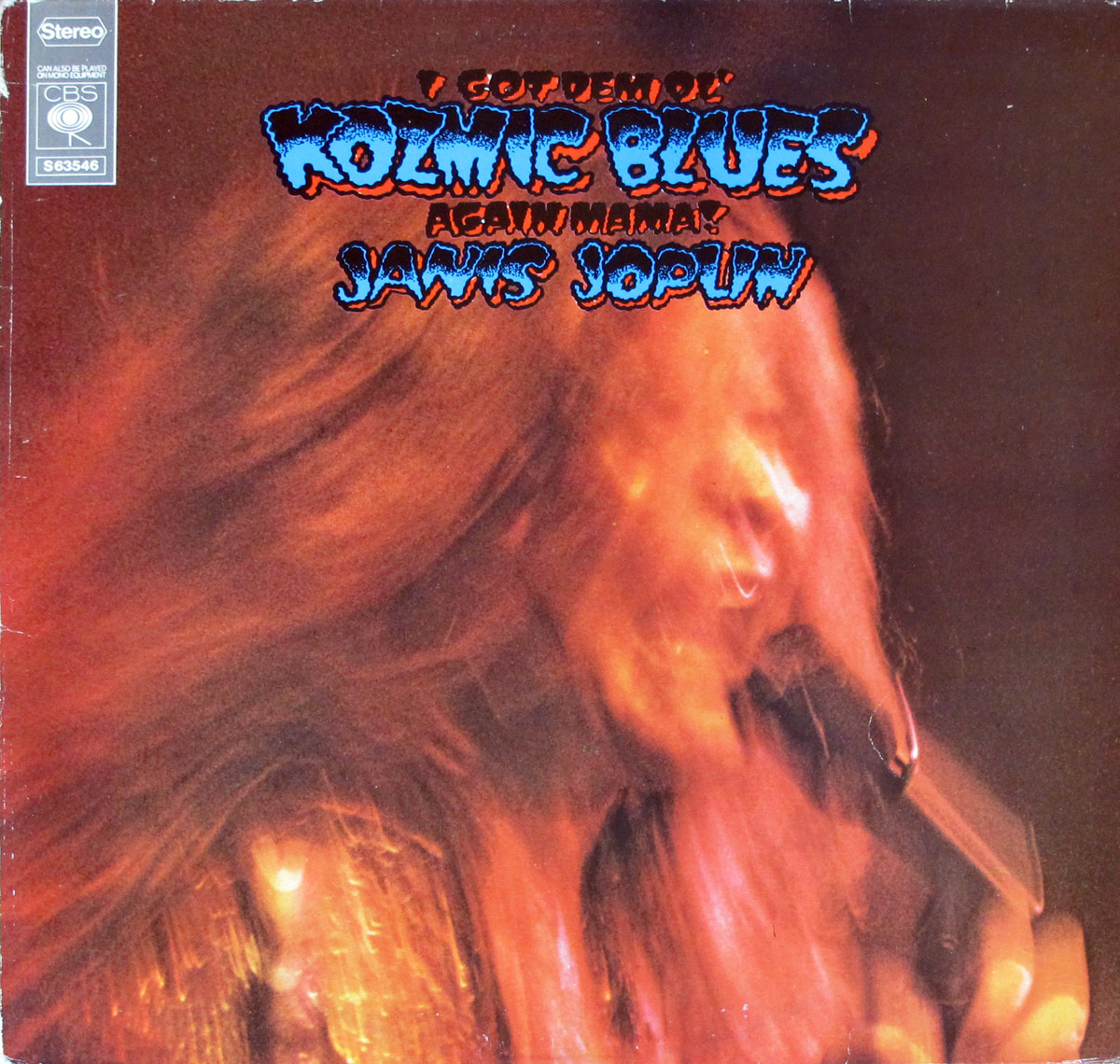
3. **Janis Joplin: The Blues Rock Dynamo**Fast forward to the mid-1960s, and the British Invasion had ignited a new wave of rock groups, with a distinct influence from American blues. Right here, in the heart of this blues rock explosion, the context names Janis Joplin as a “key act.” Now, if there was ever a woman who embodied “unleashed fury” and delivered “heavy hits” with every fiber of her being, it was Janis. Her raw, guttural, and emotionally charged vocals became the signature sound for many, leaving audiences absolutely spellbound.
Blues rock itself, as the context describes, evolved from the British blues scene, taking inspiration from figures like Muddy Waters and combining blues standards with rock instrumentation and emphasis. These bands often emulated jazz, playing “long, involved improvisations.” This is where Joplin truly soared. Her performances weren’t just songs; they were visceral, improvisational journeys that tapped into the deepest wells of human emotion. She poured her soul into every note, a powerful testament to the intensity that blues rock could achieve.
By the late 1960s, blues rock bands, including those around Joplin, were moving away from purely blues-based music into psychedelia, becoming “heavier and more riff-based,” blurring the lines between blues rock and hard rock. Joplin’s “fierce” stage presence and her ability to channel such raw passion made her a true dynamo in this evolving landscape. She wasn’t just singing the blues; she was embodying the full-throttle emotional and sonic power that would define this crucial period of rock, leaving a legacy of unforgettable, heavy performances.
4. **The Pleasure Seekers & Suzi Quatro: Garage Rock’s All-Female Vanguard**Talk about fierce! If you wanted raw, unadulterated rock ‘n’ roll with an undeniable attitude, you looked to garage rock. And right there, in a 1964 publicity photo, the context spotlights “The Pleasure Seekers, an all-female garage rock group featuring Suzi Quatro.” This is HUGE! In a genre often dominated by male bands rehearsing in suburban garages, these women were not only present but making a name for themselves, bringing a unique energy to the scene. They were the epitome of “unleashed fury” with their direct, no-nonsense sound.
Garage rock, as described, was a “raw form of rock music” that revolved around the “traumas of high school life” with lyrics that tended to be “more aggressive than was common at the time, often with growled or shouted vocals that dissolved into incoherent screaming.” Can you imagine The Pleasure Seekers, with Suzi Quatro front and center, delivering this kind of unapologetic sound? Their very existence as an all-female group in this often male-dominated, raw scene was a statement in itself, challenging societal norms and showing that women could rock just as hard, if not harder.
This wasn’t about polished pop; it was about visceral, energetic social and political critiques, even if on a high school level. The British Invasion greatly influenced garage bands, providing them with a national audience, and groups like The Pleasure Seekers seized that moment. Their presence as an “all-female garage rock group” was a powerful declaration of feminine agency in a fiercely independent and often unrefined subgenre. They contributed to the “heavy impact” of garage rock not just through their music, but by shattering expectations and proving that rock’s rebellious spirit knew no gender.

5. **Joan Baez: Folk’s Fierce Heartbeat Paving Rock’s Way**While Joan Baez is firmly rooted in the American folk music revival, her inclusion here is absolutely essential when discussing the “fierce” women who shaped rock’s power. The context pairs her with Bob Dylan in 1963, noting her as a prominent figure and singer-songwriter who helped bring “protest songs” to a wider public. This is a different kind of “fury” – intellectual, political, and deeply emotional – but no less impactful on the trajectory of rock music and its themes.
The context highlights how rock music inherited the “folk tradition of the protest song” and became associated with political activism, as well as changes in social attitudes. Joan Baez, with her powerful voice and unwavering commitment to social justice, was a leading light in this movement. Her influence on figures like Bob Dylan, who in turn influenced rock musicians like the Beatles, cannot be overstated. She demonstrated that an artist could use their platform to deliver profound, meaningful messages, giving rock a deeper, more serious dimension.
Even though her primary medium was acoustic, the “hybridization of folk and rock” had a major influence on rock’s development, bringing in elements of psychedelia and helping to develop the ideas of the singer-songwriter and the protest song. Baez’s fierce integrity and her ability to deliver songs with deep emotional resonance laid critical groundwork for rock artists to explore complex themes beyond romantic love. She showed that a powerful, authentic voice, even without amplified guitars, could deliver hits that profoundly moved and galvanized a generation, making her a true force in the broader landscape of powerful, influential music.
Continuing our epic quest to celebrate the women who have not just graced the stage but absolutely *owned* it in rock history, we now delve into how these incredible artists, both named and unsung, powered rock through its diverse subgenres and into its cultural evolution. Get ready for more unleashed fury and heavy hits that solidified rock’s enduring legacy! From genre-bending pioneers to the voices that defined entire movements, women have consistently proven that rock’s most authentic and powerful expressions often emerge from their unique artistry. Let’s crank up the volume and keep this party going!

6. **Janis Joplin and Big Brother and the Holding Company: The Psychedelic Soul Explosion**We just couldn’t move on without giving Janis Joplin another massive shout-out, because her impact was truly monumental and multi-faceted! While we celebrated her as a blues rock dynamo earlier, it’s absolutely essential to highlight her and Big Brother and the Holding Company’s pivotal role in the psychedelic rock explosion of the late 1960s. The context explicitly notes that psychedelic rock particularly took off in California’s emerging music scene, and prominent products of this vibrant, LSD-inspired counterculture were none other than “Big Brother and the Holding Company, the Grateful Dead and Jefferson Airplane.” Janis’s raw, guttural vocals injected a soul-stirring, almost shamanistic quality into the band’s psychedelic jams, elevating their sound into something truly transcendental and unforgettable.
This era was all about pushing boundaries, not just musically but culturally and socially. Psychedelic music’s LSD-inspired vibe began in the folk scene, and as groups shifted, the sound became increasingly experimental, embracing elements like “extended distorted, feedback-filled jams,” which the context highlights as a “key feature of psychedelia” exemplified by the likes of Jimi Hendrix. Janis, as the powerhouse frontwoman of Big Brother, brought an unparalleled emotional intensity to this evolving sound. Her performances were visceral, uninhibited journeys that tapped into the deepest wells of human emotion, capturing the very spirit of the countercultural psychedelic and hippie scene that famously spread out from San Francisco. She wasn’t just singing; she was living and breathing the raw, unadulterated energy of the movement.
Her contributions with Big Brother and the Holding Company showcased how female artists could be at the absolute forefront of rock’s most experimental and culturally significant movements. They moved decisively away from purely blues-based music into this new, expansive territory, injecting their sound with psychedelic elements that were defining the very essence of the times. The context mentions key recordings like “Jefferson Airplane’s Surrealistic Pillow” peaking at the 1969 Woodstock festival, where most major psychedelic acts performed. Janis Joplin’s fierce, unbridled expressiveness became synonymous with the “heavy impact” of psychedelic rock, demonstrating that “unleashed fury” wasn’t just about volume, but about profound emotional depth and groundbreaking artistry that a woman could bring to the genre. This shift cemented her place as an icon of authenticity and helped blur the lines between blues rock and hard rock, expanding possibilities for powerful female vocalists.
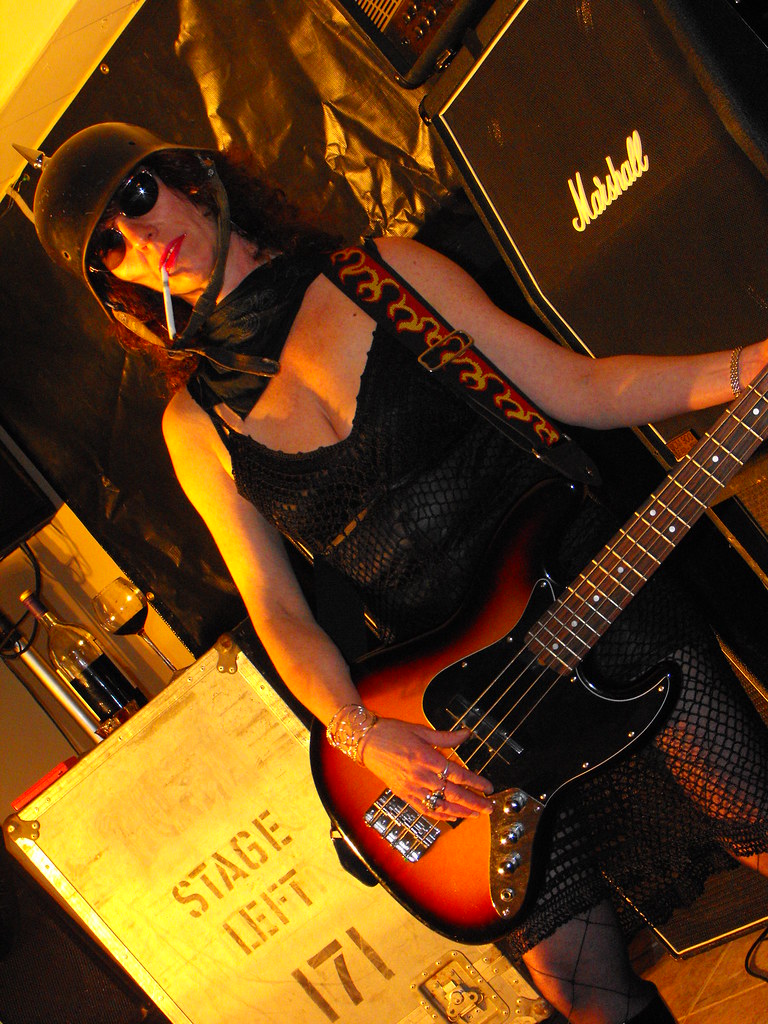
7. **Annie Haslam and Renaissance: The Voice of Progressive Rock’s Grandeur**If you’re looking for rock’s fierce women who brought elegance, complexity, and breathtaking vocal prowess to the table, pushing artistic boundaries with every note, then you absolutely must talk about Annie Haslam and the band Renaissance! Progressive rock, a term sometimes used interchangeably with art rock, moved far beyond established musical formulas by experimenting with different instruments, intricate song structures, and ambitious forms. And guess what? The context directly tells us that “Renaissance, formed in 1969 by ex-Yardbirds Jim McCarty and Keith Relf, evolved into a high-concept band featuring the three-octave voice of Annie Haslam.” This is a monumental moment for female power and sophistication in rock, showcasing a vocalist with truly exceptional range, control, and interpretive artistry that was perfectly suited for the genre’s lofty ambitions.
Progressive rock bands were characterized by their embrace of classical orchestration, the innovative use of keyboards like the piano, Hammond organ, and synthesizers, all frequently added to the established rock format of guitars, bass, and drums. This was a genre where instrumental virtuosity reigned supreme, often featuring long, involved improvisations, and songs were frequently conceptual, abstract, or deeply rooted in fantasy and science fiction, creating immersive sonic worlds. Annie Haslam’s unparalleled “three-octave voice” was not just an embellishment; it was a fundamental, defining characteristic of Renaissance’s sound. It allowed the band to craft intricate, ethereal, and emotionally rich soundscapes that truly transported listeners into their elaborate musical narratives. She wasn’t just a singer; she was an integral instrument, shaping the very texture and emotional core of their music with her operatic capabilities.
Her contributions with Renaissance profoundly demonstrate the “enduring power” of women in rock, proving that “fierce” can also mean intellectually daring, artistically profound, and exquisitely refined. While many progressive rock bands depended on a relatively small cult following, it was the unique blend of classical influences, poetic and often fantastical lyrics, and Haslam’s extraordinary vocal range and delivery that allowed Renaissance to carve out a distinct and influential niche. This genre celebrated “skill and technique with the romantic concept of art as artistic expression, original and sincere,” and Annie Haslam embodied this ethos completely. She helped define a subgenre that pushed rock’s artistic limits, making her a formidable force whose “heavy hits” were often complex, beautifully arranged, and deeply moving sonic journeys, demonstrating that a powerful female voice could lead a high-concept band to critical acclaim.
8. **The Unsung Dominance of Black and Female Artists in Early 1960s Rock**Hold up, rock historians and music aficionados! Before we dive further into specific subgenres, we need to take a significant moment to acknowledge a really important, yet often overlooked, period where women and Black artists truly shone, even if their individual names aren’t always front and center in every historical recounting. The context delivers a powerful, almost revelatory statement about the early 1960s, noting, “While early rock and roll, particularly through the advent of rockabilly, saw the greatest commercial success for male and white performers, in this era the genre was dominated by black and female artists.” Talk about “unleashed fury” from an entire collective of musicians who were not just participating, but actively driving the sound forward with undeniable talent and innovation!
This isn’t just a casual observation; it’s a profound testament to the immense talent, relentless energy, and cultural significance of these artists. Even as some might have perceived a “decline of rock and roll” in this period following the departures of major male figures, the genre was vibrantly alive and kicking, propelled by these diverse voices. The context mentions that “some of its energy can be seen in the various dance crazes of the early 1960s, started by Chubby Checker’s record ‘The Twist’ (1960),” indicating that popular music was still very much dynamic. Black and female artists were keeping the rock flame burning, shaping the evolving sound, and ensuring that rock remained dynamic and relevant, building on the roots of blues and rhythm and blues.
Their collective influence was absolutely fundamental in laying the groundwork for future developments in rock, injecting the music with vitality, innovation, and an essential connection to its diverse origins that would become crucial for later movements, including the British Invasion. Imagine the sheer power of a genre “dominated by black and female artists” during a time when mainstream commercial success was often disproportionately skewed. This highlights an era where these groups were not just contributing but leading, showing their “enduring power” and proving that rock’s essential pulse was often driven by those who challenged the status quo and brought fresh perspectives. Their collective efforts ensured rock’s continued evolution, weaving a rich tapestry of sounds and styles that kept the genre vibrant, diverse, and ready for its next explosive phase, undeniably creating some of rock’s most impactful, albeit sometimes collectively uncredited, “heavy hits.” This crucial period cemented the role of diverse voices in shaping the genre’s future, a testament to rock’s inclusive nature despite later narratives.
Read more about: Global Icons: Exploring the Lives and Enduring Legacies of 14 World-Famous Personalities
9. **Vocal Girl Groups: The Undeniable Power and Influence on Rock’s Landscape**Speaking of influential, powerful women who shaped an entire era and left an indelible mark on the musical landscape, let’s wholeheartedly celebrate the incredible vocal girl groups of the late 1950s and early 1960s! The context explicitly mentions that the British Invasion “arguably spelled the end of instrumental surf music, vocal girl groups and (for a time) the teen idols, that had dominated the American charts in the late 1950s and 1960s.” Before the Beatles landed and irrevocably altered the music industry, these groups were absolutely massive, delivering hit after hit and captivating audiences with their tight harmonies, distinctive styles, and undeniable pop-rock appeal. They were a crucial and dominant force in the music landscape, and their profound influence still resonates deeply within pop and rock music today.
While often broadly categorized as “pop,” the sheer energy, emotional depth, and sophisticated production of these tracks were undoubtedly influential on the broader rock sound, bringing a different kind of “heavy hit” to the charts. The context highlights “important and innovative technical developments that built on rock and roll in this period, including… the elaborate production methods of the Wall of Sound pursued by Phil Spector.” Many girl groups were at the absolute heart of this sonic innovation, crafting meticulously layered and emotionally resonant songs that transcended simple pop tunes and showcased impressive vocal arrangements, often backed by powerful instrumentation. These were not lightweight tunes; they were carefully constructed sonic statements that often packed an emotional punch.
These groups, with their distinct narratives of “adolescent yearnings,” exploring “intersections of , love, violence, and fun,” as critic Robert Christgau noted for rock and roll, provided a powerful, relatable voice for a generation grappling with post-war changes. Their lyrics, though often concise with “simple diction and repeated refrains,” resonated deeply with young audiences. They proved that women could be at the absolute forefront of massive commercial success, delivering songs that became anthems for countless listeners. Their “unleashed fury” was often expressed through soaring harmonies, dramatic lyrical themes, and powerful vocal performances, leaving an indelible mark on the charts and demonstrating the immense, diverse power of female voices in popular music. This era of their dominance was a formidable force that undeniably set the stage for rock’s continued genre expansion and evolution, proving that a different kind of ferocity—one of cultural impact and widespread appeal—could be profoundly transformative.

10. **Rock’s Enduring Legacy: The Continued Fierce Spirit of Women Across Subgenres**As we journey through the incredible, multifaceted history of rock, it’s abundantly clear that from its very inception, women have been not just participants, but innovators, rebels, and absolute powerhouses. The spirit of “unleashed fury” and the delivery of “heavy hits” are deeply woven into the very fabric of rock thanks to these fierce women, whether they were blues pioneers like Sister Rosetta Tharpe, early rock and roll shapers like Ella Mae Morse, blues-rock legends like Janis Joplin, garage rock trailblazers like Suzi Quatro, folk’s conscience like Joan Baez, progressive rock mavens like Annie Haslam, or the countless unnamed artists and girl groups who dominated critical eras. Rock has always been much more than just music; it has embodied and served as the vehicle for profound cultural and social movements, associated with political activism, and changes in social attitudes to race, , and drug use. Women have been central to articulating and driving these transformative themes.
Even as rock has continually evolved, drawing from and influencing genres like hip-hop and electronic dance music in the new millennium, the core essence of female power and expressive talent remains an undeniable force. The context reminds us that rock is a genre that “stresses romantic love but also address a wide variety of other themes that are frequently social or political.” Women in rock have consistently pushed these boundaries, using their powerful voices and platforms to explore identity, challenge societal norms, advocate for social justice, and articulate the complexities of modern life. They’ve embodied the “youth revolt against adult conformity” and brought unique perspectives to the forefront, proving time and again that rock’s loudest anthems and most soul-stirring ballads often come from its most unyielding voices, those who refuse to be silenced or categorized.
From the raw, electrifying energy of early rock and roll to the intricate artistry of progressive rock, and every subgenre in between and beyond, women have consistently injected their unique spirit and formidable talent into the genre. Their “enduring power” is not just a historical footnote; it’s a living, breathing testament to their ongoing impact, shaping not only the sound but also the cultural legitimacy of rock music in the mainstream, as seen with the album era. The rock landscape continues to be shaped by women who refuse to be confined, who challenge expectations, and who consistently deliver music that is both commercially successful and profoundly artistic, embodying the “unleashed fury” that continues to define rock’s powerful appeal. So here’s to the fierce women of rock – past, present, and future – who continue to ignite stages, challenge norms, and leave us all rocking out with their essential power ballads and heavy hits! Their legacy is loud, proud, and undeniably electric.