The allure of off-road vehicles is undeniable, capturing the imagination of enthusiasts with promises of untamed adventure and the capability to conquer the most challenging terrains. These machines, engineered for the rugged outdoors, offer a commanding driving position and a sense of liberation from the confines of asphalt. Their very essence lies in high ground clearance, robust construction, and aggressive tires, all designed to excel where paved roads fear to tread. Yet, this specialization, while thrilling, often comes with a significant compromise when these vehicles transition from the wild to the everyday highway.
Indeed, the very features that empower these vehicles off-road – their elevated stance, top-heavy construction, and specialized suspension – can transform into severe liabilities when operated at higher speeds on paved surfaces. Throughout automotive history, certain iconic off-road models have unfortunately gained a grim notoriety for their dangerous on-road handling characteristics. This has led to disproportionately high accident and fatality rates, etching a troubling legacy into the annals of vehicle safety.
Our journey today will delve into the stories of several such vehicles, each a testament to the delicate balance between rugged capability and highway safety. We will meticulously examine the fundamental design compromises that created inherent stability issues, particularly during emergency maneuvers. From an entire class of vehicles being outlawed to individual models sparking widespread controversy, understanding these historical safety concerns provides invaluable context for how vehicle safety standards have evolved and underscores the critical importance of driving these specialized machines with a profound awareness of their unique limitations.
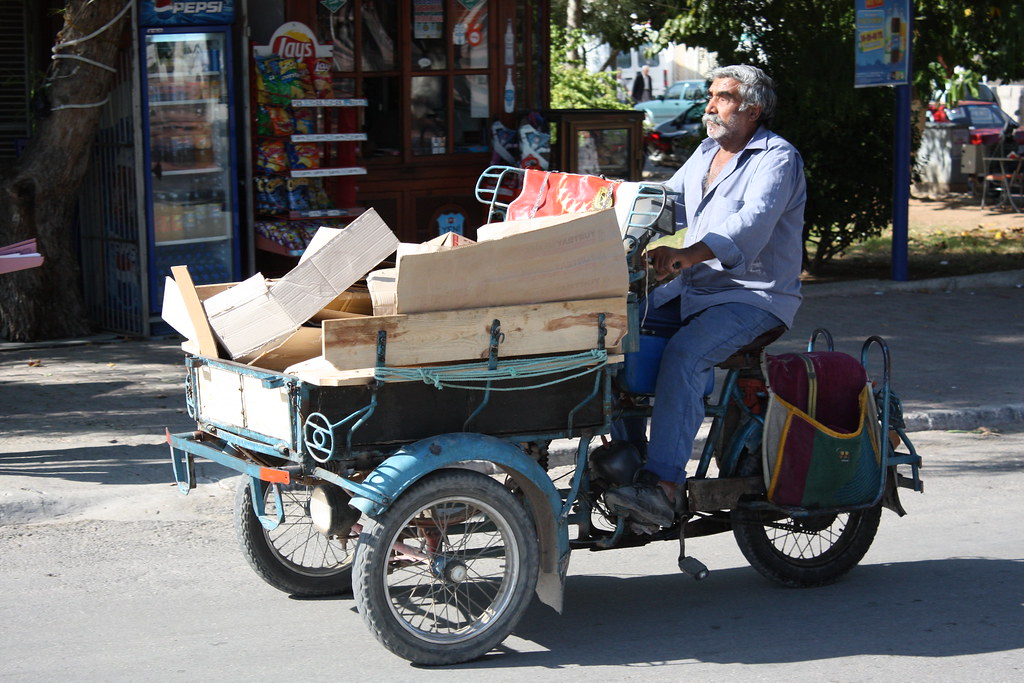
1. **The Unprecedented Ban: 3-Wheel ATVs**Before diving into specific four-wheeled hazards, it’s imperative to explore a unique and drastic chapter in automotive safety: the complete ban of 3-wheel ATVs. These vehicles exploded onto the scene in the 1970s and 80s, quickly becoming synonymous with extreme off-roading. Honda pioneered the market in 1970 with the ATC90, an inexpensive three-wheeled off-road bike, which rapidly gained immense popularity among riders seeking rugged outdoor adventures away from paved roads.
However, the skyrocketing popularity was matched by an alarming rise in safety issues. The most fundamental problem was their inherently unstable design – tall, upright, and exceedingly narrow. Unlike their four-wheeled counterparts, all the weight was concentrated onto a single rear wheel and two closely spaced front wheels. This narrow wheelbase geometry meant 3-wheelers simply couldn’t lean into turns like motorcycles, making any slight oversteering a recipe for disaster and throwing off their delicate weight distribution. Their high center of gravity further exacerbated this, causing them to easily tip backward during hard acceleration or uphill climbs, while a lack of tilting front axles severely reduced maneuverability.
Beyond their precarious design, 3-wheelers were critically lacking in basic safety features that could have mitigated severe injuries. Crucially, they had no front brakes, forcing riders to rely solely on the rear brake for stopping, which significantly reduced steering control and the ability to correct wheel lock-ups on slopes. Furthermore, there were no straps, seat belts, or roll cages to contain or protect occupants, making violent ejection during a crash or rollover a terrifyingly common occurrence. The open frame left riders completely exposed, and handlebars positioned directly over the seat increased the chances of riders being crushed underneath the vehicle.
Compounding these engineering missteps was a reckless riding culture, heavily glorified by marketing campaigns that portrayed these vehicles defying physics, climbing impossible hills, and soaring over massive jumps. Age restrictions were non-existent, allowing impressionable young riders to purchase powerful models directly from showrooms. This created unrealistic expectations about vehicle capabilities and encouraged inexperienced operators to push beyond their abilities, often riding dangerously without any safety guidance or training. This lethal combination of design flaws, absent safety features, and irresponsible use tragically led to catastrophic outcomes.
By the mid-1980s, the statistics were undeniable and alarming. From 1982 to 1986 alone, the CPSC reported over 102,000 ATV accidents, with 3-wheelers accounting for a grossly disproportionate number of these incidents and an estimated 150 deaths. Horrifyingly, nearly 40% of those killed were under the age of 16. The CPSC, after finding voluntary changes by manufacturers insufficient, stepped in to ban sales and production completely in 1988 – an unprecedented move that remains the only time an entire vehicle class has been outlawed in the United States. This radical action underscored the profound and undeniable danger inherent in the 3-wheel ATV design, forever cementing its place as a vehicle officially considered unsafe.
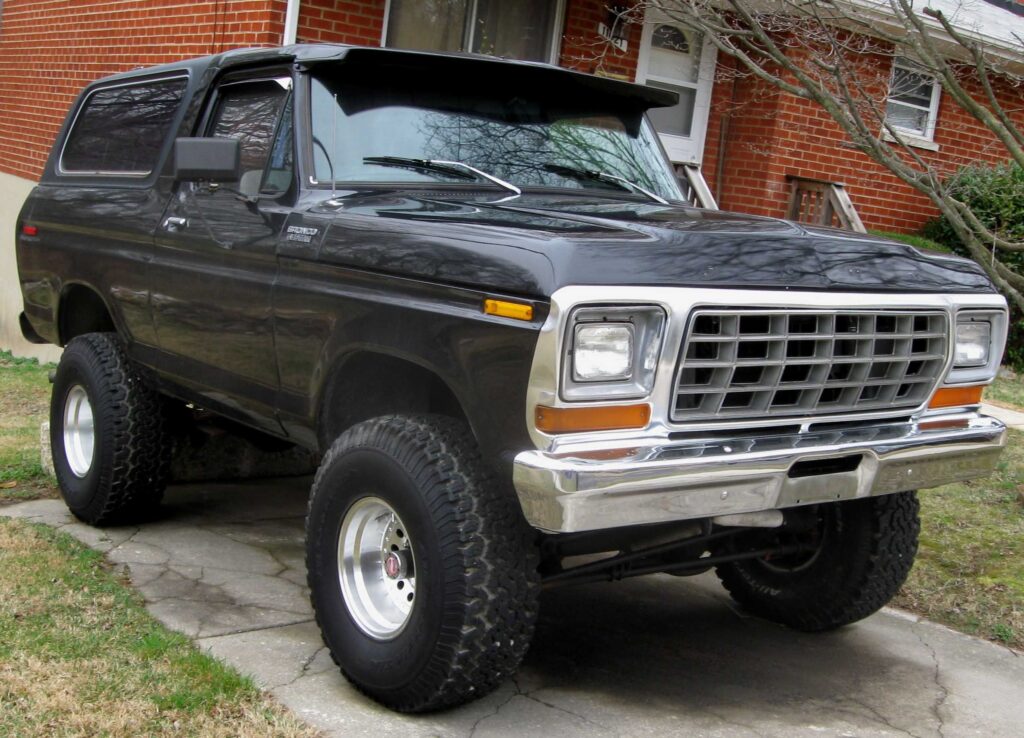
2. **The Ford Bronco II (1984-1990)**Moving to the four-wheeled arena, the Ford Bronco II, manufactured from 1984 to 1990, stands as one of the most notorious examples of an off-road vehicle proving dangerously unstable on highways. Conceived to compete in the burgeoning compact SUV market, it was based on a shortened Ranger pickup truck platform. While maintaining genuine off-road capability, its design resulted in a tall, narrow body with an inherently high center of gravity, creating critical compromises for paved road stability.
The Bronco II’s most concerning characteristic was its extreme susceptibility to rollovers during emergency maneuvers. Consumer Reports testing in 1988 alarmingly revealed its pronounced tendency to lift its inside wheels off the ground during sharp turns in avoidance maneuver tests. This instability was not just anecdotal; the NHTSA eventually awarded the Bronco II the lowest possible rollover resistance rating, indicating a rollover risk approximately 2.2 times higher than that of an average passenger vehicle. This stark rating served as a dire warning about its on-road behavior.
The real-world accident statistics painted an even grimmer picture. By 1995, the Bronco II had been implicated in over 800 fatal rollover accidents, establishing a death rate significantly higher than comparable vehicles of its era. A 2001 analysis confirmed its tragic record, revealing a fatal rollover rate of 5.2 deaths per 100,000 vehicles—a figure notably higher than even the Suzuki Samurai, another vehicle plagued by rollover issues. What was particularly concerning was that many of these tragic incidents occurred at relatively modest speeds during seemingly simple lane-change maneuvers, highlighting the vehicle’s fundamental instability.
Ford faced numerous lawsuits regarding the Bronco II’s safety, with internal documents later revealing that engineers had, in fact, identified stability concerns during the development phase. Allegations arose that the company rejected design changes that could have enhanced stability—such as widening the track or lowering the engine—due to pressures related to production timelines and costs. The Bronco II was eventually discontinued in 1990, making way for the Explorer, which itself would later contend with its own set of rollover controversies. It’s clear that in an era predating widespread electronic stability control, the Bronco II’s design was simply ill-suited for the highway.
Car Model Information: 2018 Toyota Camry SE
Name: Ford Bronco II
Caption: 1983–1988 Ford Bronco II XLT
Manufacturer: Ford Motor Company
ModelYears: 1984–1990
Production: January 1983 – January 1990
Assembly: Louisville, Kentucky
Class: Compact SUV
Related: Ford Ranger (Americas)
Layout: Front-engine, rear-wheel-drive layout,rear-wheel drive
Engine: Ford Cologne V6 engine#2.8,Ford Cologne V6 engine#2.9,Mitsubishi Motors
Transmission: Manual transmission,Mazda,Mazda,Mazda,Mitsubishi Motors,Mitsubishi Motors,Automatic transmission,Ford C4 transmission#C5,Ford C3 transmission#A4LD
Wheelbase: 94.0 in
Abbr: on
Length: 1983–1988: {{convert,158.3,in,mm,0,abbr=on
Width: 68.0 in
Height: 1983–1988: {{convert,68.2,in,mm,0,abbr=on
Successor: Ford Explorer#Ford Explorer Sport (1991–2003)
BodyStyle: 3-door wagon
Categories: 1990s cars, All-wheel-drive vehicles, Articles with short description, CS1 French-language sources (fr), Cars discontinued in 1990
Summary: The Ford Bronco II is a compact sport utility vehicle (SUV) that was manufactured by the American manufacturer Ford. Closely matching the first-generation Ford Bronco in size, the Bronco II was sold for the 1984 to 1990 model years, alongside the third and fourth generations of Ford’s full-size Bronco. Derived from the Ford Ranger compact pickup truck, the Bronco II was produced in a single generation as a three-door wagon only, competing against the three-door version of the Jeep Cherokee introduced the same year, and the compact Chevrolet S-10 Blazer and GMC S-15 Jimmy which GM had launched as smaller, similar-named SUVs alongside their full-size Blazer and Jimmy a year prior.
For the 1991 model year, Ford replaced the Bronco II with a larger but still Ranger-derived SUV, the mid-size Explorer. Alongside a three-door wagon, a five-door version was also built to better meet consumer demands. Ford’s next compact SUV was the 2001 Escape, available only as a five-door. Ford did not release another three-door SUV until the 2021 mid-size Bronco.
The Bronco II was assembled alongside the Ford Ranger in the Louisville Assembly Plant in Louisville, Kentucky from January 1983 to January 1990.
Get more information about: Ford Bronco II
Buying a high-performing used car >>>
Brand: Ford Model: Bronco II
Price: $17,412 Mileage: 86,724 mi.
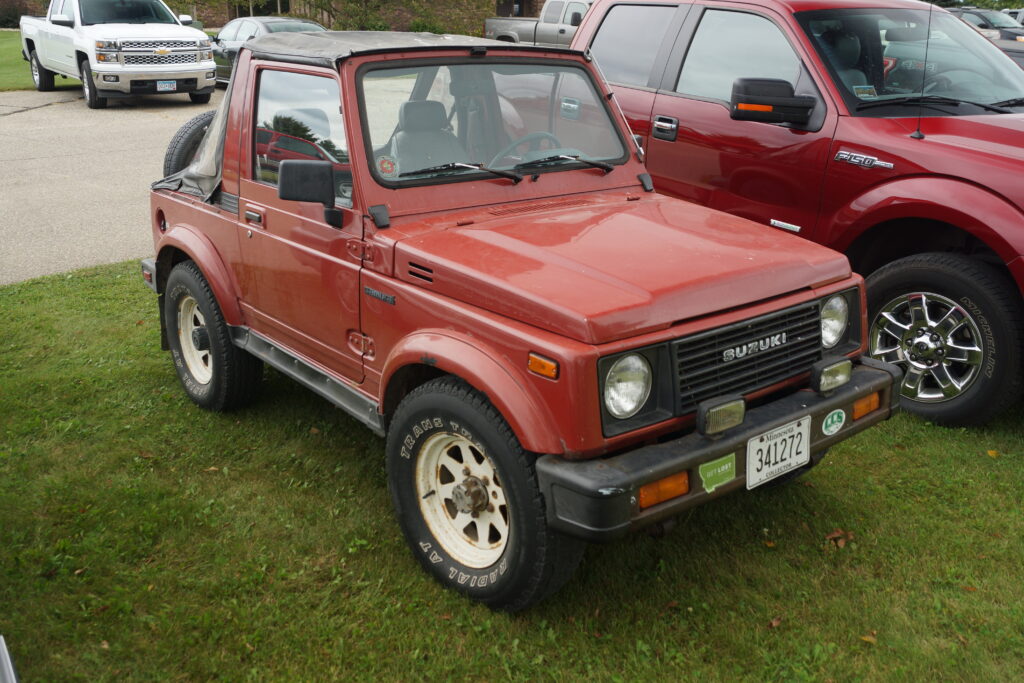
3. **The Suzuki Samurai (1985-1995)**The Suzuki Samurai, sold in the United States from 1985 to 1995, sparked one of the most infamous automotive safety controversies of its time. Its reputation was irrevocably tarnished in 1988 when Consumer Reports issued a damning “Not Acceptable” rating, declaring the vehicle had “an alarming tendency to roll over during certain emergency maneuvers.” This diminutive, lightweight off-roader had initially garnered significant popularity for its affordability, genuine off-road prowess, and charming simplicity, but its on-road behavior exposed a critical flaw.
The Samurai’s perilous highway characteristics were fundamentally rooted in its design. It featured an exceptionally short wheelbase, measuring just 79.9 inches, coupled with an extremely narrow track width of 54.3 inches. This combination, along with a relatively high center of gravity, resulted in a Static Stability Factor—a critical measurement of rollover propensity—that was significantly worse than most other vehicles on American roads. During emergency lane-change maneuvers, specifically simulating avoiding an obstacle, the Samurai could easily tip onto two wheels, creating a very real and dangerous potential for a complete rollover.
Consumer Reports’ evaluation ignited an immediate and fierce controversy, with Suzuki launching a lawsuit alleging that the testing was rigged to produce failures. This legal battle spanned a decade, yet accident data consistently pointed to genuine real-world concerns. By 1991, NHTSA data confirmed the Samurai’s involvement in 213 fatal rollover accidents. Moreover, the vehicle’s death rate in single-vehicle accidents was approximately double that of other small SUVs of the era, starkly underscoring the severity of its instability beyond controlled testing environments.
Further compounding the Samurai’s danger on highways was its extreme sensitivity to external forces. Its lightweight construction, weighing approximately 2,000 pounds, meant that the air displacement from larger passing trucks or strong crosswinds could induce dangerous stability issues at highway speeds. Additionally, the vehicle’s primitive suspension design offered minimal compliance on uneven pavement, which could lead to unpredictable wheel hops, further initiating rollovers. Following the widespread controversy, sales of the Samurai plummeted dramatically, dropping from over 80,000 units in 1987 to a mere 12,000 by 1989. Suzuki eventually withdrew the model from the American market, though it ironically remained a beloved machine for off-road enthusiasts who kept it strictly within its intended, safer environments.
Car Model Information: 1987 Suzuki Samurai
Name: Suzuki Jimny
Caption: 2019 Suzuki Jimny SZ5
Manufacturer: Suzuki
Production: April 1970 – present (2.85 million units sold by September 2018)
Class: Off-road vehicle,mini SUV
BodyStyle: SUV,van,convertible,pickup truck
Layout: Front-engine, rear-wheel-drive layout,Front-engine, four-wheel-drive layout
Chassis: Body-on-frame
Related: Maruti Gypsy
Categories: 1980s cars, 1990s cars, 2000s cars, 2010s cars, All Wikipedia articles written in British English
Summary: The Suzuki Jimny is a series of four-wheel drive off-road mini SUVs, manufactured and marketed by Japanese automaker Suzuki since 1970. Originally belonging to the kei class, Japan’s light automobile tax/legal class, the company continues to market a kei-compliant version for the Japanese and global markets as the Jimny, as well as versions that exceed kei-class limitations. Suzuki has marketed 2.85 million Jimnys in 194 countries through September 2018.
Get more information about: Suzuki Jimny
Buying a high-performing used car >>>
Brand: Suzuki Model: Samurai
Price: $24,000 Mileage: 21,797 mi.
Read more about: More Than Just a Chassis: Uncovering 11 Catastrophic Design Flaws That Defined Automotive Infamy
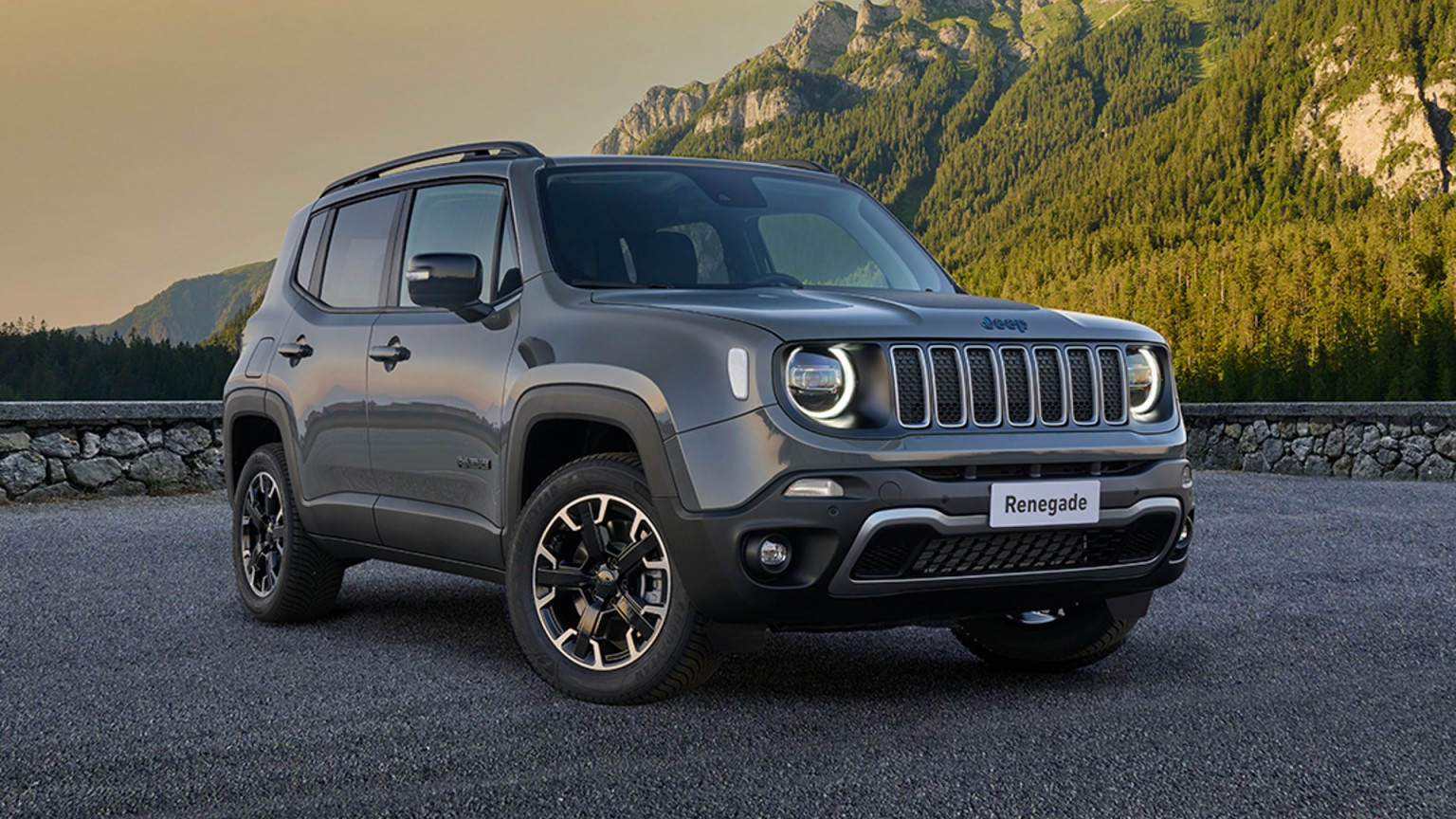
4. **The Jeep CJ-5 (1976-1983)**The Jeep CJ-5, particularly models produced between 1976 and 1983, developed a troubling reputation for highway instability that stood in stark contrast to its legendary off-road capabilities. This iconic incarnation of the civilian Jeep, directly descended from the formidable military Willys MB of World War II, maintained a design philosophy almost exclusively dedicated to off-road performance. As a result, it made minimal concessions to on-road stability and safety, producing a vehicle that was extraordinarily capable in its element but notoriously dangerous when operated on paved highways.
The highway hazards of the CJ-5 originated from its extreme design characteristics. It featured an exceptionally narrow track width of just 49.5 inches and a short wheelbase of 81 inches, combined with a high center of gravity stemming from substantial ground clearance. Automotive safety experts aptly described this combination as a “perfect storm” for rollover susceptibility. A pivotal 1980 study by the Insurance Institute for Highway Safety revealed that the CJ-5 exhibited a rollover rate in accidents that was nearly four times higher than other passenger vehicles of the era, solidifying its place as a high-risk vehicle.
The CJ-5’s handling became the focus of a prominent 1980 exposé on the television program “60 Minutes,” which dramatically demonstrated the vehicle’s alarming tendency to roll over during emergency maneuvers. While the program faced criticism for allegedly using modified vehicles during their testing, subsequent investigations by the NHTSA confirmed significant stability concerns inherent in the CJ-5’s design. Between 1976 and 1983, CJ models were involved in over 300 fatal rollover accidents, with their death rates proving significantly higher than comparable vehicles of the same period, underscoring the grave real-world consequences of its design.
What made the CJ-5 particularly treacherous was its highly sensitive response to steering inputs. The vehicle’s solid axle suspension, combined with its narrow track, created a handling dynamic that could quickly transition from manageable understeer to sudden, unpredictable oversteer. Once the vehicle began to slide, its high center of gravity meant that even moderate lateral forces could easily tip it onto two wheels, initiating a rollover. Many of these tragic accidents occurred during what seemed like minor maneuvers, such as changing lanes or navigating gentle highway curves. In response to mounting safety concerns and significant litigation, AMC, the then-owner of Jeep, eventually replaced the CJ-5 with the wider, more stable CJ-7, and ultimately, the completely redesigned Wrangler in 1986, which boasted a track width approximately 10 inches wider, marking a crucial step towards improved on-road stability.
Car Model Information: 1977 Jeep CJ-5 Base
Name: Jeep CJ
Caption: Jeep CJ-2A
Manufacturer: Willys-Overland,Willys Motors,Kaiser Jeep,American Motors Corporation
BodyStyle: Sport utility vehicle,convertible,pickup truck
Production: 1944–1986,More than 1.5 million
Class: sport utility vehicle
Layout: Front-engine, rear-wheel-drive layout,rear-wheel drive
Assembly: Toledo, Ohio,Maywood, California,Santa Isabel, Córdoba,Rocklea, Queensland,São Bernardo do Campo,Brampton, Ontario,Cairo,Haifa,Nof HaGalil,Tehran,Toluca, Mexico State,Zaragoza,Istanbul
Predecessor: Willys MB,Jeep Commando
Categories: AMC vehicles, All articles with unsourced statements, American Motors, Articles with short description, Articles with unsourced statements from April 2025
Summary: The Jeep CJ models are a series and a range of small, open-bodied off-road vehicles and compact pickup trucks, built and sold by several successive incarnations of the Jeep automobile marque from 1945 through 1986. The 1945 Willys “Universal Jeep” was the world’s first mass-produced civilian four-wheel drive car.
In 1944, Willys-Overland, the primary manufacturer of the World War II military Jeep, built prototypes for a commercial version – the CJ, short for “civilian Jeep”. The design was a direct evolution from the wartime Jeep, but the most obvious change was adding a tailgate, and relocating the spare wheel to the side. Also, besides adding basic civilian amenities and options and legally-compliant lighting, the CJ required a sturdier drivetrain than the wartime model, because the targeted rural buyers would expect years of durability, instead of mere weeks as during WWII.
From then on, all CJ Jeeps consistently had a separate body and frame, rigid live axles with leaf springs both front and rear, a tapering nose design with flared fenders, and a fold-flat windshield, and could be driven without doors. Also, with few exceptions, they had part-time four-wheel drive systems, with the choice of high and low gearing, and open bodies with removable hard or soft tops. A few stand-out changes during 42 model years were the introductions of round-fendered vs. flat-fendered bodies (1955 CJ-5), straight-6 and V8 engines, automatic gearboxes, and different 4-wheel drive systems. The 1976 CJ-7 stretched the wheelbase by 10 inches (25 cm), and made doors and a removable hardtop common items.
After remaining in production through a range of model numbers and several corporate parents, the Jeep CJ line was officially ended after 1986. More than 1.5 million CJ Jeeps were built, having continued the same basic body style for 45 years since the Jeep first appeared. Widely regarded as “America’s workhorse”, the CJs have been described as “probably the most successful utility vehicle ever made.” American Motors VP Joseph E. Cappy said the end of “CJ production will signal an end of a very important era in Jeep history.” In 1987, the Jeep CJ-7 was replaced by the first-generation Jeep Wrangler. Looking very similar and riding on the same wheelbase as the CJ-7, it carried over some important components, including its use of leaf springs.
A similar model, the DJ “Dispatcher”, was introduced in 1956 as a two-wheel drive version with open, fabric, or a closed steel body in both left- and right-hand drives for hotel, resort, police, and later United States Postal Service markets.
Get more information about: Jeep CJ
Buying a high-performing used car >>>
Brand: Jeep Model: CJ-5
Price: $16,500 Mileage: 33,455 mi.

5. **The Isuzu Trooper (1991-1996)**The second-generation Isuzu Trooper, produced from 1991 to 1996, also found itself embroiled in a significant safety controversy, earning a “Not Acceptable” rating from Consumer Reports in 1996 due to its demonstrated instability during emergency handling tests. This mid-size SUV was marketed as a versatile vehicle, aiming to combine genuine off-road capabilities with comfortable on-road manners. However, its handling characteristics on highways, especially at higher speeds, proved deeply problematic, leading to its inclusion in this unfortunate list of vehicles.
The Trooper’s highway stability issues were largely attributable to its distinctive boxy design and tall stance, which collectively created an unfavorable height-to-width ratio. Standing approximately 74 inches tall with a relatively narrow track width for its height, the vehicle’s center of gravity was positioned high relative to its footprint. While this design undoubtedly offered excellent ground clearance for off-roading and a generous interior space for occupants, it simultaneously introduced inherent stability compromises that became critically apparent during emergency maneuvers on paved surfaces.
Consumer Reports’ rigorous testing highlighted these issues dramatically. During their “avoidance maneuver” test, designed to simulate a rapid lane change to evade an unexpected obstacle, the Trooper would repeatedly lift its inside wheels off the ground, a clear and dangerous indication of its propensity for rollover. These findings sparked an immediate and heated controversy, prompting Isuzu to file a lawsuit, arguing that the tests were specifically designed to produce failures and were not representative of real-world driving conditions. Nevertheless, subsequent NHTSA investigations independently identified stability issues, even while acknowledging the severity of the testing protocols.
What made the Trooper particularly hazardous on highways was its unpredictable transition between handling states during emergency maneuvers. The vehicle would initially exhibit understeer, pushing wide in corners. However, when drivers instinctively lifted off the throttle, the Trooper could abruptly snap into sudden oversteer, a behavior that could quickly initiate rollovers. This alarming characteristic was most pronounced at highway speeds and had the potential to catch even experienced drivers completely by surprise. Accident data corroborated these concerns, with Trooper models from this generation showing approximately 4.7 rollover accidents per 10,000 vehicles, a rate significantly higher than the average for comparable SUVs of that era. This controversy severely damaged the Trooper’s reputation in North America, ultimately contributing to Isuzu’s declining market position and its eventual withdrawal from the passenger vehicle market in the United States.

6. **Land Rover Discovery Series I (1989-1998)**The Land Rover Discovery Series I, launched globally in 1989 and reaching North American shores in 1994, emerged as a vehicle that admirably fused exceptional off-road prowess with a veneer of luxury. However, this British SUV quickly garnered an unsettling reputation for on-road instability, particularly on highways. Its design, notably an unusually tall body standing nearly 77 inches high, made it one of the loftiest production SUVs of its era. While this generous height certainly delivered outstanding off-road ground clearance and an authoritative driving stance, it concurrently introduced inherent stability challenges that became especially problematic when navigating paved roads.
The Discovery’s fundamental stability issues were rooted in its elevated center of gravity, which, when coupled with a comparatively narrow track width for its height, resulted in an unfavorable Static Stability Factor. NHTSA testing of these vehicles yielded a mere two stars out of five for rollover resistance, a stark indicator of a 30-40% risk of rollover during a single-vehicle crash—among the most concerning ratings for any production vehicle. Compounding this precarious stability was the vehicle’s sophisticated, yet occasionally erratic, air suspension system, which could sometimes inadvertently increase ride height or create unevenness due to system malfunctions, further unsettling the vehicle’s composure.
On the highway, the Discovery exhibited notably unpredictable handling during sudden emergency maneuvers. The vehicle displayed significant body roll when cornering, and its long-travel suspension, expertly engineered for off-road articulation, permitted substantial weight transfer during abrupt changes in direction. Furthermore, if a wheel momentarily lifted off the ground during these critical maneuvers, the vehicle’s otherwise advanced traction control systems could, in some instances, apply brakes in an unhelpful manner, potentially escalating the loss of control rather than mitigating it.
The solid axle suspension design of the Discovery, while undoubtedly a boon for maximizing off-road traction, introduced distinct compromises in on-road handling that proved hazardous at highway speeds. Owners frequently reported alarming stability concerns when encountering strong crosswinds or the air displacement from passing large trucks. Moreover, the Discovery’s considerable curb weight, approximately 4,500 pounds, meant that once a rollover incident commenced, the sheer momentum made it exceedingly difficult to bring the vehicle to a halt or prevent severe consequences.
Safety statistics from this era revealed a troubling pattern, indicating that Discovery models had rollover rates approximately twice the average observed for comparable luxury SUVs. Land Rover did implement continuous improvements throughout the Series I’s production run, gradually attempting to address some of the stability issues. However, the fundamental design compromises remained largely unaddressed until the complete redesign of the Discovery 3 (known as the LR3 in North America), which debuted in 2004, featuring a significantly wider track and a noticeably lower center of gravity.
Car Model Information: 2018 Toyota Camry SE
Sp: uk
Name: Land Rover Discovery
Caption: 2018 Land Rover Discovery
Manufacturer: Land Rover Ltd.,Jaguar Land Rover
Production: 1989–present
Class: Executive car,Sport utility vehicle
Layout: Front-engine, four-wheel-drive
Categories: All-wheel-drive vehicles, All Wikipedia articles written in British English, All articles lacking reliable references, All articles with unsourced statements, Articles lacking reliable references from December 2010
Summary: The Land Rover Discovery is a series of five or seven-seater family SUVs, produced under the Land Rover marque, from the British manufacturer Land Rover, and later Jaguar Land Rover. The series is currently in its fifth iteration (or generation, according to the manufacturer), the first of which was introduced in 1989, making the Discovery the first new model series since the launch of the 1970 Range Rover – on which it was based – and only the third new product line since the conception of the Land Rover (vehicle and brand) by Rover in 1948. The model is sometimes called influential, as one of the first to market a true off-road capable family car.
Although the Range Rover had originally been designed as an everyday four wheel drive car that could be used as both a utility vehicle and a family car, it had progressively moved upmarket through its life to evolve into a luxury vehicle sold at a much higher price point. The Discovery was intended to fulfill the role the Range Rover originally was intended for; a segment which was now dominated by Japanese rivals such as the Nissan Patrol, Mitsubishi Pajero and Toyota Land Cruiser. Although positioned below the Range Rover in the company’s line-up, the vehicle was both longer and higher, offered more room in the back, and optionally also more seats. Space utilization became more sophisticated in later generations, but the series keeps offering seats for seven occupants. Despite originally being sold as an affordable alternative to the Range Rover, the Discovery has also progressively moved upmarket through its successive generations to become a bonafide luxury SUV.
The second Discovery (1998) was called the Series II, and although it featured an extended rear overhang, it was otherwise an extensive facelift, which carried over the 100 in (2,540 mm) wheelbase frame and rigid, live front and rear axles derived from the original Range Rover.
The third generation – succeeding the Series II in 2004 – was either called the Discovery 3 or simply LR3 (in North America and the Middle East). This was a new ground up design, the first all-original design for the Discovery. Although it followed the 2002 third generation Range Rover, also switching to fully independent suspension, it still received a separate, but integrated body and frame (IBF) structure. The fourth generation, as of 2009 – like the series II, was again mainly an update of the new generation – marketed as the Discovery 4, or Land Rover LR4 for North American and Middle Eastern markets.
The fifth generation of the Discovery, introduced in 2017, no longer sports a numeric suffix. Unlike the previous two generations, it now benefits from a unitized body structure, making it lighter than its predecessor.
Get more information about: Land Rover Discovery
Buying a high-performing used car >>>
Brand: Land Rover Model: Discovery
Price: $17,412 Mileage: 86,724 mi.

7. **Mitsubishi Montero/Pajero (2001-2006)**The third-generation Mitsubishi Montero, marketed as the Pajero in numerous global territories, manufactured between 2001 and 2006, unfortunately joined the roster of off-road vehicles with concerning highway safety track records. This full-size SUV earned a “Not Acceptable” rating from Consumer Reports following its rigorous testing in 2001. While the Montero had built an enviable reputation for its extraordinary off-road capability, securing multiple victories in the formidable Dakar Rally, its on-road behavior at highway speeds, particularly under specific conditions, proved to be deeply problematic.
The Montero’s stability challenges were rooted in its fundamental design: a tall, boxy profile coupled with substantial ground clearance, collectively creating an inherently high center of gravity. Standing at roughly 74 inches tall with a relatively narrow track width proportionate to its height, the vehicle exhibited an unfavorable Static Stability Factor (SSF). During Consumer Reports’ emergency avoidance maneuver testing, which simulates a rapid lane change to circumvent an unexpected obstacle, the Montero alarmingly lifted two wheels off the ground, a clear and dangerous indication of its propensity for potential rollovers.
What made the Montero particularly concerning on highways was its unique handling characteristic during sudden directional changes. The vehicle’s suspension system, meticulously engineered to provide exceptional articulation for traversing off-road obstacles, permitted significant body roll during on-road cornering. This pronounced characteristic, combined with a somewhat vague steering feel, contributed to a vehicle that could feel both unstable and unpredictable when executing emergency maneuvers at higher highway speeds.
The NHTSA eventually assigned these Montero models a three-star rollover rating out of five, signifying a 20-30% risk of rollover during a single-vehicle crash. Mitsubishi vehemently disputed Consumer Reports’ findings, contending that the testing protocols were unrealistic and did not accurately reflect real-world driving scenarios. Nevertheless, accident data from the period suggested legitimate cause for concern, with these Montero models exhibiting rollover rates approximately 1.5 times higher than the average for comparable SUVs of that era, according to NHTSA statistics.
The ensuing controversy severely damaged the Montero’s reputation in North America, ultimately contributing to a decline in sales and Mitsubishi’s strategic decision to discontinue the model in the U.S. market after 2006, although it continued to be sold globally. While later model years did see the implementation of technical improvements, including revised suspension tuning and the introduction of more sophisticated electronic stability control systems, these modifications could not entirely surmount the fundamental physics inherent in the vehicle’s top-heavy design.
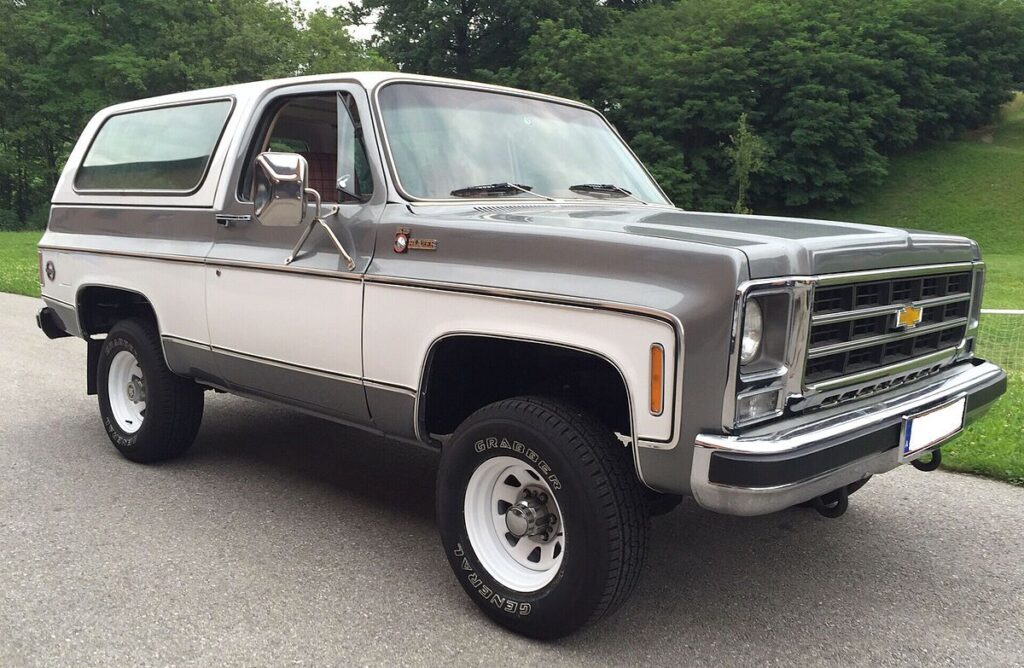
8. **Chevrolet Blazer K5 (1973-1991)**The full-size Chevrolet K5 Blazer, especially the first and second-generation models produced between 1973 and 1991, carved out a troubling legacy for highway instability, standing in stark contrast to its undeniable off-road prowess. This pioneering SUV was built upon a shortened full-size truck chassis and featured a distinctive removable fiberglass roof. This combination offered a versatile vehicle capable of tackling rugged terrain while also providing the allure of open-air driving. However, these very characteristics contributed significantly to dangerous handling when operated on paved highways.
The K5 Blazer’s stability issues originated from a confluence of factors. Standing approximately 72 inches tall, it possessed a high center of gravity, rendering the vehicle inherently top-heavy. This design was further exacerbated by the removable roof, which compromised structural rigidity and could create a less stable platform, particularly when the top was detached. Furthermore, the vehicle’s leaf spring suspension, primarily designed for durability and optimal off-road articulation rather than refined on-road handling, permitted significant body roll during cornering maneuvers.
What made the K5 Blazer particularly hazardous on highways was its unpredictable behavior during sudden directional changes. The vehicle’s solid axle suspension and recirculating ball steering created vague handling characteristics that could abruptly transition from understeer to oversteer during emergency maneuvers. Once the vehicle began to slide, its elevated center of gravity meant that even moderate lateral forces could easily tip it onto two wheels, initiating a rollover. This unpredictable dynamic demanded constant vigilance and skill from the driver.
NHTSA data from the era consistently indicated that the K5 Blazer exhibited a rollover rate in accidents approximately 2.5 times higher than that of contemporary passenger cars. The danger was amplified by the vehicle’s substantial curb weight, approximately 4,500 pounds, which generated significant momentum during accident scenarios, increasing the severity of impacts. Additionally, early models critically lacked many basic safety features now considered standard, such as three-point seatbelts for all occupants, padded dashboards, and energy-absorbing steering columns.
A 1990 study by the Insurance Institute for Highway Safety (IIHS) notably found that the fatality rate in K5 Blazer rollovers was significantly higher than in many comparable vehicles, a grim statistic partly attributable to these absent safety features. General Motors did implement incremental improvements throughout the K5 Blazer’s extensive production run, gradually addressing some stability concerns. However, the fundamental design philosophy remained largely unaltered until the K5 Blazer was ultimately superseded by the Tahoe in 1995, a new model featuring a more stable design with a permanent roof structure and significantly improved suspension geometry.
Car Model Information: 2018 Toyota Camry SE
Name: Chevrolet K5 Blazer,GMC Jimmy
Manufacturer: General Motors
ModelYears: 1969–1994
Assembly: Flint, Michigan,Janesville, Wisconsin
Class: Full-size,SUV
BodyStyle: SUV
Layout: Front-engine, rear-wheel-drive layout,rear-wheel drive
Successor: Chevrolet Tahoe
Related: Chevrolet Suburban,Chevrolet C/K
Caption: 1979 Chevrolet K5 Blazer Cheyenne
Categories: 1970s cars, 1980s cars, 1990s cars, All-wheel-drive vehicles, All articles with unsourced statements
Summary: The Chevrolet K5 Blazer is a full-size sport-utility vehicle (SUV) that was marketed by Chevrolet from the 1969 to 1994 model years. A variant of the C/K truck line, the K5 Blazer is a shortened version of the half-ton pickup line. For its first two generations, the model line was a half-cab pickup truck fitted with a removable rear top (effectively making it a three-door station wagon); the final generation was fitted with permanent rear bodywork. Initially offered solely as a 4×4, the K5 Blazer was also marketed with a rear-wheel drive configuration.
Alongside the longer-wheelbase Chevrolet/GMC Suburban wagon-style SUV (offered with three rows of seating and second-row doors), the K5 Blazer was marketed by GMC from 1970 to 1991 as the GMC Jimmy (reflecting a shorthand nickname for the brand). Though the K5 prefix was used on Chevrolet badging until 1988, GM never internally referred the Blazer/Jimmy as such. Following the 1983 release of the S-Series Blazer/Jimmy, to avoid market confusion, GM officially changed the model lines to “Chevrolet Full-Size Blazer” and “GMC K-Jimmy” (after 1986, V-Jimmy), though they are often unofficially still addressed as “K5” to avoid confusion.
For 1992, General Motors redesigned its entire full-size SUV lineup, with GMC renaming the Jimmy as the GMC Yukon. The full-size Blazer was replaced for 1995, as the Chevrolet Tahoe inaugurated a shorter-wheelbase variant of the Suburban. Currently, GM markets the Tahoe and Yukon alongside the Cadillac Escalade, and later resurrected the “Blazer” name for a midsize crossover SUV while Kia now uses the “K5” name for an unrelated midsize sedan.
Get more information about: Chevrolet K5 Blazer
Buying a high-performing used car >>>
Brand: Chevrolet Model: Blazer K5
Price: $17,412 Mileage: 86,724 mi.
9. **International Harvester Scout II (1971-1980)**The International Harvester Scout II, produced between 1971 and 1980, stands as another testament to the complex legacy of early off-roaders; a vehicle celebrated for its rugged capability and distinctive styling, yet one that, like its contemporaries, carried inherent compromises when driven on paved highways. Conceived as a direct rival to iconic vehicles like the Jeep CJ and Ford Bronco, the Scout II unequivocally prioritized off-road prowess. This specialized focus, while highly effective for conquering challenging terrains, unfortunately translated into significant on-road stability challenges that became evident in typical driving conditions.
The inherent instability of the Scout II predominantly stemmed from its foundational design characteristics. It featured a relatively narrow track width combined with a high center of gravity, a common denominator among many vehicles on this list. Furthermore, its robust leaf spring suspension system, while providing exemplary durability and articulation for the rigors of off-road expeditions, offered limited compliance and induced considerable body roll during on-road cornering. This specific combination often imparted an unnerving sense of instability and a pronounced lean when executing maneuvers, particularly at higher speeds.
During high-stakes scenarios, such as sudden lane changes or evasive actions to avoid unexpected obstacles, the Scout II’s handling could become particularly treacherous. Its somewhat vague steering mechanisms and a notable propensity for abrupt weight transfer demanded that drivers possess significant skill and precise inputs to maintain control. The vehicle’s solid axle design, a staple for maximizing off-road traction and robustness, simultaneously contributed to a less refined and more unpredictable on-road dynamic, thereby escalating the risk of overcorrection and a dangerous loss of control.
While the Scout II may not have been subjected to the same widely publicized, independent safety ratings or controversies as some of its peers like the Bronco II or Samurai, historical accident data and a wealth of anecdotal evidence from its production era consistently pointed to an elevated rollover risk. Its substantial curb weight, coupled with the basic safety features typical of vehicles from that period, meant that once a loss of control occurred, the potential consequences for occupants, especially in rollover events, could be severe and often tragic.
The enduring legacy of the International Harvester Scout II, mirroring that of many pioneering SUVs, starkly underscores the formidable challenges faced by early automotive designers in their quest to strike a balance between rugged utility and essential on-road safety. Its eventual discontinuation was not directly catalyzed by a specific, high-profile safety scandal in the manner of some other vehicles discussed here, but rather by International Harvester’s broader strategic decision to withdraw from the light-duty vehicle market. Nevertheless, its design philosophy continues to serve as a potent reminder of how vehicles primarily engineered for the untamed wilderness often struggled to adapt safely and reliably to the distinct demands of highway driving, ultimately influencing the evolution of future automotive design paradigms towards more integrated and comprehensive safety considerations.
Car Model Information: 2018 Toyota Camry SE
Name: International Scout
Caption: 1978 Scout II wagon
Manufacturer: International Harvester
Production: 1961–1980
Class: Full-size,SUV
Assembly: Fort Wayne, Indiana
BodyStyle: SUV
Layout: Front-engine, rear-wheel-drive layout,rear-wheel drive
Categories: 1970s cars, 1980s cars, All-wheel-drive vehicles, All articles needing additional references, All articles with dead external links
Summary: The International Scout is an off-road vehicle produced by International Harvester from 1960 to 1980. Created as a competitor for the Jeep CJ, the Scout was the precursor of more sophisticated SUVs, including the Ford Bronco, Chevrolet Blazer, and the later Jeep Cherokee.
Produced for two generations, the Scout was designed as an open-top two-door truck as a base vehicle with options to configure it as a station wagon, half-cab pickup truck, or a soft-top convertible.
International Harvester assembled the model line in its facility in Fort Wayne, Indiana.
Get more information about: International Scout
Buying a high-performing used car >>>
Brand: International Harvester Model: Scout II
Price: $17,412 Mileage: 86,724 mi.
As we reflect on these nine iconic, yet in some cases tragically flawed, off-road vehicles, a clear narrative emerges about the relentless evolution of automotive safety. From the outright ban of 3-wheel ATVs to the hard-won lessons learned from the Bronco II, Samurai, and these other rugged trailblazers, each story highlights the critical importance of balancing adventurous capability with fundamental driver and passenger protection. These vehicles, for all their groundbreaking spirit and undeniable charm, stand as stark reminders of an era when safety standards were less stringent and engineering compromises often led to dire consequences on our paved roads. Today, with advancements like electronic stability control and sophisticated rollover mitigation systems, the landscape of vehicle safety has transformed dramatically. Yet, the tales of these classic off-roaders serve as a crucial historical backdrop, reminding us that understanding a vehicle’s inherent limitations—and respecting the physics that govern its behavior—remains paramount, ensuring that the spirit of adventure can truly be enjoyed responsibly, both on and off the beaten path.