A new car warranty is a fantastic safety net, promising to cover manufacturer defects for a specific period. This contract between you and the automaker ensures repairs or replacements of covered items, provided you maintain the vehicle properly. It offers peace of mind, shielding you from unexpected repair costs. However, understanding that a warranty isn’t blanket protection for every single issue is crucial.
Many car owners mistakenly believe their warranty is ironclad, unaware of various actions or situations that can jeopardize its validity. Like any contract, it can be broken if you don’t uphold your end. Knowing what circumstances void your warranty isn’t just about saving money; it’s about safeguarding your automotive investment and ensuring coverage when needed. This article helps you protect your vehicle’s warranty.
It’s vital to distinguish between a denied claim and a voided warranty. Not every issue leads to complete cancellation. Sometimes, specific part repairs aren’t covered, but your warranty on the rest of the vehicle remains. A full warranty voidance, however, means losing all coverage, preventing any future claims. We’ll explore critical scenarios, beginning with those often leading to its complete voidance.
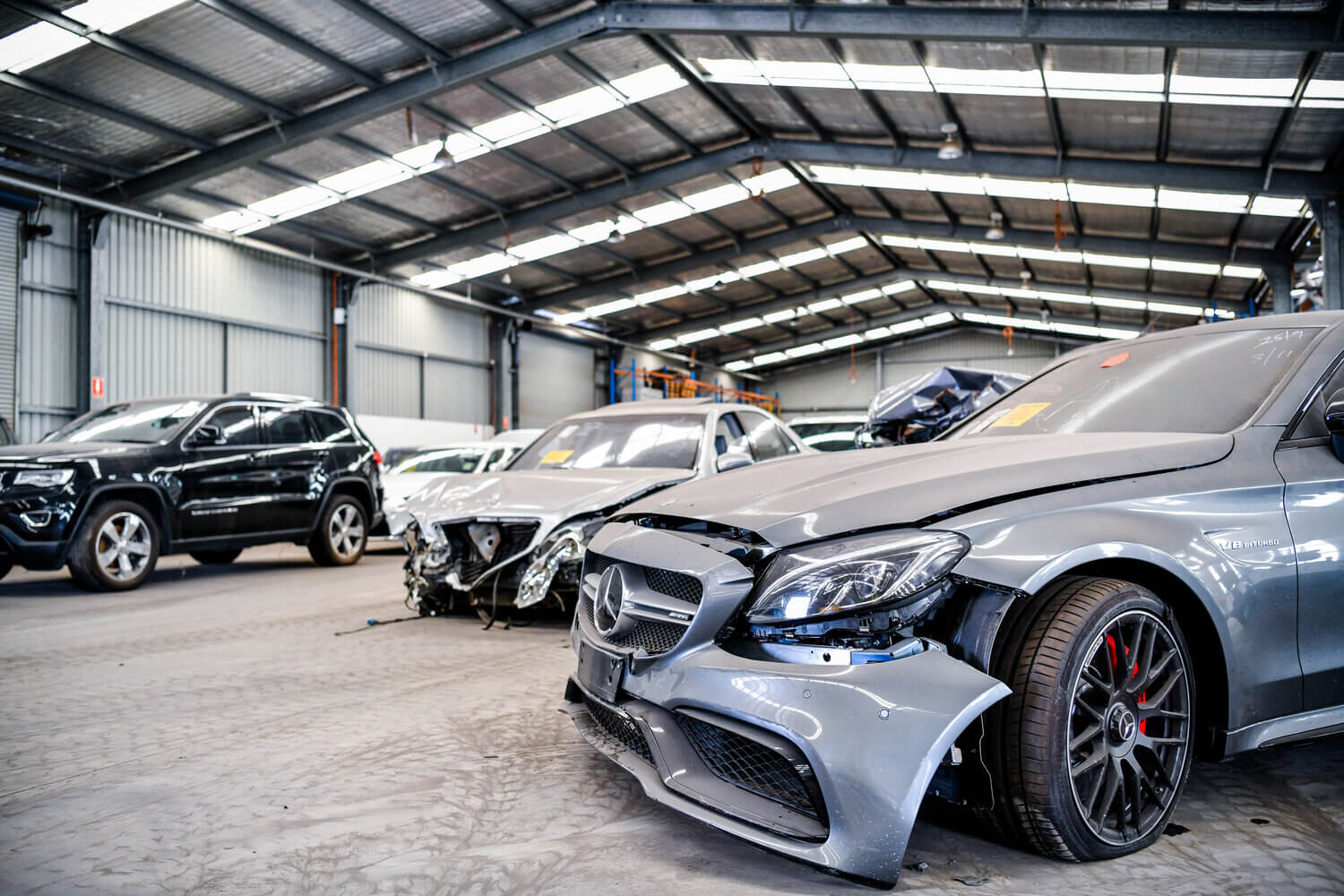
1. **Salvage or Rebuilt Title**A primary way to completely void your car’s warranty is receiving a salvage or rebuilt title. This occurs after severe damage where an insurance company declares the vehicle a “total loss,” as repair costs exceed a percentage of its market value. Automakers consider this a compromise to the vehicle’s original integrity due to major, potentially unapproved, repairs.
When a salvage title is issued, the entire manufacturer’s warranty is typically voided. Manufacturers cannot guarantee performance or reliability for a vehicle subjected to extensive damage and non-factory repairs. Any claims for defects or malfunctions usually covered will likely be denied, leaving you fully responsible for all repair costs.
Caution is paramount when buying a used car with a salvage title. While seemingly cheaper, the long-term costs and lack of warranty often outweigh initial savings. Reputable dealerships disclose such titles. From a private seller, always obtain a comprehensive vehicle history report to flag inconsistencies, protecting your investment and potential warranty eligibility.
Read more about: Unlocking Your Vehicle’s Secrets: A Consumer’s Guide to VINs in the Age of Car Crime

2. **Environmental Damage**Damage from natural disasters like fire, flood, hailstorms, or earthquakes falls outside a car’s manufacturer warranty. These “acts of God” are not covered, as warranties protect against defects in materials and workmanship, not external forces. Such damage is usually addressed by your comprehensive car insurance policy, designed for these unforeseen occurrences.
While environmental damage isn’t a direct warranty claim, its severity can void coverage. If a natural disaster renders your vehicle a “total loss,” the entire manufacturer’s warranty will be voided. Flood damage complicates coverage even without total loss. Extensive water damage leading to persistent issues may void coverage due to widespread, complex problems.
Review your warranty terms for natural disaster exclusions. Even if not immediately voided, manufacturer repairs won’t be covered. Rely on insurance. Document all damage and contact your provider promptly. Understand that while insurance may cover repairs, the warranty could still be jeopardized if damage profoundly compromises original integrity.
Read more about: 13 Critical Engine Tuning Mistakes You Must Avoid in 2025 for Peak Performance and Longevity

3. **Altered Odometer**The odometer reading is crucial for verifying your vehicle’s mileage limits for warranty coverage. Any tampering – disconnecting, altering, or replacing without proper documentation – typically voids the entire car warranty. Automakers consider this odometer fraud, preventing accurate determination of true usage and eligibility for warranty repairs.
An altered odometer fundamentally erodes trust. Without verifiable mileage, the manufacturer cannot assess actual wear and tear, making it impossible to uphold their warranty contract. Beyond contractual breaches, altering an odometer carries significant legal consequences. Dealers rely on accurate readings, and doubt puts your entire coverage at severe risk.
Modern vehicles feature sophisticated systems to deter tampering, yet vigilance is essential, especially when buying used. Always obtain a comprehensive vehicle history report. These reports flag mileage data inconsistencies, preserving your warranty and preventing potential legal issues.
Read more about: Unlocking Your Vehicle’s Secrets: A Consumer’s Guide to VINs in the Age of Car Crime

4. **Misuse of the Vehicle**Engaging in activities outside your vehicle’s intended operational parameters can be categorized as “misuse,” potentially voiding your warranty. This broad term includes street racing, competitive driving, overloading, or off-roading with a non-off-road model. Any activity deemed outside typical, reasonable operation can trigger a warranty dispute.
Repercussions range from specific component claim denials to voiding your entire warranty in severe cases. Modern vehicles use sophisticated data recorders providing technicians details about operational history, including speeds and locations. This makes concealing abuse challenging and is a deciding factor for warranty administrators.
Even performance or off-road vehicles have limitations. A sports car’s warranty might not cover track damage unless a “track package” is covered. Off-road vehicles also face denials for “excessive wear,” as experienced by an Edmunds editor. Consult your warranty guide for usage details to avoid unexpected denials.
Read more about: Digital Immortality or Unsettling Impersonation? The High-Stakes Legal and Ethical Battle Over Actors’ Faces in the CGI Era
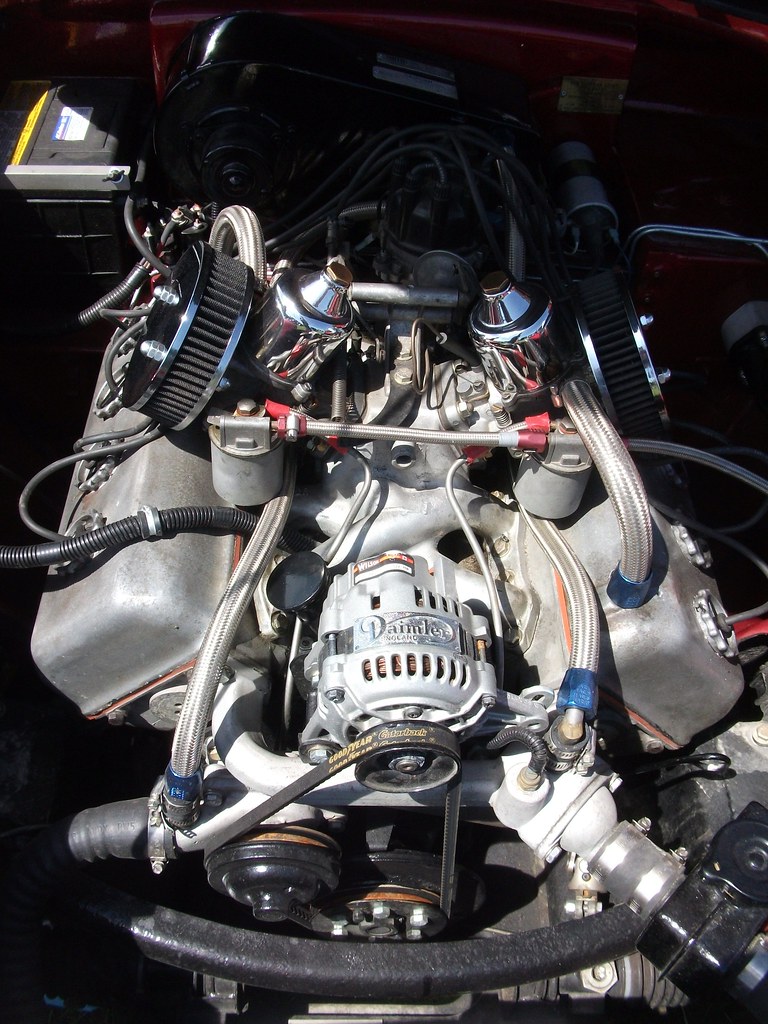
5. **Using Improper Fluids**Your vehicle’s engine and systems are engineered for specific fluids: oil, coolant, transmission fluid, and fuel. Introducing the wrong type or contaminated fluids causes devastating component damage. Examples include diesel in a gasoline engine, incorrect oil viscosity, or compromised gas. When such damage occurs, your manufacturer’s warranty will not cover repairs.
This strict policy exists because the manufacturer cannot be held responsible for damage from external factors contradicting their specified operating instructions. The warranty covers manufacturing defects, assuming vehicle operation and maintenance follow guidelines. Improper fluids cause component failure attributable to owner actions, nullifying manufacturer obligation.
Prevent this avoidable scenario by strictly adhering to fluid recommendations in your owner’s manual. Double-check before filling any reservoir, and ensure service stations follow guidelines precisely. Keeping receipts for fluids and services, especially for DIY maintenance, provides crucial documentation if questions arise.
Read more about: New Car Nightmares: Unpacking 10 Vehicle Models Plagued by Lemon Law Complaints and Recurring Defects
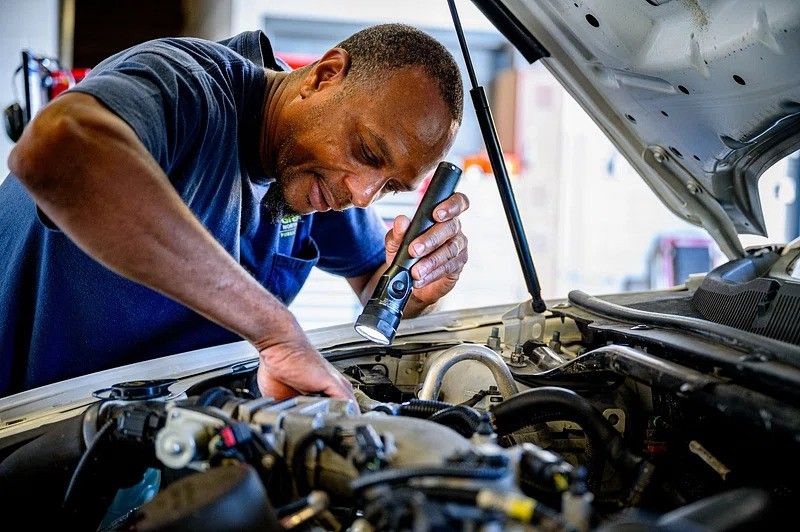
6. **Skipping Scheduled Maintenance**Failure to adhere to manufacturer’s scheduled maintenance is a leading cause for denied warranty claims and can even void your entire warranty. Your new car warranty is conditional: the automaker promises coverage assuming you perform routine services like oil changes and inspections as specified in your owner’s manual. These services are paramount for vehicle health.
Neglecting critical maintenance, such as regular oil changes, risks engine sludge, premature component wear, and diminished performance. Should a major component like the engine fail due to lack of lubrication or overdue service, the warranty provider will almost certainly deny the claim. They can rightfully argue damage resulted from owner neglect.
To safeguard your warranty, prioritize your vehicle’s maintenance schedule. Keep meticulous records and receipts for all services, whether by a dealership, independent shop, or yourself. If an outside shop performs work, ensure they use factory-approved parts and provide detailed work order copies. Saving receipts for parts and fluids is critical proof.
Read more about: The Truth About Your Car’s Transmission Fluid: Why ‘Lifetime’ Doesn’t Mean Forever

7. **Aftermarket Parts or Modifications**Personalizing your vehicle with aftermarket parts is popular, but it’s a significant area of warranty misunderstanding. A common misconception is that installing components like cold air intakes or custom wheels automatically voids your entire warranty. Fortunately, this is untrue; consumer protection laws prevent such blanket denials.
The Magnuson-Moss Warranty Act of 1975 is crucial here. Federal legislation states a manufacturer or dealer cannot void your entire warranty solely due to an aftermarket part. Instead, they must *prove* the aftermarket equipment *caused* the need for specific repairs claimed under warranty. If an aftermarket exhaust had no bearing on a faulty engine sensor, its warranty repair cannot be denied based just on that modification.
However, the Act doesn’t grant unlimited modification freedom. If an aftermarket part is improperly installed or directly causes a component failure, the dealer can deny warranty coverage for that specific part or resulting damage, leaving you to pay. This highlights choosing reputable installers and understanding modification impacts. Some performance modifications can also raise “red flags,” increasing scrutiny, as advised by Loren Wong.
Navigating the complexities of your car’s warranty doesn’t stop at understanding major voidance triggers. Many specific modifications and repair choices can lead to denied claims for particular components, even if your entire warranty remains intact. These situations often arise from alterations that deviate from manufacturer specifications or from maintenance practices that, while seemingly minor, can have profound effects on component integrity.
Here, we delve into additional scenarios where your vigilance is key, exploring how certain modifications and repair decisions can affect your coverage on specific parts, and finally, offering actionable advice to keep your automotive investment protected.
Read more about: 13 Critical Engine Tuning Mistakes You Must Avoid in 2025 for Peak Performance and Longevity
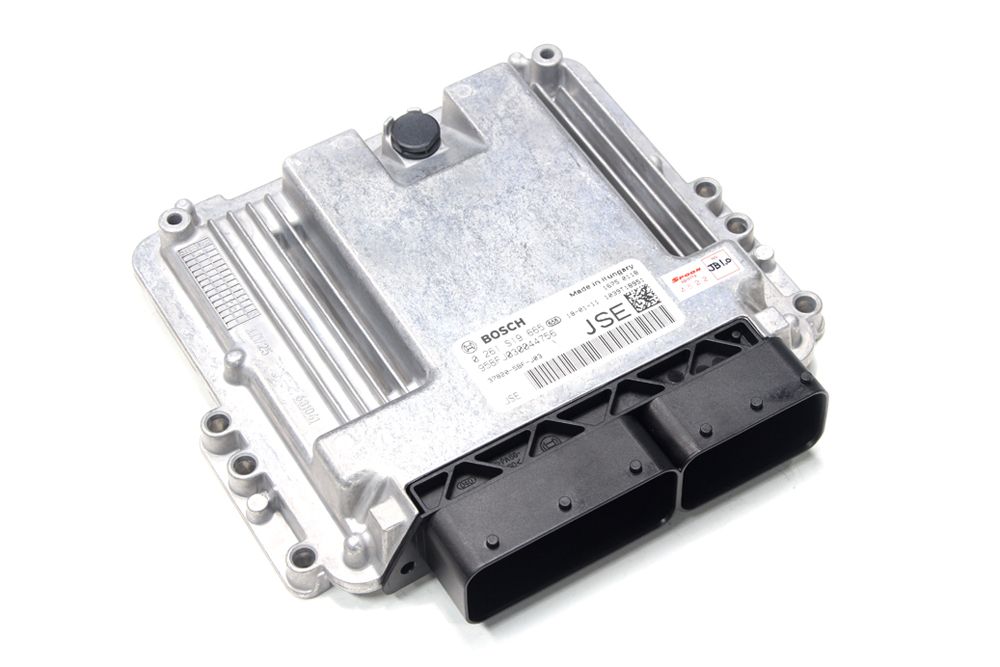
8. **Engine Tuning or ECU Remapping**Altering your vehicle’s engine performance through what’s known as “chipping” or remapping the Engine Control Unit (ECU) is a popular way to boost horsepower or optimize fuel efficiency. However, these modifications can significantly stress engine components beyond their factory design limits. Such increased strain can accelerate wear and tear, potentially leading to premature failures that the manufacturer did not account for.
When a component fails after an engine tune or ECU remap, the manufacturer can rightfully argue that the modification, not a defect in materials or workmanship, was the direct cause. Consequently, any repairs related to the engine or its associated systems that have been subjected to such tuning are highly likely to be denied under warranty. This leaves the vehicle owner responsible for potentially costly engine rebuilds or replacements.
It’s important to recognize that sophisticated data recorders in modern vehicles can often log changes to the ECU’s programming. This makes it challenging to conceal performance modifications from dealership technicians during diagnostic procedures. While an entire warranty might not be voided, the specific powertrain coverage relevant to the tuned components will almost certainly be compromised, requiring careful consideration before undertaking such changes.
Read more about: 13 Critical Engine Tuning Mistakes You Must Avoid in 2025 for Peak Performance and Longevity
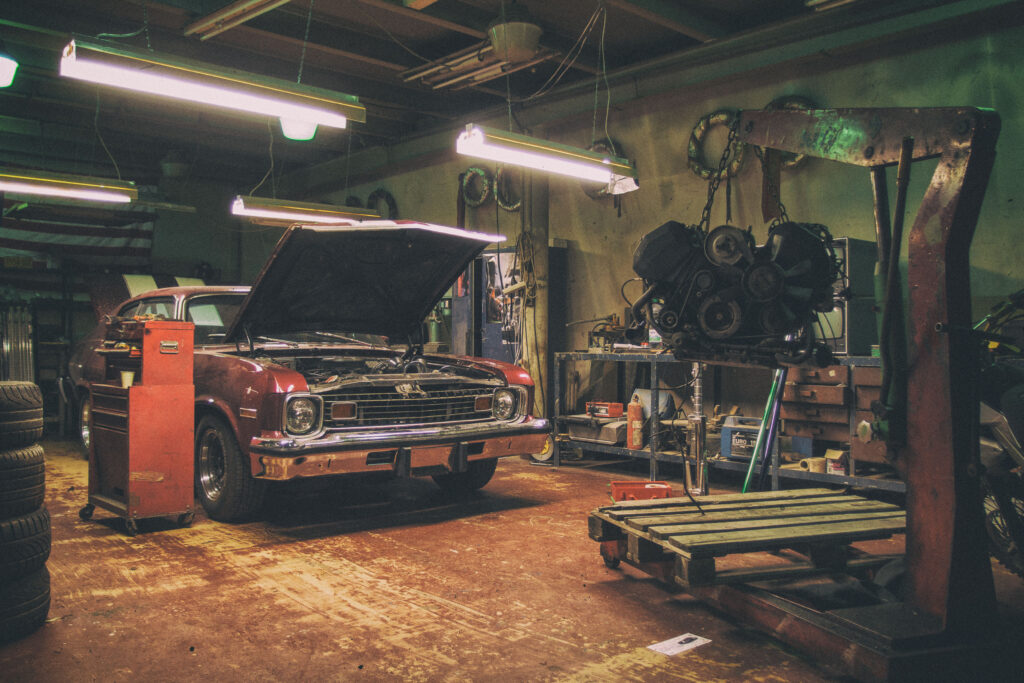
9. **Unapproved Third-Party Repairs**While federal law allows you to have your car serviced at any qualified repair shop, not just the dealership, the nature of those repairs matters immensely for warranty purposes. If an independent shop performs work using non-factory-approved parts or executes a repair improperly, and that work subsequently causes damage to a component still under warranty, the manufacturer is unlikely to cover the resulting issues.
The logic here is straightforward: the manufacturer’s warranty covers defects in their original parts and workmanship. They cannot be held accountable for failures caused by external factors such as incorrectly installed parts, substandard aftermarket components, or errors made during non-authorized repairs. This distinction can lead to frustrating situations where you believe a problem should be covered, only to find the claim denied.
To protect your warranty, always ensure that any independent repair shop you use is reputable and employs qualified technicians. Crucially, verify that they utilize factory-approved or OEM-equivalent parts for all services. Furthermore, meticulously keep detailed copies of all work orders and receipts, providing proof of professional service and the quality of parts used should a warranty issue arise later.
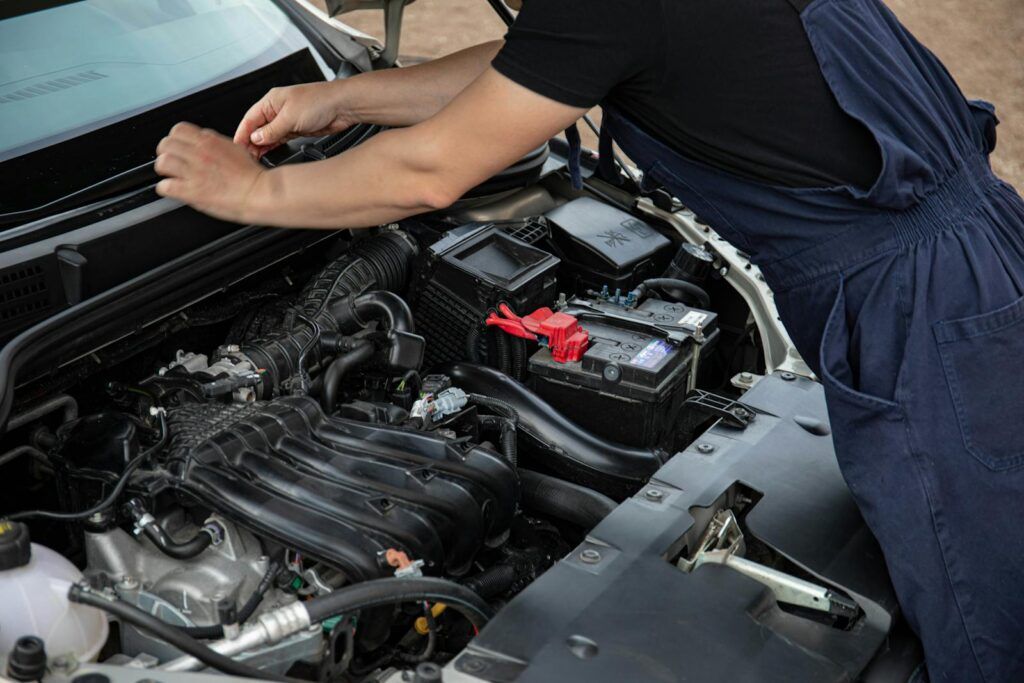
10. **Severe Damage from Poor Maintenance**We’ve touched upon how skipping scheduled maintenance can jeopardize your warranty, but it’s vital to highlight the severe damage that can accumulate from consistently poor maintenance practices. For instance, repeatedly delaying oil changes doesn’t just put your engine at risk; it practically guarantees serious internal damage, such as engine sludge, which is a thick, gooey residue that starves vital engine parts of lubrication.
When engine components fail due to this kind of neglect – a consequence directly attributable to the owner’s failure to perform critical routine services – warranty providers will almost certainly deny any claims. They have a strong case that the damage resulted from owner neglect, not a manufacturing defect. The cost of repairing an engine compromised by severe sludge or other maintenance-related issues can be astronomical.
To avoid such catastrophic scenarios and protect your warranty, prioritize your vehicle’s maintenance schedule. Meticulously adhering to recommended service intervals for oil changes, fluid flushes, and filter replacements is non-negotiable. These preventative measures are far more cost-effective than facing major repairs for issues that a warranty will not cover due to clear evidence of neglect.
Read more about: 13 Critical Engine Tuning Mistakes You Must Avoid in 2025 for Peak Performance and Longevity
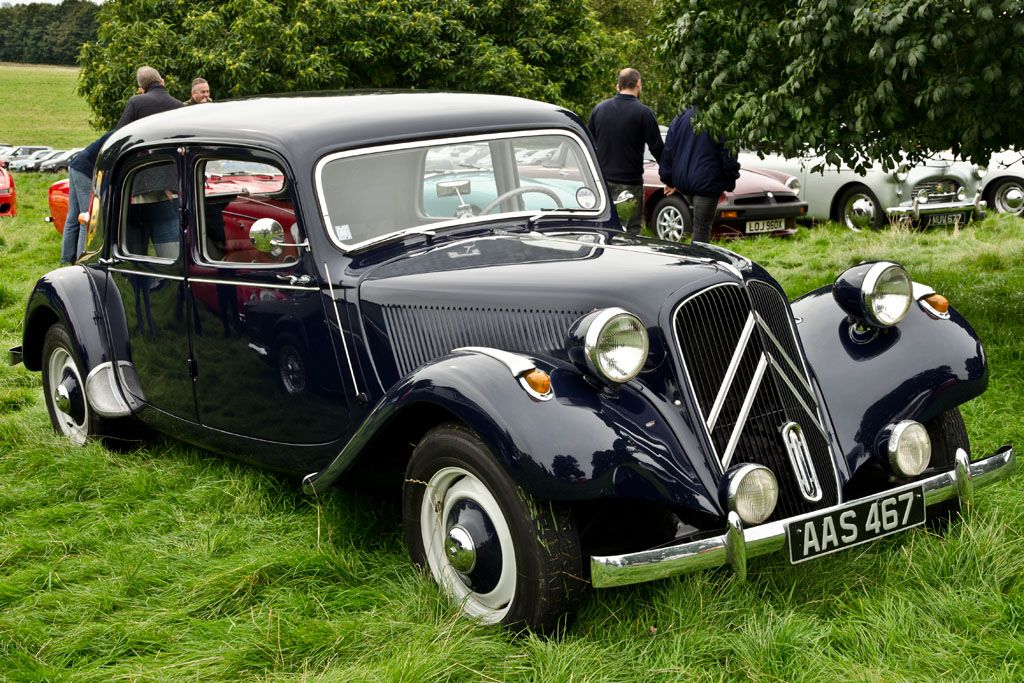
11. **Exceeding Towing Limits**Every vehicle is engineered with a specific maximum towing capacity, clearly outlined in the owner’s manual. This limit is determined by various factors, including the strength of the chassis, braking system, engine power, and drivetrain components. Exceeding this rated capacity places undue and immense stress on the vehicle’s vital systems, particularly the transmission, suspension, and brakes.
When a vehicle is consistently or severely overloaded while towing, the strain can lead to premature wear and tear or even catastrophic failure of these drivetrain and structural components. Should such a failure occur, the manufacturer’s warranty will almost certainly be voided for the affected parts. The automaker can demonstrate that the damage resulted from operating the vehicle outside its designed parameters, which constitutes misuse.
Always consult your owner’s manual to understand your vehicle’s exact towing limits and never exceed them. If you frequently tow, consider a vehicle specifically designed for heavier loads and ensure your trailer is properly balanced and loaded. Staying within these guidelines is essential for the longevity of your vehicle and the preservation of your warranty coverage for key components.
Read more about: The Definitive Consumer Report: Unmasking the Vehicles and Manufacturers Plagued by the Most Recalls in Automotive History
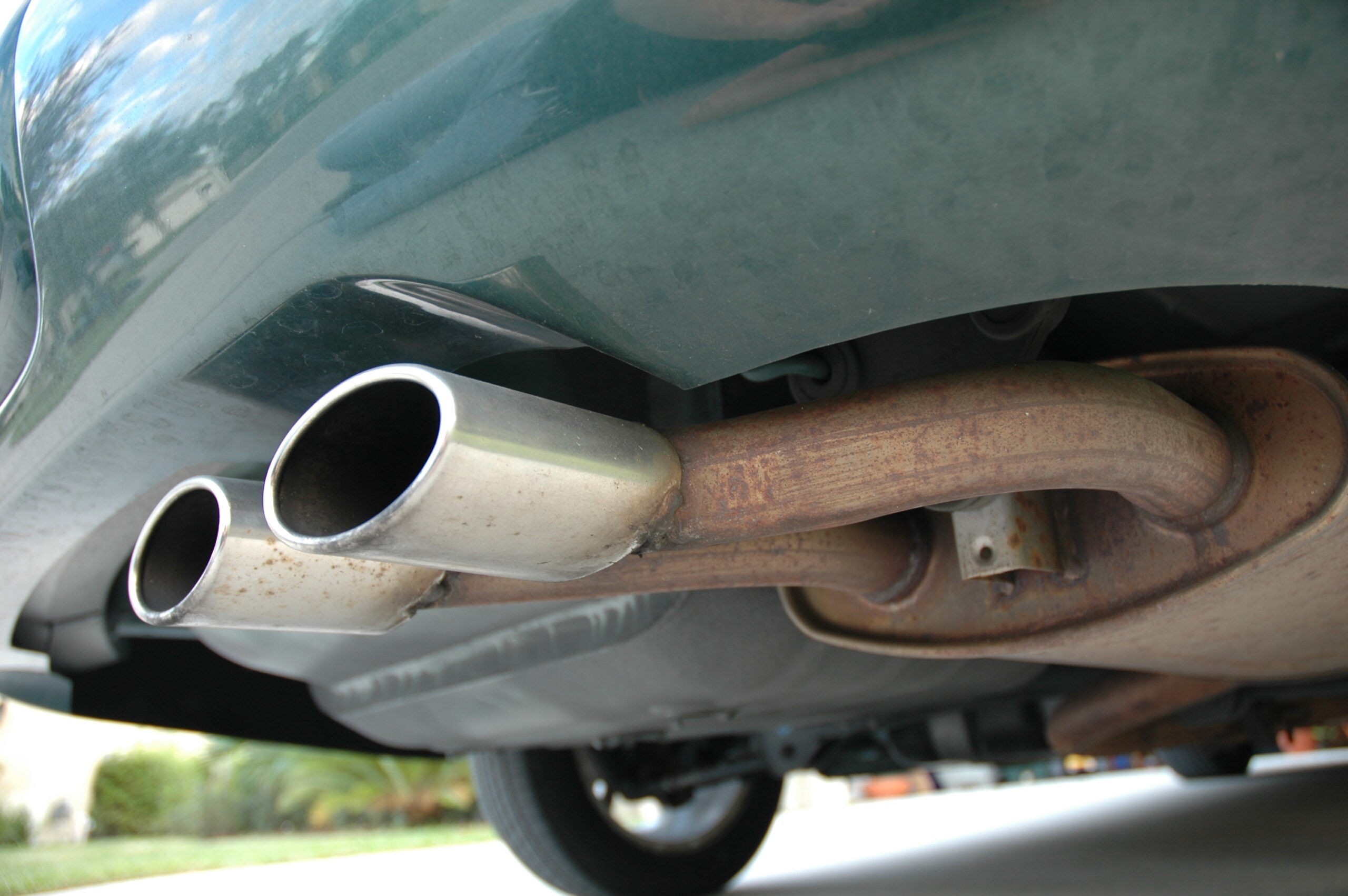
12. **Removing Emissions Equipment**Modern vehicles are equipped with a complex array of emissions control systems, such as catalytic converters, Exhaust Gas Recirculation (EGR) valves, and Oxygen (O2) sensors, designed to reduce harmful pollutants. These components are not only crucial for environmental protection but are also legally mandated in many regions. Tampering with or completely removing any of this equipment is a serious offense.
Beyond the legal ramifications, such modifications directly void the specific emissions warranty provided by the manufacturer. These warranties guarantee the performance of the emissions system for a set period, assuming it remains in its original, operational state. Once altered, the manufacturer loses control over the system’s integrity and performance.
Any related repairs or issues that arise as a consequence of removed or disabled emissions equipment will not be covered under warranty. Furthermore, these modifications can inadvertently affect other engine management systems, potentially causing a cascade of problems that also fall outside warranty coverage. It’s best to leave emissions systems intact and fully functional.
Read more about: Navigating the Complex Landscape: A State-by-State Guide to Exhaust System Laws and Avoiding Penalties

13. **Adding Body Kits**Customizing the exterior of your vehicle with aftermarket body kits, spoilers, or other aerodynamic components is a popular way to personalize its appearance. While these aesthetic modifications generally do not affect the mechanical warranty of the powertrain or other internal systems, they can have implications for specific types of coverage, particularly anti-corrosion and paint warranties.
Improper installation of body kits can create new points where moisture, dirt, and road salt can accumulate, leading to accelerated rust formation on underlying body panels. Additionally, if the modification requires drilling into the vehicle’s body, or if the kit interferes with factory paint protection, it could void the anti-corrosion or paint warranty for the affected areas.
Before installing any exterior modifications, carefully review your warranty documentation concerning anti-corrosion and paint coverage. Consider having professional installers perform the work to minimize risks, ensuring proper fitment and sealing to prevent unforeseen issues that could lead to denied claims for rust or paint defects.
Read more about: Unseen Marvels: 14 Secret Tesla Features and Easter Eggs Beyond the Dashboard

14. **Lowering Vehicle Height**Modifying a vehicle’s suspension to achieve a lowered stance is a common practice among enthusiasts seeking a sportier look or improved handling characteristics. However, altering the factory-designed ride height can significantly impact the performance and longevity of critical suspension components, including shocks, struts, control arms, and bushings.
When a vehicle’s height is lowered, it changes the geometry of the suspension, placing different stresses on components that were engineered for the original ride height. This can lead to premature wear of shocks and struts, damage to ball joints, or increased stress on other suspension parts. If these components fail as a direct result of the lowering modification, the manufacturer will typically deny warranty coverage for those specific parts.
To avoid unexpected repair costs, it’s crucial to understand that modifying your suspension will likely void the warranty on all related components. If a lowered stance is essential to you, be prepared for potential out-of-pocket expenses for suspension-related repairs. Always weigh the aesthetic and performance benefits against the potential loss of warranty protection.
Read more about: Beyond Rush Hour: A Consumer’s Guide to America’s Most Dangerous Driving Times, Days, and Seasons
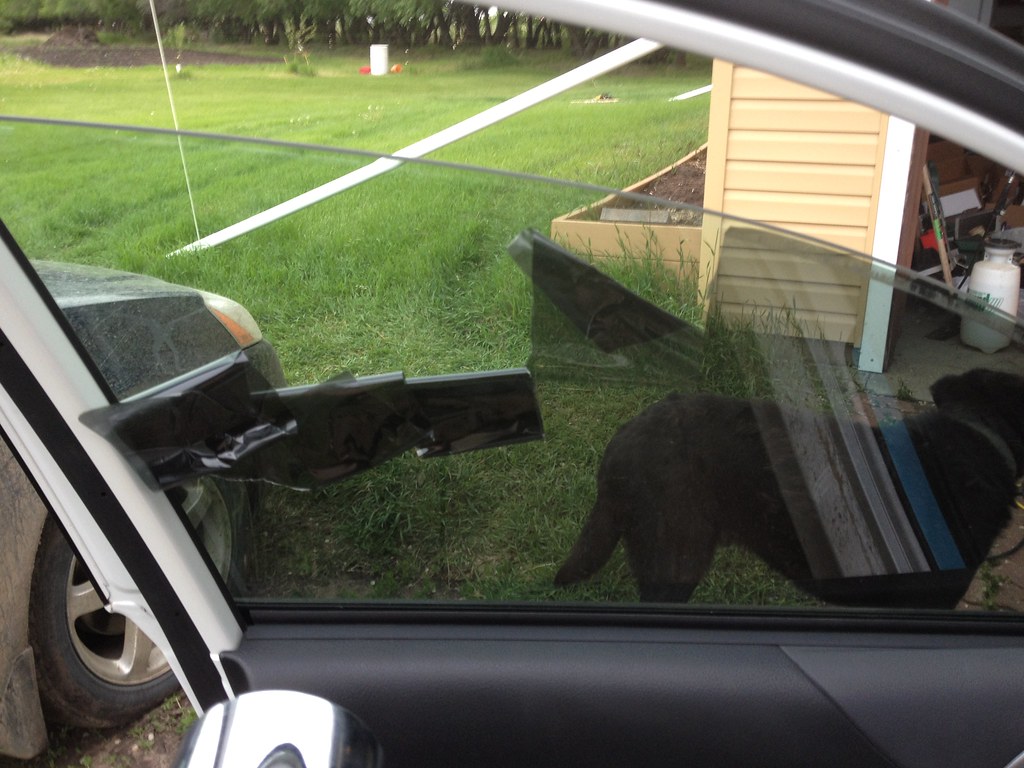
15. **Window Tinting**Adding aftermarket window tinting can enhance privacy, reduce interior heat, and improve your car’s aesthetic appeal. However, this seemingly innocuous modification can sometimes void specific aspects of your vehicle’s warranty, particularly if improper installation or substandard materials lead to damage to the windows themselves or integrated electronic components.
For instance, if the tinting process causes the window glass to crack, chip, or delaminate, or if the film’s adhesive reacts negatively with the window’s defroster lines or embedded antennas, the manufacturer may deny warranty claims for those issues. This is because the damage would be attributed to an aftermarket alteration rather than a factory defect.
To safeguard your warranty, choose a reputable tinting shop that uses high-quality films and employs experienced installers. Inquire about their methods and ensure they understand how to work around any electronic components within the glass. While typically not a full warranty void, specific window-related claims could be denied if the tinting is deemed the causative factor.
Read more about: Consumer’s Essential Guide: 14 Dealer Add-Ons and Fees to Approach with Caution (or Avoid Entirely)
Protecting your car’s warranty is ultimately about informed decision-making and diligent maintenance. To help ensure your coverage remains intact, make it a habit to thoroughly read your warranty coverage booklet, paying close attention to sections detailing exclusions and limitations. Strict adherence to the manufacturer’s recommended service schedule is paramount; neglecting routine maintenance is one of the quickest ways to face denied claims. Always insist on using OEM (Original Equipment Manufacturer) parts for any repairs or replacements, and keep meticulous records and receipts for all services performed, whether by a dealership, an independent shop, or yourself. By adopting these proactive measures, you can significantly reduce the risk of unexpected repair costs and enjoy the peace of mind your new car warranty was designed to provide. Should you ever feel a warranty claim has been unfairly denied, remember you have the right to appeal by escalating your case through the dealership’s management chain and, if necessary, directly to the automaker.